Zygomatic Implants · Hospital-Based Surgery · Picasso Dental Implant Team · Last reviewed May 2026
Severe Bone Loss, No More Grafting.
Nobel Biocare Zygoma and Straumann Zygomatic systems, anchored in the cheekbone rather than the upper jaw, eliminating the need for extensive sinus lifts or block grafts. Performed exclusively at our two hospital-based branches (Vinmec Da Nang and Link General Da Lat) under qualified anaesthesiologists with on-site emergency medical support. Led by Dr. Hung Le Ba Gia (Dr. Evans), our Lead Implant Specialist, with 1,000+ implants placed and 200+ All-on-X full-arch cases completed.
Savings
Same Brand. Same Protocols. Roughly One Third the Price.
Indicative private-practice ranges for a full-arch zygomatic case (2 zygoma + 2 conventional with immediate-load fixed bridge, progressing to a definitive fixed bridge). Sources: ADA, BDA and AusDent published surveys; Picasso quote-per-case after CBCT review. Your case may vary; we send a written, itemised quote within 24 hours of seeing your CBCT.
| Country | Typical Zygomatic Per Arch (USD, all-in) | What You'd Save |
|---|---|---|
| United States | $50,000 – $85,000 | ~65–75% |
| Australia | $55,000 – $90,000 AUD | ~65–75% |
| United Kingdom | £30,000 – £55,000 | ~60–70% |
| Canada | $45,000 – $80,000 CAD | ~60–70% |
| New Zealand | $60,000 – $95,000 NZD | ~65–75% |
| Picasso Dental, Vietnam | Quoted per case after CBCT review | — |
Zygomatic quotes include all fixtures, the immediate-load provisional bridge, the definitive fixed bridge, hospital theatre time and anaesthesiology. Adjunct procedures (any extractions, bone grafting on the opposing arch) are itemised separately.
What It Is
What is a Zygomatic Implant?
A zygomatic implant is a long dental implant, typically 30 to 55 mm, anchored into the zygomatic (cheek) bone instead of the upper jaw. It is reserved for patients with severe upper jaw bone loss who would otherwise need extensive sinus lifts, block grafts, or 12+ months of staged augmentation before conventional implants could be placed. Developed by Professor Per-Ingvar Brånemark in 1998 and continuously refined since, zygomatic implants allow same-day fixed bridges in cases that conventional dentistry cannot solve. Long-term clinical literature reports survival above 95% at 10 years in trained hands.
Why Picasso
Why Picasso for Zygomatic Implants
Three claims that should be true of any clinic offering zygomatic surgery. Here is exactly how we deliver each one.
Hospital-grade surgery, nothing less.
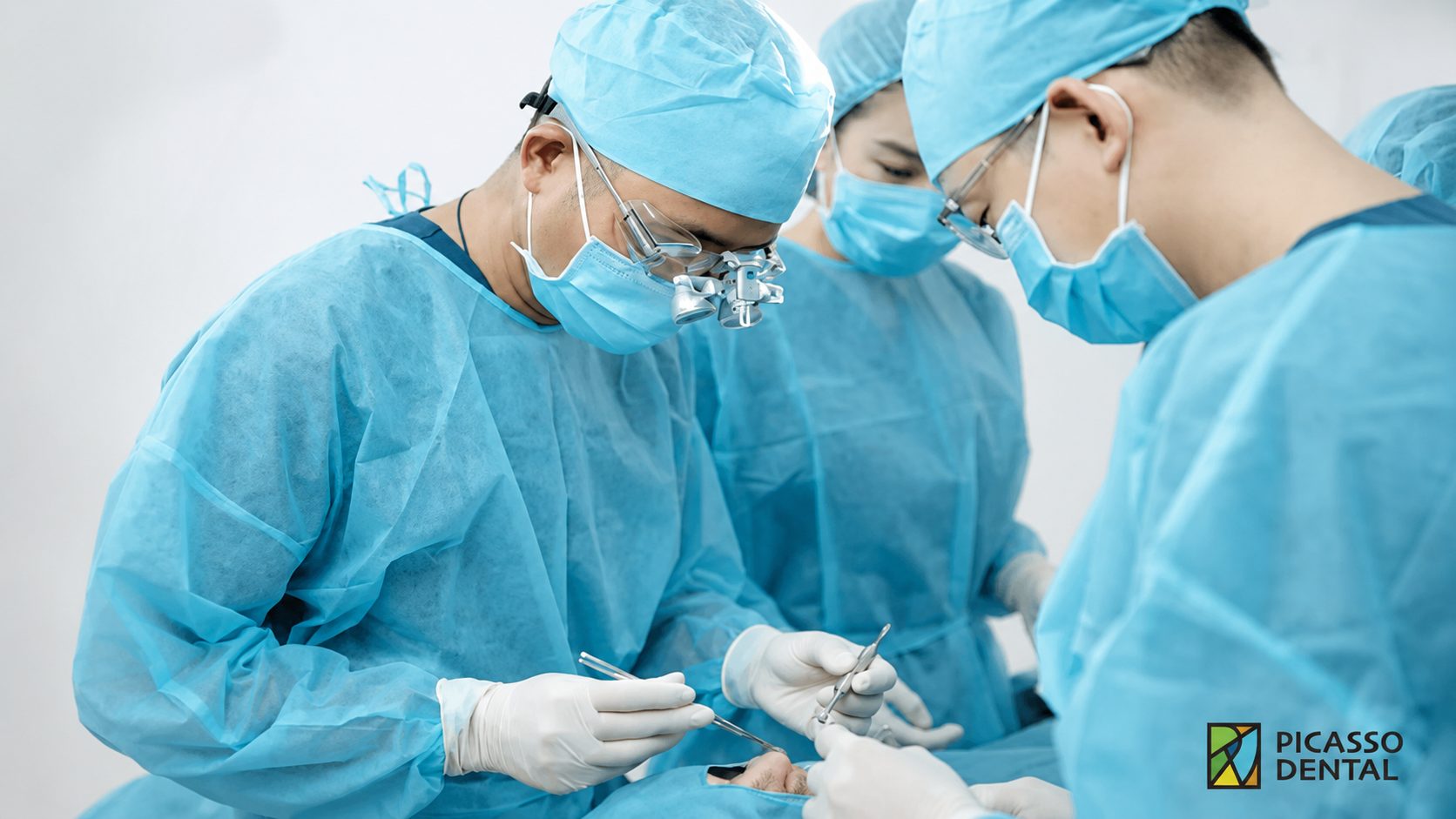
Zygomatic surgery typically takes 3 to 5 hours under general anaesthesia. We perform it only at our two hospital-based branches, where operating theatre standards, qualified anaesthesiologists, and on-site cardiology, ENT and emergency medicine are part of the building. Our four standard clinic branches do not perform zygomatic implants, the surgery is referred to the hospital partners.
Documented brands only, Nobel Zygoma and Straumann Zygomatic.
Both systems are Swiss, with the manufacturer's original warranty and a verifiable serial number on every fixture. Nobel Zygoma has the longest published clinical record (since 1998). Straumann Zygomatic offers the Roxolid titanium-zirconium alloy and SLActive accelerated-integration surface. We do not use generic or unproven zygomatic systems.
CBCT-planned trajectory, before any incision.
Every zygomatic trajectory is mapped in three dimensions before surgery, the path through the maxilla, the angle into the zygomatic bone, the proximity to the sinus and the orbit. This is what makes the procedure safe. Surgery is led by Dr. Hung Le Ba Gia (Dr. Evans), our Lead Implant Specialist, with 1,000+ implants placed and 200+ All-on-X full-arch cases completed, working with our senior implant team.
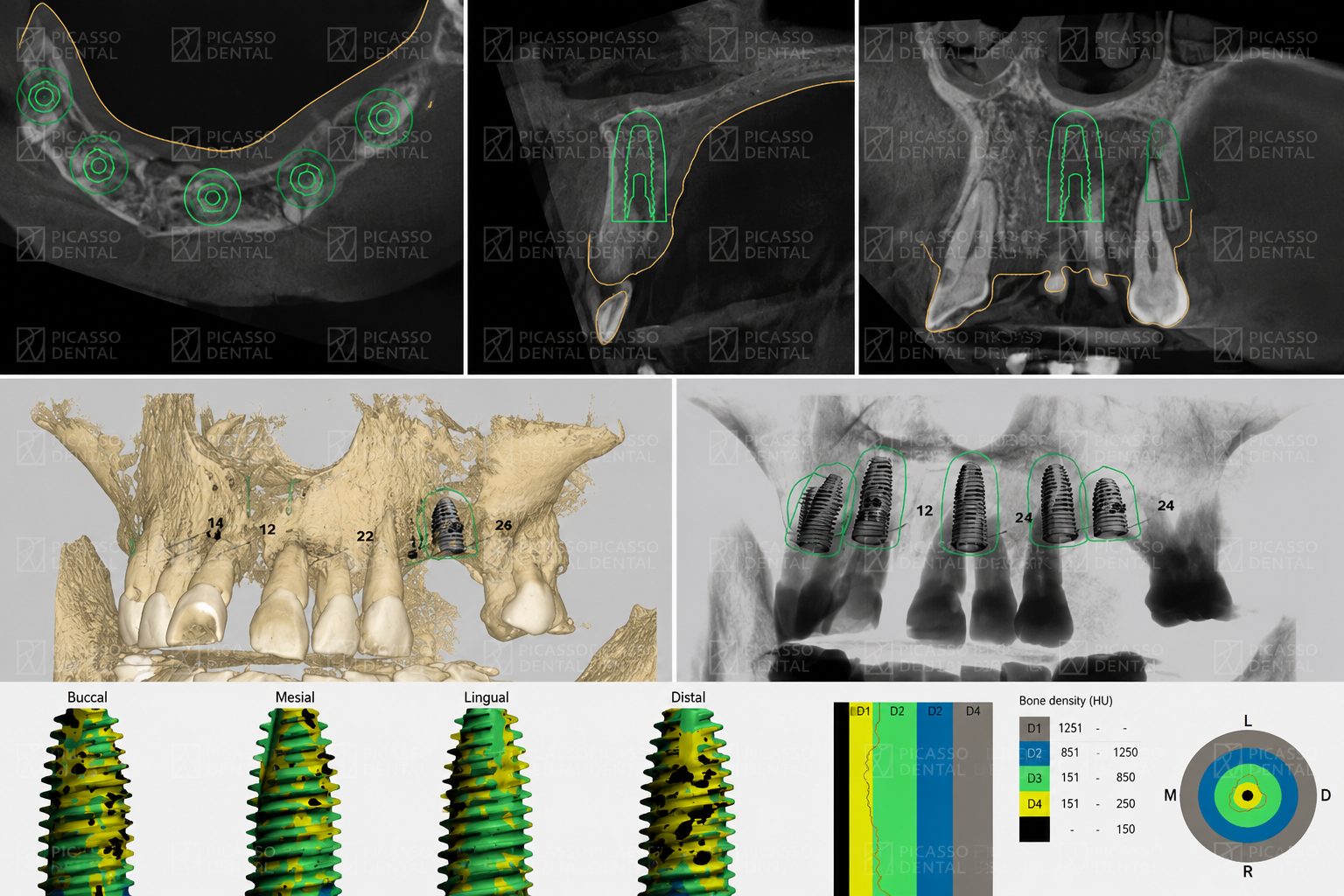
CBCT-guided plan, before the first incision. Maxilla, zygoma and sinus mapped in three dimensions.
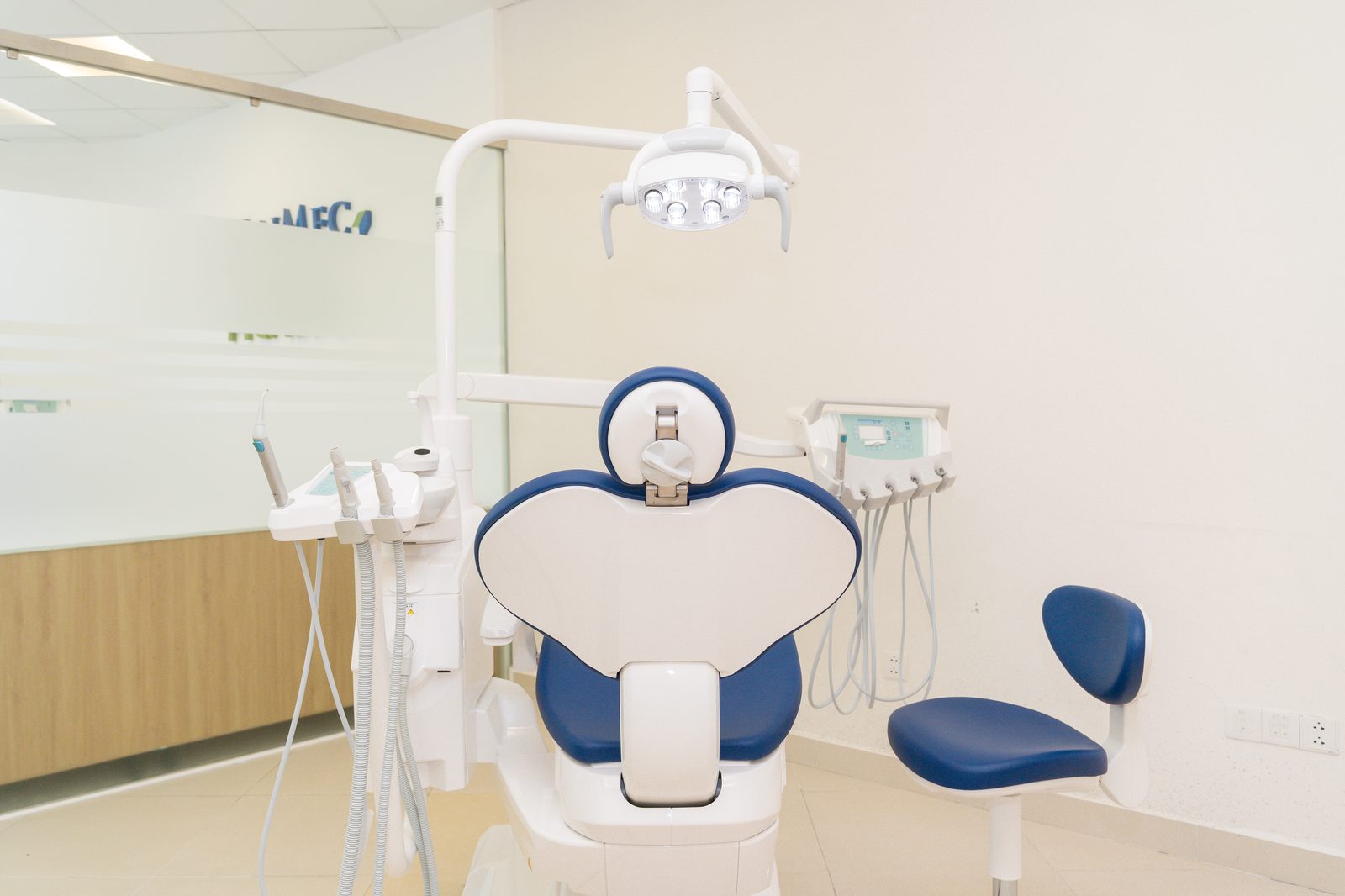
Picasso Dental inside Vinmec Da Nang. Where zygomatic surgery is performed under qualified anaesthesiology.
Who Needs It
Who Needs Zygomatic Implants?
Zygomatic implants are not for general full-arch reconstruction. They exist specifically for patients whose upper jaw cannot reliably hold conventional implants. If a simpler protocol works for your case, we will recommend it.
| Your Situation | Why Zygomatic Helps | Typical Configuration |
|---|---|---|
| Long-term denture wearer with severe upper jaw resorption | The maxilla is too thin to hold conventional implants; the zygoma is still dense and reliable. | 2 zygoma + 2 conventional |
| Failed previous upper-jaw implants | Even less bone available now than at the first attempt. Zygoma bypasses the deficient maxilla. | 2 zygoma + 2 conventional, or quad zygoma |
| Severe sinus pneumatisation | Multiple sinus lifts would be needed for conventional implants. Zygoma passes through or around the sinus instead. | 2 zygoma + 2 conventional |
| Post-trauma or post-tumour maxillary defect | The reconstruction pathway can be compressed into one surgery instead of multiple staged grafts. | Case-specific, often hybrid |
| Severe atrophy with no functional front-jaw bone | Even the anterior maxilla cannot reliably hold a conventional implant. The bridge is fully supported by the cheekbones. | Quad zygoma (4 zygomatic) |
| Adequate maxillary bone | You do not need zygomatic implants. Conventional All-on-4 is the right answer. | Not zygomatic |
Configurations
Zygomatic Configurations
Four standard configurations cover almost every zygomatic case. The right one depends on how much functional bone remains in the upper jaw and the bite forces the bridge needs to handle.
| Configuration | When It Fits | Implants Per Arch | Best For |
|---|---|---|---|
| 2 Zygoma + 2 Conventional | Front of upper jaw still has adequate bone, back does not | 4 | Most zygomatic cases · Standard configuration |
| 2 Zygoma + 4 Conventional (Hybrid) | Front of upper jaw has good bone, back has none, maximum stability desired | 6 | Heavy chewers · Long-term durability |
| Quad Zygoma | Severe maxillary atrophy where even the front cannot reliably hold a conventional implant | 4 (all zygomatic, 2 per side) | The most severe atrophic cases |
| Zygoma + Pterygoid (Advanced) | Selected complex cases where additional posterior anchorage is needed | Case-specific | Specialty cases · Quoted per case |
All configurations support an immediate-load fixed provisional bridge fitted within 24 hours of surgery. The definitive bridge follows 4–6 months later.
Candidacy
Who Is, and Isn't, a Good Candidate?
Zygomatic implants are highly effective in trained hands, but they are major surgery and the right candidate matters. Here's the honest version, decided after your CBCT scan, medical history review and anaesthesiology consultation.
You're a strong candidate if
- You have severe upper jaw bone loss that rules out conventional implants without extensive grafting.
- You are medically fit for 3–5 hours of surgery under general anaesthesia or deep IV sedation.
- If diabetic, your HbA1c is well-controlled (ideally below 7%).
- You don't smoke, or are willing to stop at least 2 weeks before surgery and 8 weeks afterward.
- You can attend hospital-based pre-op work-up, surgery and follow-up.
- You want immediate-load full-arch reconstruction without 12+ months of staged grafting.
Zygomatic may not be right if
- Your maxillary bone is adequate for conventional All-on-4, you don't need zygomatic.
- You have active sinus disease, must be resolved first.
- You have active, untreated periodontal disease, must be resolved first.
- You've recently received IV bisphosphonate therapy or radiation to the maxilla.
- You're a heavy smoker unwilling to stop, sinusitis and failure risk are significantly increased.
- You're medically unfit for the required anaesthesia, cardiology clearance is standard for patients over 65.
If zygomatic isn't right for you, we'll tell you, and recommend All-on-4, bone grafting plus delayed implants, or staying in a well-made denture if that's the best answer.
Procedure
The Procedure, Step by Step
Total treatment time from first consultation to definitive bridge: roughly 5–7 months. The same-day surgical component takes one operating-theatre session of 3–5 hours.
Day 1 · 90 min
Consultation & Work-Up
Hospital-based consultation, CBCT 3D scan of the maxilla and zygomatic complex, anaesthesiology review, blood tests. Digital surgical plan prepared and reviewed with you.
Surgery day · 3–5 hr
Surgery & Provisional Bridge
Performed in the hospital operating theatre under general anaesthesia or deep IV sedation. Zygomatic and any conventional implants placed. Provisional fixed bridge fitted same day or the following day.
4–6 months
Osseointegration
Healing period during which the zygomatic and conventional implants integrate. Provisional fixed bridge worn throughout, you do not return to a denture. WhatsApp check-ins between visits.
2–3 visits · 7–10 days
Definitive Bridge
Digital impression, final fixed bridge of 12 to 14 teeth fabricated and fitted. Case file delivered: implant serial numbers, surgical notes, post-op CBCT, recall schedule.
Hospital Setting
Why Hospital-Based Surgery, Specifically
Zygomatic implants are performed only at our two hospital-based branches. Here is why that matters, and how it differs from a standard dental office.
| Requirement | Standard Dental Office | Picasso Hospital Branches (Vinmec / Link General) |
|---|---|---|
| Operating theatre standard | Treatment room | Positive-pressure operating theatre, scrub teams, full sterilisation chain |
| Anaesthesia | Local, or oral sedation | General anaesthesia or deep IV sedation administered by qualified anaesthesiologists |
| Emergency medical support | Off-site | Cardiology, internal medicine, ENT and emergency teams on-site |
| Post-operative recovery | Chair-side | Hospital recovery unit, overnight observation available |
| Pre-op medical clearance | Not routinely | Standard, especially for patients over 65 or with cardiac history |
Branches that do not perform zygoma
Our four standard clinic branches (Hanoi Old Quarter, Hanoi Westlake, HCMC Thao Dien, Da Nang Flagship) do not perform zygomatic implants. Initial consultations and follow-up can occur there; the surgery itself is performed at Vinmec Da Nang or Link General Da Lat.
Coordinating with your home doctor
For medically complex patients, we coordinate clearance with your treating physicians at home before scheduling surgery. Cardiology clearance is standard for patients over 65 or with cardiac history.
Brand Choices
Brand Choices: Nobel Zygoma vs Straumann Zygomatic
Two Swiss systems with decades of clinical use. Both are used at Picasso Dental. We recommend after CBCT review of your specific anatomy.
| System | Origin | Documented Use | Lengths Available | Notable Feature |
|---|---|---|---|---|
| Nobel Biocare Zygoma | Switzerland (originated by Brånemark) | Since 1998 | 30 – 52.5 mm | The original zygoma protocol · Most extensive long-term data |
| Straumann Zygomatic | Switzerland | Modern Roxolid alloy | Up to 55 mm | Roxolid titanium-zirconium alloy · SLActive surface for accelerated integration |
Both carry the full international manufacturer warranty and a verifiable serial number. We do not use generic or unproven zygomatic systems.
Team
Who Will Place Your Zygomatic Implants
Zygomatic placement at Picasso Dental is led by Dr. Hung Le Ba Gia (Dr. Evans), our Lead Implant Specialist, with 1,000+ implants placed and 200+ All-on-X full-arch cases completed, working with our senior implant team. All zygomatic surgery is performed at our hospital-based branches with on-site anaesthesiology and emergency medical support. Clinical standards group-wide are set by founding director Dr. Emily Nguyen.
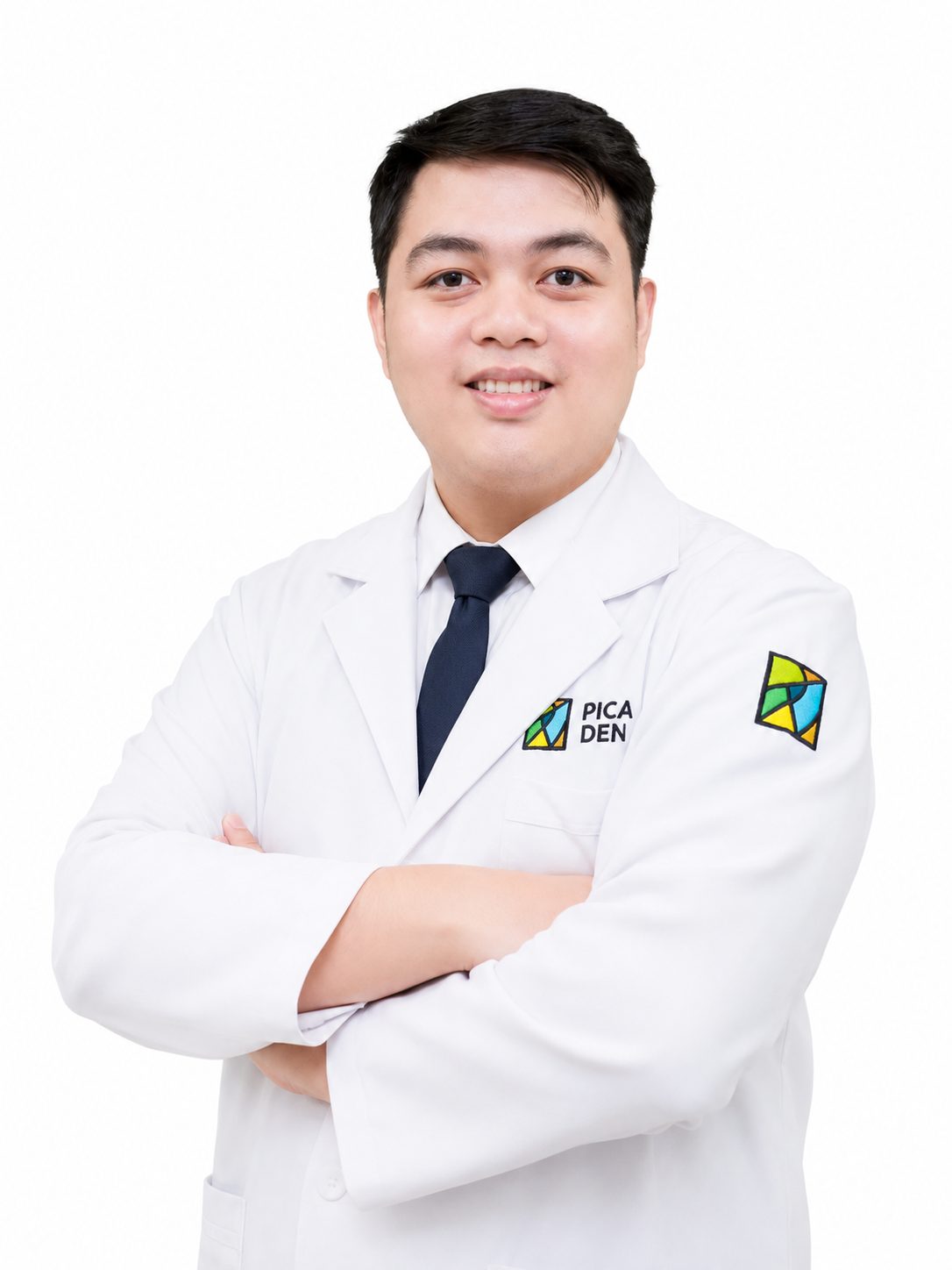
Lead Implant Specialist
Dr. Hung Le Ba Gia (Dr. Evans)
Picasso's lead implant specialist, with 1,000+ implants placed and 200+ All-on-4 full-arch cases completed. Leads zygomatic and hybrid configurations at Vinmec Da Nang and Link General Da Lat.
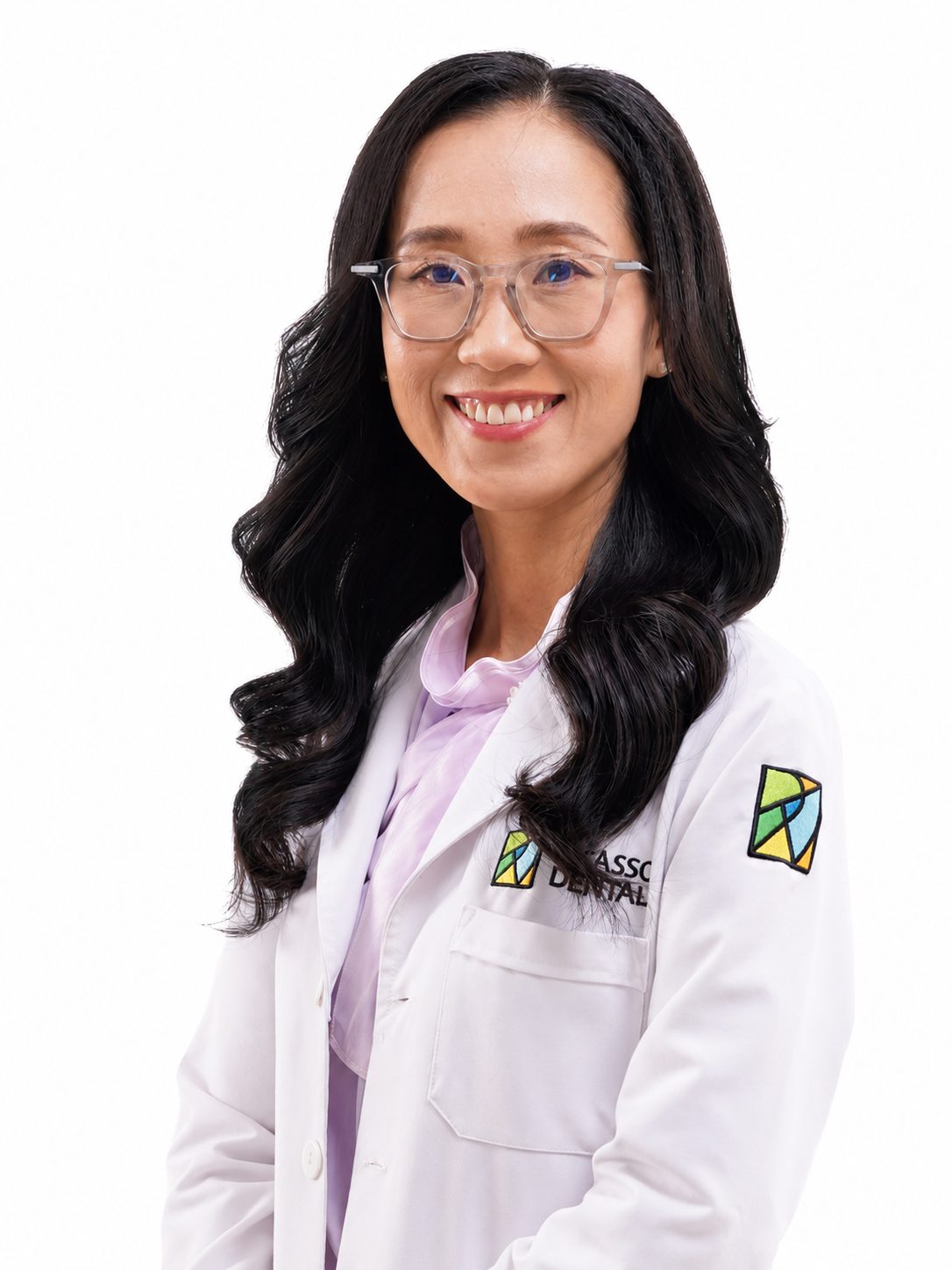
Founding Clinical Director
Dr. Emily Nguyen
Founder of the original clinic in 2013. Sets clinical standards for advanced implant case selection, surgical protocols and prosthetic delivery group-wide.
Aftercare
Caring for Your Zygomatic Reconstruction
Maintenance is the same as any full-arch fixed bridge, with one additional consideration around the sinuses. With basic care, modern zygomatic reconstructions routinely last 15+ years.
First 2 Weeks
Soft Food & Saline
Soft food only. No smoking. No straws or vigorous nose blowing for 4 weeks. Antibiotics, pain relief and a saline nasal spray as prescribed. Provisional fixed bridge in place throughout.
Integration
Provisional Worn
Soft-to-normal diet progression as healing allows. WhatsApp check-ins with our team if you have travelled home. Local dentist (any country) can perform recall cleanings.
Every Day · For Life
Brush, Floss, Water Flosser
Brush twice daily with a soft brush. A water flosser is essential, full-arch bridges have hard-to-reach undersides. Interdental brushes around each implant head.
Every 6 Months
Recall Visit
Professional cleaning, soft-tissue check around each implant, visual bridge inspection. Annual CBCT at year 1, then every 5 years for long-term monitoring.
Sinus awareness
Zygomatic implants pass through or near the maxillary sinus. Be alert to persistent sinus symptoms (chronic nasal congestion, recurrent sinus infections) and report them, uncommon but important to address early if it occurs.
If you travel home mid-treatment
You leave with complete clinical records, post-op CBCT, implant serial numbers and surgical notes. Your home dentist can perform recalls or address concerns, and we respond to questions over WhatsApp at any time.
Reviews
Full-Arch Patients in Their Own Words
Zygomatic patients almost always travel for treatment. Here is what some of our full-arch implant patients say after the journey, in their own words from Google reviews.
"
The dental surgery I had, in relation to a severe bone infection (14 years in the making), bone grafts, removal and replacement of implants, was done by the very skilled and highly educated team and his technicians to the highest standards. I am delighted with the end result, my new teeth look very natural. I feel a million dollars with them.
Susie Miller
"
My journey started 3 years ago but was interrupted by covid. I had all upper jaw implants and 2 bottom jaw implants. The practice has been great in keeping in contact with me in Australia. The sense of pride and excellence starts with the implant dentist, the general dentist, hygienist, dental assistants and the lovely girls on the front desk. The costs are upfront and more than satisfactory compared to Australia. I would not hesitate in recommending their services.
Australia patient
"
From the day I started texting them on WhatsApp from Australia, I knew I had made the right choice getting dental implants. As soon as I arrived Vietnam I was greeted with a warm text. I can't give enough praise for Dr Evan and his wonderful nurses. Coming back in 6 months to get the Swiss Neodent Zirconium implants.
Bowie Bow
International Journey
The International Zygomatic Journey
Zygomatic patients almost always travel for treatment, the procedure is performed in relatively few centres worldwide. Picasso operates a structured pathway designed for international cases, with most patients completing treatment in two trips.
Two Trips, One Healing Break.
Hospital surgery and provisional bridge on Trip 1, osseointegration at home, definitive bridge on Trip 2. The standard international path.
Remote Pre-Trip Planning
Video consultation. CBCT scan provided from your local clinic in advance, or scheduled for day 1 in Vietnam. Medical history and cardiology clearance reviewed before you fly.
10–14 days
Surgery & Provisional Bridge
Hospital consultation, blood work, anaesthesiology review, CBCT if not already done, surgery in the hospital theatre, recovery, provisional bridge fitted, follow-up review before flying home.
4–6 months
Healing & Osseointegration
Provisional fixed bridge in place. WhatsApp check-ins. Any concerns triaged remotely. Local dentist (any country) can perform recall cleanings.
5–7 days
Definitive Bridge
Digital impression, definitive fixed bridge fabricated and fitted, full case file handover with implant serial numbers, final radiographs and recall schedule.
One Extended Stay, Start to Finish.
Everything from consultation to definitive bridge in a single trip. Healing happens in Vietnam under continuous care.
Surgery & Provisional
Hospital consultation, work-up, surgery, provisional fixed bridge fitted, post-op review.
Recover & Explore
Beach recovery in Da Nang or mountain recovery in Da Lat. Low cost of living, monthly check-ins at any branch.
Definitive Bridge
Digital impression, final fixed bridge delivered before you fly home, complete case file in hand.
Risks
Risks & Success Rates: Honestly
Zygomatic surgery has a different risk profile to conventional implants. Here's what the literature reports, what can go wrong, and how Picasso minimises every avoidable risk.
Documented Success Rate
Long-term clinical literature reports zygomatic implant survival above 95% at 10 years in trained hands, comparable to conventional implant survival. The technique has been documented since 1998 with extensive published outcomes data, including the Brånemark Novum protocol and modern variations.
Specific Risks of Zygoma
Sinusitis (the most common, typically managed with antibiotics or rare surgical revision). Nerve injury (rare with CBCT planning). Orbit involvement (extremely rare with experienced surgeons). Implant failure (rare, comparable to conventional implants).
How We Minimise Risk
CBCT 3D planning of every zygomatic trajectory before surgery. Hospital-based operating theatre. Qualified anaesthesiologist on-site from induction to recovery. Surgery led by Dr. Hung Le Ba Gia (Dr. Evans) and our senior implant team. Genuine Nobel Biocare or Straumann fixtures only.
If Something Goes Wrong
If a zygomatic implant fails to integrate within 6 months, we re-place it at no additional cost. Sinus complications are addressed with appropriate medical and ENT support, including referral to ENT specialists at our hospital-partner branches.
Smoking & Zygomatic Implants
Smoking significantly increases both sinusitis risk and implant failure risk. We require honest disclosure during consultation, and strongly recommend stopping at least 2 weeks before surgery and 8 weeks after, ideally permanently.
When We Decline Surgery
Active sinus disease, untreated periodontal disease, IV bisphosphonate therapy, recent radiation to the maxilla, severely uncontrolled diabetes, or medical unfitness for general anaesthesia. We tell you honestly when zygomatic surgery is not the right choice.
FAQ
Frequently Asked Questions
What are zygomatic implants?
Zygomatic implants are long dental implants (typically 30 to 55 mm) anchored into the zygomatic (cheek) bone rather than the maxilla (upper jaw). They provide stable support for a full-arch fixed bridge in patients whose upper jaw bone is too thin or shrunken to support conventional implants, eliminating the need for extensive bone grafting or sinus lifts.
Who needs zygomatic implants?
Patients with severe upper jaw bone loss who would otherwise need extensive sinus lifts, block grafts or staged augmentation procedures. Common scenarios: long-term denture wearers with substantial bone resorption, post-trauma cases, post-tumour resection cases, and patients who have had previous failed implants in the upper jaw.
How much do zygomatic implants cost in Vietnam?
Zygomatic implant pricing is quoted per case after CBCT review and depends on the configuration (2 zygoma + 2 conventional, 2 zygoma + 4 conventional hybrid, or quad zygoma), the brand chosen (Nobel Biocare Zygoma or Straumann Zygomatic), and any adjunct procedures. Quotes include all implants, the immediate-load provisional bridge, and the definitive fixed bridge. International patients typically save 60 to 75 percent versus equivalent treatment in the US, UK, Australia or New Zealand. See the implant cost guide for context.
Are zygomatic implants safe?
Yes, when performed by trained surgeons in appropriate facilities. Zygomatic implants have been used since 1998 with documented long-term success rates above 95%. Picasso performs all zygomatic surgery at our two hospital-based branches under qualified anaesthesiologists with full medical support on-site.
How long does zygomatic implant treatment take?
In most cases, immediate loading: surgery on day one, provisional fixed bridge fitted same or next day, then 4–6 months osseointegration before the definitive bridge. Total treatment time from first consultation to final bridge: 5–7 months.
Where is zygomatic implant surgery performed?
Only at our two hospital-based branches: Vinmec International Hospital Da Nang and Link General Hospital Da Lat. These branches have on-site anaesthesiology, emergency medicine, and the operating theatre standards required for zygomatic surgery. We do not perform zygomatic implants at our standard clinic branches.
Is zygomatic surgery done under general anaesthesia?
Most cases yes. The procedure typically takes 3–5 hours, involves substantial soft tissue retraction, and patients are most comfortable fully asleep. IV sedation is an alternative for some patients. Both are administered by qualified anaesthesiologists in our hospital-based theatres.
What is the alternative to zygomatic implants?
For severe maxillary bone loss, alternatives include extensive sinus lift augmentation with delayed implant placement (typically 9–12 months total treatment), block grafting from the hip or jaw (more invasive harvest, longer recovery), or staying in dentures. Zygomatic implants offer immediate-load full-arch reconstruction in patients who would otherwise face years of staged grafting.
Will I leave the clinic with teeth on the day of surgery?
Yes, in most cases. Zygomatic implants typically achieve high primary stability at placement, allowing immediate loading. A provisional fixed bridge is fitted on the same day or the following day, you do not leave with a removable denture or visible gap.
Which brands do you use for zygomatic implants?
Nobel Biocare Zygoma and Straumann Zygomatic are the two systems we use. Both have decades of documented use, manufacturer warranty, and surgical instrumentation specifically designed for zygoma placement. We do not use generic or unproven zygomatic systems.
What is quad zygoma?
Quad zygoma uses 4 zygomatic implants (2 per side) instead of the more common 2-zygoma + 2-conventional configuration. It is reserved for the most severe maxillary atrophy where even the front of the upper jaw cannot reliably hold a conventional implant. The bridge is fully supported by the cheekbones.
What are the risks of zygomatic implants?
Specific risks include sinusitis (the implants pass through or near the sinus), nerve injury (rare with proper planning), and the small risk of orbit involvement (extremely rare with experienced surgeons using CBCT planning). Documented success rates exceed 95%. Picasso performs only with hospital-grade facilities and CBCT-guided planning to minimise these risks.
Pricing
Itemised Pricing
Zygomatic implant cases are quoted per case after CBCT review. The implant cost guide shows context for conventional implants, All-on-4 and All-on-6 protocols. International patients typically save 60–75% versus equivalent treatment in the US, UK, Australia or New Zealand.
Have adequate maxillary bone? See All-on-4 implants. Considering grafting instead? See bone grafting.
Start Here
Severe Bone Loss Is Not the End of Your Options.
Tell us your history, prior denture or implant attempts, recent CBCT if you have one, medical considerations. Our implant team reviews every request personally and replies with an honest assessment of whether zygomatic surgery is appropriate, with brand recommendation, treatment plan and price estimate, at no cost and no obligation. If a simpler protocol fits your case, we will say so.
No obligation · Replies from a licensed dentist, not a bot · Since 2013