
General Dentistry · Gum Disease
What Is Periodontal Disease and How Do You Treat It?
Periodontal disease is a bacterial infection of the bone and tissue that holds your teeth in place. It starts silently, progresses to irreversible bone loss if left untreated, and affects far more than your mouth. Here is what it is, how it develops, and what treatment involves at every stage.

Key takeaways
- Periodontal disease begins as reversible gingivitis and progresses to periodontitis, which causes irreversible bone loss if untreated.
- The main driver is calculus below the gum line, which no brushing or flossing can remove.
- Gum disease is linked to heart disease, diabetes, and premature birth through systemic inflammation.
- Treatment ranges from a standard cleaning for gingivitis to scaling and root planing under local anaesthesia for periodontitis.
- After active treatment, 3-month maintenance appointments are the evidence-based standard for preventing recurrence.
- Full-mouth scaling and root planing at Picasso Dental costs approximately 6,000,000 VND (USD 235) versus AUD 1,000–2,000 in Australia.
How Gum Disease Starts and Progresses.
Gum disease begins with plaque, the soft bacterial film that forms on teeth throughout the day. When plaque is not removed by brushing and flossing within 24 hours, it hardens into calculus (tartar). Calculus cannot be removed by any home tool; only professional scaling instruments remove it.
At the gum line, calculus releases bacterial toxins continuously. The body's immune system responds by sending inflammatory signals to the area. That inflammation is what causes the first visible sign of gum disease: gingivitis, where gums become red, swollen, and bleed easily. At this stage, no bone has been lost. Gingivitis is fully reversible with a professional cleaning followed by consistent home care. See our gum treatment page for how each stage is treated.
If gingivitis goes untreated, the infection spreads below the gum line. The gum tissue begins to detach from the tooth, forming a pocket where bacteria accumulate out of reach of any brush or floss. This is periodontitis. The same immune response that was trying to fight the infection begins destroying the supporting bone around the tooth root. Pockets deepen, bone recedes, and teeth begin to loosen. By the time teeth are visibly shifting, significant bone has already been lost permanently.
Warning Signs Most People Miss.
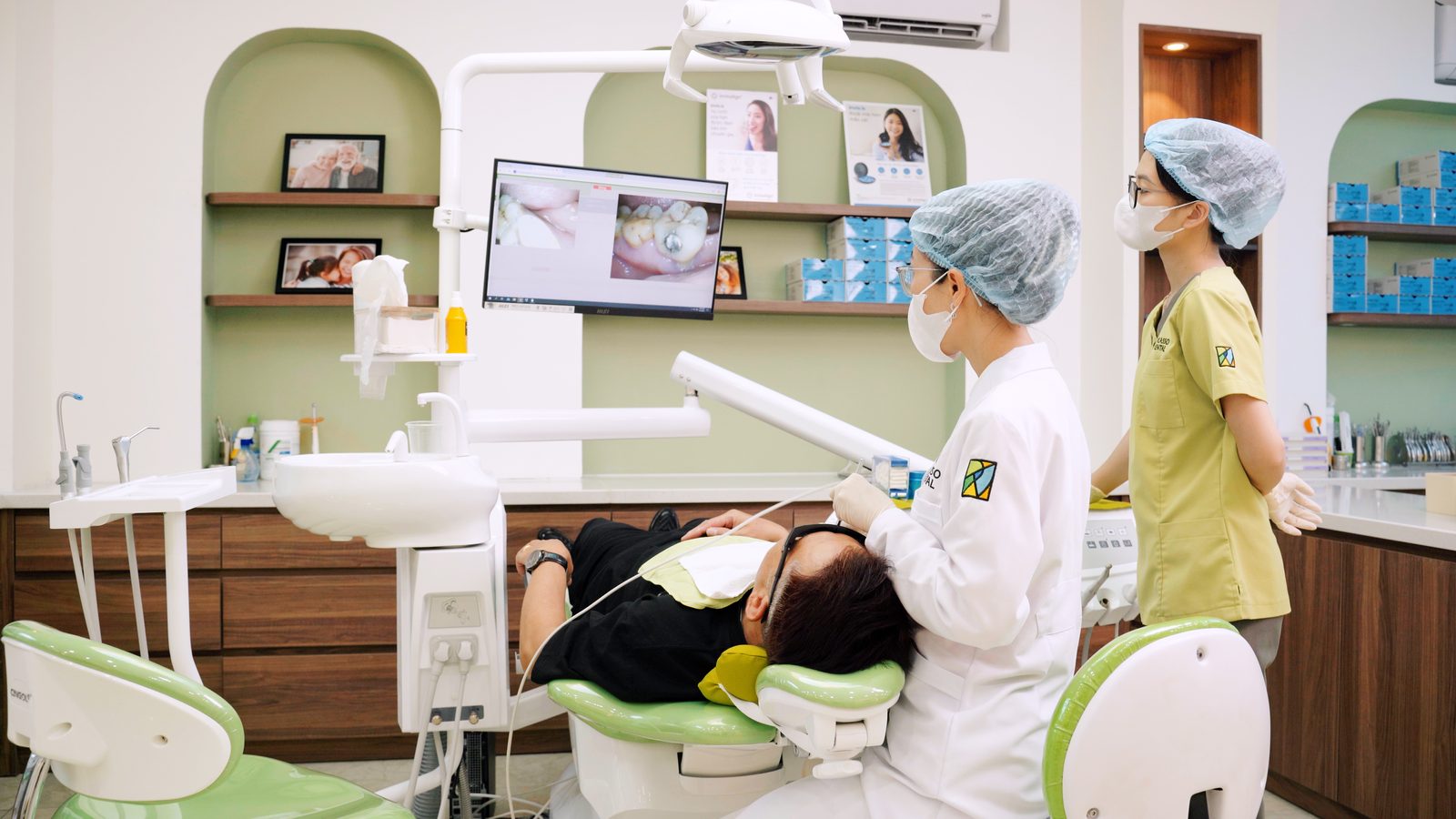
Periodontal disease is frequently painless until it reaches an advanced stage. By the time patients notice loose teeth, significant bone loss has already occurred. The earlier warning signs are easy to dismiss:
- Bleeding gums when brushing or flossing. Many patients assume this is normal or caused by brushing too hard. Healthy gums do not bleed. Bleeding is the most common early sign of gingivitis and should prompt a dental appointment if it persists beyond two weeks of correct brushing technique.
- Persistent bad breath. Bacteria in deep periodontal pockets produce volatile sulphur compounds. If bad breath persists despite good oral hygiene, the likely source is subgingival bacteria that home care cannot reach.
- Gums pulling away from teeth. Gum recession exposes root surfaces and makes teeth appear longer. It is a visible sign that infection has been present below the gum line for some time.
- Sensitivity to cold or pressure. Exposed root surfaces are more sensitive than enamel-covered crowns. Pressure sensitivity can also indicate inflammation in the periodontal ligament around the root.
- Teeth that feel loose or have shifted position. This indicates significant bone loss and requires urgent evaluation. A tooth that has moved has done so because the bone holding it is gone.
- Pus between the tooth and gum. A periodontal abscess is an acute infection requiring same-day treatment. It will not resolve without drainage and antibiotics.
The Systemic Health Connection: Beyond Your Mouth.
One of the most significant developments in periodontal research over the past two decades is the evidence linking gum disease to serious health conditions throughout the body. Bacteria from infected periodontal pockets enter the bloodstream through damaged gum tissue, triggering systemic inflammation.
Heart disease
Multiple studies have identified periodontal bacteria in arterial plaques of patients with cardiovascular disease. The systemic inflammation from chronic gum infection contributes to the inflammatory cascade that drives atherosclerosis. Treating periodontal disease measurably reduces CRP, a key marker of cardiovascular inflammation, within months of completing treatment.
Diabetes
The relationship between diabetes and periodontal disease is bidirectional. Poorly controlled blood sugar impairs immune function, making gum infections more severe and healing slower. Conversely, active periodontal infection raises systemic inflammation, making blood sugar harder to control. Treating gum disease improves glycaemic control without changes to medication in multiple clinical studies.
Pregnancy
Pregnant women with active periodontal disease have a significantly elevated risk of preterm birth and low-birth-weight babies. Hormonal changes during pregnancy also accelerate gum disease progression in women who already have calculus buildup. Periodontal evaluation and treatment during pregnancy is safe and recommended.
"Had a very mad flair up of my gingivitis. Shot them a message on WhatsApp and they got me an appointment in 2 hours. The practice is modern, clean, and professional. Much nicer than my dentist back in Oregon."
Pete Nazelrod · Hanoi Old Quarter branch · Google review
Who Is Most at Risk.
Higher risk
- Smokers (2–7x higher risk)
- Diabetic patients with HbA1c above 7%
- Family history of gum disease
- Pregnancy and hormonal changes
- Medications causing dry mouth
- Crowded or misaligned teeth
- Immunocompromised patients
Protective factors
- Brushing twice daily with correct technique
- Daily interdental cleaning
- Professional cleaning every 6 months (3 months with disease history)
- Non-smoking
- Controlled blood sugar
- Well-aligned teeth
Smokers present a particular diagnostic challenge: tobacco suppresses the inflammatory response, which means smokers' gums bleed less even when disease is severe. The bleeding that normally alerts patients and dentists to a problem is masked. Smokers should not interpret the absence of bleeding as a sign of healthy gums.
Book a periodontal assessment →
How We Diagnose Periodontal Disease.
The diagnostic process at any Picasso Dental branch is systematic and takes place in a single appointment.
Periodontal probing is the primary diagnostic tool. A thin graduated probe is gently inserted between the tooth and gum at six points around every tooth. Healthy gums have pockets of 1 to 3mm. Pockets of 4mm or more indicate periodontitis. Pockets of 6mm or more indicate severe disease. All measurements are recorded so future appointments can track whether the disease is progressing or stable.
Bleeding on probing is recorded alongside pocket depths. Bleeding when the probe touches the pocket base indicates active inflammation. A healthy site does not bleed on probing.
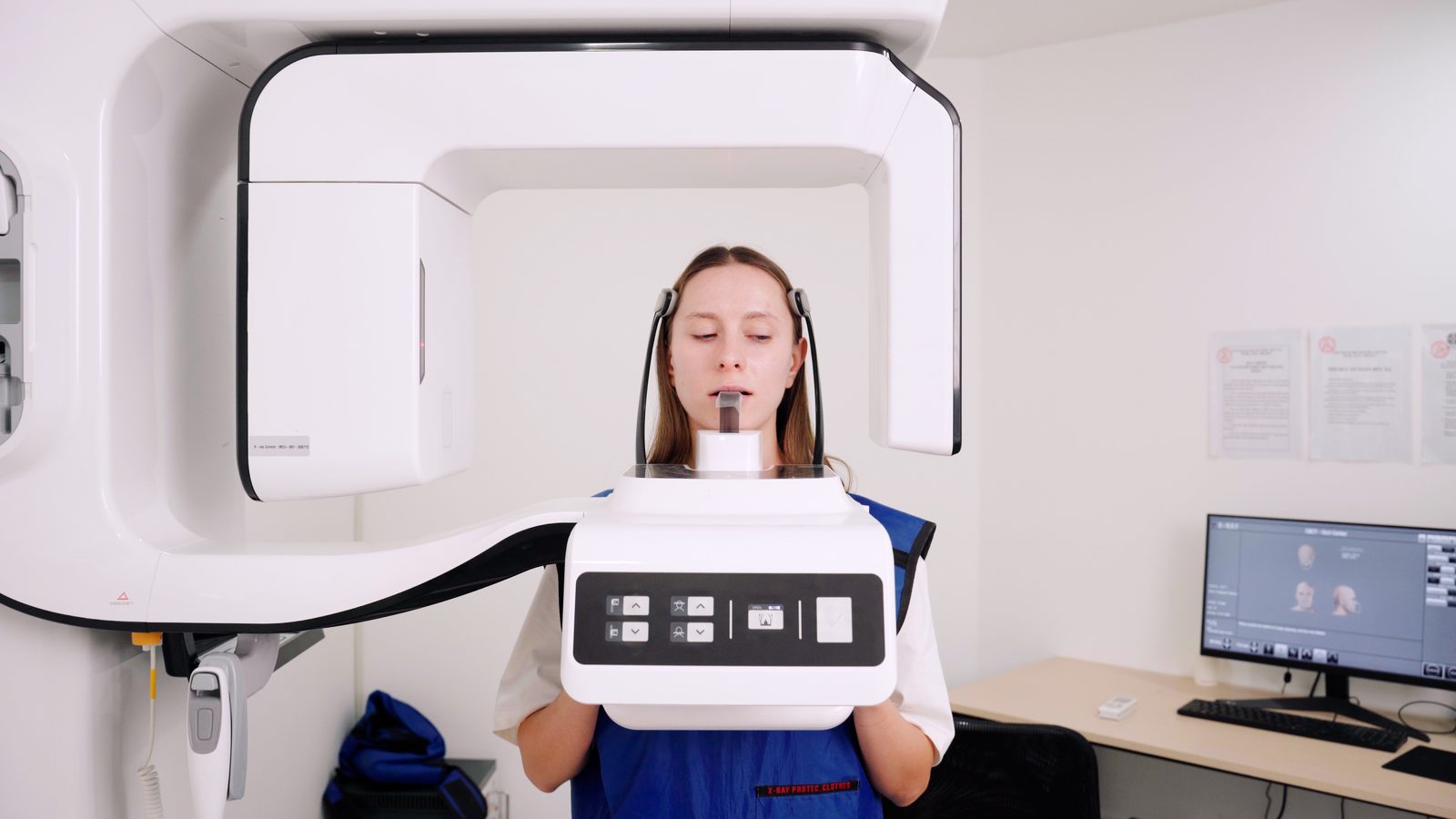
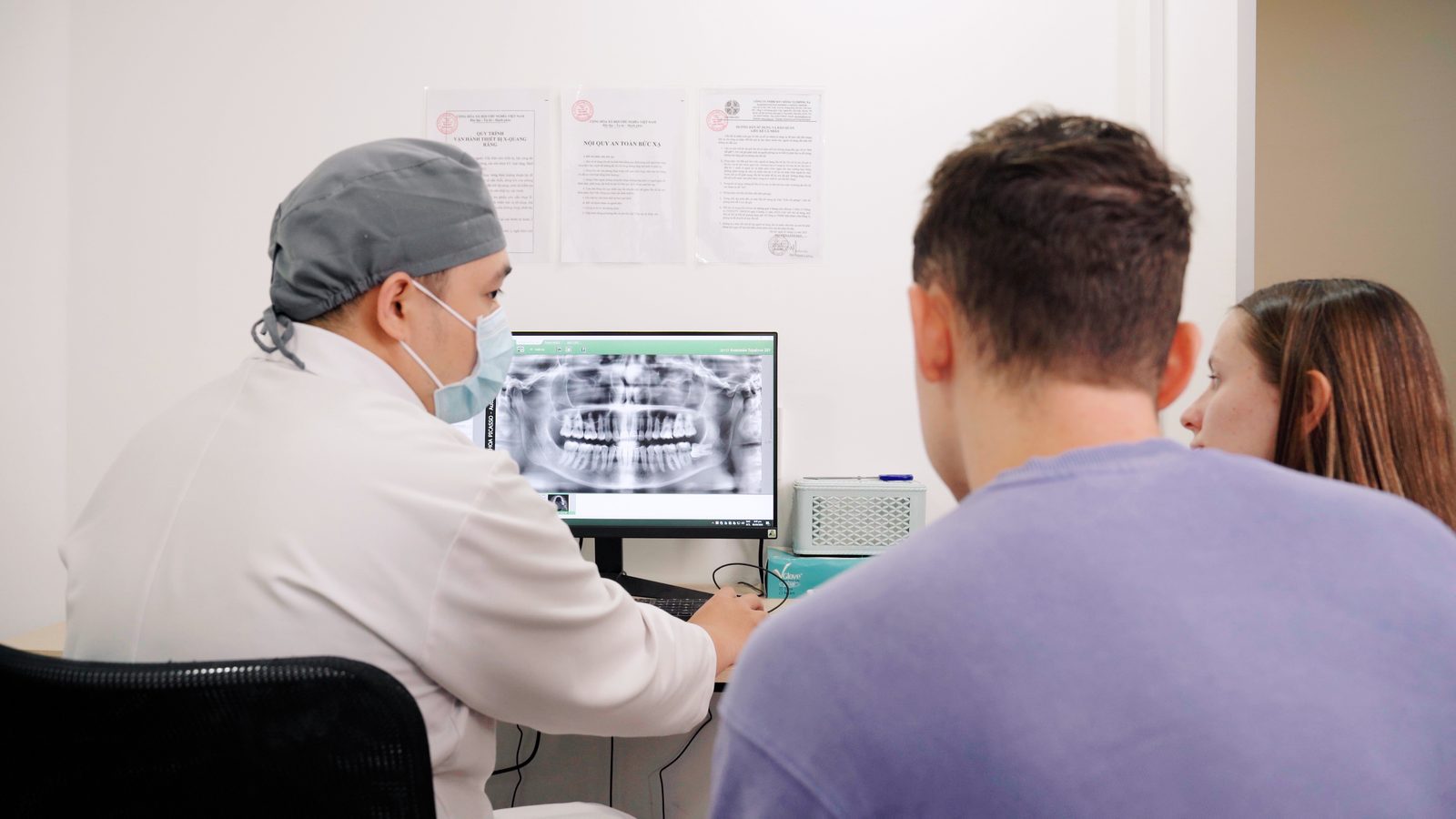
X-rays show bone levels around the roots. Healthy bone fills to within 1 to 2mm of the enamel-root junction. Bone loss that appears as a gap on the X-ray tells us how far the disease has progressed and which teeth are at risk.
CBCT scanning gives a three-dimensional view of bone levels, root anatomy, and furcation involvement (bone loss between the roots of multi-rooted teeth). It is particularly useful for complex cases and for planning surgical treatment.

How We Treat Periodontal Disease at Every Stage.
Gingivitis: professional cleaning plus home care correction
A thorough scale and polish removes all calculus above and just below the gum line. We review brushing technique and interdental cleaning, correcting any gaps in home care. For most patients with pure gingivitis, this single appointment combined with improved daily cleaning resolves the condition within 2 to 4 weeks. Gum bleeding stops, the tissue firms up, and pocket depths return to normal.
Moderate periodontitis: scaling and root planing
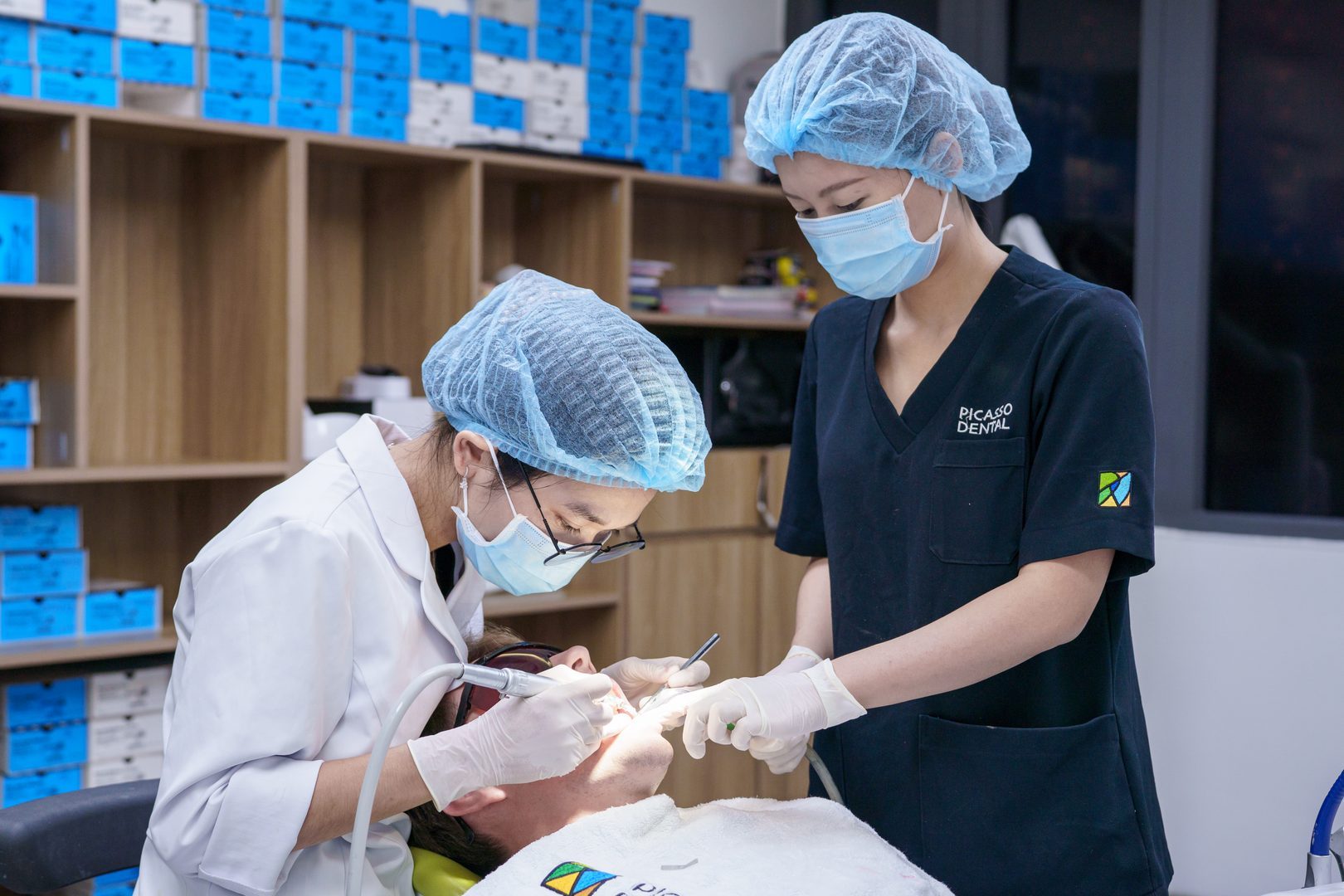
For pockets of 4mm or deeper, a standard scale and polish cannot reach the calculus on the root surface. Scaling and root planing (SRP) is performed under local anaesthesia. We use ultrasonic instruments and hand curettes to clean calculus from the root surface down to the base of the pocket, and smooth the root so gum tissue can reattach. A full mouth is typically treated in two sessions, two quadrants per visit, one to two weeks apart. Post-treatment soreness lasts 3 to 5 days. Pocket depths are re-evaluated 6 to 8 weeks after SRP to confirm healing.
Severe periodontitis: periodontal surgery
When pockets remain 6mm or deeper after SRP, or when furcation involvement prevents instruments from reaching all affected root surfaces, surgical access is required. The gum tissue is temporarily reflected away from the root, allowing direct vision and instrumentation of the entire root surface and the underlying bone. Bone defects can sometimes be grafted during surgery to encourage regeneration.
Periodontal abscess: same-day drainage
An abscess is an acute bacterial infection forming a pocket of pus within the periodontal tissues. It causes rapid swelling, severe pain, and sometimes fever. It requires immediate drainage, irrigation of the pocket, and antibiotics. This is a dental emergency that should not wait for a scheduled appointment.
"I went today and 2 weeks ago for a deep cleaning. The dentist Dr Ngoc Jade was simply great and did an amazing job. She is very friendly and caring for the patient. The cleaning was perfect and the service was excellent."
Arn · HCMC Thao Dien branch · Google review
After Treatment: Maintenance Is the Treatment.
Active periodontal treatment removes the current infection. It does not eliminate the underlying susceptibility. Bacteria begin repopulating treated pockets within 3 months. The evidence is consistent: patients who maintain 3-month recall appointments after completing SRP have significantly lower rates of disease recurrence and tooth loss than those who return to 6-month or annual visits.
Maintenance appointments are shorter than initial treatment, typically 45 to 60 minutes, but they include full probing to check pocket depths, targeted cleaning of any sites that have not fully resolved, and reinforcement of home care technique. If a pocket begins to deepen again, it is caught at 3 months when intervention is simple, rather than at 12 months when the disease has progressed.
For international patients who cannot return to Vietnam every 3 months, the treating dentist provides a written home care protocol and coordinates with a local periodontist in the patient's home country for interim maintenance visits.
"Came here for a dental cleaning based on several people recommending Picasso on FB groups. Once I got there, they checked my teeth and told me my cleaning would cost 300k. Lasted 15 minutes and it did feel thorough."
Briana Le · HCMC Thao Dien branch · Google review
Frequently Asked Questions About Periodontal Disease.
What is periodontal disease?
Periodontal disease is a bacterial infection of the structures that support the teeth, including the gums, the periodontal ligament, and the underlying bone. It begins as gingivitis, reversible inflammation confined to the gum tissue, and progresses to periodontitis when the infection spreads below the gum line and begins destroying bone. Without treatment, periodontitis leads to tooth loss.
What is the difference between gingivitis and periodontitis?
Gingivitis is inflammation of the gum tissue only, with no bone loss. It is fully reversible with professional cleaning and improved home care. Periodontitis means the infection has spread below the gum line, pockets have formed where bacteria accumulate, and bone loss has begun. Bone lost to periodontitis does not fully regenerate through standard treatment. The goal of treatment is to arrest the disease, stop further bone loss, and stabilise the remaining teeth.
What causes periodontal disease?
The primary cause is bacterial plaque that accumulates at the gum line and hardens into calculus if not removed. Calculus below the gum line releases bacterial toxins that trigger an immune response, and it is this immune response that destroys the supporting bone. Risk factors that accelerate the process include smoking, poorly controlled diabetes, genetic susceptibility, certain medications that cause dry mouth, hormonal changes in pregnancy, and chronic stress.
Can periodontal disease affect my overall health?
Yes. Bacteria from infected gum pockets enter the bloodstream through damaged gum tissue. Research shows associations between periodontal disease and cardiovascular disease, poorly controlled blood sugar in diabetic patients, premature birth in pregnant women, and respiratory infections. Treating periodontal disease reduces measurable systemic inflammatory markers including CRP within months of completing treatment.
Does scaling and root planing hurt?
Scaling and root planing is performed under local anaesthesia. During the procedure you feel pressure and vibration, not pain. Post-treatment soreness and temperature sensitivity typically last 3 to 5 days and are managed with ibuprofen or paracetamol. Patients who delay treatment until pockets are very deep generally experience a longer recovery than those who treat the disease at an earlier stage.
Can periodontal disease come back after treatment?
Yes. Periodontal disease is a chronic bacterial infection requiring lifelong management. The underlying susceptibility does not disappear after treatment. Without consistent home care and regular professional maintenance at 3-month intervals, bacteria repopulate treated pockets and the disease recurs. Research shows patients on 3-month recall have significantly lower rates of tooth loss than those who return to 6-month or annual visits.
How much does periodontal treatment cost in Vietnam?
At Picasso Dental Clinic, a standard scale and polish starts at 300,000 VND. Scaling and root planing per quadrant is 1,500,000 VND. A full-mouth scaling and root planing across four quadrants costs approximately 6,000,000 VND, compared to AUD 1,000 to 2,000 in Australia or £600 to £1,200 in the UK. For international patients combining periodontal treatment with other work, the total cost saving typically covers flights and accommodation. Contact our Hanoi Old Quarter or Da Nang branch for a treatment plan.
How long does it take to treat periodontal disease?
A standard professional cleaning for gingivitis takes 30 to 60 minutes. A full-mouth scaling and root planing for moderate periodontitis is completed in 1 to 2 appointments, typically two quadrants per session with sessions 1 to 2 weeks apart. A re-evaluation is scheduled 6 to 8 weeks after treatment to measure pocket depths and confirm healing. Active treatment is followed by 3-month maintenance appointments for the first year.
Who is most at risk for periodontal disease?
Smokers are 2 to 7 times more likely to develop periodontitis than non-smokers and respond less well to treatment. Diabetic patients with poorly controlled blood sugar have significantly worse outcomes. People with a family history of gum disease have higher genetic susceptibility. Pregnant women experience hormonal changes that increase gum vulnerability. Patients taking medications that cause dry mouth have less saliva to neutralise bacterial acids. Anyone in these groups should schedule professional cleanings more frequently and discuss their risk with their dentist.
Start here
Get your plan in 24 hours.
Online consultation reviewed by a licensed dentist. Response within 24 hours. No obligation.
No obligation · Since 2013