
Gum Disease
How Do I Know If I Need
Periodontal Treatment?
Warning Signs and What to Do
Gum disease is one of the most common dental problems and one of the most commonly ignored. Recognising the warning signs early is the difference between a simple clean and losing teeth to bone loss.

The short version
- Bleeding gums when brushing are never normal and are the most common early warning sign.
- Gum disease progresses from reversible gingivitis to irreversible periodontitis if untreated.
- Deep cleaning (scaling and root planing) is the main non-surgical treatment for periodontitis.
- Untreated gum disease is linked to heart disease, diabetes complications, and premature birth.
- Maintenance cleanings every three to four months are essential after treatment to prevent recurrence.
Warning Signs You Might Need Periodontal Treatment
You might need periodontal treatment if your gums bleed when you brush, look red and swollen, or have started pulling away from your teeth. These are the most common early signs, but there are others worth knowing.
- Bleeding when brushing or flossingThe first sign most patients notice. Healthy gums do not bleed during routine cleaning. Consistent bleeding at the gum line, even mild, indicates inflammation that needs professional assessment.
- Red, swollen, or tender gumsHealthy gums are firm and pale pink. Redness, puffiness, and tenderness to touch indicate active inflammation from bacterial infection below the gum line.
- Receding gumsGums that have pulled away from the teeth make them look longer than they used to. This recession indicates bone loss from gum disease and cannot reverse itself without treatment.
- Persistent bad breathBad breath that does not resolve with brushing suggests bacteria are thriving in infected gum pockets. The volatile compounds produced by these bacteria have a distinctive and persistent odour.
- Loose or shifting teethTeeth that feel loose or have moved position indicate significant bone loss. The bone that anchors teeth in place has been destroyed by the infection. This is an advanced stage requiring urgent treatment.
Understanding What Periodontal Disease Is
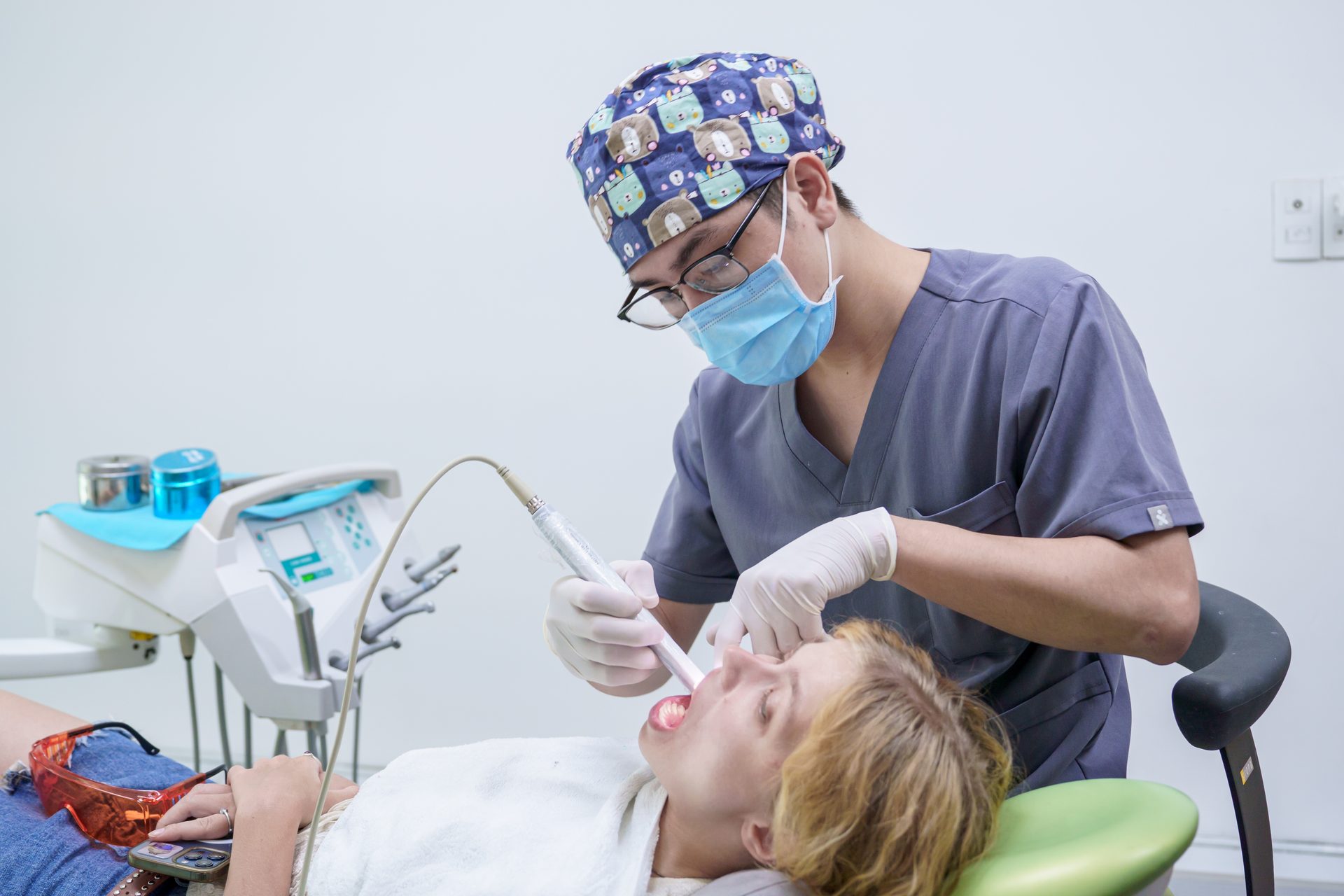
Periodontal disease is an infection of the tissues that hold your teeth in place. It starts with plaque, a sticky film of bacteria that forms on teeth every day. When plaque is not removed, it hardens into tartar, which requires professional cleaning to remove. The bacteria in plaque and tartar irritate gums, causing the early stage called gingivitis.
If gingivitis is not treated, it progresses to periodontitis, where the infection spreads below the gum line and destroys the bone supporting the teeth. Gum pockets deepen, collecting more bacteria, and the infection continues eating away at bone until teeth become loose or fall out. Many people do not realise they have gum disease because it often does not hurt in the early stages, which is why regular checkups are so important. At Picasso Dental Clinic, every patient is screened for gum disease during their routine examination.
What Periodontal Treatment Involves
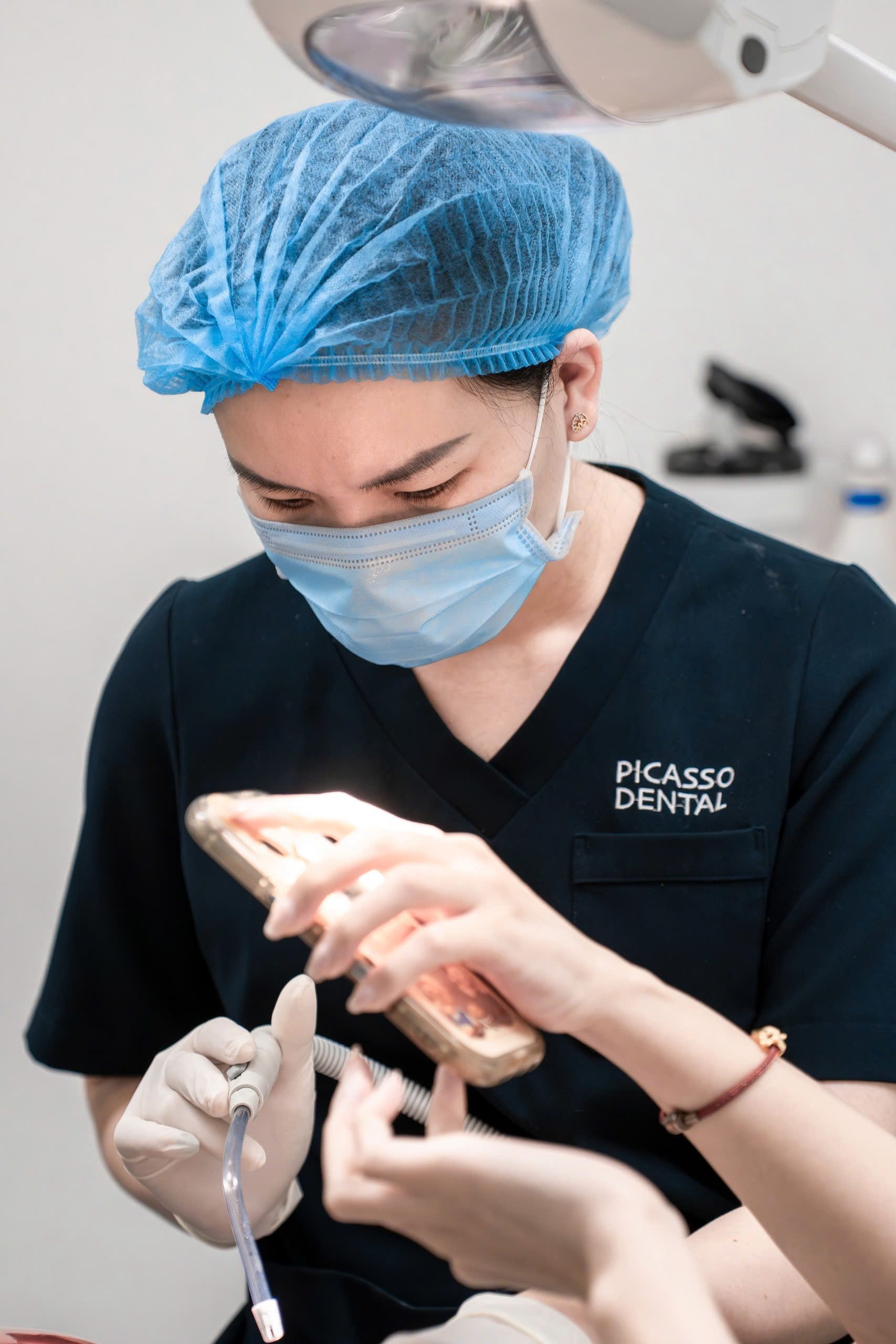
The type of treatment depends on how advanced the disease has become. For early-stage gingivitis, a thorough professional cleaning combined with improved brushing and flossing at home may be sufficient. For periodontitis, a deeper cleaning called scaling and root planing is necessary.
During scaling, all tartar and bacteria are removed from the tooth surfaces and beneath the gum line using specialised instruments. Root planing smooths the root surfaces so gums can reattach to the teeth more easily and bacteria have fewer places to hide. The procedure is done with local anaesthetic so patients stay comfortable throughout. For more advanced cases, gum surgery to reduce pocket depth and regenerate lost bone may be necessary, along with antibiotic treatment placed directly into infected pockets.
"I had four crowns, two cavities, and a root canal and it was as gentle and pain free as it could possibly be. More so than any dentist back in the states in my sixty years of seeing the dentist."
Kevin McCarthy, Hanoi Old Quarter
Why Treating Gum Disease Protects More Than Just Your Teeth
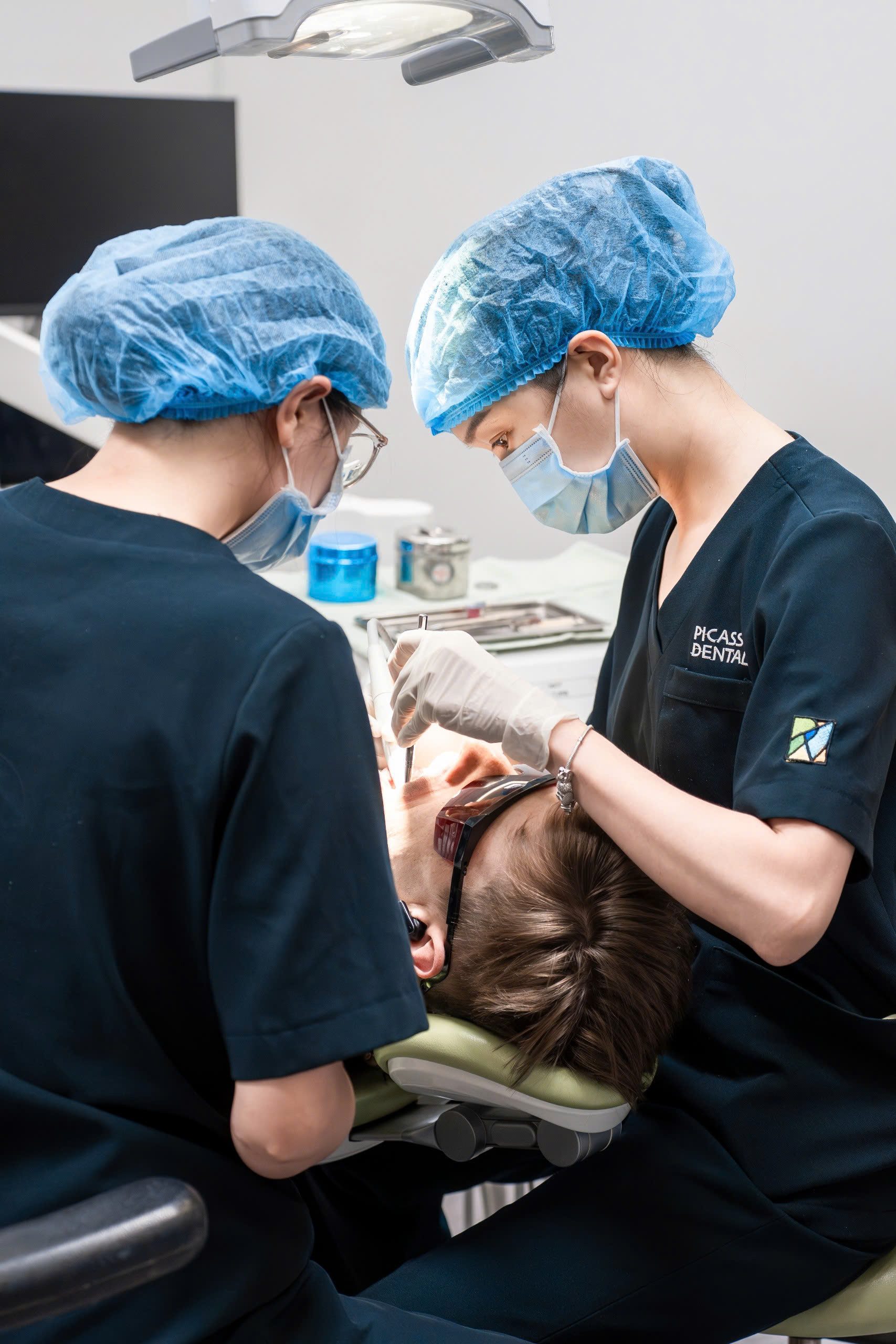
Untreated gum disease does not just lead to tooth loss. The bacteria from infected gums can enter the bloodstream and contribute to heart disease and stroke. People with gum disease have more difficulty controlling blood sugar if they have diabetes, creating a reinforcing cycle. Pregnant women with gum disease have a higher risk of premature birth and low birth weight. The chronic inflammation from gum disease also stresses the immune system, making it harder for the body to fight other infections.
Prevention is always more straightforward than treatment. Brush twice daily for two full minutes, floss every day, limit sugary foods, and attend professional cleaning every six months. Even if you have had periodontal treatment before, these habits keep the disease stable and prevent it from progressing further.
Concerned about your gum health? A comprehensive gum evaluation at Picasso Dental includes pocket depth measurement, X-rays, and a written treatment recommendation.
Book an evaluation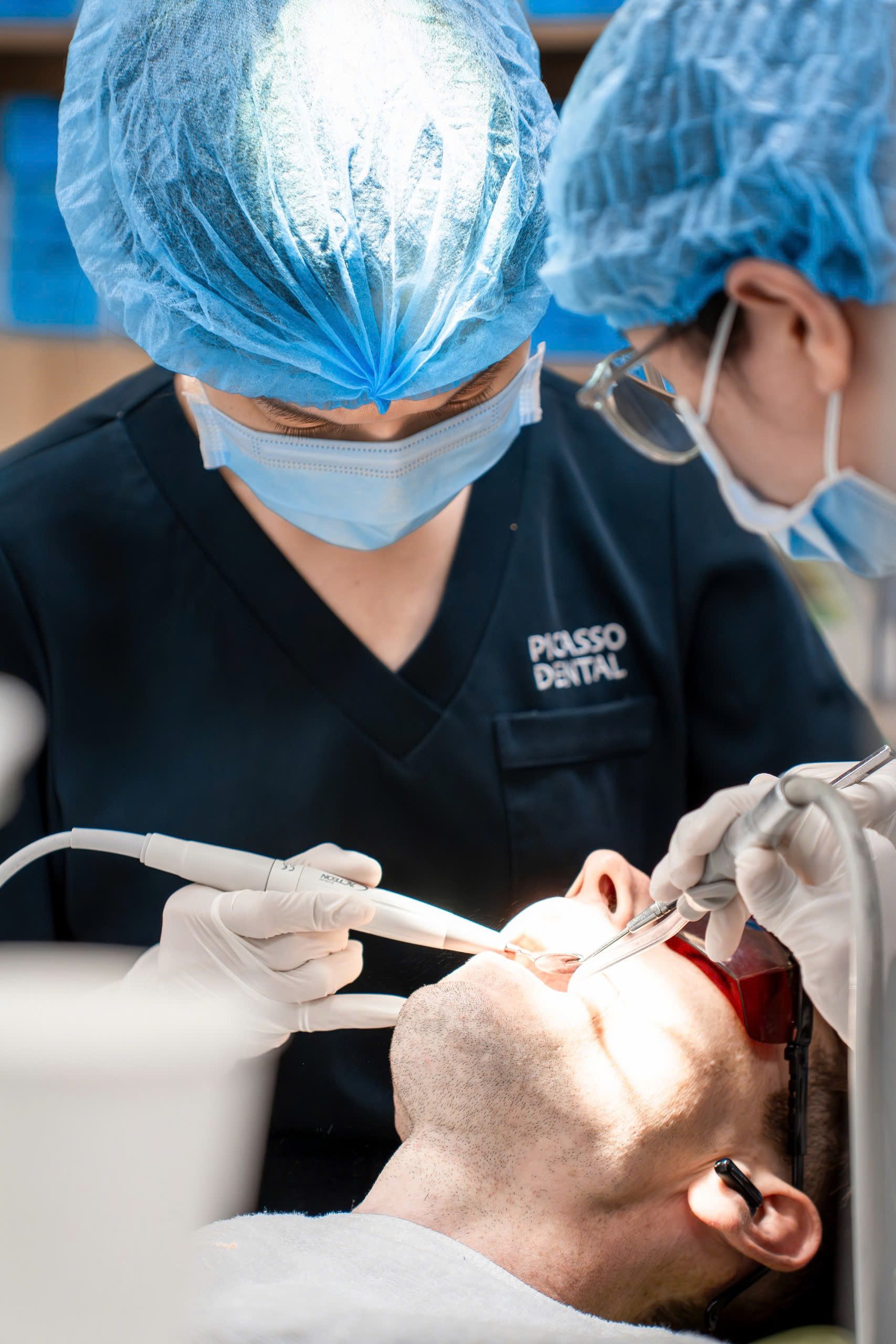
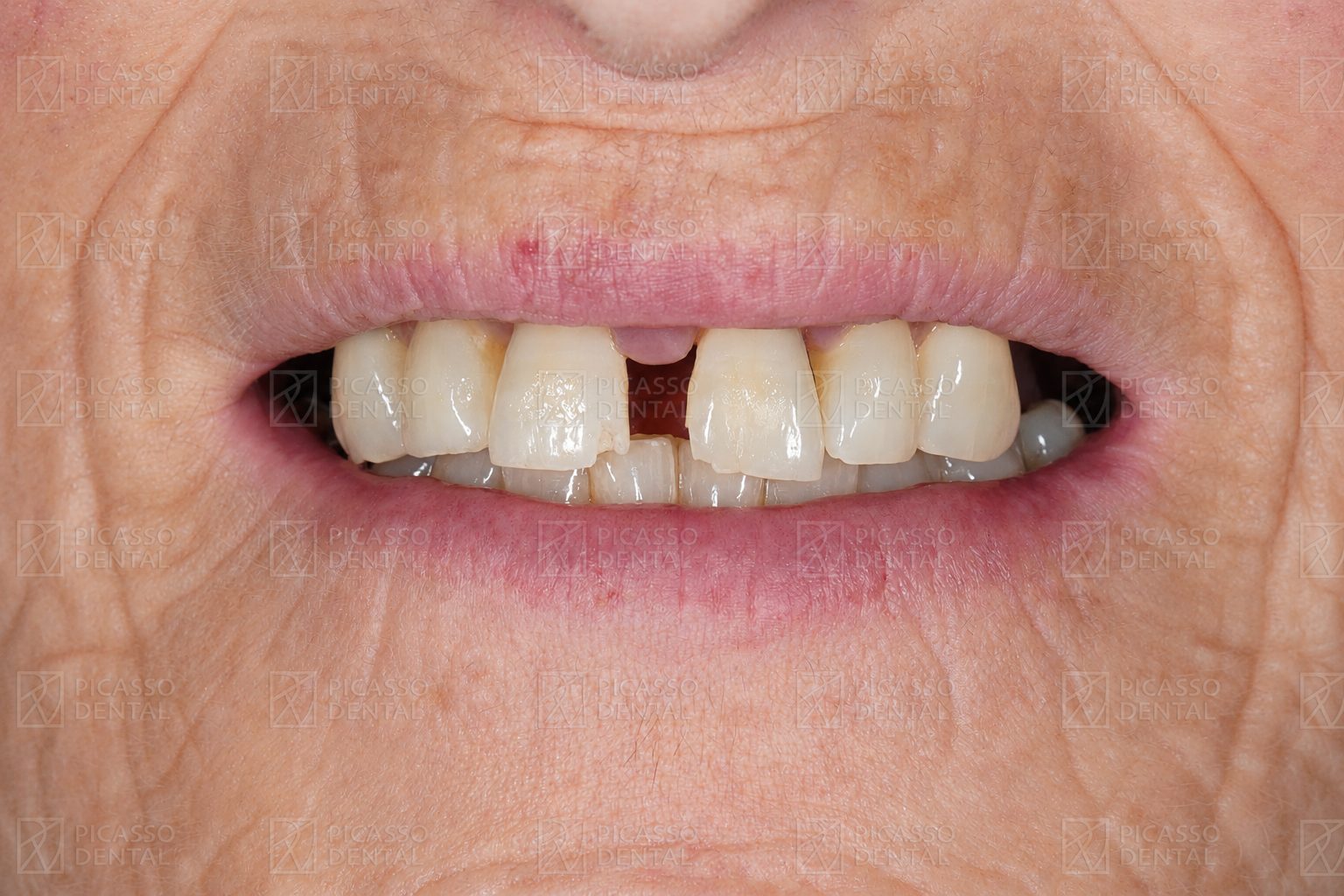 Before
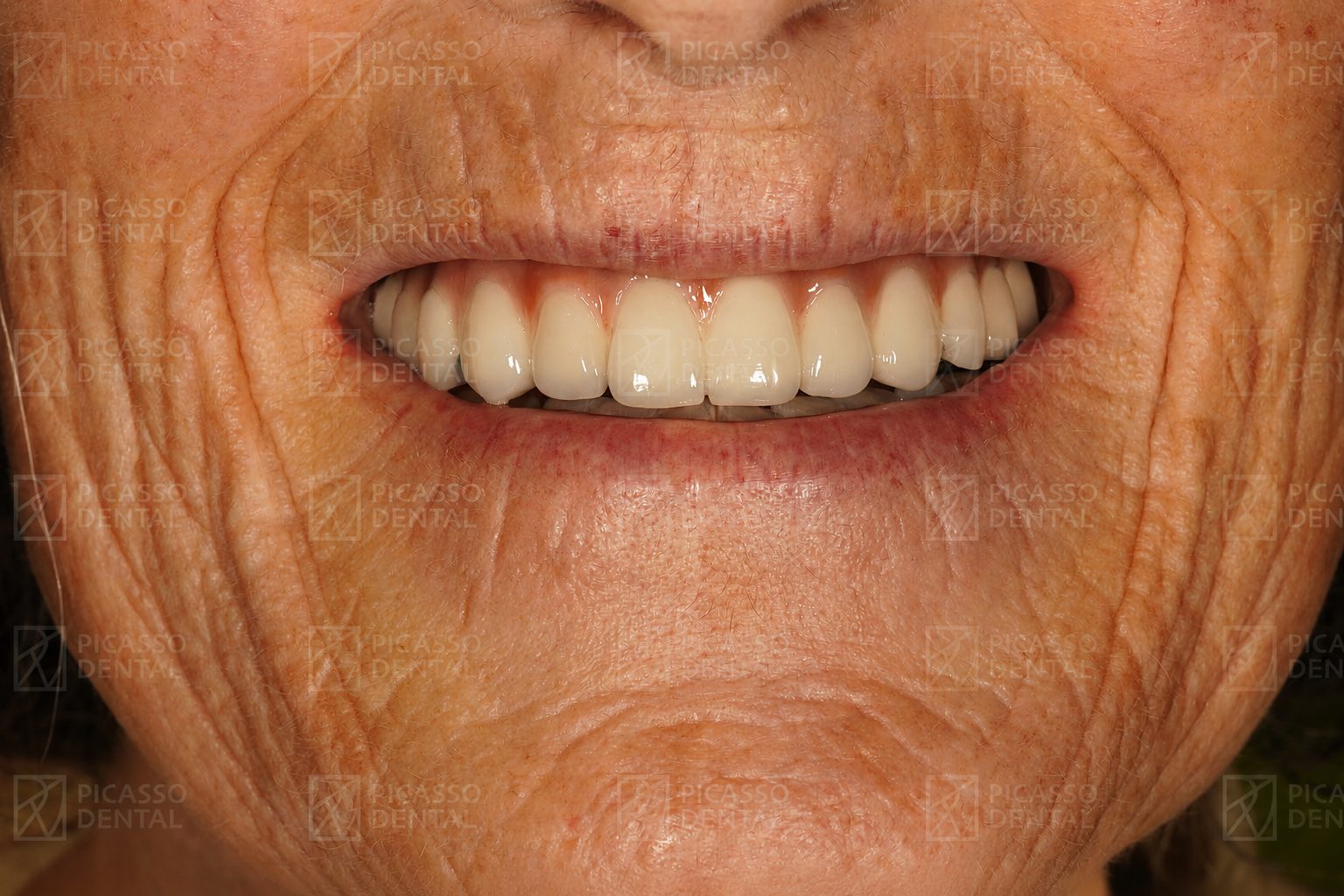 After
AfterFull rehabilitation, Hanoi Old Quarter
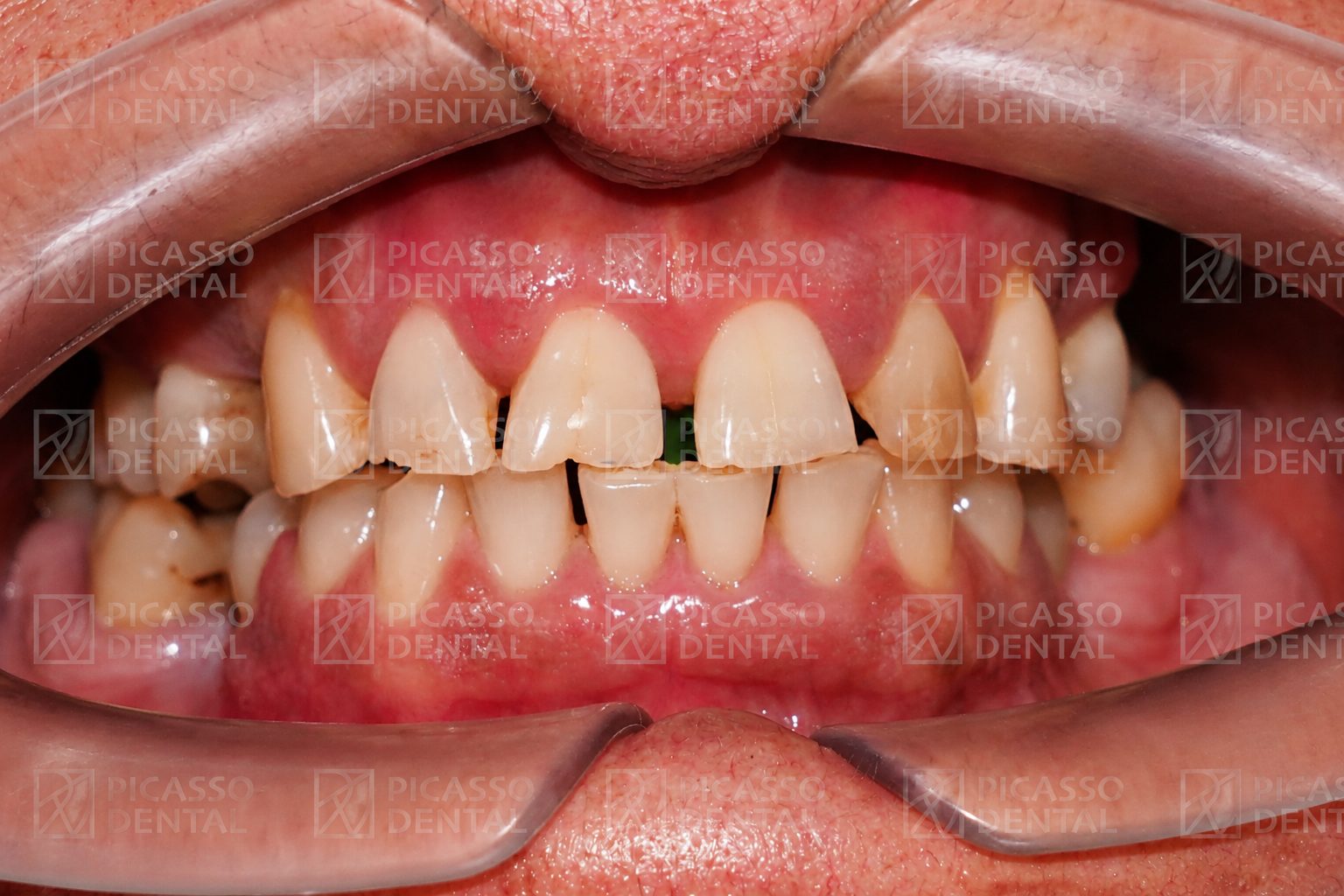 Before
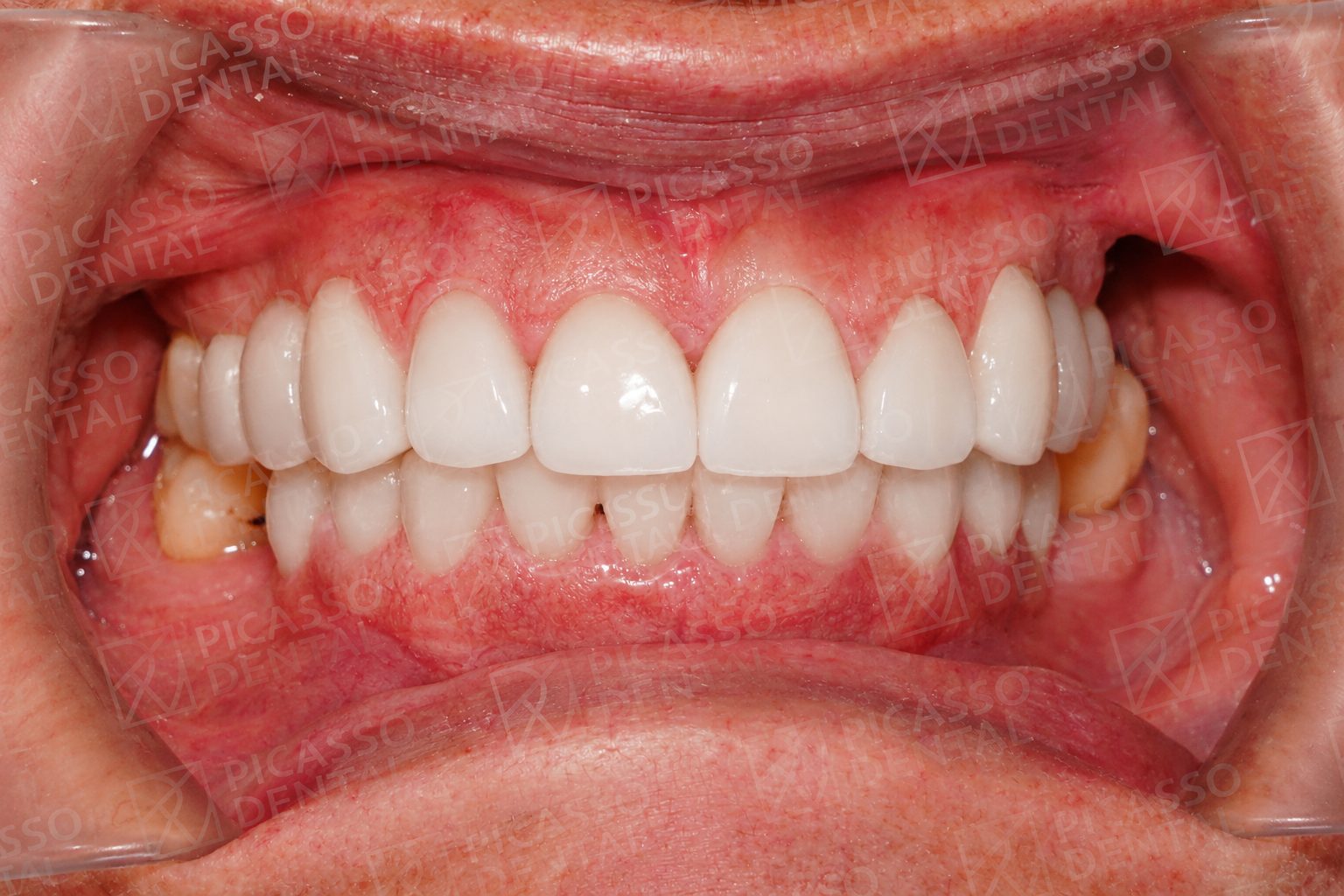 After
AfterPorcelain crowns, Da Nang
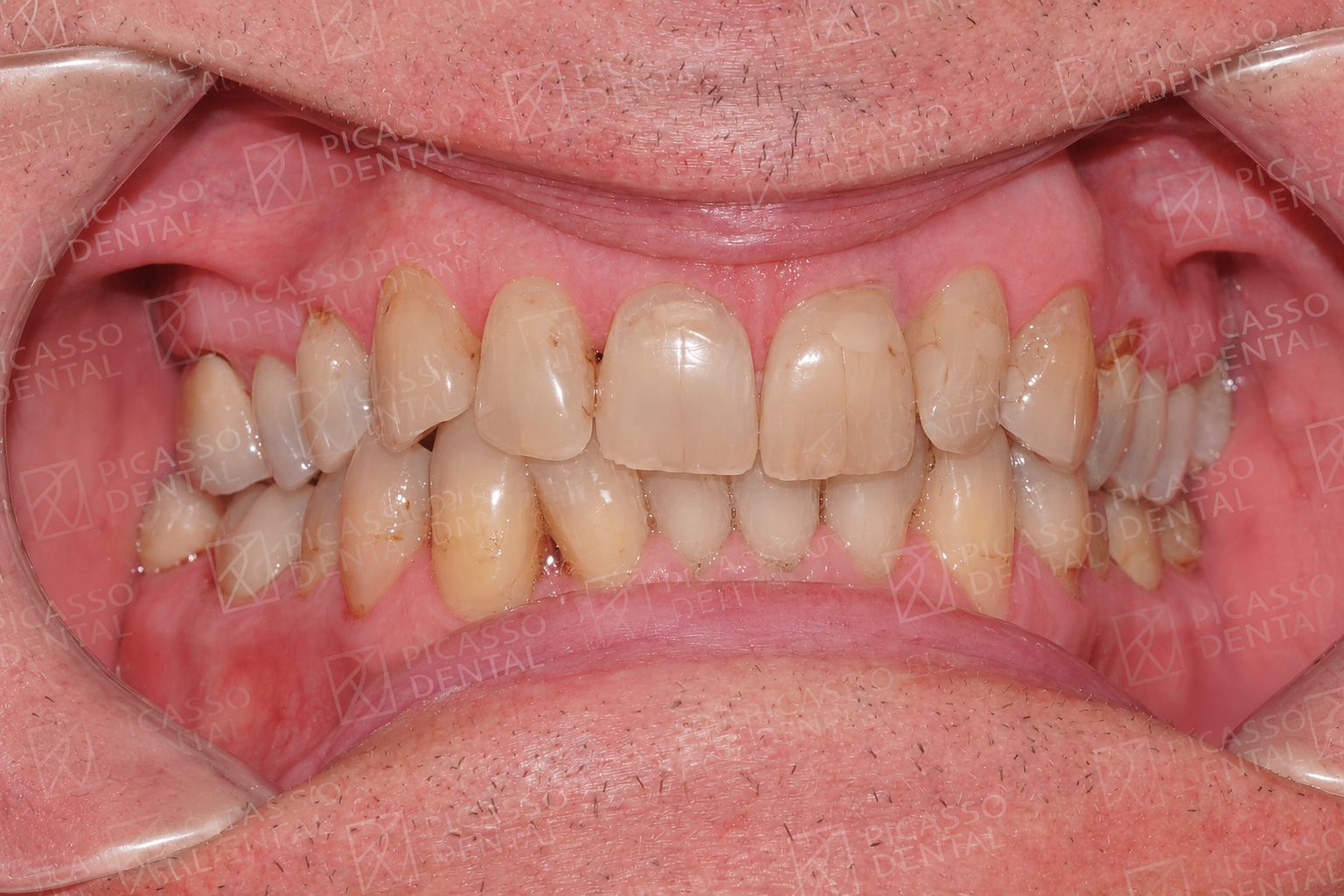 Before
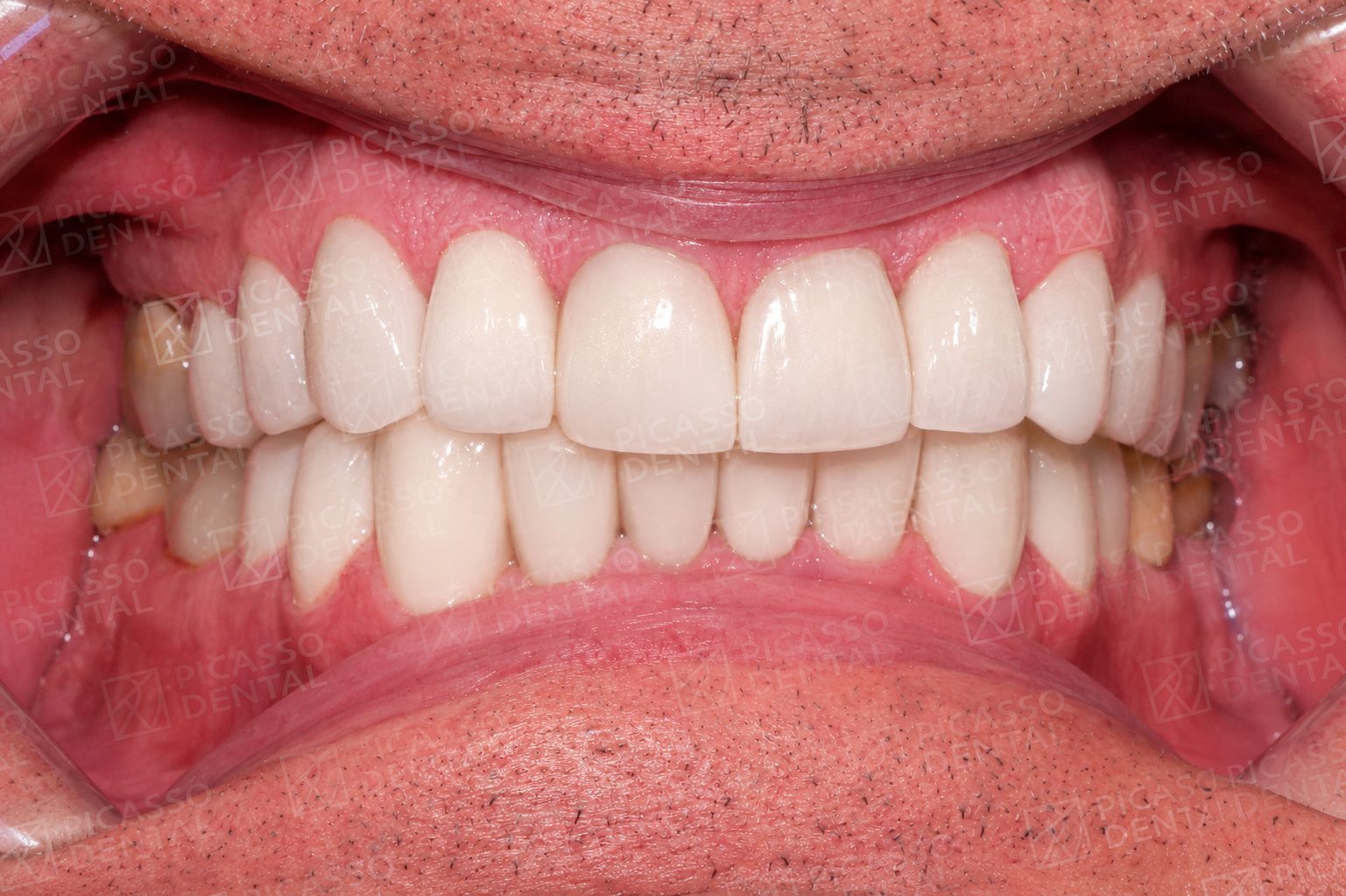 After
AfterCrown and implant, HCMC Thao Dien
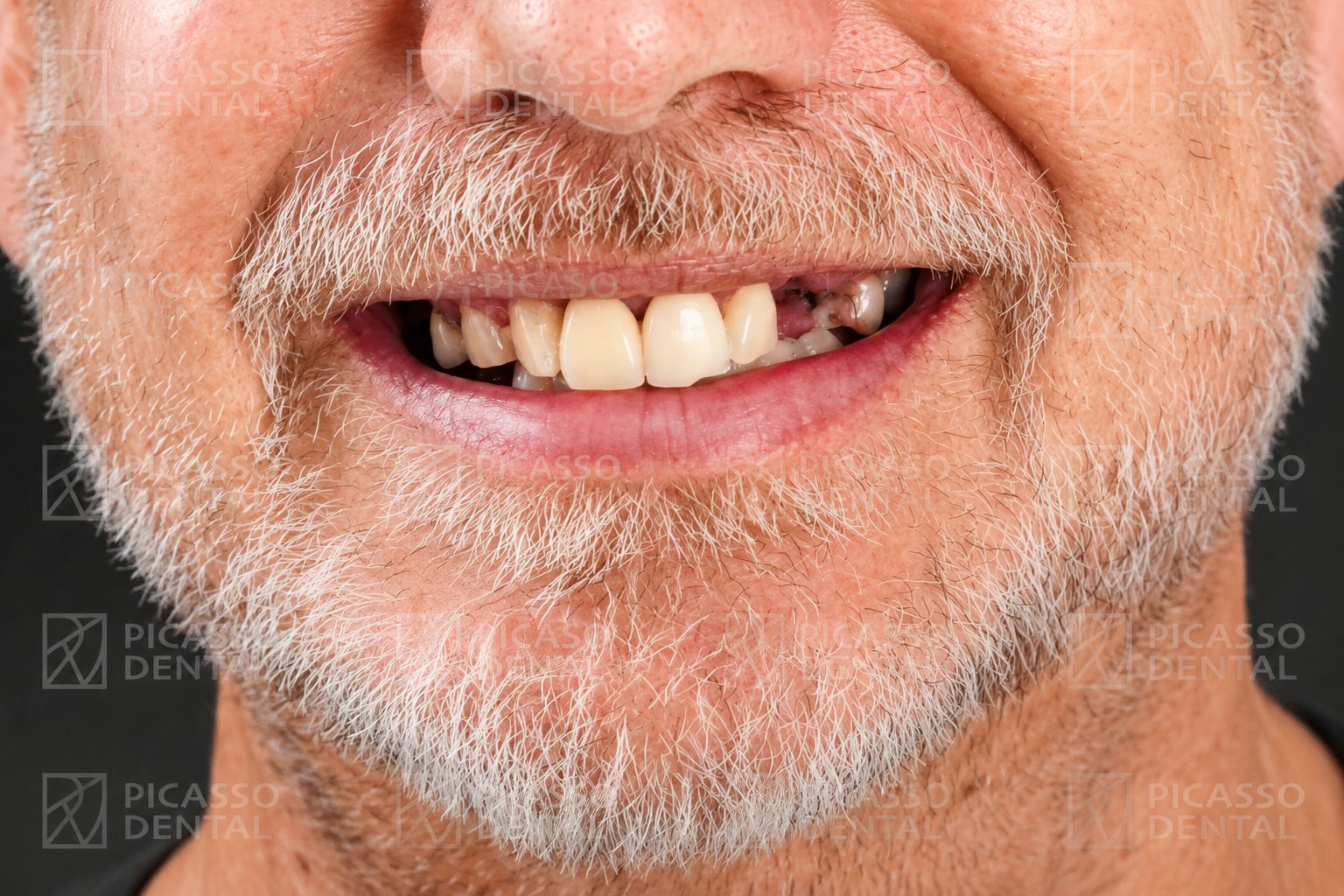 Before
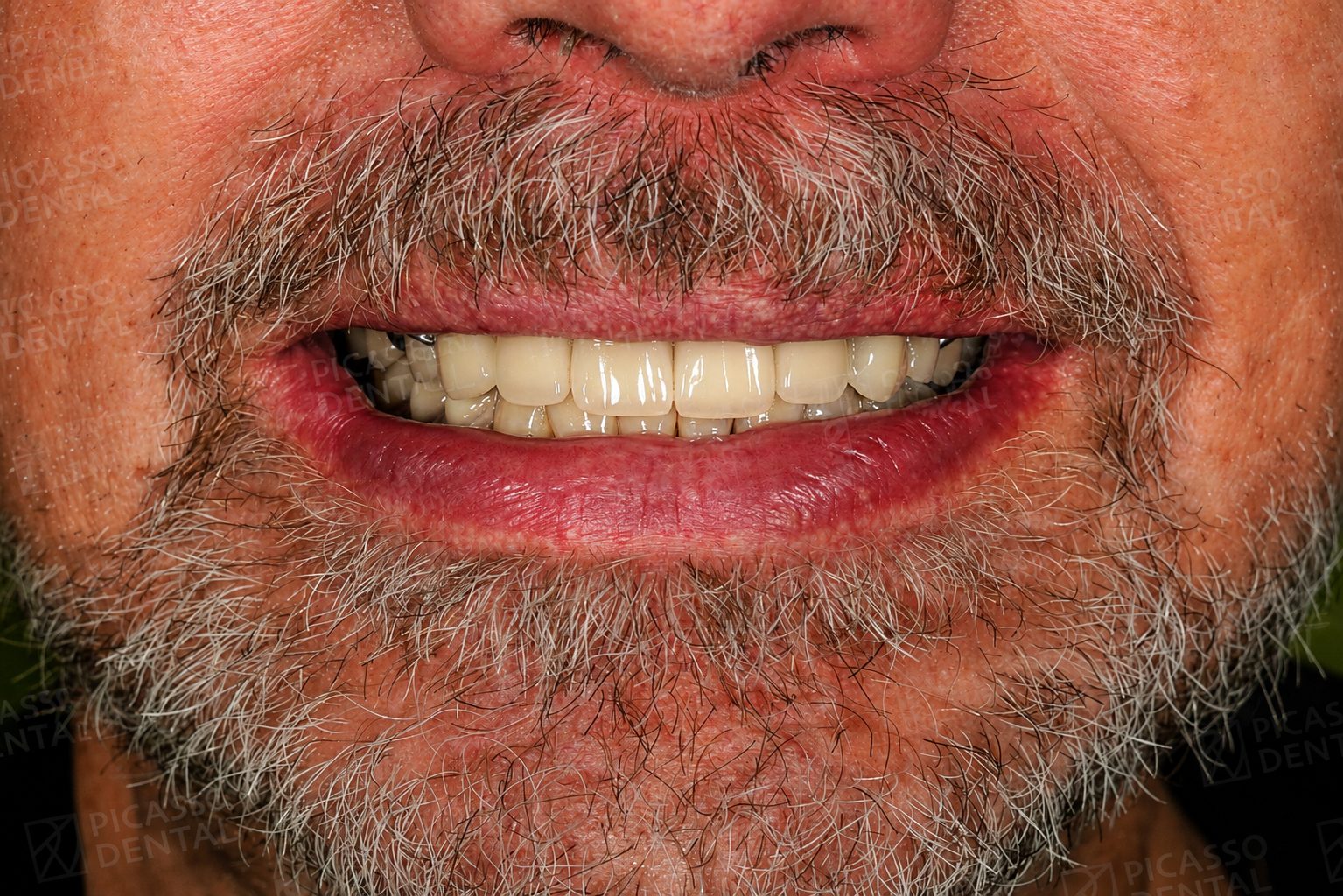 After
AfterCrown restoration, Hanoi Westlake
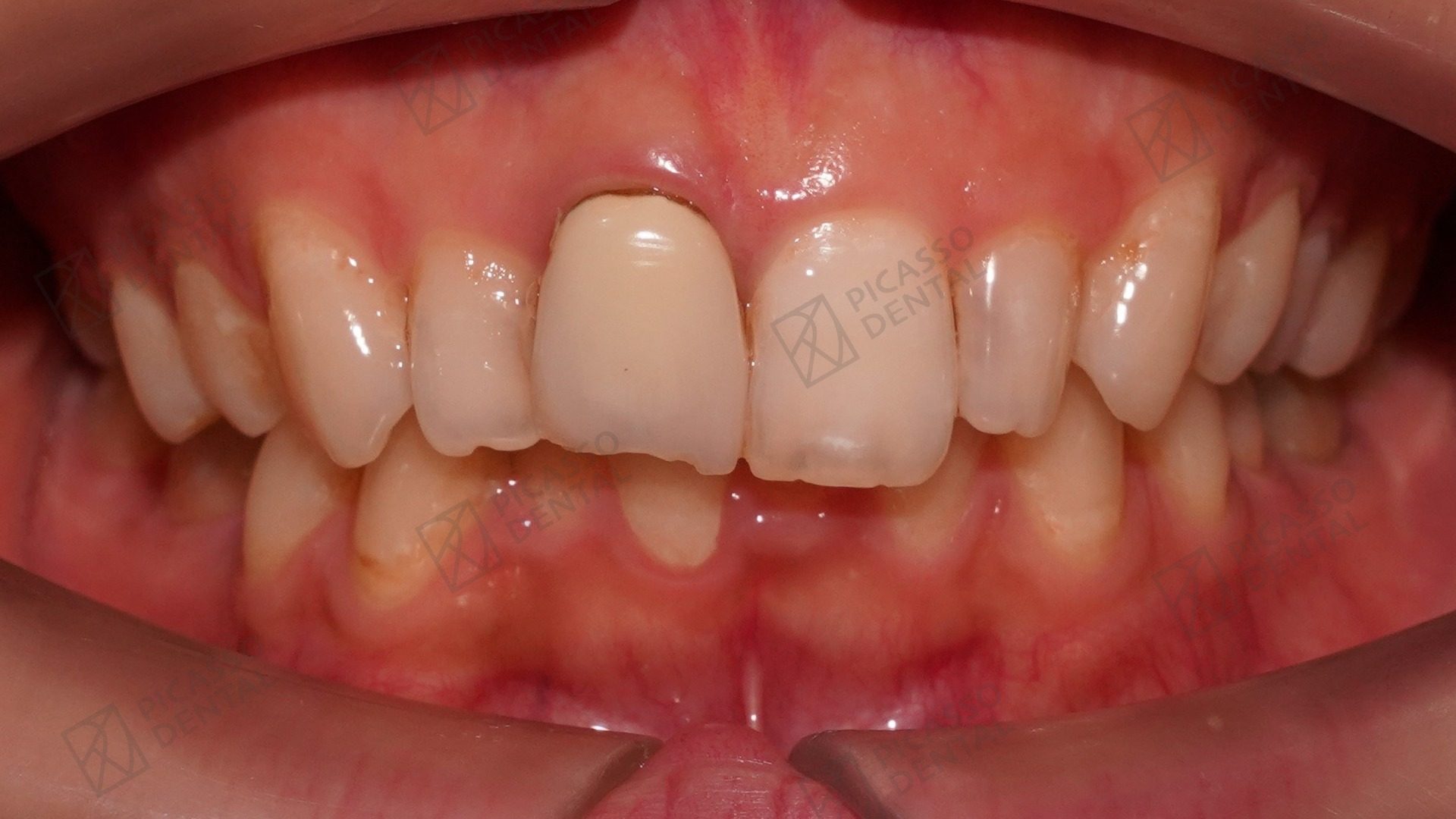 Before
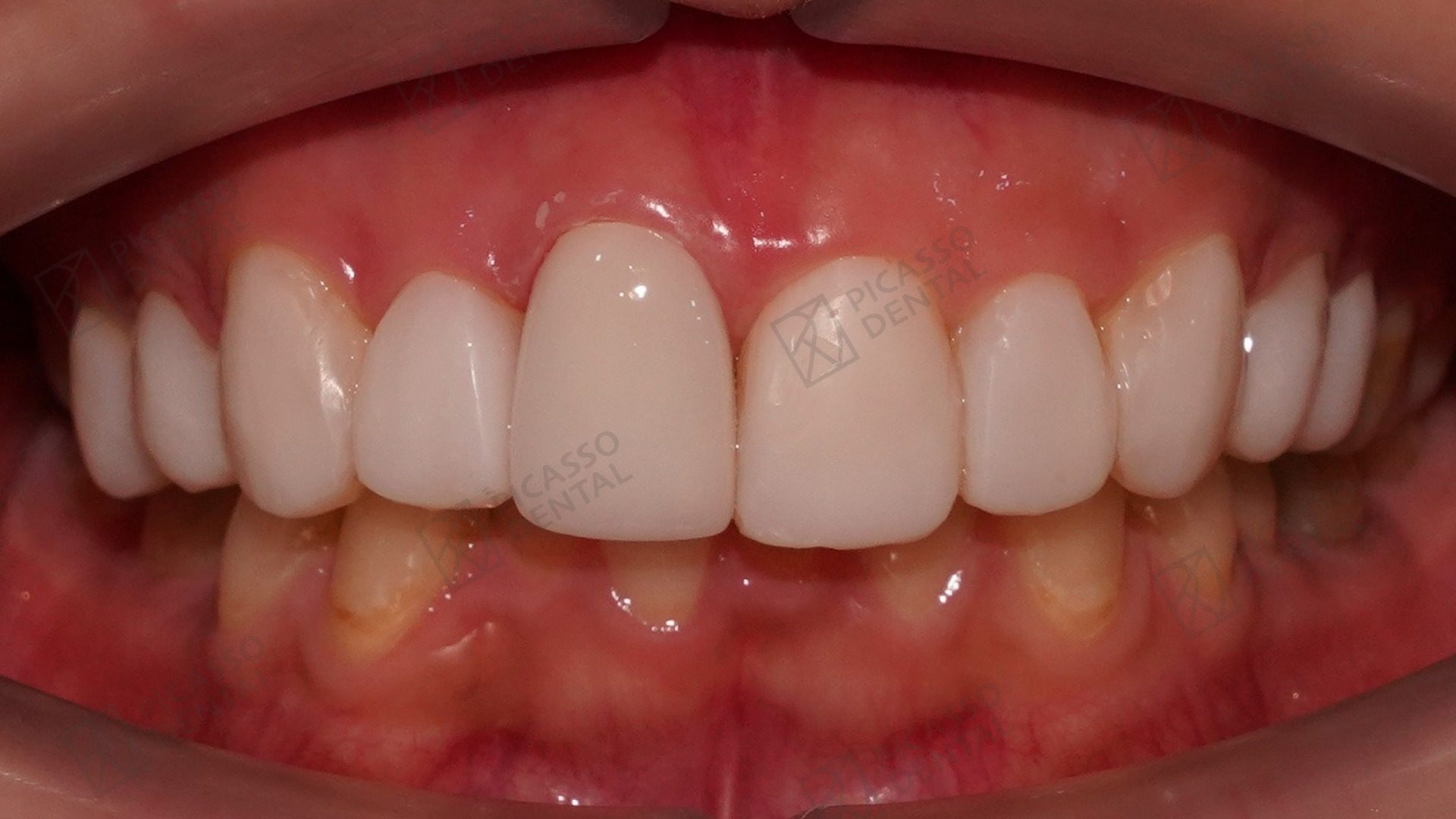 After
AfterSmile restoration, Da Nang Flagship
Frequently asked questions
Is bleeding gums always a sign of gum disease?
Bleeding gums when brushing or flossing is not normal and should not be ignored. It is often the earliest sign of gingivitis, the mildest and most reversible stage of gum disease. Healthy gums are firm and pink, not red, swollen, or prone to bleeding. Occasional bleeding from vigorous brushing is different from consistent bleeding at the gum line every time you clean your teeth.
What is the difference between gingivitis and periodontitis?
Gingivitis is inflammation of the gums caused by plaque and tartar buildup. It is reversible with professional cleaning and improved home care. Periodontitis is what happens when gingivitis is left untreated: the infection spreads below the gum line and destroys the bone supporting the teeth. Periodontitis is not reversible, but it can be stopped. The bone that has already been lost cannot be fully regenerated without surgical intervention.
What is scaling and root planing?
Scaling and root planing, often called a deep clean, is the main non-surgical treatment for periodontitis. Scaling removes all tartar and bacteria from the tooth surfaces and from beneath the gum line using specialised instruments. Root planing smooths the root surfaces so gums can reattach to the teeth more easily and bacteria have fewer rough surfaces to cling to. The procedure is done with local anaesthetic so patients stay comfortable throughout.
How many appointments does periodontal treatment take?
Mild to moderate periodontitis typically requires two to four deep-cleaning appointments, often treating one half of the mouth per visit. After the initial treatment phase, most patients need maintenance cleaning visits every three to four months rather than the standard six months. These maintenance visits are essential because periodontal disease is a chronic condition that needs long-term management.
Does gum disease affect overall health?
Yes, substantially. Research links untreated gum disease to increased risk of cardiovascular disease and stroke. People with gum disease have more difficulty controlling blood sugar if they have diabetes, creating a bidirectional relationship. Pregnant women with gum disease have higher rates of premature birth and low birth weight. The chronic inflammation from gum disease also stresses the immune system, making it harder for the body to fight other infections.
Can gum disease come back after treatment?
Yes. Periodontal disease is a chronic condition, not a one-time problem. The bacteria that cause it are always present in the mouth, and without ongoing maintenance they will re-colonise the pockets around your teeth. This is why maintenance cleaning every three to four months after active treatment is not optional. Patients who maintain this schedule and practise good daily home care can keep gum disease stable for decades.
What lifestyle factors make gum disease worse?
Smoking is the single biggest risk factor for severe gum disease and makes treatment significantly less effective. Uncontrolled diabetes dramatically increases susceptibility to periodontal infection. Stress, which lowers immune response, is also associated with more aggressive gum disease. Poor diet, particularly one lacking vitamin C, compromises gum tissue health. Medications that cause dry mouth reduce saliva's natural antibacterial protection.
When should I see a dentist for gum problems?
You should see a dentist as soon as you notice any of the following: gums that bleed when brushing or flossing, gums that are red, swollen, or tender, gums that have pulled away from the teeth making them look longer, persistent bad breath that does not resolve with brushing, loose or shifting teeth, pain when chewing, or pus between the teeth and gums. None of these symptoms will resolve on their own, and all will worsen without professional treatment.
Start Here
Start with a brief.
If you have noticed any of these warning signs, a comprehensive gum evaluation will clarify exactly where you stand and what treatment, if any, is needed. Assessment, no obligation, 24-hour reply.