
General Dentistry
Gum Bleeding During Pregnancy:
Why It Happens and What Is Safe.
Bleeding gums affect up to 75 percent of pregnant women. It is common, but not something to dismiss. The right dental care during pregnancy is safer than leaving it untreated.

Key takeaways
- Pregnancy hormones amplify gum inflammation in response to normal plaque levels. This is pregnancy gingivitis.
- Untreated gum disease during pregnancy is linked to preterm birth, low birth weight, and preeclampsia.
- Dental cleanings, fillings, and extractions are safe in pregnancy, especially in the second trimester.
- Local anaesthesia is safe. Routine X-rays are postponed but can be taken with shielding when necessary.
- Pregnancy gingivitis resolves after delivery. Underlying gum disease requires treatment and will not resolve on its own.
Why pregnancy causes bleeding gums
Elevated progesterone and estrogen levels during pregnancy increase blood flow to gum tissue, making it more sensitive, swollen, and prone to bleeding. The same plaque that caused minimal irritation before pregnancy now triggers significant inflammation. This is pregnancy gingivitis, and it typically begins around the second month of pregnancy, peaking near the eighth month.
Gums become puffy, red, and tender. They bleed easily during brushing and flossing, sometimes even spontaneously. Hormonal changes also shift the bacterial balance in the mouth toward species that promote gum inflammation, while the immune adaptations of pregnancy reduce the body's ability to fight oral bacteria as effectively as usual.
Pregnancy tumours of the gum
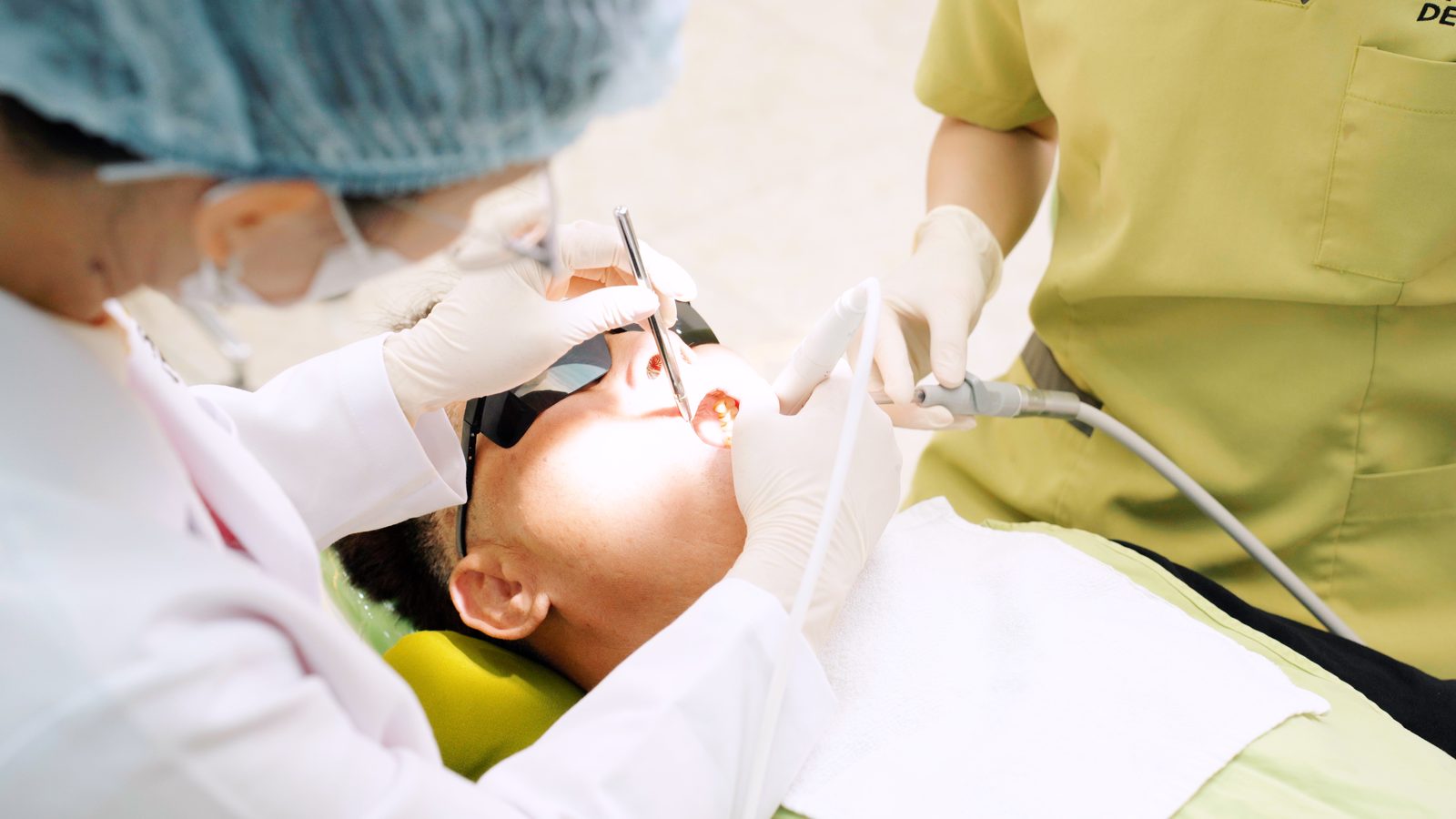
Some pregnant women develop benign gum overgrowths between teeth, typically in the second trimester. These look like red or purple lumpy growths, bleed easily on contact, and can grow large enough to interfere with eating or cleaning. Despite the alarming name they are not cancerous. They usually shrink after delivery but can be safely removed during pregnancy if they cause significant discomfort.
When bleeding gums signal something serious
While pregnancy gingivitis is common, dismissing all gum bleeding as normal is a mistake. Untreated periodontal disease during pregnancy is linked to increased risk of preterm birth, low birth weight, and preeclampsia. Inflammatory mediators from gum infections can enter the bloodstream and potentially trigger early labor. The association is strong enough that treating gum disease is considered part of responsible prenatal care.
Normal pregnancy gingivitis
- Bleeding when brushing or flossing
- Gums are puffy and red but not painful
- Began after becoming pregnant
- No pus, no loose teeth, no bad taste
- Improves with better home hygiene
See a dentist promptly
- Heavy or spontaneous bleeding
- Pain, pus, or persistent bad breath
- Gums pulling away from teeth
- Teeth feeling loose
- Abscess or swelling in the jaw
Dental abscesses during pregnancy require urgent treatment. Infections do not automatically harm the baby, but they do require antibiotics and drainage. Delaying care out of fear that treatment is unsafe puts both mother and baby at greater risk than the treatment itself.
What dental treatment is safe in each trimester
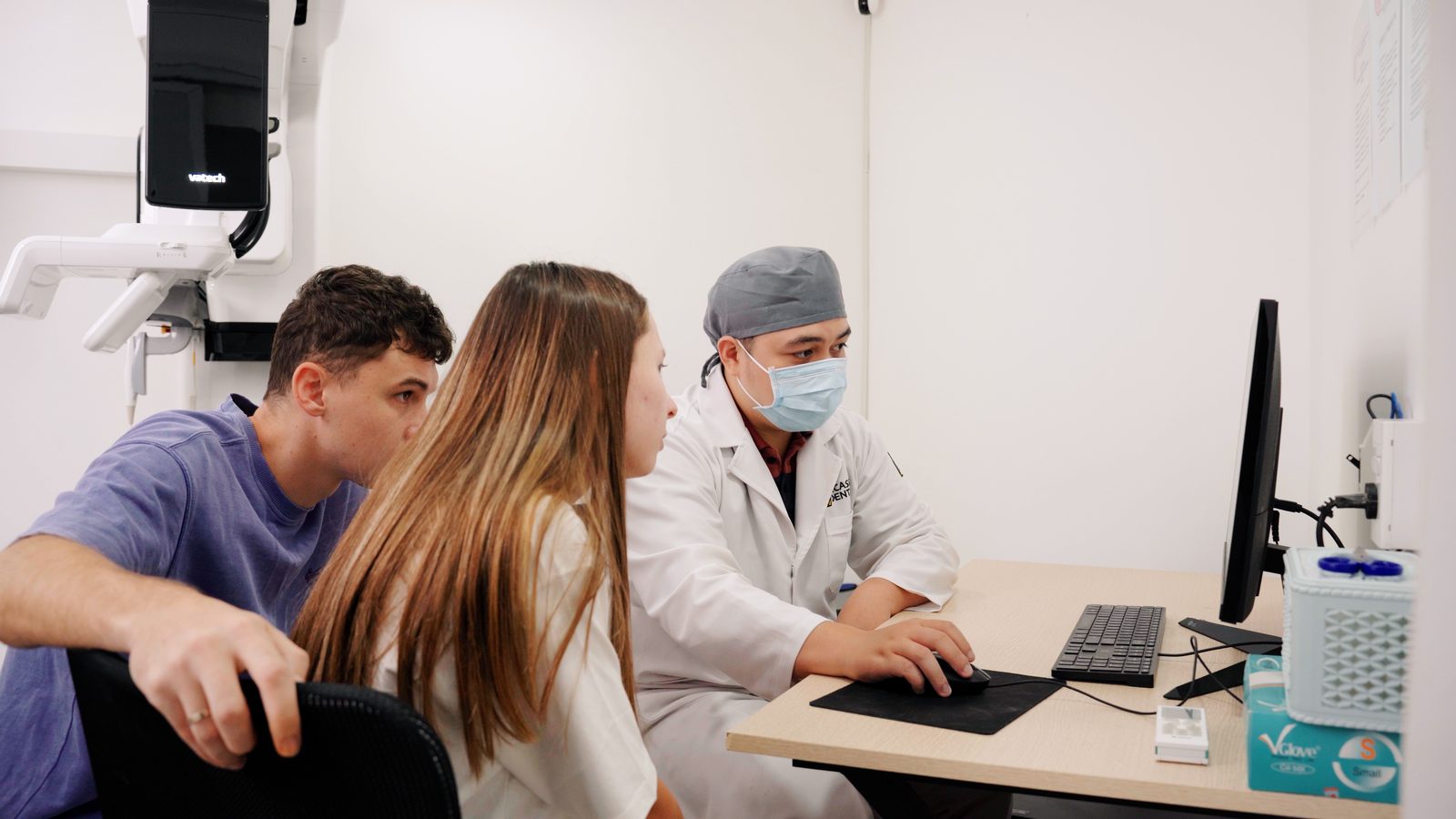
- First trimester (weeks 1 to 13) Avoid elective procedures. Emergency treatment is fine. Inform your dentist of pregnancy status, medications, and any complications. Nausea peaks here: reschedule cleaning if needed but do not skip indefinitely.
- Second trimester (weeks 14 to 28) Optimal window for most dental treatment. Cleaning, fillings, extractions, and gum treatment are all safe. Nausea has usually resolved and the patient is not yet restricted by third trimester discomfort.
- Third trimester (weeks 29 to 40) Urgent treatment is fine at any point. Long appointments become uncomfortable. Avoid lying flat for extended periods; a slight left recline reduces pressure on the vena cava.
- Local anaesthesia Safe throughout pregnancy. Lidocaine with epinephrine at standard doses is the standard of care. Untreated dental pain is more harmful than the anaesthetic.
- Dental X-rays Routine X-rays are postponed until after delivery when possible. When clinically necessary, a single periapical X-ray with a lead apron is safe. The foetal radiation dose is negligible.
- Antibiotics Amoxicillin, clindamycin, and penicillin are safe in pregnancy. Avoid tetracyclines and metronidazole in the first trimester. Your dentist will prescribe appropriately.
Pregnant and concerned about your gums? A pregnancy-safe dental assessment at Picasso Dental. English-speaking team. Licensed dentist replies within 24 hours.
Book a consultation →Home care during pregnancy
Brush twice daily with a soft toothbrush. Floss once daily. Rinse with warm salt water (half a teaspoon dissolved in a cup of warm water) two to three times a day to soothe inflamed gums and reduce bacterial load.
If morning sickness makes brushing difficult, brush with water only or rinse with water rather than skipping hygiene entirely. After vomiting, rinse with water but wait at least 30 minutes before brushing. Stomach acid temporarily softens enamel and brushing too soon causes erosion.
"The dentist was simply great and did an amazing job. She is very friendly and caring for the patient. The cleaning was perfect and the service was excellent."
Arn, HCMC Thao Dien, Google review
Stay well hydrated. Dry mouth worsens gum inflammation. Ensure adequate vitamin C intake (supports gum tissue health) and calcium (protects your teeth while supporting foetal bone development). Reduce the frequency of sugary snacks, which fuel the bacteria causing gum inflammation.
What to expect after delivery
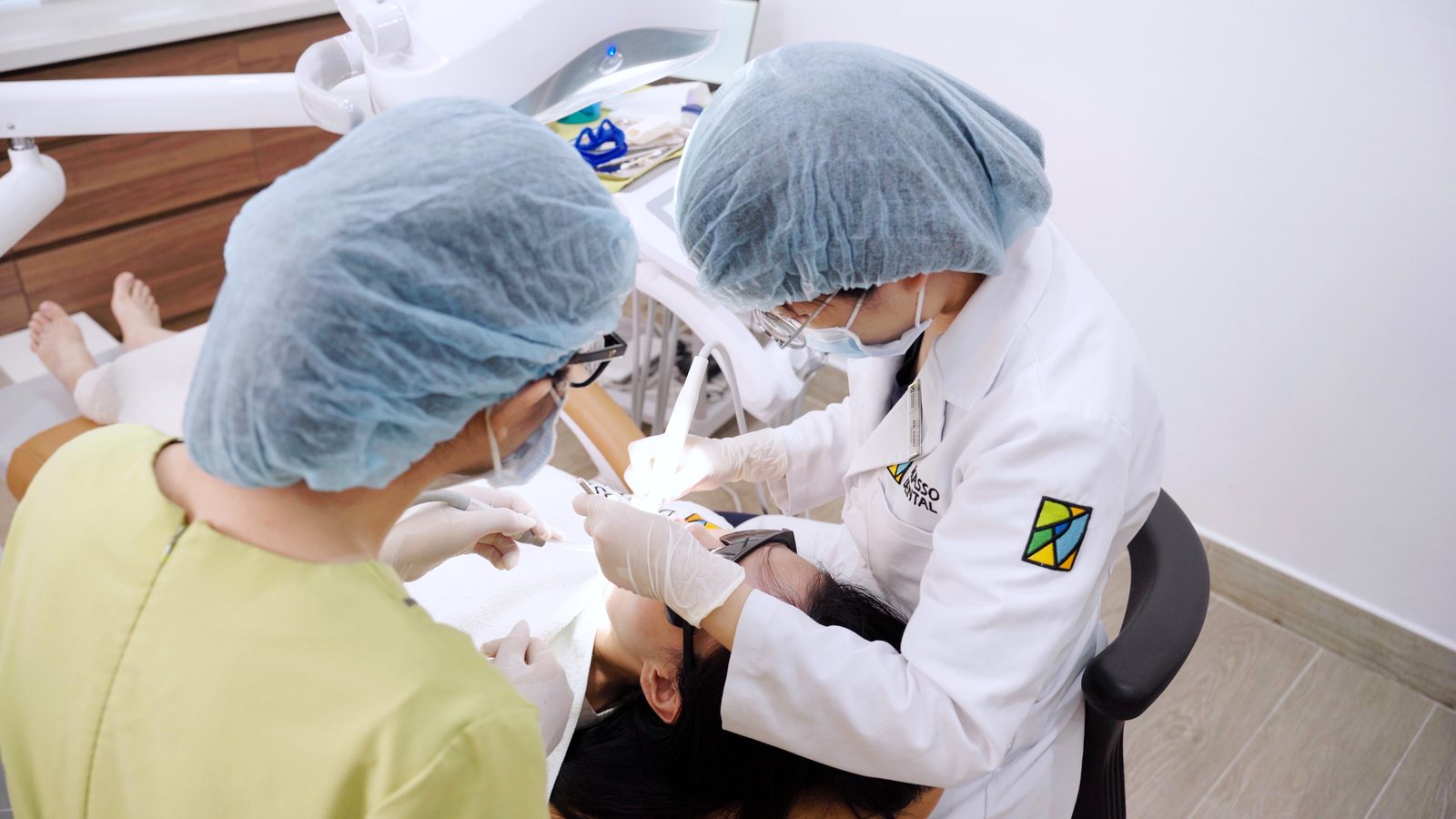
Pregnancy gingivitis typically resolves within a few months after delivery as hormone levels normalise. Any underlying periodontal disease, however, will not resolve on its own. A dental review within three months of delivery is recommended to assess gum health and treat any remaining inflammation before it progresses to irreversible bone loss.
For more on gum treatment at Picasso, see the periodontal treatment guide and the overview of dental checkup and cleaning services.
 Before
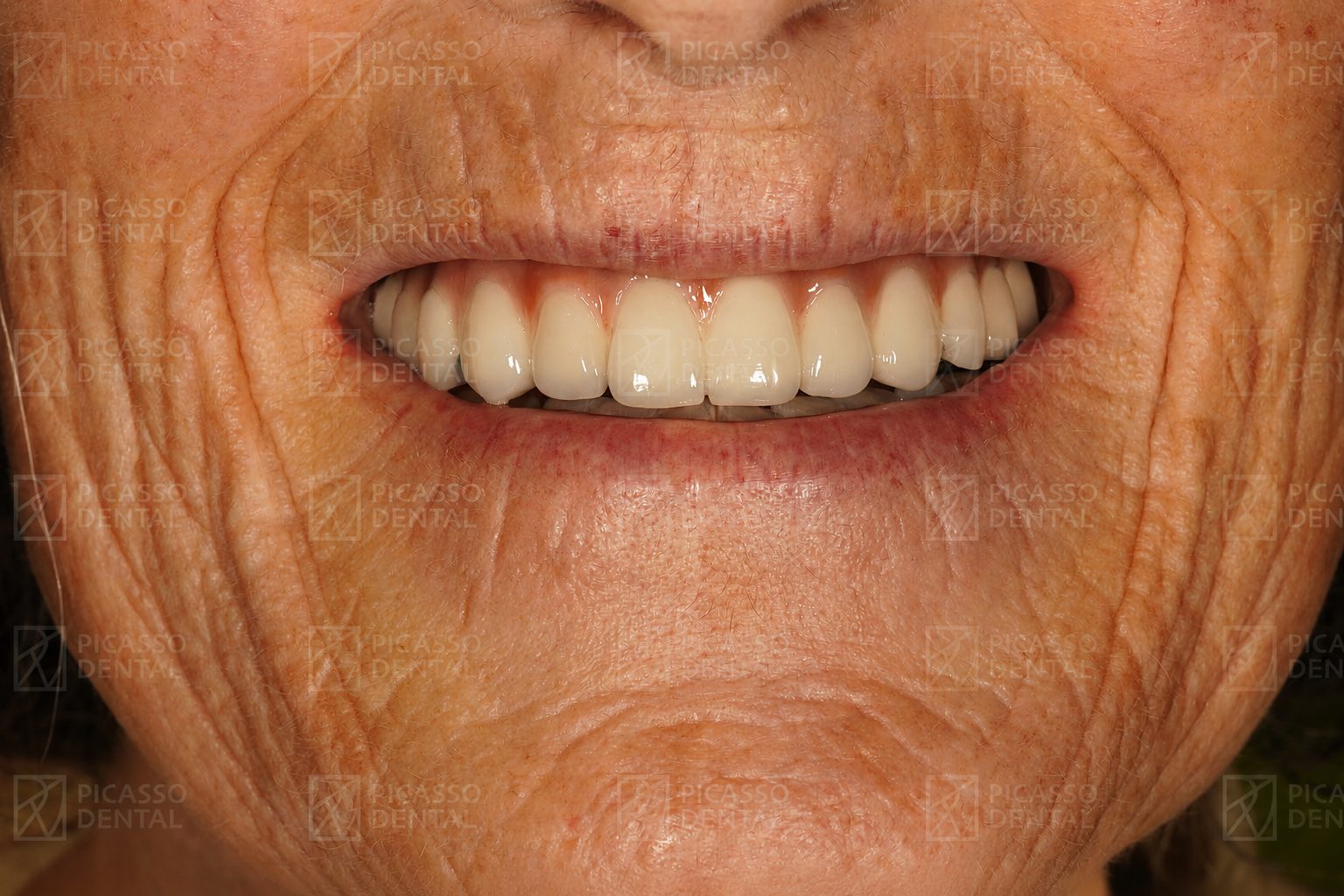 After
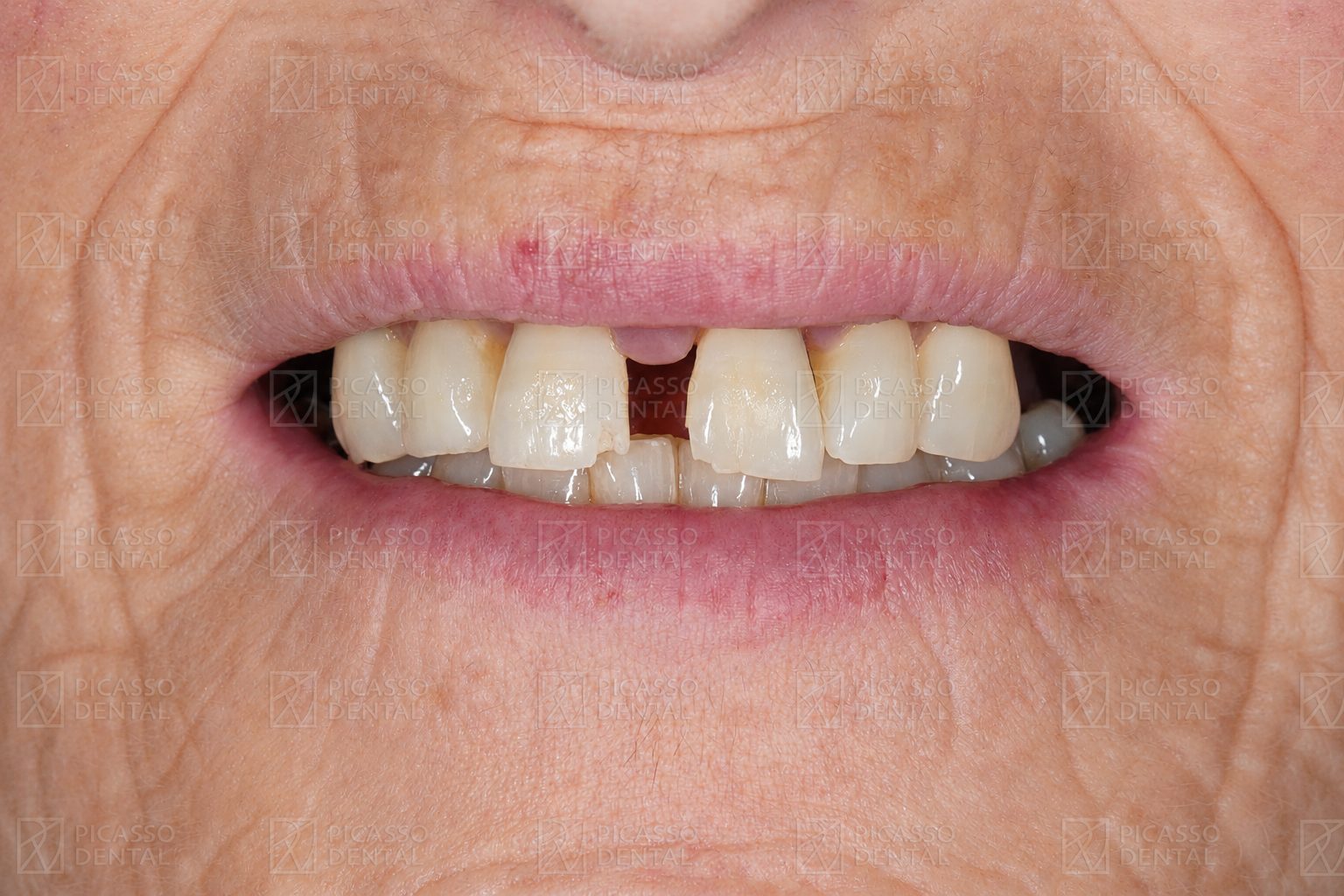
AfterCase 38420. Scaling and root planing for pregnancy gingivitis. Hanoi Old Quarter.
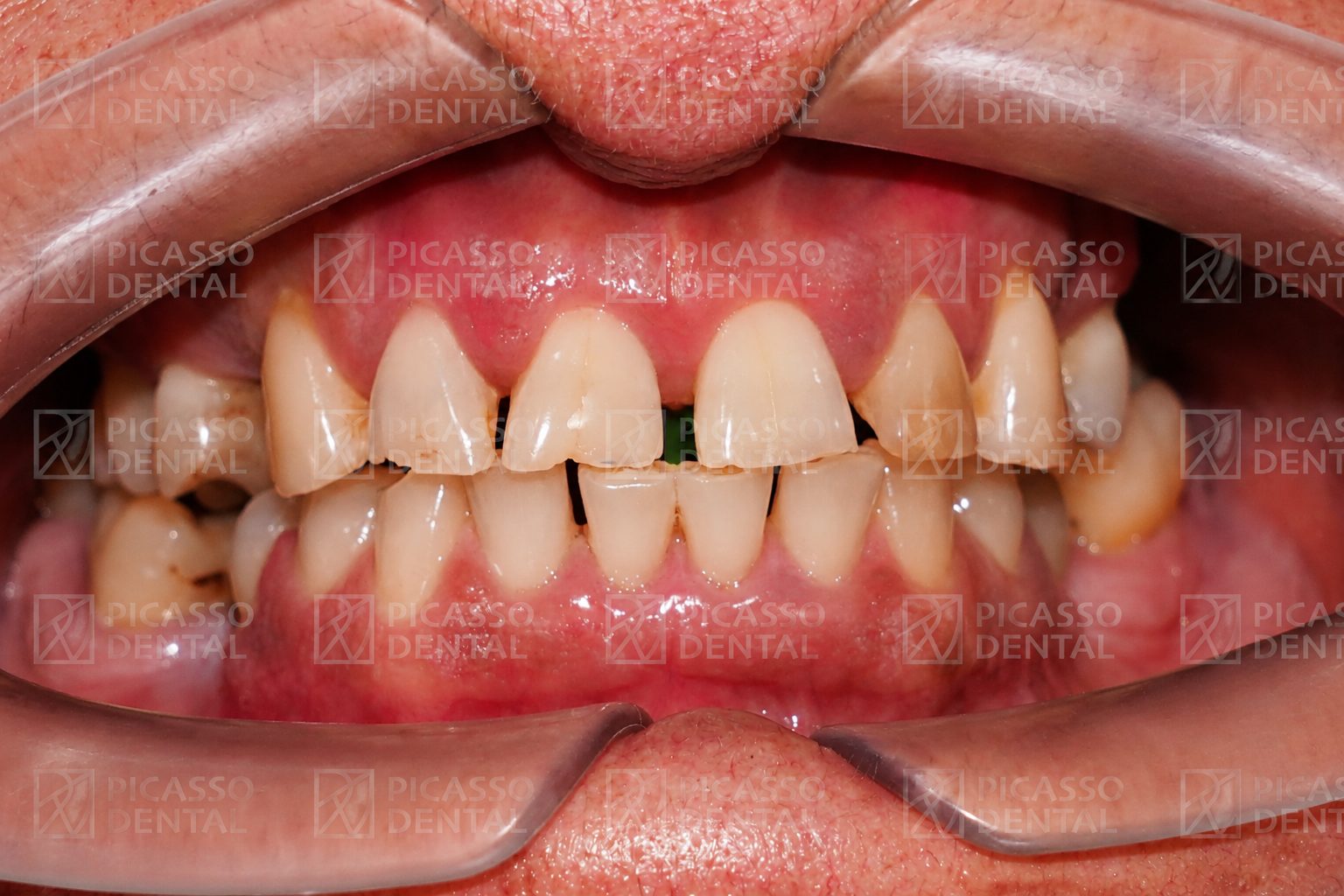 Before
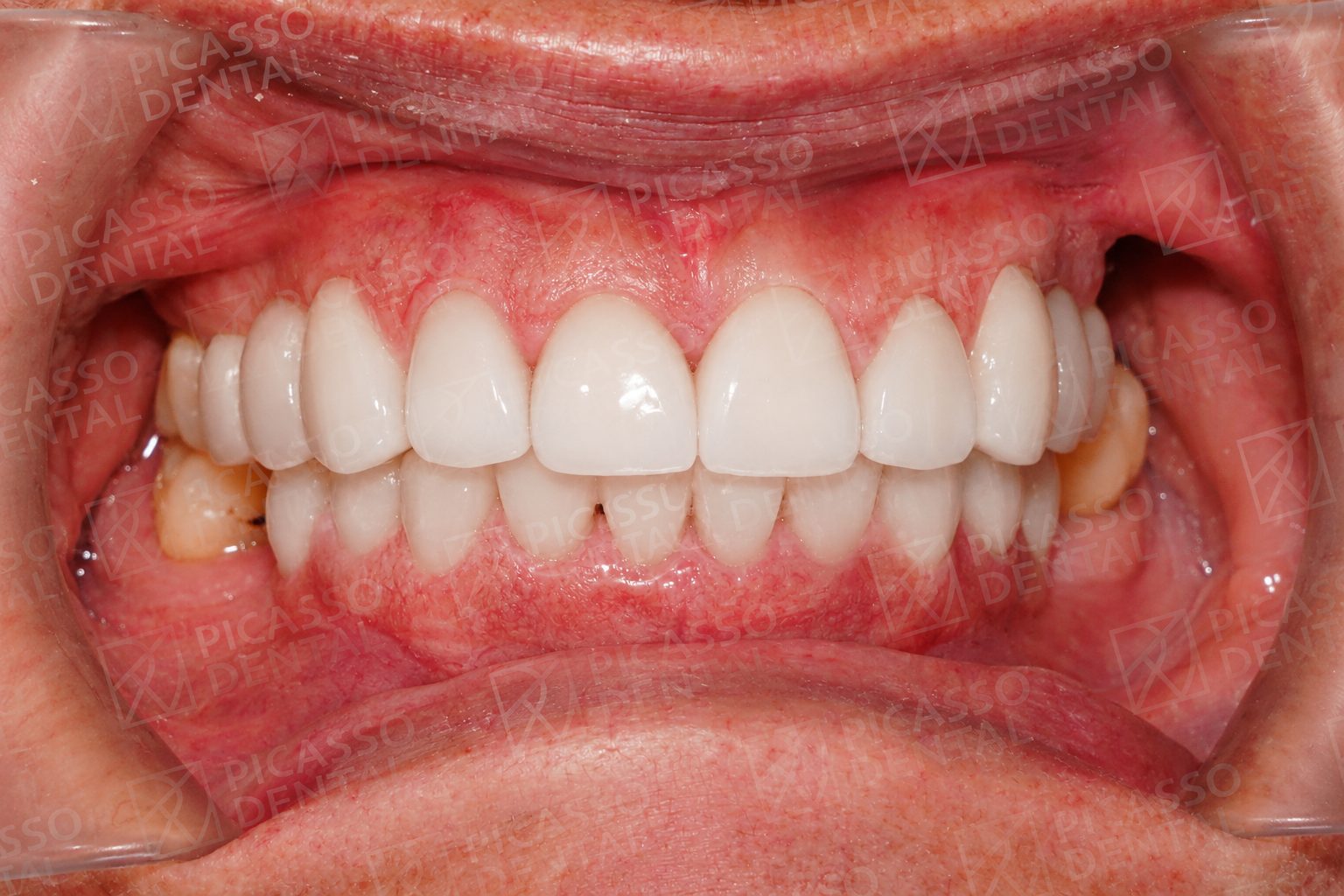 After
AfterCase 40179. Full-mouth deep cleaning, second trimester. Da Nang Flagship.
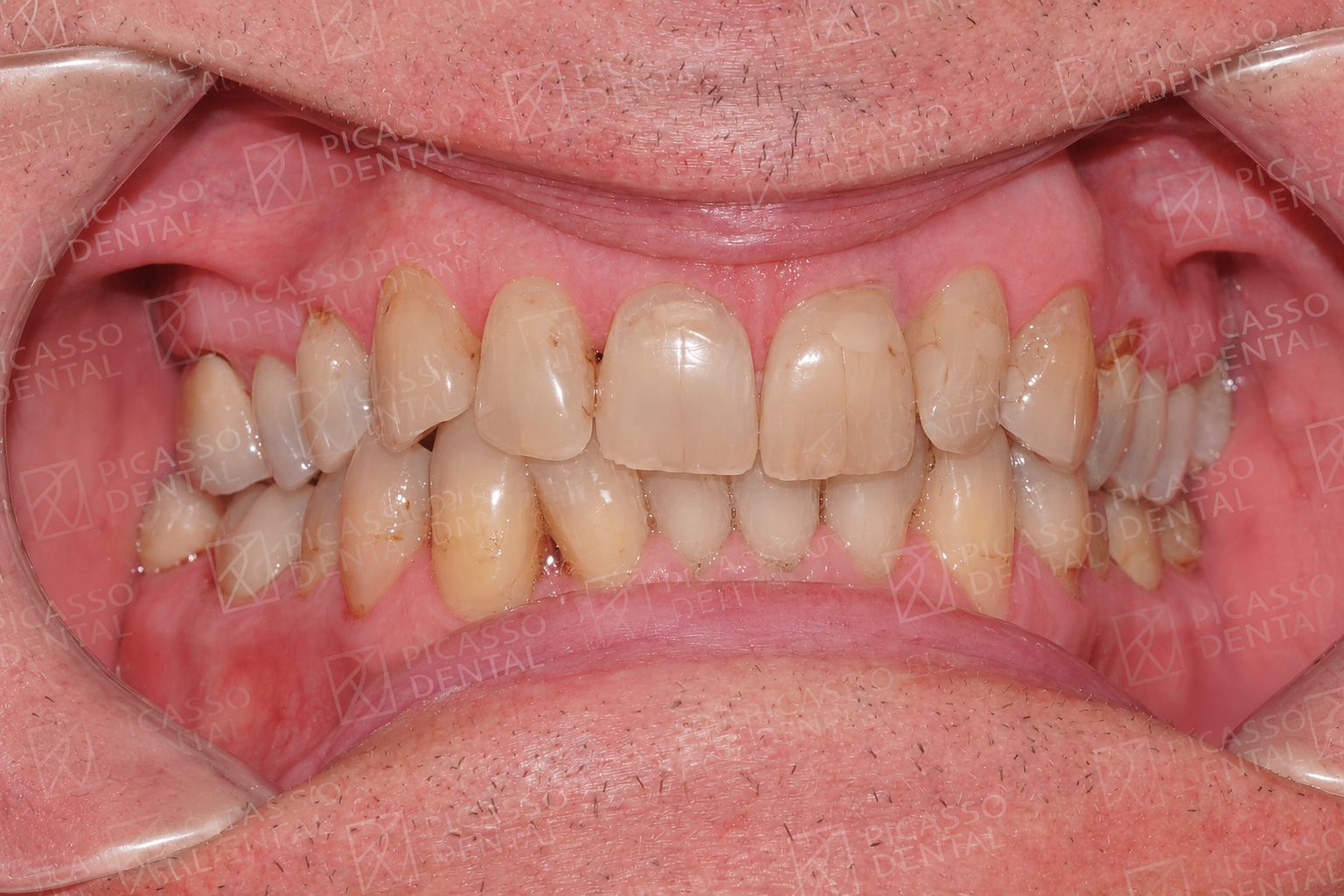 Before
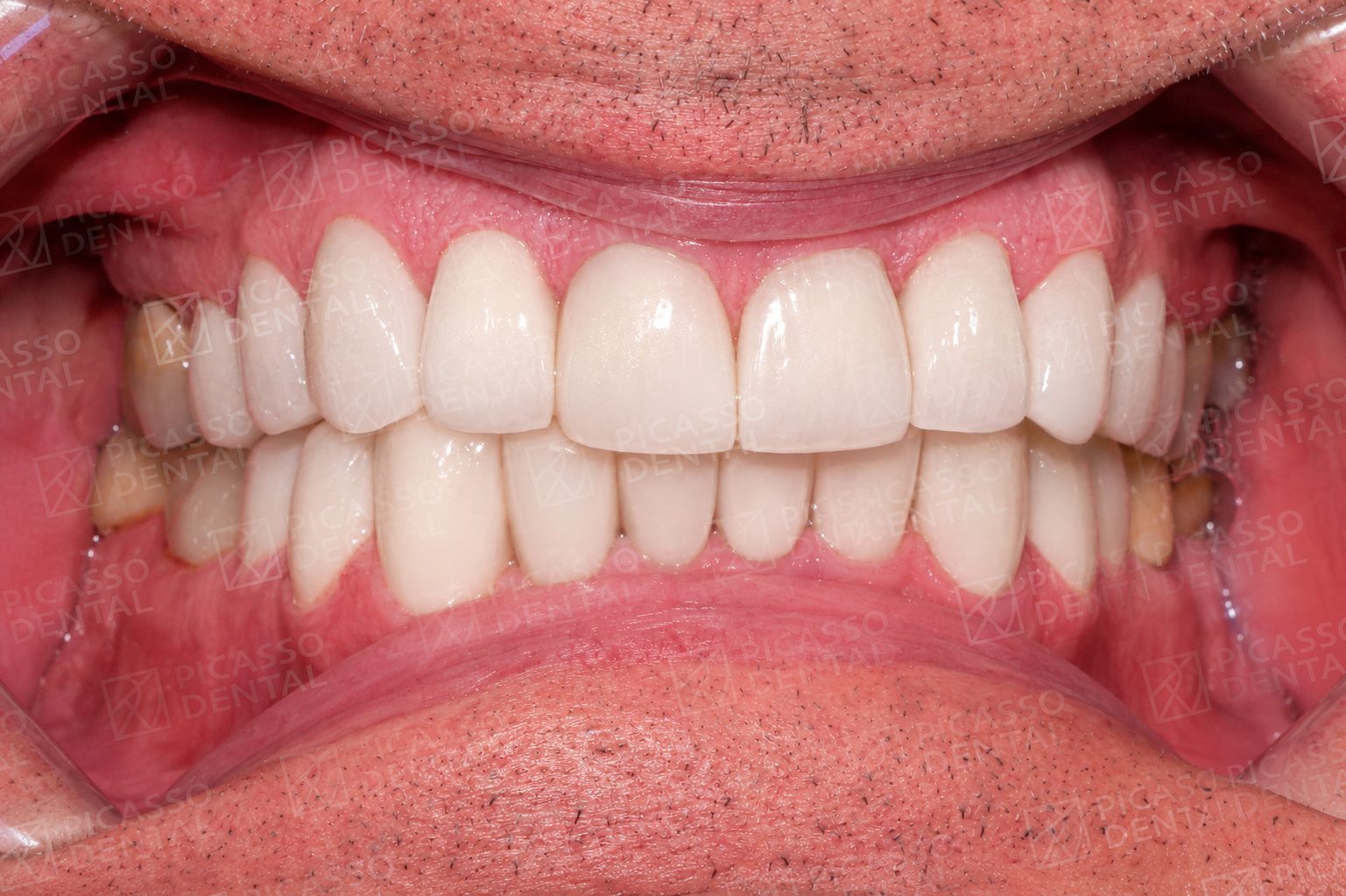 After
AfterCase 41400. Pregnancy-safe cleaning with inflamed gum tissue. HCMC Thao Dien.
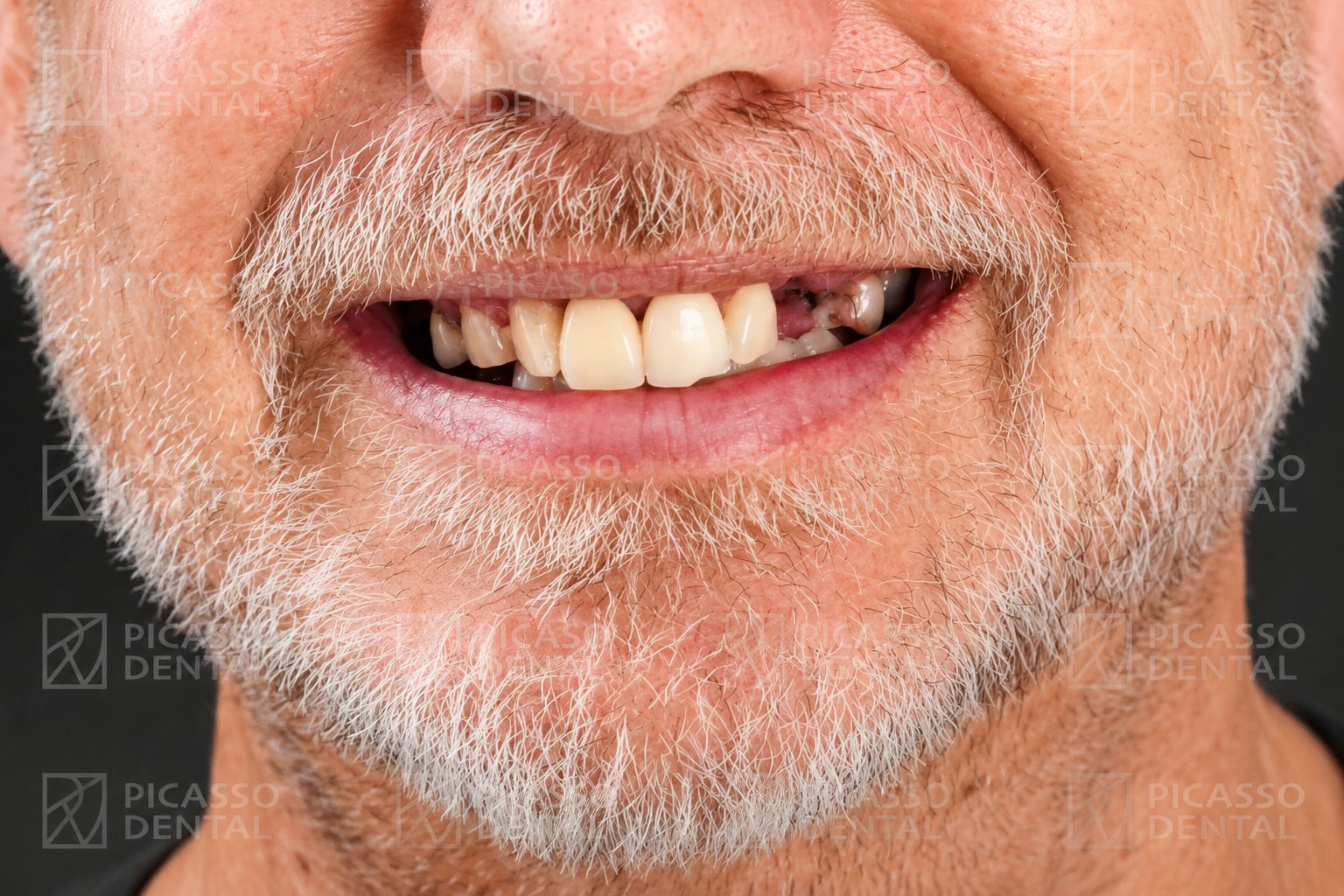 Before
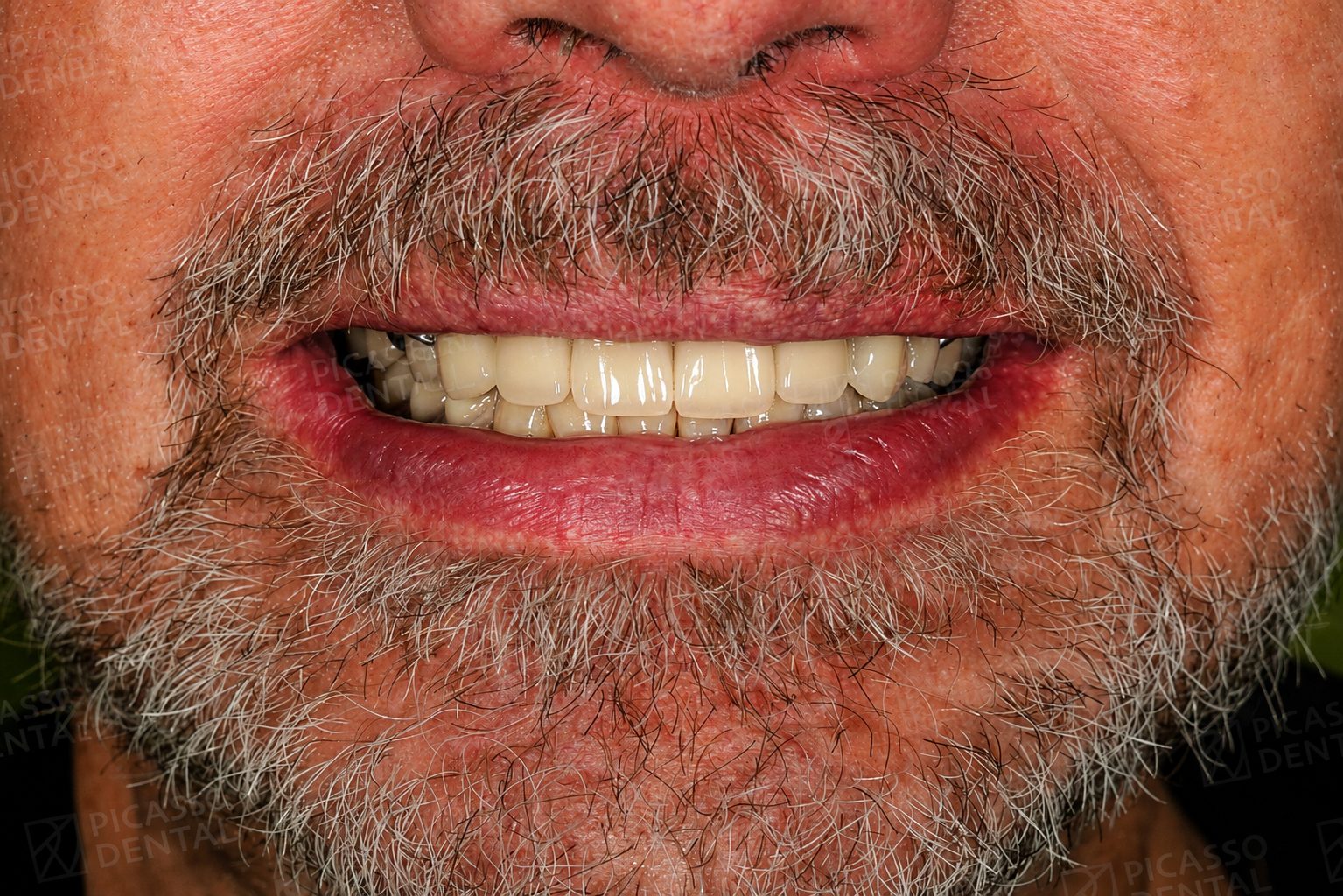 After
AfterCase 42840. Periodontal treatment with gum recontouring post-partum. Hanoi Westlake.
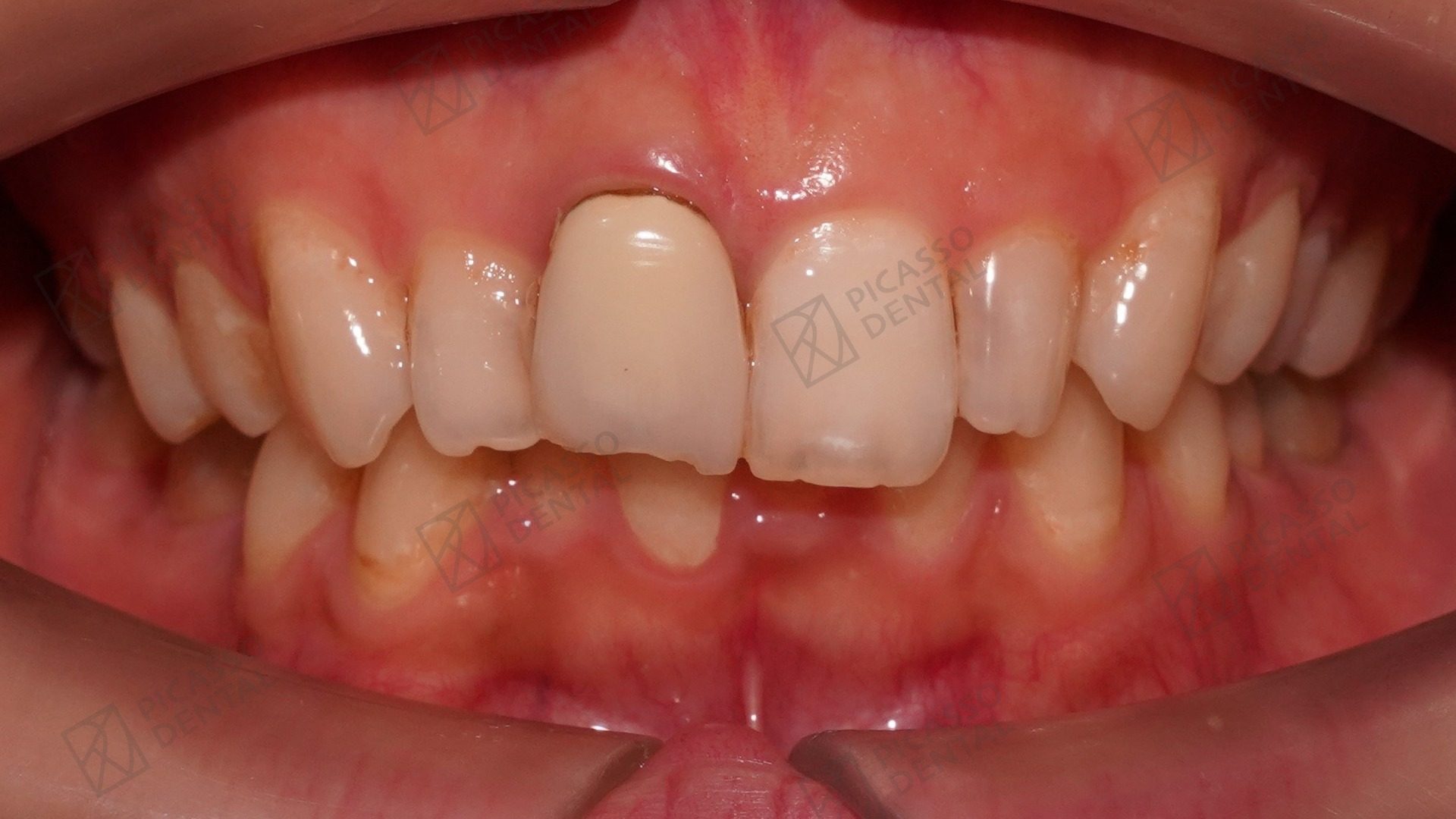 Before
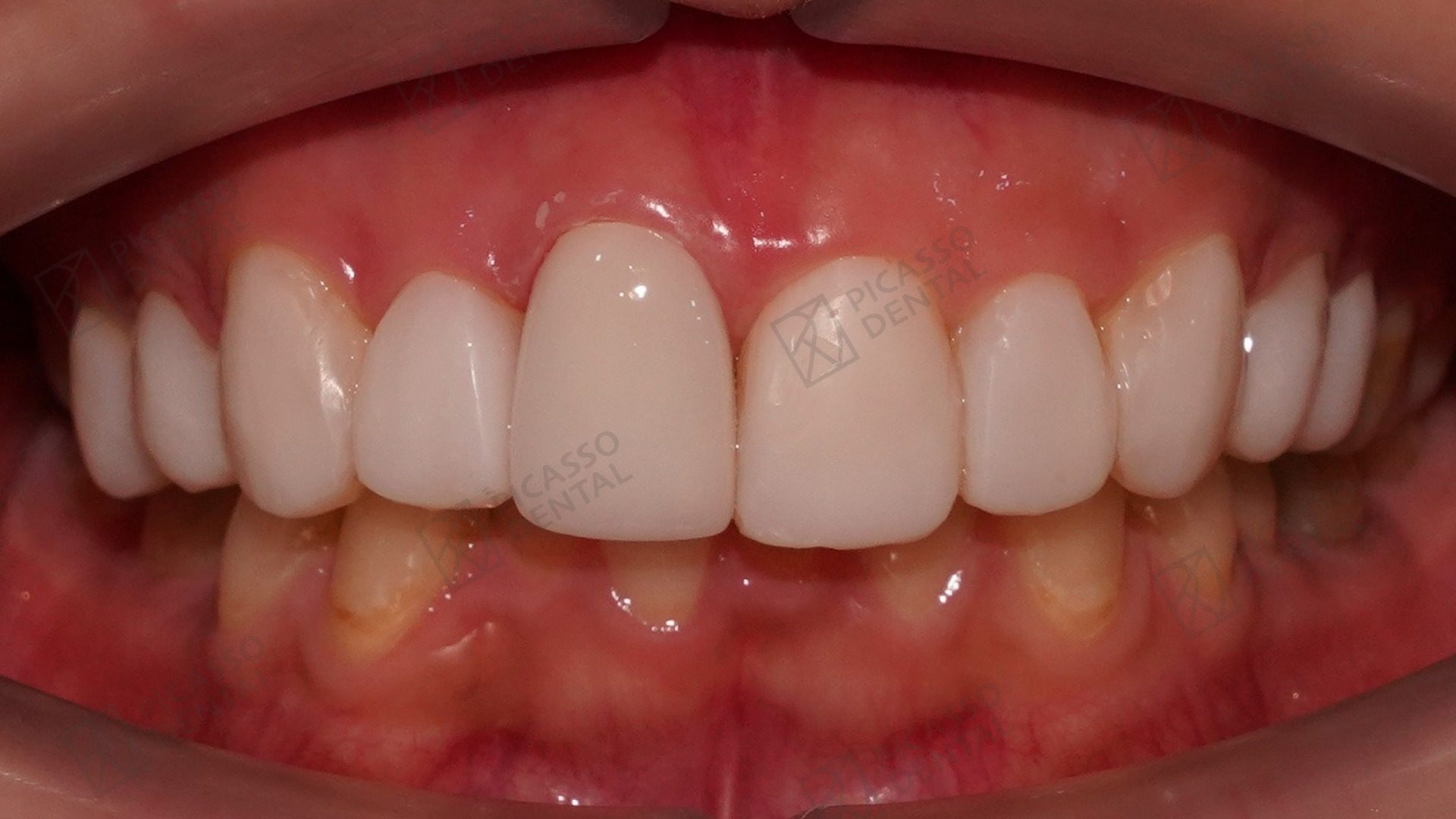 After
AfterCase 46229. Scaling and polishing, chronic gingivitis. Da Lat.
Frequently asked questions
Is gum bleeding during pregnancy normal?
Yes, gum bleeding during pregnancy is very common, affecting 60 to 75 percent of pregnant women. It is caused by hormonal changes that increase blood flow to gum tissue and amplify the inflammatory response to plaque. The condition is called pregnancy gingivitis. While common, it should not be ignored: untreated gum disease during pregnancy is linked to preterm birth, low birth weight, and preeclampsia.
Is dental treatment safe during pregnancy?
Yes. Professional dental cleaning, fillings, and extractions are safe during pregnancy, particularly in the second trimester. Local anaesthesia is safe. Dental X-rays can be taken with proper shielding when clinically necessary, though routine X-rays are typically postponed until after delivery. The risk of untreated dental infection to mother and baby is far greater than the risk of appropriate dental treatment.
When is the safest trimester for dental treatment?
The second trimester (weeks 14 to 28) is the optimal time for elective dental treatment. First trimester nausea has usually resolved and the patient is not yet dealing with third trimester discomfort. Urgent treatment should be addressed promptly regardless of trimester. Elective cosmetic procedures are best postponed until after delivery.
Can gum disease affect my baby?
Research links untreated periodontal disease during pregnancy to increased risk of preterm birth, low birth weight, and preeclampsia. The proposed mechanism involves inflammatory chemicals from gum infections entering the bloodstream and potentially triggering early labor. The association is strong enough that treating gum disease is considered part of responsible prenatal care, not a cosmetic concern.
What can I do at home to manage bleeding gums during pregnancy?
Brush twice daily with a soft toothbrush, floss daily, and rinse with warm salt water two to three times a day. Stay well hydrated as dry mouth worsens gum inflammation. Ensure adequate vitamin C and calcium intake through diet or prenatal vitamins. Avoid frequent sugary snacks that fuel bacterial growth. If morning sickness makes brushing difficult, brush with plain water or rinse with water rather than skipping hygiene entirely.
Will my gums return to normal after delivery?
Pregnancy gingivitis typically resolves within a few months after delivery as hormone levels normalise. However, any underlying gum disease that developed or worsened during pregnancy will not resolve on its own. A dental review within a few months of delivery is recommended to assess gum health and address any remaining inflammation before it progresses to bone loss.
What are pregnancy tumours of the gum?
Pregnancy tumours are benign overgrowths of gum tissue that appear between teeth, usually in the second trimester. They look like red or purple lumpy growths, bleed easily on contact, and can grow large enough to interfere with eating or cleaning. Despite the alarming name they are not cancerous. They typically shrink and disappear after delivery, but can be safely removed during pregnancy if they cause significant discomfort.
General Dentistry · Picasso Dental Clinic
Pregnant and Concerned
About Your Gums?
A pregnancy-safe dental assessment at Picasso Dental, Hanoi, Ho Chi Minh City, Da Nang, or Da Lat. Licensed dentist replies within 24 hours. No obligation.