
Deep Cleaning Guide
Gum Bleeding After Deep Cleaning:
Normal vs Concerning.
Some bleeding for the first one to three days after deep cleaning is expected and normal. Here is exactly what to watch for, a day-by-day timeline, and the specific signs that mean you should call your dentist.

Key takeaways
- Light bleeding and pink saliva on days 1 to 3 is normal and expected after deep cleaning.
- Bleeding should improve each day and be fully resolved by days 7 to 10.
- Manage at home with damp gauze, salt water rinses after 24 hours, and avoiding smoking, alcohol, and hot foods.
- Call your dentist if bleeding worsens after day two, soaks gauze quickly, or persists at two weeks.
- Blood thinners extend bleeding duration — tell your dentist before the procedure and do not stop medications without consulting your doctor.
What deep cleaning does to your gums
Regular dental cleaning removes plaque and tartar from above the gumline. Deep cleaning, known clinically as scaling and root planing, goes beneath the gumline to remove calculus deposits and bacteria that have accumulated inside periodontal pockets.
Those pockets form when gum disease causes gum tissue to pull away from the teeth. Bacteria trapped in those pockets trigger chronic inflammation, damaging both gum tissue and the underlying bone. By the time scaling and root planing is recommended, the tissue below the gumline has typically been infected for months or years.
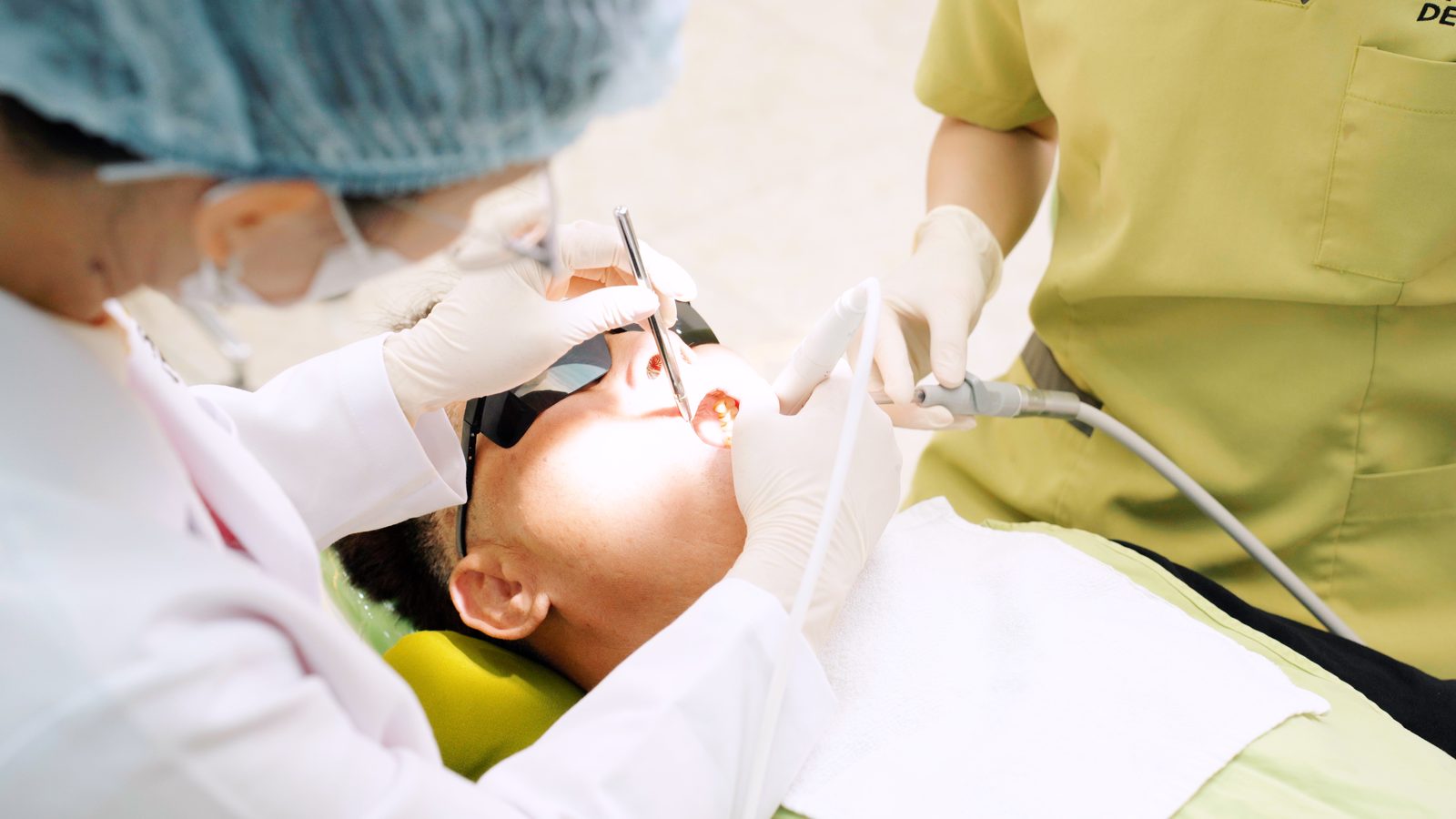
During the procedure, a dentist uses fine scalers to remove hardened calculus from root surfaces beneath the gumline, then smooths the roots to discourage future bacterial attachment. This work necessarily disturbs infected, chronically inflamed tissue. The bleeding that follows is a direct result of treating that diseased tissue, not a sign that anything went wrong.
Why bleeding happens after the procedure
Your gums were already prone to bleeding before deep cleaning. Inflamed gum tissue is swollen, engorged with blood vessels fighting infection, and bleeds easily at the slightest provocation. The scaling instruments remove the source of that infection, but they also mechanically disrupt tissue that has been in a diseased state.
Think of it as cleaning an infected wound: the cleaning itself causes bleeding because you are removing diseased material and exposing raw, healing tissue underneath. That is a necessary part of the process.
Anesthetic also plays a role. Local anesthetic contains vasoconstrictors, which temporarily reduce blood flow to the treated area. Once the anesthetic wears off a few hours after your appointment, blood flow returns to normal in tissue that was just manipulated, which can cause renewed bleeding that evening.
"The dentist was simply great and did an amazing job. She is very friendly and caring for the patient. The cleaning was perfect and the service was excellent."
Arn, HCMC, deep cleaning, Google review
Day-by-day recovery timeline
The progression matters more than any single reading. Here is what most patients experience:
| Day | Expected bleeding | Recommended action |
|---|---|---|
| Day 1 | Heaviest bleeding; pink saliva when spitting; oozing from treated sites; anesthetic wears off in the evening | Bite on damp gauze for 10-15 min as needed; no vigorous rinsing, spitting, or straws; eat soft, cool foods |
| Day 2 | Moderate bleeding; some blood on toothbrush; gums tender and sensitive | Begin gentle salt water rinses (half tsp salt in a cup of warm water) 3 times daily; brush very softly |
| Day 3 | Bleeding clearly reducing; soreness easing; gums may look swollen | Continue salt water rinses; resume gentle flossing if comfortable; avoid smoking and alcohol |
| Days 4 to 5 | Minimal bleeding; only triggered by brushing or flossing; soreness fading | Resume normal brushing technique; stay hydrated; continue soft diet if still tender |
| Days 6 to 7 | Little or no spontaneous bleeding; gums beginning to look less red | Normal oral hygiene routine; contact dentist if bleeding is still prominent |
| Days 8 to 10 | Bleeding fully resolved in most patients | Normal diet and oral hygiene; note any remaining sensitivity for follow-up discussion |
| Weeks 2 to 4 | No bleeding; gum tissue firming up and reattaching to teeth | Attend follow-up appointment to measure pocket depths and assess healing |
If your bleeding does not follow this improving curve, or if you are still seeing active bleeding at two weeks, book a follow-up. Persistent bleeding after deep cleaning can indicate residual calculus, inadequate home care, or systemic factors affecting healing.
Concerned about your recovery? Book a follow-up at any Picasso Dental branch. English-speaking team, same-week appointments available.
Use the contact form →Normal vs excessive bleeding: how to tell the difference
Normal signs
- Pink or lightly blood-tinged saliva when spitting
- Light blood on toothbrush when brushing gently
- Slight oozing that stops within a few minutes
- Blood taste in the mouth overnight on days 1 to 3
- Bleeding improves noticeably each day
- Gums are tender but not severely painful
Concerning signs
- Heavy bleeding that soaks through gauze within 15 minutes
- Bleeding that gets worse after day two instead of improving
- Active bleeding that does not slow after 30 minutes of pressure
- Fever above 38 C or increasing facial swelling
- Severe, worsening pain (not just sensitivity)
- Any bleeding that persists beyond two weeks
If you are unsure which category applies to you, call your dentist. A brief phone consultation can give you reassurance or identify a situation that needs attention sooner.
How to manage bleeding at home
The first 24 hours
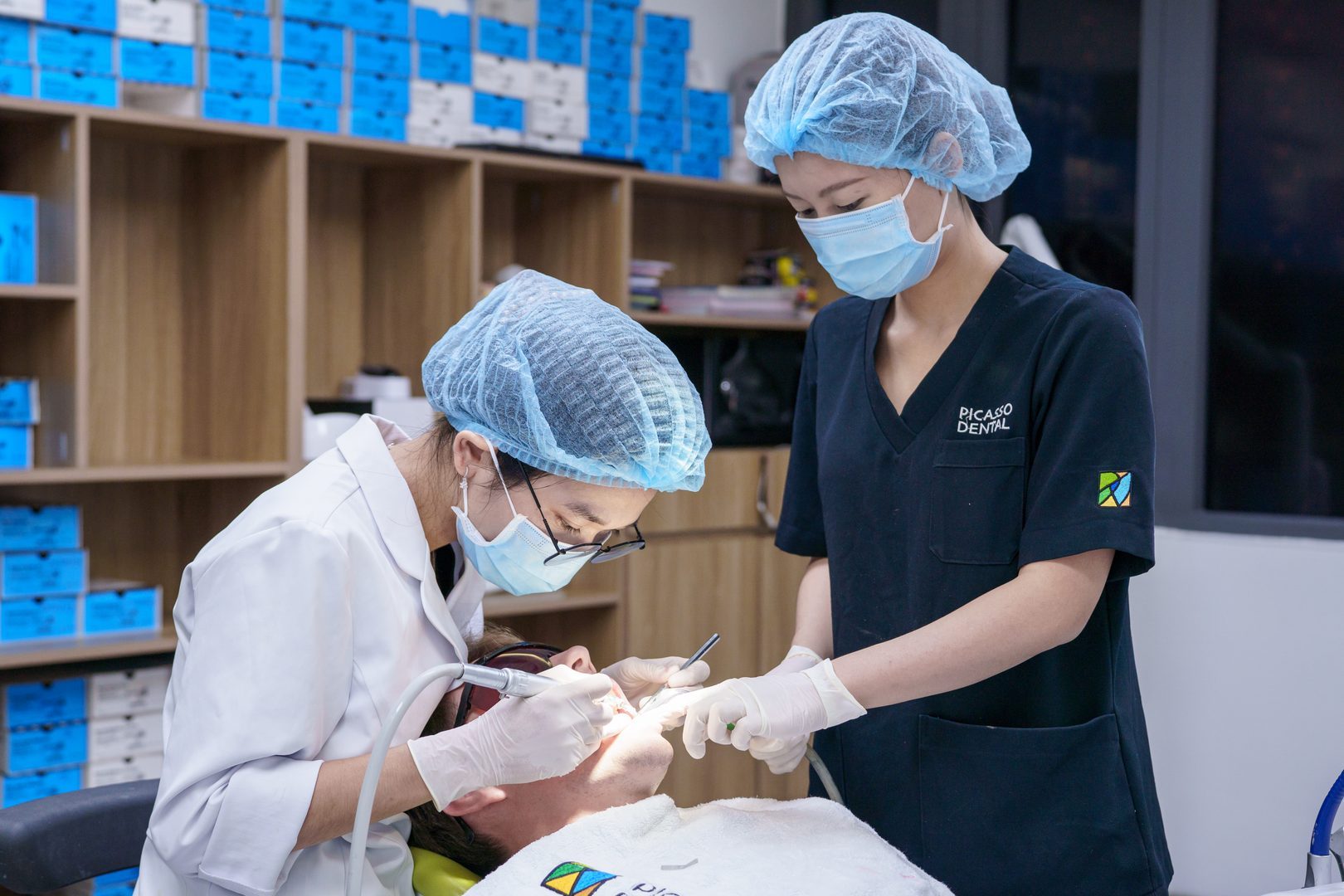
Avoid vigorous rinsing, forceful spitting, and using straws. All three create suction or pressure that can dislodge blood clots forming at the treatment sites. If bleeding picks up, bite down on a folded piece of damp gauze placed over the area for 10 to 15 minutes without checking it early, as lifting the gauze disrupts clot formation.
Eat soft, cool foods. Very hot foods and drinks increase blood flow to the area and can restart bleeding. Ice cream, yogurt, smoothies, and lukewarm soup are all appropriate for the first day.
Days 2 through 7
Start warm salt water rinses after the first 24 hours: half a teaspoon of salt dissolved in a cup of warm water, swished gently and let fall out of the mouth rather than spat forcefully. Three times daily is a good rhythm.
Continue brushing, but with a very soft-bristled toothbrush and gentle strokes. Your gums need cleaning to heal properly. Stopping brushing entirely allows plaque to accumulate, which prolongs inflammation and bleeding. If flossing feels manageable by day three, resume it gently.
Avoid smoking for at least 48 to 72 hours, ideally longer. Smoking dramatically impairs healing by restricting blood flow to gum tissue and introducing bacteria directly to the treatment sites. Alcohol also thins blood slightly and irritates healing tissue.
For more on what the procedure involves, see the full guide to periodontal treatment in Hanoi and the overview of dental checkup and cleaning services.
Special cases: blood thinners and diabetes
Patients taking anticoagulants or antiplatelet medications
Medications including warfarin, aspirin (regular use), clopidogrel, rivaroxaban, and apixaban all impair blood clotting to varying degrees. If you take any of these, bleeding after deep cleaning will typically last longer than the standard one to three days. Do not stop taking these medications before your dental appointment without speaking with the doctor who prescribed them. Stopping blood thinners abruptly carries serious medical risks that outweigh the inconvenience of extended dental bleeding.
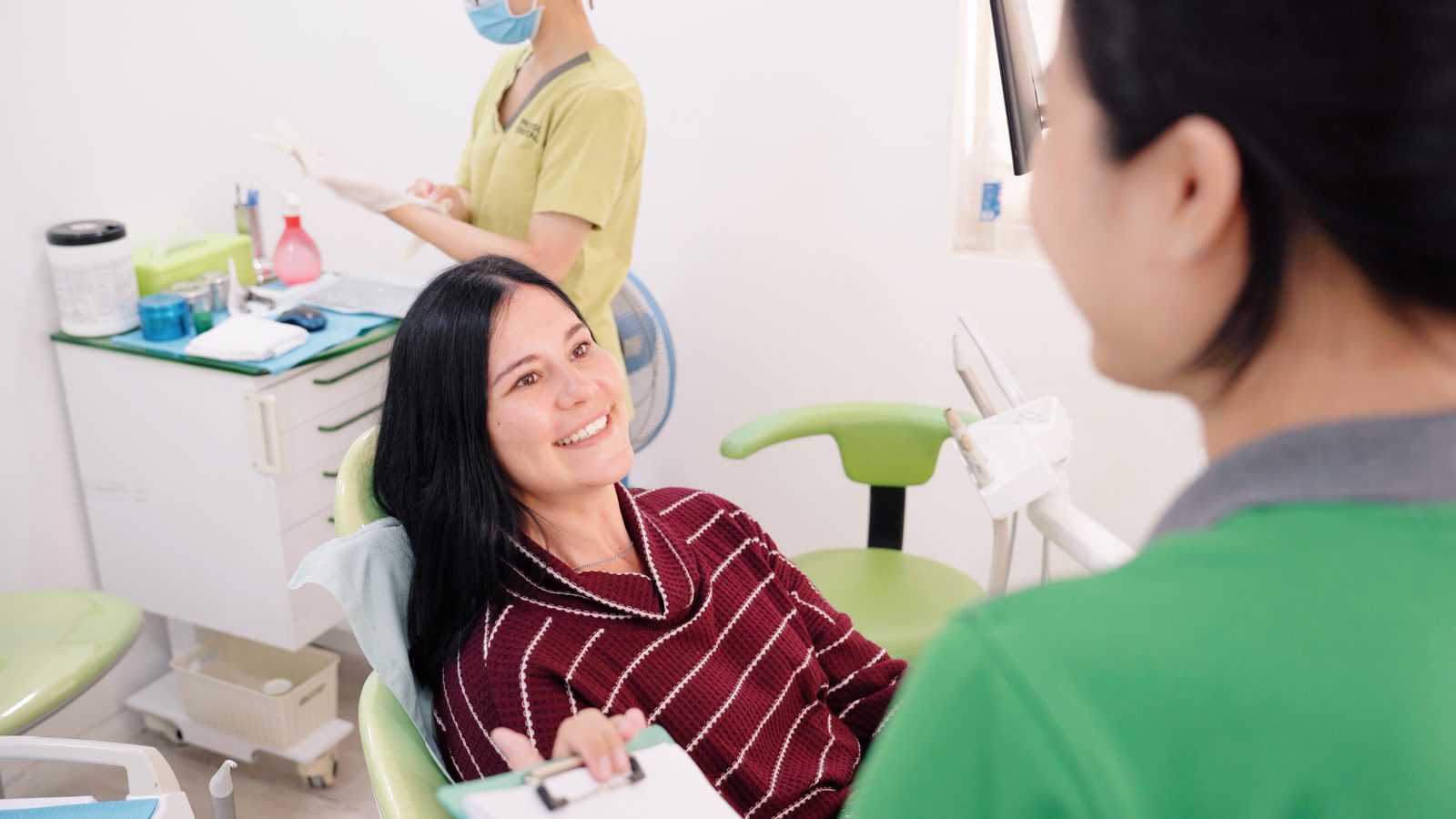
Tell your dentist about all medications before the procedure. The treating dentist can adjust the treatment approach, prepare appropriate hemostatic measures, and give you specific post-procedure instructions suited to your situation.
Patients with diabetes
Uncontrolled blood sugar significantly impairs the body's ability to heal tissue. Patients with well-controlled diabetes typically heal at a similar rate to non-diabetic patients, while those with poorly controlled diabetes may see slower resolution of bleeding and longer overall healing times. Maintaining tight glucose control in the weeks around your deep cleaning appointment is the single most effective thing you can do to support healing.
When healing is complete
By two weeks after deep cleaning, gums should look and feel dramatically healthier than before the procedure. Tissue that was red, swollen, and bleeding constantly will be firmer, pinker, and no longer reactive to normal brushing. Periodontal pockets begin to shrink as tissue reattaches to the tooth roots, and the bad breath associated with bacterial infection typically resolves.
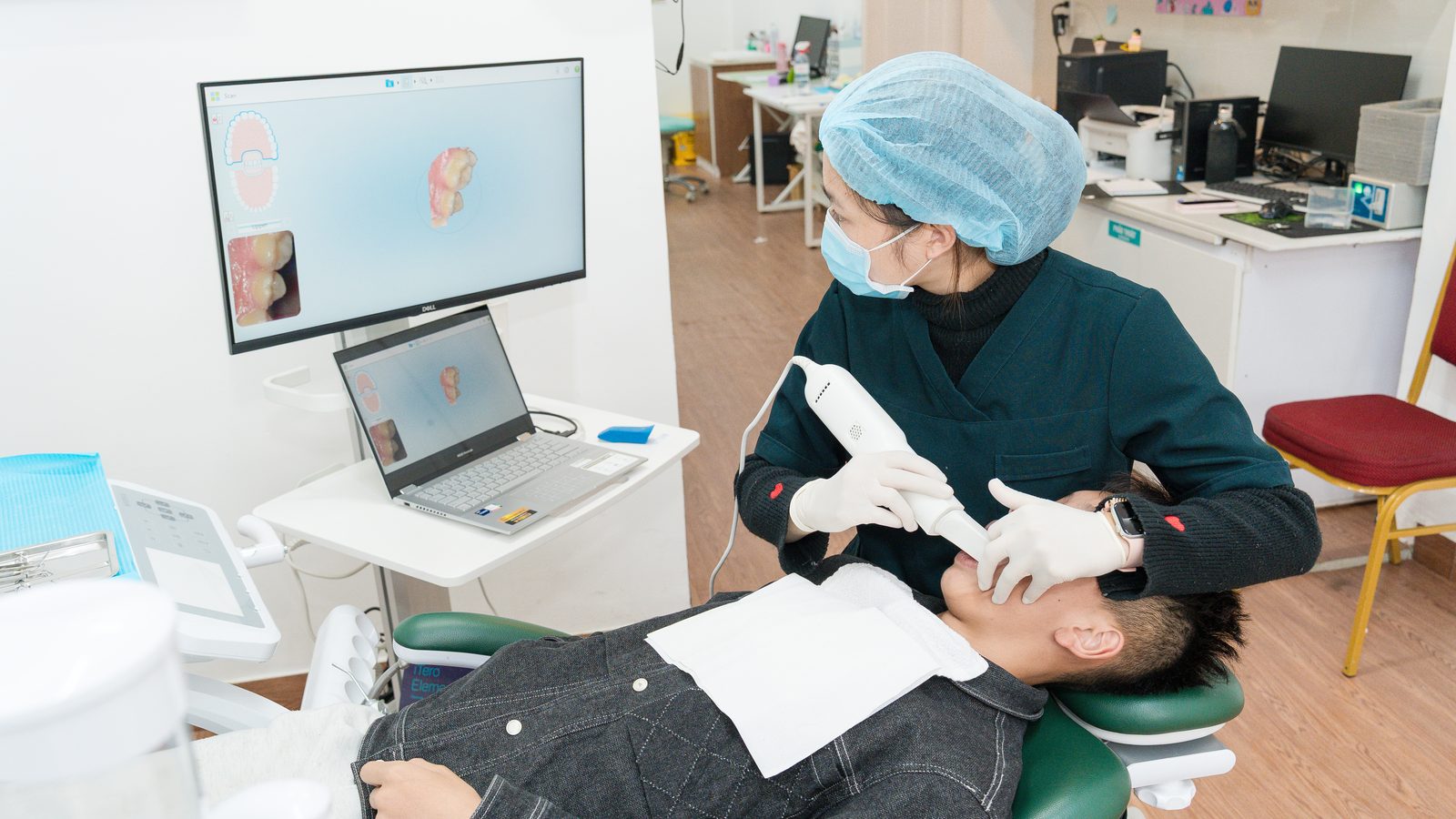
Most patients at Picasso Dental receive a follow-up appointment four to six weeks after deep cleaning to measure pocket depths and assess how well the tissue has responded. This appointment determines whether additional scaling is needed or whether a standard maintenance schedule is appropriate going forward.
If you have any questions about your recovery or are concerned about bleeding, the easiest step is to contact the branch where you were treated. A short conversation can resolve most concerns without requiring an in-person visit.
Frequently asked questions
Is gum bleeding after deep cleaning normal?
Yes, light bleeding for the first one to three days after deep cleaning is completely normal. Your gums were already inflamed from gum disease, and the scaling procedure disturbs that infected tissue so healing can begin. Pink saliva or light blood on your toothbrush in the first few days is expected and not a sign that something went wrong.
How long does bleeding last after deep cleaning?
Most patients experience the heaviest bleeding on day one, noticeably less by days two to three, and minimal to no bleeding by days seven to ten. Full tissue healing is typically complete within two weeks. If bleeding continues past two weeks, contact your dentist for a follow-up appointment.
When should I call my dentist about bleeding after deep cleaning?
Call your dentist if bleeding is heavy enough to soak gauze within 15 minutes, if bleeding gets worse after the second day instead of improving, if you develop a fever above 38 C, if there is increasing swelling or severe pain, or if bleeding has not resolved by two weeks. These can indicate infection or a need for additional treatment.
How do I stop gum bleeding at home after deep cleaning?
Bite down on damp gauze over the bleeding area for 10 to 15 minutes without lifting it. Avoid vigorous rinsing, spitting, or straws for the first 24 hours. After 24 hours, rinse gently with warm salt water (half a teaspoon of salt in a cup of warm water) three times a day. Avoid smoking, alcohol, and very hot foods for 48 hours, as all three increase bleeding.
What does the day-by-day recovery look like after deep cleaning?
Day 1: heaviest bleeding, gum sensitivity, anesthetic wearing off. Day 2: moderate bleeding, gums tender. Day 3: bleeding clearly reducing, soreness easing. Days 4 to 5: minimal bleeding triggered only by brushing or flossing. Days 6 to 7: little or no bleeding, gums looking less red. Days 8 to 10: bleeding fully resolved in most patients. Weeks 2 to 4: gum tissue firms up and reattaches to teeth. See the full recovery table above for what to do at each stage.
I take blood thinners. Will I bleed more after deep cleaning?
Yes, medications such as warfarin, aspirin, clopidogrel, rivaroxaban, and apixaban can extend bleeding duration after deep cleaning. Do not stop taking these medications before your appointment without consulting your prescribing doctor. Tell your dentist about all medications before the procedure so they can plan appropriately and give you specific home-care instructions.
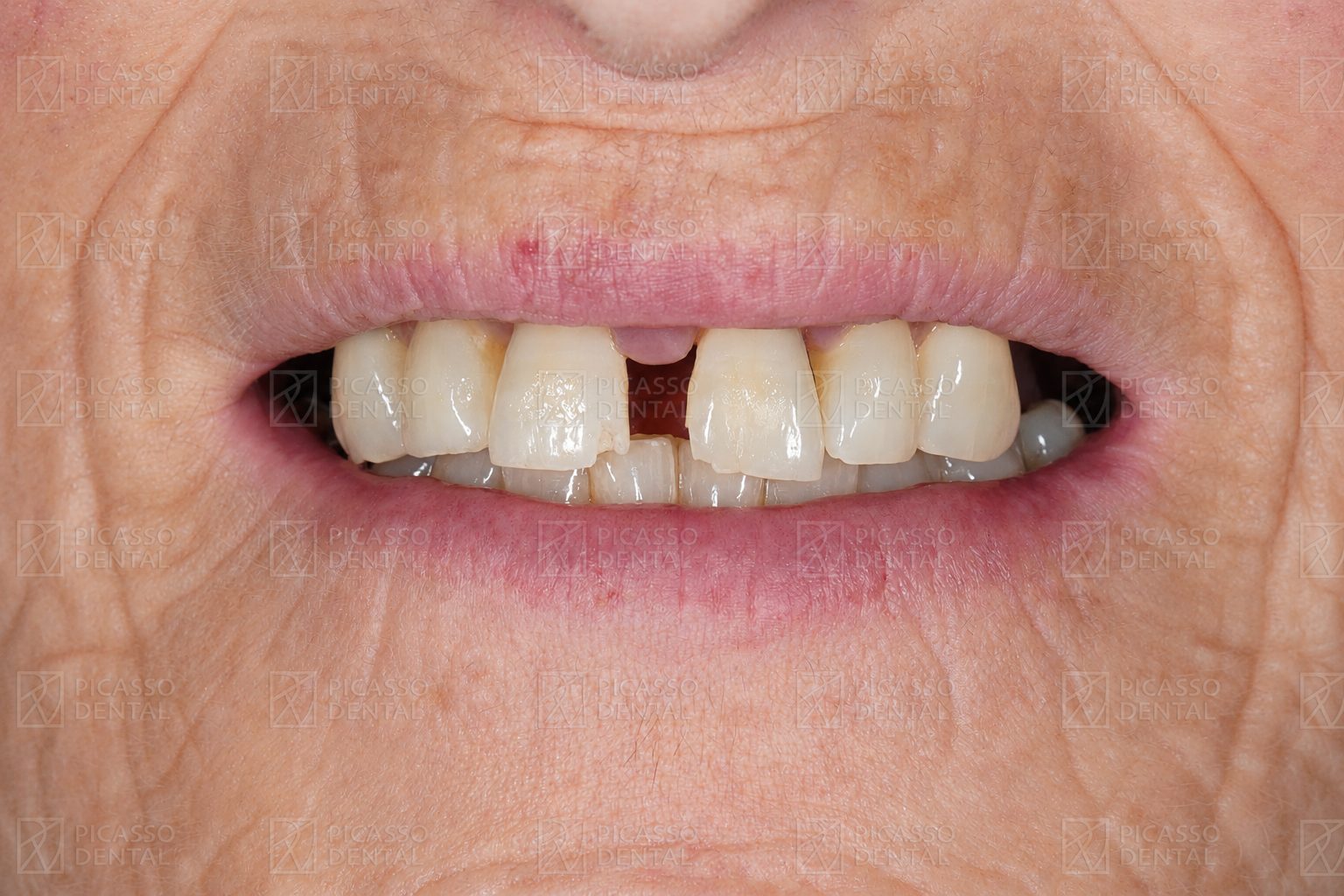 Before
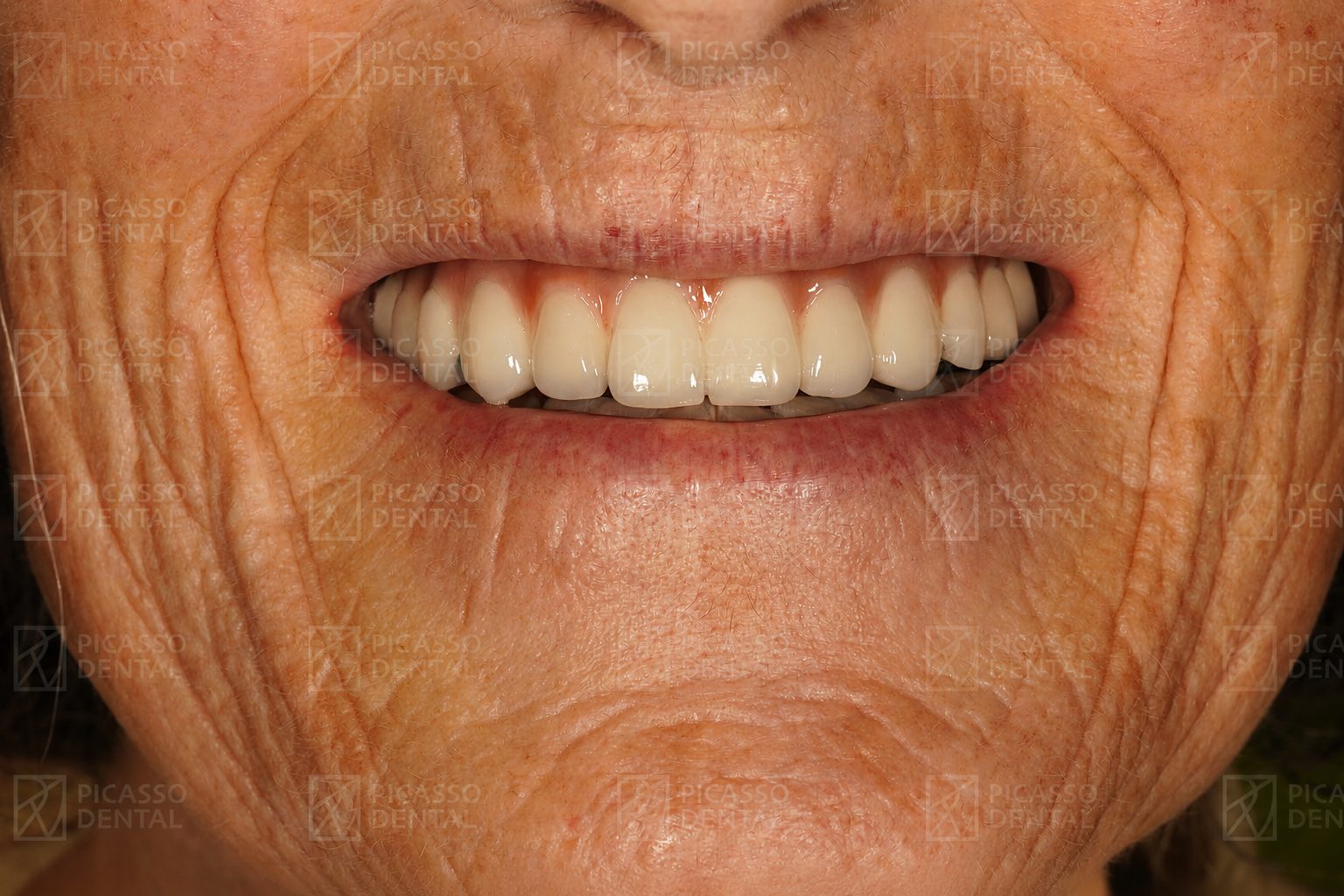 After
AfterCase 38420. Scaling and root planing, generalised moderate periodontitis. Hanoi Old Quarter.
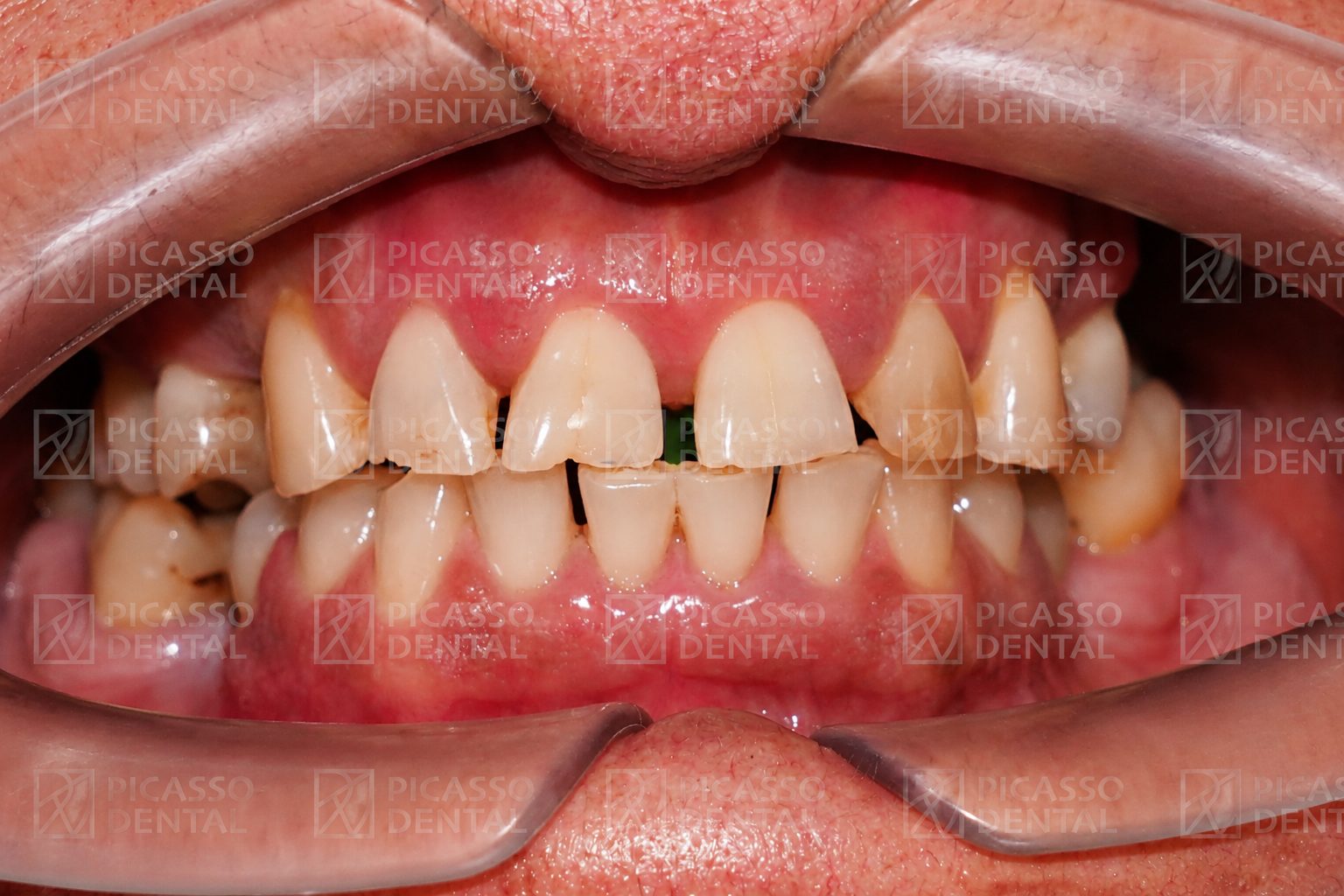 Before
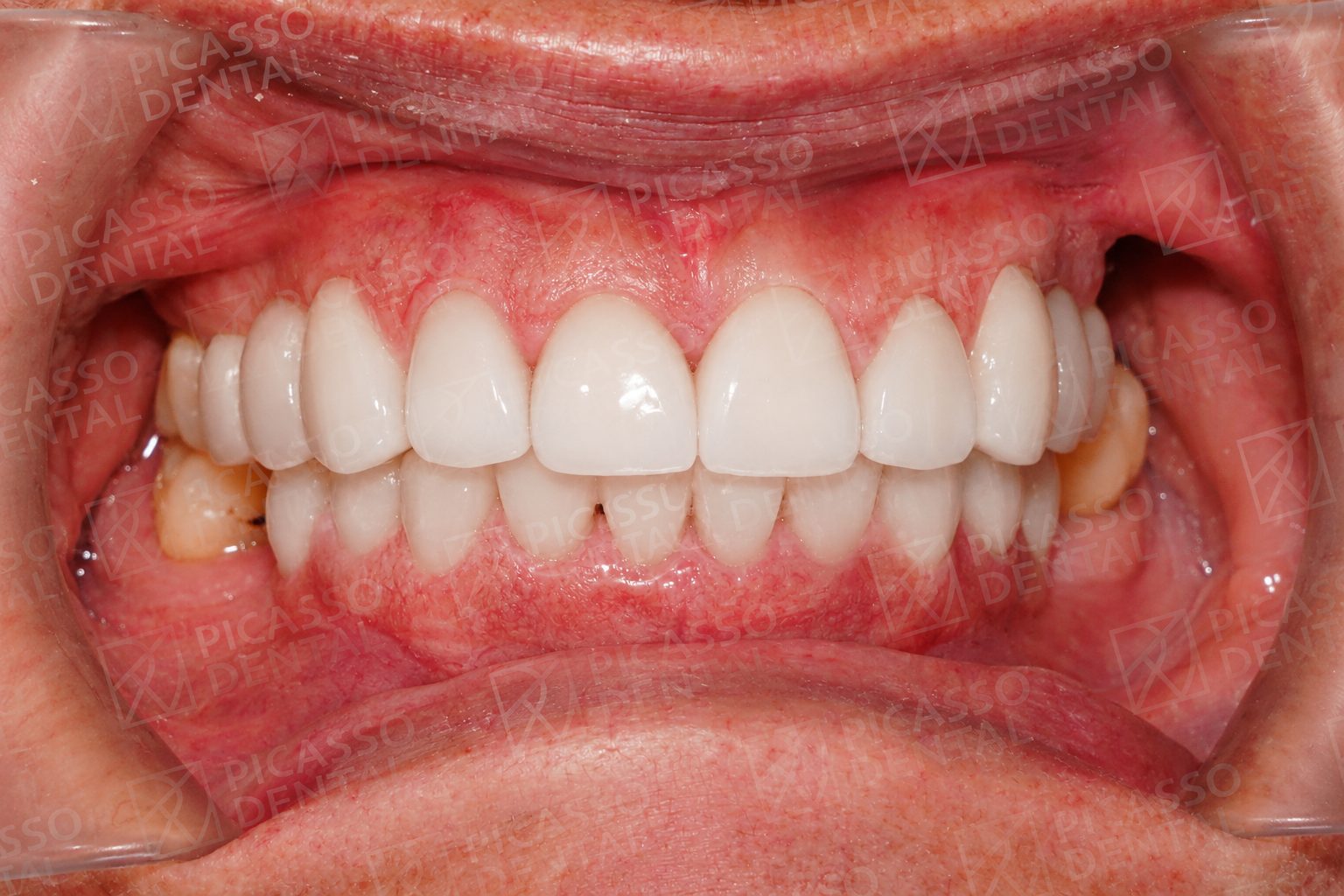 After
AfterCase 40179. Full-mouth deep cleaning with gum disease diagnosis. Da Nang Flagship.
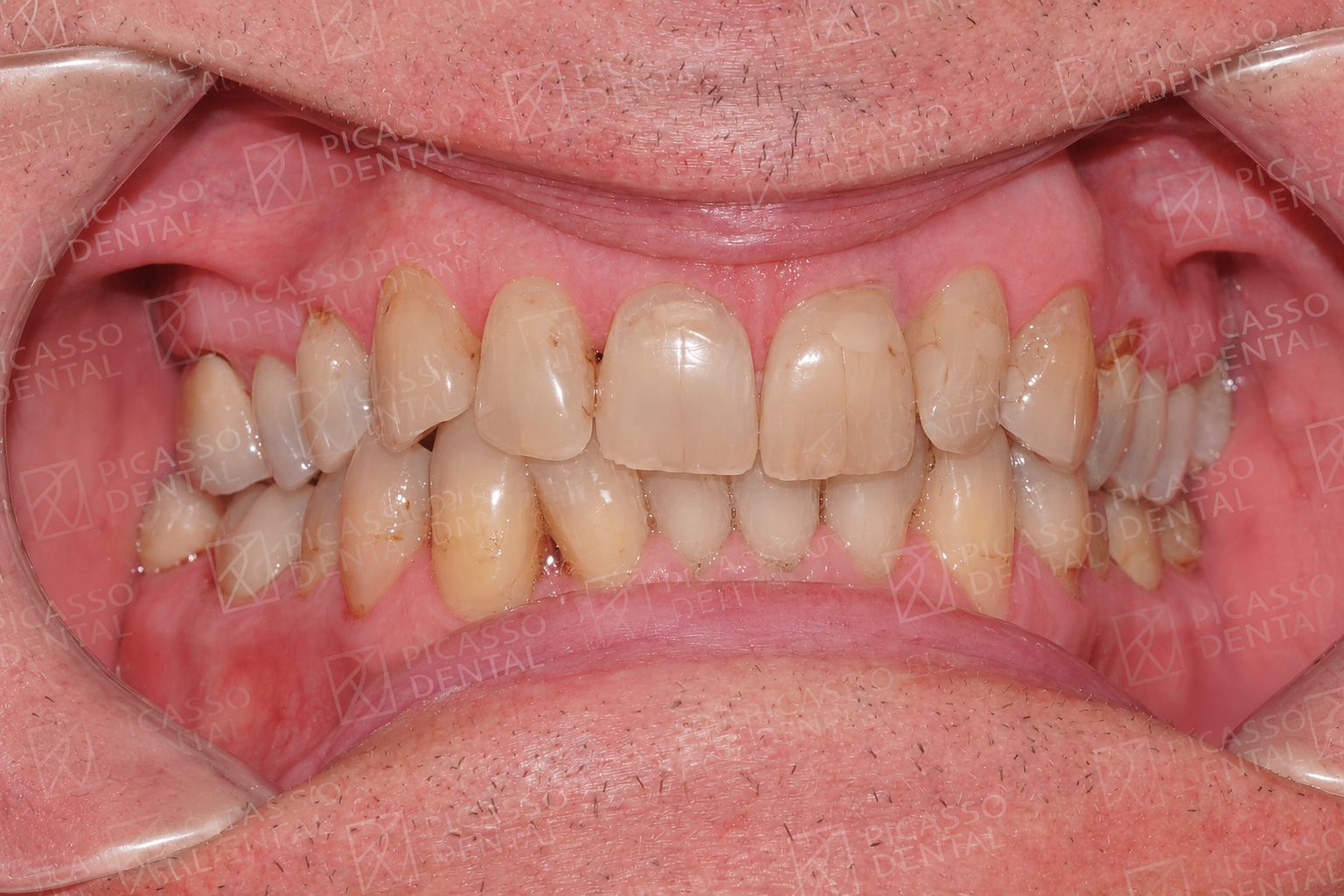 Before
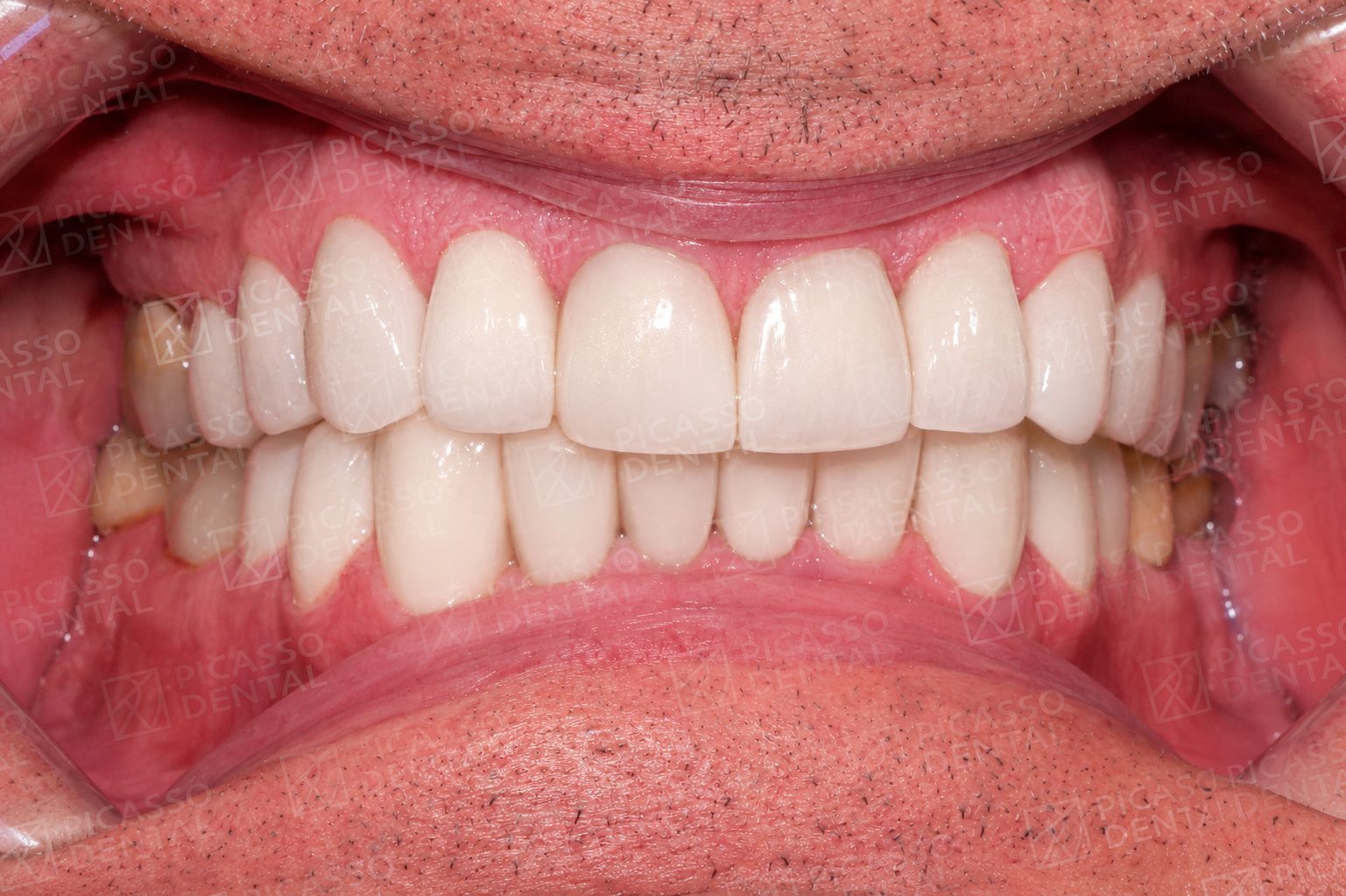 After
AfterCase 41400. Scaling and root planing, chronic gingivitis with recession. HCMC Thao Dien.
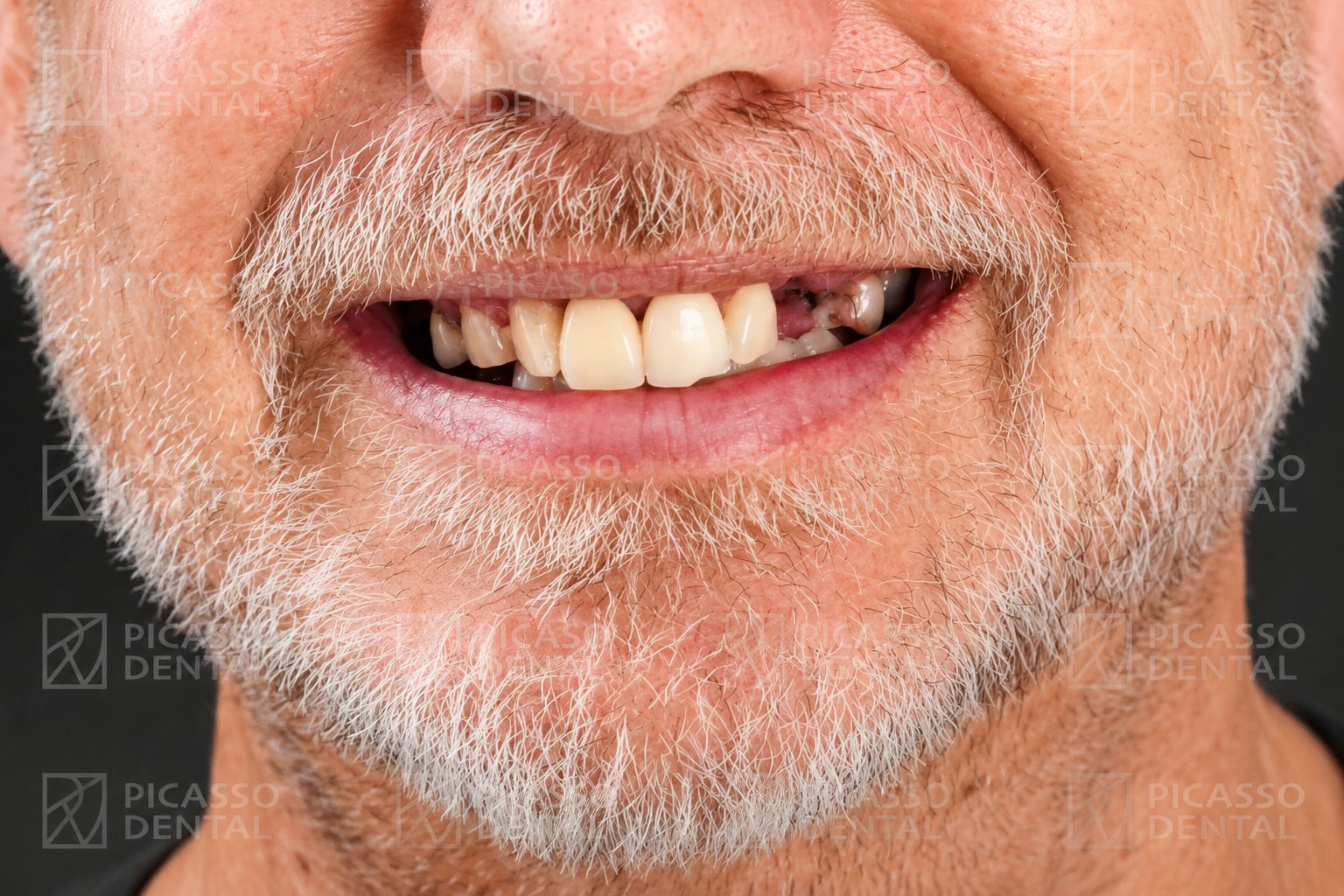 Before
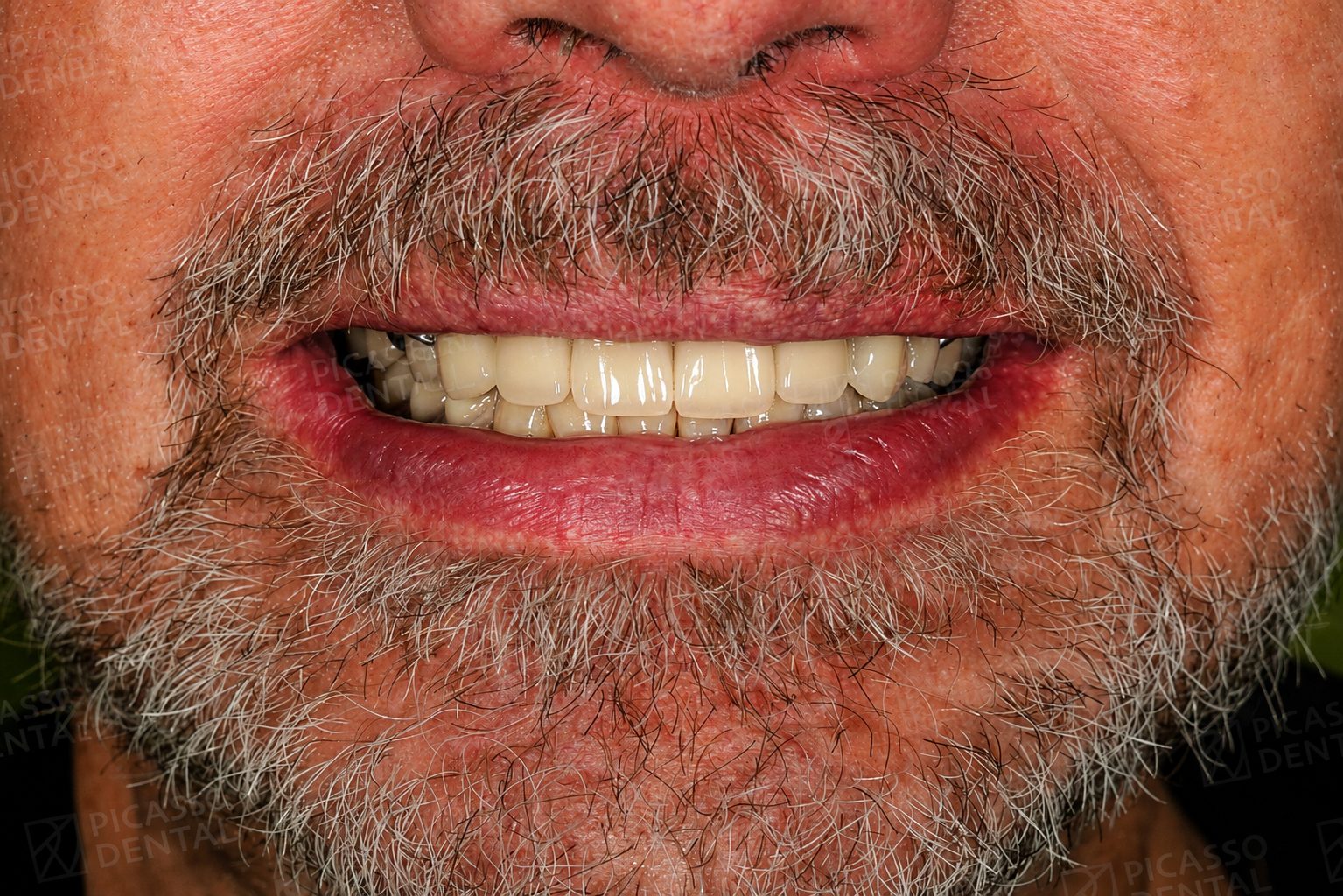 After
AfterCase 42840. Periodontal treatment with heavy calculus removal. Hanoi Westlake.
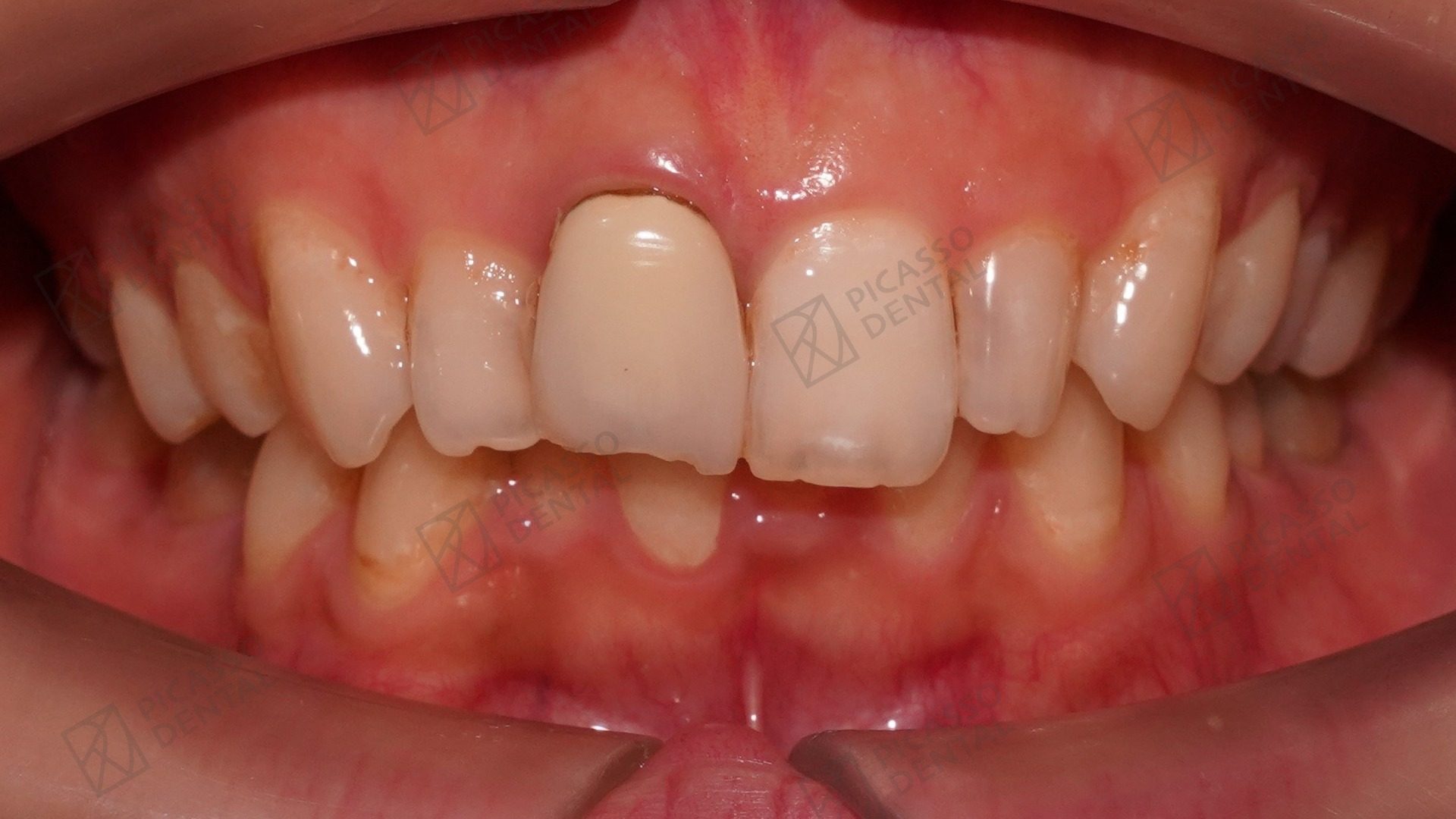 Before
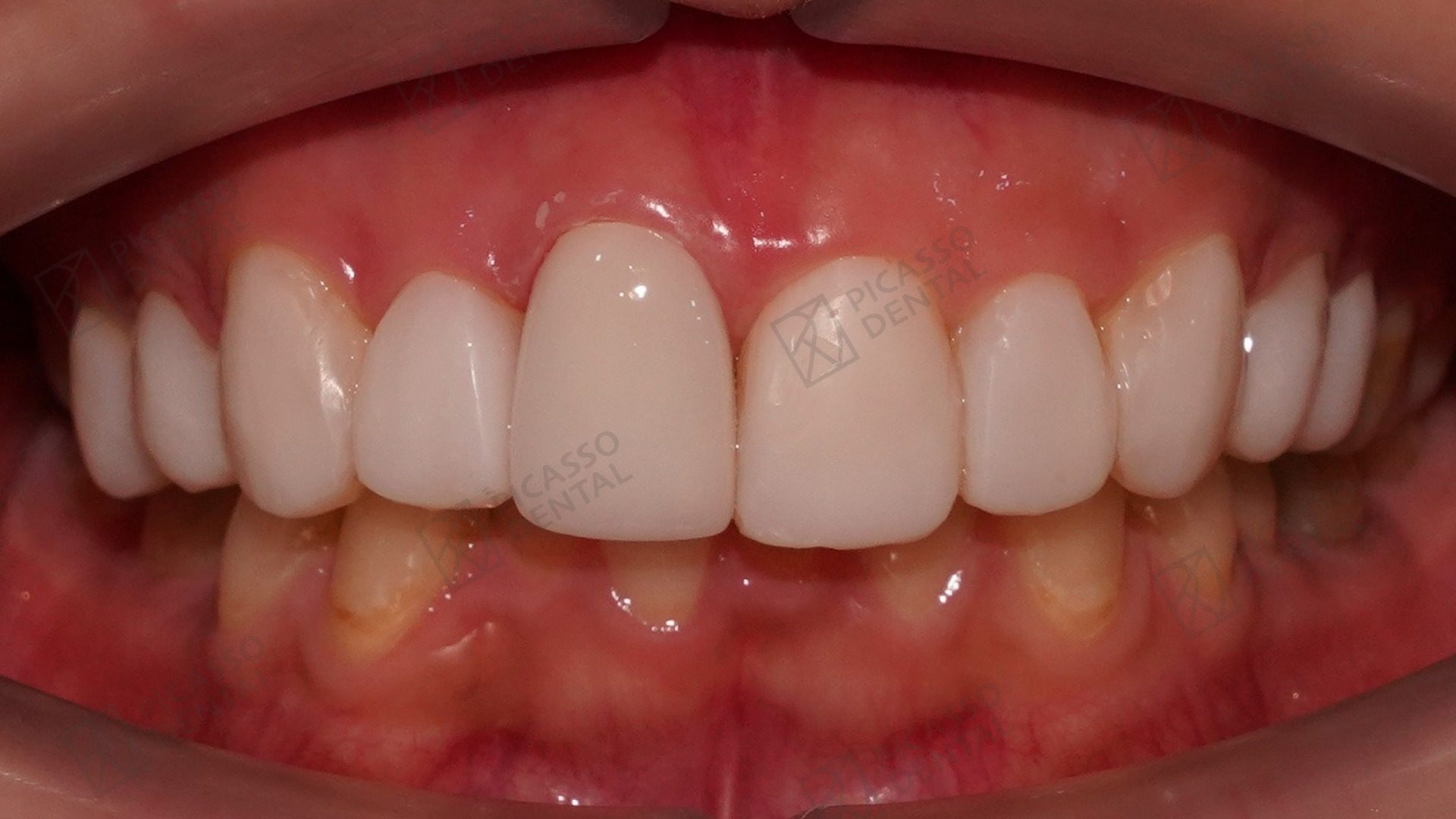 After
AfterCase 46229. Scaling and root planing with gum recontouring. Da Lat.
Periodontal Care · Picasso Dental Clinic
Questions About
Your Recovery?
A licensed dentist reviews every message and replies within 24 hours. Six branches across Hanoi, Da Nang, Ho Chi Minh City, and Da Lat. No obligation.