
Cosmetic Dentistry · Led by Dr. Rosie Nguyen · Last reviewed May 2026
Dental Bonding For Chips,
Gaps and Small Defects.
Picasso Dental places composite dental bonding for small chip repairs, for cosmetic Class IV repairs (front-tooth corner rebuilds) and for diastema closure. Single visit, no drilling in most cases, fully sculpted in your mouth and cured with a blue light. The entry-level cosmetic fix for minor problems, available at all six branches and led by our cosmetic dentist Dr. Rosie Nguyen.
The Treatment
What is Dental Bonding?
Dental bonding is a tooth-coloured composite resin sculpted directly onto the tooth and cured with a UV or blue light to harden. In most cosmetic cases, no tooth preparation is needed, no impressions are taken, and there is no laboratory step. The whole repair happens in a single visit, finished in 60 minutes per tooth.
Why Picasso
Why Picasso for Bonding
Cosmetic Dentist on Every Case
Front-tooth bonding is a cosmetic act, not a filling. Bonds at Picasso are placed by Dr. Rosie Nguyen, our dedicated cosmetic dentist, or under her case-by-case guidance. Shape, shade and surface texture matter as much as the bond itself.
Shade-Matched Composite
We layer different composite shades and translucencies to mimic natural enamel. A well-matched bond on a single chipped corner is essentially invisible. We match against your existing teeth before we mix the composite, not after.
Conservative No-Prep Approach
For most cosmetic bonds, we do not drill the tooth. We lightly etch the enamel chemically, apply a bonding agent and add composite on top. The natural tooth is preserved underneath, and the bond can be removed in future if you upgrade to porcelain.
Available at All 6 Branches
Bonding is offered at every Picasso branch: Hanoi Old Quarter, Hanoi West Lake, Da Nang Flagship, Da Nang Vinmec, HCMC Thao Dien and Da Lat. Same materials, same protocol, same warranty everywhere.
Repairable in the Chair
If a bond chips later, we add fresh composite to the existing bond, re-cure and re-polish in a single short appointment. You do not lose the original repair. Compare this with porcelain veneers, which must be replaced rather than repaired.
Honest Recommendation First
If your case really needs a porcelain veneer, a crown or orthodontics rather than a bond, we will say so. Bonding placed on the wrong case looks good for a year and disappoints after that. We are not interested in that outcome.
Indications
What Bonding Can Fix
Bonding is the right tool for small, localised cosmetic problems on otherwise healthy teeth.
Small Front-Tooth Chips
The single most common bonding case. A corner of a front tooth chips off, we rebuild the corner with composite, sculpt and polish. 60 minutes, walk out repaired.
Surface Cracks and Minor Damage
Hairline cracks and minor surface defects can be filled and sealed with composite, restoring a smooth surface and protecting the underlying enamel.
Small Gaps Between Front Teeth
Small diastemas under roughly 2mm can be closed by adding composite to the side of each tooth, narrowing the gap. Larger gaps are better closed with Invisalign or porcelain veneers.
Discoloured Spots
Localised stains, fluorosis spots or developmental defects that do not respond to whitening can be covered with shade-matched composite for a uniform appearance.
Slightly Short or Worn Edges
Worn-down edges from age or minor grinding can be lengthened with composite, restoring a more youthful tooth proportion. Heavy grinders are a different conversation.
Cervical (Gum-Line) Wear
Notches at the gum line caused by abrasion or abfraction can be filled with composite to restore contour, reduce sensitivity and protect the exposed root surface.
Honest Limits
What Bonding Cannot Fix
Honest limits. Bonding is the wrong tool for these cases, and the right answer is something else.
Large Gaps
Closing a gap larger than roughly 2mm with composite leaves teeth visibly oversized and unnatural in proportion. Consider Invisalign to move the teeth closer together, or porcelain veneers for a permanent cosmetic correction.
Severely Discoloured Teeth
Bonding can mask a single stained spot, but it cannot brighten an entire smile. Whole-mouth discolouration is solved with professional whitening first, or with veneers if whitening cannot reach the target shade.
Structurally Compromised Teeth
If a tooth has lost significant structure to fracture, large old fillings or root-canal treatment, a porcelain crown is the correct restoration. Composite added to a weak tooth will fail under bite load.
Heavy Grinders
Composite chips under heavy grinding force. If you have an aggressive bruxism pattern, a porcelain veneer with a nightguard is more durable, or the underlying grinding should be addressed first.
Permanent Shape Changes
If you want a permanent change to tooth shape, a porcelain veneer is the right answer. Bonding will need touch-up, polishing or replacement every few years and is best thought of as a medium-term cosmetic fix, not a lifetime solution.
Active Decay or Gum Disease
We do not bond over active decay or onto teeth with active gum disease. Decay is removed and filled first, gum disease is treated first, and only then is cosmetic bonding considered. Cosmetics never go on top of unresolved disease.
Pricing
Bonding Pricing
Per-tooth and per-procedure pricing. Most cosmetic bonding cases fall between 400,000 and depending on size and location.
| Service | Price |
|---|---|
| Composite filling, small | |
| Composite filling, moderate | |
| Composite filling, large | |
| Cervical / Class V composite | |
| Cosmetic composite Class IV (front-tooth corner) | |
| Tooth gap filling (per gap, diastema) | |
| Composite veneer | |
| Repair filling |
Need a longer-lasting cosmetic option? See porcelain veneers.
Comparison
Bonding vs Composite Veneer vs Porcelain Veneer
Three cosmetic options at three price points. Coverage, cost and durability differ. Here is the honest side-by-side.
| Factor | Bonding | Composite Veneer | Porcelain Veneer |
|---|---|---|---|
| Coverage | Spot repair | Whole front of tooth | Whole front of tooth |
| Cost | 400K – 2M | 3M | 9M – 12M |
| Visits | 2 – 3 | ||
| Lifespan | 4 – 7 years | 4 – 7 years | 10 – 15+ years |
| Stain resistance | Moderate | Moderate | High |
| Repairable in chair | Yes | Yes | No, replace |
| Best for | Single small defect | Multiple-tooth same-day correction | Permanent cosmetic |
The Process
How Bonding Works
Five steps in a single visit. Most cases finish in 60 minutes per tooth.
1. Shade Selection
Your dentist matches the composite shade to your natural neighbouring teeth in natural daylight before any composite is mixed. This is the step that decides whether the final bond looks invisible or noticeable.
2. Tooth Surface Clean + Etch
The tooth surface is lightly cleaned, then a mild etching gel is applied for around 15 seconds to micro-roughen the enamel. The tooth is rinsed and dried, leaving a chalky surface ready to bond.
3. Bonding Agent + Composite Layered
A liquid bonding agent is brushed on, then composite resin is added in thin layers, each layer light-cured before the next. Layering different shades and translucencies is how the bond mimics natural enamel.
4. Sculpting + Light-Cure
The composite is hand-sculpted to rebuild the chip, close the gap or restore the worn edge, matching the contour of the surrounding tooth. A final cure with a blue light fully hardens the composite.
5. Polish + Occlusion Check
The bonded surface is polished smooth so it feels and looks like natural enamel. Your bite is checked, high spots are adjusted, and you walk out with the repair complete.
Aftercare
You can eat immediately. Avoid biting hard objects (ice, pens, fingernails) for 24 hours, limit staining foods (coffee, tea, red wine, curry) for 48 hours, and continue 6-month hygiene visits for polish and inspection.
Decision Guide
When Bonding Is the Wrong Tool
Bonding suits some cases beautifully and is the wrong answer for others. Here is the honest version, decided after a clinical exam.
Bonding Is the Right Tool If
You have a single small chip, surface defect or worn edge on a front tooth.
You have a small gap (under roughly 2mm) you want to close without orthodontics or veneers.
You want a reversible, low-cost option you can upgrade to porcelain later.
You want the repair finished today, in one visit, without lab time.
You accept that the bond will need polishing and possibly repair every few years.
The underlying tooth is healthy, with intact enamel and no active decay or gum disease.
Bonding Is the Wrong Tool If
You want a permanent, lifetime cosmetic change: porcelain veneer is the answer.
You have a large gap (over roughly 2mm): Invisalign or veneers fit better.
You have whole-mouth discolouration: whitening should come first.
The tooth is structurally compromised: a crown is the correct restoration.
You grind heavily without protection: composite will chip, porcelain plus a nightguard is more durable.
You want the absolute best stain resistance available: porcelain wins.
Aftercare
Aftercare
Composite bonding is cared for like natural enamel, with a few extra cautions in the first 48 hours.
Avoid Biting Hard Objects
Ice, pens, fingernails, hard nuts, popcorn kernels: these chip composite faster than they chip enamel. Use back teeth for hard foods, and never use front teeth as tools.
Limit Staining Foods First 48 Hours
Coffee, tea, red wine, curry and dark sauces stain freshly polished composite more readily in the first 48 hours. After that, normal consumption is fine, just expect gradual surface stain over years.
Polish at Each 6-Month Recall
At your routine hygiene visits, the bonded surface is polished to remove surface stain and restore shine. This is included in your standard cleaning visit, not a separate procedure.
Re-Bond or Repair as Needed
If the bond chips, marginal stain develops, or the surface dulls beyond polishing, we add fresh composite to the existing bond or replace the bond entirely. Repair is faster and cheaper than first placement.
Risks
Risks & Honest Tradeoffs
Bonding is a low-risk, low-cost cosmetic option, but it is not a lifetime restoration. Here is what to expect.
Stains Over Time
Composite picks up surface colour from coffee, tea, red wine and tobacco more readily than porcelain does. Surface stain polishes off; deep margin stain after several years usually means the bond is due for replacement.
Chips More Easily
Composite is softer than porcelain and softer than natural enamel under heavy load. Bonded edges on biting surfaces chip more often than bonds on non-load-bearing surfaces. Avoid using bonded teeth on hard objects.
Edge Wear
Over years, the polished surface of composite slowly wears, becoming microscopically rougher and slightly more stain-prone. This is gradual, expected, and managed at routine cleaning visits.
Marginal Stain at the Bond Line
The boundary between composite and natural tooth can pick up a fine line of colour over years. This is the most common reason for replacing an old bond. New bonding placed today rebuilds the margin.
All Repairable in Chair
Every issue above is fixable in a single short appointment. We polish, refresh, repair or replace the bond without lab work. This repairability is composite's biggest practical advantage over porcelain.
What We Will Tell You No To
If your case really needs porcelain, orthodontics or whitening rather than bonding, we will say so. Composite placed on the wrong case looks great in week one and disappointing in year one. We do not place bonds we expect to fail.
Clinical Team
Your Bonding Team
Cosmetic bonding at Picasso is led by Dr. Rosie Nguyen, our cosmetic dentist, with clinical oversight from Founding Clinical Director Dr. Emily Nguyen.
Dr. Rosie Nguyen
Cosmetic Dentist. Leads cosmetic bonding cases at Picasso, including front-tooth chip repair, diastema closure, composite veneers and shade-matched cosmetic composites. Smile design is her daily clinical work.
Dr. Emily Nguyen
Founding Clinical Director. Founded the original clinic in Hanoi in 2013 and led the 2023 rebrand to Picasso Dental. Sets clinical standards for case selection and prosthetic delivery group-wide, including cosmetic composite protocols.
Cases
Bonding Cases
Real chip repairs, Class IV rebuilds and diastema closures from our chairs, photographed before and after, published with patient consent. These are bonding-tier cases, single visit per arch, no lab work, no enamel reduction in most cases.
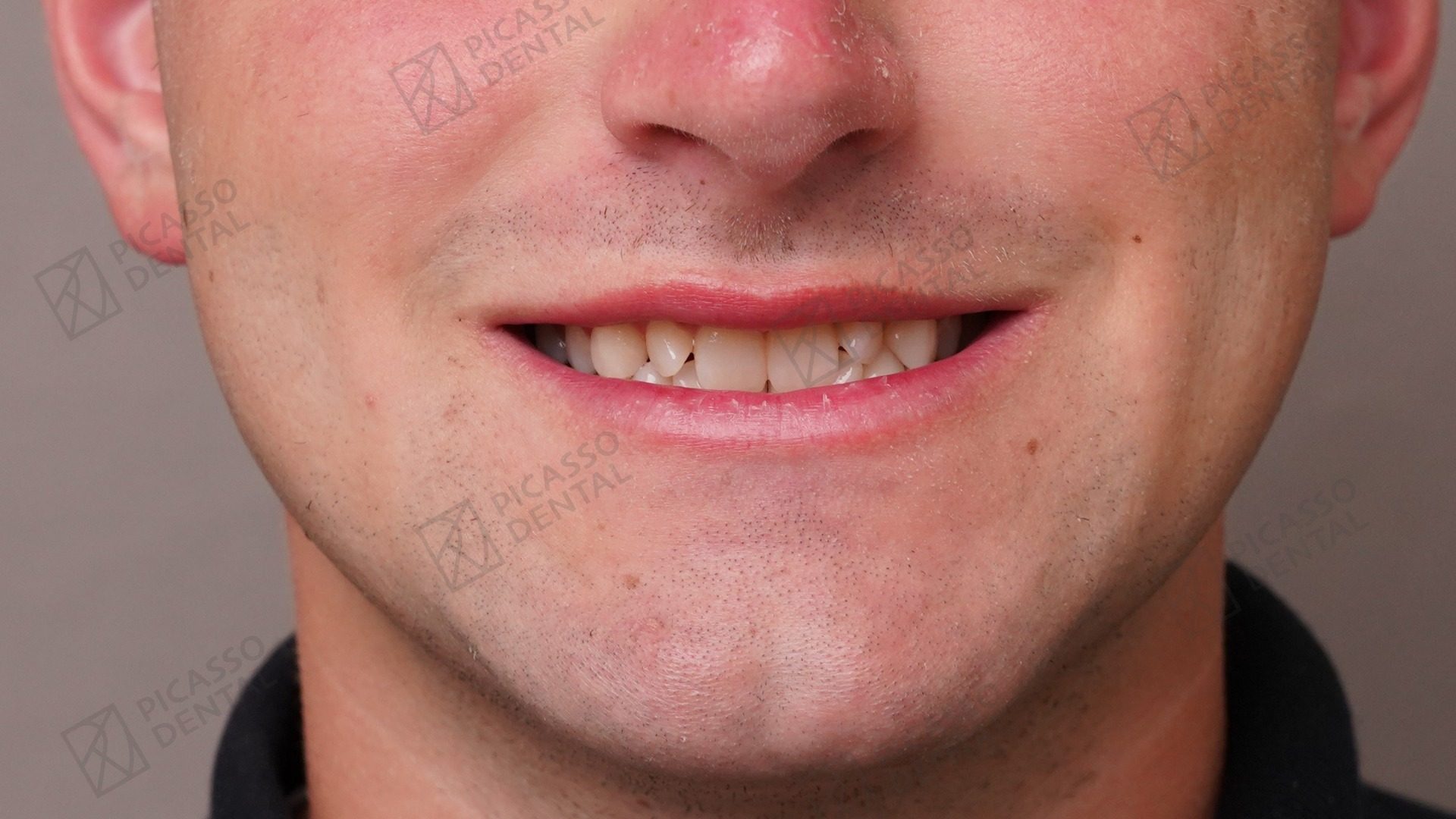
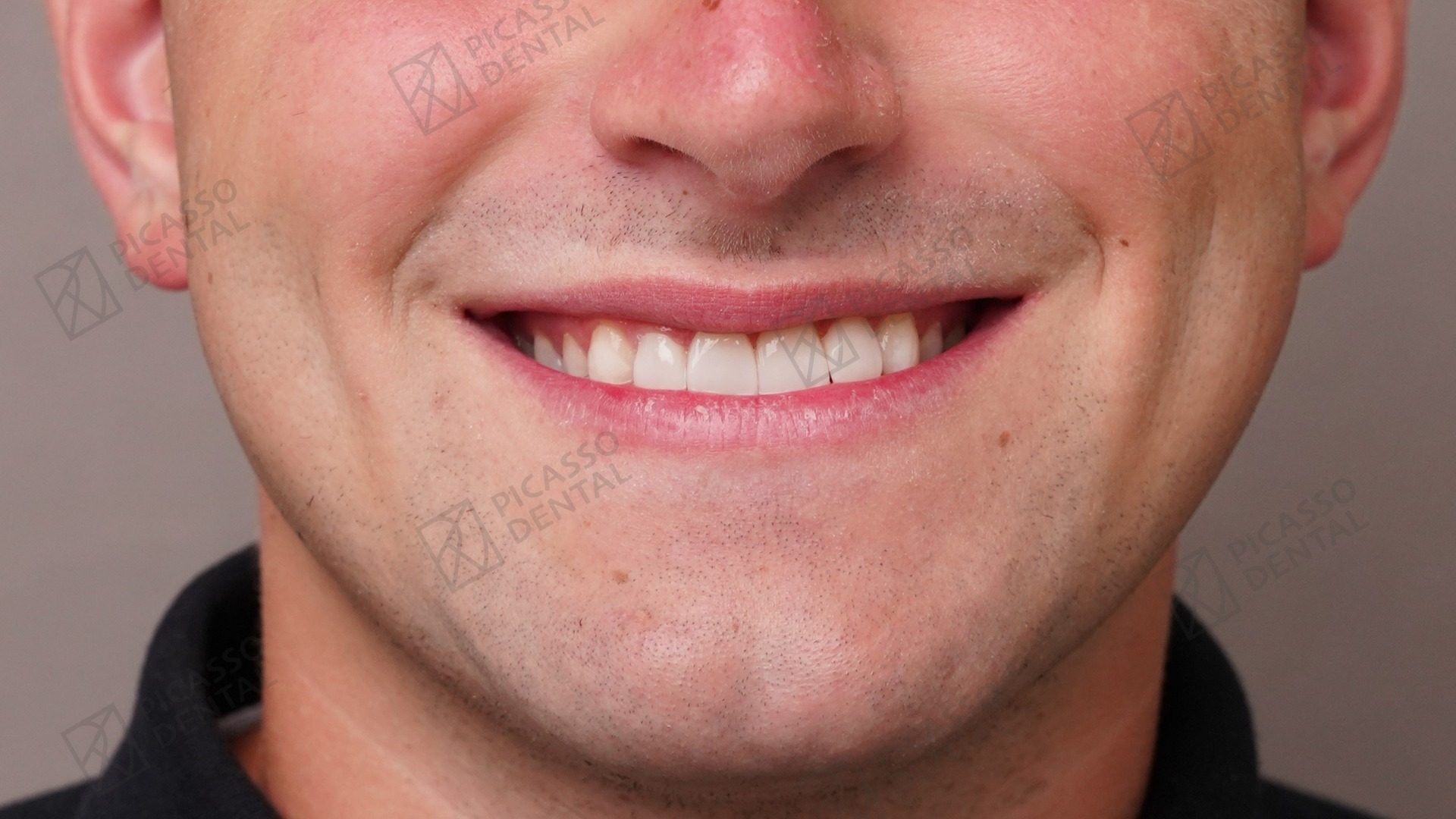
4 Composite Veneers, Upper Incisors
- Material Layered direct composite
- Scope 4 composite veneers on upper incisors (teeth 12 to 22) with deep cleaning
- Duration 2 visits over ~1 month
- Branch HCMC Thao Dien
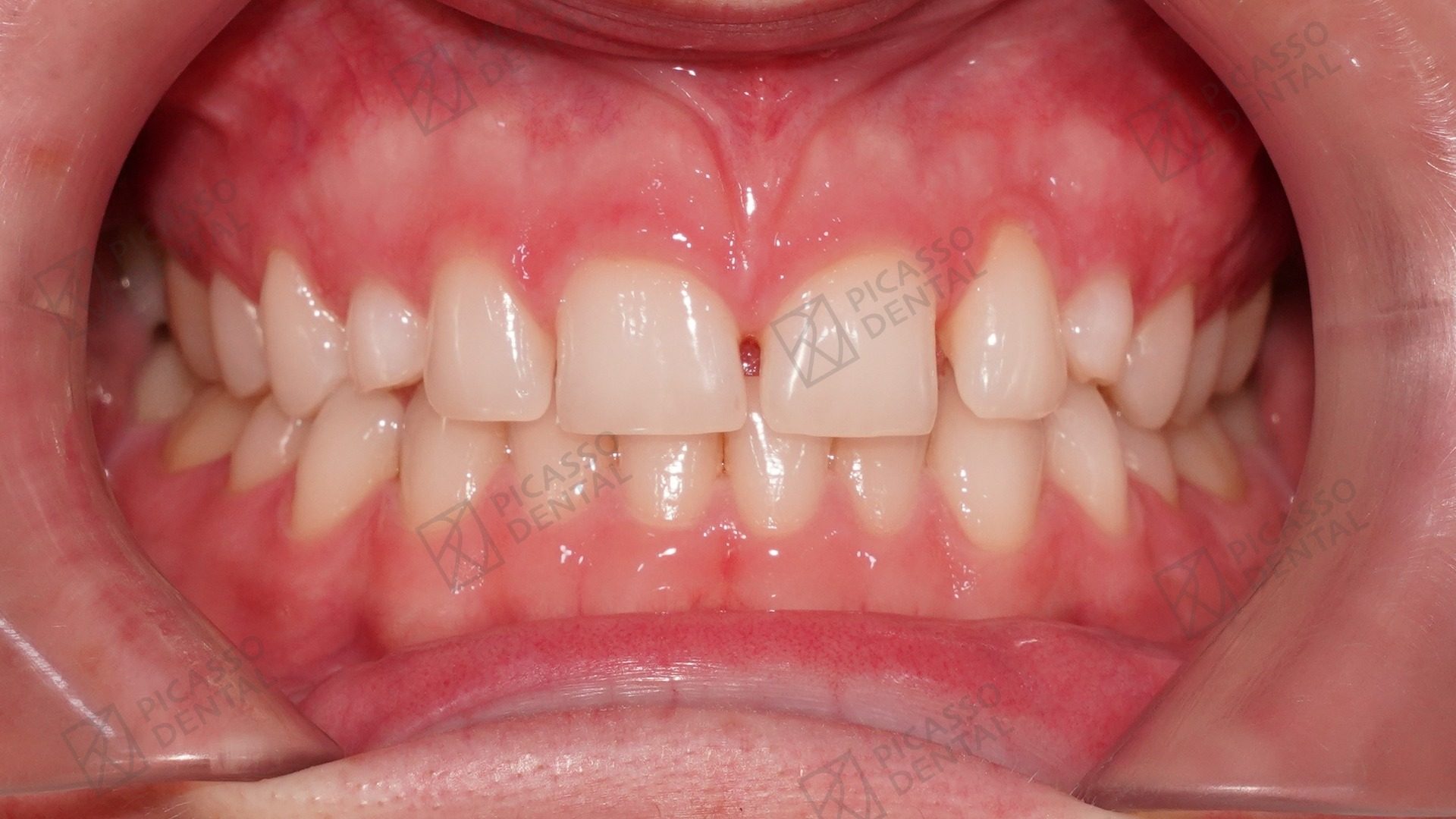
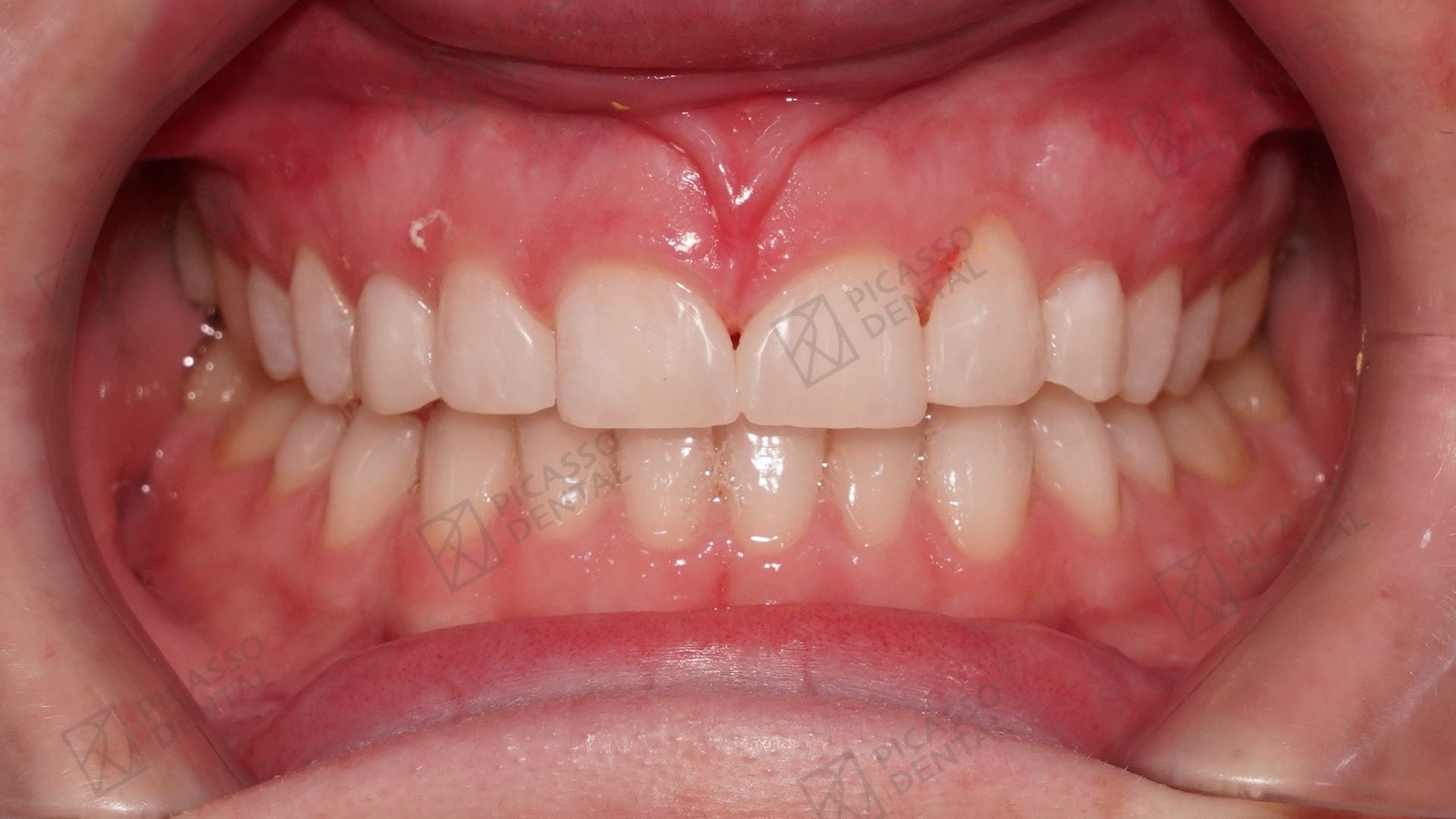
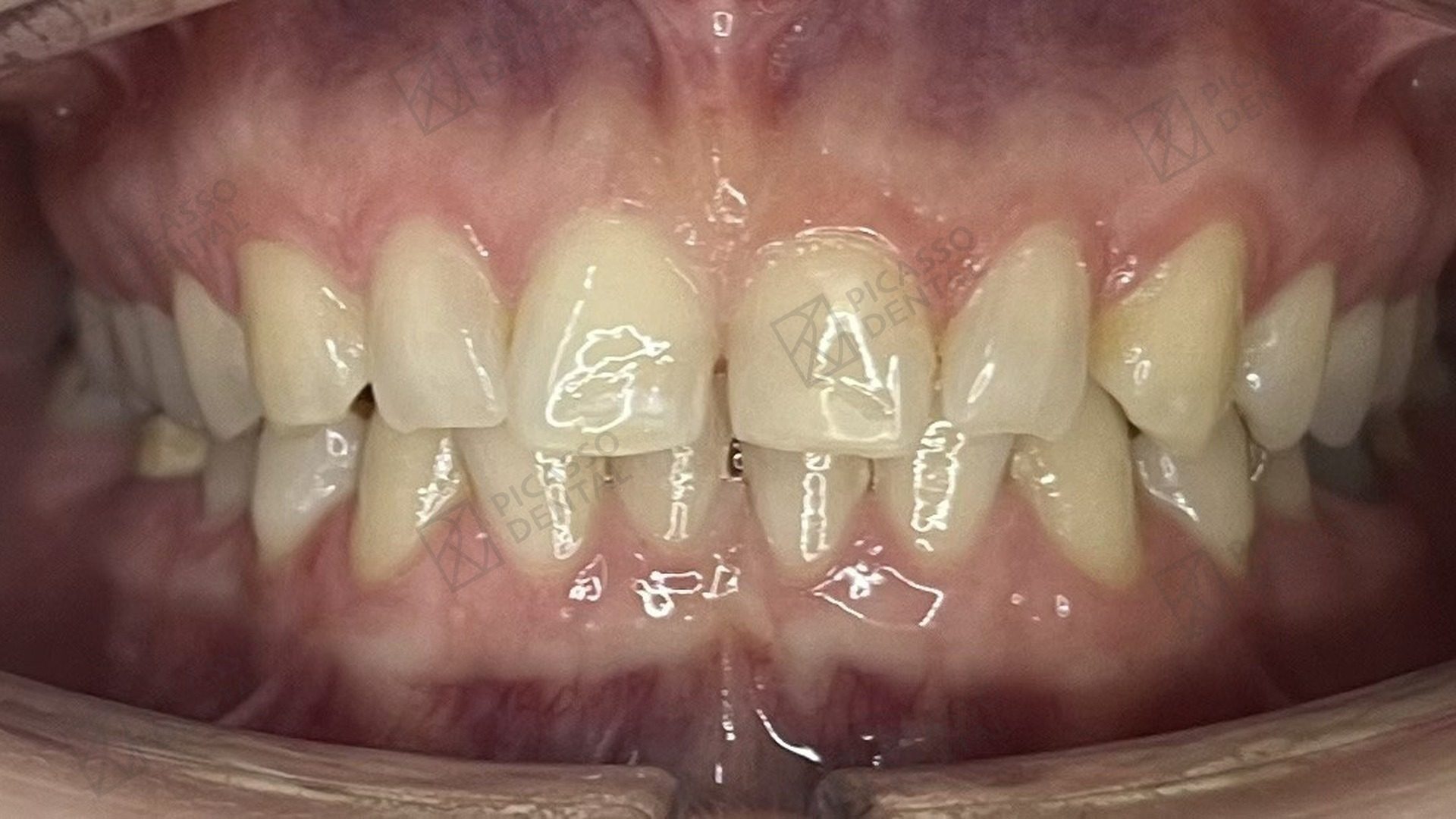
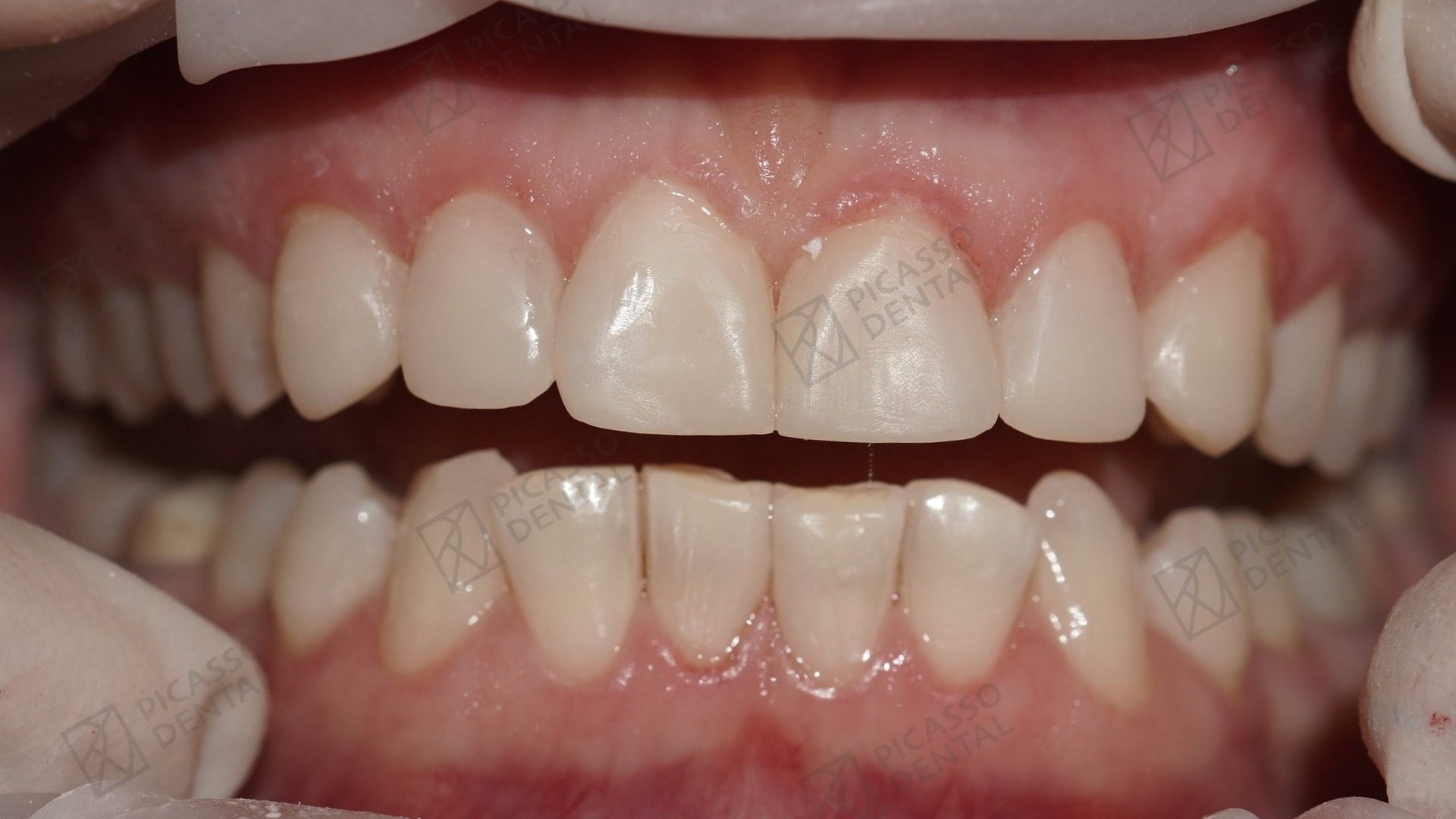
Composite Veneers + Class IV Repair
- Material Layered direct composite, cosmetic Class IV bonding
- Scope Composite veneers and Class IV bonding on upper anteriors
- Duration 2 visits over ~1 month
- Branch HCMC Thao Dien
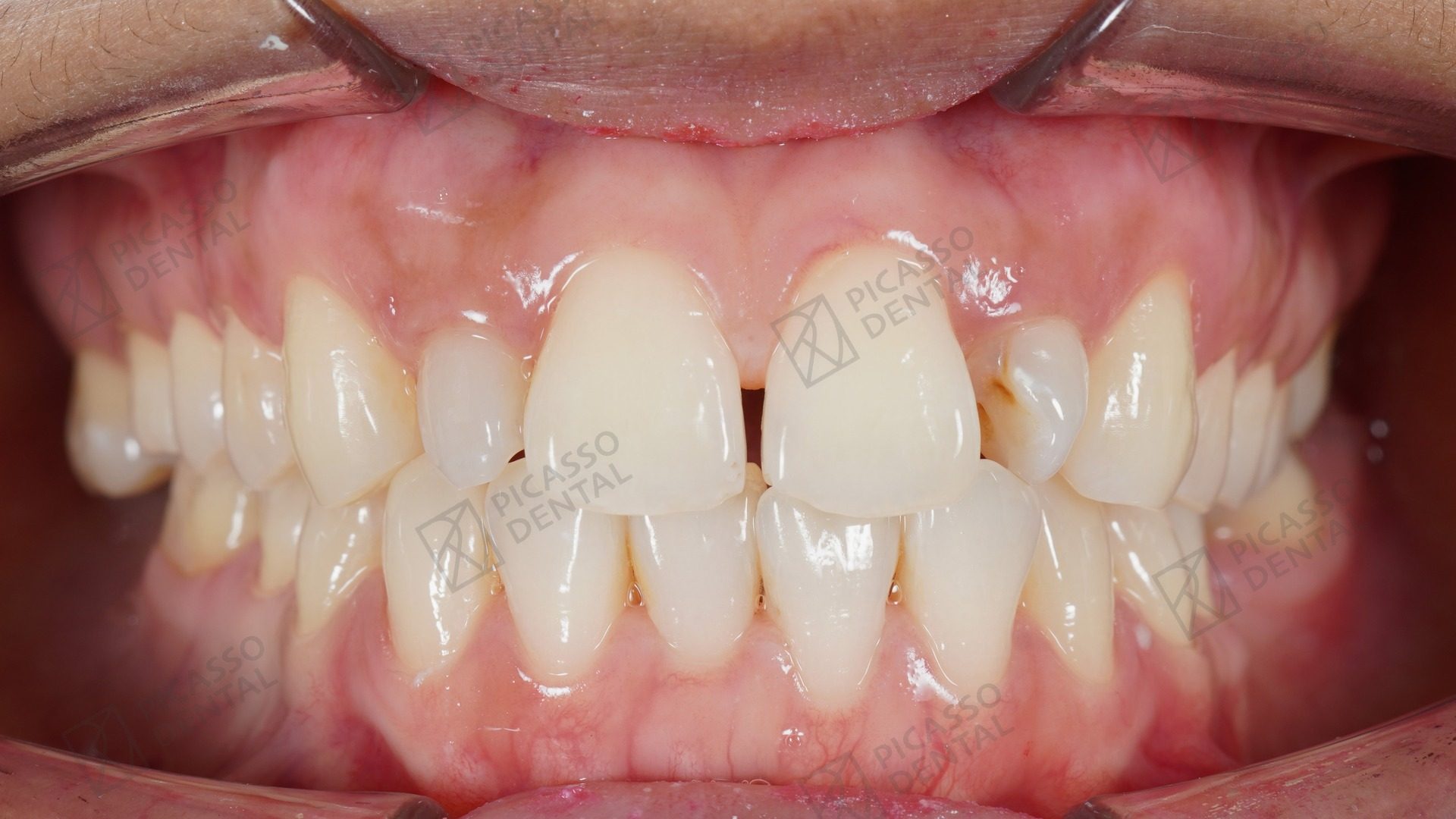
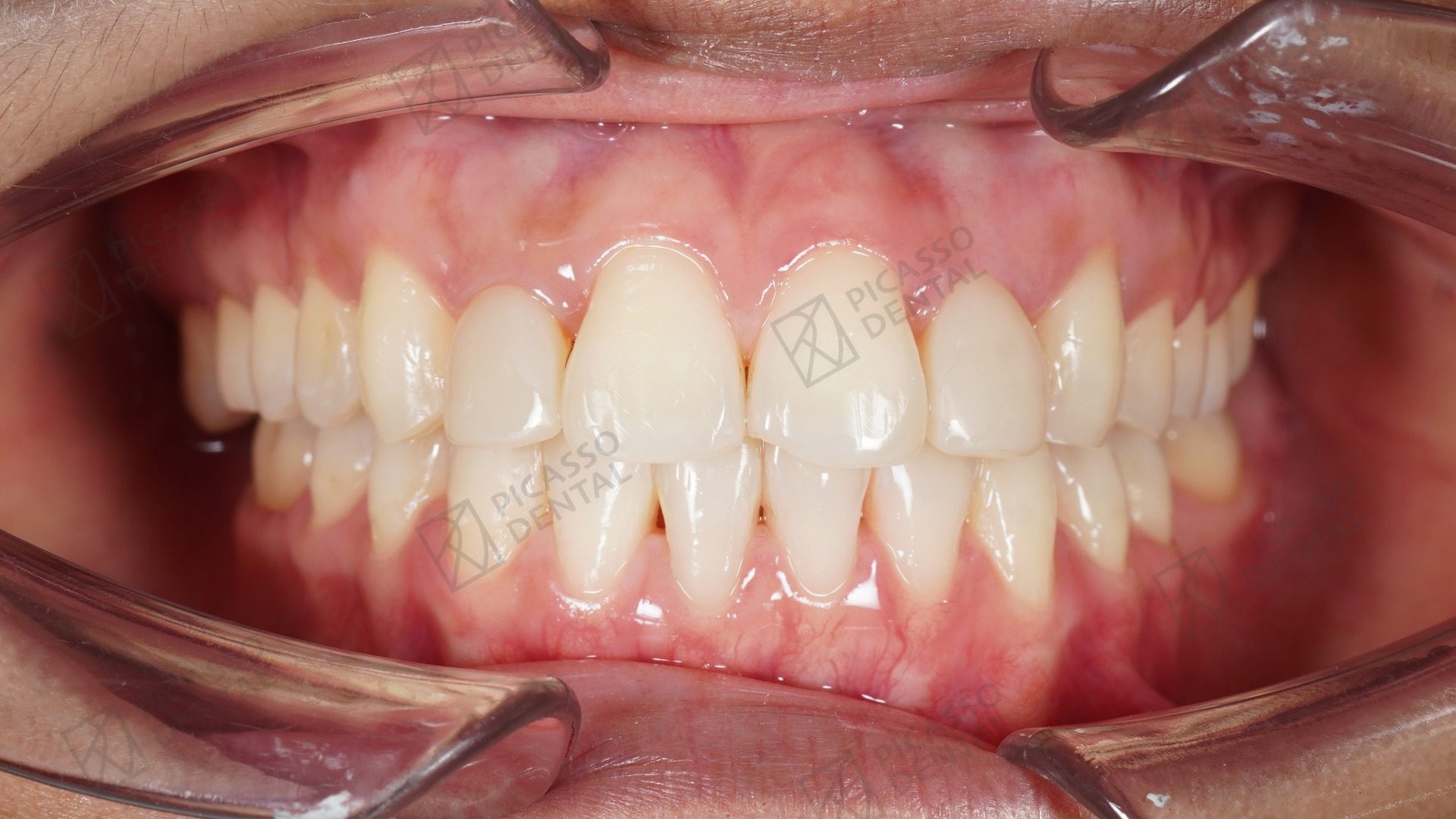
Composite Veneers + Gap Closure
- Material Layered direct composite, wax-up + mock-up planning
- Scope 6 composite veneers on upper anteriors (13 to 23) with gap closure and lower edge bonding
- Duration 8 visits across ~3 months
- Branch Hanoi Westlake
Post-Orthodontic Composite Veneers
- Material Layered direct composite, fixed and clear retainers
- Scope Composite veneers on upper lateral incisors (teeth 12 and 22) after orthodontics
- Duration 10 visits across ~3 months (orthodontic finishing)
- Branch Hanoi Old Quarter
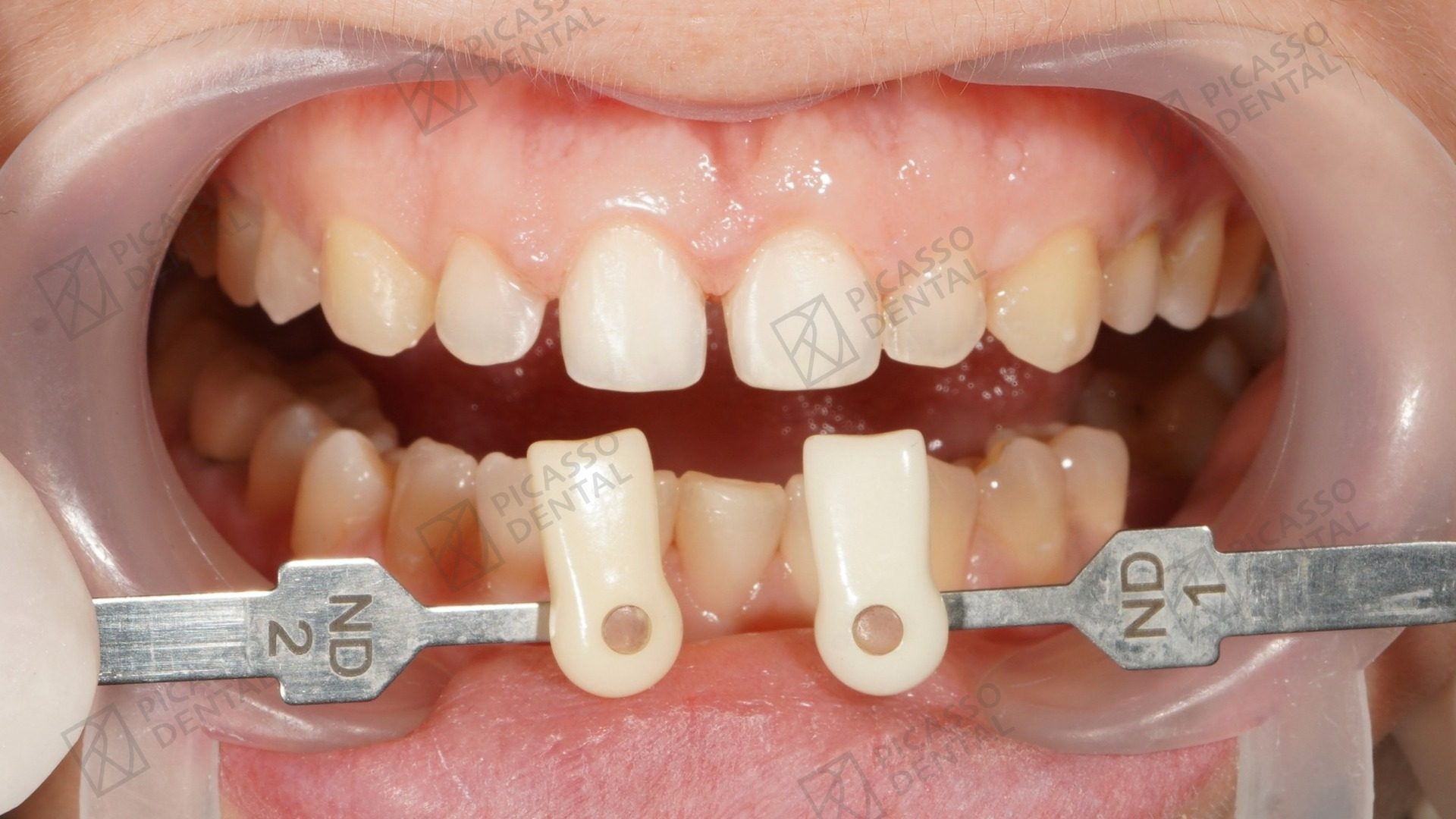
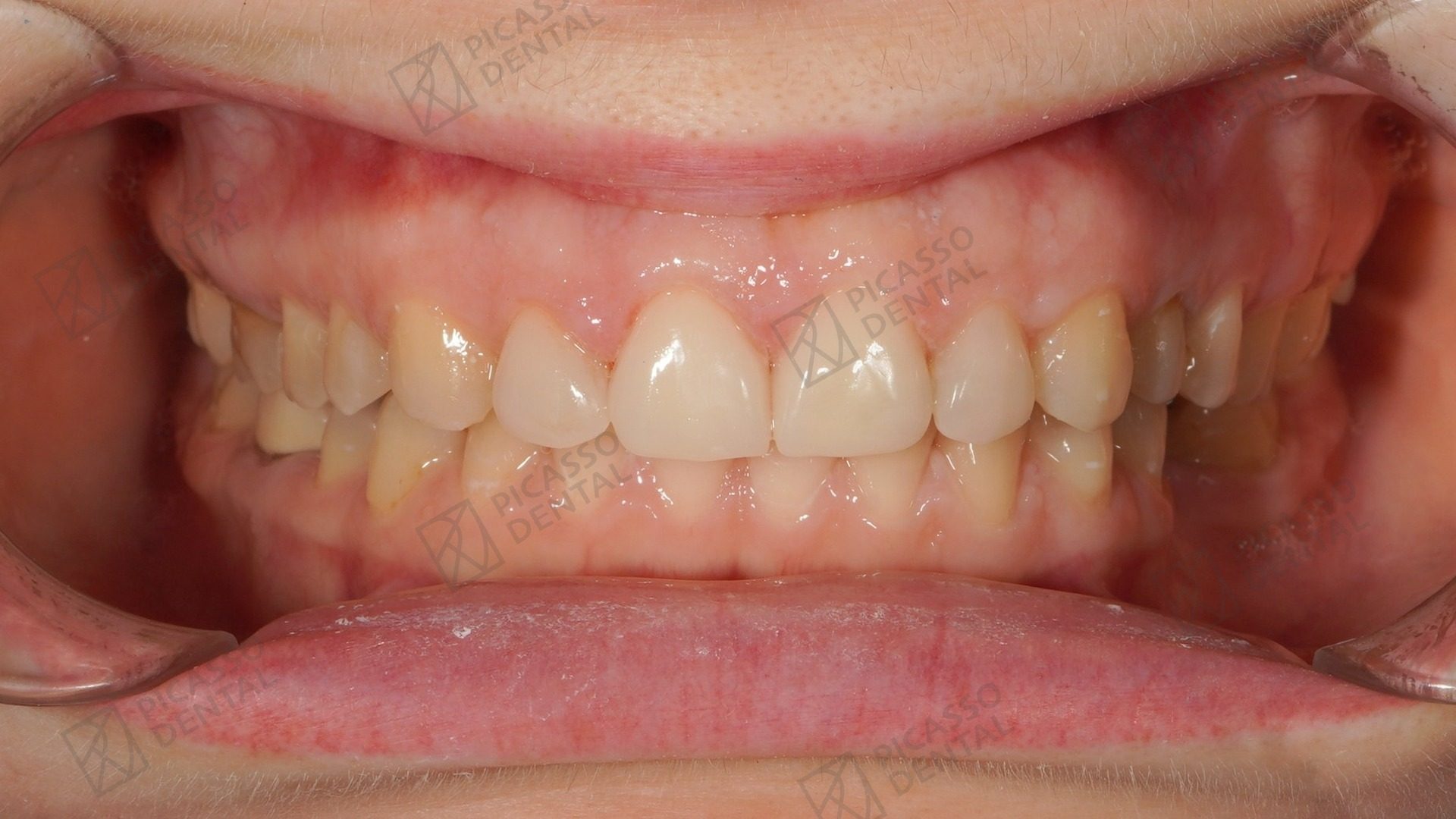
Composite Veneers, Upper Anteriors
- Material Layered direct composite
- Scope Composite veneers on upper anteriors plus small restorations
- Duration 6 visits over ~1 month
- Branch Da Nang
FAQ
Common Questions
How long does dental bonding last?
Well-placed composite bonding typically lasts 7 years before it needs polishing, repair or replacement. Lifespan depends on bite force, staining habits (coffee, tea, wine, smoking) and whether the bonded edge takes direct biting load. Bonding on non-load-bearing surfaces lasts longer than bonding on biting edges.
Will dental bonding stain?
Composite resin stains over time more than porcelain does, especially with coffee, tea, red wine and smoking. Surface stains can usually be polished off at your 6-month hygiene visit. After several years, the bond may darken at the margin and need replacement, this is normal and expected for composite.
Can you fix a chipped front tooth in one visit?
Yes. A small front-tooth chip is one of the most common bonding cases. We match the shade, sculpt composite onto the chipped corner, light-cure, polish, and you walk out with the chip repaired in 60 minutes. Cost is typically depending on size.
Is dental bonding reversible?
Yes, in most cases. Bonding usually requires no tooth preparation, the composite is added on top of the natural tooth and can be removed later if you choose to upgrade to a porcelain veneer or crown. This is one of bonding's biggest advantages over veneers.
Do you need to drill the tooth for bonding?
In most cosmetic bonding cases, no drilling is needed. We lightly etch the surface chemically to create a bond, but no enamel is removed. The exception is repairing decay (the decayed part is removed first) or replacing an old filling, which is a different procedure.
Can I eat normally after bonding?
You can eat immediately, the composite is fully cured before you leave. We do recommend avoiding biting directly into hard objects (ice, pens, fingernails, hard nuts) for the first 24 hours, and limiting staining foods (coffee, tea, red wine, curry) for the first 48 hours while the surface fully stabilises.
What if the bonding chips later?
Composite bonding is repairable in the chair. If a small piece chips off, we can add fresh composite to the existing bond, re-cure and re-polish, usually in a single short appointment. This is a major advantage over porcelain veneers, which must be replaced rather than repaired if they fracture.
Can bonding whiten my teeth?
Bonding does not whiten existing teeth, it only changes the area where composite is placed. If you want a brighter overall smile, whitening should come first. Once your teeth reach the shade you want, we then match the bonding to that shade. Bonding cannot be whitened later, so the order matters.
Is dental bonding cheaper than veneers?
Yes, significantly. A small bonding repair starts at and a cosmetic Class IV bond is around. A composite veneer is, and a porcelain Emax Press veneer is. Bonding is the most affordable cosmetic option for small, localised fixes.
Will bonding look natural?
Modern composites are layered in different shades and translucencies to mimic natural enamel. For a single small chip or surface defect, well-executed bonding is virtually invisible. For larger restorations across the whole front of a tooth, porcelain veneers give a more naturally translucent and stain-resistant result.
Start Here
Fix That Chip
In a Single Visit.
Book a cosmetic consultation. We'll examine the tooth, confirm whether bonding is the right tool or whether a veneer, crown or whitening would do a better job, and quote you in writing before any composite is placed.