
Cosmetic Dentistry · Led by Dr. Huong Nguyen (Dr. Rosie) · Last reviewed May 2026
Composite Veneers, Same-Day,
.
Picasso Dental places composite veneers in Vietnam, direct-bonded and sculpted on the tooth in a single visit, with a 6-month material warranty. Composite is our budget-tier, same-day alternative to porcelain veneers, lower cost, fully repairable in chair, and typically requires zero tooth reduction. Cases are led by Dr. Huong Nguyen (Dr. Rosie), our dedicated cosmetic dentist, available across our six branches.
What It Is
What is a Composite Veneer?
A composite veneer is a thin layer of tooth-coloured composite resin sculpted directly onto the front of the tooth in a single visit, light-cured and polished. There is no lab work, no impression sent away, and in most cases no enamel is removed. Composite veneers correct chips, small gaps, minor reshaping and surface stains. They typically last 7 years before replacement, half the lifespan of porcelain, but at roughly a third of the cost.
Why Picasso
Why Picasso for Composite
Direct-Bonded, Same Day
One appointment from shade selection to polished result. No temporaries, no second visit, no waiting for a lab. Most cases finish in 1. 3 hours depending on the number of teeth treated.
Conservative or Zero Prep
In most cases no enamel is removed. The tooth is etched and a bonding agent applied; composite is added on top. The underlying tooth is preserved, which keeps porcelain as a future option.
Repairable In Chair
If a composite veneer chips, the dentist adds fresh composite, sculpts and polishes in a single short visit. Porcelain veneers cannot be repaired this way, a fractured porcelain veneer must be replaced.
Lower Cost Entry Point
versus for porcelain. A six-tooth composite smile correction sits in the same price range as a single porcelain veneer.
Cosmetic Dentist on Every Case
Composite veneers are a freehand artistic procedure, the result depends entirely on the dentist's eye and hand. Every composite veneer case at Picasso is led by Dr. Rosie, our dedicated cosmetic dentist.
Available at All 6 Branches
Composite veneers are offered at every Picasso branch in Hanoi, Ho Chi Minh City, Da Nang and Da Lat. Same protocol, same materials, same pricing across the network.
Comparison
Composite vs Porcelain Veneers
The honest side-by-side. Composite wins on cost and speed; porcelain wins on durability and finish. Most patients fit clearly into one category after a 30-minute consultation.
| Factor | Composite Veneer | Porcelain Veneer (Emax) |
|---|---|---|
| Material | Composite resin | Pressed Emax porcelain |
| Visits | 1 visit | 2 to 3 visits |
| Tooth reduction | None or minimal | 0.3 to 0.5mm |
| Lifespan | 4 to 7 years | 10 to 15+ years |
| Stain resistance | Moderate (similar to natural enamel) | High (glazed ceramic) |
| Repairable | Yes, in-chair | No, replace |
| Warranty | 6 months | 7 years |
| Best for | Budget, single-day correction, trial smile | Permanent cosmetic correction, smile makeover |
Considering porcelain instead? See our porcelain veneer page for materials, process and pricing.
Pricing
Composite Pricing
Per-unit composite pricing across veneers, cosmetic fillings and repairs. Multi-tooth cases are quoted per tooth with no package discount, no upcharge.
| Service | Price | Warranty |
|---|---|---|
| Composite veneer | 6 months | |
| Tooth gap composite filling (per gap) | 6 months | |
| Cosmetic Class IV composite filling | 6 months | |
| Cervical Class V composite | 6 months | |
| Composite repair (existing veneer) | 3 months |
Looking at full smile makeover options? Compare porcelain veneers.
Right Choice
When Composite is the Right Choice, and When Porcelain is Better
Both options exist for a reason. The right answer depends on your budget, timeline, durability expectations and how much enamel you want to keep.
Composite is the Right Choice If
You want a same-day result and cannot return for multiple appointments.
Your budget favours composite over porcelain.
You want a reversible, low-commitment trial smile before deciding on porcelain.
You need to fix one or two specific issues: a chip, a small gap, an edge that needs reshaping.
You are willing to accept slightly more maintenance: 6-month polishing visits, replacement at 7 years.
You want to preserve all your enamel for now and keep porcelain as a future upgrade.
Porcelain is the Better Choice If
You want a permanent, low-maintenance result and are willing to invest once.
You drink coffee, tea, red wine or smoke, and want long-term stain resistance.
You are doing a full smile makeover (6, 8 or 10 teeth) where consistent shade and surface finish matter.
You need correction across multiple shape, shade and minor alignment issues at once.
You want a 7-year material warranty and a 15+ year practical lifespan.
The case calls for translucency and a glazed ceramic finish that composite cannot quite replicate.
Treatment Process
How Composite Veneer Treatment Works
Four steps in a single appointment. No lab, no temporaries, no second visit.
1. Shade Selection + Photographs
Dr. Rosie examines your teeth, photographs your smile and selects composite shades to match either your surrounding teeth or your target shade. If you plan to whiten first, we sequence that before composite placement.
2. Tooth Prep + Bonding Agent
The tooth surface is cleaned and isolated. We etch the enamel, rinse and apply a bonding agent. In most cases no tooth structure is removed. Minor reshaping only where the tooth is rotated or has a sharp edge.
3. Composite Layered + Sculpted
Composite is built up on the tooth in shades and translucencies, sculpted freehand to match the planned shape, contour and surface texture. Each increment is light-cured before the next is added.
4. Polished + Cured
Final shaping with fine burs, then progressive polishing to a high gloss. Bite is checked and adjusted, photographs taken, you walk out with finished veneers the same day.
Scope
What Composite Can and Cannot Fix
Composite is a cosmetic surface correction. It is the right tool for certain problems and the wrong tool for others.
Composite Can Fix
Chips on front teeth, restoring shape and edge.
Small gaps between front teeth (diastema closure).
Minor reshaping of pointed or short teeth.
Surface stains that whitening cannot lift.
Slight rotations where the tooth axis is close to ideal.
Worn edges from grinding (with a nightguard going forward).
Composite Cannot Fix
Severe discoloration where the underlying tooth is very dark, the colour shows through.
Large gaps where closing the space would create unnaturally wide teeth.
Structurally weakened teeth with large fillings or fractures, a crown or porcelain veneer is needed.
Significant misalignment, that needs Invisalign or braces first.
Deep bite or grinding-driven wear without occlusal protection.
A guaranteed permanent showcase smile, porcelain is the better answer.
Aftercare
Aftercare
Composite needs slightly more careful handling than porcelain in the first days, and ongoing maintenance to keep its surface lustre.
First 48 Hours
Avoid heavy staining foods and drinks: coffee, tea, red wine, curry, beetroot, dark sauces. Composite reaches full surface stability over the first two days. Brushing and flossing as normal.
Daily Care
Brush twice daily and floss between teeth. Avoid biting hard foods (ice, hard nuts, bones) directly on the veneered teeth, edges chip under sharp loads. Use scissors not teeth for tags, packaging.
6-Month Polish
At your hygiene visit, the dentist polishes composite veneers to lift surface staining and restore gloss. This single step is the biggest factor in keeping composite looking fresh year over year.
Replace at 7 Years
Composite gradually loses surface lustre and shade brightness. Most cases are replaced or refreshed at 7 years. We retain photographs and shade records so a replacement matches the original design.
Risks
Risks & Honest Tradeoffs
Composite is a proven, conservative cosmetic option, but it is not porcelain. Here is what to expect.
Stains Over Time
Composite picks up colour from coffee, tea, red wine and tobacco more than porcelain. Polishing at 6-month recall lifts most of it; deeper staining eventually requires replacement. Porcelain does not stain on the surface.
Chips More Easily
Composite is softer than porcelain. Edges and tips can chip under heavy biting forces, fingernail biting, opening packaging with teeth. The upside is that chips repair quickly in chair for.
Edge Wear from Grinding
If you grind or clench, composite edges wear down faster than porcelain. A nightguard is strongly recommended for grinders, and edge polishing or rebuilding may be needed every 2 years.
More Maintenance Visits
Composite veneers need 6-month polishing visits to retain gloss, and full replacement at 7 years. Porcelain is closer to set-and-forget. Factor maintenance cost over 10 years into your decision.
Result Depends Heavily on Operator
Composite is freehand sculpting. The result varies more between dentists than porcelain, where the lab does most of the shape work. Picasso composite cases are placed by Dr. Rosie, our dedicated cosmetic dentist, on every case.
What We Will Tell You No To
If your case really needs porcelain, orthodontics, or a crown, we will say so. Composite veneers placed on the wrong patient look great in the dental chair photo and disappoint a year later. We are not interested in that outcome.
Team
Your Cosmetic Team
Composite veneer cases are led by our cosmetic dentist, with clinical oversight from our founding clinical director.
Dr. Huong Nguyen (Dr. Rosie)
Cosmetic Dentist. Leads composite and porcelain veneer cases at Picasso. Composite veneer placement is a freehand artistic procedure, your result depends on the dentist's eye and hand, which is why every cosmetic case at Picasso routes to a dedicated cosmetic dentist rather than a generalist.
Dr. Emily Nguyen
Founding Clinical Director. Founded the original clinic in Hanoi in 2013 (then Serenity International Dental Clinic), led the 2023 rebrand to Picasso, and sets clinical standards for case selection, materials and prosthetic delivery group-wide, including for cosmetic composite work.
Cases
Composite Veneer Cases
Real before and after composite veneer transformations from our clinics, photographed on our chairs and published with patient consent. Chair time, materials and branch are listed on each case so you can see what your own treatment would involve.
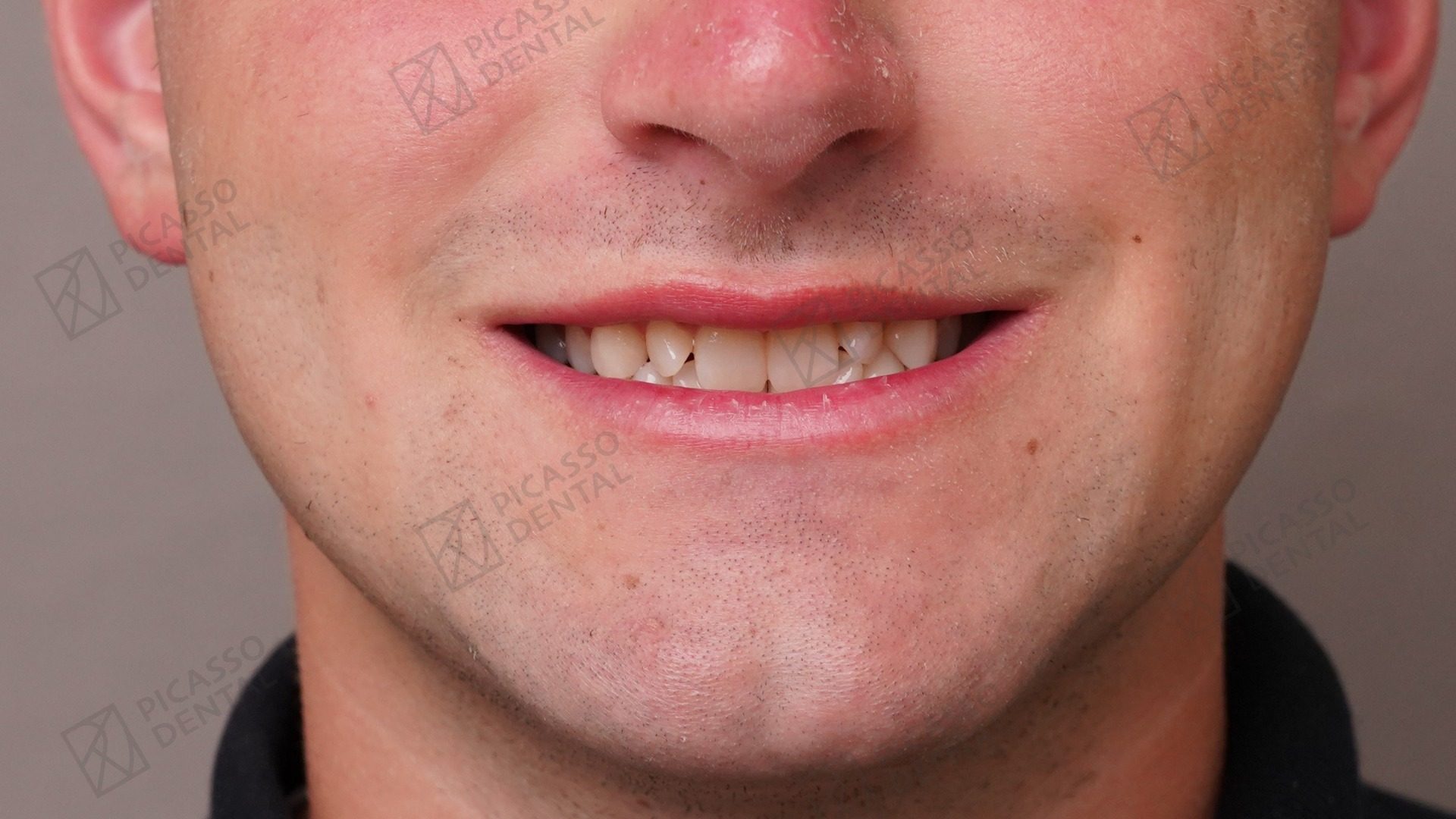
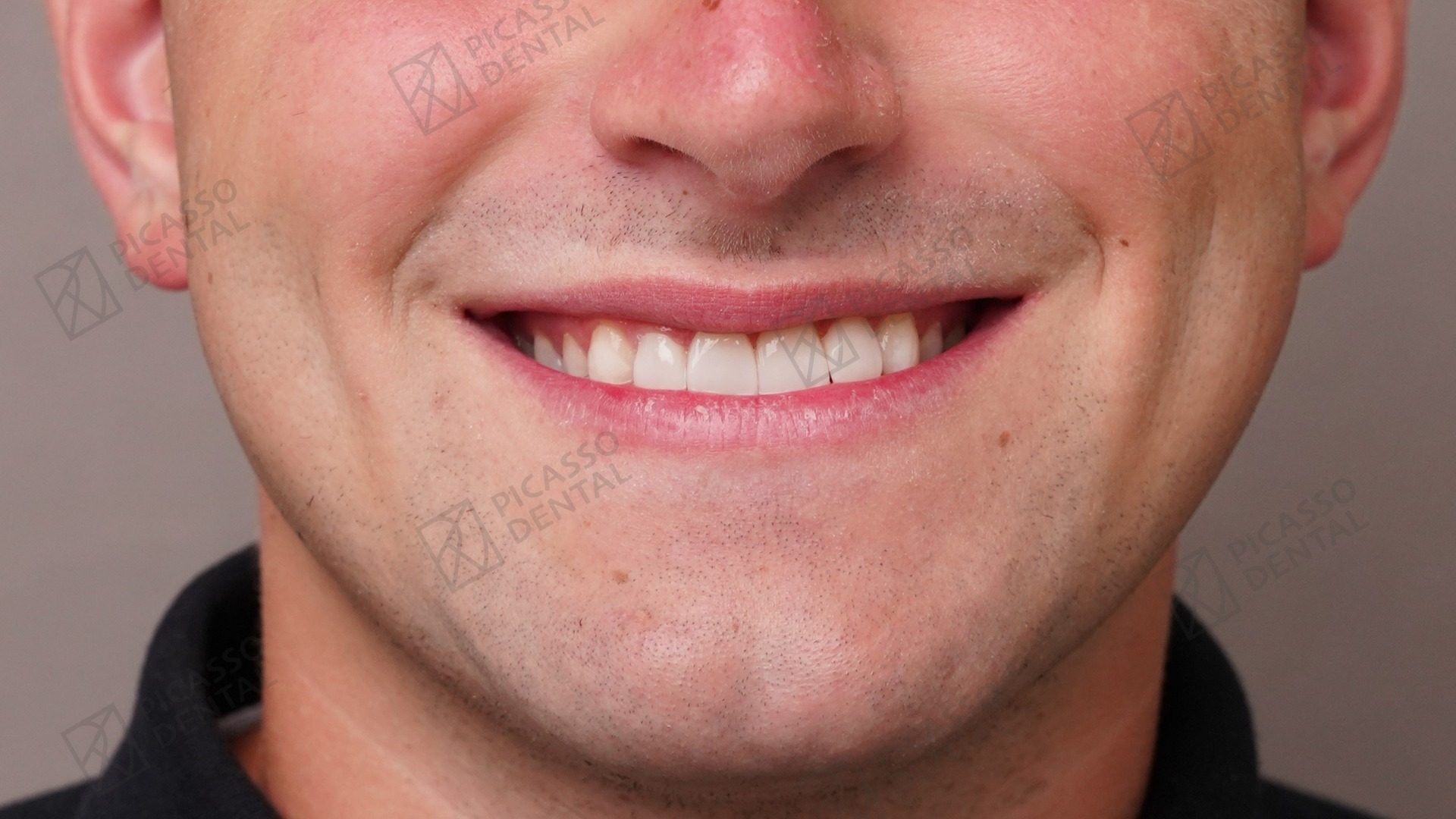
4 Composite Veneers, Upper Incisors
- Material Layered direct composite
- Scope 4 composite veneers on upper incisors (teeth 12 to 22) with deep cleaning
- Duration 2 visits over ~1 month
- Branch HCMC Thao Dien
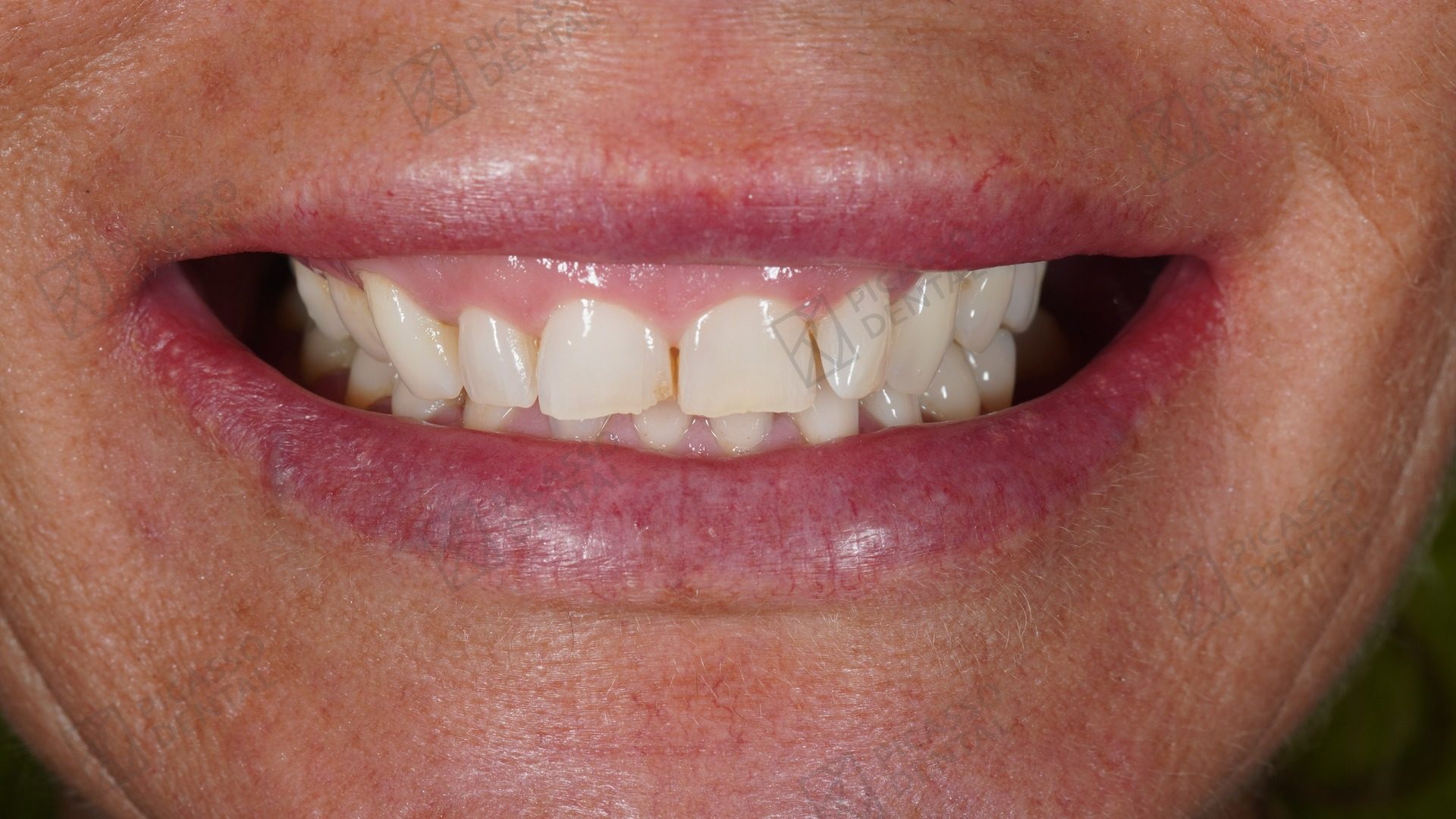
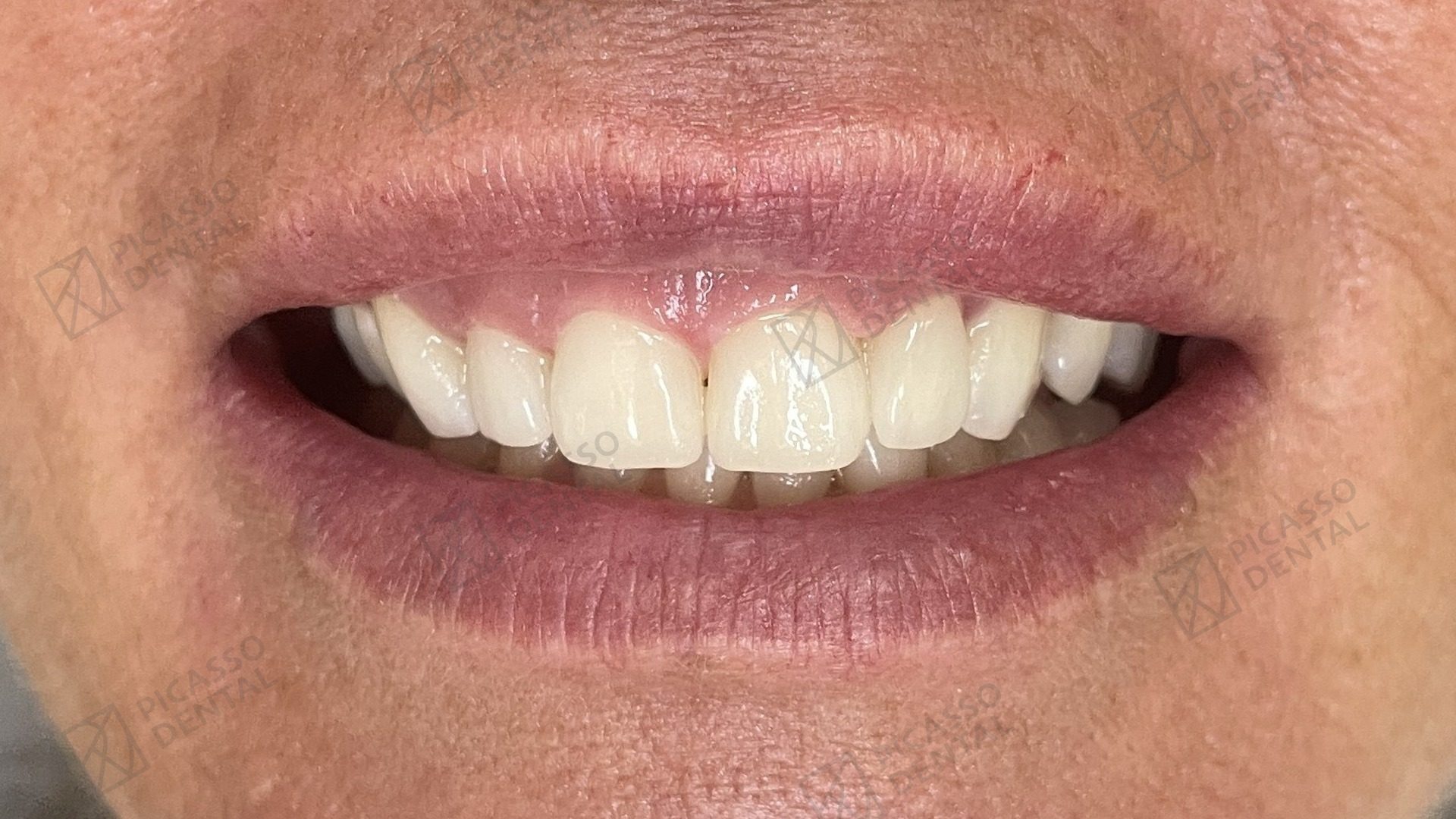
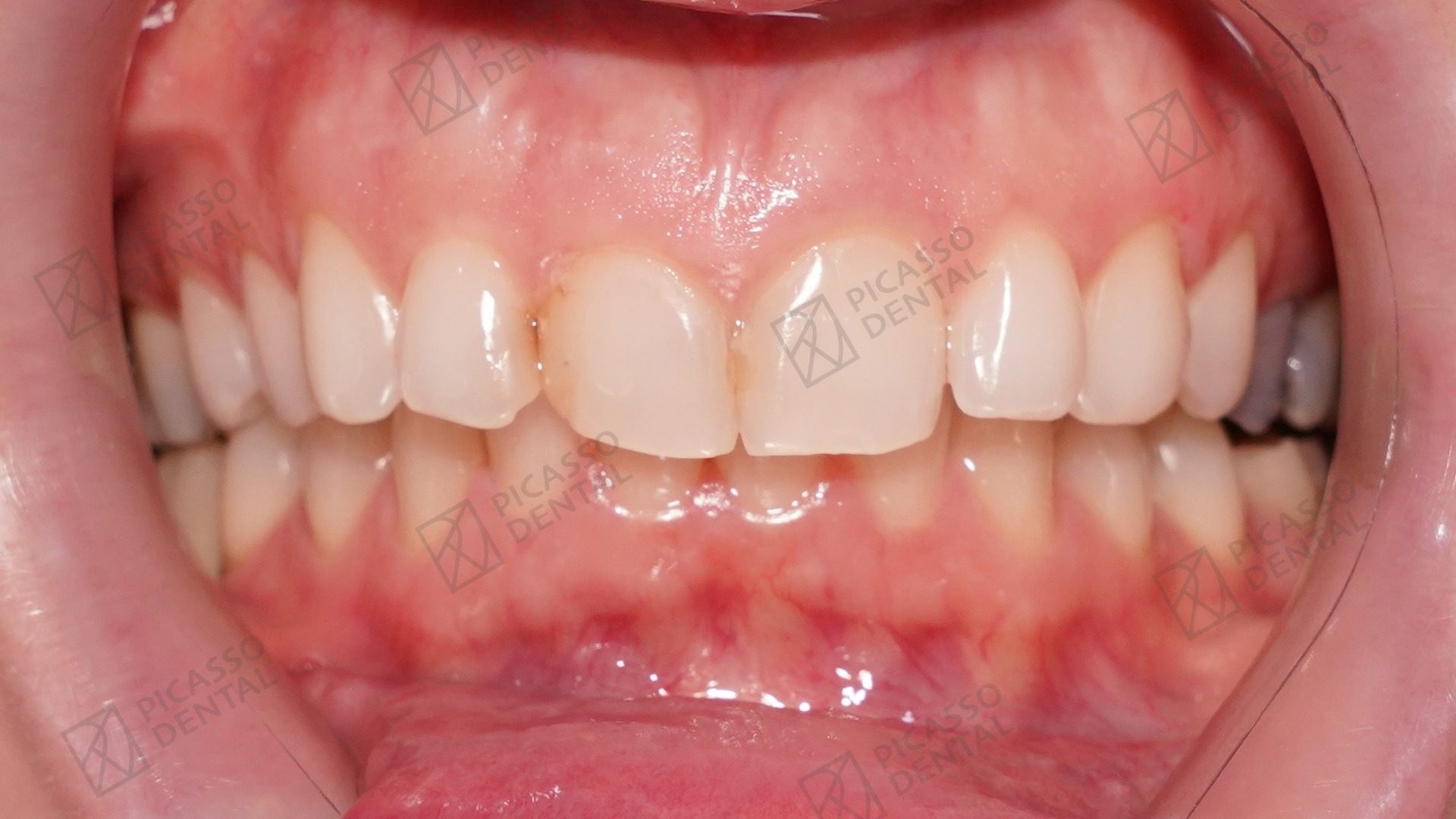
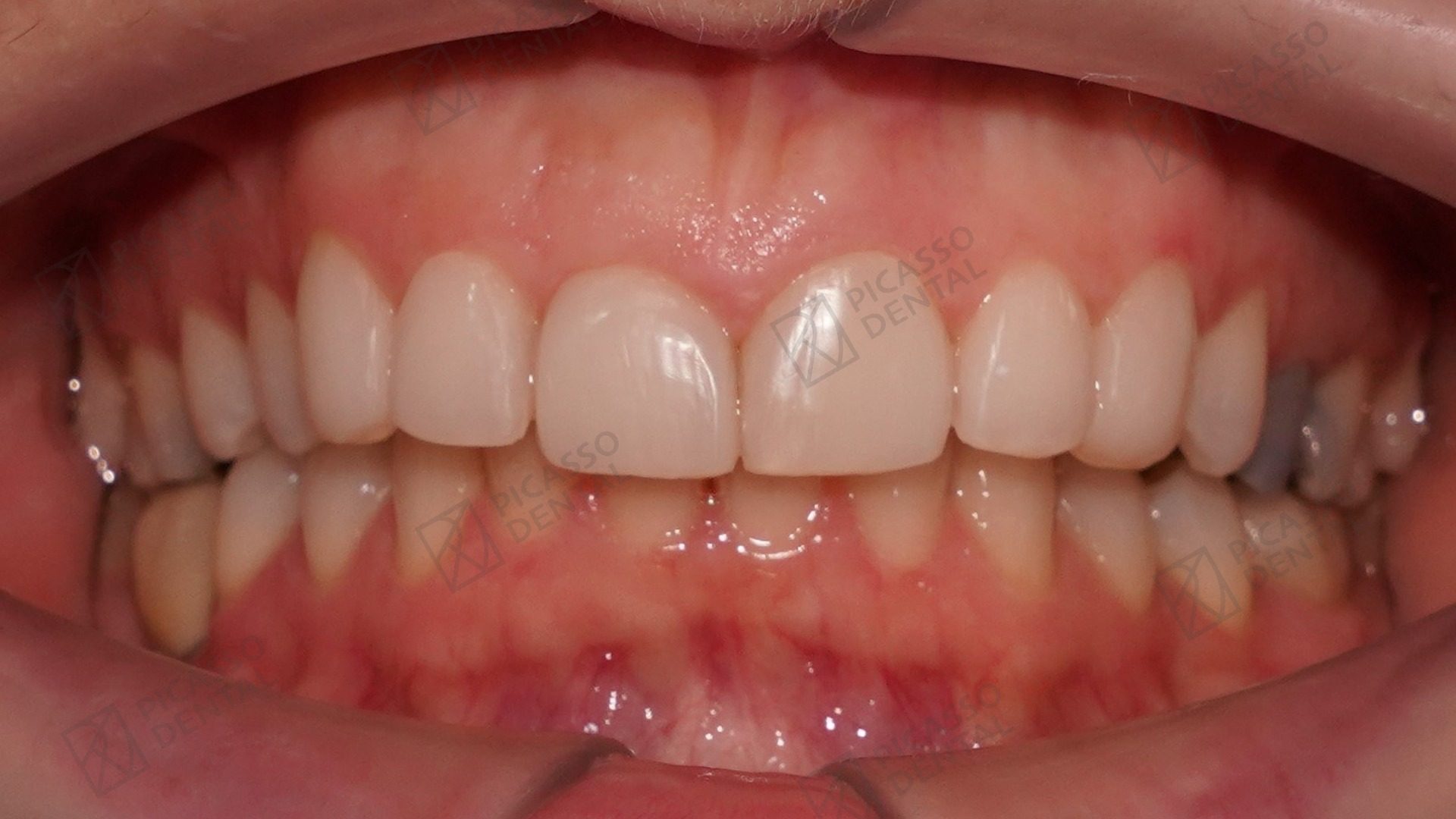
4 Composite Veneers, Upper Incisors
- Material Layered direct composite, wax-up + mock-up planning
- Scope 4 composite veneers on upper incisors (teeth 12 to 22)
- Duration 1 long appointment
- Branch Hanoi Old Quarter
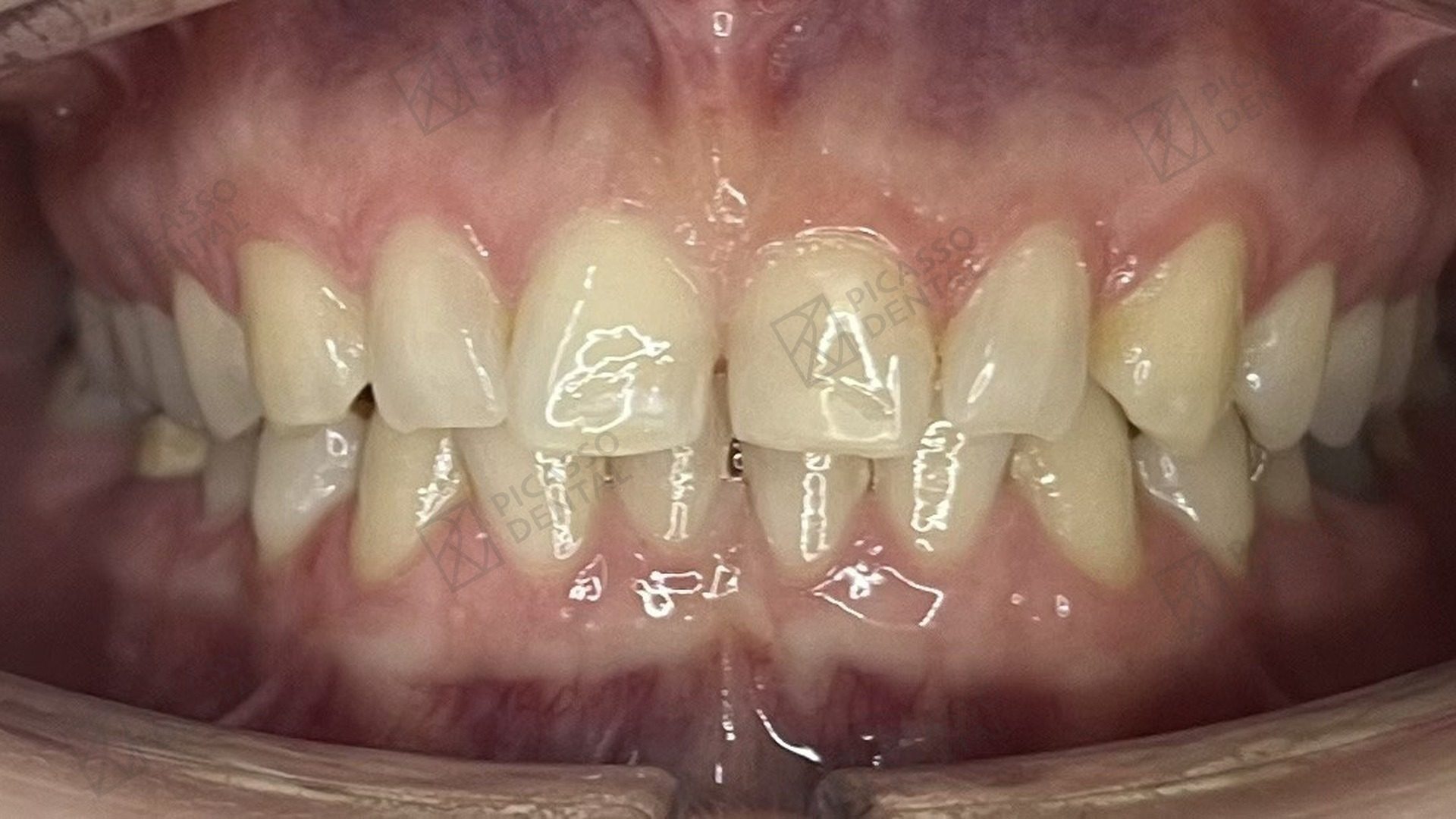
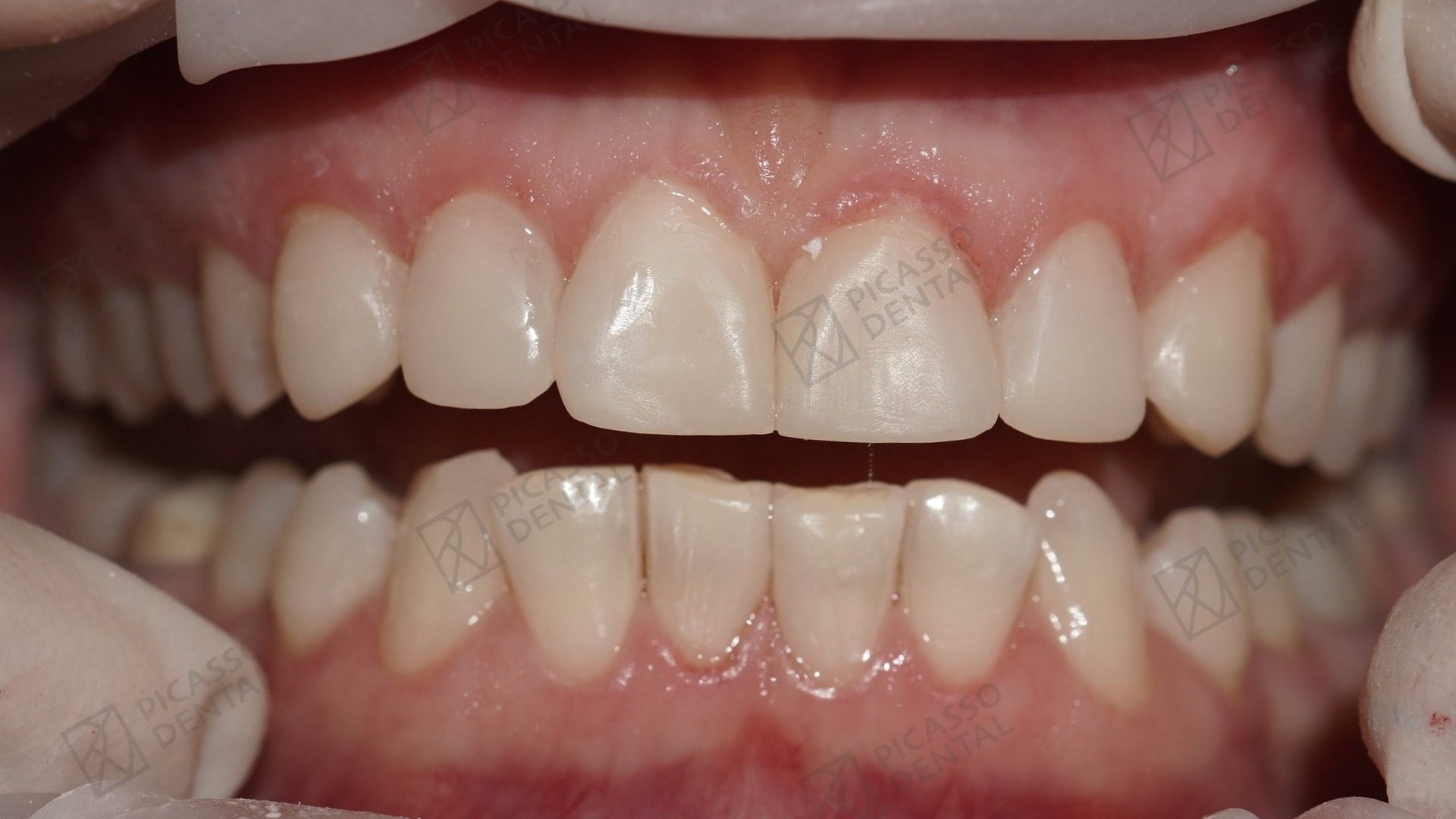
6 Composite Veneers + Emax Onlay
- Material Layered direct composite + Emax porcelain onlay
- Scope 6 composite veneers (13 to 23) plus Emax onlay on tooth 36
- Duration 3 visits over ~1 month
- Branch HCMC Thao Dien
Composite Veneers + Gap Closure
- Material Layered direct composite, wax-up + mock-up planning
- Scope 6 composite veneers on upper anteriors (13 to 23) with gap closure and lower edge bonding
- Duration 8 visits across ~3 months
- Branch Hanoi Westlake
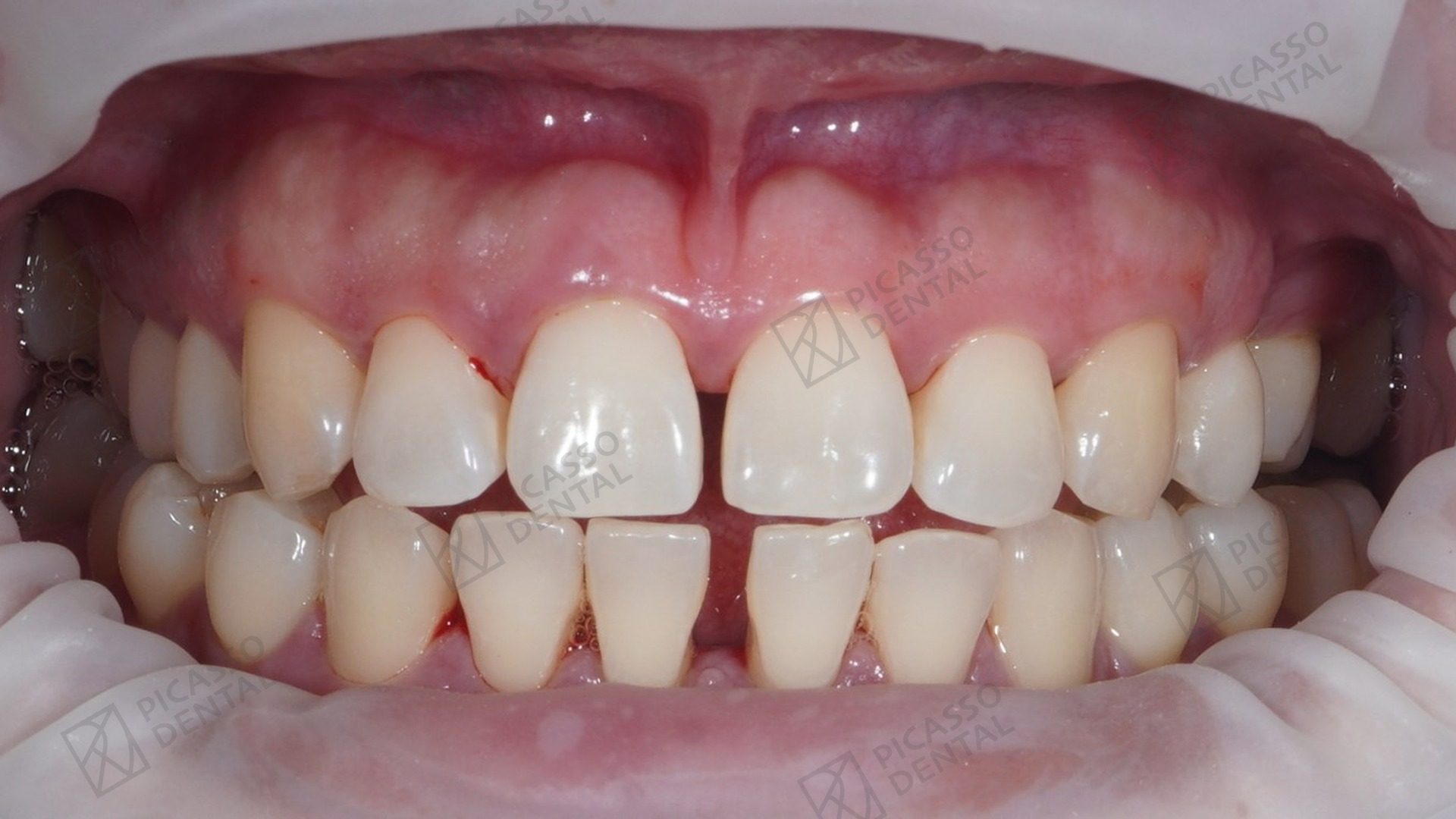
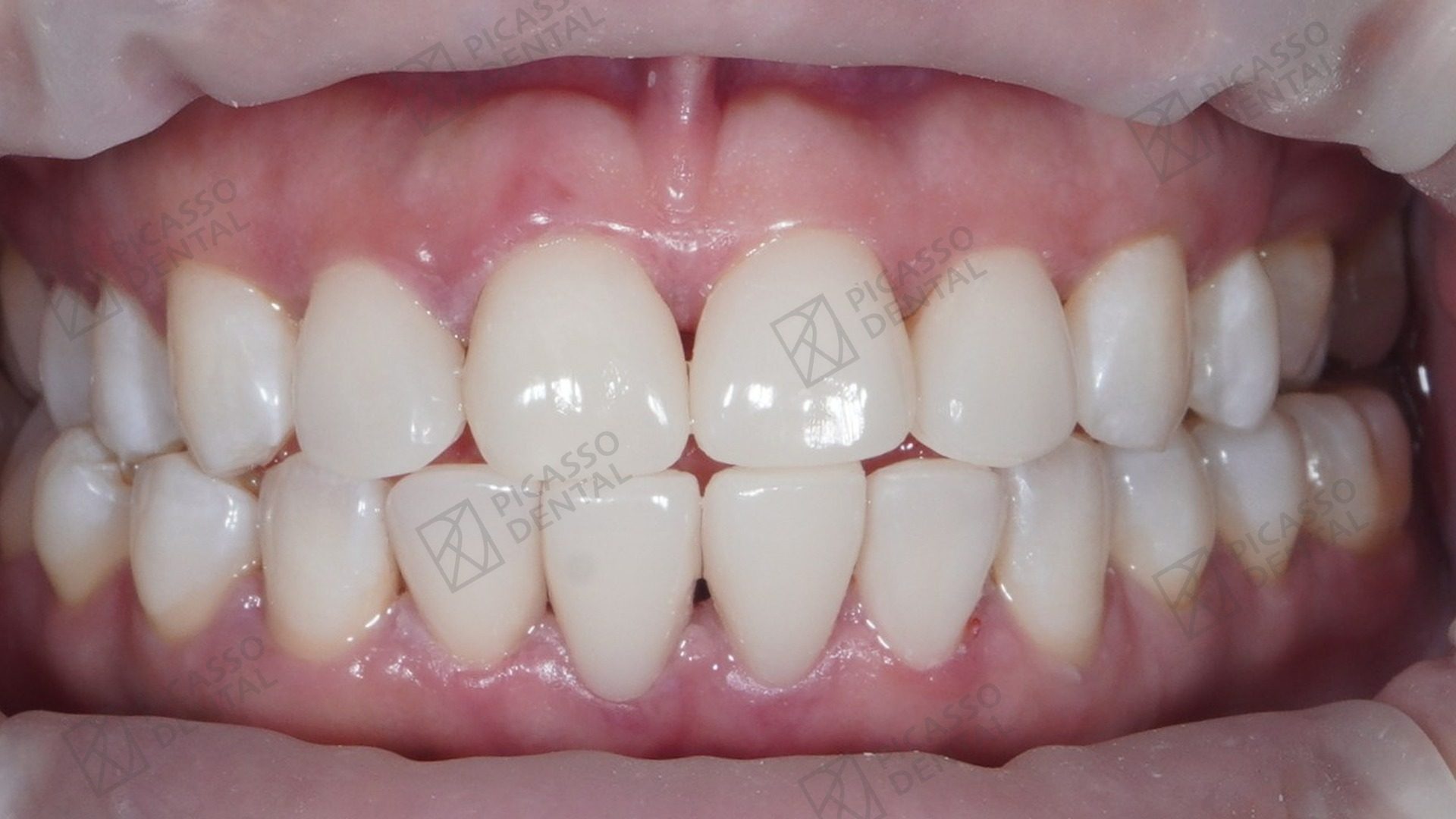
Composite Veneers, Full Smile
- Material Layered direct composite + Zoom in-office whitening
- Scope Anterior composite veneers, upper and lower; plus restorative work
- Duration 3 visits over ~1 month
- Branch Da Nang
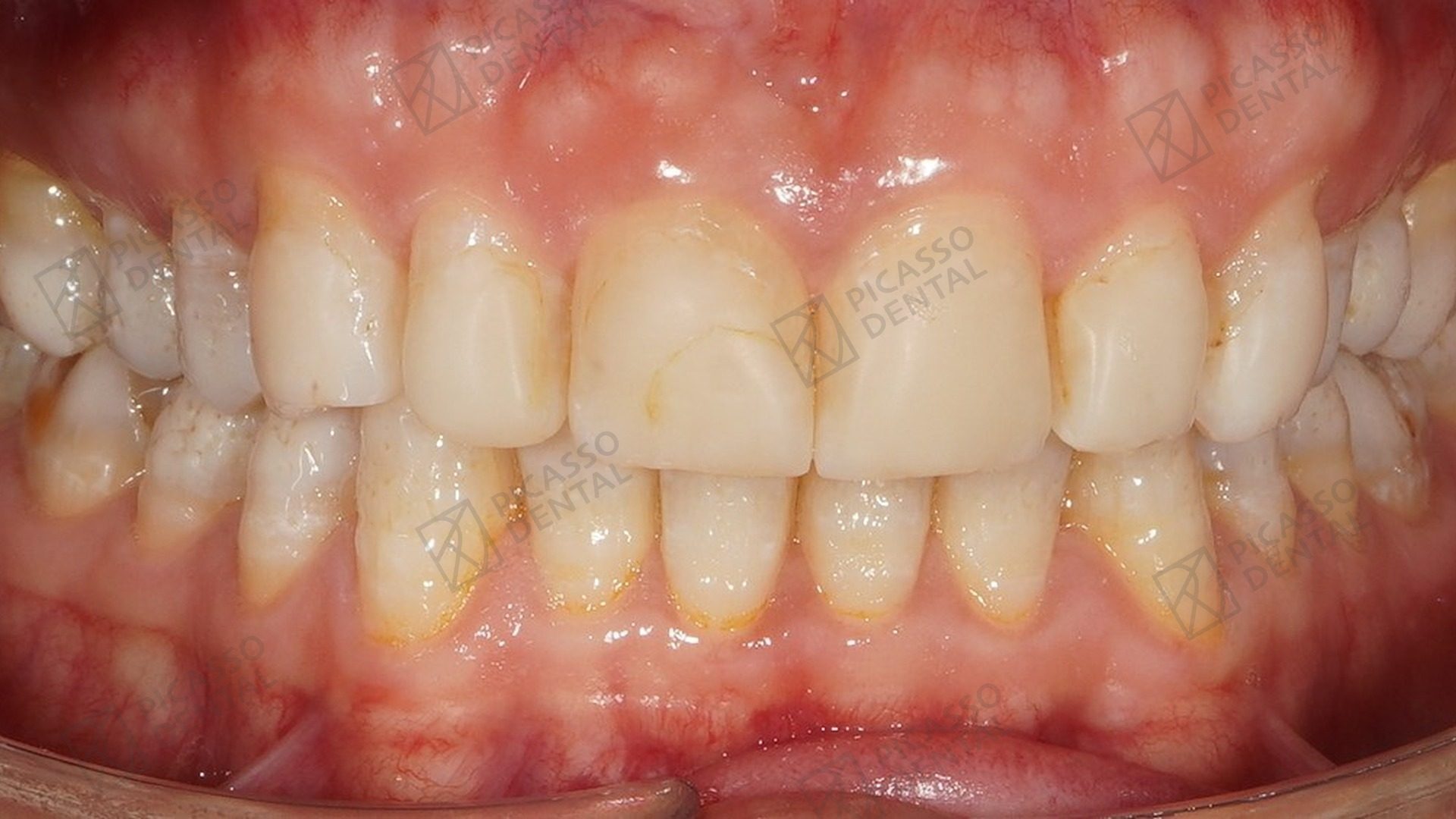
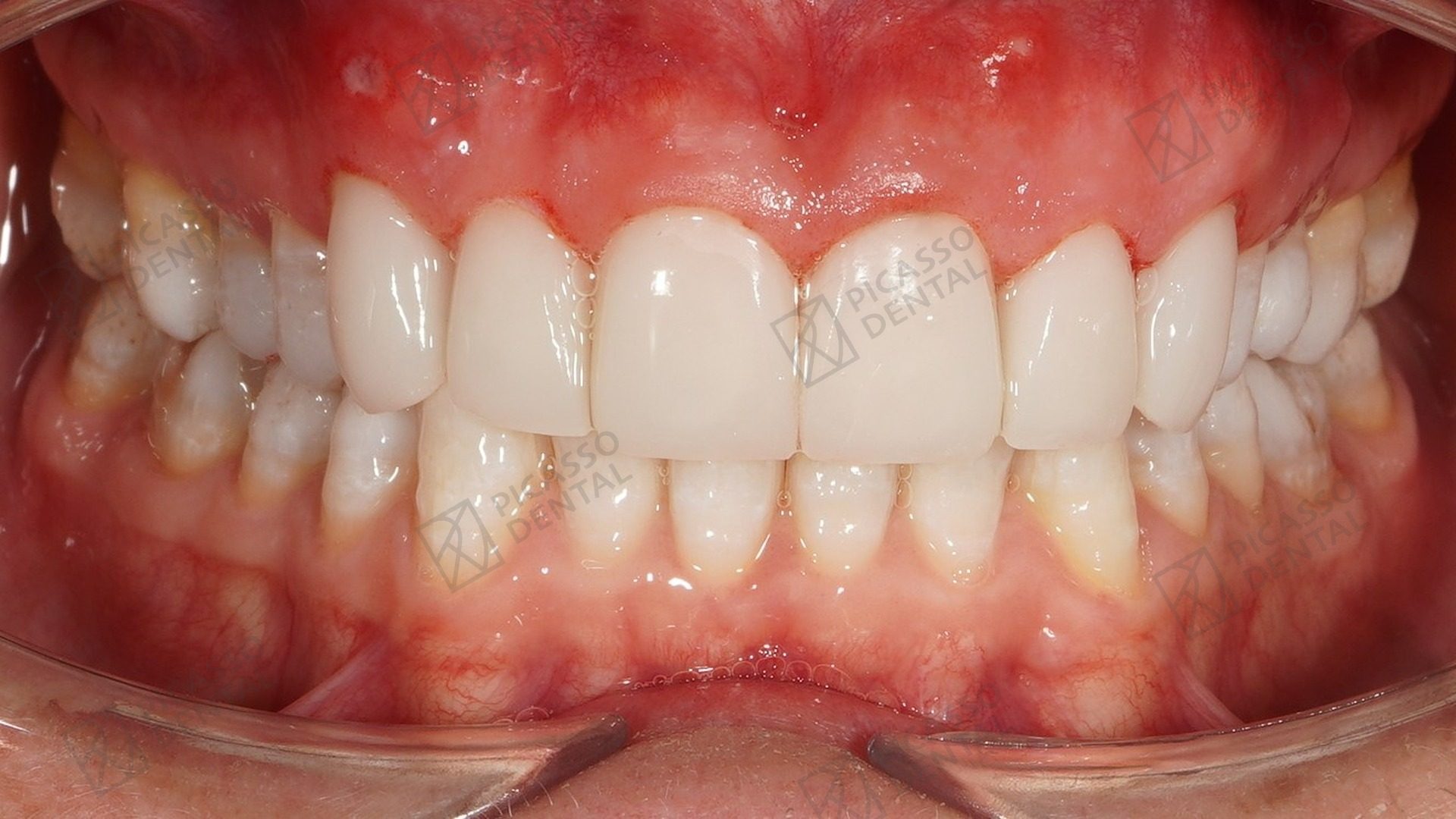
6 Composite Veneers + Whitening
- Material Layered direct composite + Zoom in-office whitening
- Scope 6 composite veneers on upper anteriors (teeth 13 to 23)
- Duration 2 visits over ~1 month
- Branch Da Nang
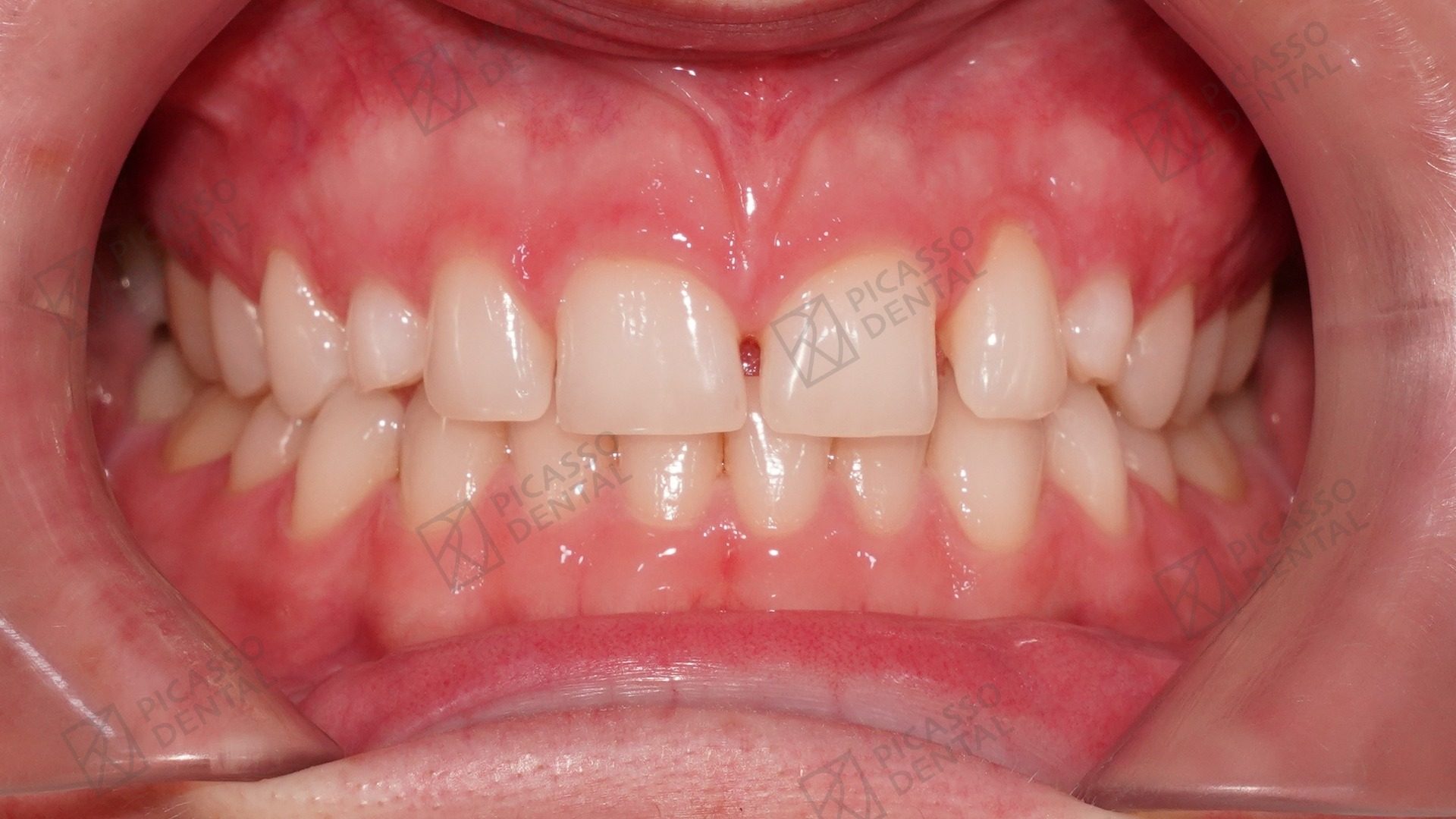
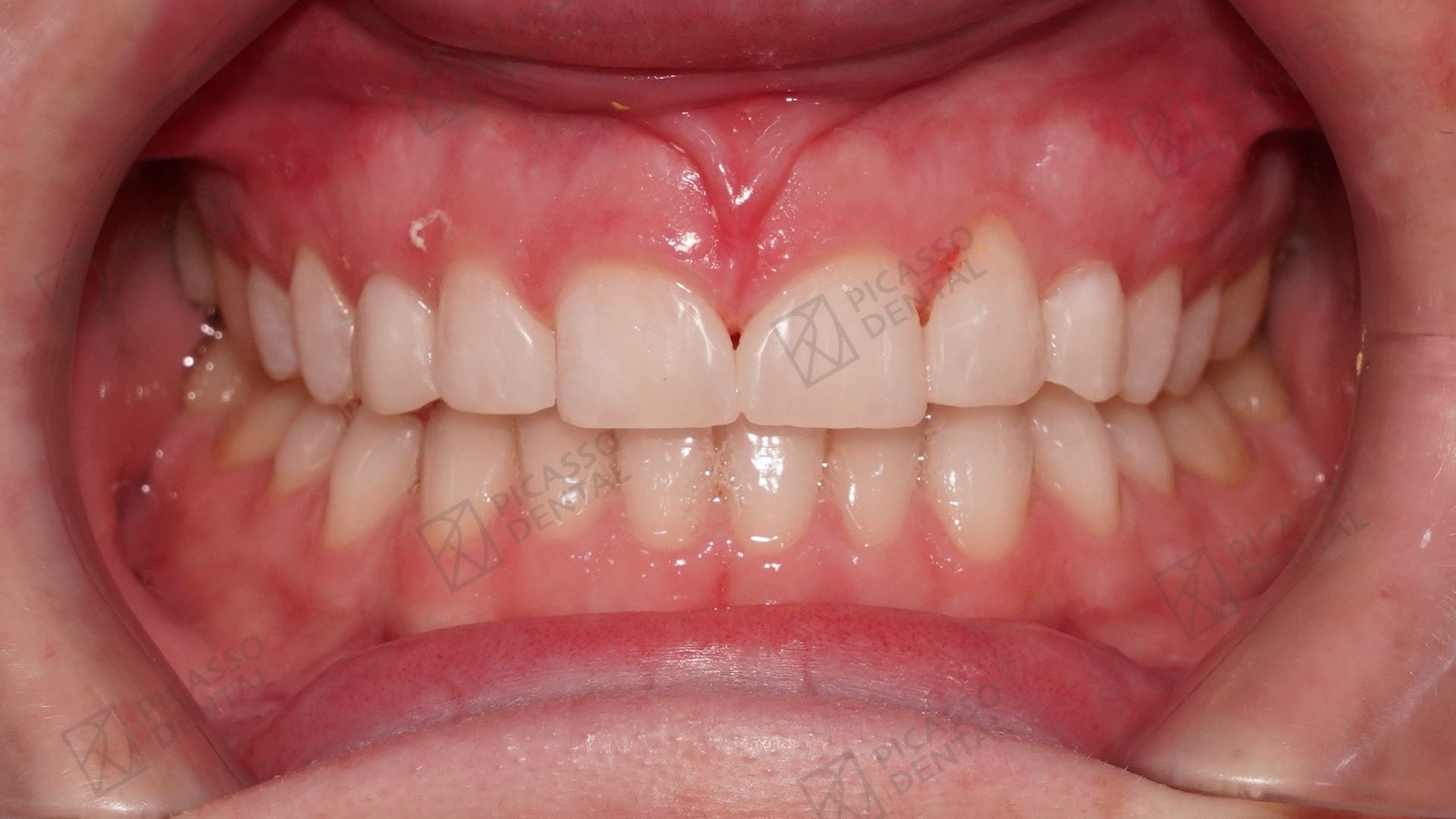
Composite Veneers + Class IV Repair
- Material Layered direct composite, cosmetic Class IV bonding
- Scope Composite veneers and Class IV bonding on upper anteriors
- Duration 2 visits over ~1 month
- Branch HCMC Thao Dien
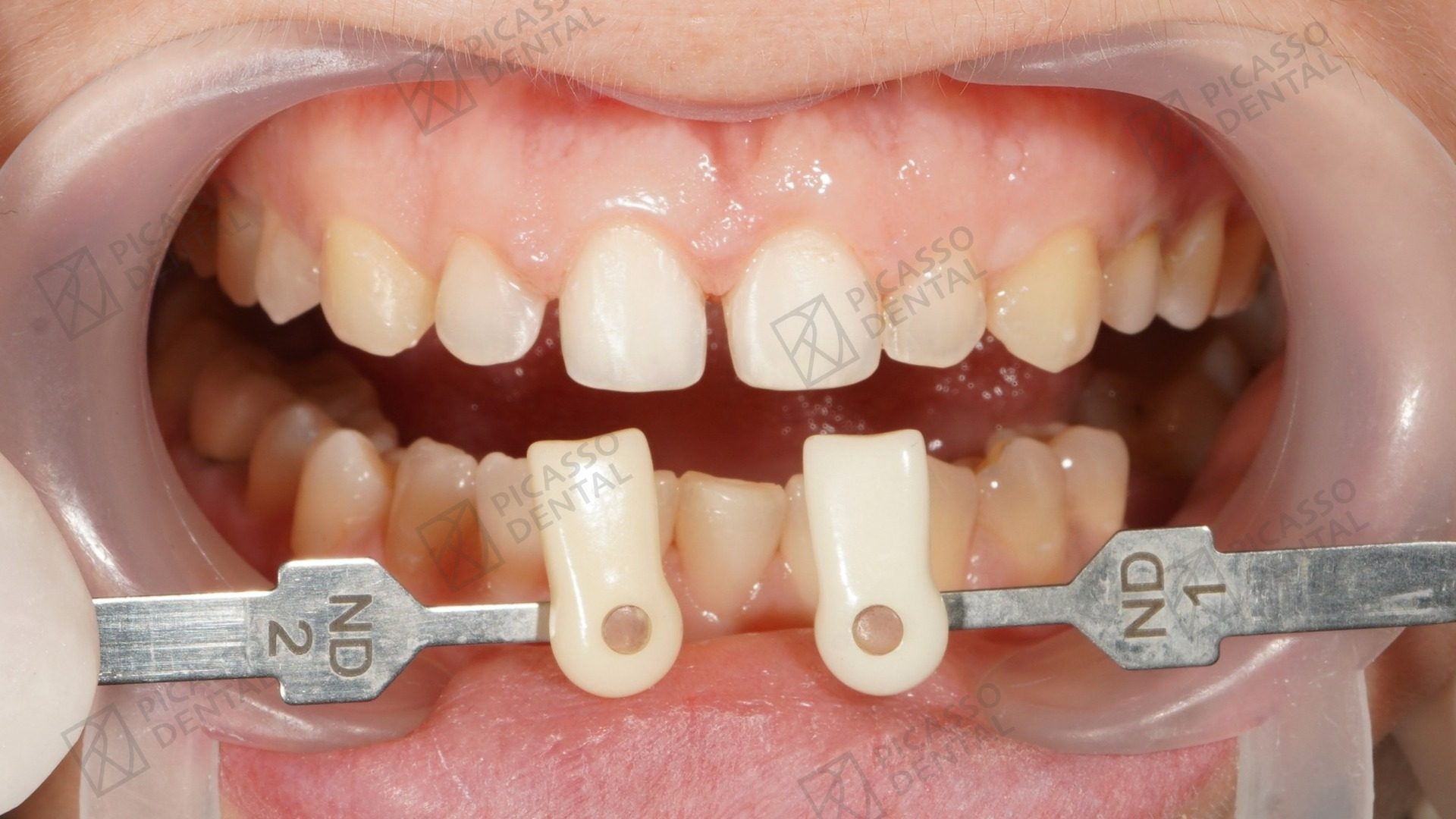
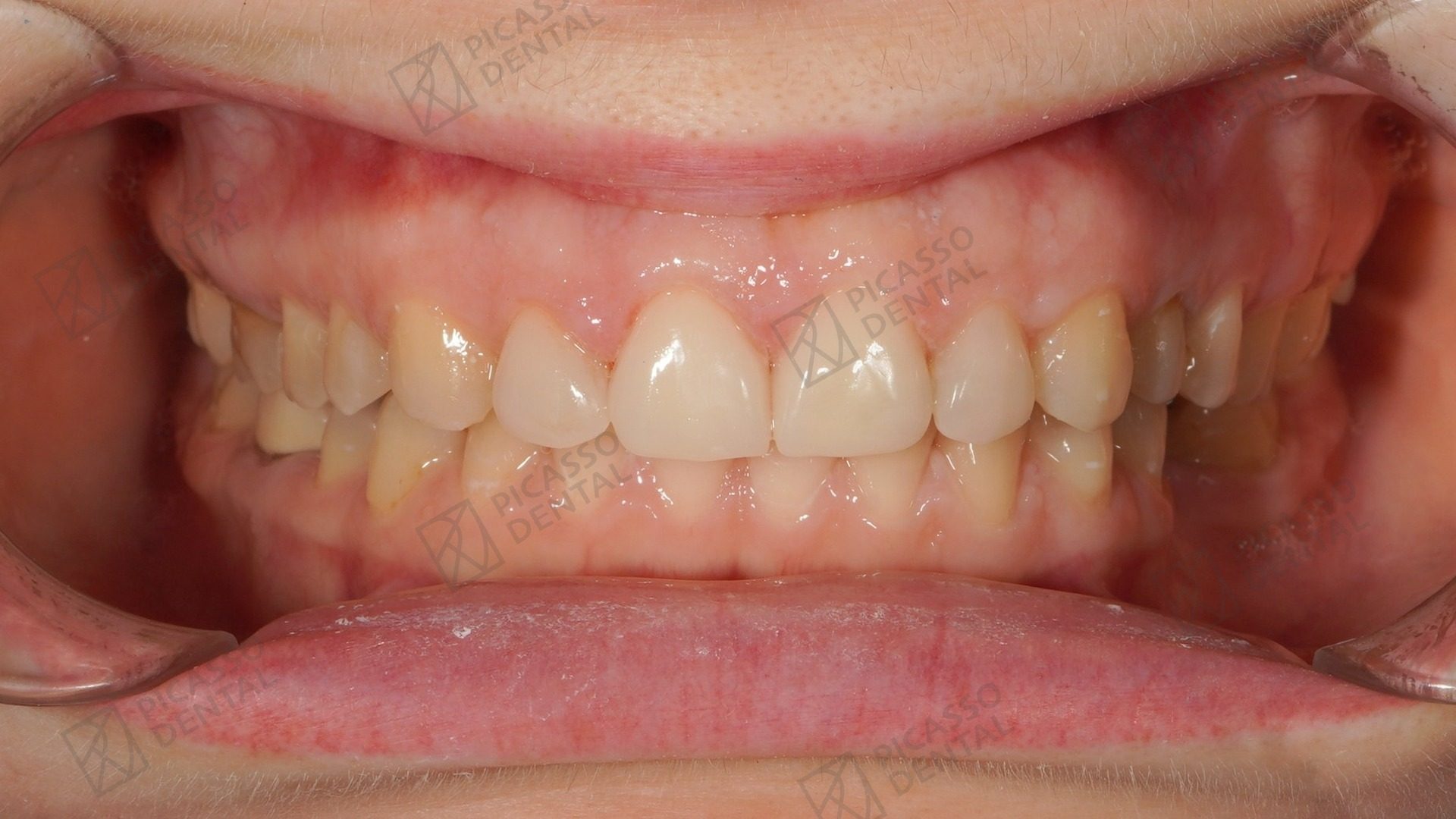
Composite Veneers, Upper Anteriors
- Material Layered direct composite
- Scope Composite veneers on upper anteriors plus small restorations
- Duration 6 visits over ~1 month
- Branch Da Nang
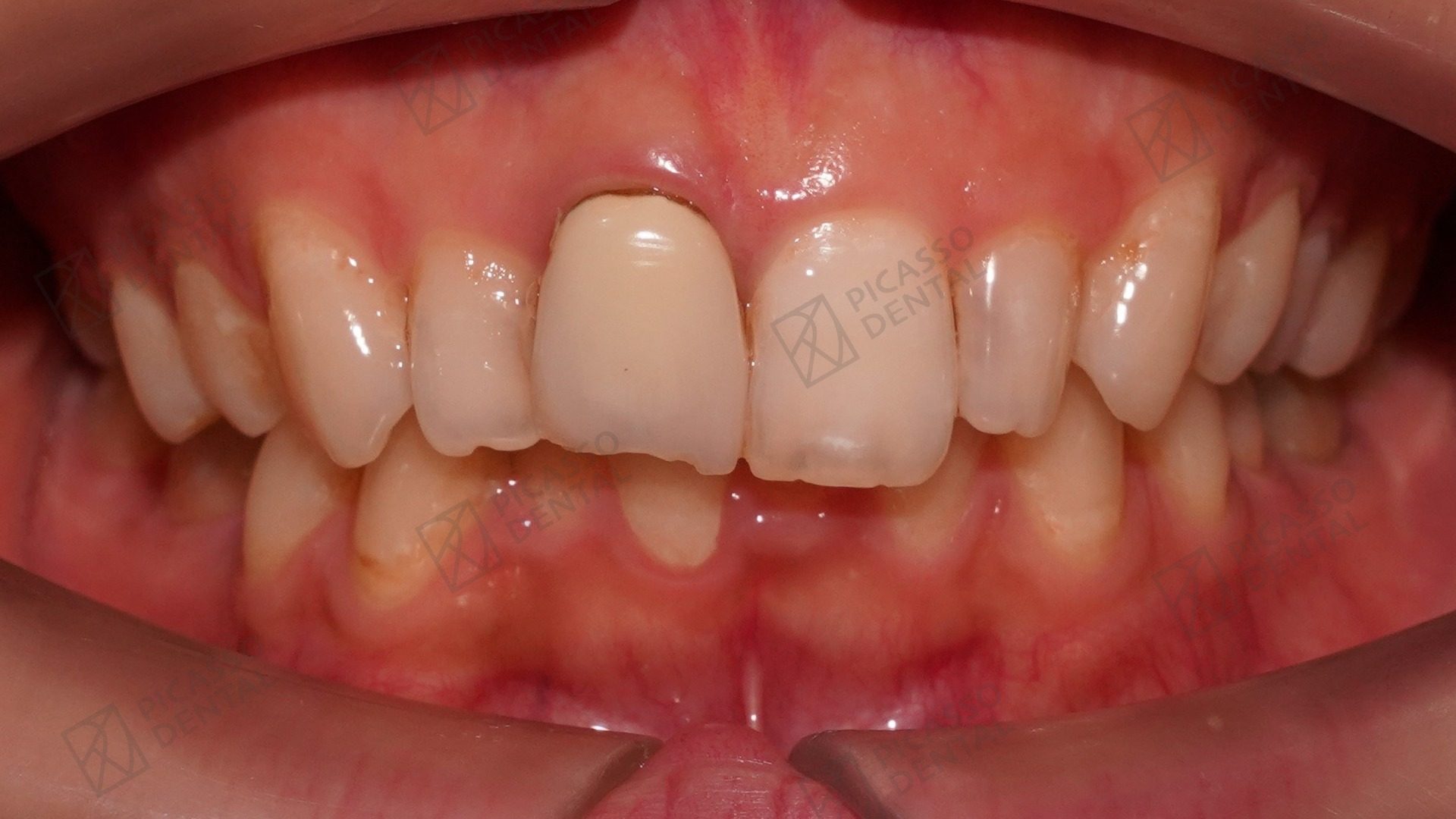
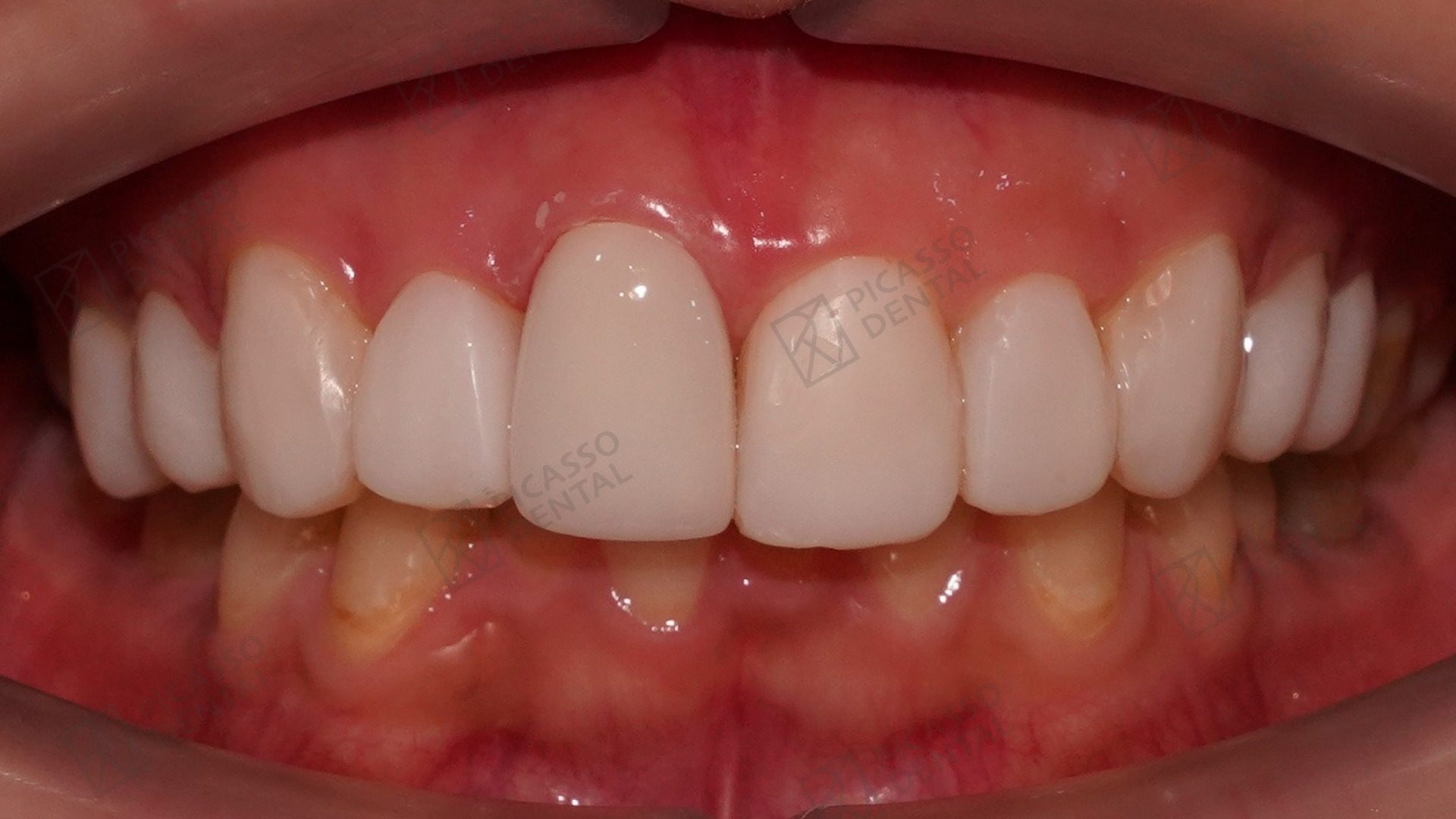
Composite Veneer + Zirconia Crown
- Material Layered direct composite + Zirconia crown
- Scope Composite veneers (15 to 25) plus single zirconia crown replacement
- Duration 3 visits over ~1 month
- Branch HCMC Thao Dien
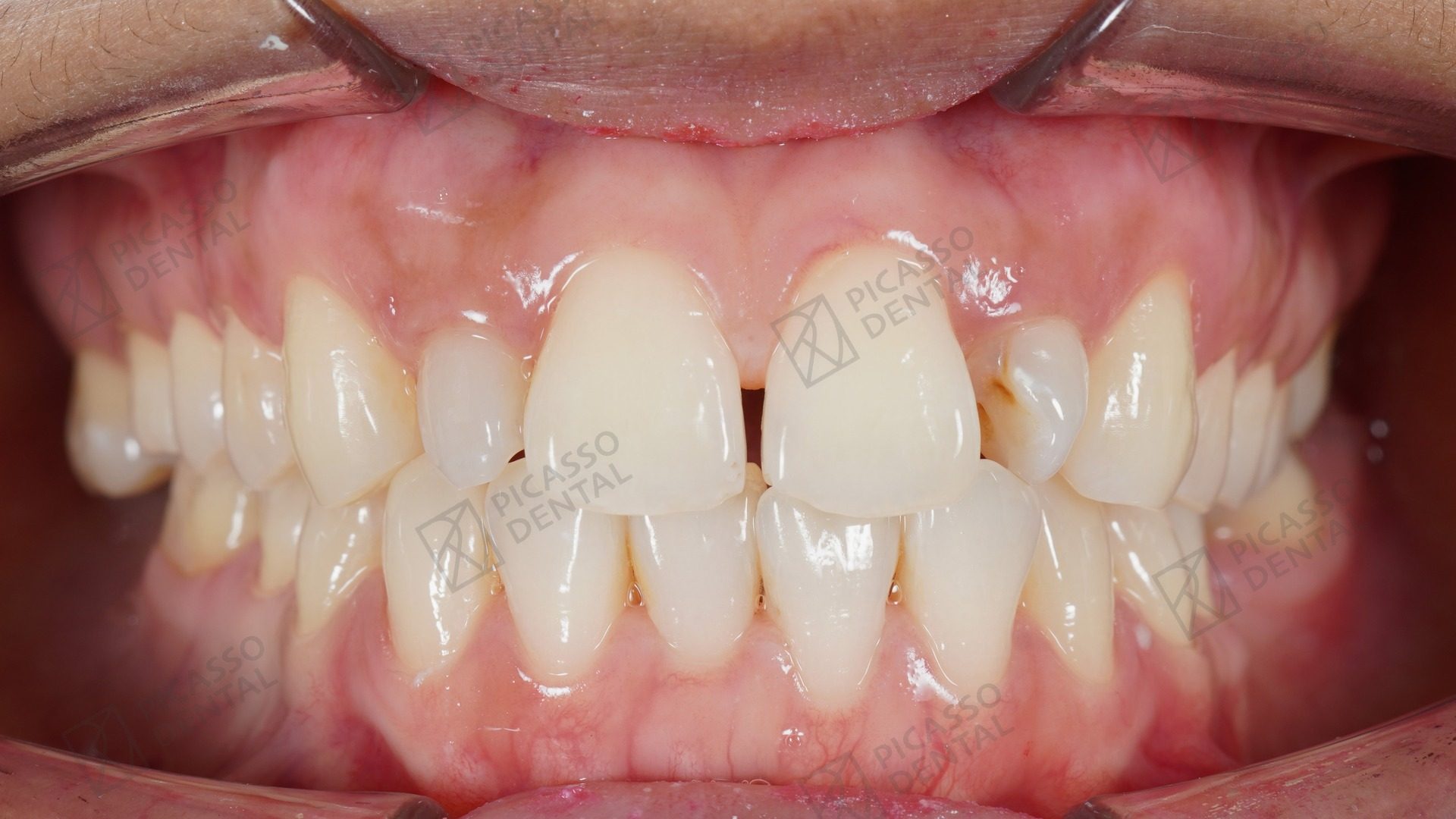
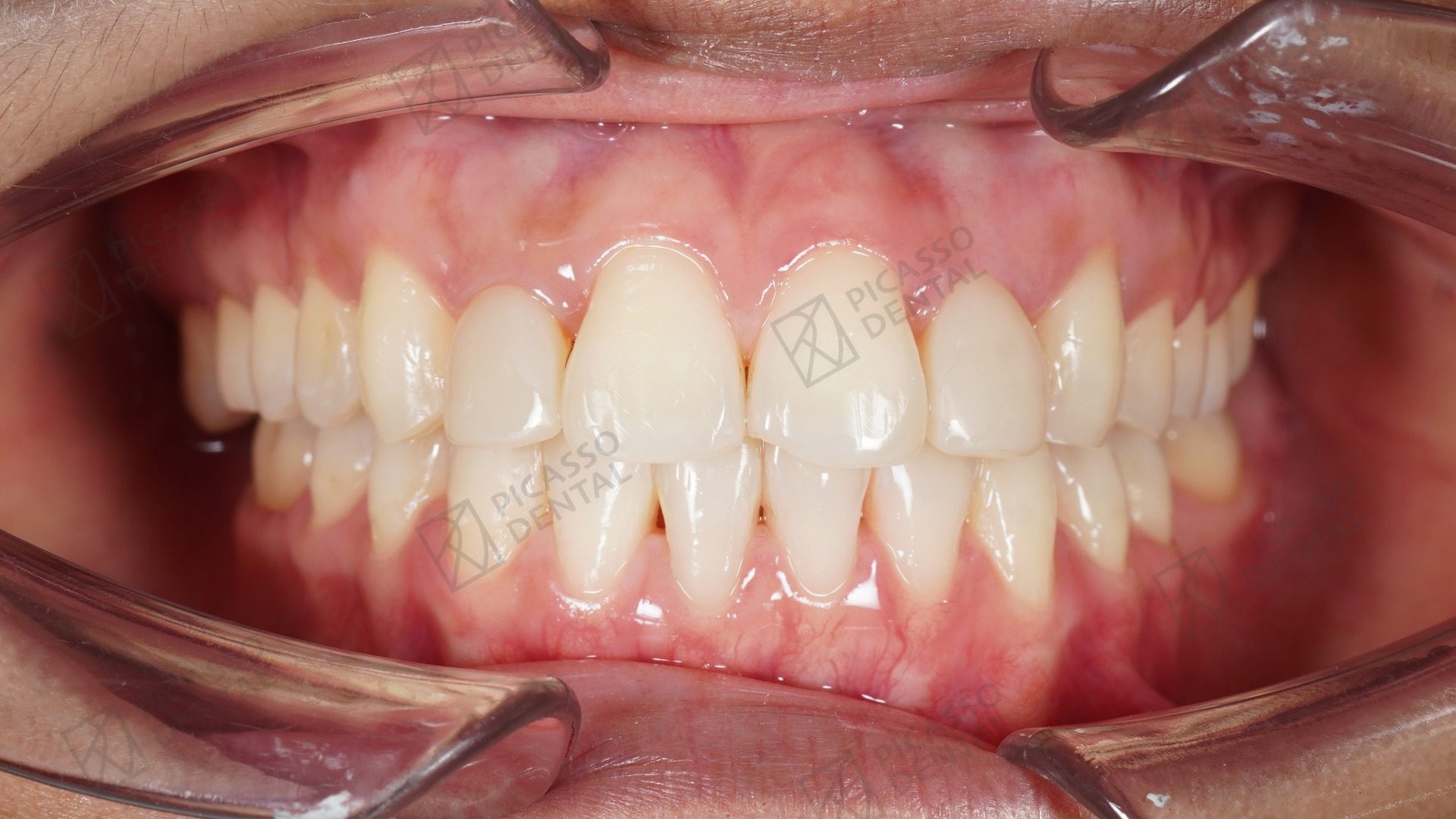
Post-Orthodontic Composite Veneers
- Material Layered direct composite, fixed and clear retainers
- Scope Composite veneers on upper lateral incisors (teeth 12 and 22) after orthodontics
- Duration 10 visits across ~3 months (orthodontic finishing)
- Branch Hanoi Old Quarter
FAQ
Common Questions
How long do composite veneers last?
Composite veneers typically last 7 years before they need replacement, depending on diet, hygiene and grinding habits. They carry a 6-month material warranty at Picasso. Porcelain veneers in comparison commonly last 15+ years and carry a 7-year warranty.
Can you do them in one day?
Yes. Composite veneers are sculpted directly onto your teeth in a single visit, usually 1. 3 hours depending on how many teeth are being treated. There is no lab work and no second appointment for bonding.
Will they stain?
Composite stains similarly to natural enamel, more than glazed porcelain. Coffee, tea, red wine, curry and tobacco will discolour composite over time. A polish at 6-month recall removes most surface staining; deeper stains eventually require replacement.
Can I switch to porcelain later?
Yes. Many patients use composite as a trial smile or budget step, then upgrade to porcelain Emax veneers later. Because composite typically requires no or minimal tooth reduction, the underlying tooth is preserved for future porcelain work.
Do they need preparation?
In most cases no enamel is removed. The tooth is etched and a bonding agent applied, then composite is added on top. Where a tooth is rotated or has a sharp edge, minor surface reshaping may be needed, but it is usually less than 0.3mm.
Can a chip be repaired?
Yes. Composite is repairable directly in the chair. A chip or surface defect is usually rebuilt by adding fresh composite, sculpting and polishing in a single short visit for. Porcelain veneers cannot be repaired this way and must be replaced if they fracture.
Can I whiten composite veneers?
Whitening gels do not change the colour of composite, only natural enamel. So whitening done after composite veneers are placed will lighten the surrounding teeth and leave the composite at its original shade. We sequence whitening before composite placement and choose the shade after.
Will composite look as good as porcelain?
In skilled hands, composite veneers can look very natural for the first few years. Porcelain holds its surface gloss, translucency and shade longer because it is glazed ceramic. Composite gradually loses surface lustre and can pick up stains. For a permanent showcase smile, porcelain is the stronger choice.
Do they fall off?
Composite is bonded directly to the tooth and rarely debonds in one piece, but edges and tips can chip under heavy biting forces. Repairs are quick and inexpensive. Patients who grind their teeth should wear a nightguard to extend lifespan.
Are they reversible?
Largely yes. Where no enamel is removed, the composite can be carefully ground off and the tooth returned to close to its original surface. This makes composite a useful trial before committing to porcelain, where the small amount of enamel removed cannot be replaced.
Patient Video Testimonial

Start Here
Same-Day Composite,
.
Book a cosmetic consultation. We'll photograph your smile, walk you through composite versus porcelain honestly, and quote you in writing before any clinical work begins.