
General Dentistry
Can Gum Disease Be Reversed
or Is the Damage Permanent?
It Depends on the Stage
Early gum disease reverses completely. Advanced disease causes permanent bone loss, but treatment stops it progressing and most patients keep their teeth for years afterward.

The short version
- Gingivitis (early stage) is fully reversible with professional cleaning and improved home care. Gums return to normal within one to two weeks.
- Periodontitis (advanced stage) destroys bone permanently. That bone does not grow back naturally.
- However, periodontitis can be stopped. Treatment eliminates infection and stabilises remaining bone.
- Many patients with advanced gum disease keep their teeth for years after treatment with good maintenance.
- The frequency of professional cleaning increases to every three to four months after periodontal treatment.
The reversible stage: gingivitis
Gingivitis is inflammation of the gum tissue without any involvement of the underlying bone. The gums become red, swollen, and bleed easily when brushing or flossing. Patients often notice blood in the sink and assume something serious has happened. In most cases at this stage, the structural damage is zero.
The inflammation is caused by bacterial plaque accumulating at and below the gumline. Remove the plaque thoroughly, and the immune response that is causing the inflammation settles down. A professional cleaning removes calculus deposits that home brushing and flossing cannot reach, and improved technique at home prevents new accumulation. This is the first stage of our gum treatment.
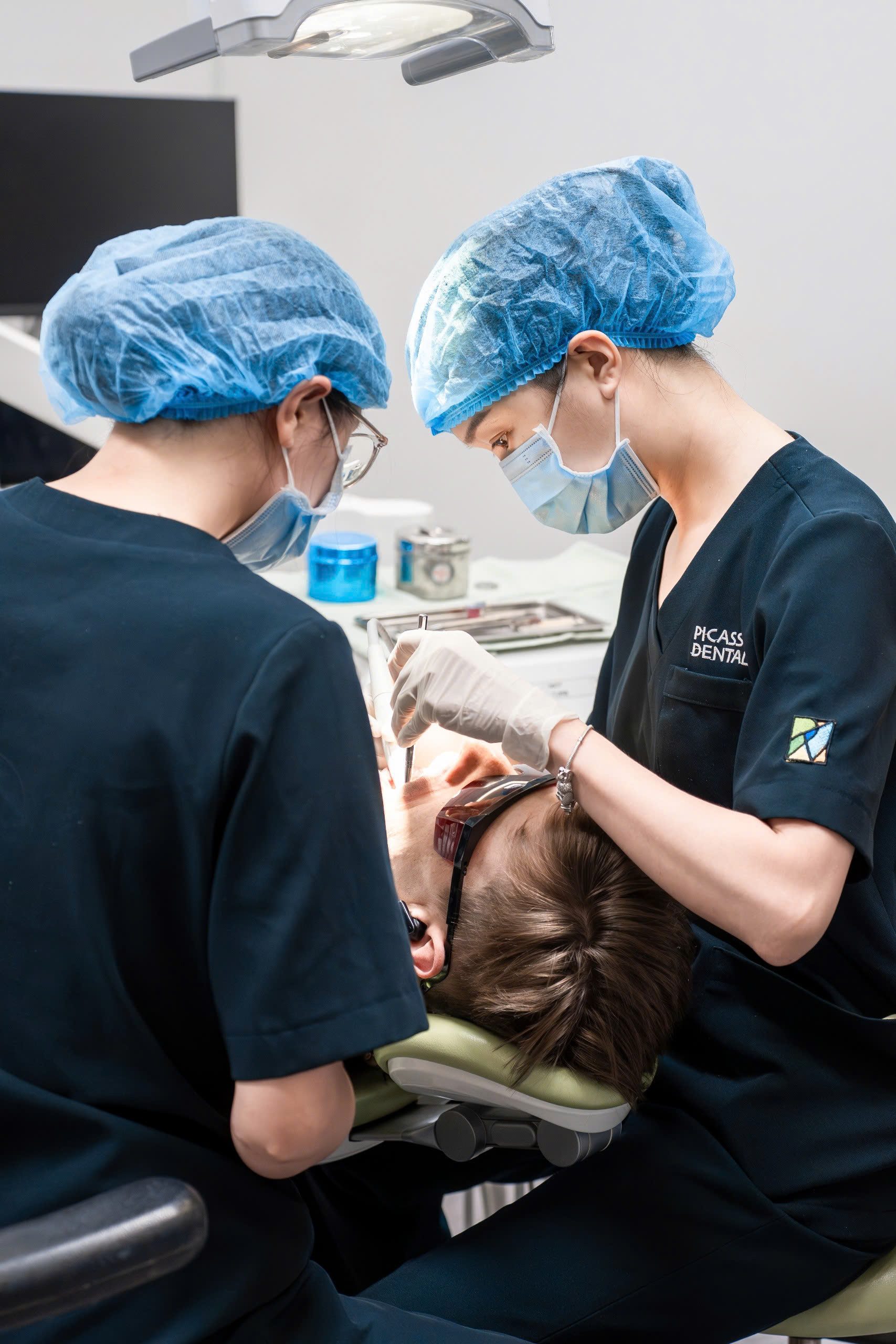
Most patients see their gums return to a healthy pink colour within one to two weeks of treatment and improved home care. Bleeding stops, swelling goes down, and gums fit more snugly around the teeth again. The bone and connective tissue that support the teeth are completely intact because gingivitis never involved them in the first place. This is why regular six-monthly checkups are so important: catching gum disease at the gingivitis stage means reversing it before any structural damage occurs.
When it becomes permanent: periodontitis
If gingivitis is not treated, or if a patient has risk factors (smoking, poorly controlled diabetes, genetic susceptibility) that accelerate progression, infection spreads below the gumline into the deeper supporting structures. At this point the disease becomes periodontitis, and the nature of the damage changes entirely.
In periodontitis, bacteria in deepening pockets around the roots trigger an immune response that destroys the bone and connective tissue holding the teeth in place. Pockets deepen as more bone is lost, which allows more bacteria to accumulate further down the root, which destroys more bone. The process self-reinforces unless treatment breaks the cycle.
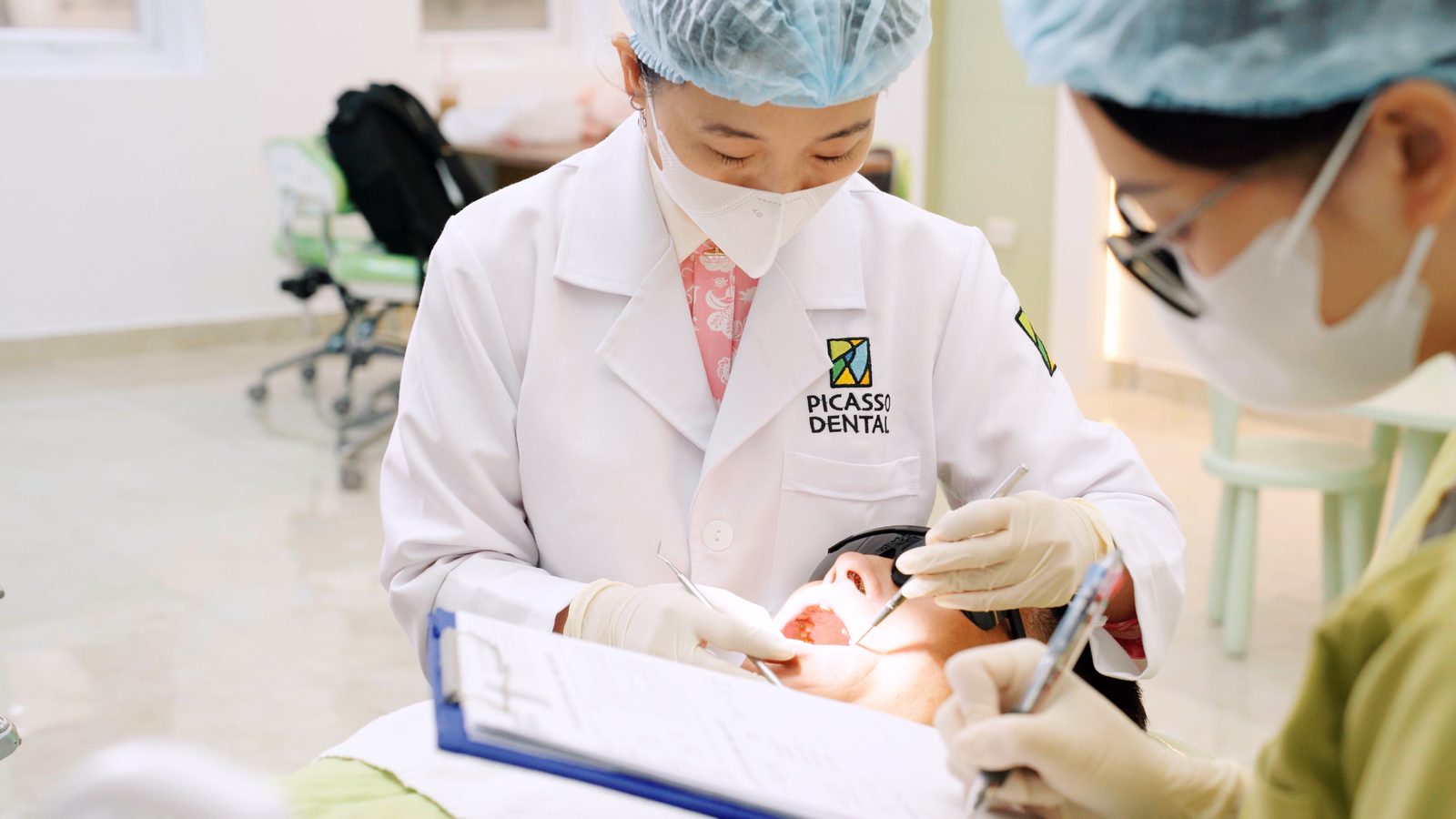
The critical clinical point is this: once bone is destroyed by periodontitis, it does not grow back naturally. The architecture of the supporting structures is permanently changed. Gum tissue, once it has receded significantly, does not return to its original height without surgical intervention. This is the permanent damage the question asks about.
But permanent does not mean untreatable. It means the clock cannot be fully reversed. What treatment can do is stop the process, stabilise what remains, and allow patients to keep their teeth for many additional years with proper management.
What treatment can achieve
- Eliminate the active infection
- Reduce pocket depths significantly
- Stabilise remaining bone
- Improve gum reattachment to roots
- Tighten many mobile teeth
- Allow long-term tooth retention
What treatment cannot achieve
- Regrow bone that has already been destroyed
- Return gums to their original height after recession
- Save teeth with more than 50% bone loss (in most cases)
- Eliminate the need for lifelong maintenance
What periodontal treatment actually involves
The foundation of periodontal treatment is scaling and root planing: a deep cleaning procedure carried out under local anaesthetic. The calculus deposits that have accumulated on root surfaces below the gumline are removed, and the root surfaces are smoothed to reduce bacterial adhesion and encourage gum reattachment. The procedure is performed quadrant by quadrant across multiple appointments for patients with generalised disease.
For patients with very deep pockets (typically six millimetres or more) that cannot be adequately cleaned with non-surgical scaling alone, periodontal surgery provides direct access to the root surface and allows recontouring of the bone architecture. At Picasso Dental, the decision about whether surgery is needed follows a re-evaluation appointment after non-surgical treatment, when the response to treatment can be assessed objectively.
"During my total 4 to 5 hours of treatment on the 2 days of visit, I feel completely relaxed and do not feel any slightest pain during the treatment whosoever."
Wilfred Koh, HCMC Thao Dien, Google review
Noticed bleeding gums, recession, or teeth that feel loose? A periodontal assessment at Picasso Dental takes 30 minutes and gives you a clear picture of where you stand.
Contact us →Long-term maintenance is not optional
Periodontitis is a chronic disease. Treatment eliminates the current infection and creates a clinical environment that can be maintained, but it does not change the susceptibility of the patient. Without ongoing maintenance, bacterial deposits accumulate again in the pockets, and disease activity resumes.
After successful periodontal treatment, patients attend for professional cleaning every three to four months rather than the standard six-monthly interval. These appointments serve multiple purposes: removing calculus before it builds to problematic levels, monitoring pocket depths for any sign of reactivation, reinforcing home care technique, and identifying early problems while they are still minor.
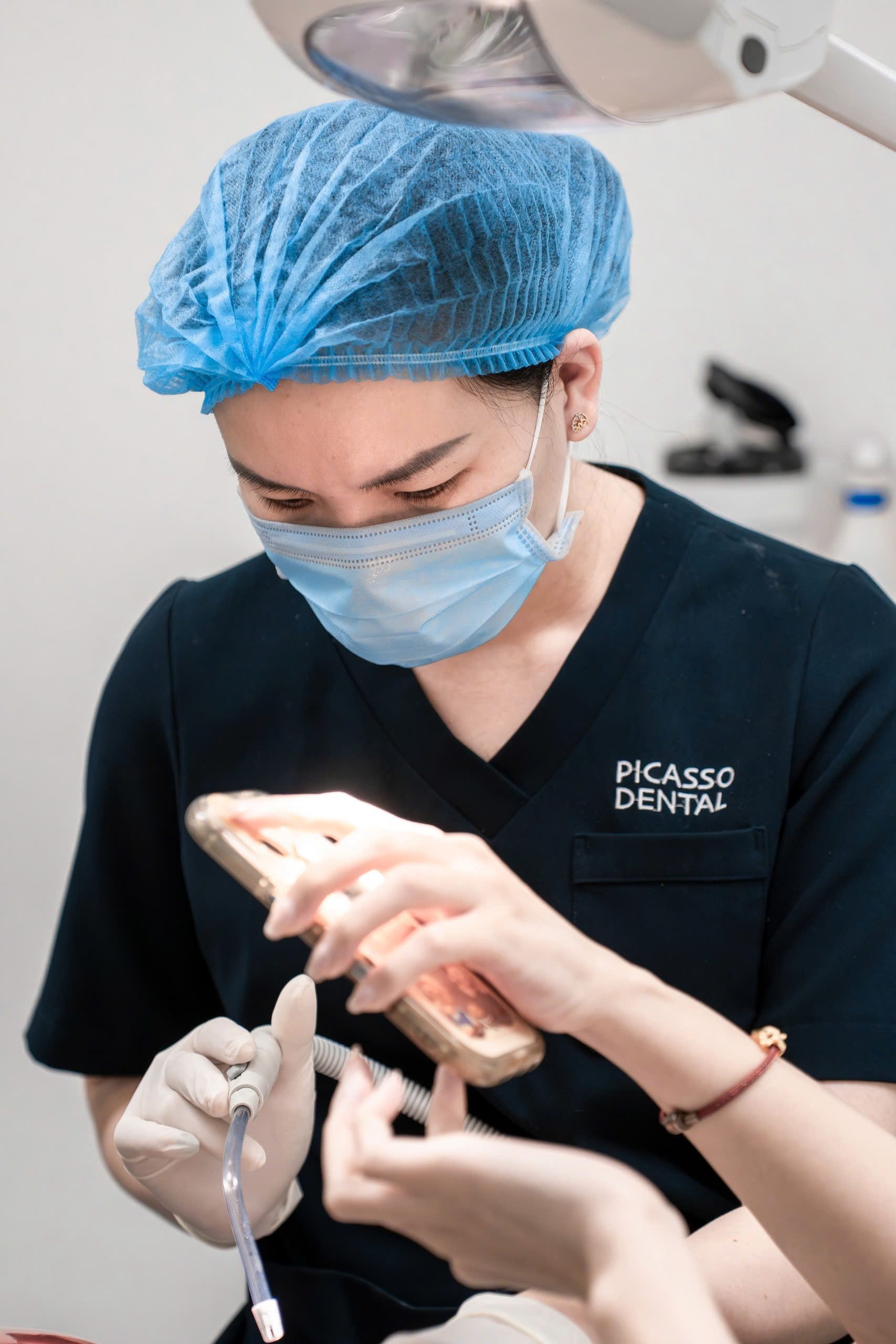
Patients who attend consistently for periodontal maintenance retain their teeth at rates that compare favourably with age-matched patients without gum disease. Patients who stop attending for maintenance after initial treatment typically see disease recurrence within six to twelve months. The decision to treat gum disease is the beginning of a maintenance commitment, not a one-time fix.
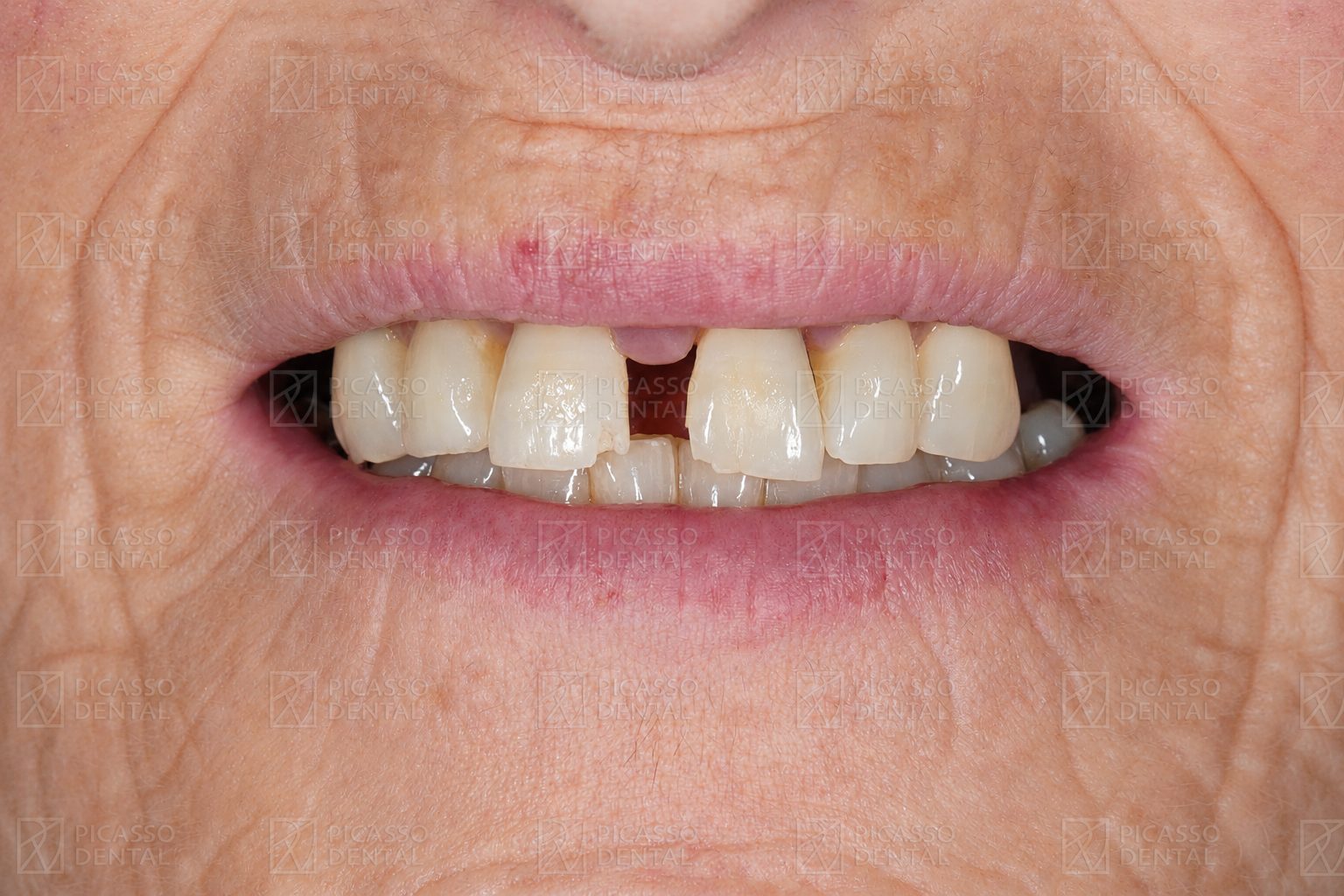 Before
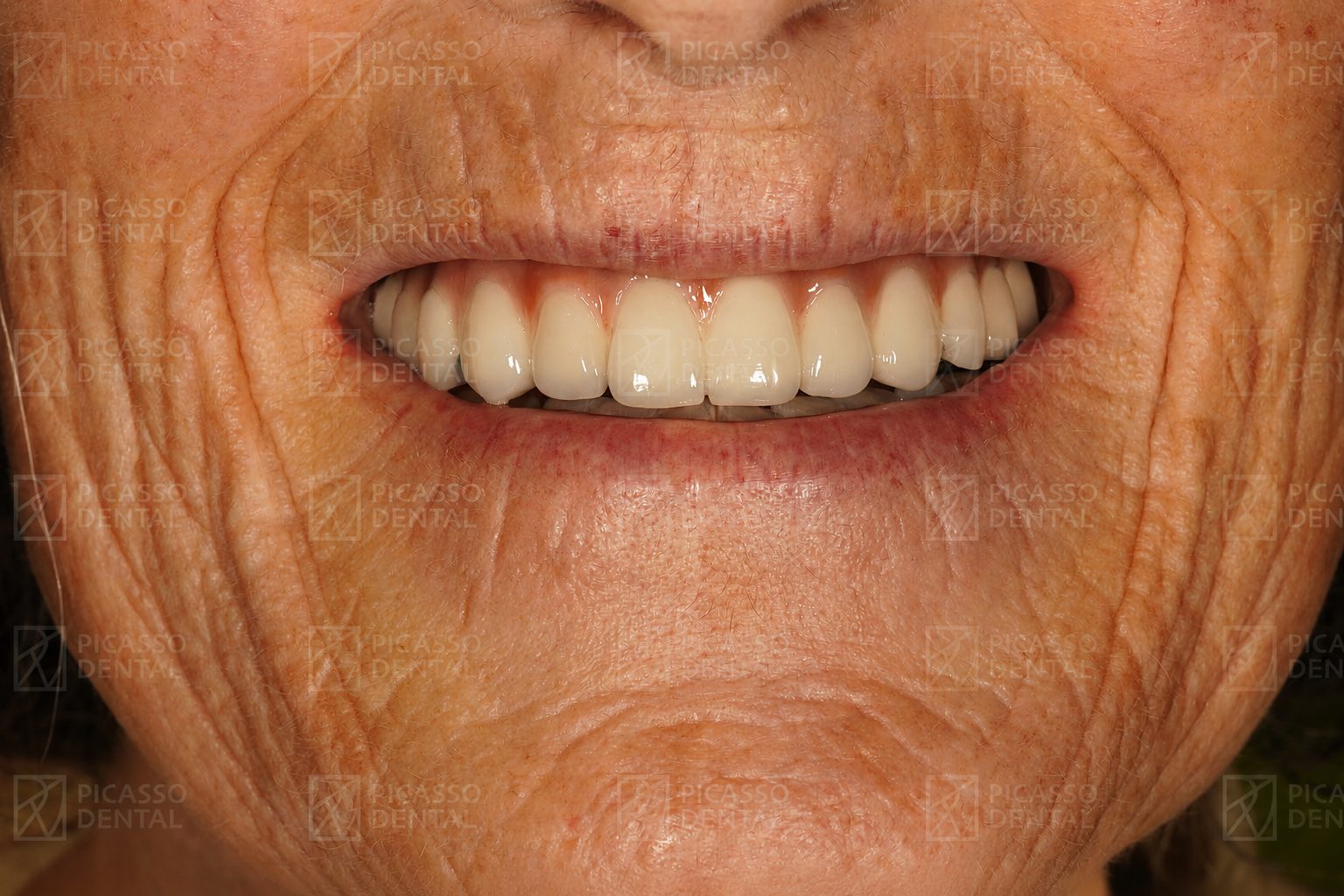 After
AfterFull rehabilitation, Hanoi Old Quarter
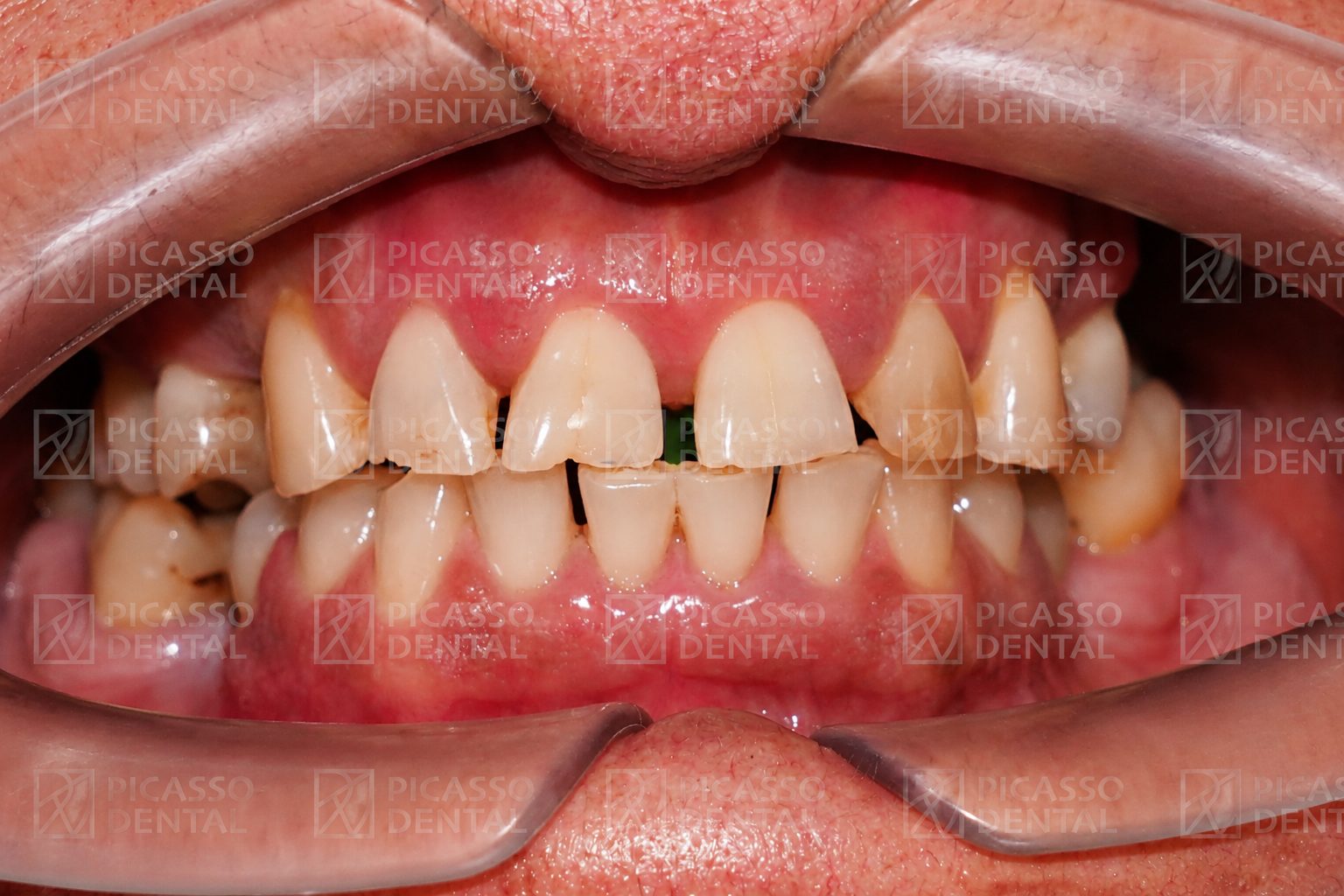 Before
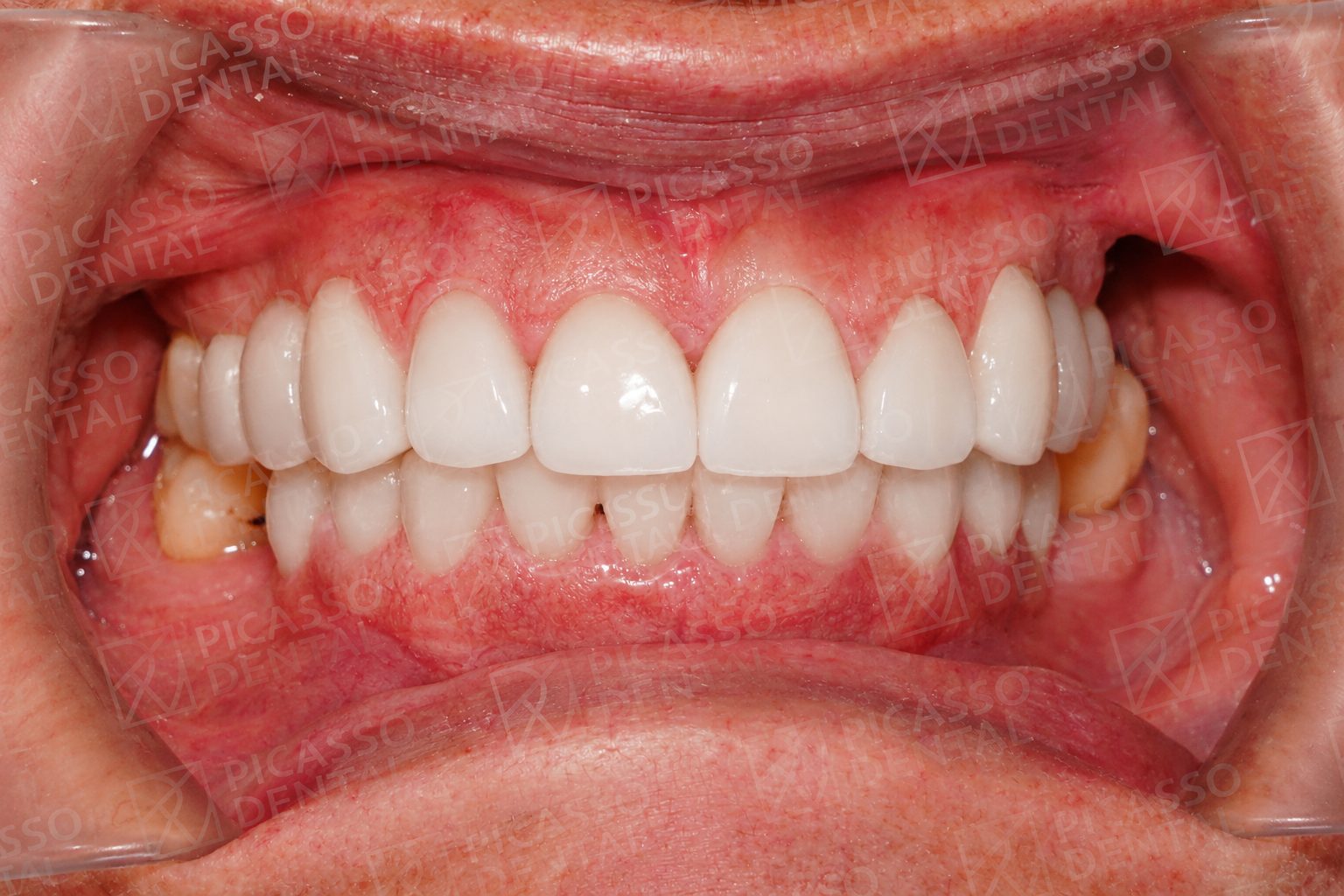 After
AfterPorcelain crowns, Da Nang
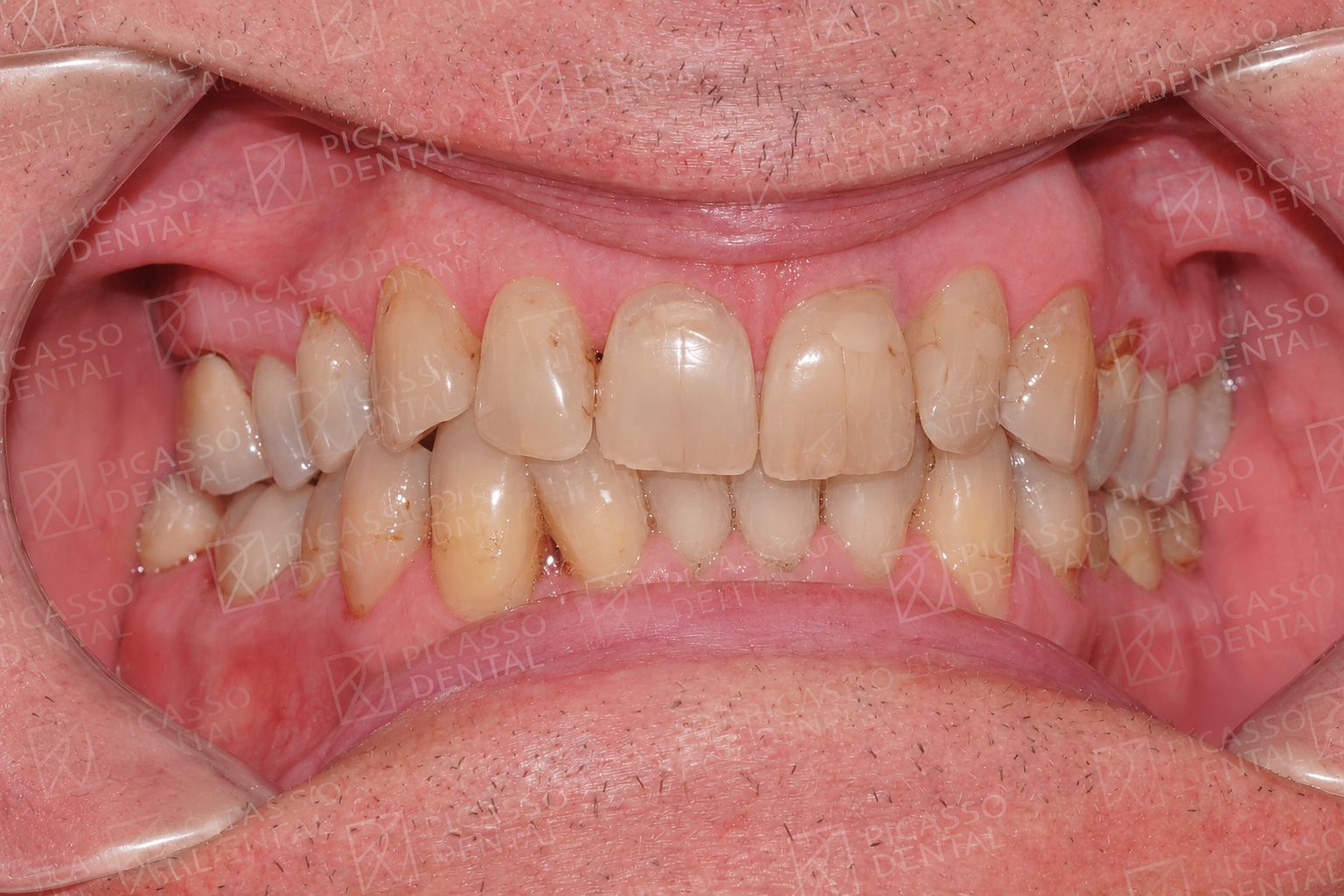 Before
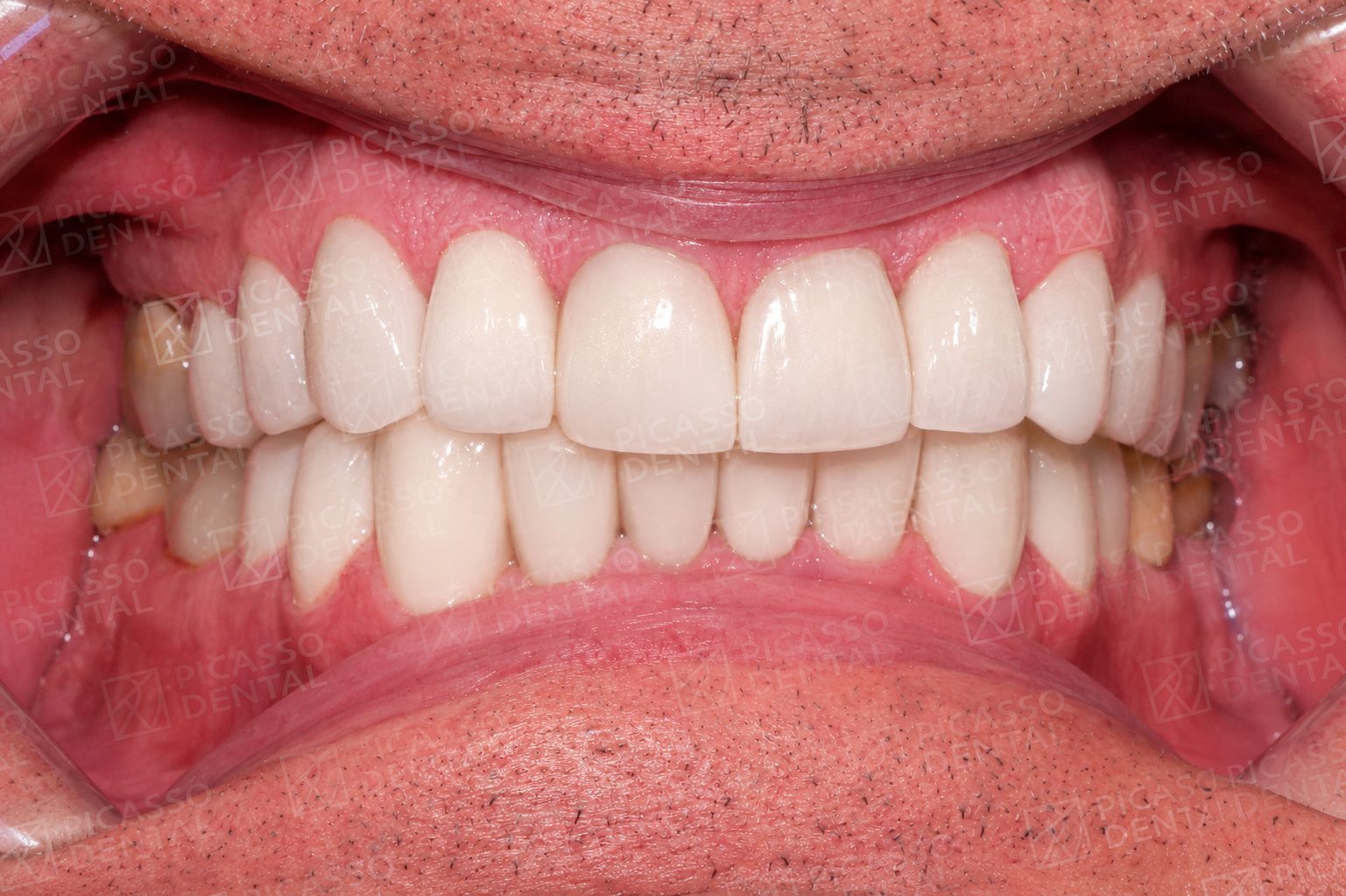 After
AfterCrown and implant, HCMC Thao Dien
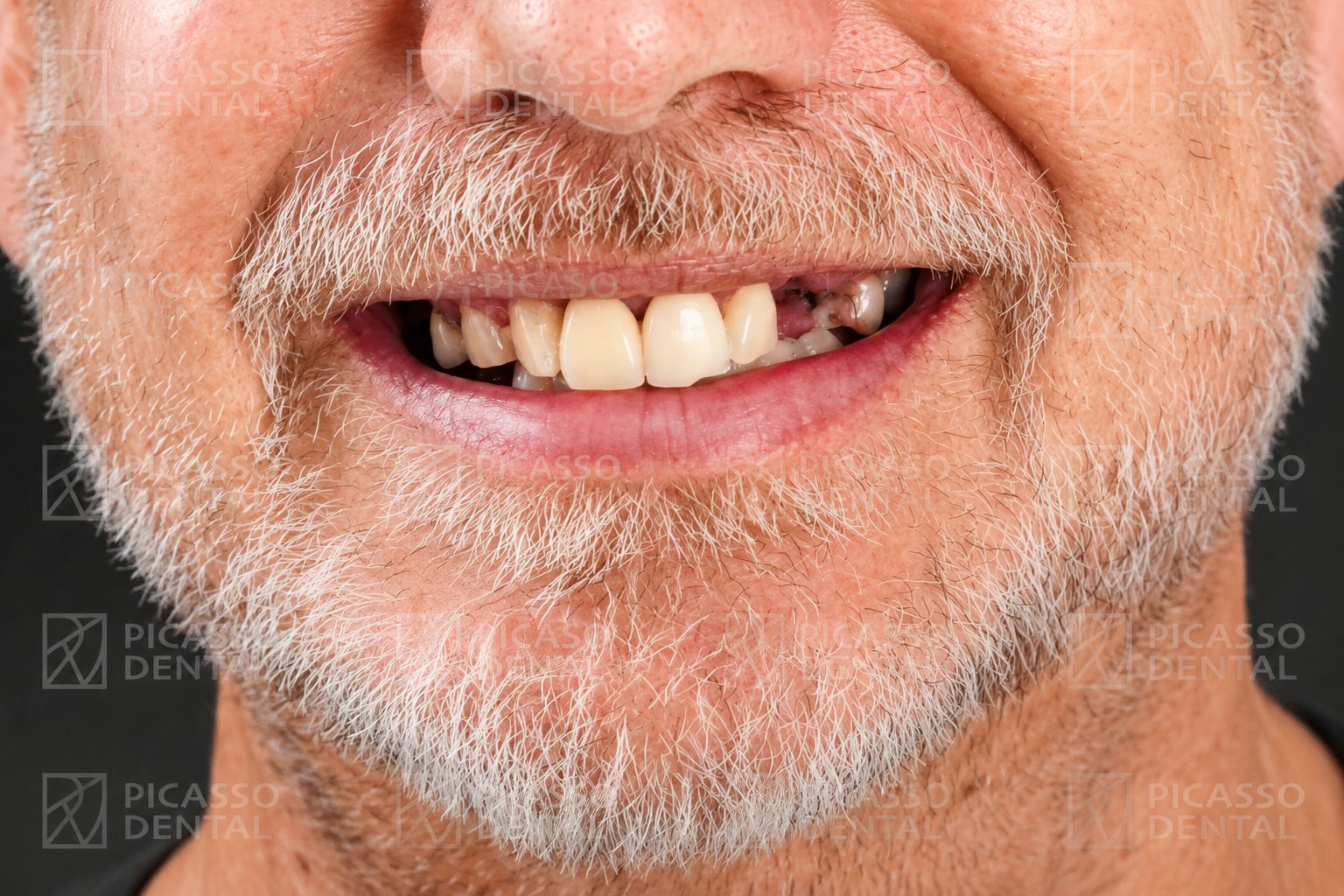 Before
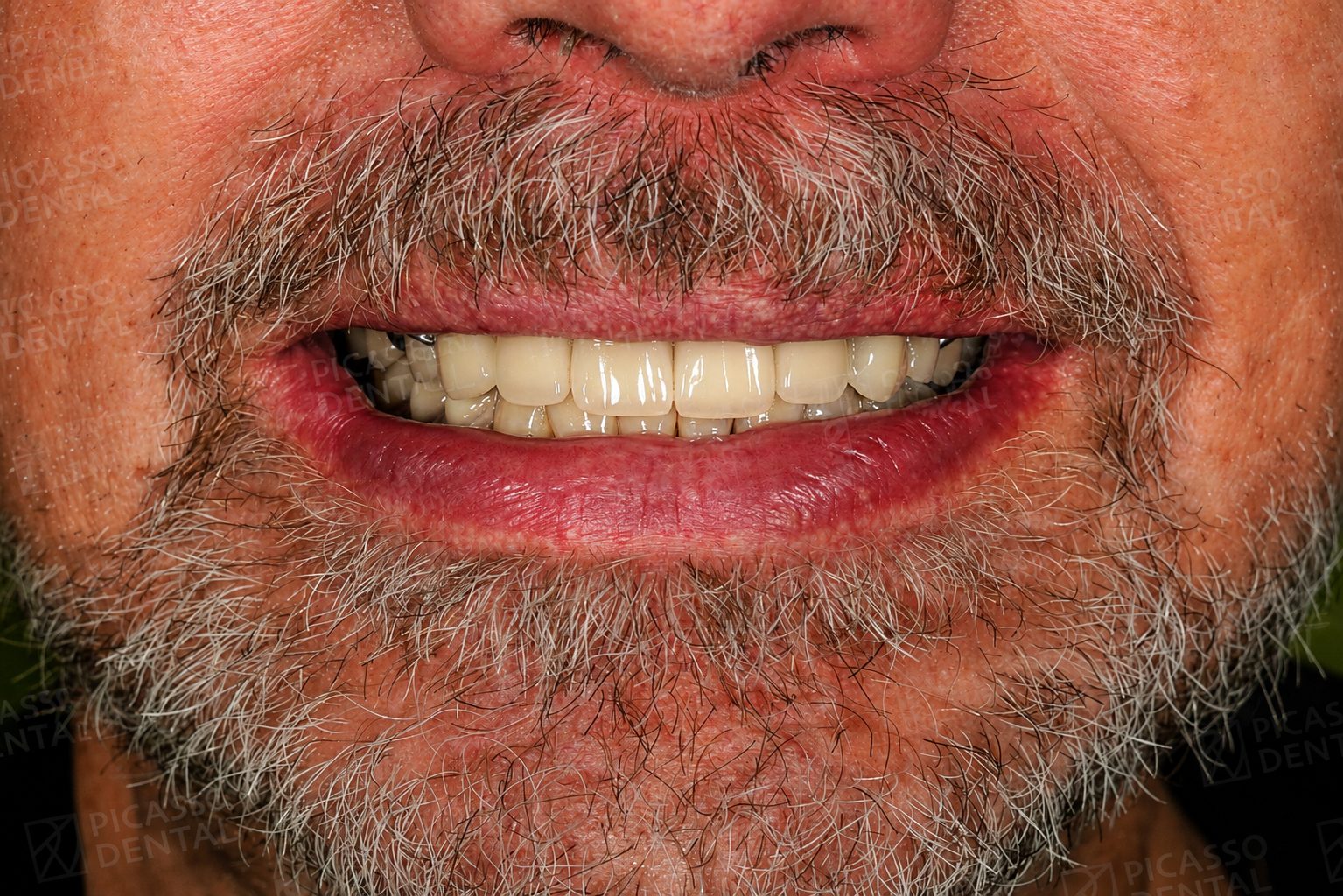 After
AfterCrown restoration, Hanoi Westlake
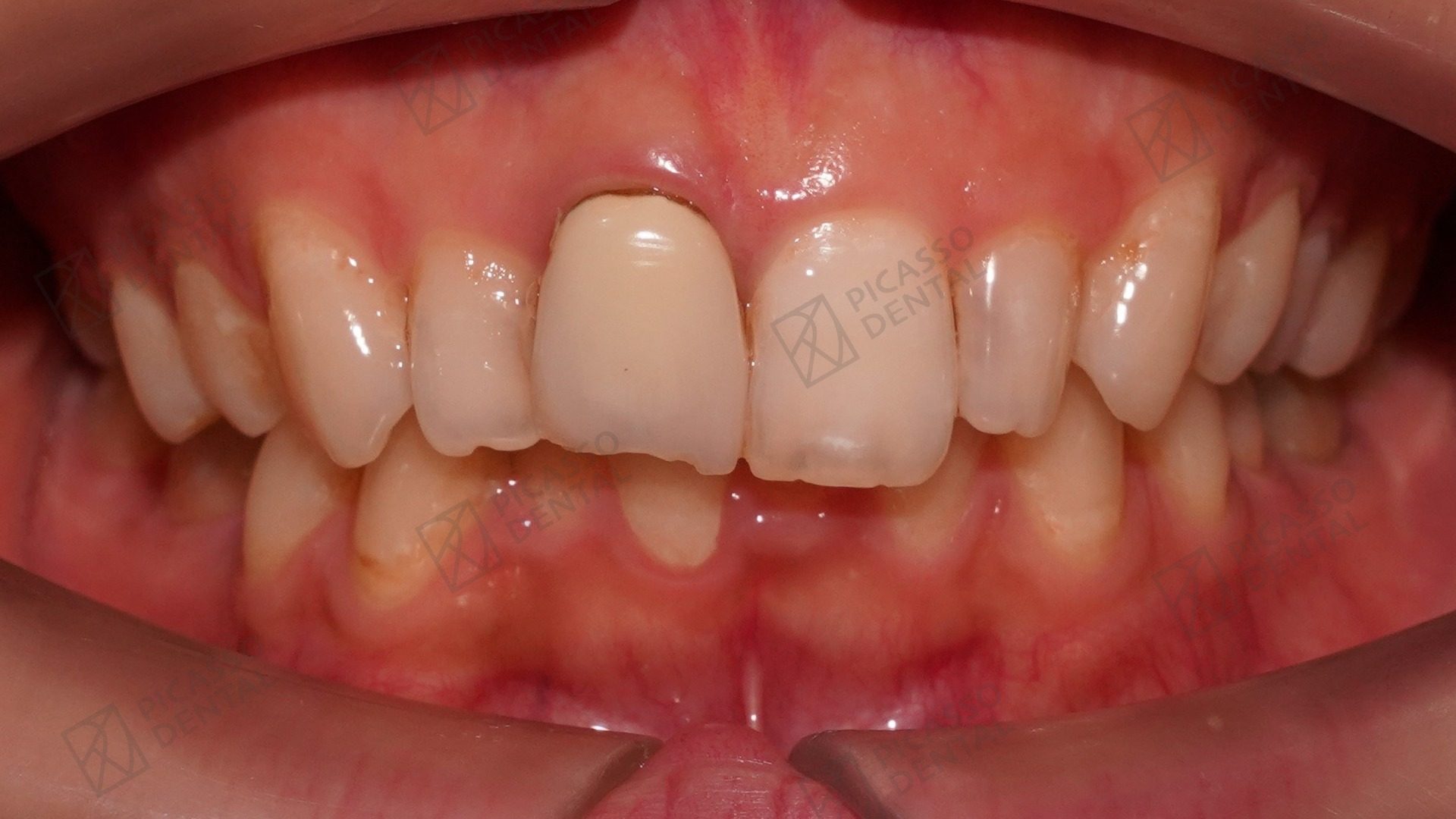 Before
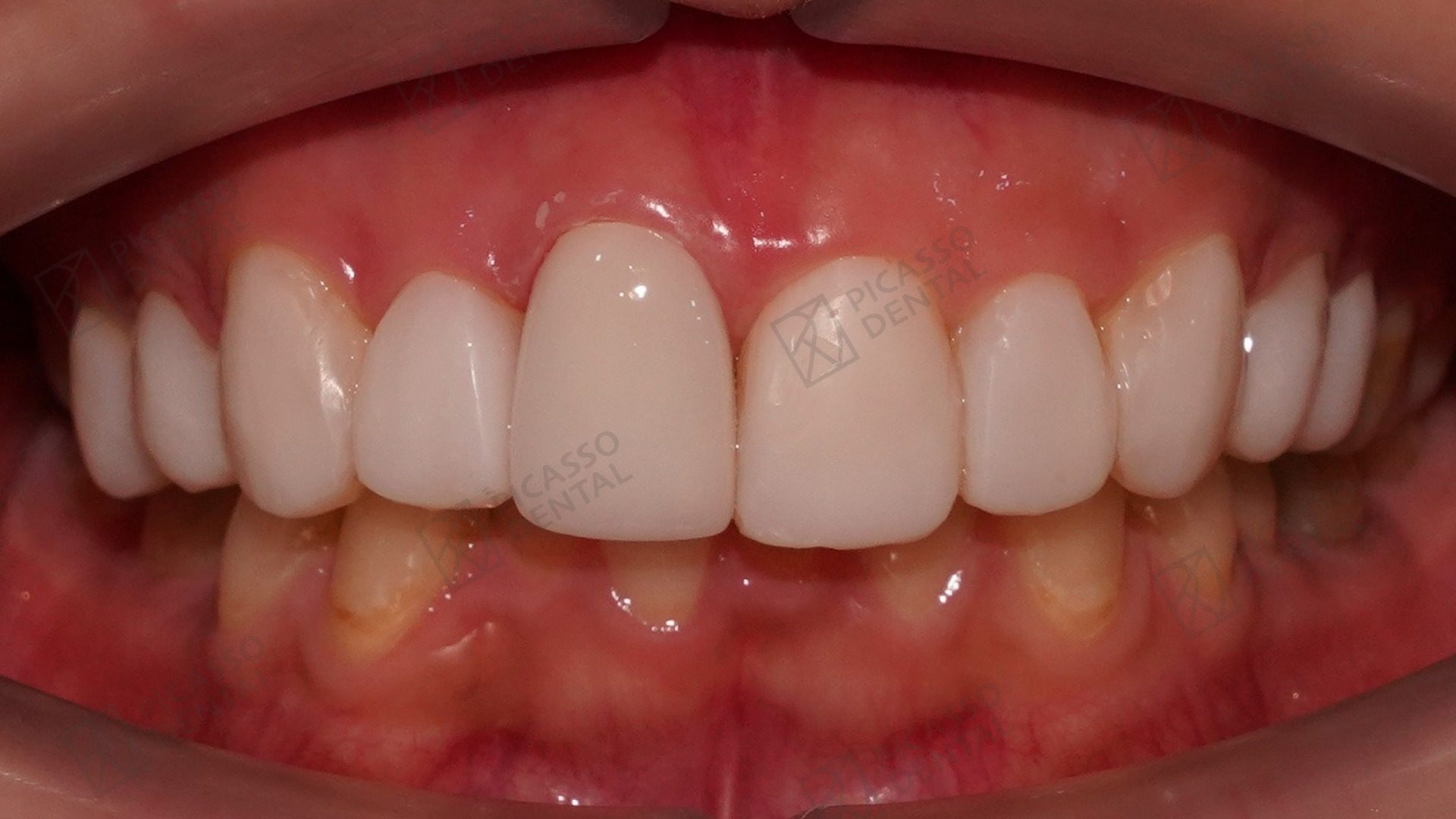 After
AfterSmile restoration, Da Nang Flagship
Frequently asked questions
Can gum disease be reversed?
Gingivitis, the earliest stage, can be completely reversed with professional cleaning and improved home care. Periodontitis, which involves bone destruction around the roots, cannot be reversed: the lost bone does not grow back naturally. However, periodontitis can be stopped from progressing, allowing patients to keep their remaining teeth for many years with proper treatment and maintenance.
What is the difference between gingivitis and periodontitis?
Gingivitis is inflammation of the gum tissue without bone involvement. Gums are red, swollen, and bleed easily, but the bone and connective tissue supporting the teeth remain intact. Periodontitis occurs when infection spreads below the gumline and begins destroying bone, creating pockets around the tooth roots that deepen over time. Periodontitis causes permanent structural changes that gingivitis does not.
How long does it take for gingivitis to be reversed?
Most patients see gums return to healthy pink colour within one to two weeks of professional cleaning combined with improved home care. Bleeding stops, swelling reduces, and gums fit more snugly around teeth as inflammation resolves. The speed of recovery depends on how thoroughly plaque is removed at home after the professional cleaning.
Can loose teeth tighten up after gum disease treatment?
Yes, in many cases. Tooth mobility from gum disease results largely from inflammation in the supporting tissues. When the infection is eliminated and inflammation reduces, the periodontal ligament can reattach more firmly and teeth that were mobile often stabilise. Teeth that have lost more than half their bone support may not tighten sufficiently even with treatment.
What does scaling and root planing involve?
Scaling and root planing is a deep cleaning procedure performed under local anaesthetic. The hygienist or dentist removes bacterial deposits from the tooth root surfaces below the gumline, then smooths the root surfaces to make reattachment easier and reduce bacterial adhesion. It is performed in quadrants across multiple appointments for patients with generalised periodontitis.
How often should I attend cleanings after gum disease treatment?
After periodontal treatment, most patients attend for professional cleaning every three to four months rather than the standard six-monthly interval. These more frequent visits allow the dentist to monitor pocket depths, remove calculus before it builds up significantly, and catch any early signs of disease reactivation before they progress.
Is it too late to treat gum disease if several teeth are already loose?
Not necessarily. Even with advanced bone loss and mobile teeth, treatment can stop disease progression and often stabilise teeth that appear unlikely to survive. Some teeth with severe bone loss will eventually need extraction, but comprehensive periodontal treatment frequently allows patients to retain most of their remaining teeth for many additional years.
Start Here
Start with a brief.
Describe your gum symptoms and a licensed dentist at Picasso Dental will assess your situation and recommend a clear path forward, within 24 hours.