Bone Grafting & Sinus Lift · Picasso Dental Implant Team · Last reviewed May 2026
Rebuilding Bone, Rebuilding the Implant Pathway.
Bio-Oss xenograft, Bio-Gide collagen membranes, autograft and block grafts, the same internationally documented materials used by top implant clinics in Sydney, Zurich and London. CBCT-guided planning before every graft. Led by Dr. Hung Le Ba Gia (Dr. Evans), our Lead Implant Specialist, with 1,000+ implants placed and 200+ All-on-X full-arch cases completed. Piezotome ultrasonic block grafting has been part of our surgical toolkit since 2011. Six branches, two of them inside accredited hospitals with on-site emergency support.
Savings
Same Materials. Same Protocols. Roughly One Third the Price.
Indicative private-practice ranges for an implant case requiring bone grafting (graft + membrane + implant + crown). Sources: ADA, BDA and AusDent published surveys; Picasso published rate card. Your case may vary; we send a written, itemised quote within 24 hours of seeing your CBCT.
| Country | Implant + Grafting (USD, all-in) | What You'd Save |
|---|---|---|
| United States | $5,000 – $9,500 | ~65–75% |
| Australia | $6,500 – $10,000 AUD | ~65–75% |
| United Kingdom | £3,200 – £5,500 | ~60–70% |
| Canada | $4,500 – $8,500 CAD | ~60–70% |
| New Zealand | $7,000 – $11,000 NZD | ~65–75% |
| Picasso Dental, Vietnam | Itemised by graft type and material, see cost guide | — |
Graft costs are itemised separately from the implant. GBR from 4,000,000 VND, Bio-Oss particulate from 8,000,000 VND, closed sinus lift from 7,000,000 VND, open sinus lift from 14,000,000 VND. Full pricing on the implant cost guide.
What It Is
What is Dental Bone Grafting?
Dental bone grafting is a surgical procedure that rebuilds jaw bone where it has shrunk or been lost. After a tooth is missing for an extended period, the jaw bone in that area resorbs (shrinks), often leaving inadequate bone to support an implant. Graft material is placed at the deficient site under a collagen membrane and allowed to integrate over 4 to 6 months, regenerating the volume needed for a successful implant. Long-term clinical literature reports GBR success rates above 90% and sinus augmentation success above 95%.
Why Picasso
Why Picasso for Bone Grafting
Three claims that should be true of any grafting clinic you trust. Here is exactly how we deliver each one.
Genuine Bio-Oss and Bio-Gide, verifiable batch numbers.
Bio-Oss has 30+ years of clinical documentation and is the most extensively studied graft material in dentistry. Every graft we place is itemised on your written quote, so you can verify the material and brand against your home dentist's recommendation. No grey-market substitutions.
CBCT-guided planning before any incision.
Cone Beam CT imaging maps your jawbone in three dimensions, height, width, proximity to the sinus floor and the inferior alveolar nerve, before we decide which graft technique fits. The same scan also tells us when grafting is genuinely needed and when it is not. We do not recommend grafts unless your anatomy requires them.
Hospital-grade options for complex regenerative cases.
Two of our six branches operate inside accredited hospitals with full emergency medical support on site. For large block grafts, bilateral sinus lifts, anxious patients, or anyone with significant medical history, you have the option of a hospital setting at no premium.
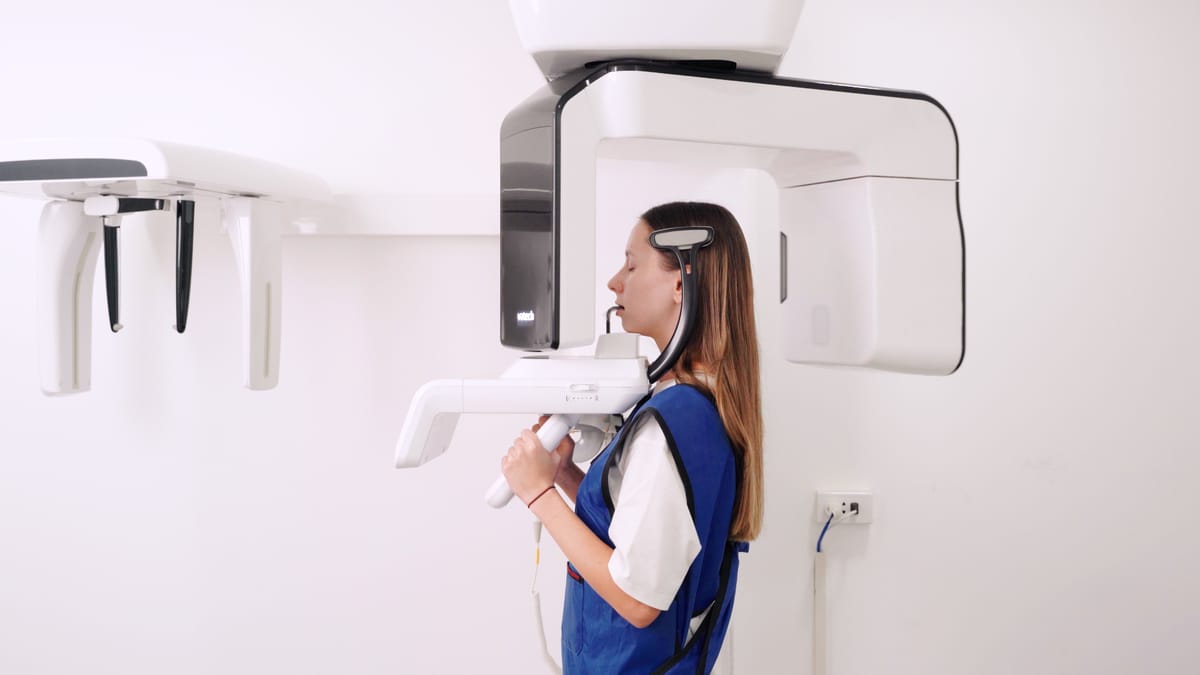
Cone Beam CT scan. 15 minutes, taken on day one, the only honest way to decide whether grafting is needed.
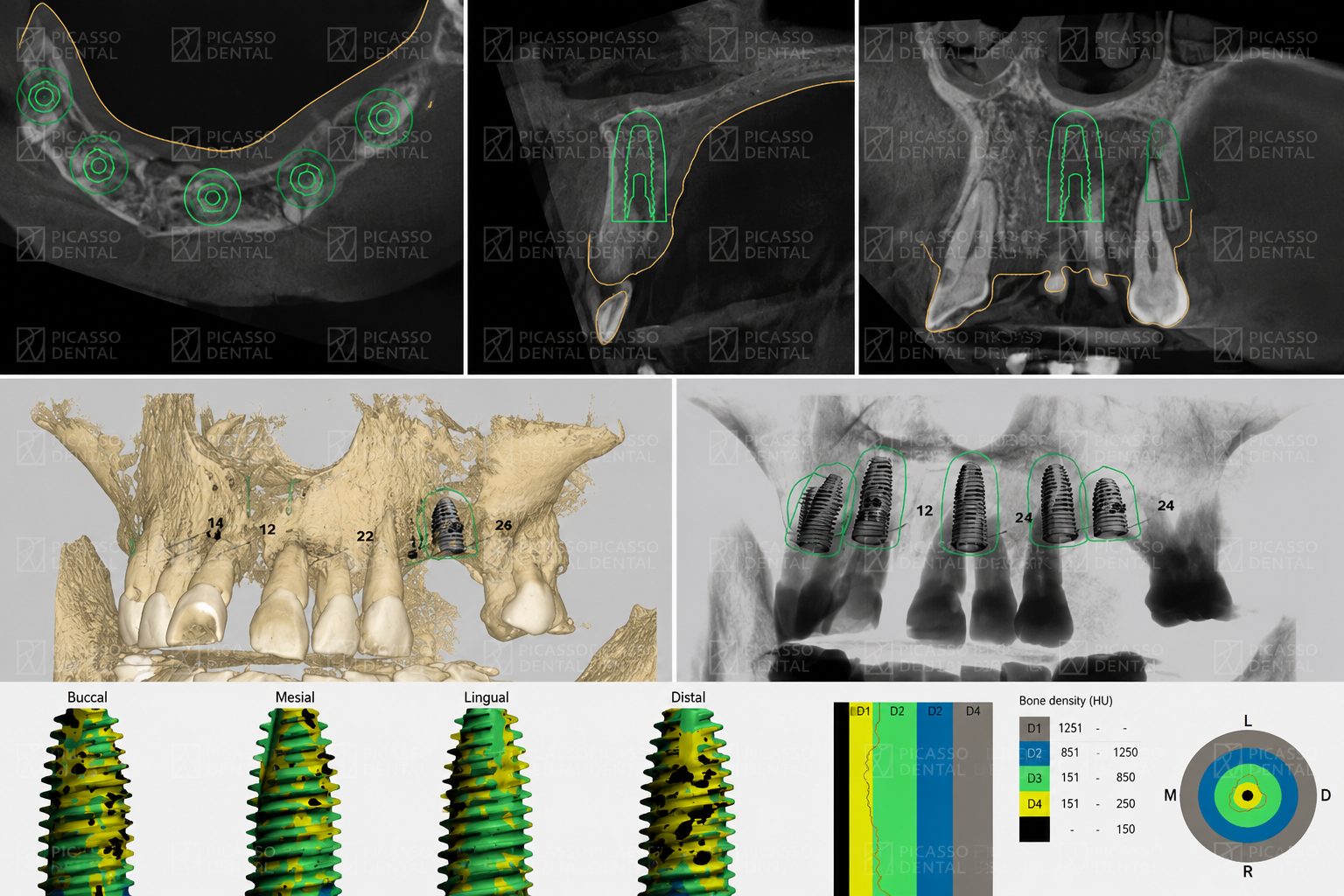
3D bone density map. The foundation for graft type, material and approach.
Techniques
Types of Bone Graft Procedures
The right technique depends on the size of the defect, where it is, and whether an implant can be placed at the same time. Your CBCT tells us which one fits.
| Technique | When It's Used | How It Works | Added Time |
|---|---|---|---|
| GBR Bone Grafting | Moderate horizontal or vertical bone deficiency | Bio-Oss particulate + Bio-Gide collagen membrane | 4–6 months |
| Socket Preservation | At the time of tooth extraction, to keep the socket implant-ready | Graft material packed into the socket, membrane over the top | 4 months before implant |
| Sinus Lift (Closed) | Upper back jaw, modest sinus correction needing ≤4mm | Sinus floor gently lifted through the implant socket, graft added | Often same visit as implant |
| Sinus Lift (Open) | Upper back jaw, larger sinus augmentation needing >4mm | Lateral window approach, Bio-Oss + Bio-Gide placed beneath sinus membrane | 6–9 months before implant |
| Block Graft | Severe vertical or horizontal bone loss | Solid bone block (autograft or allograft) secured with fixation screws | 6+ months |
| Autograft | When biological compatibility is the priority | Bone harvested from your own jaw (chin or ramus), placed at the deficient site | 4–6 months |
How we decide
Your CBCT 3D scan tells us on day one which technique fits, and whether grafting is needed at all. We won't recommend it unless your anatomy requires it, and we'll tell you the alternatives, including All-on-4, zygomatic implants, or treating elsewhere if that's better for you.
What you'll pay for
Grafting is quoted separately from your implant, by technique and by volume. Materials (Bio-Oss, Bio-Gide) are itemised on every quote with batch numbers, so you can verify against your home dentist's recommendation.
Materials
Graft Material Options
Four classes of graft material exist, each with different properties. We match the material to your specific case, and itemise it on your quote so you know exactly what is going into your jaw.
| Material | Source | How It Works | Best For |
|---|---|---|---|
| Xenograft (Bio-Oss) | Deproteinised bovine bone (Geistlich, Switzerland) | Scaffold, your own bone grows in and replaces it over time | Default choice · Most extensively documented (30+ years) |
| Autograft | Your own bone (chin, ramus, or hip) | Living bone cells, fastest regeneration | Complex cases · biological priority · large defects |
| Allograft | Processed human donor bone, sterilised | Scaffold, processed and sterilised | Block grafts · alternative when Bio-Oss not preferred |
| Alloplast (Synthetic) | Laboratory-made calcium phosphate | Scaffold, gradually replaced by bone | Patients preferring non-animal materials |
| Bio-Gide Membrane | Porcine collagen (Geistlich, Switzerland) | Barrier that keeps soft tissue out of the graft site | Standard with most graft materials |
Bio-Oss is our default for most cases, 30+ years of clinical documentation and the same material your home implant surgeon almost certainly uses. We discuss alternatives if you have material preferences.
Candidacy
Who Is, and Isn't, a Good Candidate?
Bone grafting is highly predictable in trained hands, but not the right answer for everyone. Here's the honest version, decided after your CBCT scan and medical history review.
You're a strong candidate if
- You're an adult (~18+) in generally good health with bone deficiency that prevents direct implant placement.
- Your gums are healthy, or any active gum disease and infection has been treated first.
- If diabetic, your HbA1c is well-controlled (ideally below 7%).
- You don't smoke, or are willing to stop at least 2 weeks before surgery and 8 weeks afterward.
- You can wait the 4–9 month healing window before the implant goes in.
- You can attend a follow-up CBCT before implant placement, locally or with us.
Grafting may not be right if
- You have active infection at the site, must be resolved first.
- You have uncontrolled diabetes (significantly higher graft failure risk).
- You've recently received IV bisphosphonate therapy or radiation to the jaw.
- You're a heavy smoker unwilling to stop, smoking is the single biggest threat to graft success.
- You want to avoid grafting altogether, All-on-4 or zygomatic implants may bypass it.
- You're unwilling to accept the 4–9 month wait, a bridge or denture may fit your timeline better.
If grafting isn't right for you, we'll tell you, and recommend All-on-4, zygomatic implants, a bridge or treatment elsewhere if that's the right answer.
Procedure
The Procedure, Step by Step
Standard timeline for a GBR or sinus lift graft, from CBCT to implant placement. Block grafts and open sinus lifts add 2–3 months to the healing window.
Day 1 · 60 min
Consultation & CBCT Scan
Clinical exam, medical history review, and Cone Beam CT 3D scan in one visit. We map the deficient site in three dimensions and decide graft type, material and approach, all in your preferred language.
Day 2 · 45–90 min
Graft Surgery
Local anaesthetic, or sedation if needed. Graft material placed at the deficient site under a Bio-Gide collagen membrane. Sutures placed. For small grafts, an implant may be placed in the same visit.
4–9 months
Healing Period
Soft food for the first week, gradual return to normal eating. The graft integrates beneath the gum, no visible activity but biological work is happening continuously. We check in over WhatsApp throughout.
Implant visit · 30–60 min
Follow-up CBCT & Implant
Repeat CBCT confirms bone regeneration. Implant placed at the now-grafted site. From here, the standard implant timeline applies, see the implants page.
Sinus Lift
Sinus Lift Deep-Dive
Sinus lifts are the most commonly requested grafting procedure for the upper back jaw, and the one international patients most often ask about before flying in.
| Closed Sinus Lift (Transcrestal) | Open Sinus Lift (Lateral Window) | |
|---|---|---|
| When it works | ≥6mm bone height already exists; you need ≤4mm more | <5mm bone height exists; substantial augmentation (5+mm) needed |
| How it works | Sinus floor lifted gently through the implant socket itself, graft pushed up | Small bony window opened on the side of the jaw, sinus membrane elevated, Bio-Oss + Bio-Gide placed beneath |
| Implant placement | Usually same visit | Same visit if stability allows, otherwise 6–9 months later |
| Recovery | Comparable to a normal implant, mild swelling | ~5 days of swelling; no nose-blowing for 4 weeks; saline rinses recommended |
| Indicative cost | From 7,000,000 VND | From 14,000,000 VND |
Both techniques use the same Bio-Oss + Bio-Gide combination. The difference is the route used to elevate the sinus floor.
Team
Who Will Perform Your Graft
Bone grafting at Picasso Dental is led by Dr. Hung Le Ba Gia (Dr. Evans), our Lead Implant Specialist, with 1,000+ implants placed and 200+ All-on-X full-arch cases completed. Piezotome ultrasonic block grafting has been part of our surgical toolkit since 2011. Clinical standards group-wide are set by founding director Dr. Emily Nguyen.
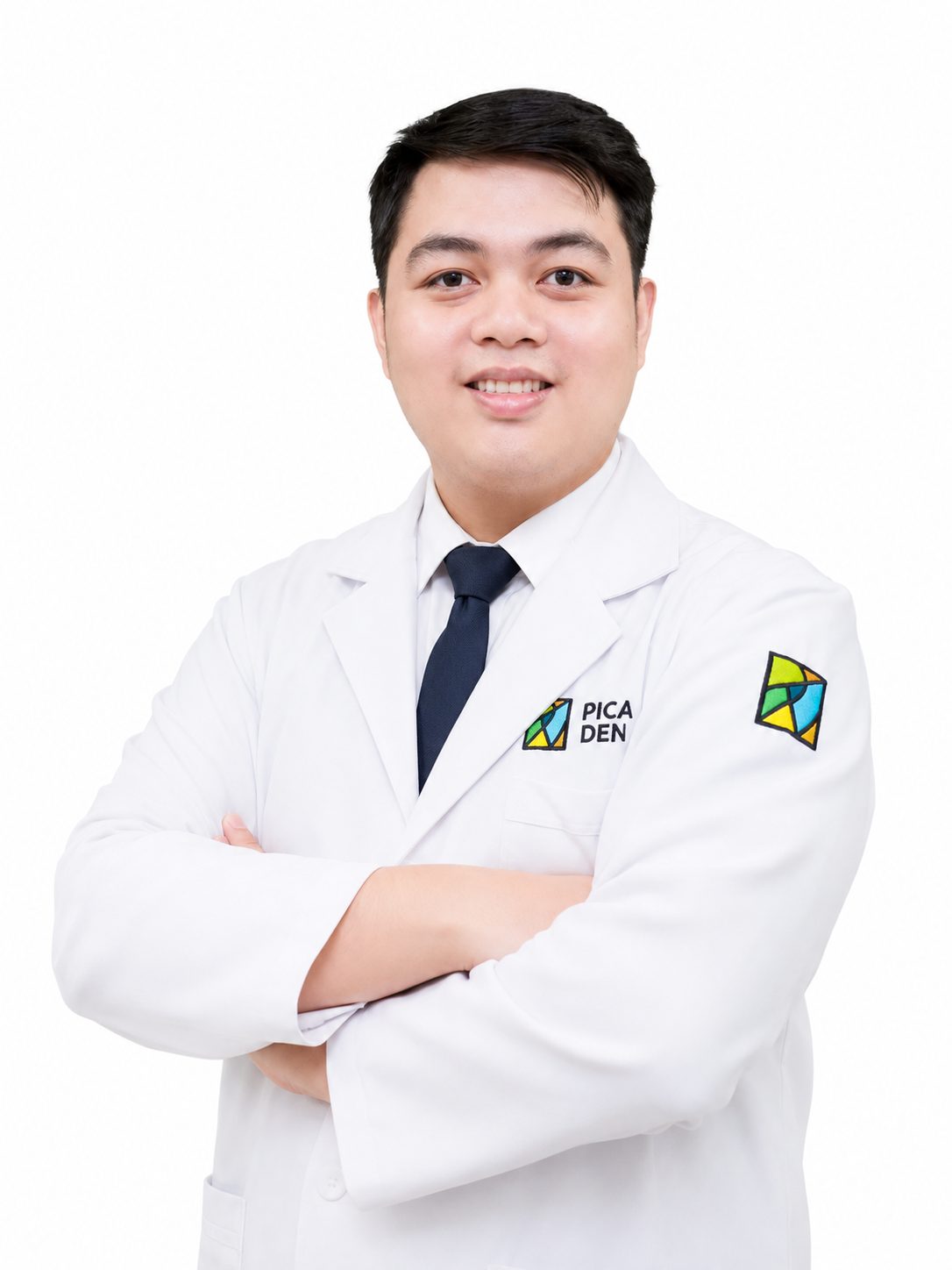
Lead Implant Specialist
Dr. Hung Le Ba Gia (Dr. Evans)
Picasso's lead implant specialist, with 1,000+ implants placed and 200+ All-on-4 full-arch cases completed. Bone grafting and sinus augmentation are core to his daily practice, the foundation that makes complex implant cases possible.
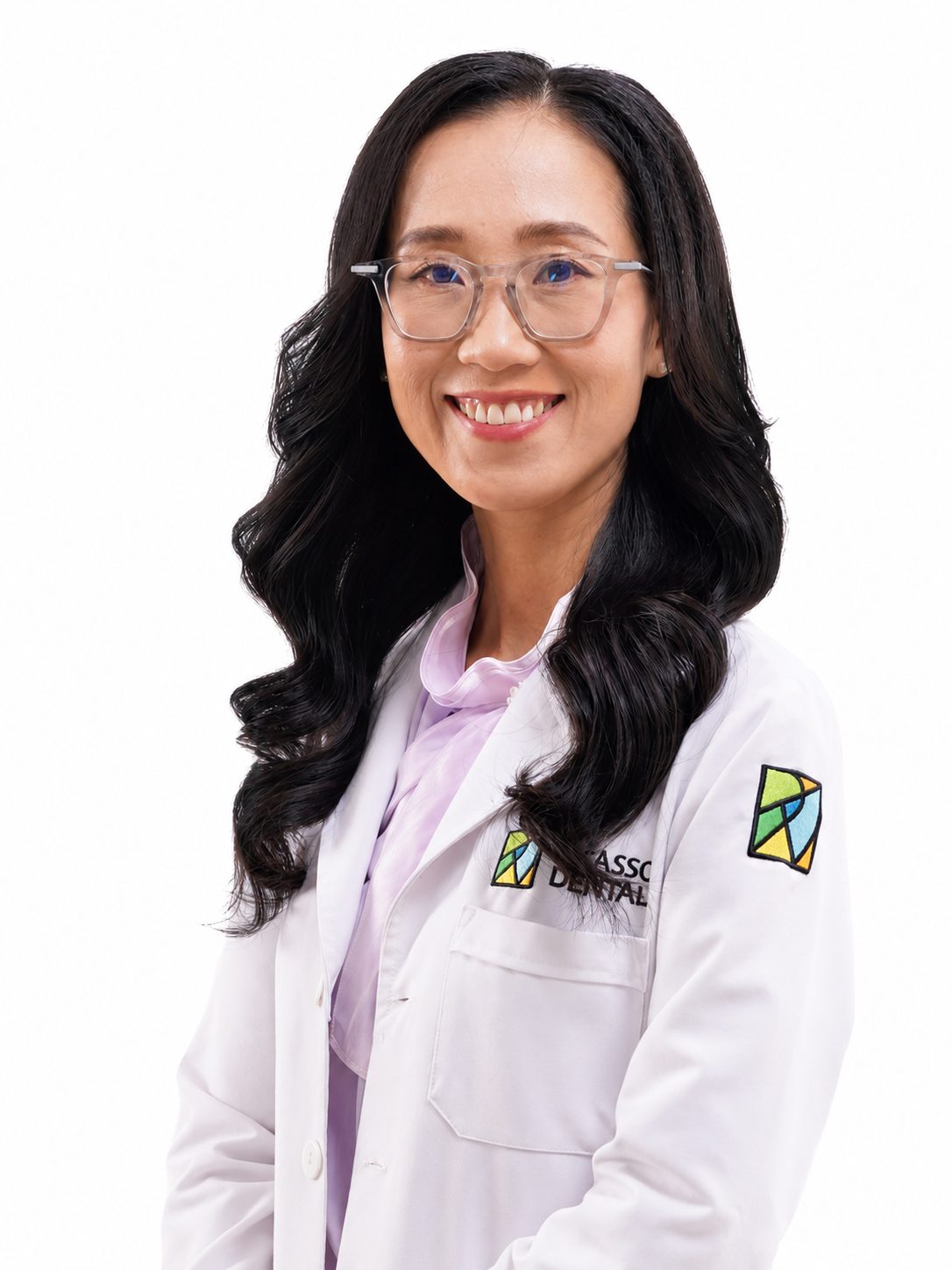
Founding Clinical Director
Dr. Emily Nguyen
Founder of the original clinic in 2013. Sets clinical standards for graft case selection, surgical protocols and material choices group-wide.
Aftercare
Caring for Your Graft Site
The first 4 weeks after grafting are the most important. Strict adherence to post-op instructions makes the difference between predictable healing and graft failure.
First 7 Days
Soft Food & Saline
Soft food only. No smoking, no straws, no vigorous rinsing. Saline mouthwash from day 2. Antibiotics and pain relief as prescribed. Cold compress on the cheek for the first day to reduce swelling.
Day 14
Suture Review
Suture removal, or dissolvable sutures fall away on their own. Diet returns to normal-soft. Begin gentle brushing of the graft area with a soft toothbrush.
Healing
Quiet Regeneration
Normal eating returns. The graft is integrating beneath the gum, no visible activity but biological work is happening continuously. Follow-up X-rays at 3 months confirm progress.
Implant-Ready
Follow-up CBCT
Final CBCT confirms bone regeneration. Implant placement scheduled. From here the standard implant timeline applies.
Sinus lift specific
No nose-blowing for 4 weeks. Sneeze with your mouth open. Avoid air travel for 2 weeks. Saline nasal spray helps. Avoid pressure changes (scuba diving, freediving) until your dentist clears you.
If you travel home mid-healing
You leave with complete clinical records, X-rays, graft material batch numbers and surgical notes. Your home dentist can perform follow-up X-rays or address concerns, and we respond to questions over WhatsApp at any time.
Reviews
Graft Patients in Their Own Words
"
The dental surgery I had, in relation to a severe bone infection (14 years in the making), bone grafts, removal and replacement of implants, was done by the very skilled and highly educated team and his technicians to the highest standards. I am delighted with the end result, my new teeth look very natural. I feel a million dollars with them.
Susie Miller
"
I had an implant on a front tooth done here, and I needed a bone graft too. Everything went very well, and the communication was always clear and prompt. Other dentists suggested my bone was too thin to place an implant, but with a bone graft it worked out very well. I've been to dentists in 5 countries, and Dr. Emily is the best I've ever worked with.
Anonymous (front tooth)
"
From the day I started texting them on WhatsApp from Australia, I knew I had made the right choice getting dental implants. As soon as I arrived Vietnam I was greeted with a warm text. I can't give enough praise for Dr Evan and his wonderful nurses. Coming back in 6 months to get the Swiss Neodent Zirconium implants.
Bowie Bow
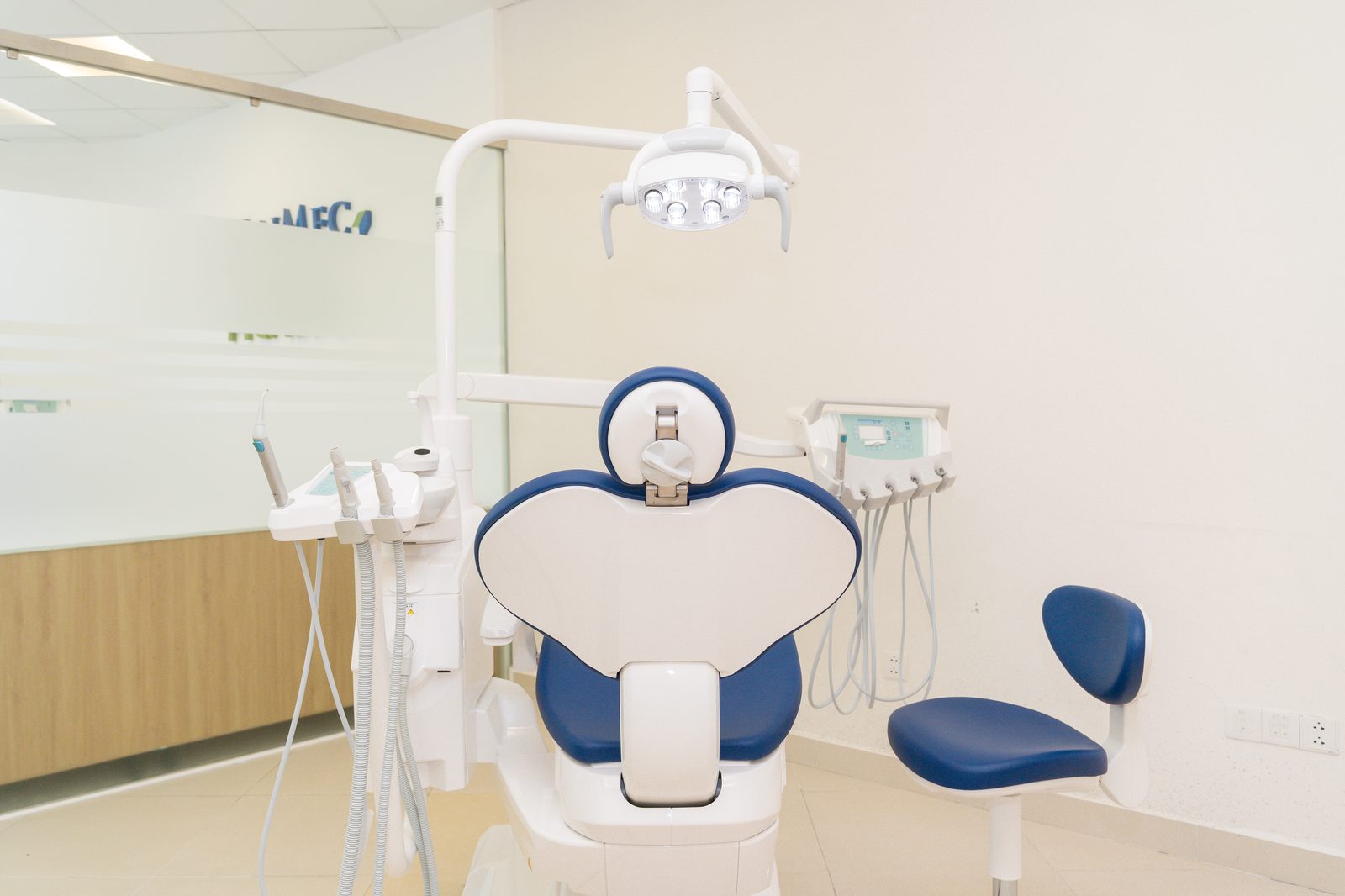
Picasso Dental inside Vinmec Da Nang. Hospital-grade facility with on-site emergency medical support, where complex block grafts and bilateral sinus lifts are performed.
International Journey
The International Bone Graft Journey
Two paths for patients flying in for grafting before implant placement. Choose the one that fits your time and your healing patience.
Two Trips, One Long Healing Break.
Graft surgery on Trip 1, bone regeneration at home, implant and crown on Trip 2 (or three trips for larger cases).
5–7 days
Graft Surgery in Vietnam
Consultation, CBCT scan, graft surgery (and any extractions). Initial recovery in Vietnam, then fly home.
4–9 months
Healing & Regeneration
The graft integrates. WhatsApp check-ins. Your home dentist can take follow-up X-rays we review remotely.
5–7 days each
Implant & Crown
Follow-up CBCT, implant placement, then later return(s) for the final crown. Full case file delivered.
One Extended Stay, Start to Finish.
Everything from CBCT to final crown in a single trip, including the 4–9 month graft healing window. Continuous care under the same team.
CBCT & Graft Surgery
Consultation, CBCT, graft placed. Recovery in Da Nang or Da Lat.
Recover & Explore
Beach recovery in Da Nang or mountain recovery in Da Lat. Low cost of living, monthly check-ins at any branch. Follow-up X-rays at 3 months.
Implant & Crown
Follow-up CBCT, implant placed, second healing window, final crown delivered before you fly home.
Risks
Risks & Success Rates: Honestly
Bone grafting is highly predictable in trained hands, but no surgery is risk-free. Here's what the literature reports, what can go wrong, and how Picasso minimises every avoidable risk.
Documented Success Rate
Long-term clinical literature consistently reports GBR success rates above 90% and sinus augmentation success above 95%. Bio-Oss specifically has 30+ years of documented clinical use, with implant survival at grafted sites comparable to native bone sites in healthy patients.
What Can Go Wrong
Graft failure (the graft does not integrate, requires re-graft). Membrane exposure (the Bio-Gide membrane becomes exposed through the gum). Sinus membrane perforation during a sinus lift, managed intra-operatively. Sinusitis after a sinus lift, typically responds to antibiotics.
How We Minimise Risk
CBCT 3D imaging before every graft. Autoclave sterilisation. Genuine Bio-Oss and Bio-Gide with verifiable batch numbers. Strict surgical protocol with the same instruments used in Sydney, Zurich and London. Patient education on aftercare in writing, in your preferred language.
If the Graft Fails
If a graft fails to integrate within the planned healing window, we re-graft at no additional cost. Re-graft success rates are similar to first-attempt rates. The implant pathway is not compromised.
Smoking & Bone Grafting
Smoking is the single biggest threat to graft success. Smoking constricts blood vessels and compromises the healing required for graft integration. We strongly recommend stopping at least 2 weeks before surgery and 8 weeks after, ideally permanently.
When We Decline
Active infection at the site (must be resolved first), severely uncontrolled diabetes, recent IV bisphosphonate therapy, recent radiation to the jaw. We tell you honestly when grafting is not the right choice, and recommend All-on-4, zygomatic implants, or a bridge if those fit you better.
FAQ
Frequently Asked Questions
What is dental bone grafting?
Dental bone grafting is a surgical procedure that rebuilds jaw bone where it has shrunk or been lost. Graft material is placed at the deficient site under a collagen membrane and allowed to integrate over 4–6 months, regenerating the bone volume needed to support a dental implant.
How much does dental bone grafting cost in Vietnam?
At Picasso Dental, GBR bone grafting starts at 4,000,000 VND, Bio-Oss particulate from 8,000,000 VND, closed sinus lift from 7,000,000 VND, autograft and block graft from 10,000,000 VND, and open lateral-window sinus lift from 14,000,000 VND. Graft costs are itemised separately from the implant procedure, so you see exactly what you are paying for. Full pricing on the implant cost guide.
Why would I need a bone graft?
After a tooth is lost, the jaw bone in that area shrinks over time, particularly in the first year. If you have been missing teeth for years and want to replace them with implants, the available bone may be inadequate to hold the fixture securely. Bone grafting rebuilds the volume needed for a successful implant.
What is a sinus lift?
A sinus lift (also called sinus augmentation) is a specific type of bone graft for the upper back jaw. The maxillary sinus is gently elevated and bone graft material placed beneath it, creating sufficient bone height to support upper-back-jaw implants. There are two techniques: closed (transcrestal) and open (lateral window).
What is Bio-Oss?
Bio-Oss is a deproteinised bovine bone xenograft, the most extensively documented bone graft material in dentistry. It serves as a scaffold that your own bone grows into and replaces over time. We use Bio-Oss with Bio-Gide collagen membrane as our default GBR grafting protocol.
How long does bone graft healing take?
GBR bone grafting typically takes 4–6 months to integrate before an implant can be placed. Sinus lifts (especially open lateral window) typically need 6–9 months. Block grafts can need 6 months or more. Some smaller grafts can be combined with simultaneous implant placement.
Is bone grafting painful?
The surgery is performed under local anaesthetic, sometimes with sedation for larger grafts or sinus lifts. Most patients describe the post-operative experience as comparable to a tooth extraction: 3–5 days of mild swelling, managed with prescribed pain relief. Block grafts and open sinus lifts have slightly more discomfort during initial healing.
Will I always need a graft for an implant?
No. Many patients have adequate bone for direct implant placement, particularly if the tooth has been missing for less than a year. CBCT scanning on day one tells us definitively. Some protocols (notably All-on-4) are specifically designed to avoid grafting by angling implants to use available bone.
Where does the graft material come from?
Four sources. Xenograft (bovine, the most common, e.g. Bio-Oss). Autograft (your own bone, harvested from a different jaw site). Allograft (processed human donor bone). Synthetic/alloplast (laboratory-made calcium-based material). We choose based on the size and complexity of the defect.
Are bovine xenografts safe?
Yes. Bio-Oss is a deproteinised mineral scaffold, all biological proteins are removed during processing. There has never been a documented case of disease transmission with Bio-Oss in 30+ years of global use. It is approved for medical use by the FDA, CE and equivalent regulators worldwide.
What is a block graft?
A block graft uses a solid piece of bone (rather than particulate graft material) to rebuild substantial vertical or horizontal defects. The block can be your own bone (harvested from the chin, ramus or hip) or a processed allograft block. Block grafts are reserved for severe defects and have longer healing times.
Can I have a graft and an implant in the same visit?
Sometimes. Smaller GBR grafts and contour grafts at extraction sites are commonly combined with simultaneous implant placement. Larger grafts (block grafts, open sinus lifts) typically require staged treatment, graft first, implant placed 4–9 months later. CBCT and the size of the defect tell us which is appropriate.
Can I avoid grafting altogether?
In some cases, yes. All-on-4 is specifically designed to use available bone by angling the rear implants. Zygomatic implants anchor in the cheekbone for severe upper-jaw atrophy. A tooth-supported bridge or denture remains an option if you prefer not to graft. We discuss the alternatives honestly during your consultation.
Pricing
Itemised Graft & Implant Pricing
For published rate cards across all graft materials and techniques, plus the full implant cost guide, see the dedicated page. Graft costs are itemised separately from implant costs, so you can see exactly what you are paying for.
See the Implant & Graft Cost Guide →
Want to avoid grafting? See All-on-4 implants or zygomatic implants.
Start Here
Find Out If You Need a Graft in 24 Hours.
Have a recent CBCT or panoramic X-ray from your home dentist? Send it. No scan? A phone photo of the gap is enough to start. Dr. Evans reviews every request personally and replies with an honest assessment of whether grafting is needed, what type, the timeline, and the all-in cost including the eventual implant, with no obligation.
No obligation · Replies from a licensed dentist, not a bot · Since 2013