
Cosmetic Dentistry Da Nang
Zoom teeth whitening in Da Nang: what to expect
Professional LED whitening lightens teeth three to eight shades in a single 60-minute appointment. Here is exactly how the procedure works, who it suits, and how Da Nang pricing compares to home.

Key Takeaways
- Three to eight shades in one session. Professional LED whitening uses high-concentration peroxide gel with light activation, delivering in 60 minutes what take-home kits need weeks to achieve.
- Not everyone is a candidate. Active cavities, gum disease, crowns on front teeth, and tetracycline staining all affect suitability. A consultation assessment is required before treatment.
- Sensitivity is common and temporary. Most patients experience mild cold sensitivity for 24 to 48 hours. Desensitising toothpaste used before and after treatment reduces this significantly.
- The white diet lasts 48 hours. No coffee, tea, red wine, or dark sauces while enamel is temporarily more porous after treatment.
- Results last one to three years with good maintenance. Annual top-up sessions preserve the original shade.
- Da Nang pricing is 60 to 75 percent less than equivalent treatment in Australia or the UK, with no change in gel concentration or technology.
How professional LED whitening works
I am Dr. Emily Nguyen, Founding Clinical Director of Picasso Dental Clinic. Since 2013, I have treated more than 70,000 patients from 65 nationalities across our six branches in Hanoi, Da Nang, Ho Chi Minh City, and Da Lat. Teeth whitening is one of the most requested cosmetic procedures at our Da Nang clinics, particularly from international patients combining treatment with a beach stay.
The chemistry is straightforward. Professional-strength hydrogen peroxide gel, at concentrations of 25 to 40 percent, penetrates the enamel and breaks down the chromogen molecules responsible for staining. The LED light does not bleach the teeth directly. It activates the peroxide chemistry, accelerating the oxidation reaction so it completes in minutes rather than days. The combination produces results in a single appointment that are impossible to replicate with lower-concentration over-the-counter products regardless of how long they are used.
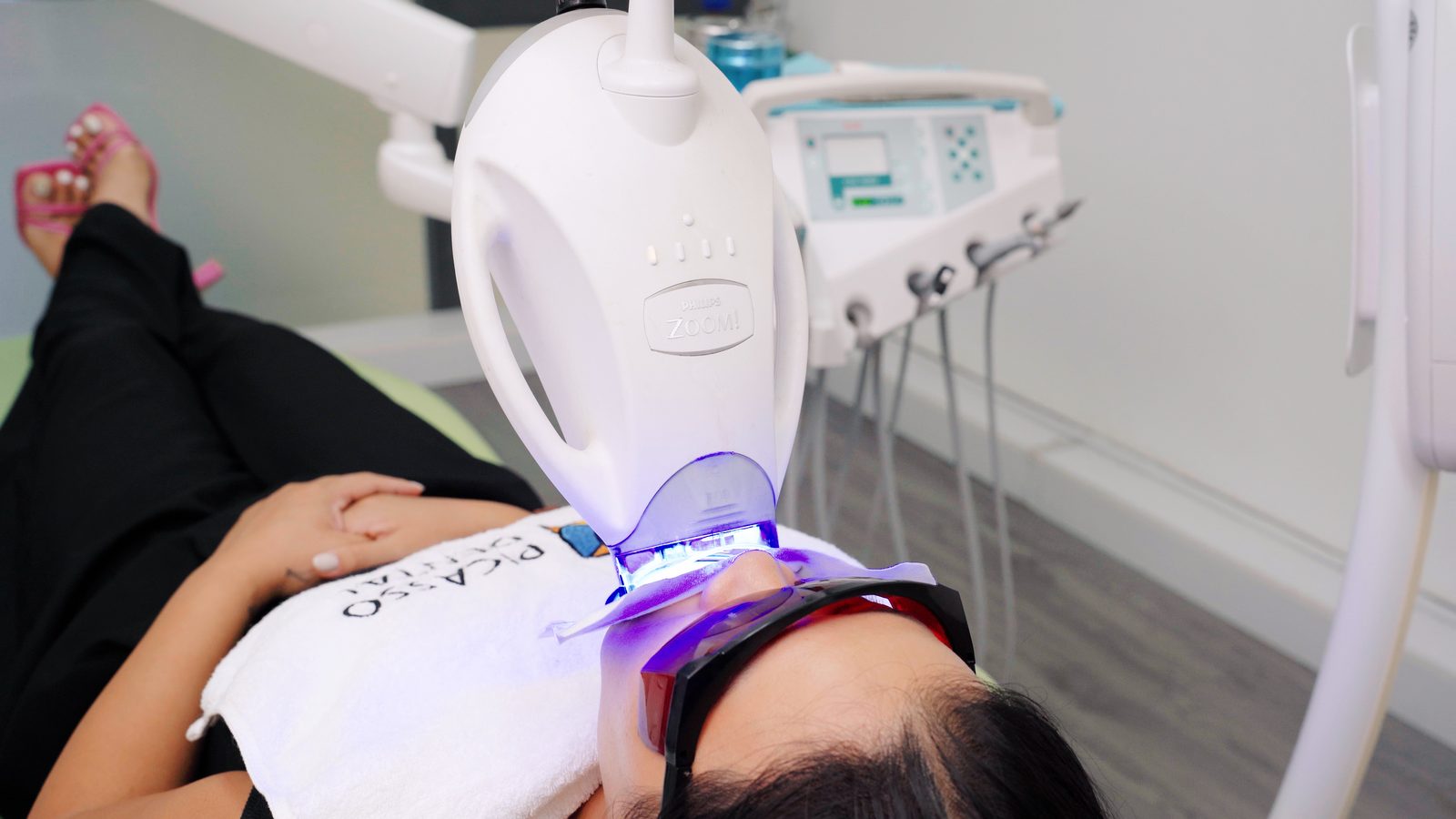
The procedure step by step
- Gum and lip protection Before any gel is applied, we isolate the treatment area with a barrier material that covers the gums and soft tissue of the lips. This is not optional. Concentrated peroxide gel causes chemical irritation on contact with soft tissue and the barrier prevents this completely. The only surfaces left exposed are the enamel faces of the teeth being treated.
- Shade assessment and photography We record your current shade using a standardised shade guide and take clinical photographs. This baseline allows us to measure the actual improvement at the end of the session, and gives you a visual record of the change. We discuss a realistic target shade based on your natural enamel tone and skin colouring.
- Gel application Professional-strength whitening gel is applied evenly across all visible tooth surfaces. The gel is precisely placed to achieve even coverage without extending onto the gum barrier. For most patients we treat the upper and lower arches simultaneously.
- LED activation cycles The LED light activates for 15 to 20 minutes per cycle. Most treatments use three to four cycles with fresh gel applied between each. The cumulative effect of multiple cycles is greater than a single long exposure. You remain reclined and comfortable throughout. Most patients read, listen to music, or simply rest during the activation time.
- Shade check and aftercare briefing After the final cycle we remove the barrier, rinse thoroughly, and compare the new shade against your baseline photograph and shade guide. We then walk through the 48-hour aftercare protocol and provide or prescribe desensitising toothpaste for home use.
The entire appointment, including preparation, active treatment, and the aftercare briefing, runs 90 minutes. The active whitening component takes approximately 60 minutes.

Who is a good candidate
Not every patient who wants whiter teeth is immediately ready for in-chair whitening. The consultation assessment screens for several conditions that either contraindicate treatment or require it to be sequenced after other work.
Candidates who respond best: healthy adults with natural teeth showing extrinsic staining from coffee, tea, red wine, tobacco, or age-related yellowing. These stain types are superficial and respond predictably to peroxide chemistry.
Conditions we treat before whitening: active decay, periodontal disease, and significantly worn or cracked enamel. Proceeding with whitening over untreated cavities allows peroxide to reach the pulp, causing acute sensitivity and potentially damaging the nerve. These issues are straightforward to address before whitening and the wait is worth it.
Stain types that respond less predictably: intrinsic discolouration from tetracycline antibiotic use during tooth development and fluorosis (white or brown banding from excessive fluoride during childhood) do not always respond to peroxide chemistry. For these cases, porcelain veneers often produce better aesthetic outcomes than whitening.
"Picasso dental was very professional and did a fantastic job with my implant and whitening. I cannot recommend them more."
John Lewis, Da Nang, Google review
Sensitivity: what to expect and how to manage it
Transient sensitivity is the most common side effect of professional whitening. It occurs because the peroxide temporarily increases enamel permeability, allowing fluid movement in the dentinal tubules that stimulates nerve endings. For most patients this presents as brief, sharp sensitivity to cold air or cold water during the 24 to 48 hours following treatment. It resolves completely without intervention in the large majority of cases.
For patients who already have sensitive teeth before whitening, I take a modified approach: a lower gel concentration, fewer activation cycles, and a longer gap between the consultation shade assessment and the treatment appointment to allow desensitising toothpaste to build up in the tubules. This approach achieves a slightly smaller shade improvement per session but eliminates the experience of significant discomfort.
Potassium nitrate desensitising toothpaste used for two weeks before and immediately after whitening produces a measurable reduction in post-treatment sensitivity. We advise all patients to start this regardless of whether they currently experience sensitivity, because the cost is negligible and the protective benefit is real.
The 48-hour white diet
Immediately after whitening, enamel is in a temporarily hyperporous state and absorbs chromogens (staining compounds) far more readily than normal. The 48-hour white diet limits exposure to the staining compounds most likely to reverse your result during this window.
Avoid for 48 hours: coffee, black tea, red wine, dark sodas, tomato-based sauces and soups, soy sauce, balsamic vinegar, dark berries (blueberries, blackberries, pomegranate), beetroot, and turmeric.
Safe during the white diet: still water, white wine, chicken, fish, rice, pasta with cream or butter sauce, eggs, bananas, apples, pears, white cheese, and plain yoghurt.
Da Nang offers plenty of white-diet compatible food. Fresh seafood grilled simply, pho with clear broth, Vietnamese rice dishes, banh mi with plain fillings, and tropical fruit such as mango and lychee all fit within the protocol. The local food scene makes the diet easy to follow without feeling restricted.
Planning a Da Nang visit? Send us your preferred dates and we will schedule your whitening consultation and treatment to fit your itinerary. Written cost estimate provided before any appointment.
Book your whitening appointment →Why Da Nang for whitening
Da Nang is one of the most practical dental tourism destinations in Vietnam. The international airport has direct connections from Singapore, Bangkok, Kuala Lumpur, Seoul, Tokyo, and several Australian cities. The city is compact, with beaches, restaurants, and the clinic all within easy reach of each other.
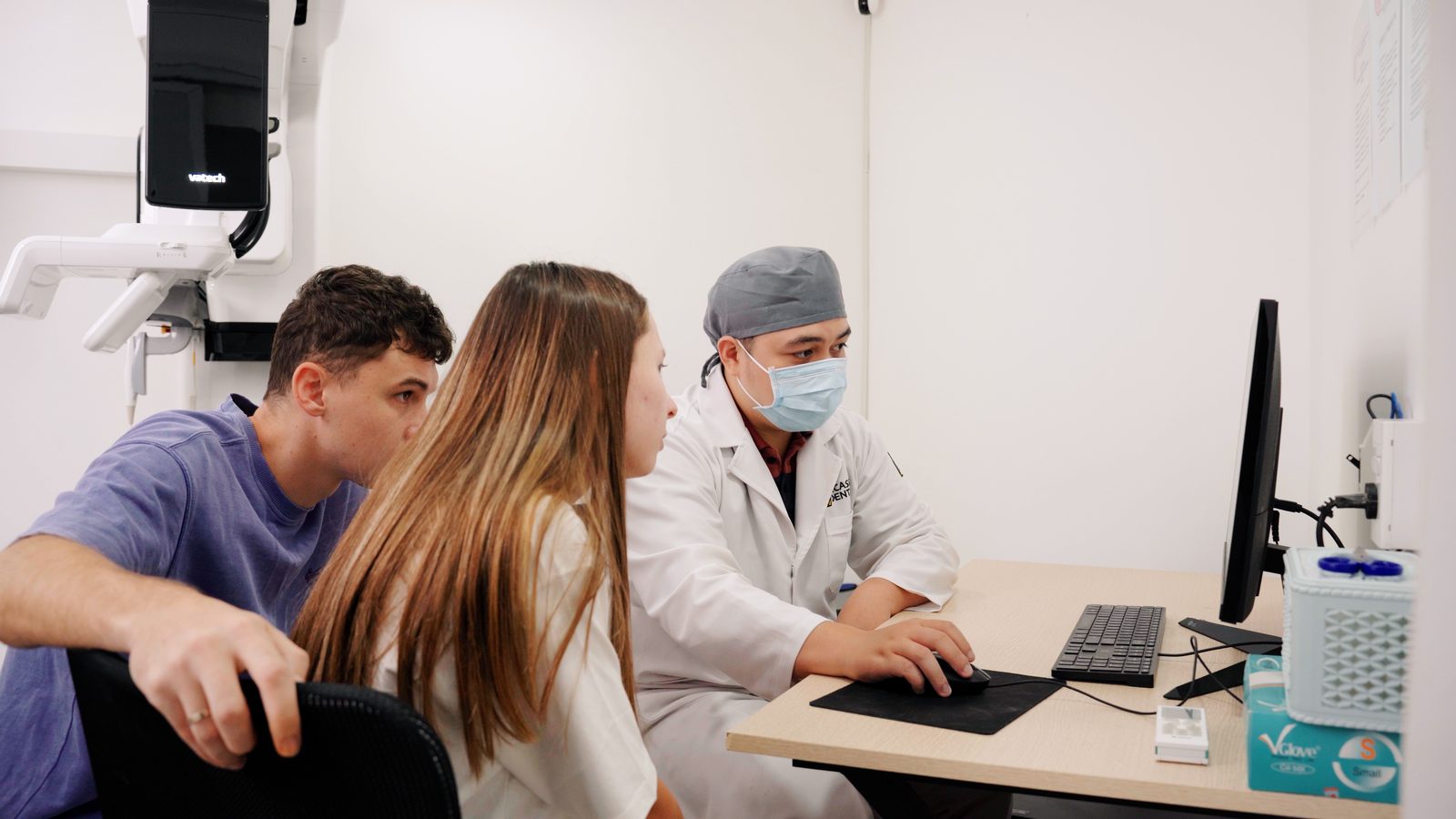
Picasso Dental operates two Da Nang locations: Da Nang Flagship in central Da Nang, and Da Nang Vinmec inside Vinmec International Hospital, which is the choice for patients who prefer a hospital-integrated clinical environment. Both use identical protocols, equipment, and gel concentrations.
For patients travelling specifically for dental work, the logistics are straightforward. Most whitening patients complete consultation and treatment in two appointments across two days, leaving the rest of their Da Nang stay free. Many combine whitening with a professional clean, a dental examination, or a consultation for other cosmetic work such as veneers, making the trip cost-efficient relative to the dental work accomplished.
"I went to Picasso feeling so unconfident with my smile and after some whitening, implants, crowns and fillings I left feeling like a new person."
Ross Hayden, Hanoi Old Quarter, Google review
Cost of professional whitening: Da Nang versus international
The cost saving on professional whitening in Vietnam is significant and requires no trade-off in product quality. The same internationally branded peroxide gels and LED activation technology used in Australian or European clinics are used at both Da Nang locations. The difference in price reflects operating costs, not materials or clinical quality.
| Treatment | Vietnam (Picasso Dental Da Nang) | Australia | United Kingdom | United States |
|---|---|---|---|---|
| In-chair LED whitening (full session) | USD 80 to 150 | AUD 600 to 1,200 | GBP 300 to 700 | USD 500 to 1,000 |
| Take-home whitening kit (custom trays) | USD 50 to 100 | AUD 300 to 600 | GBP 150 to 350 | USD 250 to 500 |
| Combined in-chair + take-home kit | USD 120 to 200 | AUD 800 to 1,500 | GBP 450 to 900 | USD 700 to 1,300 |
| Professional cleaning before whitening | USD 25 to 60 | AUD 150 to 350 | GBP 60 to 150 | USD 100 to 300 |
All figures are approximate. We provide a written, itemised cost estimate before any treatment begins. No procedure starts without your written acceptance of the estimate.

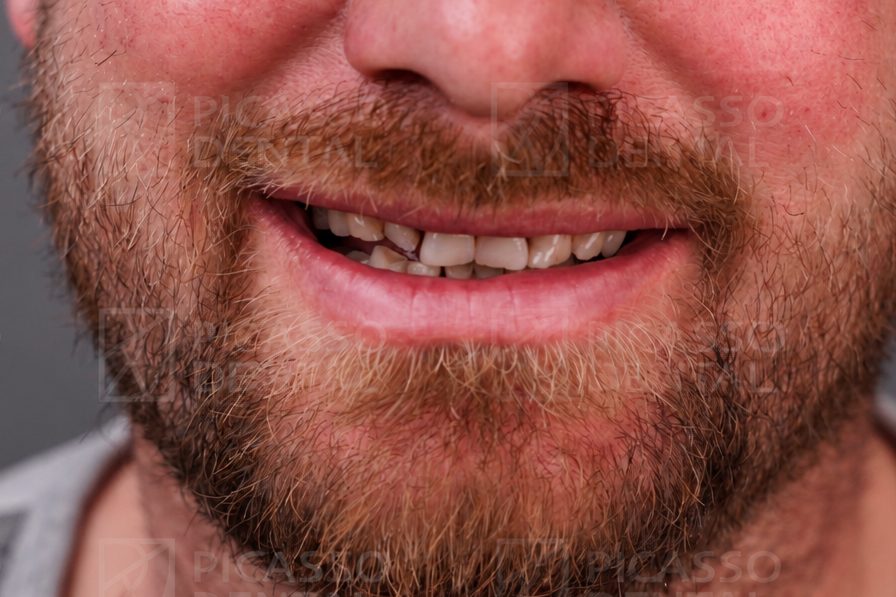 Before
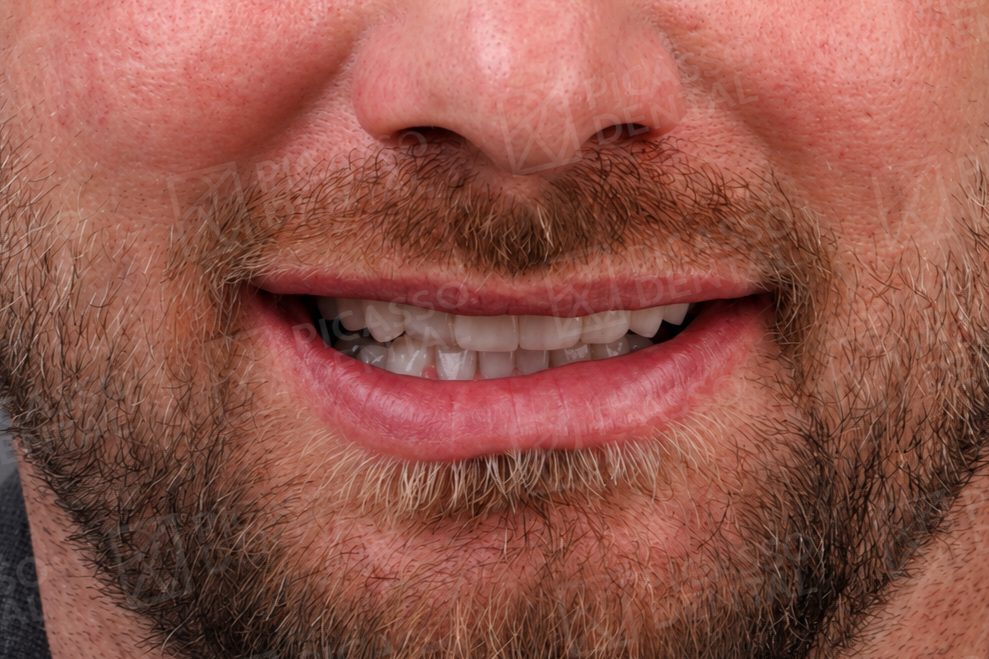 After
AfterSmile makeover, 8 porcelain veneers, Da Nang
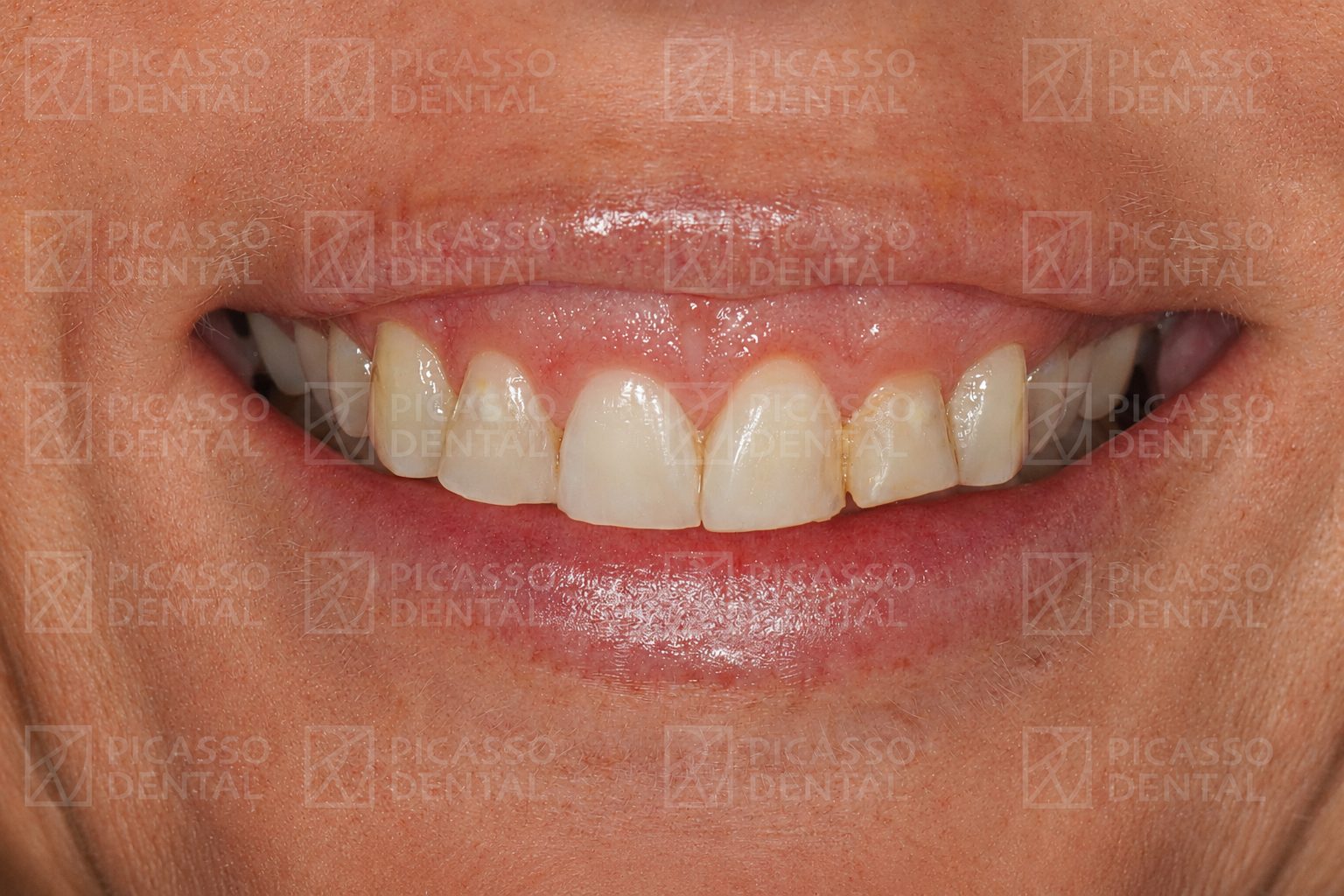 Before
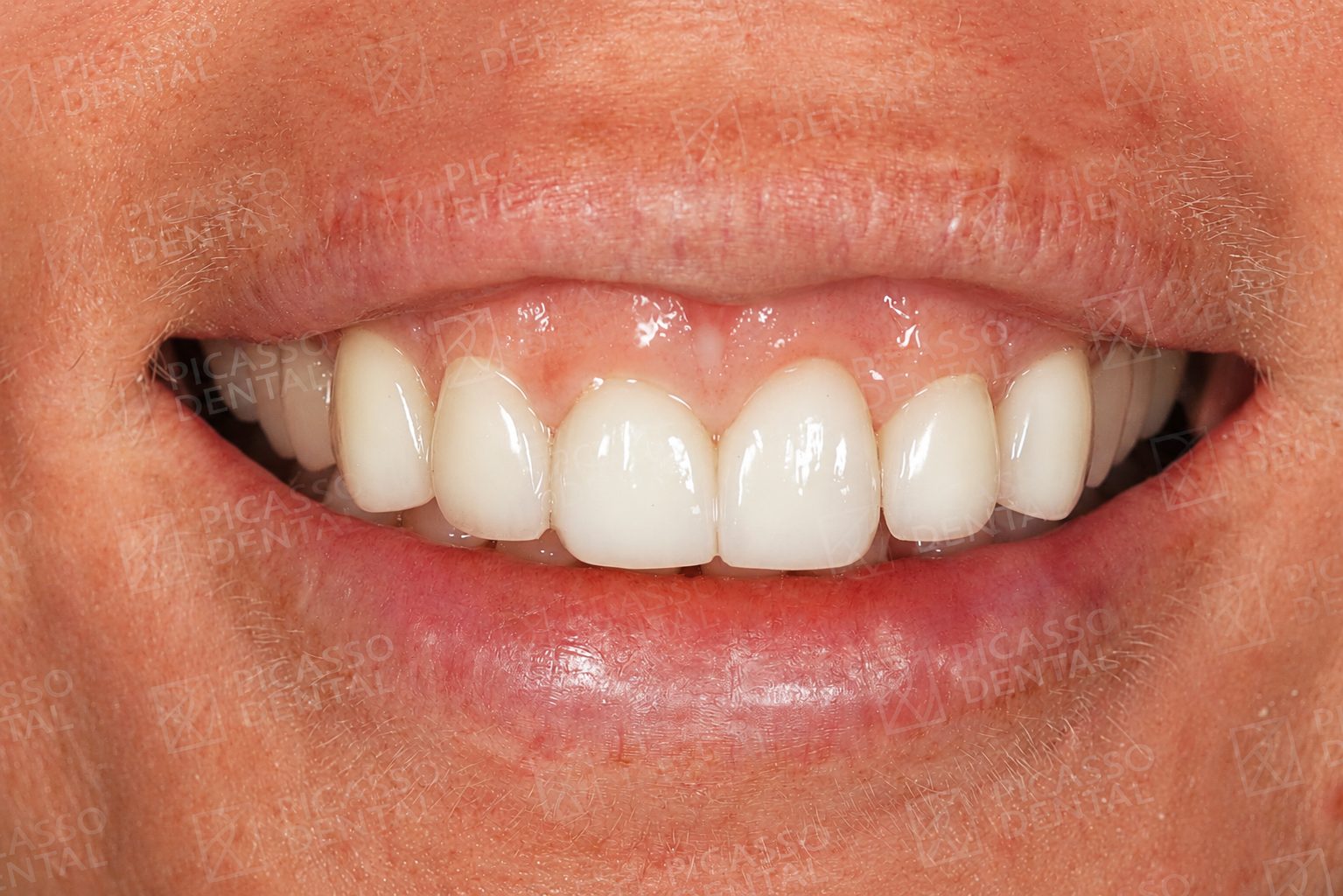 After
AfterFull veneer set, Hanoi Old Quarter
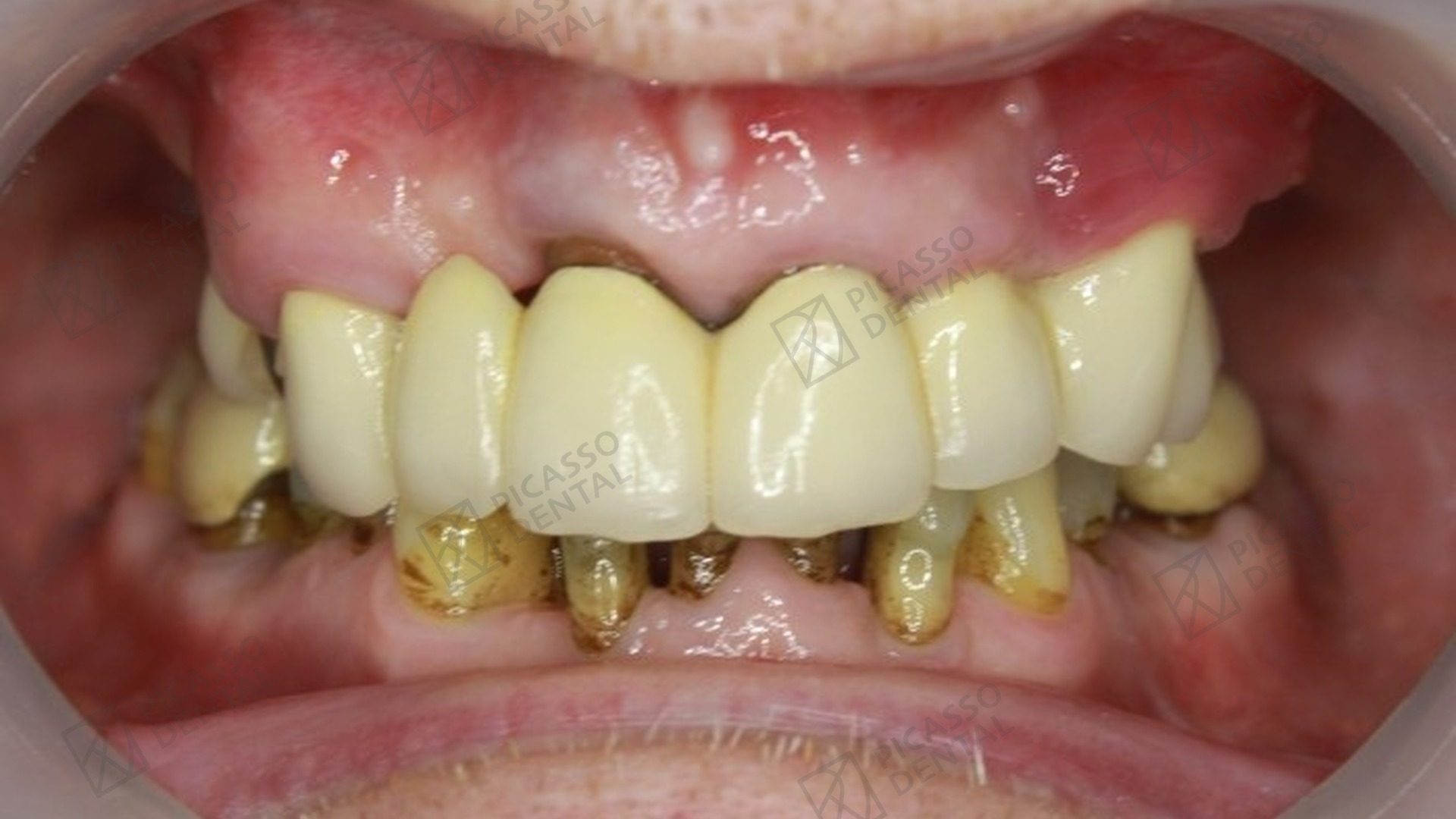 Before
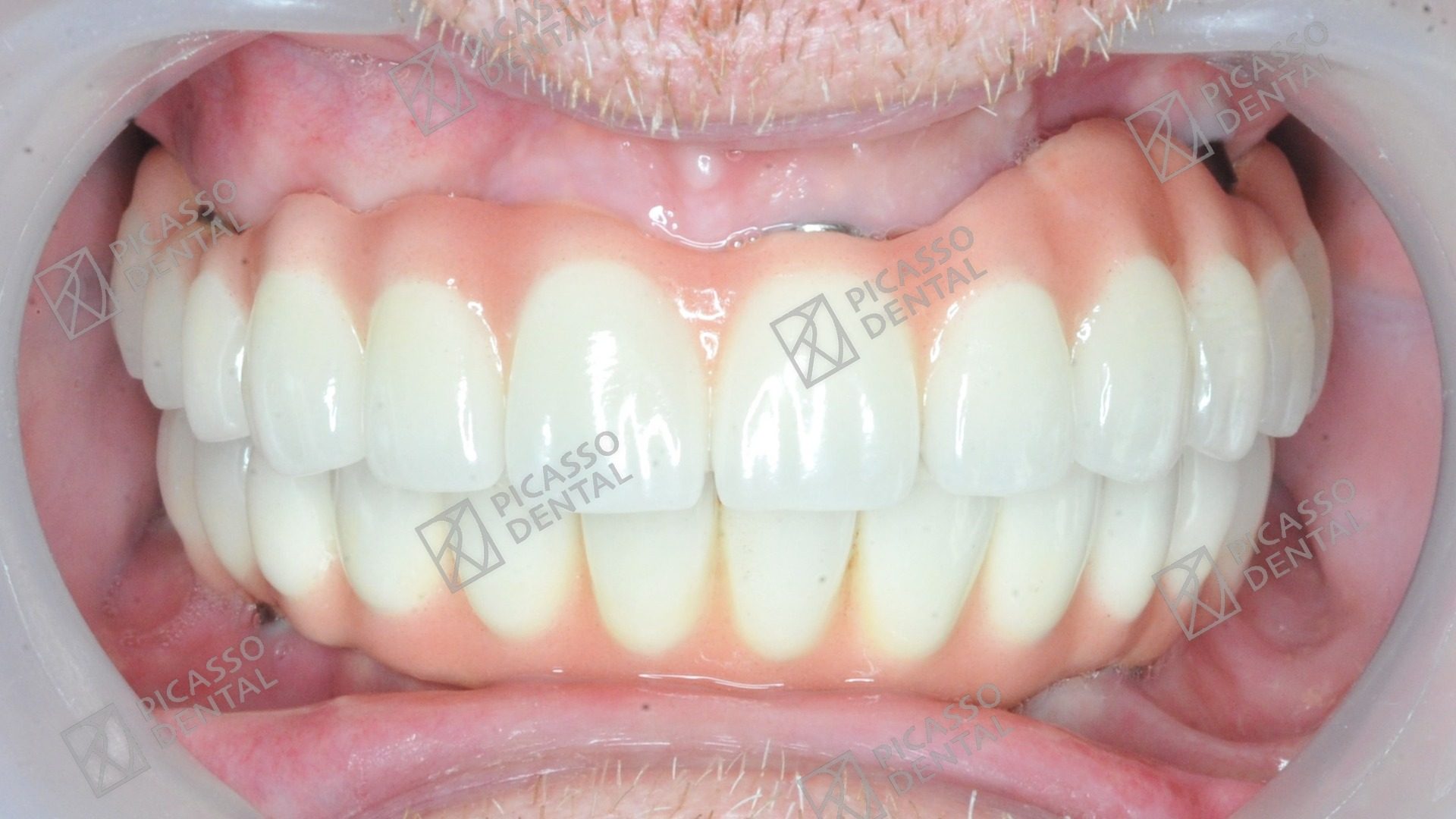 After
AfterCosmetic smile improvement, Da Nang
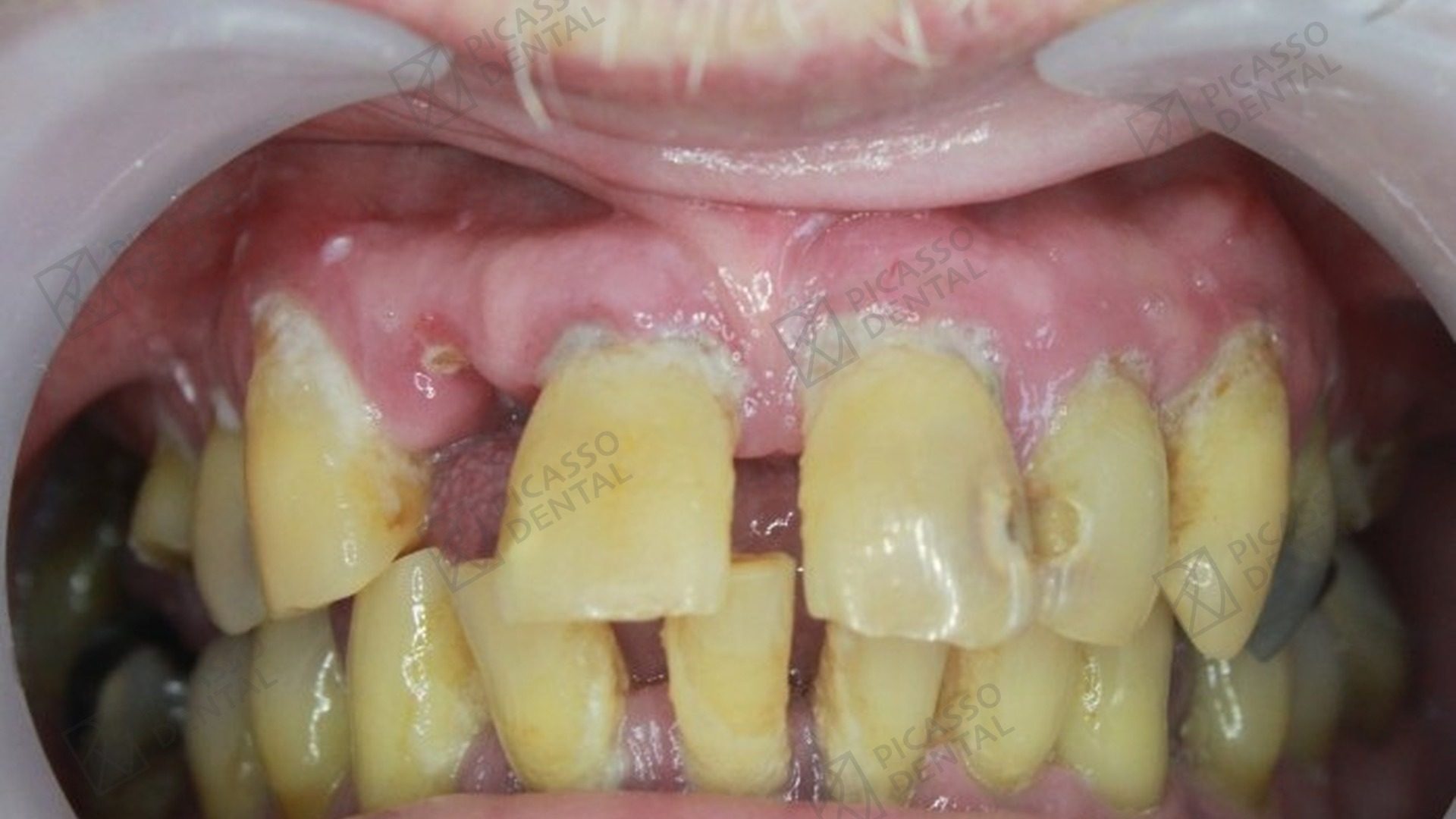 Before
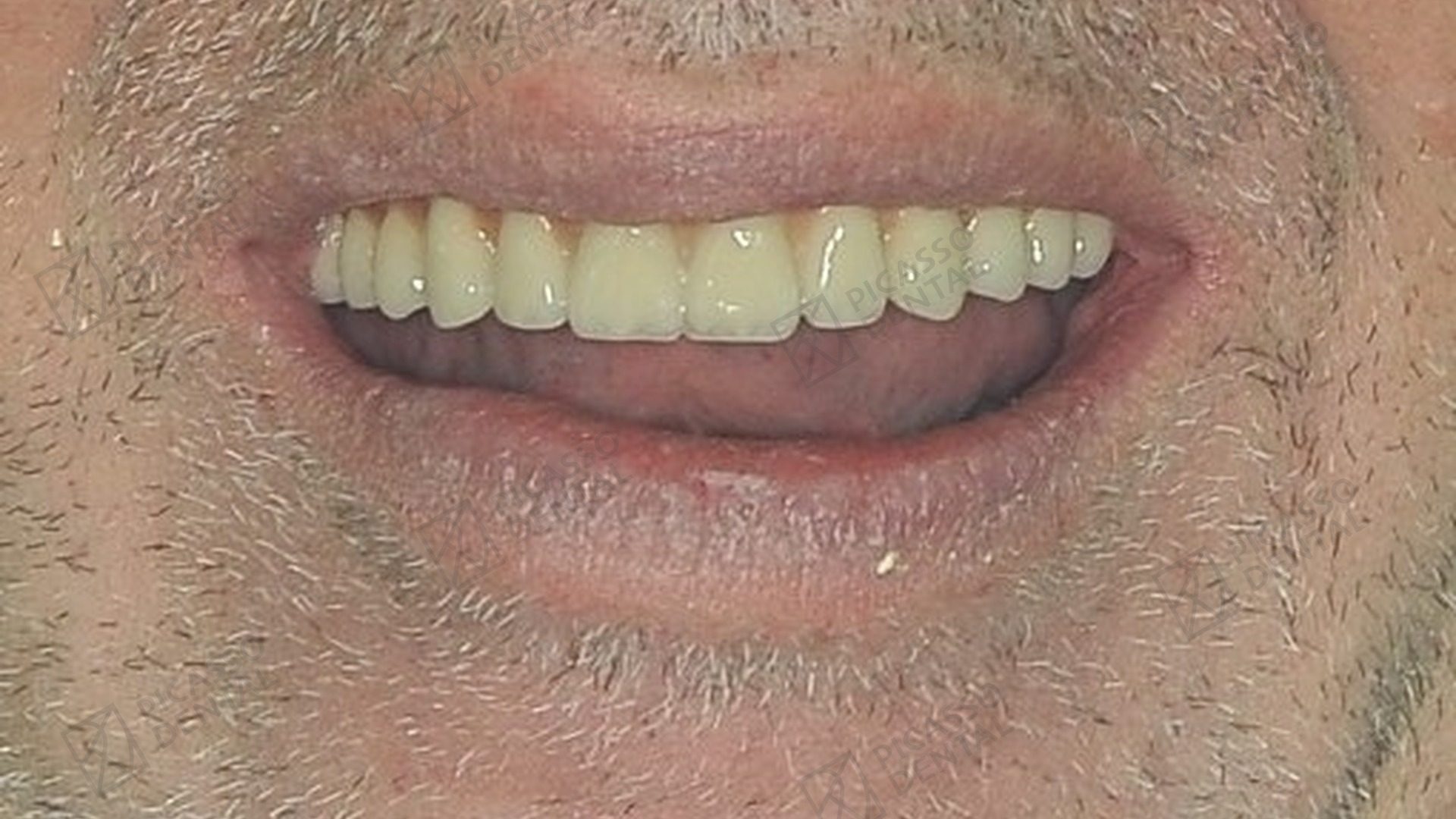 After
AfterSmile makeover, HCMC Thao Dien
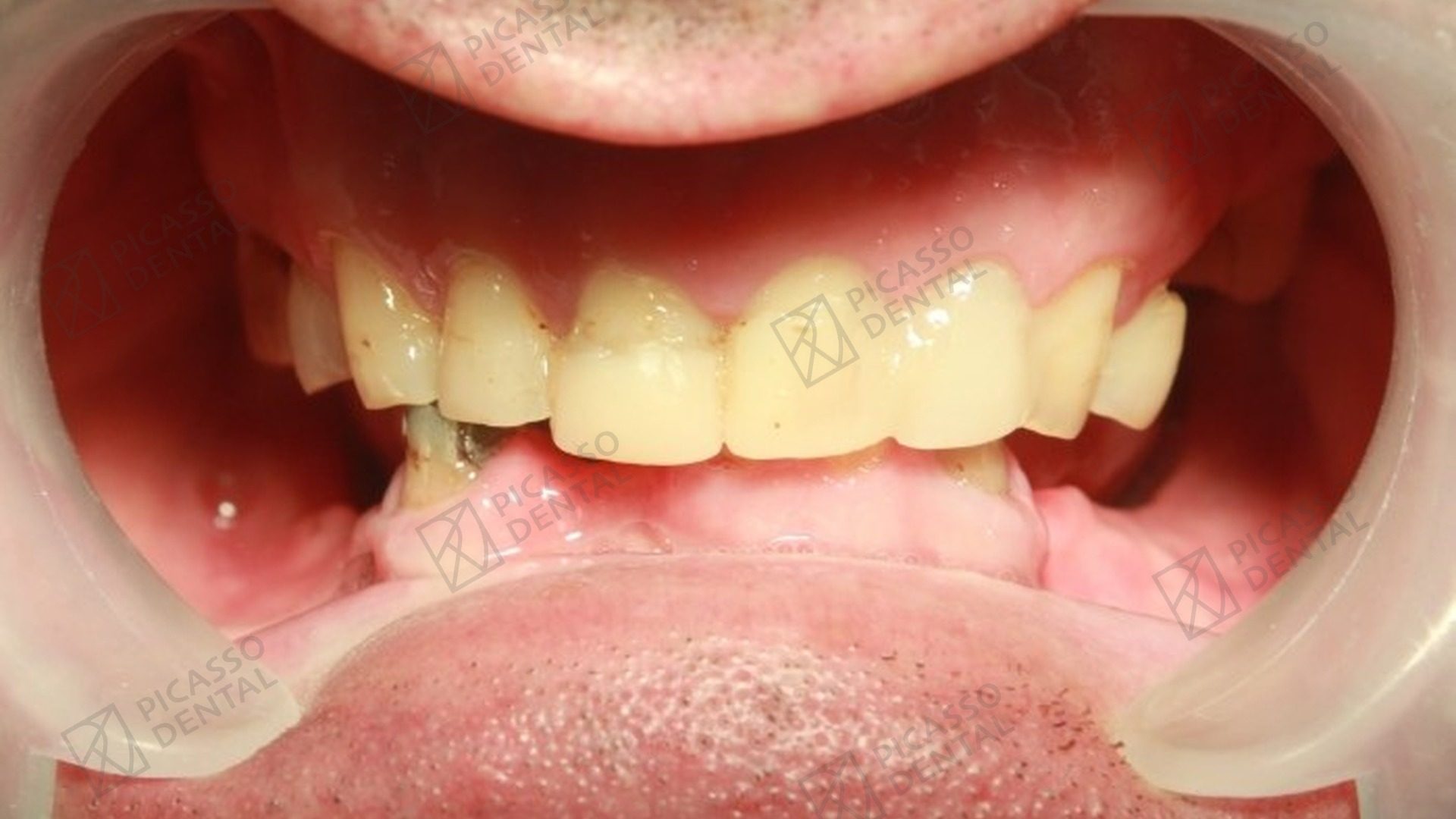 Before
 After
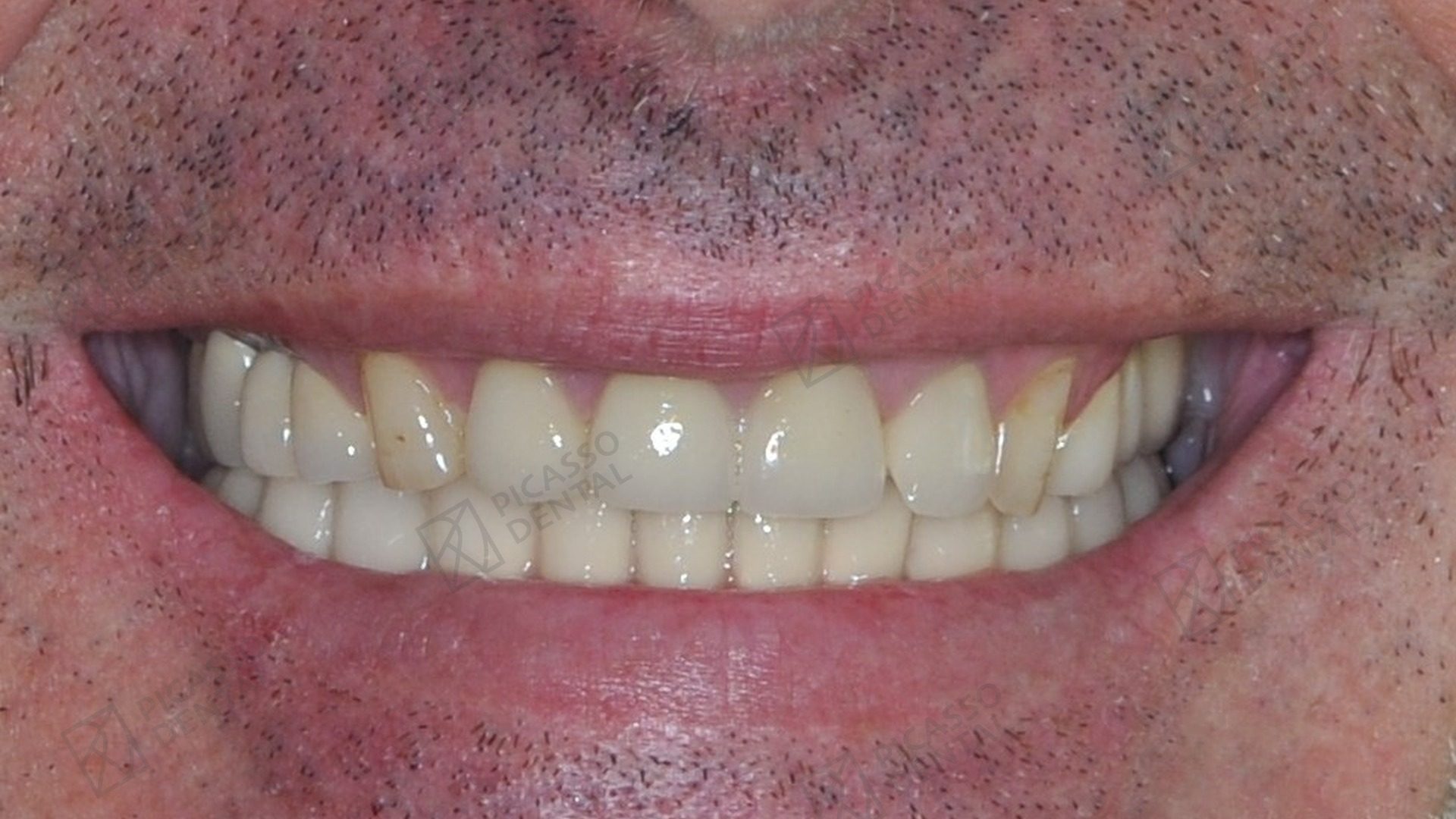
AfterCosmetic treatment, Hanoi Westlake
Frequently asked questions
How many shades whiter will my teeth be after professional whitening?
Most patients achieve three to eight shade improvements in a single session, depending on the original tooth colour, stain type, and enamel porosity. Extrinsic stains from coffee, tea, red wine, and tobacco respond best. Intrinsic discolouration from tetracycline antibiotics or fluorosis responds less predictably and may require multiple sessions or an alternative cosmetic treatment such as veneers.
How long does professional teeth whitening last?
Professional whitening results typically last one to three years with good maintenance. The duration depends on diet, oral hygiene habits, and individual enamel characteristics. Patients who avoid heavy staining foods and use a whitening toothpaste for maintenance can extend results significantly. A single top-up session once a year is sufficient for most patients to maintain the original shade.
Does teeth whitening hurt?
Sensitivity during and after professional whitening is common but temporary. Most patients describe a mild to moderate sensitivity to cold air or cold water for 24 to 48 hours after treatment. Using a desensitising toothpaste containing potassium nitrate before and after treatment reduces this significantly. Patients with existing sensitivity or thin enamel are assessed at consultation and a lower-concentration protocol is used if necessary.
Am I a good candidate for teeth whitening?
Most healthy adults with natural teeth are good candidates. Whitening does not work on dental crowns, veneers, bonding, or porcelain restorations, so patients with visible restorations on front teeth need to discuss expectations at consultation. Active cavities, gum disease, and severely worn enamel should be treated before whitening. Pregnant women and patients under 18 are not treated.
How much does professional teeth whitening cost in Da Nang compared to Australia?
Professional in-chair whitening at Picasso Dental Clinic Da Nang typically costs USD 80 to 150, compared to AUD 600 to 1,200 at an Australian clinic for an equivalent procedure. The saving on the whitening treatment alone often covers a significant portion of flights and accommodation for patients travelling from Australia or New Zealand specifically for dental care.
What is the white diet after whitening?
For 24 to 48 hours after whitening, avoid any food or drink that would stain a white shirt: no coffee, tea, red wine, dark sodas, tomato-based sauces, soy sauce, dark berries, or beetroot. Tooth enamel is temporarily more porous after whitening, making it more susceptible to staining. White or pale foods such as chicken, rice, fish, white sauce pasta, bananas, and still water are all safe during this window.
Can I combine teeth whitening with other dental treatment at Picasso Da Nang?
Yes. Many international patients combine whitening with professional cleaning, dental examinations, fillings, or consultations for other cosmetic work such as veneers or crowns during the same visit. Whitening is performed after cleaning and any restorative work, as clean tooth surfaces respond better and restored teeth will not change colour with whitening. We provide a written treatment plan and cost estimate before any work begins.
Ready to whiten your teeth in Da Nang?
Send us your preferred dates and we will fit the appointment into your itinerary. Written cost estimate before any procedure begins.
No obligation · Since 2013