Dental Tourism · Vietnam
Working in Vietnam
as a Dentist:
What It Actually Takes
An honest account from the Managing Director of Picasso Dental Clinic. Licensing, patient expectations, salaries, technology, and the challenges nobody talks about. Updated 2026.

The short version
- Foreign-trained dentists can practice in Vietnam but the Ministry of Health licensing process is longer than anyone expects. Plan for it, not against it.
- The patient mix requires two communication modes: domestic patients trust clinical authority and want direct guidance; international patients want co-piloted decisions and documentation. You will switch between them in back-to-back appointments.
- The technology gap has largely closed at reputable clinics. CBCT, guided surgery, CAD/CAM, and major implant brands are standard. Lab consistency is where variation remains.
- Vietnam rewards dentists who adapt. Clinical volume, international patient exposure, and ownership potential are genuine advantages not available in most Western markets at equivalent entry cost.
Why I am writing this
I get asked this question regularly. Over coffee, in a direct message from a dental professional overseas, occasionally during a conference in Bangkok or Singapore. The question comes in different forms, but it always reduces to the same thing: what is it actually like to work in dental care in Vietnam?
I am not a dentist. I run the business. But I have been doing this since 2013. Picasso Dental started with one location in Hanoi and now operates six clinics across four cities: two in Hanoi, two in Da Nang (one inside Vinmec International Hospital), one in Ho Chi Minh City, and one in Da Lat. We have treated over 70,000 international patients from more than 65 countries. What I have observed across twelve years of hiring, training, and working alongside dentists from multiple countries is a specific and honest picture of what working here actually involves.

The licensing side
If you are a foreign-trained dentist thinking about practicing in Vietnam, the first thing to understand is that the Ministry of Health oversees all credentialing. A degree from Sydney, Toronto, or London does not automatically transfer. There is a qualification recognition process, a work permit process, and a professional practice certificate process. These run somewhat in parallel but not entirely, and each has its own documentation requirements and waiting periods.
The specific pathway depends on your nationality and where you trained. The general sequence involves having foreign qualifications assessed by the Ministry of Education and Training, then applying for Ministry of Health recognition, then securing a work permit through your employer, then obtaining the practice certificate. Is it bureaucratic? Yes. Is it impossible? No. But you need patience, and you need someone local who understands the current state of the system because requirements change.
Every time we have brought a dentist from overseas into the Picasso team, the licensing timeline has been longer than everyone expected. We build that into our planning now. You should build it into yours.
The patient expectations gap
This caught me off guard in the early years, and it still surprises new dentists who join the team. Vietnamese domestic patients, particularly older patients and those from provincial backgrounds, often walk in expecting the dentist to diagnose, decide, and deliver. They do not want a twenty-minute consultation about three crown material options. They want the dentist to make the call, explain it briefly, and begin work. There is deep cultural trust in the clinical authority of the doctor in Vietnamese society. It is not passivity. It is respect for expertise.
International patients are the near-opposite. They arrive having Googled their symptoms. They want X-rays emailed to them. They want second opinions acknowledged, not dismissed. They want to know the brand of implant being placed, the titanium grade, whether the laboratory is in-house or outsourced. Both approaches are valid. Both reflect rational patient behaviour in their respective contexts.

The challenge is that in a clinic like Picasso, you will have both types in consecutive appointments. The skill our most effective dentists develop is reading the room within the first two minutes of a consultation: understanding which communication mode this particular patient needs, and shifting into it without making the other type feel they are getting a lesser interaction. That is not a clinical skill. It is a human one. It cannot be taught in a classroom.
"We train our dentists to read the room before they read the X-ray. A local grandmother from Ba Dinh and a software engineer from Melbourne need very different communication styles, even if they are getting the exact same procedure."
Albert Nguyen, Managing Director, Picasso Dental Clinic
Working hours and work culture
Vietnamese dental clinics work long hours. Our standard operating range runs from early morning to late evening, seven days a week. That is not ambition for its own sake. It reflects when patients can actually attend. Vietnam does not have the appointment-centric model that structures Western private practice. Patients show up without bookings, especially for check-ups and minor emergencies. The schedule is managed through a rotation system that gives dentists reasonable blocks of time off, but the working week is longer than in most Western clinical settings.
The other side of that equation is clinical volume and variety. Young dentists at Picasso encounter more case complexity in a single year than many private practice dentists in Western countries see in five. Severe bone loss from delayed treatment, advanced periodontal cases, patients who have avoided dentistry for a decade because of cost or access. That exposure accelerates clinical development in ways that a lower-volume, higher-income practice simply does not.
Money: the honest version
Base salaries for dentists in Vietnam are lower than in Australia, the US, or Western Europe. That is a mathematical fact and it is not useful to minimise it. The cost of living in Vietnam is dramatically lower, but the raw salary gap does not close entirely when you compare absolute numbers.
- Base salary is not the complete picture At Picasso, dentists earn case-based bonuses for high-value procedures: implants, All-on-4 restorations, full-arch cases, complex orthodontics. A skilled implantologist who handles a high volume of these cases earns significantly more than base salary suggests. The incentive structure is designed to reward clinical performance, not just time in the chair.
- Benefits supplement the income Continuing education support, international conference attendance, clear pathways for subspecialty development, and housing assistance in some cases are part of the package at Picasso. These are not standard at every Vietnamese clinic. Ask specifically about them when evaluating any offer.
- Ownership potential is the long-term case Vietnam's dental market is growing at a rate that would be extraordinary in any Western context. If your goal is eventually to own or partner in a practice, the entry cost here is a fraction of equivalent ownership in Sydney, London, or Toronto. Dentists who spend five to eight years building a patient base and a clinical reputation at an established clinic are in a real position to leverage that into equity. The window for that kind of early-market positioning will not stay open indefinitely.
Technology and lab work
The question I get most often from dentists considering a move to Vietnam is whether the equipment is comparable. At reputable clinics, the answer is yes. The technology gap between leading Vietnamese dental practices and Western ones has largely closed. CBCT scanners, digital impression systems, CAD/CAM milling, guided implant surgery software, and major implant brands (Straumann, Neodent, Ivoclar, Nobel Biocare, Invisalign) are standard at Picasso. Our Da Nang location inside Vinmec International Hospital operates under JCI hospital standards.

Where variation in Vietnam still exists is lab consistency. Some clinics work with labs that optimise on price rather than quality, with corresponding effects on margins and material accuracy. If you are evaluating a clinic, ask hard questions about the laboratory setup. Ask where crowns are milled, what brand of ceramic, what the rejection rate is when restorations come back from the lab. It matters more than which chair manufacturer the clinic chose.
The challenges nobody talks about
I would be doing a disservice if this read as a recruiting pitch with the problems footnoted.
Insurance and treatment delays. Domestic dental insurance coverage in Vietnam is limited. Most dental work is paid out of pocket, which means patients delay treatment until problems are advanced. You will see more severe decay, more periodontitis at late stage, more patients who need extractions because a restorable tooth became unrestorable during the time they could not afford to come in. It changes the emotional texture of the work.
Staff retention. The dental workforce in Vietnam is growing, but demand is growing faster. Good hygienists, competent dental assistants, and experienced front-desk staff who speak both Vietnamese and English are genuinely hard to find and genuinely hard to keep. We invest heavily in training and still watch people leave for a competitor who offers a small salary increase. Turnover disrupts team cohesion and adds administrative load to dentists who should be focused on patients.
The perception barrier. Some international patients still arrive with the "cheap dentistry" association and need to be won over by the quality of care they experience before they fully trust the recommendation. Part of the work of every reputable clinic in Vietnam is building a reputation that separates premium care from the clinics that do compete on price alone. That takes time, case by case, review by review, and it is work that does not show up in any clinical outcome metric but matters enormously to long-term practice viability.
Considering a career in Vietnamese dentistry? If you have specific questions about the licensing process, the work environment at Picasso, or the dental market in Vietnam, get in touch directly through the contact form.
Get in touchWhat Vietnam offers that most markets cannot
For the right kind of dentist, the combination of factors is genuinely difficult to find elsewhere. Clinical volume that accelerates development faster than low-volume Western practice. A patient base that spans 65+ nationalities, which builds cross-cultural communication competence that is increasingly valuable anywhere in the world. A dental market that is growing fast enough that early positioning still matters. And an entry cost to ownership that is a fraction of what the same opportunity costs in Sydney or London.
Vietnam rewards dentists who show up with skill, humility, and a genuine willingness to adapt. Not willingness to tolerate inferior conditions, but willingness to operate in a context that does not match Western clinical defaults and to find the advantages in that difference rather than constantly measuring against what they left. The patients here, both local and international, deserve excellent care. The dentists who commit to delivering it find the work more meaningful than they expected.

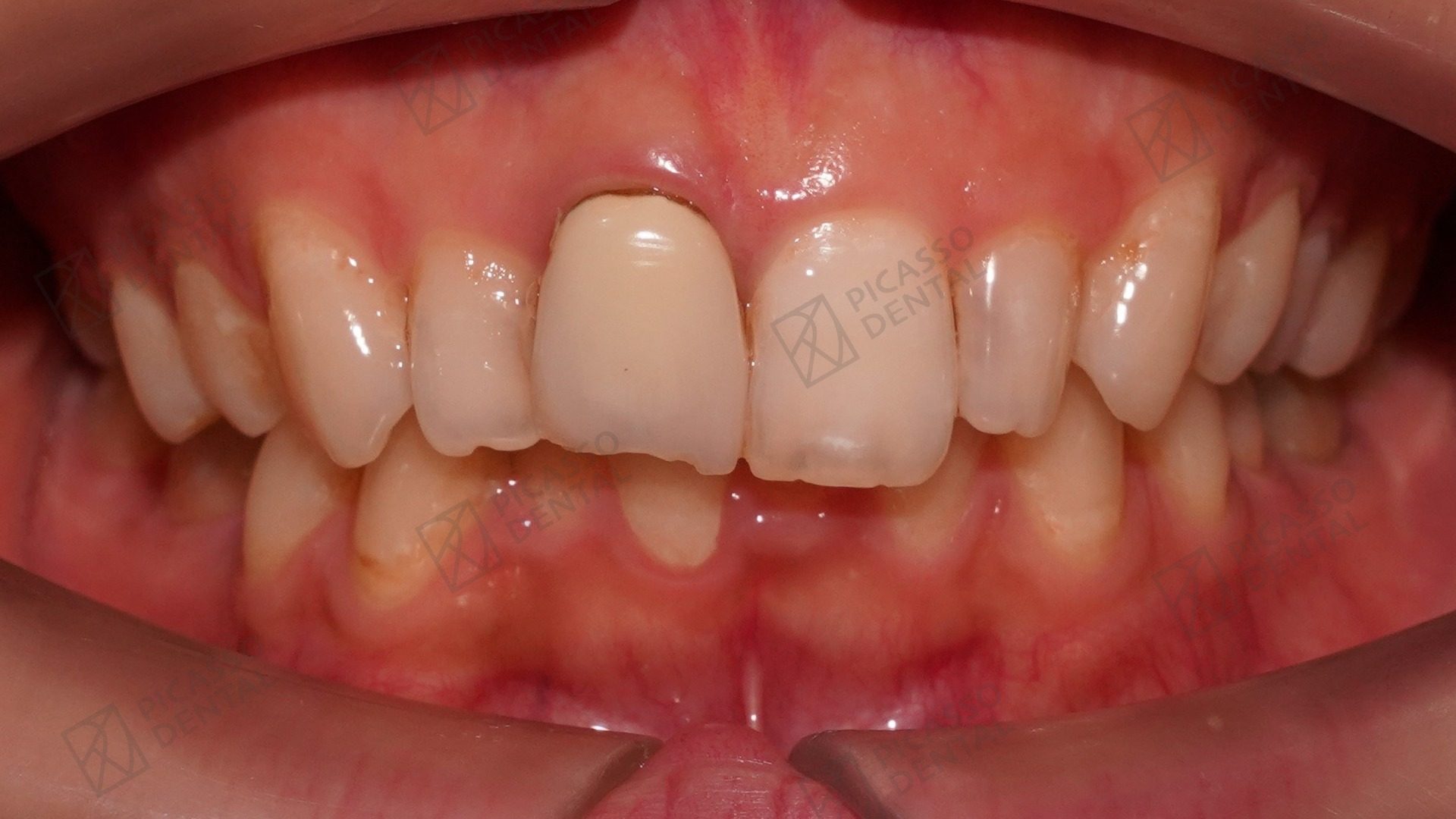 Before
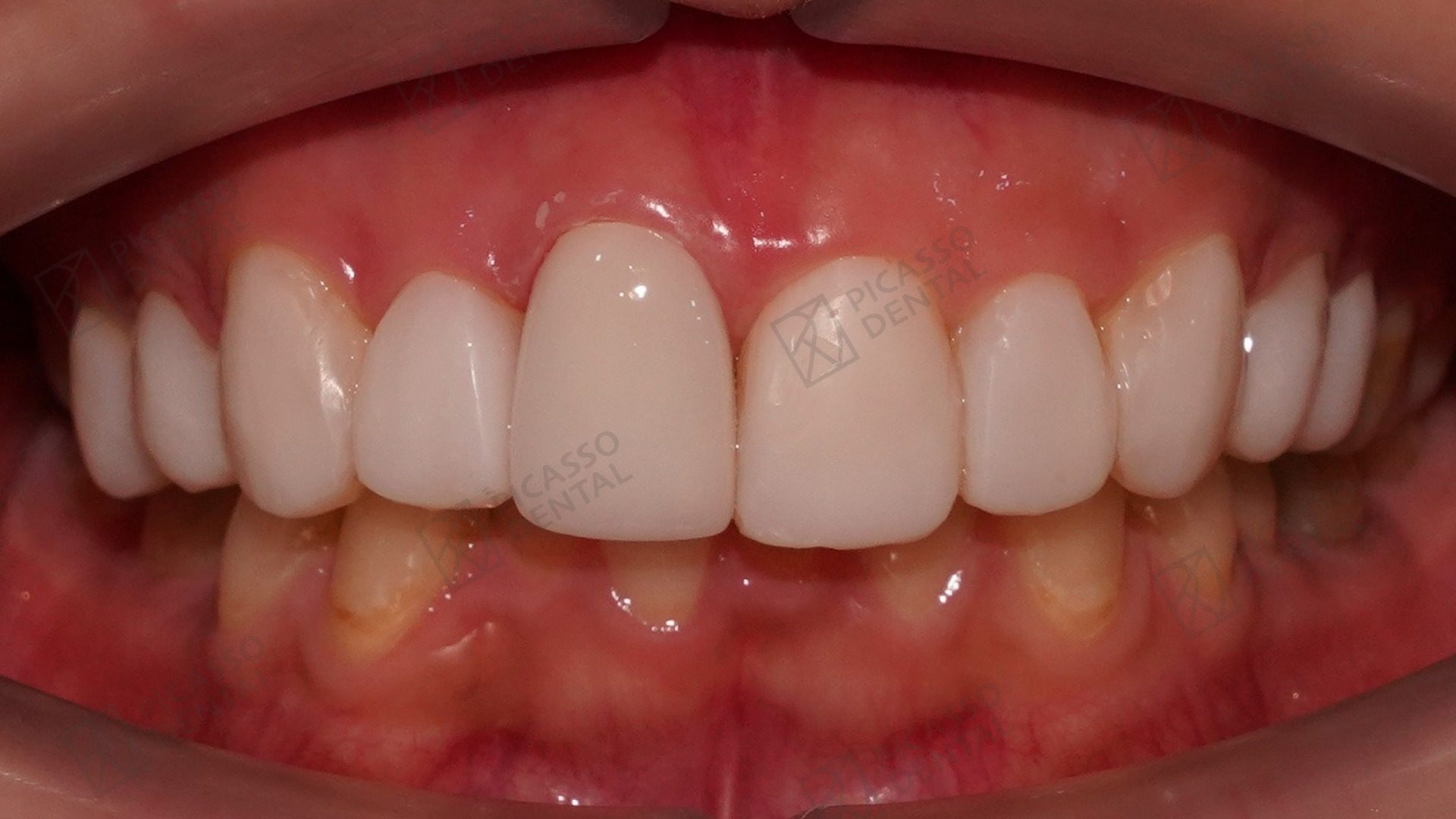 After
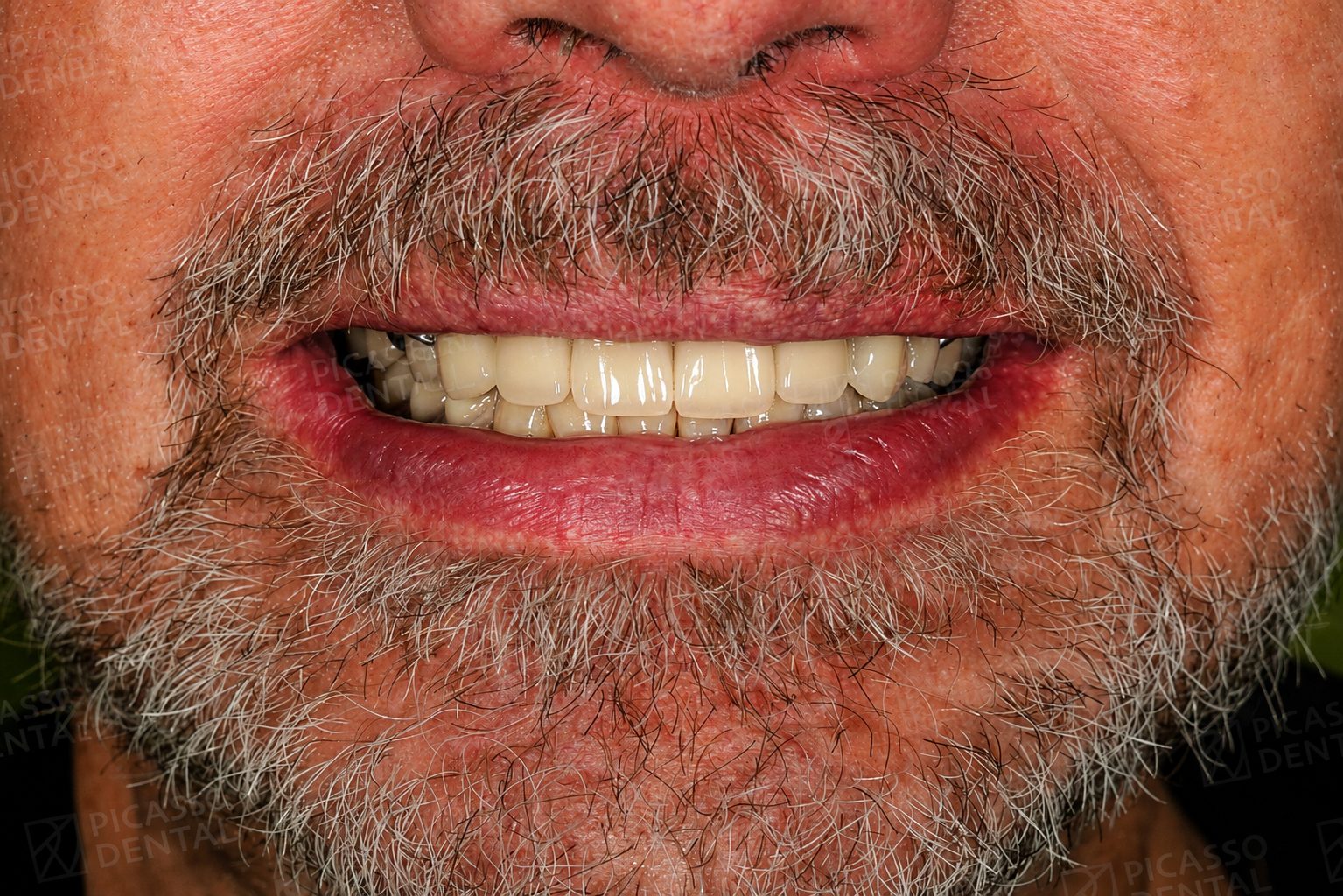
AfterImplant treatment by Picasso clinical team. Equipment and technique equivalent to leading Western clinics.
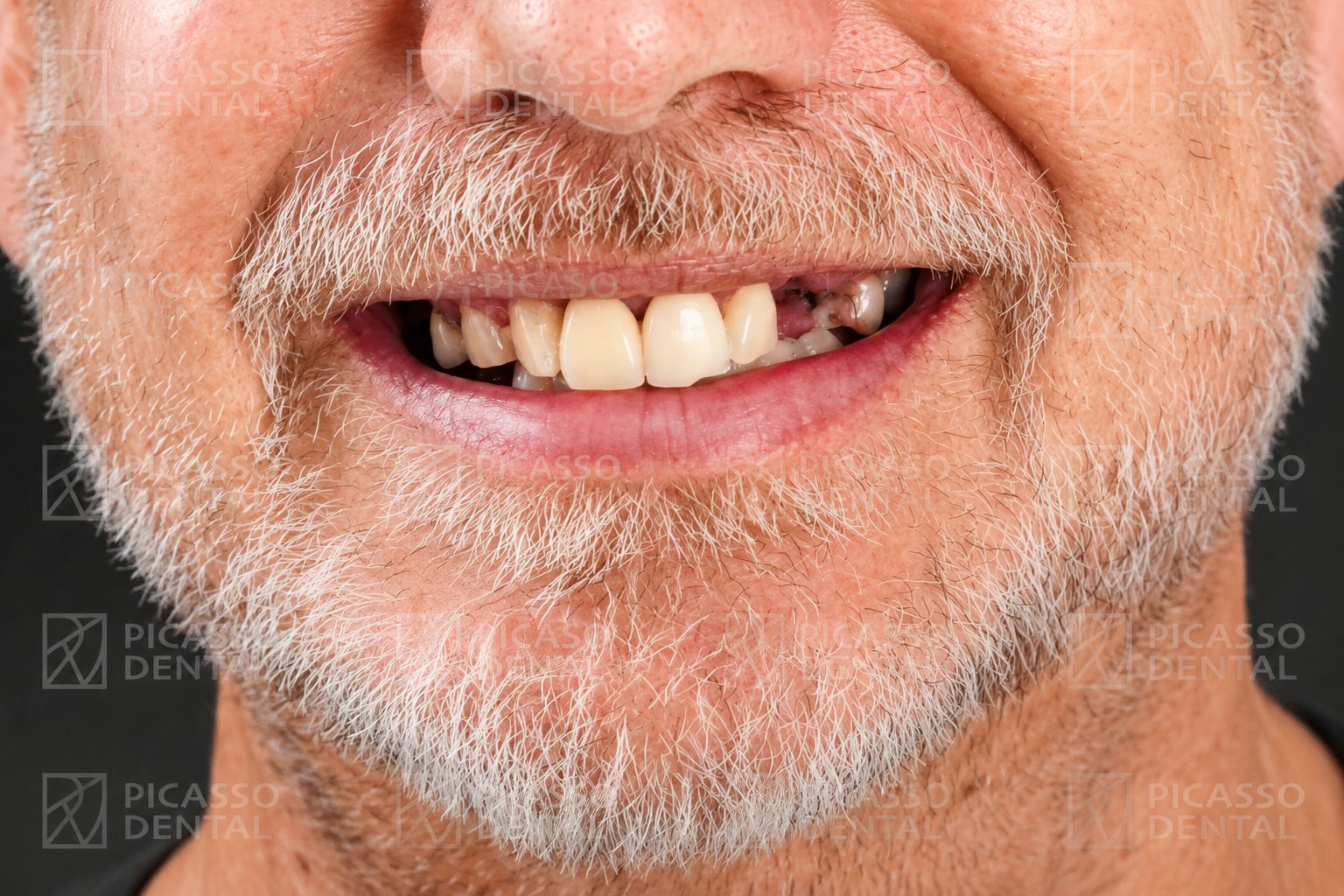 Before
 After
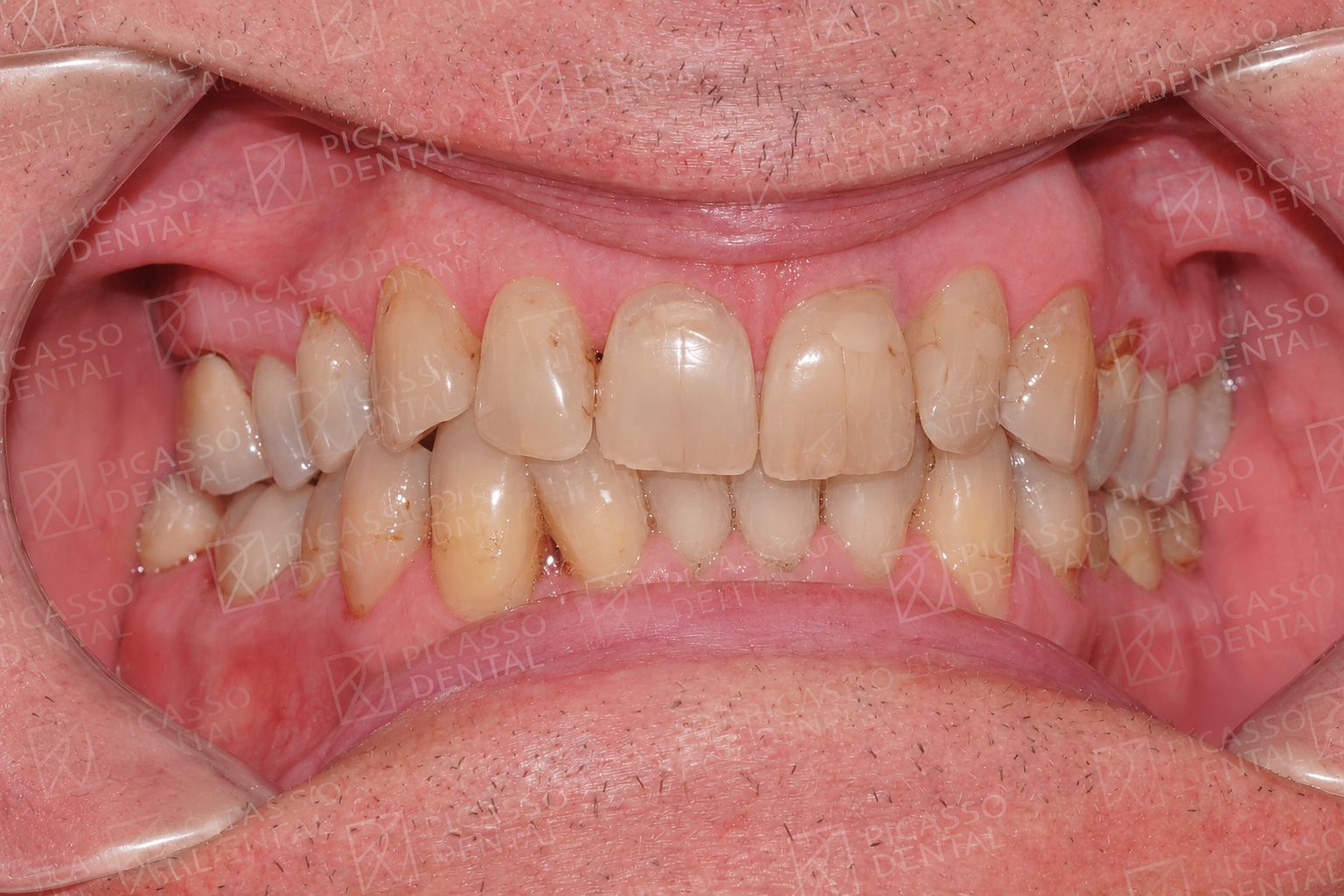
AfterFull-arch restoration. Outcomes driving the international patient reviews that build clinic reputation.
 Before
 After
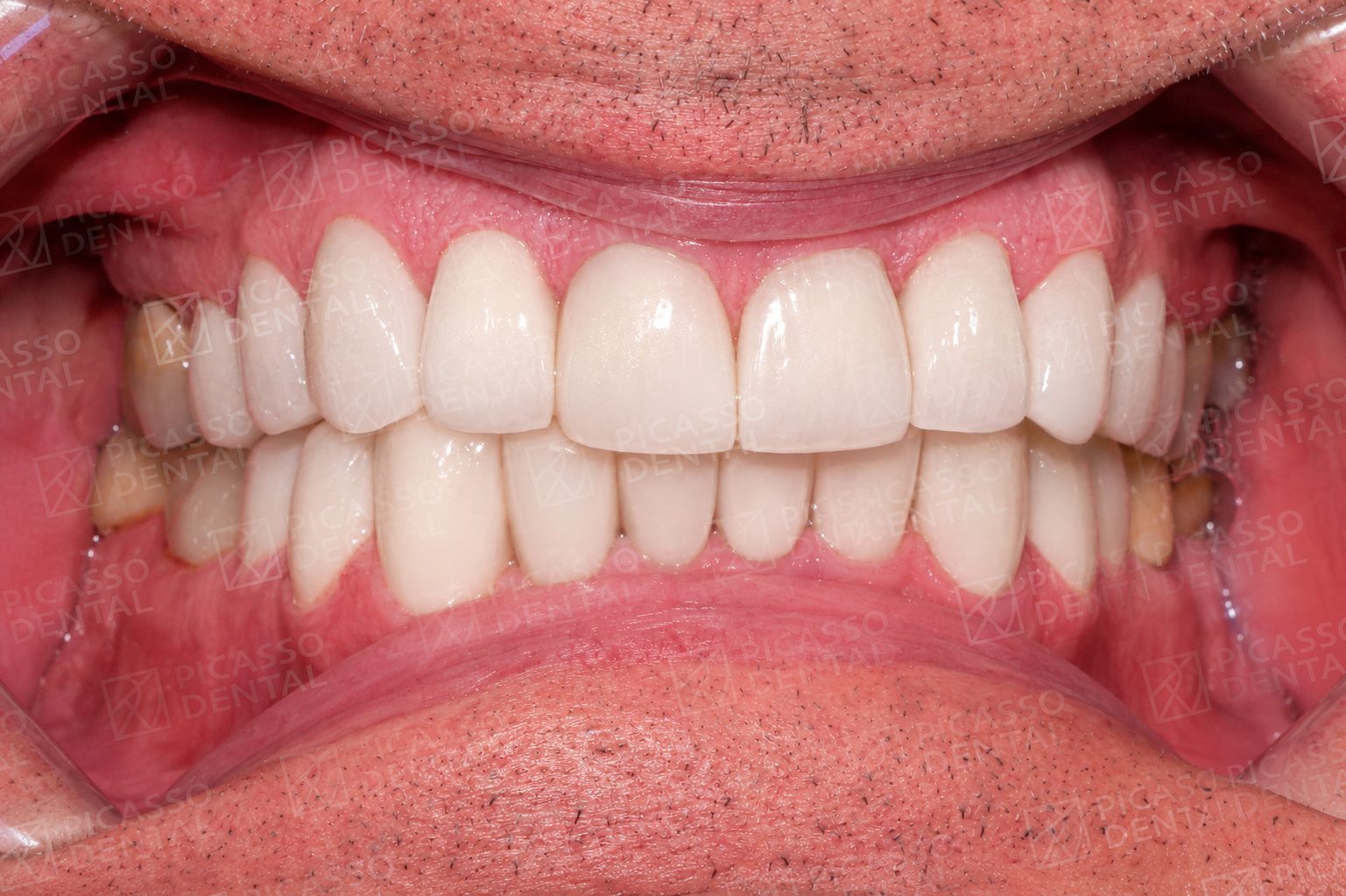
AfterCosmetic case from an international patient. Clinical quality that speaks independently of pricing.
Frequently Asked Questions
Can a foreign-trained dentist practice in Vietnam?
Yes, but the process requires patience. Foreign-trained dentists must have their qualifications recognised by the Vietnam Ministry of Health, obtain a work permit, and secure a professional practice certificate. The exact pathway depends on nationality and training country. The licensing timeline is almost always longer than expected. Having a local contact who understands the regulatory framework speeds the process significantly.
What are salaries like for dentists in Vietnam?
Base salaries are lower than in Australia, the US, or Western Europe. However, the cost of living in Vietnam is dramatically lower, and many practices including Picasso Dental operate revenue-sharing or case-based bonus models. A skilled implantologist at Picasso can earn significantly more than the base salary suggests once case-based incentives for high-value procedures are factored in. The income gap with Western markets narrows considerably when adjusted for purchasing power.
How is the patient mix different in Vietnam?
Vietnamese domestic patients often expect the dentist to make the treatment decision and explain it briefly. There is deep cultural trust in the clinical authority of the doctor. International patients at a clinic like Picasso are the opposite: they want X-rays emailed, second opinions respected, and implant brand specifications confirmed. Working effectively in Vietnam means switching between these two communication modes, sometimes in consecutive appointments.
Is the dental technology in Vietnam equivalent to Western clinics?
At reputable clinics, yes. The technology gap between leading Vietnamese dental clinics and Western ones has largely closed. CBCT scanners, digital impression systems, CAD/CAM milling, guided implant surgery, and major implant brands (Straumann, Neodent, Invisalign) are standard at Picasso Dental. The area where variation still exists between clinics is lab consistency.
What are the working hours like at a Vietnamese dental clinic?
Long, compared to Western private practice. Standard operating hours run from early morning to late evening, seven days a week, because that is when patients can attend. Dentists work in rotation shifts with reasonable time off, but the pace and patient volume are higher than in a typical Western clinic. The upside is clinical diversity: young dentists at a high-volume practice see more case types in a year than many Western dentists see in five.
What are the main challenges of working as a dentist in Vietnam?
Three main challenges: limited domestic insurance coverage (most dental work is out of pocket, so patients delay treatment until problems are advanced), staff retention (good hygienists and dental assistants are hard to find and keep), and overcoming international patient scepticism about quality. Clinics that invest in staff training, transparent pricing, and verifiable outcome data build the reputation that overcomes the scepticism.
Is Vietnam a good place to build a dental career long-term?
For dentists who want clinical volume, international exposure, and ownership potential in a fast-growing market, Vietnam is a genuinely attractive option. The barrier to entry for practice ownership is a fraction of what it costs in Western markets. The patient base is growing rapidly as incomes rise. Dentists who show up with skill, humility, and a willingness to adapt find Vietnam more fulfilling than they expected.
Considering dental treatment in Vietnam?
Picasso Dental Clinic has operated since 2013 with over 70,000 international patients from 65+ countries across six branches. If you are a patient planning dental work in Vietnam, or a dental professional with questions about the market, use the contact form to reach us directly.
Est. 2013 · Six branches · 70,000+ patients · 65+ countries