
Wisdom Tooth Extraction
Wisdom tooth removal after care: your complete recovery guide
The procedure takes under an hour. Healing well takes a week of deliberate care. This guide covers everything: bleeding, swelling, pain, diet, oral hygiene, and the warning signs that need immediate attention.

Key Takeaways
- Bite firmly on gauze for 30 to 60 minutes after extraction. Constant pressure forms the clot; repeatedly lifting the gauze to check prolongs bleeding.
- No straws, no spitting, no smoking for the first week. These actions dislodge the clot and cause dry socket.
- Ice packs (20 on, 20 off) for the first 24 hours; warm compresses from day two onward to reduce swelling.
- Soft diet for 3 to 5 days. Avoid hot, spicy, hard, or crunchy foods until the socket is well healed.
- Start gentle salt-water rinses 24 hours after surgery, after every meal, letting water fall out rather than spitting.
- Worsening pain on day three or four, fever, or pus discharge are signs to contact the clinic immediately.
Wisdom tooth extraction is one of the most common oral surgery procedures we perform at Picasso Dental Clinic. The procedure itself is over quickly, but the days that follow require careful attention. Most complications, including dry socket and infection, are almost entirely preventable when aftercare instructions are followed precisely. I am Dr. Emily Nguyen, Principal Dentist, and this guide covers every step of recovery so you know exactly what to do and what to watch for.
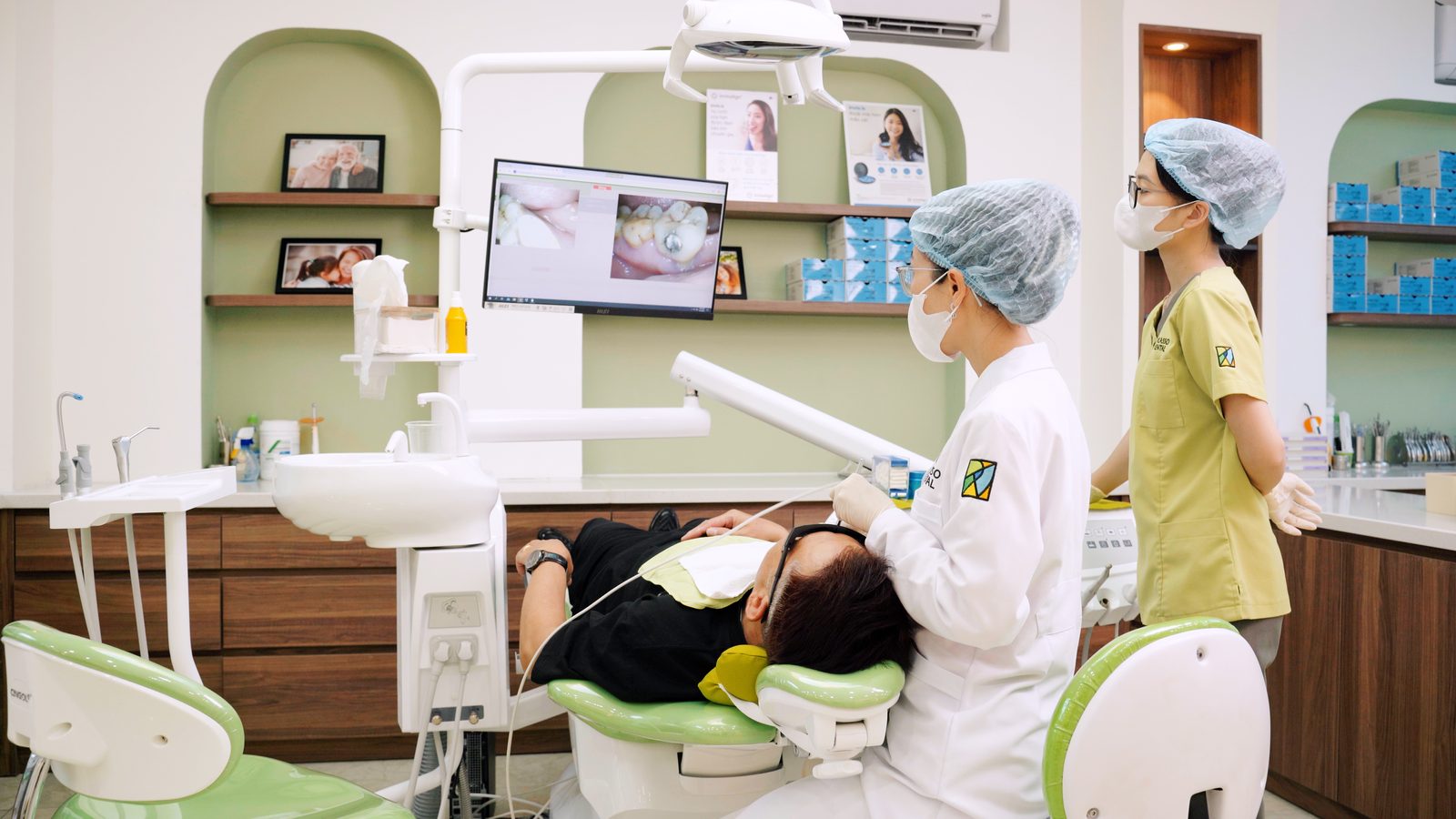
Immediate steps: the first hour
What you do in the first hour after leaving the clinic sets the stage for your entire recovery.
Managing bleeding with gauze
Your dentist will place a folded gauze pad over the extraction socket before you leave. Bite down firmly and constantly on the gauze for at least 30 to 60 minutes. Firm, uninterrupted pressure is what allows a blood clot to form. Repeatedly lifting the gauze to check whether bleeding has stopped delays clot formation. If the gauze is saturated when you remove it, fold a fresh piece into a firm pad, place it directly over the socket, and bite down for another 30 minutes. Some oozing and pink-tinged saliva is normal for the rest of the day.
Pain medication timing
Take prescribed pain medication as soon as you feel the local anaesthetic beginning to wear off, rather than waiting for pain to peak. If you have been prescribed ibuprofen and paracetamol together, alternating them every few hours maintains steadier pain control than taking either alone. Prescription opioid-type medications, if provided, cause drowsiness: do not drive or operate machinery while taking them.
Rest and activity
Limit physical activity for the rest of the day. Keep your head elevated, even when resting, by propping yourself up with pillows. Raised blood pressure from exertion increases bleeding. Light walking is fine from the following day; return to exercise only when you feel ready, usually after five to seven days.
Managing swelling and bruising
Swelling is the body's normal inflammatory response to surgery. It is not a sign that something is wrong, and it does not mean you will heal slowly. It simply needs to be managed correctly.
Ice packs: first 24 hours
Apply an ice pack wrapped in a cloth to the outside of your cheek for 20 minutes on, then 20 minutes off, throughout the first day. Ice reduces blood flow to the area, limiting the volume of swelling that develops. Do not apply ice directly to skin and do not fall asleep with an ice pack in place.
Warm compresses: from day two
After the first 24 hours, switch to a warm, moist compress applied in the same 20-on, 20-off pattern. Warmth stimulates circulation and encourages the body to reabsorb the swelling fluid faster. Swelling typically peaks on day two or three, then gradually subsides. Bruising or skin discoloration often appears a day or two after surgery as blood disperses under the tissue. This resolves on its own over one to two weeks.
Swelling that continues to increase after day three, rather than plateau and decrease, can indicate infection. Contact Picasso Dental promptly if this occurs.
Pain management through recovery
Pain peaks in the first 24 to 48 hours and should decrease steadily from there. Here is how to stay ahead of it.
| Pain level | Recommended approach | Notes |
|---|---|---|
| Mild to moderate | Ibuprofen 400 mg every 6 hours, or paracetamol 500 mg every 4 hours | Take with food; follow packet dosage limits |
| Moderate to severe | Alternate ibuprofen and paracetamol, staggered every 3 hours | Provides more consistent cover than either alone |
| Severe (as prescribed) | Prescription medication from your dentist, taken as directed | Do not drive; take with food; complete the course |
If pain is getting worse on day three or four rather than better, this is the most important signal to contact us. Worsening pain several days post-surgery is the hallmark of dry socket and responds well to prompt treatment.
Diet: what to eat and what to avoid
Your diet choices directly affect how the extraction site heals. Hard or crunchy food can physically disturb the clot. Hot food and drink increase blood flow and can worsen bleeding. Straws create suction pressure that pulls the clot free.
Safe foods for the first 3 to 5 days
- Yogurt and smooth dairy
- Mashed potato and soft cooked vegetables
- Scrambled eggs
- Blended soups (not too hot)
- Oatmeal and soft porridge
- Banana, avocado, and soft fruits
- Smoothies drunk with a spoon or small sips from a cup (never a straw)
Foods and habits to avoid
- Straws of any kind for the first week
- Hard, crunchy, or chewy food (nuts, crackers, steak, chewing gum)
- Spicy food, which irritates inflamed tissue
- Very hot food or drink in the first 24 hours
- Alcohol, which interacts with pain medication and slows healing
- Smoking for at least 72 hours, preferably the full first week
"Highly recommend. Got a cleaning, wisdom tooth extraction and a crown. Everything was painless and properly done. Came in 3 times and was served immediately. Dr. Vo is very skilled, wish she was my local dentist in Canada." — Tommy Mai, Canada, HCMC Thao Dien
Schedule your extraction at Picasso Dental
Oral hygiene after extraction
Keeping your mouth clean is essential for healing, but the technique matters as much as the frequency.
Brushing
You may brush your teeth the evening of surgery, but use a soft-bristle brush and be very gentle. Avoid the extraction site entirely for the first two days. From day three onward, you can brush the surrounding area lightly. Avoid electric toothbrushes near the socket for the first week as the vibration can disturb the healing tissue.
Salt-water rinses
Do not rinse at all during the first 24 hours. Starting the morning of day two, prepare a warm salt-water solution: half a teaspoon of salt dissolved in a glass of warm water. Hold the solution gently in your mouth for 30 seconds and then let it fall out rather than spitting. Repeat after every meal and before bed, aiming for five to six rinses a day. Salt water reduces bacterial load in the mouth without the harshness of commercial mouthwash, which can irritate the healing tissue.
Smoking
Smoking significantly increases the risk of dry socket and infection. The sucking motion dislodges clots, and tobacco compounds impair the immune response needed for healing. Avoid smoking for at least 72 hours after surgery, preferably for the full first week.

Potential complications to watch for
Dry socket
Dry socket is the most common complication of wisdom tooth extraction, occurring when the protective blood clot is lost before the socket heals. Pain begins two to four days after surgery, is intense and throbbing, and often radiates to the ear or jaw. You may notice a bad taste or smell and sometimes see bare bone in the socket. Contact us immediately: we will place a medicated dressing that relieves pain promptly while healing continues underneath.
Infection
Signs of infection include fever above 38C, swelling that increases after day three, pus or thick discharge from the socket, worsening pain, and a persistent foul taste despite rinsing. Take all prescribed antibiotics for their full course, even if you feel better before finishing them. If you develop signs of infection, contact us right away as it is easily treated when caught early.
Nerve effects
Temporary numbness, tingling, or altered sensation in the lip, tongue, or chin can occur after lower wisdom tooth extraction due to proximity to the inferior alveolar nerve. This almost always resolves within weeks to months. If numbness persists beyond four weeks, schedule a follow-up so we can monitor the nerve.
Sutures
Dissolvable sutures placed after extraction typically dissolve on their own within seven to ten days. If sutures remain after two weeks or feel uncomfortable, contact us and we will remove them at a short follow-up appointment.
Day-by-day aftercare checklist
- Day 1: gauze pressure for 1 hour, ice packs, soft diet, no rinsing, take pain medication before anaesthetic wears off
- Day 2: switch to warm compresses, begin gentle salt-water rinses after meals, brush teeth carefully away from socket
- Days 3 to 5: swelling should be decreasing; continue salt-water rinses; cautiously expand soft diet
- Days 5 to 7: most patients return to normal activities; avoid strenuous exercise and hard foods until day 7
- Week 2: continue gentle hygiene around healing site; attend follow-up if sutures have not dissolved
Frequently Asked Questions
How long should I bite on gauze after wisdom tooth removal?
Bite firmly on the gauze pad for at least 30 to 60 minutes after leaving the clinic. If bleeding continues when you remove the gauze, fold a fresh piece into a firm pad, place it directly over the socket, and maintain constant pressure for another 30 minutes. The key is consistent pressure without repeatedly lifting the gauze to check, as that interrupts clot formation.
When can I start eating solid food after extraction?
Stay on soft foods for the first three to five days: yogurt, mashed potatoes, scrambled eggs, smooth soups, and smoothies without a straw. Gradually reintroduce soft solids from day five onward as comfort allows. Avoid hard, crunchy, or spicy foods until the socket is fully healed, generally around two weeks post-surgery.
How do I rinse my mouth safely after extraction?
Do not rinse at all during the first 24 hours. Starting the morning of day two, rinse gently with warm salt water (half a teaspoon of salt in a glass of warm water) after every meal and before bed. Let the water fall out of your mouth rather than spitting forcefully, as forceful spitting creates the same negative pressure as a straw and can dislodge the clot.
What does dry socket feel like and how is it treated?
Dry socket causes intense, throbbing pain starting two to four days after extraction, often radiating to the ear or temple. You may notice a bad taste, a bad smell, and sometimes see bare bone in the socket. Treatment is straightforward: we place a medicated dressing in the socket that protects the bone and controls pain while new tissue grows in from the edges. Most patients feel significant relief within 24 hours of the dressing being placed. Contact us promptly if you suspect dry socket.
Is it normal for my face to be swollen and bruised?
Yes. Swelling and bruising are normal responses to oral surgery. Swelling typically peaks on day two or three and then gradually subsides over the following week. Bruising of the skin usually appears a day or two after surgery as blood disperses under the tissue and resolves over one to two weeks. Ice packs during the first 24 hours and warm compresses from day two onward help manage both.
When can I brush my teeth after wisdom tooth removal?
You can brush your teeth the evening of surgery, but use a soft-bristle brush and avoid the extraction site entirely. From the second day onward, brush the surrounding area lightly. Avoid electric toothbrushes near the socket for the first week. Keeping the rest of your mouth clean reduces the overall bacterial load and supports faster healing at the extraction site.
What are the signs of infection after extraction?
Signs of infection include fever above 38C, swelling that increases after day three rather than decreasing, pus or unusual discharge from the socket, persistent or worsening pain despite medication, and a foul taste that does not improve with salt-water rinsing. Contact Picasso Dental immediately if you notice these signs. Taking prescribed antibiotics for the full course, even when feeling better, prevents most infections from developing.
Good aftercare turns a potentially uncomfortable week into a straightforward recovery. If you have questions during healing, or if you are ready to schedule an extraction, our teams across Hanoi, Da Nang, Ho Chi Minh City, and Da Lat are here to help.
Book a consultation at Picasso Dental