
Wisdom Tooth Guide
Wisdom Tooth Removal After Age 50
Safe but different. Bone is denser, healing is slower, and the medications you take matter more than ever. Here is what actually changes after 50, and how to decide whether removal is worth it.

Key Takeaways
- Wisdom tooth removal after 50 is safe when there is a clear clinical reason such as infection, decay, or cyst.
- Denser bone and possible root fusion make the procedure more technically demanding than in younger patients.
- Blood thinners, bisphosphonates, and diabetes medications must be declared before any oral surgery at this age.
- Recovery takes roughly two weeks rather than one, with swelling peaking around day three or four.
- Healthy, fully erupted wisdom teeth that are easy to clean may be better monitored than removed.

How Age Changes the Procedure
A wisdom tooth extraction on a 22-year-old and one on a 54-year-old are not the same operation. The anatomy of the tooth changes over decades, as do the bone, the blood supply, and the patient's overall health. Understanding these differences helps set realistic expectations and explains why the surgeon may take more time or use a different technique than you have read about elsewhere.
Younger patient (20s)
- Softer, more elastic bone
- Roots incompletely formed or still developing
- Rich blood supply accelerates healing
- Socket typically closes in three to four weeks
- Nerve proximity lower in most cases
Patient over 50
- Denser, more brittle bone requires more force
- Roots fully formed, sometimes fused to bone
- Reduced blood supply slows repair
- Socket may take six to eight weeks to close
- Roots sit closer to inferior alveolar nerve
Bone density and sectioning
After 50, bone becomes mineralised to a degree that makes standard elevation techniques less effective. Surgeons more often need to section the tooth into two or three pieces and remove each section individually rather than luxating the whole tooth out in one movement. This approach requires more time in the chair but causes less collateral bone damage than forcing a single extraction on a rigid jaw.
Root ankylosis
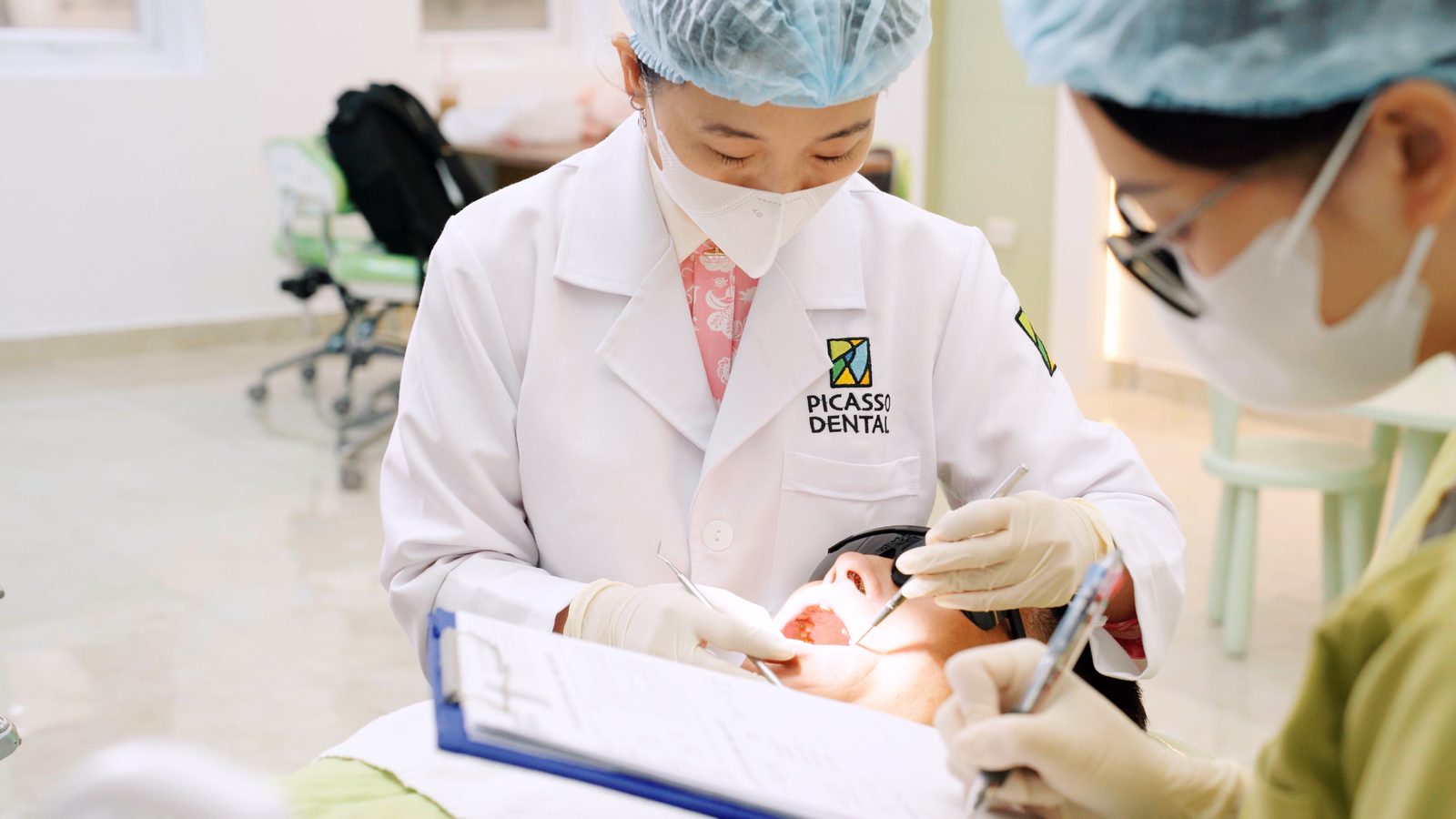
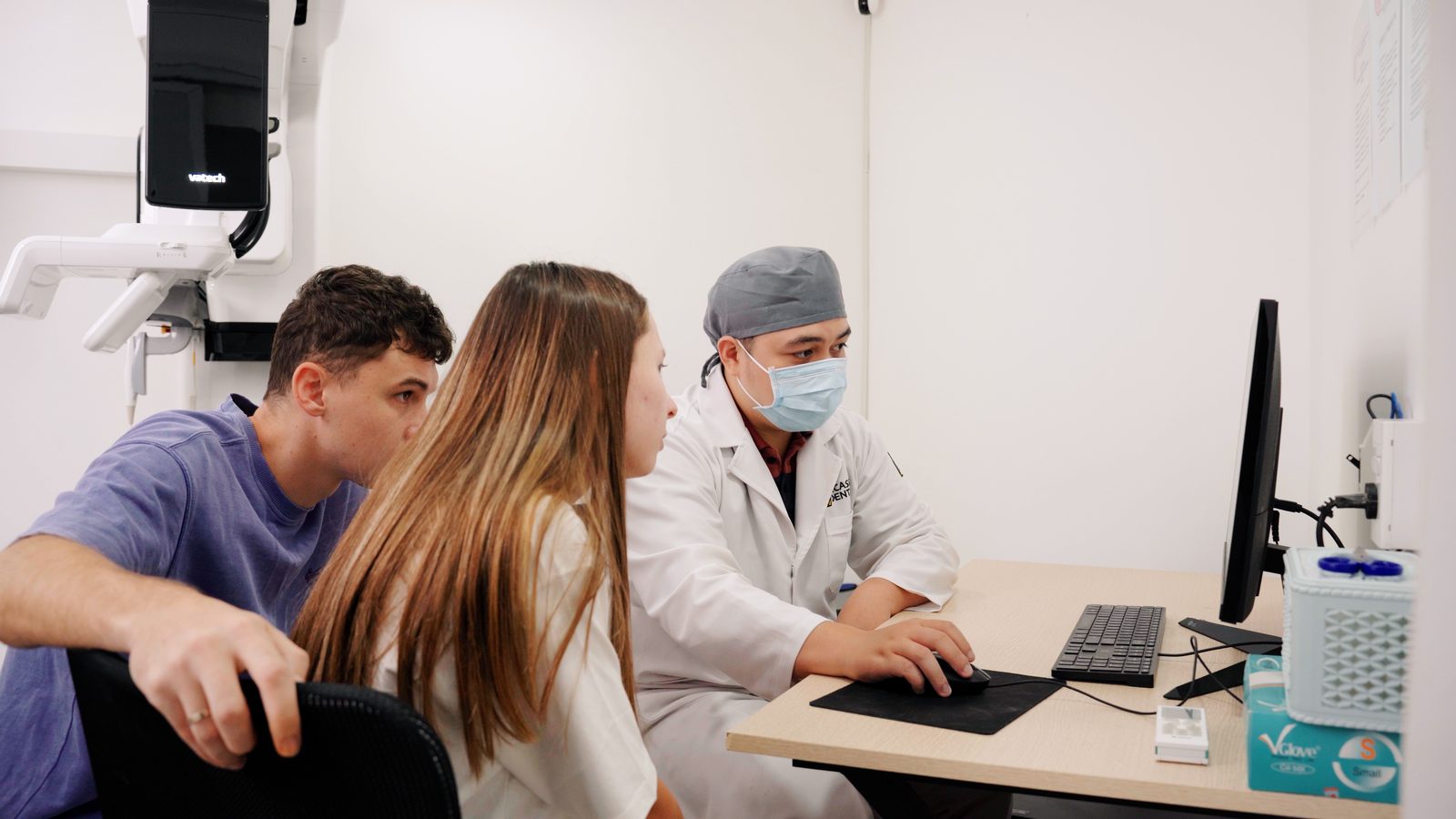
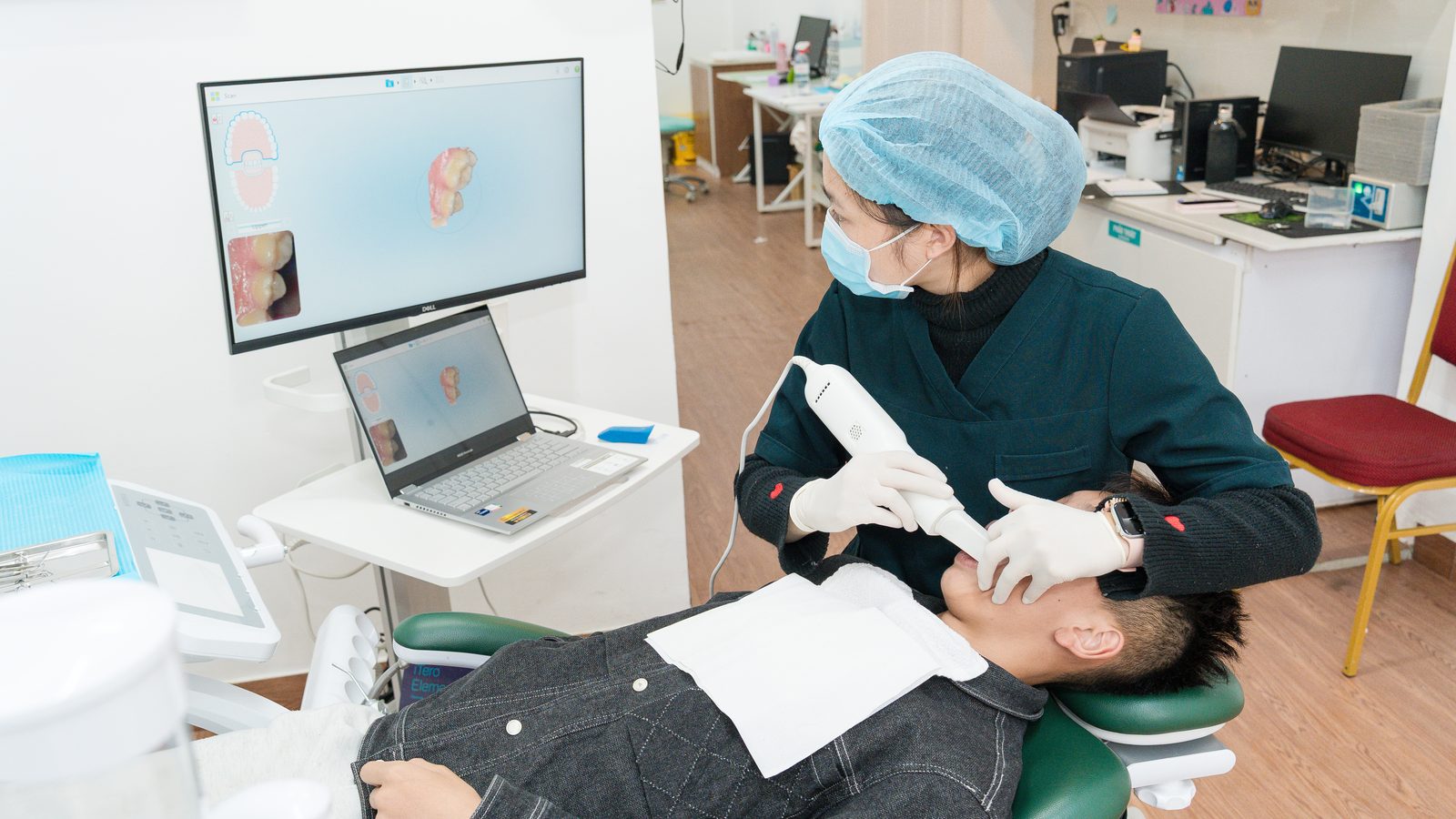
Over years, wisdom tooth roots sometimes fuse to the surrounding alveolar bone in a process called ankylosis. There is no way to predict this from a clinical examination alone. A cone beam CT scan before surgery gives a clearer picture of root shape, bone density, and the precise distance to the inferior alveolar nerve, all of which the surgeon at Picasso Dental reviews before your procedure.
Nerve proximity
The inferior alveolar nerve, which carries sensation to the lower lip, chin, and lower teeth, runs through the mandible in close proximity to lower wisdom tooth roots. In fully developed adult teeth, this distance is often smaller than in a younger patient whose roots have not yet fully descended. Careful pre-operative imaging and controlled surgical technique keep the risk of nerve involvement low, but it is a conversation worth having with your dentist before you consent to surgery.
Medications and Conditions to Declare
Patients over 50 are far more likely to be managing a chronic condition than younger patients. Some of those conditions, and the medications used to treat them, directly affect how oral surgery should be planned and how healing proceeds. Declaring nothing and hoping it will not matter is a risk not worth taking.
Blood thinners
Warfarin, aspirin, clopidogrel, rivaroxaban, and apixaban all reduce the blood's ability to clot. A prolonged bleed into the extraction socket can become a serious complication. In many cases, dose adjustment is possible in coordination with your prescribing physician. Do not stop these medications on your own initiative before an appointment. The surgical team at Picasso Dental will discuss a protocol with your cardiologist or GP if needed.
Bisphosphonates
Bisphosphonates prescribed for osteoporosis (alendronate, risedronate) or for bone metastases (zoledronic acid) alter the way bone cells behave. After invasive dental procedures, a small proportion of patients on these drugs develop osteonecrosis of the jaw (ONJ), a painful condition where bone fails to heal and exposed bone becomes necrotic. The risk is much higher with intravenous bisphosphonates used in oncology than with oral tablets taken for osteoporosis, but all bisphosphonate use must be disclosed. Your surgeon may recommend a drug holiday or additional protective measures.
Diabetes
Uncontrolled blood sugar impairs immune function and slows tissue repair. Patients with HbA1c above roughly 8 percent face a meaningfully higher risk of post-extraction infection and delayed socket healing. Ideally, blood sugar is well-managed in the weeks before surgery. Insulin-dependent patients need a clear plan for food intake, medication timing, and glucose monitoring on the day of the procedure. The clinic will ask for your most recent HbA1c result at the consultation stage.
Heart conditions
Certain heart valve conditions and prosthetic valves historically required antibiotic prophylaxis before dental procedures to prevent infective endocarditis. Current guidelines have narrowed this indication considerably, but your cardiologist's most recent guidance takes precedence. Patients with pacemakers, defibrillators, or who have had a recent cardiac event will have their procedure planned in coordination with their medical team. Local anaesthetic formulations with lower adrenaline concentrations are available for patients where vasoconstrictor use needs to be minimised.
When Extraction Is the Right Decision vs Watchful Waiting
The decision to extract a wisdom tooth in a patient over 50 requires weighing the certain surgical risk of removal against the projected risk of leaving the tooth in place. Neither side of that calculation is zero. The following grid summarises the clearest indications on each side.
Extract now
- Active pericoronitis (infection around the crown)
- Decay that cannot be restored with a filling
- Cyst or tumour forming around the tooth
- Resorption of the adjacent second molar
- Abscess that has not resolved with antibiotics
- Chronic pain directly attributable to the tooth
Consider watchful waiting
- Fully erupted tooth you can brush and floss cleanly
- No decay, no cyst, stable bone on annual X-ray
- Tooth deeply impacted near the nerve with no symptoms
- Multiple serious medical comorbidities that raise surgical risk
- Patient preference after informed discussion of both paths
Watchful waiting is not a passive choice. It means committing to annual panoramic X-rays so that any slow-developing pathology is caught before it becomes a more complex surgical problem. If a cyst begins forming around an asymptomatic impacted tooth, removal at that point is still better than waiting for the cyst to expand and destroy surrounding bone.
Book a consultation at Picasso Dental
Recovery Timeline: What to Expect
Recovery after wisdom tooth removal over 50 follows a broadly predictable pattern, but the timeline runs longer than for younger patients at every stage. The table below compares typical milestones.
| Day / Stage | Patient in their 20s | Patient over 50 | Action needed |
|---|---|---|---|
| Day 0 (surgery day) | Mild bleeding, gauze for 30-45 min | Moderate bleeding possible, gauze 60+ min | Rest, ice pack cycles, no rinsing |
| Days 1-2 | Moderate swelling, manageable pain | Significant swelling beginning, stronger pain likely | Prescribed analgesics as directed, soft diet |
| Days 3-4 | Swelling peaks then begins to subside | Swelling peaks, may be more pronounced | Gentle warm salt rinses after 24 hours |
| Days 5-7 | Swelling largely resolved, back to work | Swelling subsiding but still noticeable | Continue soft diet, avoid strenuous activity |
| Days 7-10 | Sutures removed if non-dissolving, healed | Suture removal, socket still tender | Follow-up appointment at clinic |
| Week 2 | Most patients symptom-free | Most patients comfortable, soft food continues | Gradual return to normal diet |
| Weeks 3-8 | Socket closed, bone remodelling underway | Socket closing, bone repair slower | Routine check-up to confirm healing |
Dry socket (alveolar osteitis), where the blood clot dislodges before the socket has granulated, is more painful and more disruptive in older patients because the underlying bone has a reduced capacity for rapid repair. Avoid straws, smoking, and vigorous rinsing for at least a week after surgery. If you experience a sudden return of sharp pain three to five days after extraction, contact the clinic immediately. Dry socket responds well to medicated dressing but the dressing needs to be placed promptly.
For a deeper look at the surgical process itself, the wisdom tooth extraction service page covers all technique options including standard extraction, surgical extraction, and coronectomy (deliberate partial removal where nerve proximity is too close for safe full extraction).
Cost in Vietnam vs Australia, the UK, and the United States
Wisdom tooth extraction costs vary significantly by country, complexity, and anaesthesia type. The figures below are indicative ranges for a single impacted wisdom tooth requiring surgical extraction (the most common scenario for patients over 50).
| Country | Surgical extraction (single tooth) | Notes |
|---|---|---|
| Vietnam (Picasso Dental) | USD 80 - 180 | Includes X-ray, local anaesthetic, follow-up |
| Australia | AUD 350 - 800 (USD 230 - 530) | Higher for deeply impacted cases, GAP costs apply |
| United Kingdom | GBP 200 - 500 (USD 250 - 630) private | NHS referral possible but waiting times are long |
| United States | USD 300 - 700 without insurance | General anaesthesia adds USD 200-500 more |
These figures do not include specialist oral surgeon fees for highly complex cases (severe ankylosis, significant nerve proximity, or systemic comorbidities requiring hospital setting). For most straightforward surgical extractions in patients over 50, treatment at Picasso Dental is completed in a single visit at a fraction of the cost in Western countries.
Dental Tourism Considerations: Is It Safe to Fly Home After Extraction?
Many patients who visit Picasso Dental from Australia, the UK, the US, or elsewhere in Southeast Asia ask about timing their procedure around their return flight. The honest answer is that it depends on the complexity of the extraction and how your body heals.
Short-haul flights (under four hours)
Most patients are comfortable flying five to seven days after a straightforward surgical extraction. Cabin pressure at cruising altitude is similar to being at 1,800 to 2,400 metres above sea level, which can cause mild pressure changes in healing tissues, but this is not clinically dangerous for most people. The main risk at this stage remains dry socket, which is worsened by dehydration. Drink water steadily on the flight, avoid alcohol, and do not use the provided straws.
Long-haul flights (eight or more hours)
For complex surgical extractions in patients over 50, waiting the full two weeks before a long-haul flight gives the socket time to granulate properly and reduces the risk of a painful dry socket episode at 35,000 feet with no dental care available. If your schedule cannot accommodate two weeks, discuss it with the surgeon, who can assess your specific healing at the follow-up appointment and advise on whether flying is reasonable.
What Picasso Dental provides for international patients
All international patients receive a discharge summary in English covering the procedure performed, medications prescribed, and post-operative instructions. The document includes an emergency contact number for after-hours queries. If a complication develops after you return home, the clinical notes can be shared electronically with your local dentist or GP to support continuity of care.
Frequently Asked Questions
Is wisdom tooth removal safe after age 50?
Yes, it is safe when there is a clear clinical reason for removal, such as active infection, decay, or cyst formation. The procedure is more technically demanding than in younger patients because bone is denser and healing is slower, but experienced oral surgeons perform these extractions routinely. A thorough pre-operative assessment including a panoramic X-ray and a review of all medications is essential before proceeding.
Is wisdom tooth extraction harder after 50?
Generally yes. After 50, bone density increases and roots sometimes fuse to surrounding bone (ankylosis), making teeth more difficult to remove. Surgeons often need to section the tooth into pieces or remove more bone to achieve a clean extraction. This increases surgical time, swelling, and recovery duration compared to a younger patient. Cone beam CT imaging before complex cases reduces intraoperative surprises significantly.
How long is recovery from wisdom tooth removal after 50?
Most patients over 50 need two full weeks before they feel comfortable, compared to roughly one week for patients in their 20s. Swelling peaks around day three or four. Soft food is typically required for seven to ten days. Complete bone healing of the socket can take up to eight weeks rather than the three to four weeks typical in younger patients. Following post-operative instructions carefully accelerates recovery at any age.
Should I have my wisdom tooth removed if it is not causing pain?
Not necessarily. If the tooth is fully erupted, easy to clean, and shows no sign of decay, cyst, or bone loss on X-ray, watchful waiting with annual monitoring is a reasonable choice. The surgical risks in older patients are higher, so the bar for elective removal is also higher. Your dentist should weigh the likely future risk of leaving the tooth against the complexity of removing it now and present both options transparently.
What medications complicate wisdom tooth removal after 50?
Blood thinners (warfarin, aspirin, clopidogrel) increase bleeding risk and may need dose adjustment in coordination with your physician. Bisphosphonates used for osteoporosis or cancer treatment can impair bone healing and raise the risk of osteonecrosis of the jaw. Metformin and insulin for diabetes require blood sugar management around the procedure. Always disclose every medication and supplement, including herbal products, at your consultation.
Can I have wisdom tooth removal done in Vietnam as a dental tourist and fly home safely?
Most dental tourists are comfortable flying seven to ten days after a straightforward extraction. Complex surgical extractions in older patients may warrant waiting the full two weeks. Long-haul flights carry a small dry socket risk if the clot is disturbed, so avoiding straws, smoking, and vigorous rinsing for at least a week is critical. Picasso Dental provides a discharge letter and emergency contact details for all international patients so continuity of care is maintained after you return home.
If you are over 50 and concerned about a wisdom tooth, the most useful first step is a panoramic X-ray and a clinical assessment with Dr. Emily Nguyen. From that, she can tell you definitively whether removal is indicated, how complex the procedure would be in your specific case, and what recovery to expect given your medical history. There is no pressure to decide anything at the consultation itself.
Request a consultation at Picasso Dental