
Cosmetic Dentistry
Will Laser Whitening
Make My Teeth
Look Unnatural?
Only if you push for the absolute brightest shade without considering your skin tone, eye colour, and existing restorations. Done thoughtfully, laser whitening produces results that look healthy, youthful, and completely believable.

The short version
- Unnatural-looking whitening is a shade selection problem, not a technology problem. Teeth that exceed the brightness of your eye whites, or that contrast sharply with your skin tone, read as fake.
- Two to three shades below maximum is the professional target for most patients. This range delivers a visible, satisfying improvement that harmonises with the face.
- Skin tone affects which shade looks natural. Cooler complexions tend to read as natural with slightly cooler whites. Warmer complexions look most natural with slightly warmer, cream whites.
- Existing crowns, veneers, and white fillings do not whiten. If natural teeth lighten significantly, restorations on visible front teeth may need to be replaced to match the new shade.
The single most common cause of artificial-looking results
Every dentist who performs whitening has seen it. A patient comes in wanting the brightest possible result. The technician obliges. The patient leaves with a shade that looks striking in photographs but unconvincing in person, particularly in natural light and side-by-side with their skin tone. The teeth read as bright in a way that natural teeth simply are not.
The problem is not the procedure. Laser whitening is a well-established, clinically safe method for lightening tooth colour. The problem is shade selection made in isolation from the rest of the face. Teeth do not exist as a single feature. They exist in relation to the skin, the eyes, the hair, and the surrounding soft tissue. A shade that would look beautiful on one patient can look theatrical on another.

The practical rule used at Picasso: a target shade at or slightly below the brightness of the whites of your eyes reads as natural. Most natural teeth occupy a range from slightly off-white through to a warm cream. Moving within that range, even noticeably up from where you started, still looks like a real tooth. Moving beyond the whites of the eyes starts to look like a cosmetic result.
Why skin tone changes what shade looks right
Colour temperature is the key concept here. Skin tones have warm and cool undertones, and teeth have warm and cool variants within the white range. A shade that harmonises with one complexion can clash with another. The relationships are not absolute, but the pattern is consistent enough to guide clinical decisions.
- Cooler complexions: slightly cooler, brighter whites Fair or neutral-cool skin tones often have pink or rosy undertones. Against these complexions, a brighter, slightly bluish-white looks crisp and natural. This is why many patients of Northern European background or with fair East Asian skin tones can carry a slightly brighter result without it looking theatrical.
- Warmer complexions: slightly warmer, cream whites Medium to deep skin tones with yellow, olive, or golden undertones create a context where a very bright, cool white can look harsh and mismatched. A slightly warmer white, a tone or two down from maximum brightness, harmonises more naturally. This applies to many South Asian, Southeast Asian, Latin, and Middle Eastern skin tones, and to patients with strong tan lines from outdoor lifestyles.
- Dark complexions: vivid whites can work, with care Deep brown or dark complexions create a high-contrast setting where white teeth can look striking and natural because the contrast itself reads as biological. The key is that the shade still needs to have warmth and depth, not be the chalky, flat white that results from over-whitening. A vivid warm white tends to look better than a vivid cool white at very high contrast ratios.
- Age: older patients need more restraint As we age, gum tissue recedes slightly, revealing more of the root surface. Root dentin is naturally darker and more yellow than coronal dentin. In patients over 45, very bright crowns can create a two-tone appearance where the upper portion of the tooth looks white and the lower portion looks yellow. A more moderate shade target avoids this visual conflict.

What over-whitening actually looks like
Patients sometimes ask what the clinical signs of an over-whitened result are, beyond "it looks fake." There are specific visual cues that signal a shade was pushed too far.
Natural-looking result
- Shade harmonises with eye whites
- Slight translucency visible at incisal edges
- Subtle colour gradation from gum to tip
- Looks brighter in every light, not only photographs
- Skin tone and teeth read as a cohesive system
Over-whitened result
- Teeth noticeably brighter than eye whites
- Flat, chalky appearance without translucency
- Uniform white from gum to tip with no gradation
- Looks theatrical in natural and artificial light
- Colour contrast with skin tone draws attention to itself
The chalky, flat appearance comes from the bleaching agent removing not just chromogens (the pigment molecules) but also disrupting the light-scattering properties of the enamel. Natural enamel is semi-translucent. It allows some light to pass through to the dentin beneath, which contributes depth and dimension. Over-whitened enamel becomes opaque, reflecting light directly rather than scattering it. The resulting tooth looks like a white plastic veneer rather than a natural tooth.
"Patients who choose a shade that genuinely suits them are consistently more satisfied at 12 months than those who pushed for maximum brightness at the appointment."
Dr. Emily Nguyen, Founding Clinical Director, Picasso Dental Clinic
Existing restorations: the mismatch problem
Crown, veneer, and composite filling materials are colour-stable. The ceramic, zirconia, or resin they are made from does not respond to hydrogen peroxide gel. When natural enamel whitens and existing restorations stay the same shade, the result is a colour mismatch that can be more noticeable than the original discolouration was.
This matters most for front teeth. A whitened upper incisor adjacent to a crown that stayed B2 when everything else moved to A1 creates a visible discrepancy. The standard approach at Picasso is to discuss this at the consultation and plan accordingly: either set the whitening target at a shade the restorations can reasonably match, or plan to replace the restorations after whitening is complete so everything can be matched to the new shade.
The consultation process at Picasso
At Picasso Dental Clinic, every whitening consultation includes a shade mapping session before any treatment decision is made. Dr. Emily Nguyen uses a calibrated shade guide to identify the current shade, discuss the realistic target range, and walk through what each potential outcome would look like relative to the patient's complexion and any existing restorations.
The consultation is also where intrinsic versus extrinsic staining is assessed. Extrinsic staining from coffee, tea, red wine, and tobacco sits on the enamel surface and responds very well to professional whitening. Intrinsic staining, from tetracycline exposure in childhood, dental fluorosis, or previous trauma, is embedded in the dentin and responds partially at best. For patients with significant intrinsic staining, porcelain veneers or ceramic crowns may produce a more predictable result than whitening alone.
Want to see what shade would look natural for your complexion? A whitening consultation at Picasso includes shade mapping, a frank discussion of realistic outcomes, and an assessment of any existing restorations that might affect the result.
Book a consultationWhat to expect from the procedure and afterward
Laser whitening at Picasso uses a clinical-grade hydrogen peroxide gel activated by a curing light. The session takes approximately 60 to 90 minutes. Most patients achieve a 4 to 8 shade improvement in a single session, though the exact result depends on the starting shade and the type of staining present. Patients with naturally darker starting shades tend to see the largest absolute improvement.
Sensitivity after the session is common and typically resolves within 24 to 48 hours. This is a normal response to the temporary increase in enamel permeability caused by the gel. It is not damage. Patients prone to sensitivity can use a desensitising toothpaste in the week before treatment and take ibuprofen 400 mg before the appointment if needed.

Every in-clinic session at Picasso includes custom take-home trays and a lower-concentration gel for maintenance whitening. Patients use these at home for 30 minutes, one to two times per week, as needed to maintain the result. Without maintenance, results typically last 12 to 18 months depending on coffee, tea, and wine consumption before re-darkening becomes noticeable.
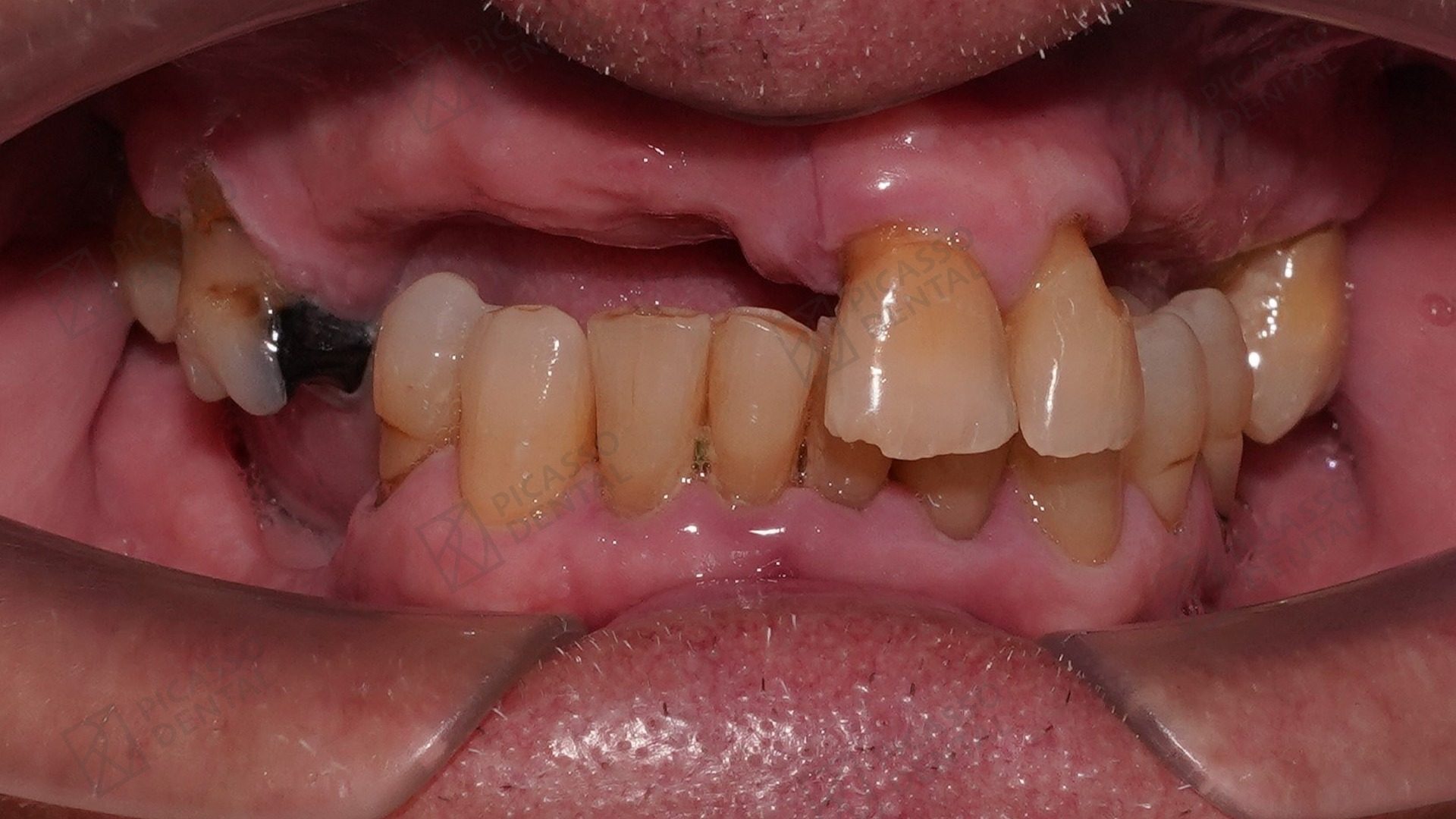 Before
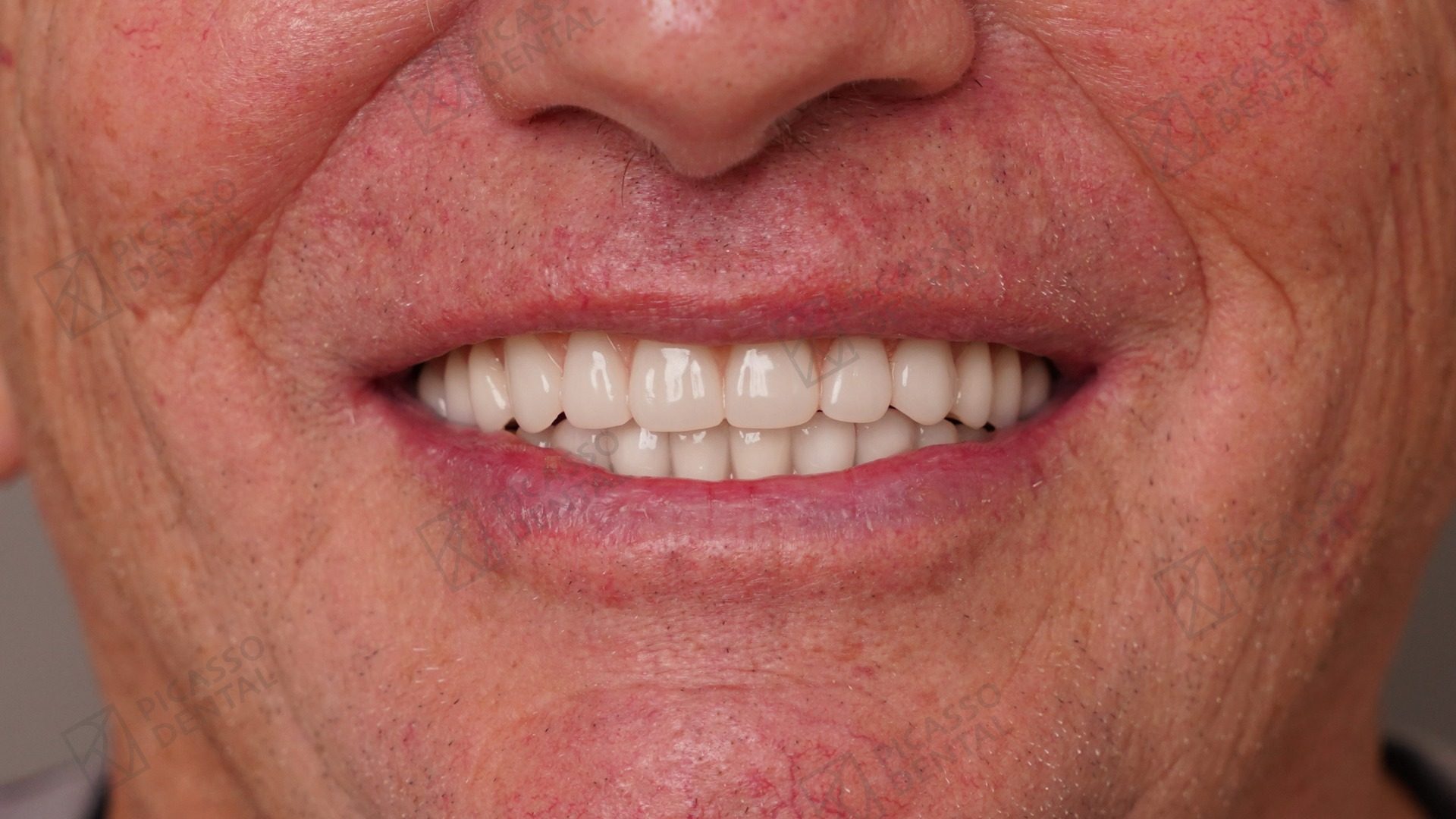 After
AfterTeeth whitening. Shade selected two steps below maximum for a natural result.
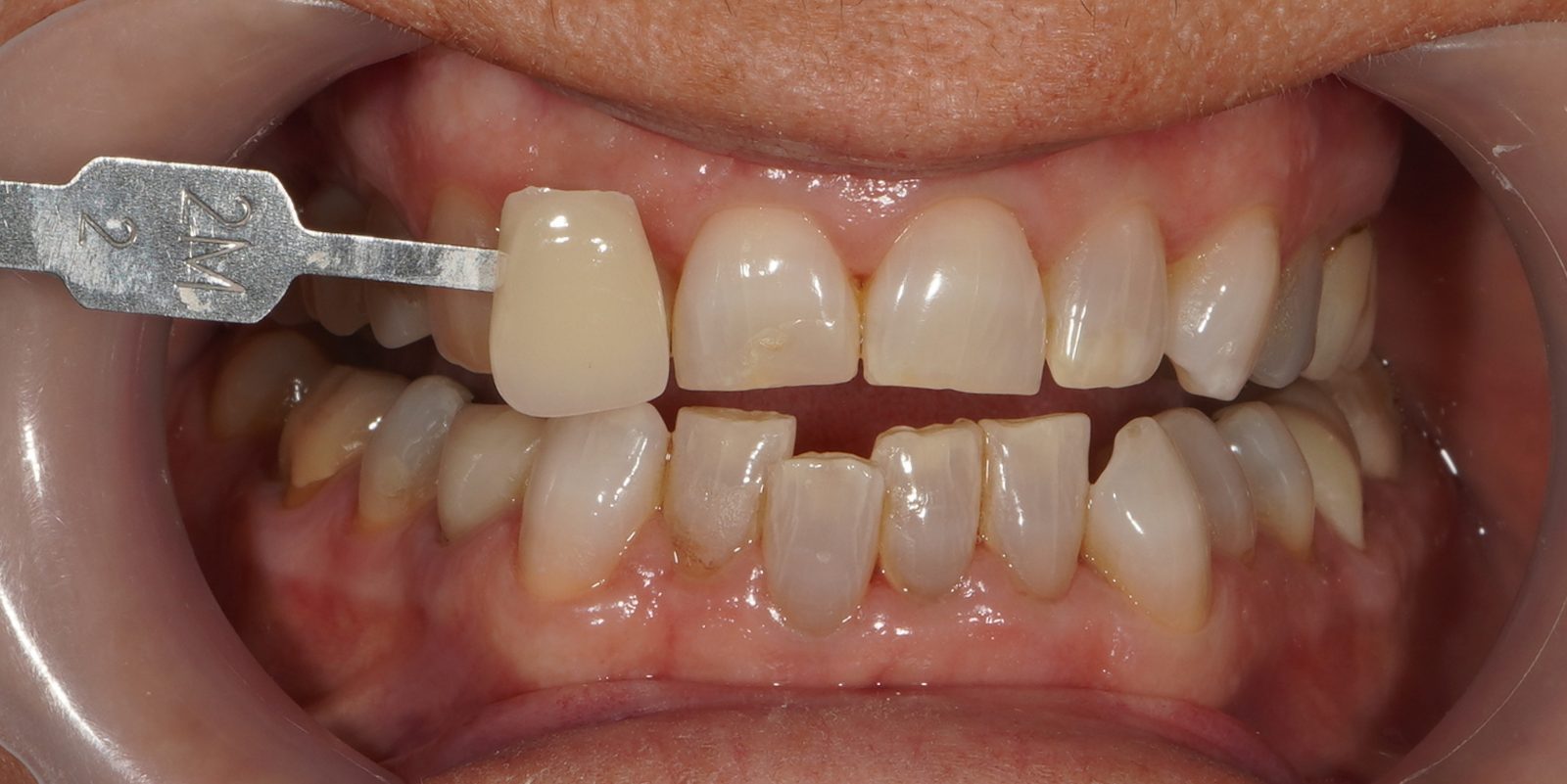 Before
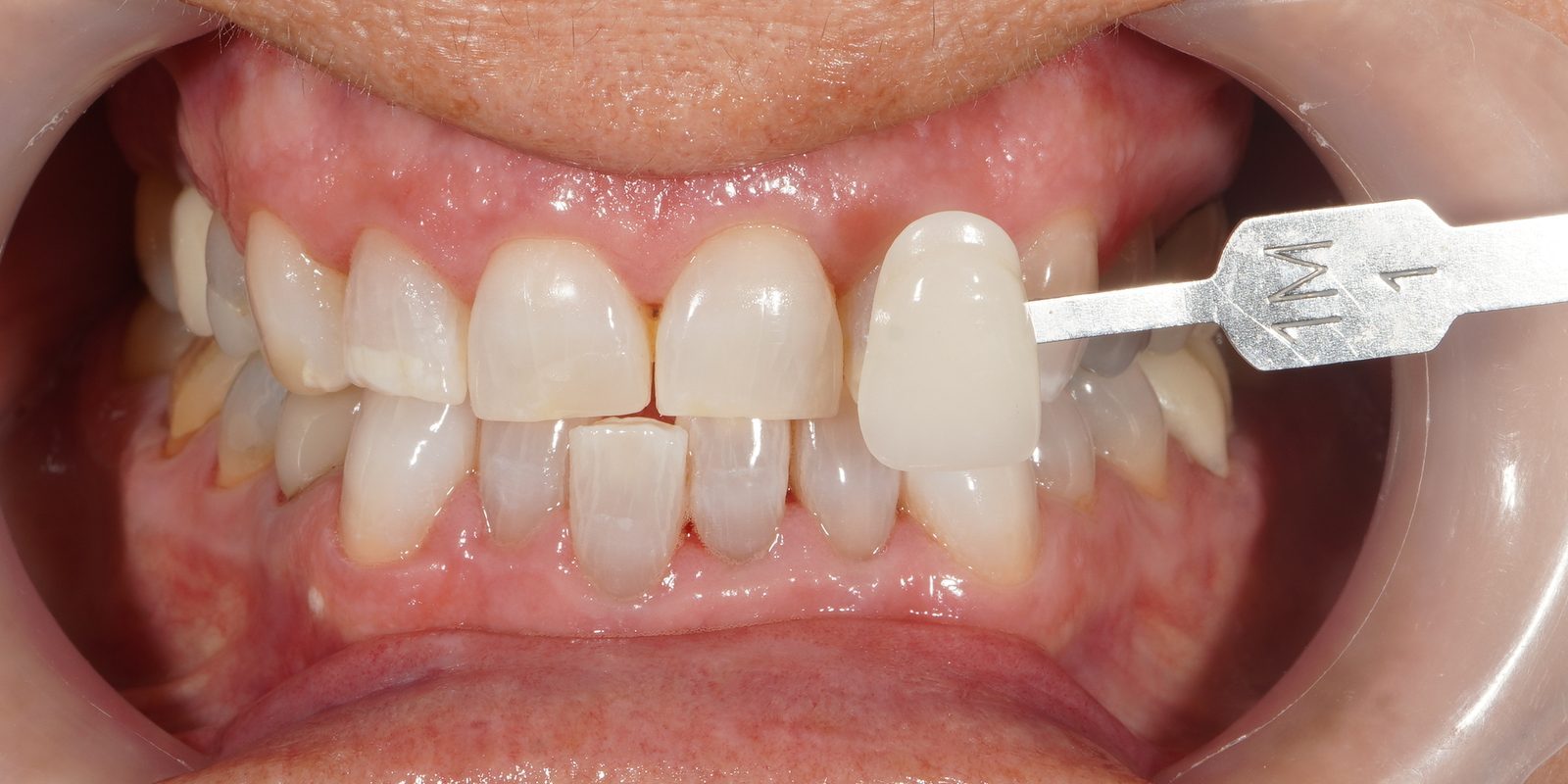 After
AfterIn-clinic whitening. Shade harmonises with skin tone and eye whites.
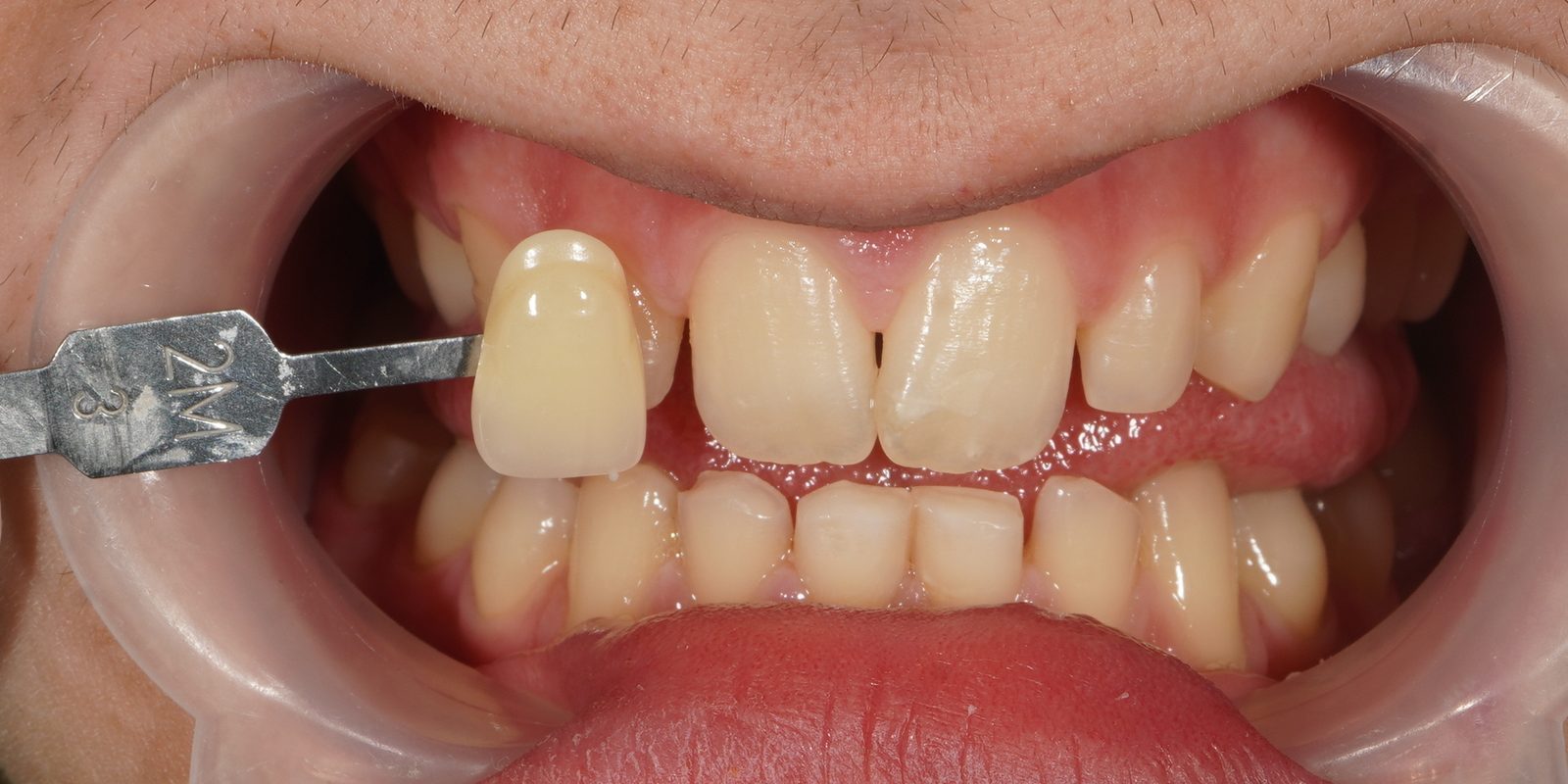 Before
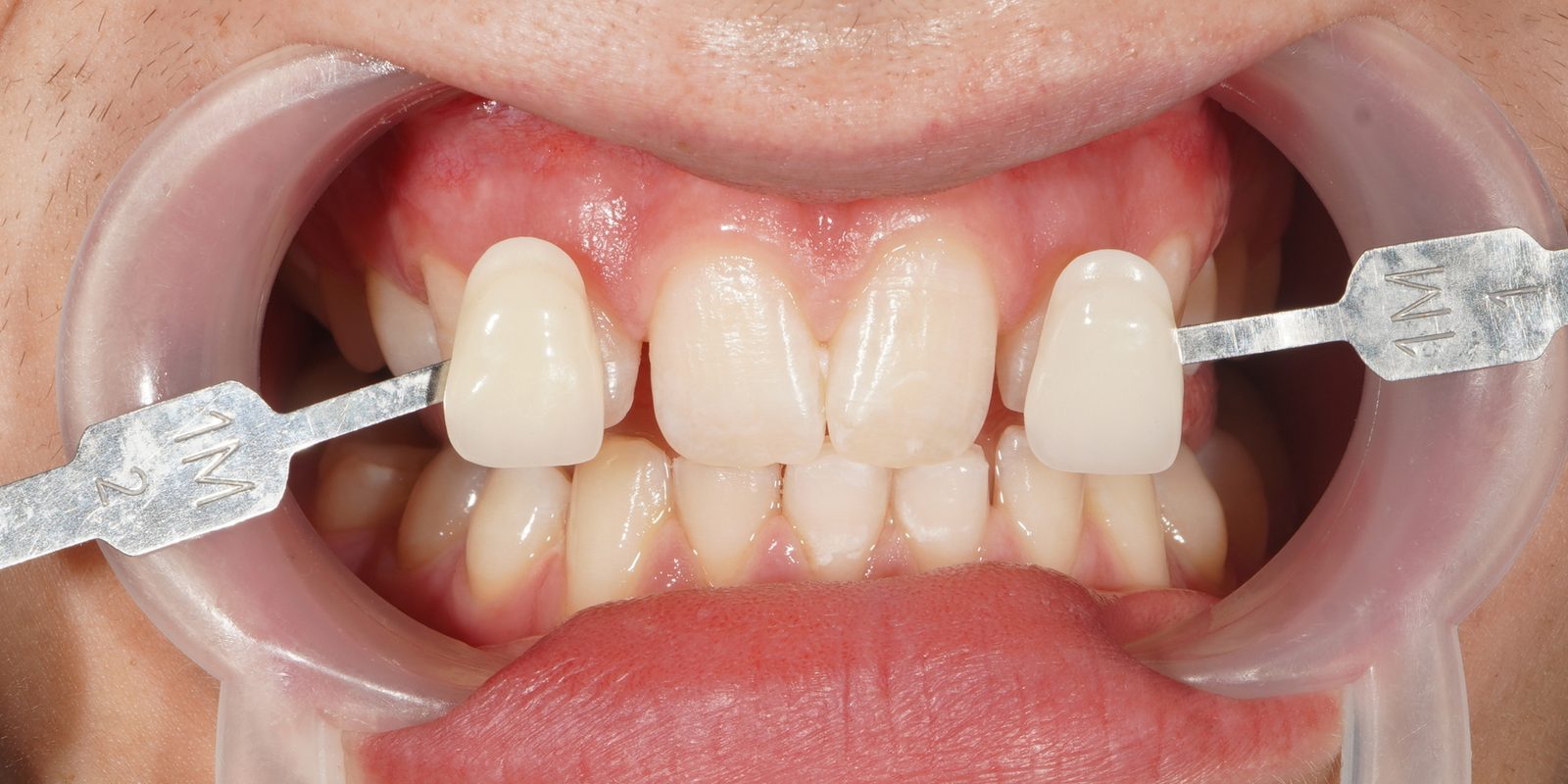 After
AfterWhitening with custom take-home trays for maintenance included.
Frequently Asked Questions
Can laser whitening make my teeth look fake?
Yes, if the target shade is pushed beyond what harmonises with your skin tone, eye whites, and existing restorations. Teeth that are noticeably brighter than the whites of your eyes, or that contrast sharply with your complexion, look artificial. The solution is selecting a shade that is visibly brighter than your current colour but still believable within your face. At Picasso, Dr. Emily Nguyen discusses shade targets at every consultation before treatment begins.
How do I choose a shade that looks natural?
The most reliable guide is the whites of your eyes. A shade at or slightly below the brightness of your eye whites reads as natural. Two to three steps down from maximum on a standard shade guide balances visible improvement with authenticity. Skin tone also matters: cooler complexions tend to look natural with slightly cooler, brighter whites, while warmer skin tones look most natural with slightly warmer, cream whites.
Does laser whitening damage enamel?
Professional laser whitening performed at the correct concentration does not structurally damage enamel. The hydrogen peroxide gel temporarily increases enamel permeability, which returns to baseline within 24 to 48 hours. Sensitivity after treatment is common and resolves within a day or two. Over-the-counter products used too frequently or without supervision are more likely to cause enamel harm than a clinically supervised session.
What happens if I have crowns, veneers, or fillings on my front teeth?
Existing restorations do not change colour with whitening gel. If your natural teeth whiten significantly, existing crowns, veneers, or white fillings may appear darker by contrast. We discuss this at the consultation and can plan replacement restorations matched to your new shade if needed. Whitening should ideally be completed before placing any new restorations on visible front teeth.
How long does laser whitening last?
Results typically last 12 to 24 months before noticeable re-darkening, depending on consumption of coffee, tea, red wine, and tobacco. Maintenance whitening at home with a take-home tray and lower-concentration gel extends the result. At Picasso, we provide custom trays and take-home gel with every in-clinic session so patients can top up at home as needed.
Will whitening help with intrinsic staining from tetracycline or fluorosis?
Tetracycline staining and fluorosis are intrinsic discolourations inside the dentin, not surface staining. Laser whitening reduces the appearance of mild to moderate intrinsic staining but does not fully eliminate it. For severe tetracycline banding or significant fluorosis, porcelain veneers are typically a more predictable solution. Dr. Emily Nguyen assesses the type and severity of staining at consultation and recommends the approach most likely to achieve a natural result.
Is laser whitening different from LED or light-activated whitening?
The light source (laser, LED, plasma arc) activates the whitening gel and is largely a marketing distinction. The active ingredient, hydrogen peroxide or carbamide peroxide at clinical concentration, is what produces the whitening effect. The concentration of the gel and the quality of application matter more than the specific light technology. At Picasso, we use clinical-grade peroxide gel with light activation and achieve 4 to 8 shade improvements in a single session for most patients.
Want a whiter smile that still looks like you?
Book a whitening consultation at any Picasso Dental branch in Hanoi, Da Nang, Ho Chi Minh City, or Da Lat. We will map your current shade, discuss realistic targets in relation to your skin tone and existing restorations, and give you an honest picture of what the result will look like before any treatment begins.
Est. 2013 · Six branches · 70,000+ patients · 65+ countries