
Root Canal Treatment
Will I Need Antibiotics
Before or After My
Root Canal Treatment?
Most root canal patients do not need antibiotics at all. The procedure removes the infection. Antibiotics are reserved for four specific situations, and knowing which one applies to you matters.

The short version
- 80 to 85 percent of root canal patients at Picasso complete treatment with no antibiotic at all. The procedure itself removes the source of infection more effectively than any oral antibiotic can.
- Antibiotics cannot clear a pulp infection because the infected pulp has lost its blood supply. Oral antibiotics travel through the bloodstream and cannot reach therapeutic concentration inside the sealed tooth.
- Four situations do warrant antibiotics: visible facial or neck swelling, fever above 38 degrees Celsius, immunocompromise, and specific cardiac prophylaxis indications.
- Routine post-procedure soreness responds to ibuprofen, not amoxicillin. The aching after a root canal is inflammation from instrumentation, not a sign of remaining infection.
Why the procedure, not the antibiotic, cures the infection
The central misunderstanding about antibiotics and root canal treatment comes from how dental infections behave. When bacteria reach the pulp of a tooth, the pulp's own blood supply is gradually destroyed. The bacteria establish a colony inside a space the immune system and the bloodstream can no longer effectively reach. This is why a patient can take an antibiotic for ten days and still have the same throbbing pain at the end of the course: the drug never got to the bacteria.
Root canal treatment works by mechanically removing the infected tissue. The dentist opens the tooth, files the canals, irrigates with sodium hypochlorite to disinfect the space, and seals it. The infection source is physically gone. No oral antibiotic does this.

This distinction matters clinically. A patient who presents with facial swelling and fever has an infection that has already spread beyond the tooth into the surrounding soft tissue. That tissue has a functioning blood supply. For that patient, an antibiotic does help, because it reaches the spreading infection through the tissue around the tooth, even though it still cannot reach the pulp inside it. The antibiotic reduces the tissue burden while the root canal addresses the source.
A patient who presents with localised tooth pain, no swelling, no fever, and a contained abscess at the root tip does not need an antibiotic. The root canal alone cures the infection. Adding amoxicillin adds no clinical benefit and introduces the risks of a course of antibiotics: GI upset, possible allergic reaction, and a small contribution to antibiotic resistance.
The four indications where antibiotics are appropriate
The American Association of Endodontists, the European Society of Endodontology, and the Australian Dental Association all recommend against routine antibiotic prescription for uncomplicated endodontic infection. Our protocol at Picasso follows this guidance. Antibiotics are written only when the clinical finding falls into one of four categories.
- Spreading infection with visible swelling Cellulitis of the face, gum, or neck means the infection has moved into tissue with a blood supply. Both the root canal and an antibiotic are required. For visible facial swelling or difficulty opening the mouth (trismus), amoxicillin 500 mg three times daily is started before the appointment, often by remote prescription, so the tissue inflammation is reduced enough for local anaesthetic to work reliably.
- Fever above 38 degrees Celsius Systemic bacterial spread indicated by fever means the infection has exceeded local containment. An antibiotic is started immediately, before or at the root canal appointment. Fever paired with neck swelling is a potential emergency: Ludwig angina and deep neck space infection can develop within hours and are life-threatening. Same-day evaluation is required.
- Immunocompromise Patients on immunosuppressant therapy, chemotherapy agents, untreated HIV, or with poorly controlled diabetes (HbA1c above 8) cannot mount the normal immune response that contains a localised dental infection. Their threshold for antibiotic prescription is lower. Coordination with the prescribing physician is standard practice before the root canal appointment in these patients.
- Cardiac prophylaxis (specific conditions only) A small subset of cardiac conditions require a single pre-procedure dose to prevent infective endocarditis. This is not a treatment course. The drug is taken 30 to 60 minutes before the appointment and is not continued afterward. The current American Heart Association and European Society of Cardiology list of indications is narrow (see below). Most cardiac patients do not require prophylaxis.

Cardiac prophylaxis: the indications and the non-indications
Pre-procedure antibiotic prophylaxis for root canal treatment is frequently misunderstood. Many patients with heart conditions assume they need a pre-procedure dose. Most do not. Current guidelines restrict prophylaxis to the following cardiac conditions:
Prophylaxis indicated
- Prosthetic heart valve or prosthetic valve repair material
- Previous episode of infective endocarditis
- Unrepaired cyanotic congenital heart disease
- Repaired CHD with residual defect adjacent to prosthetic patch
- Cardiac transplant recipient with valvulopathy
Prophylaxis not indicated
- Mitral valve prolapse without prior endocarditis
- Hypertension or stable coronary artery disease alone
- Heart murmur in a structurally normal heart
- Hip or knee replacement (orthopaedic guidelines no longer recommend)
- Pacemaker without other listed indication
The standard prophylaxis regimen when indicated is amoxicillin 2 g orally, 30 to 60 minutes before the procedure. For penicillin-allergic patients in the indicated group, clindamycin 600 mg orally is the alternative. Bring a current letter from your cardiologist to the consultation. Documented indications are honoured. Speculative prescribing is not.
Not sure whether you need an antibiotic? Book a consultation and bring your medical history. Our clinicians will review your cardiac status, immune status, and clinical findings before any prescription decision is made.
Book a consultationNamed drugs and dosing when antibiotics are prescribed
When a clinical indication exists, these are the antibiotics used at Picasso. All doses are for an adult with normal renal function. Paediatric and renally impaired dosing is calculated case by case.
- Amoxicillin 500 mg, three times daily, 5 to 7 days First-line for any dental infection in a non-penicillin-allergic adult. Covers most oral streptococci and anaerobes. Can be taken with or without food. The most commonly prescribed antibiotic for odontogenic infection globally.
- Amoxicillin-clavulanate 875/125 mg, twice daily, 5 to 7 days For severe or mixed infections where beta-lactamase-producing organisms are suspected. Higher GI side-effect burden than plain amoxicillin. Used when standard amoxicillin has failed to reduce swelling within 48 hours.
- Metronidazole 400 mg, three times daily, 5 to 7 days (added to amoxicillin) Added, not substituted, in anaerobic-dominant infections: foul taste, visible gas in soft tissues, spreading cellulitis. Metronidazole alone does not cover the full spectrum of oral infection. It is always paired with amoxicillin. Do not drink alcohol during this course.
- Clindamycin 300 mg, four times daily, 5 to 7 days First-line alternative for confirmed penicillin allergy. Take with a full glass of water and remain upright for 30 minutes to avoid oesophageal irritation. Counsel about Clostridioides difficile risk, which is higher with clindamycin than with amoxicillin.
- Amoxicillin 2 g, single dose before procedure (cardiac prophylaxis only) Not a treatment course. Taken 30 to 60 minutes before the appointment only. Clindamycin 600 mg is the prophylaxis alternative for penicillin-allergic patients in the indicated cardiac group.

After the root canal: what is normal and what means contact us
Antibiotic misuse after root canal treatment is as common as misuse before it. Patients experience normal post-procedure inflammation and assume infection. Normal inflammation responds to ibuprofen. Actual post-procedure infection has specific features that distinguish it from the expected soreness.
Normal, no antibiotic needed
- Aching or tenderness peaking at 24 to 48 hours
- Mild sensitivity to biting on that side for up to a week
- Discomfort responding to ibuprofen 400 to 600 mg
- Discomfort improving day over day from day 2 onward
- Slight jaw soreness from keeping the mouth open
Contact us: antibiotic likely indicated
- New facial or gum swelling appearing after day 2
- Fever above 38 degrees Celsius developing post-treatment
- Pain worsening from day 3 onward instead of improving
- Temporary filling falling out, leaving canal exposed
- Foul taste or visible pus around the tooth
Contact your treating Picasso clinic within 24 hours if any red-flag signs appear. Increasing pain after day 2, new swelling, or fever may indicate residual bacteria in complex canal anatomy, a missed canal, or a failed temporary filling. We will reassess clinically, start an antibiotic where indicated, and may need to reopen the tooth to re-clean. Do not self-prescribe leftover antibiotics from a previous illness. The drug, the dose, and the duration all require clinical judgement.
"The dental surgery I had in relation to a severe bone infection, bone grafts, removal and replacement of implants was done by the very skilled and highly educated Dr Andy and his technicians to the highest standards. I was supplied with suitable medications including pain management, anti-inflammatory and antibiotics."
Susie Miller, HCMC Thao Dien, Google review
Why Picasso is conservative about antibiotics
Antibiotic resistance is a recognised global health emergency. The World Health Organization has flagged dental over-prescription as a measurable contributor to resistance trends in Asia. Every patient who takes an antibiotic they did not need raises the probability that the next dental infection in their community does not respond to the standard drug.
We treat that risk as part of the patient's care, not as an abstract public health concern. Amoxicillin causes diarrhoea or nausea in roughly 10 percent of courses. Clindamycin carries a real risk of Clostridioides difficile colitis. Allergic reactions, ranging from rash to anaphylaxis, occur. Every prescription weighs these harms against the clinical benefit. When the benefit is not clear, the prescription is not written.

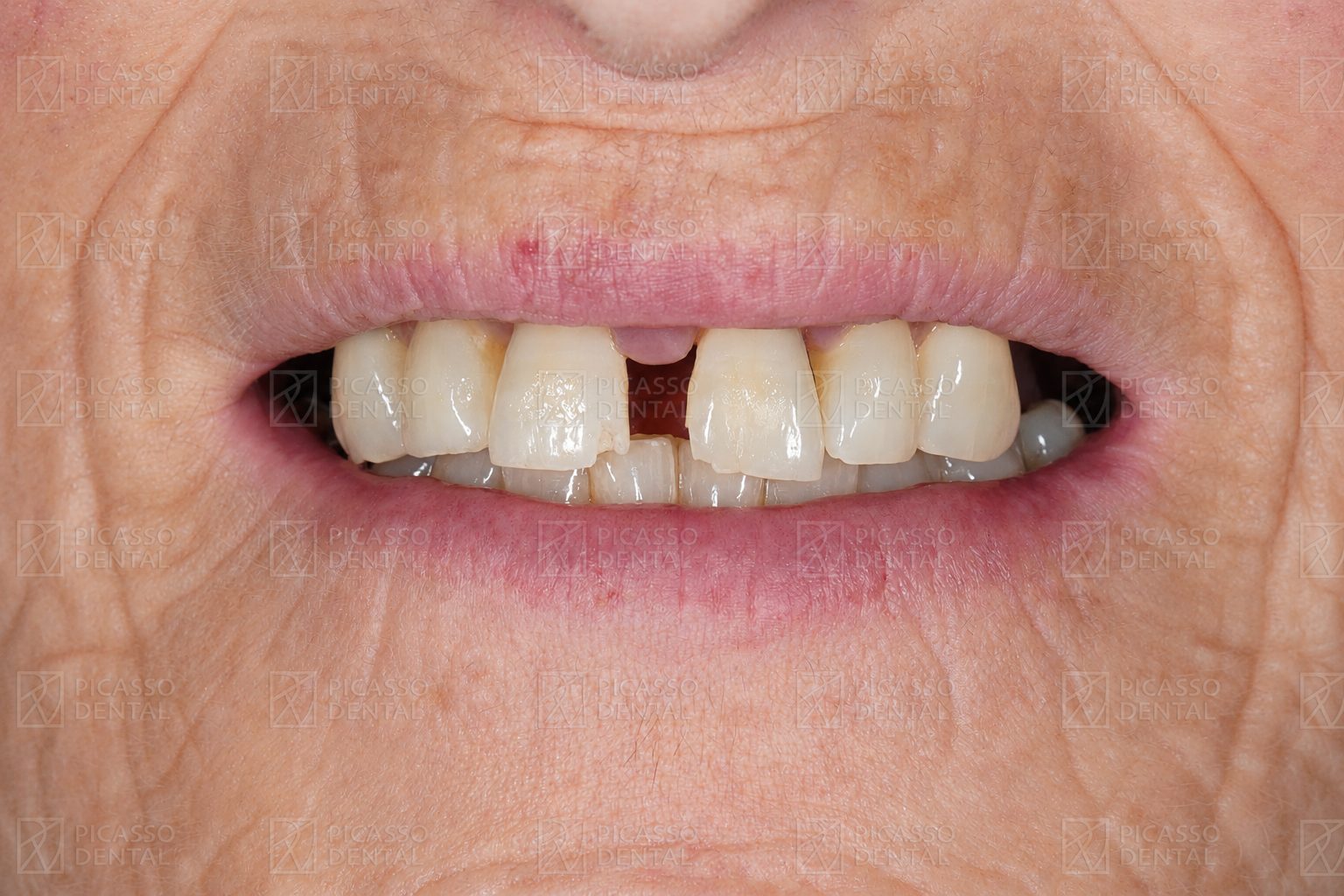 Before
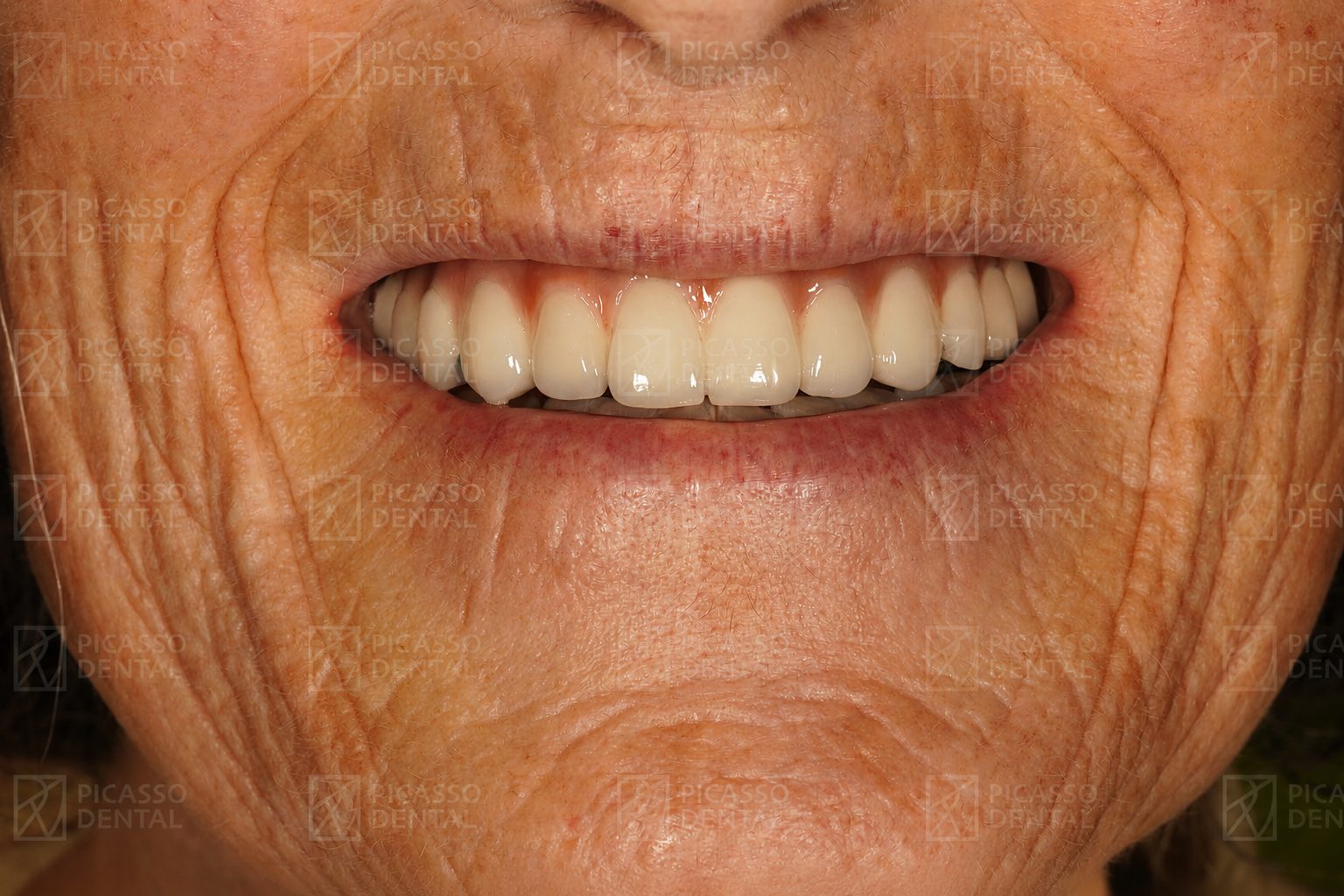 After
AfterRoot canal and zirconia crown. No post-op antibiotic required.
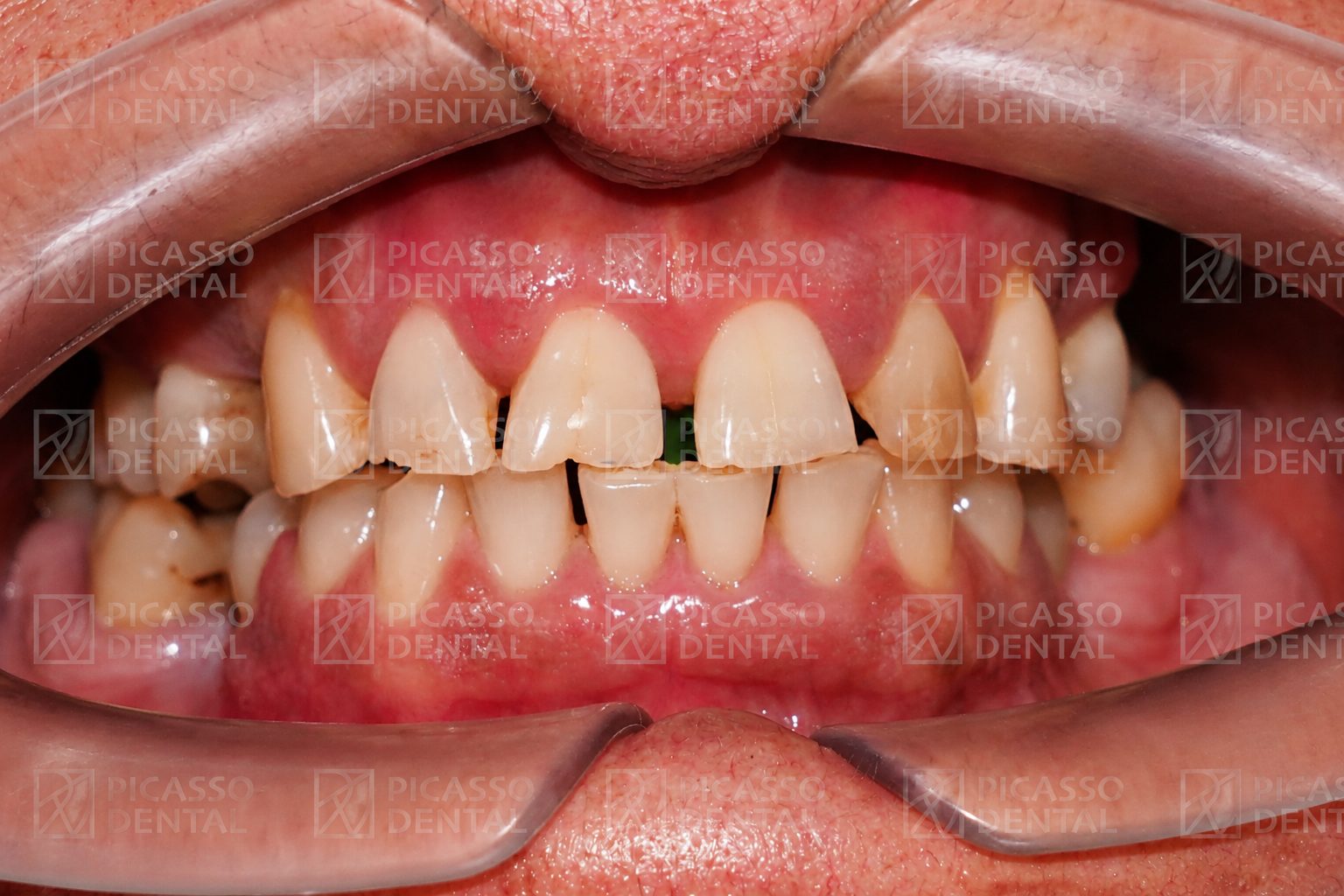 Before
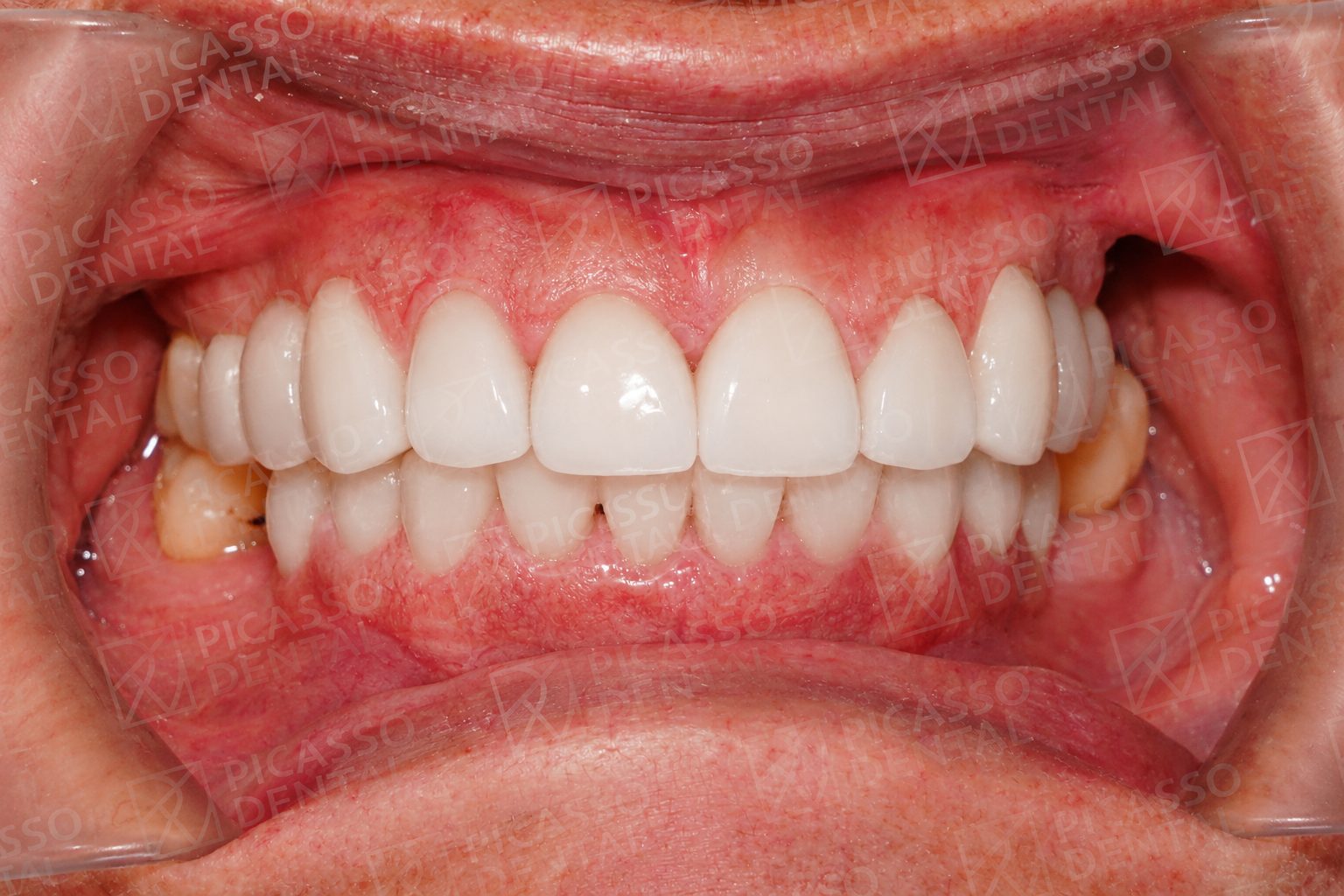 After
AfterRoot canal and porcelain crown. Antibiotics prescribed pre-treatment due to swelling.
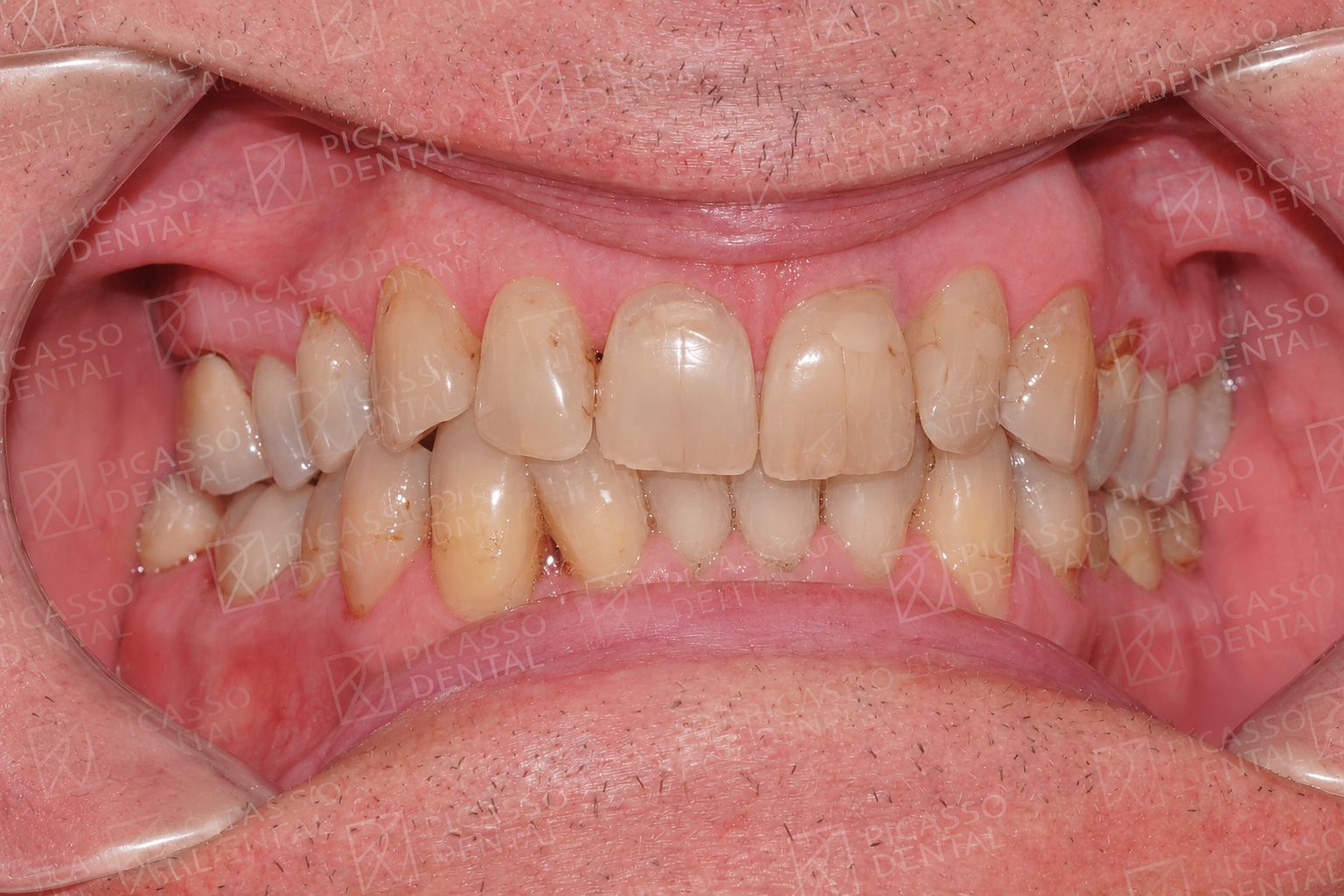 Before
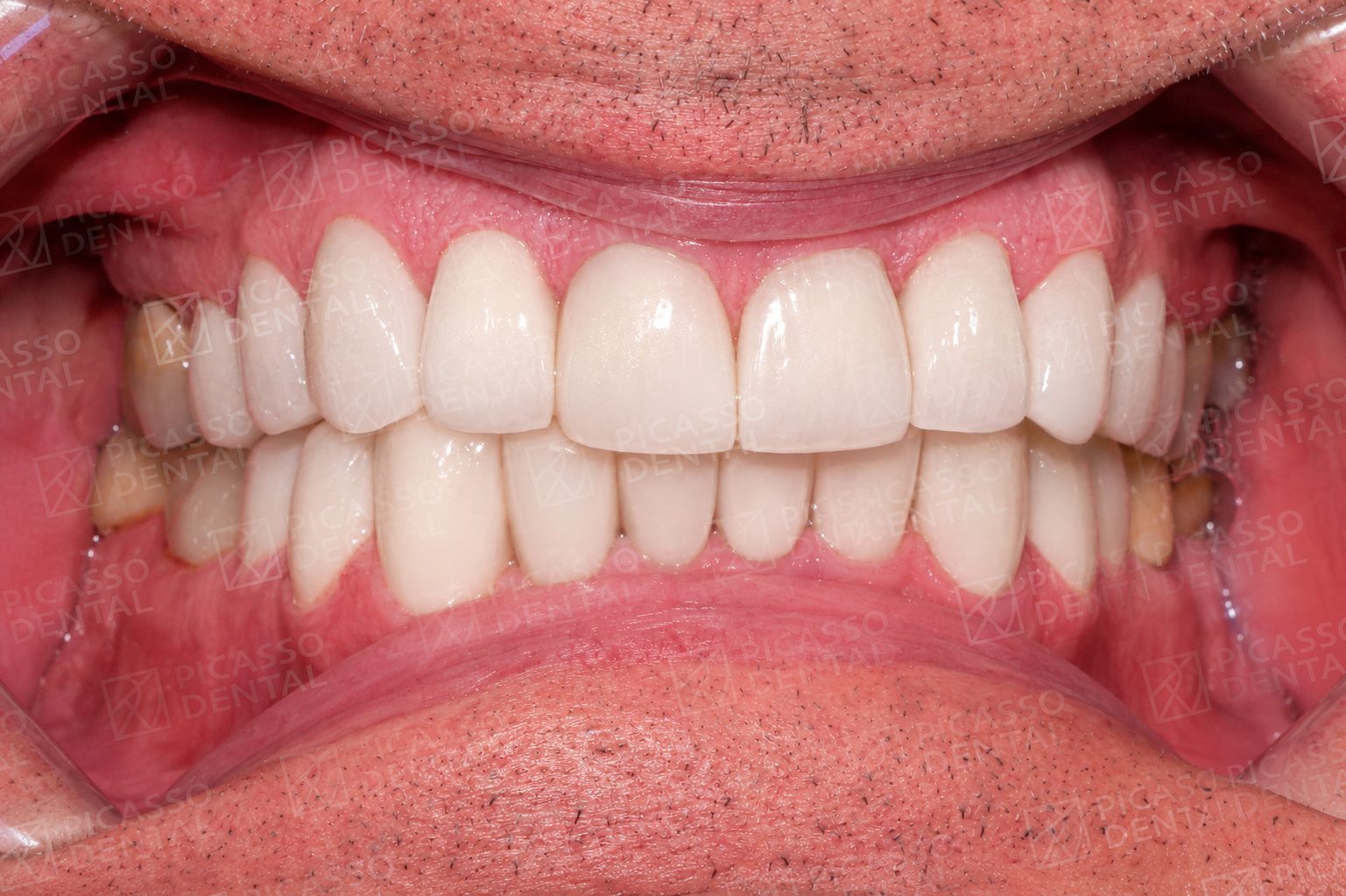 After
AfterRoot canal completed. Post-op course ibuprofen only, no antibiotics needed.
Frequently Asked Questions
Will I need antibiotics for my root canal?
Most patients do not. Roughly 80 to 85 percent of root canals at Picasso Dental Clinic are completed without antibiotics. The procedure mechanically removes the infected pulp tissue, which eliminates the source of the infection more effectively than any oral antibiotic can. Antibiotics are prescribed only when a specific clinical finding is present: visible swelling, fever, immunocompromise, or specific cardiac prophylaxis indications.
Why can antibiotics not cure a tooth infection by themselves?
An infected pulp has lost its blood supply. Oral antibiotics travel through the bloodstream, but they cannot reach the bacteria sealed inside the tooth wall at therapeutic concentration. Antibiotics support the surrounding tissues when the infection has already spread beyond the tooth. The root canal procedure is what removes the infection mechanically. Antibiotics alone cannot cure a pulp infection.
What antibiotic is prescribed when one is needed?
Amoxicillin 500 mg orally, three times daily for 5 to 7 days is the first-line choice for a typical odontogenic infection in an adult with no penicillin allergy. For penicillin-allergic patients, clindamycin 300 mg orally, four times daily for 5 to 7 days is the standard alternative. In cases of suspected anaerobic-dominant infection (foul taste, spreading cellulitis), metronidazole 400 mg three times daily is added to the amoxicillin. Dosing is adjusted for body weight and renal function.
Do I need antibiotic prophylaxis before a root canal if I have a heart condition?
Only specific cardiac conditions require pre-procedure prophylaxis per current American Heart Association guidelines: prosthetic heart valves, previous infective endocarditis, unrepaired cyanotic congenital heart disease, repaired CHD with residual defects adjacent to a prosthetic patch, and cardiac transplant recipients with valvulopathy. The standard regimen is amoxicillin 2 g orally, 30 to 60 minutes before the appointment. Most cardiac patients, including those with hypertension, coronary artery disease, or a pacemaker alone, do not require prophylaxis. Bring documentation from your cardiologist.
I am having facial swelling. What should I do before my appointment?
Contact us through the contact form immediately if you have visible facial or neck swelling. We will assess by photo, prescribe an appropriate antibiotic to start within hours, and schedule your root canal once the swelling has reduced enough for effective anaesthesia. Do not wait several days before seeking attention if the swelling is spreading. Untreated spreading dental infection can progress to Ludwig angina or deep neck space infection, both of which are medical emergencies.
What should I do if I develop swelling, fever, or worsening pain after my root canal?
Contact your treating Picasso clinic within 24 hours. Increasing pain after day 2, new swelling, or fever above 38 degrees Celsius are not normal post-treatment findings and may indicate residual infection in complex canal anatomy or a failed temporary filling. We will reassess clinically, start an antibiotic where indicated, and may need to reopen the tooth to re-clean. Do not self-prescribe leftover antibiotics from a previous illness.
Can I use ibuprofen instead of an antibiotic after a root canal?
Yes, for normal post-treatment soreness, ibuprofen 400 to 600 mg every 6 to 8 hours with food is the right tool, not an antibiotic. Ibuprofen reduces the inflammation that causes the soreness. Paracetamol 1 g every 6 hours is the alternative if you cannot take ibuprofen. Antibiotics treat bacterial infection, not inflammation, and they do nothing for routine post-procedure tenderness.
Not sure whether you need an antibiotic before your root canal?
Book a consultation. Our clinicians review your medical history, cardiac status, immune status, and clinical findings before any prescription decision is made. No obligation, no upfront payment required to ask.
Est. 2013 · Six branches · 70,000+ patients · 65+ countries