
Root Canal Prevention
Why Teeth Need Root Canals (and how to prevent most of them)
About 70 percent of root canals start as untreated cavities. Two 6-monthly cleanings per year at 300,000 to 600,000 VND each is the single most cost-effective intervention in all of dentistry.

Key Takeaways
- About 70 percent of root canals begin as untreated cavities. Catching them early with 6-monthly cleanings prevents the vast majority.
- The cost ratio is approximately 1 to 20: one small filling (400K to 700K VND) vs one root canal plus crown (12M VND).
- Cracks from grinding, old trauma, and heavily restored teeth account for the remaining 30 percent of root canal causes.
- Six warning signs require same-week dental assessment. Waiting weeks usually converts a filling into a root canal.
<h2>The Four Causes, Ranked by Frequency</h2>

<p>A tooth needs a root canal when the pulp (the nerve and blood vessels inside the tooth) becomes irreversibly infected or dies. Four causes account for nearly every case seen at Picasso Dental Clinic.</p>

<h3>Untreated cavities: approximately 70 percent of cases</h3>
<p>A cavity starts in enamel, progresses into dentin, and eventually reaches the pulp chamber. Once bacteria reach the pulp, the immune system cannot clear them and the tooth requires endodontic treatment. Cavities at the enamel stage are reversible with fluoride. Cavities at the dentin stage need a 400,000 to 700,000 VND filling. Cavities that reach the pulp need a 5,000,000 VND root canal, followed by a 7,000,000 VND crown. The progression from cavity to root canal takes 6 to 24 months on average, which is exactly why 6-monthly recall appointments matter. A dentist seeing a patient twice per year almost always catches the cavity at the filling stage.</p>

<h3>Cracks and fractures: approximately 15 percent of cases</h3>
<p>Cracks allow bacteria to reach the pulp without any cavity being present. The common causes are nighttime grinding (bruxism), biting on ice or hard objects, opening packaging with teeth, and old large fillings that have begun to lift and create microleakage. Cracks are often invisible to patients and are detected clinically with a bite test or transillumination at a dental examination. Prevention involves a custom night guard for documented bruxism and not using teeth as tools.</p>

<h3>Trauma: approximately 10 percent of cases</h3>
<p>A direct blow to a tooth can disrupt the small blood vessels entering at the root tip even when no visible fracture occurs. The pulp dies slowly over months or years, and the tooth eventually darkens or develops an abscess at the root tip, sometimes detectable only on X-ray. Any tooth that has received a significant impact (sports injury, fall, vehicle accident) should be reviewed annually with a periapical X-ray even if it does not hurt. A sports mouthguard prevents the trauma pathway entirely for patients who participate in contact activities.</p>

<h3>Cumulative restorative work: approximately 5 percent of cases</h3>
<p>Each time a tooth is drilled for a filling, crown preparation, or repair, the pulp experiences brief heat and mechanical stress. Most teeth tolerate multiple procedures without issue, but a small percentage of heavily restored teeth eventually develop irreversible pulpitis even though the most recent procedure was routine. Prevention is addressing cavities at the smallest possible size so the first filling is the only one needed for decades.</p>

<figure class="art-photo">
  <img src="/images/clinics/hanoi-old-quarter/treatment-room.jpg" alt="Dental treatment room at Picasso Dental Clinic" loading="lazy" decoding="async">
  <figcaption>At Picasso, every examination includes bitewing X-rays on the annual visit to detect interproximal cavities that clinical examination cannot see.</figcaption>
</figure>

<h2>How a Cavity Becomes a Root Canal: the Four Stages</h2>

<p>Cavities progress through predictable stages. The stage at which a cavity is caught determines whether treatment costs nothing, a few hundred thousand VND, or twelve million VND.</p>

<ul class="art-checklist">
  <li>
    <div>
      <strong>Stage 1: enamel (white spot or early demineralisation)</strong>
      <span>The earliest stage. A chalky white patch where bacteria have leached calcium from the enamel. Painless and often only visible to the dentist. Treatment: fluoride application at 400,000 VND reverses it. The tooth heals itself.</span>
    </div>
  </li>
  <li>
    <div>
      <strong>Stage 2: dentin (visible cavity, no nerve involvement)</strong>
      <span>Bacteria have broken through enamel into dentin. Sometimes sensitivity to sweets, often no symptoms. Visible on X-ray. Treatment: filling 400,000 to 700,000 VND. Pulp still healthy. No root canal needed.</span>
    </div>
  </li>
  <li>
    <div>
      <strong>Stage 3: deep dentin (approaching the pulp, reversible pulpitis)</strong>
      <span>Cavity is deep and approaching the pulp. Hot and cold sensitivity that resolves quickly. Pulp is irritated but alive. Treatment: large filling or pulp cap, 700,000 to 2,000,000 VND. Root canal probability now 30 to 50 percent.</span>
    </div>
  </li>
  <li>
    <div>
      <strong>Stage 4: pulp involvement (irreversible pulpitis or necrosis)</strong>
      <span>Bacteria have entered the pulp. Severe throbbing pain, wakes you at night, lingering sensitivity. Treatment: root canal 5,000,000 VND plus crown 7,000,000 VND totalling 12,000,000 VND. The tooth is saved but the pulp is gone permanently.</span>
    </div>
  </li>
</ul>

<p>Two cleanings per year catch most cavities at Stage 1 or Stage 2, when they cost almost nothing to resolve. The most significant long-term cost savings in dentistry come from never reaching Stage 4.</p>

<a href="https://wa.me/84989067888" class="art-cta-inline"><p><strong>Concerned about a sensitive tooth?</strong> A same-week assessment tells you whether it is Stage 2 (filling needed), Stage 3 (pulp cap possible), or Stage 4 (root canal required). Earlier is always better and cheaper.</p><span>Book a consultation →</span></a>

<h2>Six Warning Signs That Require Same-Week Assessment</h2>

<p>These symptoms indicate that a tooth may be approaching Stage 3 or Stage 4. Acting within a few days often still allows a filling or pulp cap. Waiting weeks or months almost always pushes the tooth into root canal territory.</p>

<h3>1. Sharp pain when biting on a specific tooth</h3>
<p>Reproducible pain when biting on a specific tooth or a specific food texture (crunchy bread, hard food) is a cracked-tooth signal. A crack can extend to the pulp if untreated. Same-week assessment is appropriate. Do not simply switch to chewing on the other side and ignore the symptom.</p>

<h3>2. Hot or cold sensitivity that lingers more than 10 seconds</h3>
<p>Short sharp sensitivity that disappears within 2 seconds of removing the stimulus is normal. Sensitivity that lingers for 10 seconds or longer, or a throbbing sensation that follows the initial pain, indicates pulpitis. At this stage the pulp is sometimes still salvageable with a pulp cap if treatment is fast.</p>

<h3>3. Throbbing toothache that wakes you at night</h3>
<p>Pain that is worse when you lie down is a classic indicator of pulp inflammation. The blood pressure change in the horizontal position raises pressure inside the inflamed pulp. By the time pain disturbs sleep, the root canal probability is high.</p>

<h3>4. A pimple or bump on the gum near a tooth</h3>
<p>A small soft swelling on the gum near a tooth is often a draining sinus for an abscess. The tooth itself may not hurt because the pus has found an exit through the bone. Painless does not mean fine. This is a definitive root canal indication.</p>

<h3>5. Tooth discolouration, grey or darker than neighbours</h3>
<p>A tooth that has darkened compared to its adjacent teeth has often lost pulp vitality, which is common after old trauma. Even without pain, the non-vital pulp is a long-term infection risk and the tooth needs treatment before an abscess forms.</p>

<h3>6. Swelling of the face or jaw</h3>
<p>Visible facial or jaw swelling indicates the infection has spread beyond the tooth into surrounding tissue. This is a same-day clinical priority. Contact the clinic immediately and do not wait for a routine appointment.</p>

<figure class="art-photo">
  <img src="/images/general-dentistry/consultation.jpg" alt="Dental consultation at Picasso Dental Clinic" loading="lazy" decoding="async">
  <figcaption>X-ray review is a routine part of every dental examination at Picasso, allowing early detection of interproximal cavities and periapical changes.</figcaption>
</figure>

<h2>The Prevention Daily Checklist</h2>

<p>No exotic routine is required. The following habits, done consistently, prevent the majority of root canal cases seen at Picasso.</p>

<div class="art-callout">
  <strong>The prevention math:</strong> Two cleanings per year (1,200,000 VND) plus one small filling every 3 years (230,000 VND averaged per year) totals approximately 1,430,000 VND per year or 14,300,000 VND per decade. One root canal plus crown is 12,000,000 VND on its own. Prevention pays for itself the moment it prevents a single root canal.
</div>

<h3>Twice daily: fluoride brush for 2 minutes</h3>
<p>Fluoride toothpaste at 1,000 ppm or higher. Hold the brush at 45 degrees against the gum line and spend 30 seconds per quadrant. Do not rinse vigorously after brushing so the fluoride stays in contact with enamel longer.</p>

<h3>Once daily before bed: floss every tooth</h3>
<p>Floss is the only home tool that removes plaque from between teeth, which is where most of the cavities that become root canals start. If traditional floss is difficult, interdental brushes or a water flosser are acceptable substitutes.</p>

<h3>Every 6 months: professional scaling and examination</h3>
<p>A scaling removes tartar that brushing cannot, and the examination with X-rays catches Stage 1 and Stage 2 cavities while they are still filling-treatable. Patients in higher-risk groups (documented bruxism, dry mouth, uncontrolled diabetes, heavy smokers, high-sugar diet) should increase to every 3 to 4 months.</p>

<h3>If you grind: wear the night guard every night</h3>
<p>A custom night guard only prevents cracked-tooth root canals if it is actually worn. The most common failure is non-compliance. If your current guard is uncomfortable, ask about a different design. The right guard is the one you actually wear consistently.</p>

<figure class="art-photo">
  <img src="/images/clinics/hcmc-thao-dien/reception.jpg" alt="Picasso Dental Clinic Ho Chi Minh City" loading="lazy" decoding="async">
  <figcaption>Preventive care consultations are available at all six Picasso Dental Clinic branches, including Ho Chi Minh City Thao Dien.</figcaption>
</figure>
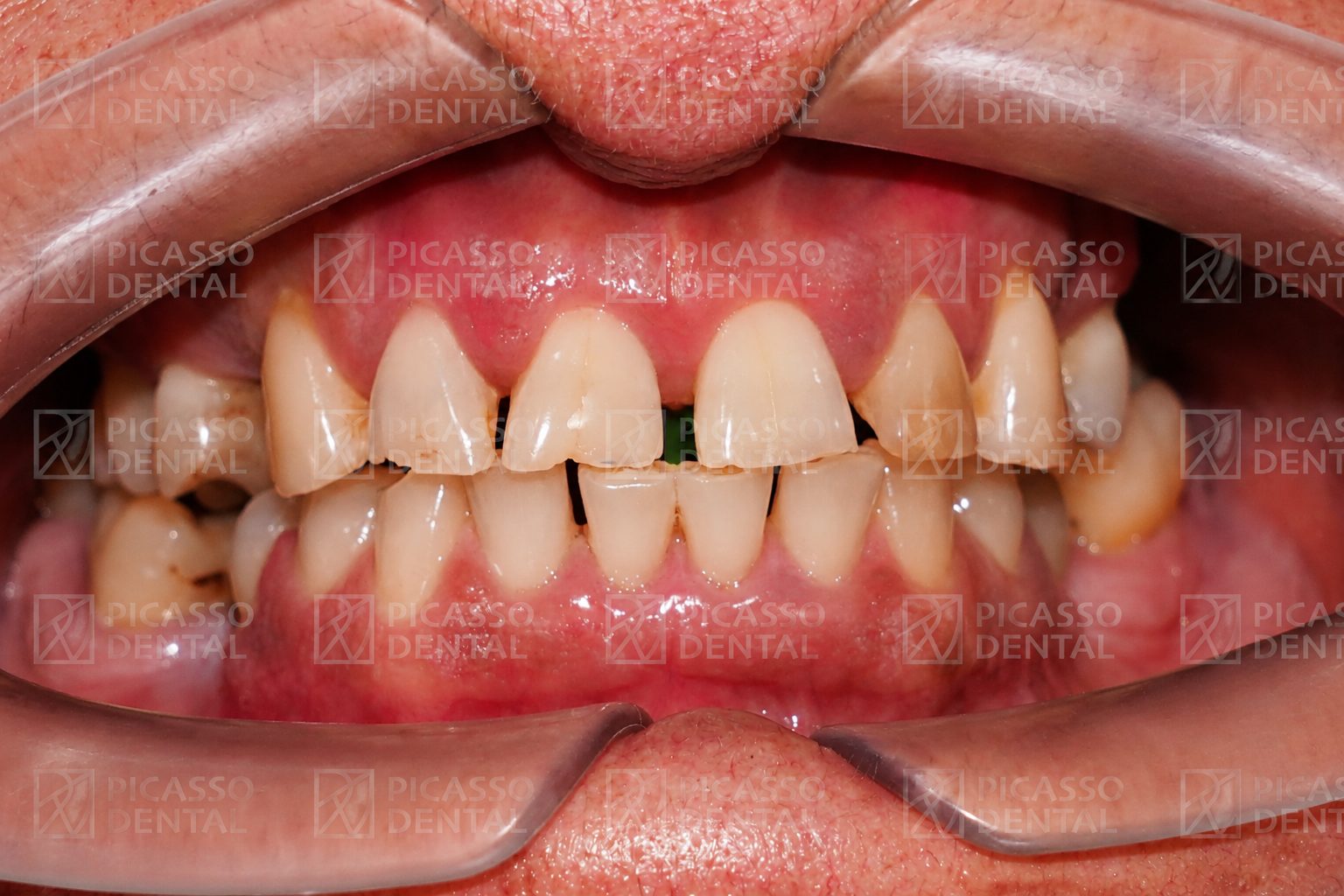 Before
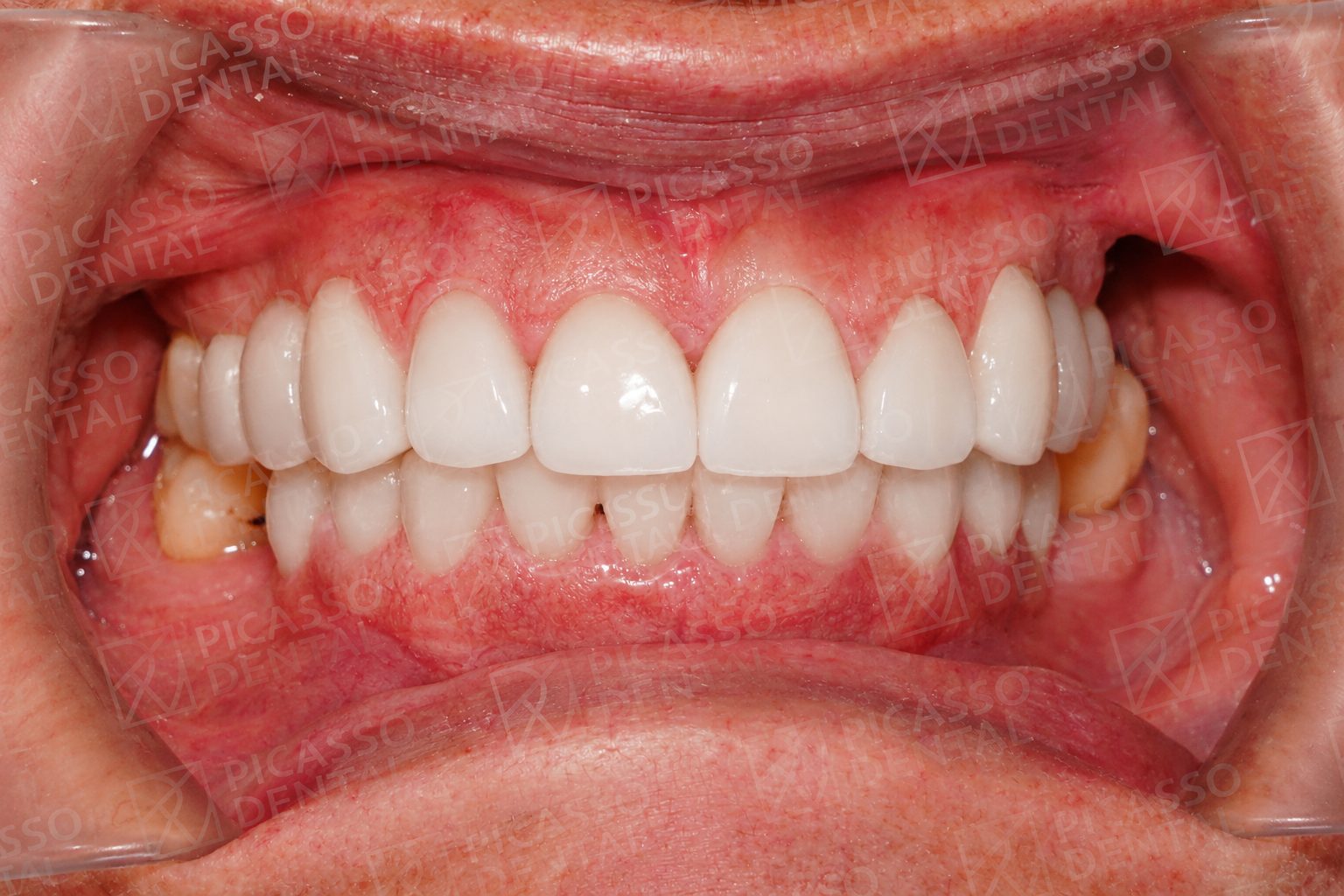 After
AfterRoot canal plus zirconia crown on a molar that had reached Stage 4. Tooth retained.
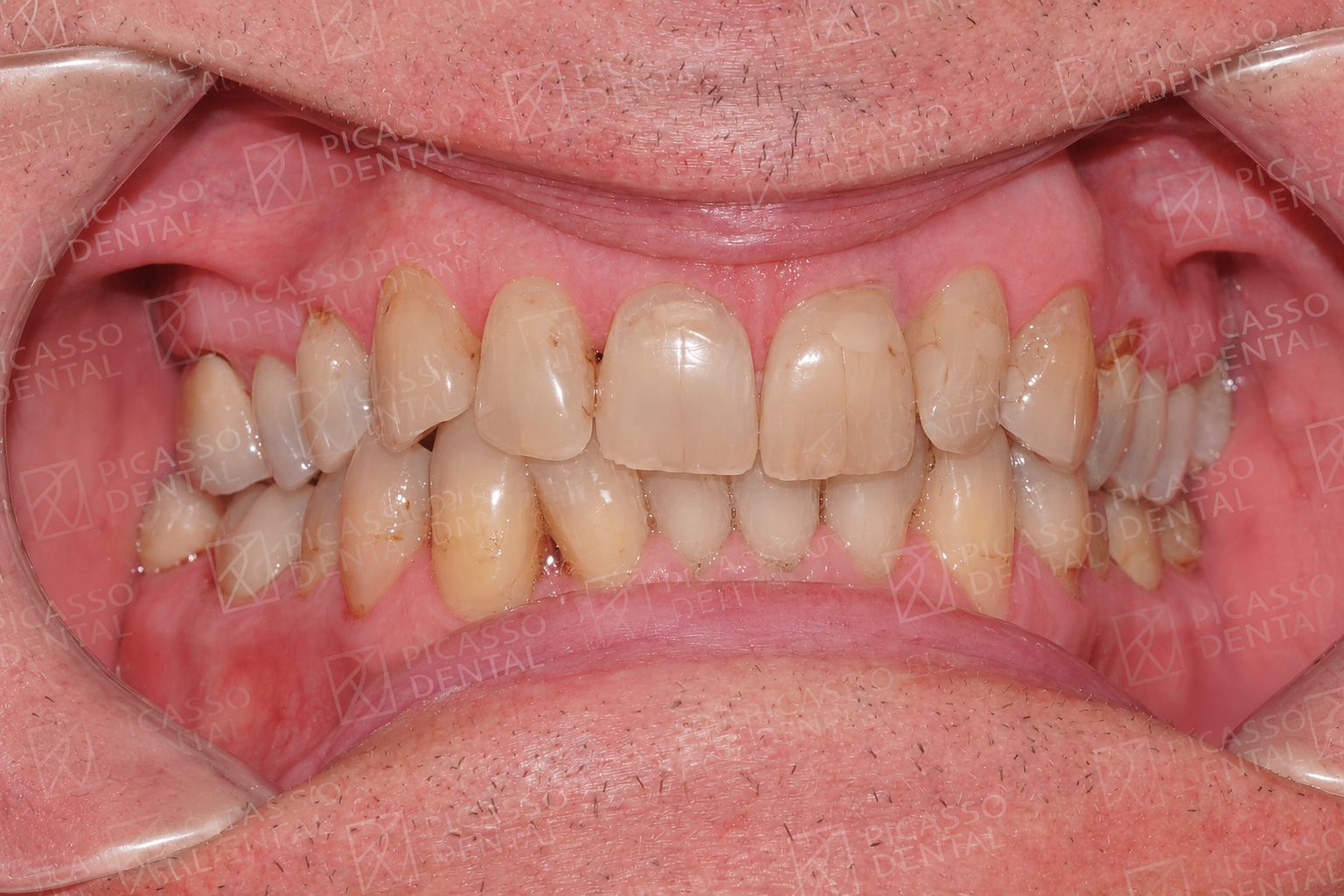 Before
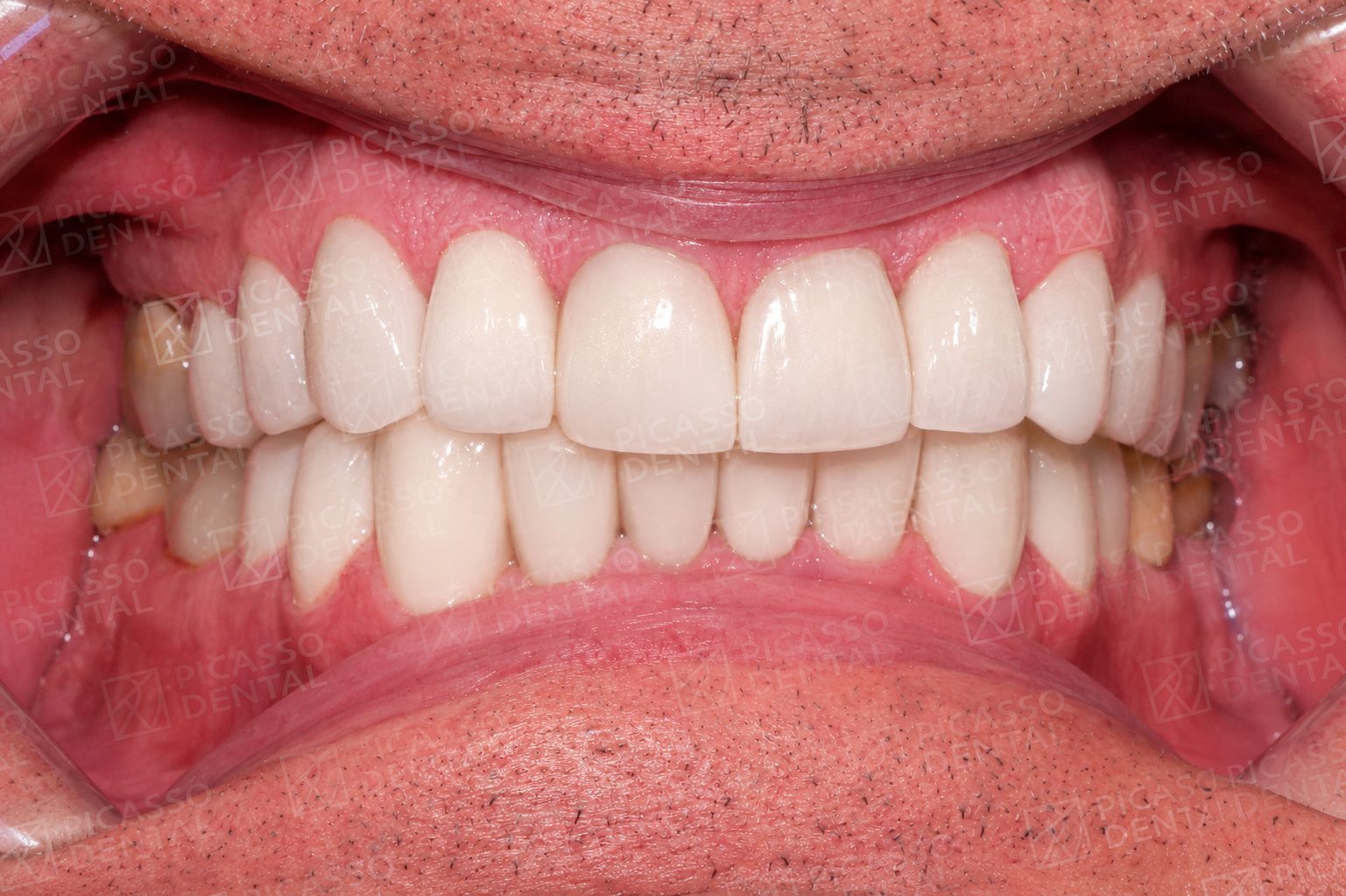 After
AfterMultiple cavities caught at Stage 2 and resolved with composite fillings. No root canals needed.
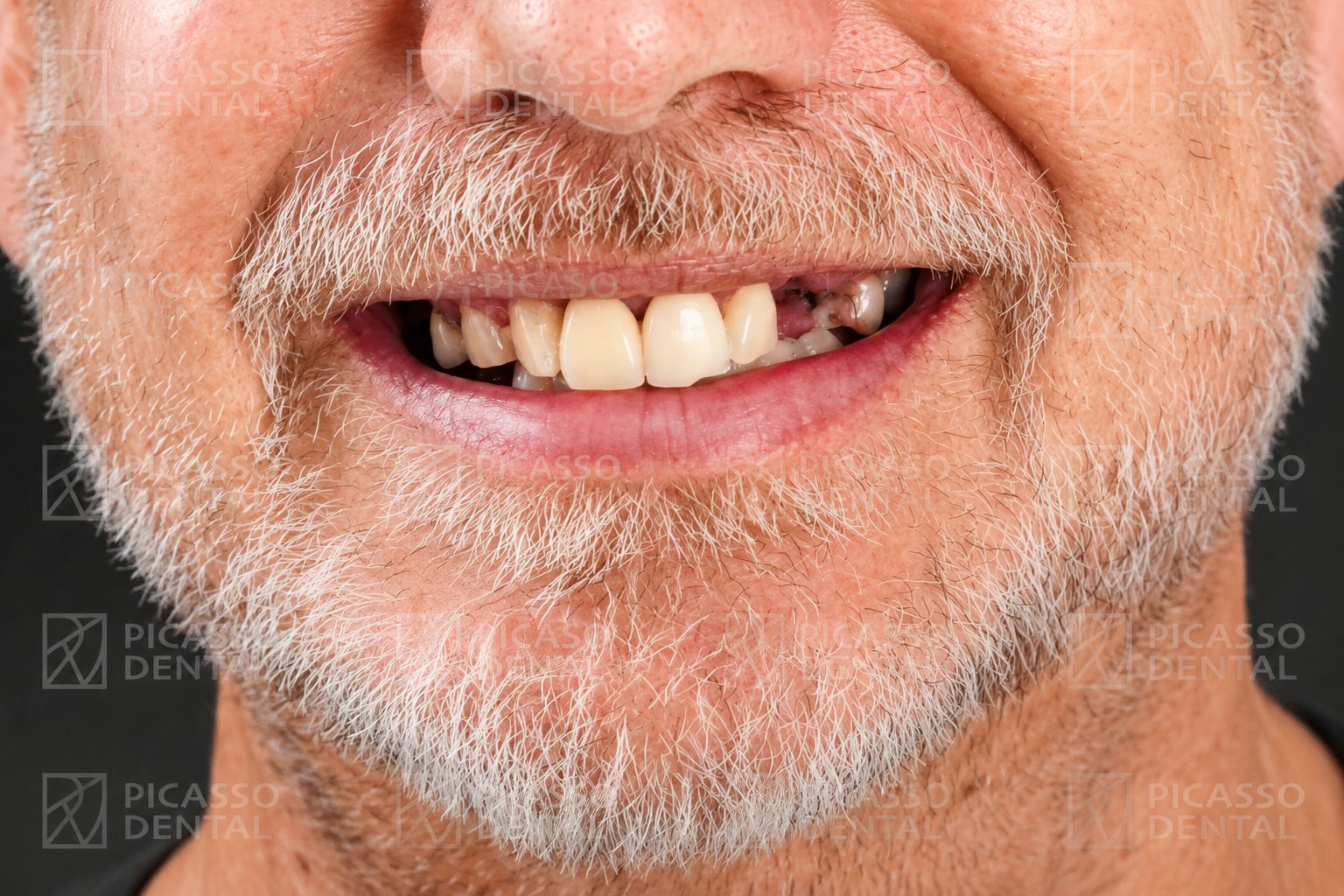 Before
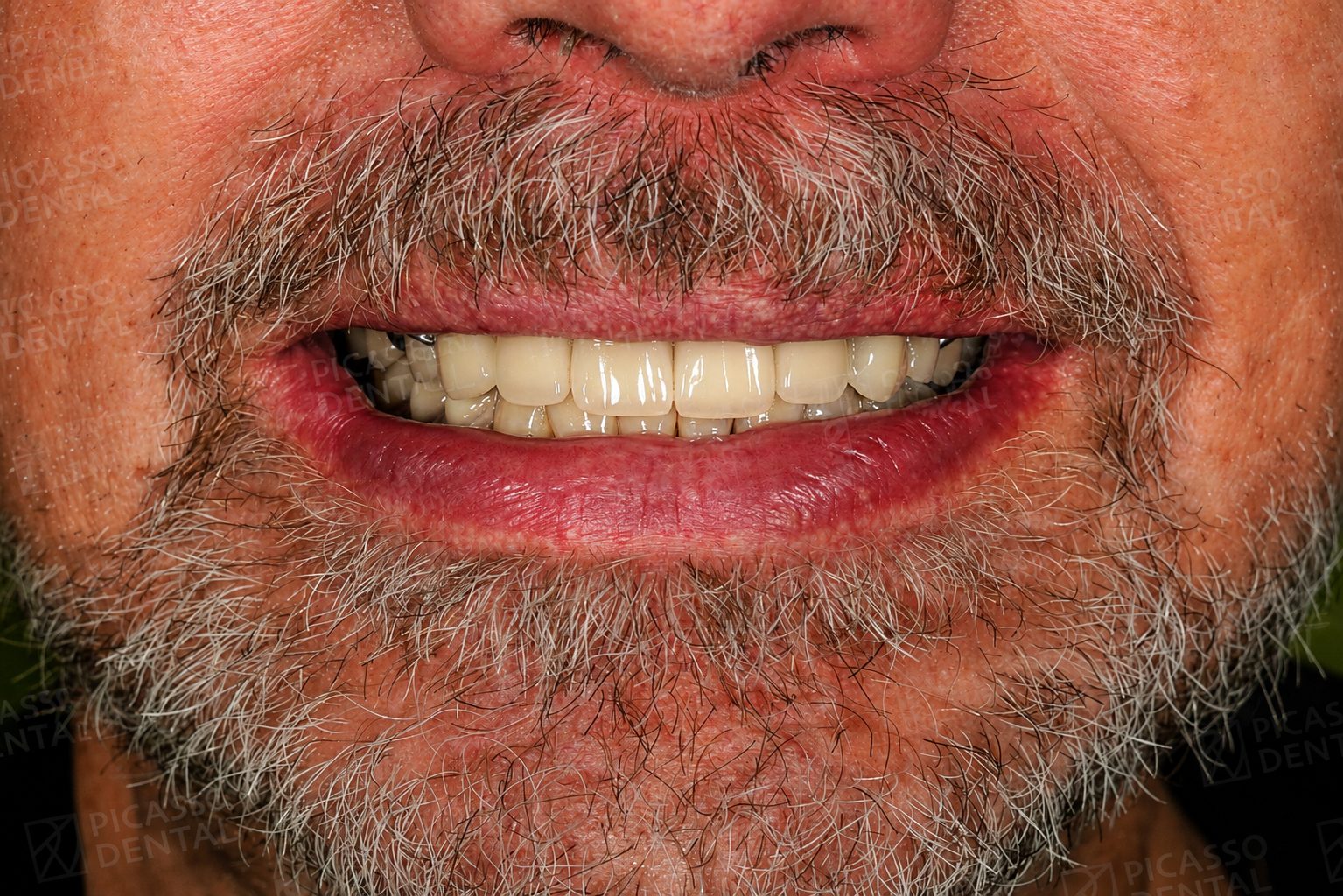 After
AfterCracked tooth treated with root canal and full-coverage crown to prevent propagation.
Frequently Asked Questions
<details itemscope itemprop="mainEntity" itemtype="https://schema.org/Question">
  <summary itemprop="name">Why do teeth need root canals in the first place?</summary>
  <div itemprop="acceptedAnswer" itemscope itemtype="https://schema.org/Answer">
    <p itemprop="text">Teeth need root canals when the pulp (the nerve and blood vessel tissue inside the tooth) becomes irreversibly infected or dies. The most common cause (roughly 70 percent of cases) is an untreated cavity that has grown deep enough to reach the pulp. The other 30 percent come from cracks or fractures (around 15 percent), trauma from a previous accident (around 10 percent), and deep restorations or repeated dental work (around 5 percent).</p>
  </div>
</details>

<details itemscope itemprop="mainEntity" itemtype="https://schema.org/Question">
  <summary itemprop="name">Can I prevent most root canals?</summary>
  <div itemprop="acceptedAnswer" itemscope itemtype="https://schema.org/Answer">
    <p itemprop="text">Yes. The majority of root canals are caused by cavities that grew unchecked over months or years. Cleanings every 6 months catch cavities while they are small enough to fix with a filling. A small filling costs 400,000 to 700,000 VND. A <a href="/blog/why-should-the-patient-have-a-crown-done-after-a-root-canal-treatment/">root canal plus crown</a> costs 12,000,000 VND. The ratio is roughly 1 to 20. Two cleanings per year plus a small filling when needed prevents almost all preventable root canals.</p>
  </div>
</details>

<details itemscope itemprop="mainEntity" itemtype="https://schema.org/Question">
  <summary itemprop="name">How long does it take for an untreated cavity to need a root canal?</summary>
  <div itemprop="acceptedAnswer" itemscope itemtype="https://schema.org/Answer">
    <p itemprop="text">On average a cavity that has reached the dentin layer will progress to the pulp within 6 to 24 months of being left untreated. Cavities between teeth usually progress faster because they are harder to clean. A cavity caught at the enamel stage is reversible with fluoride. A cavity at the dentin stage needs a filling. A cavity that has reached the pulp needs a root canal.</p>
  </div>
</details>

<details itemscope itemprop="mainEntity" itemtype="https://schema.org/Question">
  <summary itemprop="name">What are the warning signs that a tooth might need a root canal soon?</summary>
  <div itemprop="acceptedAnswer" itemscope itemtype="https://schema.org/Answer">
    <p itemprop="text">Six signs warrant urgent assessment: sharp pain when biting on a specific tooth; sensitivity to hot or cold that lingers for more than 10 seconds; a throbbing toothache that wakes you at night; a pimple or bump on the gum near a tooth; tooth discolouration especially a grey or dark shade; and swelling of the gum or face near the affected tooth. Any of these should prompt a same-week dental visit.</p>
  </div>
</details>

<details itemscope itemprop="mainEntity" itemtype="https://schema.org/Question">
  <summary itemprop="name">Will a night guard prevent root canals?</summary>
  <div itemprop="acceptedAnswer" itemscope itemtype="https://schema.org/Answer">
    <p itemprop="text">For patients who grind or clench (bruxism), yes. Heavy bite force causes cracked teeth, and cracks are the entry point for bacteria that infect the pulp. A custom-fitted night guard reduces force and prevents the gradual crack propagation that leads to root canal. The cost of a night guard at Picasso is roughly 2,500,000 to 3,500,000 VND. The cost of one root canal plus crown is 12,000,000 VND.</p>
  </div>
</details>

<details itemscope itemprop="mainEntity" itemtype="https://schema.org/Question">
  <summary itemprop="name">If I had trauma to a tooth years ago, can I still get a root canal from it now?</summary>
  <div itemprop="acceptedAnswer" itemscope itemtype="https://schema.org/Answer">
    <p itemprop="text">Yes. A tooth that was hit hard but did not fracture can lose its pulp vitality silently over months or years. The pulp simply dies and the tooth darkens or develops an abscess detectable only on X-ray. If you have ever had significant dental trauma (a sports impact, a fall, a vehicle accident), have that tooth checked once a year with an X-ray even if it does not hurt.</p>
  </div>
</details>

<details itemscope itemprop="mainEntity" itemtype="https://schema.org/Question">
  <summary itemprop="name">What is the cost difference between prevention and root canal treatment in Vietnam?</summary>
  <div itemprop="acceptedAnswer" itemscope itemtype="https://schema.org/Answer">
    <p itemprop="text">At Picasso pricing: a 6-monthly cleaning is 300,000 to 600,000 VND. Two per year plus a small filling every 2 to 3 years totals around 1.9 million VND per year. One root canal plus crown is 12,000,000 VND. One root canal plus crown plus a future implant if the tooth fails is 38,500,000 VND or more. Prevention pays for itself the moment it prevents a single root canal.</p>
  </div>
</details>
Start Here
Start with a brief.
Worried a tooth might be heading for a root canal? A same-week assessment determines whether a filling, pulp cap, or root canal is the right next step.