
General Dentistry
Why Are My Teeth
Sensitive to Cold?
Causes and Lasting Relief
That sharp pain from cold water or ice cream is your tooth nerve responding to stimuli it should never reach. Here is what is causing it and what actually fixes it.

The short version
- Cold sensitivity signals exposed dentin. Enamel erosion, gum recession, or aggressive brushing all remove the protective layer between cold stimuli and the tooth nerve.
- Desensitizing toothpaste works, but takes time. Use potassium nitrate or stannous fluoride formulas twice daily for at least two to four weeks before expecting improvement.
- Soft brush, gentle technique, and less acid prevent the problem from worsening while treatment takes effect.
- Pain that lasts more than a few seconds after the cold is gone is a clinical signal of a cavity, crack, or abscess. That pattern requires a professional assessment, not more toothpaste.
- In-clinic treatments work faster. Professional fluoride varnish, bonding agents, and gum grafting provide longer-lasting relief than home remedies alone.
What is happening inside your tooth
When cold water hits a sensitive tooth, the sensation reaches the nerve at the centre of the tooth in a fraction of a second. Under normal conditions, enamel prevents this entirely. Enamel is the hardest material in the human body and acts as a thermal barrier between cold stimuli and the living tissue inside each tooth.
The problem starts when enamel thins or disappears from an area. Beneath enamel lies dentin, a softer material filled with microscopic channels called dentinal tubules. Each tubule runs directly from the tooth surface to the pulp, where the nerve lives. Cold stimuli cause fluid movement within these tubules, and that fluid shift triggers the nerve immediately, producing the sharp, sudden pain patients describe as sensitivity.
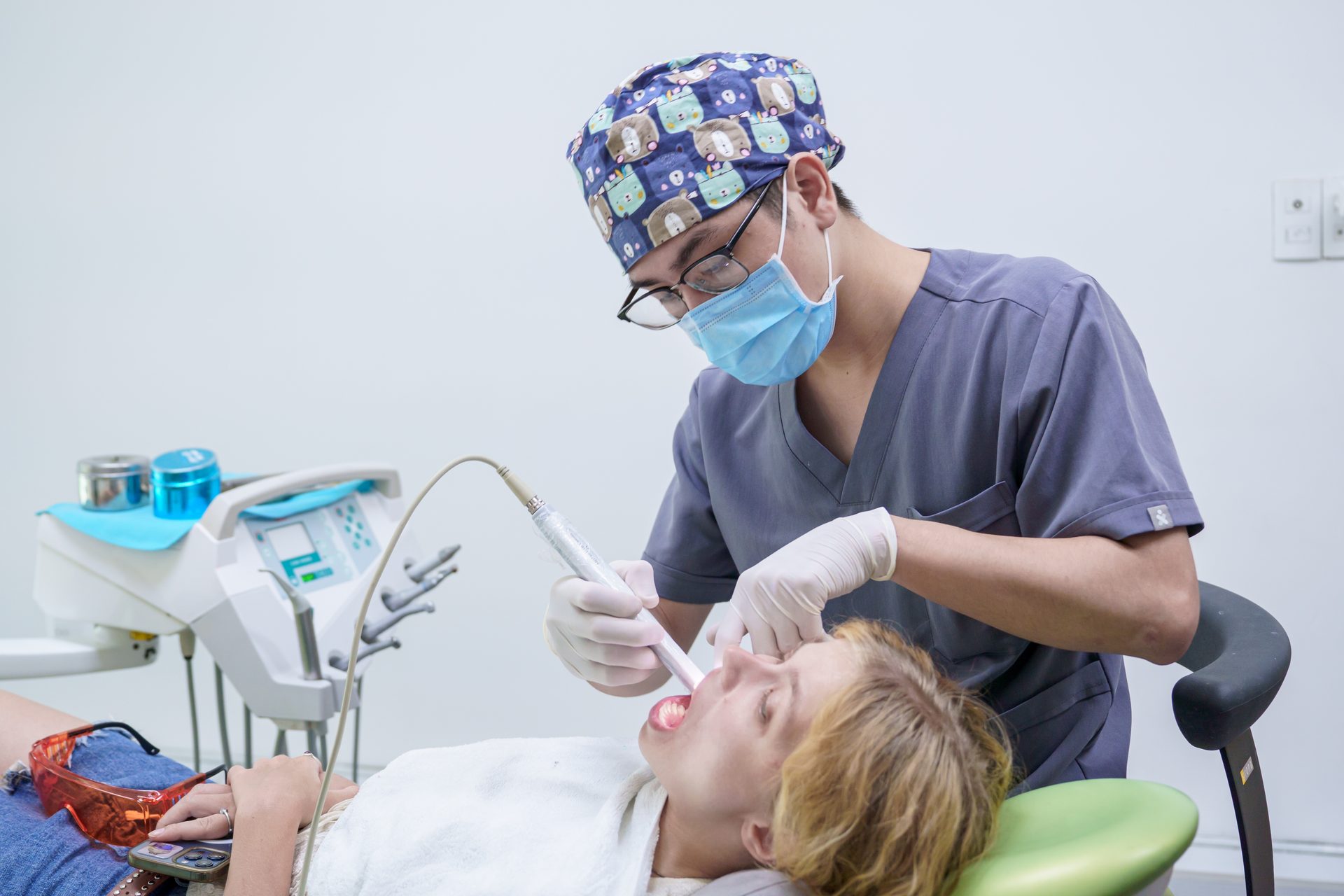
Location is a useful diagnostic clue. Sensitivity across the middle of the crown usually points to enamel erosion. Sensitivity at the gum line points to gum recession, where the unprotected root surface is now exposed. Sensitivity in a single tooth that has recently been treated suggests post-procedure inflammation. Each pattern leads to a different solution.
The most common causes
Enamel erosion from acidic food and drink
Citrus fruits, carbonated drinks, wine, and foods like tomatoes and apple cider vinegar are acidic enough to dissolve enamel surface over time. The damage is cumulative and painless until enough enamel is gone for the dentin to start responding to temperature.
Timing of brushing matters here. Enamel is temporarily softened immediately after acid exposure. Brushing in that window accelerates the damage. Wait at least 30 minutes after consuming acidic foods or drinks before brushing, and rinse with plain water immediately after eating to neutralise surface acidity.
Aggressive brushing technique
Hard brushing removes more than plaque. Done consistently with a medium or hard-bristled brush, it removes enamel from the tooth crown and strips the gum away from the root. Both mechanisms expose dentin. The correct technique is a soft-bristled brush, gentle pressure, and small circular strokes rather than horizontal scrubbing. Many patients believe scrubbing harder means cleaner teeth. It does not.
Gum recession
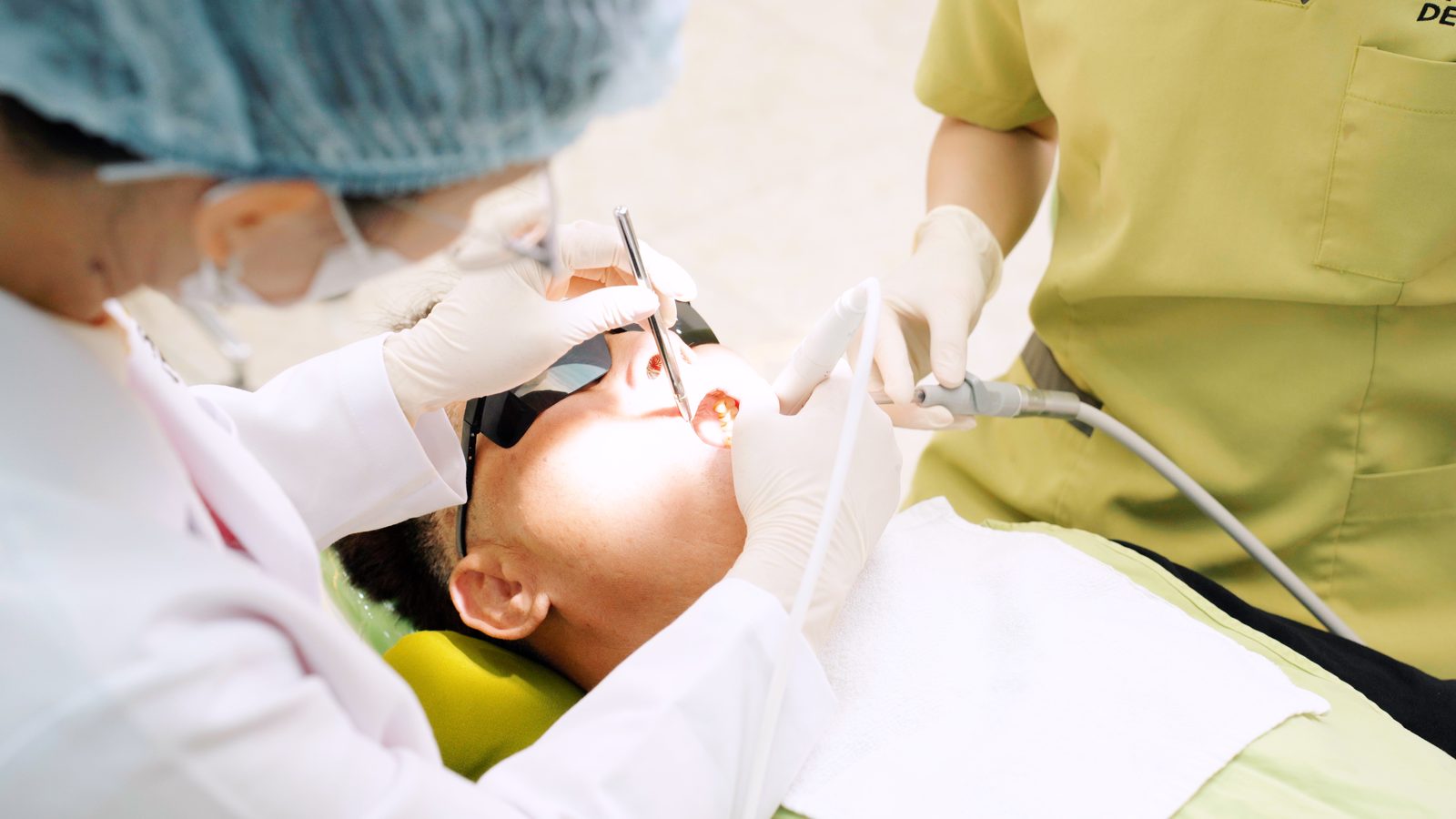
Root surfaces have no enamel. They are covered only by a thin material called cementum, which provides almost no thermal insulation. When the gum line drops and exposes the root, cold sensitivity often follows quickly. Recession happens gradually with age, but accelerates significantly with grinding, gum disease, or aggressive brushing. Patients at our Hanoi and Da Nang clinics who grind at night frequently present with both sensitivity and visible gum recession at the same time.
Teeth whitening
Peroxide-based whitening products temporarily increase enamel permeability and can irritate the pulp. The sensitivity is almost always self-limiting and resolves within a few days to two weeks as the peroxide clears. Using a desensitizing toothpaste in the days before and after whitening significantly reduces post-treatment discomfort. We discuss this with every patient before their whitening appointment at Picasso Dental.
Cracked teeth and failing restorations
A crack in a tooth creates a direct channel to the dentin and pulp. Unlike the diffuse sensitivity of enamel erosion, crack-related sensitivity is usually localised to a single tooth and may be triggered by biting down as well as by cold. A leaking filling or crown that no longer seals properly creates a similar pathway. Both require professional assessment and repair.
What to do right away at home
These steps apply to the most common presentations: diffuse, mild sensitivity from enamel erosion or minor gum recession. They are not a substitute for an examination when the underlying cause is structural.
- Switch to desensitizing toothpaste Choose a formula containing potassium nitrate or stannous fluoride. Apply twice daily and do not rinse immediately after brushing. The active ingredient needs contact time with the tooth surface to be effective. Allow two to four weeks before expecting noticeable improvement.
- Replace your toothbrush If you are using a medium or hard-bristled brush, switch to soft immediately. Apply only enough pressure to feel the bristles on the teeth. Scrubbing harder does not improve plaque removal and accelerates enamel loss and gum recession over months and years.
- Limit acidic foods and rinse after them You do not need to eliminate acidic foods entirely, but reduce frequency and always rinse with plain water immediately after consuming them. Wait 30 minutes before brushing. Drinking acidic beverages through a straw reduces direct contact with tooth surfaces.
- Use a nightguard if you grind Nocturnal grinding generates forces far beyond normal chewing and strips enamel faster than any dietary cause. A custom nightguard from a dentist fits precisely and prevents tooth contact during sleep. Pharmacy boil-and-bite versions provide imprecise fit and can shift teeth over time.
"I can now eat without pain, no more bleeding gums, no more bad breath, and of course I can smile with confidence."
Lawrie Smith, Melbourne, Australia, Hanoi Old Quarter, Google review
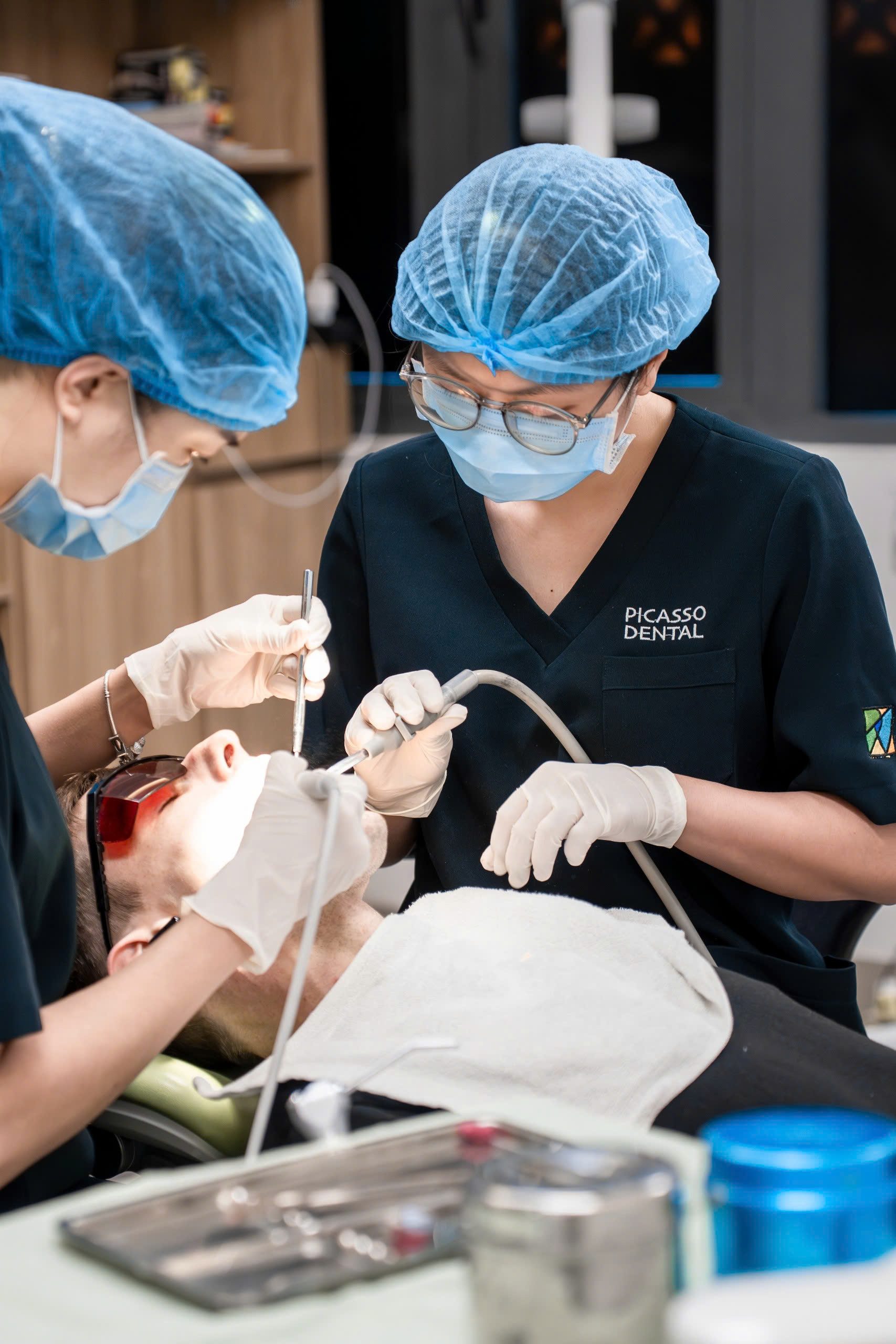
Sensitivity that keeps getting worse needs a professional look. Describe your symptoms and a licensed dentist will respond within 24 hours with an honest recommendation.
Contact us →When to see a dentist, and what treatment looks like
Home care helps with diffuse, mild sensitivity from enamel erosion or minor recession. It does not resolve cracks, cavities, abscesses, or significant recession. The table below describes which presentation warrants home treatment versus a professional appointment.
Manageable at home first
- Sensitivity affects multiple teeth, not just one
- Pain resolves within one second after cold is removed
- Symptoms developed gradually over months
- No recent dental procedures on the affected teeth
- Severity is mild and not worsening
Book an appointment this week
- Sensitivity localised to a single tooth
- Pain lingers for more than a few seconds after cold is gone
- Sensitivity appeared suddenly, not gradually
- Hot food or drink also triggers pain
- Symptoms are progressively worse
- Swelling, spontaneous ache, or pain when biting
Professional fluoride varnish
In-office fluoride varnish is significantly more concentrated than anything in consumer toothpaste. Applied directly to the affected surfaces, it occludes dentin tubules and reduces sensitivity within days rather than weeks. Most patients notice measurable improvement after a single application. It is painless to apply and the first-line treatment for diffuse cold sensitivity.
Dental bonding for exposed dentin spots
Where sensitivity is confined to specific areas with visible dentin exposure, a thin layer of composite resin can be bonded directly over the exposed surface. This physically seals the tubules and eliminates the cold pathway to the nerve. The procedure takes one appointment and usually requires no anaesthetic. Results are long-lasting, though the bonded material can wear over time and may need refreshing every few years.
Gum grafting for recession
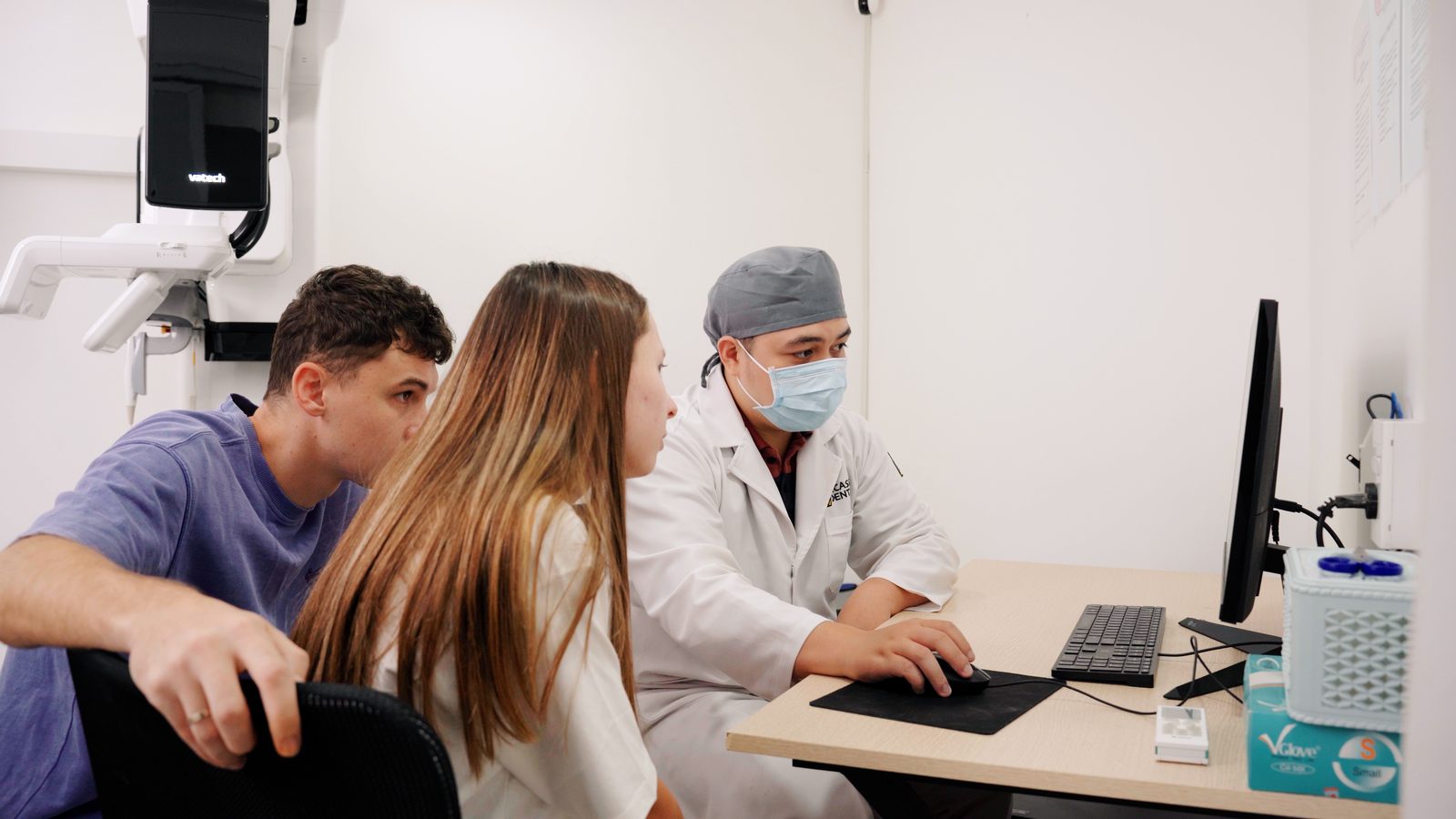
When gum recession is the source of the problem, the permanent solution is to restore the gum tissue. A gum graft uses soft tissue from another part of the mouth and attaches it over the receded area, covering the exposed root permanently. The procedure is done under local anaesthetic, takes one to two hours, and resolves the sensitivity once the graft has healed. It also halts further recession at the treated site. We perform this procedure at our surgical suites in Hanoi, Da Nang, and Ho Chi Minh City.
Root canal as a last resort
If cold sensitivity is accompanied by spontaneous pain, sensitivity to heat as well as cold, or pain that lingers for more than 30 seconds after the stimulus is removed, the pulp itself may be inflamed or infected. Root canal treatment removes the affected pulp, eliminates the nerve response permanently, and allows the tooth to be restored with a crown. This is not a first response to sensitivity. It is reserved for cases where the nerve is genuinely compromised.
"I had been dealing with immense pain due to a broken tooth with exposed nerve. I have been pain free since."
Garrett Lee, Hanoi Old Quarter, Google review
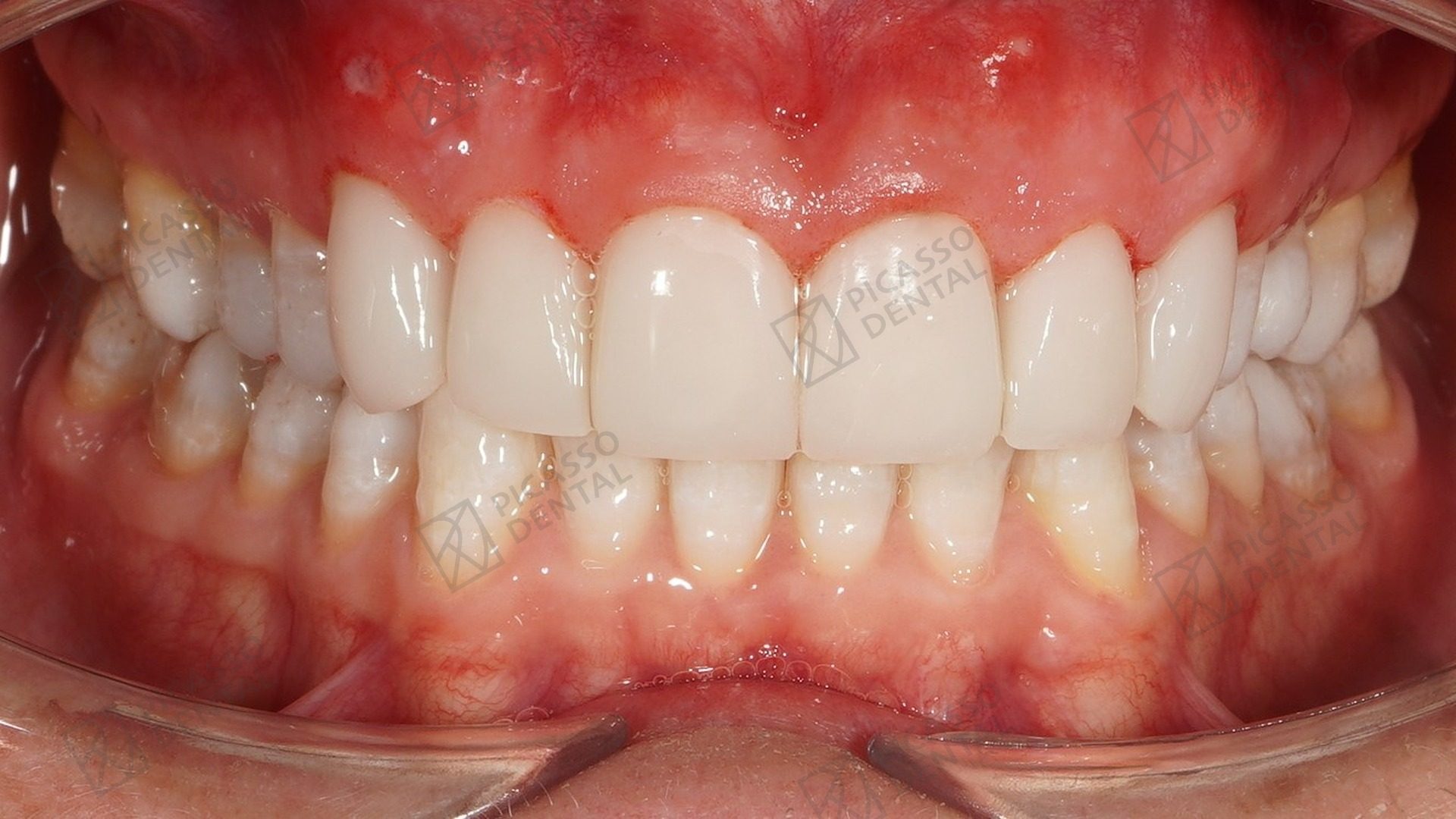
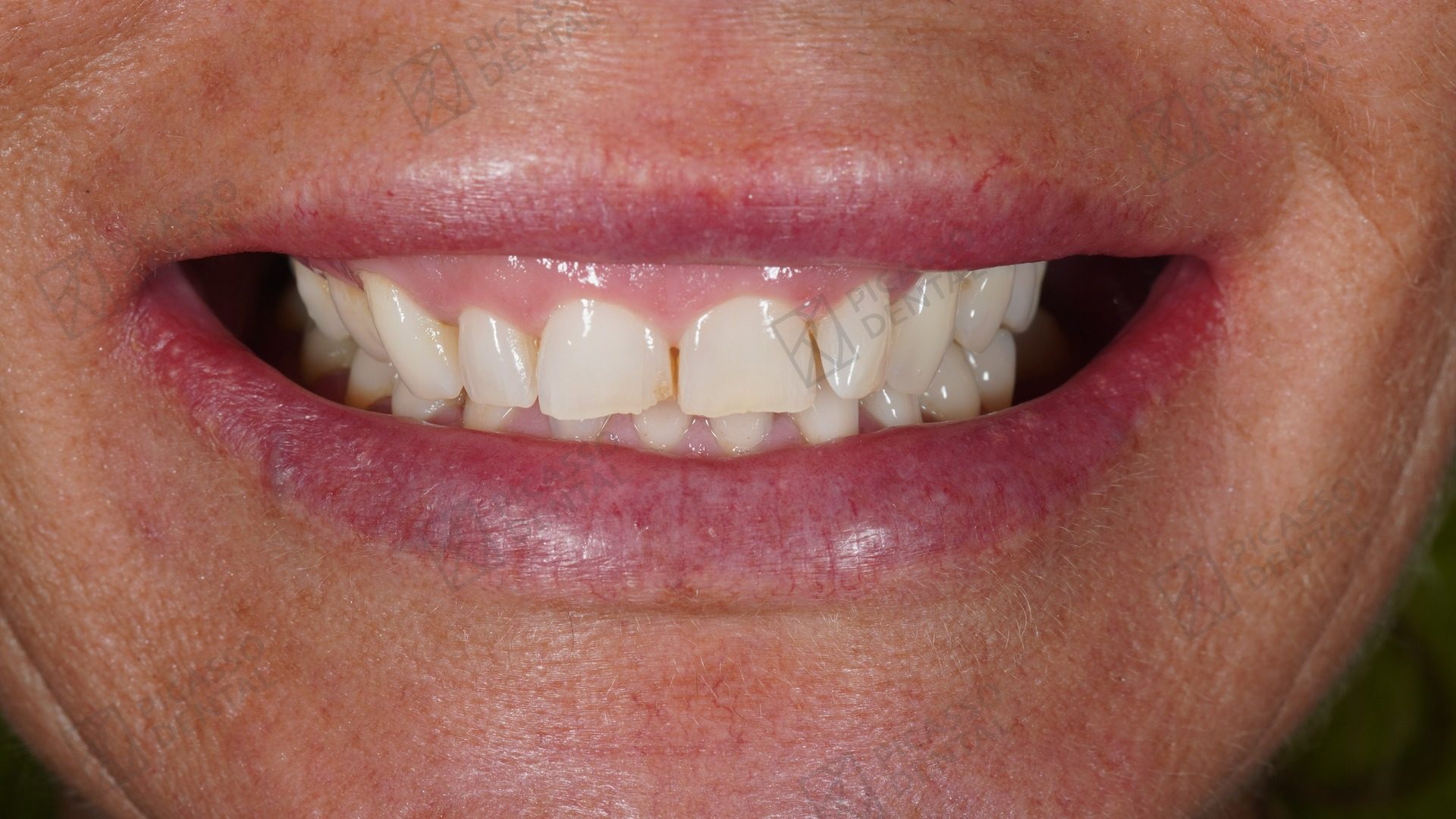
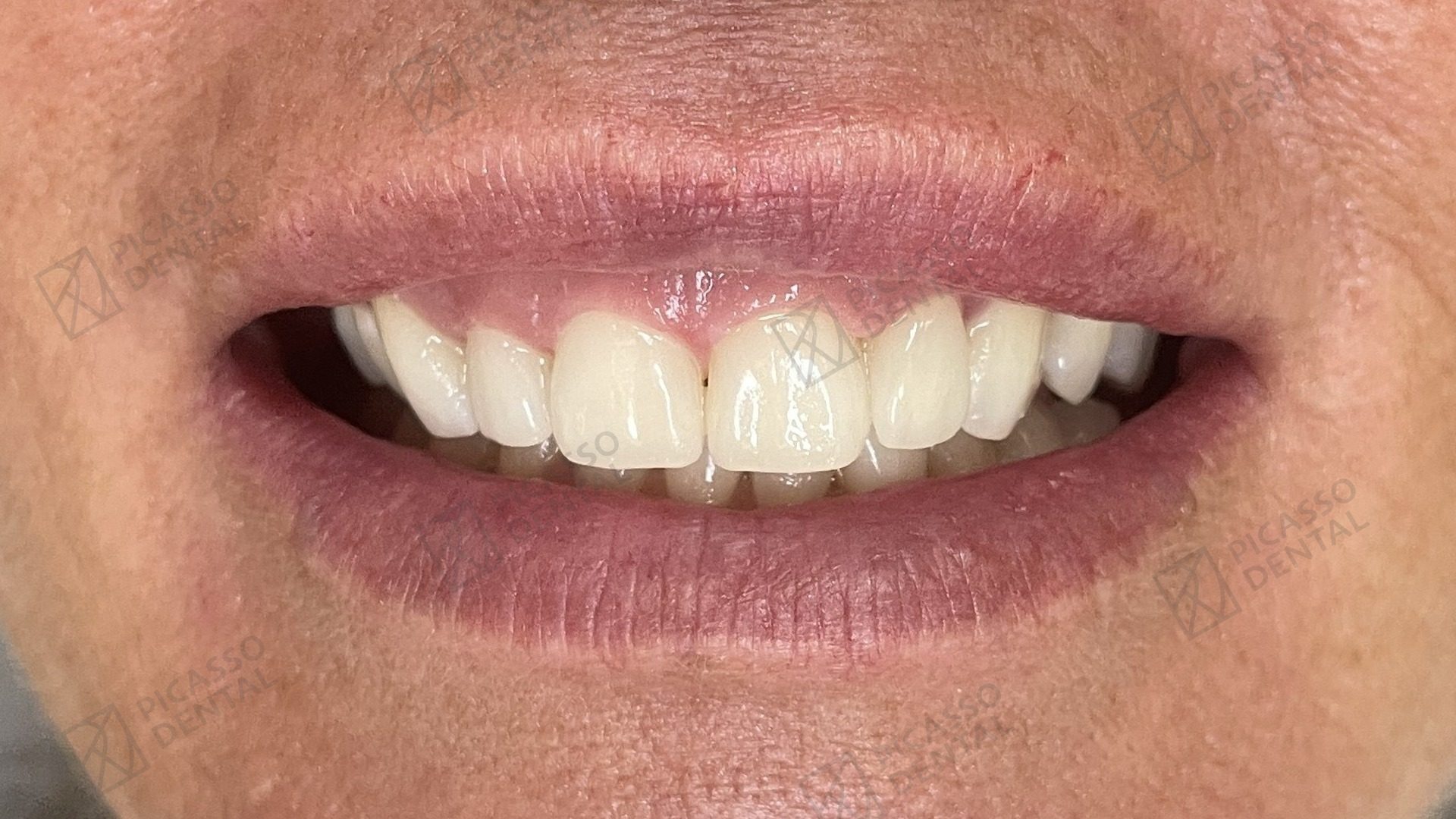
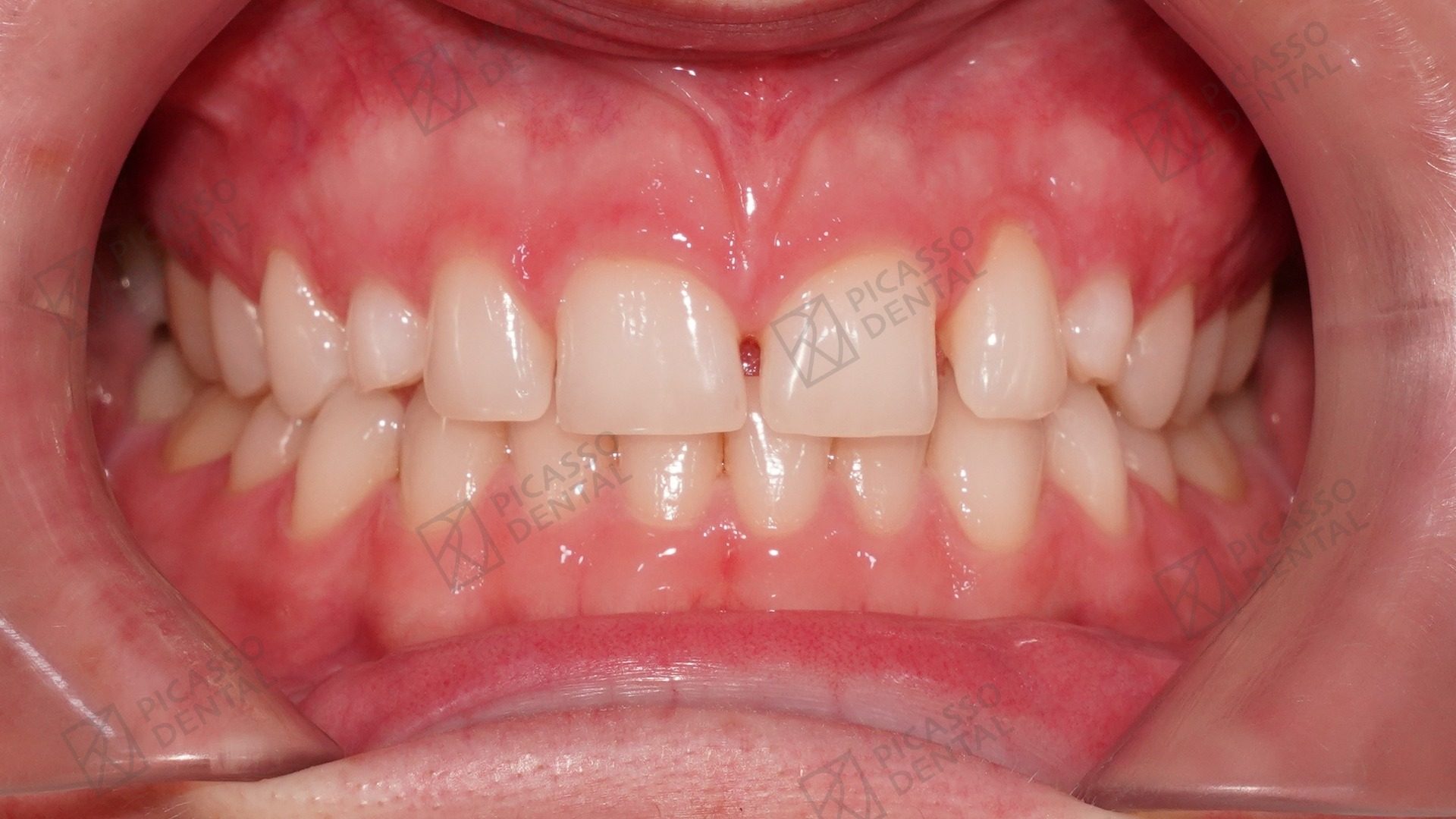
Before and after: patient cases at Picasso Dental
Results from patients treated across Hanoi, Da Nang, and Ho Chi Minh City. Cases include crowns, veneers, composite restorations, and smile rehabilitations.
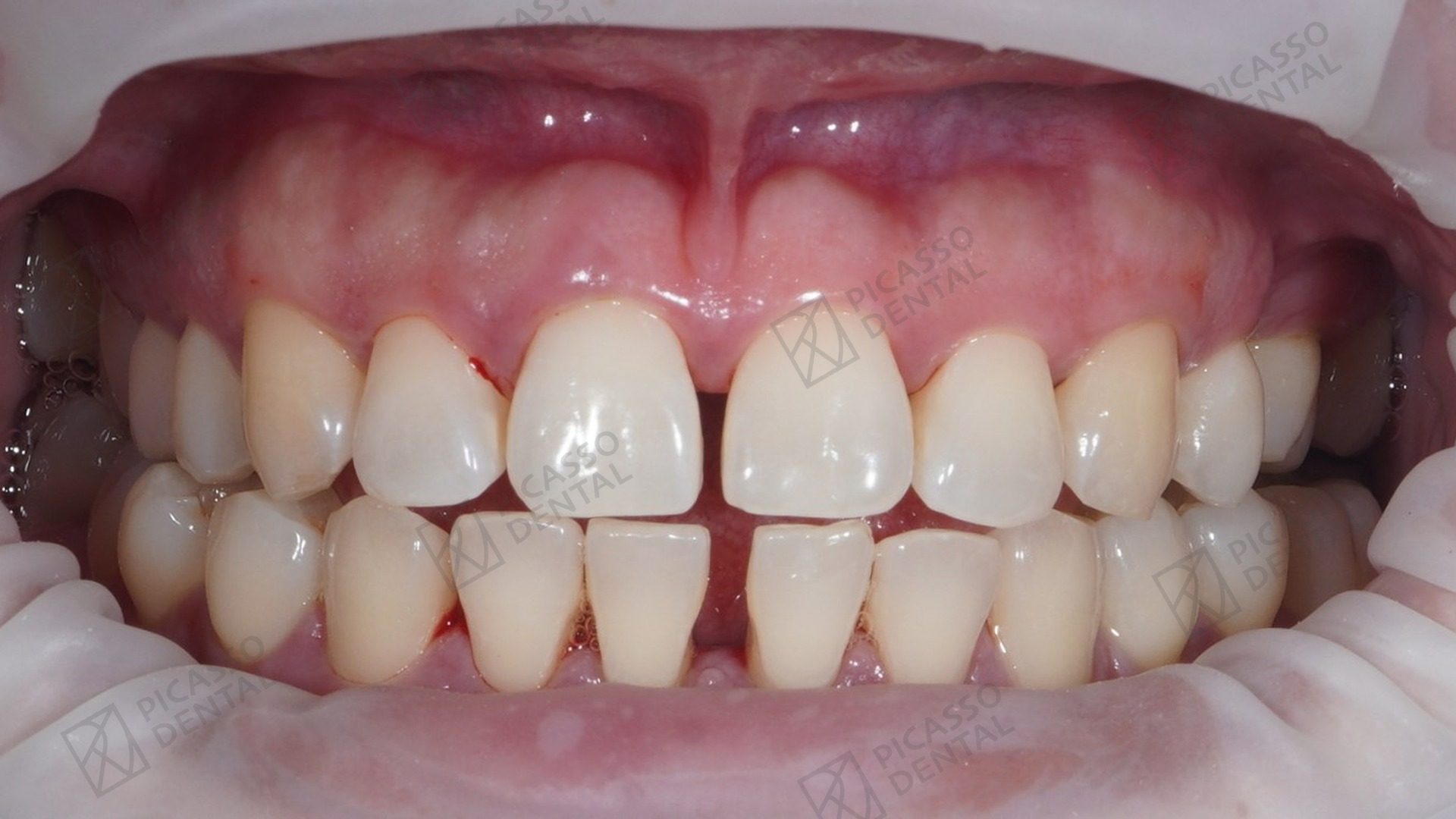 Before
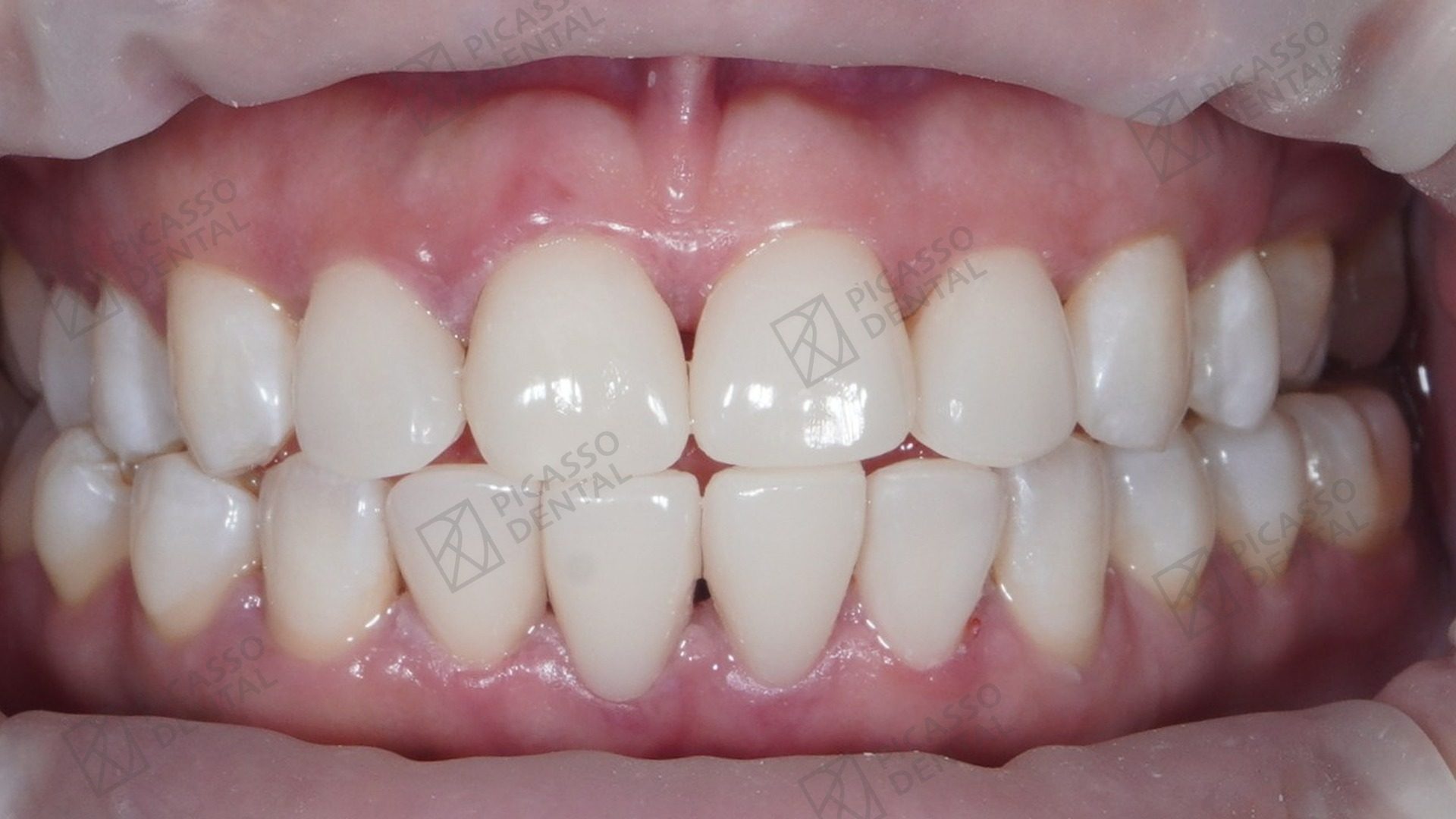 After
AfterCrown and composite restoration, Hanoi Old Quarter
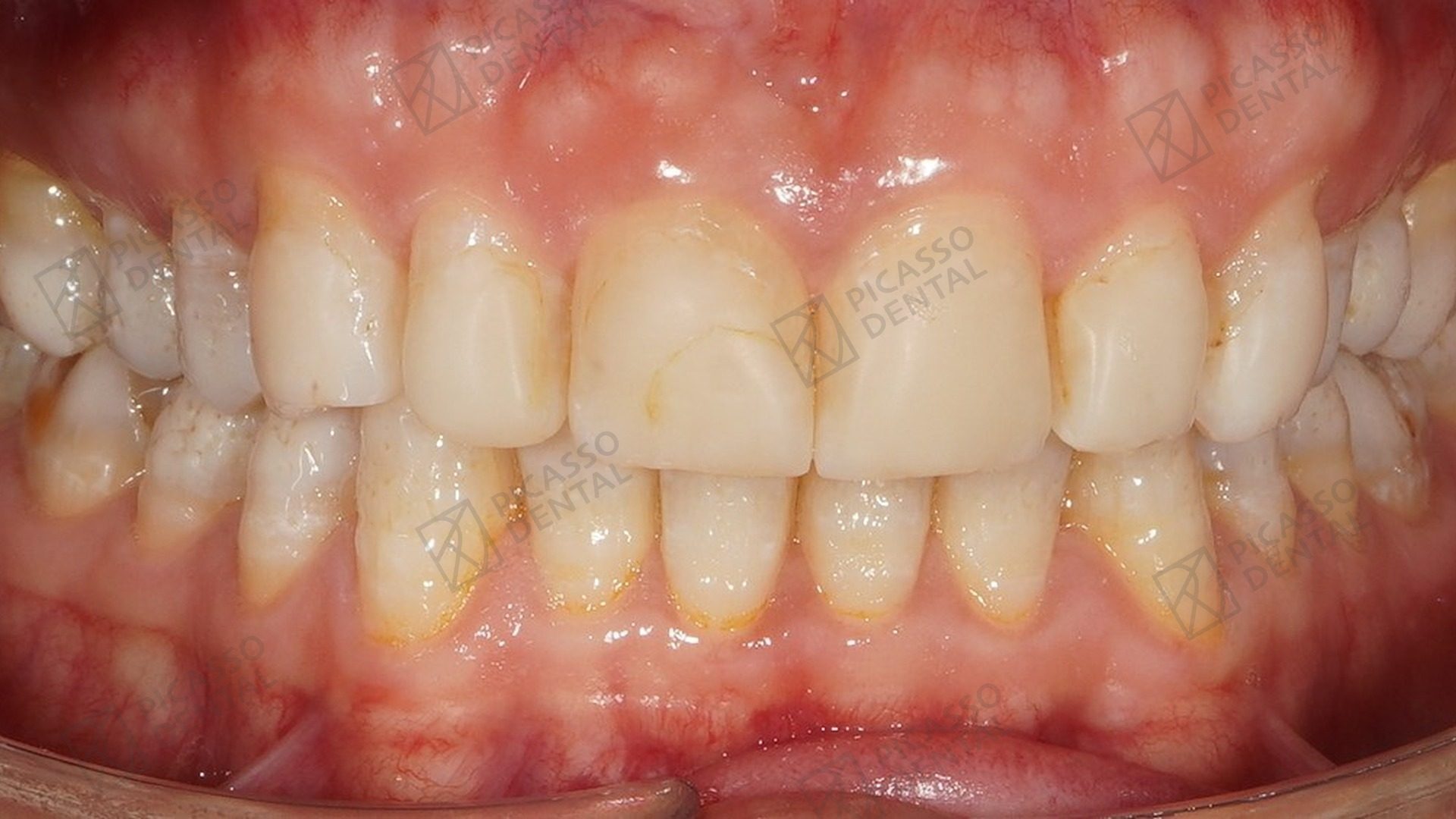 Before
 After
AfterPorcelain crowns, Da Nang Flagship
 Before
 After
AfterFull smile restoration, HCMC Thao Dien
 Before
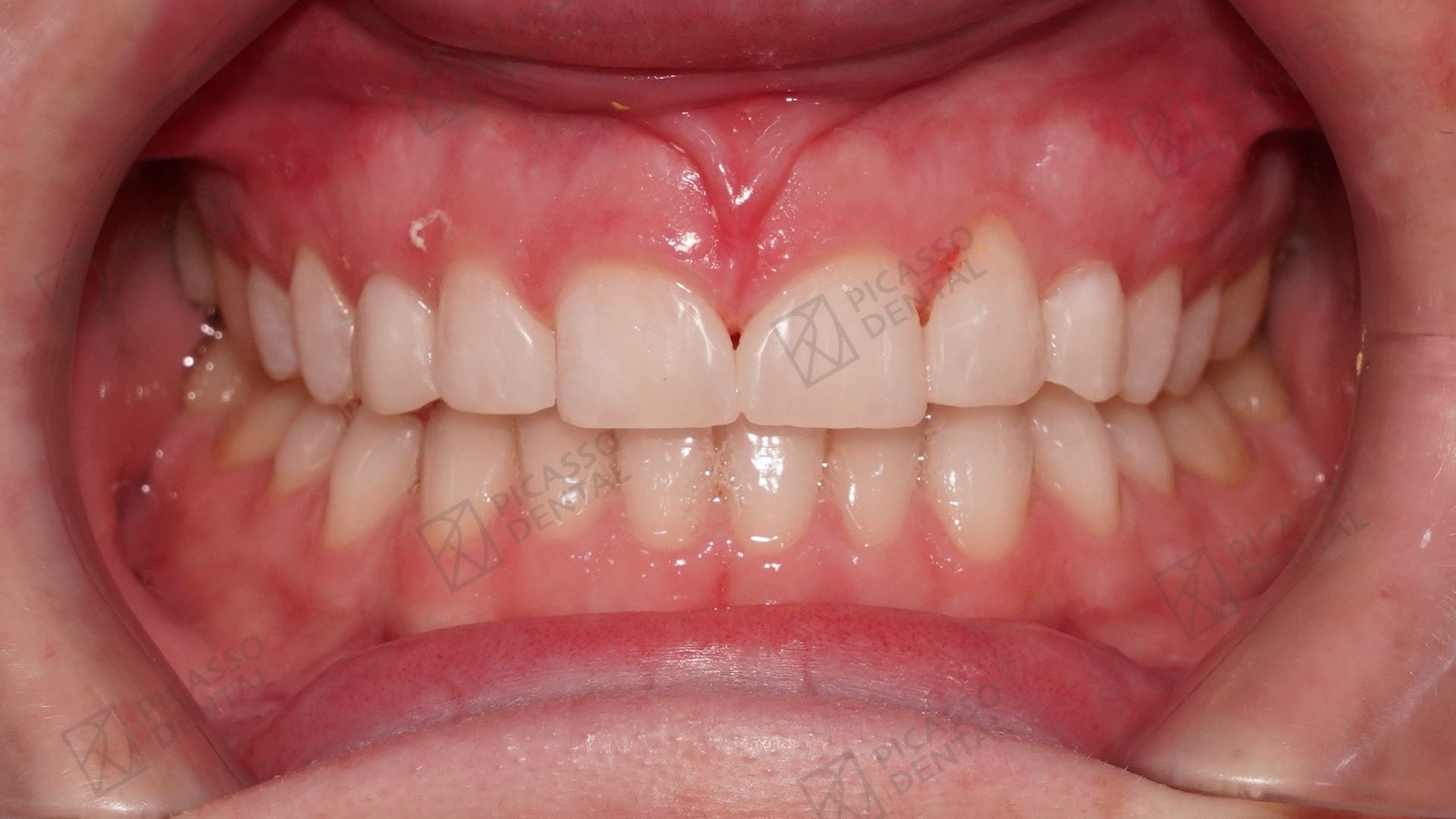 After
AfterPorcelain veneers, Hanoi Westlake
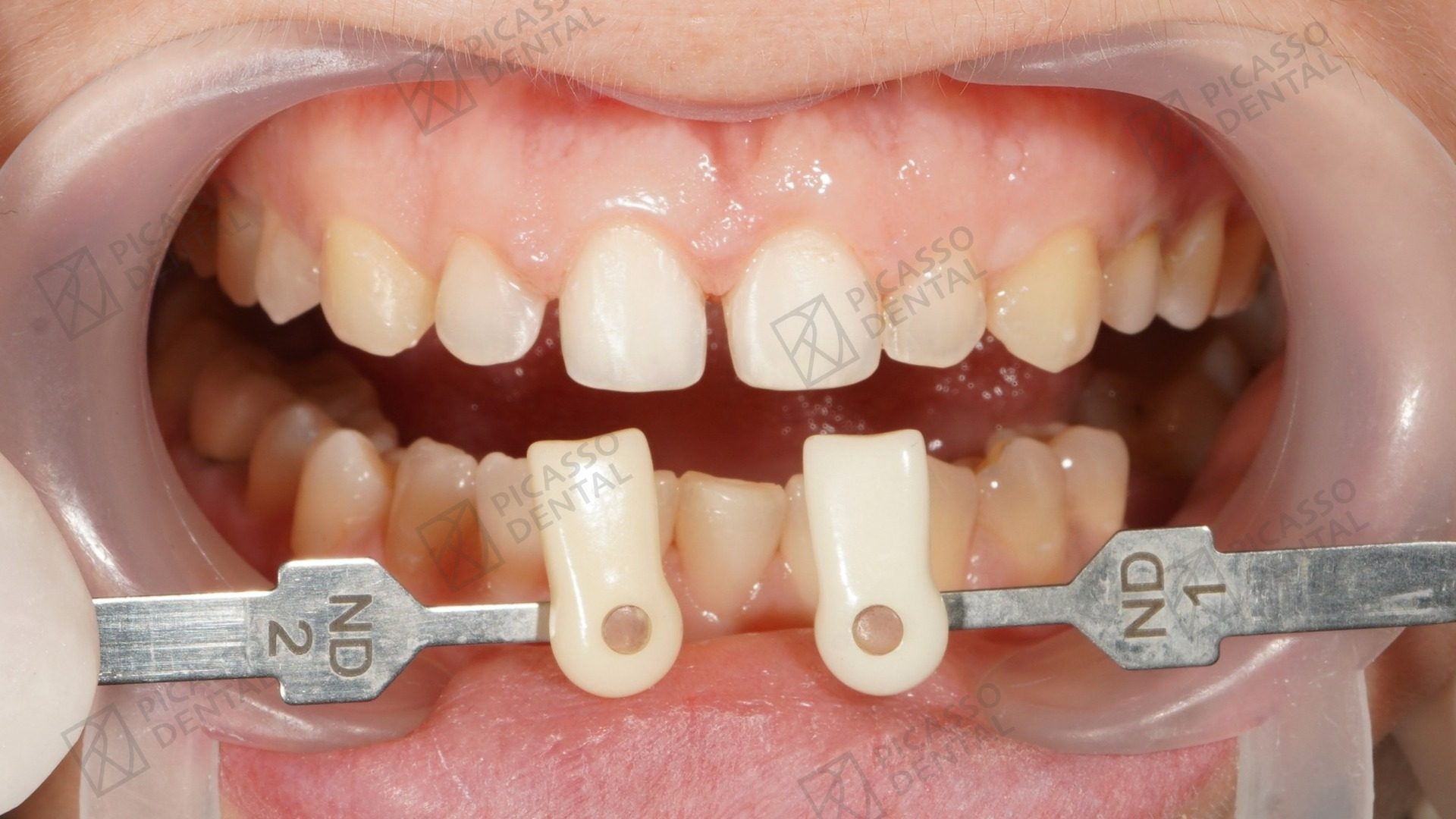 Before
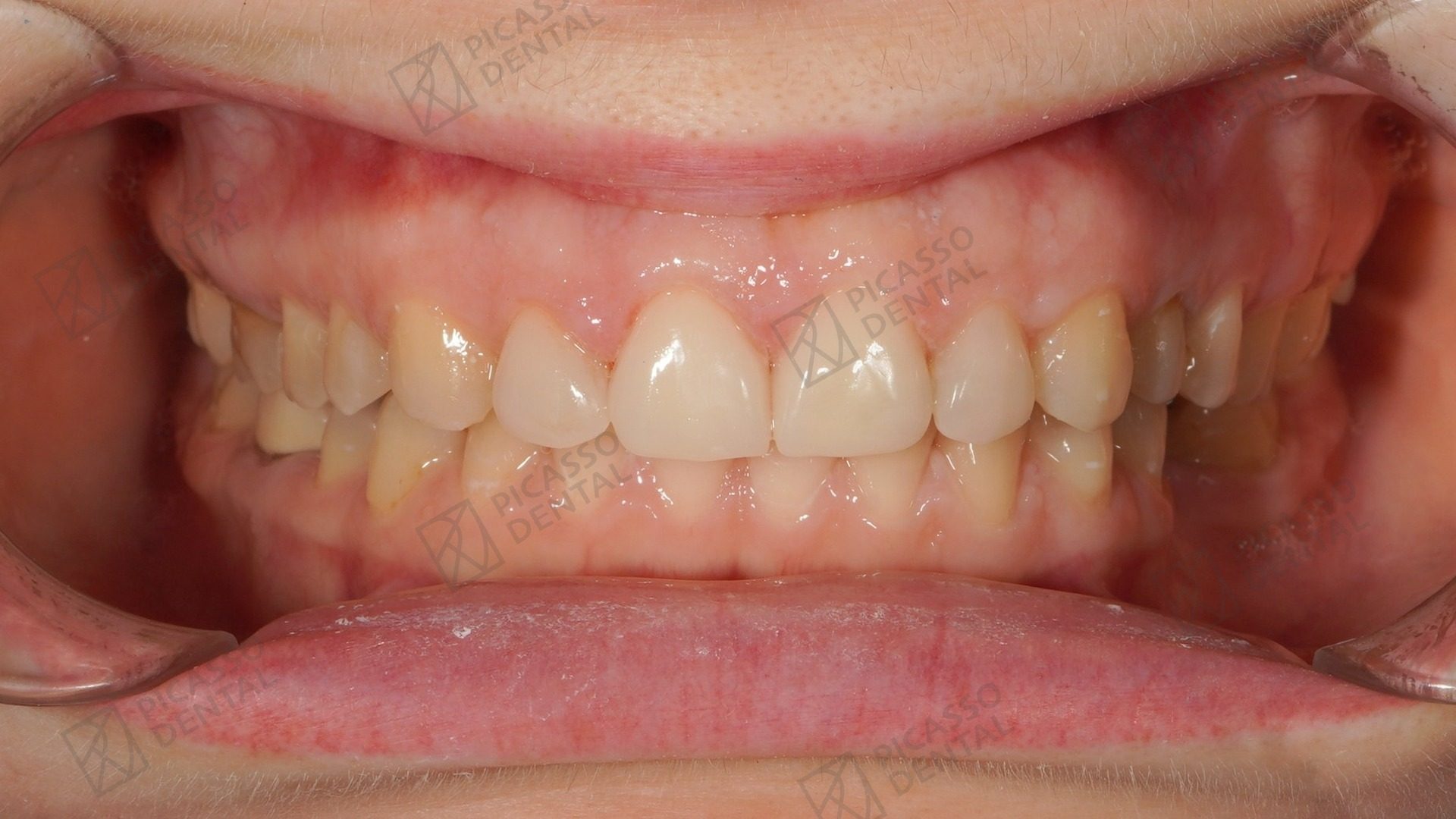 After
AfterCrown restoration, Da Nang
Frequently asked questions
Why are my teeth sensitive to cold?
Cold sensitivity occurs when the protective enamel on your teeth wears thin or disappears, exposing the dentin layer beneath. Dentin contains microscopic tubules that lead directly to the tooth nerve, and cold stimuli travel through these tubules rapidly, producing the sharp, sudden pain most people describe. Common causes include enamel erosion from acidic food and drink, aggressive brushing technique, gum recession, and temporary nerve irritation from teeth whitening products.
Is cold sensitivity a sign of a serious dental problem?
Mild cold sensitivity that resolves within a second or two after the cold stimulus is removed is usually a sign of exposed dentin, which is manageable with desensitizing toothpaste and improved oral hygiene habits. However, sensitivity that lingers for more than a few seconds, or that is getting progressively worse, can indicate a cavity, a cracked tooth, a failing restoration, or an abscess. These require professional examination and treatment and should not be managed with home remedies alone.
What is the best toothpaste for sensitive teeth?
Desensitizing toothpastes containing potassium nitrate or stannous fluoride are clinically the most effective for reducing cold sensitivity over time. Potassium nitrate works by calming the nerve inside the tooth, while stannous fluoride physically occludes the dentin tubules, blocking the cold signal. Use the toothpaste twice daily for a minimum of two to four weeks before expecting noticeable improvement. Do not rinse immediately after brushing, as this washes away the active ingredient.
How long does tooth sensitivity to cold last?
Sensitivity caused by recent teeth whitening typically resolves within a few days to two weeks as the peroxide clears from the enamel. Sensitivity from enamel erosion or gum recession is ongoing until the underlying cause is addressed. With consistent use of desensitizing toothpaste and improved brushing technique, many patients notice significant improvement within four to six weeks. Sensitivity that does not improve after six weeks of home care warrants a professional assessment.
Can a dentist fix tooth sensitivity permanently?
Yes, in most cases. Professional fluoride varnish applied in-clinic desensitizes faster than home toothpastes. Dental bonding can seal exposed dentin areas on individual teeth and provides long-lasting relief. For sensitivity caused by gum recession, gum grafting covers the exposed root surface and eliminates the cold pathway entirely. For sensitivity stemming from teeth grinding, a custom nightguard prevents further enamel wear and gum damage. Root canal treatment is reserved for cases where the nerve itself is damaged.
What causes sudden tooth sensitivity to cold?
Sudden onset of cold sensitivity most commonly indicates a new cavity, a cracked tooth, a lost or leaking filling, or rapid gum recession. It can also follow a dental procedure such as crown preparation, filling placement, or teeth whitening, as temporary inflammation or peroxide exposure irritates the nerve. If sensitivity appears suddenly and is localised to a single tooth, book a dental examination within a week, as a cracked tooth left untreated can progress to an abscess.
Does gum recession cause cold sensitivity?
Yes. The root surface of a tooth has no enamel covering, only a thin layer of cementum that provides minimal protection against temperature stimuli. When gums recede and expose the root, cold air, cold drinks, and cold food contact the unprotected dentin directly, causing sharp sensitivity. Gum recession accelerates with age, but is made significantly worse by aggressive brushing, nocturnal grinding, and untreated periodontal disease. Treatment options range from desensitizing agents to gum grafting, depending on severity. See our sensitive teeth treatment page for a full overview of options at Picasso Dental.
Can teeth whitening cause sensitivity to cold?
Yes. Both in-office whitening and home whitening products use hydrogen peroxide or carbamide peroxide, which temporarily opens the enamel surface and allows the whitening agent to reach the inner tooth structure. This process can irritate the pulp and cause temporary cold sensitivity lasting one to five days. The sensitivity is almost always self-limiting and resolves completely once the peroxide clears. Using a desensitizing toothpaste in the days before and after whitening significantly reduces the likelihood of post-treatment sensitivity.
Get an Assessment for Sensitive Teeth.
Licensed dentist responds within 24 hours. Identify the cause and get a clear treatment plan.
No obligation · Since 2013