
Root Canal Treatment
What to Expect After a Root Canal: a day-by-day guide
Peak soreness at 24 to 48 hours, managed with ibuprofen. Most patients feel normal by day 5 or 6. Proper recovery and a timely crown placement determine whether the tooth lasts 20 years or 40.

Key Takeaways
- Hours 0 to 4: numbness from the anaesthetic. Hours 4 to 12: ache sets in as anaesthetic wears off.
- Days 1 to 2: peak soreness, manageable with ibuprofen 400 to 600 mg every 6 to 8 hours.
- Days 3 to 7: significant improvement, most patients stop pain medication and resume normal activity.
- Weeks 2 to 6: silent bone-level healing and crown placement. Crown within 2 to 4 weeks is mandatory for posterior teeth.
<h2>The Day-by-Day Recovery Timeline</h2>

<p>Root canal recovery is more predictable than most patients expect. The procedure removes the infected pulp from inside the tooth, which eliminates the source of pain, but the surrounding tissues need time to settle. Understanding what is normal at each stage removes the anxiety from the recovery.</p>

<h3>Hours 0 to 4: numbness phase</h3>
<p>The local anaesthetic keeps the area numb for 2 to 4 hours after you leave the clinic. Your lip, cheek, or tongue may feel thick or strange. Do not eat during this time as you risk biting the numb tissue. Take your first ibuprofen dose about 60 minutes after leaving the clinic to get ahead of the soreness before the anaesthetic wears off entirely.</p>

<h3>Hours 4 to 12: soreness begins</h3>
<p>As the anaesthetic fades, a dull ache or mild throbbing develops around the treated tooth. This is normal inflammation from the instrumentation during the procedure, not a sign that something went wrong. The tooth may feel slightly elevated when biting, which also resolves within 1 to 2 days. Keep ibuprofen on schedule and eat soft food on the opposite side. Avoid alcohol.</p>

<h3>Days 1 to 2: peak soreness</h3>
<p>Tenderness peaks at 24 to 48 hours. Mild gum swelling near the tooth is common. Continue ibuprofen 400 to 600 mg every 6 to 8 hours with food. An ice pack applied 15 minutes on, 15 minutes off can reduce any visible swelling. Sleep with your head slightly elevated. This is the least comfortable part of the recovery, but it is also the shortest.</p>

<figure class="art-photo">
  <img src="/images/clinics/hanoi-old-quarter/treatment-room.jpg" alt="Root canal treatment room at Picasso Dental Clinic" loading="lazy" decoding="async">
  <figcaption>The treatment suite at our Hanoi Old Quarter branch. Post-operative instructions are reviewed with every patient at the end of the appointment.</figcaption>
</figure>

<h3>Days 3 to 7: significant improvement</h3>
<p>By day 3, most patients notice clear improvement. Pain medication is usually no longer needed by day 4 or 5. The tooth may still feel slightly sensitive when biting certain textures, but this is residual awareness rather than active pain. Resume normal diet on the opposite side. Light exercise is fine from day 3. Avoid chewing directly on the treated tooth until the permanent crown is placed.</p>

<h3>Week 2: crown preparation</h3>
<p>The permanent crown appointment ideally takes place at week 2. The tooth is prepared, an impression or digital scan is taken, and a temporary crown is placed while the permanent one is fabricated in the laboratory. International patients on a 2 to 3 week trip routinely complete the full root canal plus crown sequence in one visit by timing the root canal at the start of the trip and the crown cementation at the end.</p>

<h3>Weeks 3 to 4: permanent crown cementation</h3>
<p>The permanent crown is cemented and the bite is adjusted. From this point the tooth is fully protected and you can resume chewing on it normally. Avoid very sticky foods for 24 hours post-cementation to allow the cement to fully set.</p>

<h3>Weeks 4 to 6: silent tissue healing</h3>
<p>Bone and periodontal ligament tissue around the root tip continue healing during this period. You feel nothing during this phase. Routine activity is fully resumed. Schedule your 6-monthly recall appointment to track long-term healing.</p>

<div class="art-callout">
  <strong>For international patients:</strong> The full root canal plus crown sequence takes 2 to 3 weeks from start to finish. We coordinate scheduling at the consultation so that the root canal happens on day 1 or 2 of your trip, crown prep at the midpoint, and cementation in the final days. Tell us your departure date when you contact us.
</div>

<h2>What Is Normal vs. What Requires a Call</h2>

<p>Knowing the difference between expected recovery and a genuine concern is what allows you to recover without unnecessary worry.</p>

<div class="art-signal-grid">
  <div class="art-signal-col art-signal-col--good">
    <h4>Normal, no action needed</h4>
    <ul>
      <li>Tenderness around the tooth for 2 to 7 days</li>
      <li>Mild sensitivity when biting for up to a week</li>
      <li>Slight gum swelling near the treated tooth</li>
      <li>Minor jaw soreness from extended mouth-open time</li>
      <li>Brief odd taste for a day or two from irrigation solutions</li>
      <li>Tooth feeling slightly high when biting for 1 to 2 days</li>
      <li>Soreness that responds to ibuprofen 400 to 600 mg</li>
    </ul>
  </div>
  <div class="art-signal-col art-signal-col--bad">
    <h4>Contact the clinic same day</h4>
    <ul>
      <li>Severe pain worsening after day 2</li>
      <li>Visible facial swelling increasing after 48 hours</li>
      <li>Fever above 38 degrees Celsius</li>
      <li>Temporary filling falls out</li>
      <li>Numbness persisting more than 4 hours</li>
      <li>Pain not controlled by full-dose ibuprofen</li>
      <li>Allergic reaction to any prescribed medication</li>
      <li>Foul taste or pus discharge from the tooth area</li>
    </ul>
  </div>
</div>

<a href="https://wa.me/84989067888" class="art-cta-inline"><p><strong>Unsure about a symptom?</strong> Reach us through the contact form and a licensed dentist will respond with clear guidance on whether the symptom is normal or needs same-day attention.</p><span>Book a consultation →</span></a>

<h2>Eating, Drinking, and Daily Activity</h2>

<h3>Eating</h3>
<p>Wait until the numbness wears off completely before eating. For the first 24 to 48 hours, choose soft foods on the opposite side: yoghurt, eggs, soup, pasta, fish, cooked vegetables, smoothies, and rice. Room-temperature or cool food is more comfortable than very hot items. Do not skip meals since your body needs adequate nutrition for healing.</p>

<h3>Drinking</h3>
<p>Plenty of water throughout the day. Avoid alcohol for 24 to 48 hours, especially if taking ibuprofen or any prescribed medication. Coffee and tea are fine at a warm rather than scalding temperature.</p>

<h3>Exercise and activity</h3>
<p>Most patients return to work the same day or the next day. Skip strenuous exercise for 24 hours since elevated blood pressure can intensify post-procedure throbbing. Light walking is fine immediately. By day 2 to 3, normal gym sessions are appropriate.</p>

<h3>Oral hygiene</h3>
<p>Continue brushing and flossing twice daily. Be gentle around the treated tooth for the first 2 to 3 days but do not avoid it entirely. A salt-water rinse two to three times daily is soothing and reduces bacteria around the site.</p>

<figure class="art-photo">
  <img src="/images/clinics/da-nang-hoang-dieu/reception.jpg" alt="Picasso Dental Clinic Da Nang reception" loading="lazy" decoding="async">
  <figcaption>Our Da Nang Flagship branch inside Vinmec International Hospital. Post-operative follow-up is available at all six Picasso locations.</figcaption>
</figure>

<h2>Long-Term Outcomes: What the 30-Year Data Show</h2>

<p>The second half of "what to expect after a root canal" is what happens in the years that follow. Published outcome studies and our own clinical follow-up at Picasso show the following survival rates for root canal-treated teeth with a properly placed crown and 6-monthly maintenance:</p>

<ul class="art-checklist">
  <li>
    <div>
      <strong>5 years: 95 percent survival</strong>
      <span>The vast majority of properly treated and crowned teeth are still functioning at 5 years. The main failure pathway at this stage is reinfection from a crown that has begun to leak.</span>
    </div>
  </li>
  <li>
    <div>
      <strong>10 years: 85 to 90 percent survival</strong>
      <span>The survival gap between crowned and uncrowned teeth widens significantly at this stage. Vertical root fracture is the dominant failure cause in uncrowned posterior teeth.</span>
    </div>
  </li>
  <li>
    <div>
      <strong>20 years: 80 to 85 percent survival</strong>
      <span>Long-term failures are almost entirely mechanical (crown wear, marginal decay) or hygienic (gum disease loosening the attachment). Biological failure driven by reinfection is rare with modern technique.</span>
    </div>
  </li>
  <li>
    <div>
      <strong>30 years: 70 to 75 percent survival</strong>
      <span>Many root canal-treated teeth last 40 or 50 years with consistent care. The two biggest factors in reaching this outcome are a timely crown and a 6-monthly recall schedule.</span>
    </div>
  </li>
</ul>

<p>The two decisions that matter most for long-term survival are getting the crown placed within 2 to 4 weeks of the root canal (see <a href="/blog/why-should-the-patient-have-a-crown-done-after-a-root-canal-treatment/">why the crown matters</a>), and attending 6-monthly cleanings so that recurrent decay around the crown margin is caught early.</p>

<figure class="art-photo">
  <img src="/images/general-dentistry/treatment.jpg" alt="Dental treatment at Picasso Dental Clinic" loading="lazy" decoding="async">
  <figcaption>Post-procedure check-ups at Picasso are included in the treatment pathway for all root canal patients.</figcaption>
</figure>
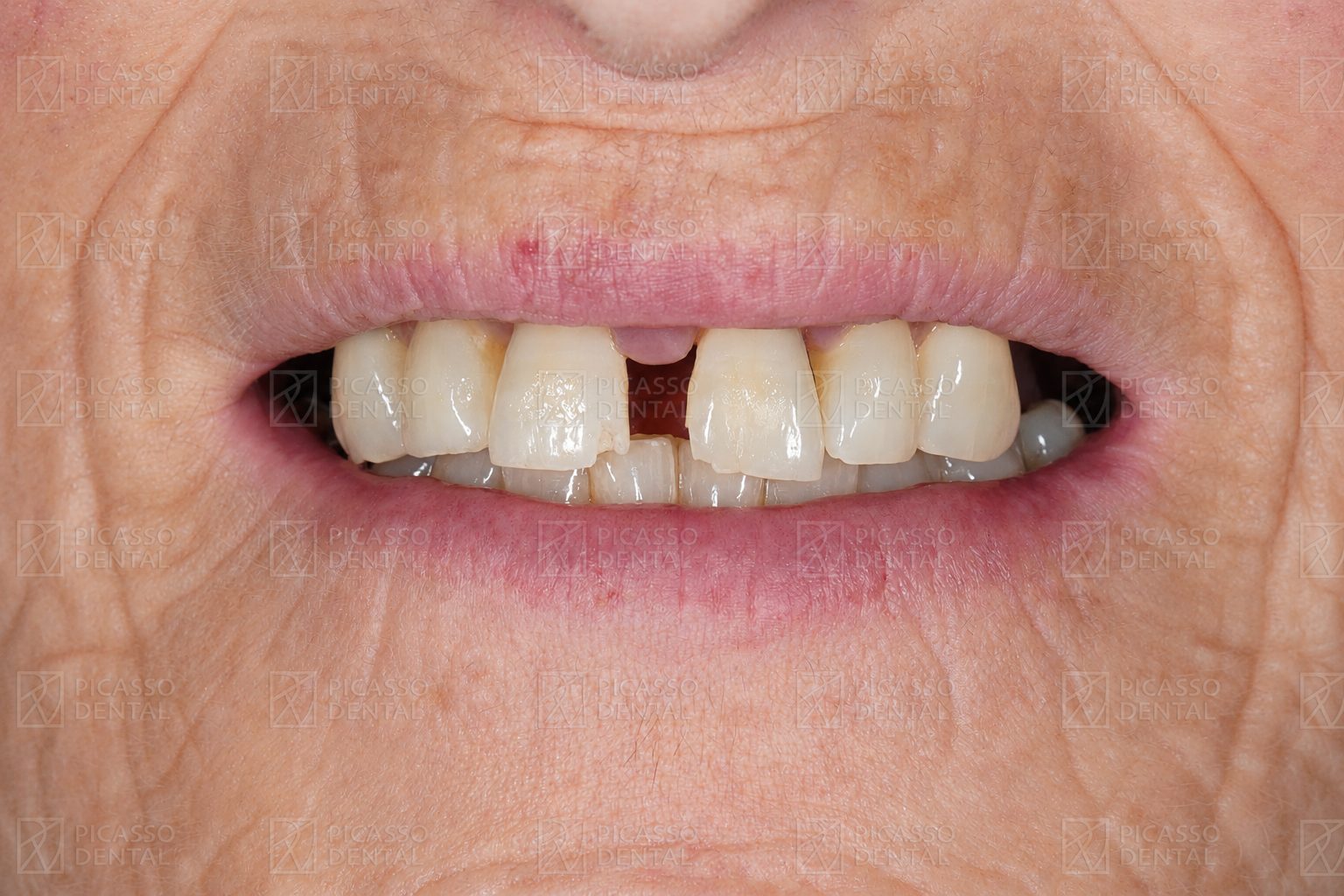 Before
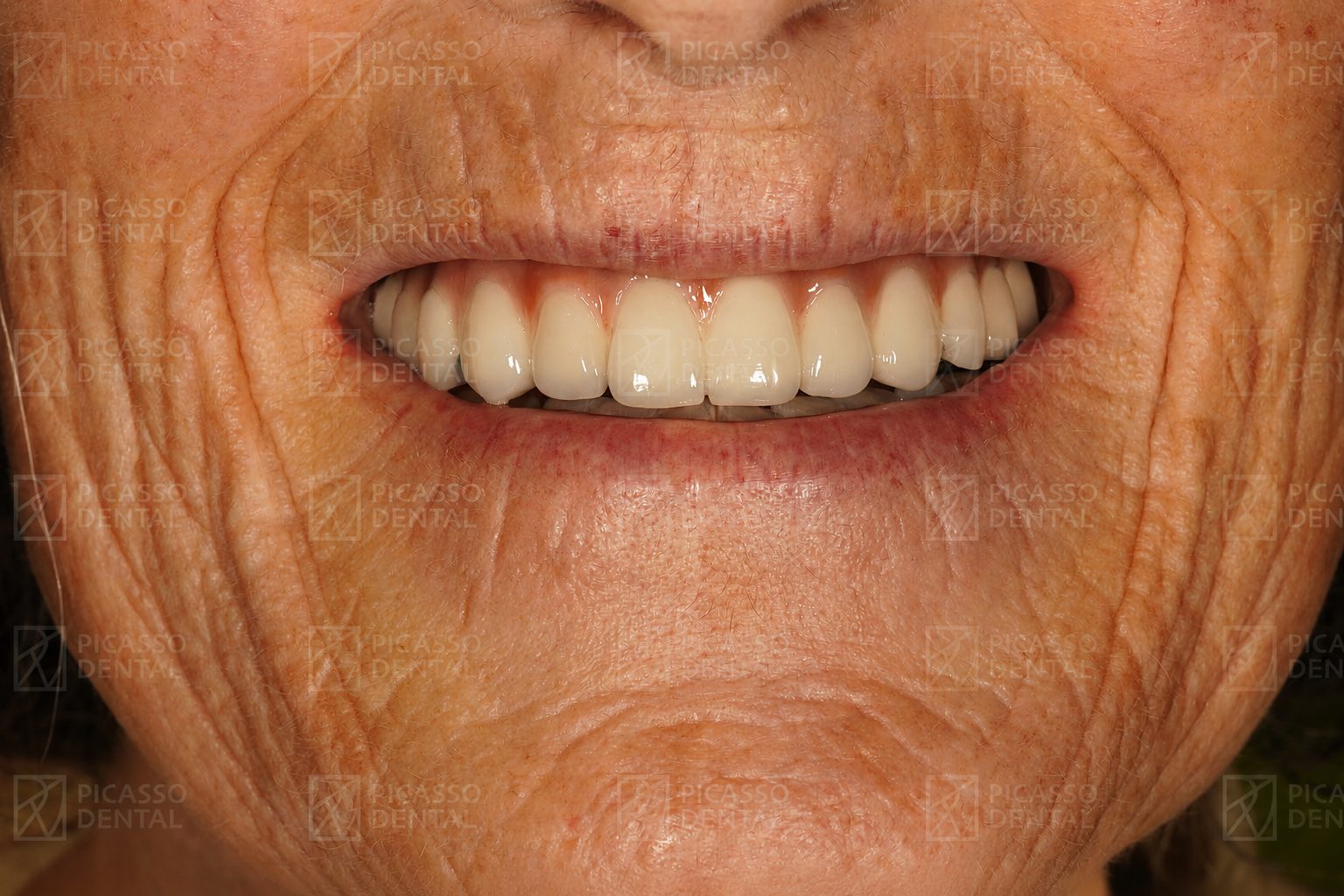 After
AfterRoot canal followed by zirconia crown. Natural tooth retained and protected.
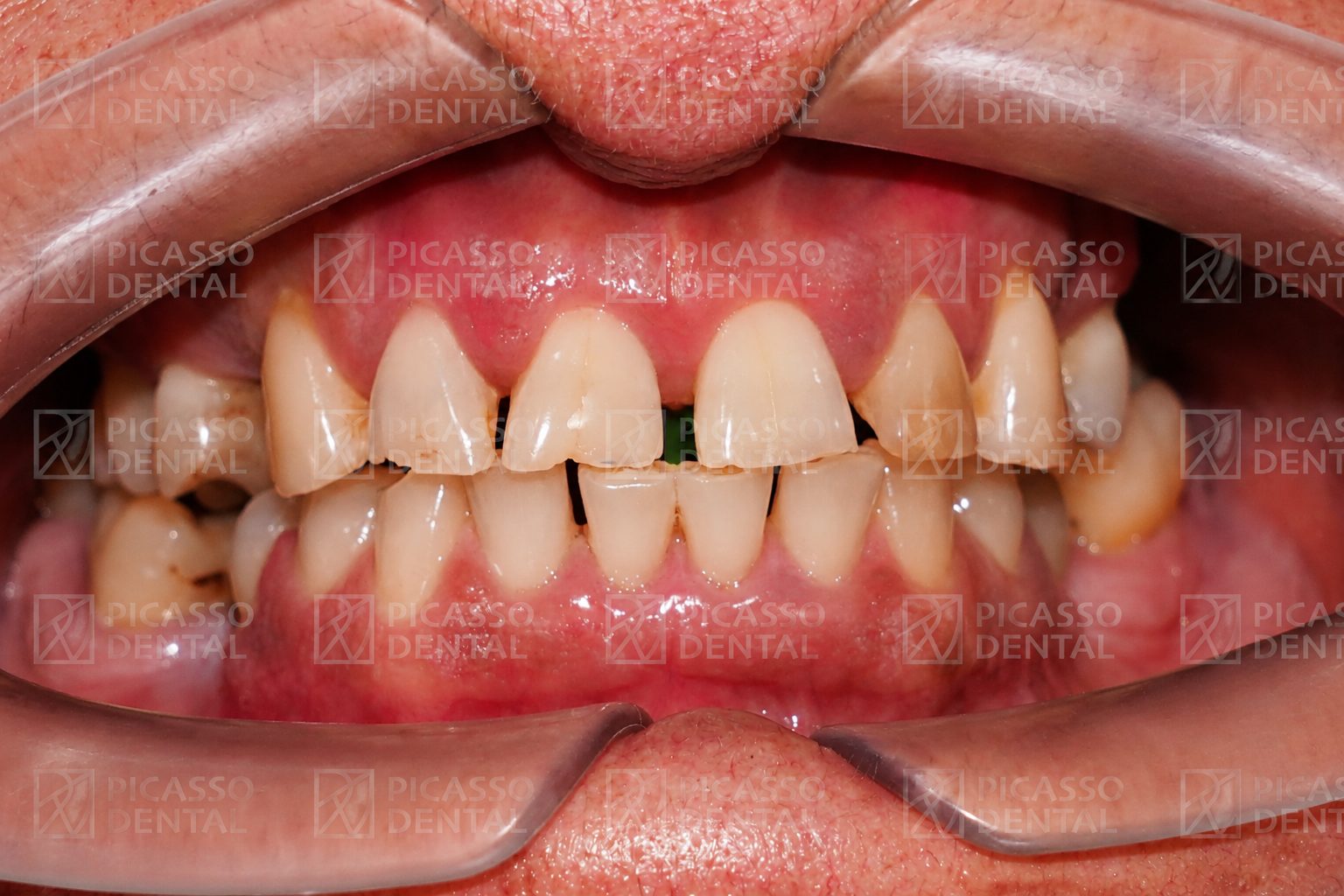 Before
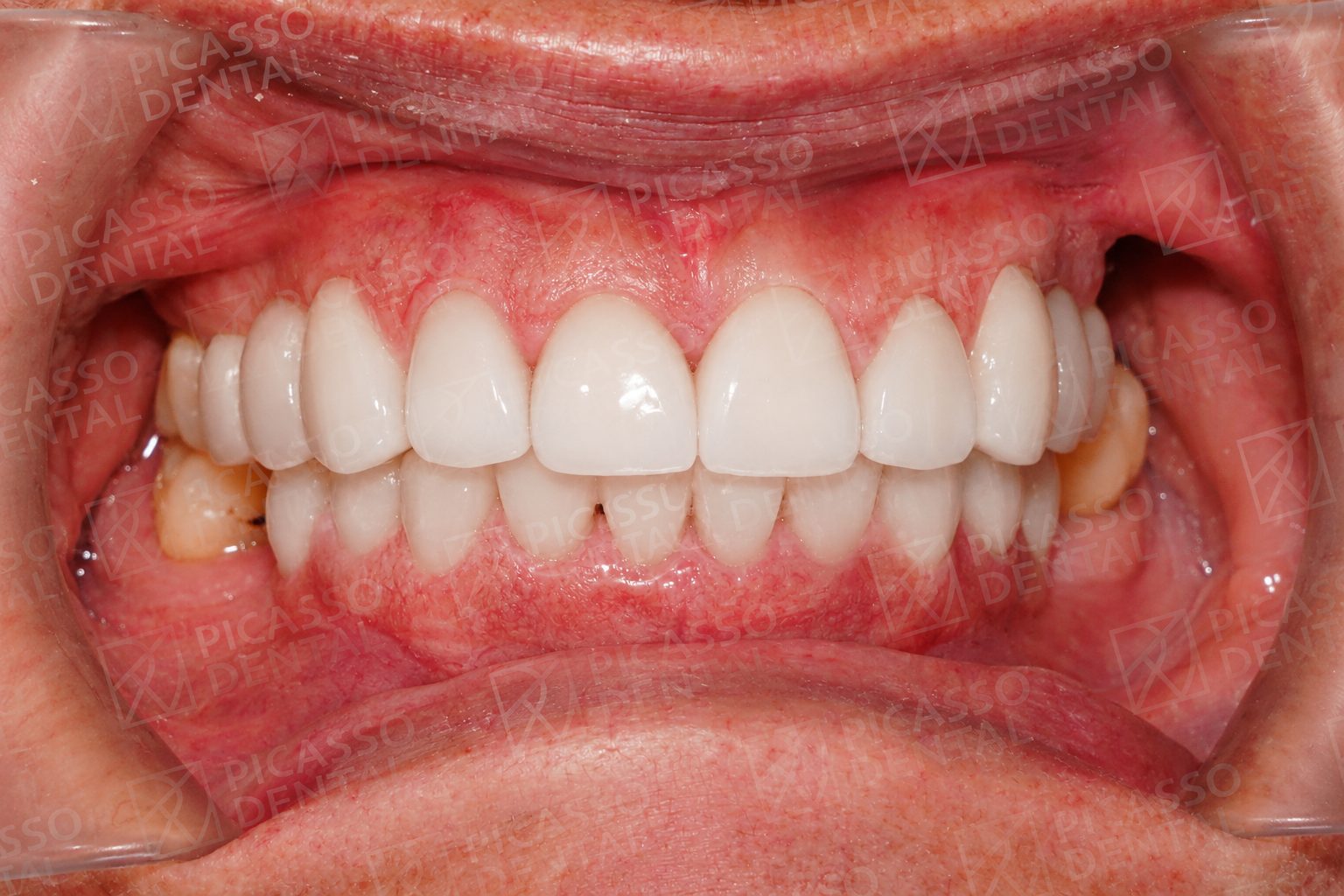 After
AfterMolar root canal with full ceramic crown. Full chewing function restored.
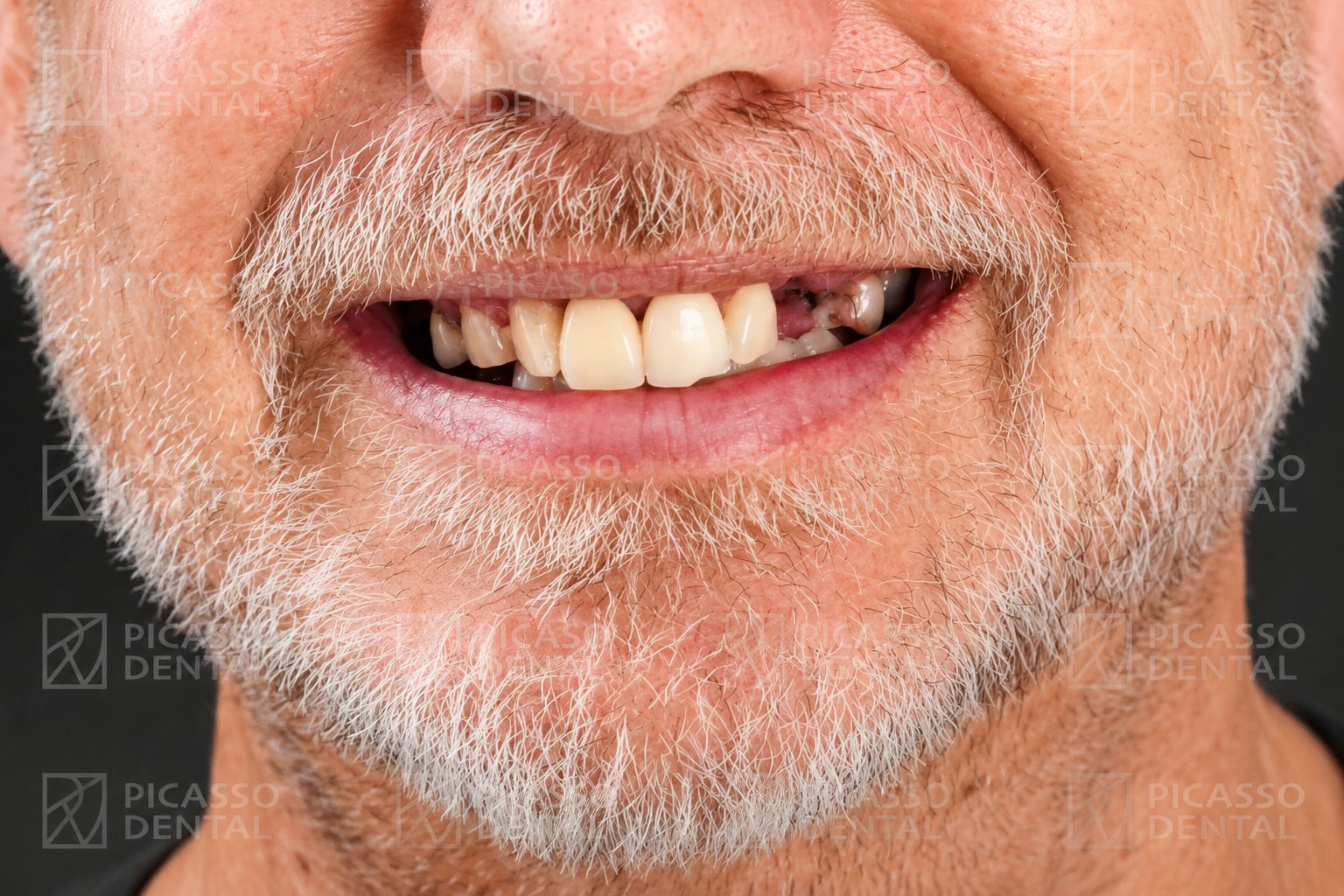 Before
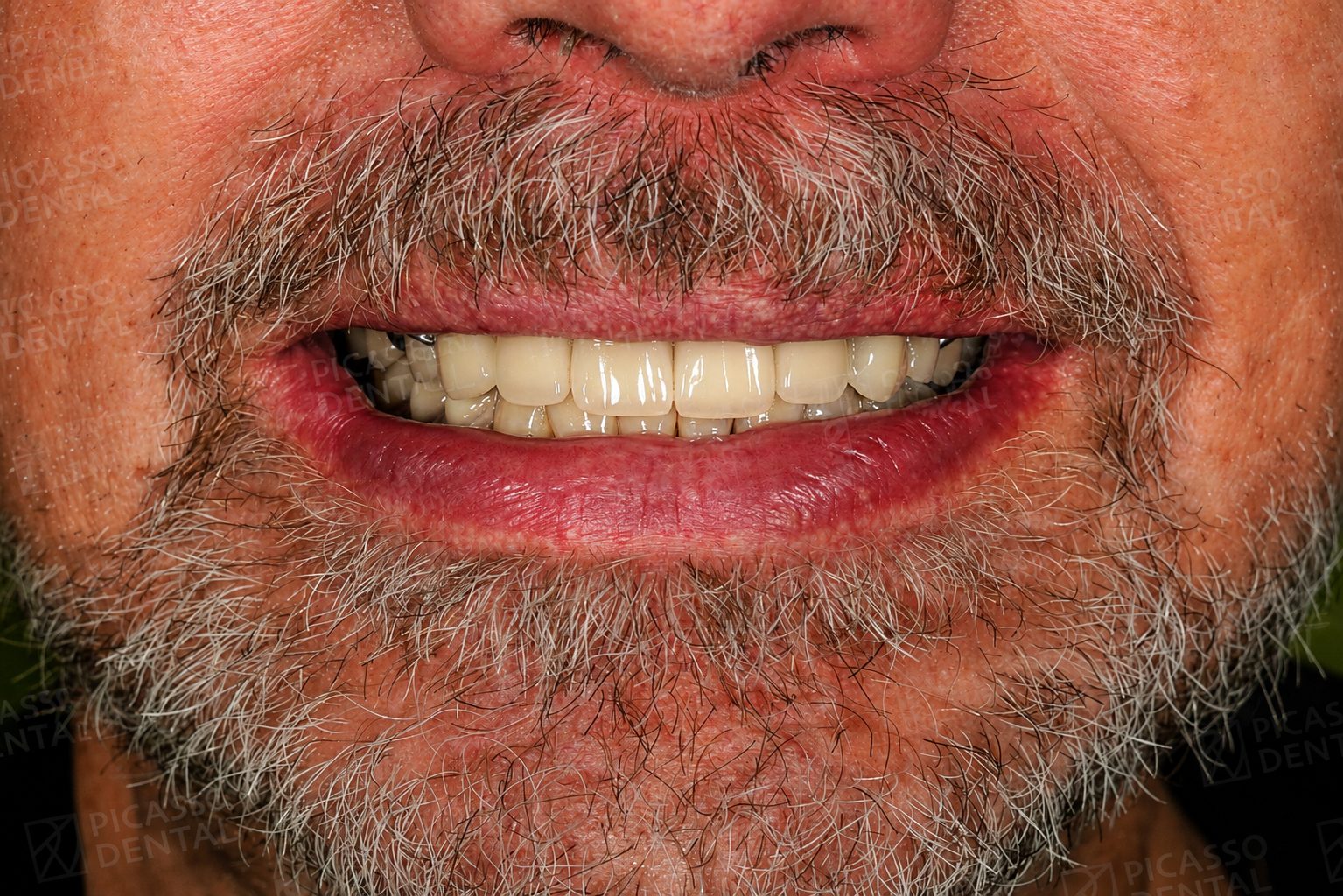 After
AfterPremolar root canal with emax crown for an aesthetic and durable result.
Frequently Asked Questions
<details itemscope itemprop="mainEntity" itemtype="https://schema.org/Question">
  <summary itemprop="name">How long does it take to recover from a root canal?</summary>
  <div itemprop="acceptedAnswer" itemscope itemtype="https://schema.org/Answer">
    <p itemprop="text">Most patients feel essentially normal within 3 to 7 days. Soreness peaks at 24 to 48 hours and resolves over 2 to 3 days. By day 5 to 6 many patients have forgotten which tooth was treated. Complete tissue healing at the bone level continues for 4 to 6 weeks but is asymptomatic. Almost all patients return to work the same day or the day after the procedure.</p>
  </div>
</details>

<details itemscope itemprop="mainEntity" itemtype="https://schema.org/Question">
  <summary itemprop="name">What are the normal side effects after a root canal?</summary>
  <div itemprop="acceptedAnswer" itemscope itemtype="https://schema.org/Answer">
    <p itemprop="text">Normal side effects include tenderness around the treated tooth for 2 to 7 days, mild sensitivity when biting for up to a week, slight gum swelling near the tooth, minor jaw soreness from keeping the mouth open during treatment, a brief odd taste for a day or two from the irrigation solutions, and the tooth feeling slightly different. All of these resolve on their own without treatment.</p>
  </div>
</details>

<details itemscope itemprop="mainEntity" itemtype="https://schema.org/Question">
  <summary itemprop="name">What side effects after a root canal are not normal?</summary>
  <div itemprop="acceptedAnswer" itemscope itemtype="https://schema.org/Answer">
    <p itemprop="text">Contact the clinic immediately if you have severe pain that worsens after day 2, visible facial swelling that increases after 48 hours, fever above 38 degrees Celsius, a temporary filling that falls out, numbness persisting more than 4 hours after the procedure, an allergic reaction to any prescribed medication, or pain not controlled by ibuprofen 400 to 600 mg. These may indicate a missed canal, residual infection, or a high bite that needs adjustment.</p>
  </div>
</details>

<details itemscope itemprop="mainEntity" itemtype="https://schema.org/Question">
  <summary itemprop="name">What can I eat after a root canal?</summary>
  <div itemprop="acceptedAnswer" itemscope itemtype="https://schema.org/Answer">
    <p itemprop="text">Wait until the local anaesthetic wears off (2 to 4 hours) before eating to avoid biting your cheek or tongue. For the first 24 to 48 hours, eat soft foods on the opposite side: pasta, eggs, yoghurt, soup, smoothies, fish, cooked vegetables, rice. Avoid chewing on the treated side until the permanent <a href="/dental-crowns/">crown</a> is placed. Stay well hydrated.</p>
  </div>
</details>

<details itemscope itemprop="mainEntity" itemtype="https://schema.org/Question">
  <summary itemprop="name">When should I take pain medication after a root canal?</summary>
  <div itemprop="acceptedAnswer" itemscope itemtype="https://schema.org/Answer">
    <p itemprop="text">Take ibuprofen 400 to 600 mg about 60 minutes after leaving the clinic to get ahead of the soreness before the anaesthetic wears off. Continue every 6 to 8 hours with food for the first 48 hours. Paracetamol 1 g every 6 hours is the alternative if you cannot take ibuprofen. Most patients do not need anything stronger.</p>
  </div>
</details>

<details itemscope itemprop="mainEntity" itemtype="https://schema.org/Question">
  <summary itemprop="name">Can I work, exercise, or fly after a root canal?</summary>
  <div itemprop="acceptedAnswer" itemscope itemtype="https://schema.org/Answer">
    <p itemprop="text">Work: yes, same day or the day after. The procedure does not require extended rest. Exercise: avoid strenuous activity for 24 hours to keep inflammation down. Light walking is fine immediately. Flying: yes, including same-day flights, but for international patients we recommend at least one rest day before a long-haul flight in case any post-procedure adjustment is needed.</p>
  </div>
</details>

<details itemscope itemprop="mainEntity" itemtype="https://schema.org/Question">
  <summary itemprop="name">How long is the temporary filling supposed to last?</summary>
  <div itemprop="acceptedAnswer" itemscope itemtype="https://schema.org/Answer">
    <p itemprop="text">The temporary filling protects the cleaned canals from saliva and bacteria. It is designed to last 2 to 4 weeks while the permanent crown is fabricated. Beyond 6 to 8 weeks it may start to leak or wear through, allowing bacteria back into the canals. If it falls out, contact the clinic the same day for a replacement. Do not delay the permanent crown beyond the planned window.</p>
  </div>
</details>

<details itemscope itemprop="mainEntity" itemtype="https://schema.org/Question">
  <summary itemprop="name">How long does a root canal-treated tooth last?</summary>
  <div itemprop="acceptedAnswer" itemscope itemtype="https://schema.org/Answer">
    <p itemprop="text">With a properly placed crown and routine maintenance: 95 percent at 5 years, 85 to 90 percent at 10 years, 80 to 85 percent at 20 years, and 70 to 75 percent at 30 years. Many root canal teeth last 40 or 50 years. The two interventions that matter most for long-term survival are getting the crown placed within 2 to 4 weeks of the root canal, and keeping a 6-monthly cleaning and recall schedule.</p>
  </div>
</details>
Start Here
Start with a brief.
Need a root canal or already in recovery and unsure about a symptom? Our team replies to every enquiry within 24 hours with clear, clinical guidance.