Orthodontics & Smile Design
What Procedures Fix a Misaligned Smile? Aligners, Braces, Veneers, and When to Combine Them
The right treatment depends entirely on your specific misalignment. Here is how to think through the options before your first consultation.

Key Takeaways
- No single procedure fixes all misaligned smiles — severity, bite function, and goals determine the right approach.
- Clear aligners suit mild to moderate crowding and spacing; braces handle complex bite corrections.
- Veneers can mask minor cosmetic misalignment but do not fix the underlying bite or tooth position.
- Combination treatment — orthodontics first, cosmetic finishing after — is common for complex cases.
- A clinical exam with X-rays is the only reliable starting point; no procedure should be chosen from a photo alone.
Why the Same Symptom Needs Different Treatments
Crowded teeth, spacing gaps, rotations, overbites, underbites, crossbites, and jaw discrepancies all present as a "misaligned smile" — but each requires a completely different approach. What you perceive as the problem may not be the actual underlying issue.
Patients often focus on one crooked front tooth when the real problem is an improper bite relationship affecting multiple teeth across both arches. Treating only the visible concern without addressing the cause produces poor results that do not last.
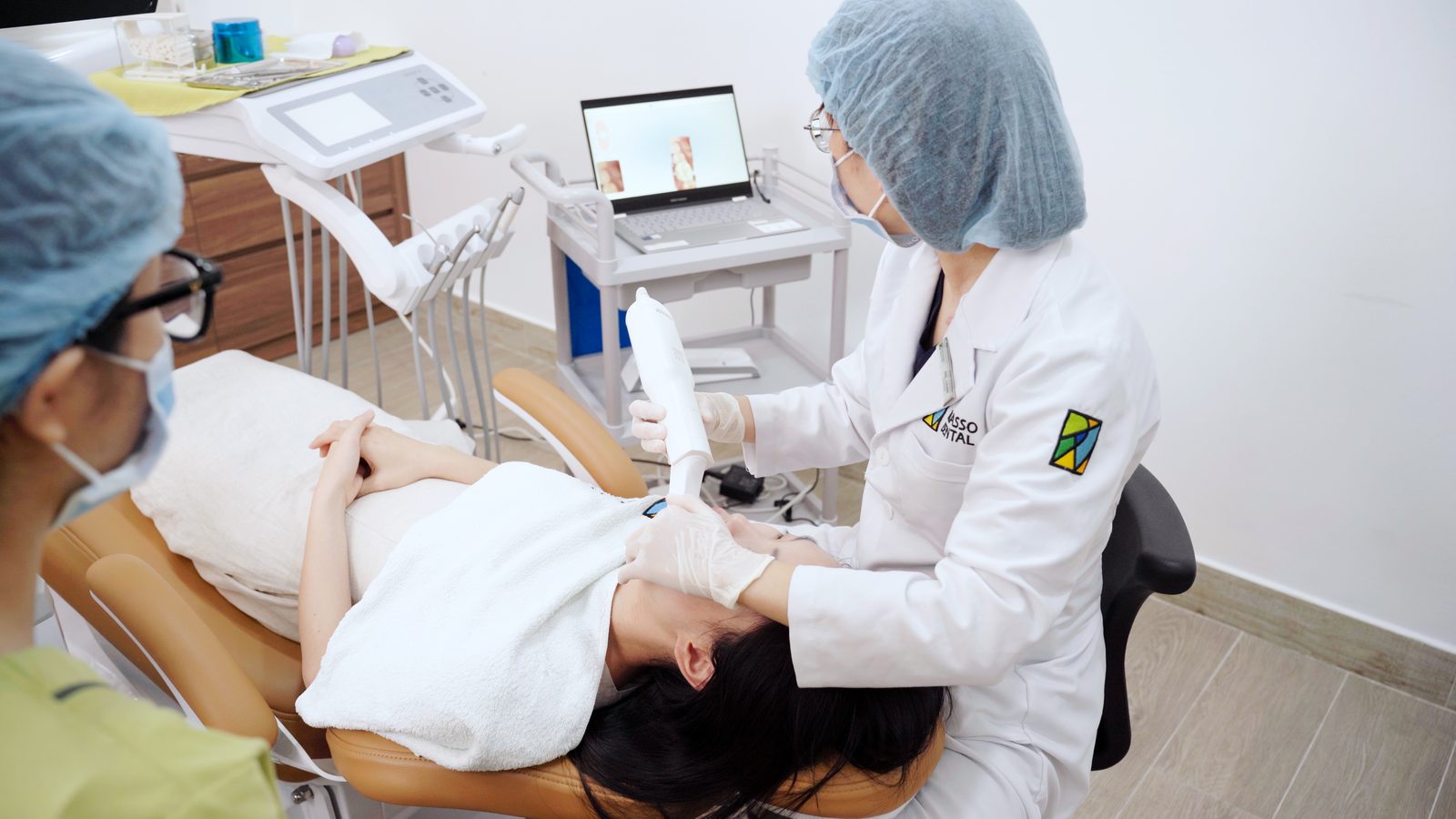
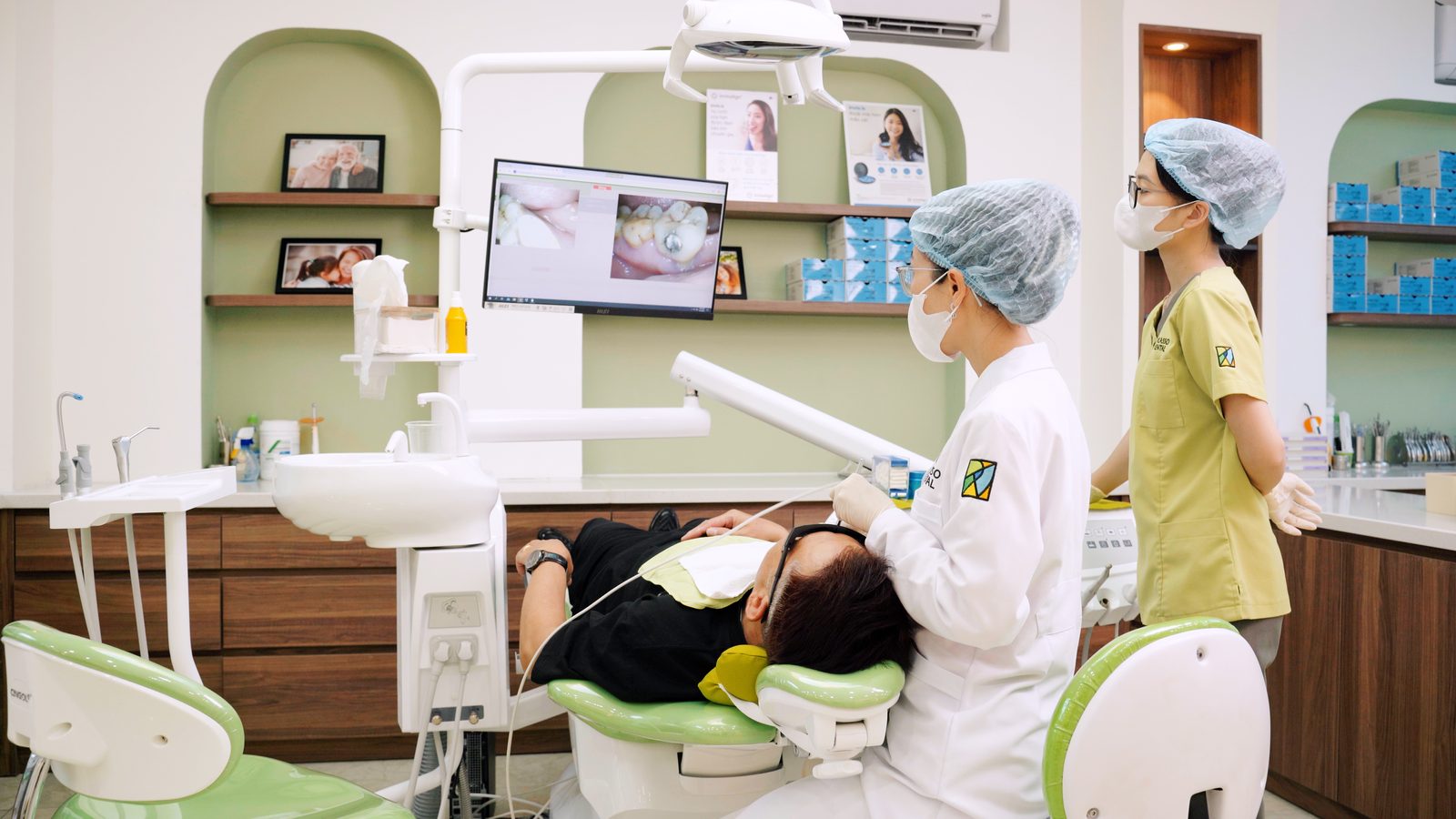
A thorough evaluation before committing to any procedure is non-negotiable. I need to see how your upper and lower teeth meet, assess your jaw relationship, review X-rays of tooth roots and bone levels, and understand whether you have functional concerns beyond appearance. A digital scan takes ten minutes and reveals far more than a visual inspection.
Clear Aligners: Best for Mild to Moderate Cases
Clear aligners work well for mild to moderate crowding, spacing, and minor bite issues in patients with good oral health. The removable trays are nearly invisible, allow normal eating and cleaning, and are popular with adult patients who cannot or do not want visible brackets.
Treatment typically takes 12 to 24 months. The tradeoff is precision: aligners cannot apply the same forces as fixed brackets, so severe misalignment, significant rotations, or substantial bite corrections remain outside their range.
Aligners work well for
- Mild to moderate crowding
- Spacing gaps between teeth
- Minor overbite or open bite
- Adults wanting a discreet option
- Cases with good existing bite function
Aligners are not suitable for
- Severe crowding or large rotations
- Significant underbite or crossbite
- Jaw skeletal discrepancies
- Cases requiring precise torque control
- Patients unlikely to wear trays 20+ hrs/day
Braces: The Gold Standard for Complex Cases
Traditional braces remain the most reliable option for complex misalignment involving severe crowding, major rotations, bite corrections, or jaw discrepancies. Metal or ceramic brackets with archwires move teeth precisely and predictably in three dimensions — something aligners cannot fully replicate in difficult cases.
Treatment duration ranges from 18 to 36 months depending on complexity. Ceramic brackets offer a more discreet appearance than metal while maintaining the same clinical control.
Veneers: A Cosmetic Shortcut — With Limits
Porcelain veneers mask minor misalignment cosmetically without moving teeth. This is a valid option when the underlying bite is functional and only the visual appearance is the concern. Two to three appointments over a few weeks, and the result is immediate.
The limits are significant. Veneers do not fix bite problems or structural misalignment. Placing veneers over an uncorrected bite subjects them to uneven forces — they will chip, debond, or fail prematurely. And unlike orthodontics, the tooth preparation for veneers is irreversible.
"After more than 18 months of orthodontic treatment, I have a completely new smile. My teeth are much straighter and more beautiful."
Đông Bùi, Hanoi Old Quarter, Google review
Combination Treatment: Orthodontics First, Cosmetics After
Many of the best smile results come from a staged combination approach. Orthodontics corrects the bite and tooth positions first, then veneers or crowns refine the final shape and colour. This sequence matters: placing cosmetic restorations before the bite is corrected wastes money and risks early failure.
In some cases the combination runs the other way — a single veneer or crown placed before orthodontics to restore a damaged tooth, with the final position accounted for in the treatment plan from the start. Planning both phases together from the outset avoids conflicts later.
What a Proper Evaluation Involves
- Clinical exam of teeth, gums, bite, and jaw relationship
- Digital photographs from multiple angles
- iTero digital scan or physical impressions
- Panoramic X-ray showing all teeth, roots, and jaws
- Cephalometric X-ray for skeletal relationship measurements (orthodontic cases)
- Discussion of your functional concerns and aesthetic goals
- Written treatment options with timelines and costs for each
Factors That Determine Your Best Option
Severity of misalignment is the primary driver. Slight rotations or small gaps sit at one end of the spectrum; severe crowding, jaw discrepancies, or skeletal underbites at the other. The treatment for each end is fundamentally different.
Bite function vs. cosmetic concern. If misalignment causes pain, excessive tooth wear, difficulty chewing, or speech problems, function must be corrected regardless of appearance. Purely cosmetic misalignment with a working bite allows more flexibility.
Age. Growing patients can benefit from growth modification appliances not available to adults. Adults need approaches suited to completed jaw development, but respond well to orthodontic treatment at any age with healthy bone and gum support.
Budget and timeline are real constraints. Comprehensive orthodontics costs more and takes longer than cosmetic bonding, but produces fundamentally different — and lasting — results. I present options honestly with costs and timelines for each so patients can decide with complete information.
Frequently Asked Questions
What is the best treatment for a misaligned smile?
There is no single best treatment — the right option depends on the type and severity of misalignment, your bite function, age, and aesthetic goals. Clear aligners work well for mild to moderate crowding and spacing. Braces handle complex bite corrections and severe crowding. Veneers mask minor cosmetic misalignment without moving teeth. A comprehensive examination is the only reliable way to determine which approach is appropriate for your situation.
Can Invisalign fix a misaligned smile?
Invisalign and other clear aligner systems can fix mild to moderate crowding, spacing, and minor bite issues effectively. They are not suitable for severe misalignment, significant jaw discrepancies, or complex bite corrections that require precise bracket-and-wire control. An iTero digital scan and clinical assessment will confirm whether your case is within the aligner range.
Can veneers fix crooked teeth?
Veneers can mask the appearance of mildly crooked or uneven teeth without moving them, but they do not correct the underlying bite or tooth position. If the bite is functional and the misalignment is purely cosmetic and minor, veneers are a valid option. If there is a bite problem or significant crowding, orthodontic treatment should come first — veneers placed over an uncorrected bite will not last and may fail prematurely.
How long does it take to fix a misaligned smile?
Treatment duration varies by method and complexity. Clear aligners typically take 12 to 24 months for mild to moderate cases. Traditional braces range from 18 to 36 months for complex cases. Veneers are completed in 2 to 3 appointments over 2 to 3 weeks. Combination approaches — orthodontics followed by cosmetic finishing — take the total of both phases. Your orthodontist will give you a specific timeline after examining your case.
Do I need braces or can I use clear aligners?
Clear aligners are suitable when misalignment is mild to moderate with no severe bite issues. Braces are preferred when there is significant crowding, major rotations, substantial bite correction needed, or skeletal discrepancies. In some cases both options are viable — the choice then comes down to patient preference, lifestyle, and budget. A clinical examination with X-rays is required to make a reliable recommendation.
What happens if I leave a misaligned smile untreated?
Leaving misalignment untreated can lead to uneven tooth wear, difficulty cleaning between crowded teeth leading to higher decay and gum disease risk, jaw joint strain from an improper bite, and in severe cases speech or chewing difficulties. Purely cosmetic misalignment with a functional bite carries less risk, but structural misalignment affecting how teeth meet should be corrected to protect long-term dental health.
Is it worth fixing a misaligned smile as an adult?
Yes. Adults respond well to orthodontic treatment at any age, provided there is adequate bone support and good gum health. Clear aligners in particular are popular with adult patients due to their discreet appearance. Correcting misalignment as an adult protects teeth from further wear, reduces gum disease risk in crowded areas, and can significantly improve confidence. There is no upper age limit for orthodontic treatment.
Orthodontic Specialist, Picasso Dental Clinic
Patient Video Testimonial

Not Sure Which Treatment Fits Your Smile?
A comprehensive evaluation includes a digital scan, bite assessment, and written treatment options with timelines and costs. No pressure, no guesswork.
No obligation · Since 2013