Dental Implants
Implant Success Rates in Vietnam: what the evidence shows
At accredited clinics in Vietnam using certified implant brands, success rates exceed 95 percent at 10 years. The country does not determine the outcome. The clinic, surgeon, and implant system do.

Key Takeaways
- Implant success rates at reputable Vietnamese clinics equal international standards: 95 to 98 percent at 10 years.
- The five biggest success factors are: implant brand, surgeon experience, 3D imaging, patient selection, and aftercare hygiene.
- Early failure risk (2 to 5 percent) is largely preventable through proper screening and smoking cessation.
- Always ask to see the implant packaging on the day of surgery to verify the brand you were quoted.
<h2>What the Numbers Actually Show</h2>

<p>The published 10-year survival rate for dental implants placed at accredited clinics using certified implant systems sits between 95 and 98 percent. This figure is consistent whether the procedure was performed in Sydney, Frankfurt, or Hanoi. The underlying titanium science, the osseointegration biology, and the surgical protocols do not change with geography.</p>

<p>At Picasso Dental Clinic, our implant success rates exceed 95 percent at 10 years across all six branches. We track this through patient recall appointments, clinical examination, and X-ray review. The figures are not marketing copy; they are the same numbers we use internally to evaluate surgical performance and identify cases that may need earlier intervention.</p>

<p>What does vary between clinics is not the potential success rate but the probability of actually achieving it. That probability is determined by five factors that a patient can directly investigate before committing to treatment.</p>

<figure class="art-photo">
  <img src="/images/clinics/hanoi-old-quarter/treatment-room.jpg" alt="Implant treatment room at Picasso Dental Clinic Hanoi Old Quarter" loading="lazy" decoding="async">
  <figcaption>The implant treatment suite at our Hanoi Old Quarter branch, equipped with CBCT imaging and guided surgery systems.</figcaption>
</figure>

<h2>The Five Factors That Drive Implant Success</h2>

<h3>Implant brand and surface technology</h3>
<p>Not all implants are equal. Nobel Biocare, Straumann, Osstem, and Neodent are the international brands with the largest bodies of long-term clinical data and the most advanced surface technologies for promoting osseointegration. These brands engineer their implant surfaces at the microscopic level to accelerate bone bonding and reduce early failure risk. Clinics that substitute unverified or budget alternatives to increase their margin are working with less reliable hardware.</p>

<p>At Picasso, we use Nobel Biocare, Straumann, Osstem, and Neodent depending on the clinical situation and patient preference. We show patients the sealed packaging at the time of surgery. If a clinic cannot or will not do this, that is a meaningful warning sign.</p>

<h3>Surgeon experience</h3>
<p>The number of implants a surgeon has personally placed is one of the strongest individual predictors of outcome. A surgeon with thousands of placements has encountered the anatomical variations, bone density challenges, and soft-tissue complications that a newer practitioner has not yet seen in real patients. This is not to say newer surgeons cannot achieve excellent results under supervision, but patient selection, implant angulation decisions, and complication management all improve substantially with case volume.</p>

<p>Our implant surgeons have placed thousands of implants at Picasso, including complex All-on-4 rehabilitations and zygoma implants for patients with severe bone loss who were told they could not have implants elsewhere. Ask any prospective clinic how many implants their implant specialist has personally placed, not the clinic total.</p>

<figure class="art-photo">
  <img src="/images/general-dentistry/consultation.jpg" alt="Implant consultation at Picasso Dental Clinic" loading="lazy" decoding="async">
  <figcaption>Every implant case at Picasso begins with a thorough consultation including review of CBCT imaging and a frank discussion of candidacy.</figcaption>
</figure>

<h3>3D CBCT imaging and guided surgery</h3>
<p>3D cone beam computed tomography (CBCT) imaging lets the surgeon see bone density in three dimensions, map nerve pathways precisely, assess sinus floor positions, and plan implant angulation before any incision. Computer-guided surgery translates that digital plan into exact physical placement. Clinics operating without CBCT are making implant decisions with 2D information that cannot show depth, density variation, or proximity to critical structures.</p>

<p>Every implant case at Picasso uses 3D imaging. This is not optional. It is the standard of care we hold ourselves to regardless of the cost or complexity of the case.</p>

<h3>Patient selection and pre-operative screening</h3>
<p>Implant success rates are highest in non-smokers with adequate bone density, healthy gums, and well-controlled systemic health. A clinic that accepts every patient regardless of contraindications will inevitably report higher failure rates because the patient pool includes people who should have been optimised or declined.</p>

<p>Our pre-operative screening assesses bone volume and quality via CBCT, periodontal health status, smoking history, diabetes control (HbA1c for diabetic patients), medications that affect bone metabolism (bisphosphonates, immunosuppressants, anticoagulants), and general medical history. Patients who need bone grafting before implant placement are told so clearly and offered the grafting as a first stage. Patients whose risk profile makes implant placement genuinely inadvisable are counselled honestly.</p>

<div class="art-callout">
  <strong>Why candidacy matters:</strong> The quoted 95 percent success rate applies to properly screened candidates. A smoker with poorly controlled diabetes and thin bone who proceeds without optimisation has a meaningfully different outcome probability. Honest candidacy assessment is what keeps aggregate success rates high and protects individual patients from costly failures.
</div>

<h3>Post-operative hygiene and recall compliance</h3>
<p>The patient controls a larger share of the long-term outcome than many people realise. Peri-implantitis (gum disease around the implant) is the leading cause of late implant failure, and it is driven by inadequate oral hygiene and skipped professional cleanings. An implant that osseointegrates perfectly at 6 months can fail at year 7 because the patient did not maintain it.</p>

<p>Rigorous brushing, daily interdental cleaning around the implant, 6-monthly professional maintenance appointments, and avoidance of tobacco are the patient-side behaviours that determine whether a successfully placed implant lasts 15 years or 30. We provide written post-operative care instructions and a maintenance schedule to every implant patient.</p>

<a href="https://wa.me/84989067888" class="art-cta-inline"><p><strong>Not sure if you are a good implant candidate?</strong> Send us your existing X-rays and a brief history. We will give you an honest candidacy assessment before you travel.</p><span>Book a consultation</span></a>

<h2>What Can Go Wrong and Why</h2>

<p>Early failure (during the osseointegration period, typically 3 to 6 months after placement) occurs in 2 to 5 percent of cases at quality clinics. The primary risk factors are smoking, uncontrolled diabetes, insufficient bone density at the implant site, and surgical technique errors. Each of these is either screened for in advance or addressed with bone grafting before placement.</p>

<p>Late failure (years after successful integration) is most commonly caused by peri-implantitis. Bacteria accumulate around the implant neck, the surrounding bone resorbs, and the implant eventually loosens. This is the dental implant equivalent of gum disease around natural teeth and is equally preventable through consistent hygiene.</p>

<p>A small category of failures is attributed to mechanical causes: implant fracture (rare with quality brands), abutment loosening, or crown failure. These are repairable in most cases without losing the implant itself.</p>

<figure class="art-photo">
  <img src="/images/clinics/da-nang-hoang-dieu/reception.jpg" alt="Reception area at Picasso Dental Clinic - Da Nang Flagship" loading="lazy" decoding="async">
  <figcaption>Our Da Nang Flagship branch, located inside Vinmec International Hospital, operates under JCI hospital standards.</figcaption>
</figure>

<h2>How to Evaluate a Clinic Before Committing</h2>

<ul class="art-checklist">
  <li>
    <div>
      <strong>Ask for documented success rates</strong>
      <span>A reputable clinic can give you actual figures from their own patient records, not just a general industry claim. Ask specifically about 5-year and 10-year data.</span>
    </div>
  </li>
  <li>
    <div>
      <strong>Verify 3D CBCT imaging is standard practice</strong>
      <span>If a clinic does not use 3D imaging for implant planning, they cannot give you the same level of pre-surgical information. This is a non-negotiable standard of care.</span>
    </div>
  </li>
  <li>
    <div>
      <strong>Confirm the implant brand and ask to see packaging</strong>
      <span>The brand should match what was quoted in your treatment plan. Request to see the sealed manufacturer packaging at the time of surgery, every time.</span>
    </div>
  </li>
  <li>
    <div>
      <strong>Ask how many implants the surgeon has personally placed</strong>
      <span>Clinic totals are not the same as individual surgeon experience. You want to know the specific person operating on you, not the team average.</span>
    </div>
  </li>
  <li>
    <div>
      <strong>Check warranty terms in writing</strong>
      <span>A clinic that stands behind its work provides written warranty terms. Ask what happens if the implant fails within 1 year, 3 years, and 5 years.</span>
    </div>
  </li>
  <li>
    <div>
      <strong>Read reviews from patients of your nationality</strong>
      <span>Reviews from patients who share your home country and expectations are more relevant than generic star ratings. Look for detail about communication, follow-up, and how complications were handled.</span>
    </div>
  </li>
</ul>

<figure class="art-photo">
  <img src="/images/clinics/hcmc-thao-dien/reception.jpg" alt="Picasso Dental Clinic Ho Chi Minh City Thao Dien" loading="lazy" decoding="async">
  <figcaption>Our Ho Chi Minh City Thao Dien branch serves international patients from across Southeast Asia and beyond.</figcaption>
</figure>

<h2>Why Vietnam Specifically</h2>

<p>Vietnam's dental tourism growth is driven by a combination of price and quality that is genuinely competitive with Australia, the UK, and the US. A Nobel Biocare implant combo (fixture, abutment, crown) at Picasso starts at around 40 to 45 million VND, equivalent to roughly USD 1,600 to 1,800. The same treatment in Australia costs AUD 5,000 to 7,000 or more. The clinical outcome using the same brand, the same protocols, and equivalent surgeon experience is the same in both locations.</p>

<p>The price gap does not reflect a quality gap. It reflects Vietnam's lower operating costs, lower professional salaries relative to Western markets, and more competitive local market dynamics. Patients who do their due diligence and choose accredited clinics with transparent documentation are not compromising on care. They are accessing the same standard of care at a fraction of the cost.</p>

<figure class="art-photo">
  <img src="/images/clinics/hanoi-old-quarter/exterior.jpg" alt="Picasso Dental Clinic Hanoi Old Quarter exterior" loading="lazy" decoding="async">
  <figcaption>Picasso Dental Clinic has operated in Hanoi since 2013, treating patients from over 65 countries across six branches.</figcaption>
</figure>
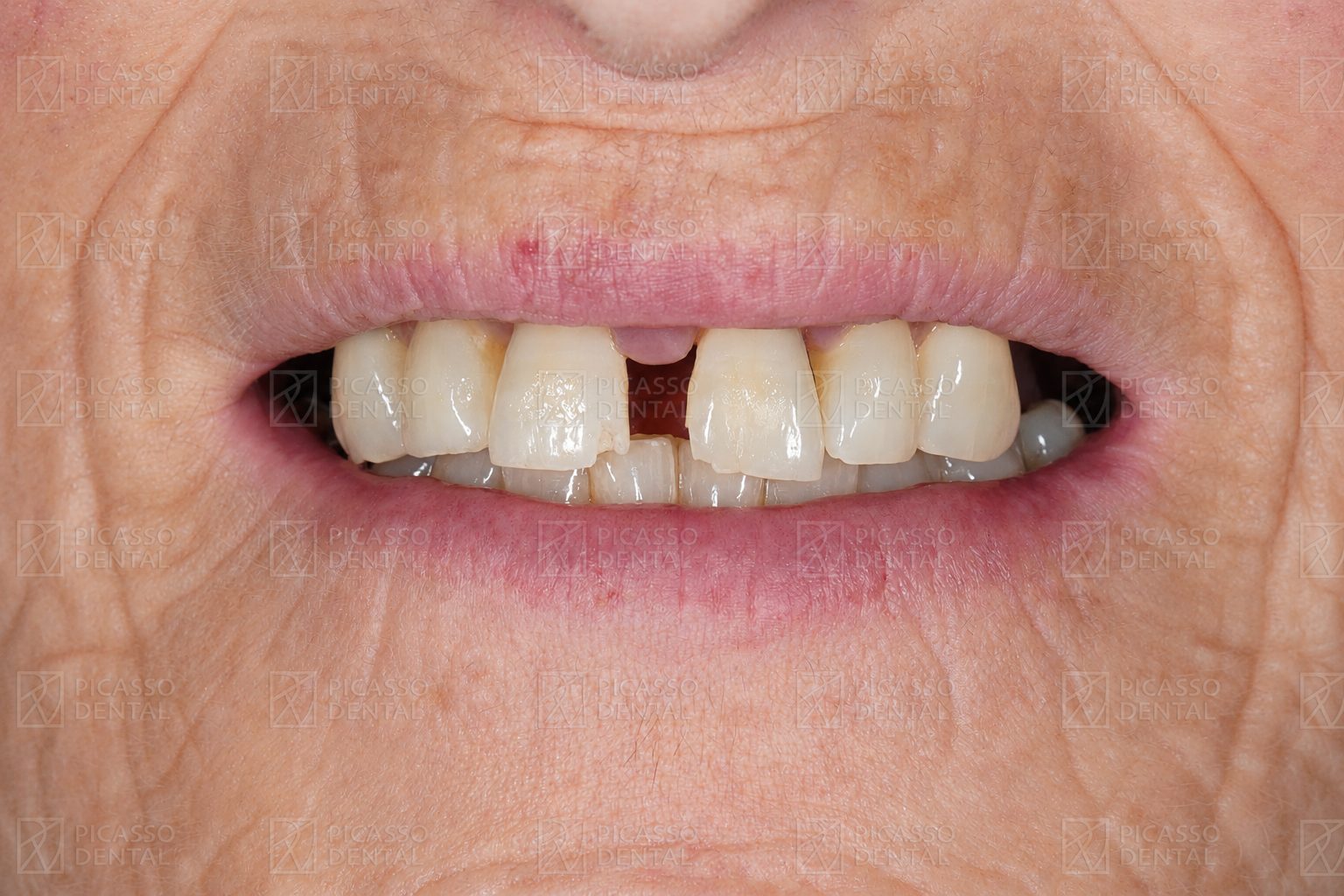 Before
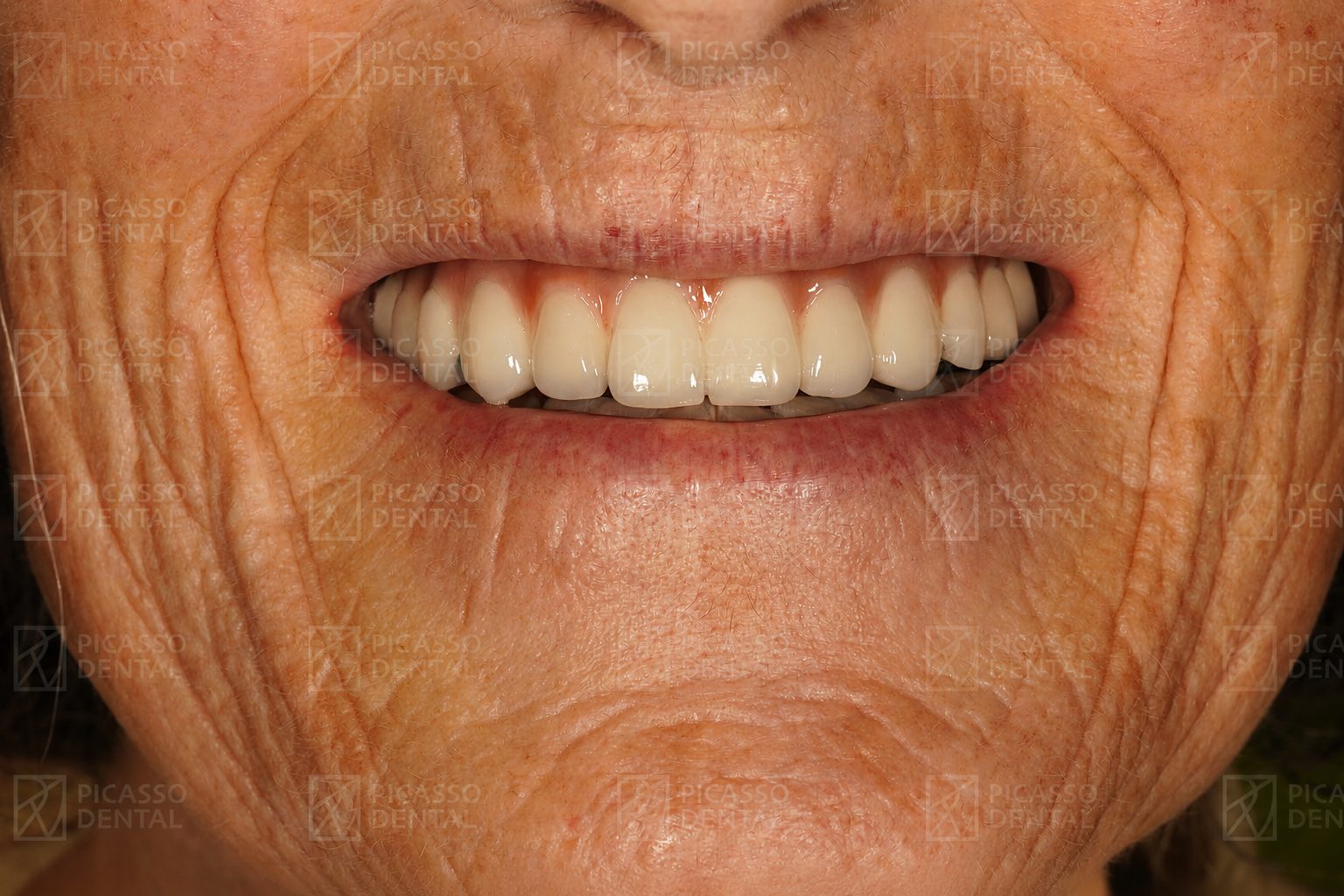 After
AfterSingle implant replacing a missing upper premolar. Nobel Biocare fixture, zirconia crown.
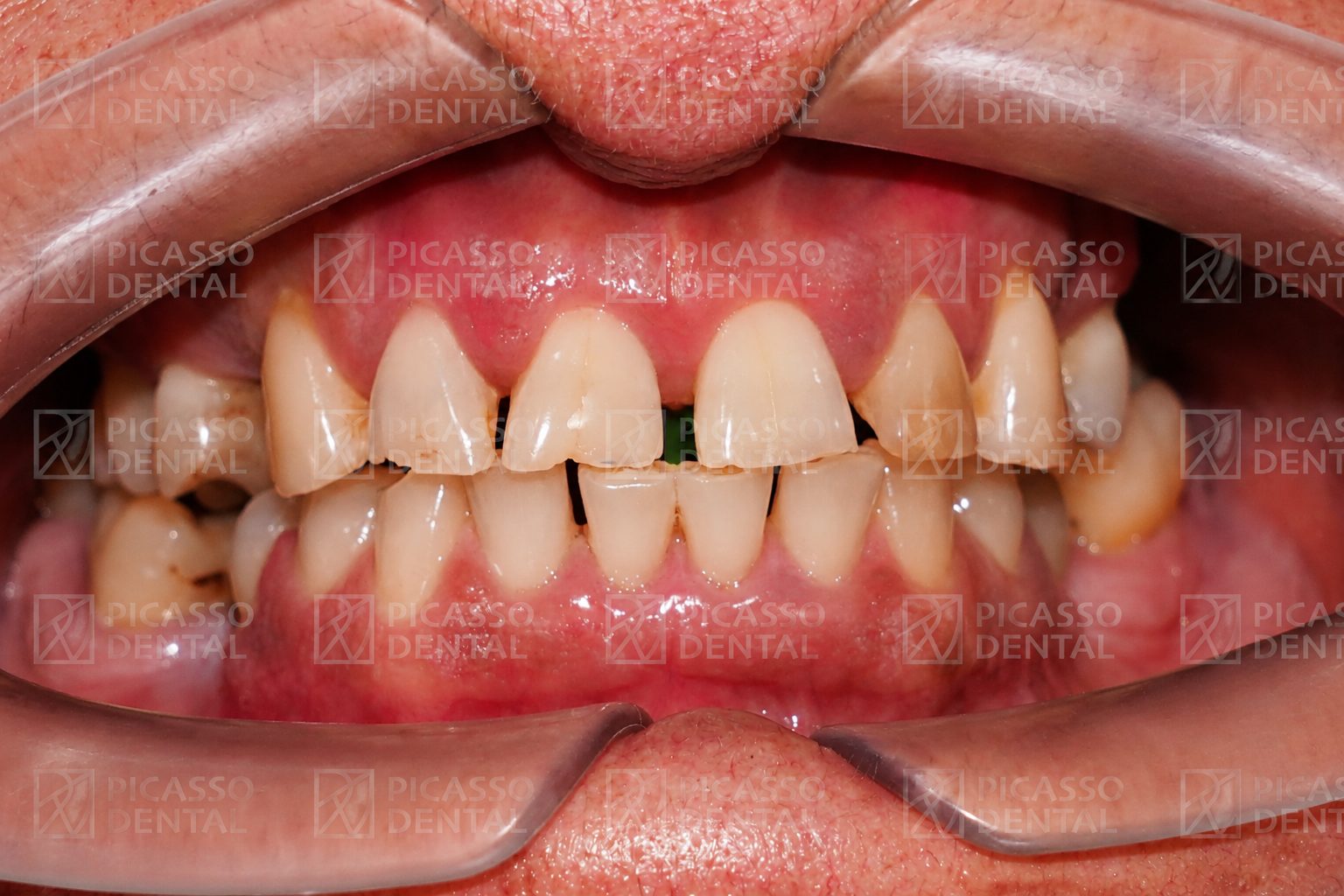 Before
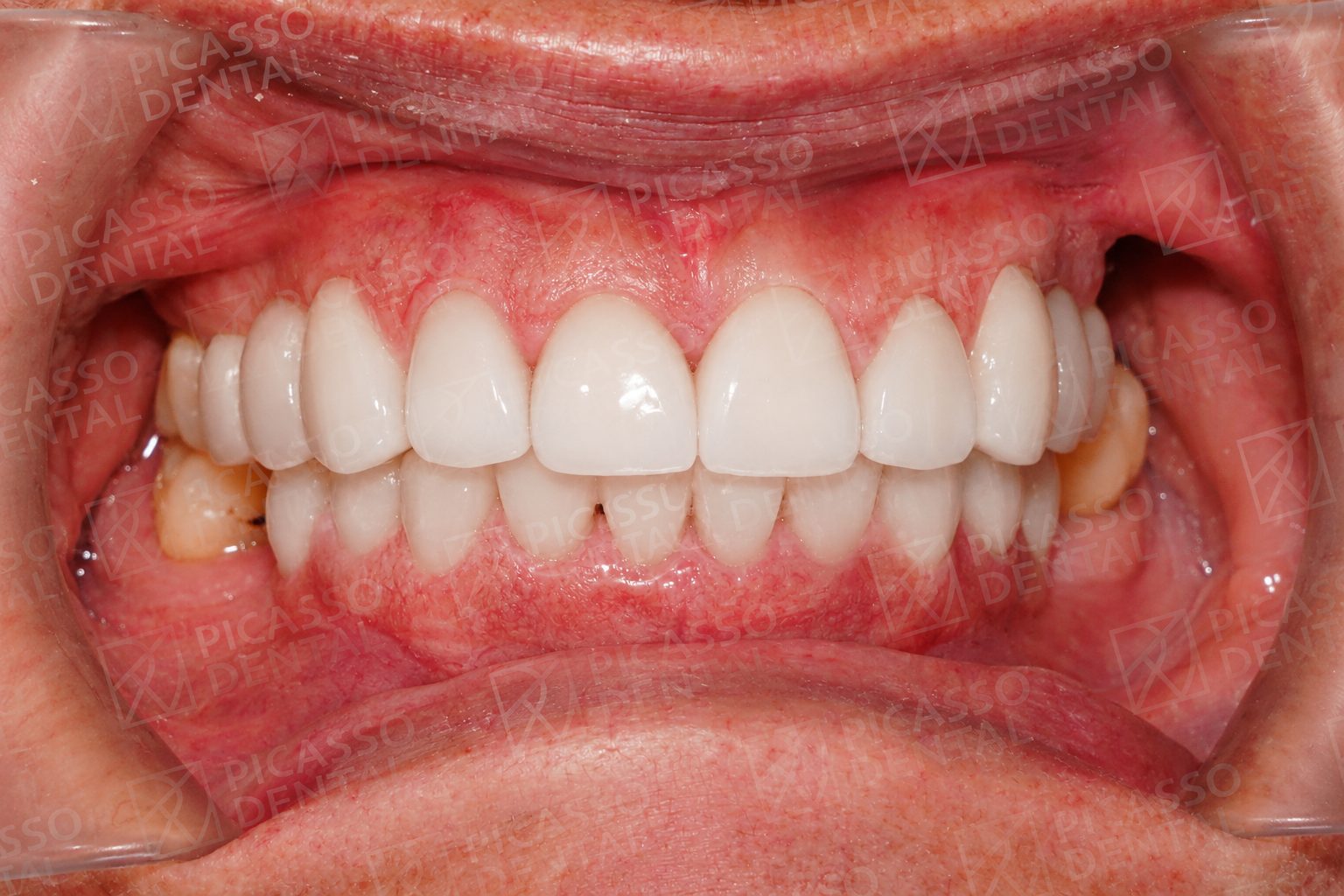 After
AfterMultiple implants restoring posterior missing teeth with full chewing function.
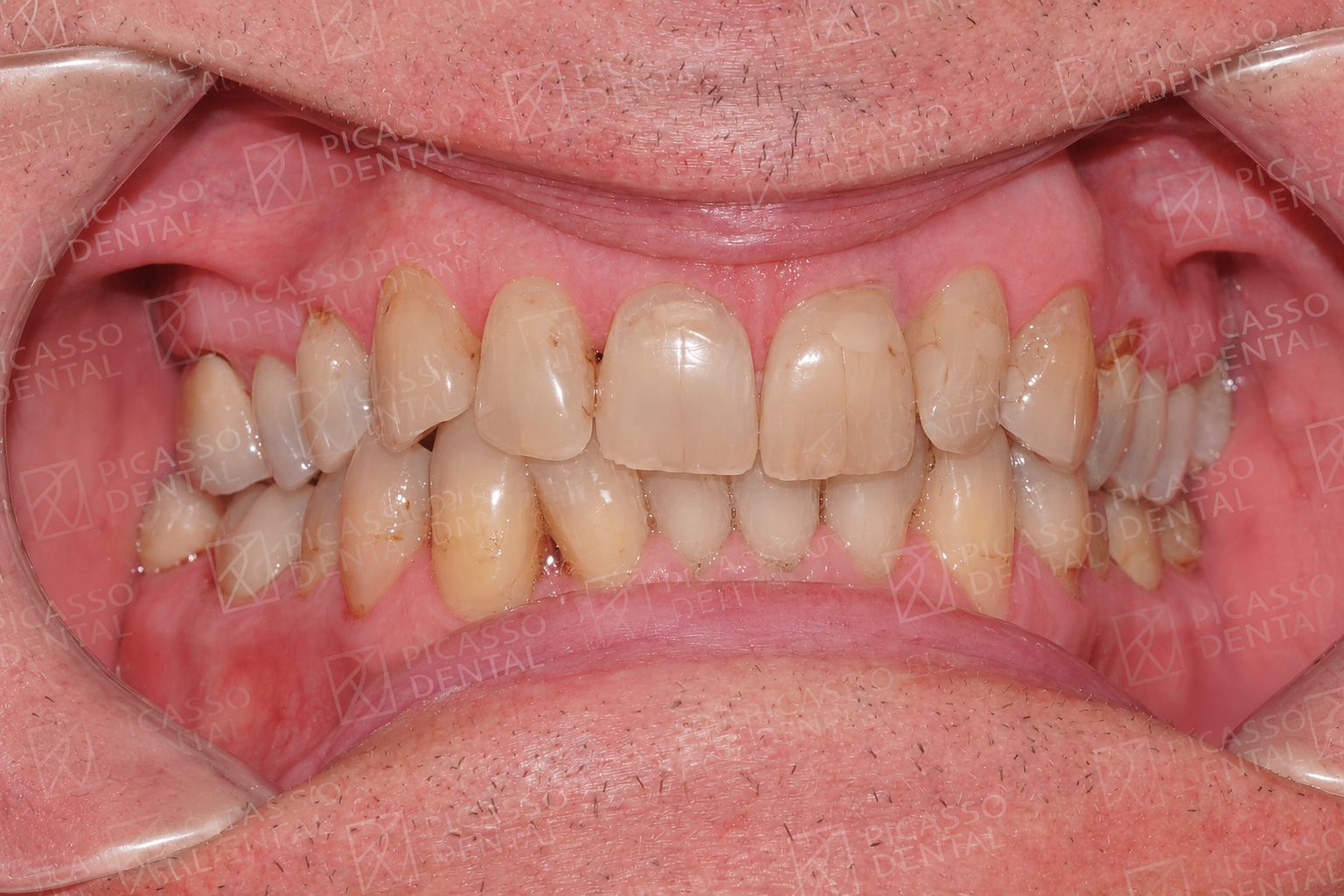 Before
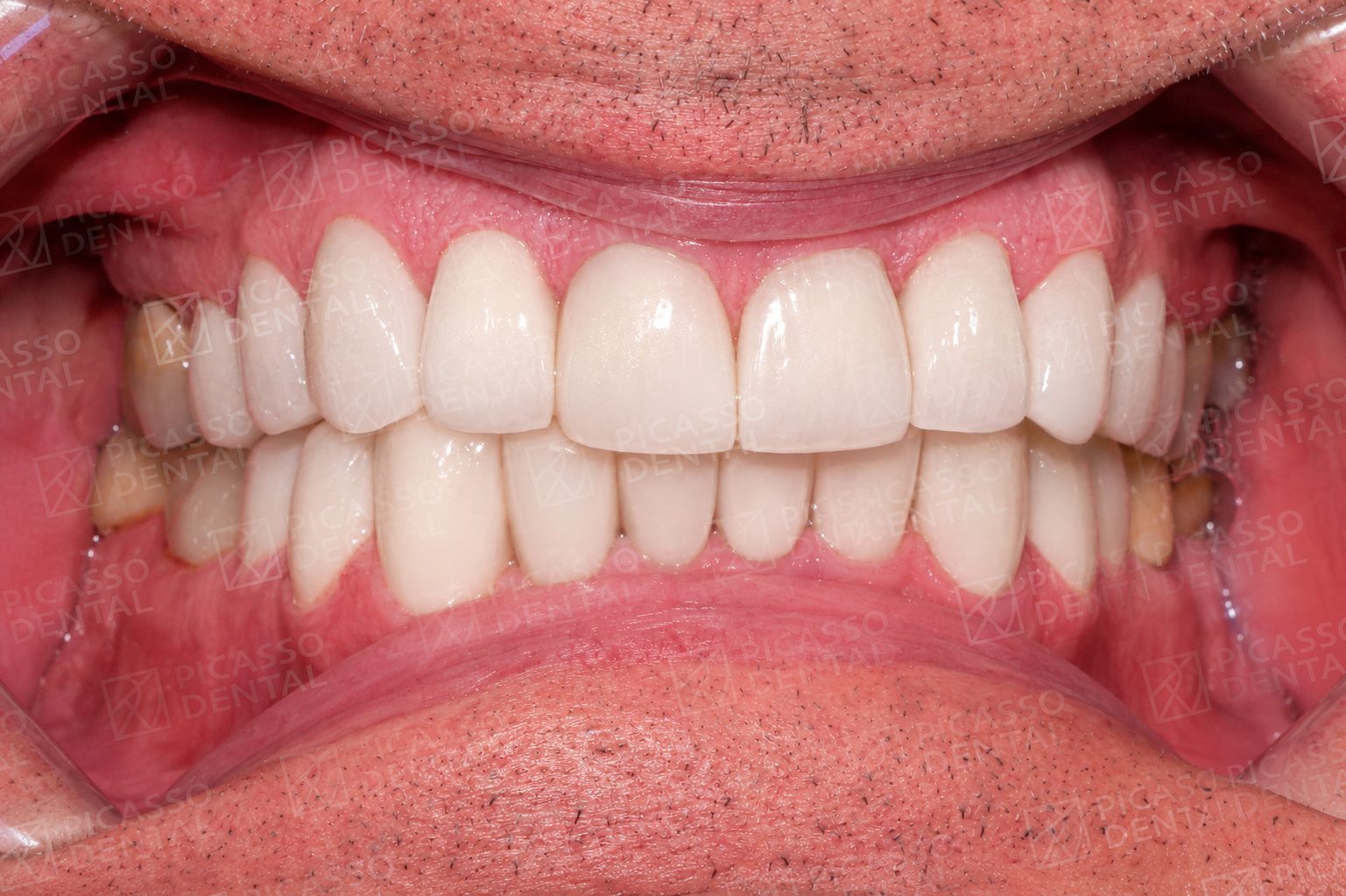 After
AfterFull arch rehabilitation using implant-supported fixed prosthetics.
Frequently Asked Questions
<details itemscope itemprop="mainEntity" itemtype="https://schema.org/Question">
  <summary itemprop="name">What is the dental implant success rate in Vietnam?</summary>
  <div itemprop="acceptedAnswer" itemscope itemtype="https://schema.org/Answer">
    <p itemprop="text">At reputable clinics in Vietnam using certified implant systems, success rates exceed 95 percent at 10 years, which is consistent with international standards reported in Australia, Germany, and the United States. The country of treatment does not determine the outcome. The clinic, the surgeon, and the implant brand do.</p>
  </div>
</details>

<details itemscope itemprop="mainEntity" itemtype="https://schema.org/Question">
  <summary itemprop="name">What is the most common cause of implant failure?</summary>
  <div itemprop="acceptedAnswer" itemscope itemtype="https://schema.org/Answer">
    <p itemprop="text">Early failure (during osseointegration) accounts for 2 to 5 percent of cases and is most often linked to smoking, uncontrolled diabetes, insufficient bone density, or poor surgical technique. Late failure (years after placement) is most commonly caused by peri-implantitis, which is gum disease around the implant driven by inadequate oral hygiene. Both are largely preventable with proper screening and aftercare.</p>
  </div>
</details>

<details itemscope itemprop="mainEntity" itemtype="https://schema.org/Question">
  <summary itemprop="name">Does the implant brand matter for success rates?</summary>
  <div itemprop="acceptedAnswer" itemscope itemtype="https://schema.org/Answer">
    <p itemprop="text">Yes, significantly. Certified international brands such as Nobel Biocare, Straumann, Osstem, and Neodent consistently achieve higher success rates than unverified alternatives because their surface technology is engineered specifically to promote osseointegration. Always ask the clinic which brand will be used and request to see the manufacturer packaging on the day of surgery.</p>
  </div>
</details>

<details itemscope itemprop="mainEntity" itemtype="https://schema.org/Question">
  <summary itemprop="name">Is 3D imaging really necessary for implant placement?</summary>
  <div itemprop="acceptedAnswer" itemscope itemtype="https://schema.org/Answer">
    <p itemprop="text">Yes. 3D CBCT imaging shows bone density, nerve pathways, and sinus positions before a single incision is made. Computer-guided surgery translates that planning into precise implant placement. Clinics without this technology are operating with significantly less information, which increases the risk of nerve damage, sinus perforation, or poor implant positioning that shortens long-term survival.</p>
  </div>
</details>

<details itemscope itemprop="mainEntity" itemtype="https://schema.org/Question">
  <summary itemprop="name">Can a smoker get a dental implant in Vietnam?</summary>
  <div itemprop="acceptedAnswer" itemscope itemtype="https://schema.org/Answer">
    <p itemprop="text">Smokers can receive implants but carry a statistically higher failure risk. Nicotine impairs blood flow to the healing site and reduces immune response, which slows osseointegration. We strongly advise stopping smoking at least 2 weeks before surgery and for at least 8 weeks after. Patients who smoke heavily and cannot pause are counselled about the elevated failure risk before proceeding.</p>
  </div>
</details>

<details itemscope itemprop="mainEntity" itemtype="https://schema.org/Question">
  <summary itemprop="name">What happens if an implant fails at Picasso?</summary>
  <div itemprop="acceptedAnswer" itemscope itemtype="https://schema.org/Answer">
    <p itemprop="text">If an implant fails within our warranty period, we address it at no materials cost to the patient. Failed implants are usually removed, the site is allowed to heal for 3 to 6 months, and a replacement is placed with additional bone grafting if needed. The vast majority of patients who experience an early failure successfully receive a new implant on the second attempt.</p>
  </div>
</details>

<details itemscope itemprop="mainEntity" itemtype="https://schema.org/Question">
  <summary itemprop="name">How do I know if I have enough bone for an implant?</summary>
  <div itemprop="acceptedAnswer" itemscope itemtype="https://schema.org/Answer">
    <p itemprop="text">Only a CBCT scan can answer this precisely. Patients who have been missing teeth for more than a year often have some bone resorption at the site. This does not always prevent implant placement, but it may mean a bone graft is needed first. Send us your most recent X-ray and we can give you a preliminary assessment before you travel. A formal CBCT scan at the clinic will confirm the bone volume and density required for your specific case.</p>
  </div>
</details>
Start Here
Start with a brief.
Send us your X-rays and we will give you an honest assessment of your implant candidacy and expected success rate before you travel.