
Root Canal Treatment
What Is an Apicoectomy
and When Is It Needed?
An apicoectomy removes the tip of a tooth root and any surrounding infected tissue when a standard root canal cannot fully resolve the problem. It saves a tooth that would otherwise need extraction, with a success rate of 85 to 95 percent.

Key Takeaways
- An apicoectomy is minor surgery to remove the tip of an infected root when the infection cannot be cleared from inside the tooth through normal root canal treatment.
- It is needed when root canal treatment fails because of complex root tip anatomy, a crack at the root tip, or blocked canals that instruments cannot reach from above.
- The procedure takes 30 to 60 minutes under local anaesthetic. Most patients return to normal activities within 2 to 3 days.
- Success rate 85 to 95 percent. Keeping the natural tooth is almost always preferable to extraction and replacement.
Why apicoectomy becomes necessary
Root canal treatment succeeds about 85 to 95 percent of the time. That is a high success rate, but it means a meaningful number of cases develop persistent or recurrent infection that needs a different approach. An apicoectomy is that approach.
The reasons a root canal may fail to fully resolve infection fall into a few categories:
Inaccessible root tip anatomy: Root canals are not simple cylindrical tubes. They branch, curve, and sometimes divide near the tip into a delta of tiny channels. Endodontic instruments clean the main canal extremely well, but microscopic branches at the very tip can harbour bacteria that survive treatment. From inside the tooth, these branches are effectively unreachable.
Cracks at the root tip: A microscopic crack at the apex of the root creates a pathway for bacteria to move between the tooth and the surrounding bone. These cracks rarely show on X-rays until infection develops. They cannot be sealed from the crown side of the tooth because the crack is at the opposite end.
Blocked or calcified canals: Older teeth sometimes develop calcified deposits that partially or completely block the root canal. When instruments cannot reach the full length of the canal, the root tip remains untreated and infection persists.
In all these situations, the logical solution is to approach the problem from the other end. Rather than trying again to clean the root from the crown side, an apicoectomy accesses the root tip directly through the gum and bone.
What the procedure involves
The surgery takes place entirely under local anaesthetic. The patient remains awake and comfortable throughout. The procedure takes 30 to 60 minutes depending on the tooth position and complexity.
- Anaesthetic and access Local anaesthetic is administered to fully numb the area. A small incision is made in the gum tissue near the problem tooth, typically a few centimetres in length. The gum is gently reflected to expose the bone covering the root tip.
- Bone window and root tip access A small window is created in the bone to expose the root tip. This phase allows precise removal of infected tissue and inspection of the root tip for cracks that would not be visible otherwise.
- Root tip removal and cleaning The infected root tip is removed, typically the last 3 to 4 millimetres. All infected tissue surrounding the root end is also removed and the cavity is cleaned thoroughly. Removing the root tip eliminates the branching delta anatomy and any crack at the apex.
- Reverse root end filling The now-exposed root canal opening at the trimmed end is sealed with a small biocompatible filling placed from below. This reverse seal closes any remaining pathway for bacteria from the mouth to reinfect the tooth through the root tip.
- Closure The gum tissue is replaced and sutured. Sutures are dissolvable and do not require removal. The surgical site is covered with gauze and post-operative instructions are given.

Recovery and what to expect
Post-operative discomfort is moderate and well managed with standard over-the-counter pain medication (paracetamol or ibuprofen). Most patients describe the experience as comparable to or less uncomfortable than the original root canal. The swelling peaks at day 2 to 3 and gradually subsides over the following week. Ice packs applied to the outside of the cheek for the first 24 hours significantly reduce peak swelling.
Antibiotics are prescribed to prevent post-operative infection. Anti-inflammatory medication reduces swelling. Soft food for 3 to 5 days (soups, rice, cooked vegetables) allows the surgical site to begin healing comfortably. Most patients at our Hanoi, Da Nang, and Ho Chi Minh City clinics return to desk work within 2 days and resume all activities within a week.
Success rates and when apicoectomy fails
The 85 to 95 percent success range reflects outcomes across a large population. Front teeth (incisors, canines) perform at the higher end because their single roots are easily accessible and have simpler anatomy. Posterior teeth, particularly upper molars whose roots are near the sinus floor, or lower molars near the inferior alveolar nerve, are more challenging and fall toward the lower end of the range.
When an apicoectomy fails, it usually becomes apparent within the first year through returning symptoms (pain, swelling, or signs of infection on X-ray). At this point, the only remaining option is extraction. Crucially, a failed apicoectomy does not compromise the ability to extract or place an implant afterward. The attempt to save the tooth is always worthwhile because it succeeds in the majority of cases and costs nothing if it fails except the time invested.
Has a root-canal-treated tooth been causing problems? Send an X-ray and we will assess whether retreatment, apicoectomy, or extraction is the right next step.
Book a consultationWhy saving the natural tooth matters
Implants are excellent tooth replacements, but they are not identical to natural teeth. A natural tooth transmits pressure sensations that inform how you bite. It maintains the surrounding jawbone through normal chewing forces in a way that implants replicate but do not fully match. It requires no special maintenance beyond normal oral hygiene.
When patients weigh apicoectomy against extraction and implant, they are sometimes deterred by the word "surgery." But the relevant comparison is: 30 to 60 minutes of local-anaesthetic minor surgery to save a tooth with 85 to 95 percent probability, versus 30 to 60 minutes of extraction under local anaesthetic, followed by 4 to 6 months waiting for bone healing, followed by implant placement surgery, followed by another 4 to 6 months waiting for osseointegration, followed by crown placement. The apicoectomy path is substantially simpler for the majority of cases where it succeeds.
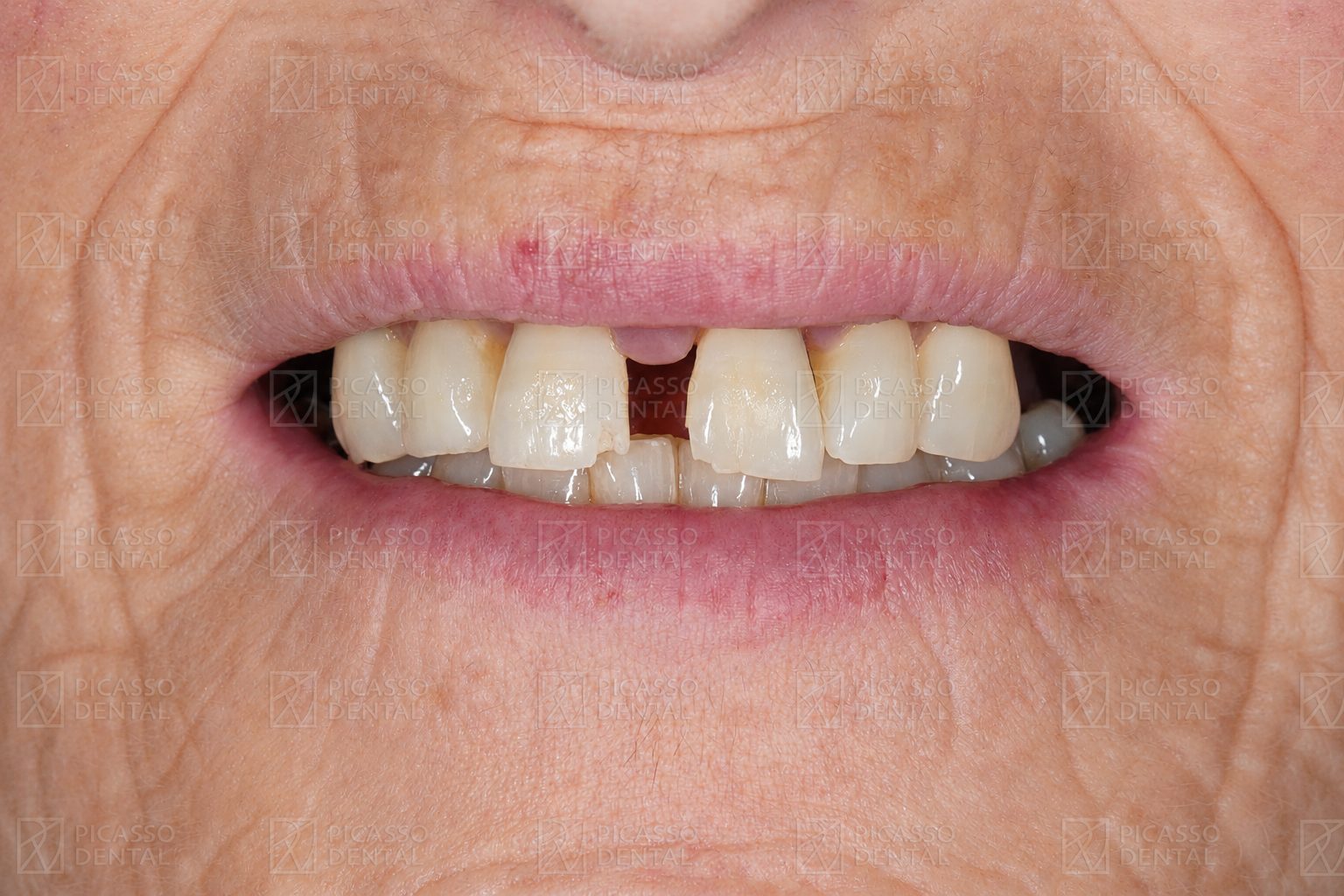 Before
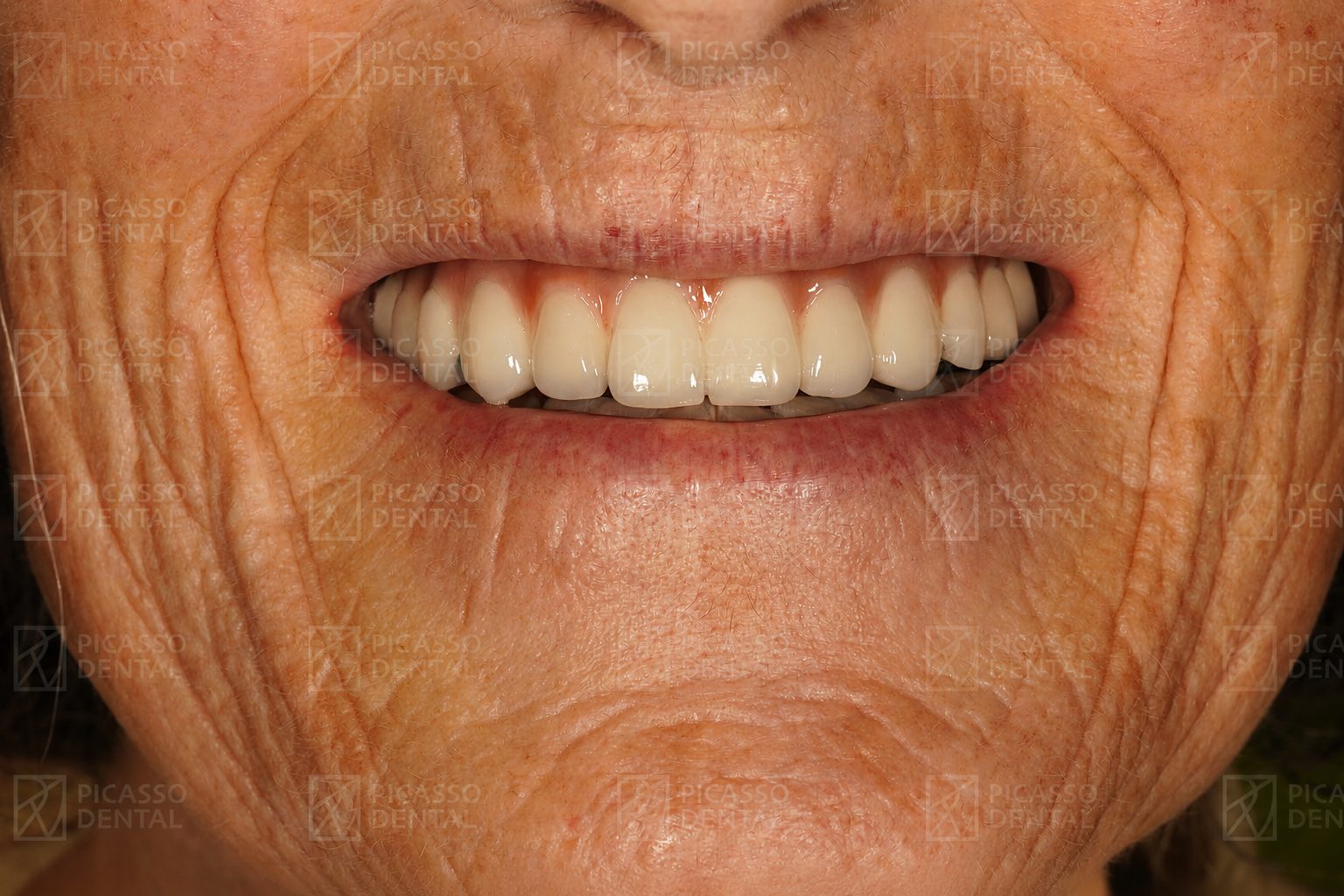 After
AfterTooth saved with root canal plus crown. Crown placement after root canal is mandatory for posterior teeth to prevent fracture.
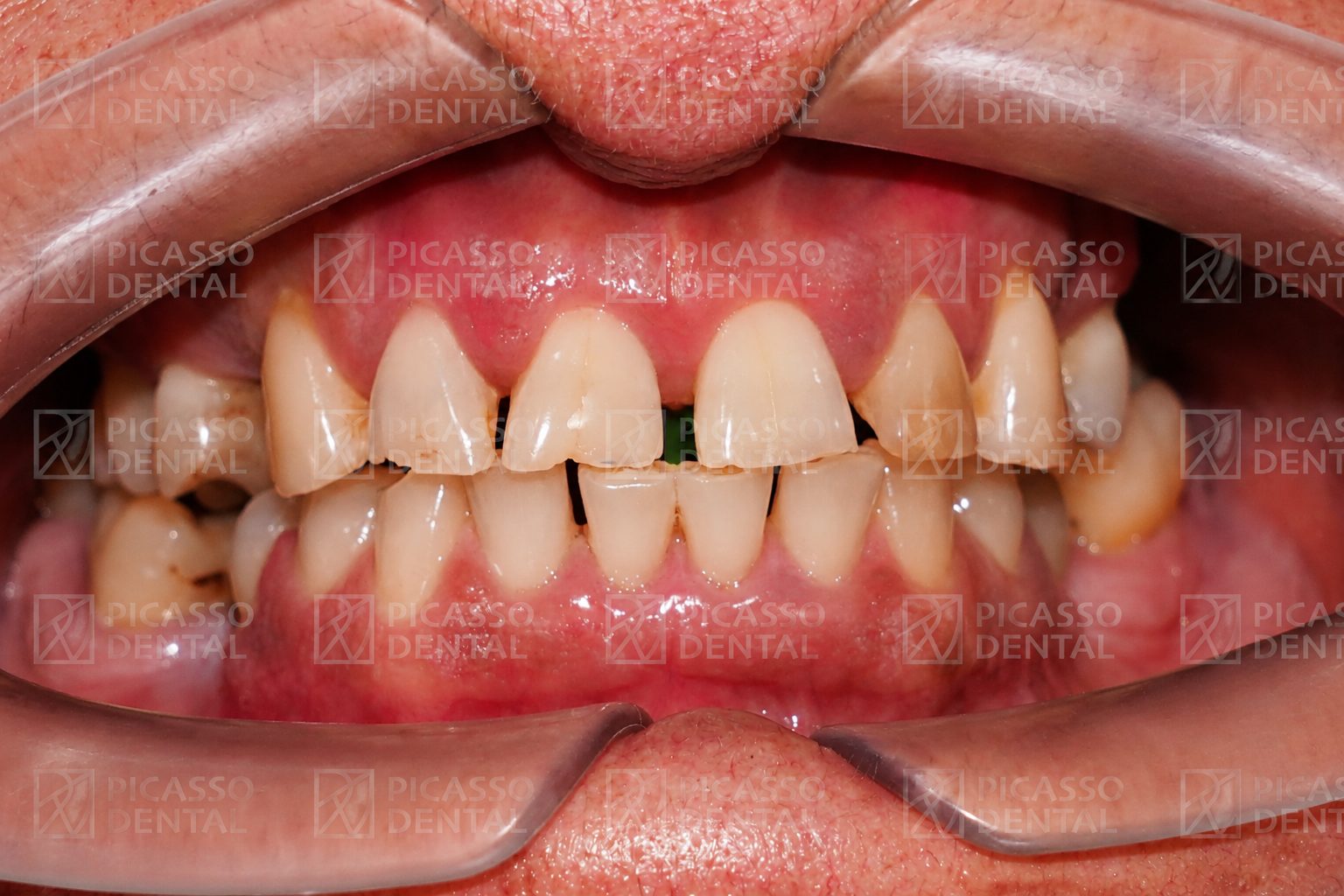 Before
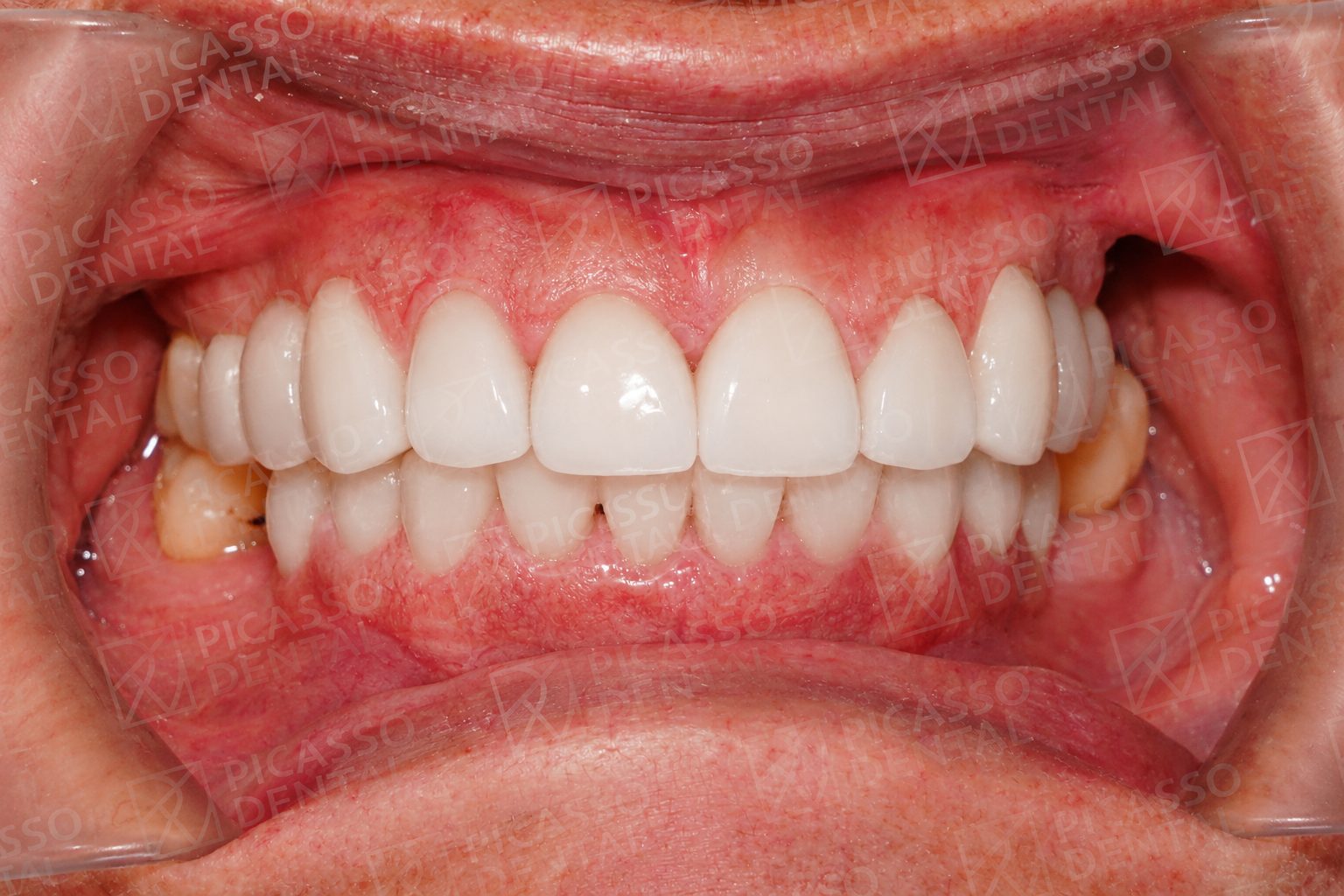 After
AfterPersistent infection after initial root canal. Apicoectomy resolved the remaining infection completely. 12-month X-ray confirms full bone fill.
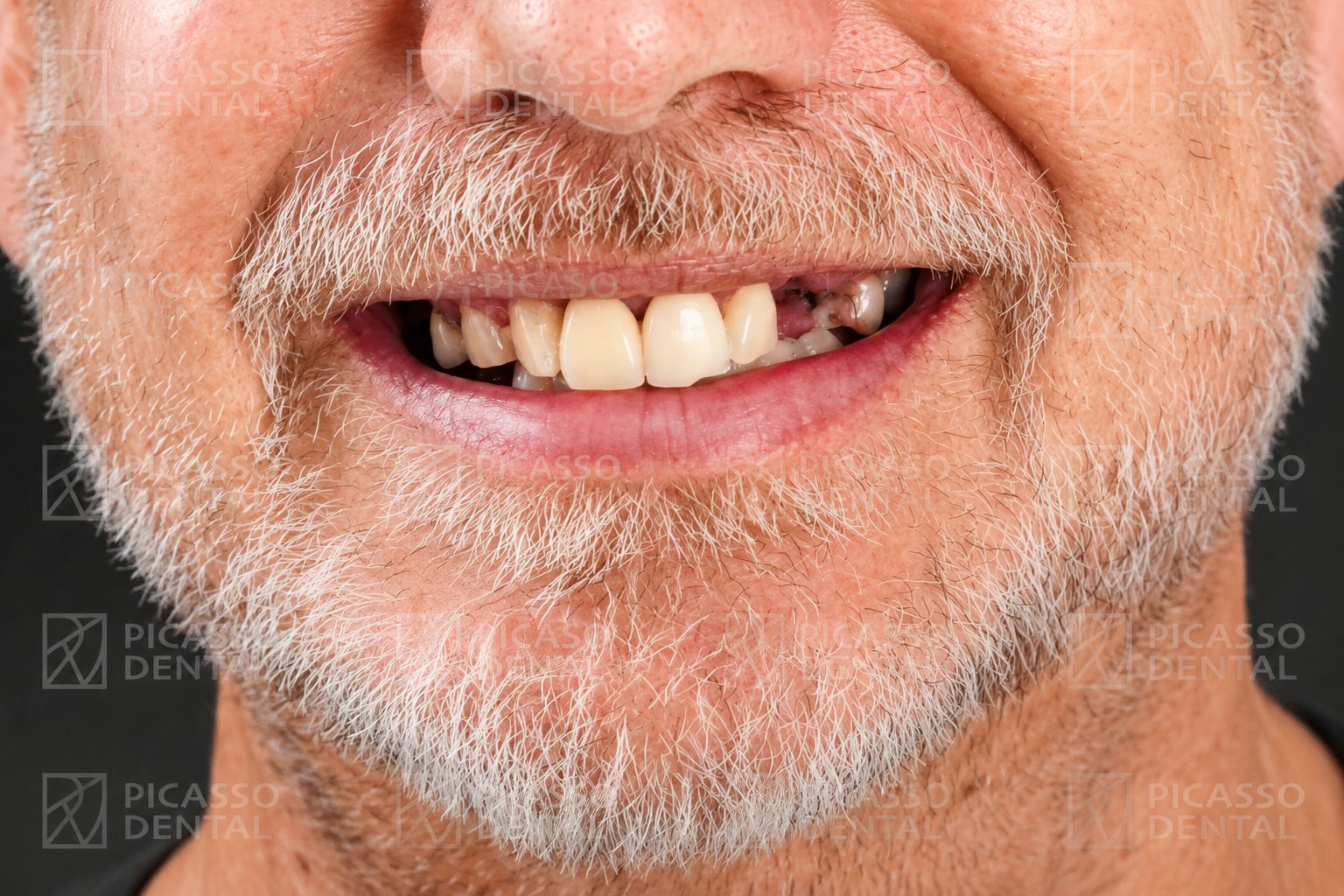 Before
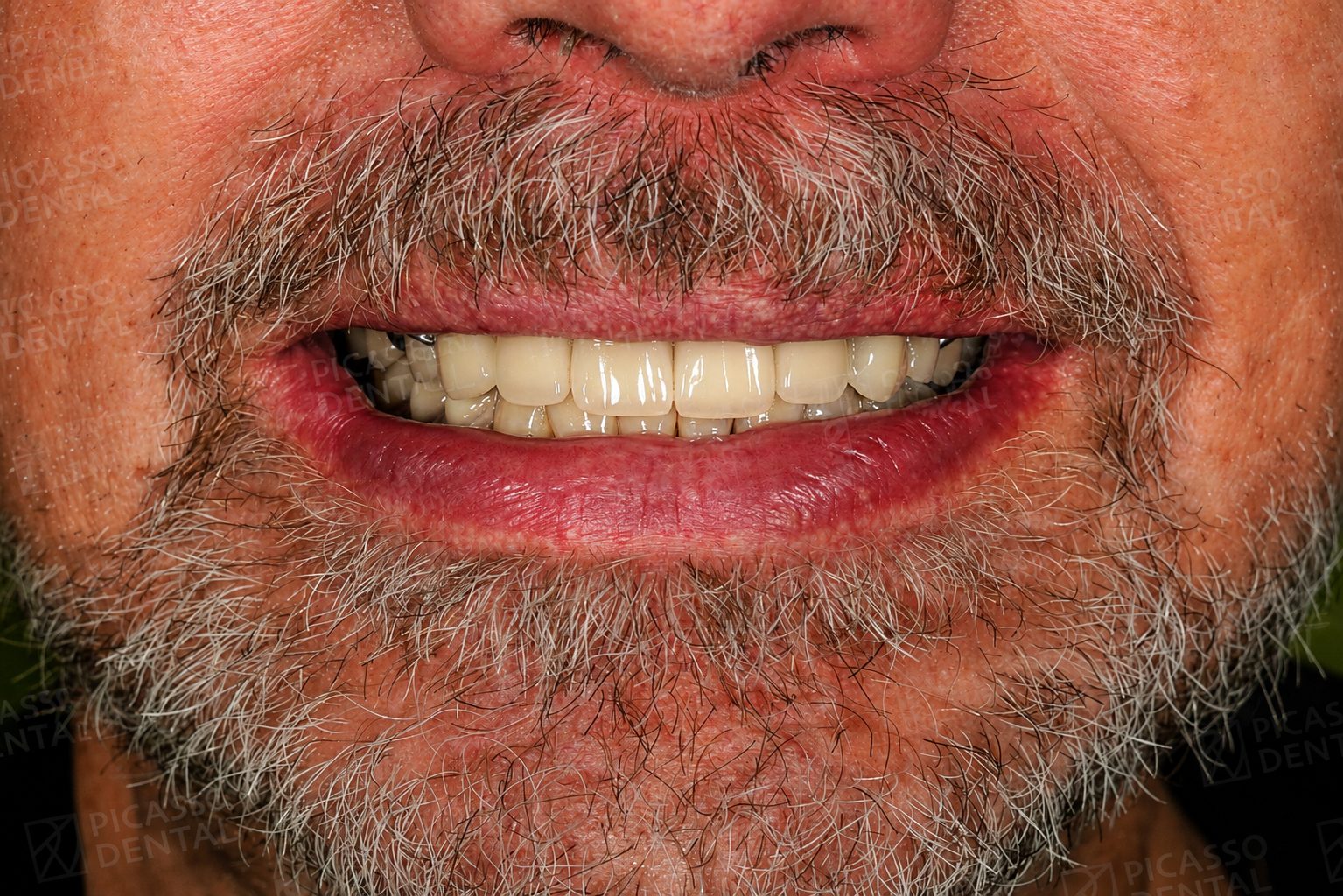 After
AfterComplex molar: root canal retreatment failed. Apicoectomy as final preservation attempt before the extraction option was considered.
Frequently Asked Questions
What is an apicoectomy?
An apicoectomy is a minor surgical procedure that removes the tip of a tooth root (the apex) along with infected surrounding tissue. It is performed when a root canal has not fully resolved an infection, typically because bacteria remain in inaccessible root tip anatomy, a small crack at the root tip, or blocked canals that cannot be cleaned from above. A small incision in the gum and a small window in the bone allows access to the root tip from below.
When is an apicoectomy needed?
An apicoectomy is needed when: a root canal-treated tooth has a persistent infection that does not resolve after adequate treatment, symptoms return months or years after a successful root canal, root canal retreatment is not possible because blocked or complex anatomy prevents adequate cleaning from above, or a crack at the root tip is creating a bacterial pathway that cannot be sealed from inside the tooth.
Is an apicoectomy painful?
The procedure is performed under local anaesthetic and patients report no pain during surgery. Post-operative discomfort is typically moderate and well controlled with over-the-counter pain medication. Most patients describe recovery as less painful than the original root canal or a tooth extraction. Swelling peaks at day 2 to 3 and subsides over the following week. Soft food for 3 to 5 days is the main dietary restriction.
What is the success rate of an apicoectomy?
Apicoectomy success rates range from 85 to 95 percent depending on the tooth type and infection severity. Front teeth have the highest success rates because their roots are more accessible and have simpler anatomy. Back teeth are more challenging but still succeed in the majority of cases. When successful, the tooth functions normally, often for the patient's lifetime. Failure usually becomes apparent within the first year.
What is the recovery time after an apicoectomy?
Most patients return to normal activities within 2 to 3 days. Soft food for 3 to 5 days. Avoid strenuous exercise for approximately one week. Sutures dissolve on their own within 7 to 10 days. The bone in the surgical area takes 3 to 6 months to fully regenerate. Follow-up X-rays at 3 months and 1 year confirm proper healing.
What are the alternatives to an apicoectomy?
The two main alternatives are root canal retreatment (cleaning the existing root canal again from the crown side, which works when the canal is accessible and no root fracture is present) and tooth extraction followed by implant or bridge. Keeping the natural tooth, when possible, is almost always the better long-term choice. An apicoectomy attempt does not compromise the ability to extract later if the procedure does not succeed.
Why not just extract the tooth instead of having an apicoectomy?
A natural tooth, even one requiring apicoectomy, maintains the jawbone better, provides superior bite sensation, and requires no special maintenance beyond normal oral hygiene. Implant replacement adds cost and a 4 to 6 month timeline. The apicoectomy attempt is worthwhile because it saves the original tooth in 85 to 95 percent of cases without preventing extraction later if needed. The clinical recommendation is always to attempt tooth preservation first.
Start Here
Start with a brief.
Experiencing pain or swelling around a root-canal-treated tooth? Send an X-ray and a licensed dentist will assess whether apicoectomy, retreatment, or another approach is right.