Cosmetic Dentistry
What Factors Affect the Cost of Veneers? A Dentist Explains the Six Key Drivers
Veneer pricing is not arbitrary. Six specific factors determine what you pay, and understanding them helps you evaluate value rather than just compare numbers.

Key Takeaways
- Geographic location is the single biggest cost driver: overhead, not quality, explains the price gap between countries.
- Premium materials (LAVA 3M, Lisi GC Japan) cost more per veneer but last significantly longer than economy alternatives.
- Case complexity (worn teeth, dark staining, bite problems) adds time and skill, increasing cost.
- Larger sets (8 to 10 veneers) often attract per-tooth package pricing that makes each veneer cheaper.
- The ceramist's skill and lab quality account for a significant share of the final fee and directly affect the result.
1. Geographic Location: The Biggest Variable
Where you receive treatment is the single largest cost factor. The exact same veneer (identical material, technique, and outcome) costs dramatically more in New York or London than in Hanoi or Ho Chi Minh City. This is not about quality. It is pure economics.
Dental practices in expensive cities pay enormous rent, high staff salaries, costly malpractice insurance, and steep regulatory overheads. A clinic in central London might pay the equivalent in rent of what funds an entire Hanoi branch. Those costs are recovered through treatment fees.
The veneer leaving our Ho Chi Minh City lab is materially identical to one from a clinic in Sydney or Toronto. The price difference reflects Vietnamese overhead, not a difference in what is placed in your mouth. This geographic arbitrage is what drives dental tourism: patients save thousands even after flights and accommodation.
2. Material Quality and Type
Not all porcelain is equal. Economy materials cost less but may not achieve the translucency, stain resistance, or longevity of premium brands. For front teeth visible in every photograph and conversation, material quality matters significantly.
Premium materials
- LAVA 3M (USA): zirconia-reinforced, high strength
- Lisi GC Group (Japan): lithium disilicate, superior translucency
- IPS e.max (Ivoclar, Switzerland): widely used globally
- 15 to 25 years expected lifespan with proper care
Economy alternatives
- Unknown manufacturer feldspathic porcelain
- Composite (direct or indirect): lower initial cost
- Composite requires replacement every 3 to 7 years
- Stains more easily, less natural translucency
At Picasso Dental Clinic I use LAVA 3M and Lisi GC Japan exclusively for porcelain veneer cases. The slightly higher material cost pays off through decades of service and a result that genuinely mimics natural enamel.
3. Dentist Experience and Aesthetic Skill
Experience commands higher fees across all professions. A cosmetic dentist with years of dedicated veneer work, advanced aesthetic training, and consistent results charges more than a general dentist placing occasional veneers. You are paying for an artistic eye and a predictable outcome.
The difference between mediocre and excellent veneers is almost entirely about the clinician's judgment: shade selection, tooth preparation depth, gum contour relationship, smile arc design. These are not things that can be standardised. They are learned through thousands of cases.
4. Case Complexity and Individual Factors
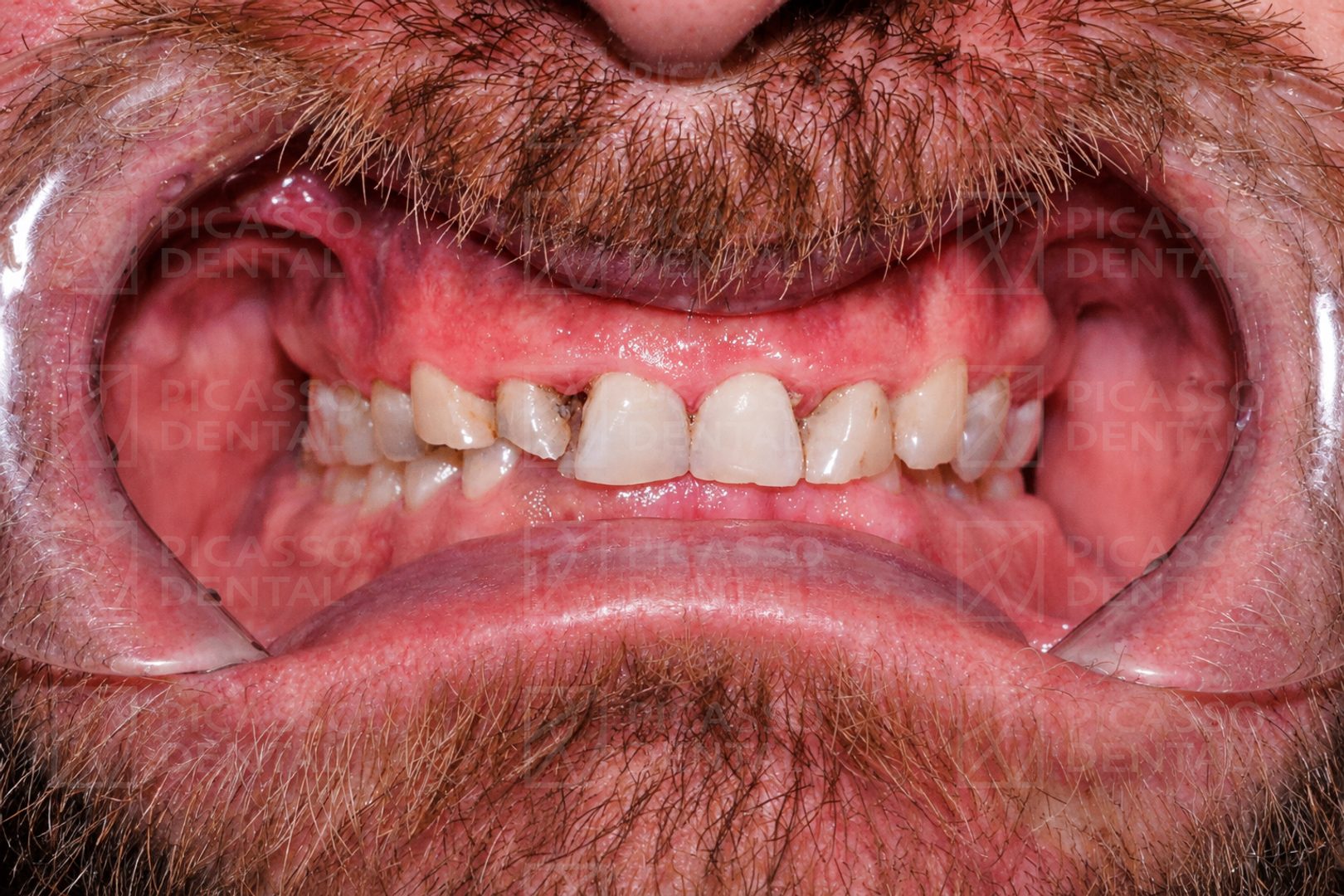
Simple cases cost less than complex ones. Healthy teeth with minor cosmetic issues require straightforward preparation and placement. Cases with complications require more time and skill.
- Severely worn teeth need more preparation planning and sometimes provisional veneers first.
- Darkly stained teeth (tetracycline, fluorosis) require high-opacity veneers that are more demanding to fabricate naturally.
- Existing restorations (large fillings, root canal-treated teeth, old crowns) add complexity to preparation and bonding.
- Bite problems may require orthodontic coordination or bite adjustment before veneers can be safely placed.
Get a written quote for your case
5. Number of Veneers
More veneers raise the total cost, but per-tooth pricing typically decreases for larger sets. Placing 8 to 10 upper veneers as a package costs less per tooth than placing two or three individually. There is also a clinical reason to treat multiple teeth at once: the ceramist designs the full smile arc as a single composition, producing a harmonious result that individual veneers placed at different times cannot achieve.
"I never dreamed I would be leaving Vietnam after a week with the most beautiful smile. 8 veneers and three crowns."
Michelle, Hanoi Old Quarter, Google review
6. Lab Quality and Ceramist Skill
The ceramist fabricating your veneers has an enormous impact on the final result and the cost. Master ceramists with deep experience in cosmetic restorations charge premium fees, and those fees are justified for highly visible anterior teeth.
Custom characterisation (subtle translucency gradients, surface texture, individualised coloring that mimics natural enamel variation) costs more than standardised shading. Rush timelines also attract fees. Planning ahead and allowing standard fabrication time saves money without compromising quality.
 Before
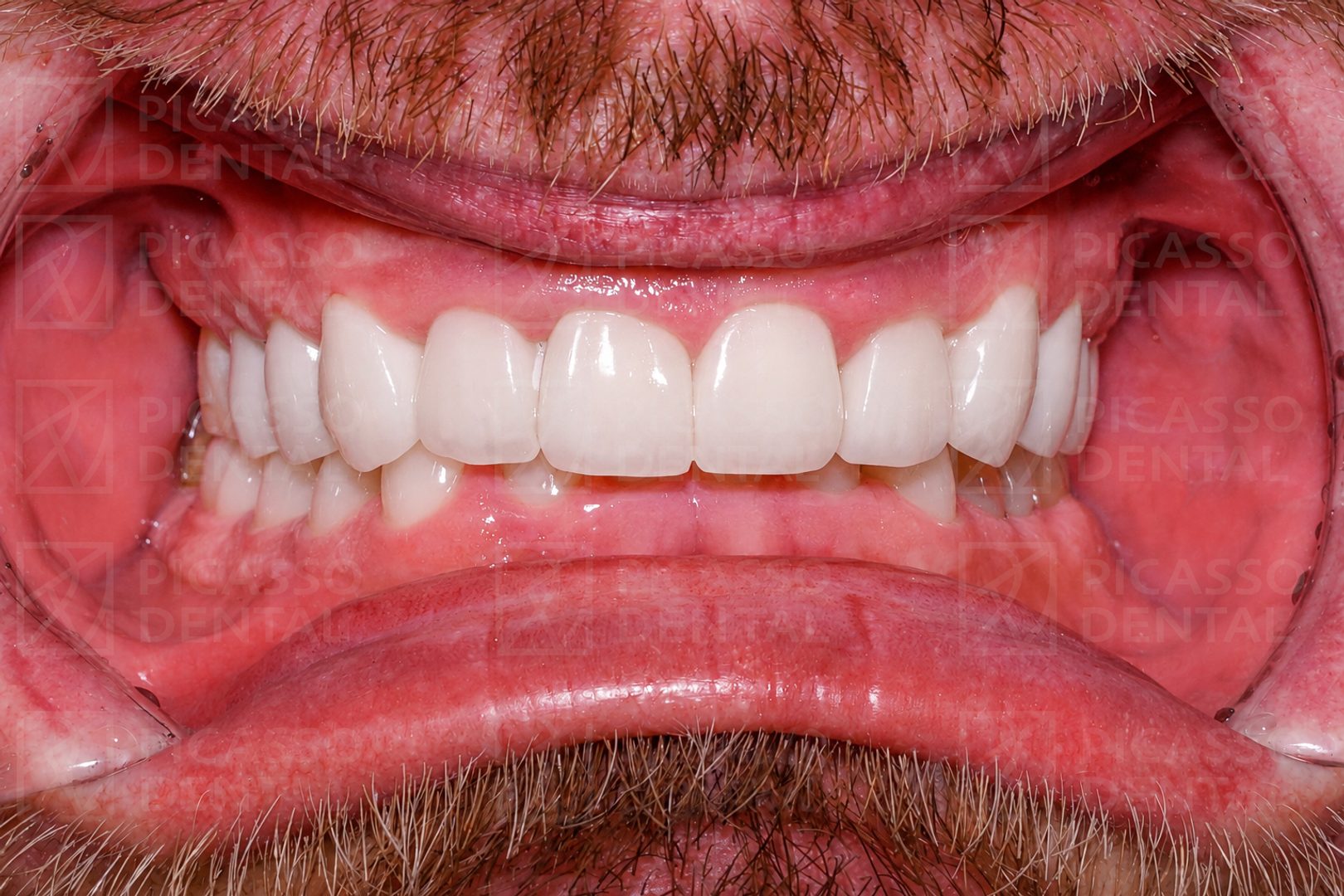 After
After20 Porcelain Veneers · LAVA 3M (USA) · 10 upper + 10 lower · 3 appointments, 7 days · HCMC
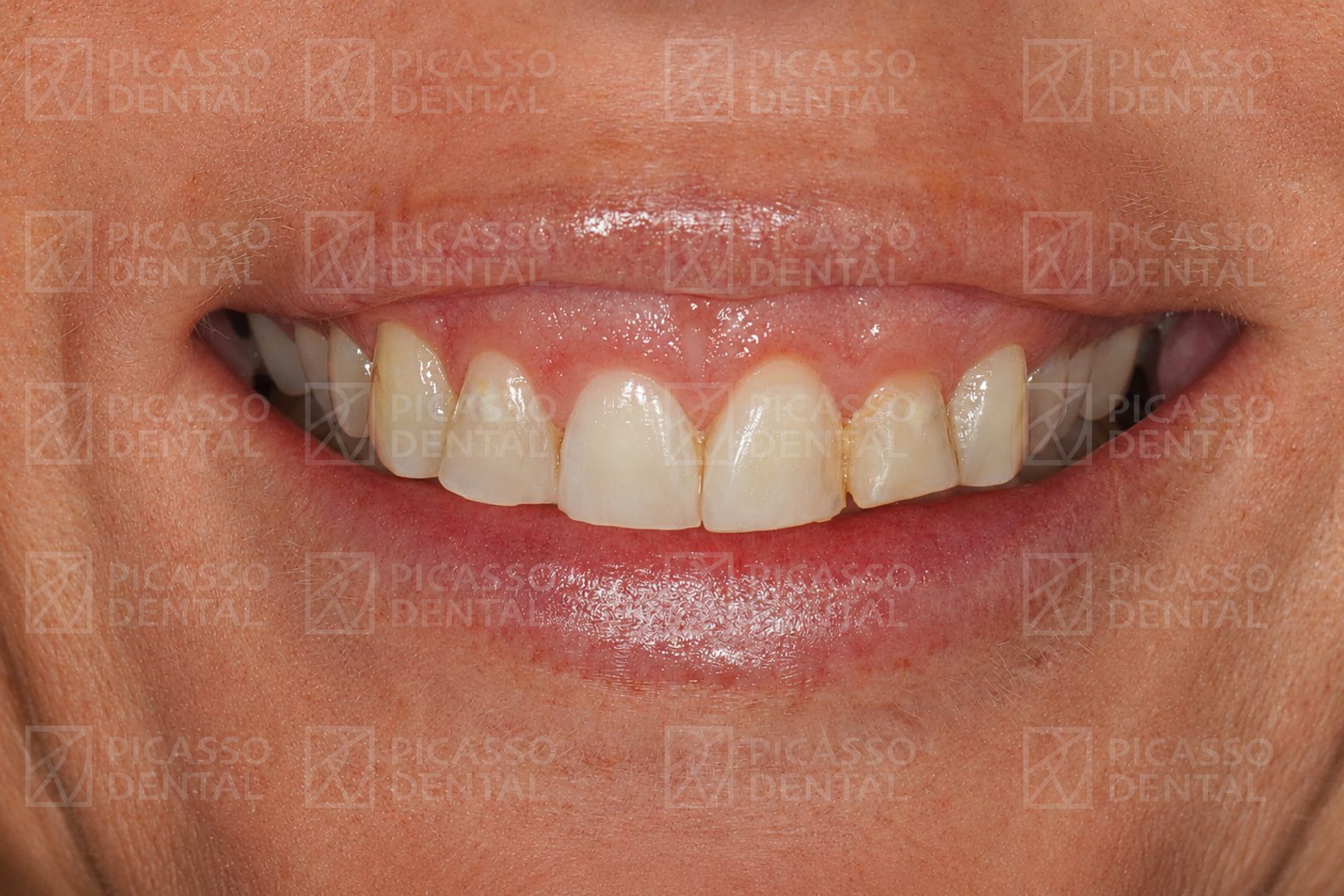 Before
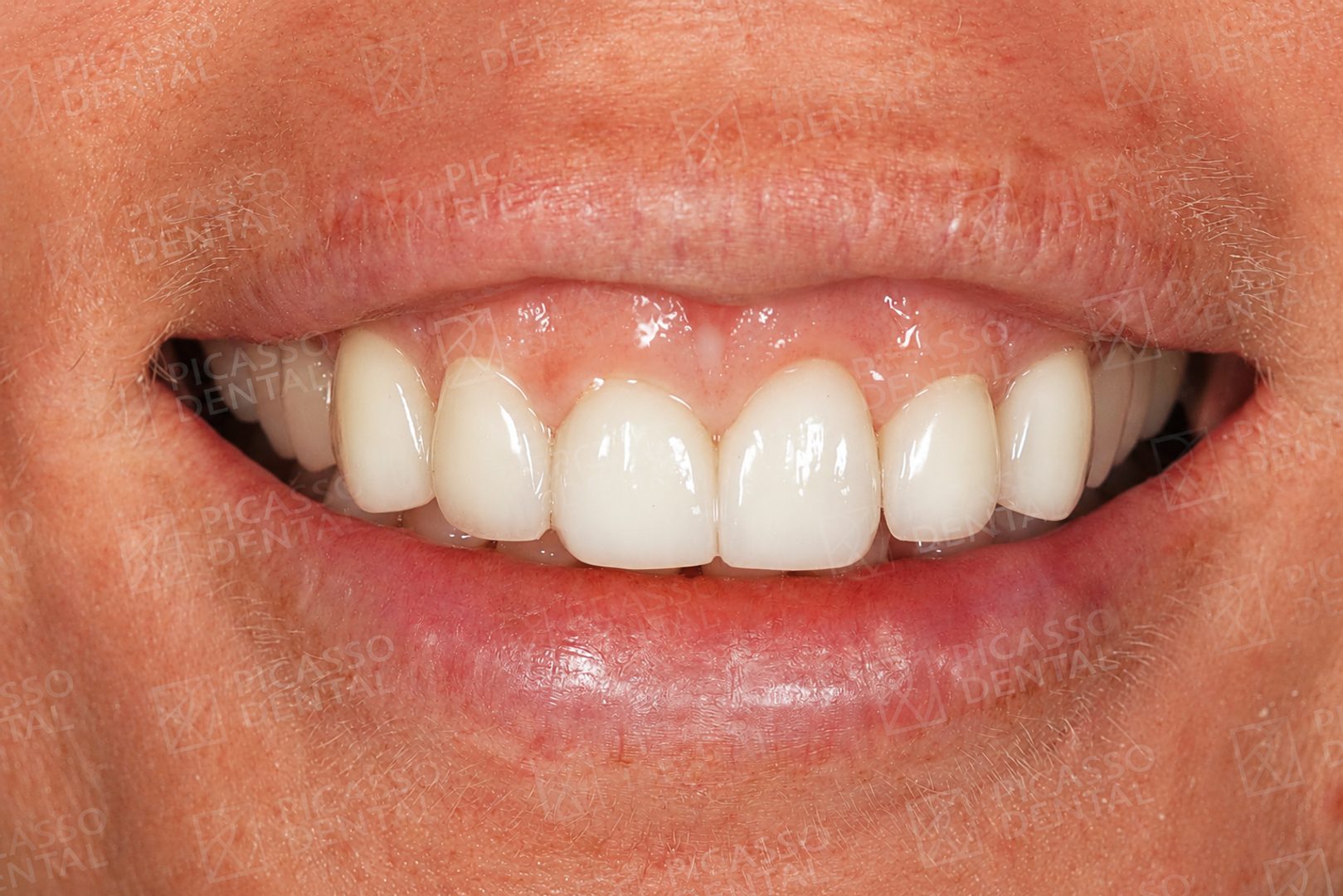 After
After10 Porcelain Veneers, Upper Jaw · Lisi GC Group (Japan) · 3 appointments, 7 days · Hanoi
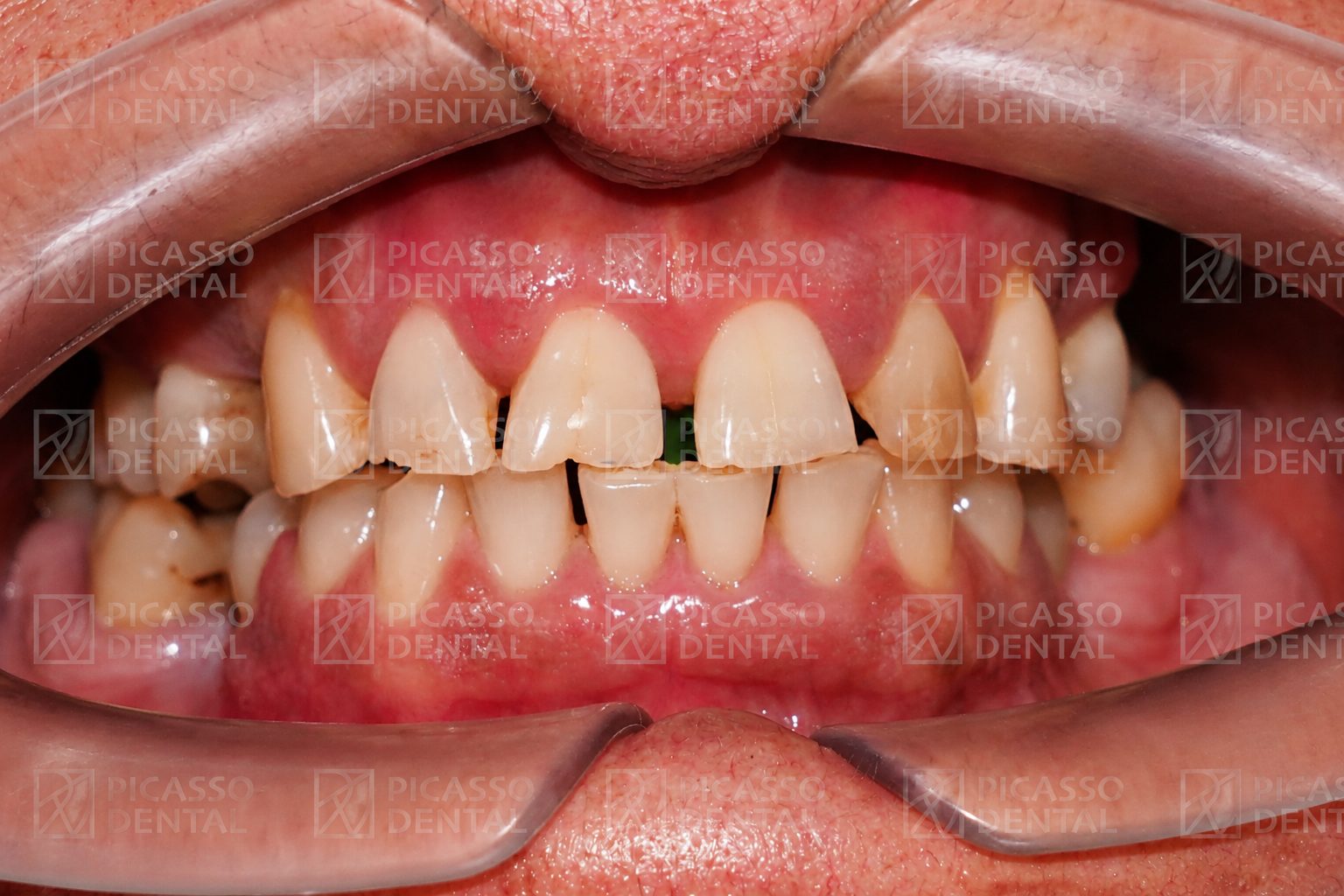 Before
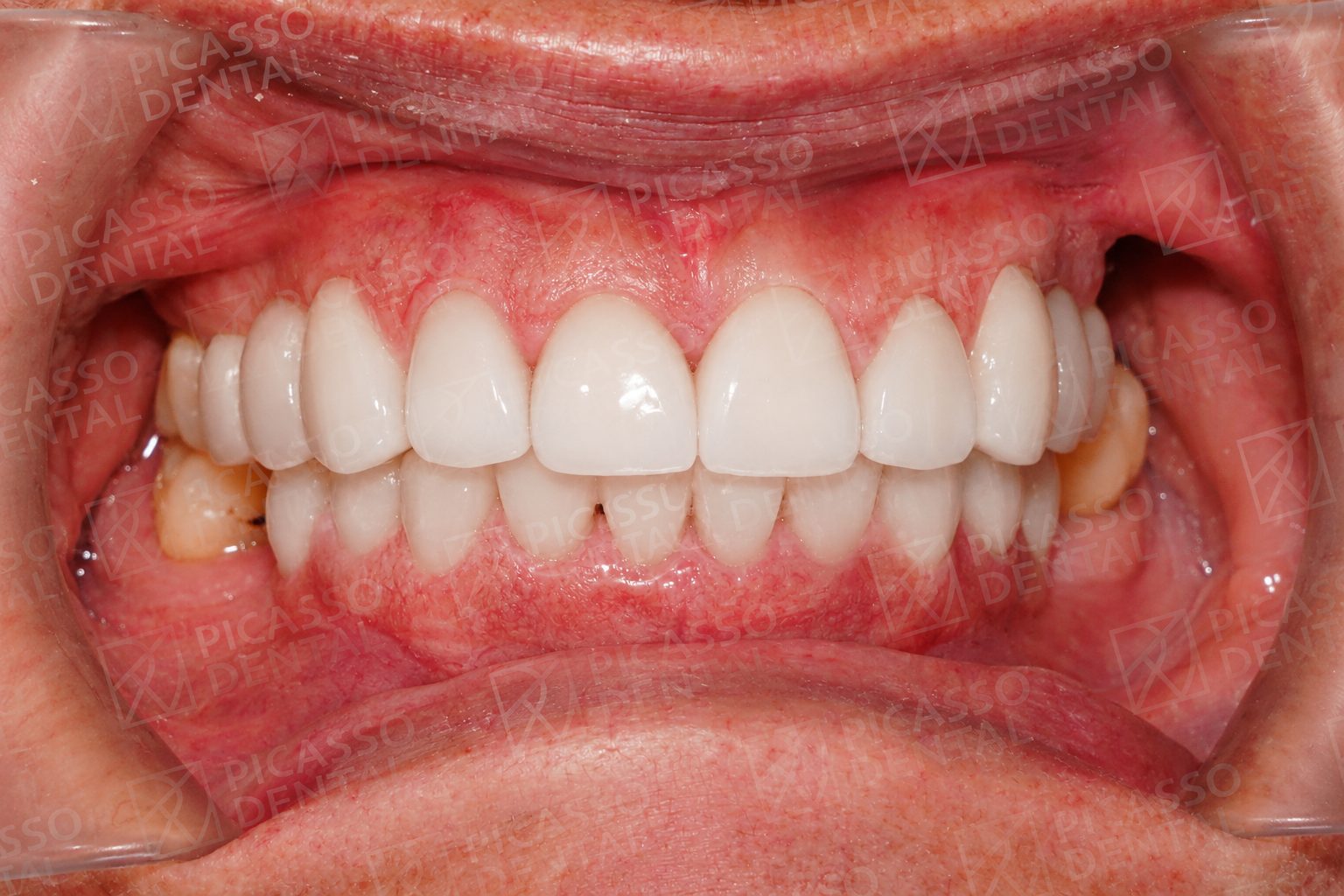 After
After11 Crowns + 9 Veneers, Full Arch · LAVA 3M + Lisi GC (Japan) · 3 appointments, 6 days · HCMC
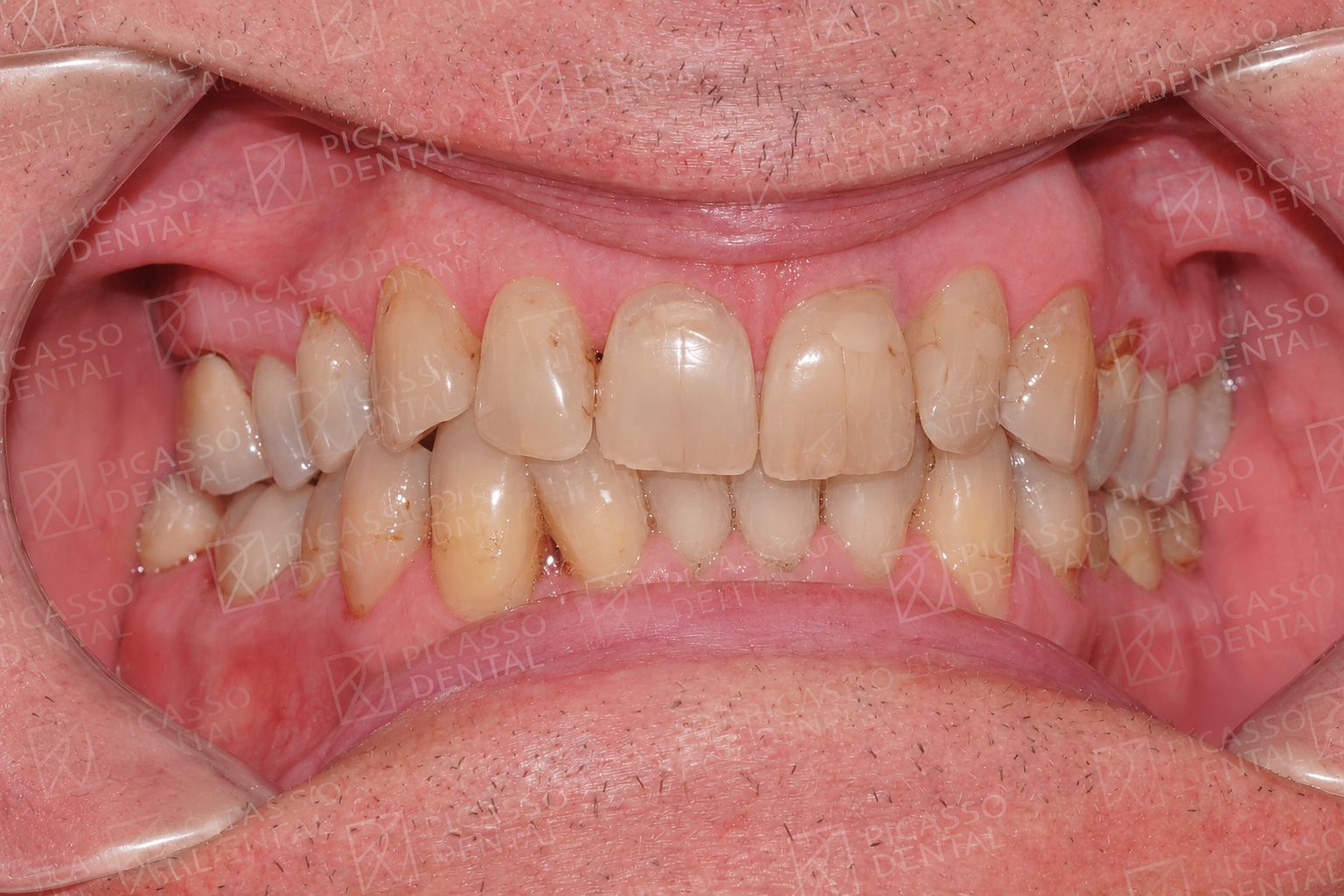 Before
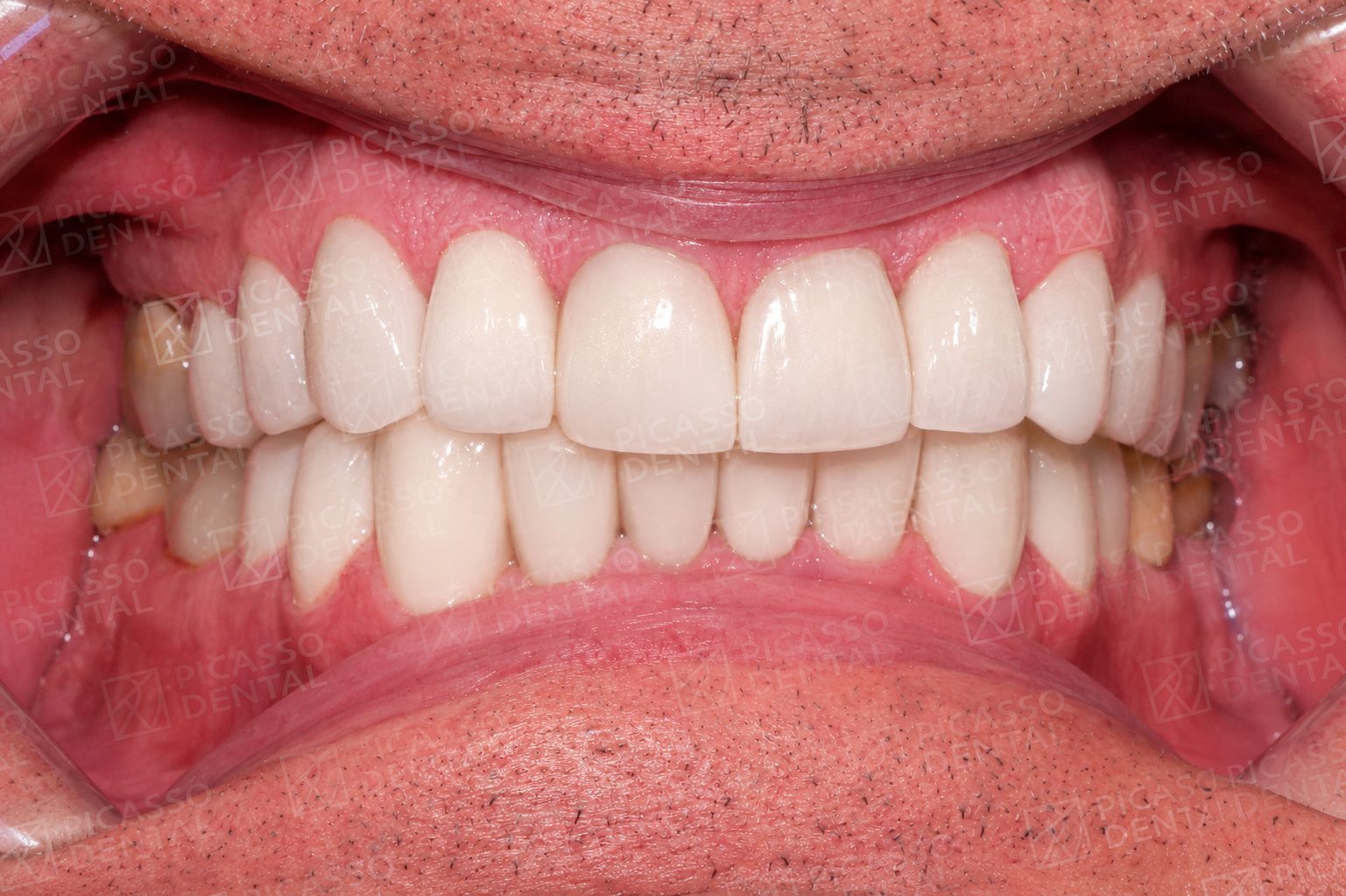 After
After22 Crowns and Veneers · LAVA 3M (USA) · 12 upper + 10 lower · 3 appointments, 5 days · HCMC
Frequently Asked Questions
What is the biggest factor affecting veneer cost?
Geographic location is the single largest cost driver. The same veneer using identical materials and technique costs dramatically more in New York or London than in Hanoi or Ho Chi Minh City. This reflects local overhead — rent, staff salaries, insurance — not differences in material quality or dentist skill. Dental tourism to Vietnam can reduce veneer costs by 60 to 70 percent even after accounting for flights and accommodation.
Does a higher veneer price mean better quality?
Not necessarily. Higher prices in Western countries largely reflect higher overhead costs rather than superior materials or results. The same premium porcelain brands (LAVA 3M, Lisi GC Japan, IPS e.max) are available in Vietnam at a fraction of Western prices. What matters is the material specification, the ceramist's skill, and the dentist's experience — not the country where treatment is performed.
How much do veneers cost per tooth in Vietnam?
Porcelain veneer prices at Picasso Dental Clinic typically range from 6,000,000 to 12,000,000 VND per tooth depending on material and case complexity. LAVA 3M and Lisi GC Japan are the two main material options. A full set of 10 upper veneers can often be completed in 3 appointments over 7 days, making it feasible within a single trip.
What is the difference between LAVA and Lisi veneers?
LAVA 3M (USA) is a zirconia-reinforced porcelain known for strength and durability, typically used for full-arch cases and teeth under higher bite load. Lisi by GC Group (Japan) is a lithium disilicate material prized for superior translucency and light-transmission properties, making it ideal for anterior cosmetic cases where the natural look of enamel is the priority. Both are premium materials with long clinical track records.
How does the number of veneers affect the total cost?
More veneers mean higher total cost, but the per-tooth price often decreases with larger sets. Many clinics offer package pricing for 8 to 10 or more veneers. Placing 10 upper veneers as a set also allows the ceramist to design a harmonious smile arc across all teeth simultaneously, producing a better aesthetic result than placing individual veneers separately at different times.
Can I get veneers cheaper by using composite instead of porcelain?
Composite veneers cost less upfront — typically 30 to 50 percent of porcelain prices — but require replacement every 3 to 7 years and stain more easily. Porcelain veneers last 15 to 25 years with proper care. When you factor in the cost of replacement and the superior appearance of porcelain, the long-term value equation usually favours porcelain for anyone prioritising durability and aesthetics.
How many appointments do porcelain veneers take?
Standard porcelain veneers require 3 appointments: a consultation and tooth preparation visit, a fitting appointment when the veneers arrive from the lab, and a final review. At Picasso Dental Clinic these are spaced approximately 7 days apart, making a full veneer set achievable in about 10 to 14 days — feasible within a single trip to Vietnam.
Founding Clinical Director, Picasso Dental Clinic
Patient Video Testimonial

Get a veneer quote in 24 hours.
Send your photos or X-rays. A licensed cosmetic dentist at Picasso Dental Clinic replies within 24 hours with an itemised estimate. No deposit, no obligation.
No obligation · Since 2013