
General Dentistry
What Are the Benefits
of Dental Bridges?
A dental bridge replaces one or more missing teeth without surgery, typically in two to three visits over two weeks. Here are the five key benefits, when a bridge is the right choice, and how to maintain one for its full lifespan.

Key Takeaways
- A bridge replaces a missing tooth by anchoring crowns on adjacent teeth and suspending a replacement tooth between them. No surgery required.
- The five core benefits: restores chewing function, prevents adjacent teeth from drifting, maintains facial structure, restores smile confidence, and costs less than implants.
- Act within 3 to 6 months of tooth loss. Adjacent teeth begin drifting within weeks, making later bridge placement more complex.
- Daily cleaning under the bridge with a floss threader or water flosser is essential to prevent decay on the abutment teeth.
What a dental bridge is
A dental bridge is a fixed prosthetic that replaces one or more missing teeth. The bridge anchors to the two teeth on either side of the gap (called abutment teeth), which are fitted with crowns. The replacement tooth (called a pontic) is suspended between them. The bridge is cemented permanently and cannot be removed by the patient.
The result, from the outside, is a complete smile. The pontic looks and functions like a natural tooth. Adjacent patients and colleagues typically cannot distinguish a well-made bridge from natural teeth. Inside the mouth, chewing forces are distributed across the bridge and the abutment teeth.

The five benefits of dental bridges
- Restores full chewing function and speech A missing tooth forces you to compensate with other teeth, avoid certain foods, and sometimes slur speech when the tongue fills the gap. A bridge restores normal chewing across the full dental arch and eliminates the gap that affects consonant sounds. Most patients adapt completely within a few days and forget the bridge is there.
- Prevents adjacent teeth from drifting Teeth are held in position partly by the pressure of their neighbours. When a tooth is lost, the adjacent teeth begin tilting and drifting into the space within weeks to months. The opposing tooth starts super-erupting (growing longer) as it loses contact. A bridge prevents both movements by filling the gap and maintaining normal bite relationships.
- Maintains facial structure and jaw health Chewing forces transmitted through teeth stimulate the jawbone and keep it healthy. A missing tooth causes bone resorption beneath the gap over time. While a bridge does not fully replace this stimulation (implants do that better), it distributes bite forces to the abutment teeth and surrounding bone, reducing the rate of change compared to leaving the gap untreated.
- Restores smile confidence immediately A missing front tooth changes how you smile, talk, and present yourself socially. Patients frequently report that covering the gap restores confidence they had not realised was affected. A bridge achieves this result in 2 to 3 visits over 2 weeks, without the 4 to 6 month osseointegration wait that implants require.
- Lower cost and no surgery A bridge costs substantially less than an implant and requires no surgical procedure, no incision, no healing period, and no bone grafting. For patients who cannot have surgery due to systemic health conditions, bone loss at the missing tooth site, or budget constraints, a bridge is a reliable, well-proven alternative that lasts 10 to 15 years or more with proper care.

When a bridge is the better choice over an implant
Implants are often described as the gold standard for tooth replacement because they preserve abutment teeth and stimulate bone. This is true. But a bridge is the better choice in several specific situations:
Insufficient bone volume: An implant requires adequate bone height and width at the missing tooth site to anchor the titanium post. Where significant bone resorption has occurred, implant placement requires bone grafting first, adding cost and time. A bridge is unaffected by bone loss at the missing tooth site because it relies on the adjacent abutment teeth.
Adjacent teeth already need crowns: If the two teeth adjacent to the gap already need crowns for decay, cracks, or large fillings, a bridge becomes the efficient solution. The crowns being placed for clinical reasons also serve as bridge abutments. You get two treatments at once.
Timeline or budget: A bridge is completed in 2 to 3 visits over 2 weeks. An implant requires a surgical placement appointment, a 4 to 6 month healing period, and then a crown placement appointment. If time or budget is limited, a bridge delivers an excellent functional result faster.
How to maintain a dental bridge
The main vulnerability of any bridge is decay developing on the natural tooth structure beneath the abutment crowns, particularly at the crown margin at the gumline. The pontic itself cannot decay, but the abutment teeth absolutely can if plaque accumulates at their margins. Daily cleaning under the bridge is the most important maintenance step.

A regular toothbrush cannot reach under the pontic. Use either a floss threader (feeding conventional floss under the bridge) or a water flosser, which many patients find more convenient. Clean under the bridge once daily. Brush the abutment crown margins twice daily with a soft brush and fluoride toothpaste.
Attend 6-monthly recall appointments. At each recall, the abutment crown margins are checked for any gap, sign of decay, or looseness. Catching a minor issue at 6 months is simple to address. Discovering decay beneath an abutment crown after several years may mean losing the tooth and the bridge.
Avoid biting very hard objects directly on the bridge. Modern porcelain crowns are strong, but bridges can fracture under concentrated force on the pontic. Normal eating with reasonable care poses no problem.
Missing a tooth? Book a consultation and we will assess whether a bridge or implant is the right solution for your specific case, with written pricing for both options.
Book a consultationAct promptly: why timing matters
Adjacent teeth begin drifting into a gap within weeks to months of a tooth being lost. The extent of drift depends on the position and the individual patient, but it is consistently documented. The longer the gap remains open, the more complicated the bridge placement becomes because the drifted teeth create a narrower, asymmetric space.
In some cases where significant drift has occurred, orthodontic treatment is needed to re-open the space to its correct width before a bridge can be placed. This adds both time and cost that acting promptly would have avoided. The practical recommendation: have the missing tooth replacement planned within 3 months of tooth loss and treatment completed within 6 months.
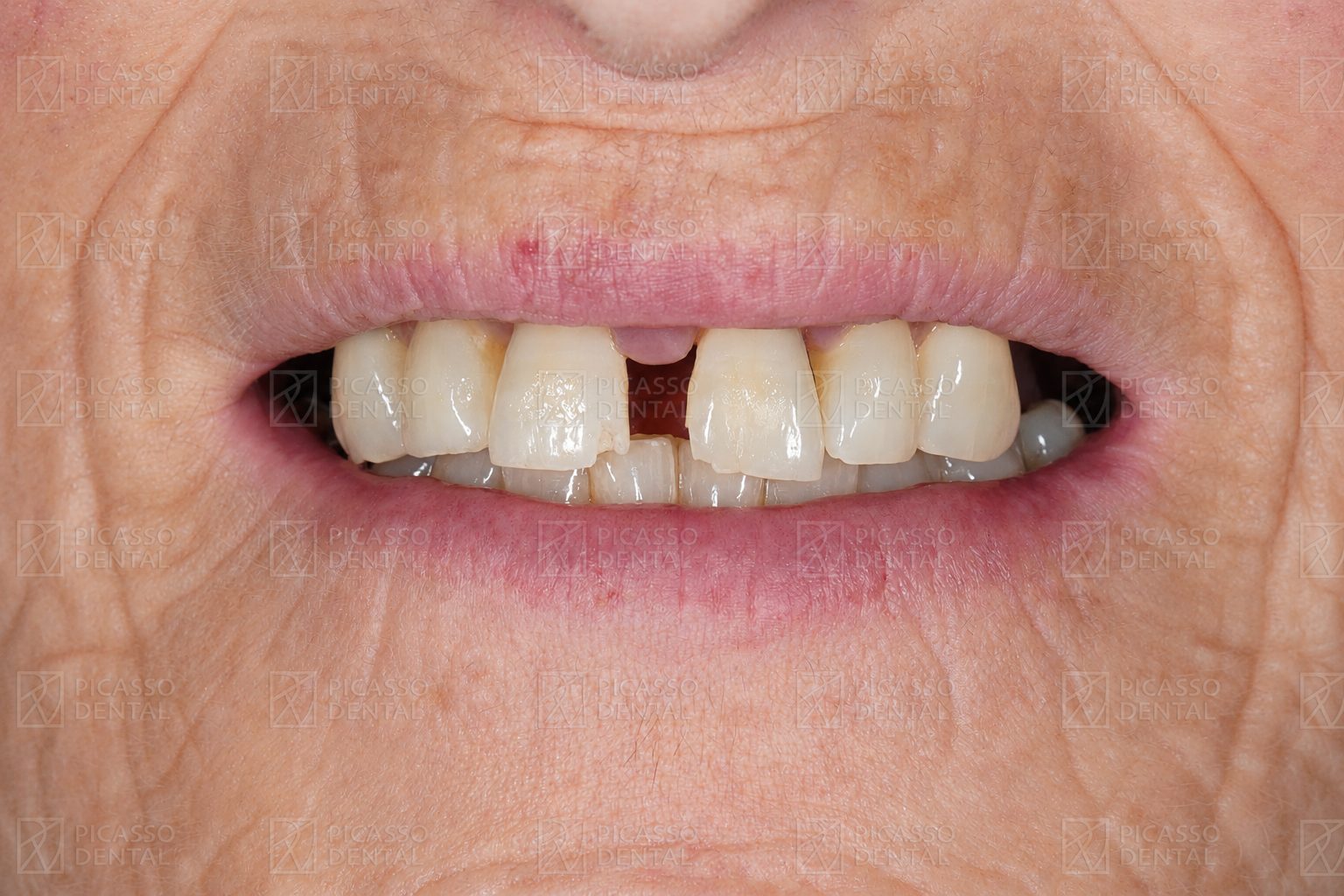 Before
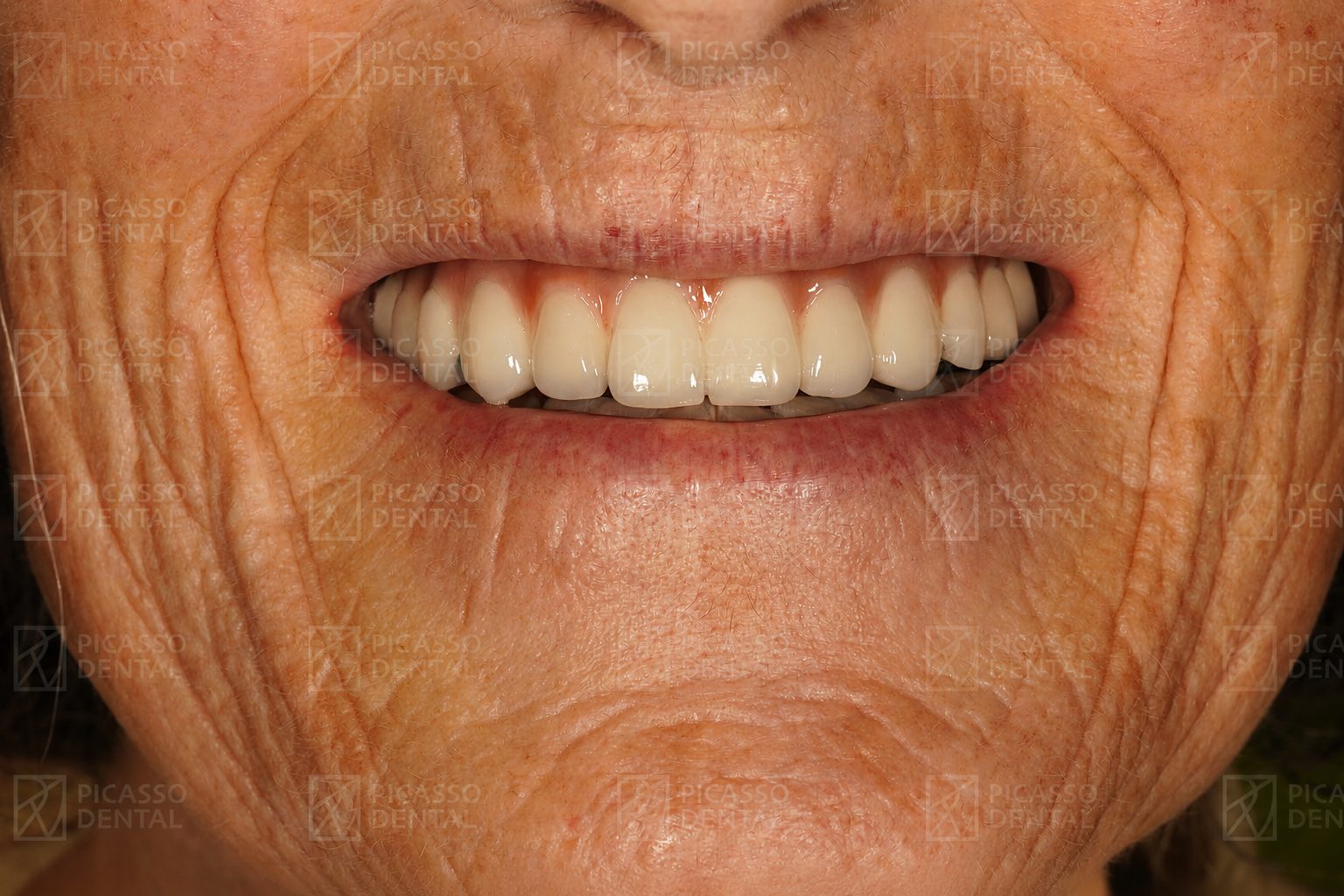 After
After3-unit Zirconia bridge replacing a missing premolar. Both abutment teeth also needed crowns for existing decay.
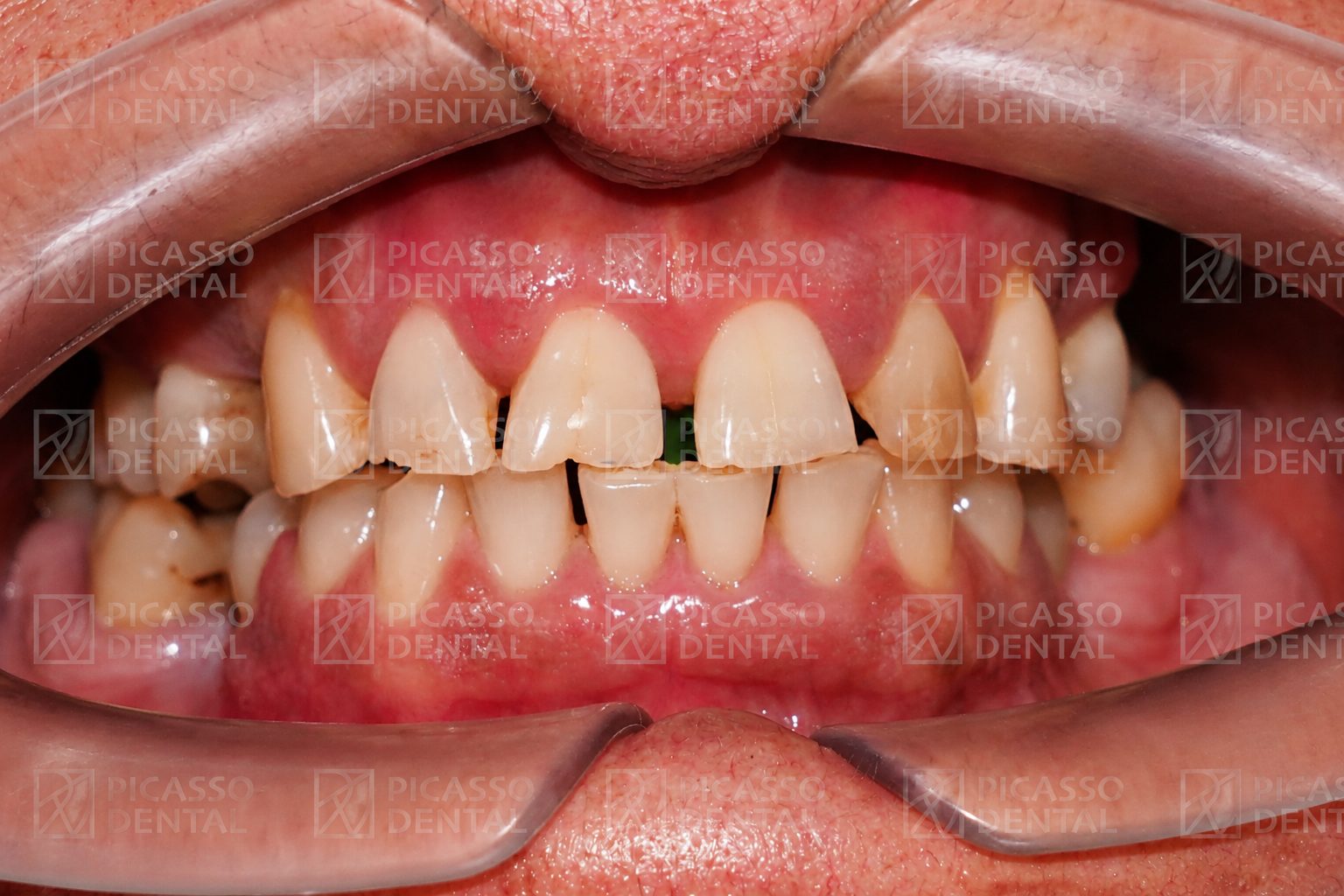 Before
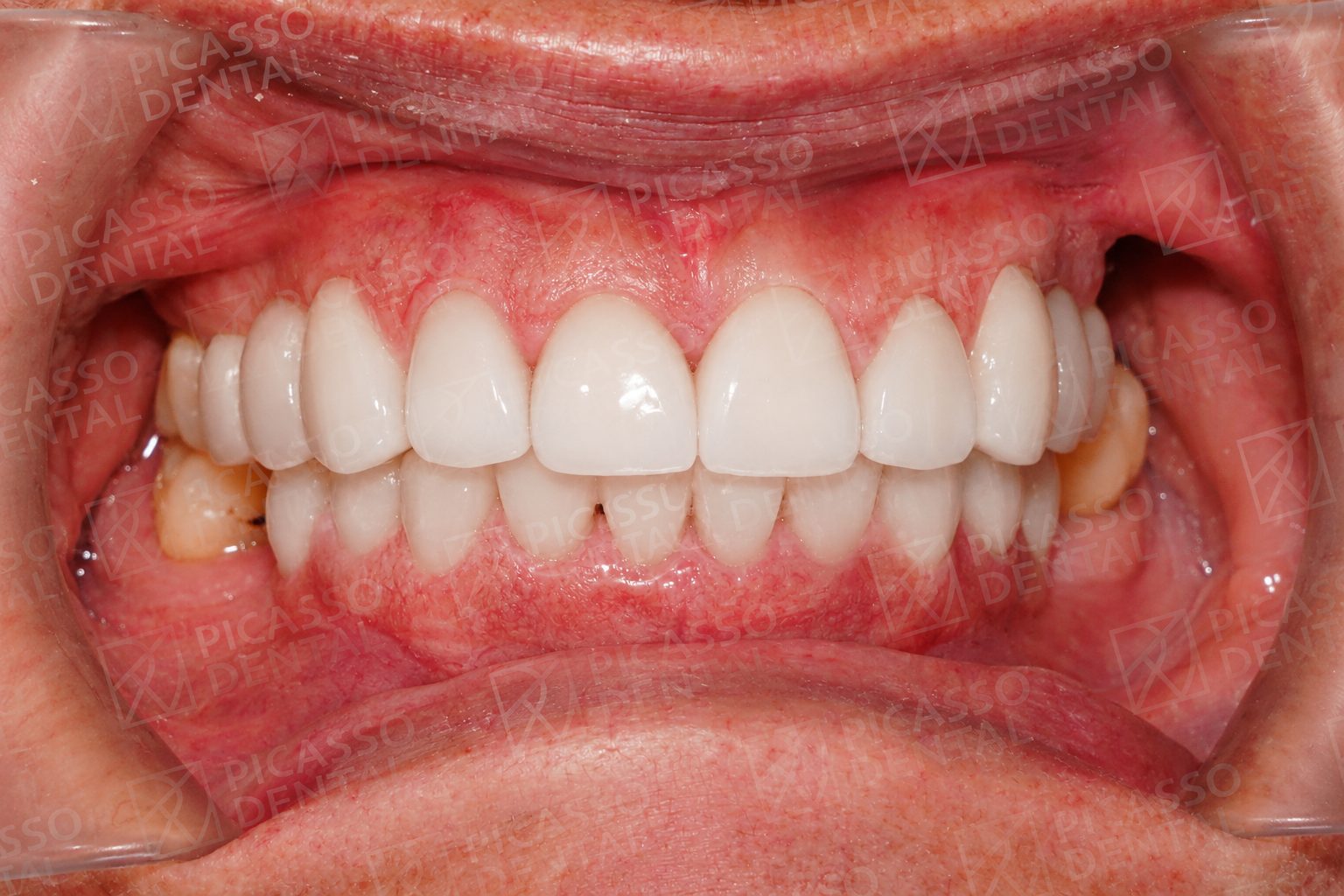 After
AfterEmax bridge replacing a missing upper incisor. Front tooth replacement with highest-aesthetics ceramic material.
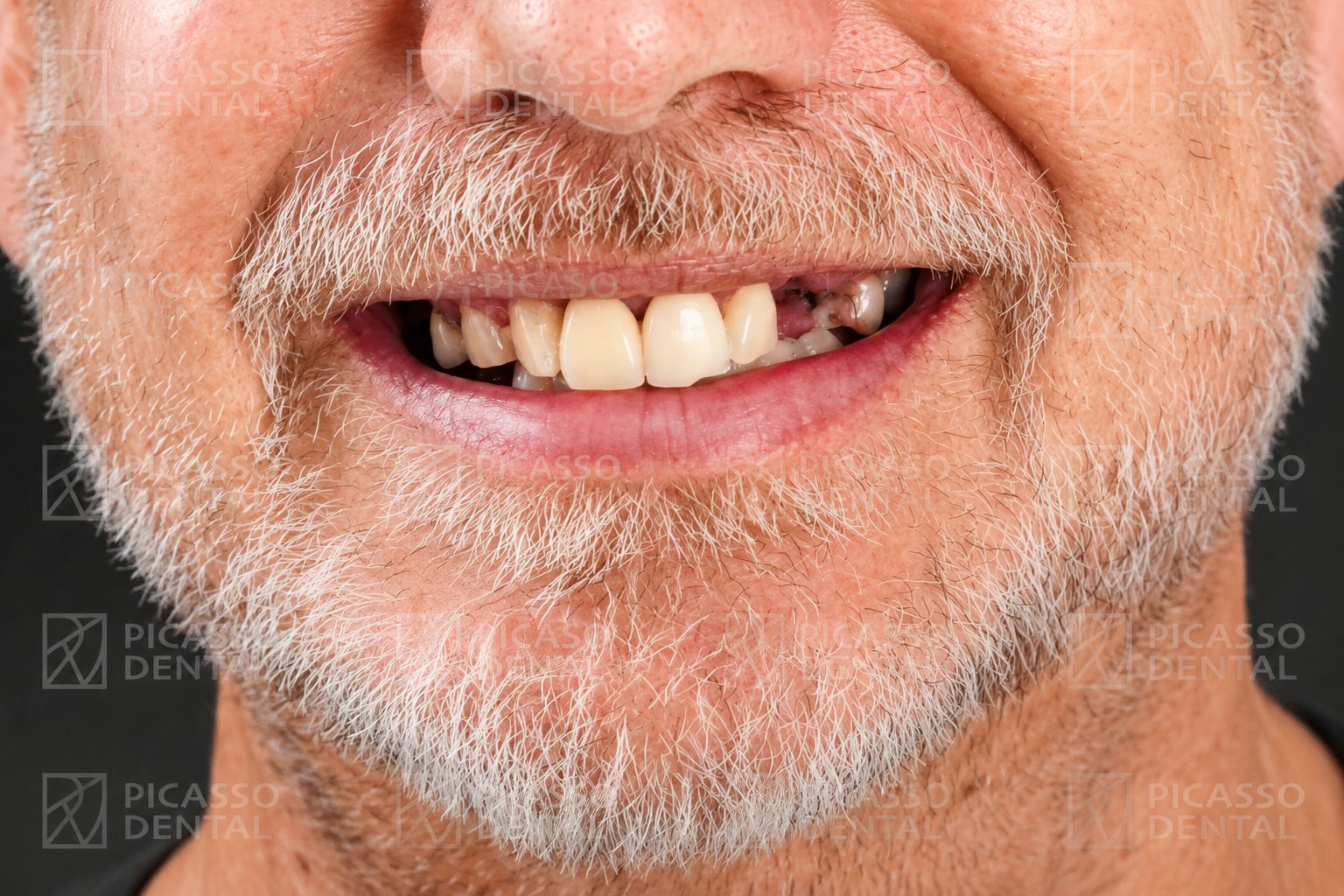 Before
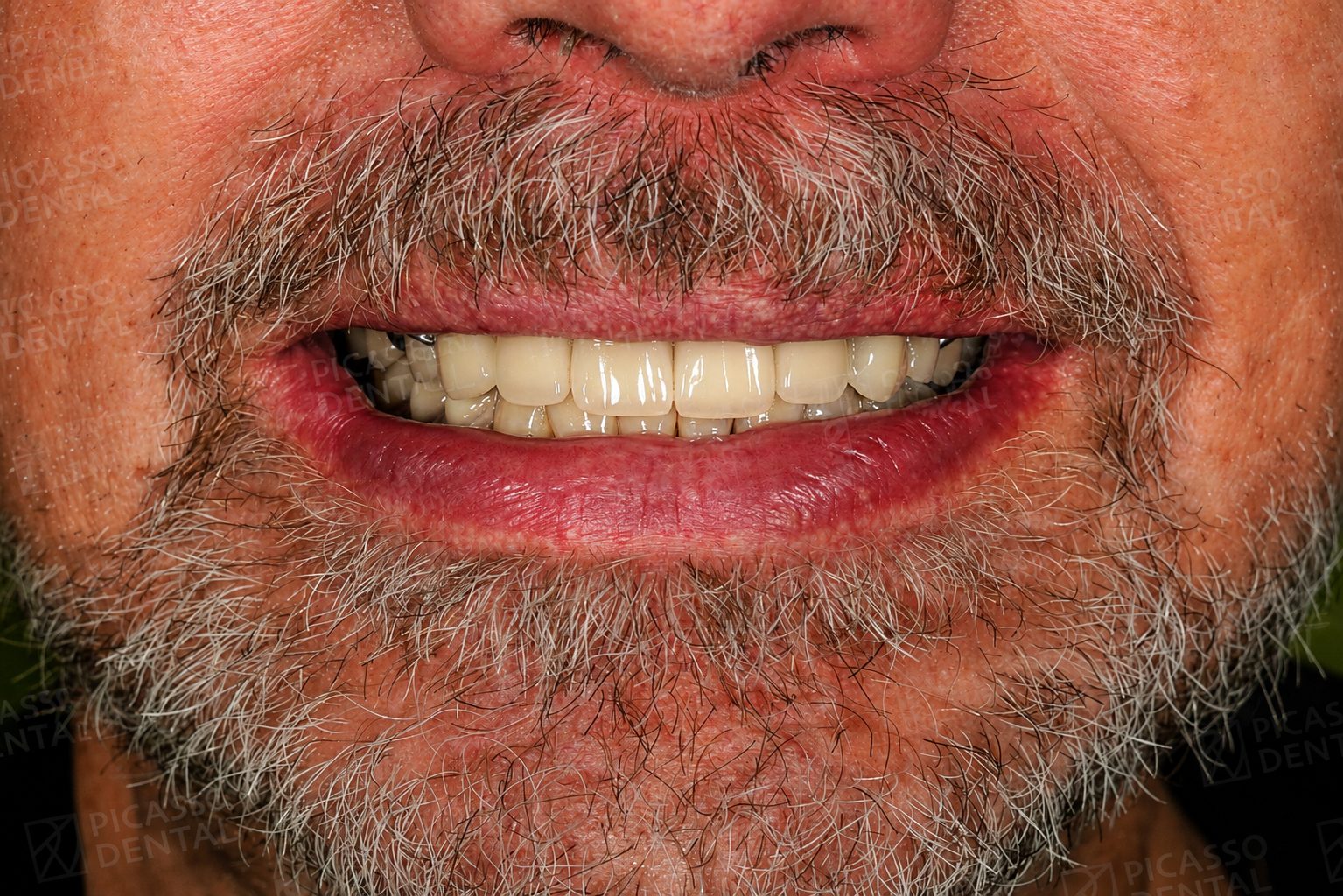 After
AfterMultiple bridges and individual crowns across upper arch. International patient: 3-week trip to HCMC combining treatment and tourism.
Frequently Asked Questions
What is a dental bridge?
A dental bridge is a fixed prosthetic that replaces one or more missing teeth by anchoring to the teeth on either side of the gap. The anchor teeth (called abutments) are fitted with crowns, and the replacement tooth (called a pontic) is suspended between them. The bridge is cemented permanently and cannot be removed by the patient. It restores chewing function, speech clarity, and appearance in a treatment that typically takes 2 to 3 visits over 2 weeks.
What are the main benefits of a dental bridge compared to leaving a gap?
A dental bridge prevents five significant problems caused by a missing tooth: it restores chewing function so you can eat a normal diet, prevents adjacent teeth from drifting into the gap and causing bite misalignment, prevents the opposing tooth from super-erupting, maintains facial structure by distributing bite forces, and restores smile appearance and the confidence to speak and smile without self-consciousness.
How long does a dental bridge last?
Dental bridges last 5 to 15 years or longer with proper maintenance. Key factors: daily flossing under the bridge using a floss threader or water flosser, 6-monthly recall appointments for margin checks, avoiding biting very hard objects with the bridge, and not grinding teeth (or wearing a night guard if you do). The abutment teeth beneath the crowns remain vulnerable to decay at the crown margins if oral hygiene is neglected.
How does a dental bridge compare to a dental implant?
Implants replace individual missing teeth without involving adjacent teeth. A bridge requires preparing (reshaping) the two teeth adjacent to the gap to serve as abutment crowns. Implants preserve the abutment teeth and stimulate jaw bone to prevent bone loss. Bridges do not stimulate bone. However, bridges are completed in 2 to 3 weeks without surgery, at lower cost, and are suitable for patients who cannot have implant surgery due to bone loss or health conditions. Both are legitimate solutions; the choice depends on the clinical situation.
Does a dental bridge require surgery?
No. A dental bridge is a non-surgical restoration. The procedure involves preparing (reshaping) the two abutment teeth under local anaesthetic, taking an impression or digital scan, placing temporary crowns, and cementing the permanent bridge after 1 to 2 weeks. There are no incisions, no healing period requiring dietary restriction beyond a few days, and no general anaesthetic.
How do I clean under a dental bridge?
A regular toothbrush cannot reach under the pontic (the suspended replacement tooth). You need either a floss threader to thread conventional floss under the bridge, or a water flosser, which is the most efficient method for bridge maintenance. Daily cleaning under the bridge prevents plaque accumulation on the underside of the pontic and on the abutment tooth margins, which is the main cause of bridge-related decay.
What does a dental bridge cost at Picasso Dental Clinic?
Bridge cost depends on the number of units (crowns plus pontics) and material. A standard 3-unit bridge (2 crowns plus 1 pontic) in Zirconia costs approximately 21,000,000 VND at Picasso, compared to AUD $4,500 to $6,600 for the same bridge in Sydney. For complex cases or bridges with more units, an itemised quote is provided at consultation.
How soon should I replace a missing tooth with a bridge?
The sooner the better. Adjacent teeth begin drifting into a gap within weeks to months of a tooth being lost. The opposing tooth begins super-erupting (growing longer) as it loses contact. Both changes make bridge placement harder and sometimes require additional orthodontic work first. Acting within 3 to 6 months of tooth loss generally avoids these complications.
Start Here
Start with a brief.
Send us an X-ray of the missing tooth area and we will assess whether a bridge or implant is better suited and provide written pricing for both.