
Cosmetic Dentistry
Professional Teeth Whitening in Vietnam: Your Complete Guide
Methods, costs, candidacy, and what to expect from Zoom laser and take-home tray whitening at Picasso Dental Clinic.

Key Takeaways
- Zoom laser whitening achieves 6 to 8 shades brighter in a single 60 to 90 minute session; take-home trays reach a similar result over 2 to 3 weeks.
- Professional whitening in Vietnam costs 70 to 80 percent less than equivalent treatment in Australia, the UK, or the US using the same Philips Zoom system.
- Whitening is safe on healthy natural teeth but does not affect crowns, veneers, or composite fillings.
- A clinical exam before treatment is mandatory: whitening over untreated cavities causes pain and should never be skipped.
How Professional Whitening Works
Tooth discolouration has two categories. Extrinsic staining sits on the enamel surface and comes from food, drinks, and tobacco. Intrinsic staining is embedded within the enamel itself and develops with age or from certain medications. Professional whitening agents, hydrogen peroxide or carbamide peroxide, work by diffusing through the enamel and breaking the chemical bonds that hold stain molecules together. The stain fragments are smaller, reflect less light, and the tooth appears brighter.
What separates professional treatment from over-the-counter strips is concentration, custom fit, and supervision. In-office gels use 25 percent hydrogen peroxide, far above anything available in a pharmacy. Take-home trays made from a digital scan seal the gel against the tooth surface rather than leaking it onto gums. A dentist examines the teeth before any gel is applied, ensuring there are no untreated cavities or cracks that would allow the gel to reach the nerve.

Whitening Methods Available at Picasso Dental
Zoom WhiteSpeed Laser Whitening
Zoom is the market-leading in-office whitening system from Philips, FDA-cleared and used by cosmetic dentists in Sydney, London, and Los Angeles. The protocol at Picasso Dental follows the same steps used internationally: a clinical exam and scale and polish first, protective isolation of gums and lips, three to four 15-minute cycles of gel application under the Zoom LED lamp, then a fluoride varnish to seal dentinal tubules and reduce sensitivity.
Most patients experience 6 to 8 shades of improvement on the Vita shade scale in a single session. The entire appointment takes 60 to 90 minutes. Results are visible when you walk out of the clinic.
Take-Home Professional Tray Whitening
Custom trays are built from a digital scan of your teeth, not from a generic boil-and-bite mould. A sealed gel reservoir holds the carbamide peroxide gel against the tooth surface for the duration of wear, typically one to two hours daily or overnight, depending on the gel strength. The lower concentration (10 to 16 percent carbamide peroxide) makes the process gentler on sensitivity than in-office treatment, but it takes 2 to 3 weeks to reach the full result.
The single biggest advantage of take-home trays is control. If sensitivity appears, you skip a night or reduce wear time. The trays are yours permanently, and refill syringes are available at $20 each for touch-ups every 6 to 12 months.

Combination Package
The most popular choice among international patients at Picasso is the combination package at $280: one full-mouth Zoom session for an immediate, dramatic result before flying home, plus custom take-home trays for long-term maintenance. This approach delivers the fastest visible change and the most economical long-term plan in a single trip.
What Causes Tooth Discolouration
Understanding the cause of your staining is the first step toward realistic expectations. Not all discolouration responds equally to whitening.
- Extrinsic staining from food and drink Coffee, tea, red wine, and dark sauces are the most common culprits. This type responds excellently to both laser and tray whitening, typically achieving 6 to 8 shades improvement.
- Age-related yellowing Enamel thins over time, revealing the naturally yellow dentine beneath. Whitening works well here, with laser whitening reaching deeper into the enamel structure than trays.
- Tobacco staining Nicotine and tar create stubborn extrinsic stains. Whitening is effective, but stopping smoking before or during treatment produces significantly better and longer-lasting results.
- Tetracycline antibiotic staining Intrinsic staining from tetracycline use in childhood responds only partially to whitening, typically 2 to 4 shades. Porcelain veneers are often the more effective solution for severe cases.
- Single dark tooth after root canal This requires internal bleaching, not surface whitening. The bleaching agent is placed inside the tooth chamber and sealed. Surface whitening has no effect on non-vital teeth.
Not sure which method suits your staining type? Send us a smile photo and our dentists will give you an honest recommendation within 24 hours.
Book a consultationWho Is a Good Candidate
The ideal whitening candidate has healthy teeth and gums, extrinsic or age-related staining, and no visible crowns or veneers on the front teeth. Adults who smoke or drink coffee regularly and want a noticeably brighter smile see some of the most dramatic improvements.
Whitening is not appropriate during pregnancy or breastfeeding. It is deferred until any active tooth decay, cracked teeth, or gum disease has been treated, because the gel can reach the nerve through compromised enamel and cause significant pain. Patients under 16 are not treated as their enamel is still maturing. Anyone with crowns, veneers, or composite fillings on visible front teeth needs to understand that these restorations will not change colour and may appear noticeably darker against newly whitened natural teeth.
The Whitening Procedure Step by Step
For in-office Zoom whitening at Picasso Dental, the visit follows a structured sequence designed to maximise results and minimise sensitivity.
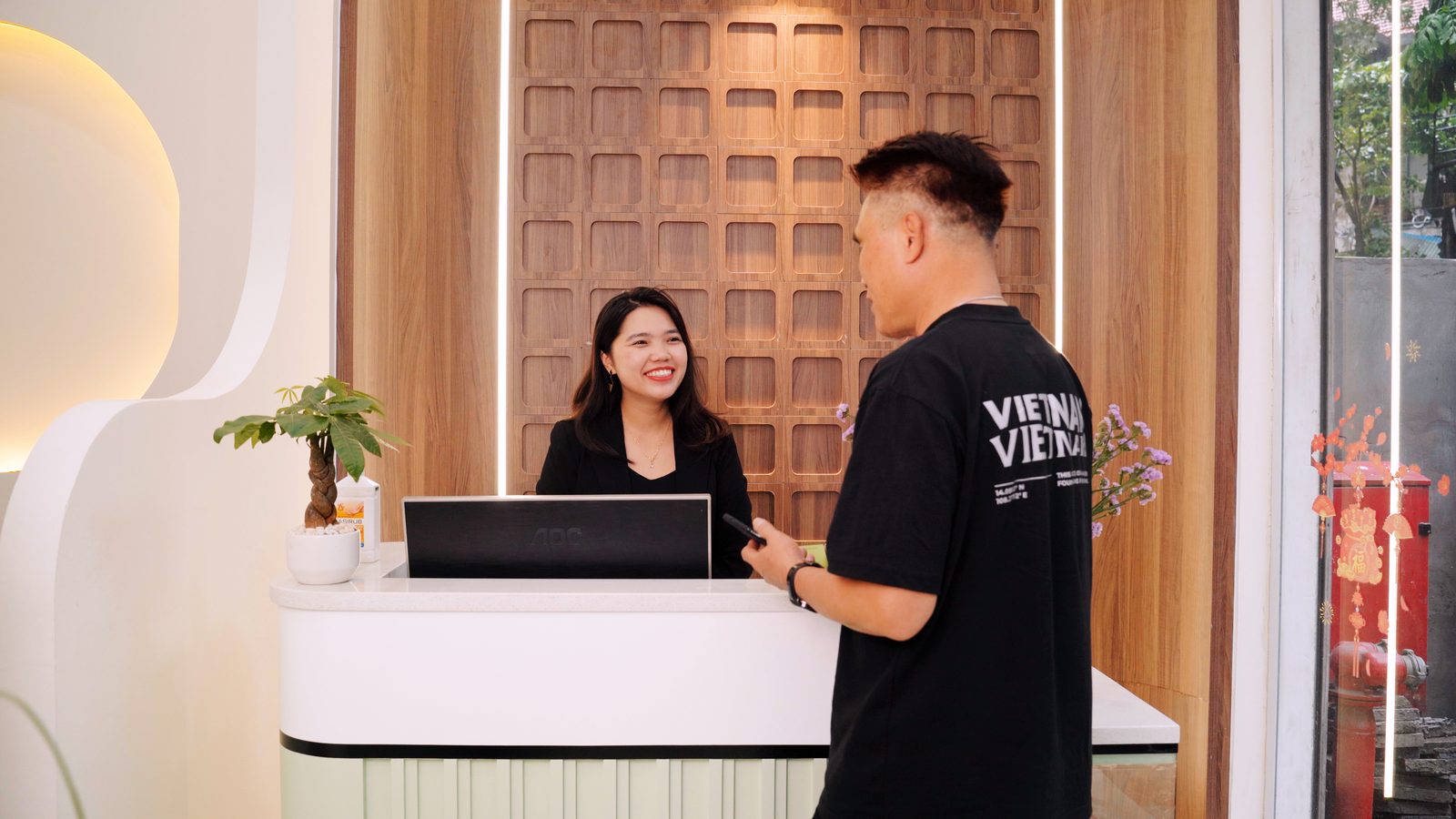
The appointment begins with a 10 to 15 minute clinical exam: cavity and crack check, current Vita shade recorded under standardised lighting, and a scale and polish. The clean alone often lifts the visible shade by one or two steps before any gel is applied. The dentist confirms the patient is a suitable candidate and discusses realistic shade expectations.
Gum and lip isolation comes next. A barrier dam protects all soft tissue, and protective eyewear is placed. The 25 percent hydrogen peroxide gel is applied to the tooth surfaces. The Zoom LED lamp activates the gel for 15 minutes, then the gel is removed, re-examined, and reapplied for up to three more cycles. At the end of the final cycle, a fluoride desensitising varnish is applied to seal dentinal tubules.
A final shade photograph documents the improvement under the same standardised lighting used at the start. Most patients see an immediate lift of 6 to 8 shades and leave the clinic with documented before-and-after evidence of what was achieved.

Safety and Sensitivity
Professional whitening at the concentrations used in dentistry does not damage enamel. The gel temporarily opens micro-pores to release stain molecules, and saliva remineralises the surface within hours. This is fundamentally different from over-the-counter strips used daily for months, which carry a genuine risk of enamel erosion from overuse.
Mild sensitivity for 24 to 48 hours after laser whitening is the most common side effect. It is caused by temporary exposure of dentinal tubules, not enamel damage. Pre-treatment with potassium nitrate toothpaste for one week before the appointment, combined with the fluoride varnish applied after the session, reduces sensitivity for almost all patients. Fewer than 1 in 10 patients at Picasso report sensitivity beyond 48 hours.
Aftercare and Maintaining Results
The 48 hours immediately after whitening are when enamel pores are most open and most susceptible to re-staining. Follow a white diet during this window: water, milk, plain rice, chicken, white fish, and plain pasta. Avoid coffee, tea, red wine, curry, soy sauce, and dark berries. Do not smoke.
Long-term results depend more on daily habits than the whitening method used. Rinsing with water immediately after coffee or tea, drinking through a straw where possible, brushing twice daily, and maintaining six-monthly professional cleans all slow the return of staining. Touch-ups with take-home trays for one or two nights every 6 to 12 months preserve the new shade with minimal time and cost investment.
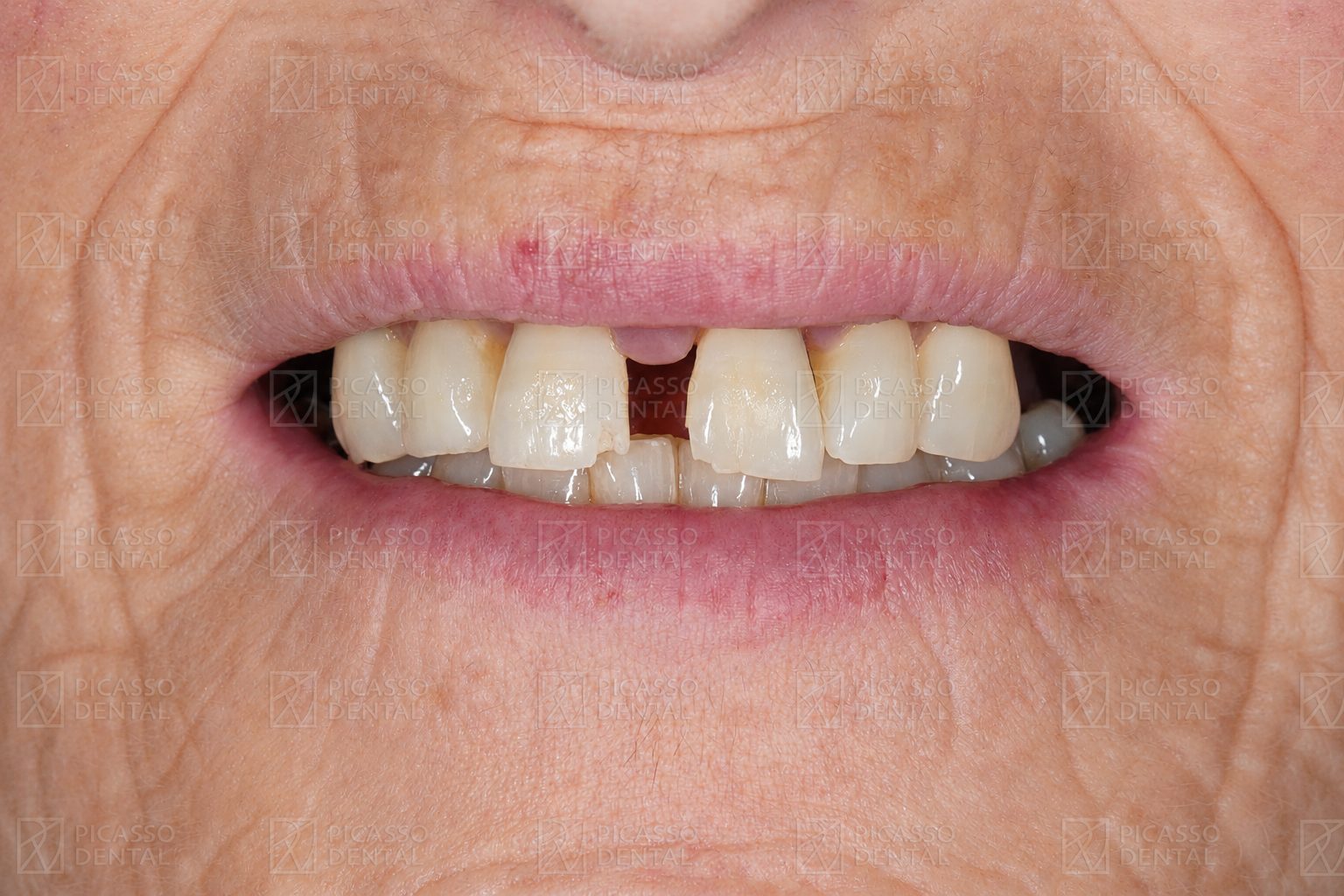 Before
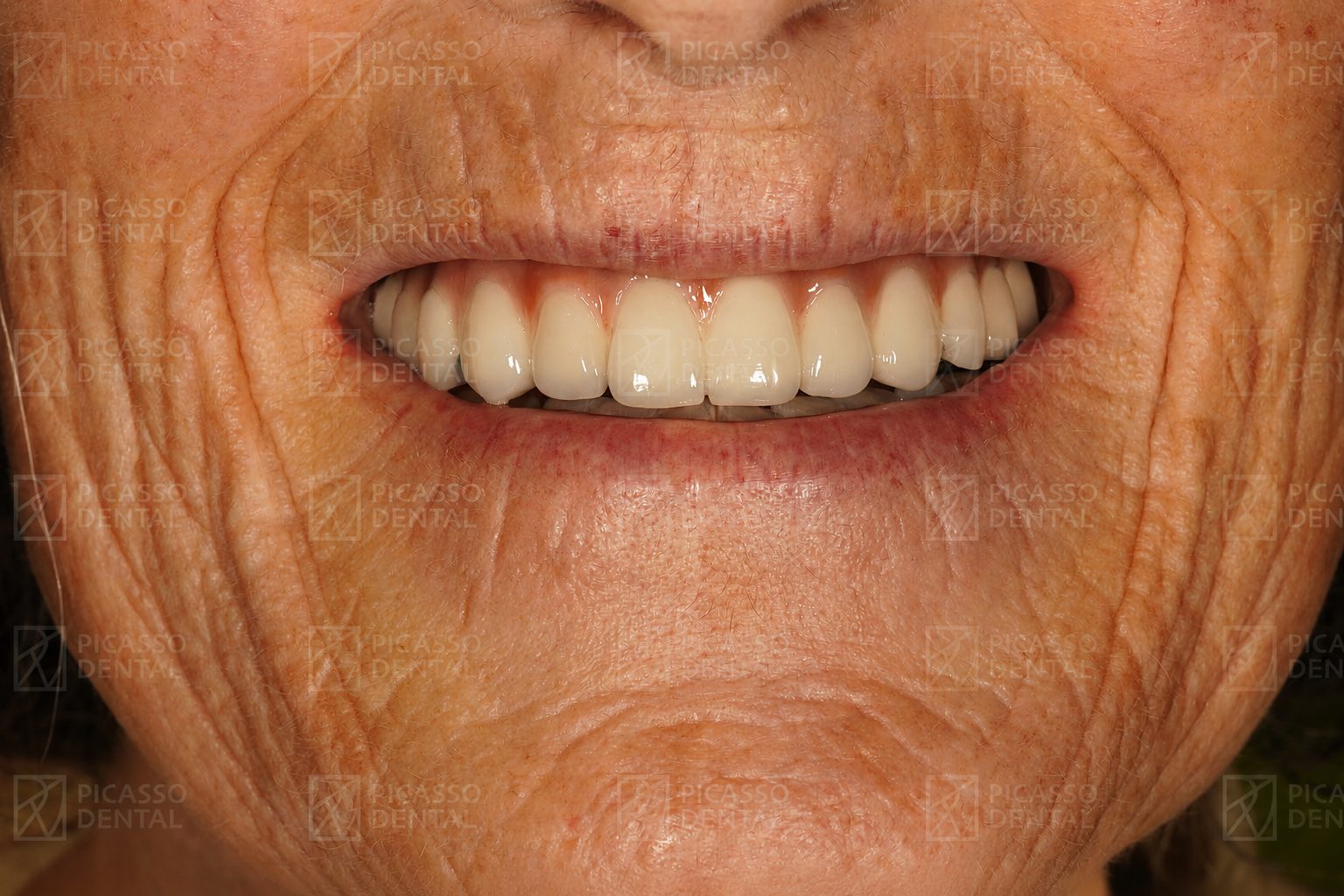 After
AfterSurface staining from coffee and tea, resolved with Zoom laser whitening in one session.
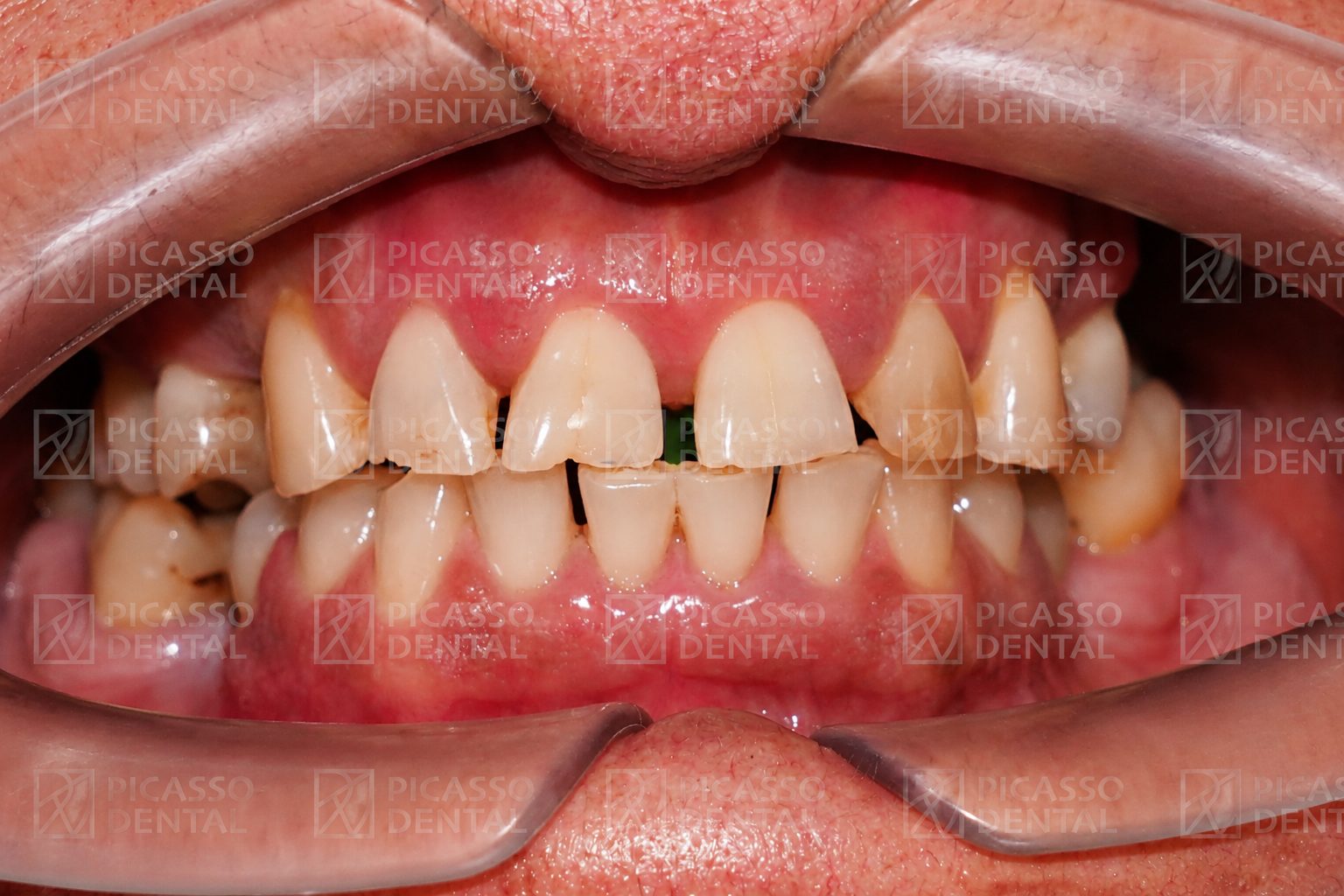 Before
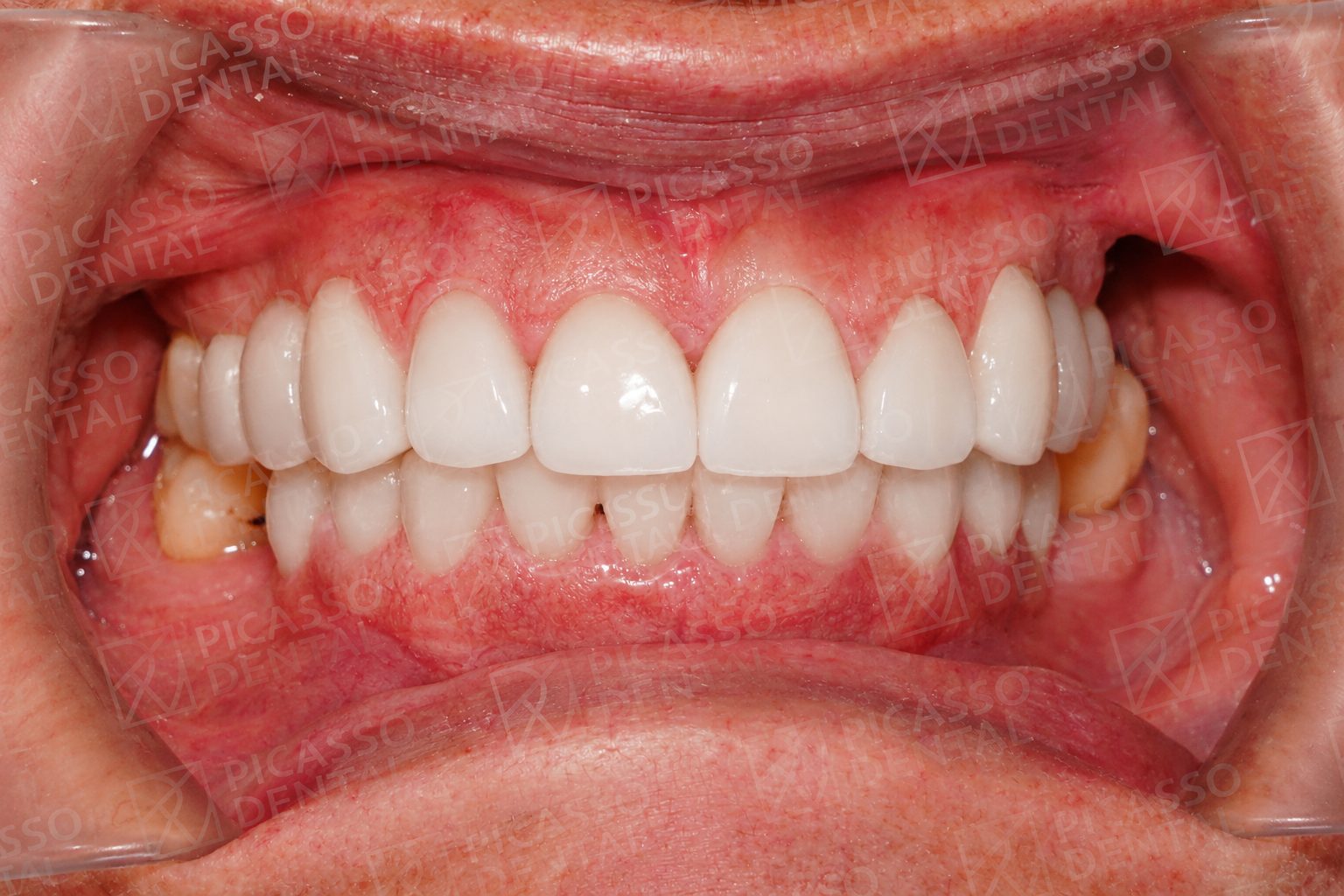 After
AfterAge-related yellowing treated with full-mouth Zoom WhiteSpeed and take-home maintenance trays.
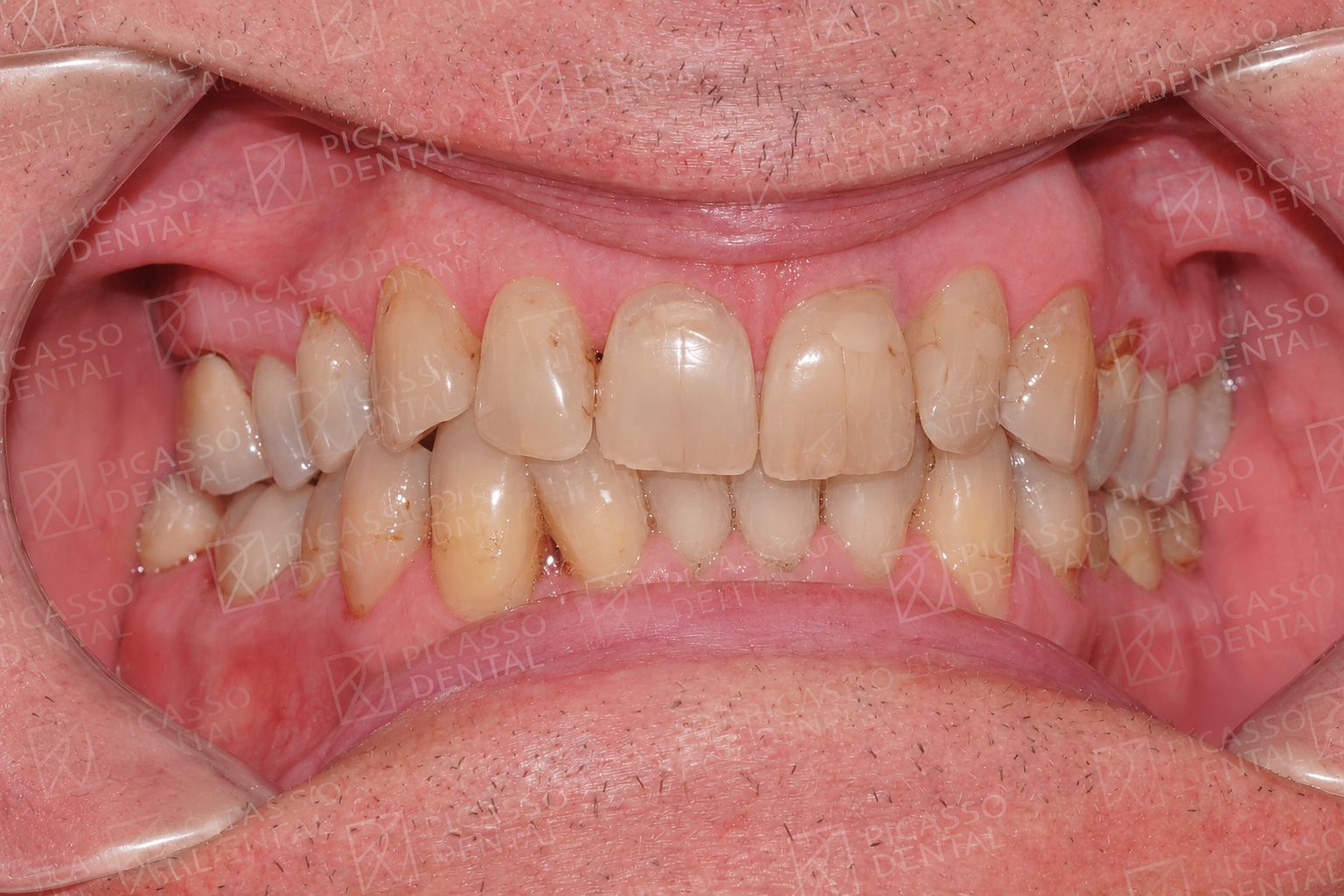 Before
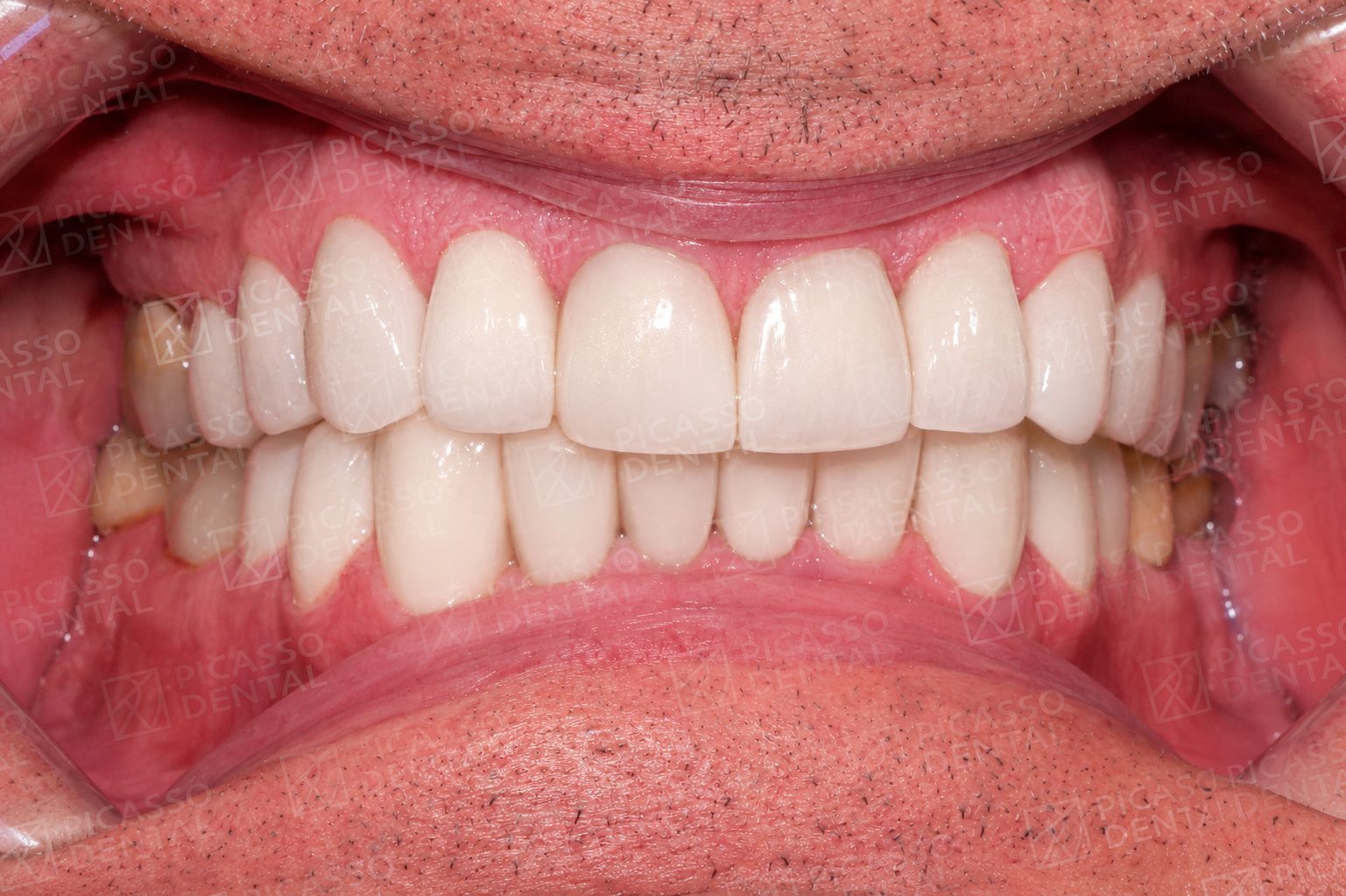 After
AfterCombination package: one Zoom session plus custom trays for long-term maintenance.
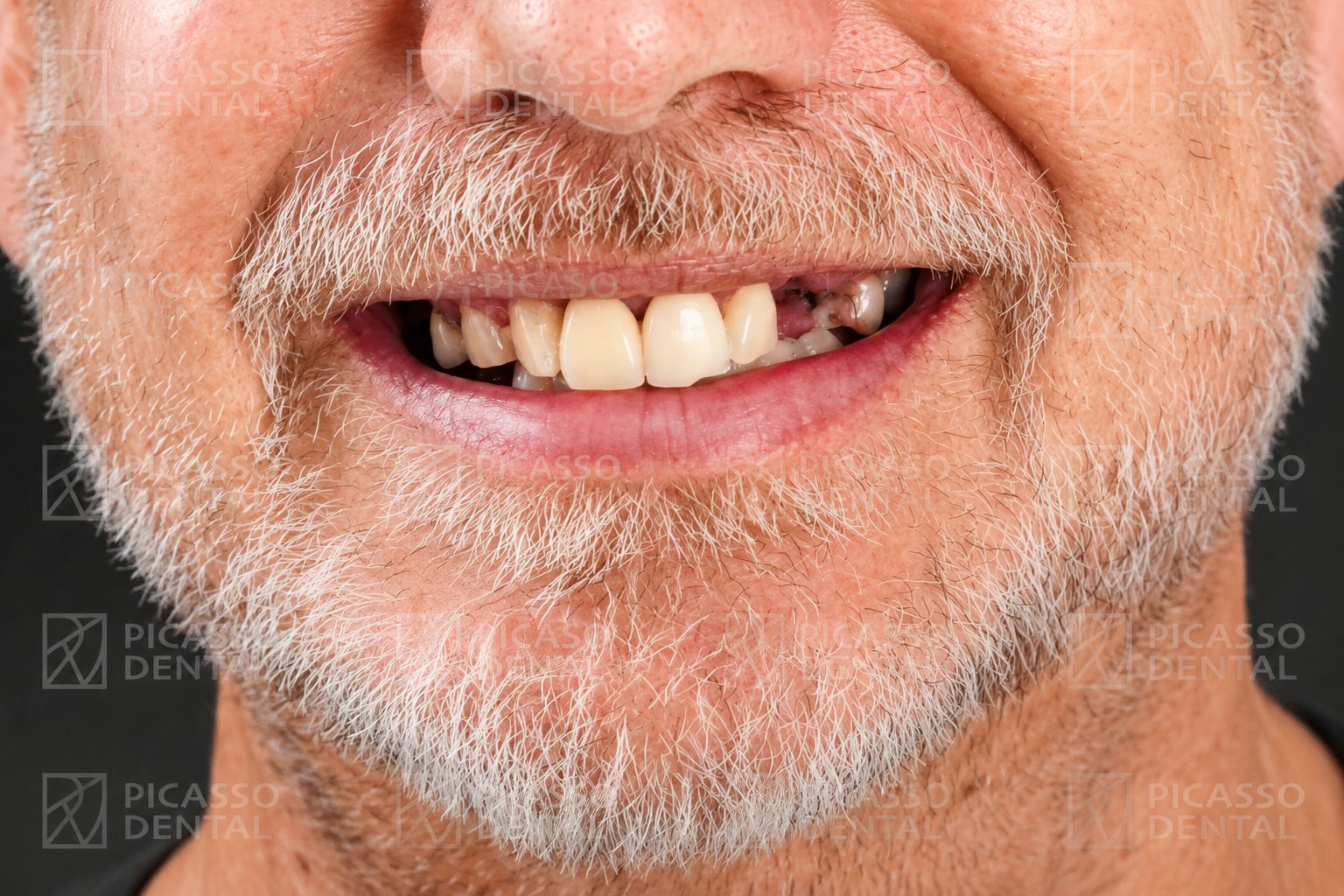 Before
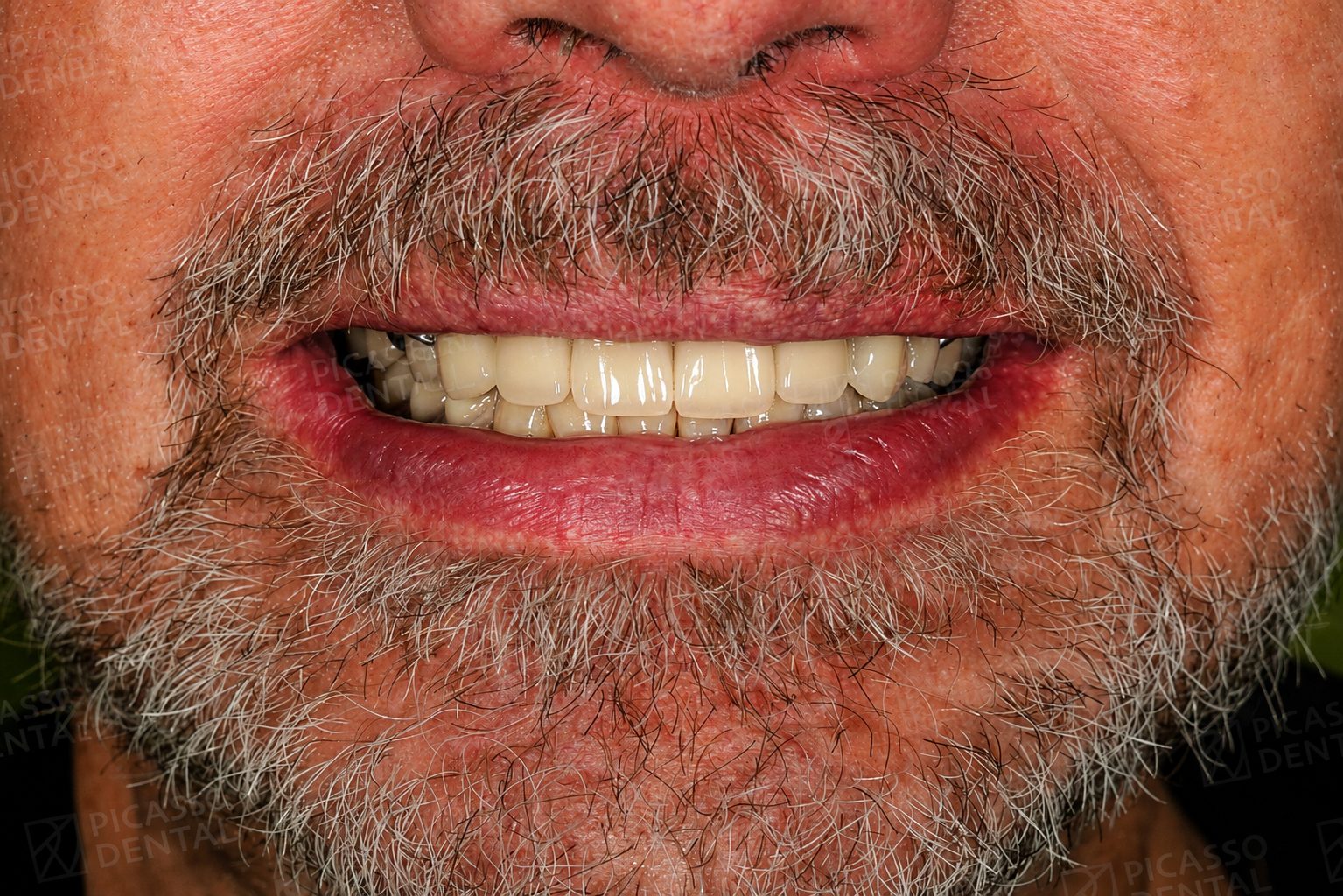 After
AfterTobacco staining cleared over 3 weeks using take-home professional gel with custom trays.
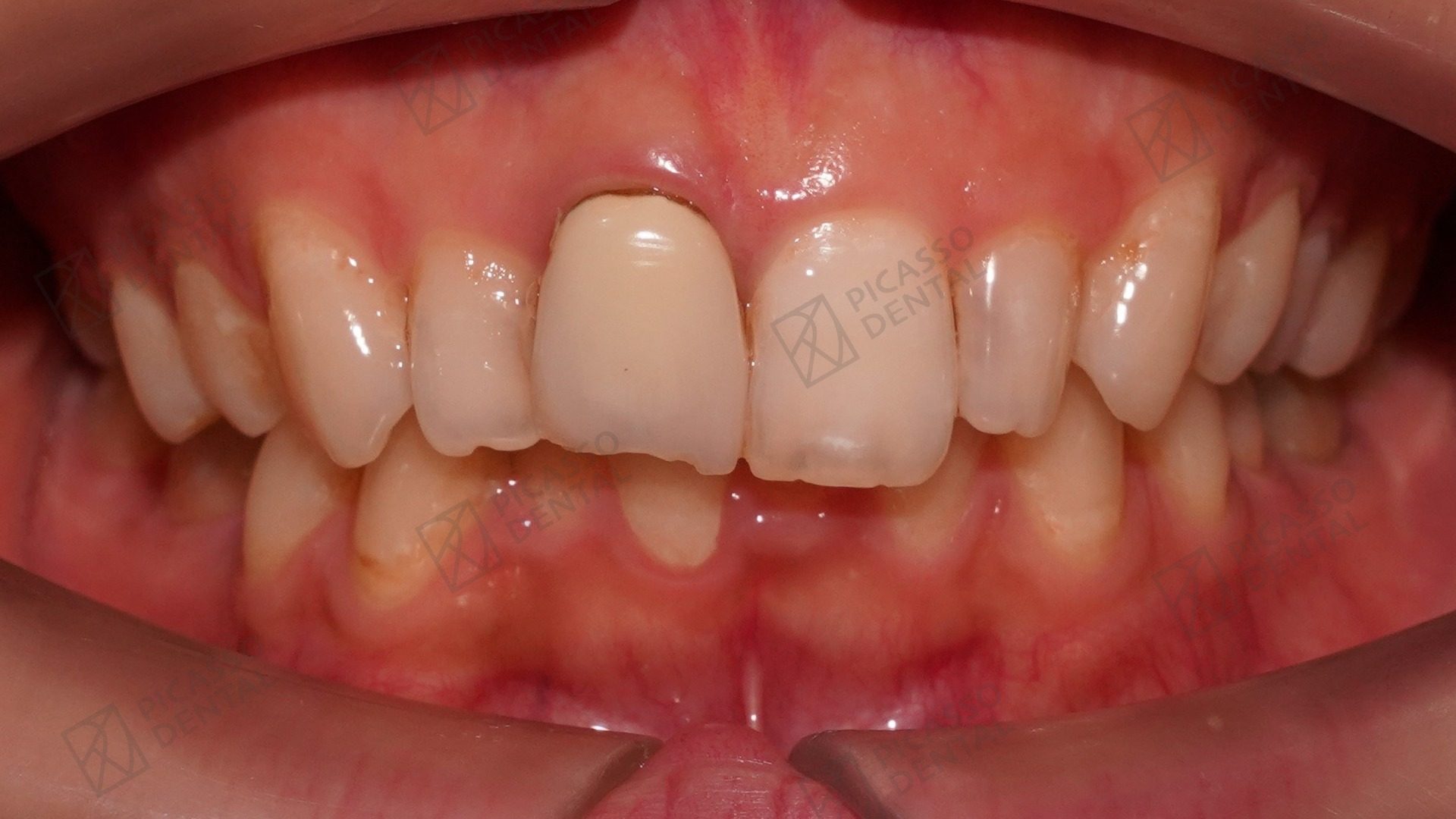 Before
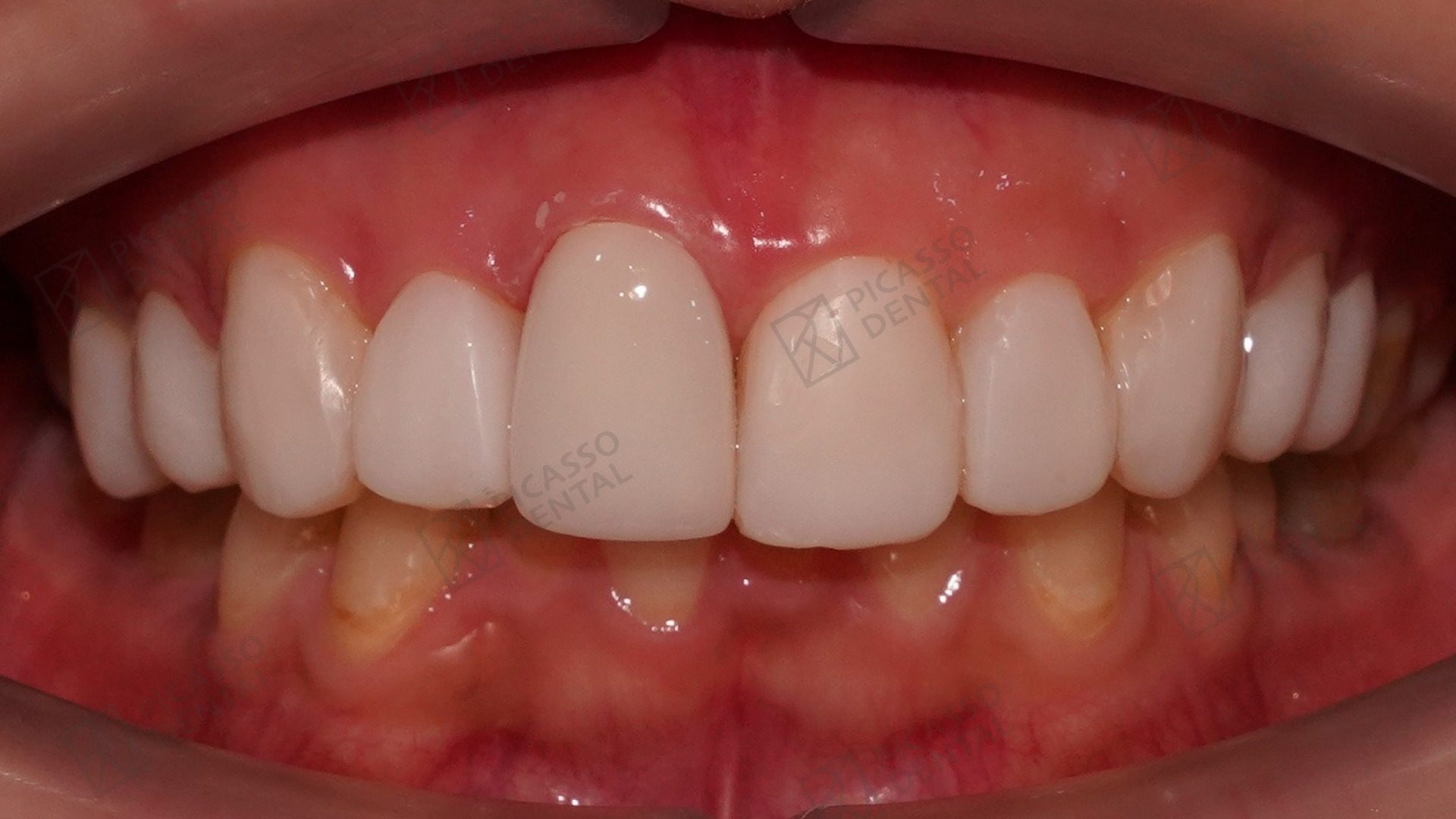 After
AfterInternational patient from Australia: whitening combined with cleaning in a single visit to Hanoi.
Frequently Asked Questions
What is the difference between Zoom laser whitening and take-home trays?
Zoom laser whitening is an in-office procedure using 25 percent hydrogen peroxide gel activated by an LED light. It takes 60 to 90 minutes and brightens teeth by 6 to 8 shades in a single session. Take-home trays use a lower concentration carbamide peroxide gel applied nightly for 2 to 3 weeks, reaching a similar final shade more gradually. Laser suits patients with deadlines; trays suit patients with sensitive teeth or tighter budgets.
How much does professional teeth whitening cost in Vietnam?
At Picasso Dental Clinic, take-home tray kits are $80, single-jaw in-office laser whitening is $140, and full-mouth Zoom WhiteSpeed is $240. A combination package with one in-office session plus take-home maintenance trays is $280. These prices are 70 to 80 percent below equivalent treatment in Australia, the UK, or the US using the same Philips Zoom system.
Is professional teeth whitening safe?
Yes. Professional whitening using FDA-cleared systems such as Philips Zoom is safe when performed by a qualified dentist. Every patient at Picasso receives a clinical exam before treatment. Gums and lips are isolated during in-office sessions. The gel temporarily opens micro-pores in enamel to release stain molecules, and saliva remineralises the surface within hours. There is no permanent damage to enamel at the concentrations used in professional dentistry.
Who is a good candidate for teeth whitening?
Ideal candidates have healthy teeth and gums, surface staining from coffee, tea, wine, tobacco, or age-related yellowing, and no visible crowns or veneers on front teeth (these do not respond to whitening gel). Whitening is not recommended during pregnancy or breastfeeding, for patients with untreated decay or active gum disease, or for children under 16. Tetracycline staining responds only partially; veneers may be the more effective solution for severe cases.
How long do whitening results last?
Results typically last 6 months to 2 years depending on diet, smoking habits, and oral hygiene. Coffee, tea, red wine, and tobacco are the main causes of re-staining. Most patients maintain their result with periodic touch-ups using take-home trays every 6 to 12 months. Refill syringes are available for $20 each.
Will whitening cause tooth sensitivity?
Some patients experience mild, short-lived sensitivity for 24 to 48 hours after in-office laser whitening. This is caused by the gel temporarily opening dentinal tubules and resolves as saliva remineralises enamel. Pre-treatment with potassium nitrate toothpaste and application of fluoride varnish after the session reduce sensitivity significantly. Take-home trays cause less sensitivity than in-office treatment because the gel concentration is lower.
Will whitening work on my crowns or veneers?
No. Whitening gel only acts on natural tooth enamel. Crowns, porcelain veneers, and composite fillings will not change colour. If you have visible restorations on front teeth, the best sequence is to whiten your natural teeth first, then replace any restorations to colour-match your new shade.
What aftercare is needed after teeth whitening?
Avoid dark-coloured foods and beverages for 48 hours after treatment: coffee, tea, red wine, curry, and soy sauce. Refrain from smoking during this window. Use any desensitising gel provided for mild sensitivity. Maintain regular professional cleanings every six months. Top up with take-home trays annually to preserve the result.
Start Here
Start with a brief.
Send us a smile photo and we will tell you which whitening method suits your staining, your timeline, and your budget, with an honest quote and no obligation.