
Porcelain Veneers
Should Veneers Be Permanently Cemented Without a Try-In?
The try-in appointment is not a courtesy step. It is the patient's last opportunity to evaluate colour, shape, and fit before an irreversible permanent bonding. Skipping it is not acceptable practice.

Key Takeaways
- The try-in is the patient's last chance to evaluate veneers before permanent bonding; removing permanently bonded porcelain is difficult and risks damaging the underlying tooth.
- During try-in, colour should be assessed under different lighting conditions including natural daylight, not just dental operatory lighting.
- Minor chairside adjustments are possible during try-in; colour changes require sending the veneers back to the laboratory.
- A dentist who pressures you to skip or rush the try-in is not following patient-centred care standards, and this is a clear red flag.
<h2>Why the Try-In Is Non-Negotiable</h2>

<p>The try-in appointment is the moment when the completed laboratory veneers are placed on the patient's teeth using a temporary water-soluble gel or try-in paste, without any permanent bonding cement. This allows the patient to see and evaluate exactly how the veneers will look before any irreversible commitment is made.</p>

<p>The fundamental reason this step cannot be skipped is permanence. Porcelain veneers are bonded with strong dental cement that creates a bond between the ceramic and the enamel surface. Once that bond is made, removing the veneers carries real risk: the ceramic may fracture, and the underlying enamel may be damaged during removal. Making significant changes after permanent cementation is not straightforward. In some cases, it requires fabricating entirely new veneers.</p>

<p>The try-in is the patient's safety net. It is the last opportunity to identify any concern, request any adjustment, and ensure complete satisfaction before the point of no return. Any clinic that does not build this step into its process is removing a critical patient protection.</p>

<figure class="art-photo">
  <img src="/images/clinics/hanoi-old-quarter/treatment-room.jpg" alt="Try-in evaluation at Picasso Dental Clinic" loading="lazy" decoding="async">
  <figcaption>The try-in appointment at Picasso Dental takes 45 to 60 minutes and includes assessment under clinic lighting, natural light, and photographic review.</figcaption>
</figure>

<h2>What Is Evaluated During Try-In</h2>

<p>The try-in appointment covers both aesthetic and functional evaluation. Understanding what should be assessed helps patients use the appointment fully rather than just glancing in a mirror and nodding.</p>

<ul class="art-checklist">
  <li>
    <div>
      <strong>Colour under multiple lighting conditions</strong>
      <span>The most critical and most commonly underestimated factor. Dental operatory lighting is designed for clinical visibility, not natural appearance. Porcelain that looks perfect under operatory lights can appear too opaque, too bright, or slightly off-tone in natural daylight. We encourage patients to step outside or near a window during the try-in to assess the colour in natural light before approving.</span>
    </div>
  </li>
  <li>
    <div>
      <strong>Shape and length</strong>
      <span>The length of each veneer determines how much tooth is visible when the lips are relaxed and when smiling. The shape of the incisal (biting) edge should complement the patient's facial features. Short, square, or overly rounded edges each create a different aesthetic character and suit different patient profiles.</span>
    </div>
  </li>
  <li>
    <div>
      <strong>Relationship to gums and lips</strong>
      <span>Veneers should sit harmoniously with the gum contour. The gum level around each tooth should appear natural, not sunken or bulging. The relationship of the upper front teeth to the lower lip when smiling determines whether the smile looks balanced.</span>
    </div>
  </li>
  <li>
    <div>
      <strong>Bite and comfort</strong>
      <span>The veneers must not create interference with the bite. If the patient bites down and feels the veneers hitting before the back teeth, the bite needs adjustment. The try-in gel does not alter bite in the same way the permanent cement does, but approximate bite evaluation is still possible and important.</span>
    </div>
  </li>
  <li>
    <div>
      <strong>Phonetics</strong>
      <span>Veneers that are too thick or the wrong length can affect the way certain sounds are produced. Speaking a few sentences during try-in allows both patient and dentist to assess whether speech sounds natural and comfortable.</span>
    </div>
  </li>
</ul>

<div class="art-callout">
  <strong>Colour and lighting:</strong> A patient who approved a shade under operatory lights and was then unhappy with it in natural daylight is a preventable outcome. At Picasso Dental, we schedule try-in appointments with adequate time for patients to step outside, take photographs, and review the veneers in different environments before giving final approval.
</div>

<figure class="art-photo">
  <img src="/images/clinics/hanoi-old-quarter/reception.jpg" alt="Picasso Dental Clinic Hanoi Old Quarter" loading="lazy" decoding="async">
  <figcaption>Patients at our Hanoi Old Quarter clinic can step outside to the Old Quarter streets during the try-in to assess veneers in natural outdoor light.</figcaption>
</figure>

<h2>What Can and Cannot Be Adjusted at Try-In</h2>

<p>It is important to understand what type of adjustment is feasible at the try-in appointment before raising a concern, so patients can frame their feedback appropriately.</p>

<p><strong>Chairside adjustments possible during try-in</strong> include minor contouring of the incisal edge (slight shortening or reshaping), surface smoothing, rounding of a sharp corner, and small modifications to the bite surface. These are adjustments made directly to the porcelain with fine diamond finishing burs and polishing discs. They do not change the fundamental colour or shape of the veneer but can refine small details.</p>

<p><strong>Adjustments requiring laboratory work</strong> include any meaningful change to colour (the porcelain is fired and glazed at the laboratory; shade cannot be altered after fabrication), substantial changes to length or shape that go beyond minor contouring, and changes to the internal fit if the veneer does not seat properly on the prepared tooth. If any of these are needed, the veneers return to the laboratory and the try-in is rescheduled once the revised versions are ready.</p>

<p>Reputable clinics build the possibility of one or more revision rounds into their process. Patients should not feel pressure to accept veneers with unresolved concerns because the dentist is reluctant to send them back for revision. At Picasso Dental Clinic, the protocol is clear: better to return veneers to the laboratory than to permanently bond a result the patient is not fully confident about.</p>

<div class="art-cta-inline">
  <p><strong>Planning veneer treatment and want to understand the full process before starting?</strong> A consultation at Picasso Dental includes a clear walkthrough of every step including the try-in protocol.</p>
  <a href="https://wa.me/84989067888">Book a consultation</a>
</div>

<h2>Your Rights as a Patient at the Try-In</h2>

<p>The try-in appointment is explicitly a patient evaluation and approval step. You have the right to take as much time as you need. You have the right to step outside the clinic to view the veneers in natural light. You have the right to photograph your smile and review the photos at home. You have the right to request that adjustments be made before bonding proceeds.</p>

<p>If a dentist communicates any impatience, minimises your concerns, or uses language suggesting you are being unreasonable for taking the evaluation seriously, this is a red flag. Phrases like "you'll get used to them" or "they look great, trust me" in response to a concern you have raised are not acceptable responses. Your dentist should want you to be completely satisfied and should welcome your detailed evaluation.</p>

<figure class="art-photo">
  <img src="/images/clinics/da-nang-hoang-dieu/reception.jpg" alt="Picasso Dental Clinic Da Nang" loading="lazy" decoding="async">
  <figcaption>Veneer try-in appointments follow the same patient-centred protocol across all Picasso Dental locations.</figcaption>
</figure>

<h2>Red Flags to Watch for in Any Clinic</h2>

<div class="art-signal-grid">
  <div class="art-signal-col art-signal-col--good">
    <h4>Signs of good practice</h4>
    <ul>
      <li>Dedicated try-in appointment scheduled</li>
      <li>Try-in paste used, not permanent cement</li>
      <li>Patient given time to evaluate in natural light</li>
      <li>Photography encouraged during try-in</li>
      <li>Dentist welcomes questions and feedback</li>
      <li>Revision rounds built into the process</li>
    </ul>
  </div>
  <div class="art-signal-col art-signal-col--bad">
    <h4>Warning signs</h4>
    <ul>
      <li>Dentist wants to skip the try-in</li>
      <li>No separate try-in appointment offered</li>
      <li>Pressure to approve quickly</li>
      <li>"They look great, just trust me"</li>
      <li>Resistance to lab revision if needed</li>
      <li>Concerns dismissed or minimised</li>
    </ul>
  </div>
</div>

<h2>Special Considerations for International Patients</h2>

<p>International patients visiting Vietnam for veneer treatment often feel time pressure because their return flight date creates a real deadline. This makes the try-in appointment feel more stressful: if the veneers need revision, does that mean extending the trip?</p>

<p>The honest answer is sometimes yes, and that is the right outcome. A patient who permanently bonds veneers they had concerns about at the try-in because they felt time pressure is in a far more difficult position than a patient who extends their stay by two days to allow a revision. Two extra days in Vietnam is manageable. Living with veneers you are unhappy with for the next 15 years is not.</p>

<p>At Picasso Dental, we discuss this reality with international patients before treatment begins. We plan timelines conservatively, use established laboratories with fast turnaround, and communicate the expectation that patient approval at the try-in is mandatory before bonding proceeds, regardless of any travel timeline.</p>

<figure class="art-photo">
  <img src="/images/general-dentistry/consultation.jpg" alt="Consultation at Picasso Dental Clinic" loading="lazy" decoding="async">
  <figcaption>Pre-treatment consultation for international patients includes a realistic timeline discussion, with the try-in and revision possibility explicitly planned for.</figcaption>
</figure>
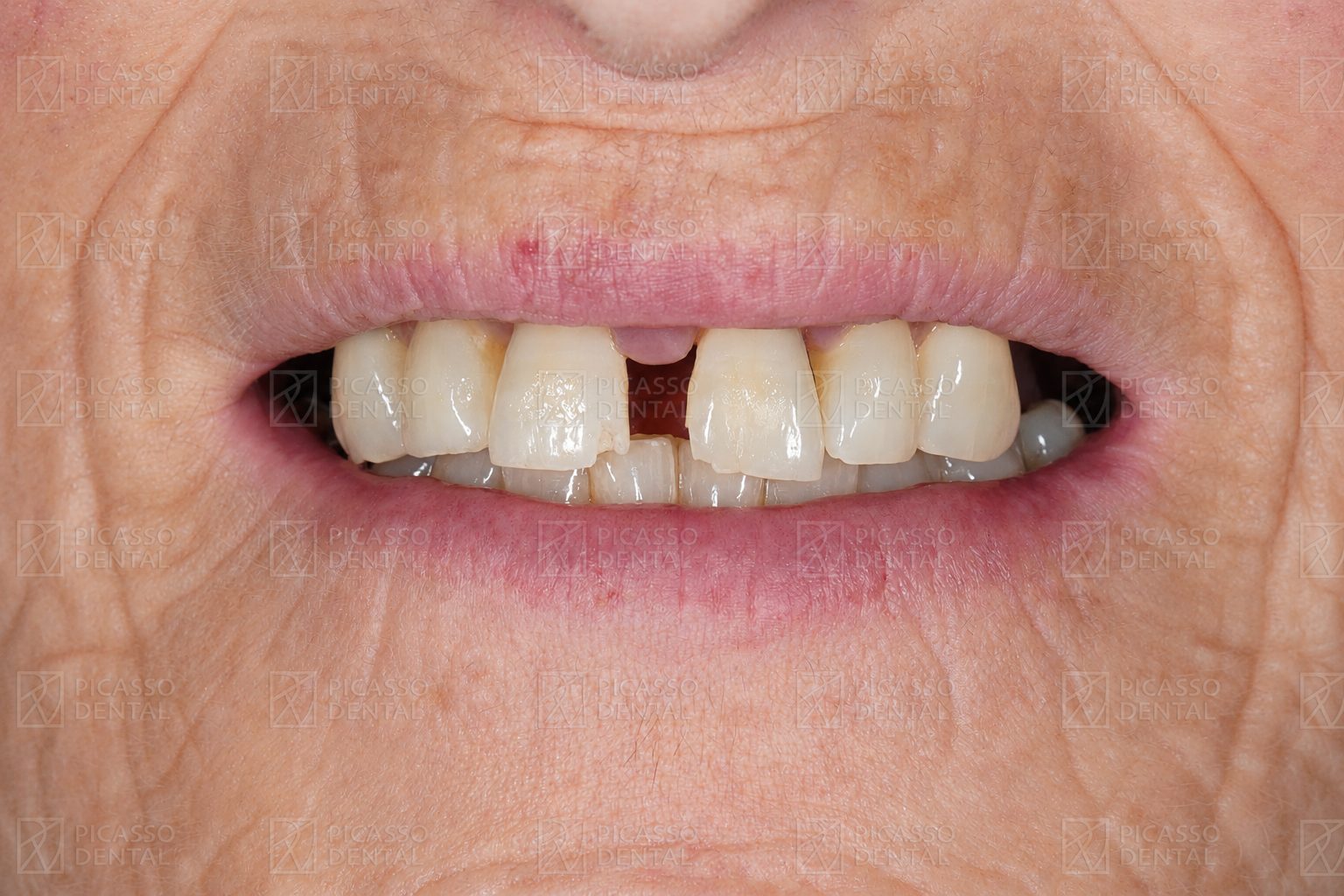 Before
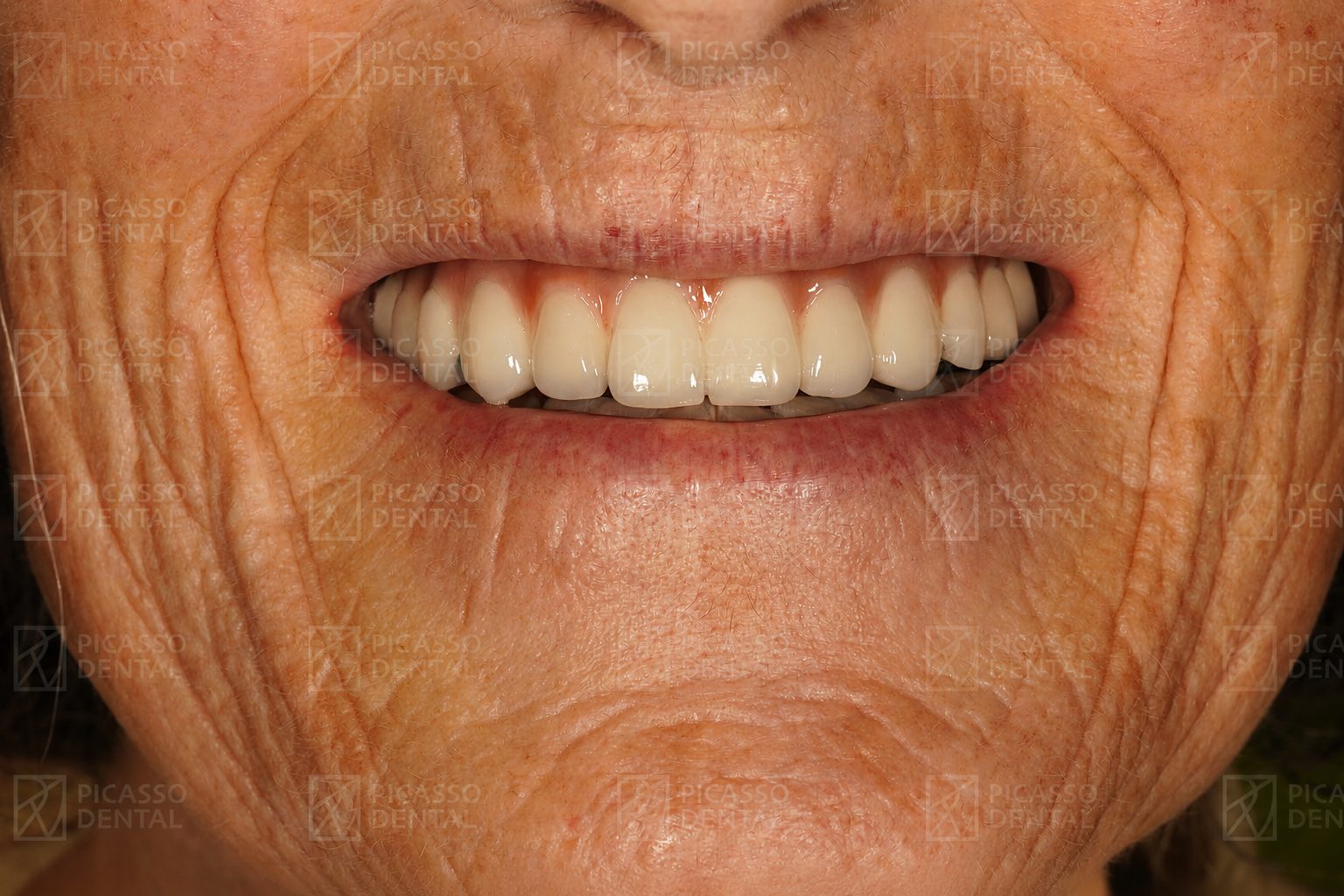 After
AfterCase 38420: Patient requested a shade adjustment during try-in; revised veneers placed two days later.
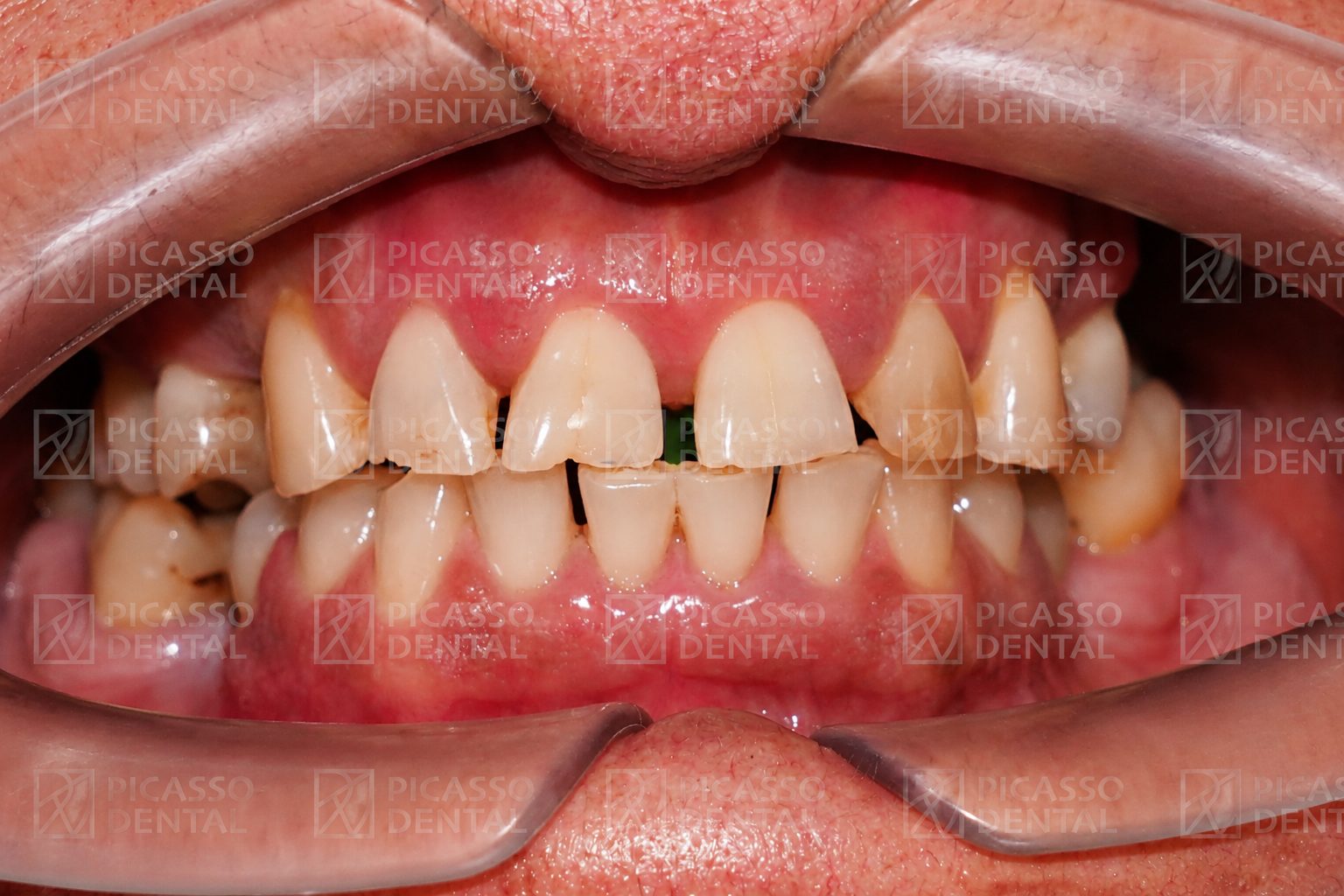 Before
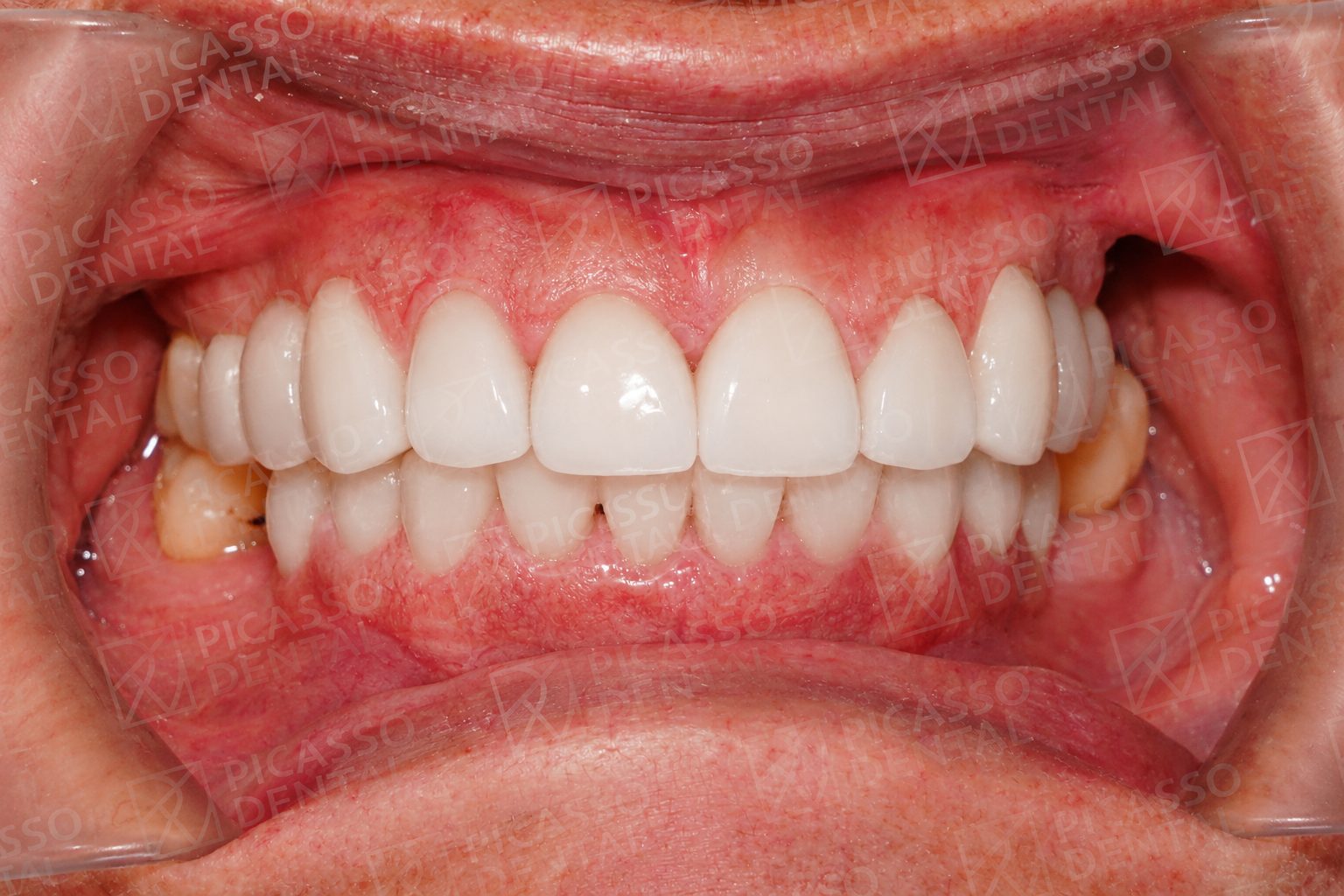 After
AfterCase 40179: Try-in confirmed shade and length were correct; bonded same day with patient approval.
 Before
 After
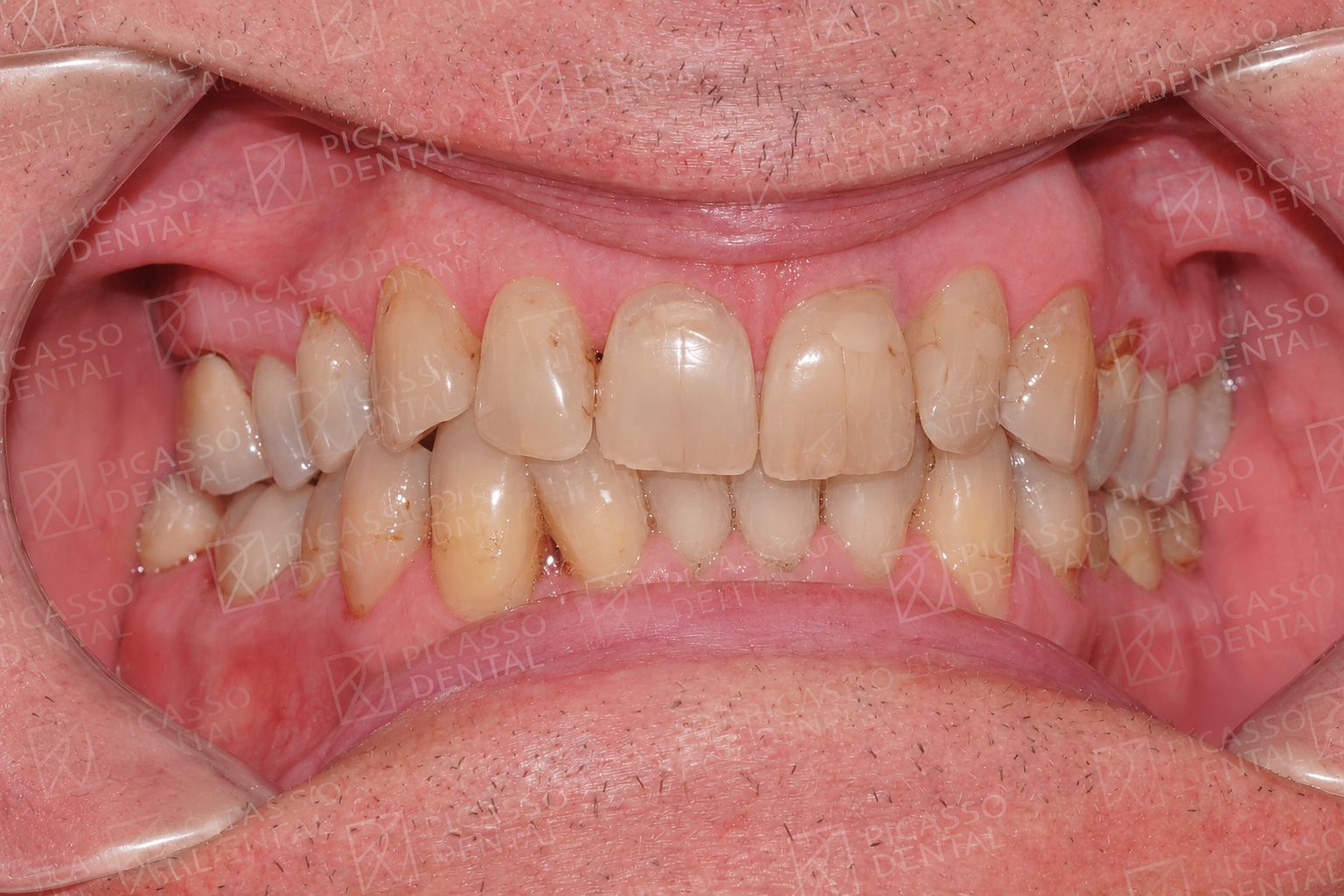
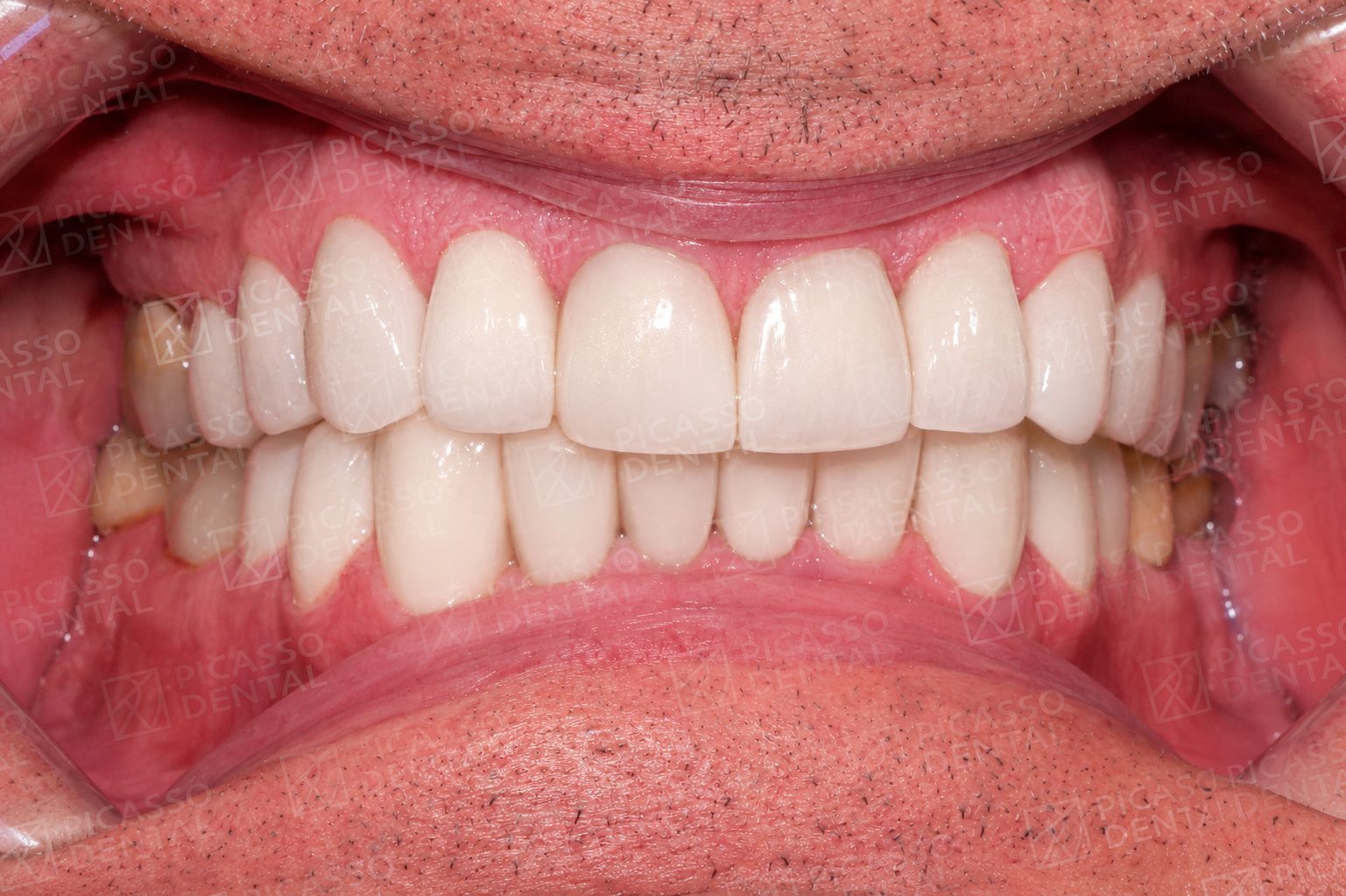
AfterCase 41400: International patient, minor edge contouring done chairside at try-in before final bonding.
 Before
 After
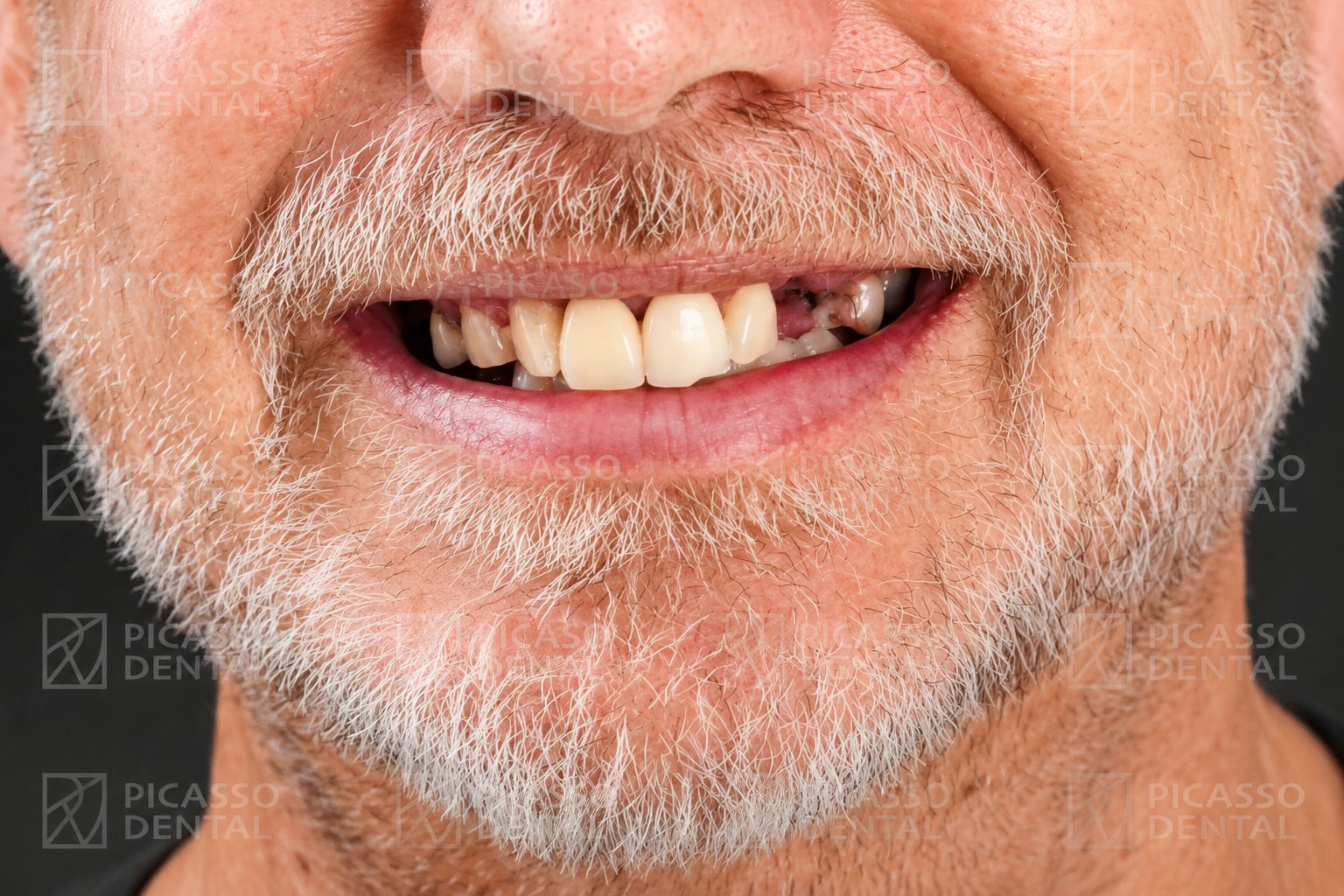
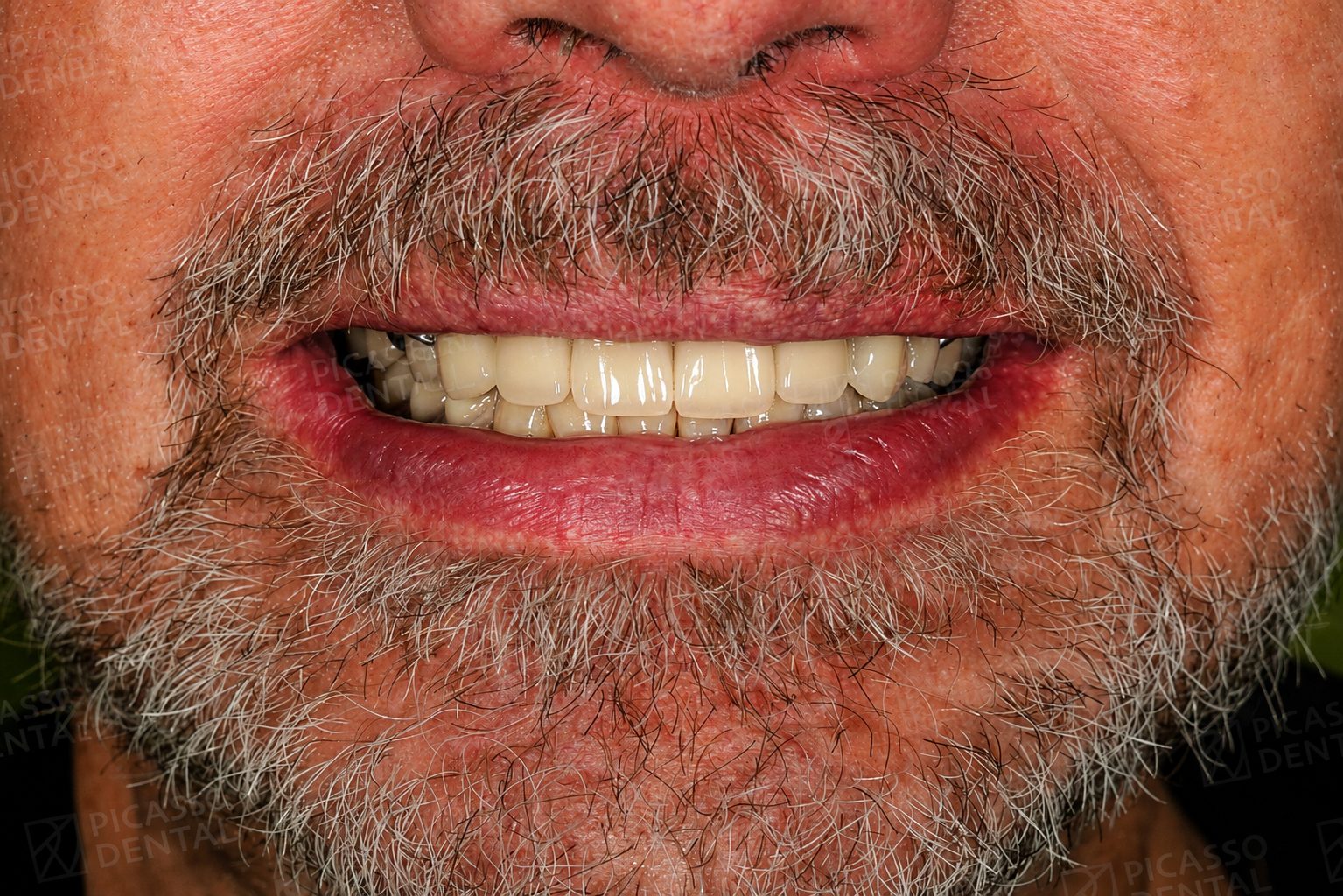
AfterCase 42840: Six veneers, try-in assessment in natural light outside clinic confirmed shade approval before bonding.
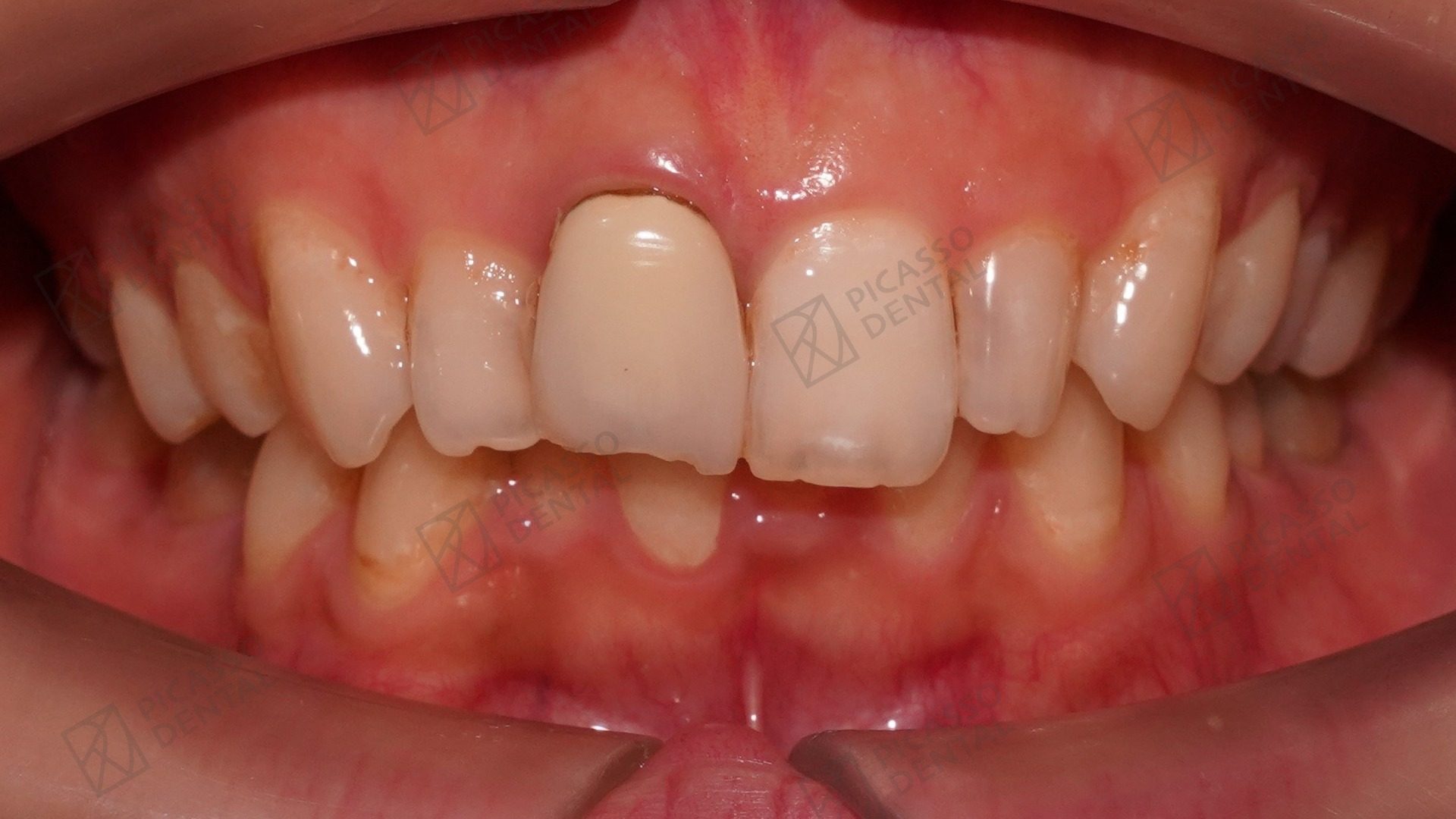 Before
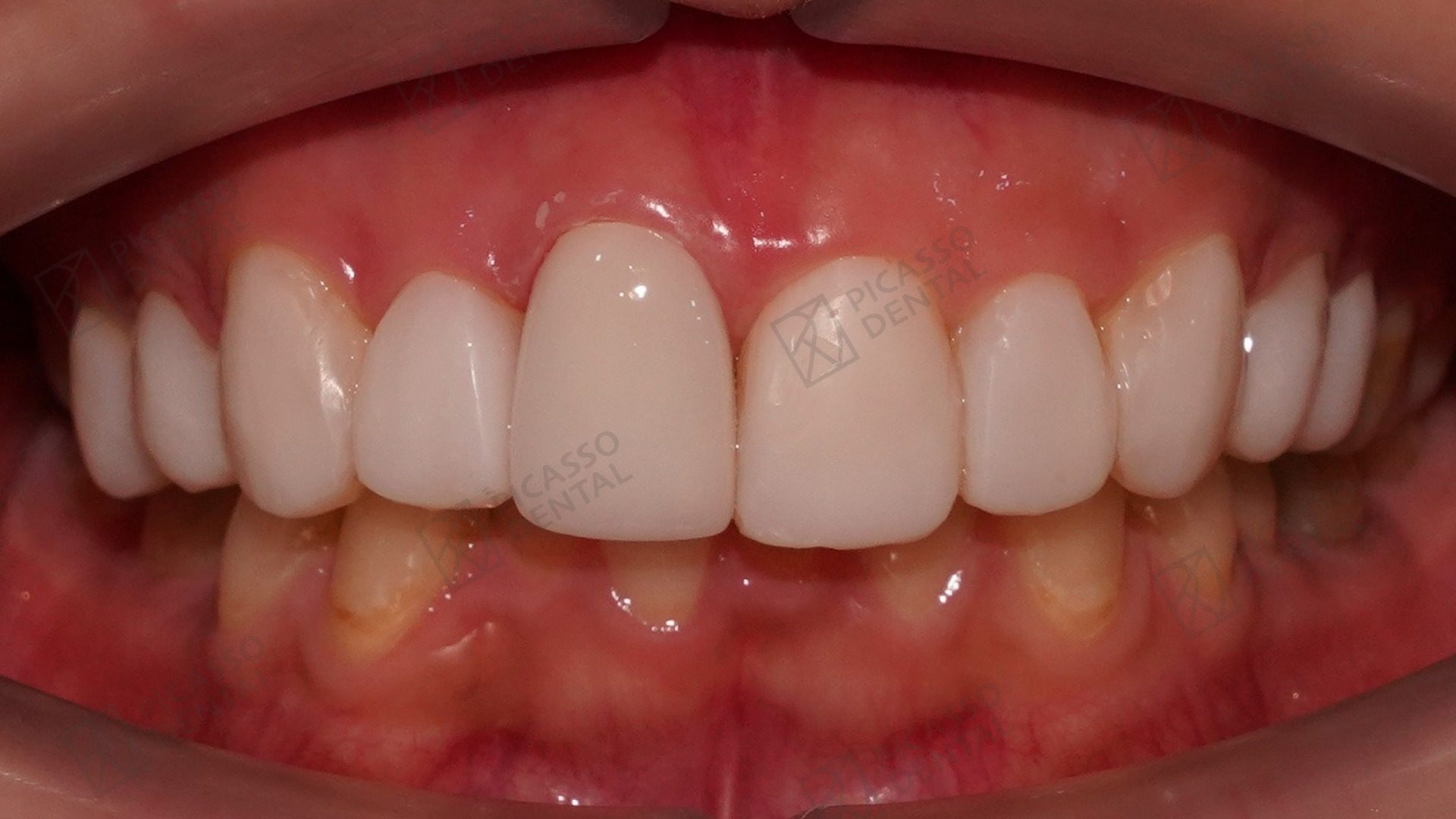 After
AfterCase 46229: International patient from Australia, try-in and final bonding completed on day 5 of a 7-day Hanoi visit.
Frequently Asked Questions
What is a veneer try-in appointment?
A veneer try-in is an appointment where the completed laboratory veneers are placed on the teeth using a temporary water-soluble gel before any permanent bonding. The patient evaluates colour, shape, and length in a mirror, takes photos, and can leave the clinic to see them in natural light. The dentist also checks fit, bite alignment, and gum relationship. Only after the patient approves the veneers does permanent bonding proceed.
Why can the veneer try-in not be skipped?
Once veneers are permanently cemented, removal risks damaging the porcelain or the underlying tooth structure. Making significant changes after permanent bonding is difficult, expensive, and sometimes requires fabricating entirely new veneers. The try-in is the final opportunity to request adjustments before the commitment is irreversible. Skipping it removes the patient's last protection against an unsatisfactory result.
What can be adjusted during the try-in?
Minor contouring, edge length adjustments, and surface smoothing can often be done chairside during the try-in. Significant changes such as colour adjustment or substantial reshaping require the veneers to be sent back to the laboratory, which means additional fabrication time. Reputable clinics build revision opportunities into the process rather than pressuring patients to accept veneers with unresolved concerns.
What should I evaluate during the try-in?
Evaluate colour under different lighting conditions including natural daylight. Check the shape and length of each tooth. Look at how the veneers relate to your lips, gums, and facial features when smiling and speaking. Assess whether the bite feels comfortable. Take photographs and review them carefully. If anything feels uncertain, raise it with your dentist before bonding proceeds.
Is it a red flag if a dentist wants to skip the try-in?
Yes. A dentist who wants to permanently cement veneers without giving the patient time to evaluate them is not following standard patient-centred care. This may indicate the clinic is rushing the process, lacks confidence in the laboratory result, or prioritises throughput over patient satisfaction. Any pressure to accept veneers you have not adequately evaluated is a clear warning sign.
Can I take photos of my veneers during the try-in?
Yes, and at Picasso Dental Clinic we actively encourage it. Photos allow you to review the result carefully, compare with reference images, and share with trusted people before making your final decision. Stepping outside the clinic to view them in natural light is also encouraged, as daylight often reveals the true colour more accurately than dental operatory lighting.
What if I am unhappy with the veneers during try-in?
Speak up immediately and clearly. A good dentist welcomes this feedback. Minor adjustments may be possible chairside. If the issue requires laboratory correction, the veneers are sent back and revised versions are returned. At Picasso Dental Clinic, the protocol is clear: permanent bonding only happens when the patient is fully satisfied, regardless of the time this requires.
Patient Video Testimonial

Start Here
Start with a brief.
Tell us what you want to change and any concerns you have about the veneer process, and we will walk you through every step before treatment begins.