
Porcelain Veneers
Are Porcelain Veneers More Expensive Than Composite?
Yes, porcelain costs two to three times more per tooth. But porcelain lasts two to three times longer, is completely stain-resistant, and often provides comparable or better long-term value. Here is how to think through the decision honestly.

Key Takeaways
- Porcelain veneers cost approximately two to three times more per tooth than composite veneers regardless of market.
- Porcelain lasts 15 to 20 years versus 5 to 7 years for composite, so over a 20-year period the cumulative cost is often similar.
- Porcelain is non-porous and will not stain; composite gradually absorbs pigment from food and drinks over years.
- The right choice depends on your budget, timeline, habits, and how long you want to go without thinking about your smile again.
<h2>The Actual Cost Difference</h2>

<p>The direct answer is yes: <a href="/porcelain-veneers/">porcelain veneers</a> cost significantly more than composite veneers per tooth. In Western countries, porcelain veneers range from approximately $1,000 to $2,500 per tooth, while composite veneers cost $250 to $800. In Vietnam, porcelain veneers cost a fraction of those Western figures while still delivering equivalent quality. Whatever the market, the ratio is consistent: porcelain costs roughly two to three times more per tooth than composite.</p>

<p>Across a full smile of eight veneers, that price gap becomes substantial in absolute terms. This is what makes patients take the decision seriously. Both options produce cosmetic improvement, so the question becomes whether the extra cost for porcelain is justified by what you actually get in return.</p>

<p>The short answer is that you are not paying more for the same thing. You are paying for a different product with different materials, a different fabrication process, a longer lifespan, and different functional properties. Understanding those differences is the foundation of making the right decision for your situation.</p>

<figure class="art-photo">
  <img src="/images/clinics/hanoi-old-quarter/reception.jpg" alt="Picasso Dental Clinic Hanoi Old Quarter" loading="lazy" decoding="async">
  <figcaption>At Picasso Dental Clinic, both porcelain and composite veneers are placed regularly. The right choice is discussed honestly at consultation based on each patient's specific situation.</figcaption>
</figure>

<h2>Why Porcelain Costs More</h2>

<p>The cost difference between porcelain and composite veneers reflects real differences in the clinical and laboratory process, not arbitrary pricing.</p>

<ul class="art-checklist">
  <li>
    <div>
      <strong>Laboratory fabrication by skilled ceramists</strong>
      <span>After the dentist prepares your teeth and takes impressions, those go to a dental laboratory where skilled ceramists hand-craft each veneer over two to three days. This professional labour is a significant cost that composite veneers avoid entirely: composite is applied and sculpted chairside by the dentist in a single appointment.</span>
    </div>
  </li>
  <li>
    <div>
      <strong>Premium ceramic materials</strong>
      <span>Dental-grade lithium disilicate (E-max) or layered zirconia ceramic (Lava) from established manufacturers costs significantly more than composite resin. The superior properties of the ceramic material, its stain resistance, translucency, and longevity, are directly linked to the material quality and justify the higher cost.</span>
    </div>
  </li>
  <li>
    <div>
      <strong>Multiple clinical appointments</strong>
      <span>Porcelain requires at least two main appointments: preparation with impressions and temporary veneer placement, then a try-in and final bonding appointment. Each appointment involves dentist time, chairside assistant time, and facility costs. Composite is completed in a single appointment.</span>
    </div>
  </li>
  <li>
    <div>
      <strong>Temporary veneers during fabrication</strong>
      <span>Between preparation and final placement, temporary veneers are made and fitted to protect the prepared teeth. These are an additional material and time cost included in the overall porcelain price.</span>
    </div>
  </li>
  <li>
    <div>
      <strong>Try-in evaluation</strong>
      <span>Porcelain includes a dedicated try-in appointment where veneers are placed temporarily for evaluation before permanent bonding. This quality-control step is non-negotiable at responsible clinics and adds to the process time and cost, but it is the step that ensures the patient is completely satisfied before anything is permanently bonded.</span>
    </div>
  </li>
</ul>

<figure class="art-photo">
  <img src="/images/clinics/hanoi-old-quarter/treatment-room.jpg" alt="Treatment room at Picasso Dental Clinic" loading="lazy" decoding="async">
  <figcaption>Porcelain veneer placement requires a dedicated treatment suite with calibrated lighting for accurate shade assessment and final bonding.</figcaption>
</figure>

<h2>What You Get for the Extra Cost</h2>

<p>The price premium for porcelain translates into several meaningful advantages that collectively justify the investment for most patients who can access it.</p>

<p><strong>Longevity</strong> is the most important advantage. Porcelain veneers typically last 15 to 20 years with proper care, sometimes longer. Composite veneers typically last 5 to 7 years before staining, wear, or chipping makes replacement necessary. Over a 20-year window, a patient with porcelain has one set of veneers. A patient with composite has replaced them two to three times.</p>

<p><strong>Stain resistance</strong> is a daily-life advantage that porcelain patients rarely think about and composite patients always do. The glazed ceramic surface of porcelain cannot absorb pigment from food or drinks. The colour you select on placement day is the colour you will see in 10 years. Composite gradually stains with normal use, requiring professional polishing to partially restore appearance and eventually replacement.</p>

<div class="art-callout">
  <strong>The long-term value calculation:</strong> If porcelain veneers cost 2.5 times more than composite but last three times longer, the cost-per-year of porcelain is actually lower than composite. This calculation does not account for the time and inconvenience of repeated replacement appointments, which further favours porcelain for patients who place value on not having to revisit the decision.
</div>

<p><strong>Aesthetic quality</strong> is the third meaningful difference. Porcelain achieves a translucency and depth that closely mimics natural tooth enamel because light passes through ceramic similarly to the way it passes through enamel. Composite has good translucency initially but the optical quality does not match the depth of natural-looking porcelain. To a trained eye, or in high-resolution photography, the difference is visible.</p>

<h2>When Composite Makes More Sense</h2>

<p>Composite veneers are not a compromise for patients who cannot afford porcelain. They are a genuinely appropriate choice for specific situations. Recommending porcelain to every patient regardless of circumstances would not be honest practice.</p>

<div class="art-signal-grid">
  <div class="art-signal-col art-signal-col--good">
    <h4>Choose porcelain when</h4>
    <ul>
      <li>You drink coffee, tea, or red wine regularly</li>
      <li>You want the longest-lasting result</li>
      <li>You are treating highly visible front teeth</li>
      <li>You prefer not to revisit the decision for 15+ years</li>
      <li>Budget for porcelain is accessible</li>
    </ul>
  </div>
  <div class="art-signal-col art-signal-col--bad">
    <h4>Consider composite when</h4>
    <ul>
      <li>Budget is a genuine constraint now</li>
      <li>You are testing a cosmetic change before committing</li>
      <li>You are under 25 and may want adjustments later</li>
      <li>Repairing a single chip on an otherwise good tooth</li>
      <li>You prefer minimal or no tooth preparation</li>
    </ul>
  </div>
</div>

<p>Younger patients in their late teens or early 20s sometimes prefer composite because they are not ready to commit to the permanent enamel preparation that porcelain requires. Composite veneers can be placed with minimal or no tooth preparation, preserving the option to change the approach later. After living with composite for a few years, many patients decide to upgrade to porcelain with a clear sense of what they want.</p>

<div class="art-cta-inline">
  <p><strong>Not sure which is right for your situation?</strong> A consultation at Picasso Dental includes an honest assessment of your teeth and a clear explanation of which option will serve you better long-term.</p>
  <a href="https://wa.me/84989067888">Book a consultation</a>
</div>

<h2>The Long-Term Value Calculation</h2>

<p>Consider lifetime costs rather than just upfront investment. If porcelain veneers last 18 years and composite veneers last 6 years, you need three sets of composite during the same period. If composite costs one-third of porcelain, three sets of composite equal one set of porcelain in total expenditure. The actual mathematics of your specific case will vary, but the principle is consistent: the cost advantage of composite erodes significantly over a 15 to 20 year horizon.</p>

<p>This calculation also does not account for inflation (replacement composite will likely cost more in year 12 than it did in year 1), the clinical time involved in multiple replacement procedures, or the inconvenience of repeated treatment. Patients who place high value on simplicity and not thinking about their smile again for 15 or 20 years consistently find porcelain worth the premium.</p>

<figure class="art-photo">
  <img src="/images/clinics/da-nang-hoang-dieu/reception.jpg" alt="Picasso Dental Clinic Da Nang" loading="lazy" decoding="async">
  <figcaption>Both porcelain and composite veneers are available at all Picasso Dental Clinic locations across Vietnam.</figcaption>
</figure>

<h2>Making Your Decision</h2>

<p>Start with your budget. If porcelain is genuinely accessible, consider it seriously for the long-term value it provides. If it is not accessible right now, composite is a legitimate path that provides real cosmetic improvement. There is no shame in choosing composite based on honest financial assessment.</p>

<p>Consider your lifestyle. Heavy coffee or tea drinkers, smokers, or wine drinkers will see composite stain faster than average, which strengthens the case for porcelain if you can access it. For patients with very clean dietary habits, composite may last closer to the upper end of its range.</p>

<p>Consider your age and timeline. A patient in their mid-30s who wants a long-term solution has a different calculus than a patient in their early 20s who wants to test a change. Both decisions can be correct for their respective situations.</p>

<figure class="art-photo">
  <img src="/images/general-dentistry/consultation.jpg" alt="Consultation at Picasso Dental Clinic" loading="lazy" decoding="async">
  <figcaption>A thorough veneer consultation includes reviewing photos of your current smile, discussing your goals, and giving you an honest recommendation based on your specific teeth and circumstances.</figcaption>
</figure>
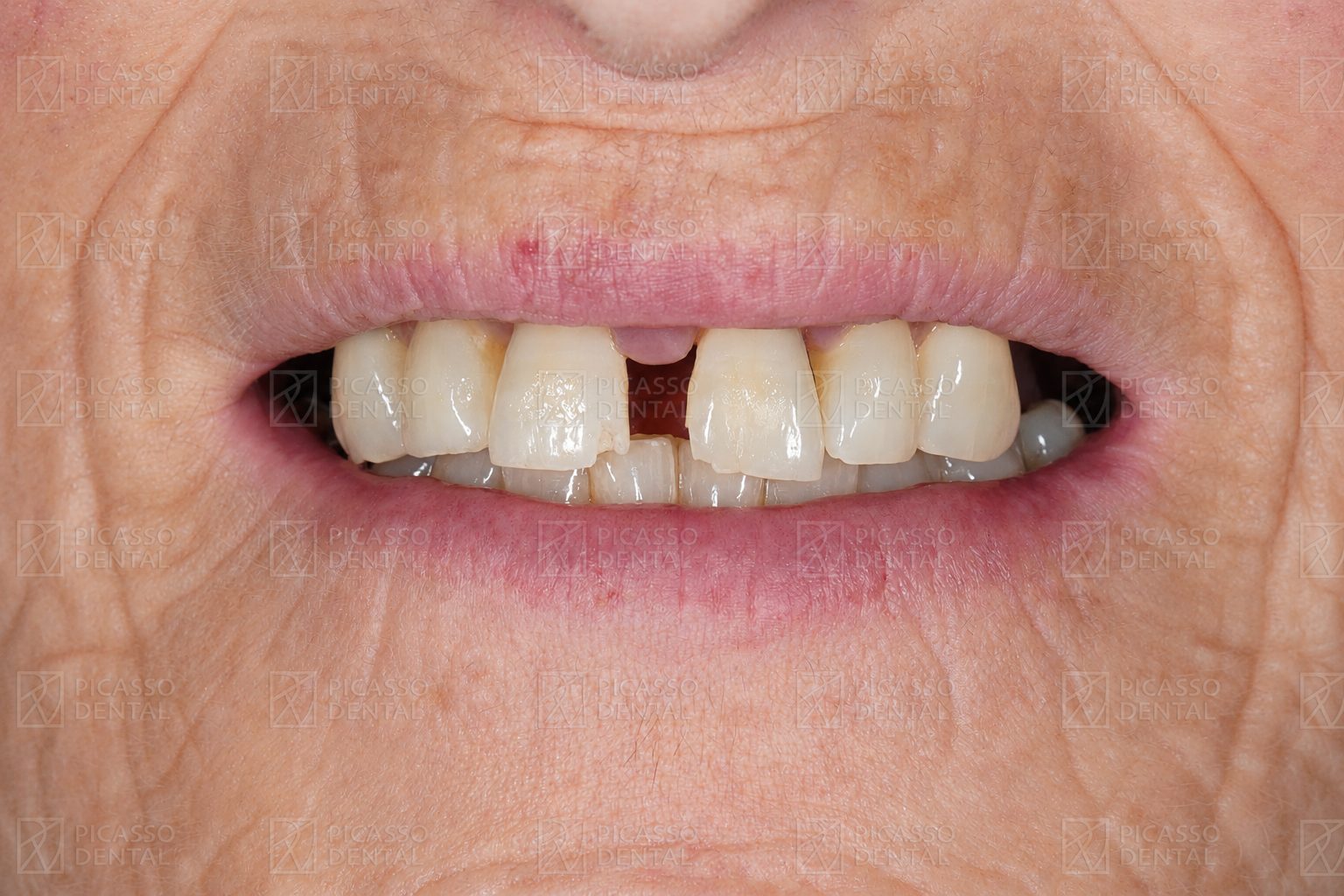 Before
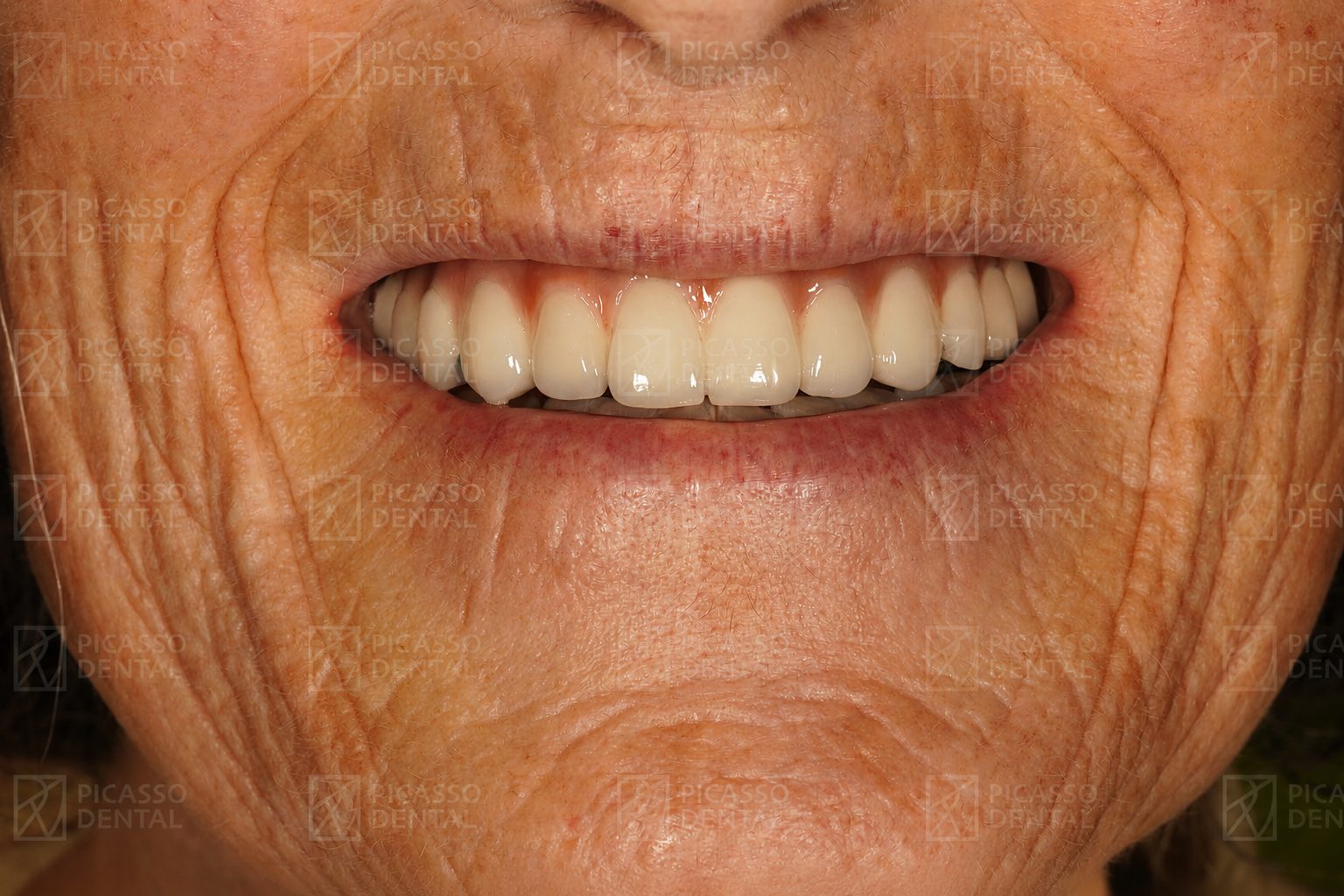 After
AfterCase 38420: Composite replaced with porcelain after 7 years of staining, dramatic colour improvement.
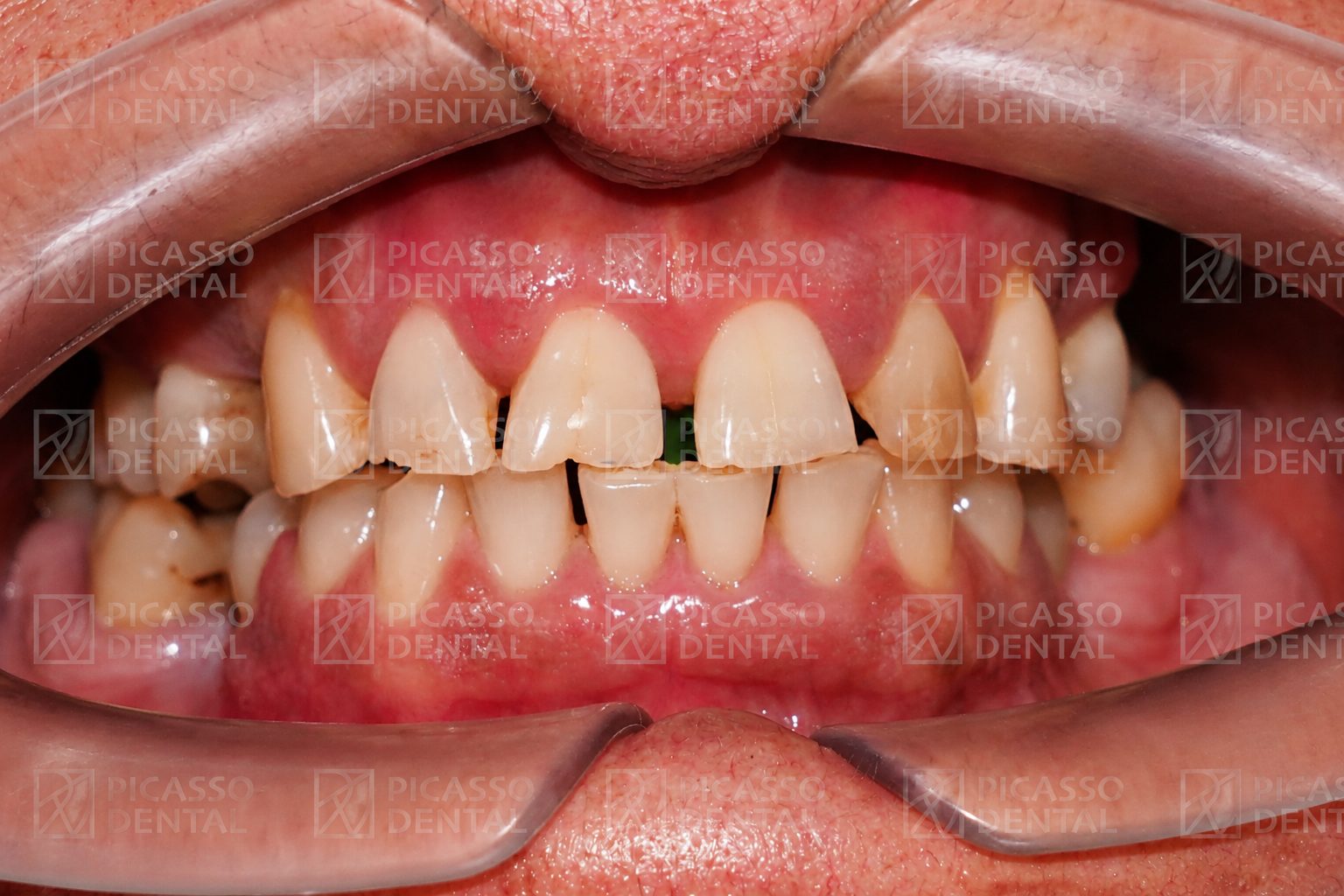 Before
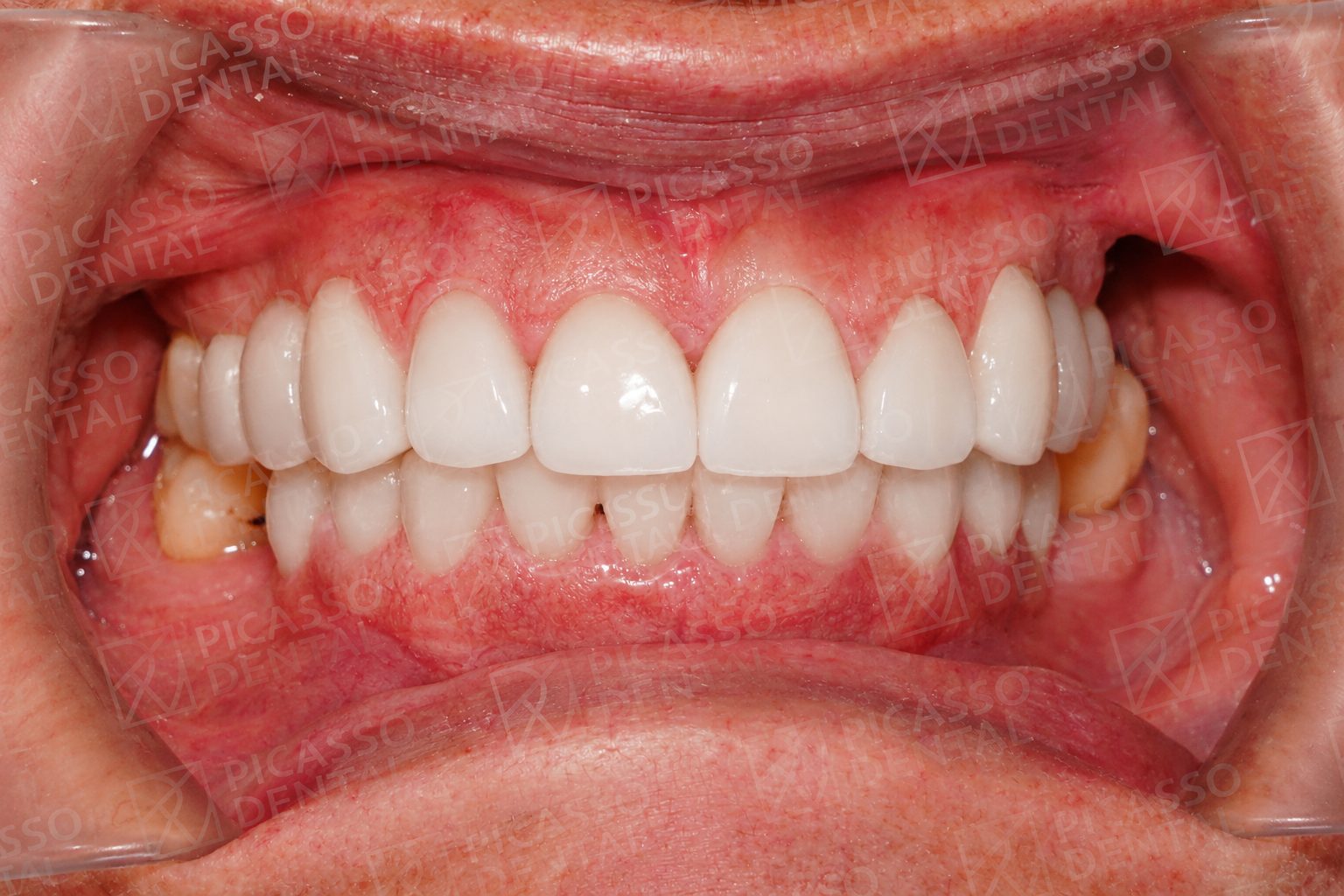 After
AfterCase 40179: Composite veneers for a patient wanting to test a smile change before committing to porcelain.
 Before
 After
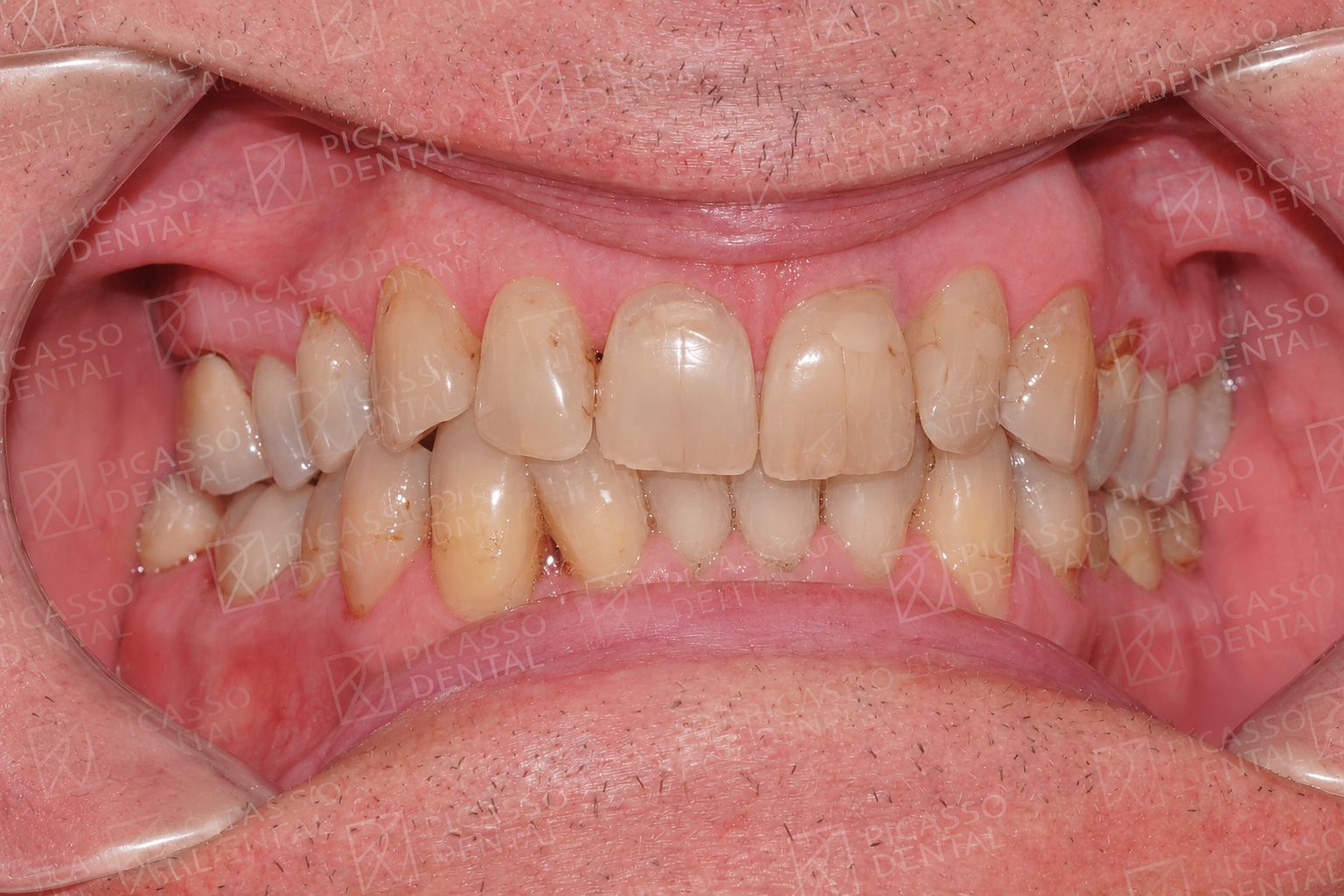
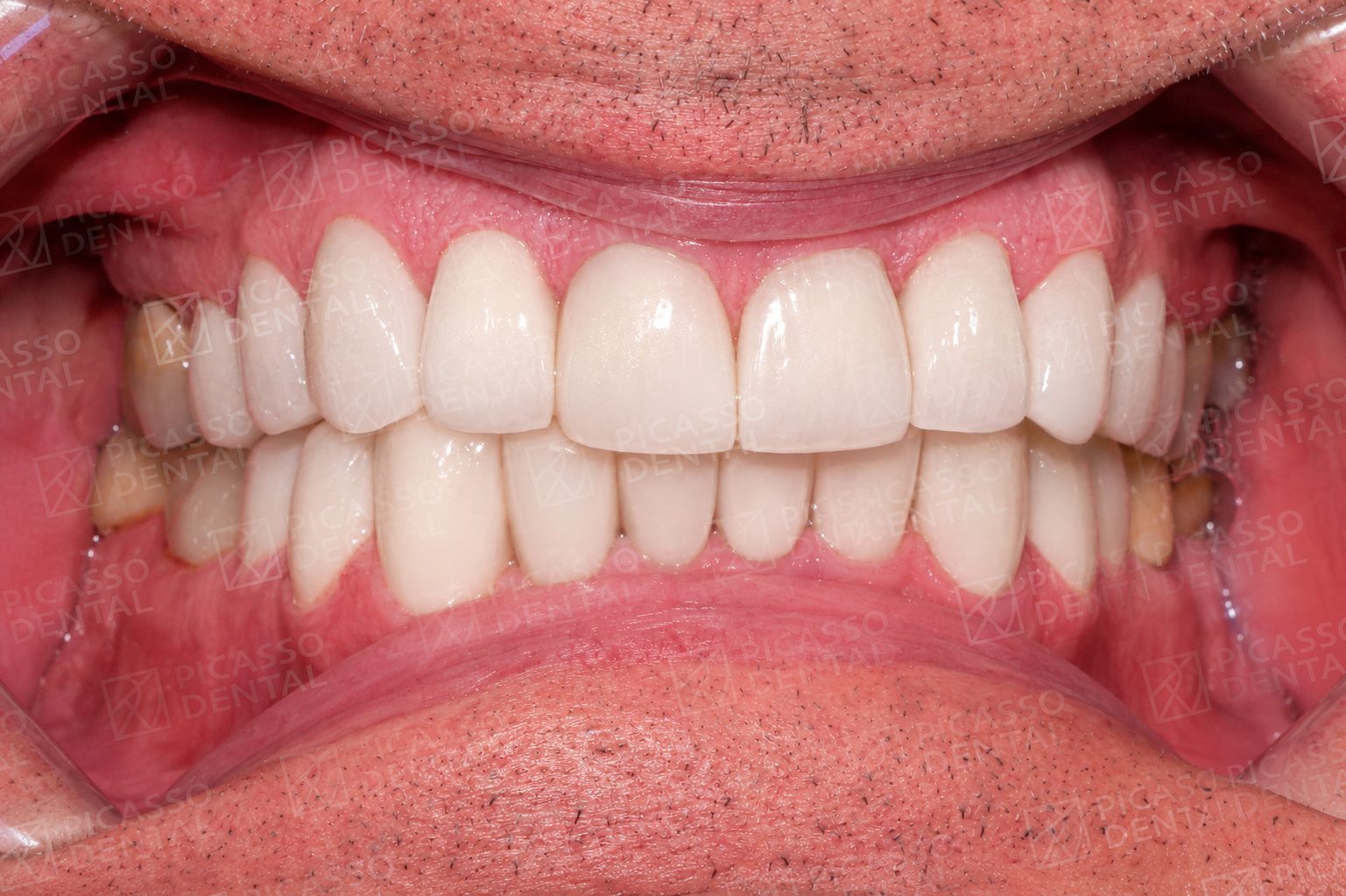
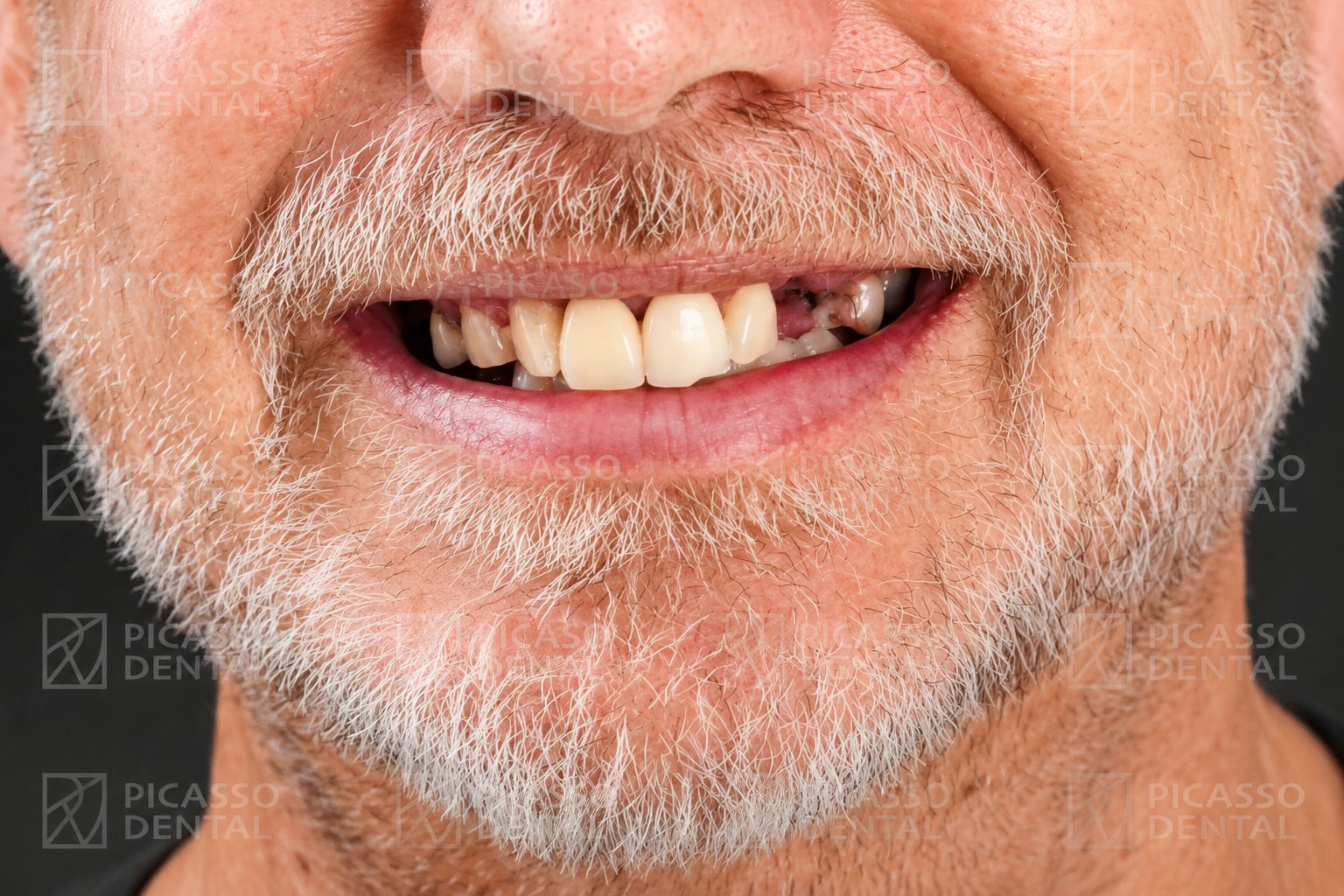
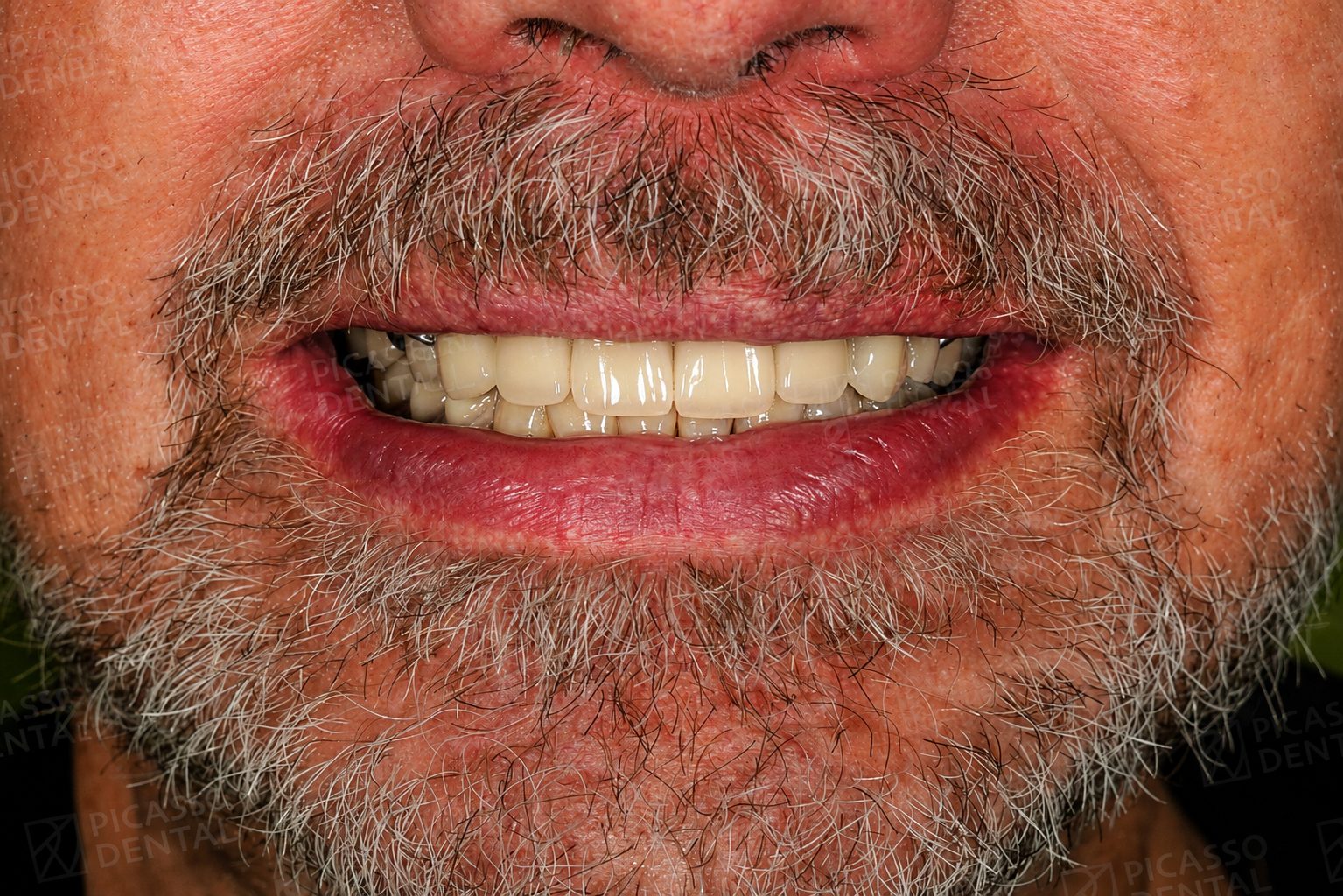
AfterCase 41400: Full upper smile in porcelain for a patient prioritising long-term stain resistance.
 Before
 After
AfterCase 42840: Patient chose composite first, upgraded to porcelain two years later after living with the smile design.
 Before
 After
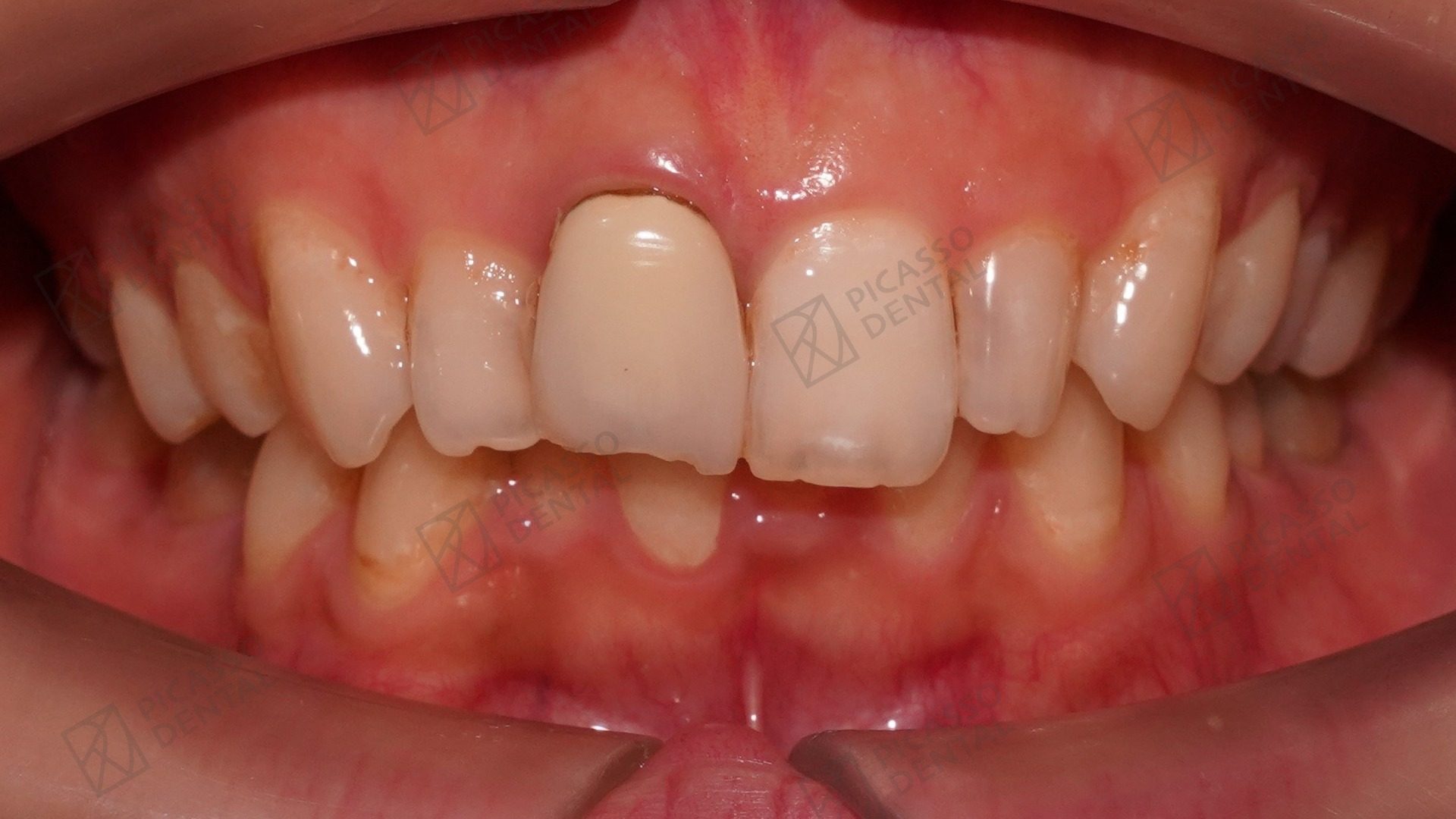
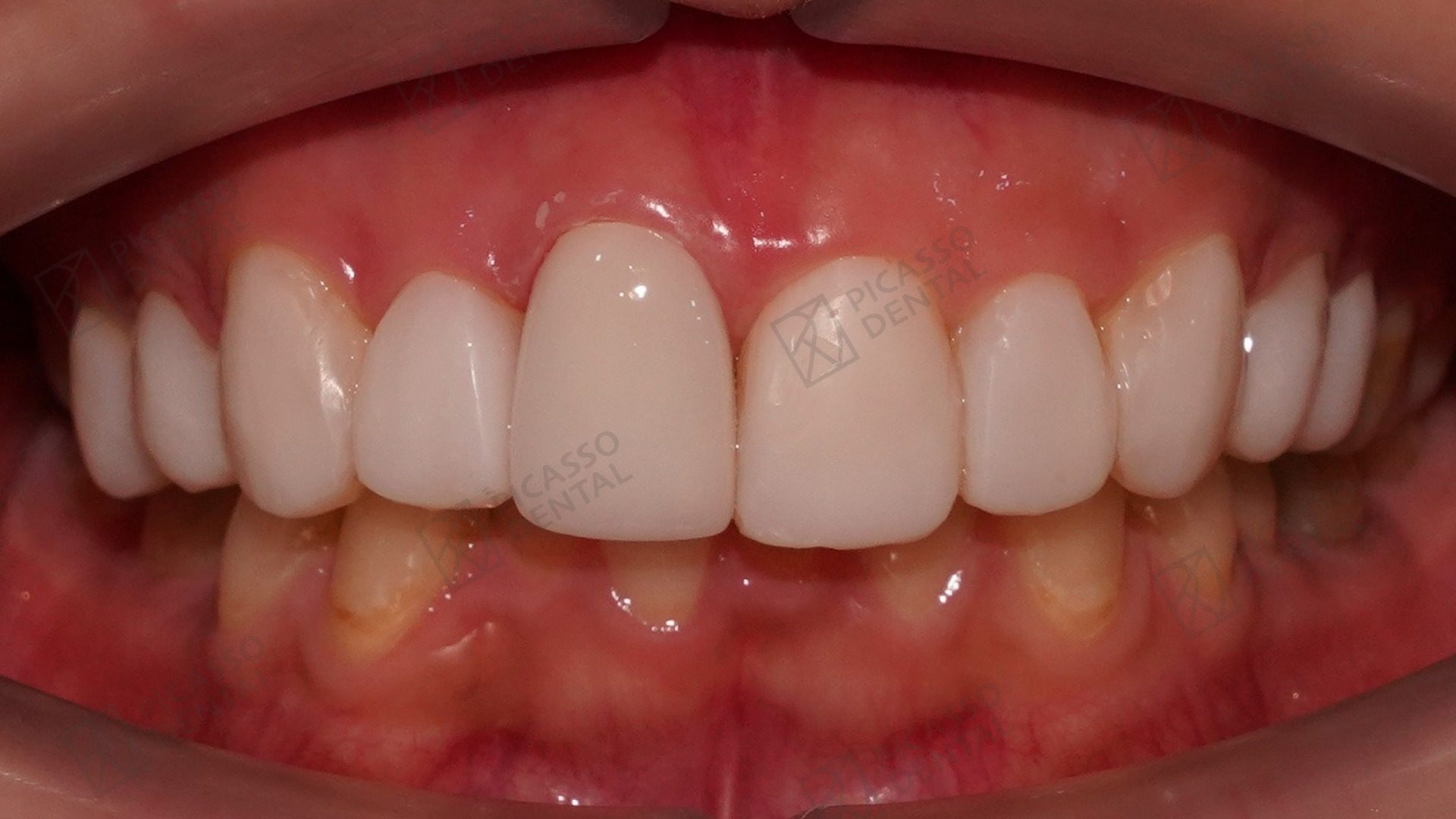
AfterCase 46229: International patient, eight porcelain veneers chosen over composite for long-term value during a single Vietnam trip.
Frequently Asked Questions
How much more expensive are porcelain veneers than composite veneers?
Porcelain veneers generally cost two to three times more than composite veneers per tooth. In Western countries, porcelain ranges from $1,000 to $2,500 per tooth while composite costs $250 to $800. In Vietnam, porcelain veneers cost a fraction of those Western figures while delivering equivalent quality. The ratio of approximately 2.5 to 3 times more expensive remains consistent across markets.
Why do porcelain veneers cost more than composite?
Porcelain veneers require laboratory fabrication by skilled ceramists (two to three days of skilled labour per veneer), premium dental ceramic materials, multiple clinical appointments including a try-in evaluation, and temporary veneers during the fabrication period. Composite veneers involve none of these overhead costs: the dentist applies the material chairside in a single appointment.
Do porcelain veneers offer better long-term value than composite?
Often yes. Porcelain veneers last 15 to 20 years. Composite veneers last 5 to 7 years. Over an 18-year period, you would need approximately three sets of composite veneers versus one set of porcelain veneers. The cumulative composite cost frequently equals or exceeds the porcelain cost, while also requiring more clinical appointments and associated inconvenience.
When does composite make more financial sense than porcelain?
Composite makes more financial sense when the upfront porcelain cost is not currently accessible, when you are testing a cosmetic change before committing to porcelain, when you are under 25 and not ready for the permanent tooth preparation porcelain requires, or when you need a single-tooth repair on an otherwise good smile. Composite is a legitimate choice with proper patient expectations.
Can composite veneers be upgraded to porcelain later?
Yes. Composite veneers can be replaced with porcelain veneers when you are ready. The composite is removed, minimal additional enamel preparation is done if needed, and porcelain veneers are fabricated and placed. Many patients use composite as an intermediate step while saving for porcelain, or to test a smile design before committing to the permanent ceramic version.
Does porcelain stain less than composite?
Yes. The ceramic surface of porcelain veneers is non-porous and will not absorb staining from coffee, tea, wine, or tobacco. Composite resin is slightly porous and gradually absorbs pigment over years of normal use, requiring polishing or eventual replacement to restore appearance. This stain resistance is one of the primary quality advantages of porcelain over composite.
How do I decide between porcelain and composite veneers?
Consider your budget, timeline, age, and habits. If porcelain is affordable and you drink coffee or staining beverages regularly, porcelain is likely the better long-term investment. If the upfront cost is a constraint or you want to test a cosmetic change first, composite is a legitimate starting point. A consultation at Picasso Dental can assess your specific teeth and give you a personalised recommendation.
Patient Video Testimonial

Start Here
Start with a brief.
Share your budget range and what you want to change about your smile, and we will give you an honest recommendation on whether porcelain or composite is the right starting point.