
Dental Crowns
Porcelain Crown Allergy Symptoms: What to Know
Genuine allergic reactions to porcelain crowns are exceptionally rare. Most reactions come from the metal substructure in hybrid crowns, not from the porcelain itself. Here is what the symptoms are and what to do.
 Dr. Emily Nguyen · Principal Dentist, Picasso Dental Clinic · Updated May 2026
Key Takeaways
- Pure porcelain and all-ceramic crowns are chemically inert and very rarely cause allergic reactions.
- Most post-crown reactions are caused by nickel, cobalt, or chromium in the metal substructure of PFM crowns.
- Symptoms include persistent gum inflammation, burning sensation, metallic taste, and non-healing oral ulcers near the crown.
- Diagnosis requires patch testing by an allergist and may involve temporary crown removal to confirm the cause.
- Metal-free zirconia and Emax crowns eliminate the allergy risk for patients with known metal sensitivities.
- Always disclose a history of metal allergy or jewellery reactions before crown treatment begins.
Why Pure Porcelain Rarely Causes Allergies
Porcelain and all-ceramic crown materials sit at the top of the biocompatibility scale in dentistry. The silica-based composition of dental porcelain is chemically stable: it does not react with oral fluids, does not corrode, and does not release ions into surrounding tissue. This inertness is precisely why ceramics have been the preferred restorative material for front teeth for more than six decades.
The immune system recognises foreign substances through molecular interaction. Because porcelain does not dissolve or shed reactive particles in the oral environment, it offers the immune system very little to respond to. Clinical allergy registries consistently show near-zero rates of confirmed porcelain hypersensitivity. At Picasso Dental, across more than 70,000 patients treated, the number of documented reactions to porcelain itself is negligible.

The Real Cause of Most Reactions
The majority of reactions attributed to a "porcelain crown" are in fact responses to the metal substructure beneath the porcelain layer in a porcelain fused to metal (PFM) crown. PFM crowns consist of a cast metal coping over which a layer of porcelain is baked. The porcelain provides aesthetics; the metal provides structural support. That metal is in direct contact with gum tissue at the crown margin.
Nickel is the most common allergen in dental metal alloys and in the general population. It is present in many base metal alloys used for PFM frameworks. Cobalt, chromium, and palladium can also trigger sensitivity in predisposed individuals. If you have a known nickel allergy, a history of reactions to costume jewellery, or skin reactions to metal watch straps or belt buckles, this is critical information to disclose before crown treatment begins.
Other non-allergy causes of post-crown discomfort worth ruling out include poor crown fit causing gum irritation, residual sensitivity from the luting cement used during placement, and undiagnosed pre-existing periodontal disease around the prepared tooth. Not every post-crown symptom is allergic in origin.
Lower Allergy Risk
- Full-contour zirconia
- Lithium disilicate (Emax)
- Pure feldspathic porcelain (no metal)
- Leucite-reinforced ceramic
Higher Allergy Risk
- PFM with nickel-based alloy
- Base metal alloys (cobalt-chromium)
- Palladium-containing alloys
- Stainless steel temporary crowns
Symptoms That Suggest a True Reaction
Distinguishing a genuine allergic response from normal post-placement sensitivity requires attention to timing and persistence. Sensitivity to temperature or biting pressure in the first one to two weeks after a crown is placed is common and usually subsides as the tooth settles. Allergic reactions follow a different pattern.
Signs that warrant investigation for a material reaction include:
- Persistent gum inflammation localised around the crowned tooth that does not resolve within the normal healing window of two to four weeks.
- A burning sensation in the gum or cheek tissue adjacent to the crown, especially if it is present at rest and not linked to eating or drinking.
- A metallic taste that persists beyond the first few days after placement, or that reappears after initially fading.
- Oral ulcers or lesions appearing near the crown margin that do not heal within ten to fourteen days.
- A rash or dermatitis at sites distant from the mouth, in patients with systemic nickel sensitivity.

Diagnosis and Treatment
If a crown reaction is suspected, the diagnostic process typically involves two parallel tracks: a dental assessment of the crown and surrounding tissue, and an allergy evaluation by a dermatologist or allergist. Neither track alone is sufficient for a confident diagnosis.
The dental assessment examines crown fit and margins, gum health, cement type, and the crown material composition. Many laboratories can provide documentation of the alloy used in a PFM coping, which is an important starting point. The allergist assessment typically involves patch testing: small amounts of common allergens including nickel sulfate, cobalt chloride, palladium, and chromate are applied to the skin under occlusion for 48 hours and read at 72 to 96 hours.
Temporarily removing the suspect crown can assist diagnosis. If symptoms resolve after removal, a material reaction is more plausible than a concurrent periodontal or mechanical issue. If symptoms persist after removal, other causes should be pursued.
For patients with confirmed metal allergies, the treatment path is straightforward: replace the PFM crown with an all-ceramic alternative. Both zirconia and Emax are excellent options with no metal content and high patient tolerance rates.
Preventing Crown Reactions
The most reliable prevention strategy is material selection before crown placement. Patients with any history of metal sensitivity should be directed toward metal-free restorations from the outset. This is standard practice at Picasso Dental and eliminates the risk entirely.
For patients with no known allergy history, standard PFM crowns carry a low but non-zero risk. All-ceramic options now match or exceed the durability of PFM for most clinical situations, which means the historic argument for choosing PFM on strength grounds has largely been superseded.

Metal-Free Crown Options at Picasso Dental
Two material categories now dominate metal-free crown dentistry, each with distinct advantages depending on the clinical situation.
Zirconia Crowns
Zirconia (zirconium dioxide) is an oxide ceramic with exceptional strength. Full-contour monolithic zirconia crowns are milled from a single puck of pre-sintered material using CAD/CAM technology, producing a crown with no metal substructure and no porcelain overlay. The material is opaque relative to natural enamel, which makes it most suitable for posterior teeth where strength is a priority and aesthetics are secondary. High-translucency zirconia formulations have expanded its use to anterior applications.
Emax (Lithium Disilicate) Crowns
Emax crowns use lithium disilicate glass-ceramic, a material prized for its optical properties. The crystal structure of lithium disilicate scatters light in a way that closely mimics natural tooth enamel, making it the preferred material for anterior crowns where translucency and colour matching are critical. It is also entirely metal-free and well tolerated by patients with metal sensitivities.
| Crown Type | Allergy Risk | Typical Cost at Picasso | Durability |
|---|---|---|---|
| PFM (Porcelain Fused to Metal) | Moderate (metal alloy content) | From USD 150 | 10 to 15 years |
| Zirconia (metal-free) | Very low (no metal) | From USD 230 | 15+ years |
| Emax Lithium Disilicate (metal-free) | Very low (no metal) | From USD 250 | 10 to 15 years |
Steps to Take If You Suspect a Crown Reaction
- Contact your dentist promptly and describe the symptoms, their onset date, and any history of metal allergy.
- Do not attempt to remove or adjust the crown yourself.
- Ask the dental office for documentation of the crown material composition, including the metal alloy used if the crown is PFM.
- Request a referral for patch testing through a dermatologist or allergist to identify specific sensitivities.
- Maintain meticulous oral hygiene around the crown to rule out gum disease as a contributing factor.
- If symptoms are severe or worsening, ask about temporary crown removal to aid diagnosis.
- Once a material allergy is confirmed, discuss metal-free replacement options with your dentist.

If you are considering dental crowns and have any history of metal sensitivity, discuss material options before treatment begins. The difference between a PFM and a metal-free crown is modest in cost and significant in allergy risk for susceptible patients.

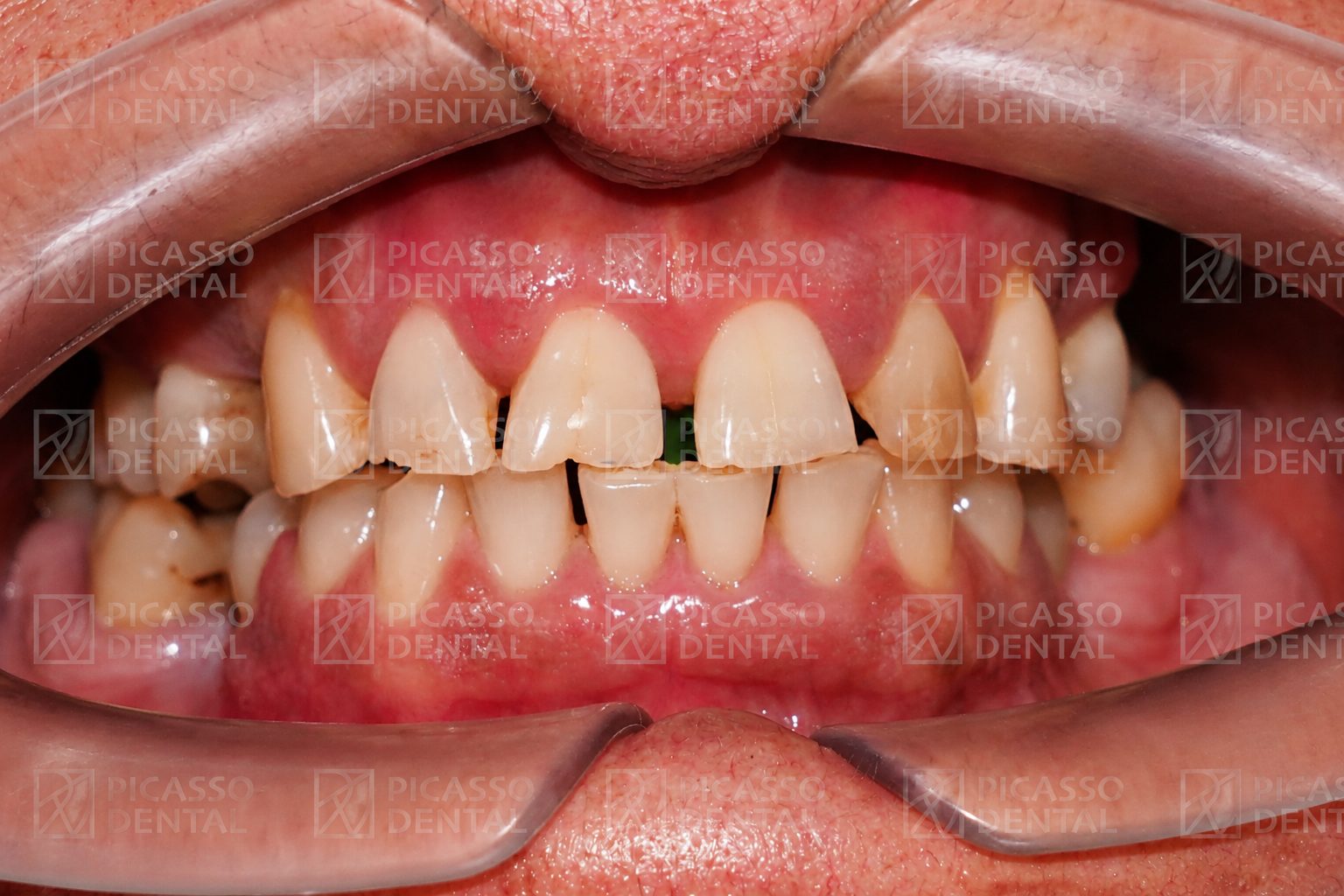 Before
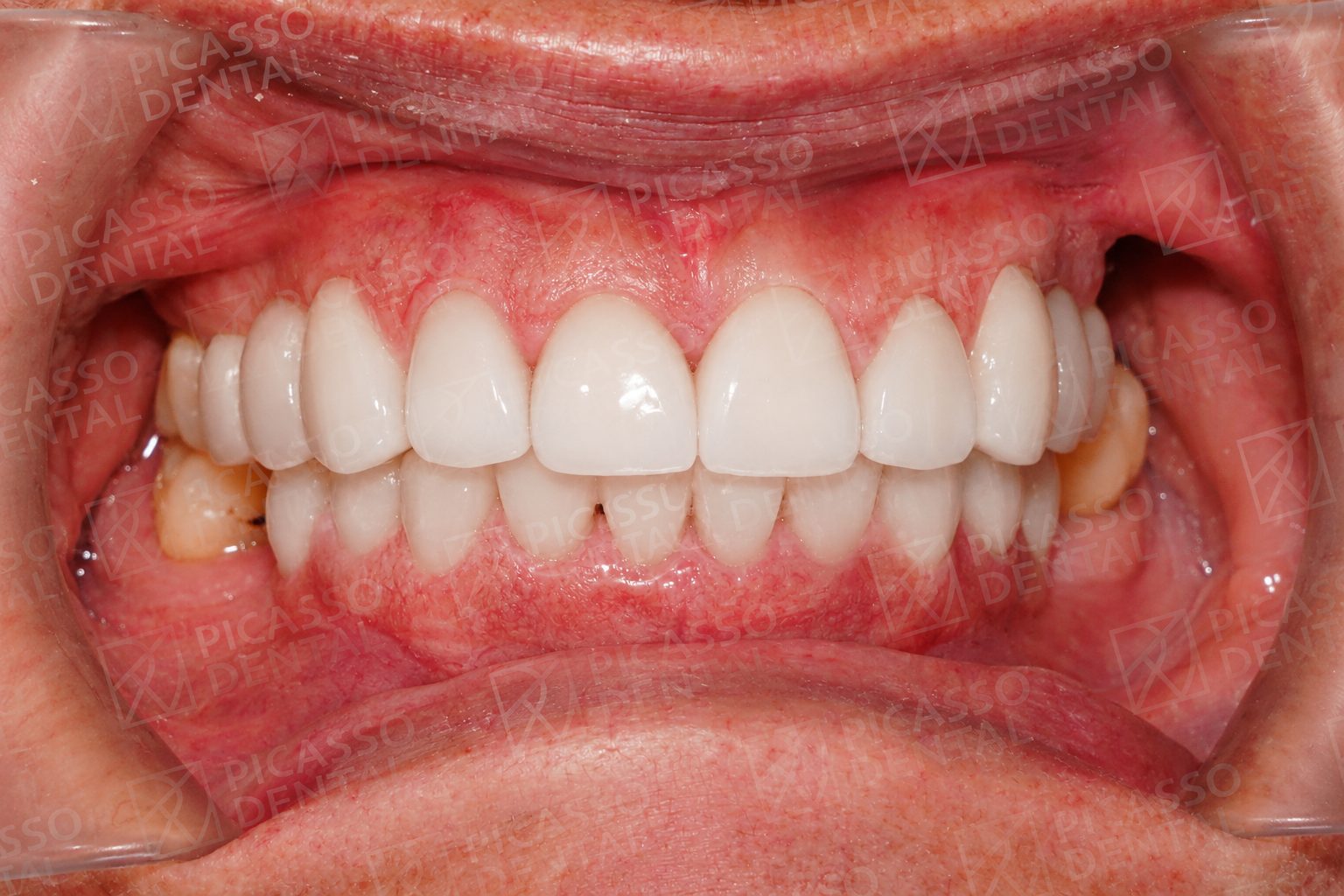 After
AfterAll-ceramic zirconia crowns replacing previous PFM restorations for a patient with confirmed nickel sensitivity.
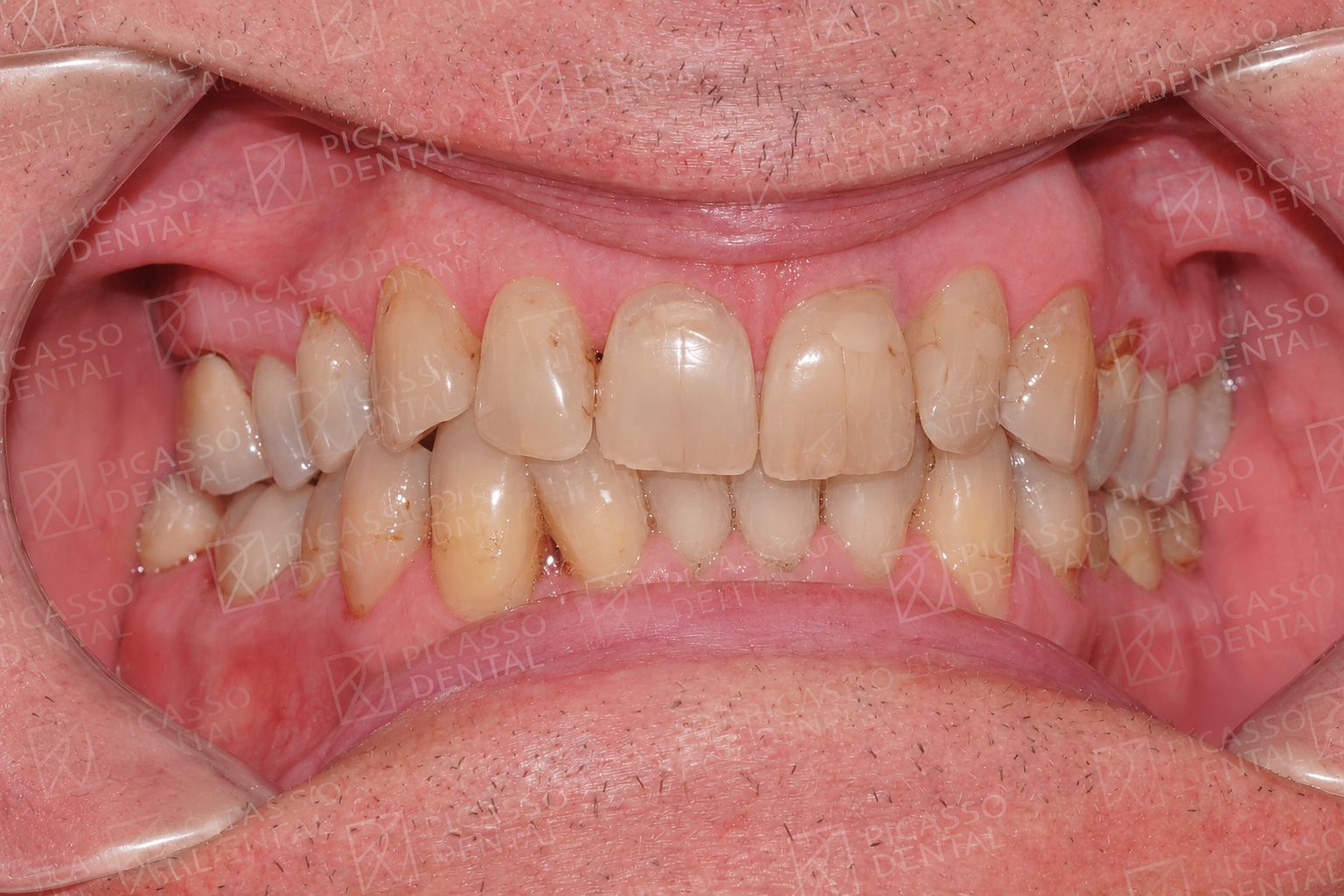 Before
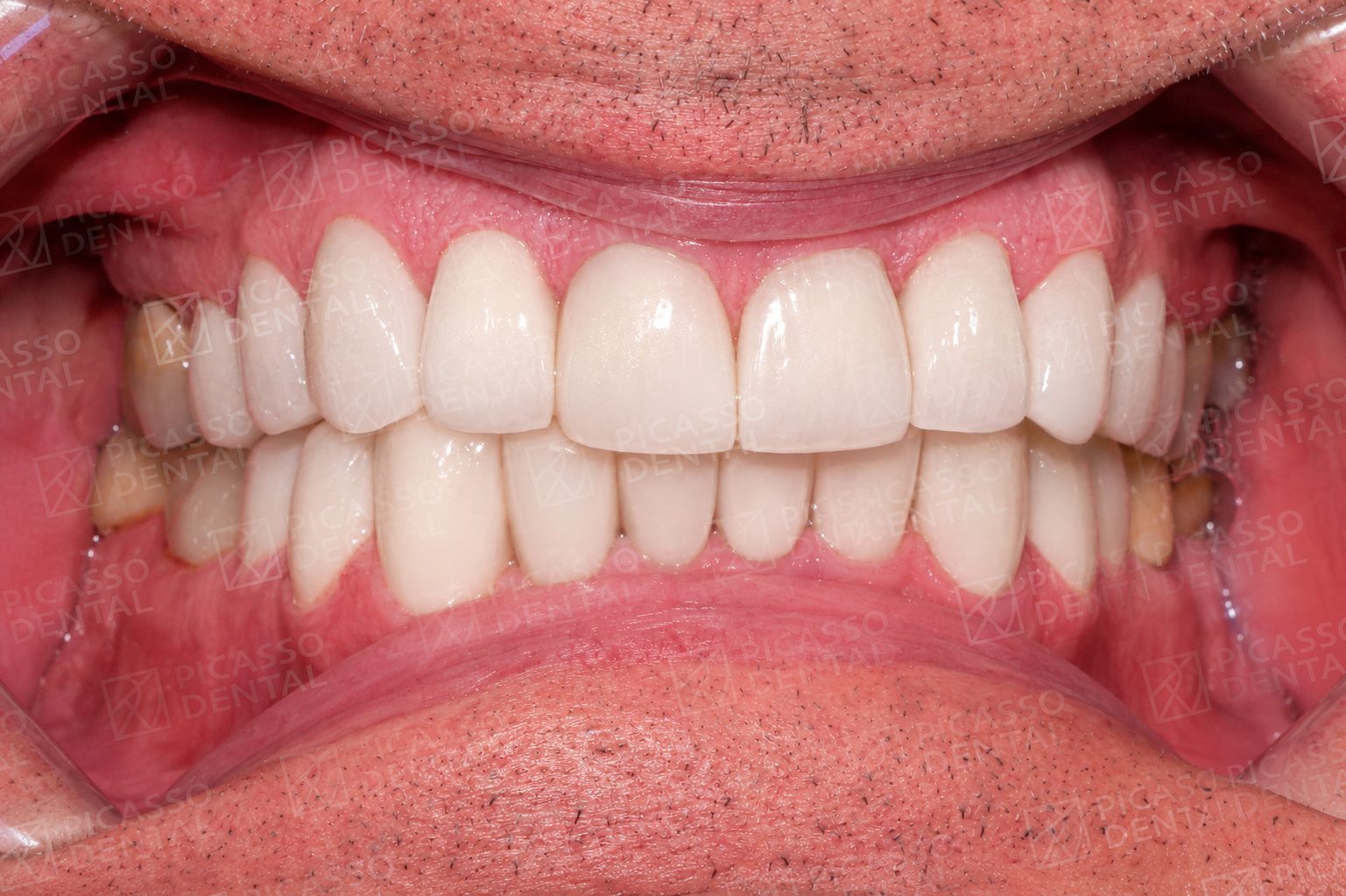 After
AfterEmax lithium disilicate crowns on upper anteriors for a patient seeking metal-free restorations with high translucency.
 Before
 After
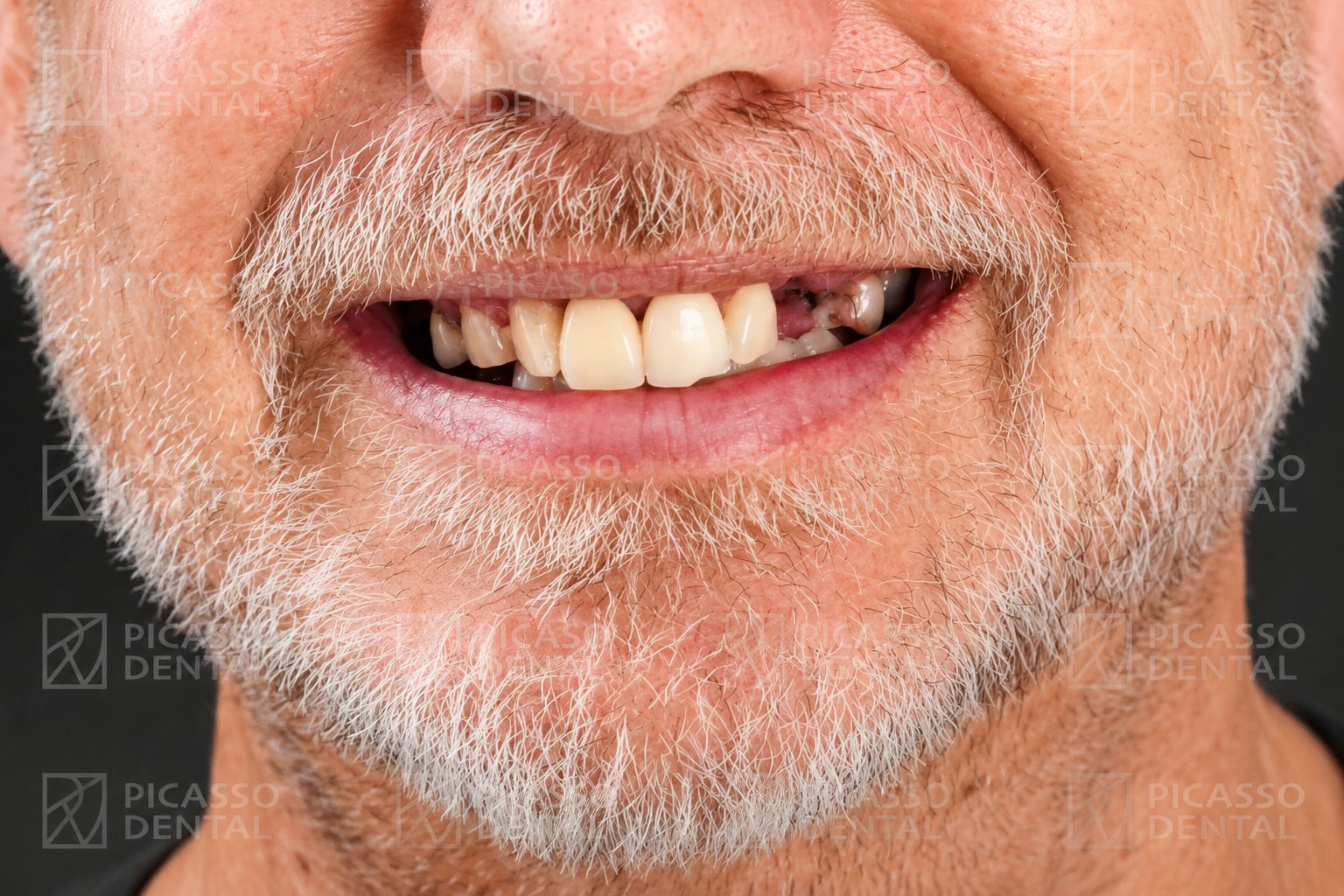
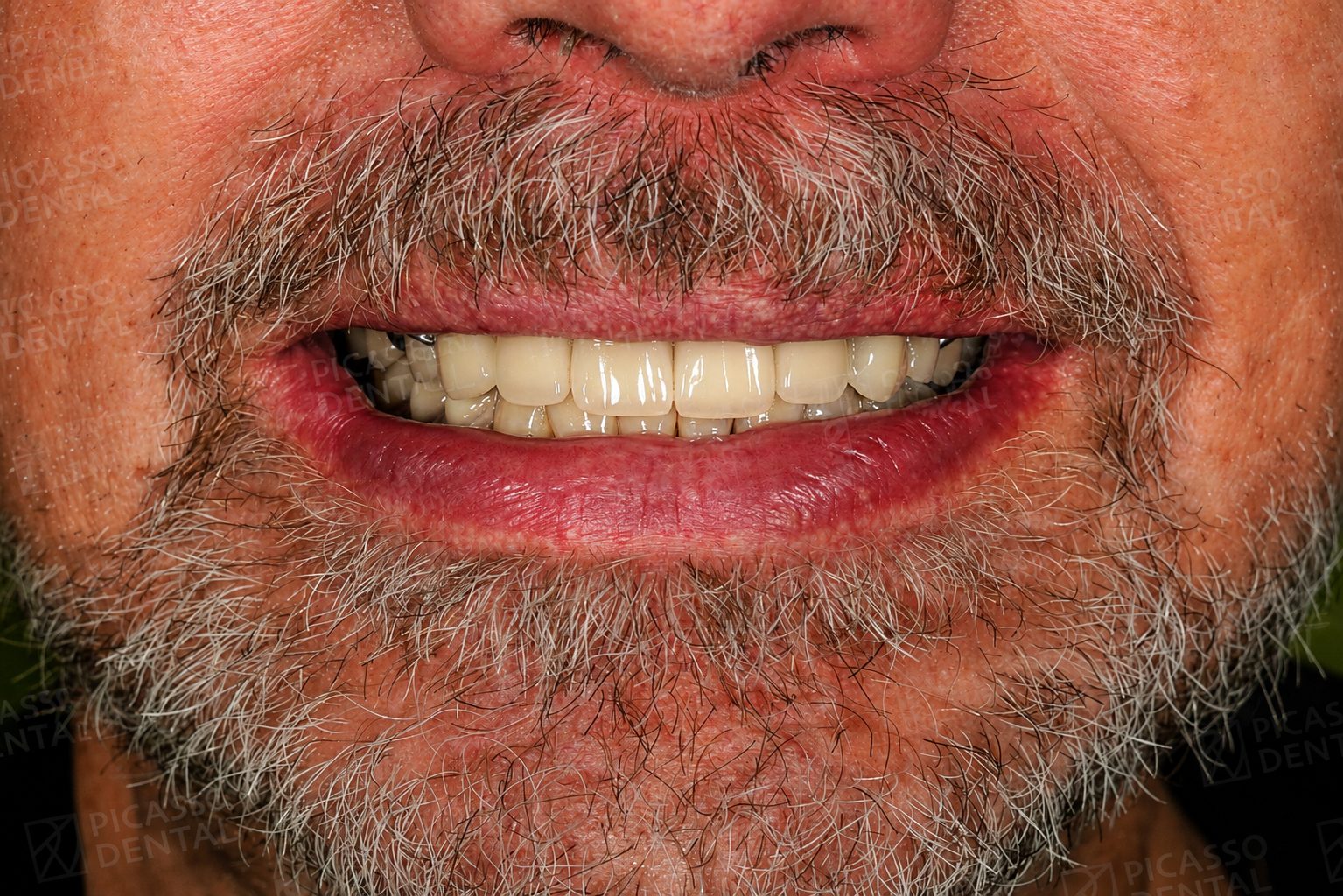
AfterFull-mouth rehabilitation using zirconia crowns across all posterior teeth, eliminating the metal alloy risk entirely.
Frequently Asked Questions
Can pure porcelain cause an allergic reaction?
Pure porcelain and all-ceramic materials are considered highly biocompatible. They are chemically inert and have been used in dentistry for decades. Genuine allergic reactions to porcelain itself are extremely rare. At Picasso Dental, across more than 70,000 patients treated, only a handful of confirmed reactions to the porcelain material itself have ever been documented.
What causes a reaction to a porcelain crown if not the porcelain?
The most common cause is the metal substructure used in porcelain fused to metal (PFM) crowns. Nickel is the most frequent allergen in dental alloys. Cobalt, chromium, and palladium can also trigger reactions in predisposed patients. The porcelain layer is not the problem; the underlying metal framework is.
What are the symptoms of a porcelain crown allergy?
Symptoms include persistent gum inflammation around the crowned tooth, a burning sensation in adjacent gum or cheek tissue, a metallic taste that does not fade after the first few days, and oral ulcers or lesions near the crown that do not heal. Unlike normal post-placement sensitivity, allergy symptoms develop days to weeks after placement and do not improve with oral hygiene alone.
How is a dental crown allergy diagnosed?
Diagnosis typically involves patch testing through a dermatologist or allergist to identify specific metal sensitivities. Temporarily removing the suspect crown can help confirm the diagnosis: if symptoms resolve after removal, a material reaction is more likely than gum disease or mechanical irritation. A dental review of the crown''s composition is also essential.
What should I do if I think I am reacting to my crown?
Contact your dentist promptly. Do not attempt to remove the crown yourself. Your dentist will review the crown''s material composition, check for fit issues, and may refer you for patch testing. If a metal allergy is confirmed, replacing the crown with an all-ceramic alternative such as zirconia or Emax is usually the recommended solution.
What metal-free crown options does Picasso offer?
Picasso Dental offers full-contour zirconia crowns and lithium disilicate (Emax) crowns. Both are entirely metal-free, highly biocompatible, and well tolerated by patients with documented metal allergies. Zirconia is the preferred choice for posterior teeth requiring strength; Emax is favoured for anterior teeth where translucency and aesthetics are a priority.
How long does it take for allergy symptoms to appear after crown placement?
Allergy symptoms typically develop within days to a few weeks after placement, though some delayed hypersensitivity reactions can appear months later. Symptoms that appear within the first 24 to 48 hours are more often related to cement sensitivity or mechanical irritation than a true allergy.
Does Picasso test patients for metal allergies before crown treatment?
Picasso Dental conducts a full patient history review before recommending any crown material. Patients who report known metal allergies, skin reactions to jewellery, or prior dental reactions are routinely directed toward metal-free options. Formal patch testing is arranged through an allergist partner when clinical history suggests a significant risk.
Metal-Free Options Available
Concerned About a Reaction to Your Crown?
Book an assessment at any Picasso Dental location. We will evaluate your crown, your symptoms, and your allergy history to determine the right course of action, including metal-free alternatives if needed.