
General Dentistry
Main Causes of Bad Breath: Bacteria, Gum Disease, Dry Mouth, and What Actually Fixes Them
Bad breath is one of the most common dental complaints, and also one of the most fixable. Here is what is actually causing it and what works.

Key Takeaways
- Around 85% of bad breath originates in the mouth, not the stomach.
- Bacteria on the tongue account for a large share of cases and respond to simple daily scraping.
- Persistent bad breath that does not improve with brushing often signals gum disease or a hidden cavity.
- Dry mouth, whether from medications, mouth breathing, or dehydration, dramatically worsens odor.
- Most cases resolve completely once the underlying dental cause is treated professionally.
Bacterial Buildup: The Direct Source of Odor
The bacteria living in your mouth are the direct producers of bad breath odor. They feed on food particles, dead cells, and proteins in saliva, releasing volatile sulfur compounds that smell like rotten eggs or decay. The more bacteria present, and the more food available to them, the worse the smell.
When you skip brushing or flossing, bacteria accumulate rapidly. Food particles trapped between teeth decompose and fuel bacterial growth. The plaque film on tooth surfaces harbors millions of bacteria producing odor continuously throughout the day.
The tongue is often overlooked
Your tongue harbors enormous bacterial populations, particularly on the rough back surface. The white or yellow coating you might notice is bacteria, dead cells, and food debris. Gently brushing or scraping your tongue daily removes this coating and can produce an immediate improvement in breath quality.
Most people brush their teeth but completely neglect the tongue. This is like mopping the floor while leaving dirty walls. A tongue scraper costs very little and takes ten seconds. If you have not tried it, start there before worrying about anything else.
Gum Disease: Persistent Odor That Brushing Cannot Fix
Gum disease affects roughly half of adults to some degree and produces persistent bad breath that does not respond to brushing alone. The infection creates pockets between teeth and gums where anaerobic bacteria accumulate far beyond the reach of any toothbrush.
These periodontal bacteria thrive without oxygen and produce particularly foul-smelling sulfur compounds. The deeper the pockets, the worse the smell. Bleeding gums add another layer to the problem: blood provides extra protein for bacteria to feed on, intensifying odor production.
"I had been embarrassed about my breath for years and thought it was just something I had to live with. After the deep cleaning at Picasso it completely changed. My gums stopped bleeding and the smell was gone within two weeks."
Patient review, Picasso Dental Clinic Ho Chi Minh City

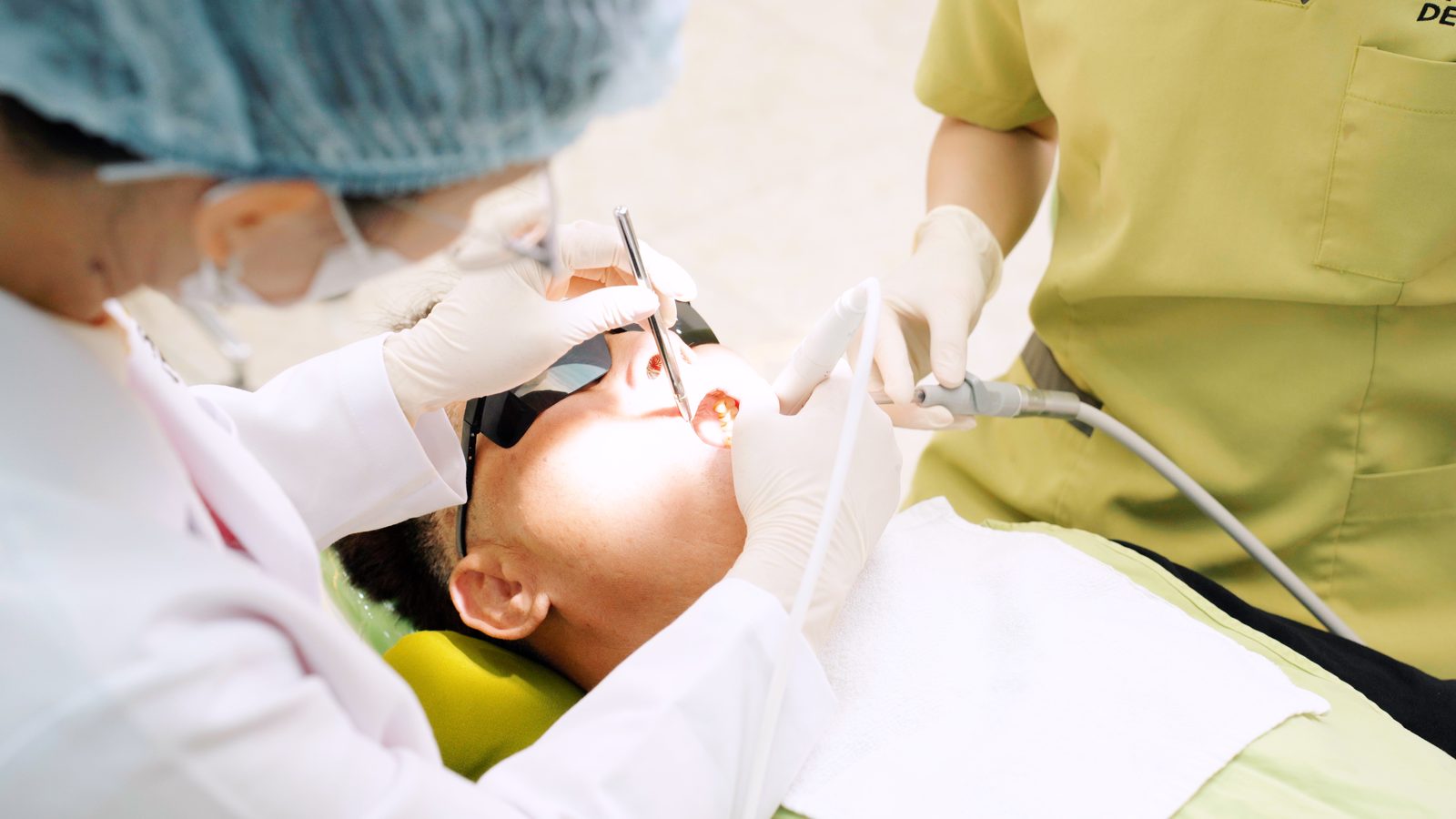
Professional gum disease treatment at Picasso Dental Clinic combines scaling and root planing to remove bacterial deposits from below the gumline. Most patients see both gum health and breath improve significantly within weeks of treatment.
Dry Mouth: When Your Natural Cleaning System Fails
Saliva is your mouth's natural cleaning system. It washes away food particles, neutralises acids, and contains antibacterial compounds that control bacterial populations. When saliva production decreases, bacteria flourish unchecked.
Common dry mouth causes
- Blood pressure medications
- Antidepressants and antihistamines
- Mouth breathing during sleep
- Dehydration and high caffeine intake
- Aging and certain medical conditions
What helps
- Drink water consistently throughout the day
- Chew sugar-free gum to stimulate saliva
- Reduce caffeine and alcohol
- Breathe through your nose when possible
- Ask your GP if a medication switch is an option
Morning breath affects everyone because saliva production drops during sleep, allowing bacteria to multiply overnight. This is normal and resolves after brushing and eating breakfast. Chronic dry mouth, by contrast, requires active management and often a dental evaluation to identify the cause.
Food, Tobacco, and Lifestyle Factors
Garlic, onions, coffee, and alcohol produce volatile compounds that are absorbed into the bloodstream and released through the lungs for hours after consumption, regardless of how thoroughly you brush. These temporary effects resolve on their own once the compounds clear your system.
Smoking and tobacco use cause both immediate and chronic bad breath. Tobacco residue coats the teeth, tongue, and soft tissues. It also dries the mouth, promotes gum disease, and creates its own distinctive smell. Smokers frequently become desensitised to their own odor while those around them notice it immediately.

Very low carbohydrate or fasting diets can produce ketone breath, a sweet, fruity, or acetone-like smell from the body burning fat for fuel. This is metabolic rather than dental in origin and resolves when eating patterns normalise.
Hidden Dental Problems as Odor Sources
Cavities, especially deep ones, trap food and bacteria in places your toothbrush cannot reach. The decay process itself produces odor as bacteria break down tooth structure. Large cavities near the nerve tend to smell particularly bad.
Failing dental work creates similar problems. Crowns or fillings with open margins collect bacteria and food debris. Old, leaking restorations need replacement to eliminate these bacterial reservoirs.
Infected teeth with dead nerves can produce severe, persistent odor that patients often describe as tasting like something died in their mouth. Root canal treatment or extraction eliminates the infection and the smell along with it.

What Actually Fixes Bad Breath
The single most important step is identifying the cause. Mouthwash, mints, and chewing gum mask odor temporarily but do nothing about the underlying bacterial source. They are useful for social situations, not for treatment.
For most people, the combination of twice-daily brushing, daily flossing, daily tongue cleaning, adequate hydration, and a professional cleaning every six months resolves bad breath completely. If odor persists despite consistent home care, a dental examination is the next step to rule out gum disease, hidden cavities, or dry mouth.
Frequently Asked Questions
What is the most common cause of bad breath?
The most common cause of bad breath is bacterial buildup in the mouth. Bacteria feed on food particles, dead cells, and proteins in saliva, releasing volatile sulfur compounds that produce the characteristic unpleasant odor. Poor oral hygiene, tongue coating, and infrequent professional cleanings all allow bacterial populations to grow unchecked.
Can gum disease cause bad breath?
Yes, gum disease is one of the leading causes of persistent bad breath. Periodontal pockets between the teeth and gums harbor anaerobic bacteria that produce foul-smelling sulfur compounds. Bleeding gums provide additional protein that intensifies odor. Professional deep cleaning combined with improved home care typically resolves the infection and eliminates associated bad breath within weeks.
Why does my breath smell bad even after brushing?
If your breath smells bad after brushing, you may be neglecting your tongue, which harbors large bacterial populations on its rough back surface. Gum disease, dry mouth, cavities, or failing dental restorations can also cause persistent odor that brushing alone cannot fix. A professional dental examination is the best way to identify the underlying cause.
Does dry mouth cause bad breath?
Yes. Saliva naturally washes away food particles and controls bacterial growth. When saliva production drops, due to medications, mouth breathing, dehydration, or medical conditions, bacteria multiply and produce more odor. Drinking water frequently, chewing sugar-free gum, and avoiding caffeine and alcohol all help manage dry mouth and the bad breath associated with it.
Can a cavity cause bad breath?
Yes, cavities trap food and bacteria in places a toothbrush cannot reach. The decay process itself produces odor as bacteria break down tooth structure. Infected or abscessed teeth with dead nerves can produce particularly severe bad breath. Treating the cavity or infection with a filling, crown, root canal, or extraction eliminates the odor source.
How do I permanently get rid of bad breath?
Permanent improvement requires identifying and treating the underlying cause. This means brushing twice daily, flossing daily, cleaning your tongue, staying well hydrated, and attending professional cleanings every six months. If bad breath persists despite good hygiene, a dentist should evaluate for gum disease, cavities, or dry mouth. Most cases resolve completely once the dental cause is treated.
Is bad breath a sign of a serious health problem?
In the vast majority of cases, bad breath originates in the mouth and is not a sign of a serious systemic illness. Gum disease, tooth decay, and bacterial buildup account for around 85 percent of cases. However, persistent bad breath that does not respond to dental treatment can occasionally signal acid reflux, sinus infection, kidney disease, or diabetes, and warrants a medical evaluation if dental causes have been ruled out.
Founding Clinical Director, Picasso Dental Clinic
Persistent bad breath? Let us find the cause.
A professional examination at any Picasso Dental Clinic location — Hanoi, Ho Chi Minh City, Da Nang, or Da Lat — identifies whether gum disease, cavities, or dry mouth is the source and resolves it with the right treatment.
No obligation · Since 2013