
Cosmetic Dentistry
Is Zoom Whitening Safe? Results, risks, and realistic expectations.
Zoom whitening can lighten teeth 6 to 8 shades in a single 90-minute session. Here is the complete picture on safety, what results you can expect, and who should wait.

Key Takeaways
- Zoom whitening is safe when performed by a trained dentist with proper gum protection in place throughout.
- Most patients achieve 6 to 8 shades of whitening in a single 90-minute appointment.
- Results from surface stains (coffee, tea, wine) are most dramatic; deep intrinsic staining responds less.
- Temporary sensitivity resolves within 24 to 48 hours for the majority of patients.
<h2>How Zoom Whitening Works</h2>

<p>Zoom whitening combines a professional-strength hydrogen peroxide gel with a specific wavelength of activating light. The light accelerates the breakdown of the peroxide, generating oxygen molecules that penetrate the enamel and break apart the chemical bonds that give stains their colour. The light does not remove tooth structure and does not produce heat at the tooth surface.</p>

<p>A typical Zoom session involves three or four 15-minute activation cycles. Between each cycle, the clinician removes the gel, checks the progress, and applies a fresh layer to maximise penetration. The cumulative effect of these cycles is why a single Zoom appointment achieves results that would otherwise require multiple standard whitening sessions.</p>

<p>Before any gel touches your teeth, we apply protective barriers to your gums, lips, and soft tissue. These barriers are critical: they ensure that the high-concentration gel has contact only with tooth enamel, not with the delicate tissue surrounding your teeth. This step is what separates safe in-clinic whitening from risky DIY alternatives.</p>

<figure class="art-photo">
  <img src="/images/clinics/hanoi-old-quarter/treatment-room.jpg" alt="Treatment room at Picasso Dental Clinic Hanoi where Zoom whitening is performed" loading="lazy" decoding="async">
  <figcaption>Zoom whitening is performed in a fully equipped treatment suite with gum protection applied before any gel is placed.</figcaption>
</figure>

<h2>What Results to Expect</h2>

<p>The most commonly cited figure for Zoom whitening is 6 to 8 shades of improvement in a single session. That is an honest average, but the actual result for any individual depends on several factors: your starting shade, the type and depth of staining, and your tooth structure.</p>

<h3>Stain types and how they respond</h3>

<p>Surface stains (extrinsic staining) from coffee, tea, red wine, tobacco, and dark foods respond most dramatically and predictably to Zoom whitening. These stains sit within the outermost enamel layers and are the most accessible to the peroxide gel. Patients with primarily extrinsic staining often see the full 6 to 8 shade improvement.</p>

<p>Age-related yellowing, which results from gradual thickening of the inner dentine layer as enamel becomes more translucent over decades, also responds well to Zoom. The colour shift can be striking because the yellowing is diffuse across all teeth rather than concentrated in patches.</p>

<p>Intrinsic staining from medications, specifically tetracycline antibiotics taken during tooth development, or from fluorosis, responds less predictably. Some improvement is usually achievable but the full 6 to 8 shade shift may not be realistic. For these cases, we discuss whether whitening alone will meet your expectations or whether veneers or other options would produce a more satisfying outcome.</p>

<div class="art-callout">
  <strong>Important note on existing restorations:</strong> Zoom whitening affects only natural tooth structure. Crowns, veneers, composite fillings, and bonding will remain at their original shade after whitening. If you have restorations in visible positions, we discuss this at consultation so there are no colour-matching surprises after treatment.
</div>

<h2>The Safety Profile of Zoom Whitening</h2>

<p>Zoom whitening has a strong global safety record when performed under clinical conditions. The procedure is well-documented in dental literature and has been performed for many years internationally. The following summarises the key safety considerations.</p>

<ul class="art-checklist">
  <li>
    <div>
      <strong>Enamel is not damaged</strong>
      <span>The peroxide gel breaks stain molecules without removing enamel. Studies measuring enamel hardness and surface morphology before and after professional whitening find no clinically significant changes.</span>
    </div>
  </li>
  <li>
    <div>
      <strong>Gum protection prevents soft-tissue injury</strong>
      <span>Proprietary barriers applied before the session prevent gel contact with gum tissue throughout all three or four activation cycles. This is the primary mechanism preventing chemical irritation.</span>
    </div>
  </li>
  <li>
    <div>
      <strong>Sensitivity is temporary</strong>
      <span>Some patients experience heightened sensitivity to cold for 24 to 48 hours post-treatment. This reflects temporary increased enamel permeability and resolves without treatment in the vast majority of cases.</span>
    </div>
  </li>
  <li>
    <div>
      <strong>Pre-treatment examination screens for contraindications</strong>
      <span>We examine teeth and gums before every whitening session. Untreated cavities, active gum disease, or cracked teeth that would make whitening uncomfortable or unsafe are identified and addressed first.</span>
    </div>
  </li>
</ul>

<figure class="art-photo">
  <img src="/images/clinics/hanoi-old-quarter/reception.jpg" alt="Reception at Picasso Dental Clinic Hanoi Old Quarter" loading="lazy" decoding="async">
  <figcaption>Picasso Dental Clinic Hanoi Old Quarter, the flagship branch serving international patients visiting Hanoi for cosmetic dental treatment.</figcaption>
</figure>

<h2>Managing Sensitivity During and After Treatment</h2>

<p>Tooth sensitivity after Zoom whitening is common and manageable. The mechanism is straightforward: peroxide temporarily increases the permeability of enamel and the dentinal tubules beneath it, making thermal stimuli such as cold air or cold drinks transmit more easily to the nerve. This is not damage; it is a transient physiological state that reverses as the enamel returns to its normal permeability over one to three days.</p>

<p>We take several steps to minimise sensitivity for every patient. Before the session begins, we can apply a desensitising agent to the tooth surfaces. We provide post-treatment desensitising gel to use at home if needed. We recommend potassium nitrate toothpaste in the days before and after treatment. For patients with a history of significant sensitivity, we may use a lower-concentration gel protocol extended over slightly more cycles to achieve the same whitening effect with a gentler approach.</p>

<div class="art-cta-inline">
  <p><strong>Considering Zoom whitening in Hanoi, Da Nang, or Ho Chi Minh City?</strong> Book a consultation and we will assess your starting shade, stain type, and suitability before any treatment begins.</p>
  <a href="https://wa.me/84989067888">Book a consultation</a>
</div>

<h2>How Long Results Last</h2>

<p>Zoom whitening results typically last one to three years. The primary variables affecting longevity are diet, lifestyle habits, and oral hygiene. Coffee, tea, and red wine consumed regularly will gradually restain teeth. Tobacco is one of the fastest routes to post-whitening discolouration. Good brushing habits and regular professional cleaning appointments slow the re-staining process.</p>

<p>Drinking staining beverages through a straw reduces direct contact with front tooth surfaces and extends whitening results. Using a whitening toothpaste once or twice per week helps remove surface staining before it becomes embedded. Many patients schedule an annual or biennial top-up session, which is briefer and less intensive than the initial treatment, to maintain their preferred shade.</p>

<figure class="art-photo">
  <img src="/images/clinics/da-nang-hoang-dieu/reception.jpg" alt="Picasso Dental Clinic - Da Nang Flagship" loading="lazy" decoding="async">
  <figcaption>Picasso Dental Da Nang serves patients from central Vietnam and international visitors to Da Nang and Hoi An.</figcaption>
</figure>

<h2>Who Should Postpone Zoom Whitening</h2>

<p>While Zoom whitening is suitable for most healthy adults, the following situations require postponement or alternative discussion at consultation.</p>

<div class="art-signal-grid">
  <div class="art-signal-col art-signal-col--good">
    <h4>Good candidates</h4>
    <ul>
      <li>Adults with healthy teeth and gums</li>
      <li>Extrinsic staining from diet or tobacco</li>
      <li>Age-related yellowing</li>
      <li>Patients preparing for a wedding, event, or travel</li>
      <li>International patients wanting same-day results</li>
    </ul>
  </div>
  <div class="art-signal-col art-signal-col--bad">
    <h4>Postpone or discuss first</h4>
    <ul>
      <li>Pregnant or breastfeeding women</li>
      <li>Under 16 years of age</li>
      <li>Untreated cavities or active gum disease</li>
      <li>Crowns or veneers across visible teeth</li>
      <li>Severe intrinsic staining (tetracycline, fluorosis)</li>
      <li>Known peroxide allergy</li>
    </ul>
  </div>
</div>

<p>For patients with many existing restorations in visible positions, the concern is not safety but colour matching. Whitening natural teeth while restorations remain at their original shade creates a mismatch. We discuss this at consultation and may recommend whitening before placing or replacing restorations, or adjusting the approach to account for existing fixed work.</p>

<figure class="art-photo">
  <img src="/images/clinics/hcmc-thao-dien/reception.jpg" alt="Picasso Dental Clinic Ho Chi Minh City" loading="lazy" decoding="async">
  <figcaption>Our Ho Chi Minh City Thao Dien clinic offers the full range of cosmetic treatments including Zoom whitening.</figcaption>
</figure>
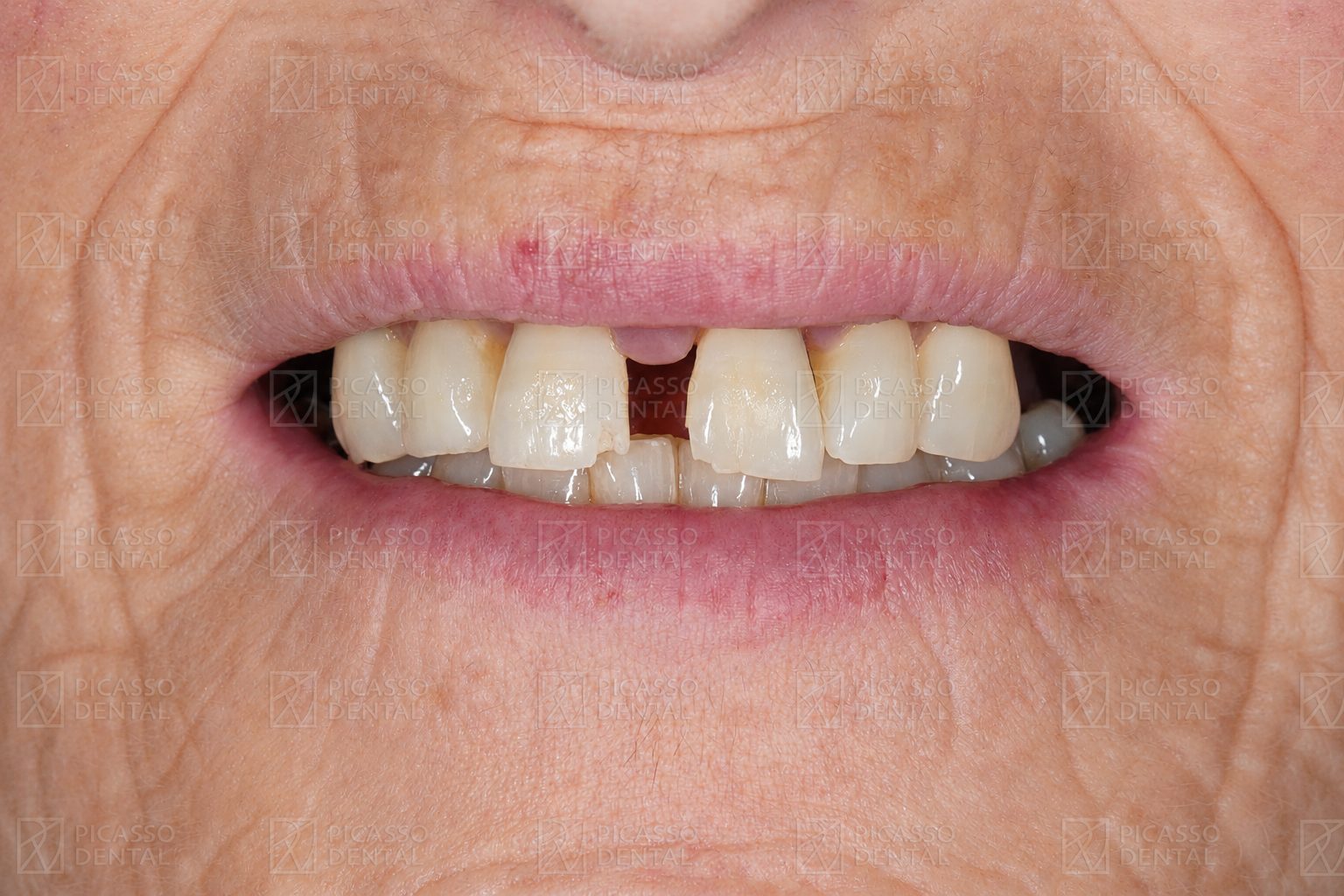 Before
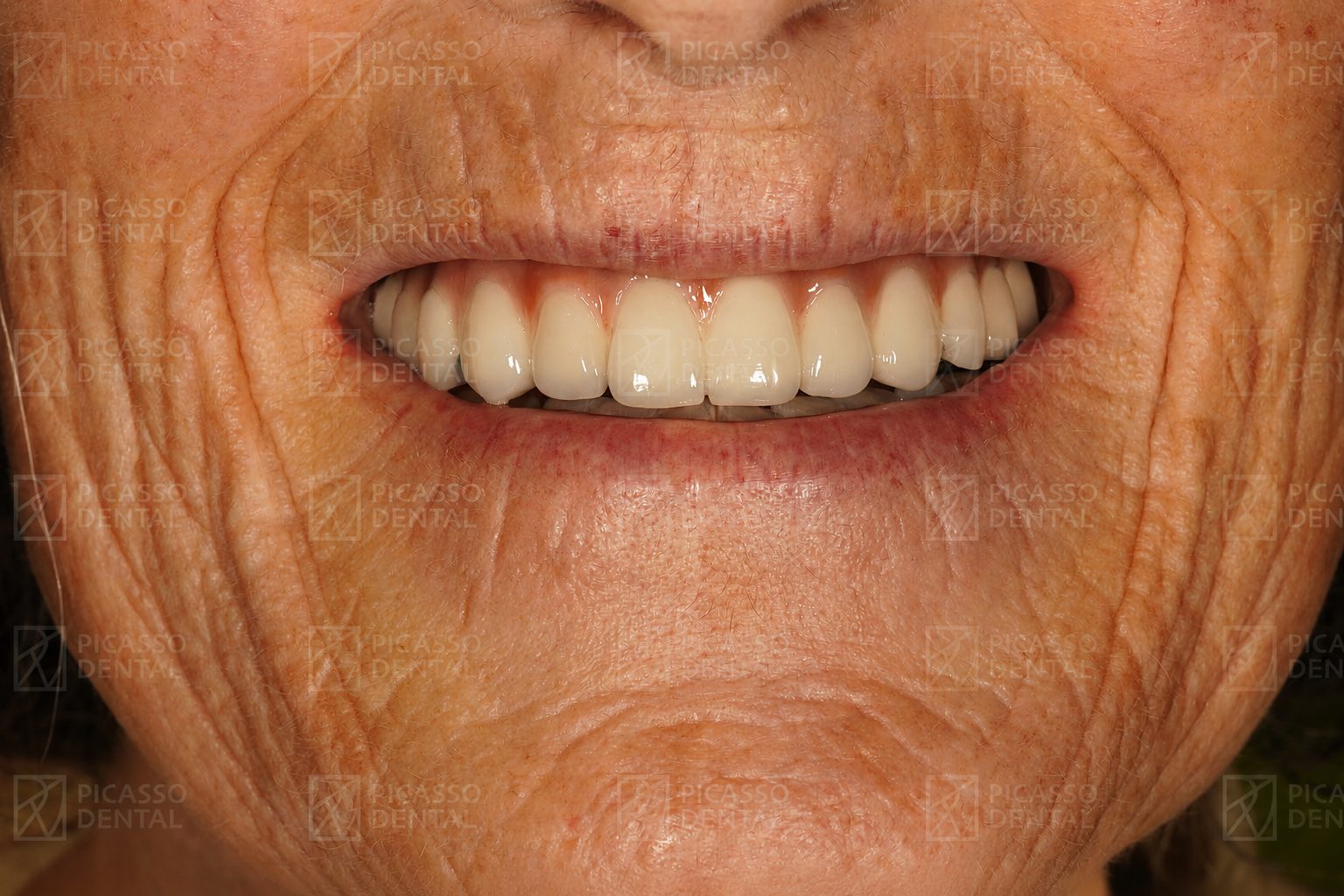 After
AfterCase 38420: Heavy coffee staining treated in a single Zoom session, achieving 7 shades improvement.
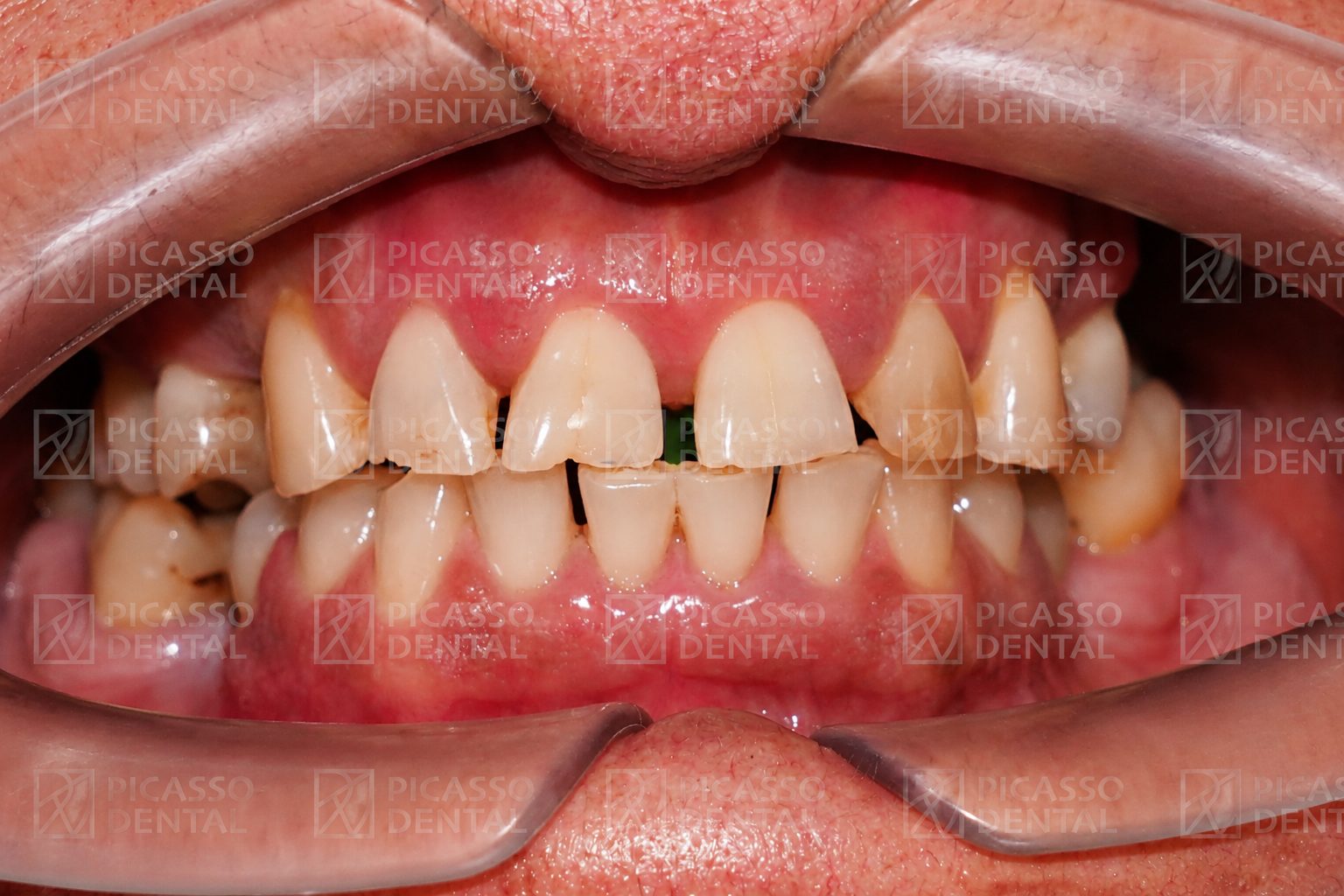 Before
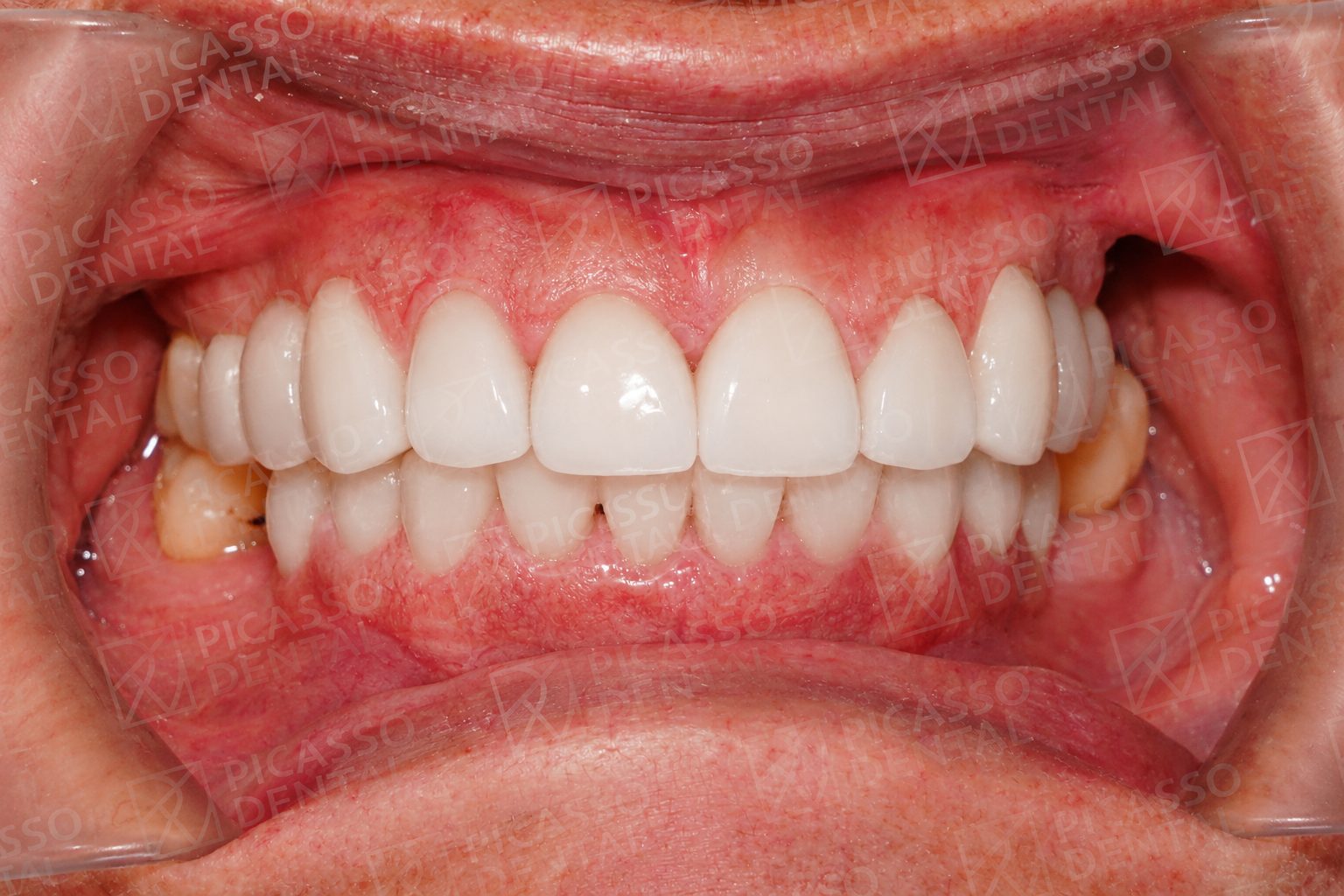 After
AfterCase 40179: Age-related yellowing across upper and lower arch; result stable at 18-month follow-up.
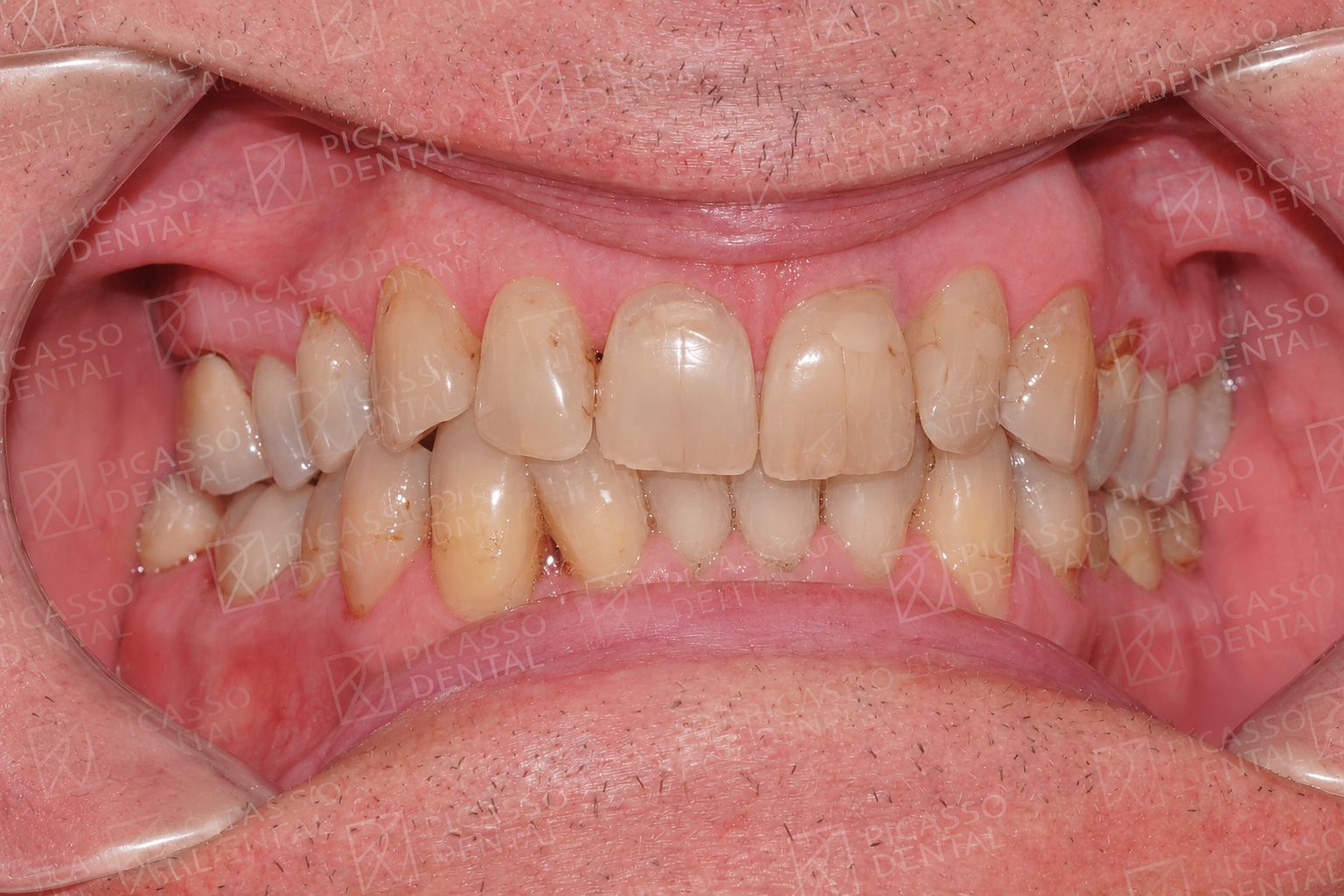 Before
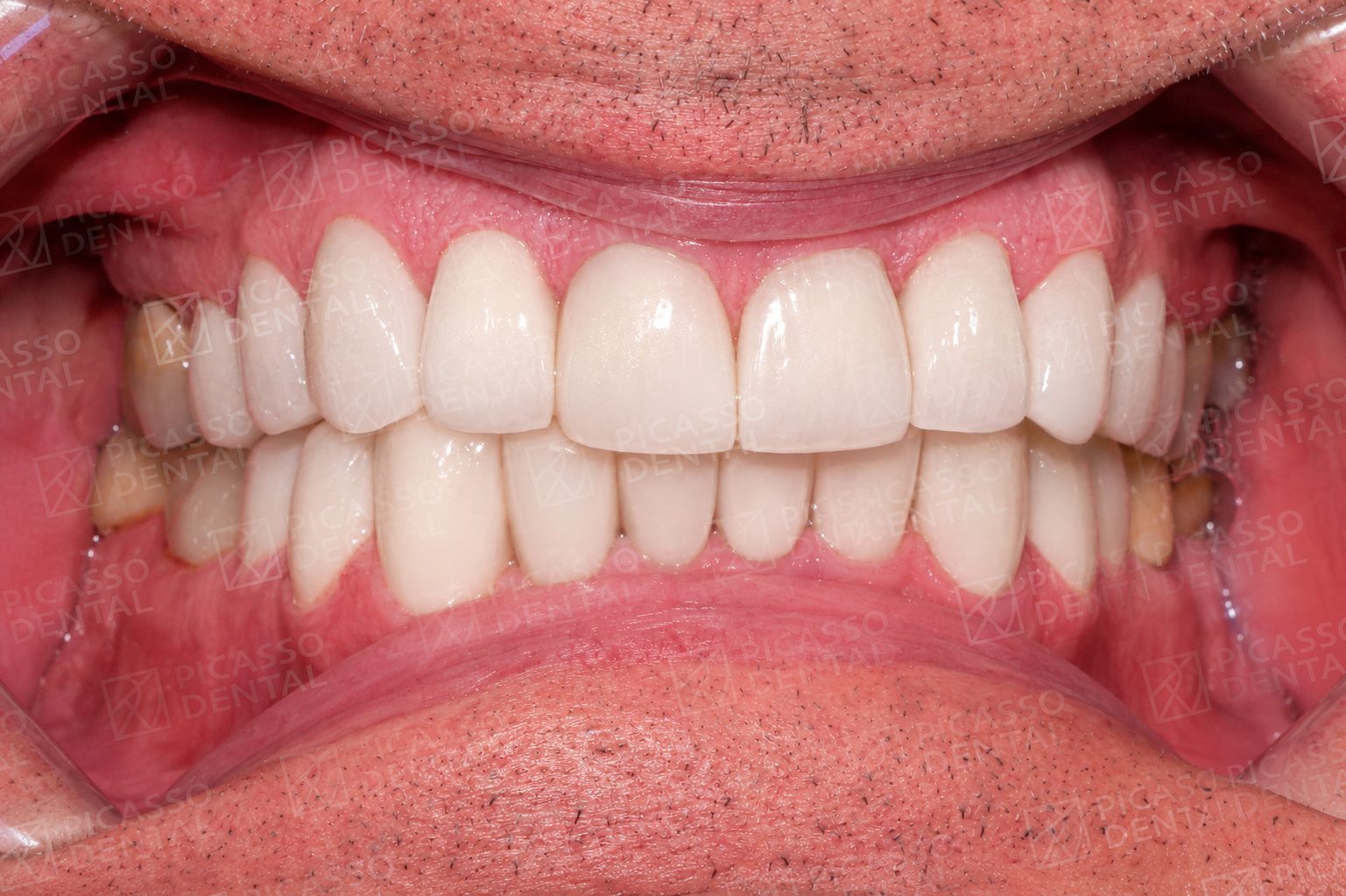 After
AfterCase 41400: Tea and red wine staining, international patient completing treatment during a 3-day Hanoi visit.
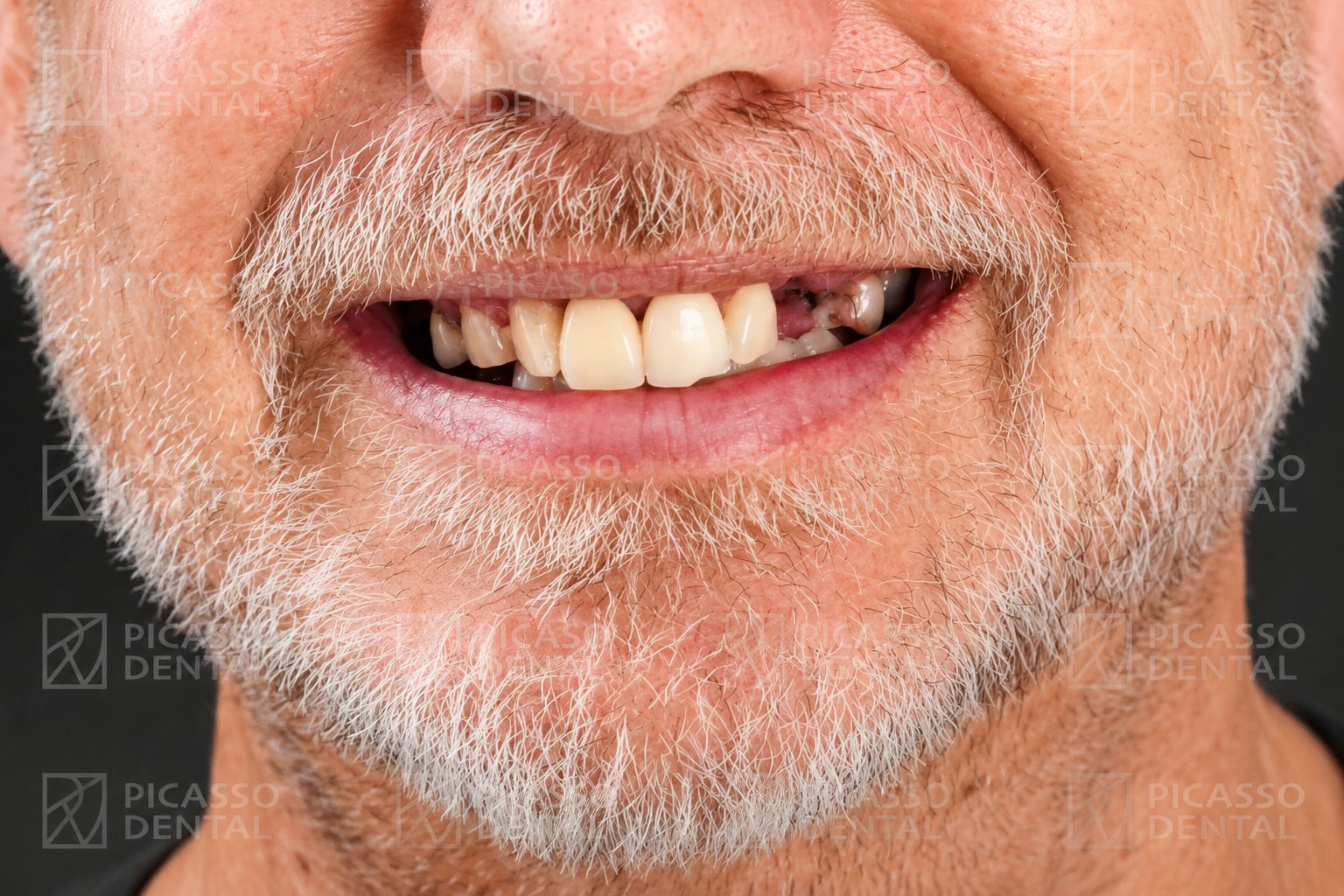 Before
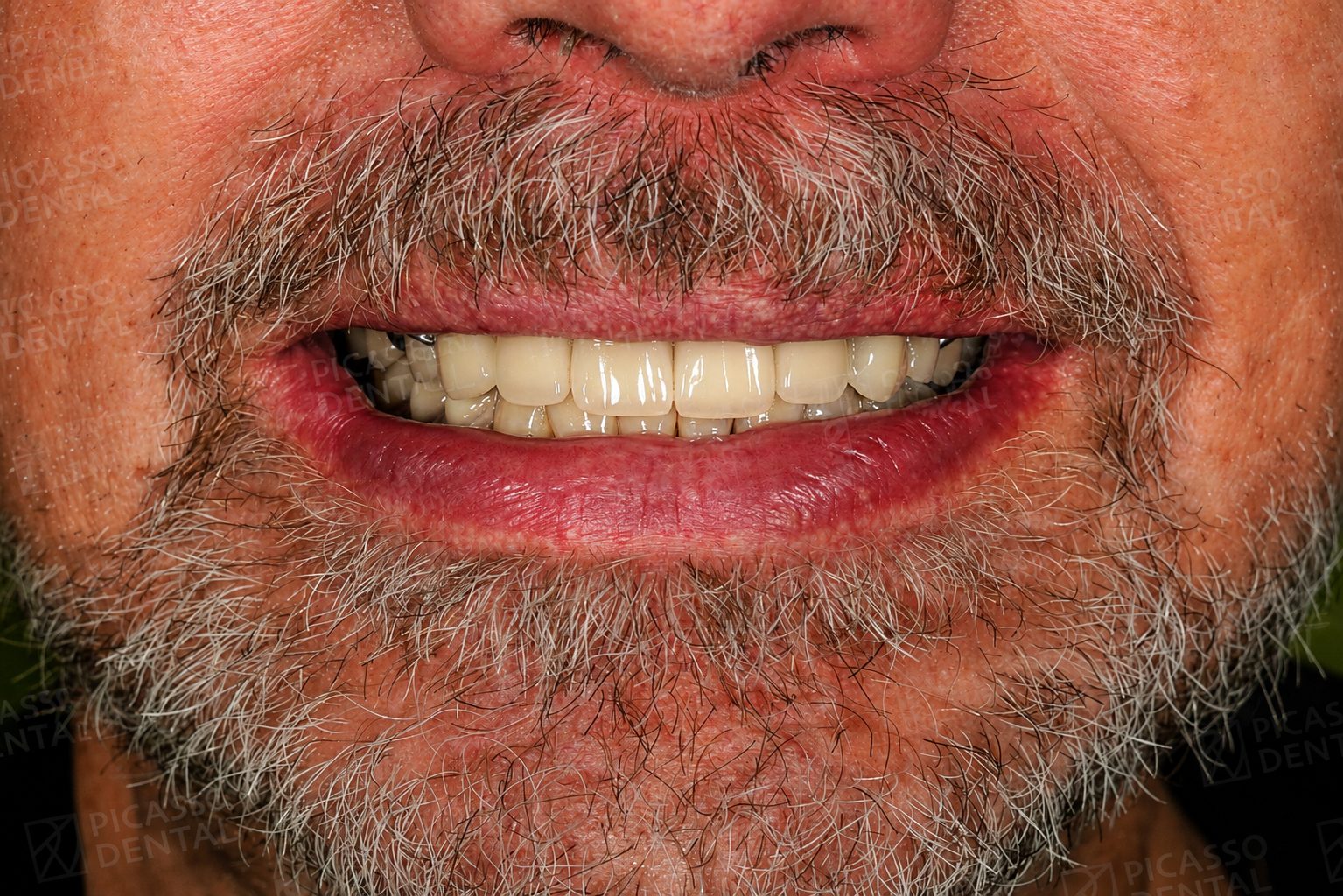 After
AfterCase 42840: Patient with mild fluorosis, 5 shades improvement achievable with modified protocol.
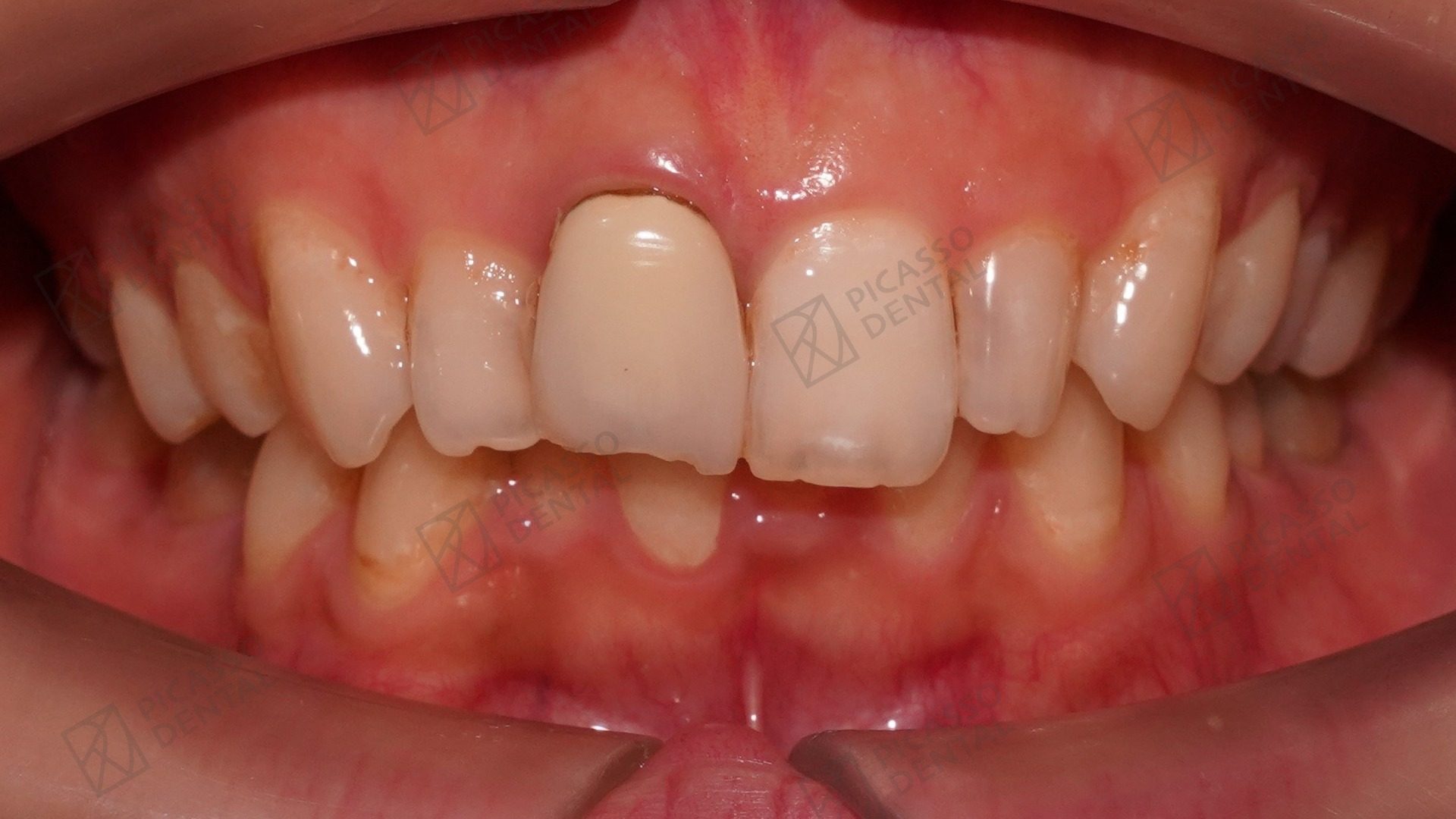 Before
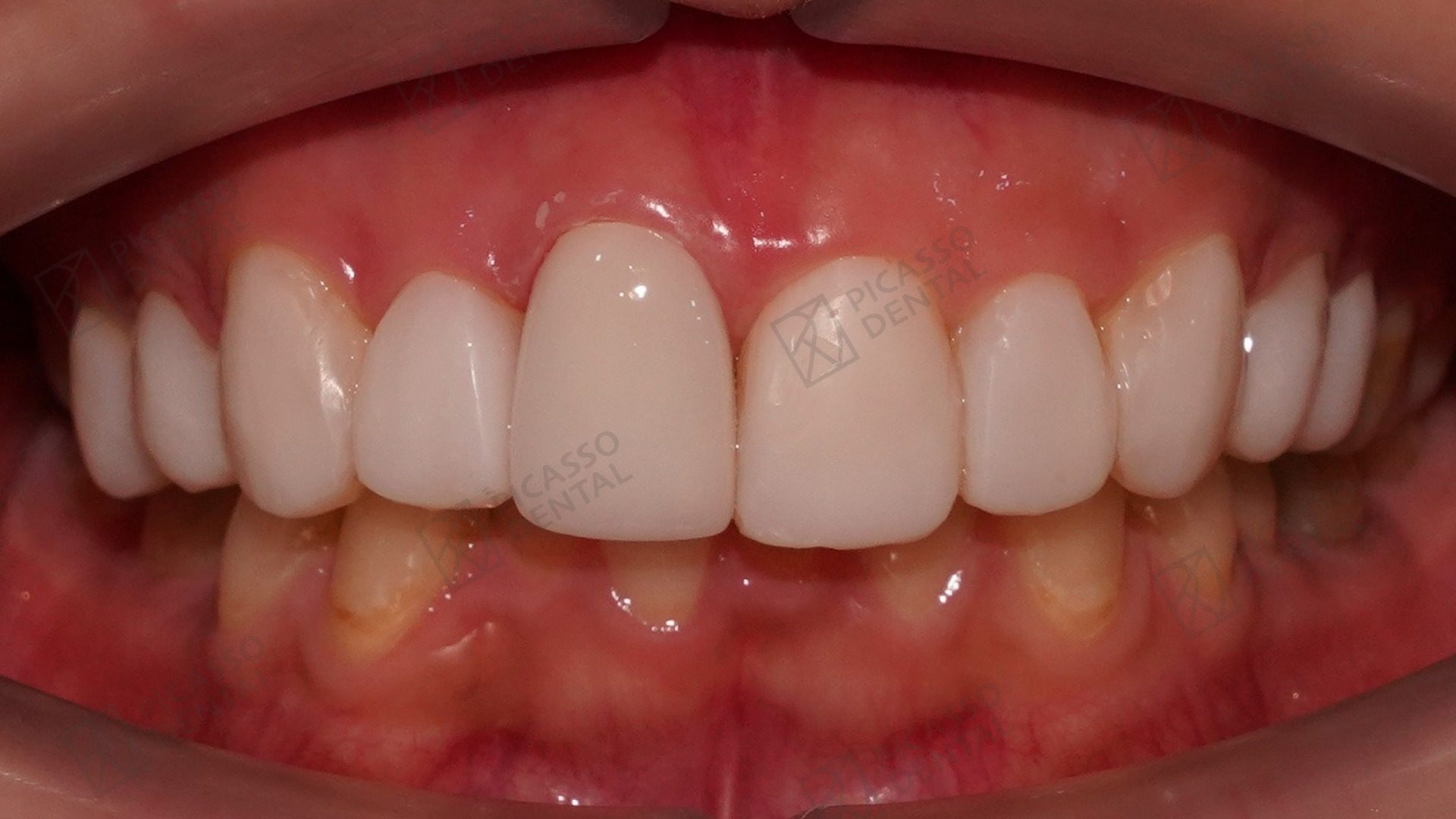 After
AfterCase 46229: General yellowing across the smile, Zoom whitening completed same day as arrival consultation.
Frequently Asked Questions
Is Zoom whitening safe for teeth and gums?
Yes. Zoom whitening uses a hydrogen peroxide gel activated by a specific wavelength of light. The gel is applied only to tooth surfaces, with protective barriers covering gums and soft tissue throughout. The procedure has a well-documented safety record internationally. Temporary sensitivity is the most common side effect and resolves within 24 to 48 hours.
How many shades whiter will my teeth get with Zoom?
Most patients see 6 to 8 shades of improvement in a single 90-minute session. Results depend on your starting shade and stain type. Surface stains from coffee, tea, and wine respond most dramatically. Age-related yellowing also whitens well. Deeper intrinsic staining from tetracycline medication typically responds less dramatically and may require discussion of alternative options.
How long does a Zoom whitening appointment take?
A full Zoom whitening session takes approximately 90 minutes from start to finish. The gel is applied in three or four 15-minute activation cycles. Between each cycle, fresh gel is applied to maximise results. Setup including shade assessment, gum protection, and review at the end accounts for the remaining time.
How long do Zoom whitening results last?
Results typically last one to three years. Diet and lifestyle are the main factors: regular coffee, tea, red wine, or tobacco consumption will cause colour to return sooner. Good oral hygiene, drinking staining beverages through a straw, and occasional touch-up treatments extend results. Many patients schedule a top-up every one to two years.
Who should not have Zoom whitening?
Pregnant and breastfeeding women, children under 16, patients with untreated cavities or active gum disease, patients with many crowns or veneers in visible positions, people with very sensitive teeth or significantly exposed tooth roots, and anyone allergic to peroxide. A pre-treatment examination identifies any contraindications before the session begins.
What is the difference between Zoom whitening and regular professional whitening?
Both use professional-strength hydrogen peroxide gel. Zoom uses a specific light source to accelerate gel activation, allowing more gel cycles in a single appointment and typically achieving more dramatic same-day results. Standard in-clinic whitening without light activation is also effective but may require slightly longer treatment or more sessions to reach equivalent brightness.
Does the Zoom light hurt?
No. The Zoom light is a whitening activation light, not a thermal laser. It does not produce heat at the tooth surface and is not painful during application. Most patients find the experience relaxing and some doze during treatment. The gum barriers applied before treatment ensure the light and gel have no contact with soft tissue.
Start Here
Start with a brief.
Share your current shade and your whitening goal, and we will confirm whether Zoom is the right treatment and what result is realistic for your teeth.