Cosmetic Dentistry
Is Porcelain Veneer Bad
in the Long Run?
An Honest Assessment
Veneers are not inherently bad long-term. But they are permanent, they require maintenance, and they eventually need replacement. Here is what actually goes wrong, and what patients who keep their veneers for decades do differently.

The short version
- Veneers are permanent. Enamel removed during preparation cannot be restored. You are committing to maintaining these teeth with restorations for life.
- The porcelain is not the problem. Long-term complications almost always involve the tooth underneath, the gums, or patient habits, not the veneer material itself.
- Most veneers last 15 to 25 years with good care. Eventually they need replacement, and patients should plan for this from the outset.
- Four habits determine longevity: daily flossing, regular professional cleanings, a night guard if you grind, and not using front teeth as tools.
- Poor candidates have predictable outcomes. Active gum disease, heavy grinding without a guard, and unrealistic expectations about maintenance all reliably produce poor long-term results.
The honest answer to a permanent decision
This concern comes up often at Picasso Dental, and I appreciate the question because it shows a patient thinking carefully before committing to something irreversible. I am Dr. Emily Nguyen, Founding Clinical Director, and I have been placing veneers in Hanoi and Da Nang since 2013.
The honest answer: porcelain veneers are not inherently bad long-term. The porcelain itself is durable, stain-resistant, and biocompatible. The complications I see in long-term cases almost never originate in the veneer material. They originate in the tooth underneath it, the gums surrounding it, or the patient's habits over the years since placement.
What makes this question important is that veneers are irreversible. A small amount of enamel is removed during preparation to create space for the shell. That enamel does not grow back. Once you have veneers, you will always need some form of restoration on those teeth. Patients who understand this and plan accordingly do well. Patients who do not are the ones who feel disappointed with their long-term outcome.
What "long run" actually means with veneers
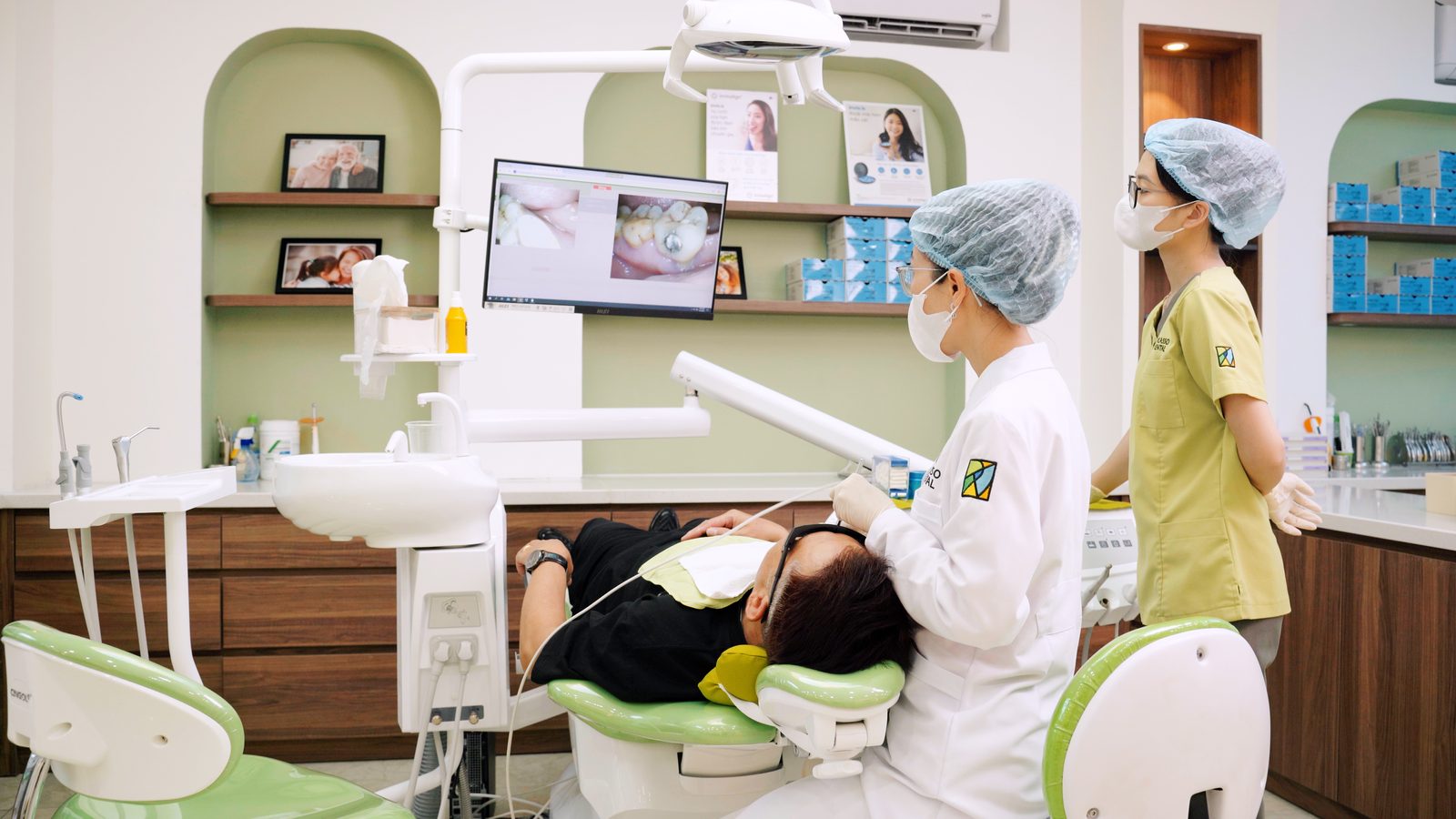
When I discuss long-term outcomes with patients, I am talking about timelines of 15 to 30 years. A patient getting veneers at 25 will likely need them replaced two to three times over their lifetime. Someone getting veneers at 55 may only need one replacement, if any. Neither scenario is bad. It is simply realistic planning that most patients are not given before they commit.
Porcelain veneers last 15 to 25 years on average with proper care. I have patients wearing veneers placed in our early years who still look excellent. Their veneers are still well-bonded, the colour is stable, and the gum margins are clean. These patients share specific habits, which I will come to. The point is that longevity is achievable. It is not automatic.
"I had 2 veneers done here in 2017 and my Canadian dentists still comment on how good they look."
Josie Evans, Hanoi Old Quarter, Google review
What actually goes wrong long-term
The four failure modes I see in clinical practice, in rough order of frequency:
Decay at the margin
The margin is the line where the veneer meets your natural tooth, typically at or just below the gumline. If plaque accumulates there consistently because the patient is not flossing, bacteria produce acid that dissolves the enamel at that junction. The veneer itself looks perfect on the surface while decay progresses underneath. By the time it is visible or symptomatic, it has often compromised the entire restoration.
This is preventable. It requires flossing every day. Patients who ask me why their veneers failed after eight years have almost always stopped flossing within the first two.
Gum recession
As you age, gums naturally recede slightly. When recession exposes the margin of the veneer, a visible line appears where the darker tooth root meets the edge of the porcelain. The veneer is still intact. The aesthetic problem is the exposed root below it. Mild recession is manageable. Significant recession, particularly in patients who brush aggressively or have had periodontal disease, can make the result look much worse over time.
Debonding
The bond between veneer and tooth can fail if subjected to repeated excessive force. Habitual nail biting, ice chewing, opening packages with teeth, or grinding without a night guard all apply forces that exceed what the adhesive is designed to withstand over time. Debonding is uncommon with modern ceramics and adhesive systems when biting habits are reasonable. When biting habits are destructive, it is a matter of when, not if.
Chipping at the incisal edge
The incisal edge, the biting tip of the veneer, is the thinnest point and most exposed to impact. Porcelain can chip there if struck directly. This is relatively uncommon in everyday use but becomes a real risk for patients who use their front teeth as tools or eat hard foods habitually. A chipped veneer can sometimes be repaired with composite resin. A significantly fractured one needs replacement.
What patients with thriving veneers do differently
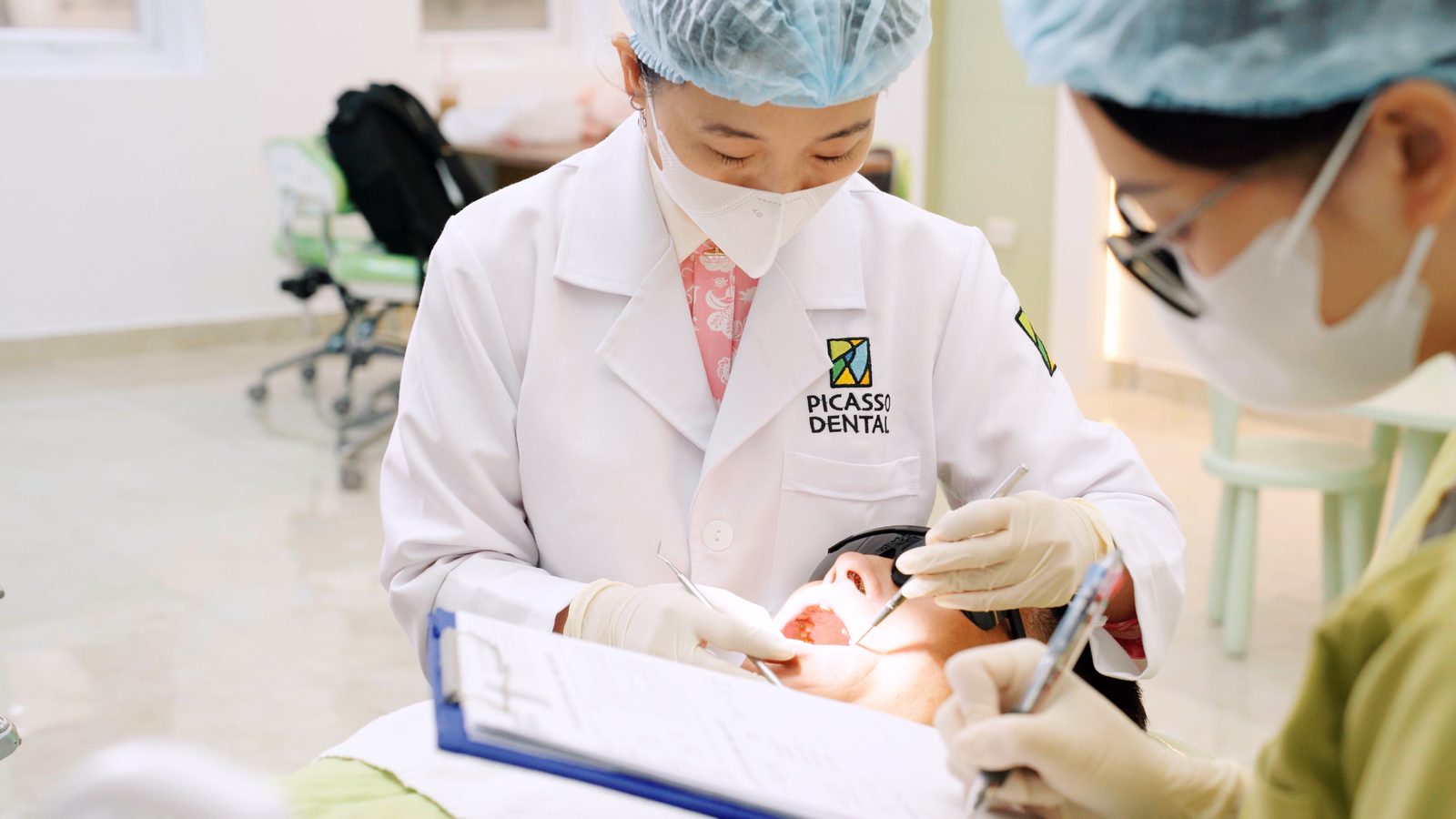
Having followed patients for over a decade, the pattern in those whose veneers still look excellent is consistent.
- Daily flossing without exception The margin is the most vulnerable point of the restoration. Flossing removes plaque from the margin before it has time to cause decay. Patients who skip this step are the ones I end up replacing veneers for earlier than expected.
- Six-monthly professional cleanings Regular cleanings remove calculus that forms at the margin regardless of home hygiene, and allow me to check bond integrity, gum health, and any early signs of margin failure at an interval when intervention is still straightforward.
- A custom night guard if they grind or clench Bruxism is the single biggest mechanical threat to veneers. A custom-fitted hard acrylic guard distributes force across all teeth rather than concentrating it on the porcelain edges. Patients who grind and wear their guard consistently rarely experience veneer fracture or debonding.
- Not using front teeth as tools Opening packages, biting thread, chewing ice, gnawing pen caps. Every one of these applies lateral or impact forces to the incisal edge that normal chewing does not. Patients who stop these habits after getting veneers almost never chip them. Patients who continue usually do.
"I was so nervous about losing too much of my natural teeth. She was so gentle and precise. I was amazed by how much of my natural teeth were preserved."
Earthy Acts, Hanoi Old Quarter, 4 crowns and 4 veneers, Google review
The replacement reality
Eventually, most veneers need replacement. This is not a failure. It is the normal lifecycle of a dental restoration, the same way a crown or a filling has a finite lifespan. What matters is that patients understand this before they commit, not ten years afterwards.
The first replacement is typically straightforward. I remove the old veneer, clean the prepared surface, take new impressions, and bond a fresh veneer. If the underlying tooth is healthy and the margin was maintained well, the tooth structure remains largely intact.
Second and third replacements are more complex. Each removal risks removing a small additional amount of tooth structure along with the old veneer. After multiple replacements over decades, some teeth have insufficient remaining enamel to support another veneer. At that point a crown becomes necessary. This progression is not alarming, but patients should know it exists.
Your age at first placement matters. A 25-year-old committing to veneers is committing to 60-plus years of restoration maintenance. That is a reasonable commitment with the right expectations and habits. Without them, the compounding effect of neglect accelerates the progression significantly.
Who should not get veneers
Some situations reliably produce poor long-term outcomes regardless of the quality of the initial work.
Good long-term candidates
- Healthy gums with no active periodontal disease
- Adequate enamel remaining for preparation and bonding
- Stable bite with no significant grinding
- Willing to floss daily and attend regular cleanings
- Understands replacement is inevitable over a lifetime
- Age 18 or older, jaw development complete
Poor long-term candidates
- Active gum disease or untreated decay at time of placement
- Very thin or minimal remaining enamel
- Heavy grinder who refuses or cannot tolerate a night guard
- Expects veneers to eliminate the need for oral hygiene
- Wants to avoid maintenance and replacement costs long-term
- Under 18 or jaw growth not yet complete
Patients with active gum disease should not get veneers until their gums are healthy. Placing veneers over inflamed or receding gums guarantees a compromised result almost immediately and accelerates the margin decay timeline significantly.
Heavy grinders face a harder choice. Night guards mitigate the risk substantially, but some patients cannot tolerate wearing them or stop after a few weeks. If you grind significantly and will not wear a guard, veneers carry a meaningfully higher risk of mechanical failure and should be discussed carefully before committing.
Not sure if you are a good candidate? Send photos and your dental history and a licensed dentist will give you an honest assessment within 24 hours. No obligation.
Get an assessment →Before and after: real veneer cases at Picasso Dental
Results from real patients treated by Dr. Emily Nguyen and the Picasso Dental cosmetic team across Hanoi, Da Nang, and Ho Chi Minh City.
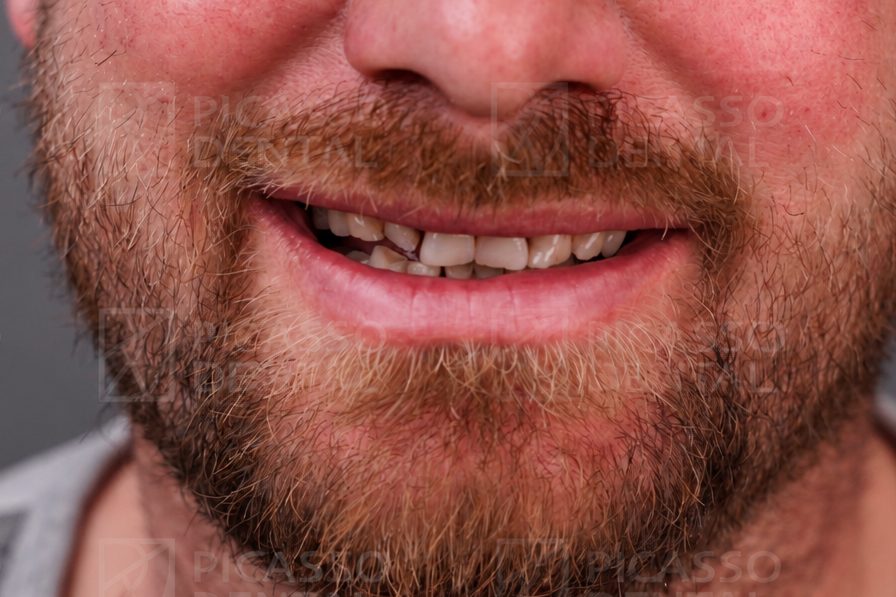 Before
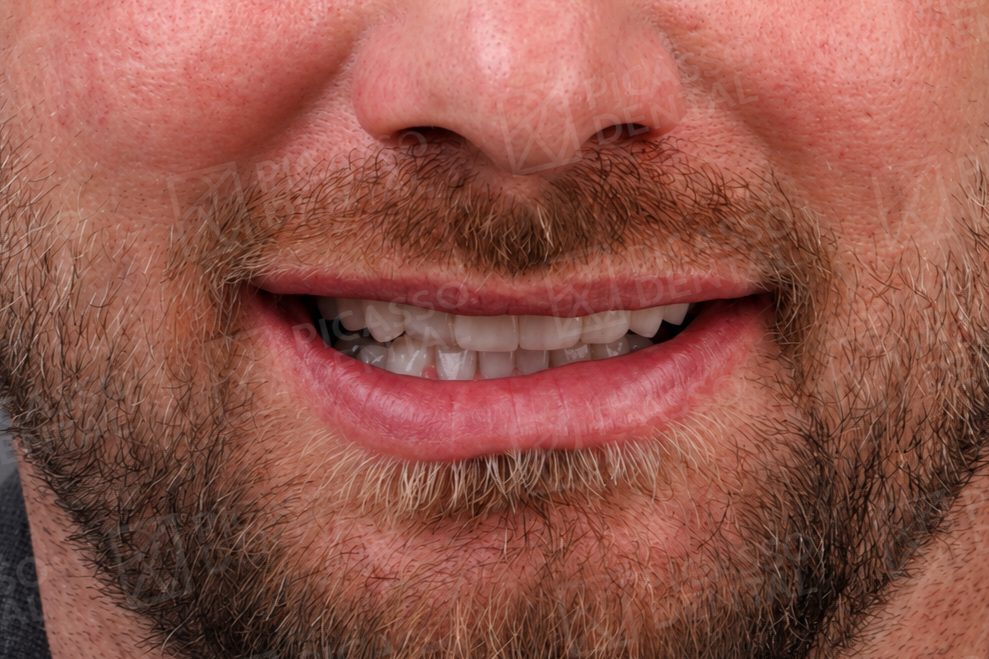 After
AfterSmile makeover, 8 porcelain veneers, Hanoi Old Quarter
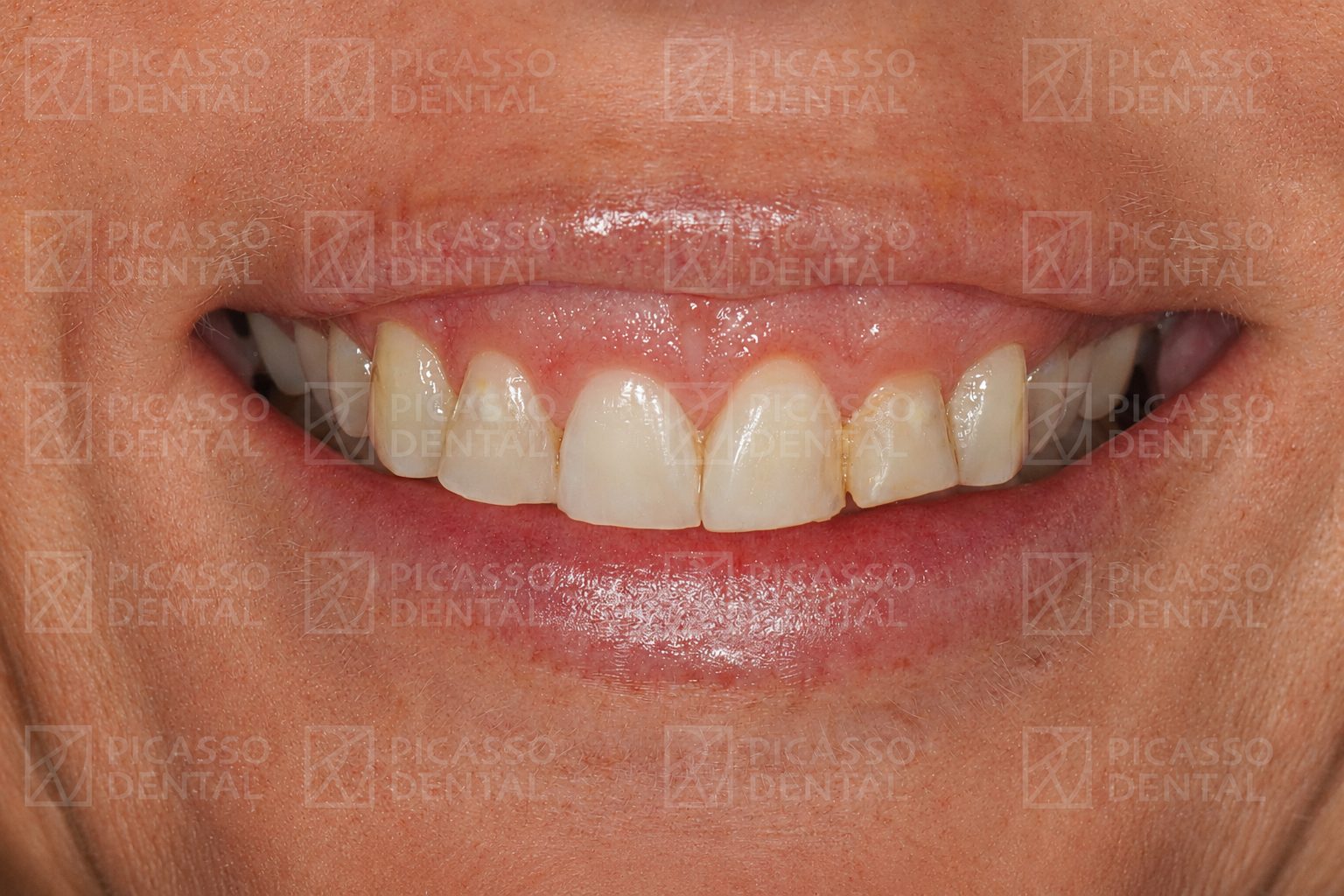 Before
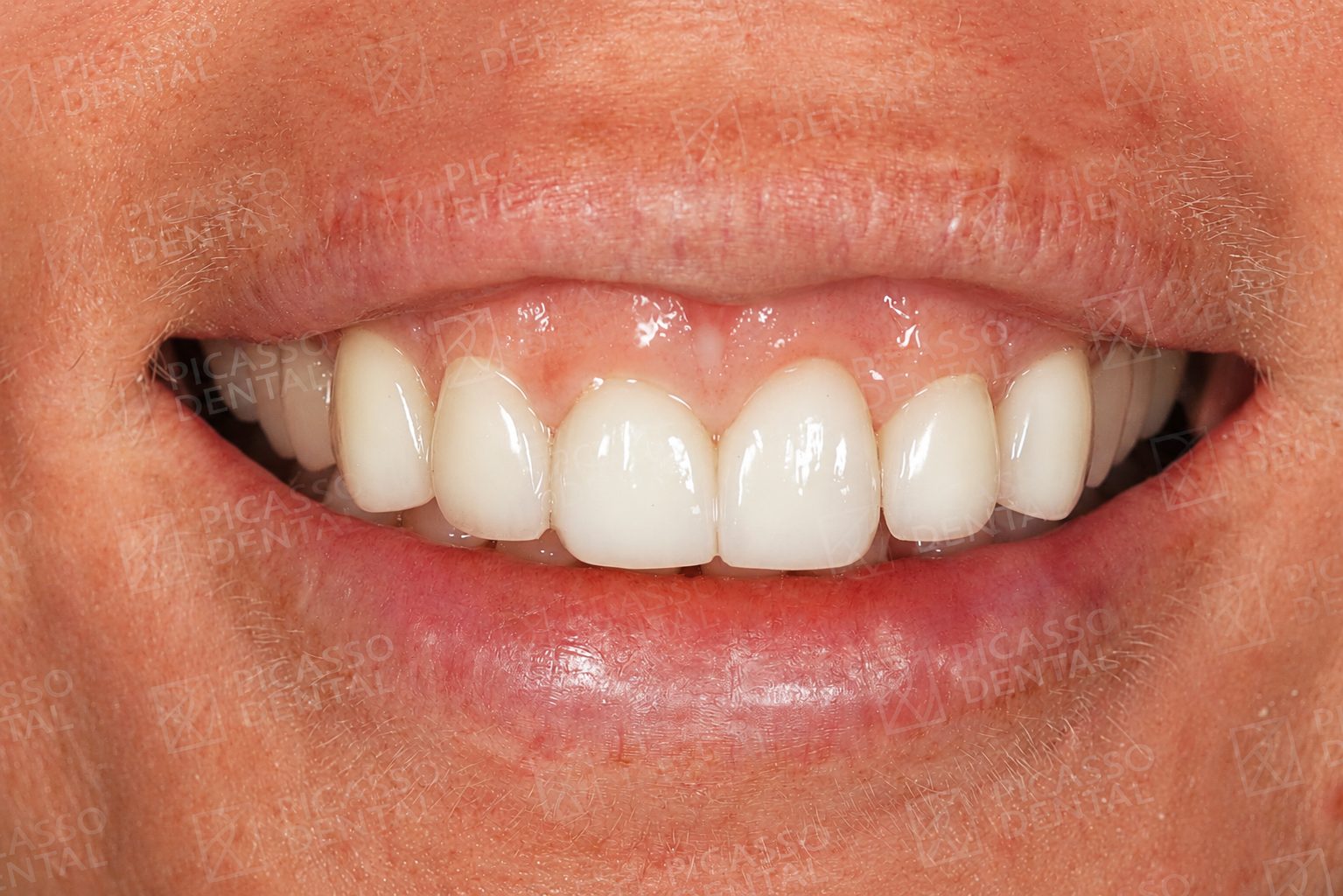 After
AfterFull veneer set, Da Nang
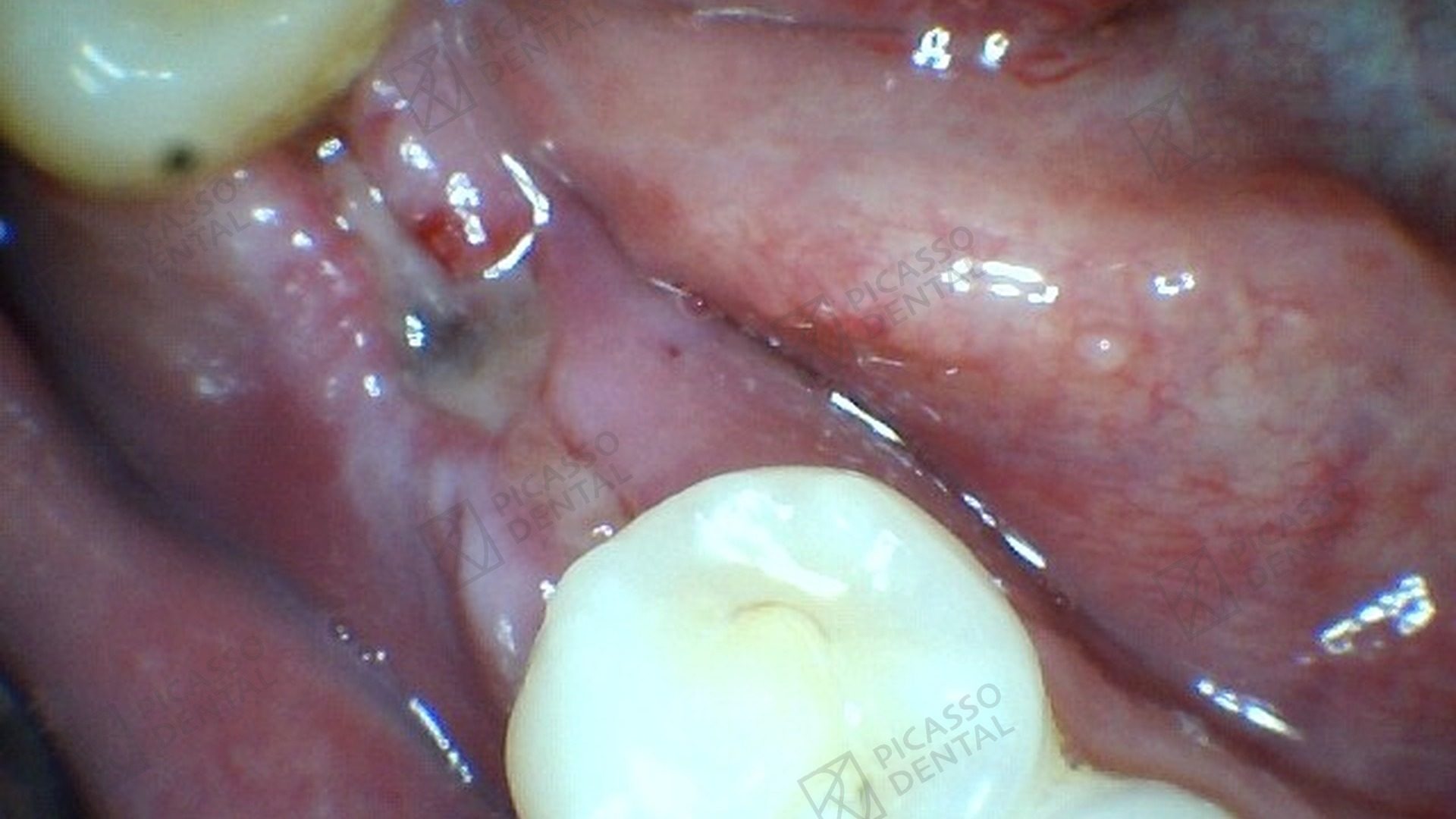 Before
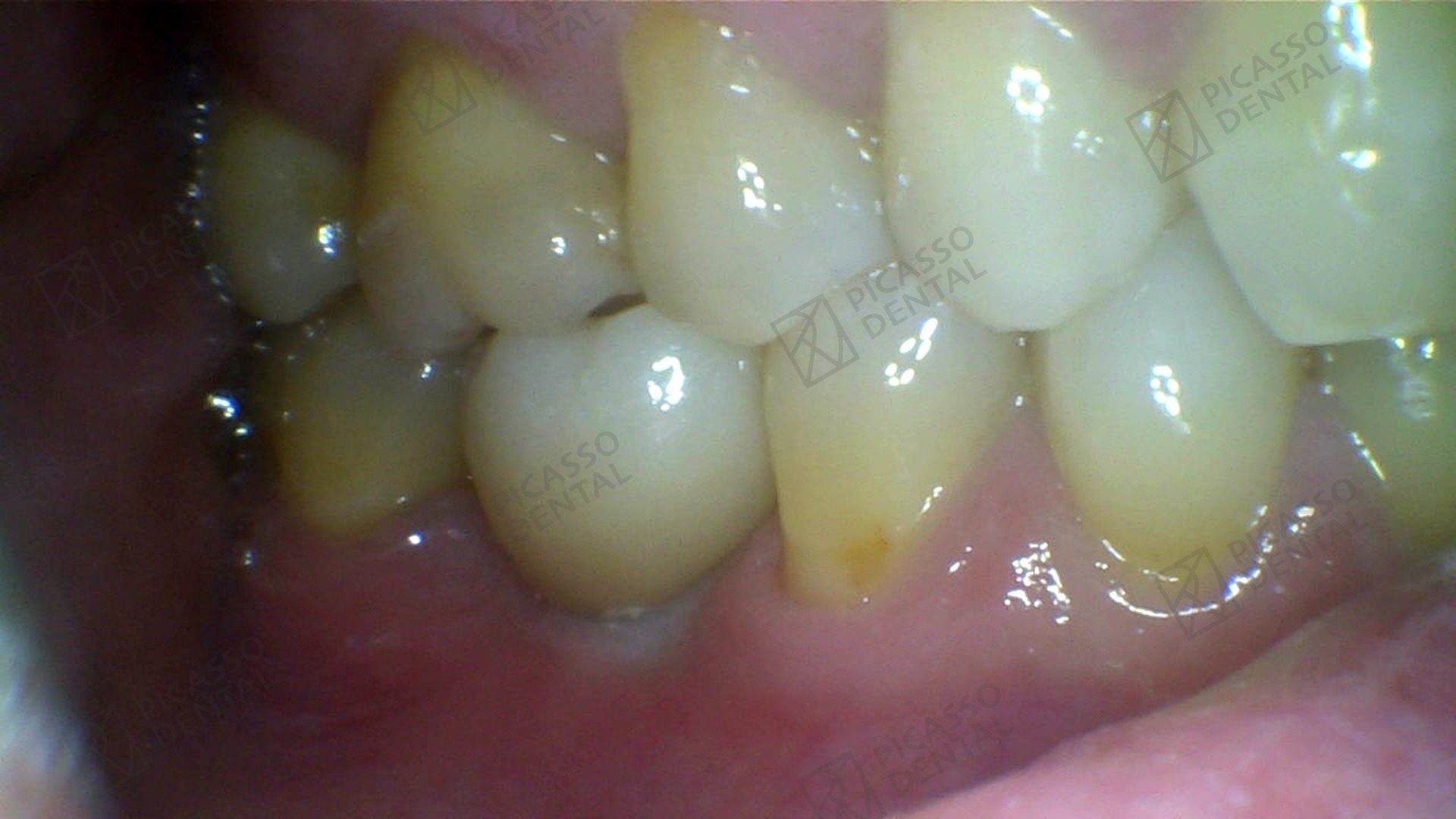 After
AfterPorcelain veneers, Hanoi Old Quarter
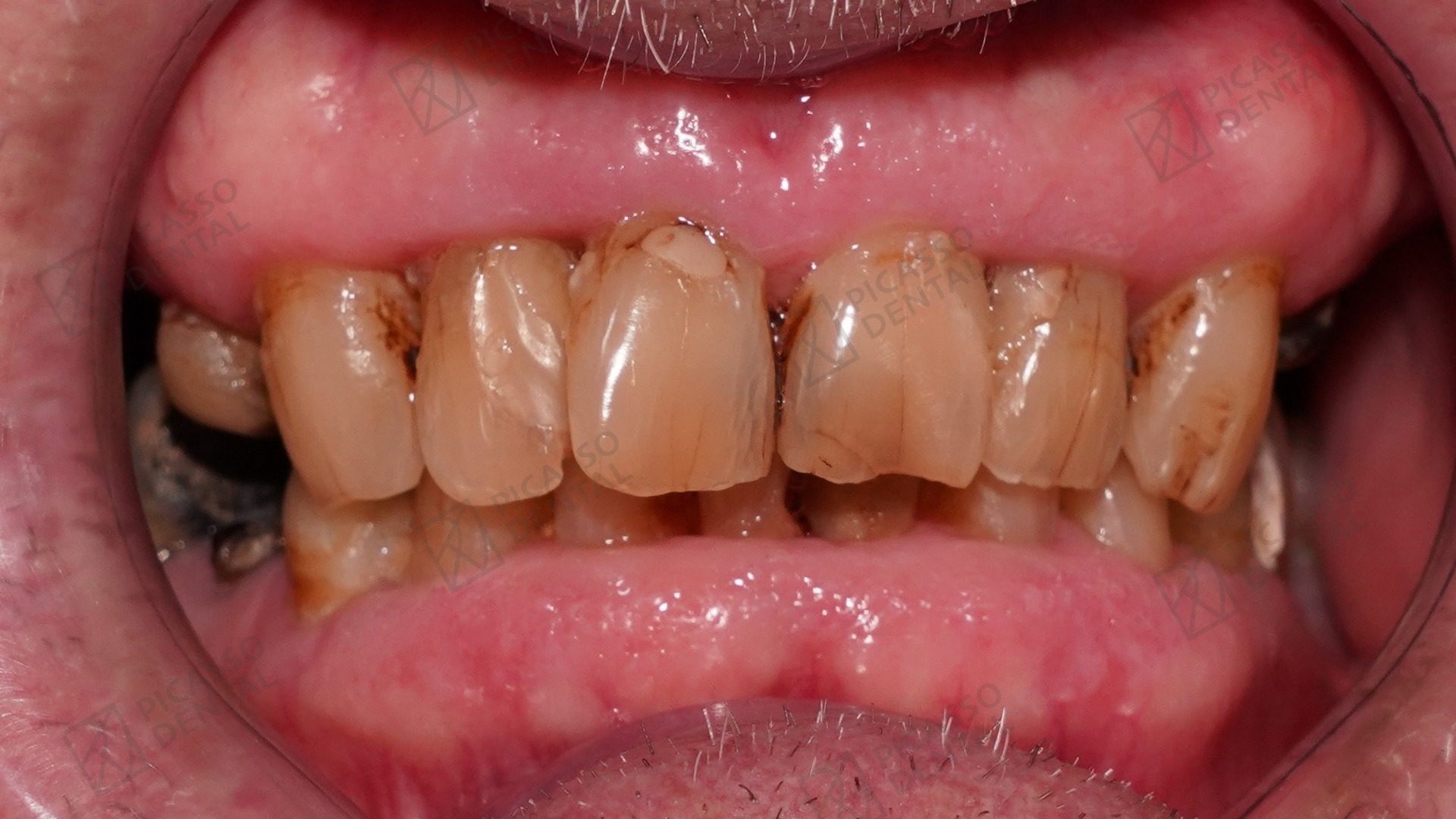 Before
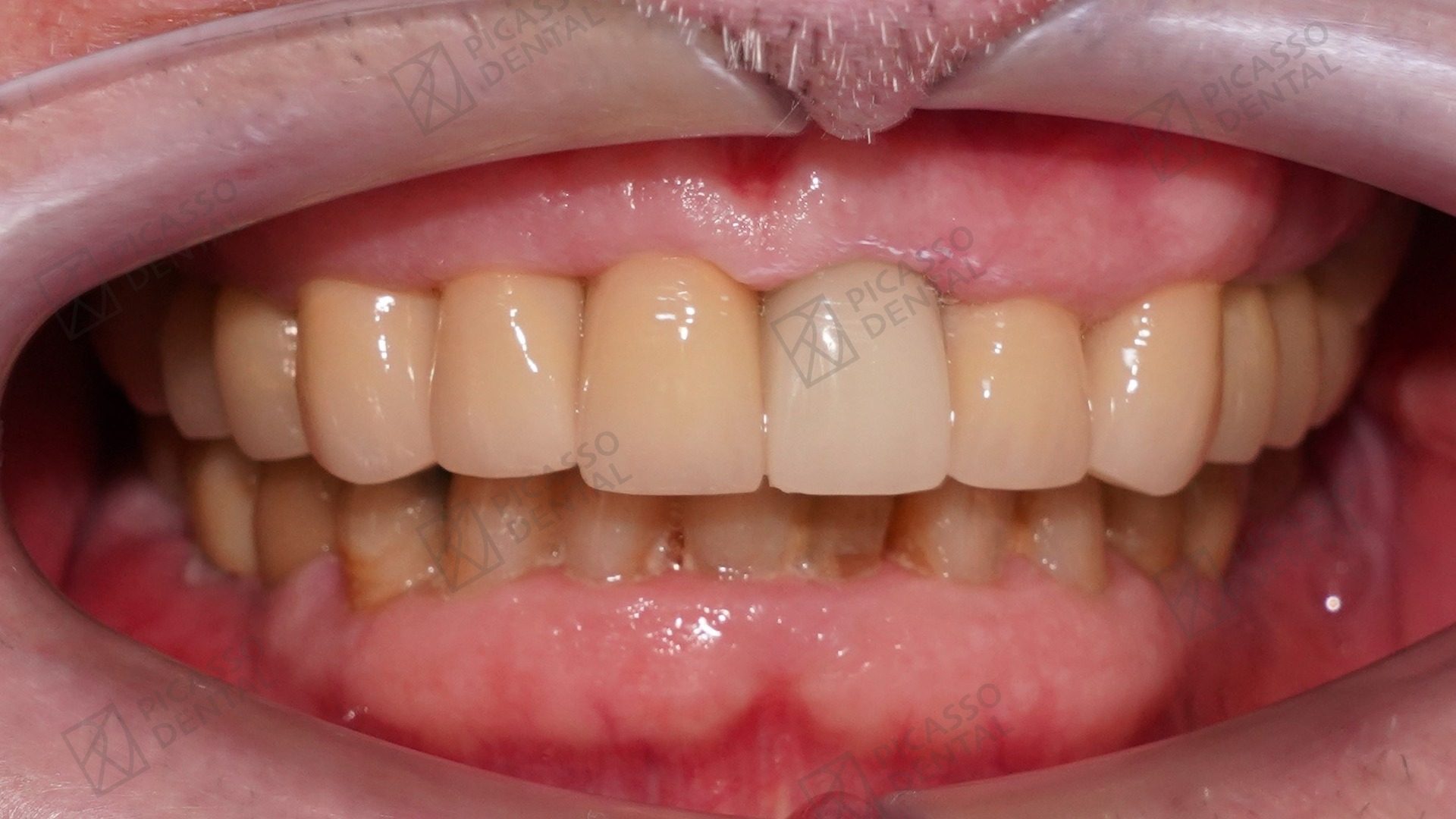 After
AfterCosmetic veneers, Da Nang
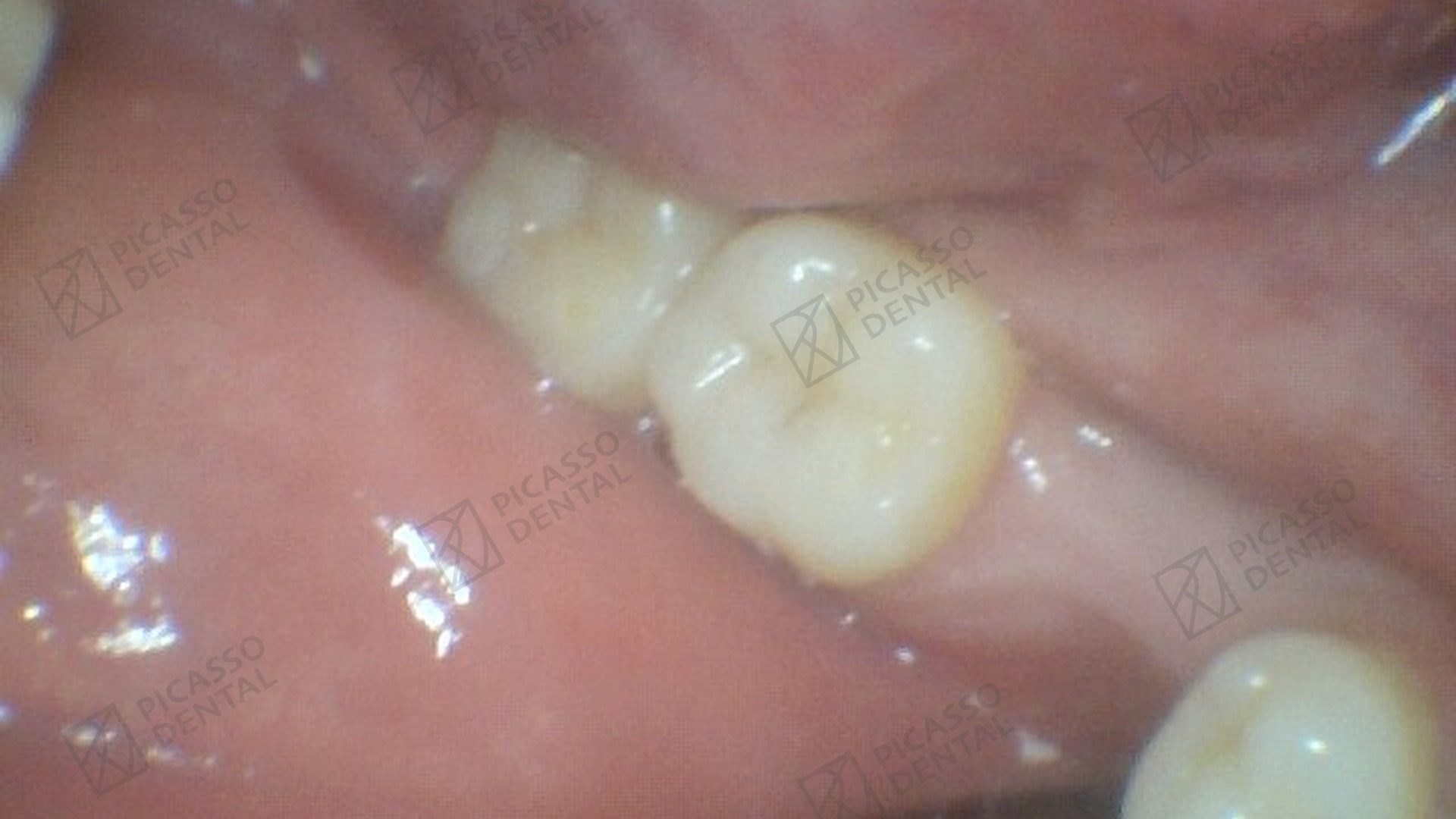 Before
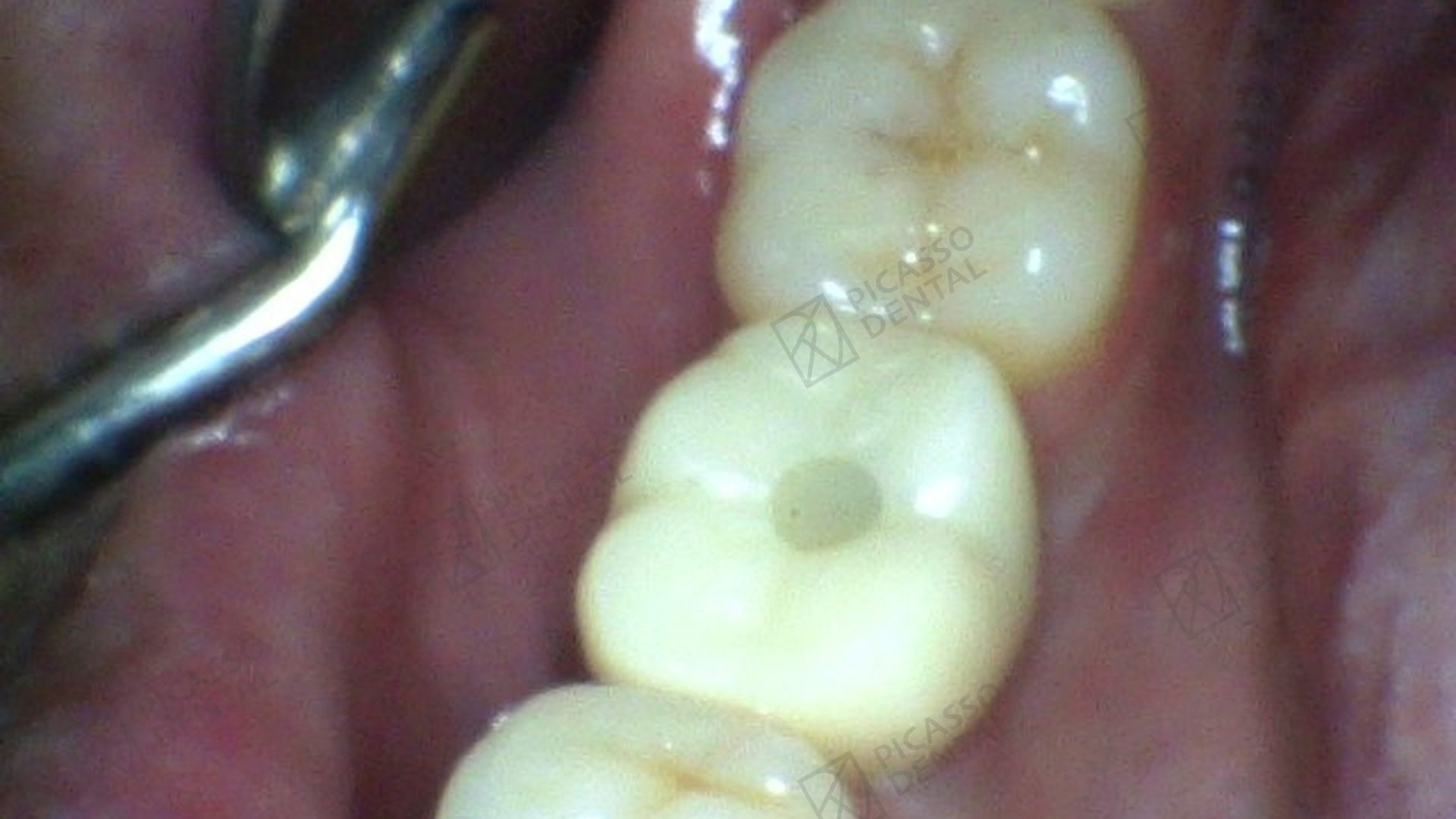 After
AfterSmile makeover, HCMC Thao Dien
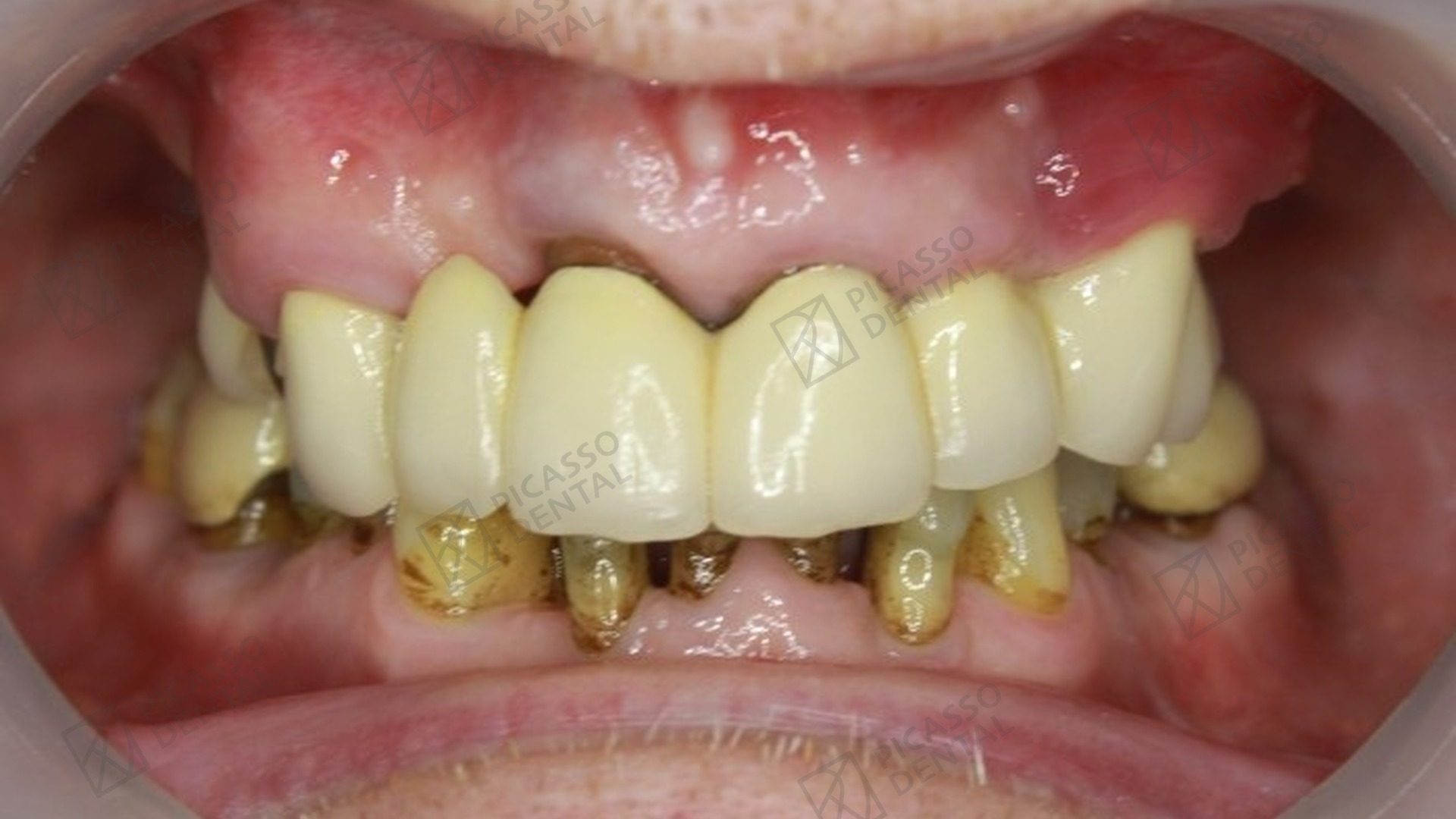 Before
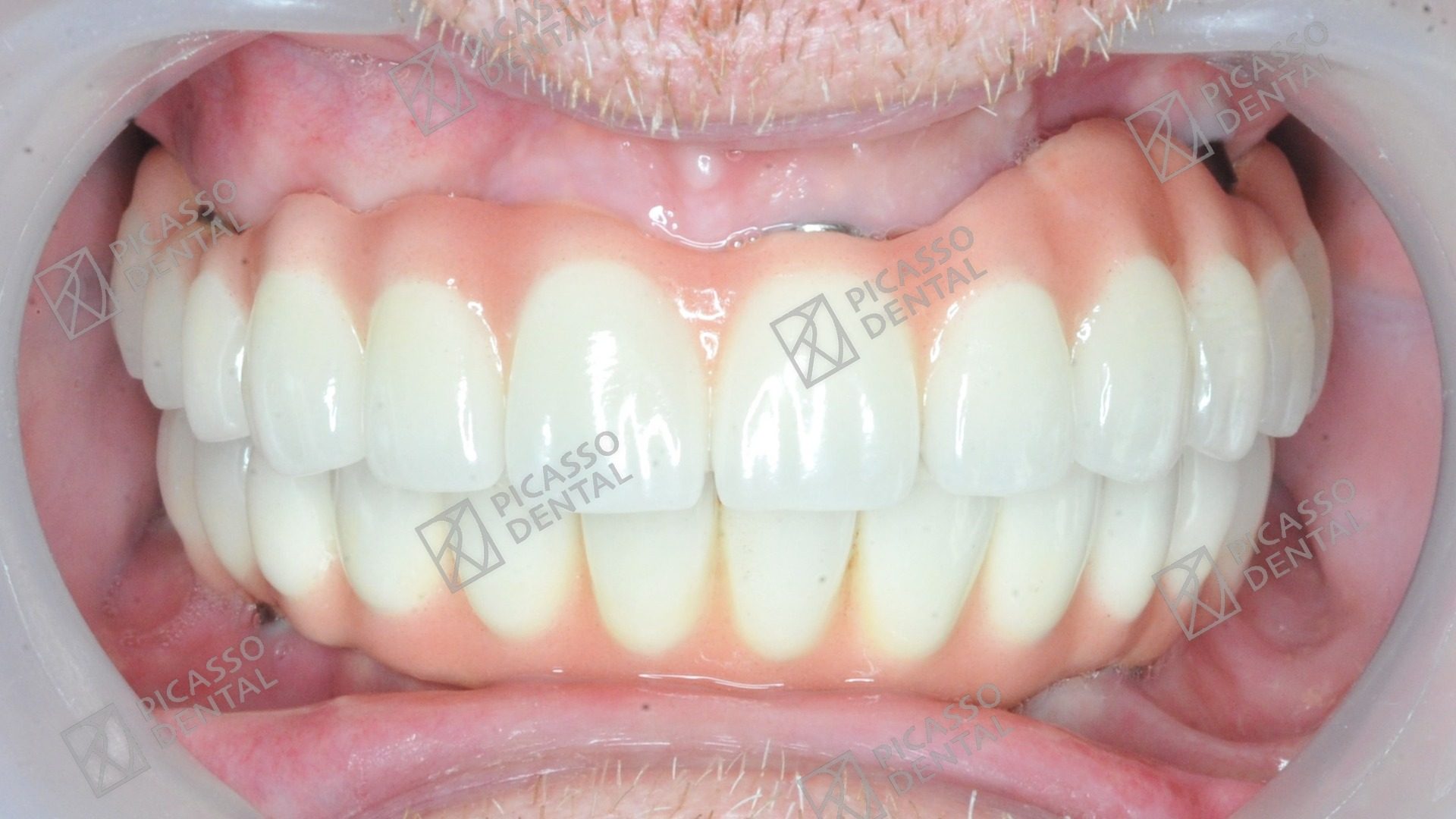 After
AfterVeneers and crowns combined, Hanoi Old Quarter
Frequently asked questions
Are porcelain veneers bad for your teeth long term?
Not inherently, but they are permanent modifications. Enamel removed during preparation cannot be restored, so you are committing to maintaining those teeth with restorations for life. The porcelain itself is durable and stain-resistant. The complications I see in long-term cases almost always originate in the tooth underneath or in patient habits, not in the veneer material. Patients who floss daily, attend regular cleanings, and wear a night guard if they grind keep their veneers looking and functioning well for 15 to 25 years.
How long do porcelain veneers last?
With proper care, 15 to 25 years on average. Some patients wear veneers placed over a decade ago that still look excellent. The limiting factors are the health of the tooth underneath, gum recession over time, and whether the patient grinds. Veneers do eventually need replacement, and patients should plan for this from the outset. The first replacement is typically straightforward; later replacements become more complex as tooth structure is used over multiple procedures.
Can porcelain veneers be removed?
No. Once placed, veneers cannot be removed and the tooth returned to its natural unrestored state. Enamel is removed during preparation to create space for the porcelain shell. If a veneer is removed, the tooth must always be restored with a new veneer or crown. This is the most important commitment patients need to understand before proceeding. It is irreversible.
What are the main long-term risks of porcelain veneers?
The four main long-term risks are decay at the margin where veneer meets tooth (preventable with daily flossing and regular cleanings); gum recession over time that exposes the veneer edge; debonding if subjected to excessive force from grinding or aggressive biting habits; and chipping or cracking at the incisal edge from impact. None of these are inevitable. They are strongly correlated with oral hygiene discipline, bruxism, and diet habits.
Do veneers cause sensitivity?
Some patients experience temporary sensitivity in the days after placement as the tooth adjusts. This usually resolves within one to two weeks. Long-term sensitivity appearing years after placement is a signal to investigate: it can indicate decay at the margin, a failing bond, or gum recession exposing the tooth root. Sensitivity that develops well after placement should always be checked by a dentist promptly rather than monitored and hoped away.
Who is not a good candidate for porcelain veneers?
Poor candidates include patients with active gum disease or untreated decay, heavy grinders who cannot tolerate a night guard consistently, patients with very little remaining enamel, and patients with unrealistic expectations about maintenance. Patients under 18 should wait until jaw development is complete. Anyone who expects veneers to reduce or eliminate oral hygiene requirements will see poor long-term results regardless of the initial quality of the work.
How many times can veneers be replaced?
Most patients can have veneers replaced two to three times over a lifetime. Each replacement risks removing a small additional amount of tooth structure. After multiple replacements, insufficient natural tooth may remain to support another veneer, at which point a crown becomes necessary. This progression is manageable with good care but patients need realistic expectations about it from the start, particularly younger patients getting veneers in their 20s.
What porcelain brand does Picasso Dental use for veneers?
We use Ivoclar Vivadent IPS e.max press ceramic. It is a lithium disilicate widely regarded as the benchmark material for anterior veneers: high translucency that mimics natural enamel, flexural strength around 400 MPa, and excellent long-term colour stability. Patients receive documentation specifying the brand and shade at the time of treatment.
What is the difference between veneers and crowns?
A veneer covers only the front surface of the tooth and requires minimal reduction, typically 0.5 to 0.7mm of enamel. A crown encases the entire tooth and requires more significant reduction on all sides. Veneers are preferred when tooth structure is largely intact and the goal is cosmetic improvement. Crowns are necessary when there is significant structural damage, after root canal treatment, or when insufficient enamel remains for a veneer to bond effectively.
Is it worth getting porcelain veneers in Vietnam?
For patients who understand the commitment and have good underlying dental health, yes. The saving versus Australia or the UK is 60 to 75 percent using the same Ivoclar e.max ceramic and equivalent preparation technique. The quality of the outcome depends on the skill of the clinician and the lab, not on the country. At Picasso Dental, veneers are placed by Dr. Emily Nguyen, Founding Clinical Director, who has been placing veneers in Hanoi and Da Nang since 2013. See our porcelain veneers page for current pricing.
How do I make porcelain veneers last as long as possible?
Four habits account for the majority of long-term veneer success: daily flossing to prevent margin decay; six-monthly professional cleanings to catch early issues; a custom night guard if you grind or clench; and not using front teeth as tools (opening packages, biting thread, chewing ice). Patients who do all four consistently are the ones still wearing beautiful veneers ten or fifteen years after placement.
Patient Video Testimonial

Find Out If Veneers Are Right For You.
Send photos and your dental history. Dr. Emily Nguyen replies within 24 hours with an honest assessment. No deposit, no obligation.
No obligation · Since 2013