Invisalign Guide
Why Do I Need IPR
for My Invisalign?
Interproximal reduction appears in most Invisalign treatment plans and understandably raises questions. Here is a plain explanation of what it involves, why it is necessary, and why it is far less of a concern than it sounds.

Key Takeaways
- IPR removes 0.2 to 0.5 mm of enamel per contact point: roughly the thickness of two to five sheets of paper. Structural integrity is unaffected.
- It is completely painless because enamel has no nerve supply. No anaesthesia is needed.
- IPR creates the space crowded teeth need to align without extracting healthy teeth, which is a more aggressive alternative.
- The procedure takes minutes per tooth and is typically scheduled alongside your regular progress appointments.
What IPR actually involves
Interproximal reduction is the precise, controlled removal of small amounts of enamel from the sides of specific teeth, the points where they contact neighbouring teeth. These contact areas are called interproximal surfaces. The amount removed per contact point is typically 0.2 to 0.5 millimetres, which is roughly the thickness of two to five sheets of paper.
At Picasso Dental, IPR is performed using either manual abrasive strips (thin strips that look like fine sandpaper) or motorised diamond discs that gently polish away enamel. Strips work well for smaller amounts of reduction. Discs handle larger amounts more efficiently. The approach is measured: digital calipers verify the space created matches exactly what the ClinCheck treatment plan requires.

Why IPR is necessary for most crowding cases
Crowding means there is not enough space in the jaw for all of the teeth to line up correctly. To straighten crowded teeth, space must come from somewhere. There are essentially three sources: extraction (removing teeth entirely), expansion (widening the dental arch), or IPR (creating small amounts of space at multiple contact points without changing the number of teeth or the arch width significantly).
When the ClinCheck treatment plan is designed for a crowded case, the orthodontist calculates exactly how much total space is needed and where it should come from. If a case needs 3 millimetres of space total, IPR of 0.3 millimetres across ten contact points achieves that without extracting any teeth and without forcing arch dimensions beyond their natural limits.
This distributed approach is significantly more conservative than the traditional alternative of extracting premolars, which creates 7 to 8 millimetres of space in one step, far more than most mild to moderate crowding cases actually need. IPR provides the right amount of space for the specific case.

Is IPR safe? Does it cause cavities or sensitivity?
IPR is completely painless because it is performed on enamel, which has no nerve supply. Patients feel mild vibration or pressure but no pain whatsoever. No anaesthesia is needed. Most patients are surprised by how undramatic the experience is once they have had it done.
IPR does not increase the risk of cavities when performed correctly. After IPR the treated surfaces are polished smooth and fluoride is sometimes applied to strengthen the enamel. Smooth, polished enamel resists bacteria and plaque just as effectively as untouched enamel. The interproximal areas were in contact with the adjacent tooth surface before IPR anyway, meaning they were already the harder-to-clean surfaces in the mouth.
IPR does not cause temperature sensitivity because the amount of enamel removed stays far from the inner dentin layer that produces sensitivity. Studies confirm that IPR performed to standard parameters does not compromise enamel microhardness or increase sensitivity in the medium or long term.
Have questions about your Invisalign treatment plan? Book a consultation and we will walk you through the ClinCheck plan including all planned IPR, attachments, and timeline before you commit.
Book a consultation →When IPR happens during treatment
The timing of IPR is determined by the ClinCheck treatment plan. Some patients need IPR before treatment begins, to create initial space for the first aligner to seat correctly. Others need IPR partway through, as teeth begin moving into their final positions and space is required at specific stages of the movement sequence. The plan specifies not just how much to remove but when, because premature or delayed IPR can affect treatment efficiency.
At Picasso Dental, IPR appointments are scheduled to coincide with regular progress checkups rather than as separate visits. You come in for monitoring, IPR is performed where the plan requires it, the new aligner set is provided, and you leave. Everything is consolidated into existing appointments wherever possible.
Alternatives to IPR
The alternatives to IPR in Invisalign are tooth extraction, arch expansion, or proclination (tipping front teeth slightly forward). Each has specific indications.
Extraction is appropriate for severe crowding cases where the volume of space needed exceeds what IPR can conservatively provide. It permanently reduces the number of teeth and is a more significant intervention. For mild to moderate crowding, extraction is excessive.
Arch expansion works well in growing patients whose jaws are still developing. In adult patients, the scope for arch expansion is more limited and forcing significant widening can cause teeth to tip outward or create instability. Mild expansion is sometimes incorporated into treatment alongside IPR.
Proclination (tilting front teeth forward) creates a small amount of space but changes the facial profile and is only appropriate for very specific mild cases. It is not a substitute for IPR in typical crowding scenarios.
For the majority of adult patients seeking Invisalign for crowding, IPR offers the most conservative, predictable, and patient-comfortable path to creating the space needed. It is not a compromise. It is the appropriate technique for the indication.


What to expect after IPR
Teeth feel slightly different immediately after IPR because the contact point geometry has changed. This sensation is normal and typically resolves within a few hours as the tongue and lips adjust. Some patients notice food catches slightly differently between treated teeth initially, but this resolves as the teeth continue moving with aligner wear.
Flossing carefully after IPR keeps the treated areas clean. The spaces created are temporary and will close as the teeth shift into their aligned positions. Continue your normal oral hygiene routine without modification. There are no dietary restrictions after IPR.
 Before
 After
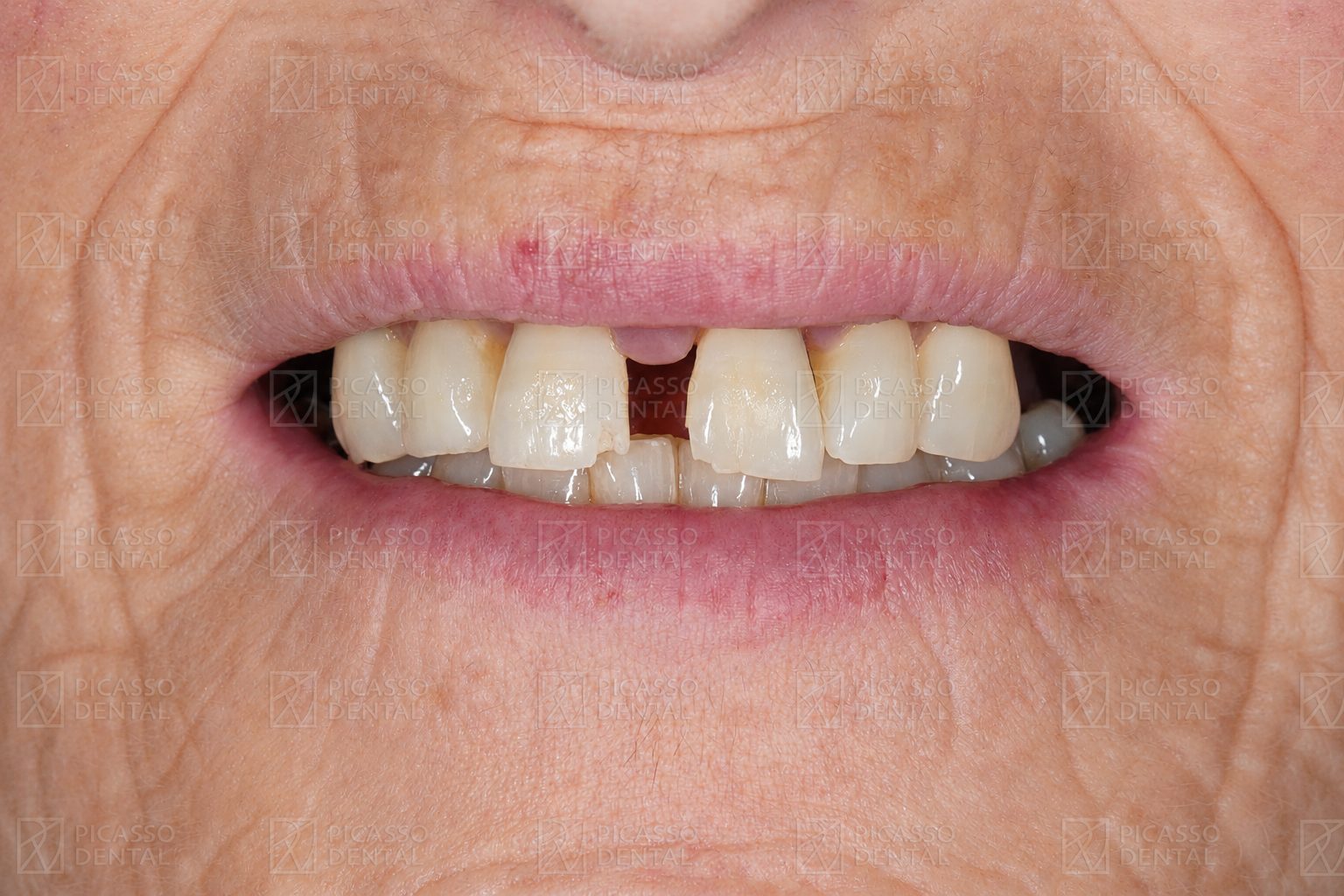
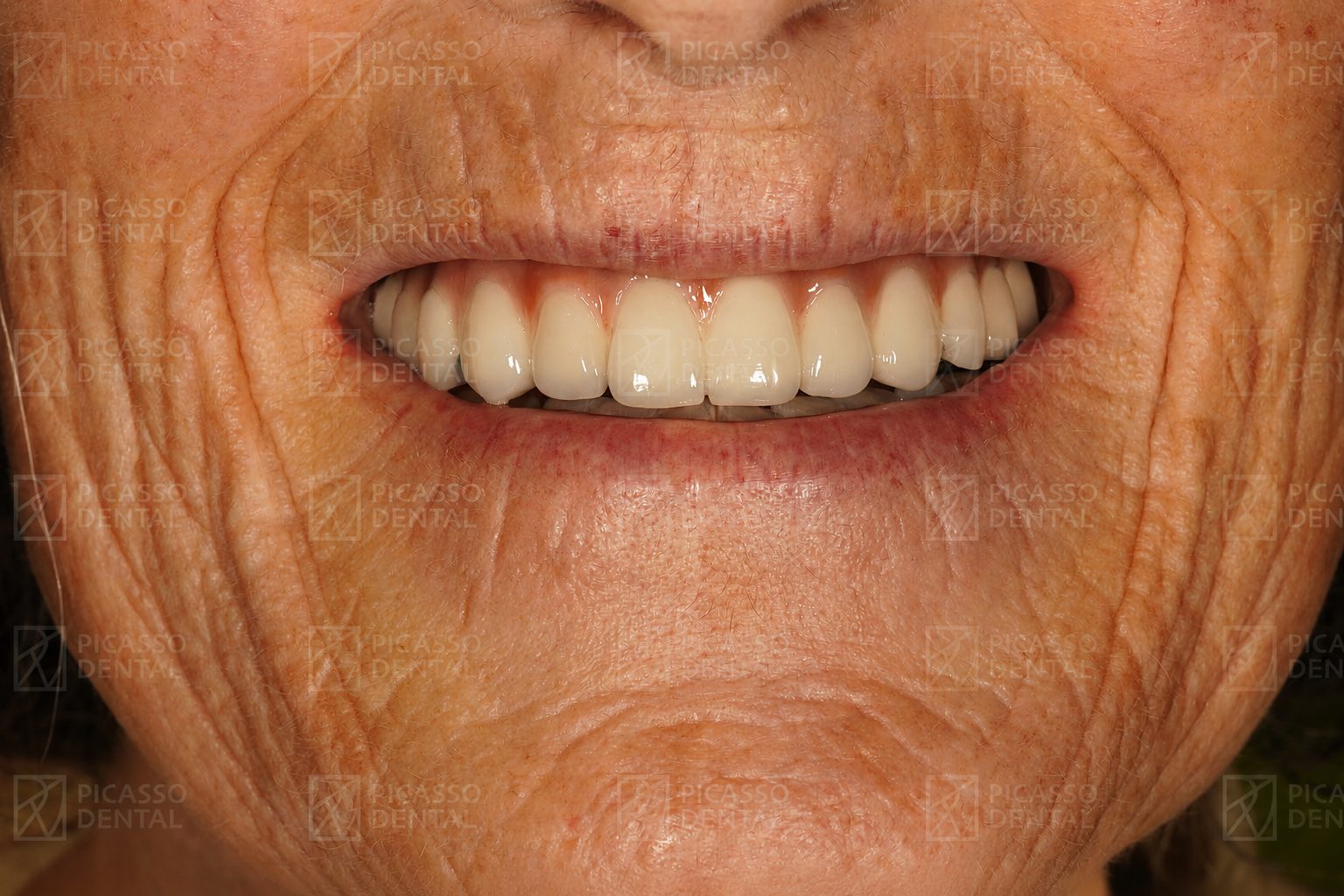
AfterFull smile rehabilitation, Hanoi
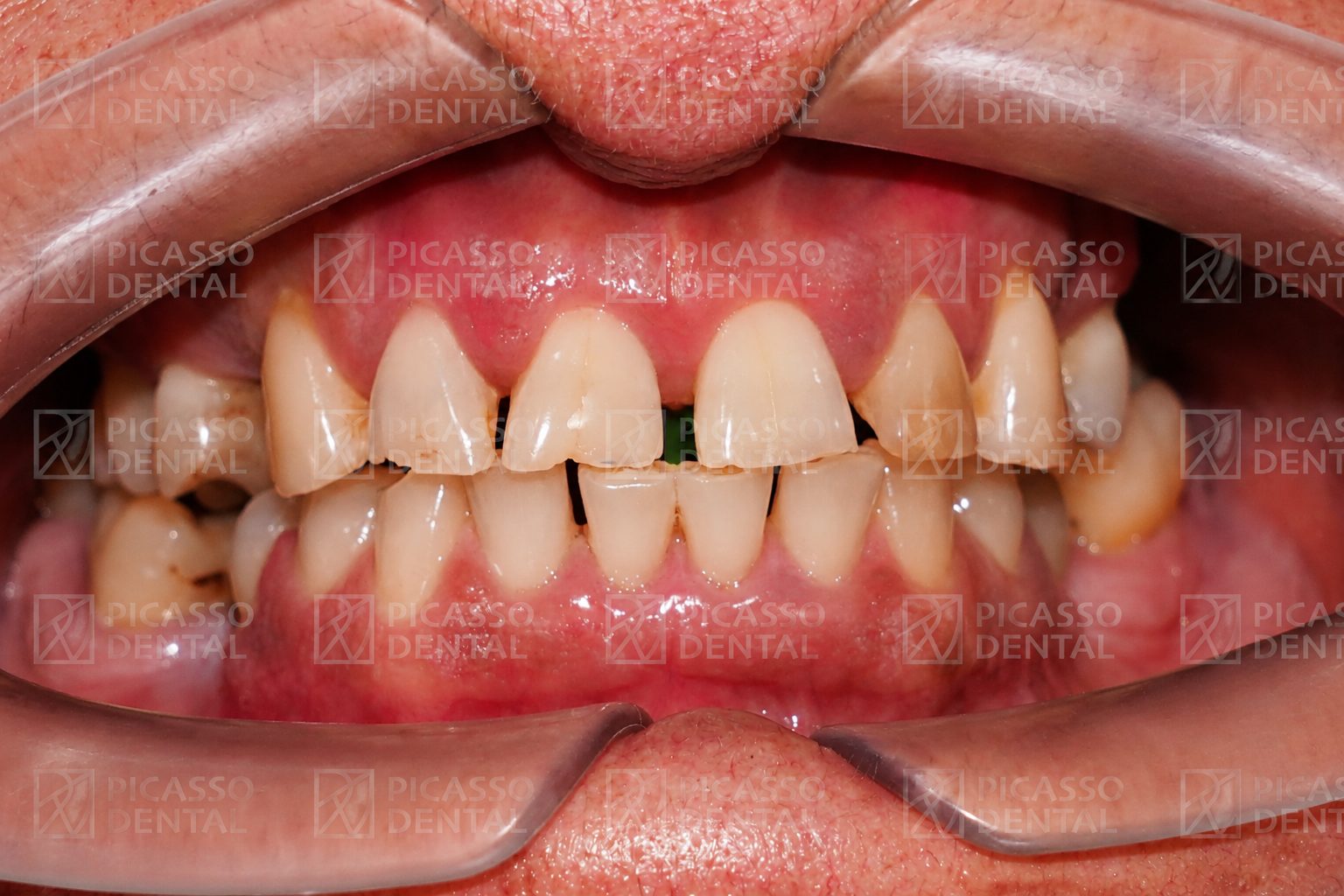 Before
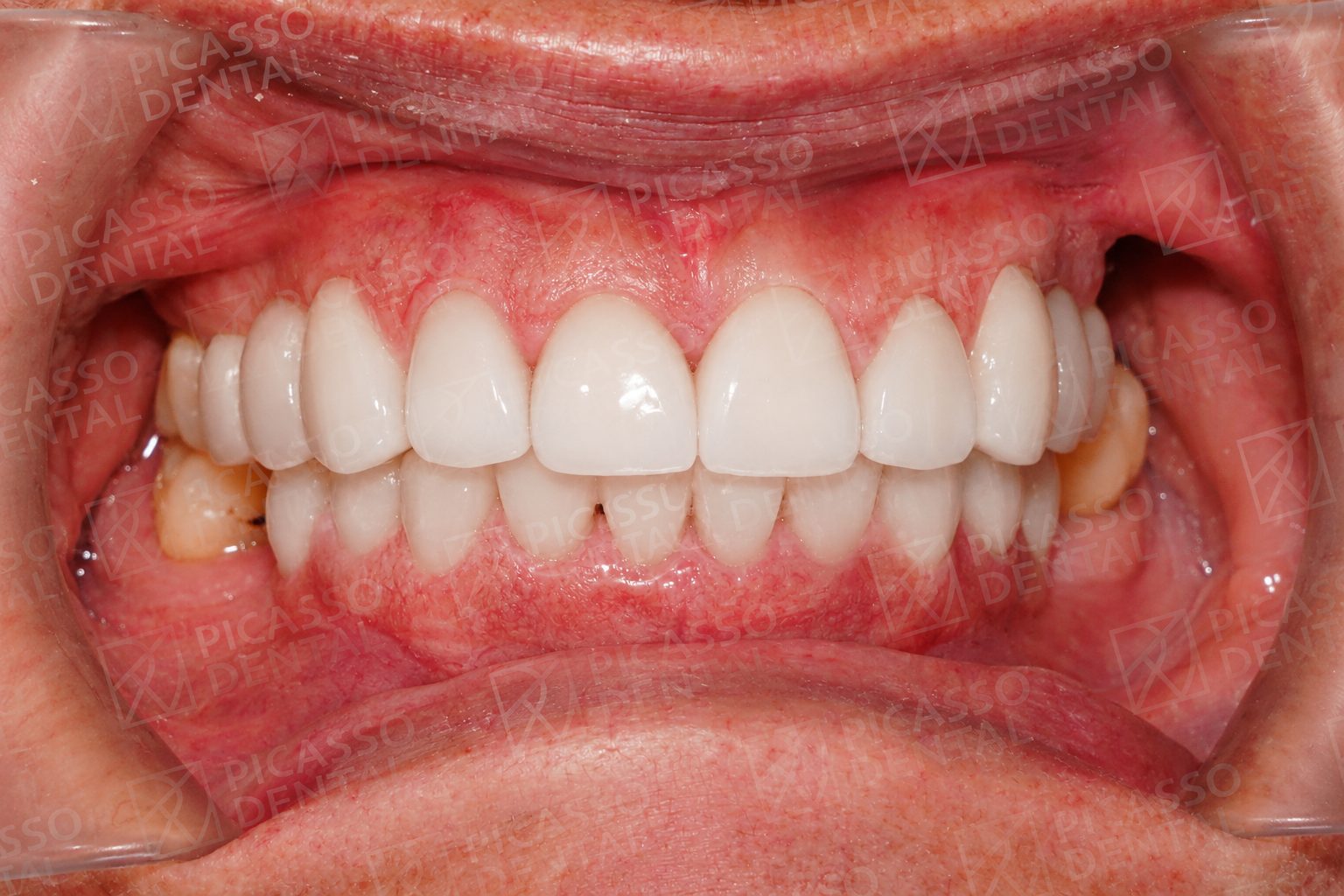 After
AfterAlignment and restoration, Da Nang
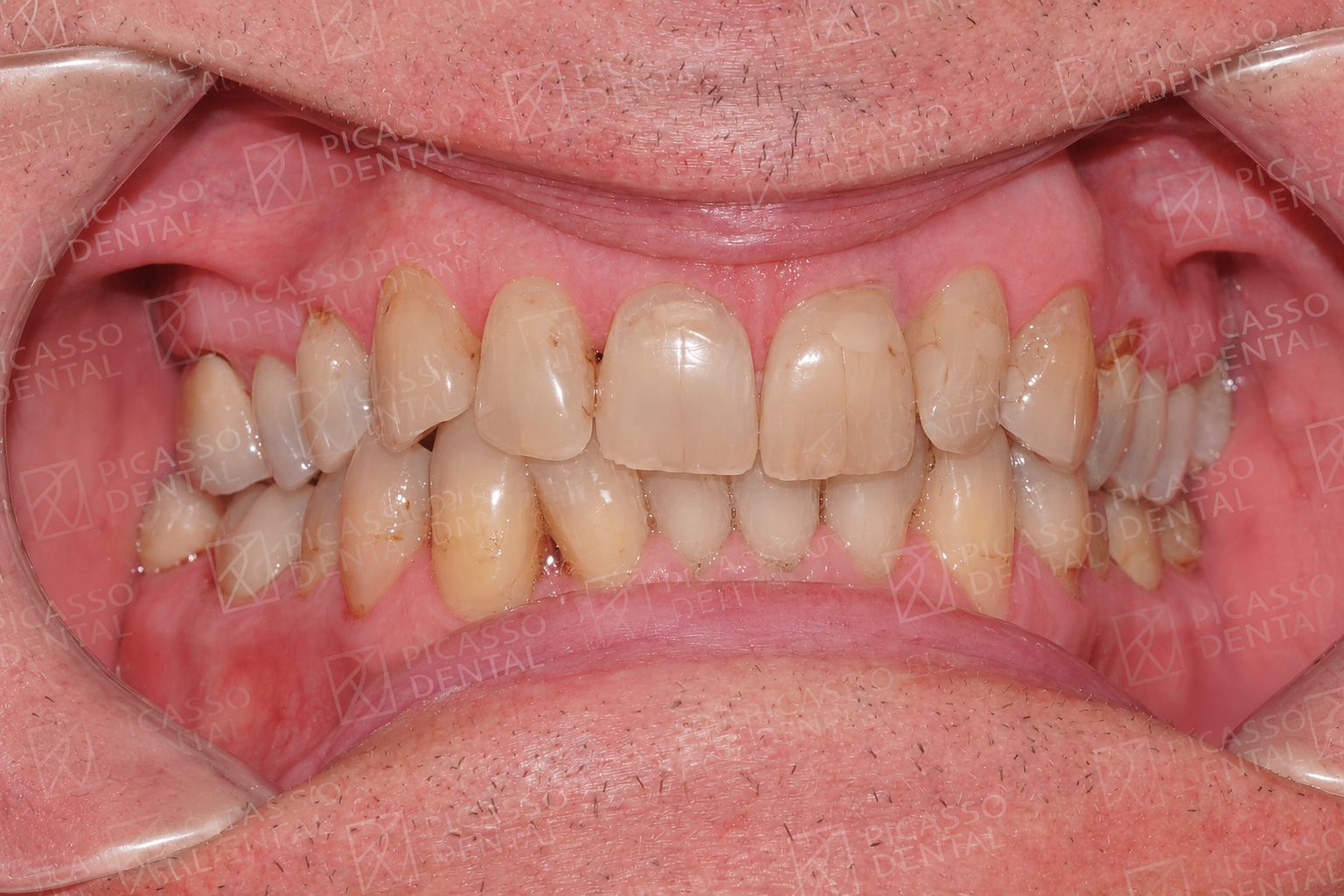 Before
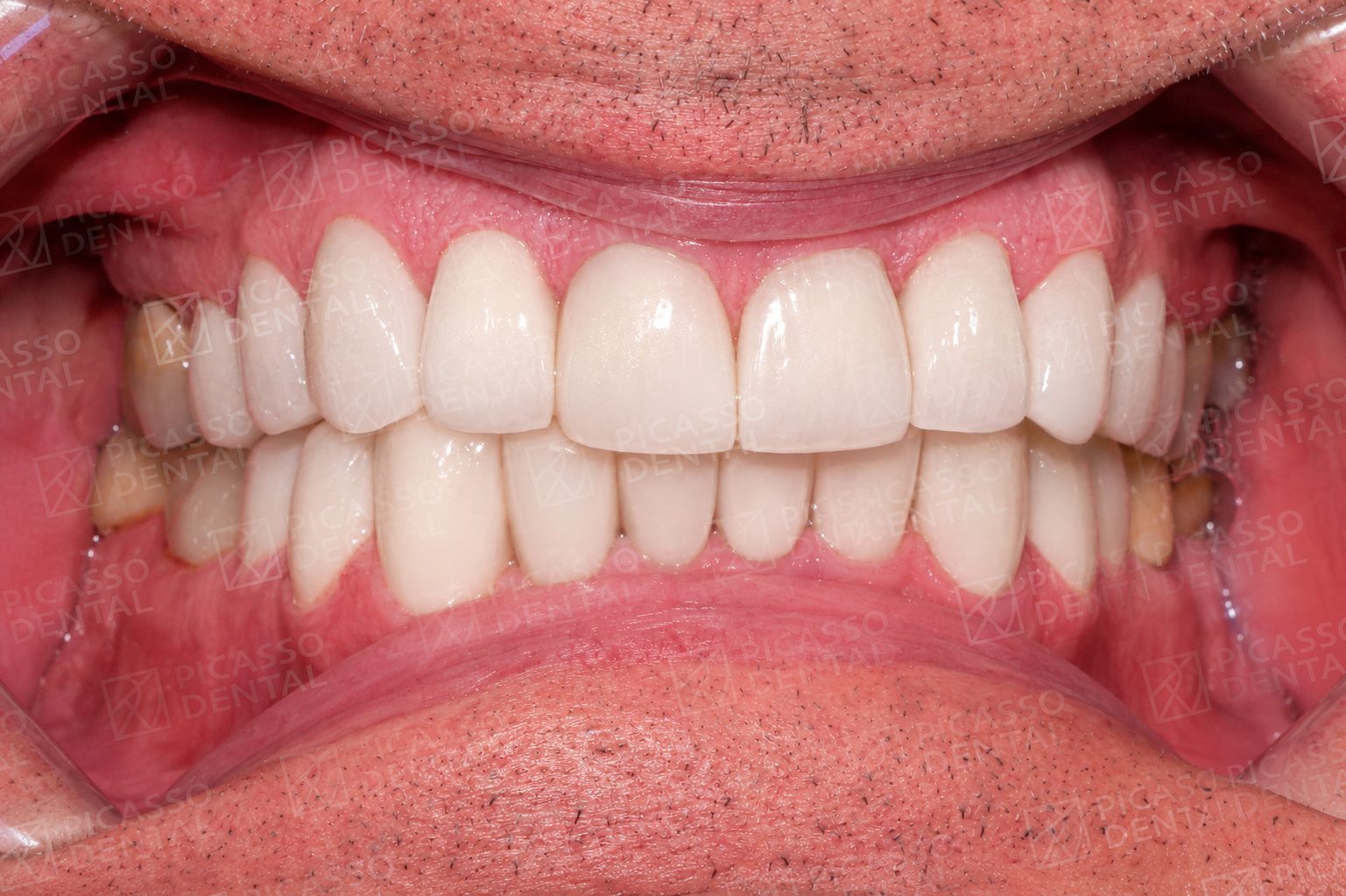 After
AfterSmile restoration, HCMC
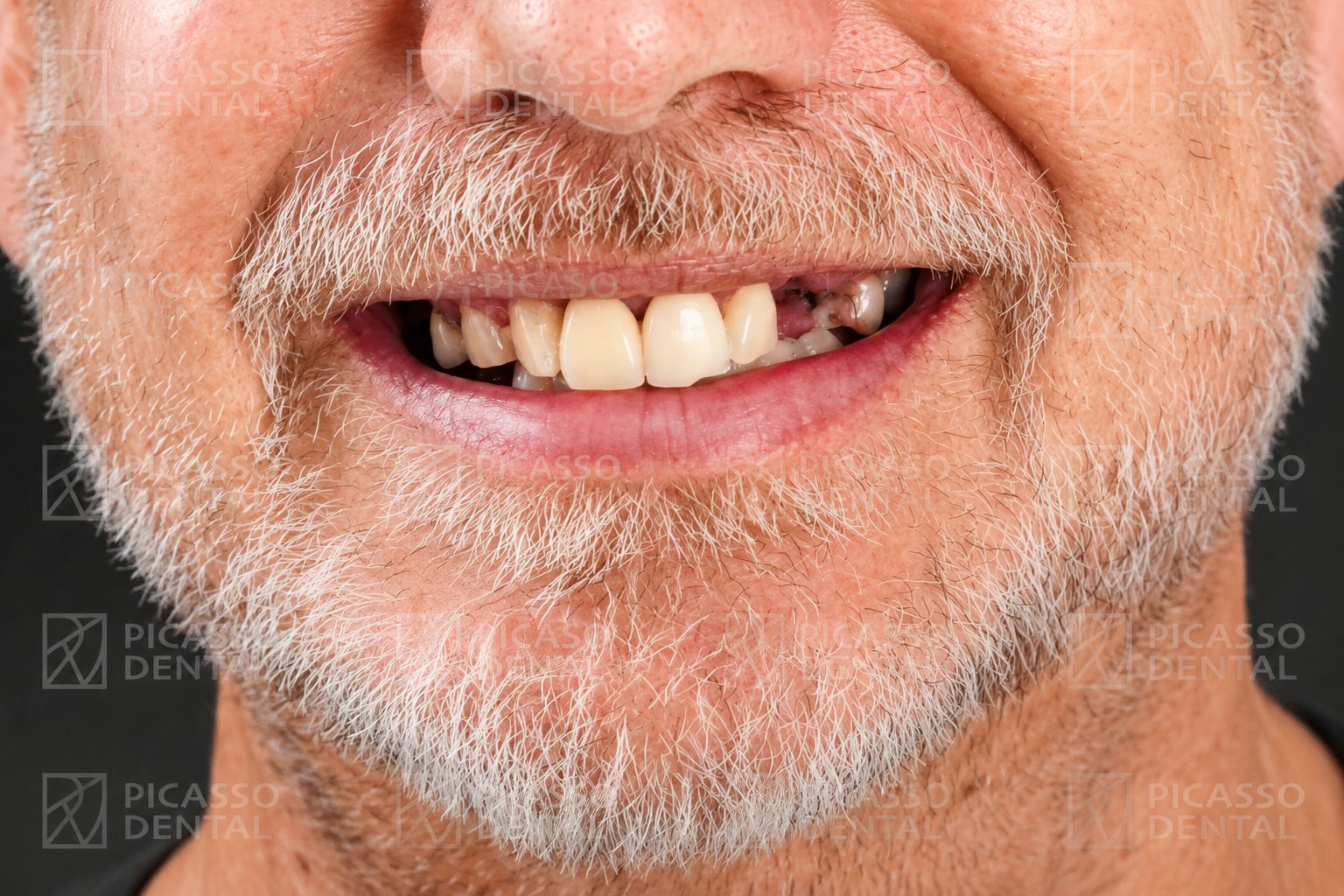 Before
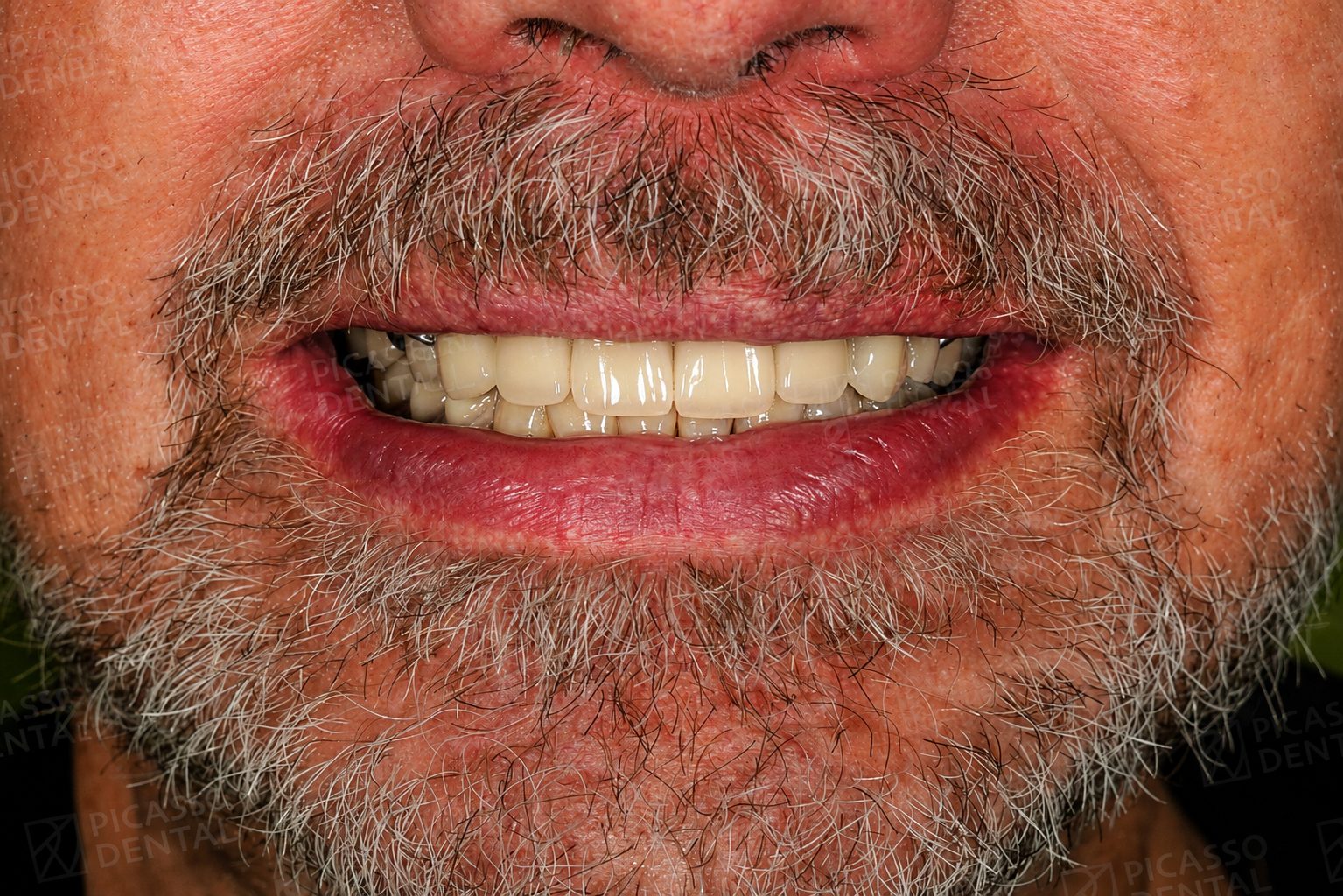 After
AfterCrowns and alignment, Hanoi Westlake
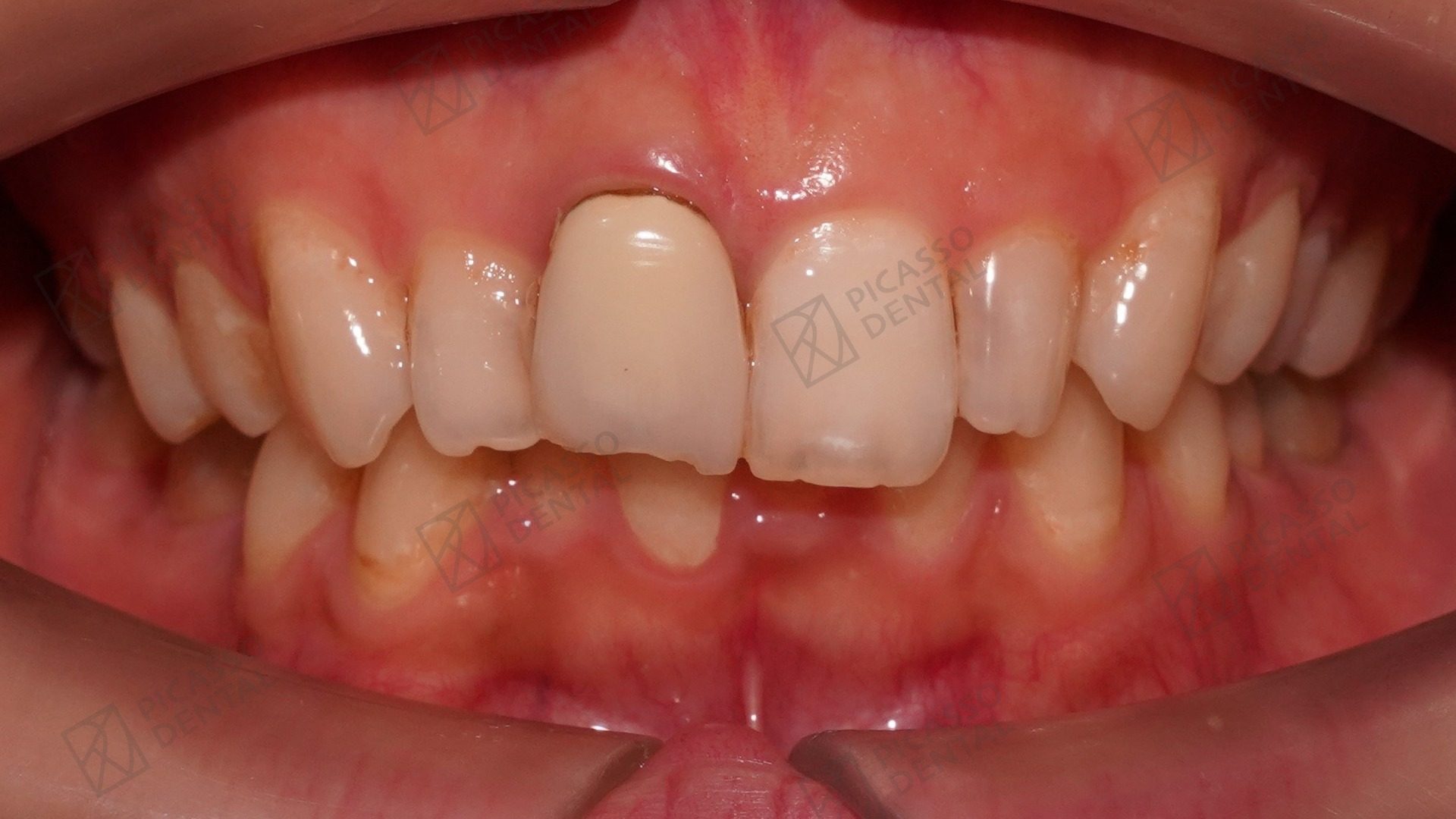 Before
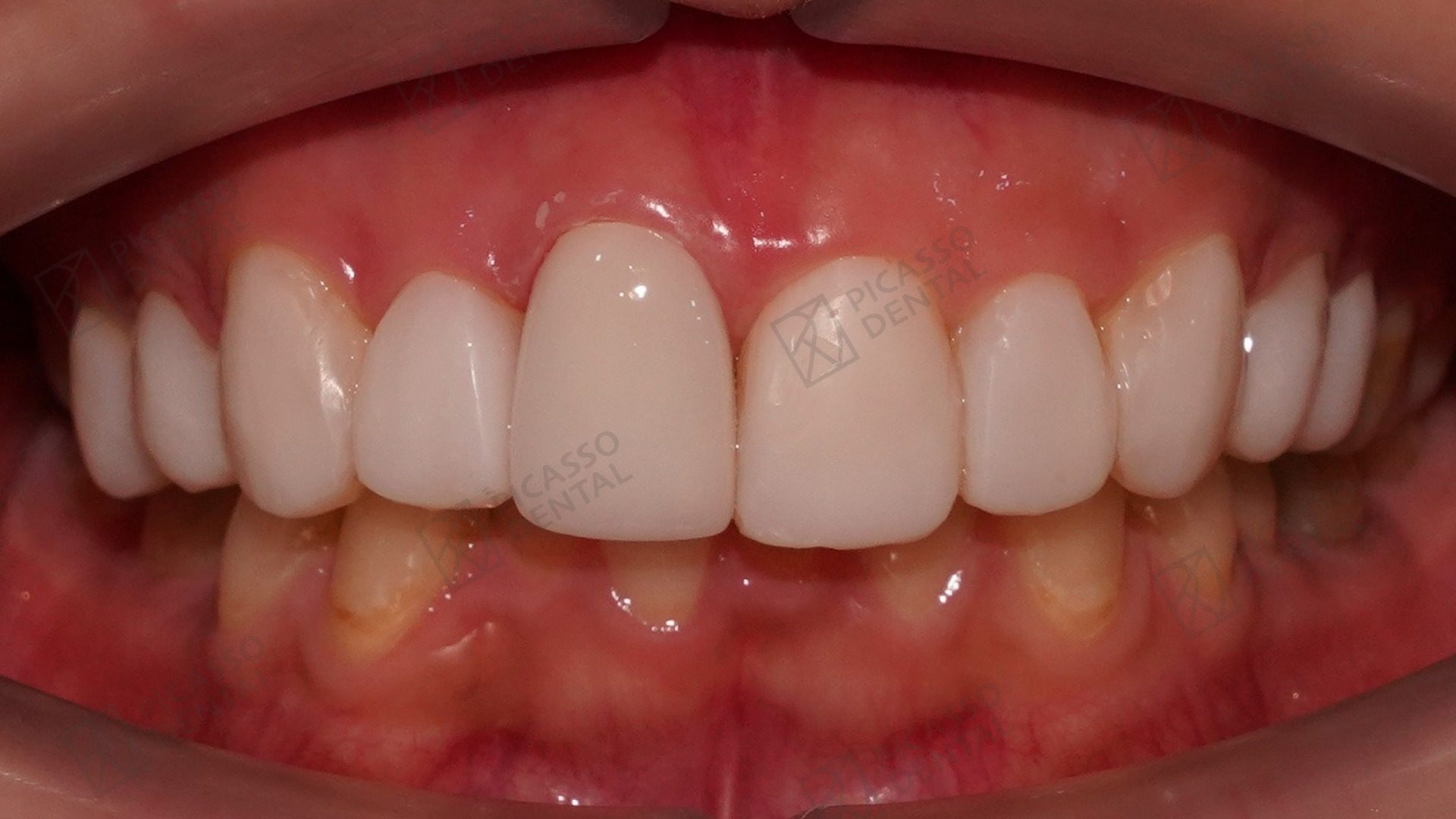 After
AfterSmile makeover, Da Nang
Frequently Asked Questions
What is interproximal reduction (IPR) in Invisalign?
Interproximal reduction is the precise, controlled removal of small amounts of enamel from the sides of teeth where they contact neighbouring teeth. In the context of Invisalign, IPR creates the space needed to move crowded teeth into correct alignment without extracting healthy teeth. The amount removed per contact point is typically 0.2 to 0.5 millimetres, roughly the thickness of two to five sheets of paper.
Does IPR hurt?
IPR is completely painless because it is performed on tooth enamel, which has no nerve supply. Patients feel mild vibration or pressure but no pain. No anaesthesia is needed. Most patients describe the procedure as something they barely noticed.
How much enamel is removed during IPR?
Typically 0.2 to 0.5 millimetres per contact point. The average tooth has 2 to 3 millimetres of enamel at the contact area, so removing 0.5 millimetres leaves well over 80 percent of the original enamel intact. Structural integrity and resistance to decay are not compromised by IPR when performed correctly.
Does IPR increase the risk of cavities?
No. After IPR the treated surfaces are polished smooth and fluoride is sometimes applied. Smooth, polished enamel resists bacteria and plaque accumulation just as effectively as untouched enamel.
What are the alternatives to IPR for Invisalign?
The main alternatives are tooth extraction (more invasive and permanent), dental arch expansion (works better in growing patients), and proclination (tipping front teeth forward slightly, applicable only to very mild specific cases). For most adult crowding cases, IPR offers the best balance of conservatism, predictability, and patient comfort.
When during treatment does IPR happen?
IPR timing is dictated by the ClinCheck treatment plan. Some patients need IPR before starting, to create space for the first aligner. Others need it partway through as teeth begin moving into position. At Picasso Dental, IPR is scheduled to coincide with regular progress checkups to minimise extra appointments.
Will my teeth feel different after IPR?
Teeth typically feel slightly different immediately after IPR because the contact point geometry has changed. This sensation normalises within hours as the tongue and lips adjust. Some patients notice food catches slightly differently between treated teeth initially, but this resolves as the teeth continue shifting with aligner wear.
Can IPR cause temperature sensitivity?
IPR does not cause lasting temperature sensitivity because only the outermost enamel is removed, staying far from the inner dentin layer that produces sensitivity. Temporary mild sensitivity immediately after IPR is uncommon but possible, and resolves quickly.
Start Here
Start with a brief.
Book a Invisalign consultation and we will review your ClinCheck plan with you, including all planned IPR, attachments, and treatment timeline, before you commit to anything.