Dental Implants
Immediate Loading Implants:
Ms. Marie's Transformation
Ms. Marie flew from Sydney to Hanoi with three days. She left with a permanent implant crown in place and a smile she called life-changing. This is how it was done safely, and who this approach is right for.

Key Takeaways
- Immediate loading places a temporary crown on the implant at the time of surgery, so the patient leaves with a tooth in place from day one.
- Osseointegration still takes three to four months. The temporary crown is designed to protect the implant during healing.
- Candidacy depends on bone density and primary stability. An ISQ reading above 70 at placement is the key threshold for safe immediate loading.
- Pre-trip CBCT assessment allows Picasso Dental to confirm candidacy before flights are booked, eliminating the risk of travelling for a protocol that cannot safely proceed.
Ms. Marie's situation
Ms. Marie, 47, from Sydney, came to Picasso Dental Clinic in Hanoi with a missing tooth at position 25, a lower left premolar she had lost two years earlier. She had been wearing a removable partial denture, which she found uncomfortable and wanted to replace permanently. She had a limited window of time in Hanoi, combining treatment with a short holiday, and wanted to know whether an implant could be completed in a single trip.
She had already sent us her dental records, X-rays, and a CBCT scan taken by her dentist in Sydney before travelling. This pre-trip assessment allowed us to review her bone volume and anatomy in detail before she arrived, confirming she was a candidate for immediate loading and allowing us to have a treatment plan ready before her first appointment. She was not booking flights to find out whether the procedure was possible. She already knew.

What immediate loading actually means
Conventional implant protocols involve placing the implant into the jaw bone and then waiting three to six months for osseointegration, the process of bone fusing to the implant surface, before attaching any restoration. During this waiting period, the patient either wears a temporary denture or lives with the gap.
Immediate loading changes this. A carefully designed temporary crown is attached to the implant at the time of surgery or within 48 hours. The patient leaves with a tooth in place that looks and functions normally from day one.
The word "immediate" describes the loading of the implant, not the completion of treatment. The permanent ceramic crown, matched precisely to adjacent teeth and placed with the full strength of an osseointegrated implant behind it, comes at the four-month mark.
Candidacy for immediate loading: the factors that matter
Not every patient is suitable for immediate loading. The decision requires careful assessment and honest clinical judgement. At Picasso Dental, we assess every international implant patient's suitability before their trip specifically because discovering a case is not suitable after arrival costs the patient time and money they did not plan for.
- Primary stability measured by ISQ Primary stability is the mechanical grip of the implant in the bone at the moment of placement. It is measured using a device called a resonance frequency analyser, which produces an ISQ (Implant Stability Quotient) reading. A reading above 70 indicates sufficient stability for safe immediate loading. Below 70, conventional two-stage protocols with a full healing period are safer. Ms. Marie's ISQ at placement was 74.
- Bone density at the implant site Dense bone achieves higher primary stability than softer bone. Lower jaw bone is typically denser than upper jaw bone, which is why immediate loading is more commonly appropriate for mandibular (lower jaw) cases. The CBCT scan reveals bone density before surgery so that primary stability can be predicted with reasonable confidence before the patient arrives.
- Site health and healing history The implant site should be well healed from any previous extraction. Active infection, residual pathology, or a very recently extracted tooth all reduce the predictability of immediate loading. Ms. Marie's site was two years post-extraction and showed excellent bone volume with a healthy ridge.
- Absence of bruxism or heavy parafunctional habits Patients who grind or clench heavily generate significant lateral forces during sleep, which are the type of forces most damaging to an integrating implant. Heavy bruxers are generally better served by conventional two-stage protocols that allow osseointegration without any loading before the permanent crown is placed.

Her three days in Hanoi
Day 1: Examination and confirmation
Comprehensive clinical examination, bite registration, digital impressions, and final confirmation of the treatment plan. The CT data from Sydney was verified against the clinical picture and the immediate loading approach was confirmed. Day one takes approximately 90 minutes.
Day 2: Implant placement
Implant placement surgery under local anaesthesia. The procedure took approximately 50 minutes. ISQ measurement at placement confirmed excellent primary stability at 74. A temporary crown was fabricated chairside and adjusted so it sat out of the bite on all excursive movements, protecting the implant from lateral forces during healing. Ms. Marie left the clinic that afternoon with a tooth in place.
Day 3: Follow-up and departure preparation
Follow-up review, suture check, bite verification, and refinement of the temporary crown as needed. She was comfortable and the implant site was clean. Detailed written aftercare instructions were provided along with a schedule for the final crown, with options for either returning to Hanoi after four months or coordinating with her dentist in Sydney for the abutment impression and sending the crown internationally.

Could your implant be completed in one trip? Send us your CBCT scan and we will assess your candidacy for immediate loading before you book flights. No obligation.
Check your candidacy →The outcome and the four-month return
Ms. Marie returned to Sydney with an implant in place and a temporary crown that functioned and appeared completely normal. Four months later, after osseointegration was confirmed by her Sydney dentist using the detailed records and X-rays we provided, she returned to Hanoi for the final permanent ceramic crown. The crown was placed without complication at a single appointment.
She spent two years wearing a denture she disliked because she assumed implants would require multiple long trips. Three days in Hanoi, a short return trip four months later, and she has a permanent result that is indistinguishable from a natural tooth.
When immediate loading is not appropriate
It is important to state clearly that immediate loading is not the right approach for every implant case. Patients with lower bone density, active infection at the extraction site, systemic conditions that impair healing (such as uncontrolled diabetes or active bisphosphonate treatment), or heavy bruxism are generally better served by conventional two-stage protocols.
A failed implant costs significantly more in time, money, and patient welfare than a conventionally staged case that takes an extra trip. The pre-trip assessment process exists precisely to identify who benefits from immediate loading and who does not, so that both patient and clinic enter the procedure with the right protocol for the individual case.

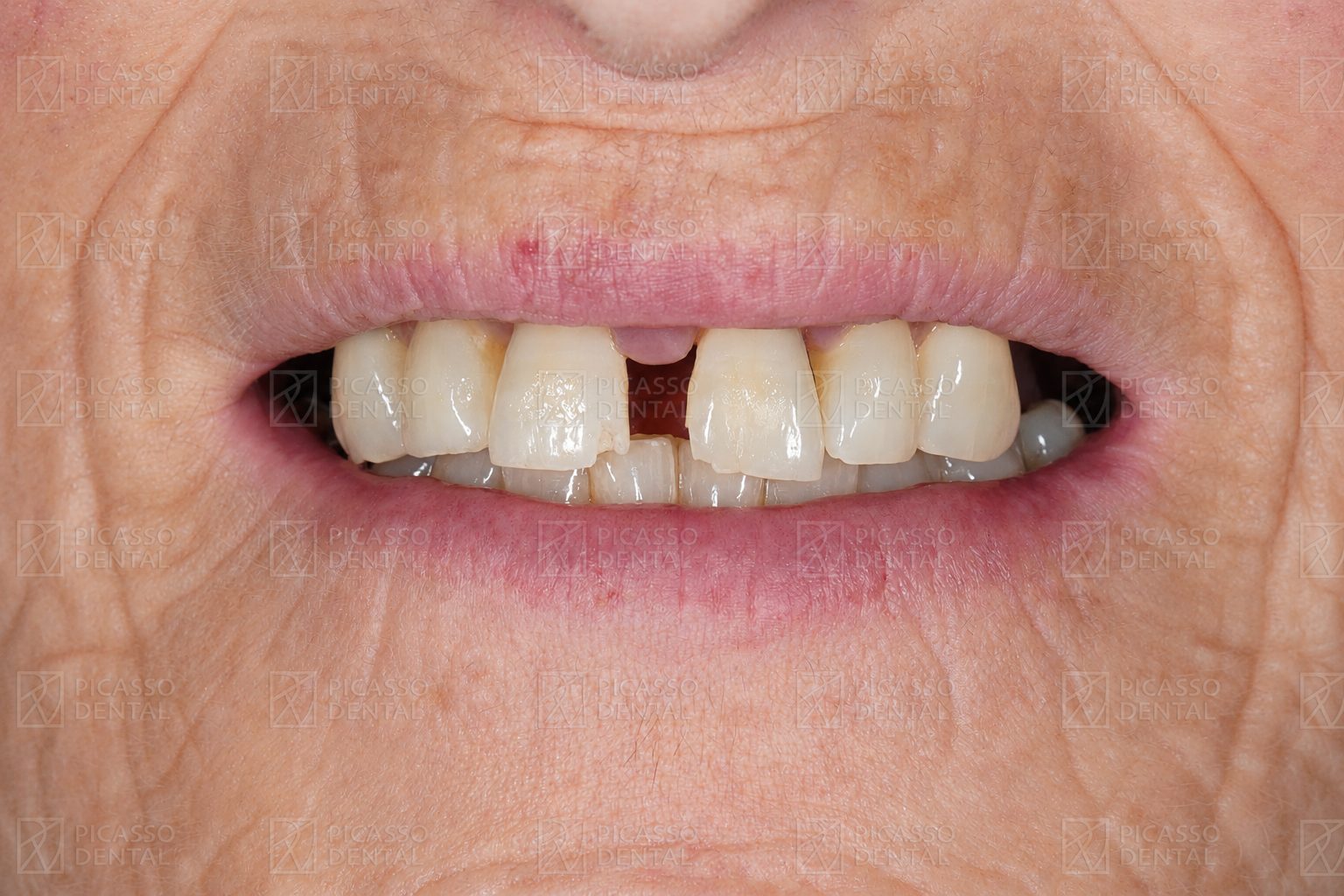 Before
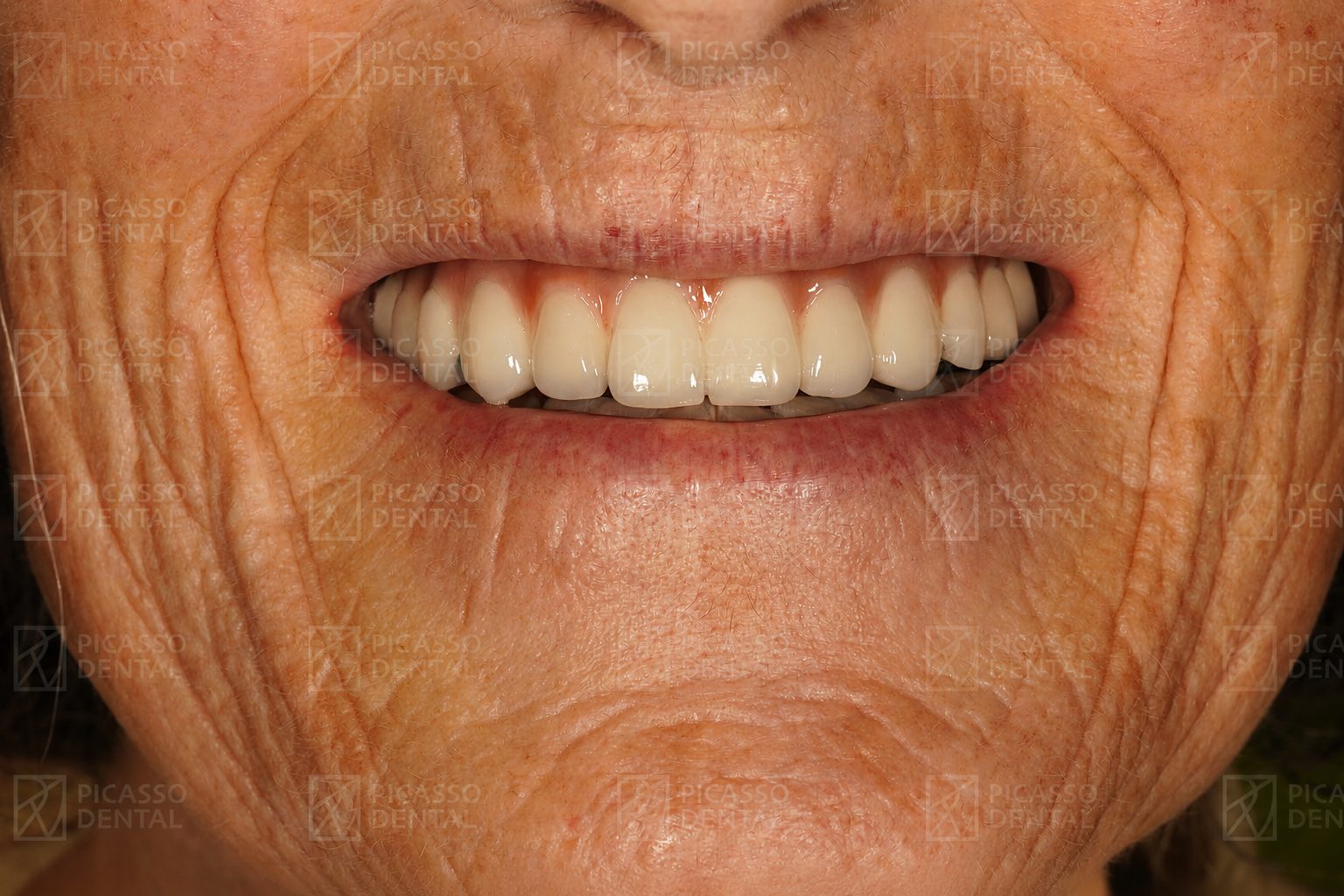 After
AfterFull-mouth rehabilitation, Hanoi
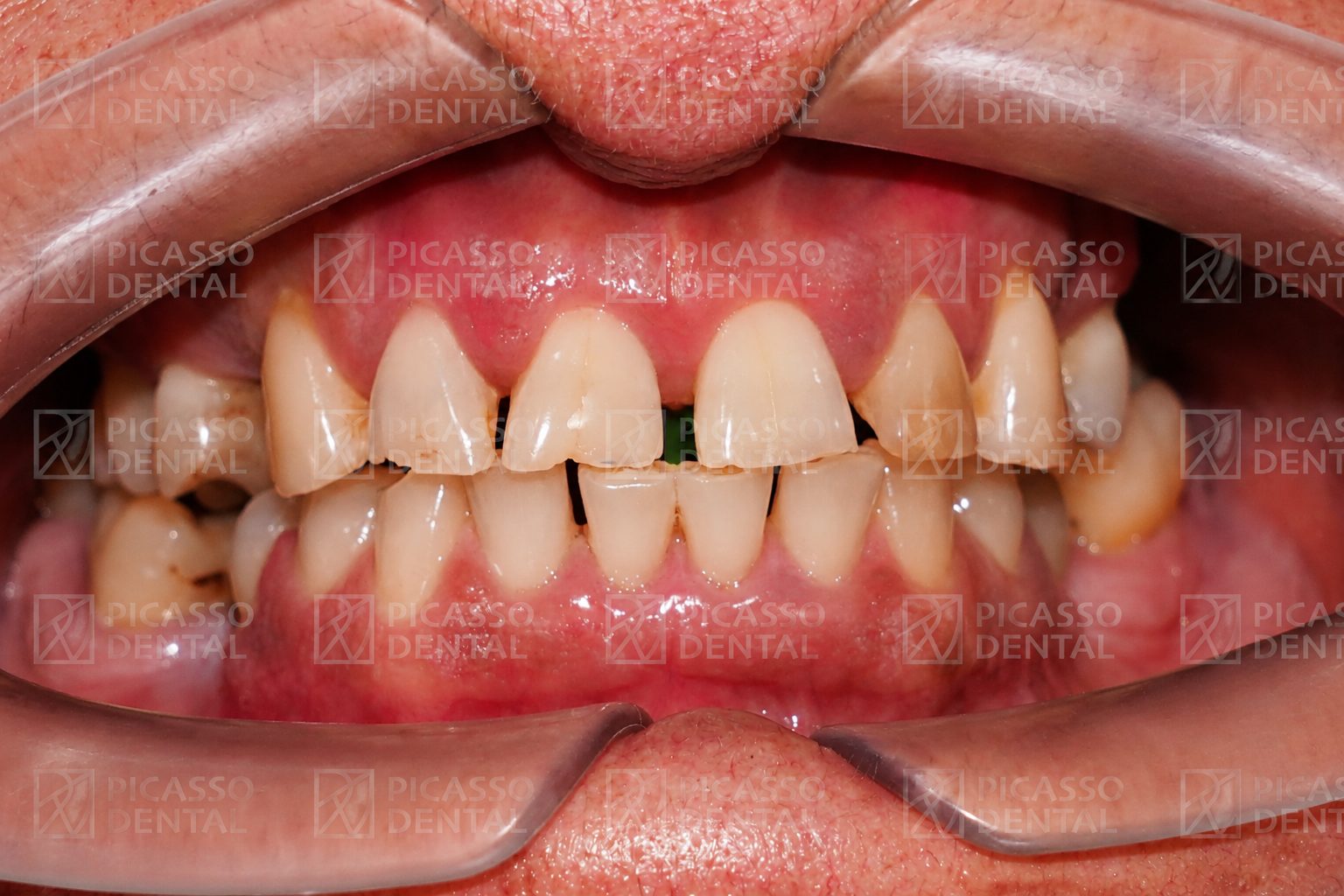 Before
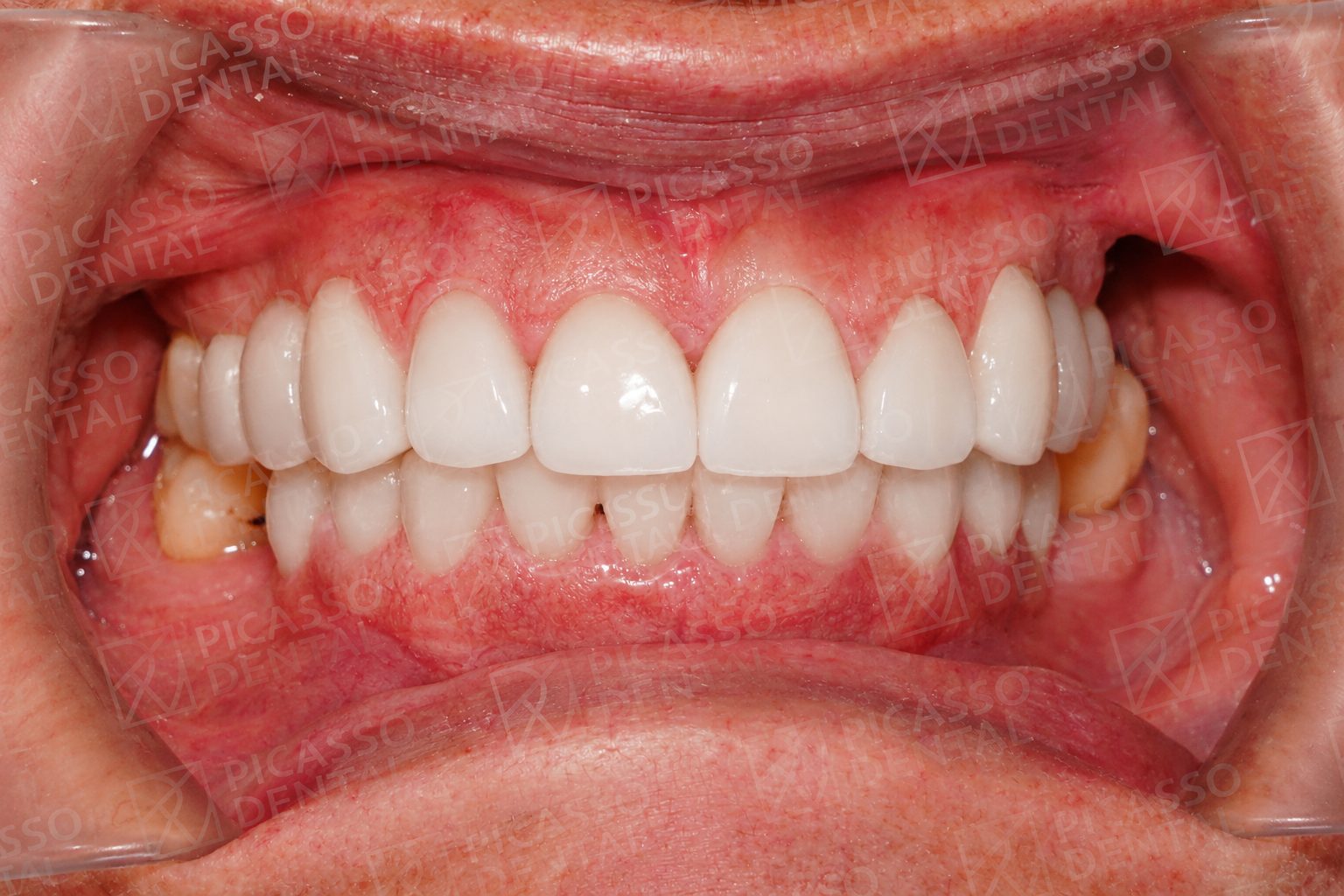 After
AfterRestoration, Da Nang
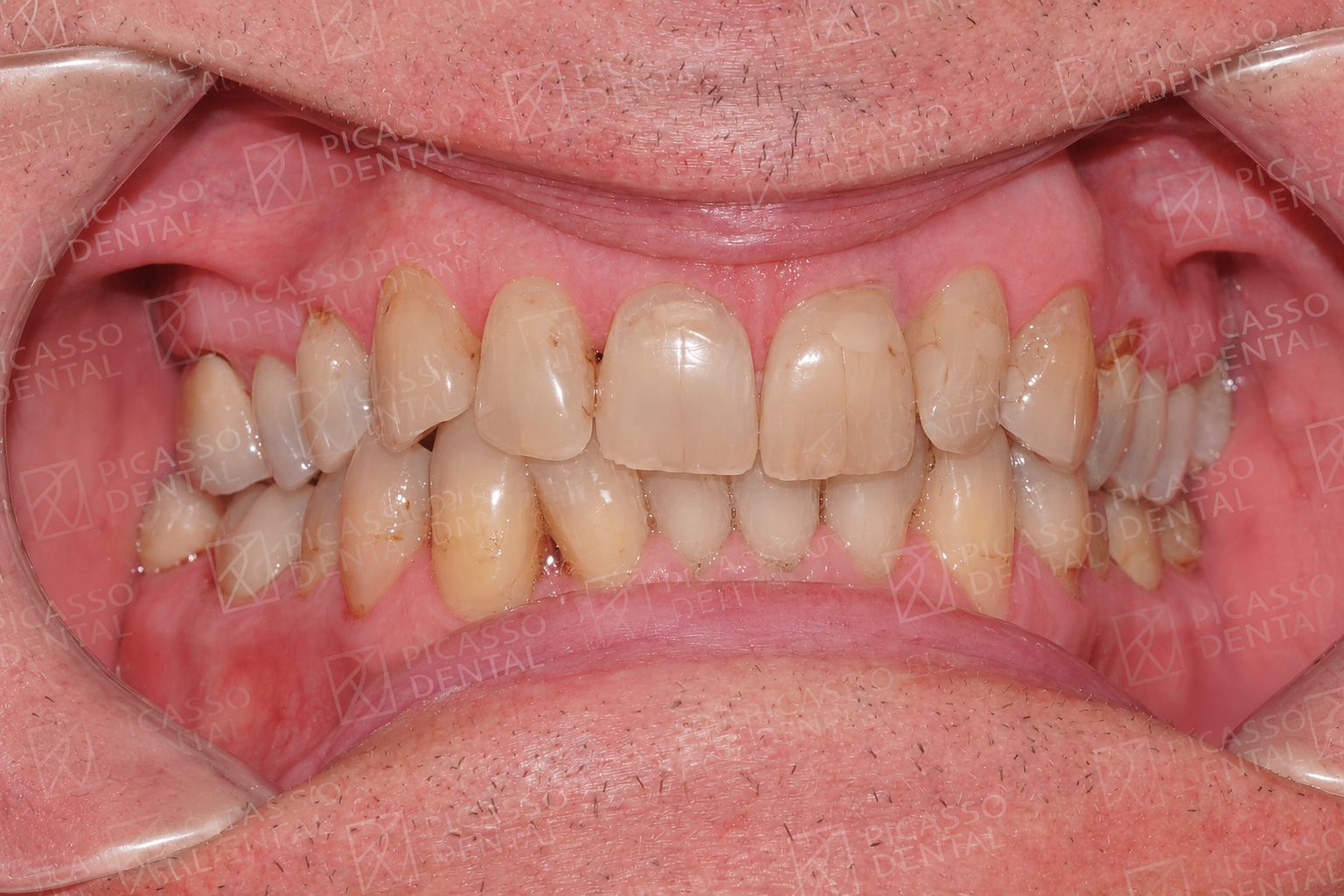 Before
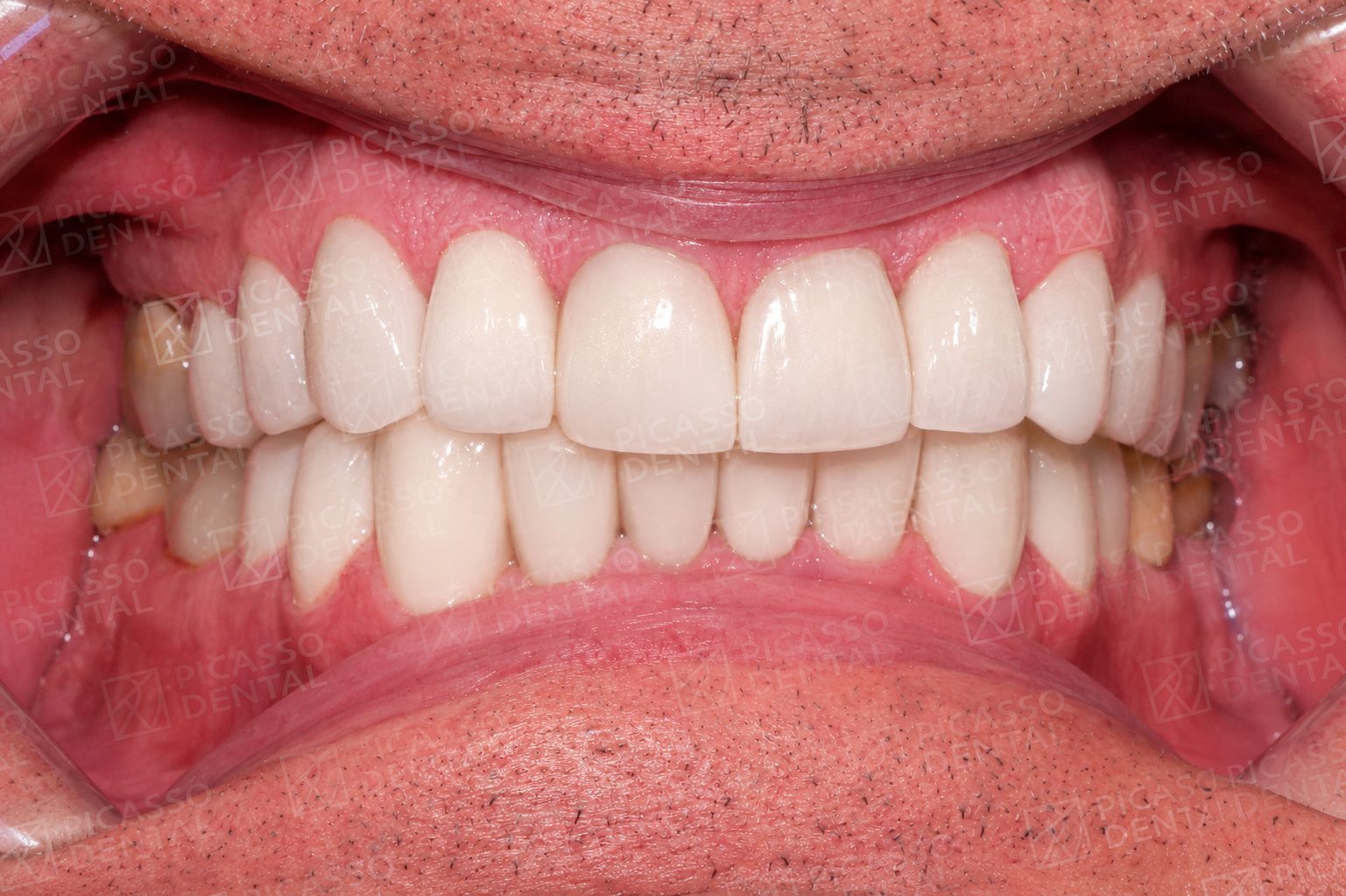 After
AfterDental implants, HCMC Thao Dien
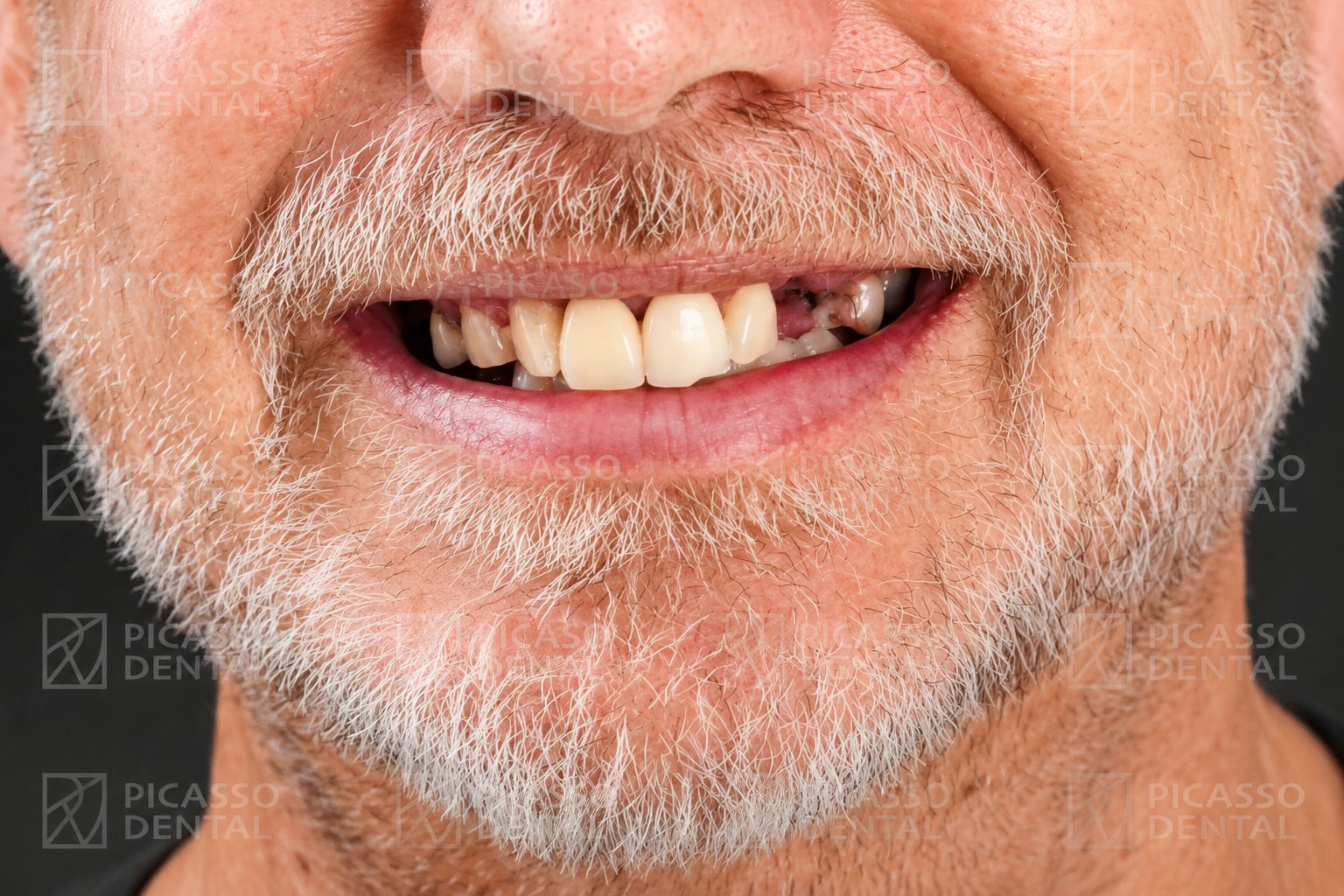 Before
 After
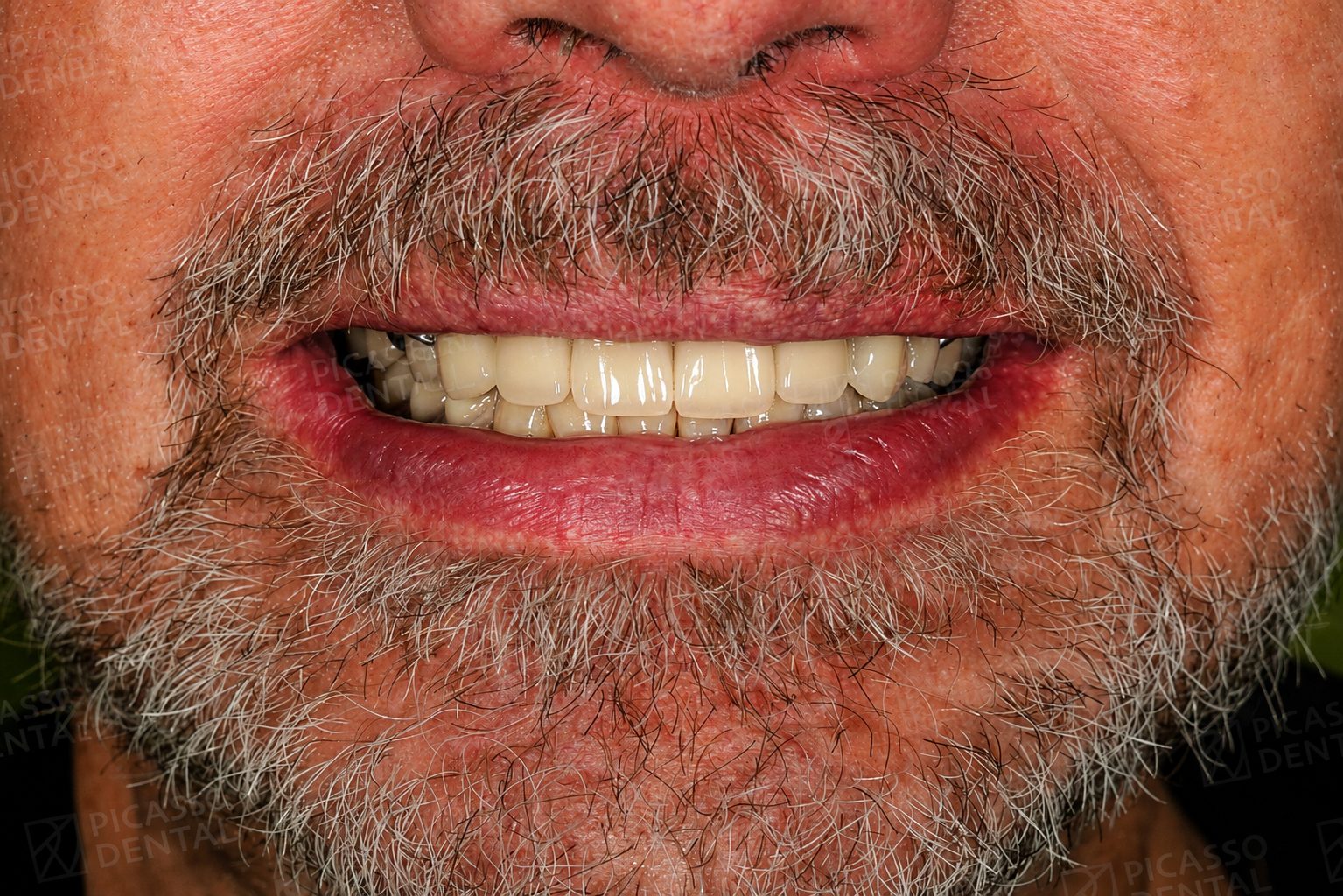
AfterCrown and bridge, Hanoi Westlake
 Before
 After
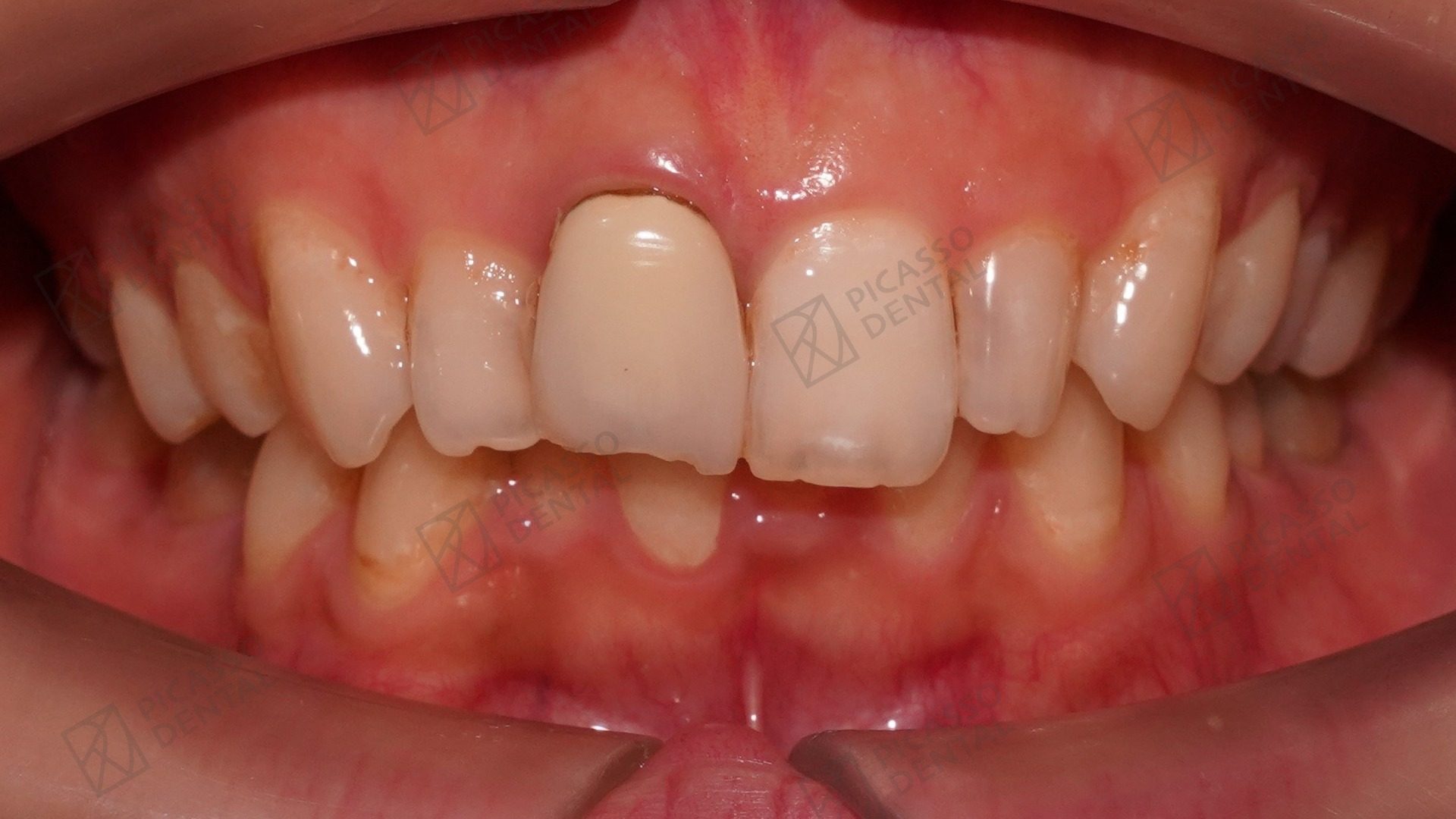
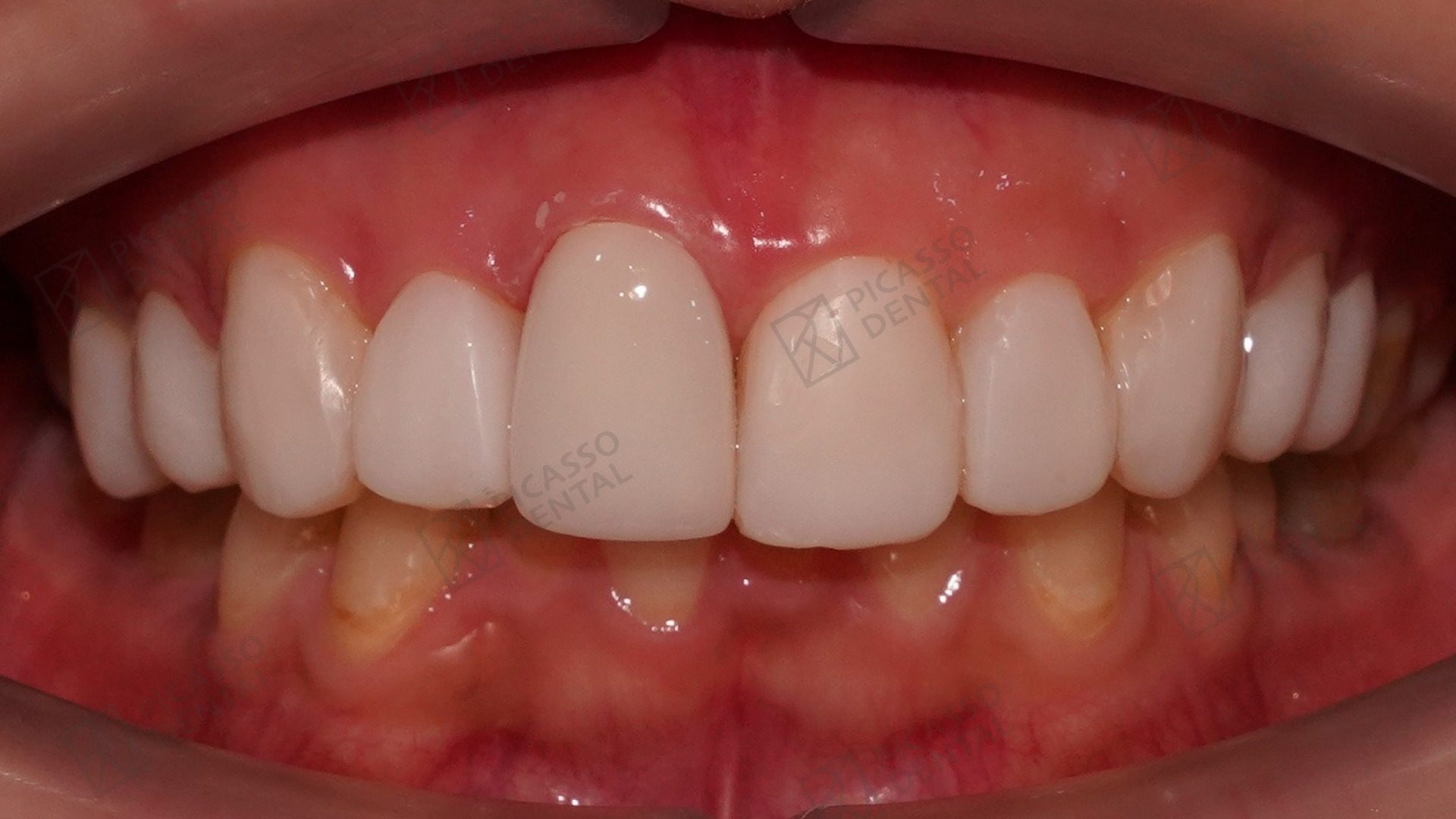
AfterImplant case, Da Nang
Frequently Asked Questions
What is immediate loading in dental implants?
Immediate loading places a temporary crown on the implant at the time of surgery or within 48 hours, so the patient leaves with a tooth in place from day one. Osseointegration still takes three to four months. The temporary crown is designed to protect the implant from excessive lateral forces while allowing normal light function during the healing period.
Who is a candidate for immediate loading implants?
Immediate loading requires high primary stability at placement, typically an ISQ reading above 70. Primary stability is more predictably achieved in denser bone, making lower jaw implants more commonly suitable. Candidates should not have active infection at the site and should not be heavy tooth grinders. Pre-trip CBCT scan assessment allows a clear recommendation before travel is booked.
How long does the immediate loading implant process take in Hanoi?
For a straightforward single immediate loading case, the process requires three days: examination and plan confirmation on day one, implant placement and temporary crown fabrication on day two, and follow-up and bite verification on day three. The final permanent crown is placed three to four months later after osseointegration.
Can international patients complete implant treatment in one trip?
For immediate loading candidates, yes. The implant is placed and a temporary crown fitted in the initial visit. The patient returns home with a functional temporary tooth. After three to four months, the final crown can be placed on a return visit or coordinated with the patient's home dentist using Picasso's detailed records and specifications.
What is an ISQ reading and why does it matter for immediate loading?
ISQ (Implant Stability Quotient) is a measurement of implant stability taken at placement using resonance frequency analysis. A reading above 70 indicates sufficient primary stability for safe immediate loading. Ms. Marie's reading was 74. Below 70, conventional two-stage protocols are safer and more predictable.
What happens if the ISQ reading is below 70 at surgery?
If primary stability is below the safe threshold, the implant is placed but no temporary crown is attached. The implant heals without loading for three to four months: conventional two-stage protocol. For international patients this means a second trip, which is why pre-trip CBCT assessment to predict stability is so valuable.
Does Picasso Dental assess suitability for immediate loading before travel?
Yes. Sending your CBCT scan and dental records before booking flights allows us to assess bone density and likely primary stability. We give a clear recommendation on whether immediate loading is appropriate for your specific case. We will not offer immediate loading if pre-trip assessment suggests it is not safe.
What records should I bring for an implant consultation?
The most useful records are a recent CBCT scan showing three-dimensional bone volume, current dental X-rays, a list of medications and medical history, and information about any previous treatment at the implant site. If you have not had a CBCT, your home dentist can arrange one or it can be taken on your first day in Hanoi.
Start Here
Start with a brief.
Send us your CBCT scan before you book flights and we will assess whether your implant can be completed with immediate loading in a single trip.