Dental Tourism Guide
How to Handle a Dental Emergency
While Traveling in Vietnam
Dental emergencies do not respect itineraries. This is the practical guide to what to do immediately, where to find care in Vietnam's major cities, and how to get back to your trip safely.

Key Takeaways
- Dental infections require same-day care. They do not resolve on their own and can spread rapidly. Do not wait hoping the pain passes.
- Major Vietnamese cities (Hanoi, Da Nang, Ho Chi Minh City) have multiple English-speaking dental clinics in tourist areas, most able to see you the same day.
- Emergency dental care in Vietnam costs significantly less than in Western countries. Most established clinics accept credit cards.
- Get detailed written records and X-rays before you leave the clinic. Your home dentist will need them to continue your care.
Types of dental emergencies and what to do immediately
Not every dental problem is a true emergency, but understanding which ones are is important because the consequences of delaying treatment vary significantly by type.
Severe toothache or suspected abscess
This is the most common dental emergency among travelers. Severe, throbbing pain that does not resolve with over-the-counter medication, especially pain accompanied by swelling, fever, or a bad taste, indicates a dental infection. Dental infections do not resolve on their own. They spread to surrounding bone and soft tissue, and left untreated can spread to the neck and airway. This is a genuine medical emergency, not a discomfort to tolerate through your holiday.
Take over-the-counter pain medication and rinse with warm salt water. Then find a dental clinic as soon as possible, ideally within hours. Antibiotics and emergency drainage of an abscess are the priority. Pain management and definitive treatment follow.
Knocked-out tooth
A tooth that has been completely knocked out (avulsed) is a time-critical emergency. You have a 30 to 60 minute window to maximise the chance of saving the tooth. Pick up the tooth by the crown only, never by the root. Rinse it gently with clean water without scrubbing. If you can, place it back into the socket immediately. If re-implantation at the scene is not possible, store the tooth in milk or between your cheek and gum (in saliva) and travel directly to a dental clinic.
Broken or cracked tooth
A significant crack or fracture that exposes the nerve causes acute, sharp pain, particularly when biting and with temperature changes. Avoid chewing on that side, rinse with warm water, and seek same-day care. Most urban dental clinics in Vietnam can see you within hours for this type of problem.
Lost filling or crown
A lost filling or crown exposes vulnerable tooth structure but is rarely a same-day emergency unless there is significant pain. Temporary dental cement, available at pharmacies throughout Vietnam, can protect the exposed area. See a dentist within 24 to 48 hours. Sugar-free chewing gum is a very temporary measure if cement is not immediately available.

Finding emergency dental care in Vietnam
The good news is that in Vietnam's three major tourist cities, finding quality emergency dental care is straightforward during business hours and manageable outside them.
In Hanoi, Da Nang, and Ho Chi Minh City
Tourist areas in each city have multiple international-standard dental clinics within a short distance. The Old Quarter in Hanoi, the Han River beachfront area in Da Nang, and District 1 and Thao Dien in Ho Chi Minh City all have clinics with English-speaking staff that regularly treat foreign visitors. Your hotel concierge is often the fastest source of a reliable recommendation because good hotels maintain current lists.
Your home country's embassy or consulate maintains a list of recommended local medical providers, including dentists. The US, Australian, British, Canadian, and other embassies in Hanoi and Ho Chi Minh City maintain these lists online and by phone.
In smaller cities or rural areas
Even smaller Vietnamese cities have dental clinics. English availability is less certain, but translation apps handle basic dental terminology well. Showing photos of the problem is universally understood. For serious emergencies in remote areas, travelling to the nearest major city is often the right call rather than risking treatment at a facility with limited equipment or no English communication.
International hospitals
Vinmec, Family Medical Practice, and Raffles Medical have locations in Hanoi and Ho Chi Minh City with emergency departments that include dental care and 24-hour availability. These are more expensive than dedicated dental clinics but are reliable options outside standard business hours.

In Hanoi, Da Nang, or HCMC and need urgent care? Contact Picasso Dental via our online form and we will respond as quickly as possible to arrange an appointment at your nearest branch.
Contact us now →What to expect for costs and payment
Emergency dental care in Vietnam costs considerably less than equivalent care in Australia, the UK, or the United States. Most established clinics in major cities accept credit cards, though smaller practices may require cash. ATMs are widely available in urban areas if you need Vietnamese dong.
The practical approach is to pay at the time of service and file travel insurance claims after returning home. Request detailed receipts with the diagnosis and procedure descriptions, as insurers typically require itemised documentation rather than a single total. Quality clinics that treat international patients regularly understand insurance requirements and provide the right paperwork.
Communication and practical preparation
English proficiency among Vietnamese dentists in major cities is generally good, particularly at clinics that regularly treat international patients. Most dentists under 50 completed English-medium elements of their dental training. Translation apps handle basic dental terminology well enough to bridge any communication gaps at smaller clinics.
Before your appointment, write down or photograph: any medication allergies you have, a list of medications you are currently taking, any relevant medical conditions, and specific details about your symptoms. This information is essential for safe emergency treatment and does not depend on verbal communication.
If you have recent dental records or X-rays accessible on your phone or in cloud storage, bring them. A dentist treating you for the first time can assess your situation much more quickly with your baseline records in hand.
After emergency treatment: continuing your trip and your care
Many emergency treatments are intentionally temporary. A root canal may be accessed and medicated but not completed. A fractured tooth may be stabilised with a temporary crown. An abscess may be drained and antibiotics prescribed. In each case, discuss the following with your treating dentist before you leave the clinic:
- Is it safe for me to continue traveling? Most stabilised emergencies allow you to continue your trip as planned. Your dentist should give you a clear written answer to this question, not a vague reassurance.
- What symptoms should prompt me to return to a dentist immediately? Increasing swelling, fever that does not respond to antibiotics, new severe pain: these are signs that require immediate attention regardless of where you are in your itinerary.
- What definitive treatment is needed and when? Some travelers choose to complete treatment in Vietnam rather than returning home partially treated. The combination of lower cost and convenient timing while already in the country often makes this the practical choice.
- Get written records and X-rays before leaving the clinic Your home dentist needs to know exactly what was done. A clinical summary, your X-rays, and any material specifications (if a temporary restoration was placed) are the minimum documentation you should leave with.


What to pack to prepare for dental emergencies
A small dental emergency kit adds almost no weight to your luggage but can be genuinely useful. Consider including: temporary dental cement for lost fillings or crowns (sold at pharmacies in Vietnam and widely available online), over-the-counter pain medication, dental floss (useful when food is lodged and causing pain), and a note card with your medication list and known drug allergies. Carrying recent dental X-rays accessible on your phone or in cloud storage is also worthwhile for any traveler who has had recent dental work or complex dental history.
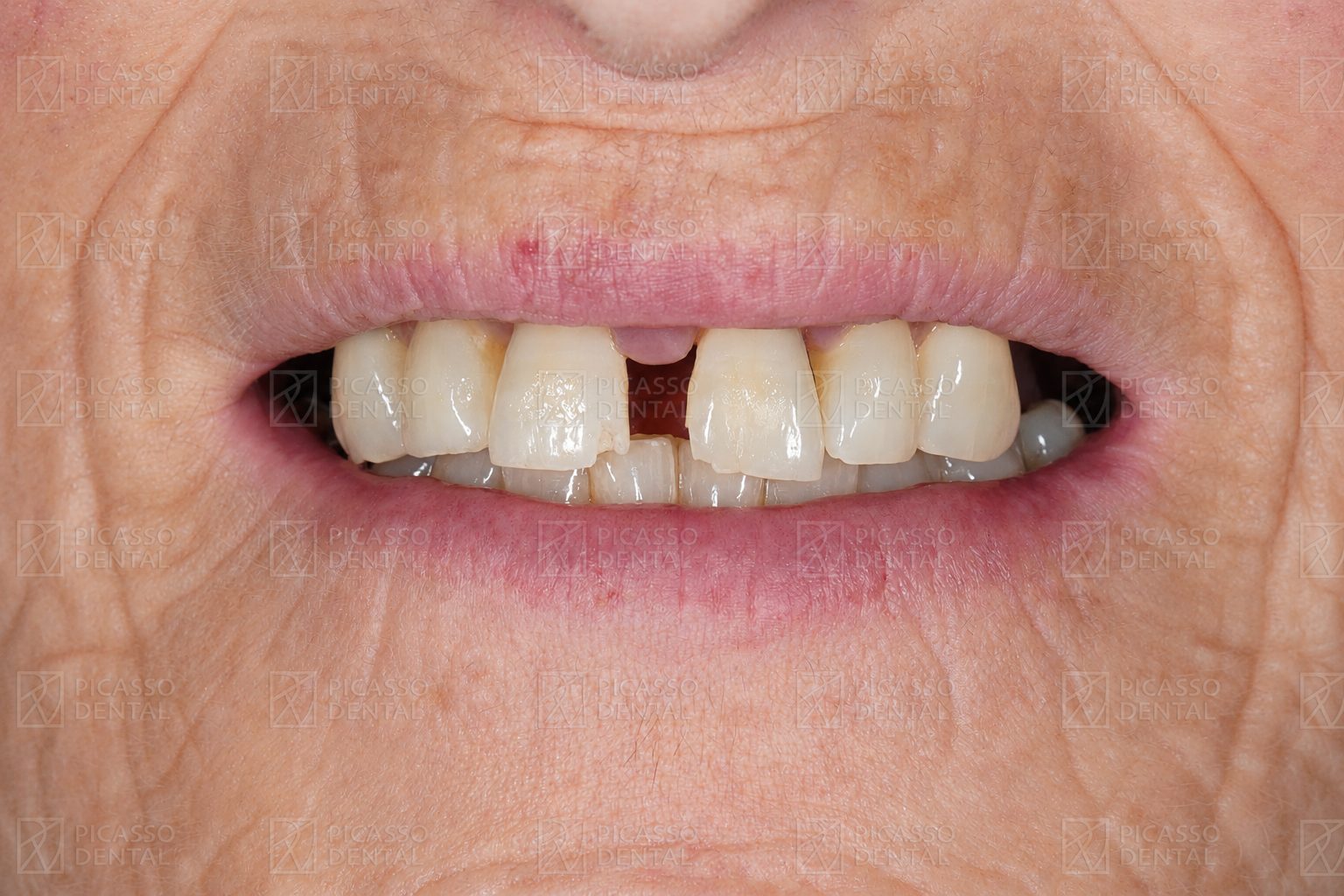 Before
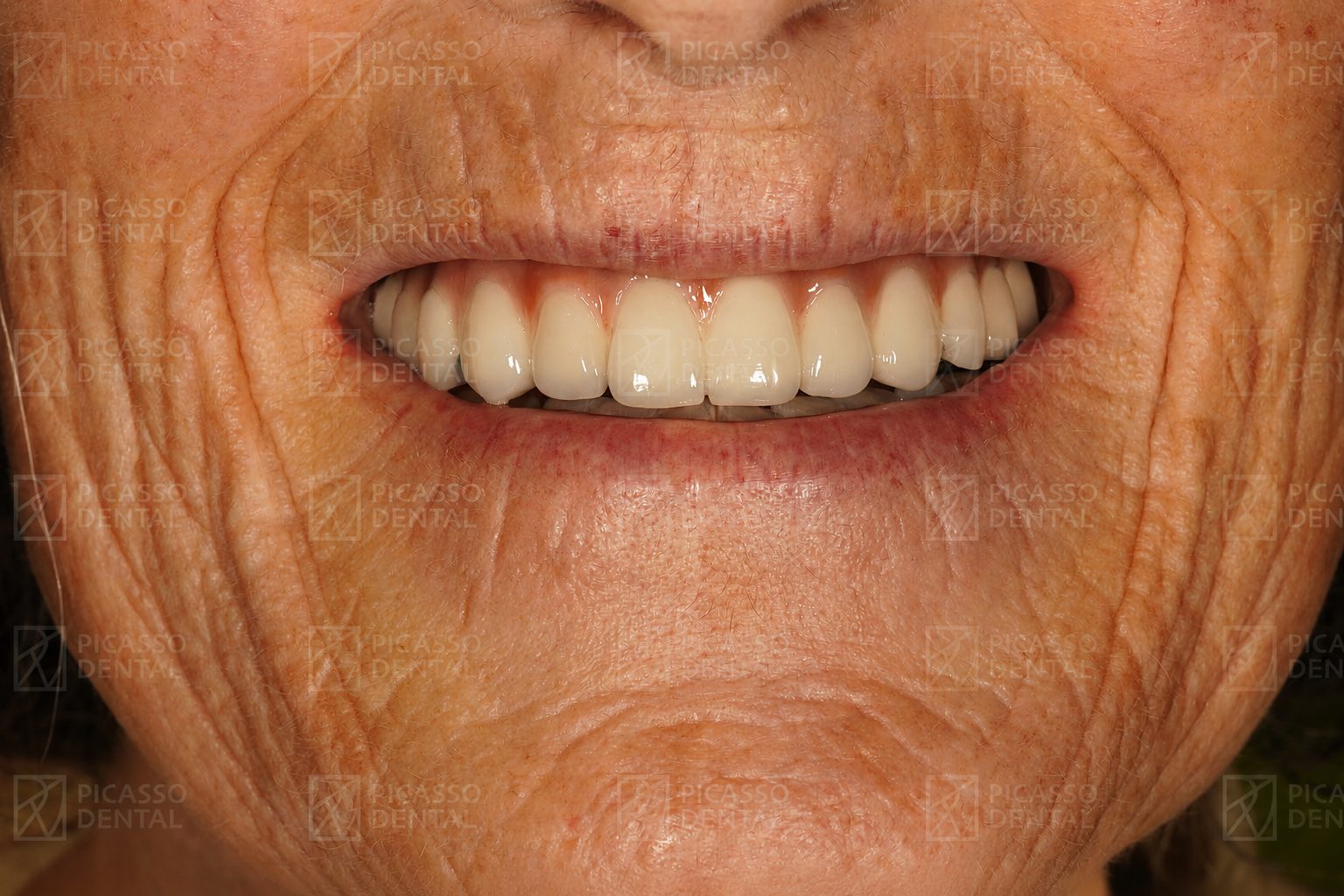 After
AfterFull rehabilitation, Hanoi Old Quarter
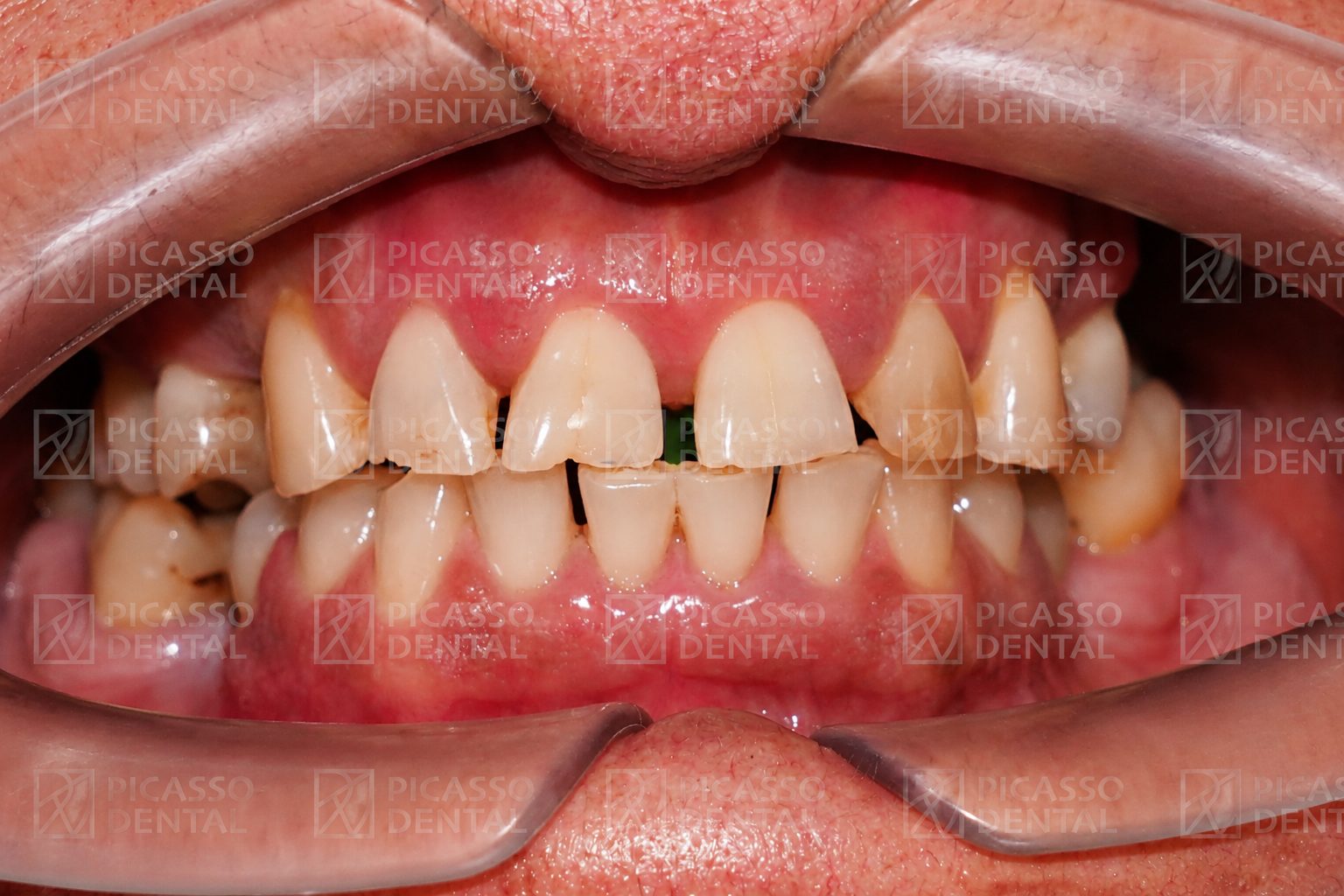 Before
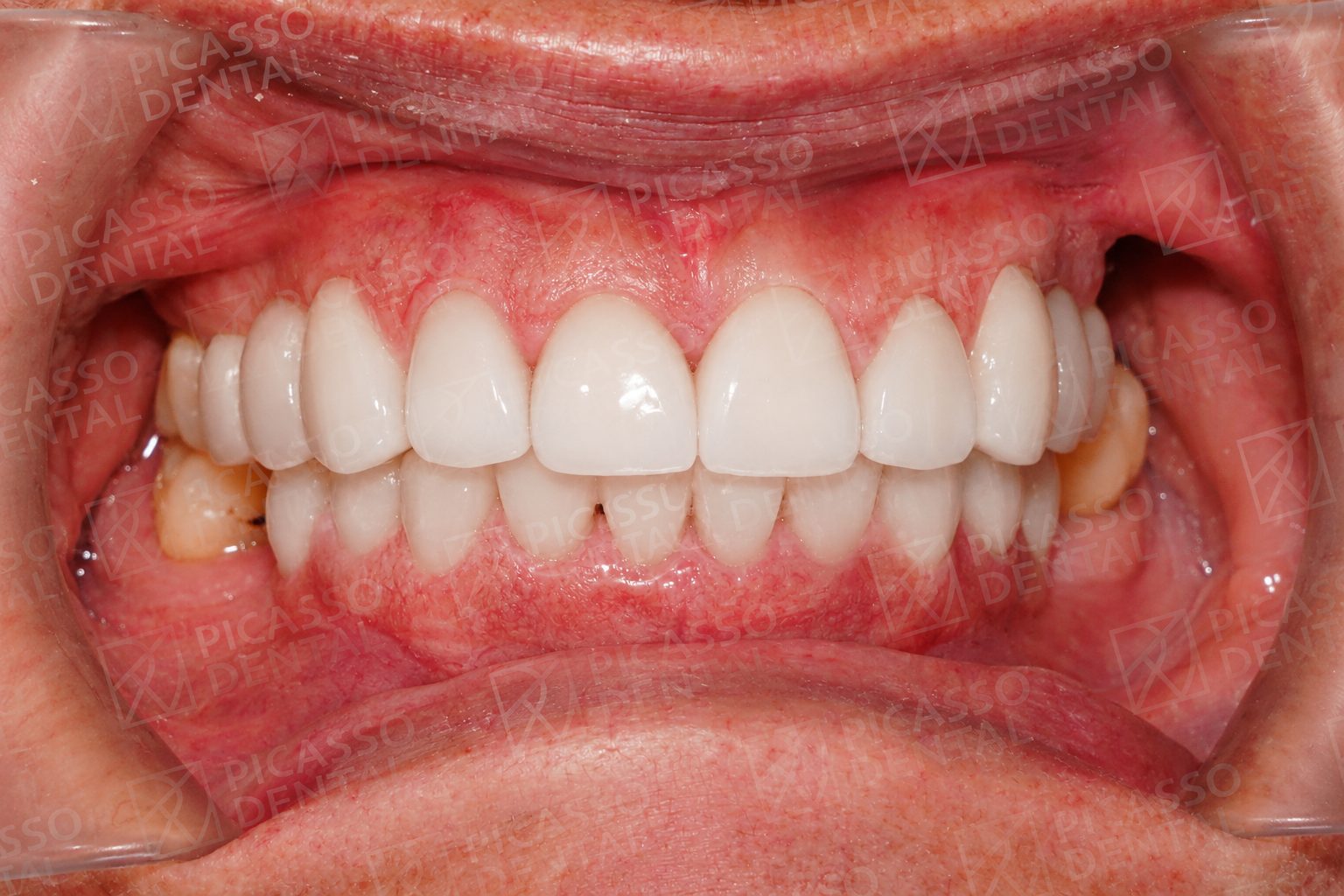 After
AfterRestoration and veneers, Da Nang
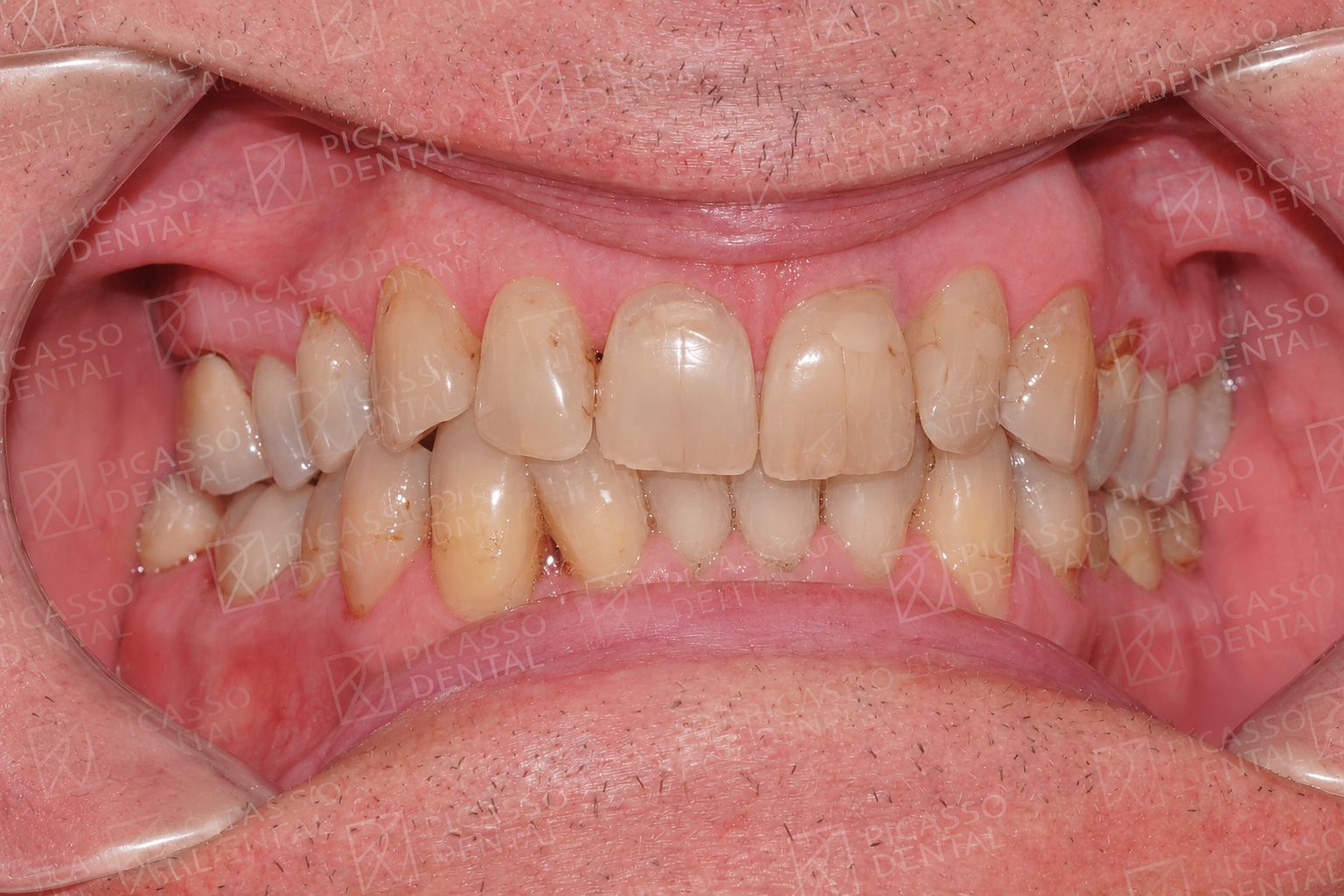 Before
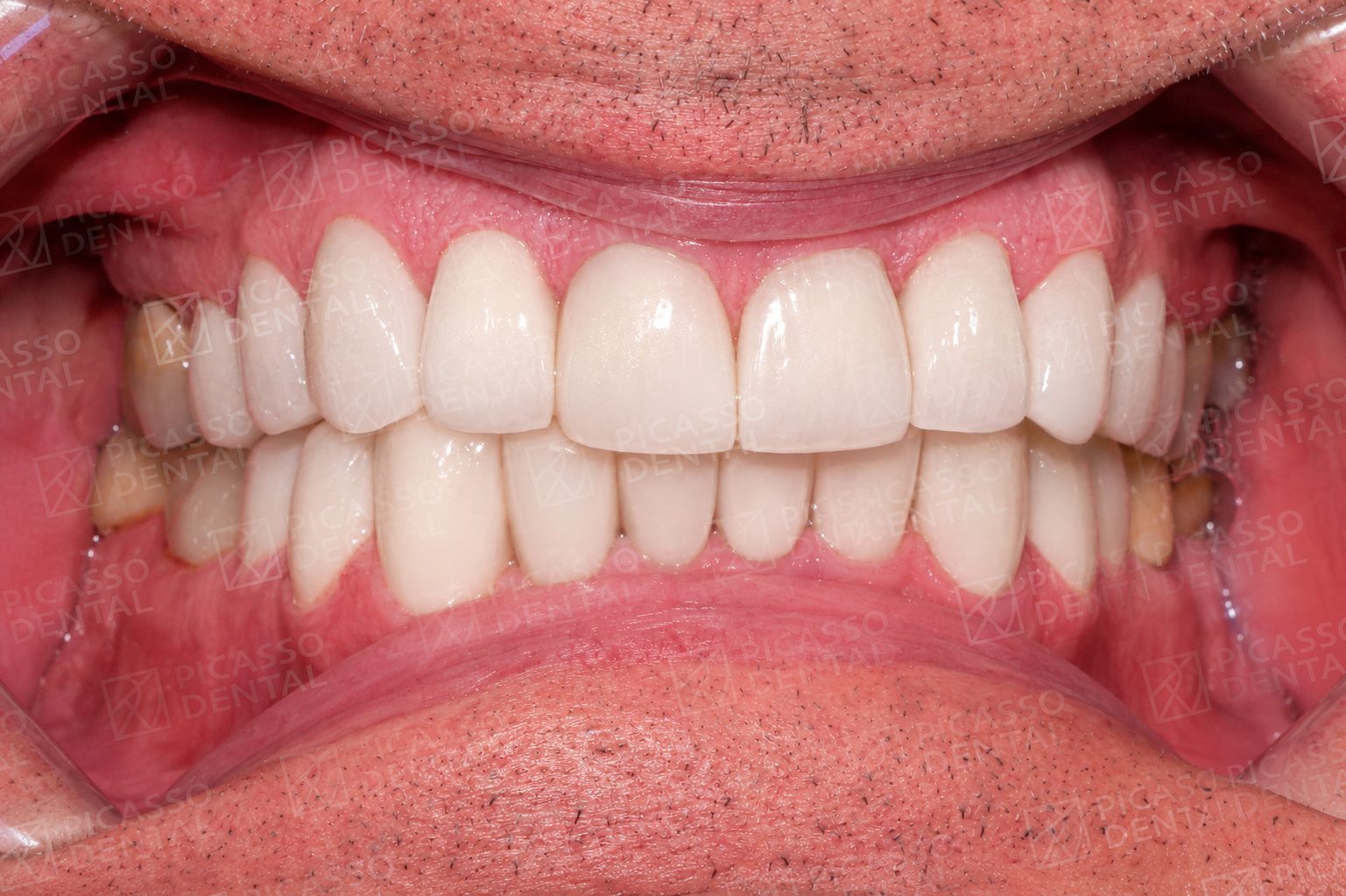 After
AfterImplant restoration, HCMC
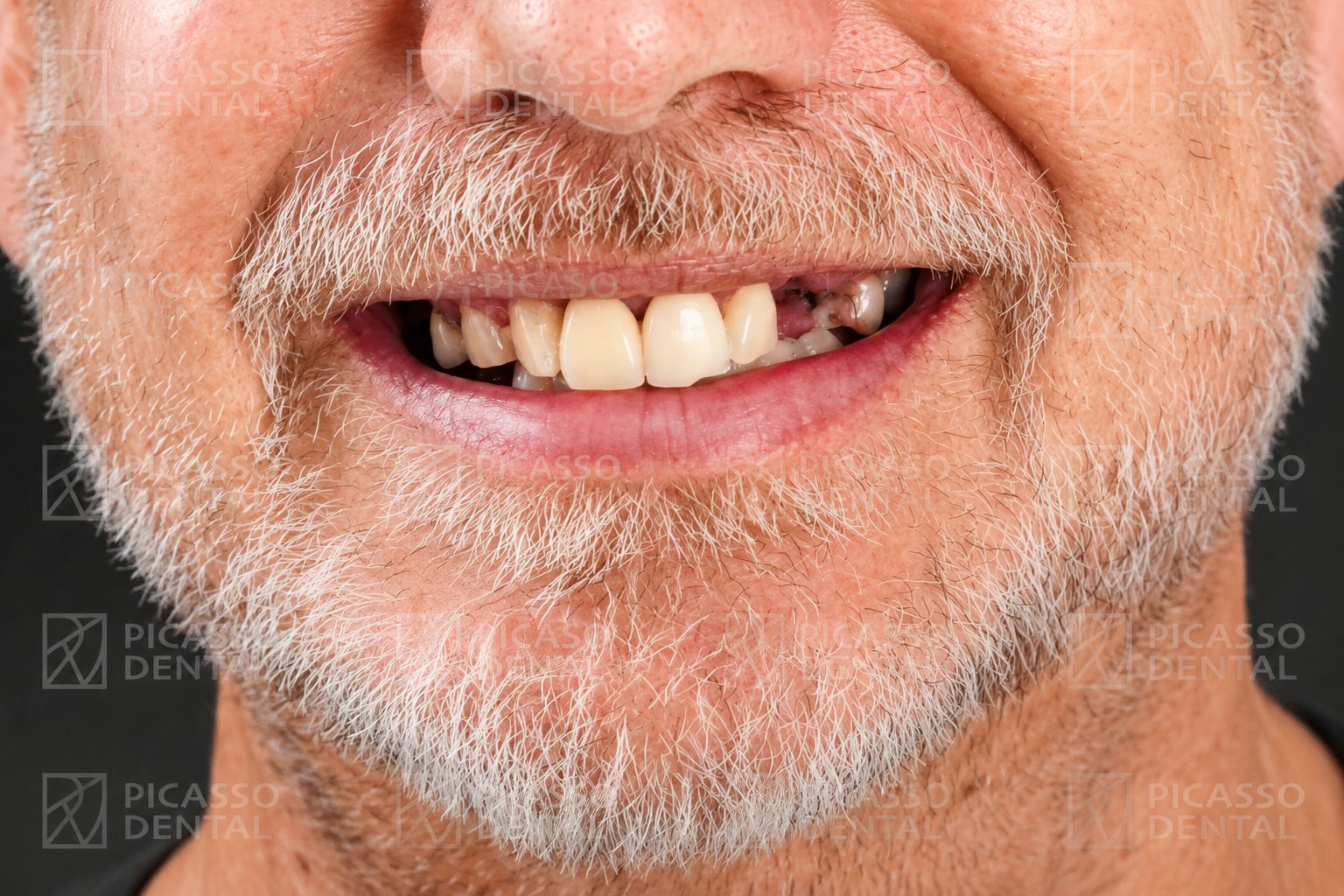 Before
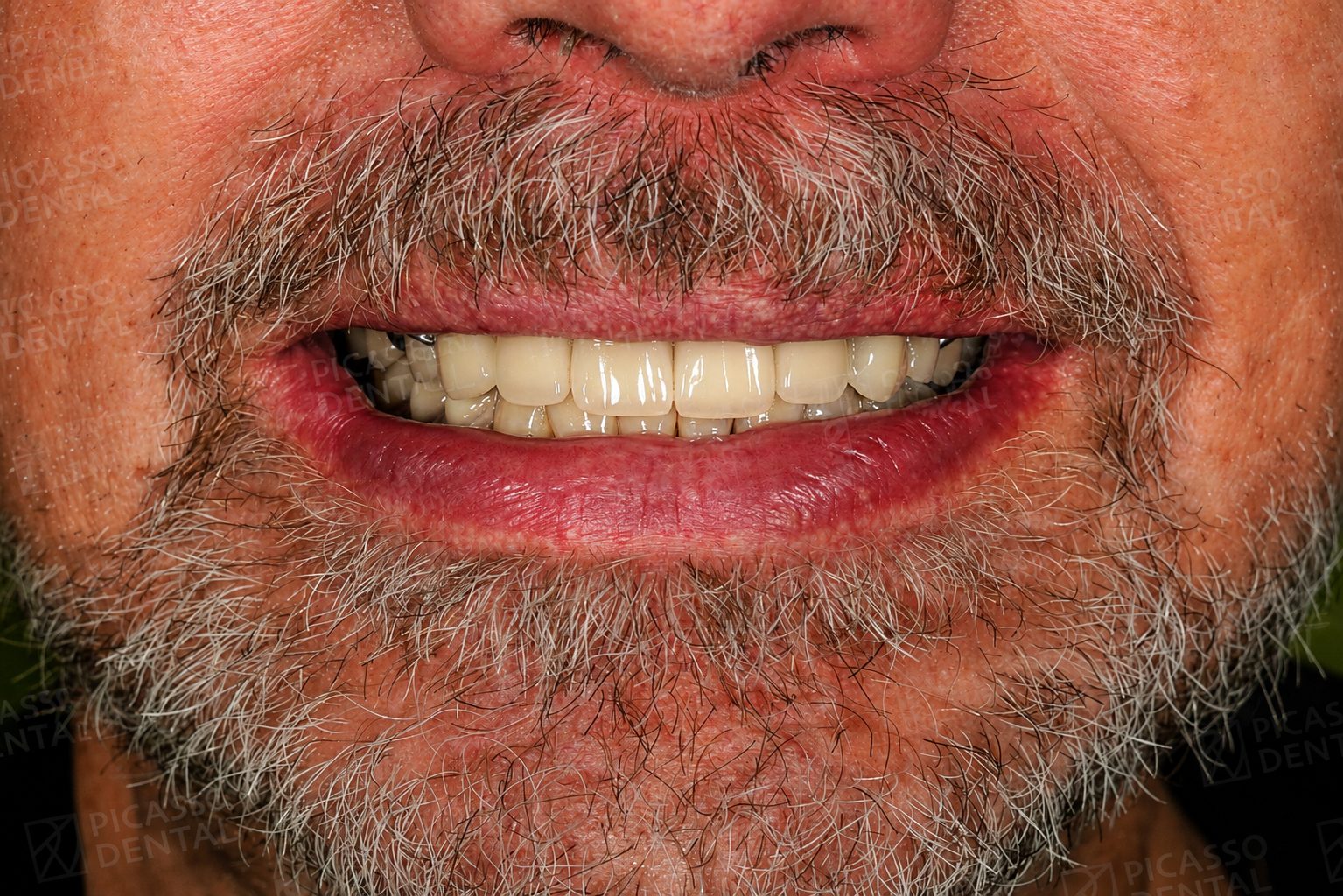 After
AfterCrowns and bridge, Hanoi Westlake
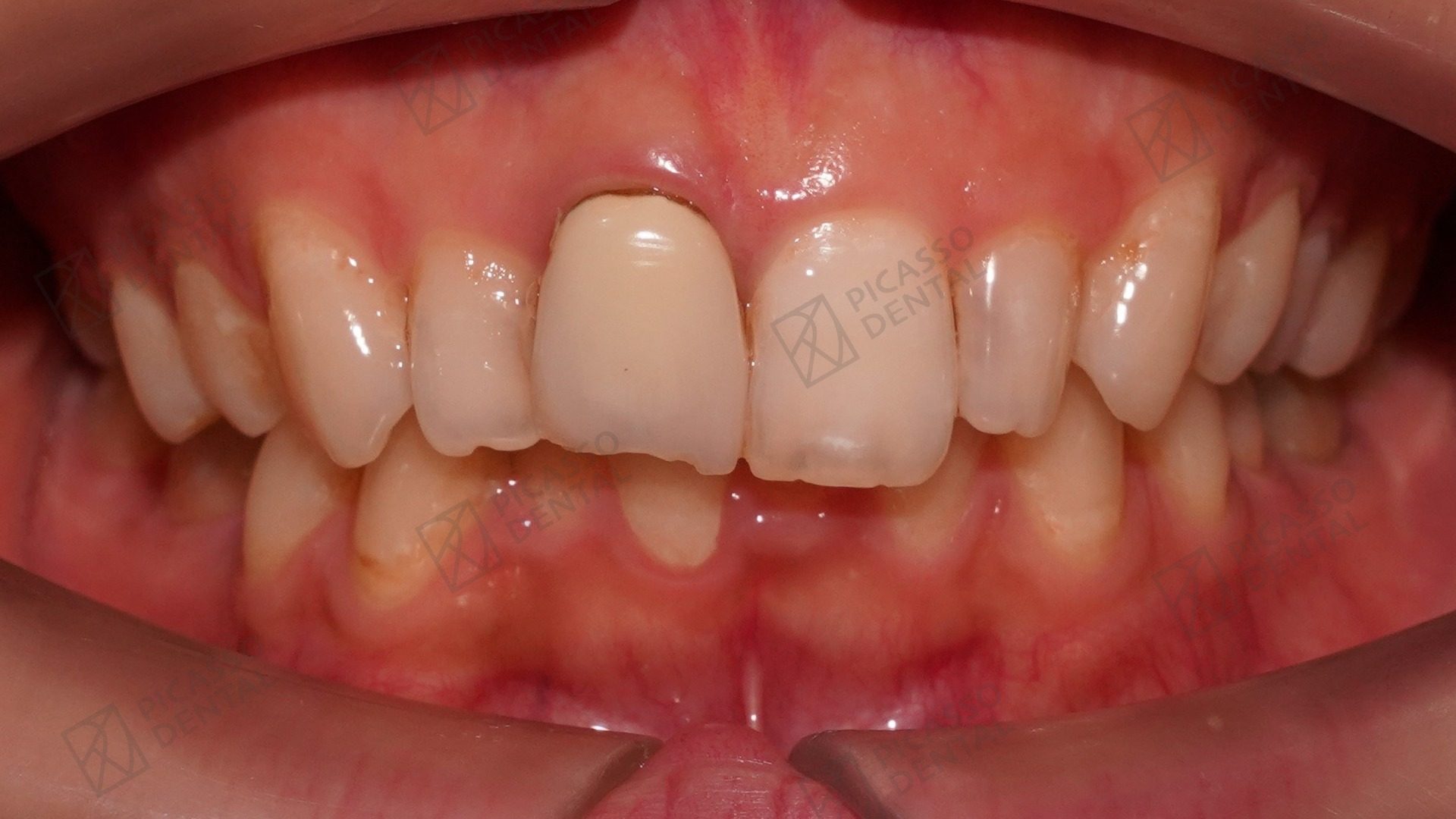 Before
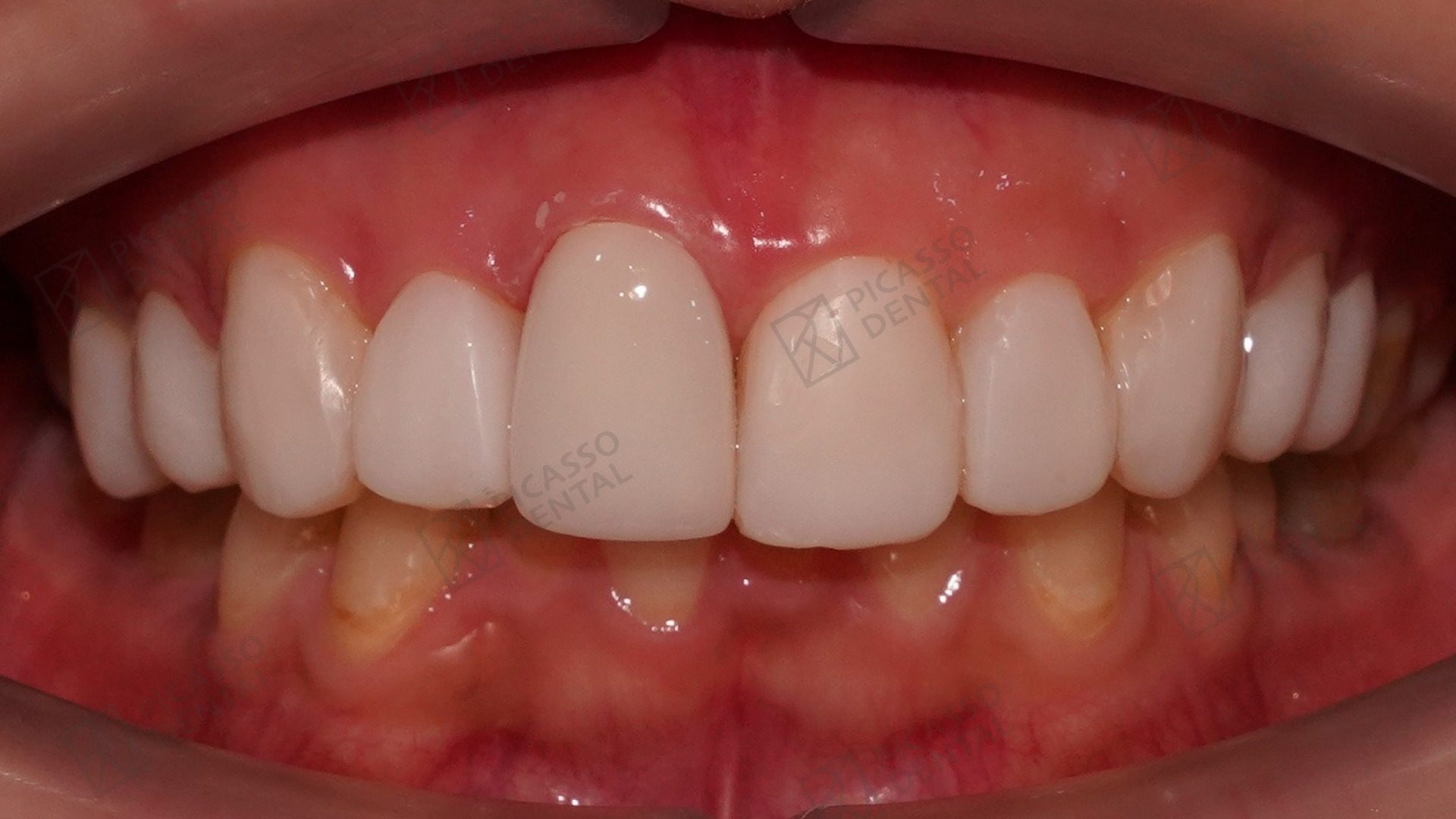 After
AfterCosmetic restoration, Da Nang
Frequently Asked Questions
What counts as a dental emergency in Vietnam?
True dental emergencies requiring same-day care include: severe toothache from suspected infection or abscess (dental infections can spread rapidly), a knocked-out tooth (must be treated within 30 to 60 minutes for best chance of re-implantation), a broken tooth with exposed nerve causing acute pain, and significant soft tissue injuries. Lost fillings or crowns causing discomfort can usually wait 24 to 48 hours.
How do I find an emergency dentist in Vietnam?
Search online for dental care in the city you are in. Ask your hotel concierge. In Hanoi, Da Nang, and Ho Chi Minh City, tourist areas have multiple English-speaking clinics that treat foreigners regularly. Your home country embassy maintains lists of recommended dental providers. International hospital emergency departments also treat dental emergencies, though at higher cost than dedicated clinics.
How much does emergency dental care cost in Vietnam?
Emergency dental care in Vietnam costs significantly less than in Western countries. Most established clinics in major cities accept credit cards. You will typically pay at the time of service and submit travel insurance claims with itemised receipts after returning home. Request detailed documentation with diagnosis and procedure descriptions for your insurer.
What should I do if a tooth is knocked out while traveling in Vietnam?
Act immediately. Pick up the tooth by the crown only, never the root. Rinse gently with water without scrubbing. If possible, place it back into the socket. If not, store in milk or saliva and get to a dental clinic within 30 to 60 minutes. Speed is the primary factor in whether the tooth can be saved.
Do dental clinics in Vietnam speak English?
English proficiency among dentists in major Vietnamese cities is generally good, especially at clinics that regularly treat international patients. Tourist areas of Hanoi, Da Nang, and Ho Chi Minh City have routinely English-speaking dental services. Translation apps can bridge any gaps at smaller clinics.
Will my travel insurance cover dental emergencies in Vietnam?
Most travel insurance policies with medical coverage include emergency dental treatment, though definitions and coverage limits vary. You will typically pay upfront and submit a reimbursement claim with itemised receipts. Check your policy before travelling. Quality clinics understand insurance requirements and provide the correct documentation.
Can I continue traveling after emergency dental treatment in Vietnam?
In most cases, yes. Many emergencies can be stabilised with temporary treatment that allows you to continue your trip safely. Discuss your travel timeline with your treating dentist, who should give you a clear written assessment of whether continuing to travel is safe and what follow-up is needed.
What dental items should I pack when traveling to Vietnam?
Useful items include: temporary dental cement for a lost crown or filling, over-the-counter pain medication, dental floss, and a note card with your medication list and known drug allergies. Carrying recent dental X-rays accessible on your phone is also helpful, particularly for travelers with complex dental history.
Start Here
Start with a brief.
Need urgent dental care in Vietnam? Contact us and we will arrange an appointment at your nearest branch as quickly as possible.