
Root Canal Treatment
How to Fix a Dark Tooth
After a Root Canal
A tooth that darkens after root canal treatment is a common and fixable problem. The right approach depends on what caused the discolouration, how long it has been present, and how much tooth structure remains intact.

Key Takeaways
- Root canal teeth darken because blood components remaining in dentinal tubules break down and stain the tooth from the inside out.
- Internal bleaching (walking bleach technique) is the first-choice treatment: conservative, relatively inexpensive, and successful in roughly 70 to 80 percent of appropriate cases.
- Recent discolouration responds far better than old, deeply set staining. Intervening early gives significantly better results.
- When bleaching fails or the tooth has structural damage, a veneer or crown provides a reliable cosmetic solution.
Why root canal teeth darken
Darkening after root canal treatment is a frustrating cosmetic problem that affects many patients, but it is important to understand why it happens before choosing a treatment approach.
During root canal treatment, the blood supply, nerve tissue, and pulp are removed from inside the tooth. When blood components remain in the microscopic tubules within the tooth structure, they break down over time, releasing iron compounds and other breakdown products that stain the tooth from the inside out. The result is a grey, brown, or bluish tint that is most noticeable in natural light and can develop within months of treatment or emerge gradually over years.
Certain filling materials used in older root canal treatments also contributed significantly to darkening. Silver-containing materials, once common, caused pronounced staining. Modern materials are considerably better, though some can still cause slight discolouration over time if not managed carefully during the procedure.
Trauma that necessitated the root canal in the first place is another common cause. When a tooth is struck hard enough to damage the nerve, internal bleeding occurs. Even when root canal treatment is performed promptly, blood breakdown products may already have penetrated the dentinal tubules. This type of staining can be among the most difficult to reverse because the pigmentation occurs very close to the enamel surface.

Internal bleaching: the first treatment to try
Internal bleaching, also called the walking bleach technique, is the most conservative and cost-effective first step for most cases of darkened root canal teeth. Rather than applying bleach to the outer tooth surface as conventional whitening does, this procedure whitens the tooth from the inside.
The technique involves accessing the inside of the tooth through the existing root canal opening on the back surface of the tooth. The pulp chamber is cleaned of any stained material, concentrated whitening gel is placed inside, and a temporary filling seals the opening. The bleach works over one to two weeks. At the next appointment the result is assessed, and if lightening is insufficient, fresh gel is placed for another cycle. Most teeth require two to four sessions to achieve satisfactory lightening, with the total treatment spanning four to eight weeks.
The key advantage of internal bleaching is that it preserves all of the natural tooth structure. No enamel is removed. The tooth itself is not altered beyond the access opening that was already present from the root canal. When it works, results look natural because the tooth structure itself is lighter, not covered by anything.
It is important to set realistic expectations. Internal bleaching rarely restores a tooth to its exact original shade, particularly when discolouration has been present for years. The goal is significant improvement. A tooth that was dark grey can lighten to a near-white that blends comfortably with adjacent teeth, even if it does not match perfectly. A tooth that resists bleaching over four sessions is unlikely to respond further, and a different approach should be considered.

When to move to a veneer
A porcelain veneer becomes the appropriate choice when internal bleaching has not achieved adequate results, when the discolouration is too severe or too old to respond to bleaching, or when the tooth also has minor chips, shape issues, or size discrepancies that a veneer would address at the same time.
A veneer is a thin porcelain shell, typically 0.5 to 1 millimetre thick, that is bonded to the front surface of the tooth. It completely masks the underlying discolouration. The result is immediate and highly predictable because the colour is determined by the ceramic, not by the original tooth shade.
The trade-off with a veneer is that a small amount of healthy enamel must be removed from the front of the tooth to create space for the ceramic. The amount removed is minimal compared to a crown, but the tooth is permanently altered. Veneers are therefore most appropriate when the tooth has exhausted conservative options or when there are combined cosmetic concerns that make the porcelain investment worthwhile.

Not sure whether bleaching or a veneer is right for your tooth? Book a consultation and we will assess the type and severity of discolouration and give you an honest recommendation.
Book a consultation →When a crown is the right answer
A crown becomes necessary when the tooth is structurally compromised in addition to being discoloured. This typically applies to teeth with large existing restorations, significant cracks, or substantial loss of tooth structure from the original cavity or from the root canal access itself. In these situations, the tooth needs the structural reinforcement that a crown provides, and the cosmetic correction comes as part of the same restoration.
For a tooth that is cosmetically discoloured but otherwise intact and structurally sound, a crown is a more aggressive choice than necessary. A staged approach is usually better: attempt internal bleaching first because it is the most conservative option, then progress to a veneer if needed, and only consider a crown when structural factors require it.
The staged approach at Picasso Dental
When a patient presents with a darkened root canal tooth, the first step is clinical assessment: examining the type and distribution of the staining, the structural condition of the tooth, and the relationship of the tooth to its neighbours. This assessment directly determines which approach is appropriate.
For teeth with recent, brown or mixed discolouration and intact structure, internal bleaching is recommended first. If the discolouration is severe, very old, or grey in character, or if the patient's timeline or expectations make multiple bleaching sessions impractical, a veneer is discussed immediately. For teeth with compromised structure, a crown conversation happens from the outset.


Preventing a root canal tooth from darkening
If you are about to undergo root canal treatment and are concerned about future darkening, the conversation to have is with your treating dentist before the procedure. Thorough cleaning of the pulp chamber to remove all blood components, the use of modern non-staining materials, and placement of a bonded composite base inside the pulp chamber before the final restoration all significantly reduce the risk of subsequent discolouration. These steps add very little to the procedure but can prevent a cosmetic problem that would otherwise require months of treatment to correct.
If a previously treated root canal tooth is beginning to look slightly darker, scheduling an early assessment is worthwhile. Fresh staining responds considerably better to internal bleaching than staining that has had years to deepen into the dentinal tubules. Early intervention means more treatment options, better outcomes, and lower cost.
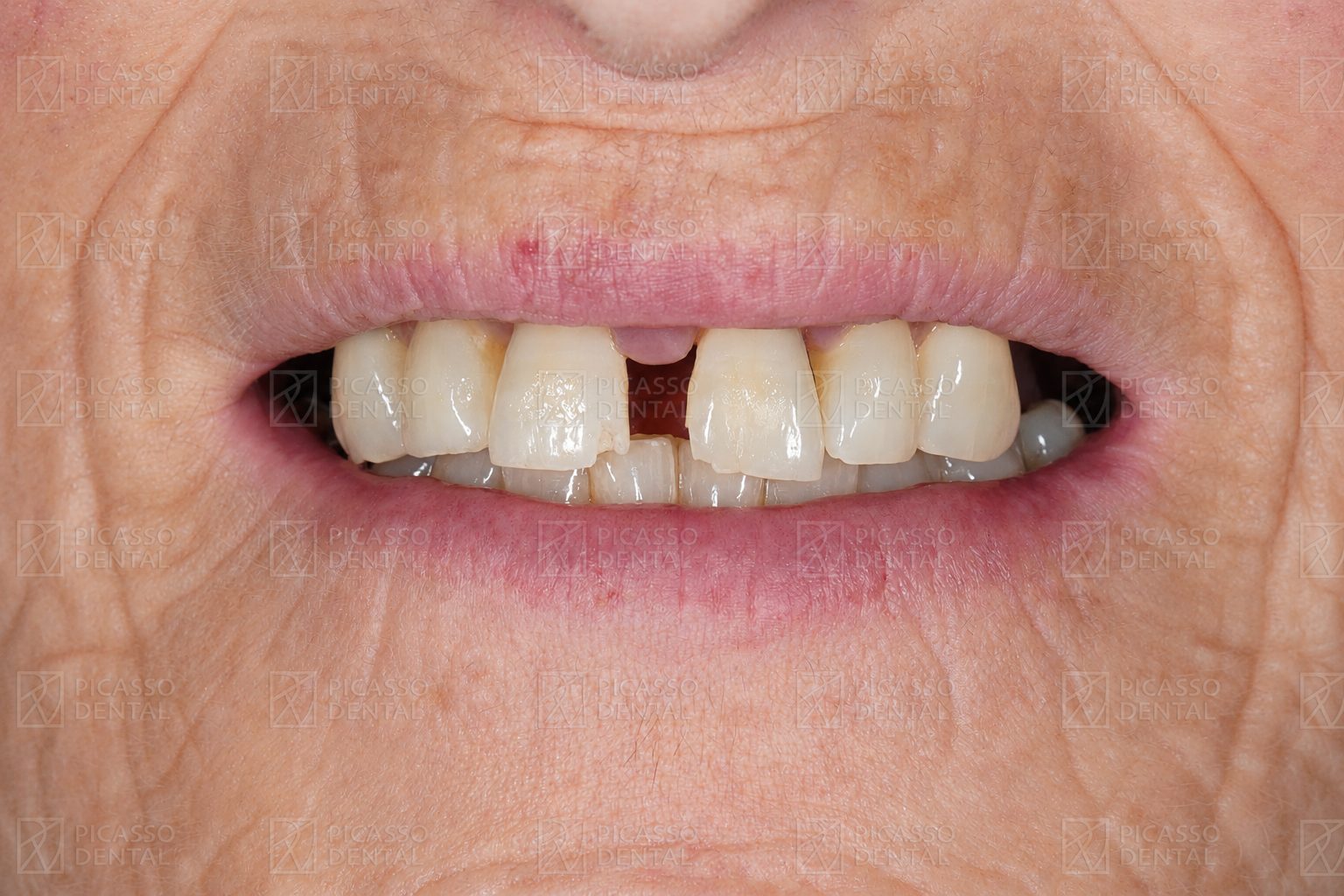 Before
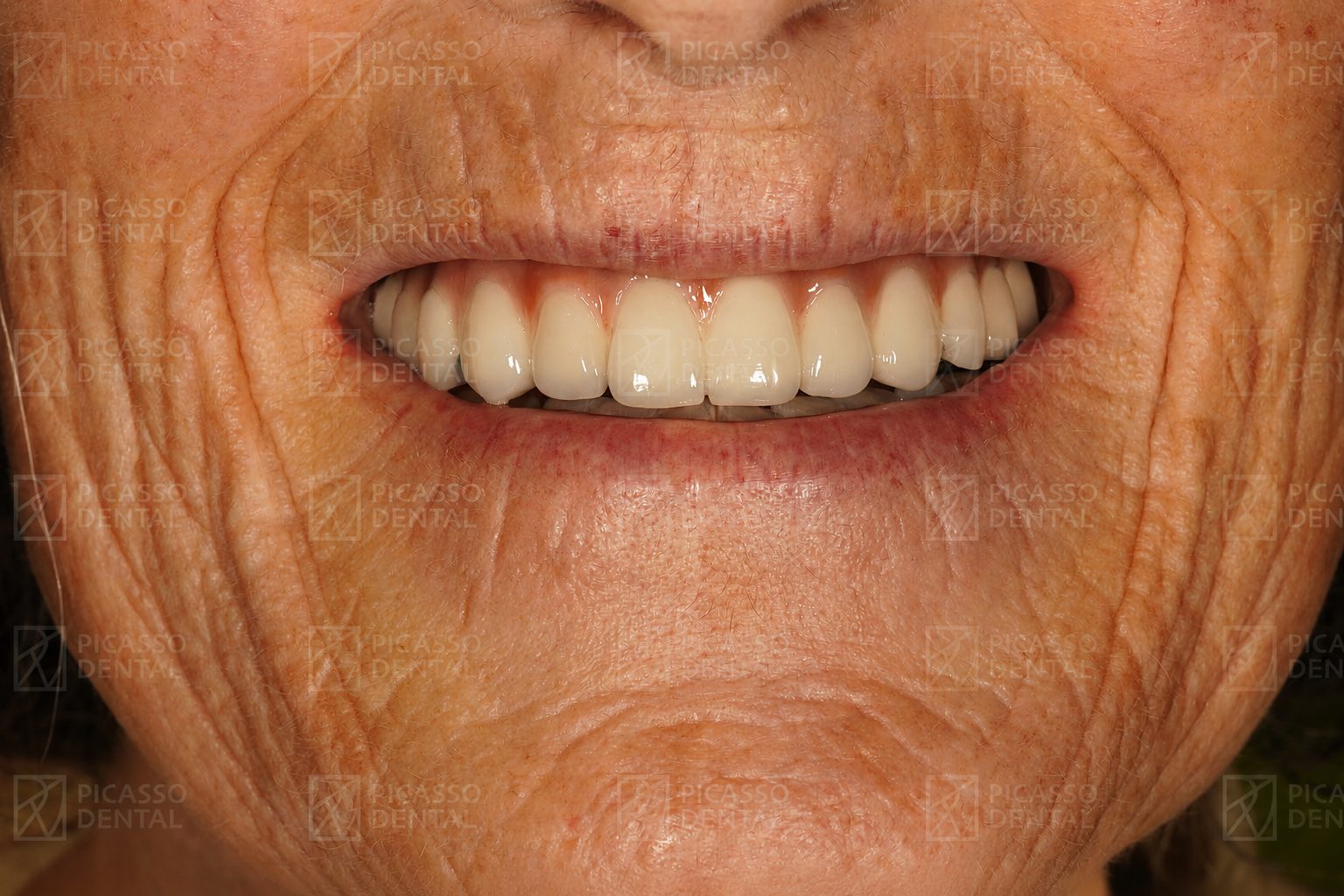 After
AfterFull smile rehabilitation, Hanoi Old Quarter
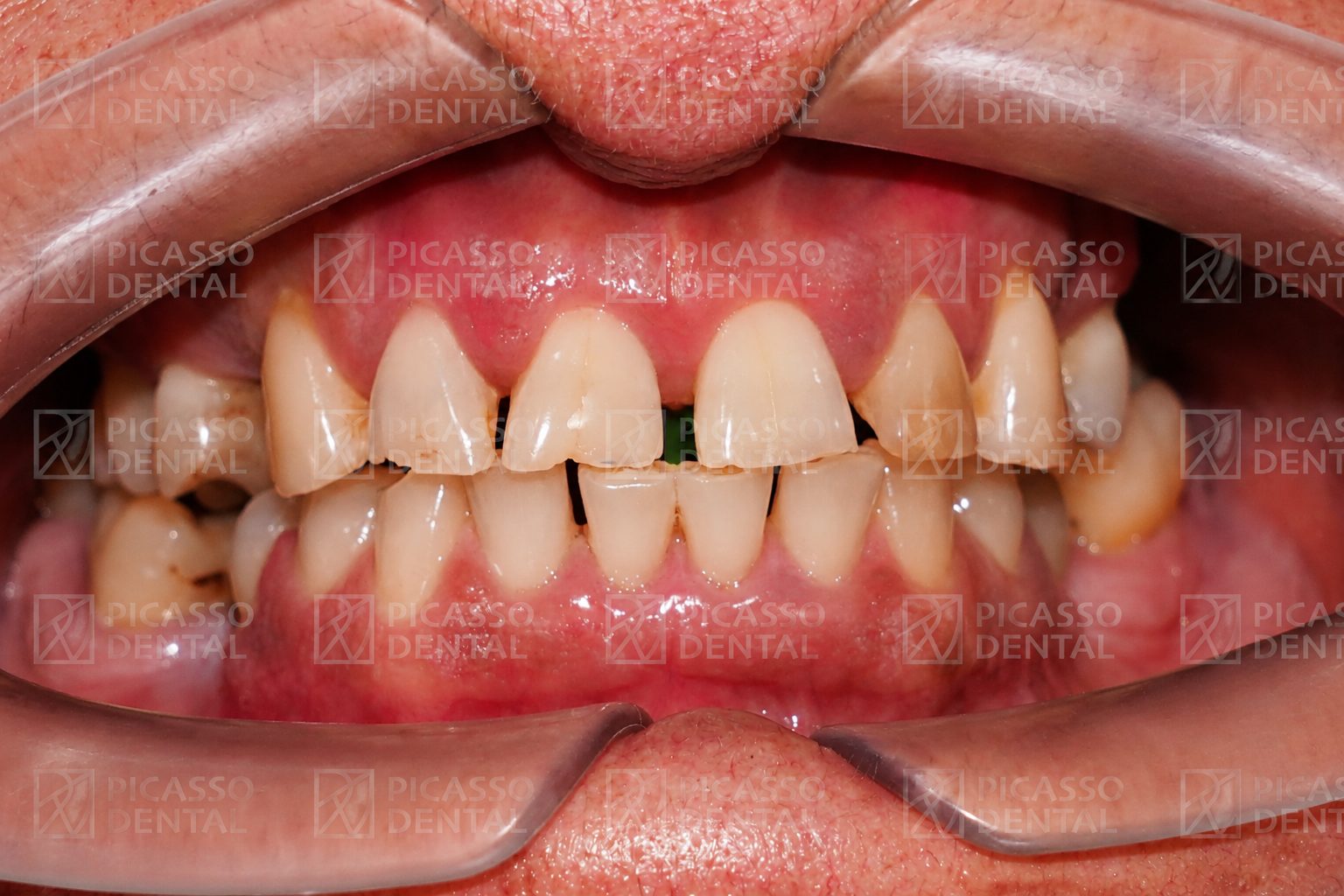 Before
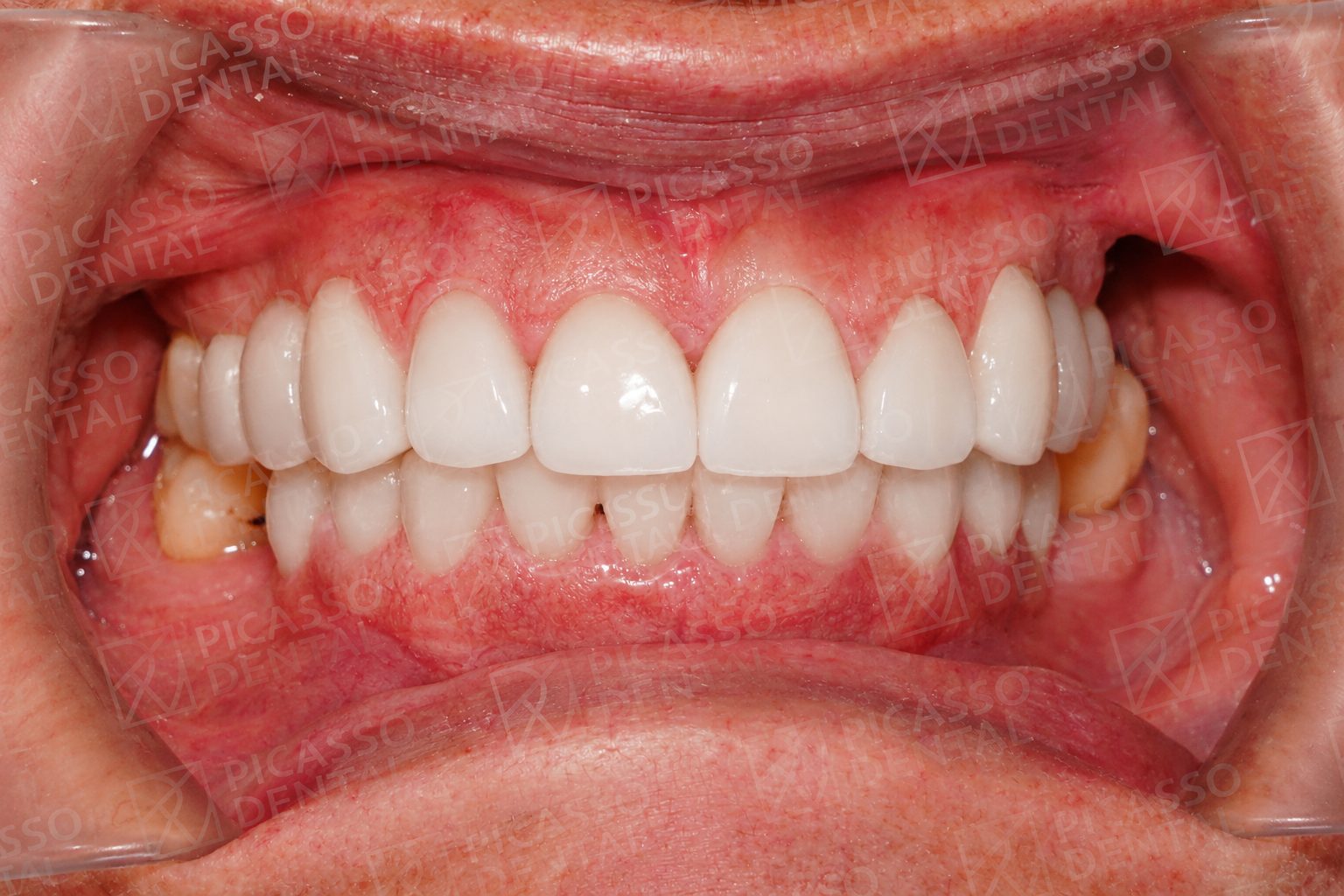 After
AfterPorcelain veneers, Da Nang
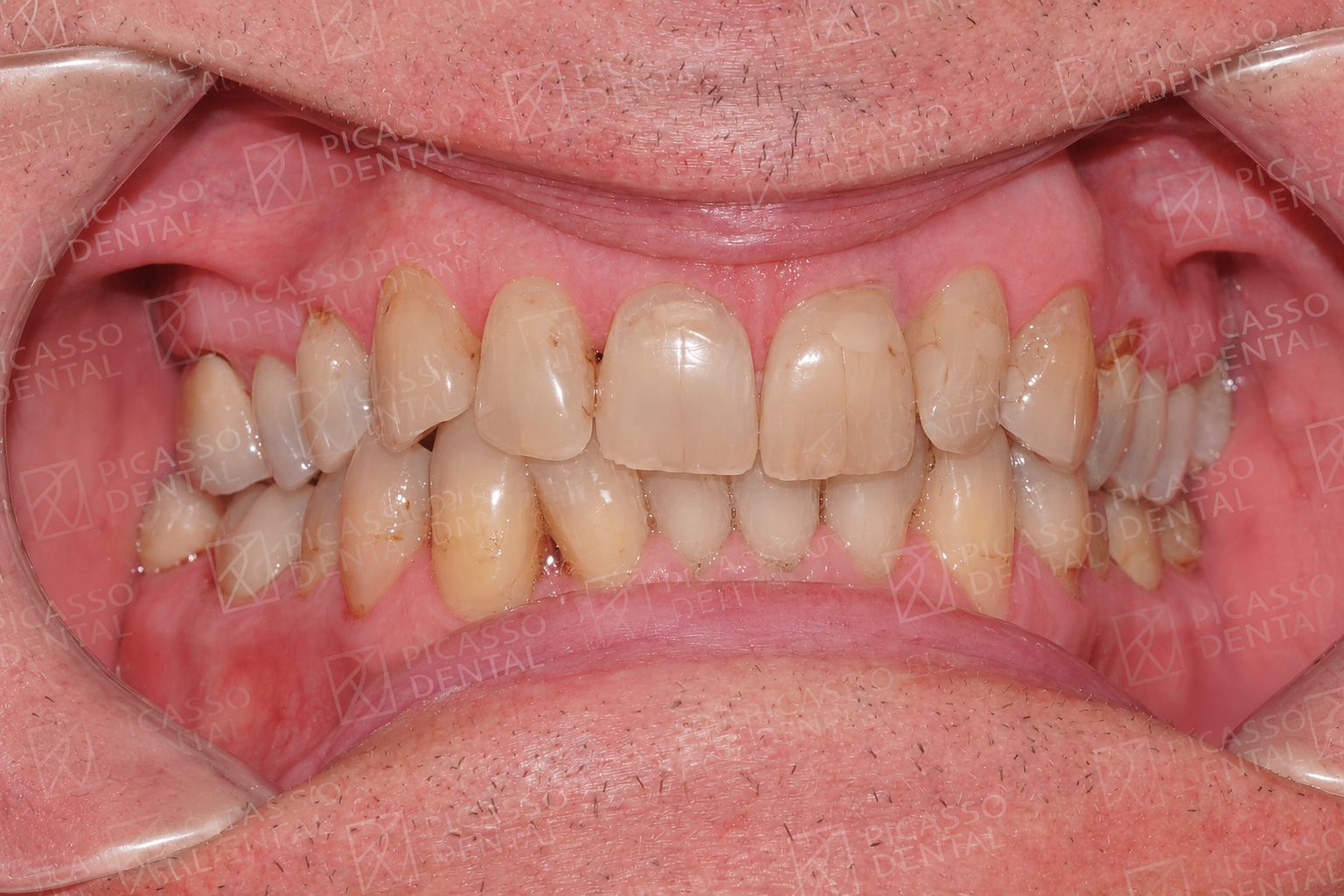 Before
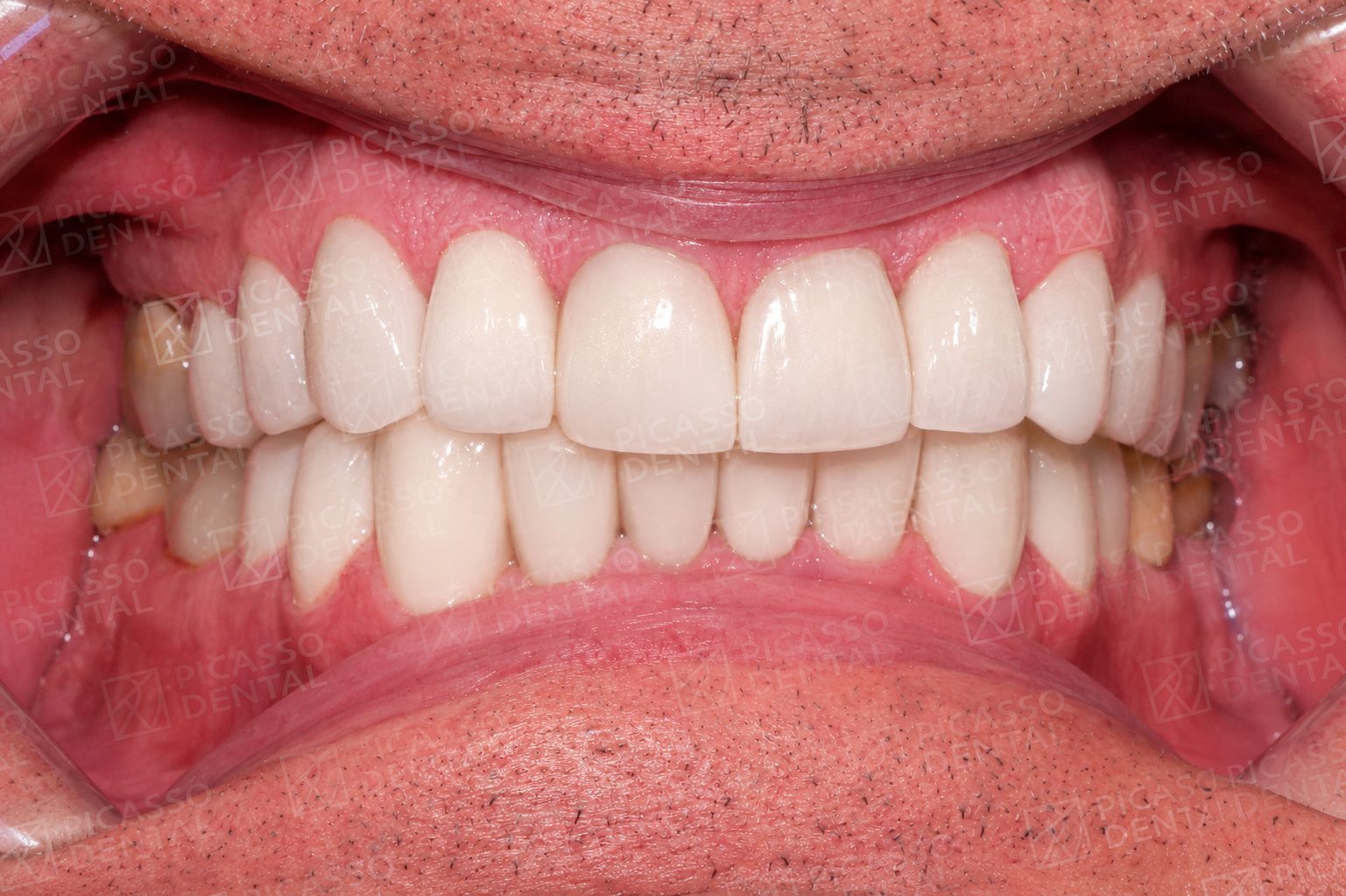 After
AfterCrown restoration, HCMC Thao Dien
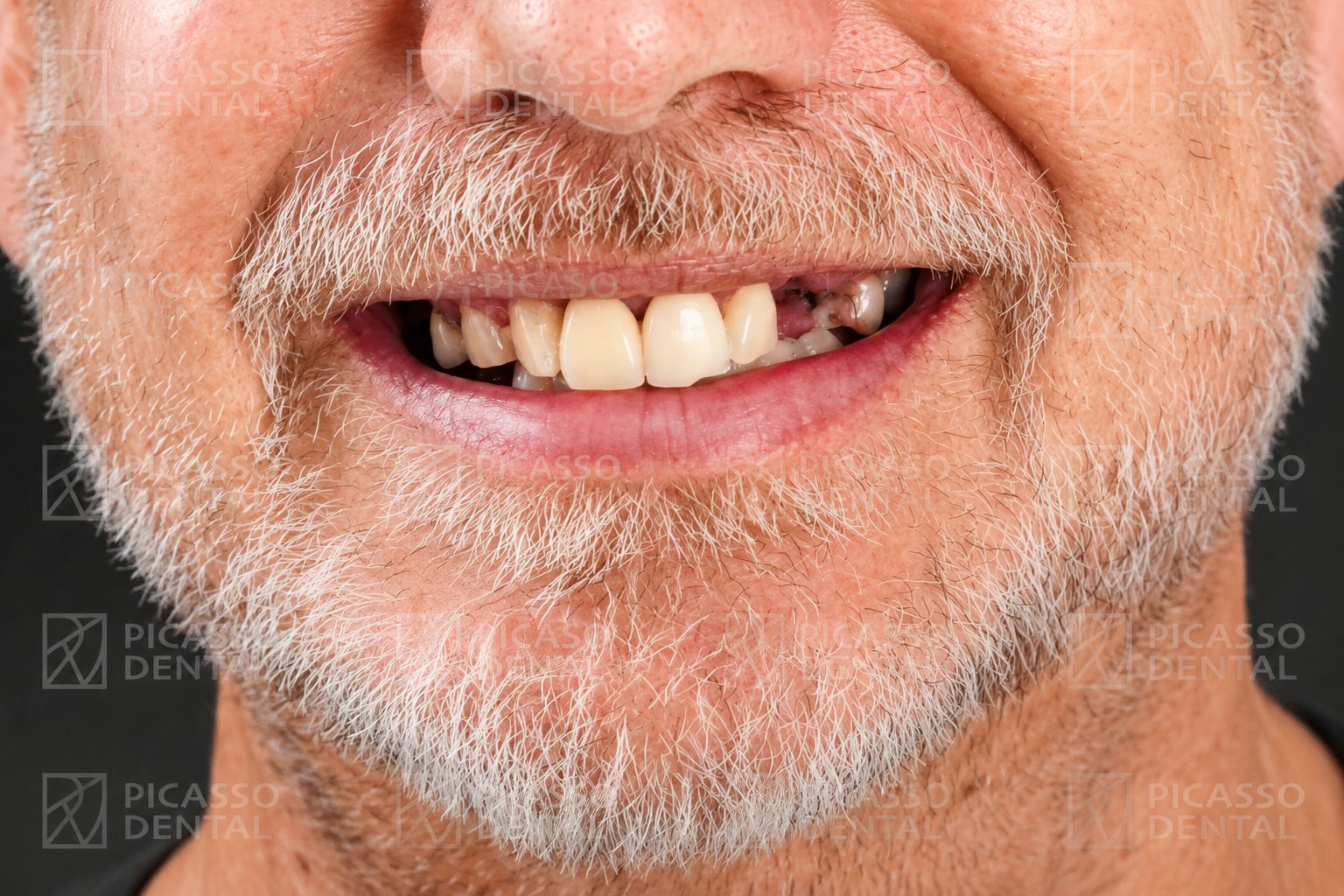 Before
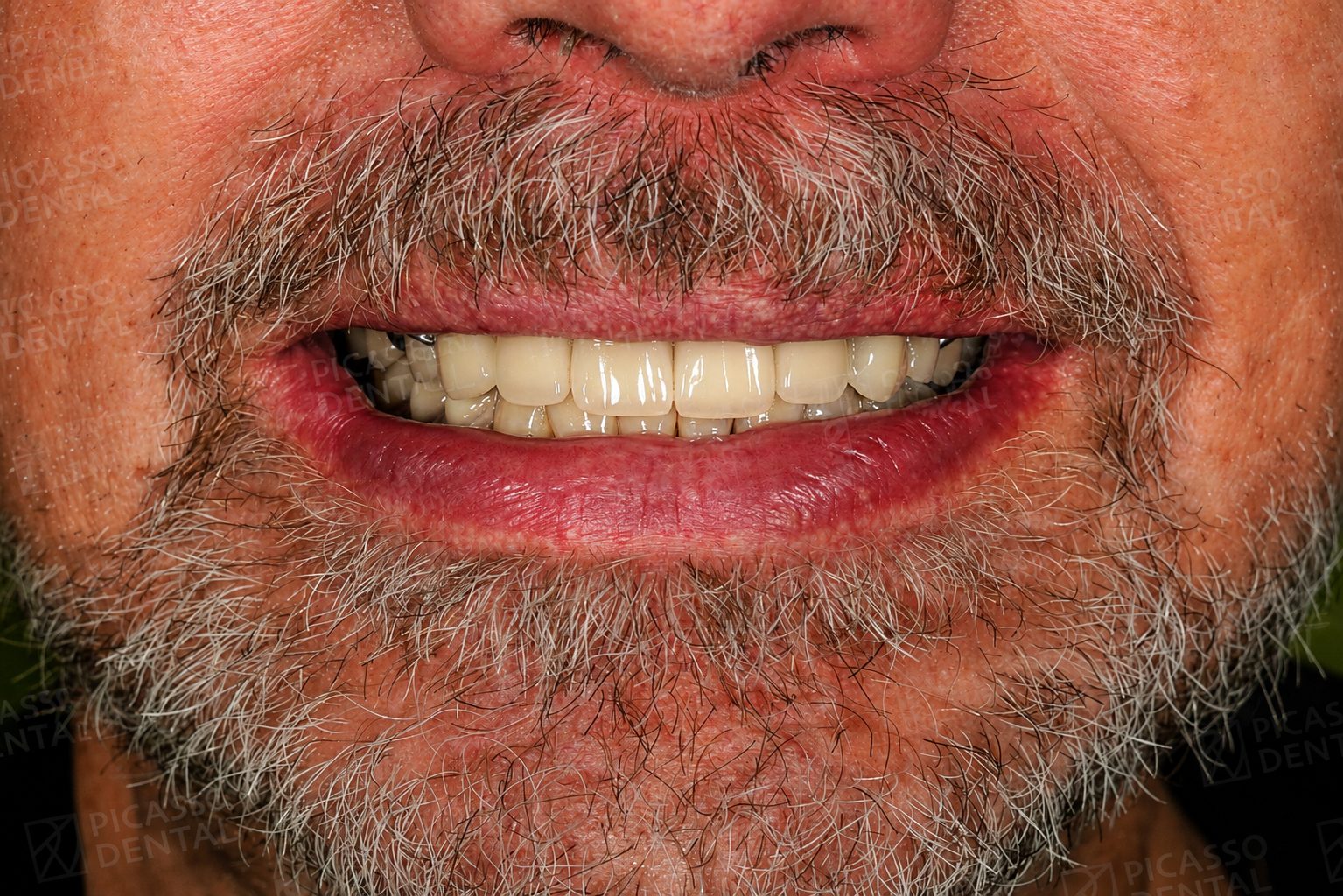 After
AfterSmile makeover, Hanoi Westlake
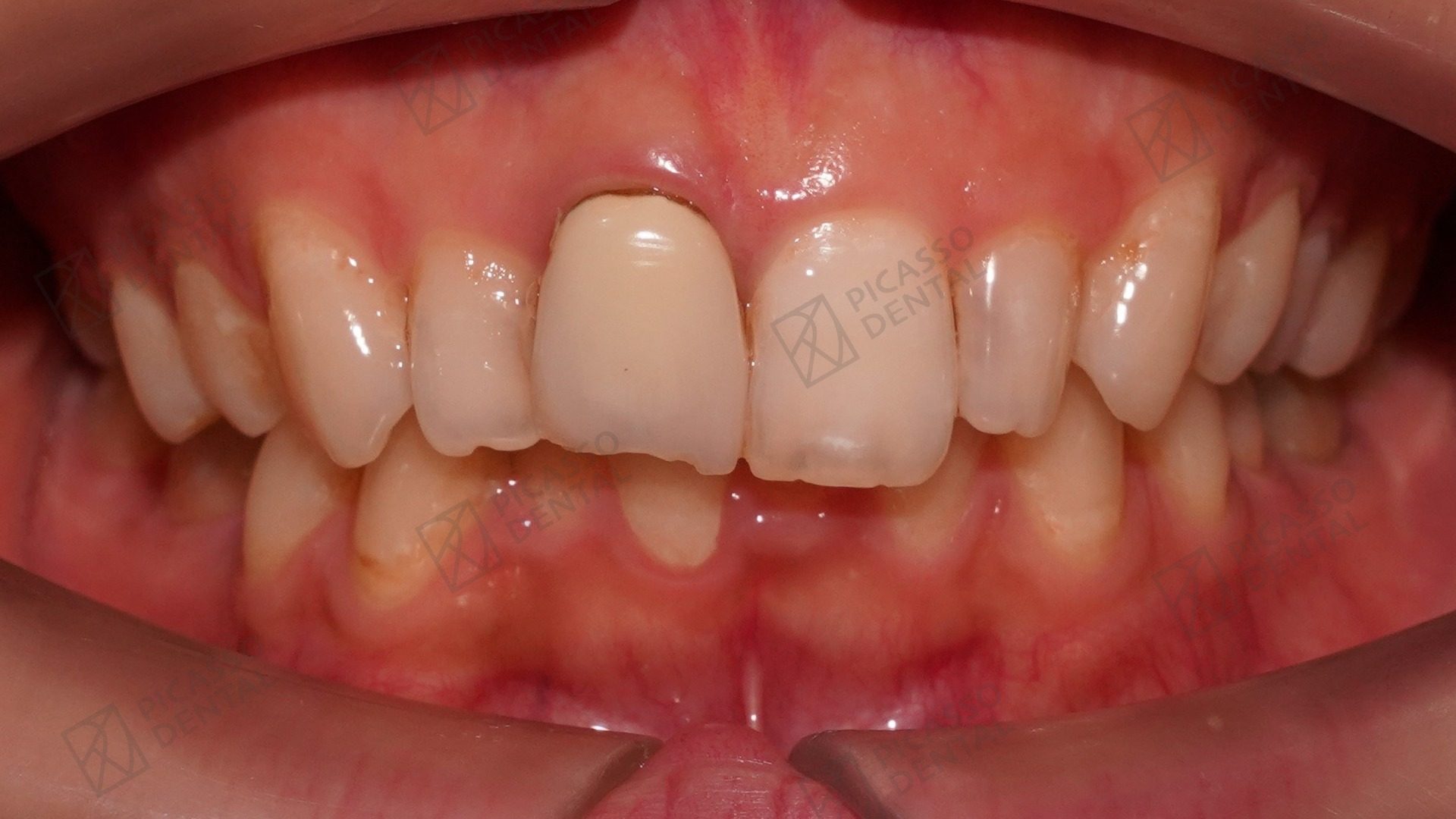 Before
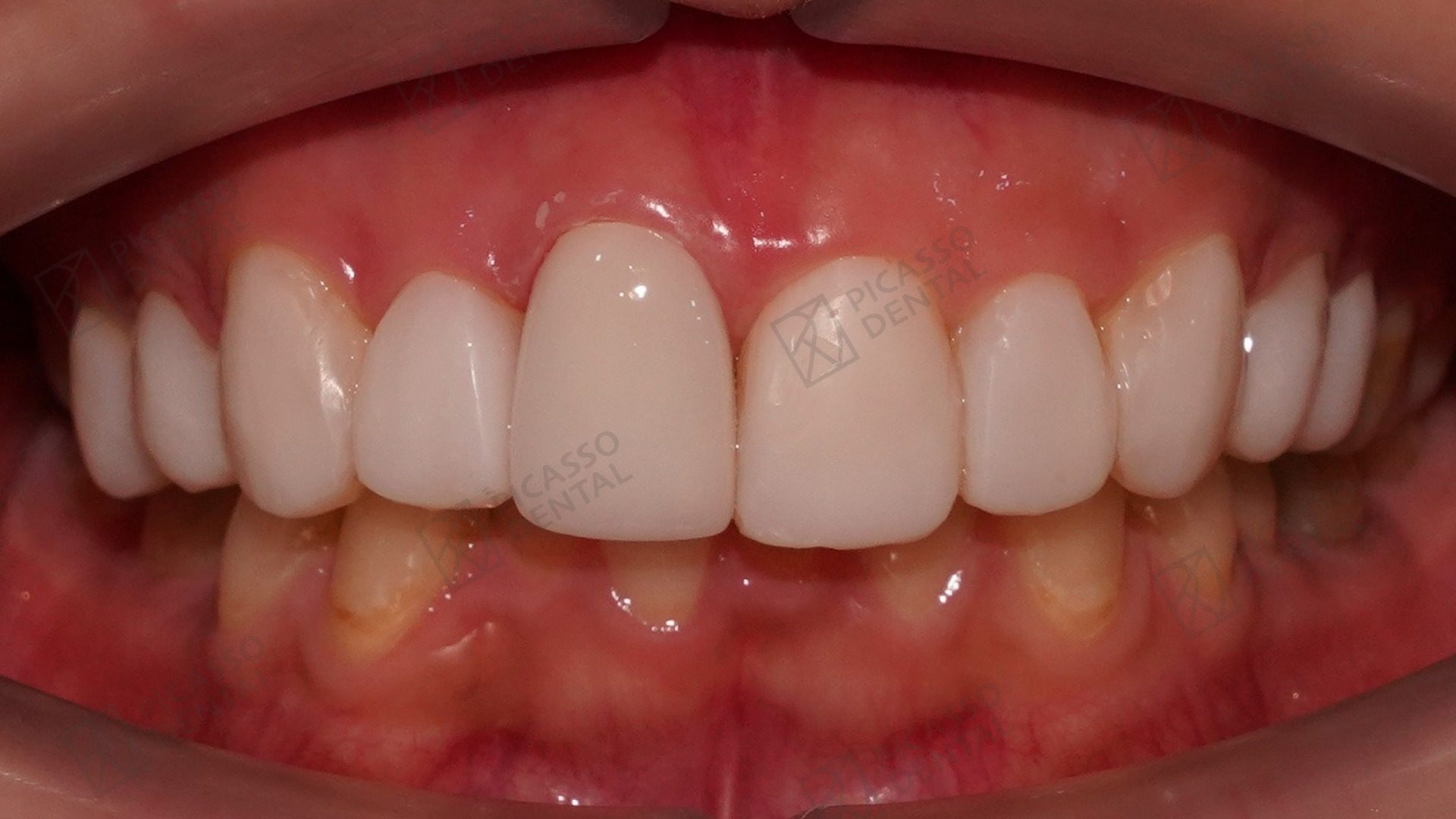 After
AfterCosmetic restoration, Da Nang
Frequently Asked Questions
Why does a tooth darken after a root canal?
During root canal treatment the blood supply and nerve are removed from inside the tooth. Blood components that remain in the microscopic dentinal tubules break down over time, releasing iron compounds that stain the tooth from the inside out. The darkening can appear within months or develop gradually over years. Older silver-containing filling materials also contributed to discolouration in historic cases.
What is internal bleaching and does it work?
Internal bleaching places concentrated whitening gel inside the tooth through the existing root canal opening. The bleach works over one to two weeks per session and most teeth need two to four sessions. It works best on recent discolouration and brown staining. Success rates for appropriate cases are roughly 70 to 80 percent. Deeply set grey staining or discolouration from old materials is less predictable.
How many internal bleaching sessions are needed?
Most teeth require two to four sessions spaced one to two weeks apart. Each session involves placing fresh whitening gel and sealing it inside the tooth with a temporary filling. The total treatment typically spans four to eight weeks. The number of sessions needed depends on the severity and age of the staining.
When is a veneer the better option for a dark root canal tooth?
A veneer is indicated when internal bleaching fails to achieve adequate lightening, when the discolouration is too severe or too old to respond to bleaching, or when the tooth also has other aesthetic issues such as chips or shape irregularities. A porcelain veneer covers the front surface completely and provides an immediate, predictable result. The trade-off is removal of a small amount of healthy tooth structure to accommodate the veneer thickness.
When does a dark root canal tooth need a crown?
A crown becomes necessary when the tooth is structurally compromised in addition to being discoloured: large existing restorations, cracks, or significant loss of tooth structure from the original cavity or root canal access. Crowns cover the entire visible tooth, providing both cosmetic correction and structural protection. For a tooth that is otherwise intact and only discoloured, a crown is more aggressive than necessary.
Can external whitening fix a dark root canal tooth?
External whitening applied to the outer tooth surface has limited effect on internal discolouration. The bleaching agent cannot penetrate deeply enough through intact enamel to reach the staining inside the dentinal tubules. External whitening may help with very mild surface darkening or as a complement to internal bleaching, but it is not effective as a standalone solution for significant internal discolouration.
Can a dark root canal tooth darken again after bleaching?
Yes. Bleaching results can fade over several years, requiring maintenance sessions. The tooth may gradually darken again, though typically not as severely as before the initial treatment. Touch-up internal bleaching is straightforward and maintains results long-term.
How do I prevent a root canal tooth from darkening in the first place?
Discuss prevention with your dentist before root canal treatment. Thorough cleaning of the pulp chamber to remove all blood components, careful selection of modern non-staining materials, and placement of a bonded composite base inside the pulp chamber before the final restoration all significantly reduce the risk of future discolouration.
Start Here
Start with a brief.
Share a photo of your darkened tooth and we will recommend the right treatment approach before your first visit.