General Dentistry · Oral Hygiene
How Often Should You Brush Your Teeth?
Twice daily is the standard recommendation, but individual circumstances can call for more or less. Here is what actually drives cavity and gum disease risk, and how brushing fits into a complete oral hygiene routine.

Key Takeaways
- Twice daily (morning and before bed) is the accepted standard for most adults and children.
- Each session should last at least two minutes and cover all tooth surfaces.
- Skipping the evening brush is the most damaging pattern because bacteria work undisturbed for 7 to 8 hours overnight.
- Some situations call for a third brushing: braces, active gum disease, or high cavity risk.
- Flossing once daily is as important as brushing because it cleans the 30 percent of each tooth surface that bristles cannot reach.

Why Twice Daily Is the Standard
Plaque accumulates on tooth surfaces continuously from the moment you finish brushing. This sticky bacterial film rebuilds throughout the day as you eat, drink, and go about your life. Within 24 hours, undisturbed plaque begins to mineralise into tartar (calculus), which cannot be removed by brushing and requires professional cleaning.
Brushing twice daily disrupts plaque formation before it matures and causes damage. Morning brushing removes the bacterial buildup that accumulated overnight, when saliva production is reduced and bacteria work with less competition. Evening brushing eliminates the day's accumulation before you sleep, preventing another 7 to 8 hours of uninterrupted bacterial activity.
The twice-daily schedule also works because it is sustainable. Habits that fit naturally into existing routines are more likely to be maintained. At Picasso clinics in Hanoi and Ho Chi Minh City, patients who brush reliably twice daily have consistently better clinical outcomes than patients who brush three times daily but do so rushed, with poor technique, or inconsistently.
How Long Should Each Brushing Session Take
Two minutes minimum. Research consistently shows that the average person brushes for only 45 seconds, which is not enough time to clean all tooth surfaces adequately. A reliable method is to divide the mouth into four quadrants and spend 30 seconds on each:
- Upper rightOuter surfaces, inner surfaces, chewing surfaces. 30 seconds.
- Upper leftOuter surfaces, inner surfaces, chewing surfaces. 30 seconds.
- Lower leftOuter surfaces, inner surfaces, chewing surfaces. 30 seconds.
- Lower rightOuter surfaces, inner surfaces, chewing surfaces. 30 seconds. Then brush the tongue.
Electric toothbrushes with built-in quadrant timers make this systematic approach easy. The timer buzzes every 30 seconds, guiding you through a complete two-minute session without watching a clock.
Correct Brushing Technique
Frequency and duration mean nothing if technique is wrong. These are the most common errors that reduce brushing effectiveness.
Angle
Hold the brush at a 45-degree angle to the gumline. This positions the bristles to clean both the tooth surface and the gingival margin simultaneously. Brushing at 90 degrees to the tooth cleans the flat surface but misses the area just under the gumline where gum disease begins.
Pressure
Use gentle pressure. The bristles should flex slightly against the tooth surface, not flatten completely. Brushing too hard is one of the most common causes of enamel erosion and gum recession in adults, and it does not clean better than light pressure. If your brush looks frayed after a month of use, you are brushing too aggressively.
Motion
Short, circular or gentle back-and-forth strokes. For the inner surfaces of front teeth, tilt the brush vertically and use short up-and-down strokes. Avoid long horizontal scrubbing across the gumline, which concentrates wear on a single area.
Coverage
All surfaces of every tooth: outer, inner, and chewing. The inner surfaces of the lower front teeth and the back surfaces of the upper molars are the most commonly missed areas. Finish by gently brushing the tongue, which harbours bacteria that contribute to bad breath and recolonise clean tooth surfaces.

When More Than Twice Daily Makes Sense
Some clinical situations justify adding a third brushing or adjusting the timing of brushing sessions.
Braces and orthodontic appliances
Fixed braces create numerous food traps around brackets, wires, and bands. Brushing after every meal significantly reduces the risk of cavities and gum inflammation during orthodontic treatment. This is a strong clinical recommendation, not just a preference.
Active gum disease
During active periodontal treatment, a third daily brushing can help reduce bacterial load and support healing. This is a short-term recommendation tied to the treatment phase, not a permanent requirement.
High cavity risk
Patients who develop cavities frequently despite good hygiene may benefit from a midday brushing, particularly if they snack frequently, have dry mouth from medication, or have multiple existing restorations that create difficult-to-clean geometries.
After consuming very acidic or sugary food mid-day
If you consume a lot of acidic food at lunch (citrus, fizzy drinks, vinegar dressings), bacteria have an additional feeding opportunity. A third brush after lunch makes sense. Wait 30 to 60 minutes after acidic food before brushing, though: acid temporarily softens enamel and brushing immediately can abrade the softened surface.
When Once Daily Brushing Becomes a Problem
Once-daily brushing allows plaque to mature for 24 hours between sessions. Mature plaque contains higher concentrations of acid-producing bacteria and produces more inflammatory toxins than fresh plaque. The risk increase is not theoretical: clinical studies show significantly higher cavity and gum disease rates in once-daily brushers compared to twice-daily brushers over any multi-year follow-up period.
The cumulative effect of insufficient brushing appears gradually. You will not notice consequences after skipping one night. But months or years of inadequate cleaning cause irreversible damage, the kind that requires fillings, root canals, or tooth loss to resolve. The treatment cost of that neglect is always far greater than the time the brushing would have taken.
Good brushing habits
- Twice daily, every day, without exception.
- Two full minutes per session.
- Soft-bristle brush at 45 degrees to gumline.
- All surfaces covered: outer, inner, chewing.
- Replace brush every 3 months.
- Fluoride toothpaste used every session.
- Floss once daily.
Common damaging habits
- Skipping the evening brush when tired.
- Brushing for less than 60 seconds.
- Hard bristles or excessive pressure.
- Only cleaning the front visible teeth.
- Using the same brush for 6+ months.
- Brushing without fluoride toothpaste.
- Never flossing.
Brushing vs. Flossing: Which Matters More
Both matter for different reasons and neither substitutes for the other.
Brushing cleans the accessible flat surfaces of teeth: the outer, inner, and chewing surfaces. Flossing cleans the contact areas between teeth, where toothbrush bristles cannot physically reach and where interdental cavities most commonly form. Brushing perfectly three times daily without flossing leaves roughly 30 percent of each tooth surface uncleaned.
For most adults, once-daily flossing combined with twice-daily brushing is the minimum effective oral hygiene routine. If you have to prioritise one habit to improve first, the clinical evidence supports flossing as the more commonly neglected and more impactful intervention in adult patients. Most adults already brush daily; far fewer floss consistently.
Not sure if your technique is effective? A hygiene review at Picasso Dental includes personalised brushing and flossing feedback with clinical assessment.
Book a Hygiene Review →Should You Brush Before or After Breakfast
Both timings work, with different reasoning behind each.
Before breakfast: Removes overnight bacterial buildup before you eat, so bacteria are not feeding on fresh food debris. Avoids brushing immediately after acidic food or drink (orange juice, coffee with sugar), which can abrade temporarily softened enamel.
After breakfast: Removes food particles and starts the day with cleaner teeth. More intuitive for many people. If you choose this timing, wait 30 to 60 minutes after eating if the meal included acidic foods or drinks. The delay allows saliva to neutralise acidity and enamel to reharden before contact with bristles.
Both approaches are clinically acceptable. The more important variable is that you do it at all and do it thoroughly, regardless of timing relative to breakfast.
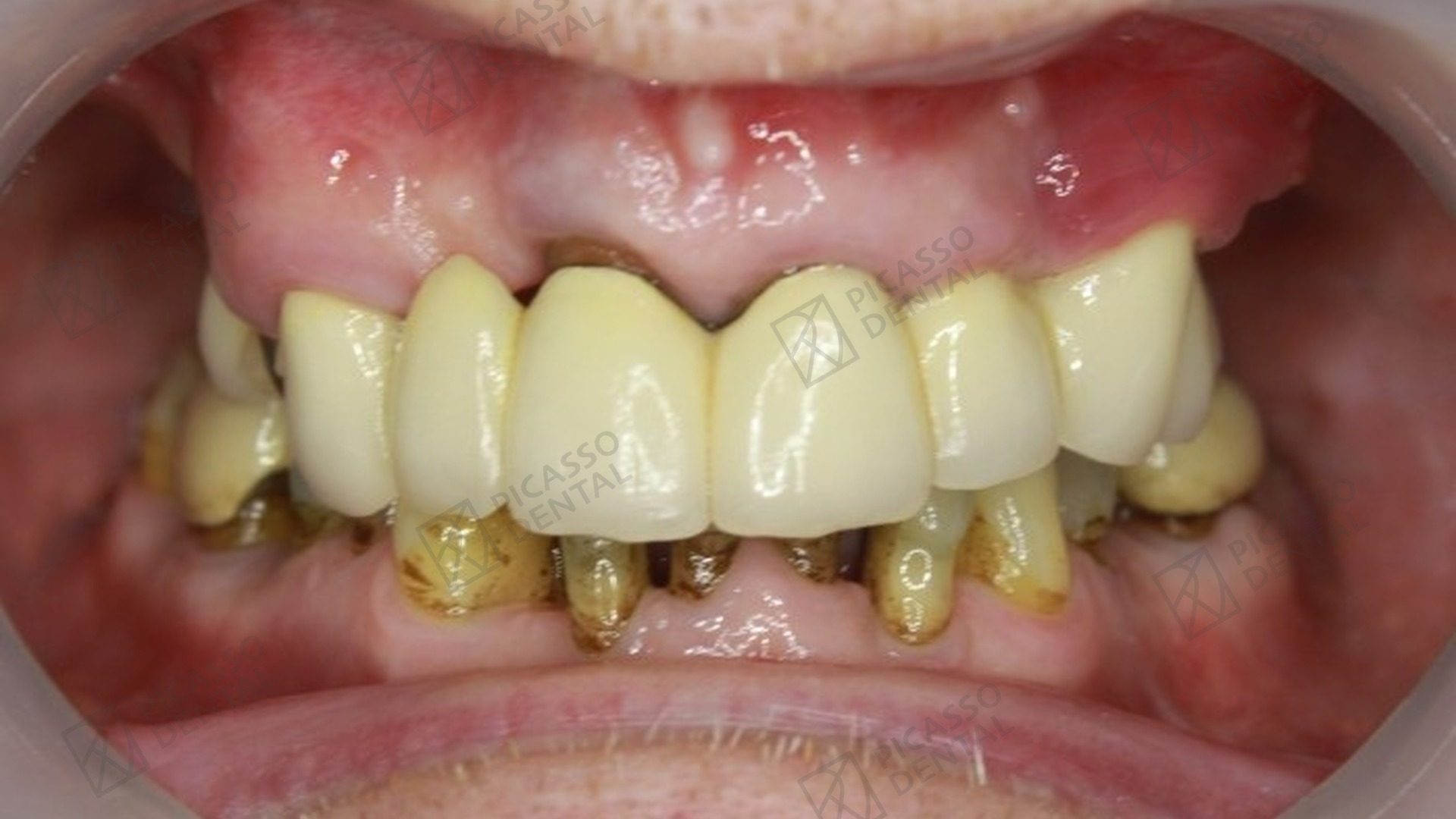 Before
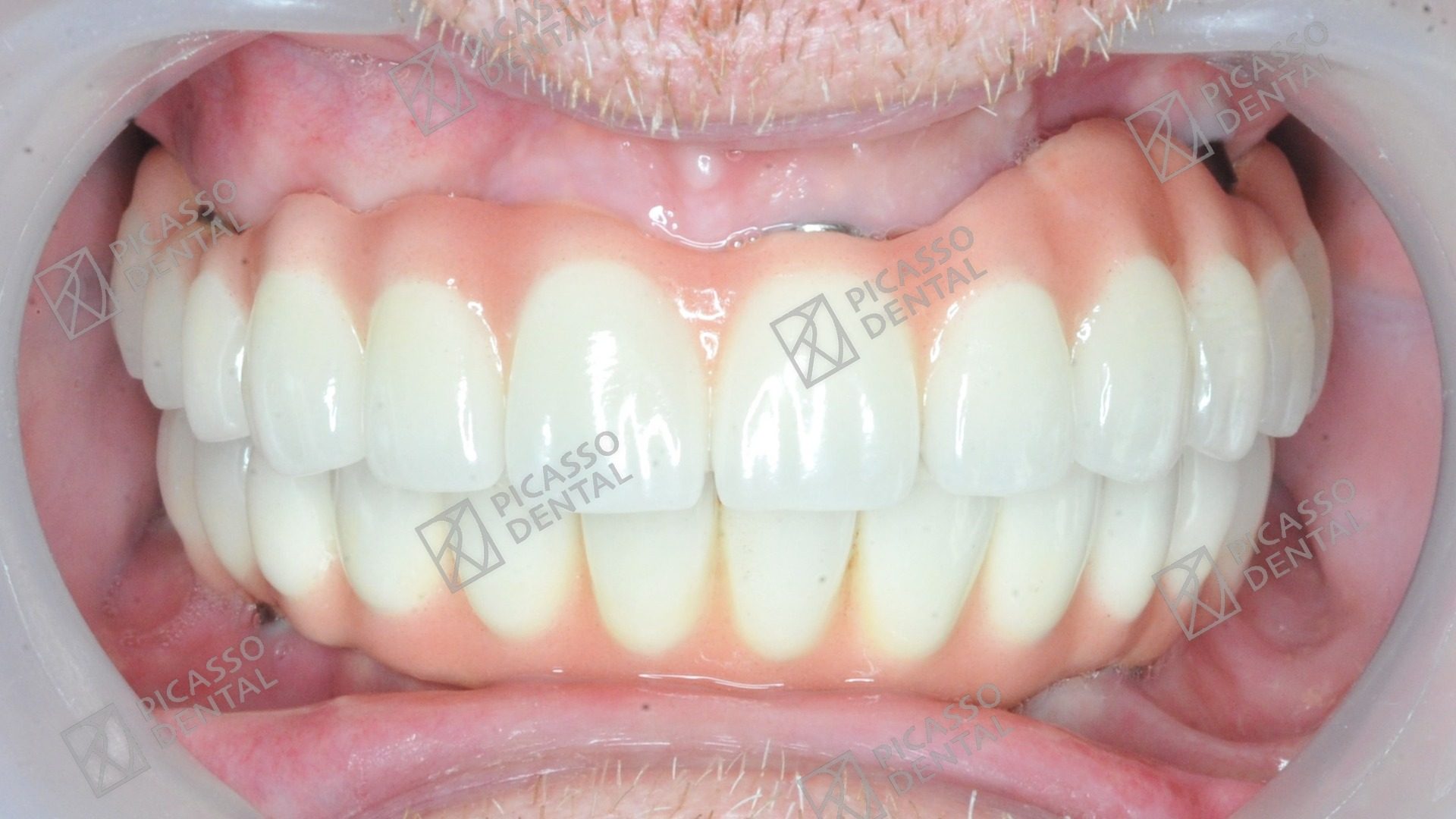 After
AfterComposite restoration following improved home hygiene, Hanoi Old Quarter.
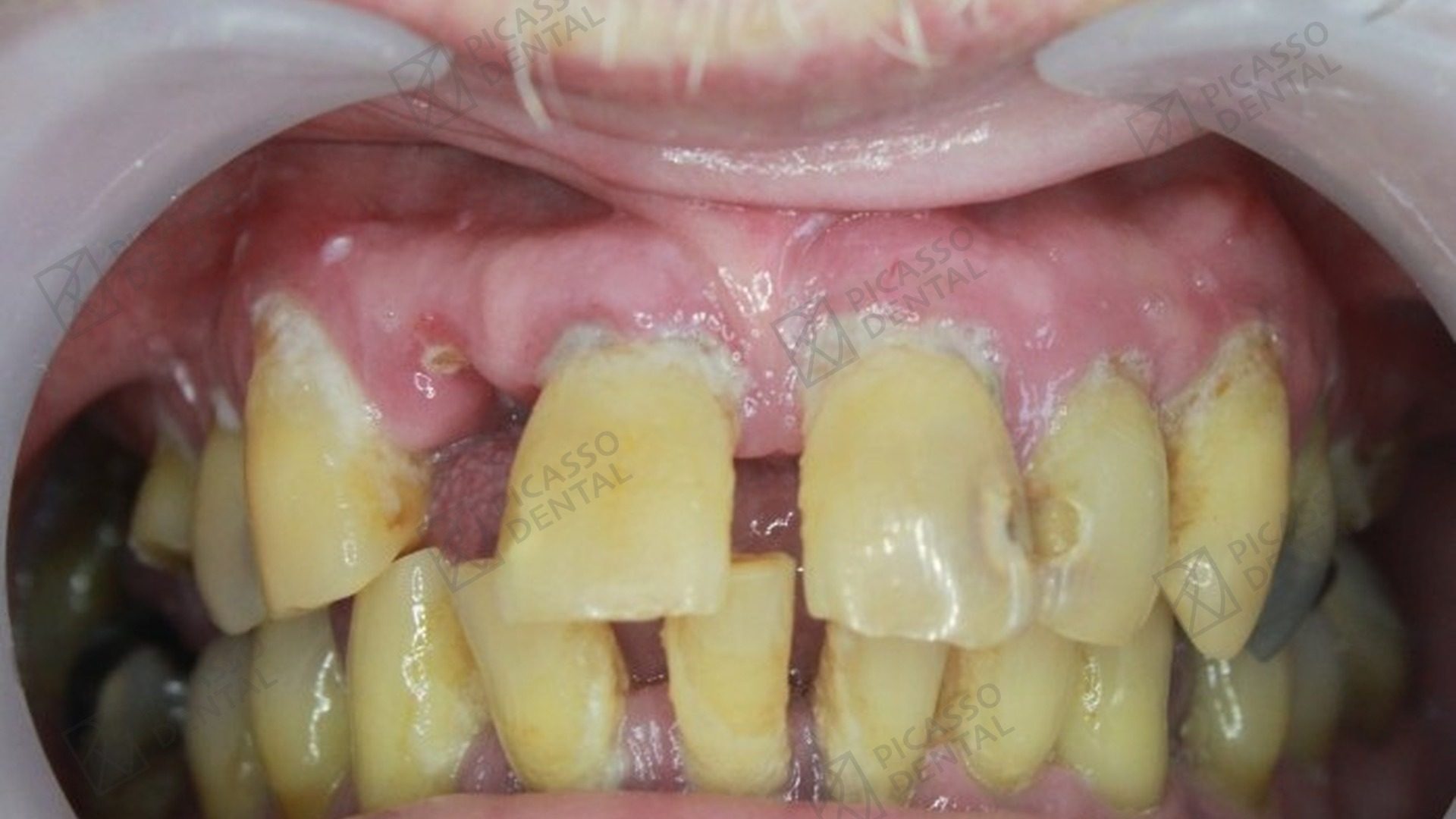 Before
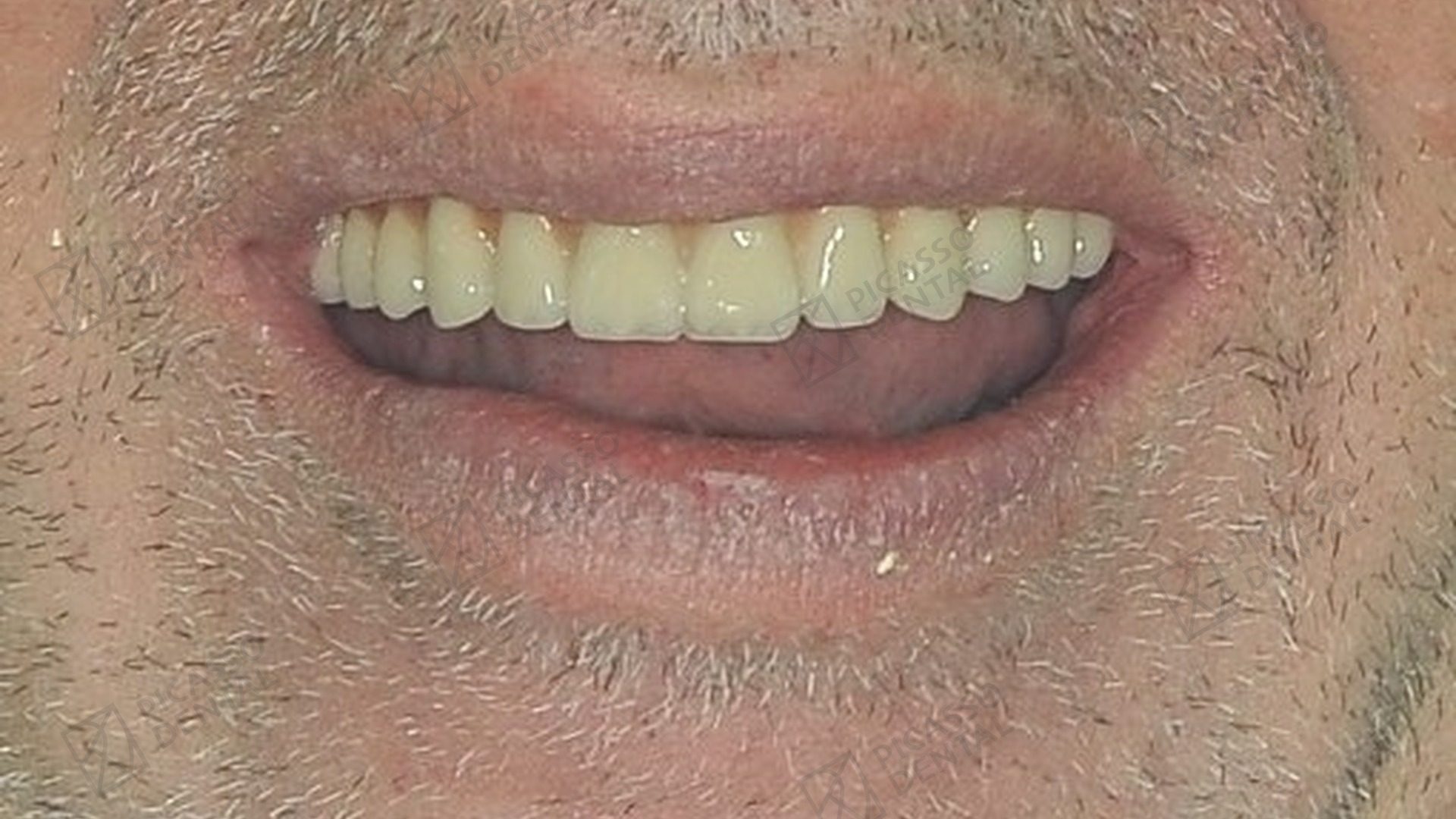 After
AfterGum health restoration and professional clean, Da Nang.
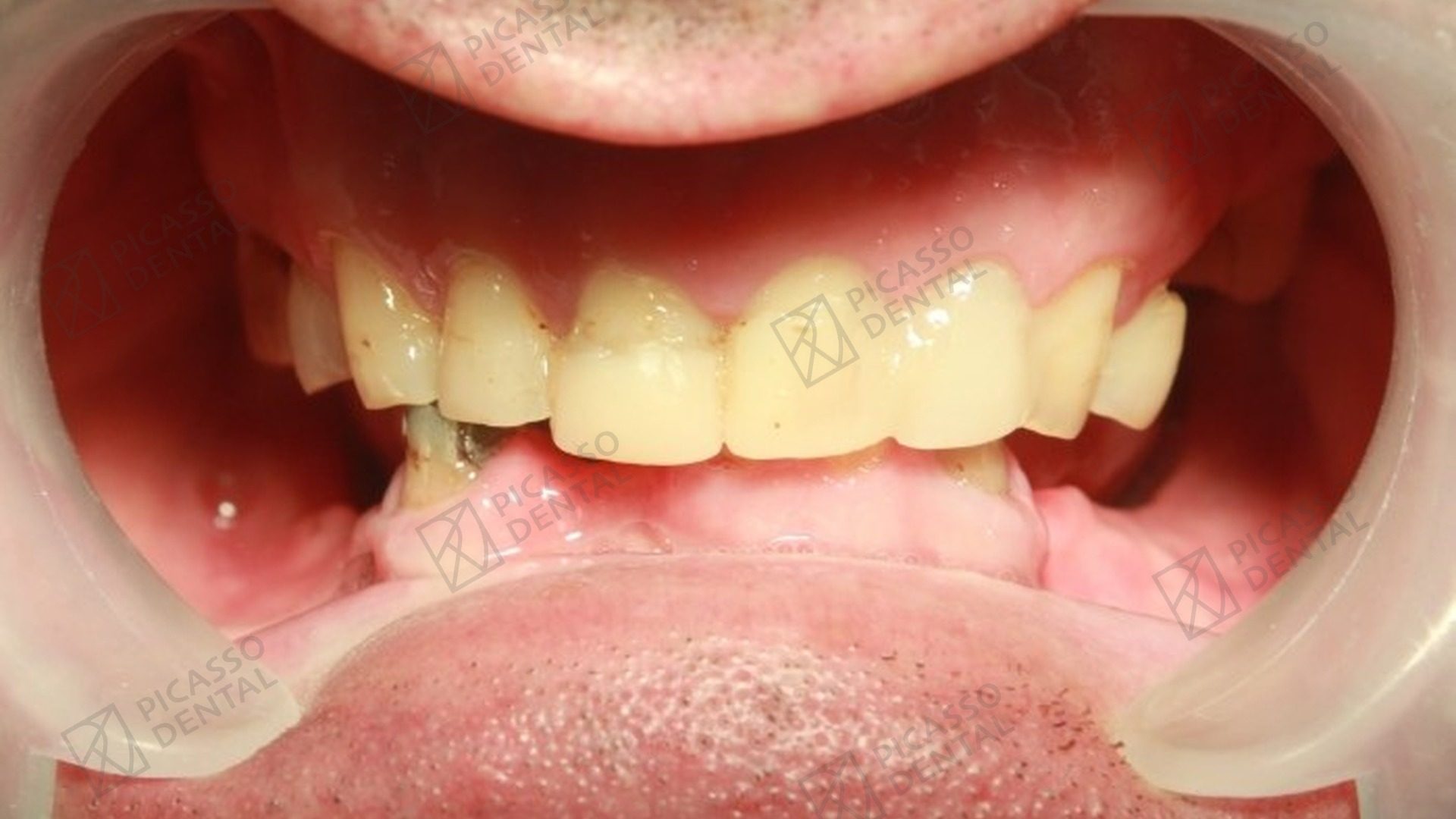 Before
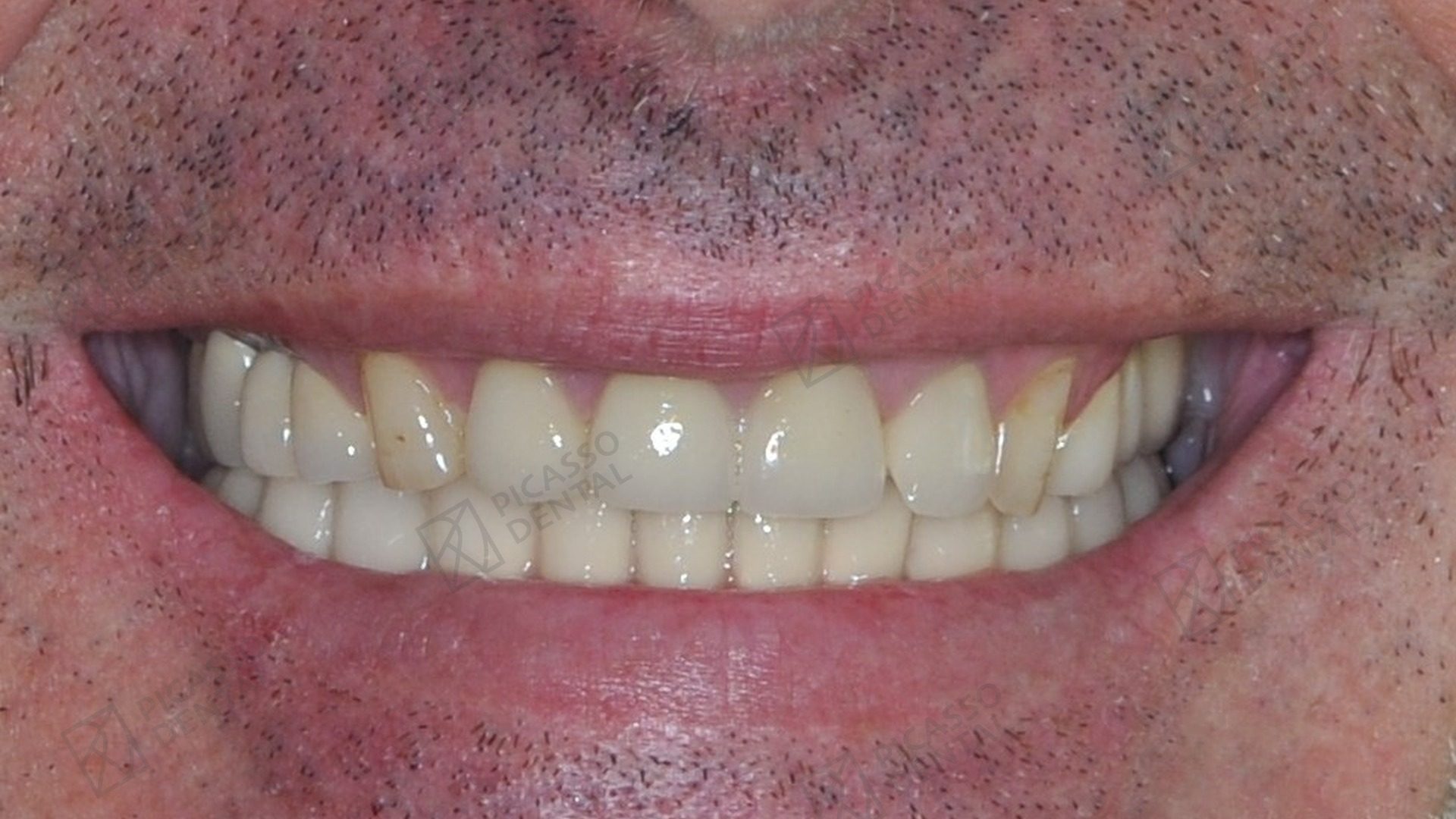 After
AfterSmile restoration after addressing long-standing oral hygiene gaps, Hanoi.
Frequently Asked Questions
How often should you brush your teeth?
Twice daily is the universally accepted standard from dental associations worldwide. Brush once in the morning and once at night before bed, for at least two minutes each session. This frequency disrupts plaque before it matures and mineralises into tartar. Skipping the evening brush is the most common and most damaging pattern, as bacteria feed on food residue overnight for 7 to 8 hours with reduced saliva flow.
Is it bad to brush your teeth three times a day?
Three sessions daily is not harmful for most people if technique is correct. It can benefit patients with braces, active gum disease, or a high cavity risk. The concern is not frequency but pressure: brushing too hard (even twice daily) causes enamel wear and gum recession over time. If you add a third session after lunch, use gentle pressure and a soft-bristle brush.
Is brushing once a day enough?
No. Once daily allows plaque to mature for 24 hours between sessions, significantly increasing the risk of cavities and gum disease. Bacteria in mature plaque produce more acid and more inflammatory toxins than bacteria in fresh plaque. Skipping the evening brush is particularly damaging, giving oral bacteria 7 to 8 hours of overnight activity with minimal saliva protection.
How long should you brush your teeth?
Two minutes minimum. Studies show the average person brushes for only 45 seconds, insufficient to clean all tooth surfaces. Dividing the mouth into four quadrants and spending 30 seconds on each ensures systematic coverage. Electric toothbrushes with built-in quadrant timers make this straightforward and remove the need to watch a clock.
What is the correct brushing technique?
Hold the brush at a 45-degree angle to the gumline. Use short, gentle strokes covering two or three teeth at a time. Clean the outer surfaces, inner surfaces, and chewing surfaces of all teeth. Tilt the brush vertically for the inner surfaces of the front teeth. Finish by gently brushing the tongue. Apply light, consistent pressure: the bristles should flex slightly, not flatten completely against the tooth.
Should you brush before or after breakfast?
Both timings are acceptable. Brushing before breakfast removes overnight bacterial buildup first and avoids brushing immediately after acidic foods. Brushing after breakfast removes food particles from the meal. If you brush after eating acidic food or drink (citrus juice, coffee with sugar), wait 30 to 60 minutes to allow saliva to neutralise the acidity and enamel to reharden before bristle contact.
Does brushing frequency matter more than technique?
Technique matters as much as frequency. A thorough 2-minute session twice daily produces better results than three rushed 30-second sessions. Common errors include brushing too hard (causes enamel and gum damage without cleaning better), brushing in straight horizontal strokes across the gumline (misses sub-gingival plaque), and stopping before all surfaces are covered. If you develop cavities or gum inflammation despite regular brushing, get a technique assessment at your next dental visit.
Is flossing as important as brushing?
Flossing is as important as brushing for different reasons. Brushing cleans the accessible flat surfaces of teeth. Flossing cleans the contact areas between teeth where bristles cannot reach and where interdental cavities most commonly form. Brushing perfectly three times daily without flossing leaves roughly 30 percent of each tooth surface uncleaned. For most adults, once-daily flossing combined with twice-daily brushing is the minimum effective oral hygiene routine.
Book a Hygiene Review
at Picasso Dental
A clinical hygiene review includes a professional clean, personalised brushing and flossing technique feedback, and cavity and gum disease risk assessment. Available at all six branches across Vietnam.
Picasso Dental · Est. 2013 · 70,000+ patients · Six branches across Vietnam