
Vaping and Oral Surgery
How Long Should I Stop Vaping Before Wisdom Teeth Removal?
The minimum is 72 hours before surgery. One full week is strongly preferred. The post-operative period matters even more: stay vape-free for at least five to seven days after. Here is everything you need to know to avoid dry socket.

Key Takeaways
- Stop vaping at least 72 hours before wisdom teeth removal. One full week is the recommended target.
- The post-operative window is critical: avoid vaping for 5 to 7 days after surgery, or 10 days if possible.
- Dry socket risk rises from 3 to 5% in non-users to 20 to 30% in patients who vape around surgery.
- Three hazards: suction dislodging the clot, nicotine constricting blood vessels, and heat irritating healing tissue.
- Nicotine patches are the recommended substitute because they eliminate suction and heat from the mouth.
- Always tell your dentist honestly about your vaping habits so the care plan can be adjusted accordingly.
The Direct Answer: How Long to Stop Vaping
Stop vaping a minimum of 72 hours before wisdom teeth removal. That is the hard floor below which your risk of complications rises sharply. The recommended target is one full week before the procedure. At one week, circulating nicotine has dropped substantially, blood vessel constriction has eased, and the chronic low-grade inflammation in oral tissues has begun to settle. Both factors directly improve clot formation and early healing after extraction.
If you have already vaped within 72 hours of a scheduled extraction, do not cancel. Instead, tell your dentist before the procedure begins. Your care team can take extra precautions during the surgery and arrange closer post-operative monitoring to catch any signs of dry socket early.

Why Vaping Is Dangerous Around Oral Surgery
Vaping creates three separate threats to a healing extraction socket. Understanding each explains why the pre-operative and post-operative rules are as strict as they are.
The suction problem
Every inhale while vaping generates negative pressure inside your mouth. That suction force is physically capable of pulling the blood clot out of the extraction socket, especially in the first 72 hours when the clot has minimal mechanical attachment to the socket walls. This is the same mechanism that makes drinking through a straw dangerous after extractions. Vaping creates comparable and often greater suction force.
The nicotine problem
Nicotine is a potent vasoconstrictor. It narrows blood vessels throughout the body, including the small capillaries that supply the extraction site with oxygen, white blood cells, and the building materials for new tissue. Restricted blood flow means the clot forms more slowly, the socket receives fewer nutrients, and the immune response to any early bacterial contamination is blunted. Each vaping session sends a fresh dose of nicotine into your bloodstream, repeatedly resetting the constriction cycle.
The heat and chemical problem
Vaping aerosol reaches temperatures of 40 to 65 degrees Celsius before it cools in the mouth. That heat directly irritates the delicate mucosa around a fresh surgical wound. The chemicals in vape liquid, including propylene glycol, vegetable glycerin, flavourings, and aldehydes produced during heating, extend that irritation chemically. Chronically inflamed tissue heals more slowly and is more susceptible to secondary infection.

What Is Dry Socket and Why Is It So Painful
Dry socket (alveolar osteitis) happens when the blood clot that should occupy the extraction socket either fails to form properly or is dislodged before new tissue has grown in to replace it. The clot serves two purposes: it protects the exposed bone and nerve endings underneath, and it acts as a scaffold for the tissue regeneration that fills in the socket over the following weeks.
When the clot is gone, raw bone and nerve endings are directly exposed to air, food particles, and bacteria. The pain is severe and radiating, described as a deep, throbbing ache that travels to the ear, eye socket, or temple on the affected side. It typically starts two to four days after extraction, often just when initial post-surgical soreness was already improving, making the sudden onset especially alarming.
Over-the-counter painkillers provide minimal relief for dry socket. Treatment requires a clinical visit where the dentist irrigates the socket, removes any debris, and packs it with a medicated dressing that is changed every few days. Recovery from dry socket typically adds one to two weeks to the total healing timeline. It is preventable in most cases simply by not vaping in the critical window around surgery.
Scheduling a wisdom tooth extraction? Our dental team will provide a full preparation timeline including vaping cessation guidance specific to your case.
Book a consultationNicotine Replacement Options During the Break
For patients who find an extended vaping break difficult, nicotine replacement therapy addresses the physical craving without introducing suction, heat, or aerosolised chemicals into the mouth.
- Nicotine patches (best option) Applied to the skin, they deliver a steady low dose of nicotine transdermally with no oral component. No suction, no heat, no chemicals entering the mouth. Use the lowest strength that manages cravings.
- Nicotine lozenges (acceptable pre-operatively) Avoid for the first five post-operative days. Sucking on lozenges or moving them around the mouth can create mild negative pressure near the socket. After day five, lozenges are generally fine.
- Nicotine gum (similar caveats to lozenges) Avoid post-operatively until day five or seven. Chewing increases blood flow to the jaw, which can be uncomfortable around fresh extractions.
- Prescription cessation medication Varenicline and bupropion are effective for patients planning a longer break. They require a prescription and at least one to two weeks to reach therapeutic levels. Plan well ahead of the surgery date.
- Behavioural support Inform close friends and family about the temporary abstinence commitment. Social accountability substantially improves follow-through. Keep the post-operative recovery period low-stimulation to reduce craving triggers.
The Pre-Operative and Post-Operative Timeline
If you stop one week before
- Normal blood flow to surgical site
- Clot forms quickly and adheres well
- Dry socket risk: 3 to 5%
- Standard healing of 7 to 10 days
- Lower infection risk
- Standard post-op pain protocol sufficient
If you vape up to the day of surgery
- Constricted blood vessels at time of incision
- Clot forms slowly or incompletely
- Dry socket risk: up to 20 to 30%
- Recovery extended by 1 to 2 weeks if dry socket occurs
- Higher infection risk
- Severe radiating pain requiring clinic visits
After Surgery: The Most Critical Period
The post-operative window is actually more important than the pre-operative window when it comes to dry socket risk. The blood clot that forms in the first hour after extraction is fragile and easy to dislodge for the first 72 hours. But even after that initial window, the healing socket remains vulnerable for a full five to seven days.
Do not vape for the first five days after surgery. Ideally extend that to seven days. If you can reach ten days, the socket will have begun to epithelialise, meaning soft tissue has started to close over the top of the extraction site, and the underlying risk drops substantially.
Recognising dry socket early
Even with precautions, dry socket sometimes occurs. Know the signs so you can seek treatment quickly. It presents as a sudden return of severe pain two to four days after surgery, often when initial soreness was already improving. The pain radiates to the jaw, ear, or temple. Looking into the socket with a mirror and light, you may see exposed white bone rather than a dark red clot. A bad taste or smell from the socket is also characteristic. Call the clinic immediately rather than waiting.

For the full guide on what to expect during and after wisdom tooth extraction, see the wisdom tooth extraction service page.

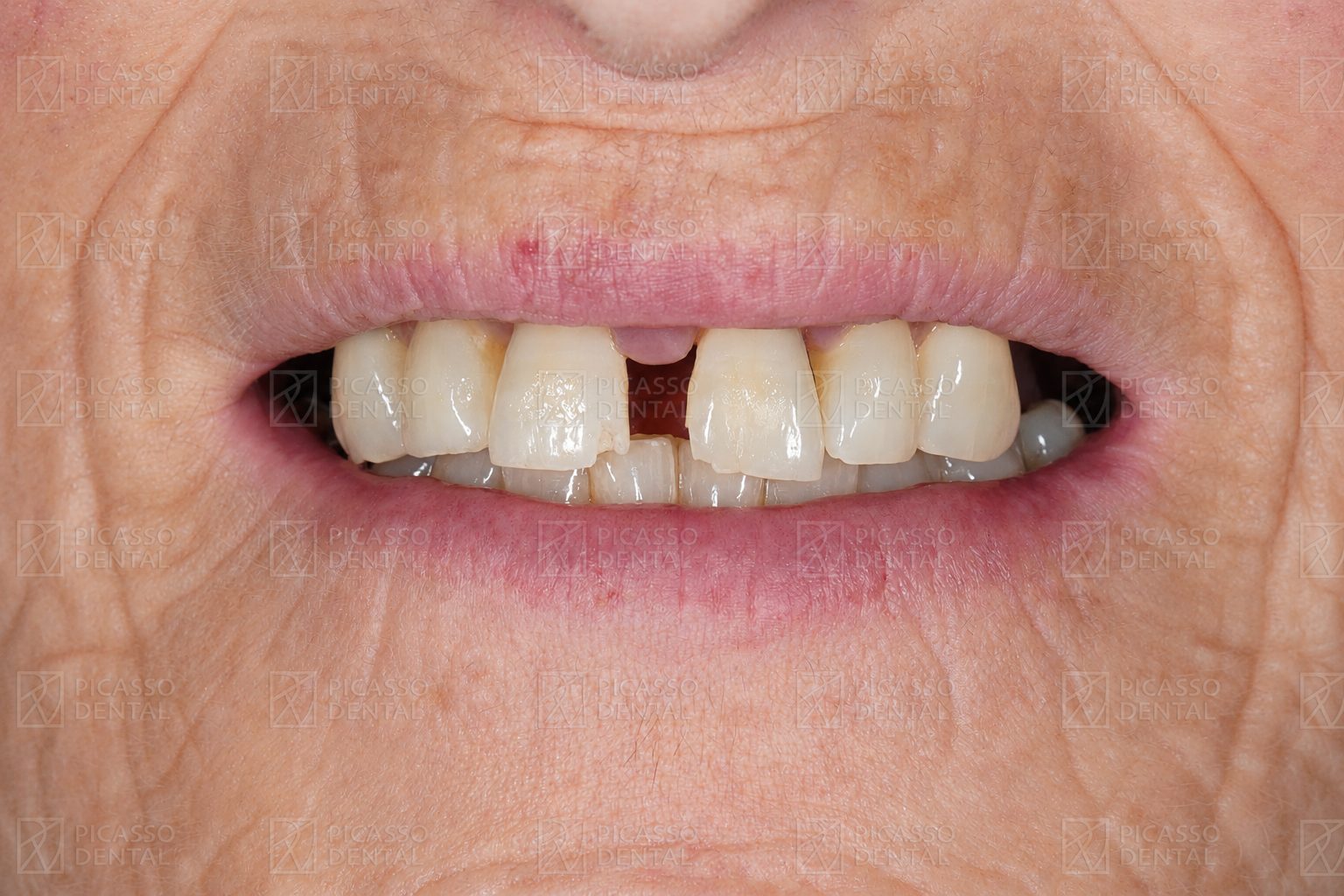 Before
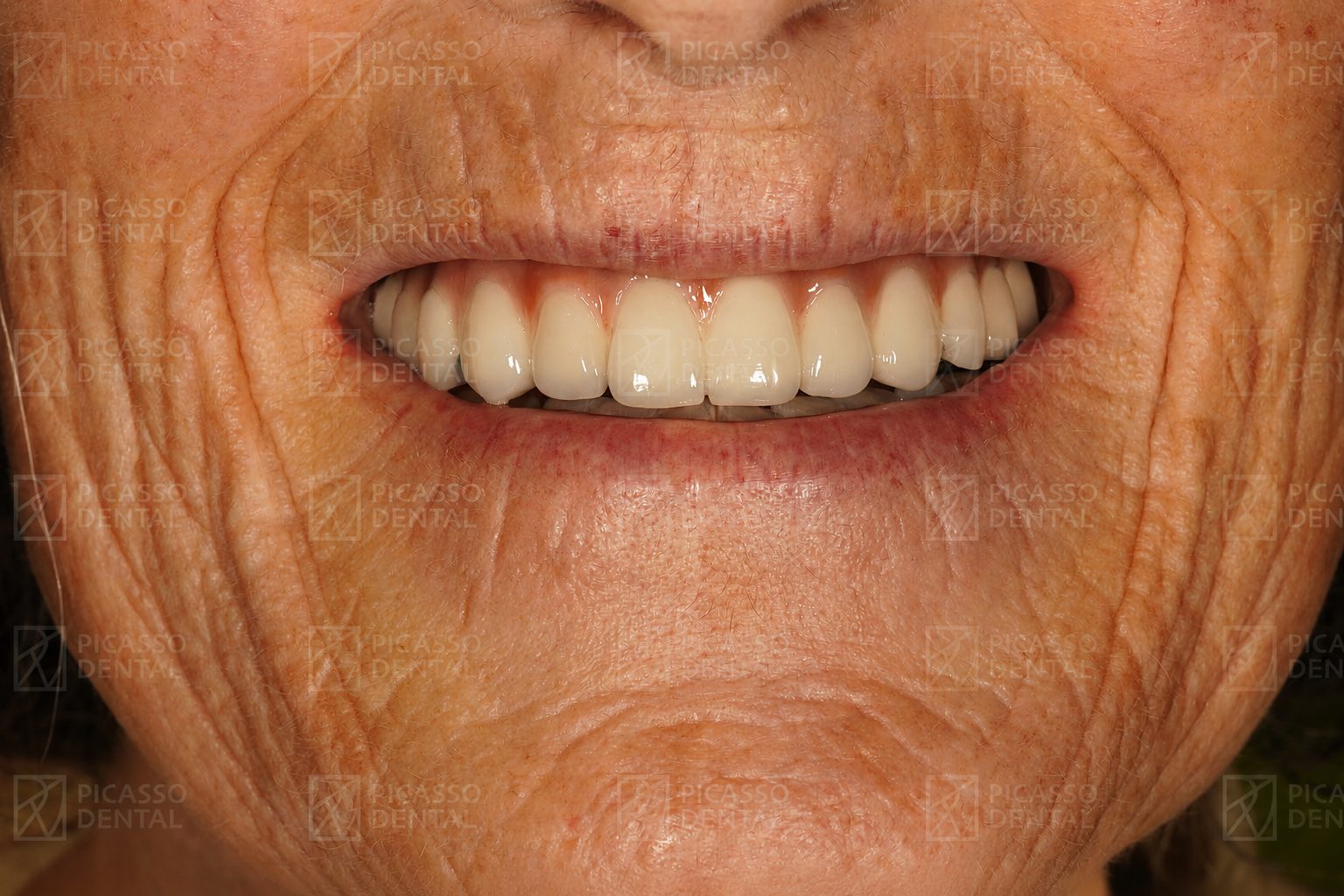 After
AfterImpacted wisdom tooth extraction with smooth healing at Picasso Dental
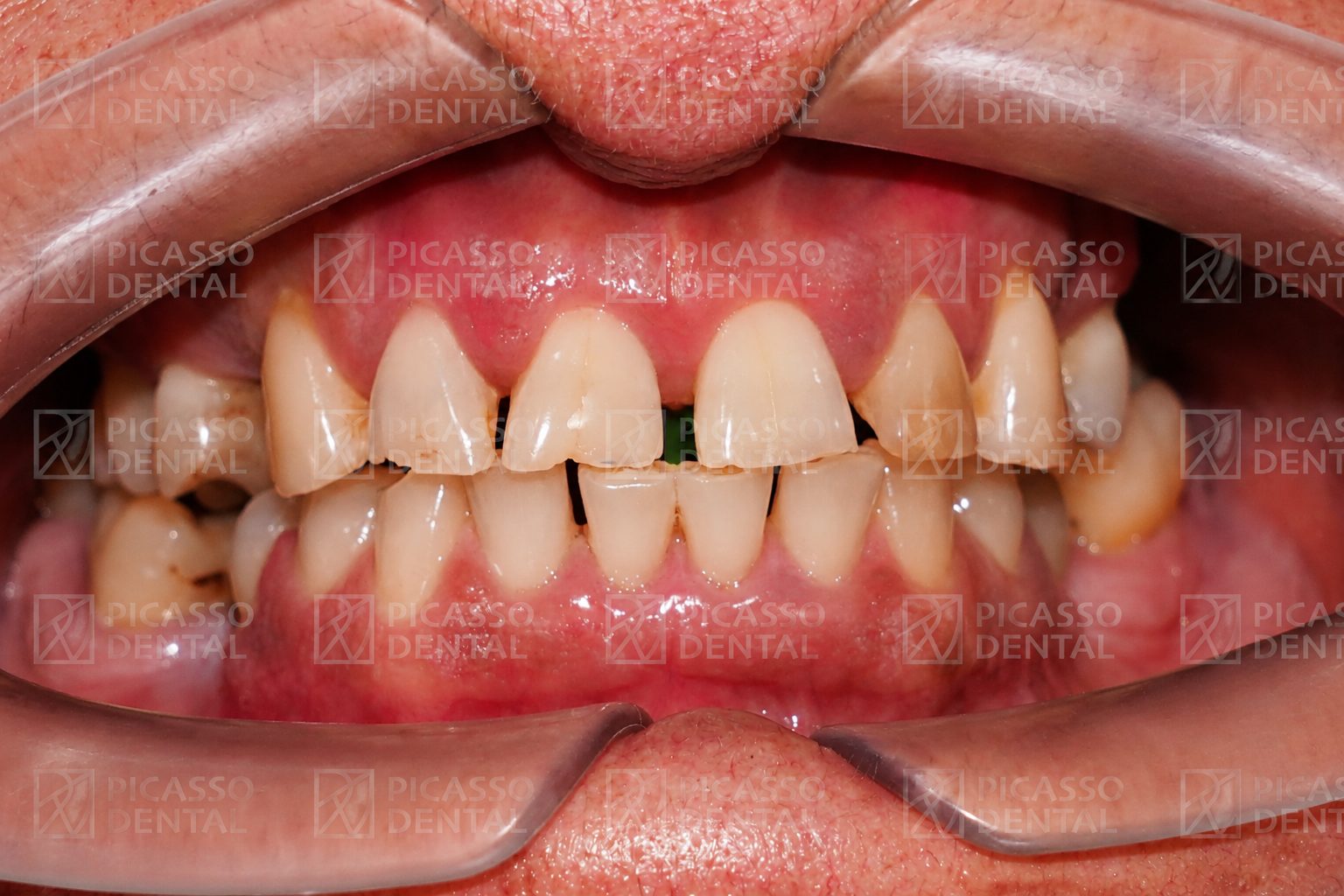 Before
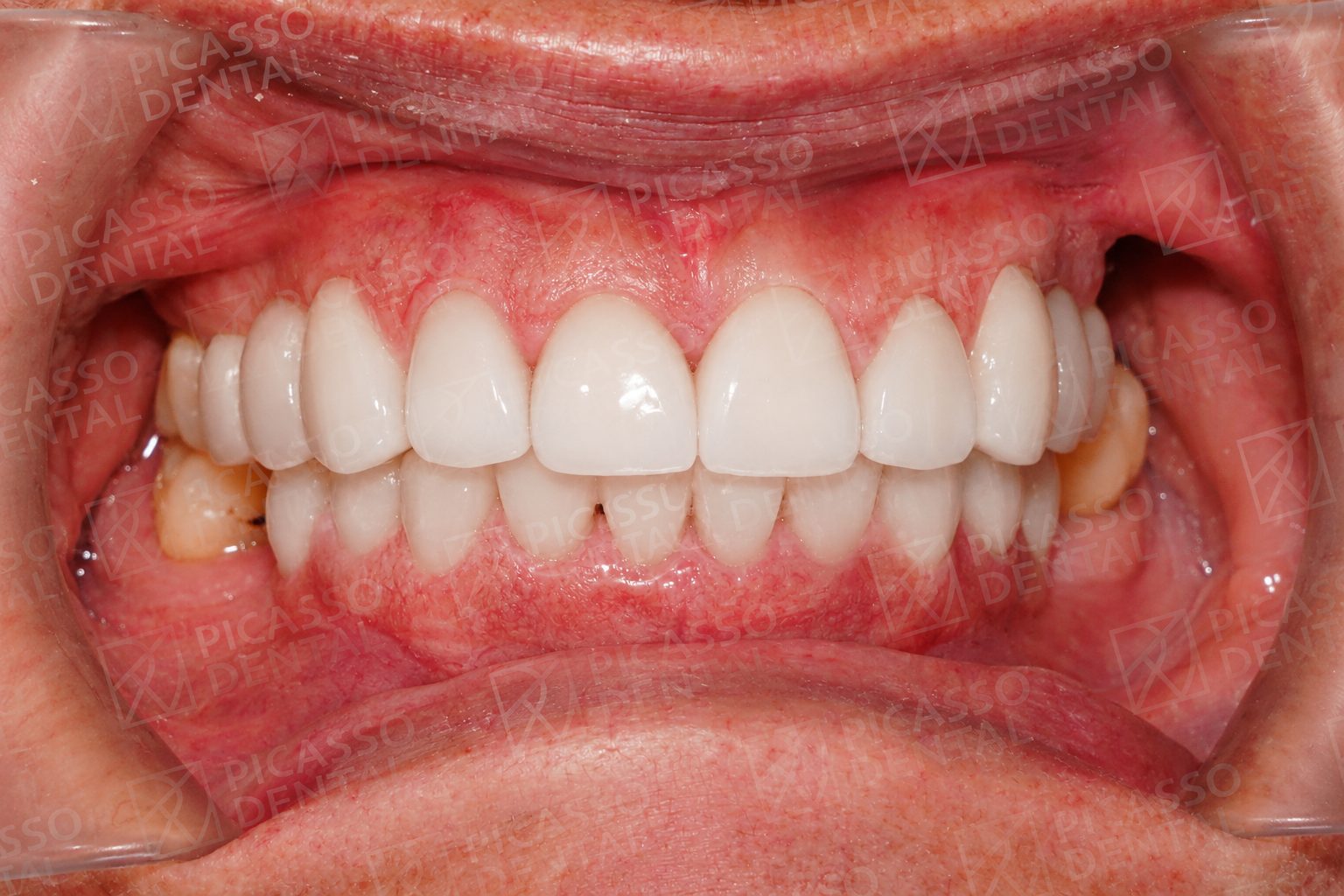 After
AfterMultiple wisdom tooth extractions completed in a single visit
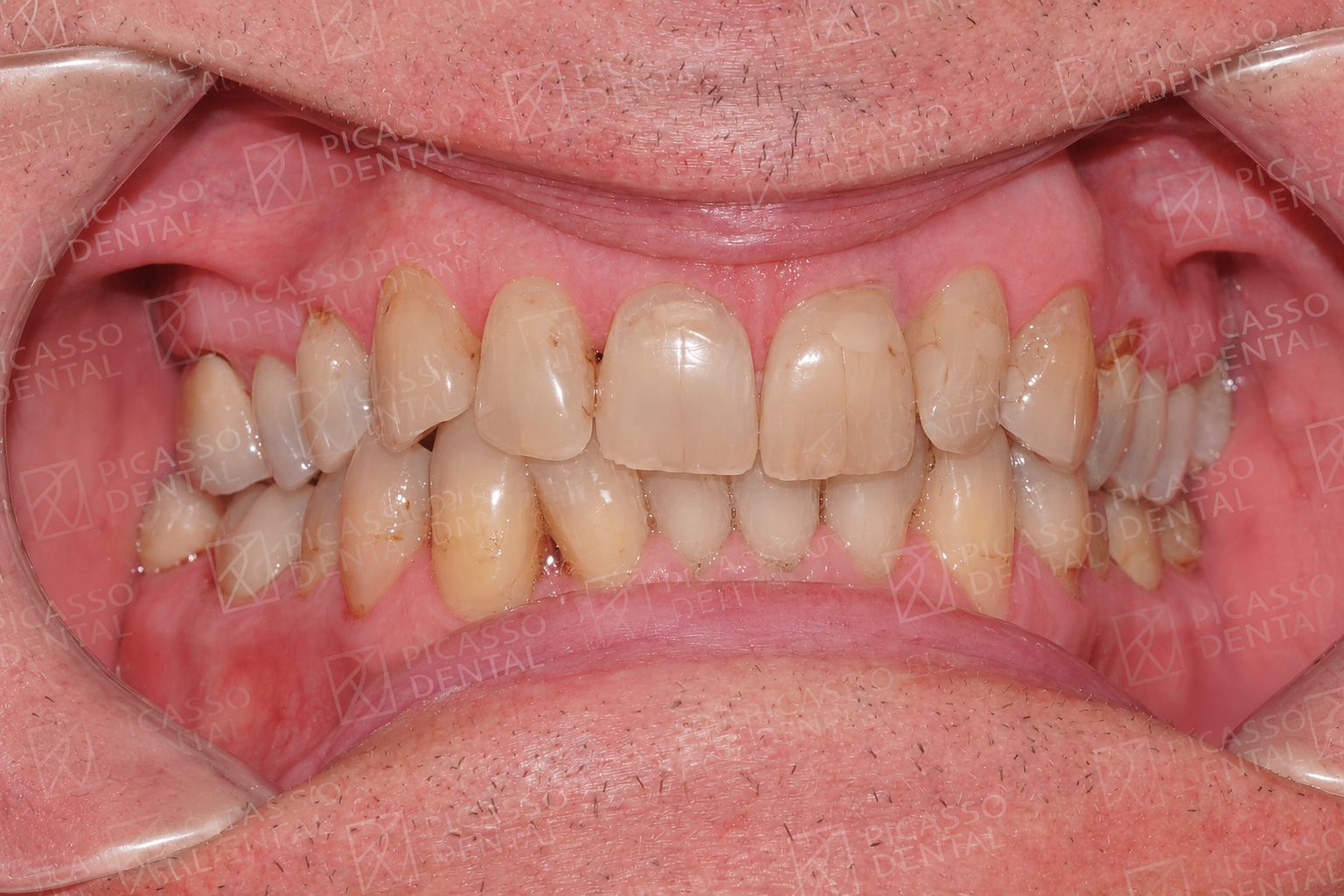 Before
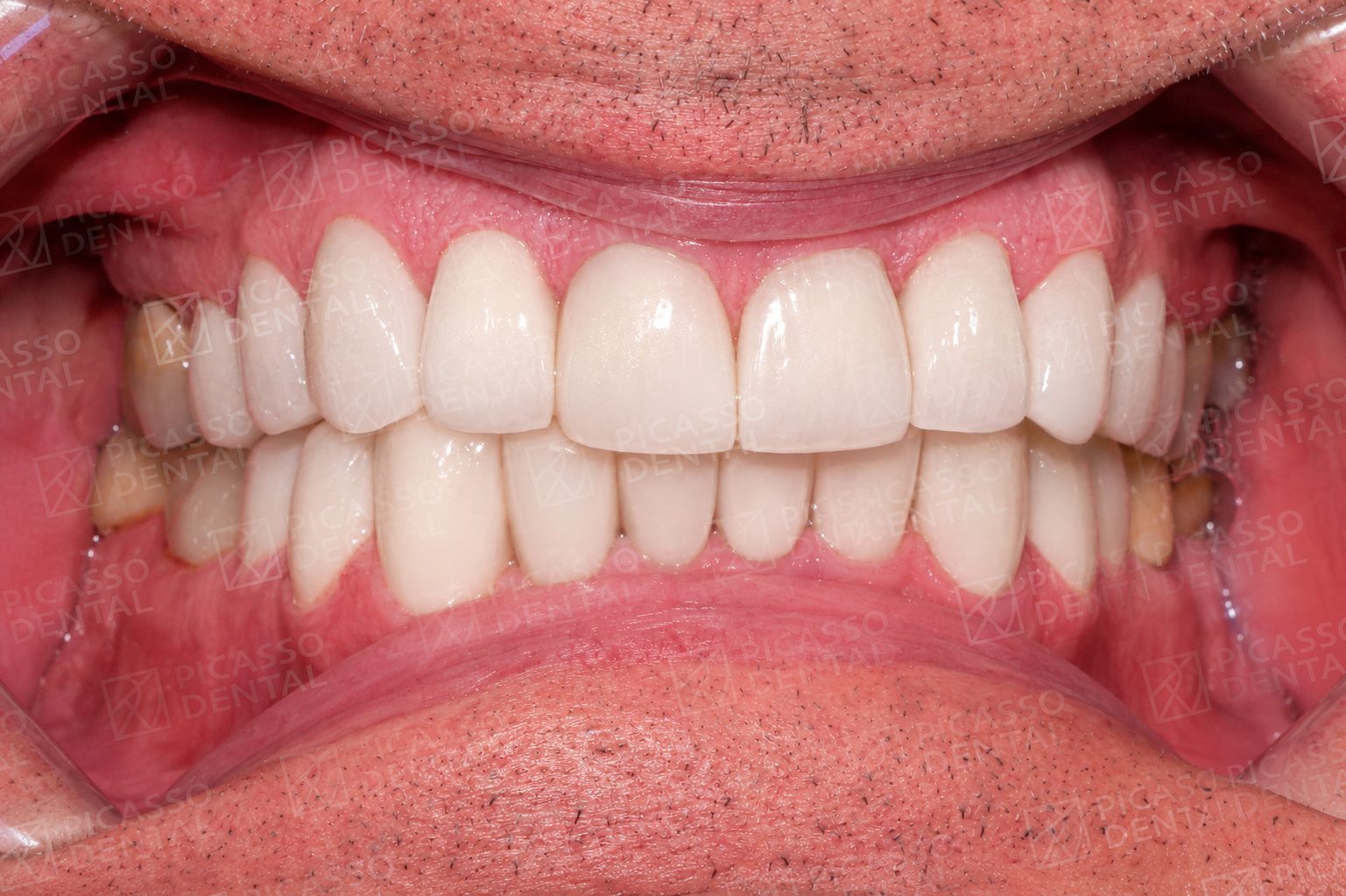 After
AfterOral surgical case with restorative follow-up at Picasso Dental Clinic
Frequently Asked Questions
How long should I stop vaping before wisdom teeth removal?
Stop vaping at least 72 hours before wisdom teeth removal. That is the clinical minimum. The recommended target is one full week. At 72 hours, nicotine levels in your system have dropped significantly and blood vessel constriction has begun to ease. At one week, oral tissue inflammation has settled and clot formation conditions are substantially better.
Can you vape before wisdom teeth removal?
You can physically vape before wisdom teeth removal, but doing so significantly raises your risk of dry socket and delayed healing. Vaping right up to the day of surgery means nicotine is actively constricting your blood vessels when the dentist makes the first incision. Picasso Dental Clinic dentists strongly advise stopping at minimum 72 hours before the procedure, and preferably one full week.
What happens if you vape before wisdom teeth removal?
Vaping before surgery raises dry socket risk from roughly 3 to 5% to as high as 20 to 30%. Nicotine constricts blood vessels, reducing oxygen and nutrients at the surgical site. Suction can dislodge the clot within hours of extraction. Heat and chemicals in the aerosol irritate healing tissue and increase inflammation. If you have vaped within 72 hours of your scheduled surgery, tell your dentist before the procedure.
Can I vape the day before wisdom teeth removal?
It is strongly advised against. Vaping the day before means nicotine is still actively circulating in your system when you arrive for surgery the next morning. You are inside the 72-hour minimum window at that point. If you vaped the day before a surgery already scheduled, inform your dentist. They can adjust the care plan and set up closer post-operative monitoring.
How long should I avoid vaping after wisdom teeth removal?
Avoid vaping for at least 5 to 7 days after surgery. The blood clot is most vulnerable in the first 72 hours post-extraction, but the socket remains at risk for a full week. Extending the break to ten days gives the soft tissue time to begin closing over the socket. When you do resume, start with very shallow, gentle inhales and watch for signs of dry socket.
What is dry socket and how do I know if I have it?
Dry socket occurs when the blood clot that should occupy the extraction socket is dislodged or fails to form, leaving bone and nerve endings exposed. It typically starts two to four days after extraction as a severe, deep, radiating pain that travels to the ear or temple. It requires a clinic visit for irrigation and medicated dressing. It is preventable by avoiding vaping and other sources of suction in the post-operative window.
Are nicotine patches safer than vaping around wisdom tooth surgery?
Yes. Nicotine patches deliver nicotine transdermally without any suction, heat, or aerosolised chemicals entering the mouth. They are the recommended nicotine replacement method during the peri-operative period. Nicotine lozenges and gum are acceptable pre-operatively but should be avoided for the first five post-operative days due to mild suction risk.
Should I tell my dentist I vape before wisdom teeth removal?
Yes, always. Honesty with your dental team allows them to adjust the care plan, take extra precautions during the extraction, and set up appropriate post-operative monitoring. Concealing vaping history can result in inadequate precautions and a worse outcome. Dentists need the information to provide the best possible care.
Start Here
Start with a brief.
Tell us about your wisdom teeth and a licensed dentist will reply with a written extraction plan and preparation guidance within twenty-four hours.