
Porcelain Veneers
How Long Do Porcelain Veneers Last, and Are They Worth It?
Most porcelain veneers last 10 to 15 years. Premium materials like Emax and Lisi regularly reach 15 to 20 years. Here is what determines lifespan, what causes early failure, and the honest cost case.

Key Takeaways
- Most porcelain veneers last 10 to 15 years; Emax and Lisi often reach 15 to 20 years with proper care.
- Teeth grinding without a nightguard is the leading cause of premature veneer failure.
- Veneers cover staining, chipping, minor misalignment, and gaps in two appointments.
- Picasso Dental offers a 7-year warranty on Emax and Lisi veneers, documented in writing.
- Cost per year across a 15-year lifespan is lower than most patients expect at Vietnam prices.
- A soft-bristled brush, daily flossing, and a nightguard for grinders are the three essential maintenance habits.
How Long Porcelain Veneers Actually Last
The clinical literature consistently places average porcelain veneer lifespan at 10 to 15 years, with well-fabricated veneers bonded to healthy enamel by experienced cosmetic dentists lasting toward the upper end of that range. In practice at Picasso Dental Clinic, patients who received Emax or Lisi veneers in the clinic's early years and who have maintained their oral hygiene and recall schedule consistently are still wearing those veneers with no clinical issues.
Material quality is the most significant factor within the dentist's control. Standard porcelain fused to metal ages differently from pressed lithium disilicate ceramics like Emax. The metal substructure of older-generation crowns and veneers can show a grey line at the gum margin as gums recede over time. All-ceramic Emax and Lisi veneers do not have this limitation. Their translucency and shade stability remain consistent across their lifespan in a way that older materials could not match.
The patient's contribution to longevity is equally important. A perfectly fabricated veneer bonded to healthy enamel will last far less than its potential lifespan if the patient grinds their teeth nightly without a nightguard, bites their nails habitually, or uses their teeth to open packaging. These are mechanical stresses the material was not designed to withstand repeatedly.

What Damages Porcelain Veneers
Teeth grinding (bruxism)
Bruxism is the single most common cause of veneer failure before the ten-year mark. People who grind their teeth at night generate forces of 80 to 250 pounds per square inch, far beyond the stresses produced by normal chewing. Even strong ceramic materials degrade under this repeated loading. A custom nightguard is not optional for grinders. It is a straightforward protective device that distributes and absorbs the force before it reaches the veneer surface. The cost of a nightguard is a small fraction of veneer replacement costs.
Hard and brittle foods
Biting directly into very hard foods, such as ice, boiled sweets, hard-crust bread, or nuts, with the veneered teeth applies concentrated point loading that can chip the porcelain. This does not mean avoiding these foods entirely. It means not using the front veneered teeth as nutcrackers. Cut crusty bread rather than biting the crust directly. Crush ice after it is in the mouth rather than biting a solid cube.
Nail biting and object chewing
Biting nails, pen lids, and similar hard objects applies lateral forces to veneers that the bonding interface was not designed for. These habits contribute to debonding, where the veneer separates from the tooth surface, more than to outright breakage. Debonding is usually repairable if caught promptly but requires a new veneer if the porcelain was damaged in the separation.
Gum recession and margin exposure
As gums recede naturally with age or as a consequence of gum disease, the margin where the veneer meets the tooth root becomes visible. This margin is not covered by porcelain, so it can stain or decay. Good periodontal hygiene, meaning twice-daily brushing, daily flossing, and regular professional cleanings, delays gum recession and extends the period during which the veneer margins remain protected.

How to Care for Porcelain Veneers
- Brush twice daily with a soft-bristled toothbrush Use a non-abrasive toothpaste. Harsh abrasives scratch the ceramic surface over time, dulling the glaze that gives porcelain its translucency and stain resistance.
- Floss daily Floss at the gum margin around each veneer. This keeps the bonding interface clean and prevents the gum recession that exposes veneer margins. Floss threaders or interdental brushes are acceptable alternatives.
- Wear a nightguard if you grind Have a custom nightguard made, not an over-the-counter boil-and-bite version. Custom nightguards fit properly and distribute force evenly. Over-the-counter versions often create more uneven stress than they prevent.
- Attend professional cleanings every six months Your hygienist can clean around veneer margins thoroughly and spot early signs of margin staining, gum recession, or early debonding before they become larger problems.
- Rinse with water after dark drinks Coffee, red wine, and black tea do not stain the veneer porcelain itself significantly, but the bonding cement at the margins can discolour. Rinsing with water after consuming dark drinks slows this process.

Are Porcelain Veneers Worth the Investment?
For patients whose primary concern is the appearance of their smile, and whose teeth are otherwise healthy enough to support veneers, the answer is yes in most cases. Veneers address multiple aesthetic concerns simultaneously in two appointments. Whitening addresses colour but not shape, chips, or spacing. Orthodontics addresses alignment but takes months to years and does not change colour or shape. Veneers are the only treatment that changes colour, shape, and minor alignment together, quickly.
The cost-per-year calculation makes the investment clearer. Eight Emax veneers at Picasso Dental Clinic at $360 each totals $2,880. Spread across a conservative 15-year lifespan, the cost is $192 per year, or roughly $16 per month, for a smile that patients consistently describe as transformative. Compared to the cost of eight equivalent veneers in Australia (AUD $12,000 to $22,400), the Vietnam option is financially compelling even when flights and accommodation are included.
The honest qualifier is that veneers require healthy underlying teeth and gums. If active gum disease, untreated decay, or significant bite issues are present, those must be resolved before veneer placement. Picasso''s cosmetic team will identify any such prerequisites during the consultation and quote any preparatory treatment separately in writing before any work begins.
Ready for a written veneer quote? Send three photos of your smile and our cosmetic team will reply with recommended materials, number of veneers, and itemised pricing.
Book a consultationVeneer Lifespan: Vietnam vs. Other Markets
A question that international patients frequently ask is whether veneers placed in Vietnam last as long as those placed at home. The answer depends not on geography but on material and technique. A Picasso Dental Clinic veneer uses Emax or Lisi porcelain from the same European and Japanese manufacturers that supply clinics in Sydney, London, and Toronto. The material is identical. The bonding protocols are the same internationally accepted standards.
What differs is the overhead cost structure that determines the price, not the clinical inputs that determine the longevity. The saving comes from lower rent, salaries, and operating costs in Vietnam, none of which affect the ceramic material in your mouth or the bond strength between porcelain and enamel.
For more detail on veneer materials and pricing, see the porcelain veneers cost guide. For the full procedure overview, see the porcelain veneers service page.

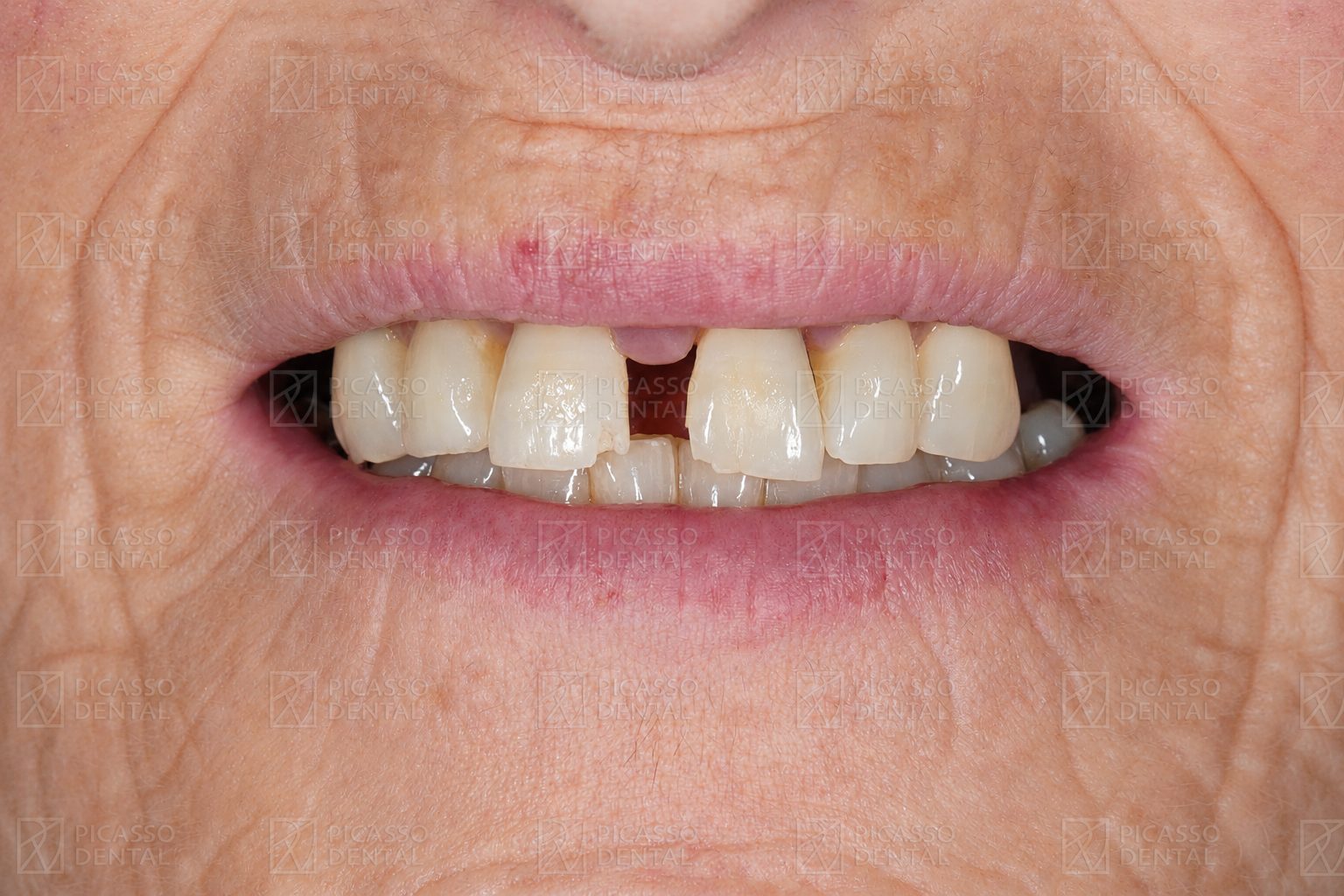 Before
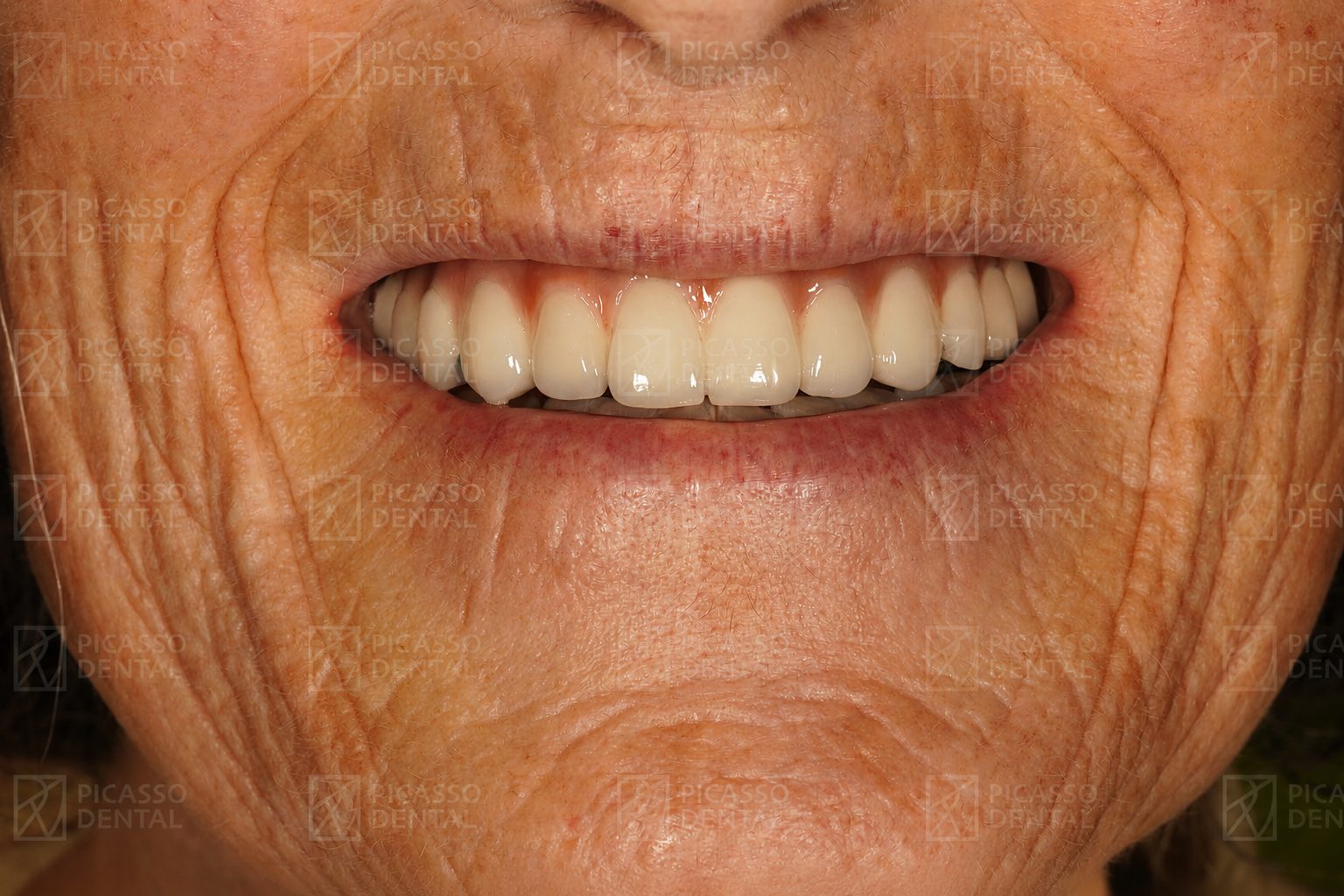 After
AfterEmax Press veneers: colour, shape, and alignment improved in two appointments
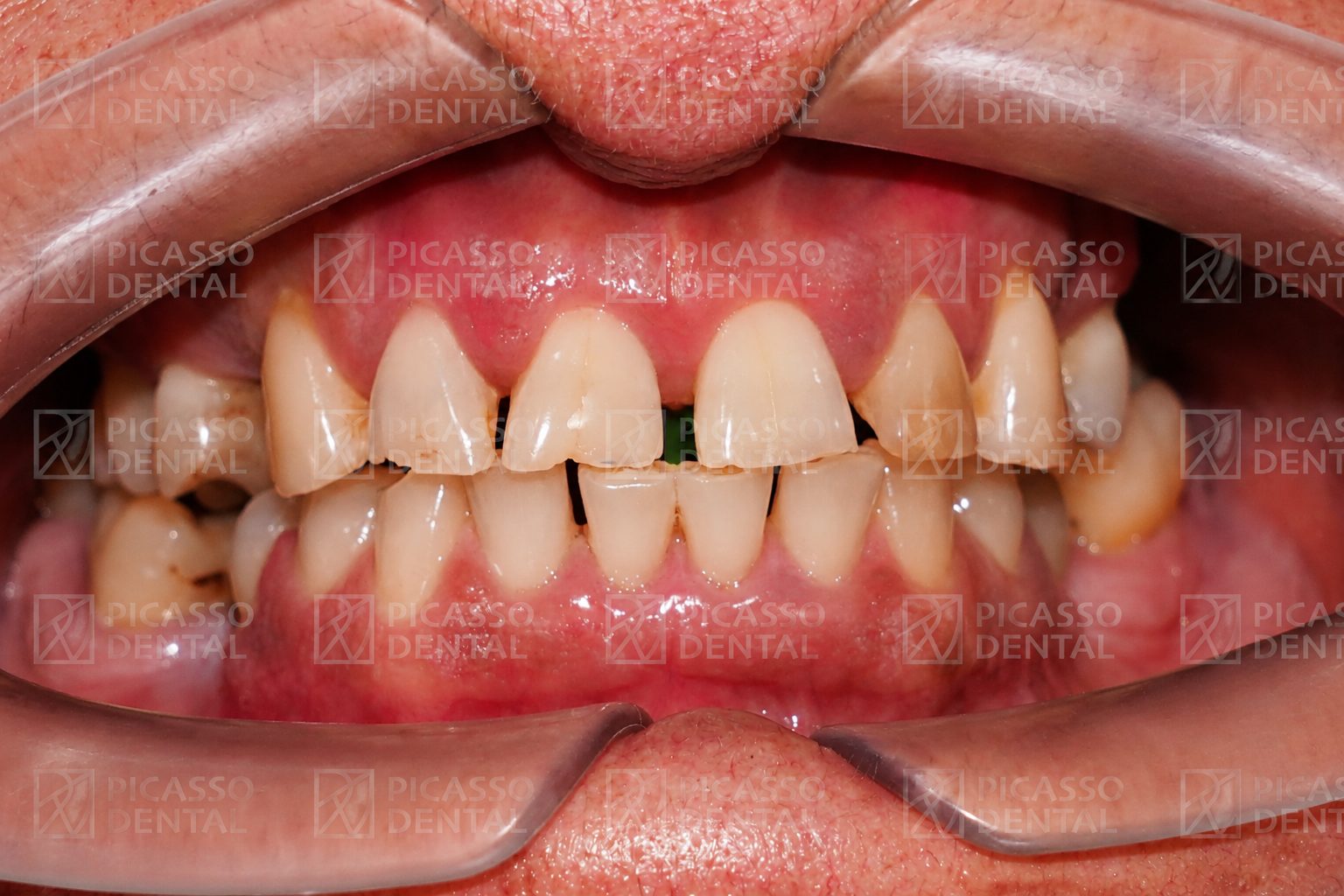 Before
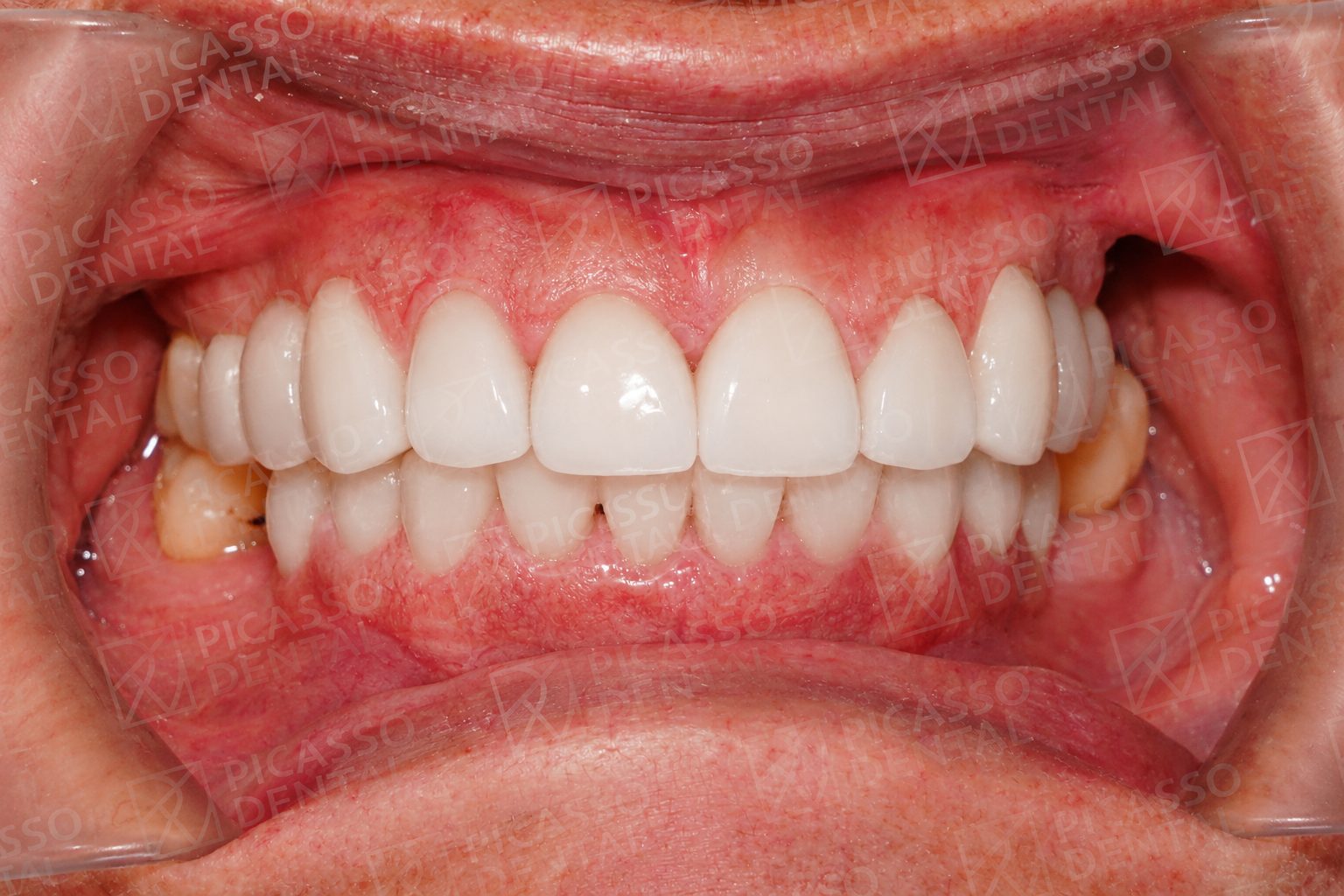 After
AfterFull smile makeover with 8 upper Emax veneers, Picasso Dental Hanoi
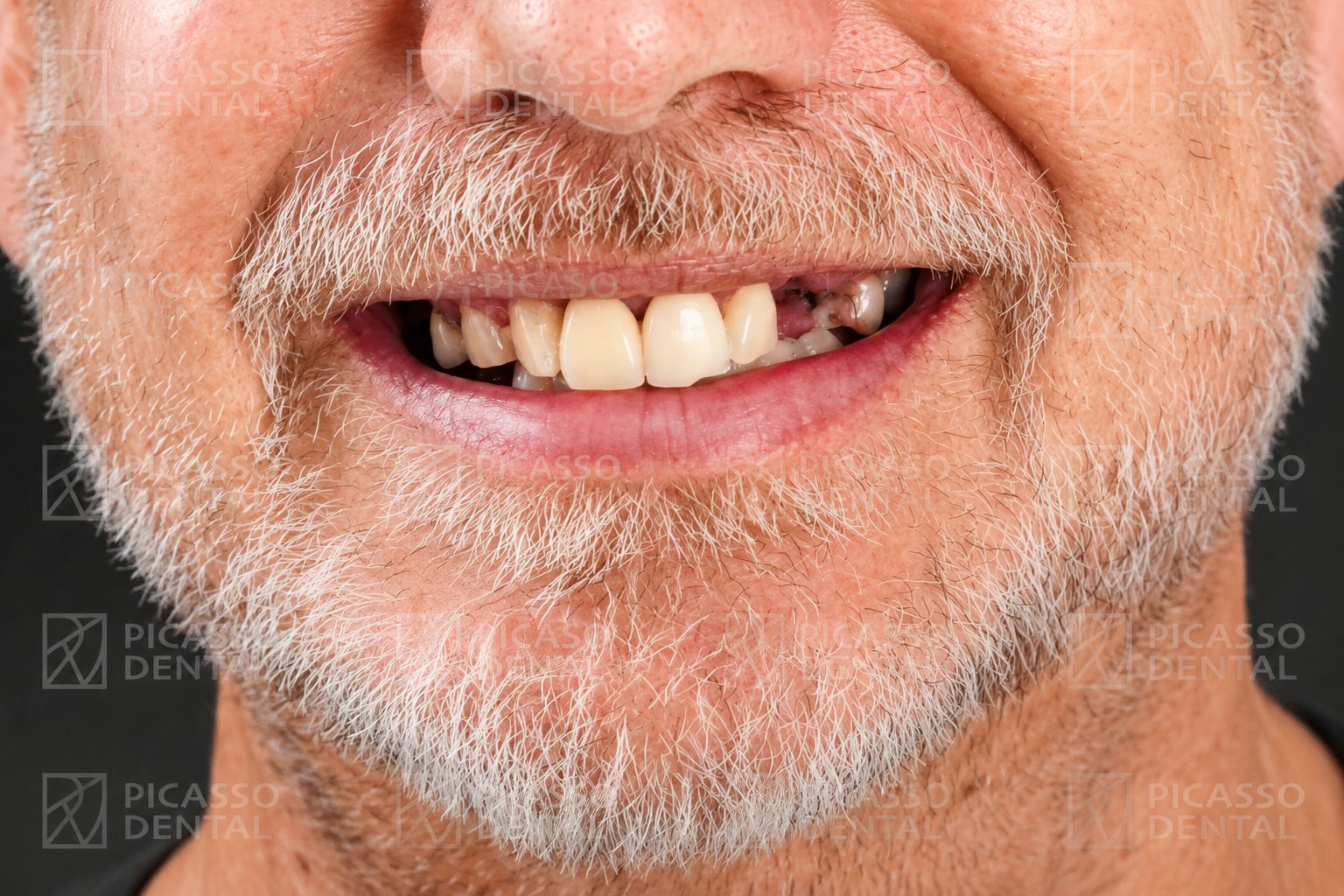 Before
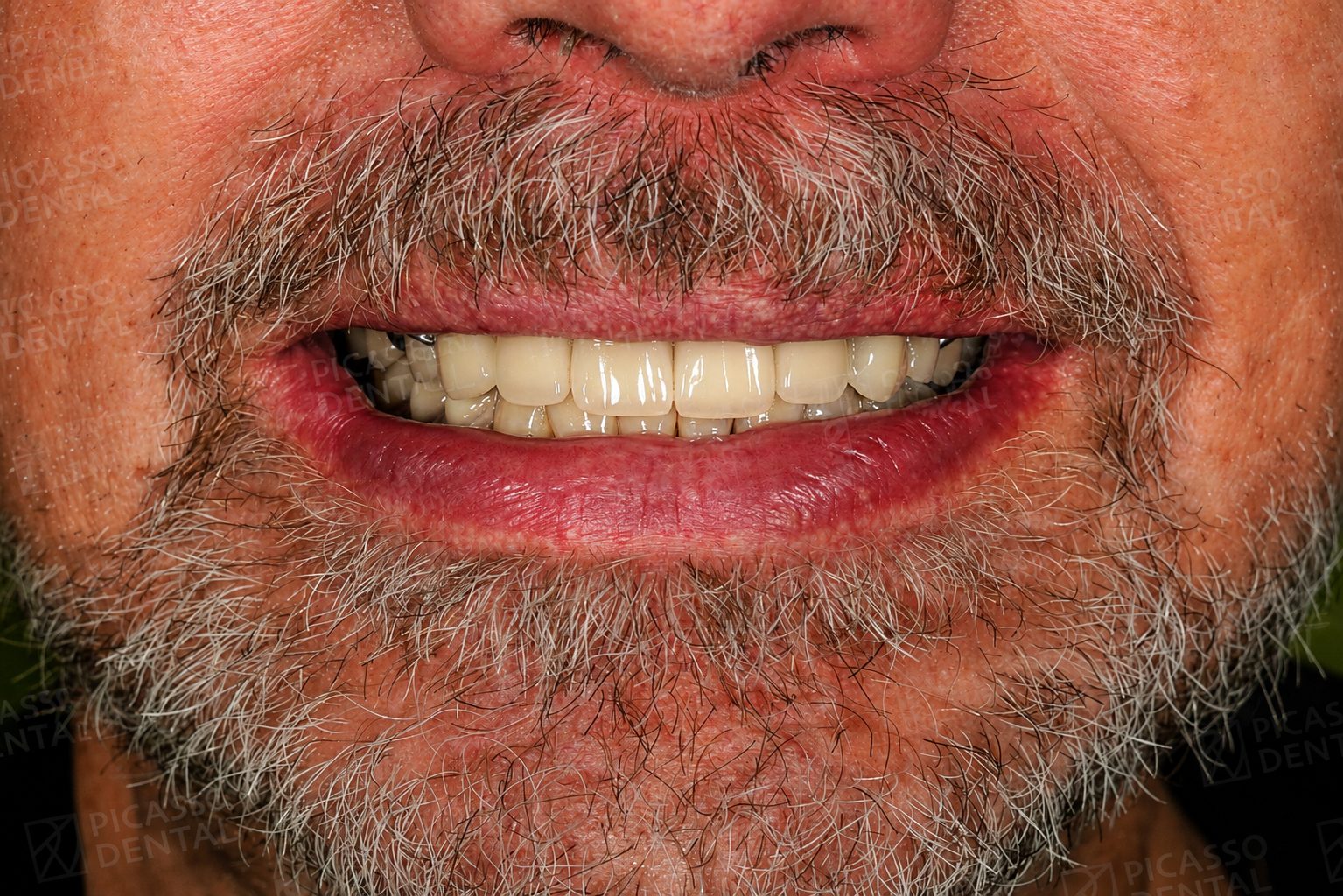 After
AfterLisi premium veneers: exceptional translucency for a showcase result
Frequently Asked Questions
How long do porcelain veneers last?
Most porcelain veneers last 10 to 15 years. Premium materials like Emax and Lisi, when properly placed and cared for, often reach 15 to 20 years. The lifespan depends on the quality of fabrication and bonding, daily habits, whether you wear a nightguard if you grind, and how consistently you attend professional cleanings.
What shortens the lifespan of porcelain veneers?
The most common causes of premature veneer failure are teeth grinding (bruxism) without a nightguard, biting nails or using teeth to open packaging, biting directly into very hard foods like ice or boiled sweets, and trauma to the mouth. Poor oral hygiene leading to gum recession around the veneer margin can also compromise longevity.
Are porcelain veneers worth the cost?
For most patients who want a fast, comprehensive improvement to their smile, porcelain veneers are worth the investment. They address staining, chipping, minor misalignment, and gaps in two appointments. When placed in premium porcelain and cared for properly, they last over a decade. The cost per year across a 15-year lifespan at Vietnam prices is often less than people expect.
How do I care for porcelain veneers?
Brush twice daily with a soft-bristled toothbrush and non-abrasive toothpaste. Floss daily. Wear a nightguard if you grind. Avoid biting directly into hard foods with the veneered teeth. Attend a professional clean every six months. Limit contact with very dark drinks like black coffee and red wine, or rinse with water immediately after consuming them.
What is the warranty on veneers at Picasso Dental Clinic?
Picasso Dental offers a 7-year warranty on Emax Press, Emax Press Plus, and Lisi veneers. The warranty covers material defects and premature debonding under normal use. Damage from grinding without a nightguard or from trauma is excluded. For international patients, the warranty includes a refit-or-refly clause documented in writing on every treatment plan.
Can veneers be repaired if they chip or break?
Minor chips at the edge of a veneer can sometimes be polished smooth. More significant chips or complete debonding typically require a new veneer. If the failure falls within the warranty period and is not trauma-related, Picasso covers replacement or repair. If you are based overseas, send a photo for assessment before deciding whether a return visit is needed.
Do veneers stain over time?
High-quality porcelain veneers like Emax and Lisi are more stain-resistant than natural tooth enamel. The ceramic surface does not absorb pigments from coffee, tea, or wine the way enamel does. However, the bonding cement at the margins can discolour slightly over many years. This is one reason investing in premium porcelain pays off over time.
How long after getting veneers until I can eat normally?
After final bonding, you can eat normally the same day, roughly 30 minutes after the appointment once the cement has set. Avoid biting directly into hard foods for the first few days while you adapt. During the period between preparation and final bonding, temporaries require care: eat on the opposite side and avoid sticky foods that can pull them off.
Patient Video Testimonial

Start Here
Start with a brief.
Tell us what you want to change about your smile and a licensed cosmetic dentist will reply with a written treatment plan and itemised quote within twenty-four hours.