
Gum Health
How Long Do Gums Bleed After Deep Cleaning?
Most patients see bleeding for 24 to 48 hours, with spotting through day four. By the end of week one it should stop. Here is the full day-by-day timeline, and when to call your dentist.

Key Takeaways
- Bleeding for the first 24 to 48 hours is normal and expected after deep cleaning.
- Spotting when brushing is common through day three or four and should taper off progressively.
- By the end of week one, bleeding during normal oral care should have stopped entirely.
- Smoking, uncontrolled diabetes, and blood thinners all extend the bleeding period.
- Increasing pain, swelling, or fever alongside bleeding signals possible infection requiring prompt attention.
- Healthy gums bleed far less during daily brushing than infected gums did before treatment.
What Causes Bleeding After Deep Cleaning
Deep cleaning, also called scaling and root planing, removes hardened plaque deposits and bacteria from below the gum line, then smooths root surfaces to discourage reattachment of disease-causing bacteria. This process inevitably disturbs the inflamed gum tissue that surrounded the infection. The bleeding that follows is a direct result of that mechanical disturbance applied to tissue that was already chronically irritated.
It is worth understanding that your gums were bleeding before the procedure. Infected gums bleed during brushing, eating, and flossing because the bacteria produce toxins that break down the tiny blood vessels in gum tissue. The difference is that pre-treatment bleeding occurred because of active infection, while post-treatment bleeding results from the cleaning itself. The cause has shifted from disease to healing.
The amount of post-procedure bleeding correlates directly with the severity of your gum disease before treatment. Patients with mild gingivitis experience minimal post-procedure bleeding. Patients with advanced periodontitis and deep pockets around multiple teeth experience more substantial bleeding that takes longer to resolve. This is not a cause for alarm. It reflects the depth of the infection being treated, not a complication of the procedure.

Day-by-Day Bleeding Timeline
First 24 hours
Expect the most noticeable bleeding in this window. You may see blood-tinged saliva when rinsing your mouth, slight oozing that colors spit pink, and spotting when you touch the treated area with gauze or your tongue. Bleeding should be manageable, not a heavy continuous flow. It should respond to gentle pressure with a clean gauze pad held against the area for two to three minutes. If you sleep shortly after treatment, a small amount of spotting on your pillow is not unusual.
Days two and three
Bleeding diminishes noticeably by this point. You will likely see some spotting when brushing or flossing near the treated areas, but active oozing should have stopped. Continue brushing and flossing gently. Many patients make the mistake of avoiding the treated areas entirely, which allows bacteria to accumulate and slows healing. Gentle, thorough cleaning is not only safe but beneficial during this phase.
Days four and five
Bleeding should be minimal at this point. You may see faint pink in your toothpaste when spitting, but active bleeding should have ceased. If you are still experiencing the same intensity of bleeding as on day one, contact your dentist. Progressive improvement is the expected pattern; stagnation or worsening is not.
End of week one
Gum bleeding during normal oral care should have stopped by day seven for most patients. Those with severe gum disease or complicating health factors may need up to ten days to reach this point, but the trend toward less bleeding should be obvious throughout. If bleeding continues unchanged or worsens after one week, schedule an evaluation. Possible causes include incomplete removal of deposits, secondary infection, or an underlying health condition affecting healing.

Factors That Affect Bleeding Duration
Smoking and vaping
Smoking is the single greatest obstacle to post-procedure healing. Nicotine constricts blood vessels, reducing the oxygen and nutrient delivery that healing gum tissue depends on. Clinical observation at Picasso Dental Clinic shows that smokers experience bleeding for five to seven days on average, compared to two to three days for non-smokers. Patients are strongly encouraged to pause smoking for at least 48 to 72 hours after deep cleaning, and ideally for the full week.
Diabetes
Well-controlled diabetes has a modest effect on healing timeline. Uncontrolled blood sugar significantly slows tissue recovery and prolongs the bleeding period. If you have diabetes, discuss your current control status with both your dentist and your physician before scheduling deep cleaning. Timing the procedure when blood sugar is well-managed produces substantially better outcomes.
Blood thinning medications
Anticoagulants such as warfarin, rivaroxaban, and apixaban, as well as regular aspirin use, increase the intensity and duration of post-procedure bleeding. If you take these medications, inform your dentist before deep cleaning. In most cases, stopping them for a dental procedure creates more risk than the extra bleeding, but your dentist needs to know in order to set realistic expectations and prepare appropriate aftercare guidance.
Severity of pre-existing disease
Mild gingivitis heals quickly with minimal bleeding. Advanced periodontitis with pockets deeper than five or six millimetres takes longer. Patients who have neglected their oral health for years should anticipate a longer recovery window than those who maintained regular professional cleanings and simply developed deeper pockets in one area.
How to Minimise Bleeding and Speed Healing
- Avoid hot food and drinks for the first 24 hours Heat increases blood flow to gum tissue and promotes bleeding. Stick to cool or room-temperature soft foods for the first day.
- Begin warm saltwater rinses after 24 hours Mix half a teaspoon of salt in a glass of warm water. Rinse gently three to four times daily. Avoid vigorous swishing or forceful spitting, which can disrupt clots.
- Continue gentle brushing and flossing Use a soft-bristled toothbrush with reduced pressure around treated areas. Bacteria accumulate rapidly when an area is avoided. Your dentist can demonstrate gentle technique during the appointment.
- Avoid alcohol, smoking, and vigorous exercise for 48 hours These activities raise blood pressure and blood flow, promoting bleeding and interfering with early clot stability.
- Attend your three-month recall appointment Deep cleaning results are assessed at three months. Healing is ongoing throughout this period and the recall appointment is essential for confirming that pocket depths have reduced and disease has been controlled.

Questions about your healing? Our dental team is available to answer post-procedure concerns and schedule follow-up assessments at any branch.
Book a consultationWhen Bleeding Signals a Problem
While the patterns described above are normal, certain signs require prompt attention. If bleeding increases after day three rather than decreasing, you may have developed a secondary infection or dislodged an early-stage clot in a deep pocket. Contact your dentist the same day rather than waiting to see whether it resolves on its own.
Bleeding accompanied by worsening pain, swelling, or fever points to infection. These three signs together indicate that bacteria are multiplying rather than being eliminated. An antibiotic course is usually required, and an additional cleaning visit may be necessary to address any areas where deposits were not fully removed in the initial session.
Continuous bleeding that does not respond to gentle pressure, or bleeding heavy enough to interfere with eating and speaking, is abnormal and requires same-day evaluation. This is rare after deep cleaning but can occur in patients with undiagnosed clotting disorders or those on high-dose anticoagulants who did not disclose their medications beforehand.
A foul-smelling discharge combined with continued bleeding indicates active infection. A slightly unpleasant taste during the first few days of healing is normal as the area cleans itself, but a strong persistent odour is not. This pattern requires antibiotic treatment and often a return visit for irrigation of any infected pockets.

Long-Term Gum Health After Deep Cleaning
Once initial healing is complete, your gums should be noticeably healthier than before treatment. Healthy gums do not bleed with normal care. If bleeding returns weeks or months after deep cleaning, it signals new bacterial accumulation requiring attention. This is why the recall schedule matters: every three to six months for periodontal patients, transitioning to longer intervals once gum health is stable.
Many patients report that their gums look pinker and feel tighter after deep cleaning, and that the bleeding they experienced during daily brushing before treatment largely disappears. This improvement reinforces better home care habits, creating a cycle of improving oral health. The transition from diseased to healthy gums is one of the most rewarding outcomes in general dentistry because the improvement is visible, tangible, and sustained when patients maintain their recall schedule.
For more detail on gum treatment at Picasso Dental Clinic, see the gum treatment service page.

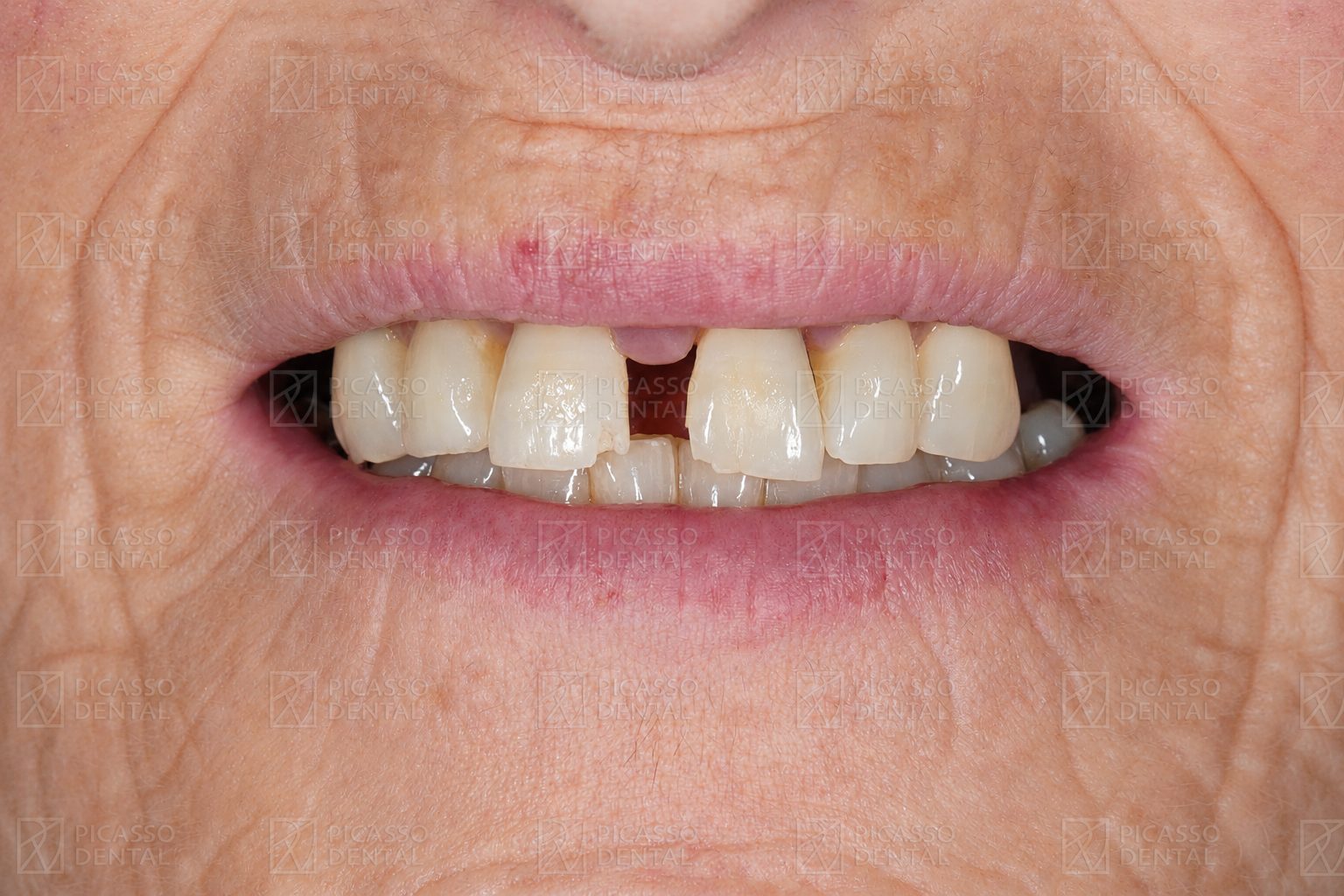 Before
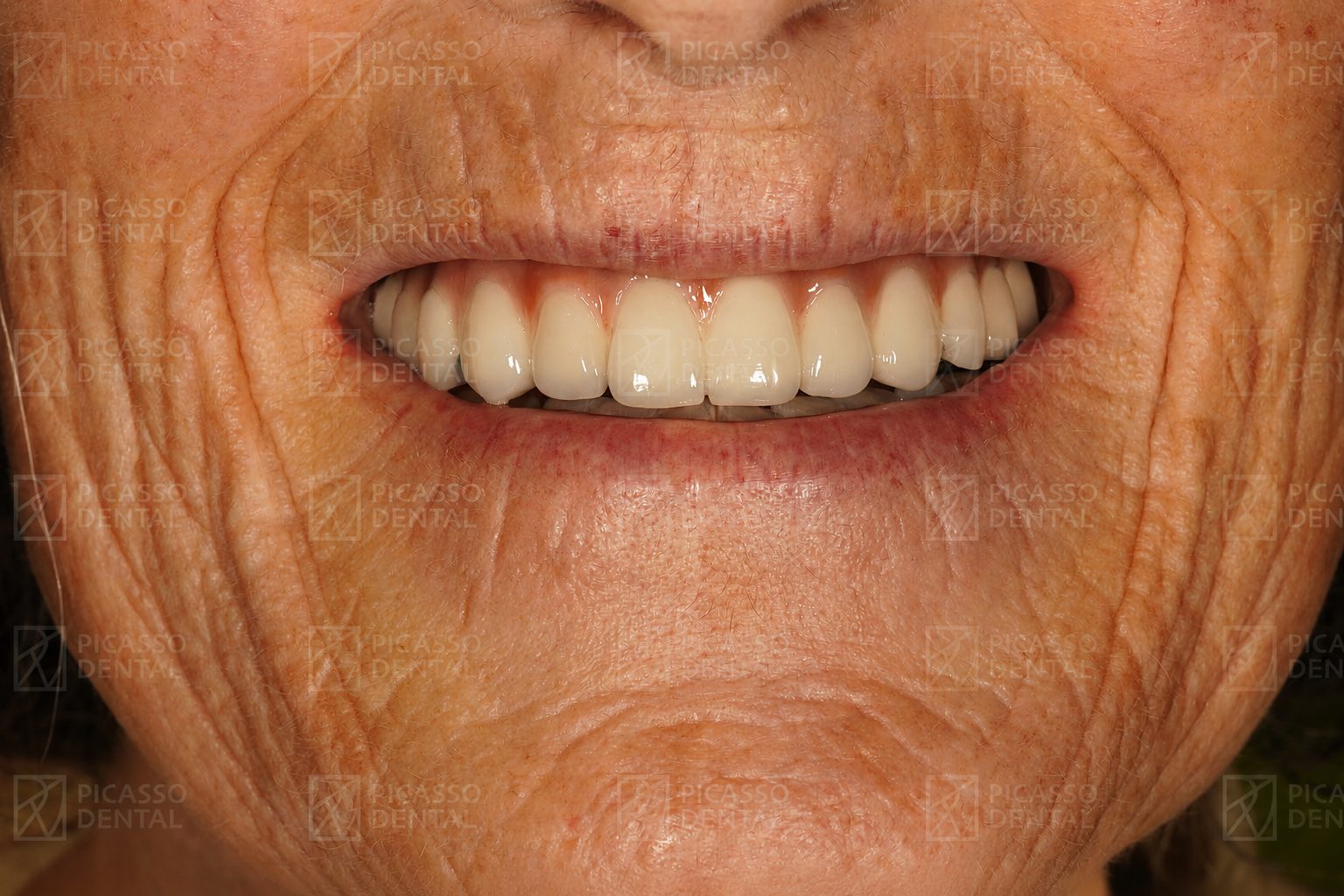 After
AfterGum treatment and deep cleaning: healthier gum margins after treatment
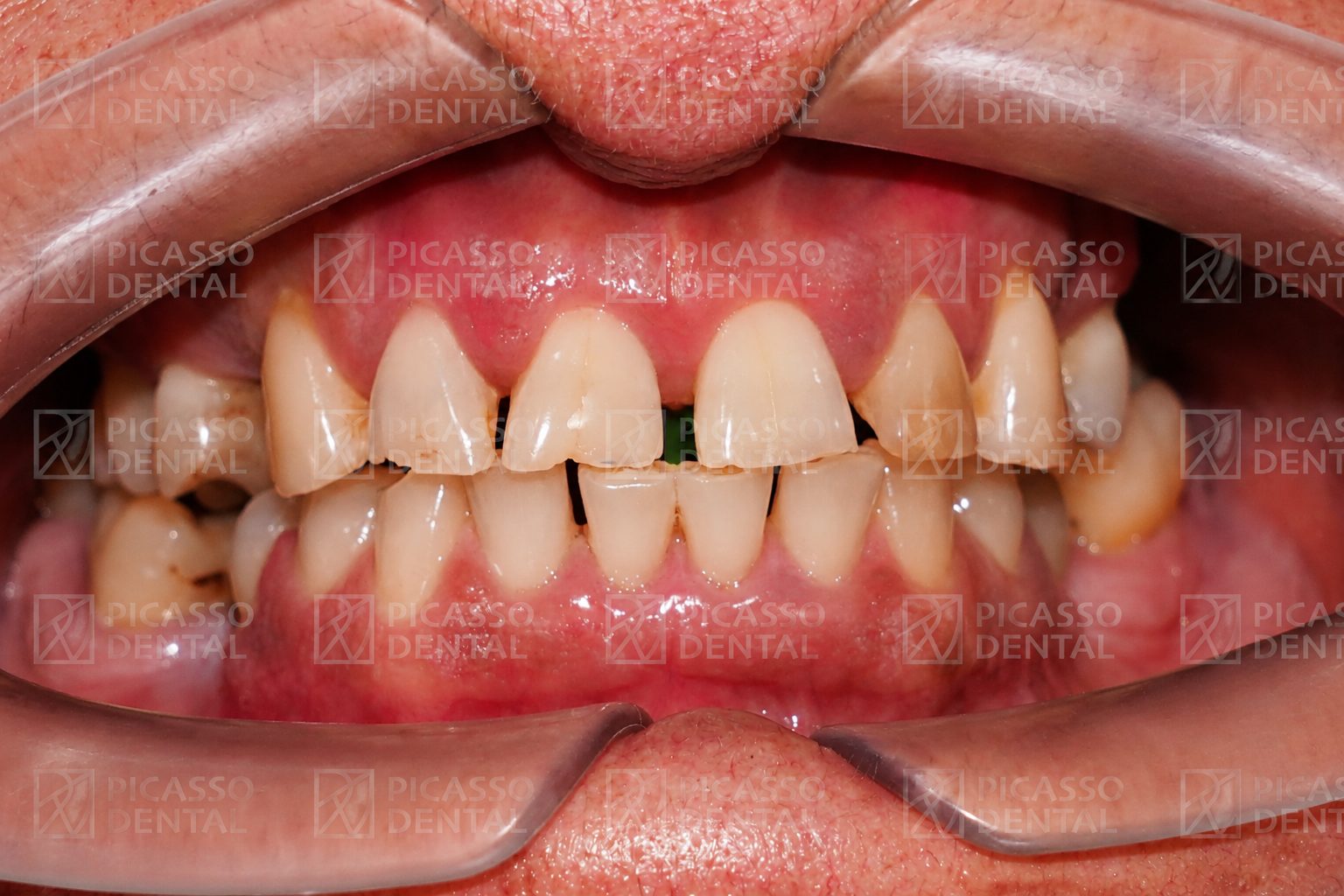 Before
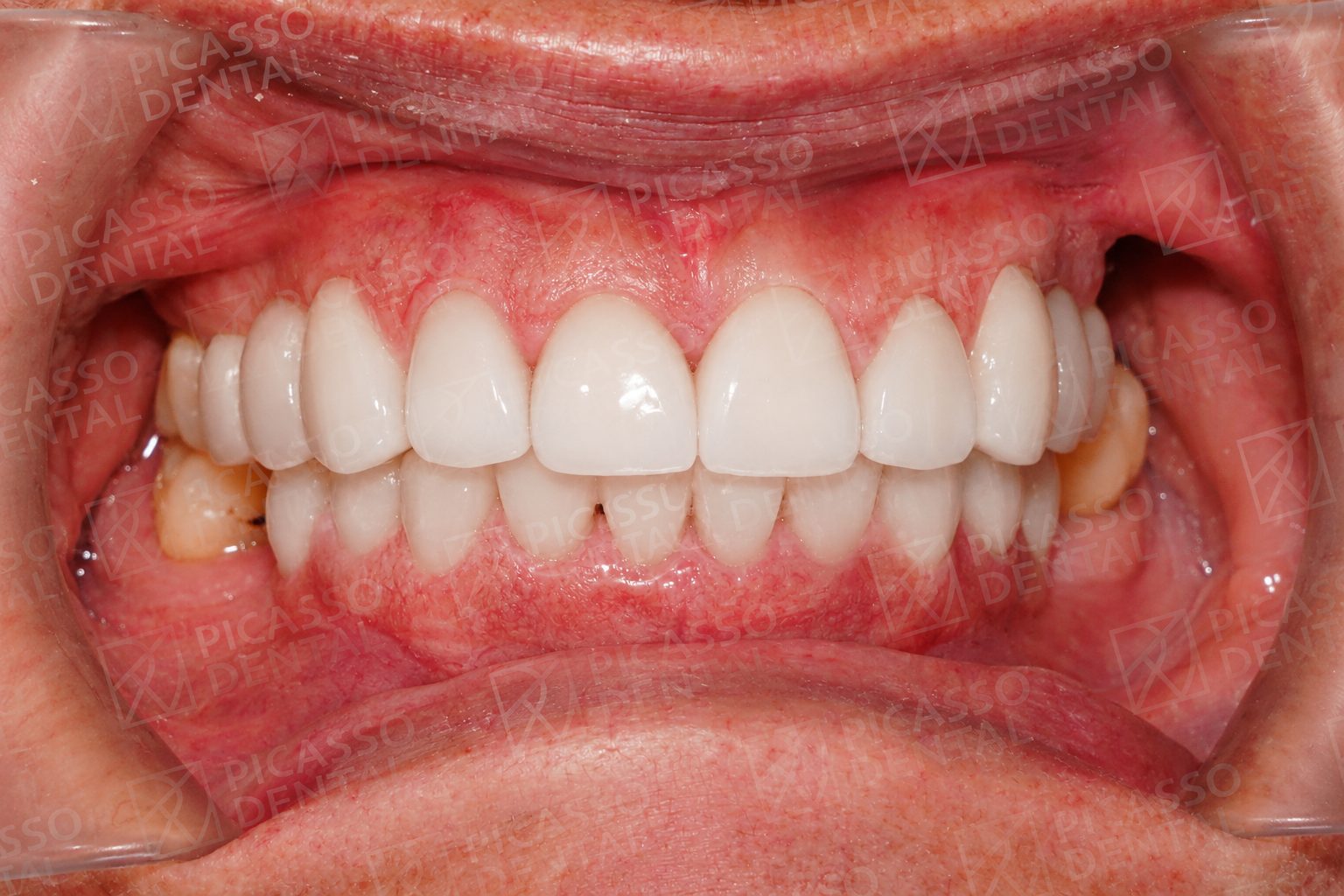 After
AfterComprehensive periodontal treatment restoring gum health
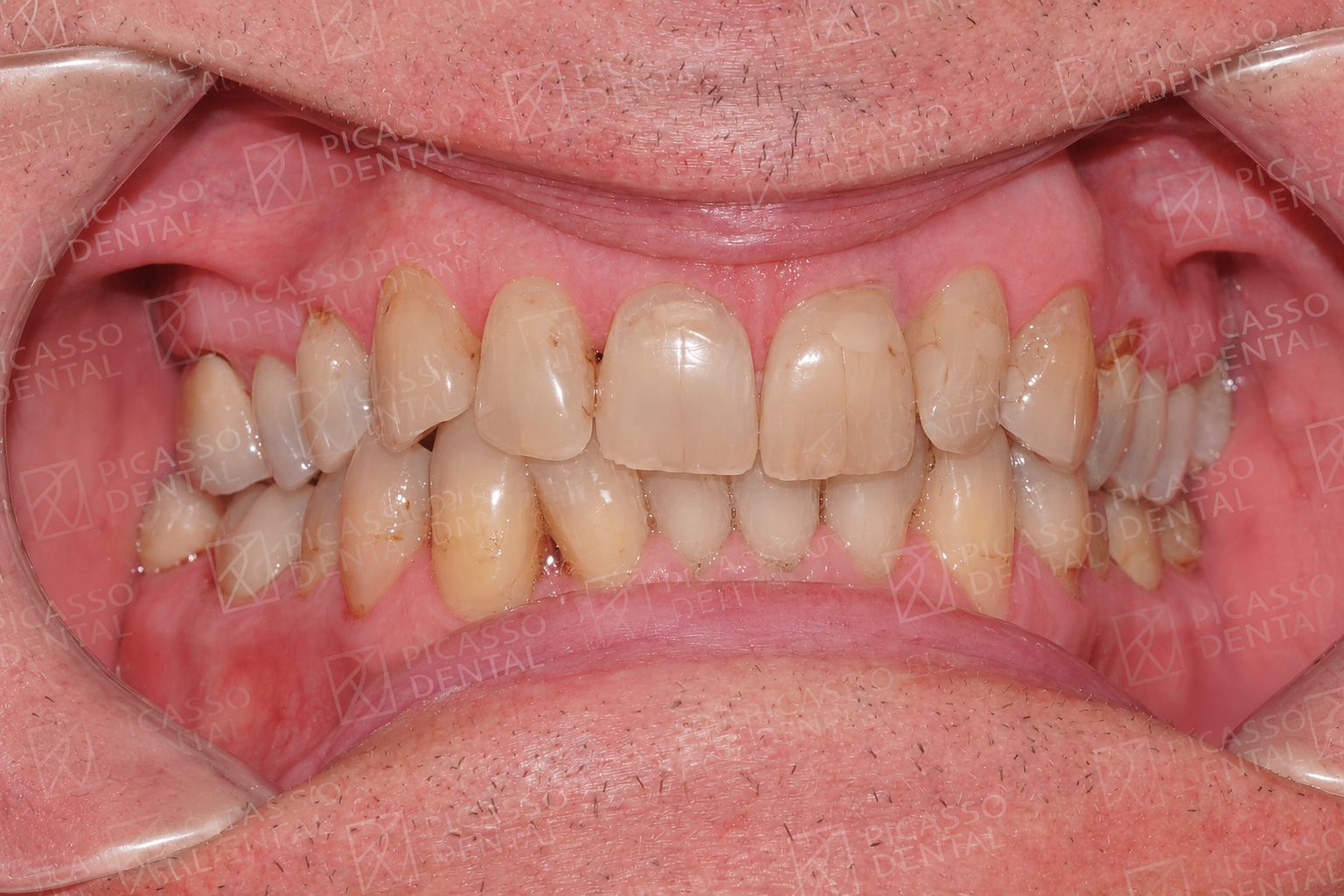 Before
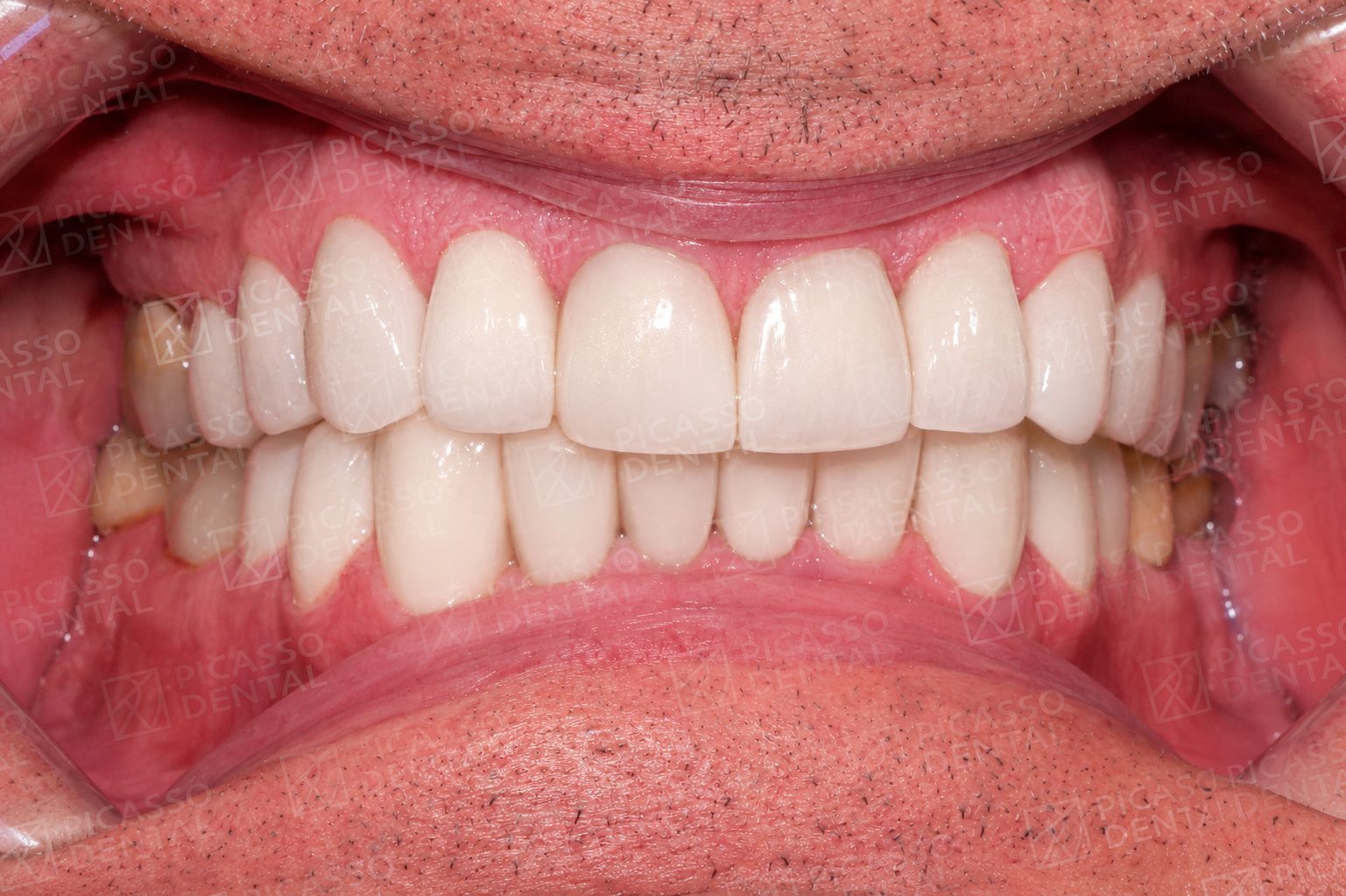 After
AfterDeep cleaning combined with restorative work at Picasso Dental
Frequently Asked Questions
How long do gums bleed after deep cleaning?
Most patients see noticeable bleeding for the first 24 to 48 hours after deep cleaning, with spotting when brushing continuing through day three or four. By the end of the first week, bleeding during normal oral care should have stopped. Patients with severe gum disease may take up to ten days to reach this point.
Is it normal for gums to bleed after deep cleaning?
Yes, some bleeding is completely normal. Deep cleaning removes hardened deposits from below the gum line, which irritates already-inflamed gum tissue. The bleeding reflects both the mechanical irritation of the cleaning and the underlying inflammation that made the procedure necessary. It should decrease progressively each day.
What makes gum bleeding last longer after deep cleaning?
Smoking or vaping significantly prolongs bleeding and delays healing. Uncontrolled diabetes also slows tissue recovery. Blood thinners and anticoagulants increase the intensity and duration of post-procedure bleeding. The severity of pre-existing gum disease is the primary factor: patients with advanced periodontitis and deep pockets heal more slowly than those with mild disease.
When should I be worried about bleeding after deep cleaning?
Contact your dentist if bleeding increases after day three rather than decreasing, if bleeding is accompanied by worsening pain, swelling, or fever, if continuous bleeding does not respond to gentle pressure, or if you notice a foul-smelling discharge mixed with blood. These patterns indicate possible infection rather than normal healing.
Should I brush my teeth if my gums are bleeding after deep cleaning?
Yes. Avoiding brushing of bleeding areas allows bacteria to accumulate and delays healing. Use a soft-bristled toothbrush with gentler pressure than usual around treated areas. Gentle, thorough cleaning supports healing rather than hindering it. Your dentist will demonstrate proper technique during or after the appointment.
How can I reduce bleeding and speed healing after deep cleaning?
Avoid hot foods and beverages for the first 24 hours. Begin gentle warm saltwater rinses (half a teaspoon of salt in a glass of warm water) 24 hours after the procedure, repeated three to four times daily. Avoid alcohol, smoking, and strenuous exercise for 48 hours. Continue gentle brushing and flossing. Attend the follow-up cleaning scheduled by your dentist, typically three months after deep cleaning.
How long until my gums are fully healed after deep cleaning?
Initial bleeding stops within one week for most patients. Full tissue healing, meaning the gum tightening and reattachment that reduces pocket depth, takes four to six weeks. The clinical improvement in pocket depths is assessed at your three-month recall appointment, which is important even if you feel fine by week two.
Will my gums bleed less during brushing after deep cleaning?
Yes. Once healing is complete, healthy gums bleed far less during brushing than infected gums did before the procedure. Many patients notice that their gums look pinker and feel tighter, and that the bleeding they experienced during daily brushing before treatment largely disappears after recovery.
Is deep cleaning available for international patients at Picasso Dental Clinic?
Yes. Deep cleaning is available at all six Picasso Dental Clinic branches in Hanoi, Da Nang, Ho Chi Minh City, and Da Lat. International patients often combine deep cleaning with cosmetic treatments during a single trip to Vietnam.
Start Here
Start with a brief.
Tell us about your gum health concerns and a licensed dentist will reply with a written assessment and recommended treatment plan within twenty-four hours.