Dental Implants
How Long Do Dental
Implants Last?
Post vs Crown, and What Matters Most
The titanium post that fuses with your jawbone can last a lifetime. The crown on top typically needs replacing every 10 to 15 years. Understanding this distinction, and what determines longevity, helps you protect your investment.

The short version
- The implant post, once fused to bone, can last a lifetime.
- The crown on top typically lasts 10 to 15 years before needing replacement.
- Peri-implantitis (gum infection around the implant) is the leading cause of late failure.
- Oral hygiene and regular professional cleanings are the biggest factors in long-term success.
- 10-year success rates exceed 95% at Picasso Dental for patients with good maintenance.
The Implant Post vs the Crown: Two Very Different Lifespans
Understanding the difference between the implant post and the crown is essential because they have vastly different lifespans. The implant itself is the titanium screw surgically placed into your jawbone. This metal post fuses with your bone through osseointegration over three to six months. Once that fusion is complete, the titanium post becomes incredibly stable. Implants placed in the early 2000s are still functioning perfectly at our clinics. The titanium does not decay, rarely corrodes, and your body accepts it as if it were natural bone. Barring infection or trauma, the post itself can last your entire life.
The crown sits on top of the implant post and does all the actual chewing work. Crowns are typically made of porcelain fused to metal or solid zirconia. Like natural teeth, crowns experience wear from daily use. I tell patients to expect crown replacement every 10 to 15 years on average. Some crowns last 20 years or more with gentle use and excellent care. Others may need replacement sooner if you grind your teeth or regularly chew very hard foods. Replacing just the crown is straightforward and far less involved than the original implant surgery.
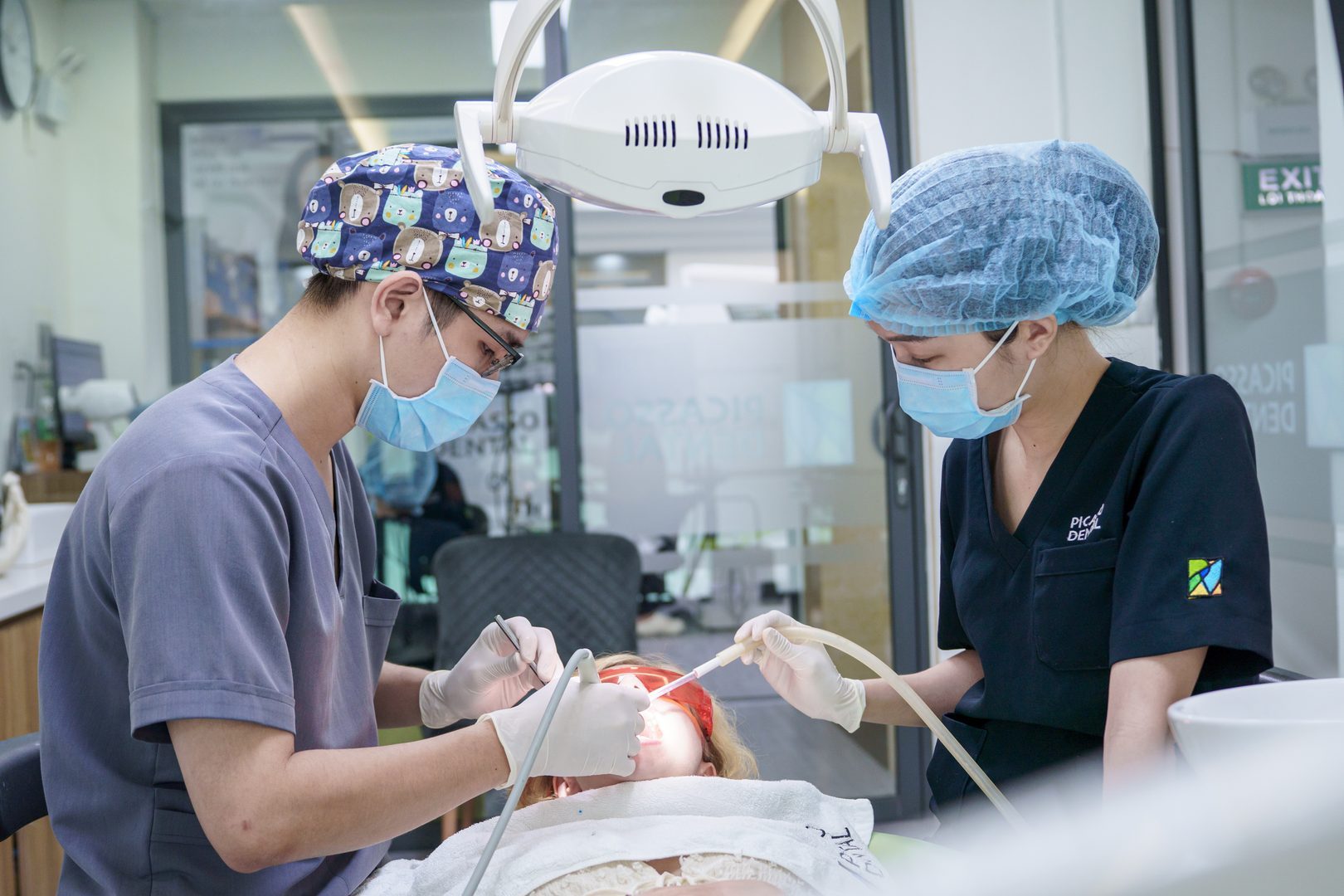
What Affects How Long Your Implants Last
- Oral hygieneThe single biggest factor. Implants cannot get cavities, but the surrounding gum tissue can develop peri-implantitis. Patients who brush twice daily, floss around their implants, and attend professional cleanings every six months maintain their implants far longer than those who neglect home care.
- SmokingSmoking dramatically reduces implant lifespan. Nicotine restricts blood flow to gum tissue, impairing healing and increasing infection risk. Smokers have roughly double the implant failure rate compared to non-smokers. Even reducing smoking substantially improves outcomes.
- Overall healthUncontrolled diabetes, osteoporosis, or autoimmune diseases can compromise bone density and healing capacity. These conditions require closer monitoring but do not necessarily prevent implant placement when well-managed.
- Location in the mouthBack molars endure much greater chewing forces than front teeth. Implants replacing molars may need crown replacement more frequently due to heavier wear, though the implant post typically remains stable regardless of location.
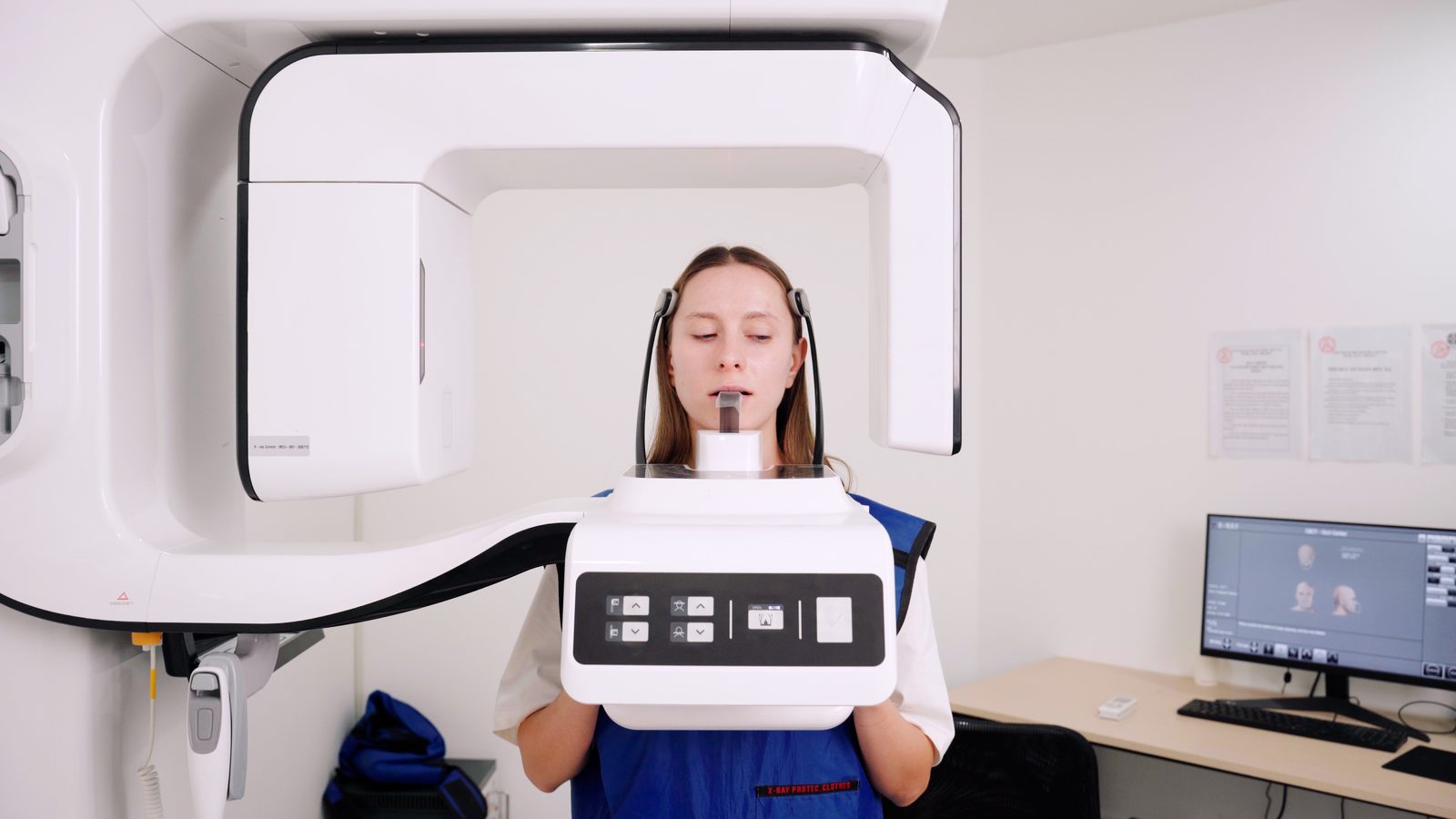
Warning Signs That Need Attention
Certain signs around a healed implant always warrant immediate professional assessment. None of these are normal and all indicate a problem that will worsen without treatment.
- Bleeding when brushing or flossingEarly warning sign of inflammation around the implant. This is the stage at which peri-implantitis is most treatable and most reversible.
- Looseness or movementAny movement in the implant or crown requires immediate evaluation. A loose crown is usually a fixable problem. A loose implant post is a more serious issue requiring urgent assessment.
- Persistent bad taste or odourEspecially with visible discharge, this signals active infection around the implant that needs professional treatment before it destroys supporting bone.
- Pain around a healed implantOnce an implant has integrated, you should feel no discomfort. Pain is never normal and always warrants investigation.
"Making the decision to go to Hanoi and have the dental treatment done by Picasso was one of the best decisions I have taken for a long time. I not only received top class dental care, it was so cost effective in comparison to having all this work undertaken at an Australian dental practice."
Gerald Mair, Hanoi Old Quarter
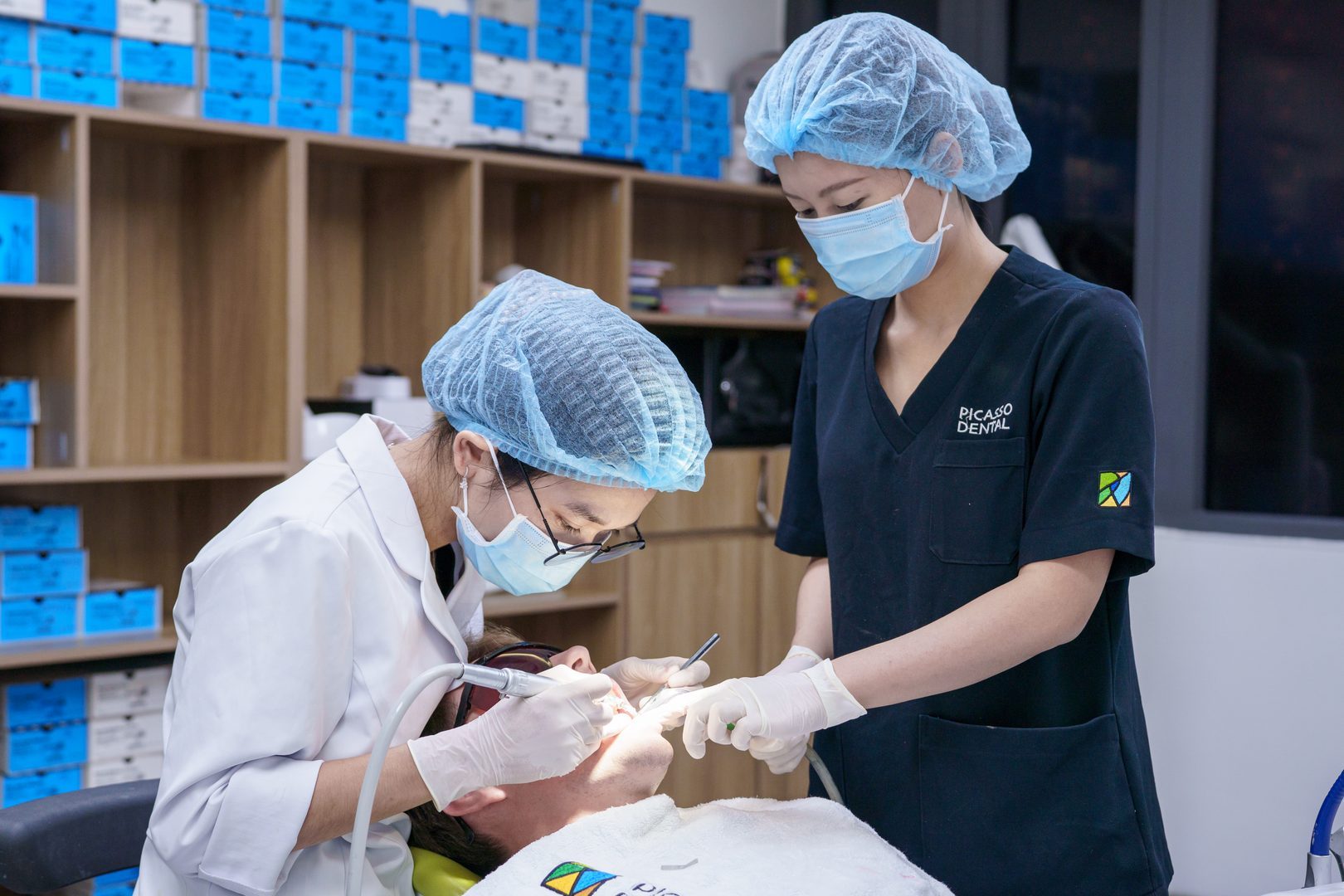
Making Your Implants Last a Lifetime
Brush your implants just like natural teeth using a soft-bristled toothbrush and non-abrasive toothpaste, paying special attention to where the crown meets the gum tissue. Floss daily around your implants. Water flossers work excellently for cleaning around implant abutments where traditional floss can be awkward. Avoid using your implants to crack nuts, open packages, or chew ice. If you grind or clench your teeth, wear a nightguard to protect against excessive force. Schedule professional cleanings every six months, or every three to four months if you have a history of gum disease.
Questions about implant longevity? Share your situation and we will give you an honest assessment of expected lifespan and what maintenance is needed for your specific case.
Book a consultation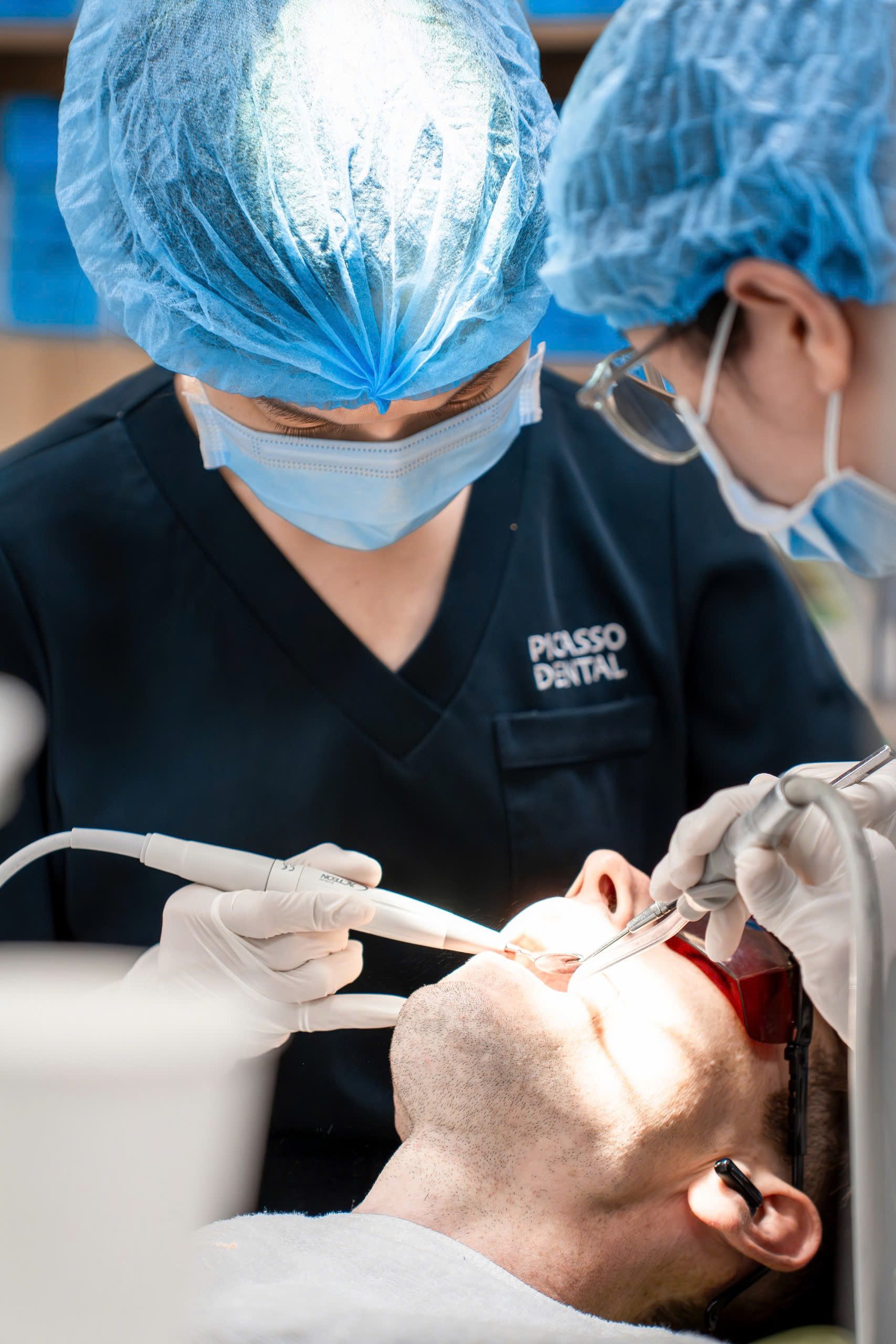
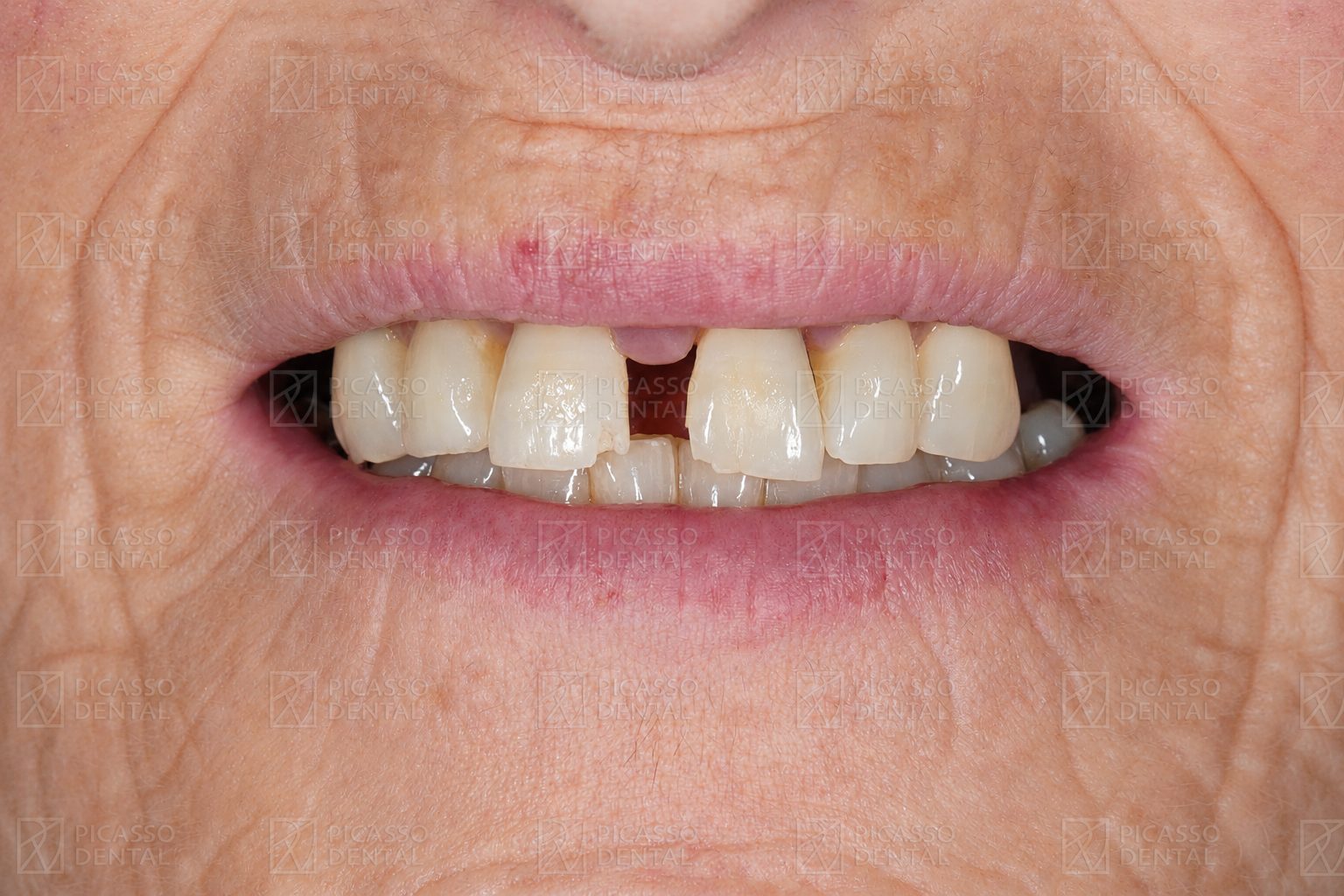 Before
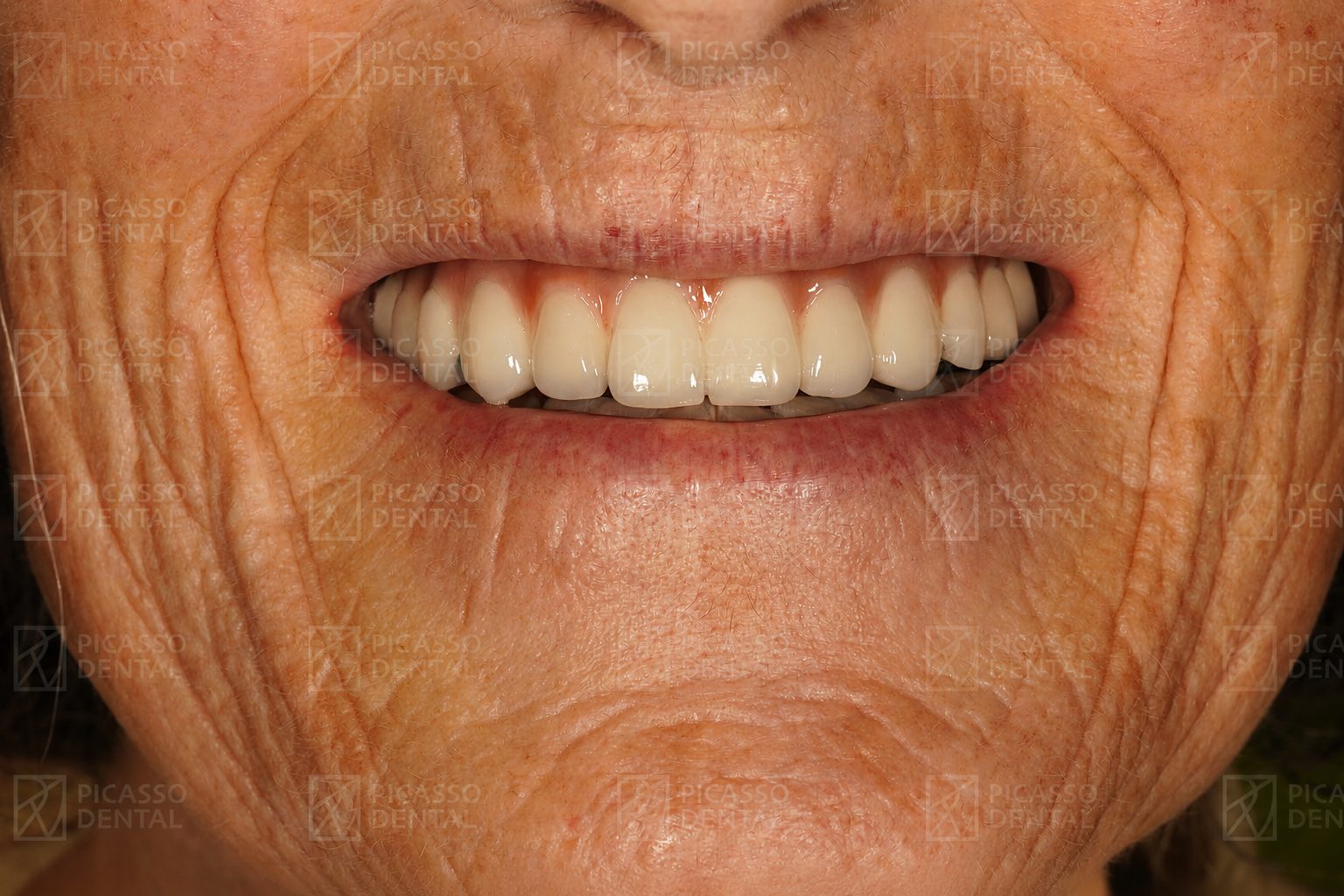 After
AfterFull rehabilitation, Hanoi Old Quarter
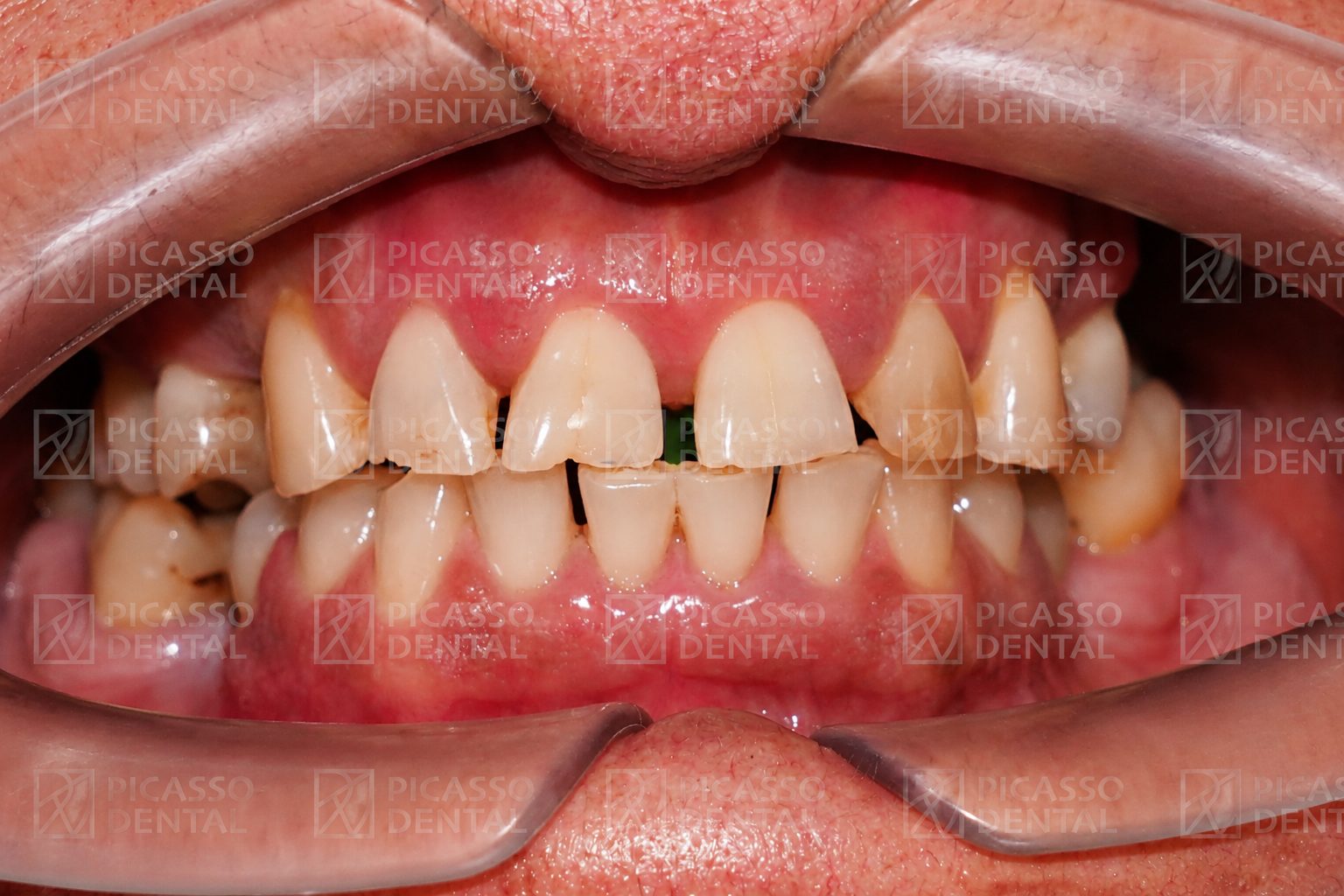 Before
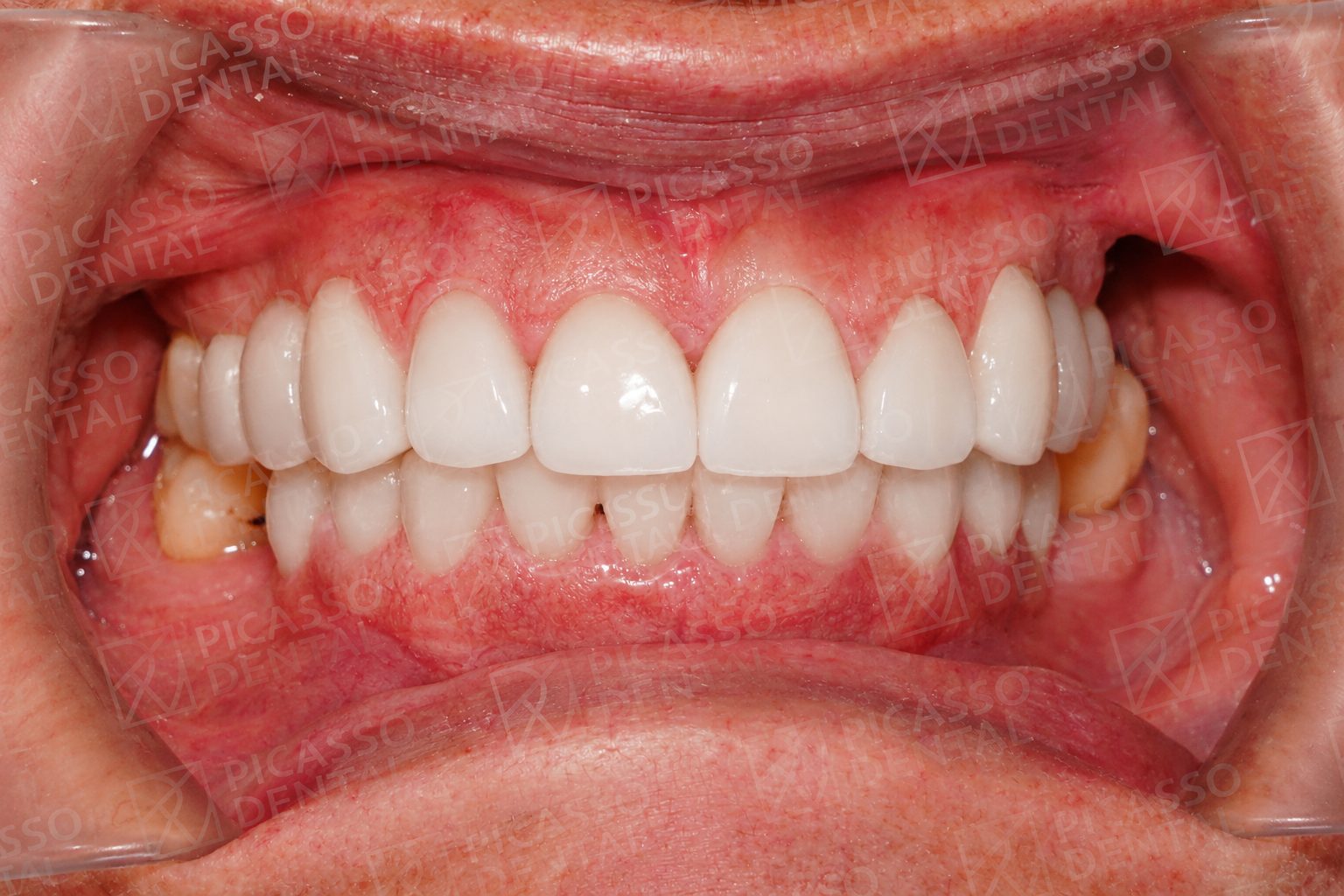 After
AfterPorcelain crowns, Da Nang
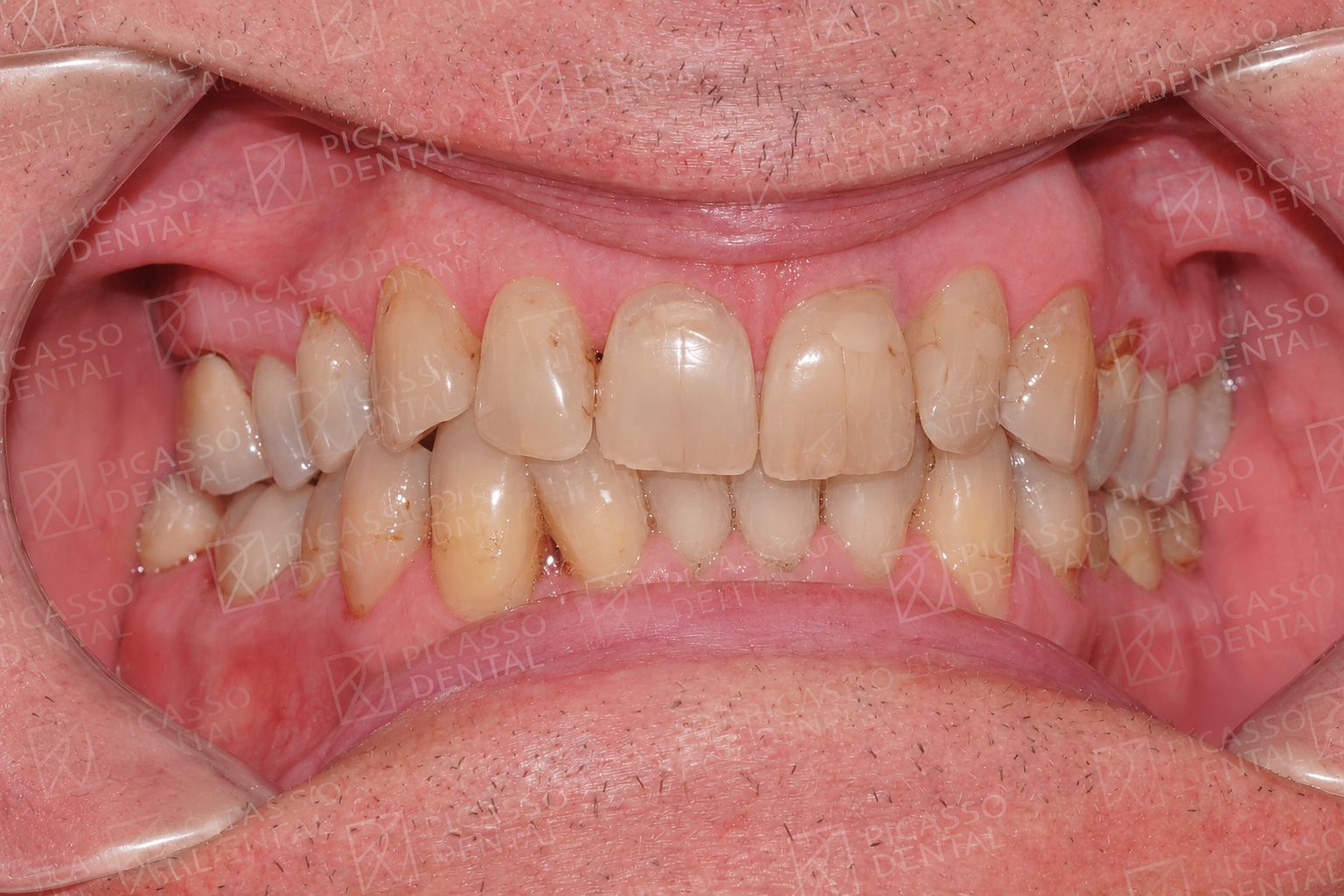 Before
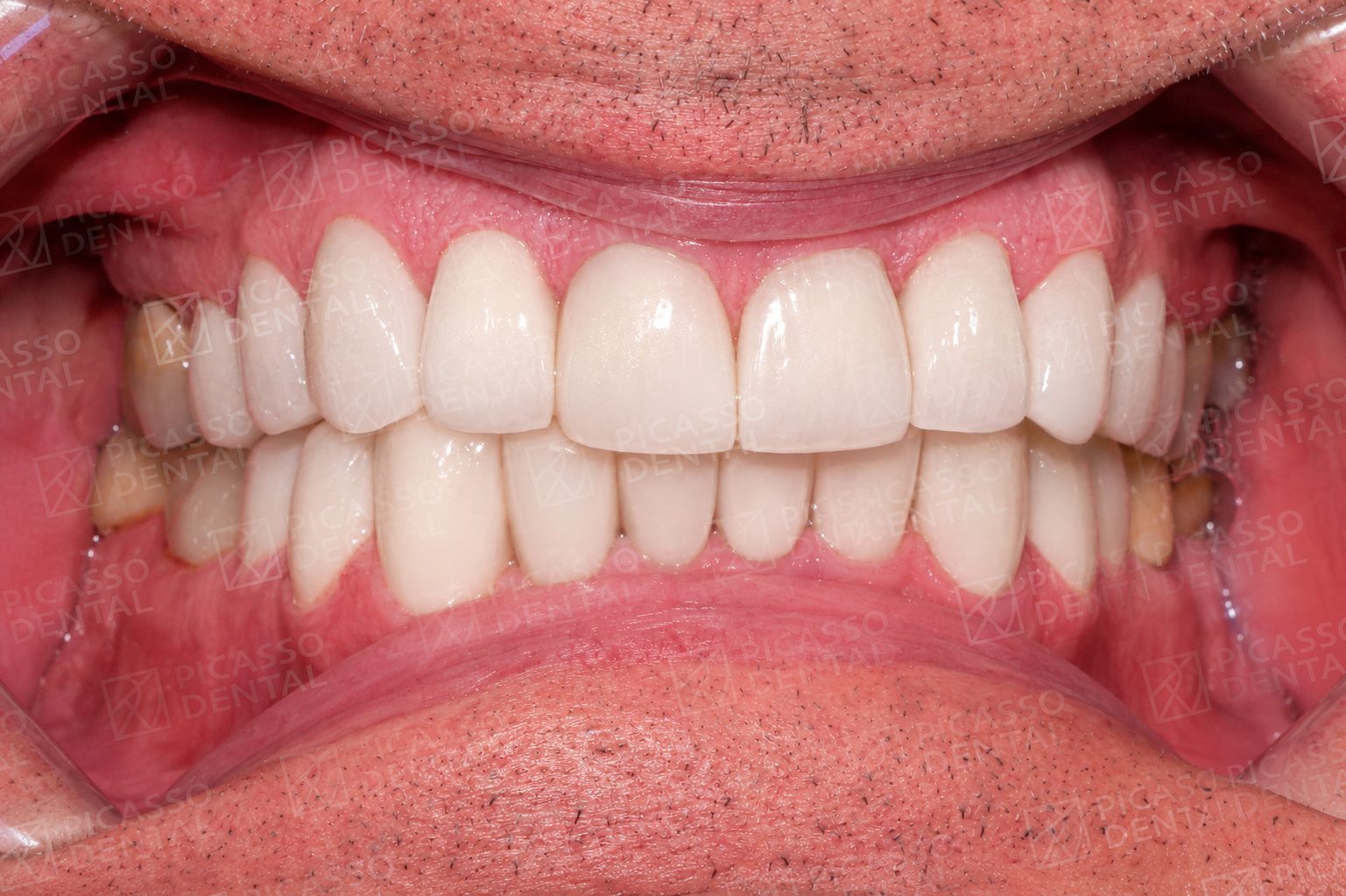 After
AfterCrown and implant, HCMC Thao Dien
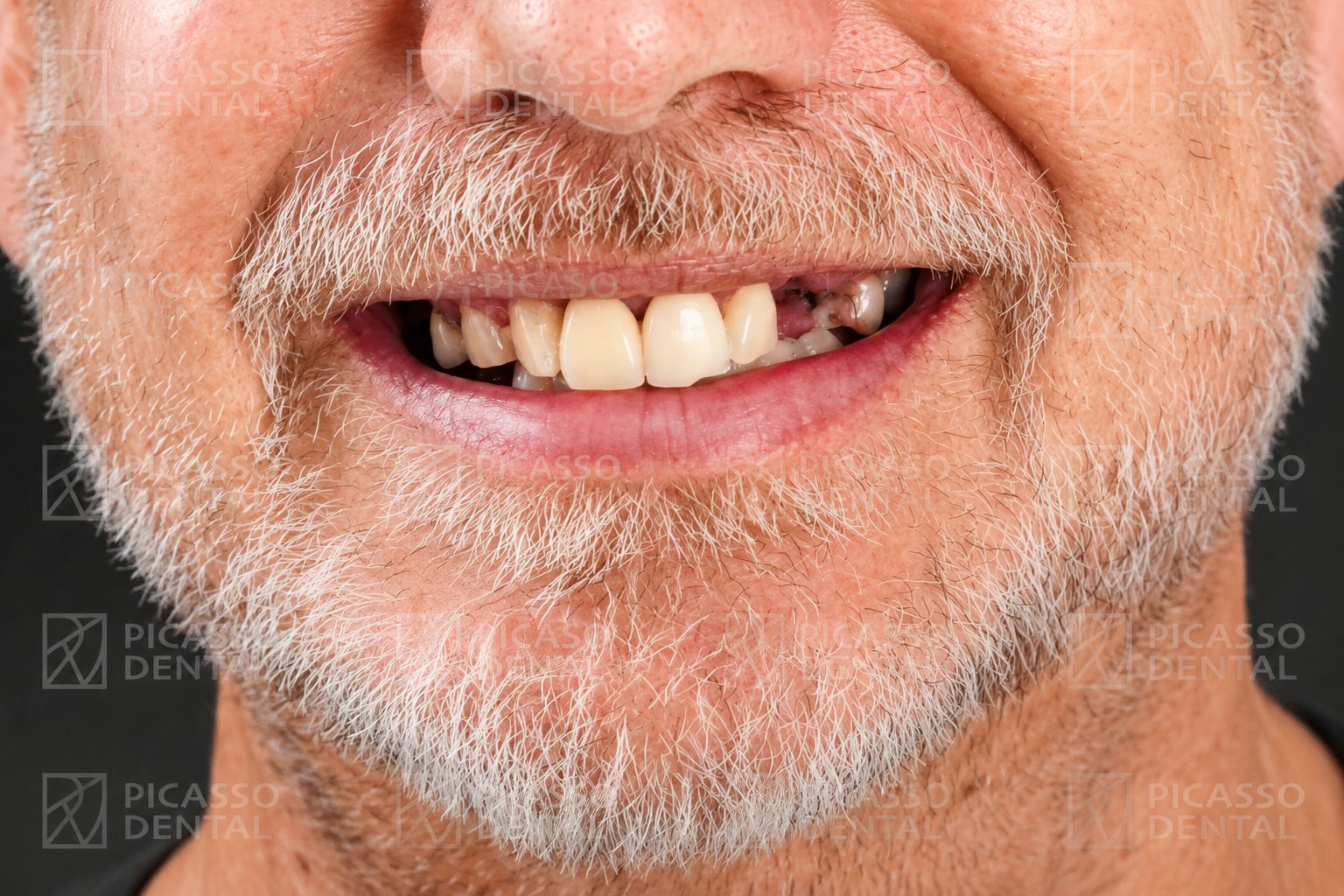 Before
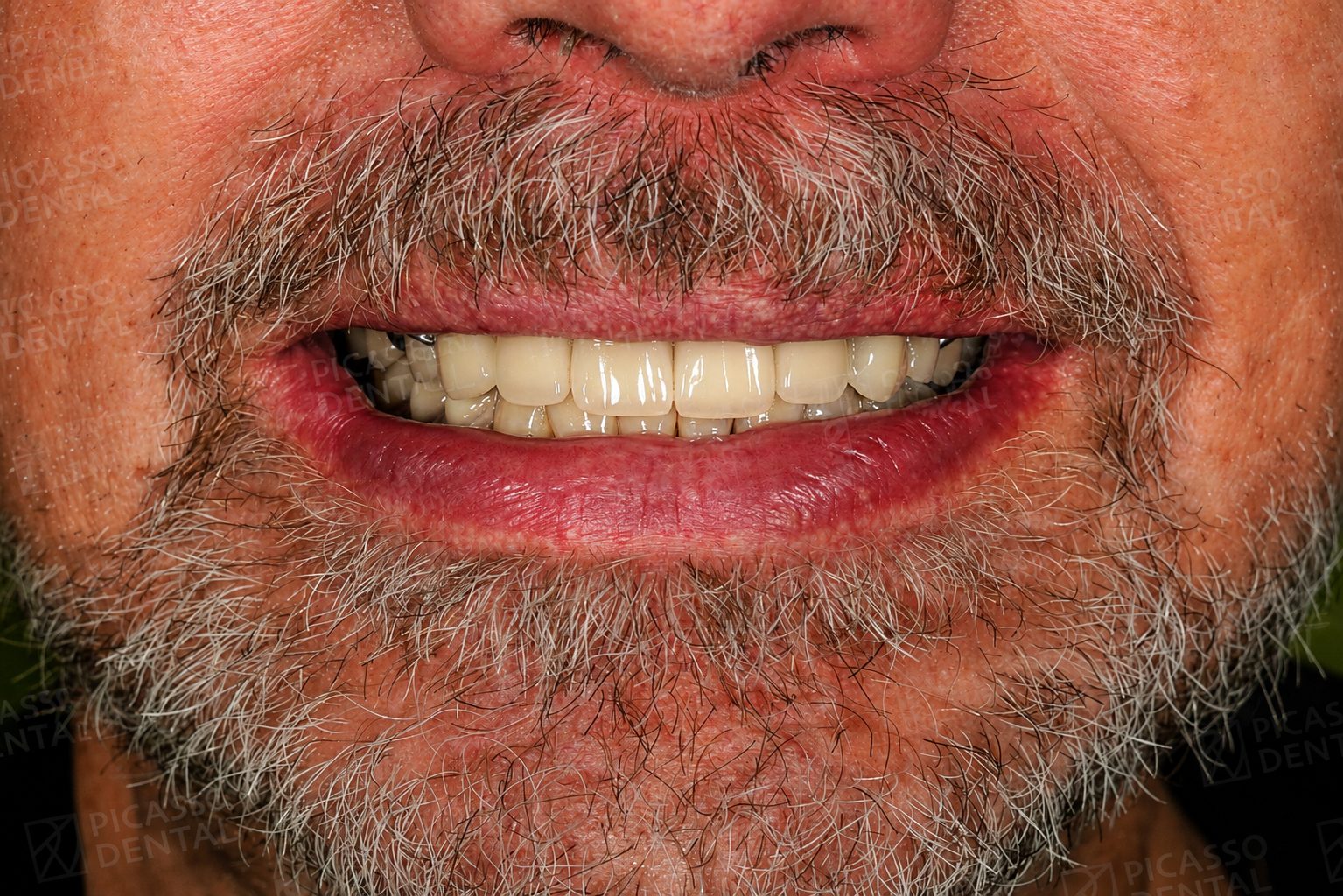 After
AfterCrown restoration, Hanoi Westlake
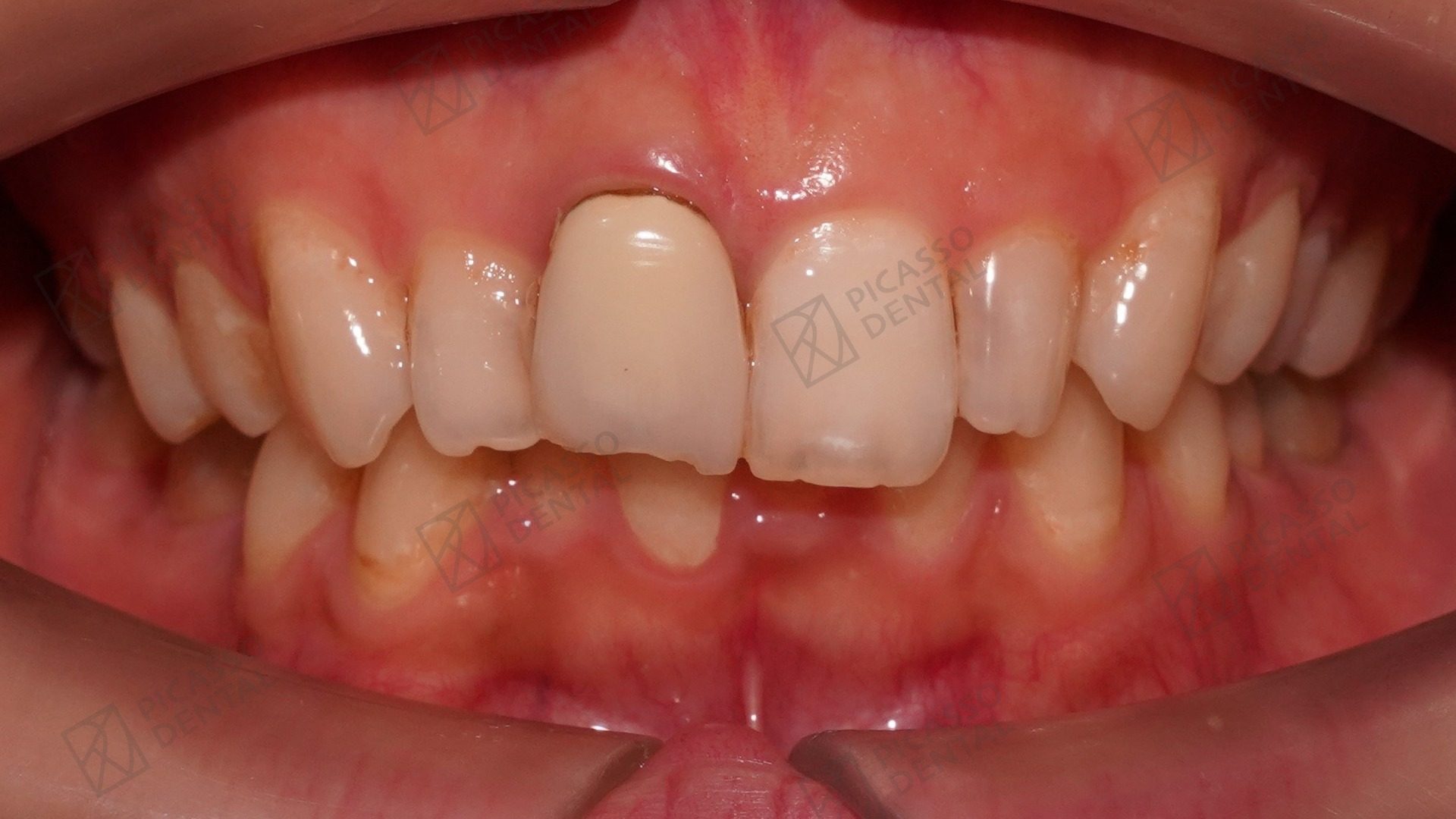 Before
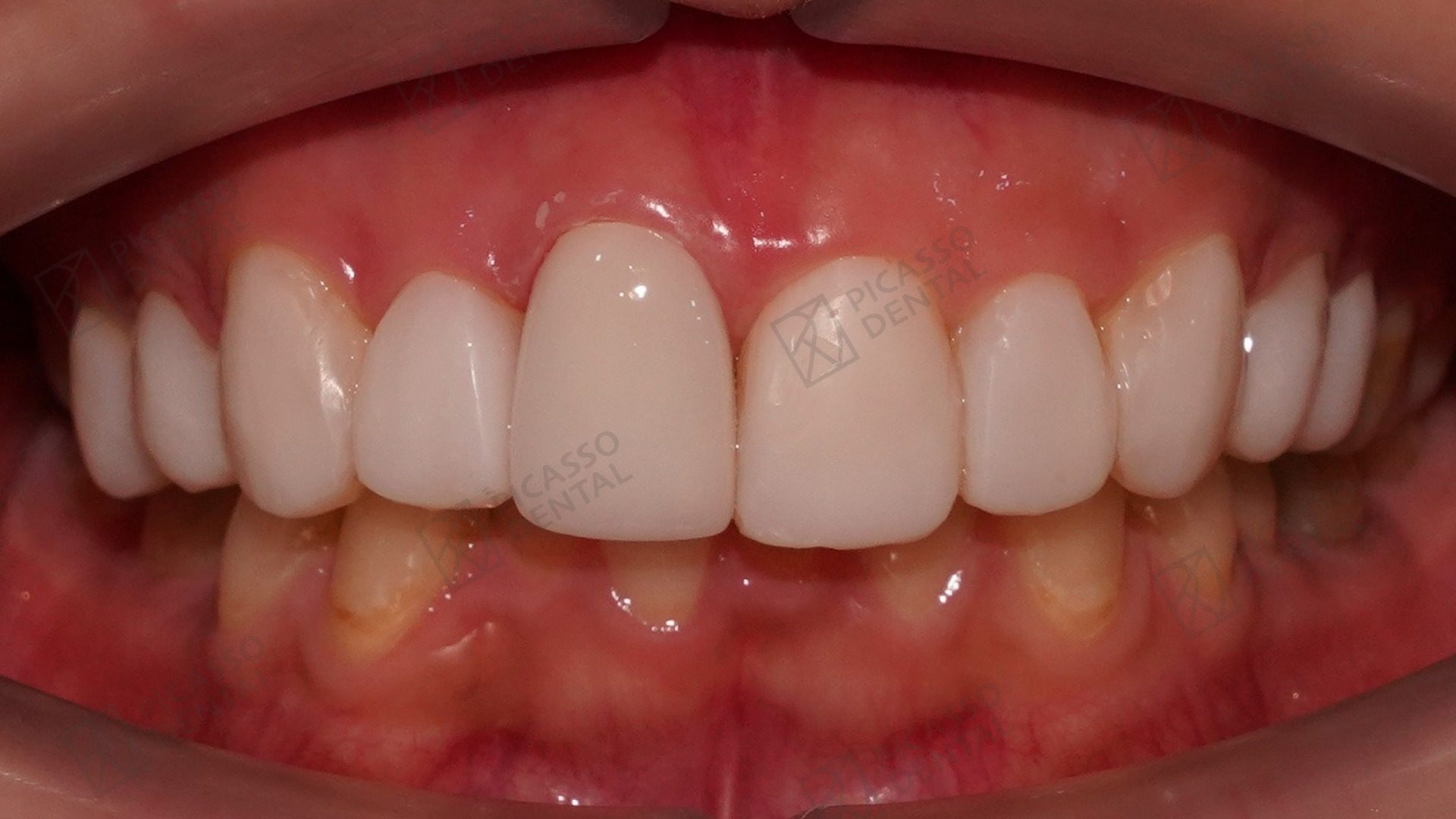 After
AfterSmile restoration, Da Nang Flagship
Frequently asked questions
How long does the implant post itself last?
The titanium implant post can last a lifetime once osseointegration is complete. Titanium does not decay or corrode, and your body accepts it as if it were natural bone. Implants placed in the early 2000s are still functioning perfectly at Picasso Dental. Barring infection (peri-implantitis) or significant physical trauma, the post itself rarely needs to be replaced.
How often does the crown on an implant need replacing?
The crown on top of an implant typically lasts 10 to 15 years before needing replacement due to normal wear. Some crowns last 20 years or more with gentle use and excellent care. Others may need replacement sooner if you grind your teeth or regularly bite hard foods. Replacing just the crown is a straightforward procedure that does not involve touching the implant post itself.
Does smoking affect how long implants last?
Yes, significantly. Smoking restricts blood flow to gum tissue, impairing healing and increasing the risk of peri-implantitis infection. Smokers have roughly double the implant failure rate compared to non-smokers. For patients who cannot stop smoking entirely, reducing tobacco use to a minimum before and after surgery, and maintaining rigorous oral hygiene, can partially mitigate the risk.
What is peri-implantitis and how does it affect implant lifespan?
Peri-implantitis is gum disease affecting the tissue surrounding an implant. It is the leading cause of implant failure after the initial healing period. Just as natural teeth can develop periodontitis from bacterial infection, implants can develop peri-implantitis. The early signs are bleeding around the implant and slight bone loss visible on X-ray. Caught early, it is treatable. Left untreated, it destroys the bone holding the implant and eventually causes the implant to fail.
What is the 10-year success rate for dental implants?
The published 10-year success rate for dental implants exceeds 95% in clinical studies when patients maintain good oral hygiene and attend regular professional cleanings. At Picasso Dental, our success rates at the ten-year mark match this benchmark for patients who maintain excellent home care and six-monthly checkups.
How do I know if my implant is failing?
Warning signs include: bleeding around the implant when brushing or flossing (early inflammation), any looseness or movement in the implant or crown, persistent bad taste or odour around the implant especially with discharge (infection), pain around a healed implant which is never normal once integration is complete, and gum recession exposing the metal post or abutment. Any of these signs warrants immediate professional assessment.
Can an implant fail years after it was placed?
Yes, though late failures are far less common than early failures. Late implant failure is usually caused by peri-implantitis from inadequate home care or infrequent professional maintenance. Less commonly, trauma, new systemic health conditions affecting bone density, or a failing crown that allows bacteria to enter around the implant connection can cause late failure. Regular six-monthly checkups and X-rays at years one, three, and five after placement catch problems early.
What daily care routine maximises implant lifespan?
Brush twice daily with a soft-bristled toothbrush and non-abrasive toothpaste, paying attention to where the crown meets the gum tissue. Floss daily around implants or use a water flosser, which is excellent for cleaning around implant abutments. Avoid using implants to crack nuts, open packages, or chew ice. Wear a nightguard if you grind or clench your teeth. Schedule professional cleanings every six months, or every three to four months if you have a history of gum disease.
Start Here
Start with a brief.
Send us your situation and we will give you an honest assessment of expected implant lifespan, what maintenance is needed, and a written cost breakdown for your specific case. No obligation, 24-hour reply.