
Invisalign
How Does Invisalign Work?
The Science Behind Clear Aligners
Understanding how Invisalign moves teeth helps you make better decisions and know what to expect at each stage. From the 3D scan to final retention, this guide covers the complete process.

The short version
- Treatment starts with a 3D intraoral scan, not impression putty.
- Each aligner moves teeth by creating gentle, constant pressure over two weeks.
- About 70% of cases need tooth-coloured attachments for precise control.
- 22 hours of daily wear is required for predictable results.
- Retainers worn indefinitely after treatment maintain the result.
The Digital Planning Process
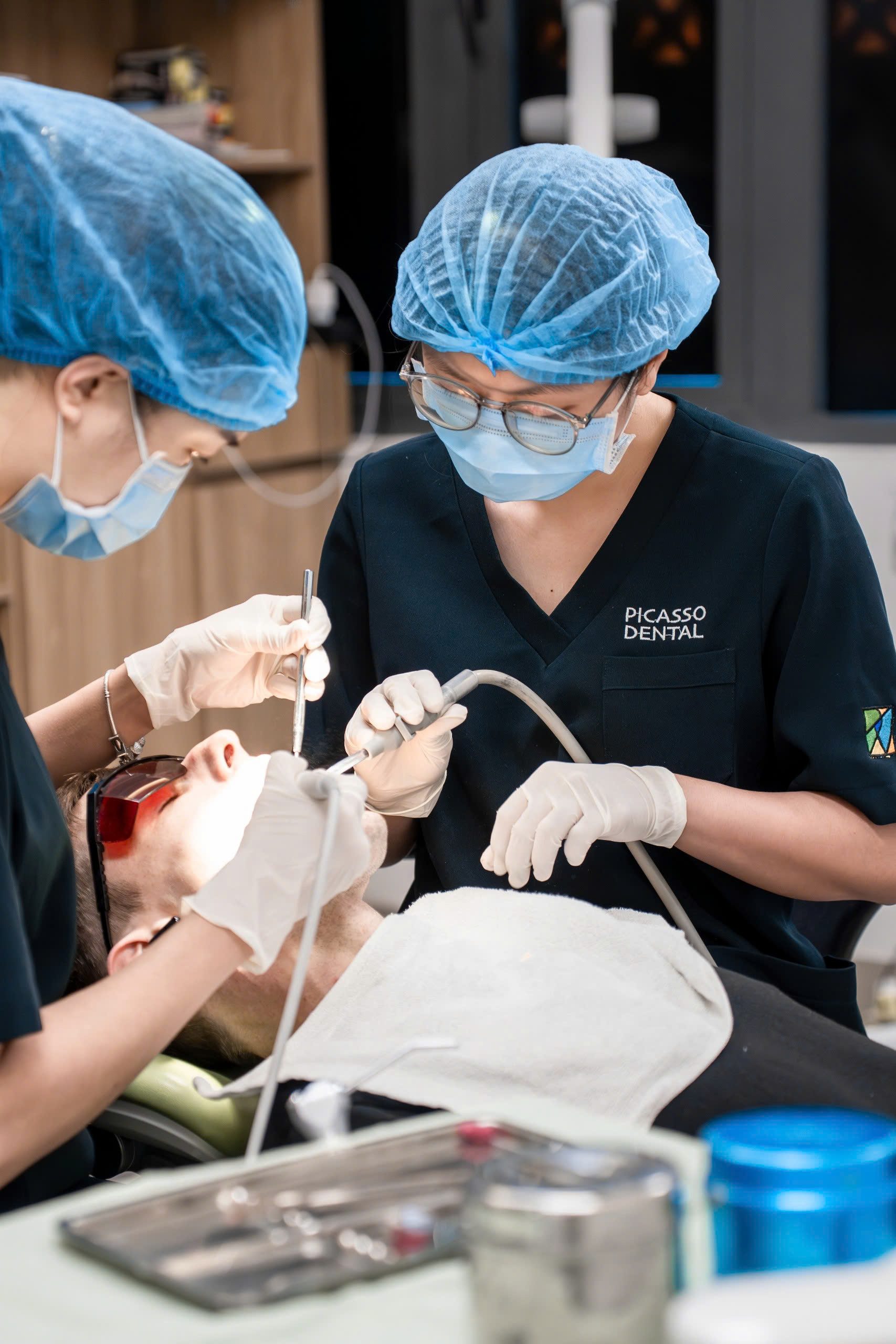
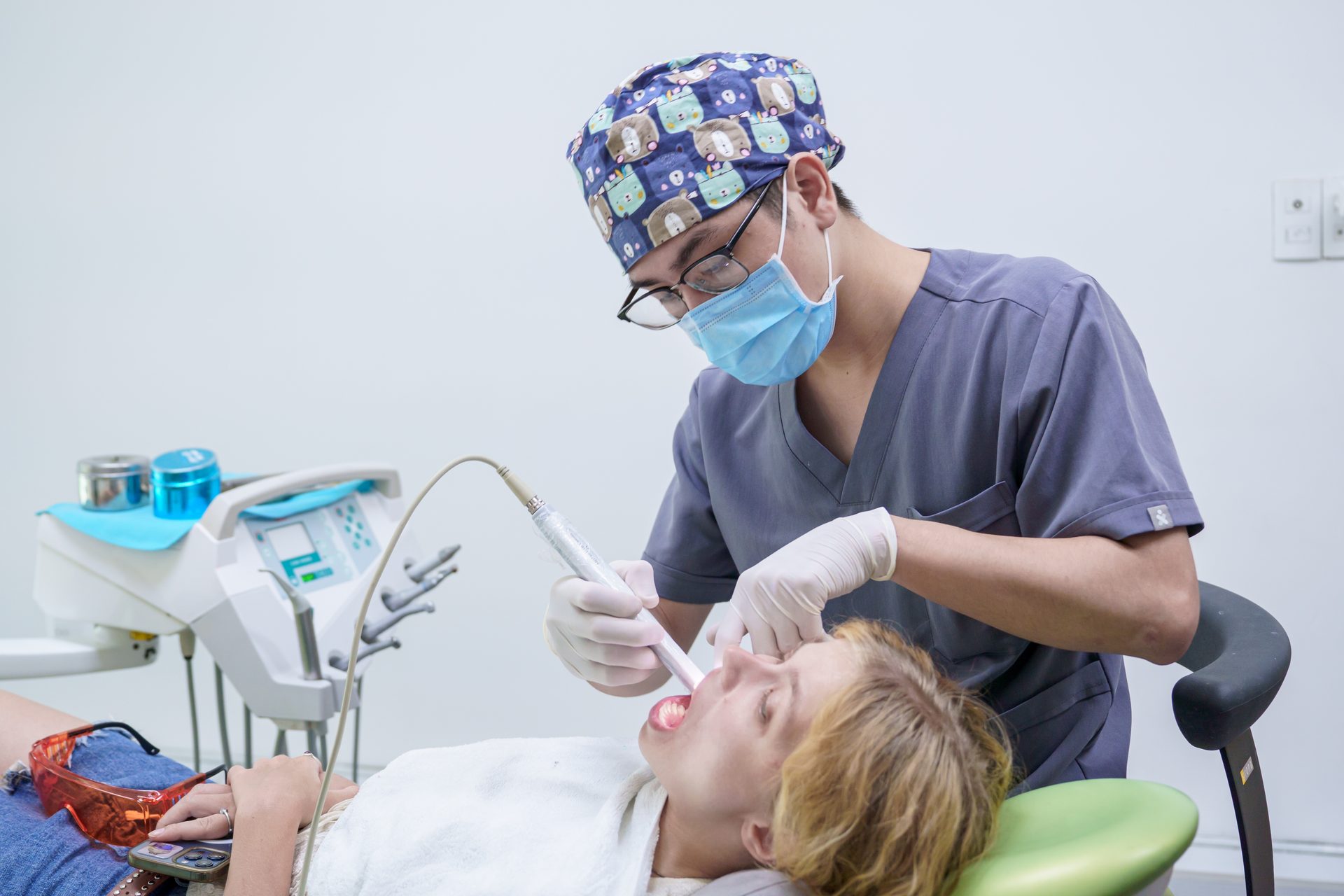
Everything starts with a detailed 3D scan of your teeth. At Picasso Dental Clinic, an intraoral scanner captures thousands of images in about 10 minutes, creating a precise digital model of your current tooth positions. This is far more comfortable than old-style impression putty.
Using Align Technology's specialised software, I map out exactly how each tooth needs to move to achieve your ideal smile. You can see a virtual animation of your treatment from start to finish before any aligners are manufactured, so you know the expected result before committing. The software calculates which teeth move first, how much force to apply, and the optimal sequence of movements. I can make adjustments to the plan until you are satisfied with the projected outcome.
How the Aligners Move Your Teeth
Each aligner is slightly different from the previous one, designed to move specific teeth in specific directions. When you snap an aligner onto your teeth, it does not fit perfectly at first. The aligner represents where your teeth should be in two weeks, not where they are today. This imperfect fit creates gentle, constant pressure. Your teeth want to move into the position that matches the aligner shape. Over about two weeks, they gradually shift and the aligner starts fitting better. By day 14, your teeth match that aligner's shape and you move to the next one.
The aligners are made from SmartTrack material, a proprietary plastic that applies consistent force throughout the wear period. This material is smooth enough for comfort but rigid enough to move teeth predictably. Your bone and ligaments surrounding tooth roots actually remodel as teeth move: pressure on one side of a tooth causes bone to dissolve slightly, while the other side generates new bone to fill the space. This biological process is why teeth can move at all, and why treatment takes months rather than days.
Attachments and Buttons Improve Control
For many cases, I place small tooth-coloured attachments on certain teeth. These are tiny bumps of composite material bonded to your enamel that give the aligners better grip and control. Attachments help with specific movements like rotating teeth, moving roots, or creating space. Without them, aligners would just slide over smooth teeth without enough traction for precise movement.
Some complex cases also require elastics, similar to traditional braces. Small buttons get bonded to specific teeth, and you wear rubber bands between upper and lower teeth to correct bite issues. In my practice at Picasso Dental Clinic across the Hanoi and Da Nang branches, about 70% of Invisalign cases need attachments. They are removed easily at the end of treatment, leaving no marks on the teeth.
"Making the decision to go to Hanoi and have the dental treatment done by Picasso was one of the best decisions I have taken for a long time."
Gerald Mair, Hanoi Old Quarter
The Treatment Timeline and Compliance Rule
Most patients receive their complete set of aligners upfront, typically 20 to 40 aligners depending on treatment complexity. You visit the clinic every 6 to 10 weeks so I can monitor progress and ensure teeth are tracking according to plan. At each checkup, I verify that teeth are moving as expected. Sometimes teeth do not respond exactly as planned, which is normal. If tracking is off, I can order refinement aligners to correct it. About 30% of my patients need one round of refinements.
Compliance determines success. You must wear aligners 22 hours daily for predictable results. Patients who wear them less than 20 hours daily see slower progress or poor outcomes. Most treatments finish in 12 to 18 months for moderate cases. Simple cases might complete in 6 months, while complex corrections can take 24 months. After active treatment, retainers are worn indefinitely to maintain results.
Curious whether Invisalign works for your case? A digital preview of your potential result is available at the first consultation, before you commit to anything.
Book a consultation
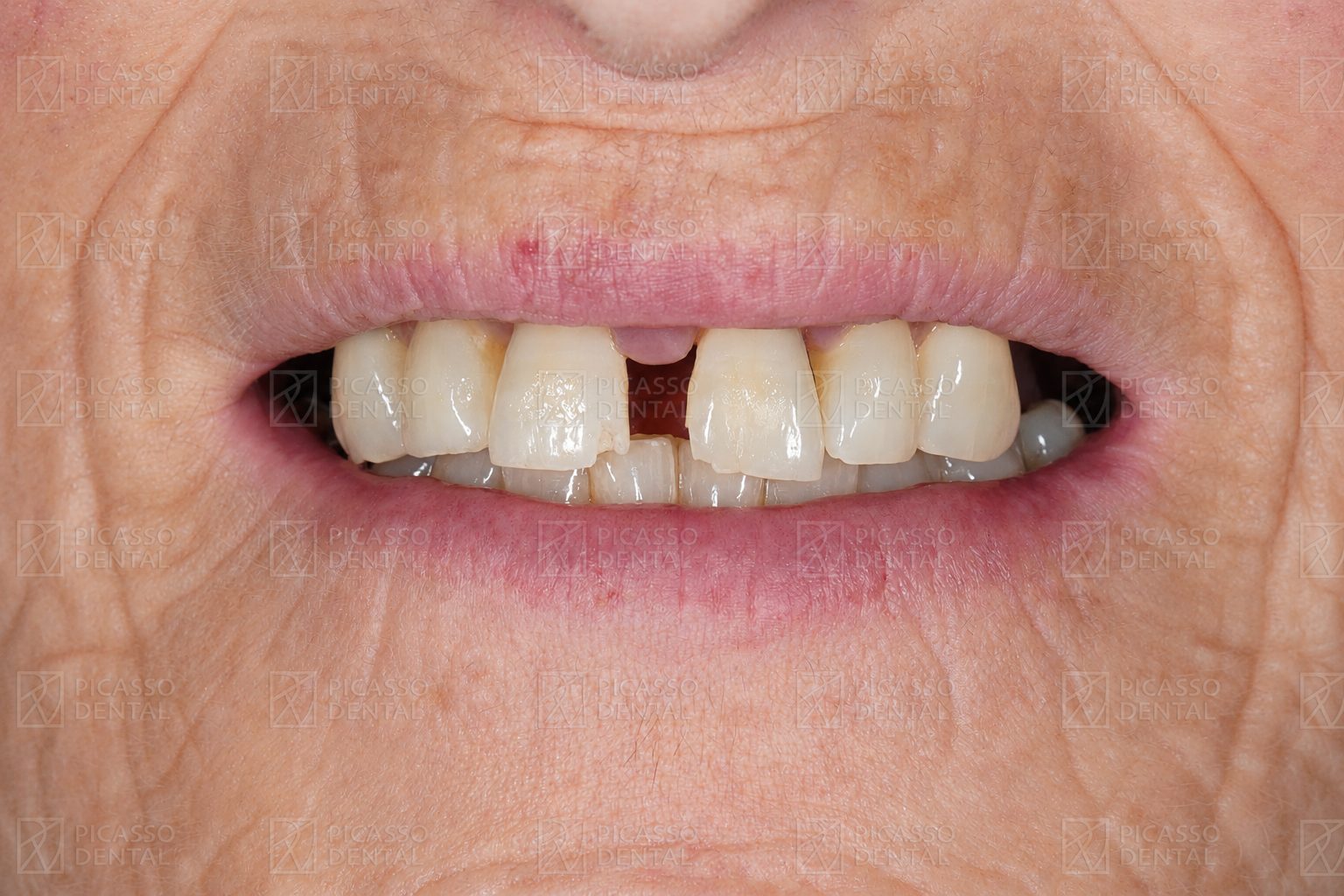 Before
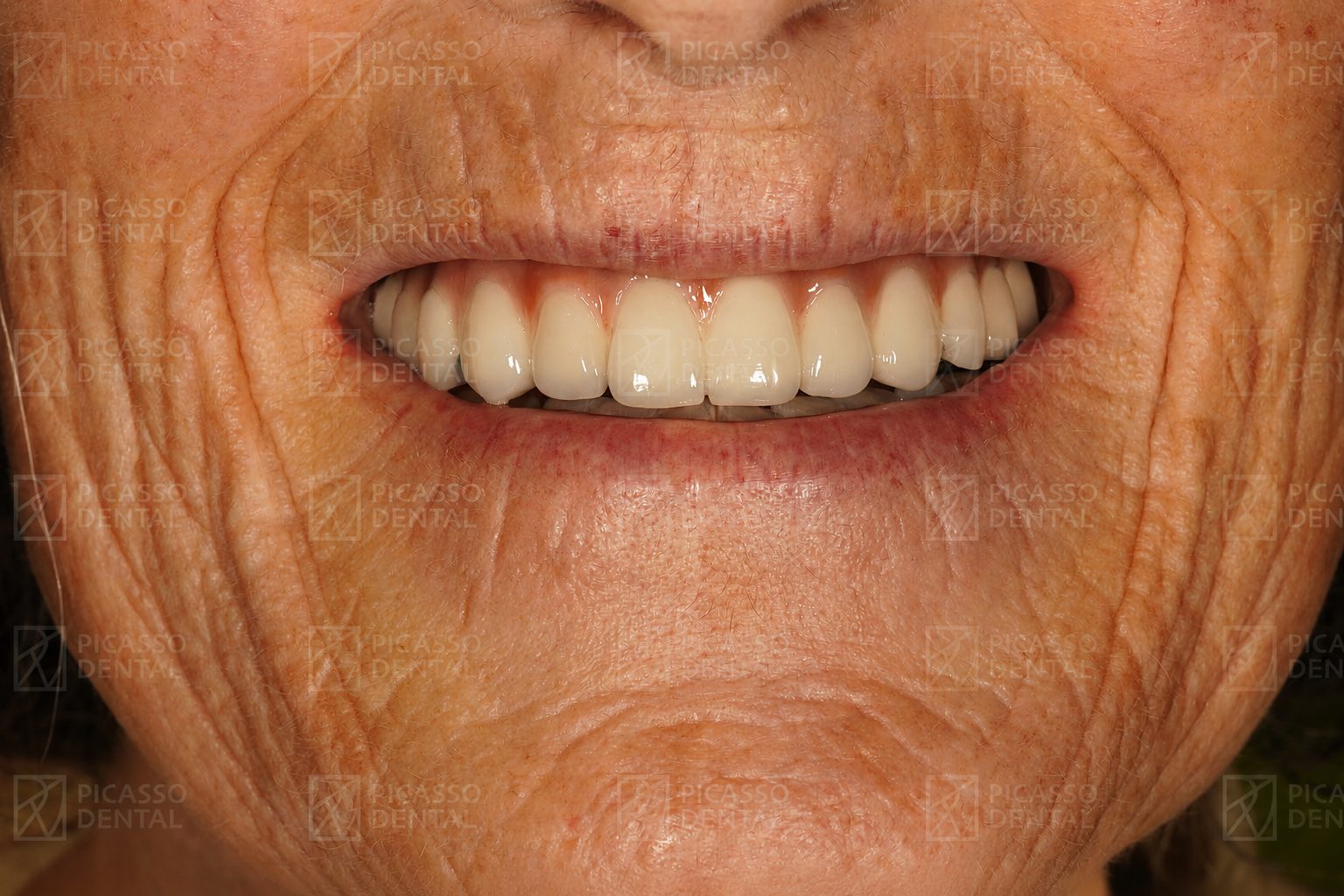 After
AfterFull rehabilitation, Hanoi Old Quarter
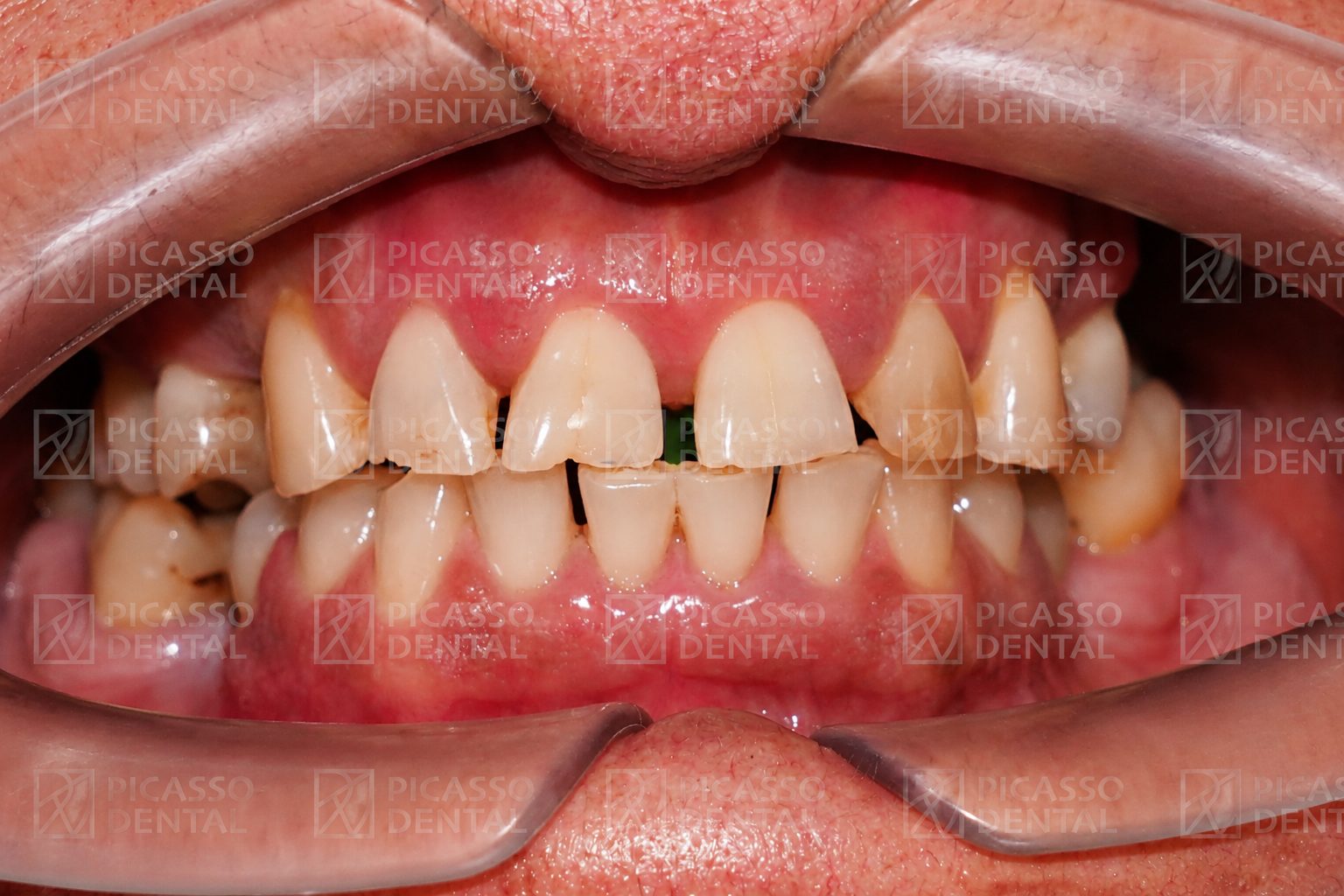 Before
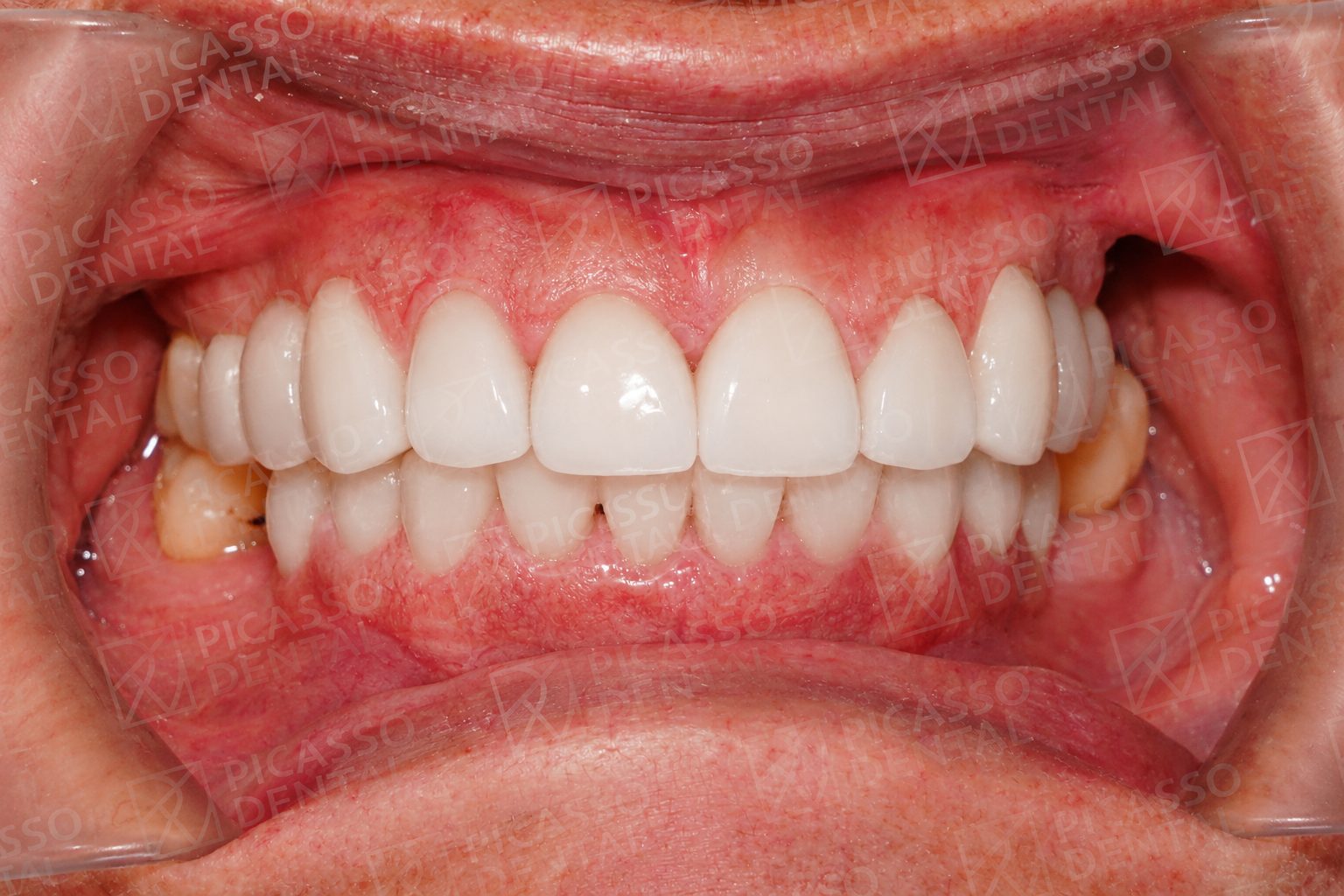 After
AfterPorcelain crowns, Da Nang
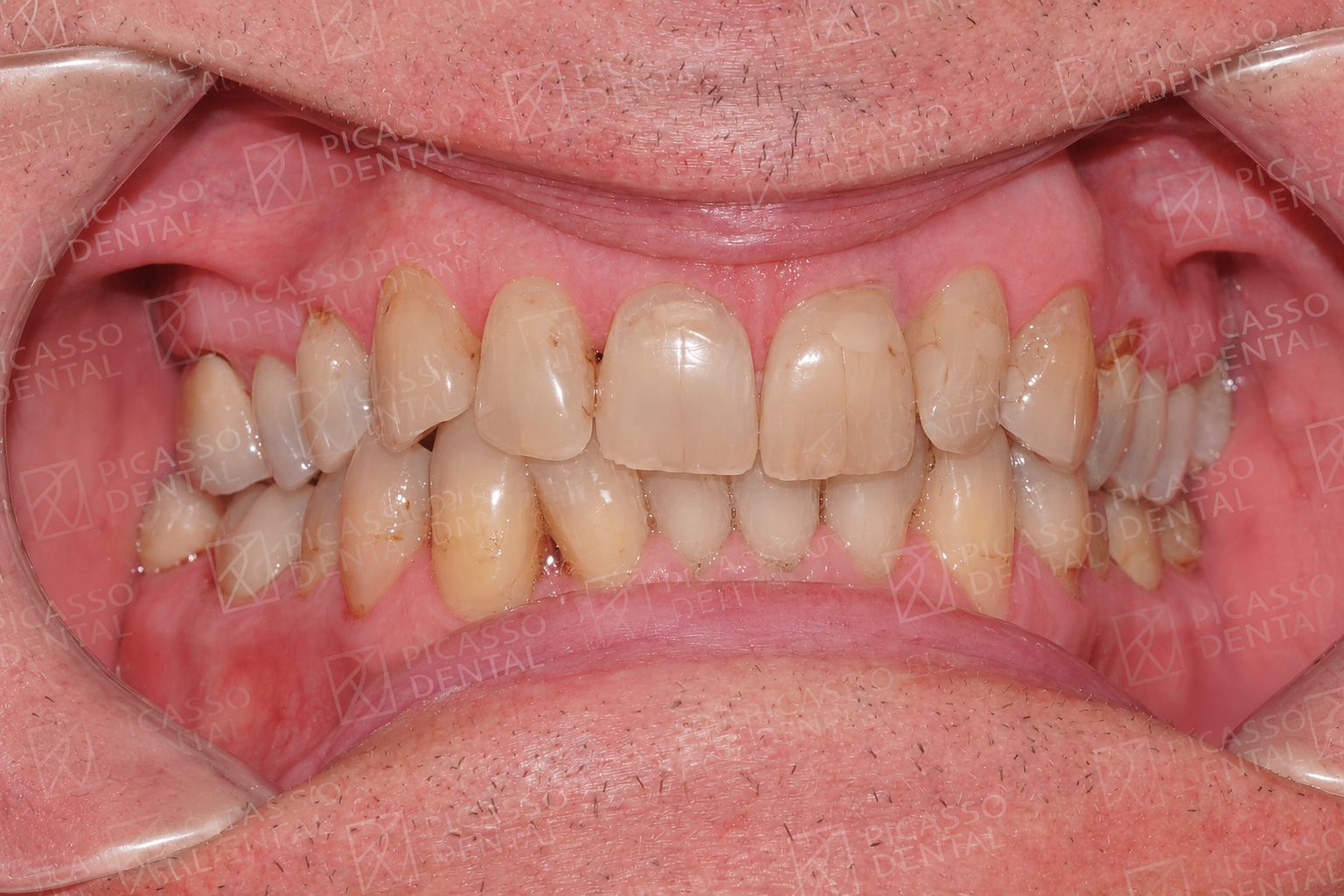 Before
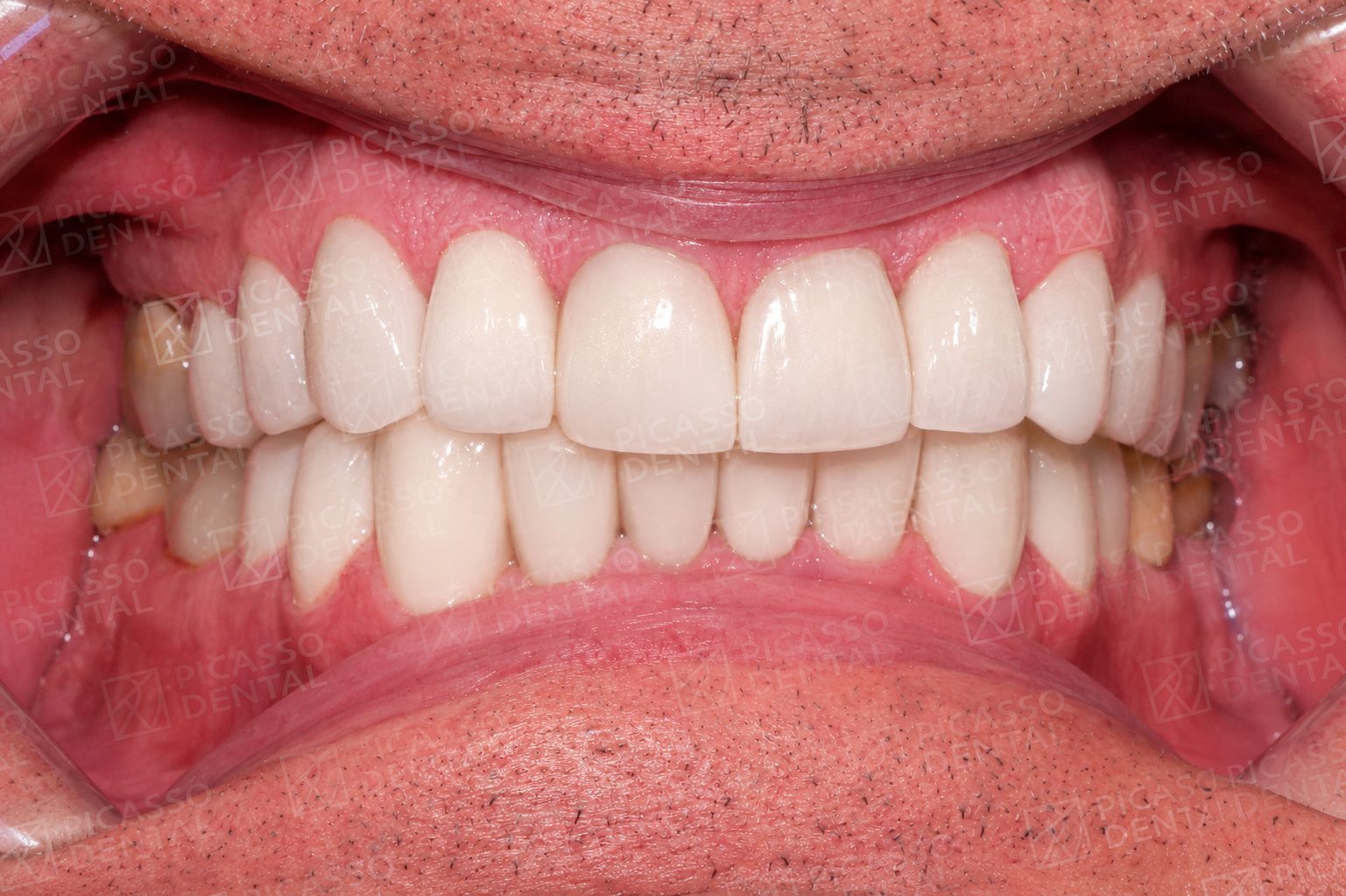 After
AfterCrown and implant, HCMC Thao Dien
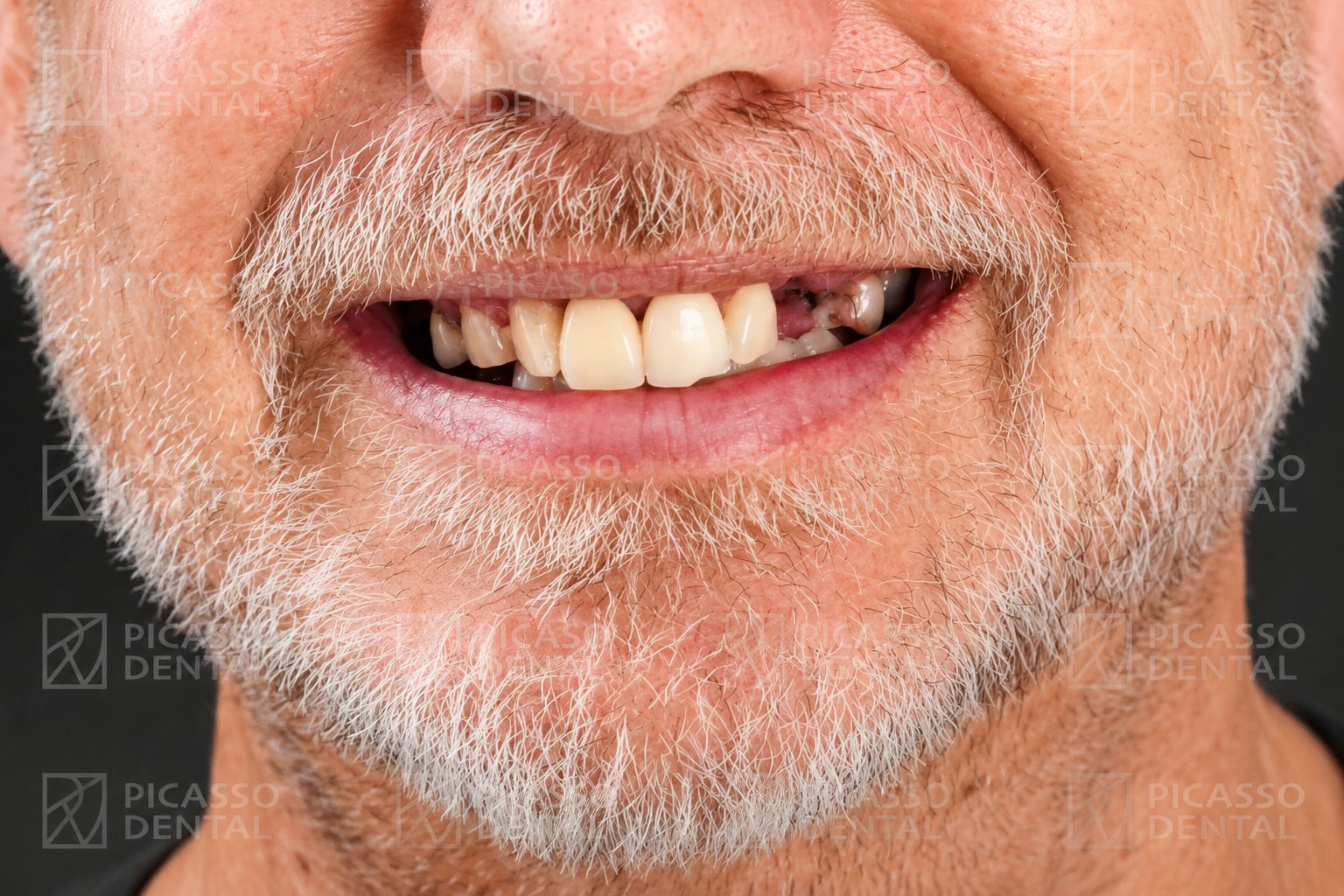 Before
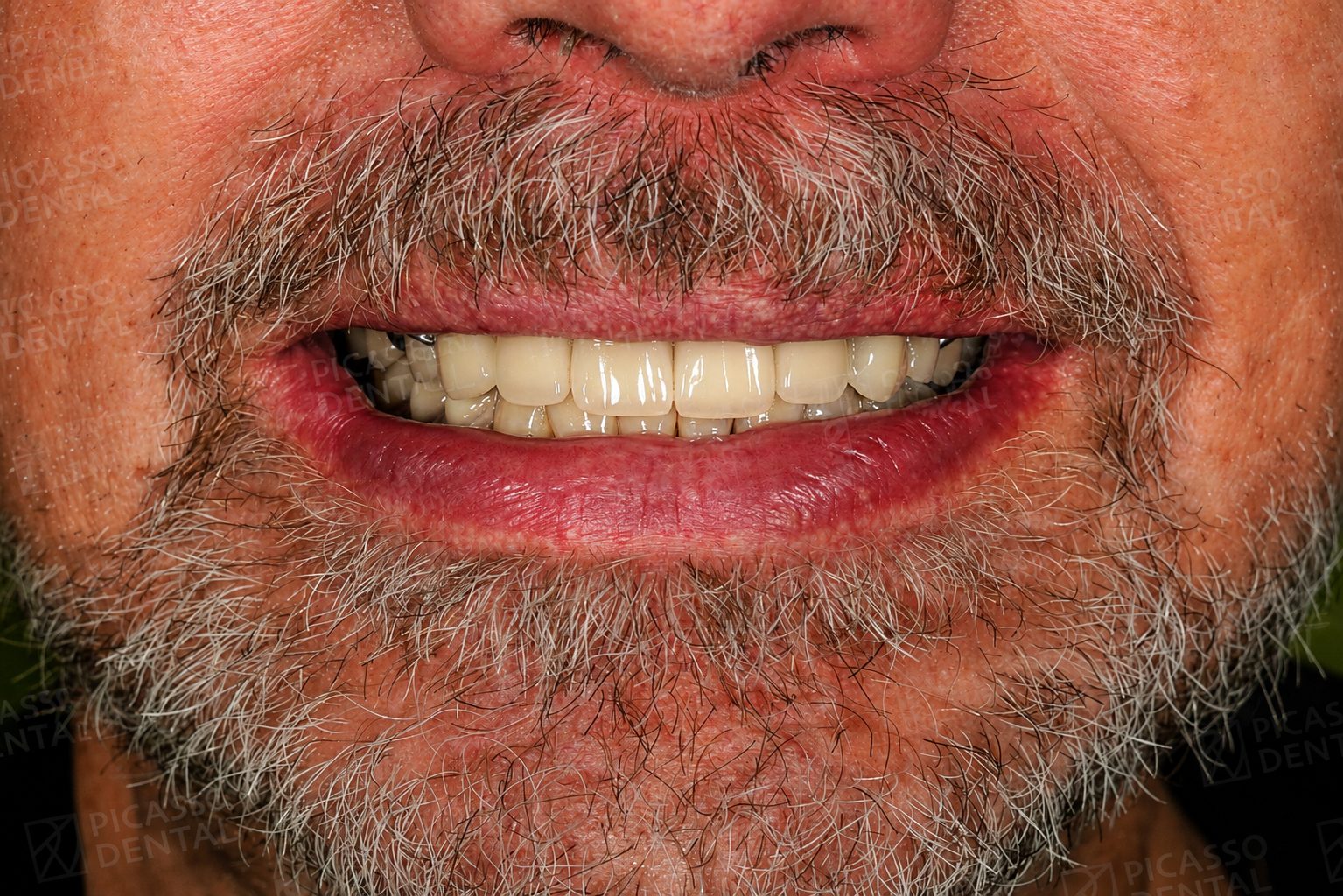 After
AfterCrown restoration, Hanoi Westlake
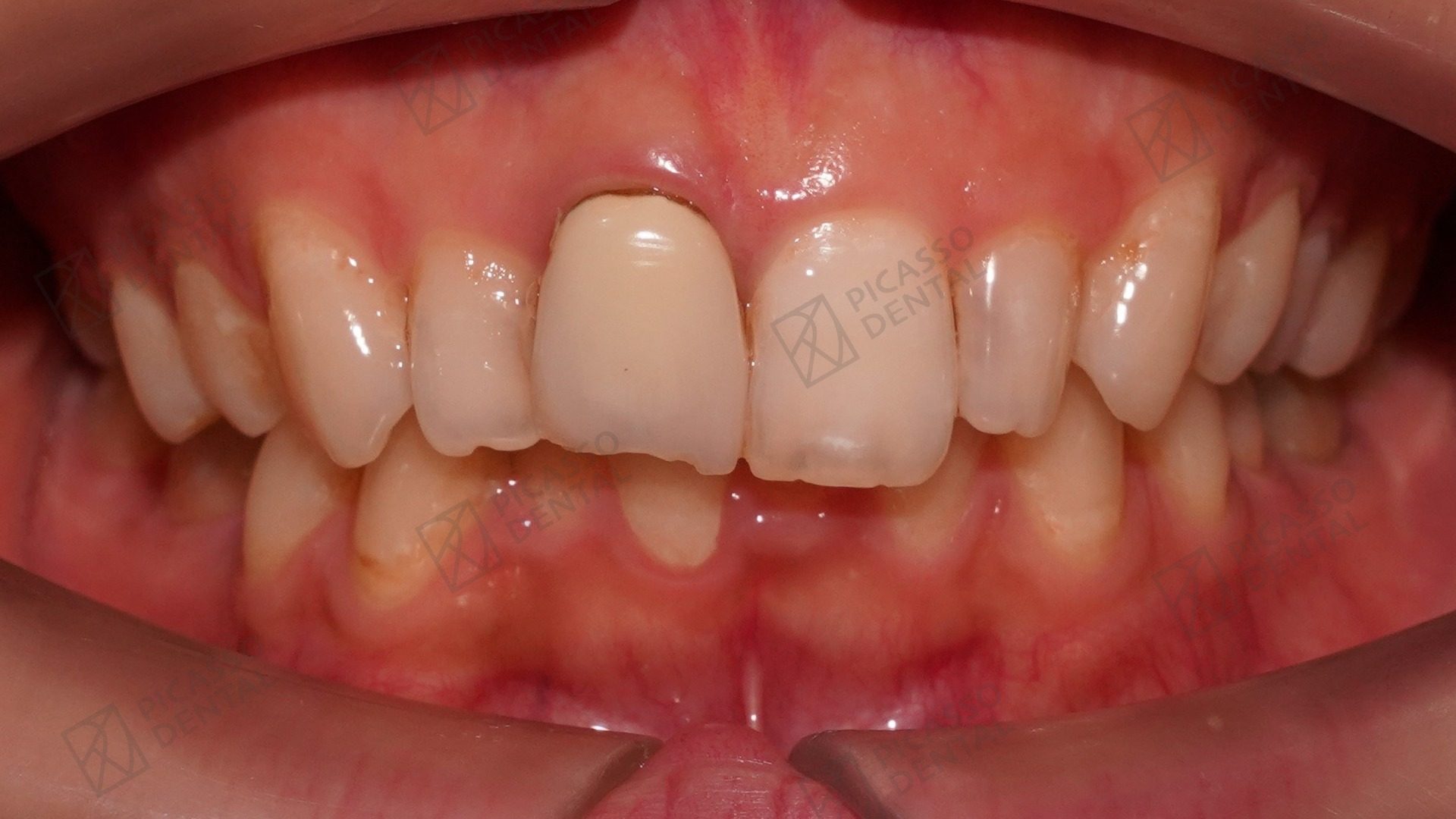 Before
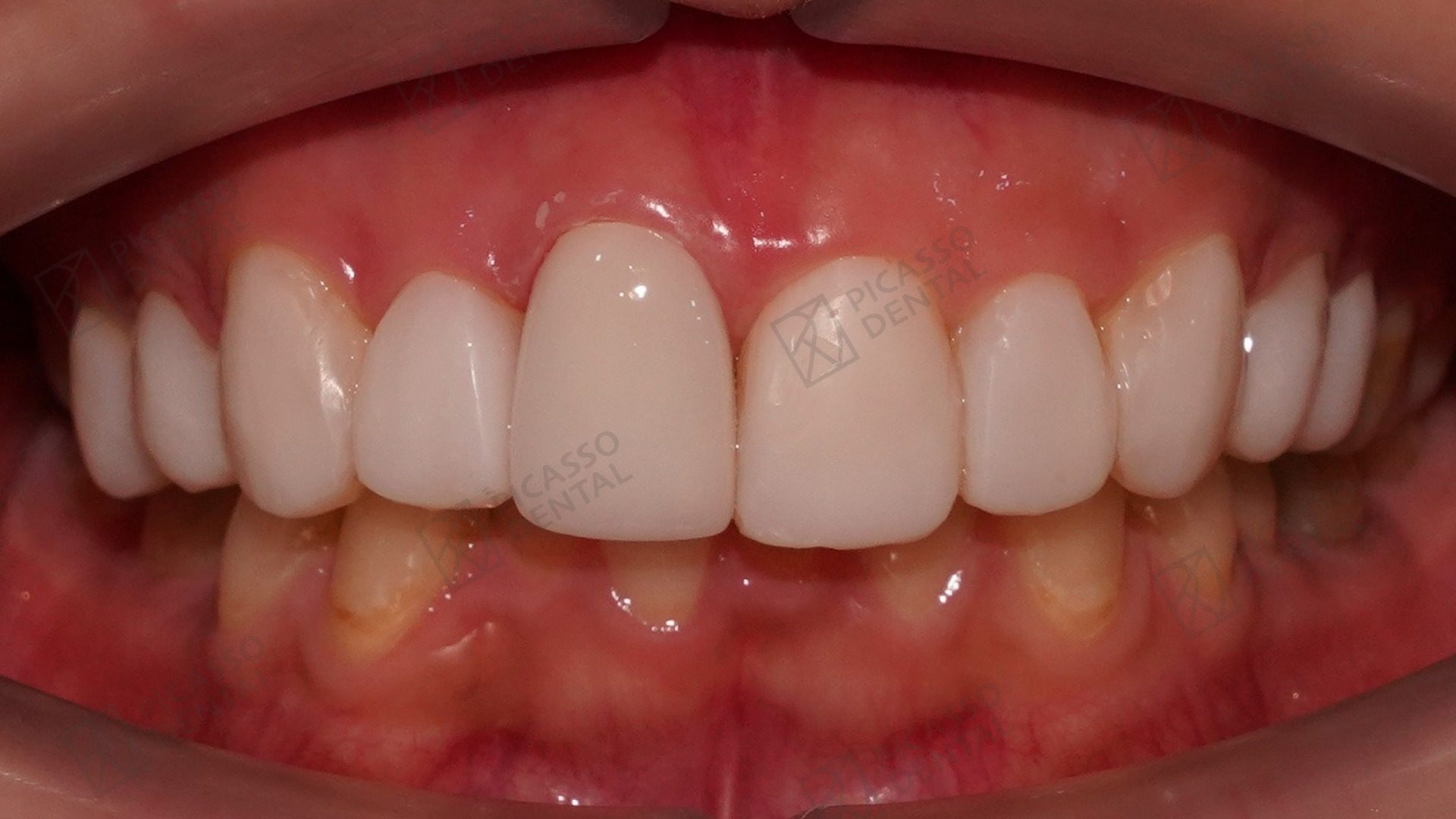 After
AfterSmile restoration, Da Nang Flagship
Frequently asked questions
How does the Invisalign digital planning process work?
Treatment starts with a 3D intraoral scan that takes about 10 minutes. The scan creates a precise digital model of your current tooth positions. Using Align Technology's proprietary software, the orthodontist maps out exactly how each tooth needs to move to achieve your ideal smile. You can see a virtual animation of your treatment from start to finish before any aligners are made. The software calculates which teeth move first, how much force to apply, and the optimal sequence of movements.
How do Invisalign aligners actually move teeth?
Each aligner is slightly different from the previous one and represents where your teeth should be in about two weeks, not where they are today. When you snap an aligner onto your teeth, the imperfect fit creates gentle, constant pressure. Your teeth want to move into the position that matches the aligner shape. Over roughly two weeks they shift, and by day 14 your teeth match that aligner's shape. You then move to the next aligner in the series.
What are Invisalign attachments and do I need them?
Attachments are tiny bumps of tooth-coloured composite material bonded to specific teeth. They give the aligners better grip and control for movements like rotating teeth or moving roots. Without them, smooth aligners would slide over smooth teeth without enough traction for certain movements. About 70% of Invisalign cases need attachments. They are barely noticeable and are removed easily at the end of treatment, leaving no marks on the teeth.
How many hours per day do I need to wear Invisalign?
22 hours per day is the minimum for predictable results. You remove aligners only for eating, drinking anything except water, brushing, and flossing. Patients who wear aligners less than 20 hours daily see slower progress or poor tracking outcomes. Invisalign requires consistent daily discipline. Most adults manage this routine well once they establish the habit in the first few weeks.
How long does Invisalign treatment take?
Most treatments finish in 12 to 18 months for moderate cases. Simple crowding or spacing cases might complete in 6 months, while complex bite corrections can take 24 months. You receive your complete set of aligners upfront and visit the clinic every 6 to 10 weeks for progress monitoring. About 30% of patients need one round of refinement aligners to fine-tune the result at the end of the main treatment series.
Is Invisalign suitable for complex orthodontic cases?
Invisalign handles a wide range of cases including crowding, spacing, open bite, overbite, underbite, and crossbite. Very severe skeletal discrepancies may require orthognathic surgery regardless of aligner or brace system. Complex cases using Invisalign often require attachments, interproximal reduction (IPR), and sometimes elastics for bite correction. The best way to know if Invisalign works for your specific case is a consultation with a certified orthodontist.
What happens after Invisalign treatment is finished?
After active treatment, you wear retainers indefinitely to maintain results, just as you would after traditional braces. Retainer wear is typically full-time for the first three to six months, then nightly thereafter. Without retainers, teeth will gradually drift back toward their original positions because the bone and ligaments surrounding the roots have a natural memory. Retainers are the part of orthodontic treatment patients most commonly skip, and the most common reason smiles relapse.
Why is Invisalign better suited to adults than teenagers?
The technology suits adult lifestyles because aligners are removable for meetings, photos, and special meals, and clear enough that most people never notice them. Adults also typically have the daily discipline required for consistent 22-hour wear. The clear appearance matters more to adults than teens. Many patients at Picasso Dental are professionals who want to improve their smile without affecting their professional image during treatment.
Start Here
Start with a brief.
Book a consultation with Dr. Duong Ho to see a digital preview of your potential Invisalign result before committing to treatment. Assessment, no obligation, 24-hour reply.