Dental Implants
How Dental Implants Work
The Complete Guide
Understanding the science behind dental implants is not just interesting. It helps you make better decisions and set realistic expectations about what the procedure involves and why it works so reliably.

The short version
- Osseointegration is the biological process where bone fuses permanently with titanium.
- Treatment has four stages: planning, surgery, healing, and crown attachment.
- The success rate exceeds 97% when proper protocols are followed.
- Implants handle chewing forces just like natural tooth roots and prevent bone loss.
- Most patients forget which tooth is the implant within weeks of crown placement.
The Science Behind Osseointegration
The entire implant process depends on a biological phenomenon called osseointegration. This is when bone cells grow directly onto the titanium surface, creating a permanent bond. Your body does not recognise titanium as foreign. Unlike other metals that trigger immune responses, titanium is biocompatible. Your bone cells treat the titanium surface like natural bone structure and begin growing onto it immediately after placement.
Picture tree roots growing into and around rocks. That is similar to how bone cells attach to titanium at a microscopic level. Premium implants have undergone decades of research into optimising titanium surfaces for bone cell attraction and attachment. Nobel Biocare's TiUnite, Straumann's SLActive, and Osstem's SA surface are genuine scientific advances in how quickly and thoroughly bone integrates with implant surfaces. All three systems are used at Picasso Dental depending on the case requirements.
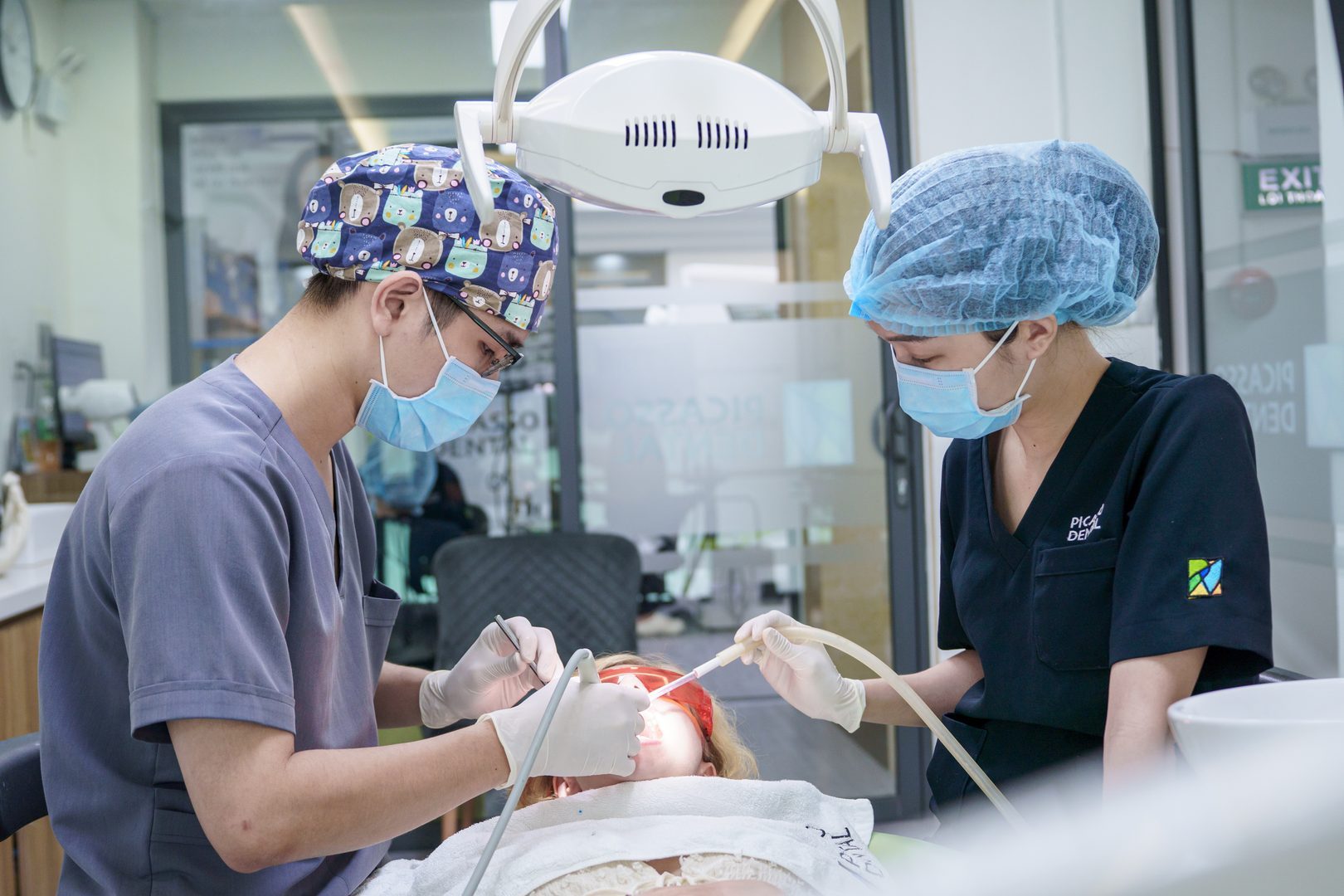
The process happens in distinct phases. During the first few days, blood cells form a clot around the titanium post. This clot becomes a scaffold for new bone formation. Within weeks, specialised cells called osteoblasts begin depositing new bone directly onto the implant surface. Over the next three to four months, this bone continues maturing and strengthening. The success rate of this biological process exceeds 97% when proper protocols are followed.
The Step-by-Step Process
- Stage 1: Precise planningBefore placing a single implant, a detailed surgical guide is created using a 3D CBCT scan. This technology shows bone density, nerve pathways, sinus cavities, and blood vessel locations. Computer-guided surgery translates this planning into precise implant placement with a margin of error measured in fractions of a millimetre.
- Stage 2: The surgical dayAfter numbing the area completely, a small incision exposes the jawbone. Specialised drills create a precise space in the bone. The titanium implant is inserted by hand or with a controlled torque device. The gum tissue is closed with sutures. From the outside, nothing is visible, but inside the jaw, osseointegration has already begun.
- Stage 3: Healing at homeOver three to four months, bone cells grow onto and into the implant surface. Blood vessels form around the implant, bringing nutrients and oxygen. Osteoblasts lay down new bone matrix. The bone remodels itself to accommodate the new titanium structure. It is active healing, even though you cannot feel it happening.
- Stage 4: Crown attachmentOnce osseointegration is complete, a small incision exposes the top of the implant and an abutment is attached. This connector sits at gum level and provides the attachment point for your crown. The custom crown is crafted to match your natural teeth in colour, shape, and bite relationship.
How Implants Handle Chewing Forces
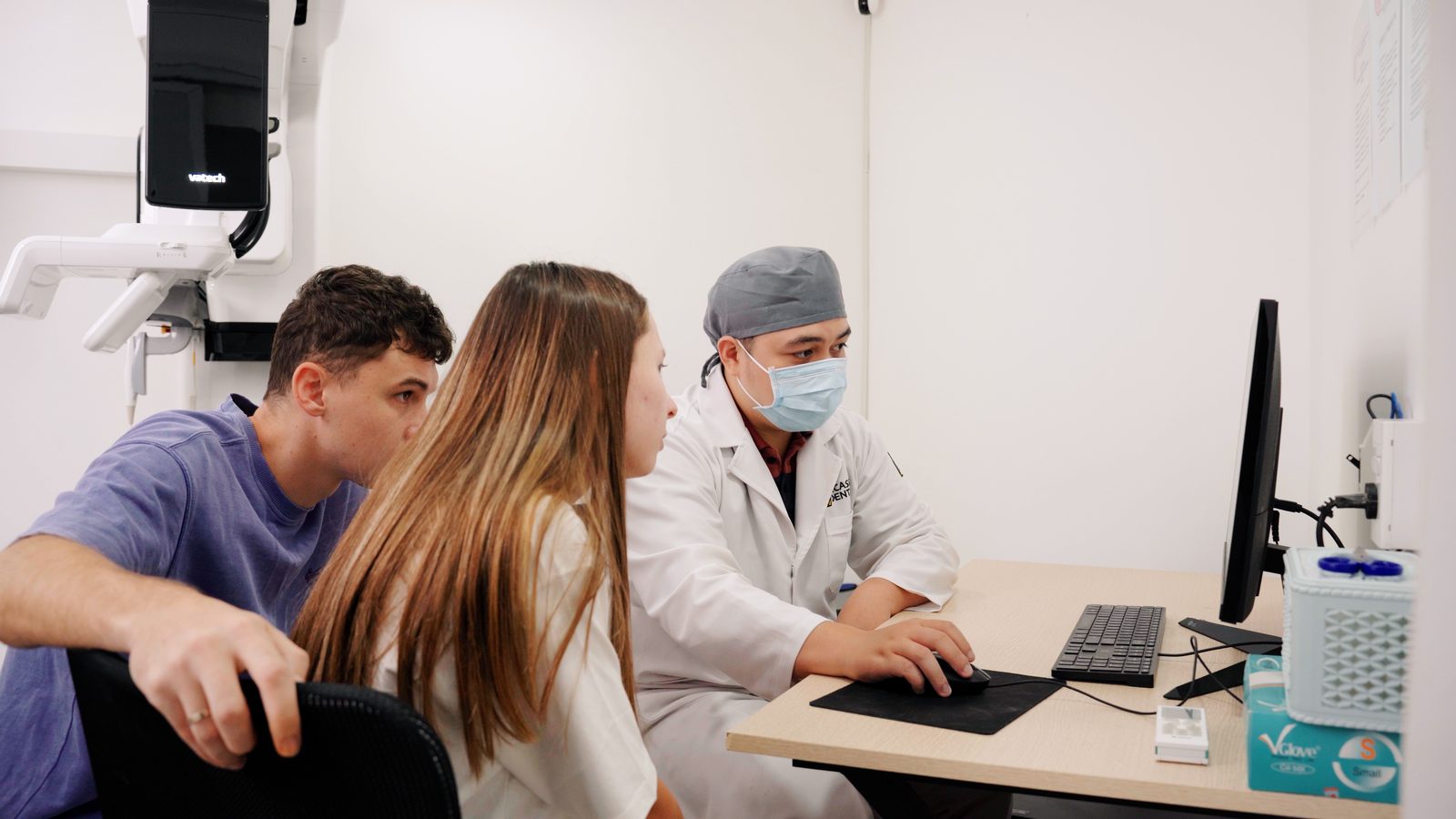
Natural teeth have a built-in shock absorber called the periodontal ligament, a thin layer between the tooth root and jawbone with nerve endings that sense pressure and allow microscopic movement. Implants work differently: they are rigidly fixed to your bone through osseointegration. When you bite down on an implant-supported crown, the force transfers directly to your jawbone.
This is actually beneficial. Your jawbone needs stimulation to maintain its density. When you chew on an implant, you stimulate the surrounding bone just like a natural tooth root would, preventing the bone loss that typically occurs after tooth extraction. The threaded surface of the implant distributes chewing pressure across a larger bone area rather than concentrating it at one point.
"My Aussie dentist and the endodontist both commented on the quality of Dr Emily's work, equal to anything they had seen by local specialists."
Lawrie Smith, Hanoi Old Quarter
The Long-Term Reality
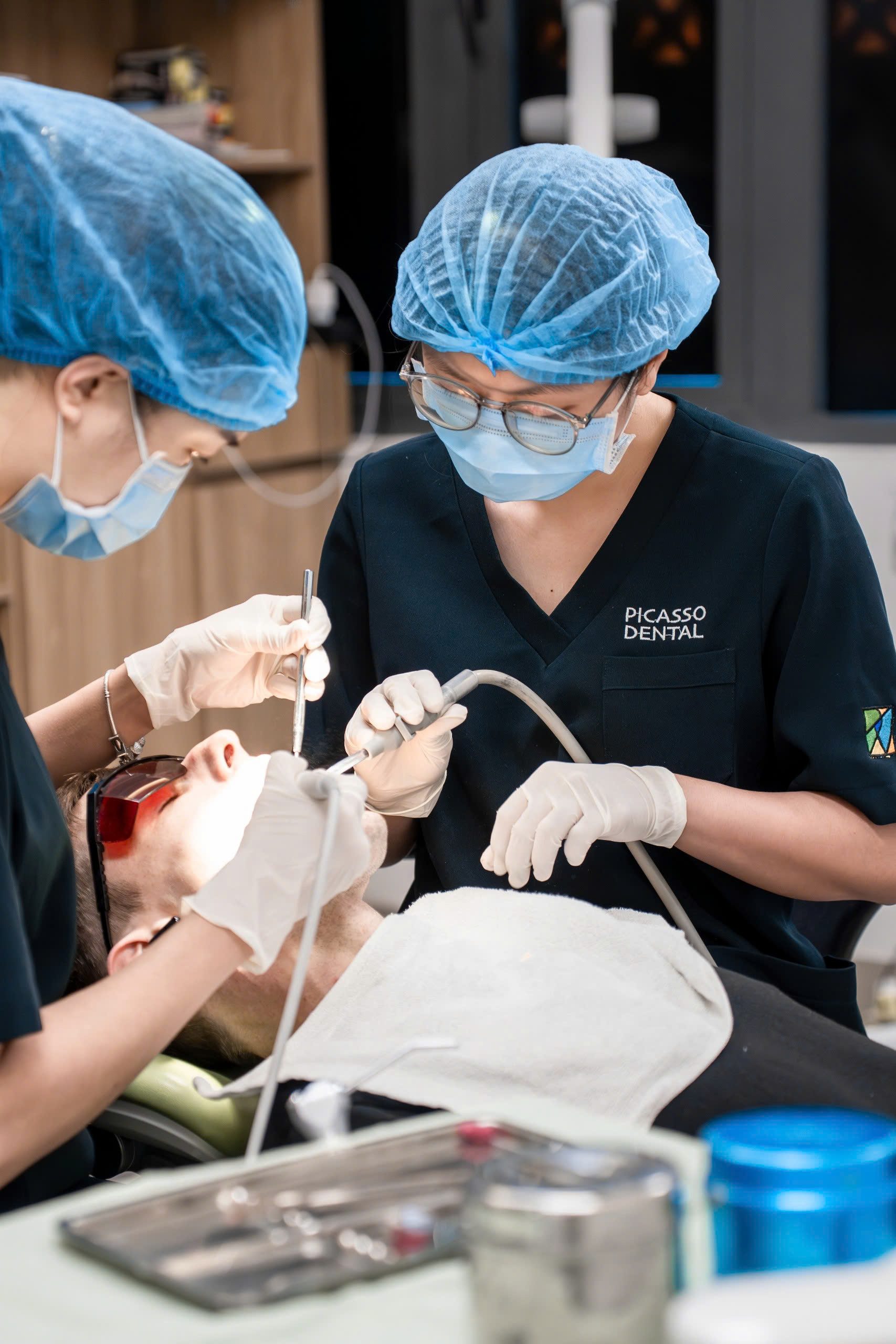
Within weeks of crown placement, nearly every patient says they forget which tooth is the implant. There is no special sensation, no awareness of anything artificial. You clean them like natural teeth, eat normally, and never think about them. The implant post can last decades. The crown on top typically needs replacement every 10 to 15 years due to normal wear. This is a simple procedure that does not involve touching the implant itself: the old crown is removed and a new one attached.
Want to know if implants will work for your specific case? Send us your situation and we will explain exactly what the process would involve for you.
Book a consultation
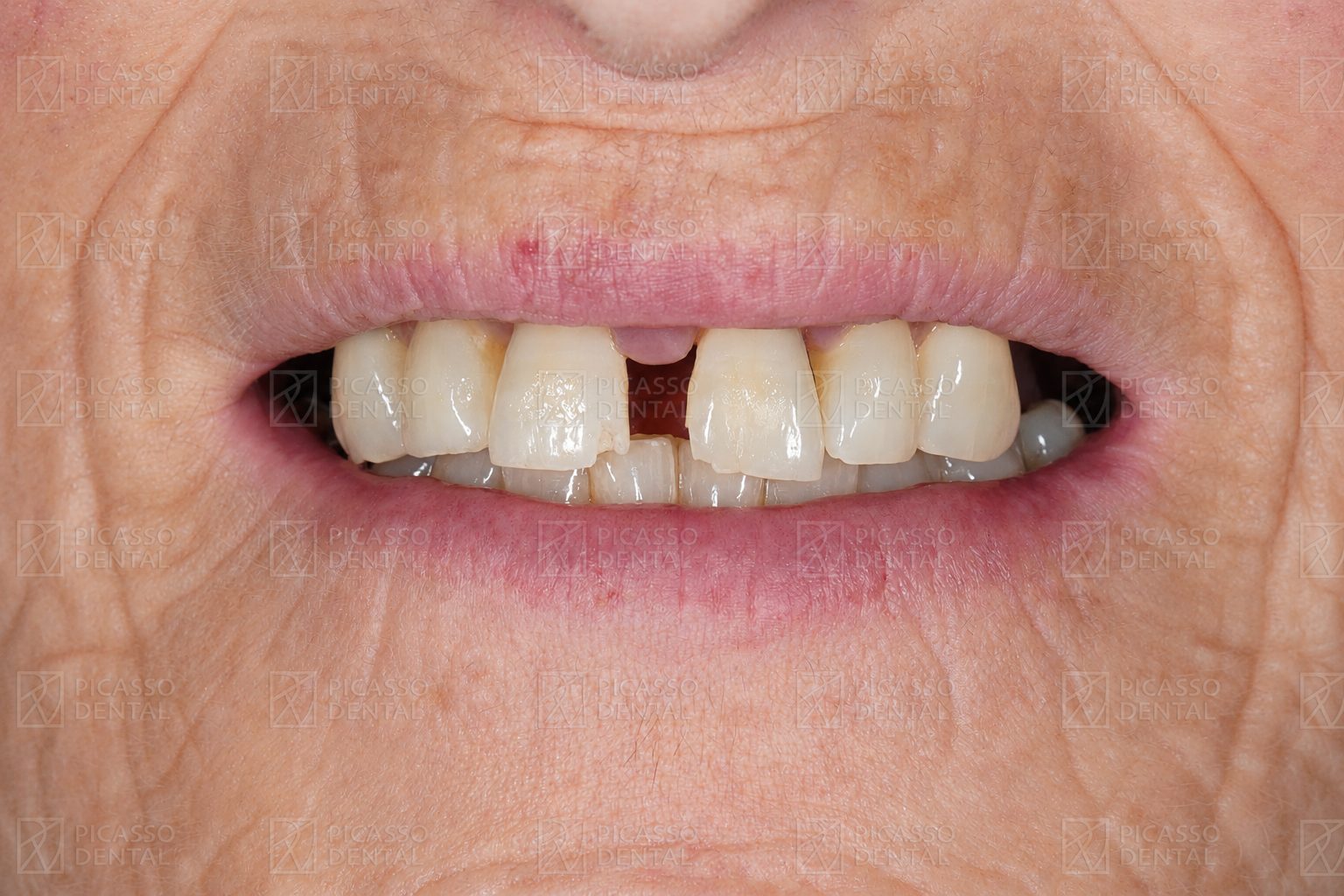 Before
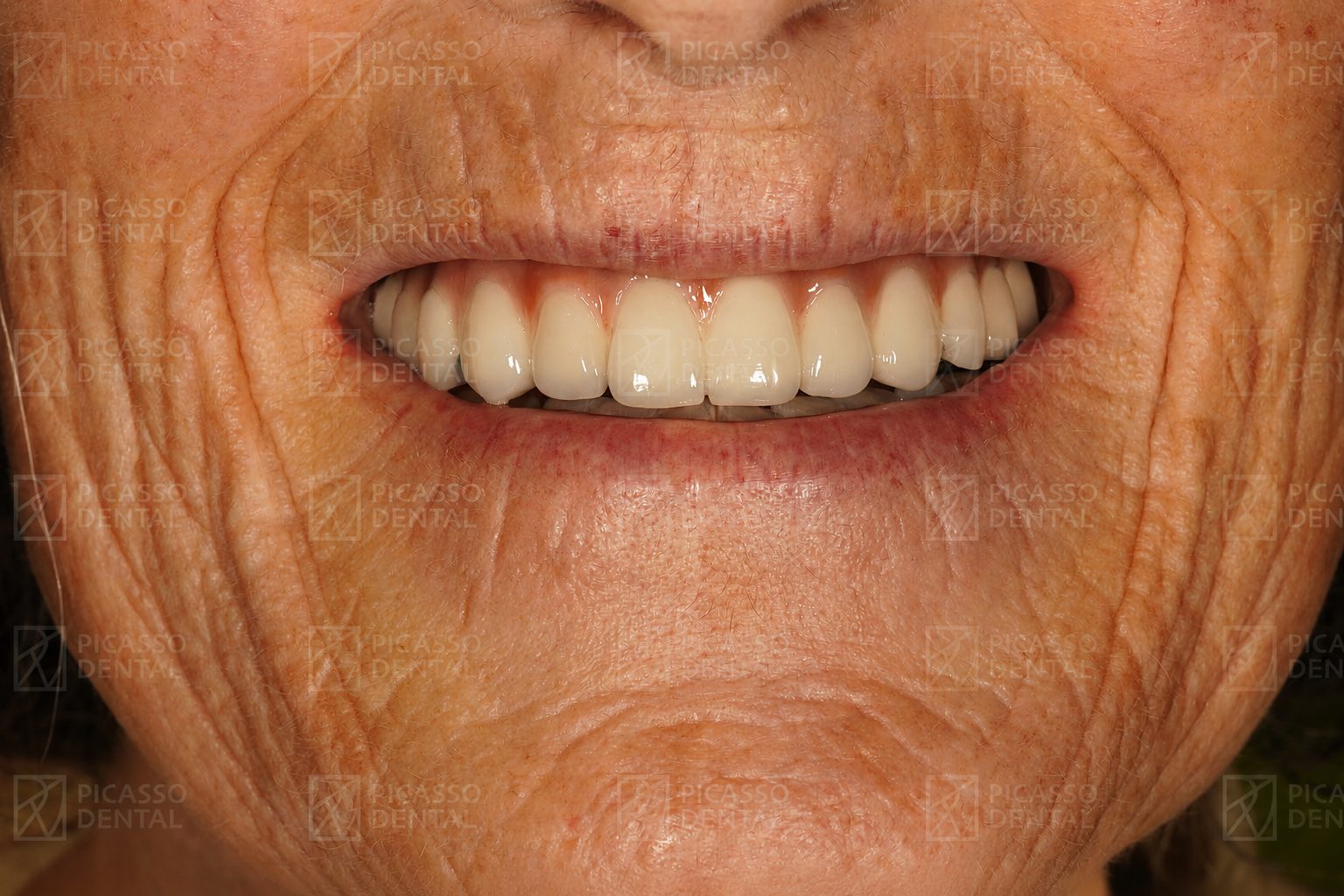 After
AfterFull rehabilitation, Hanoi Old Quarter
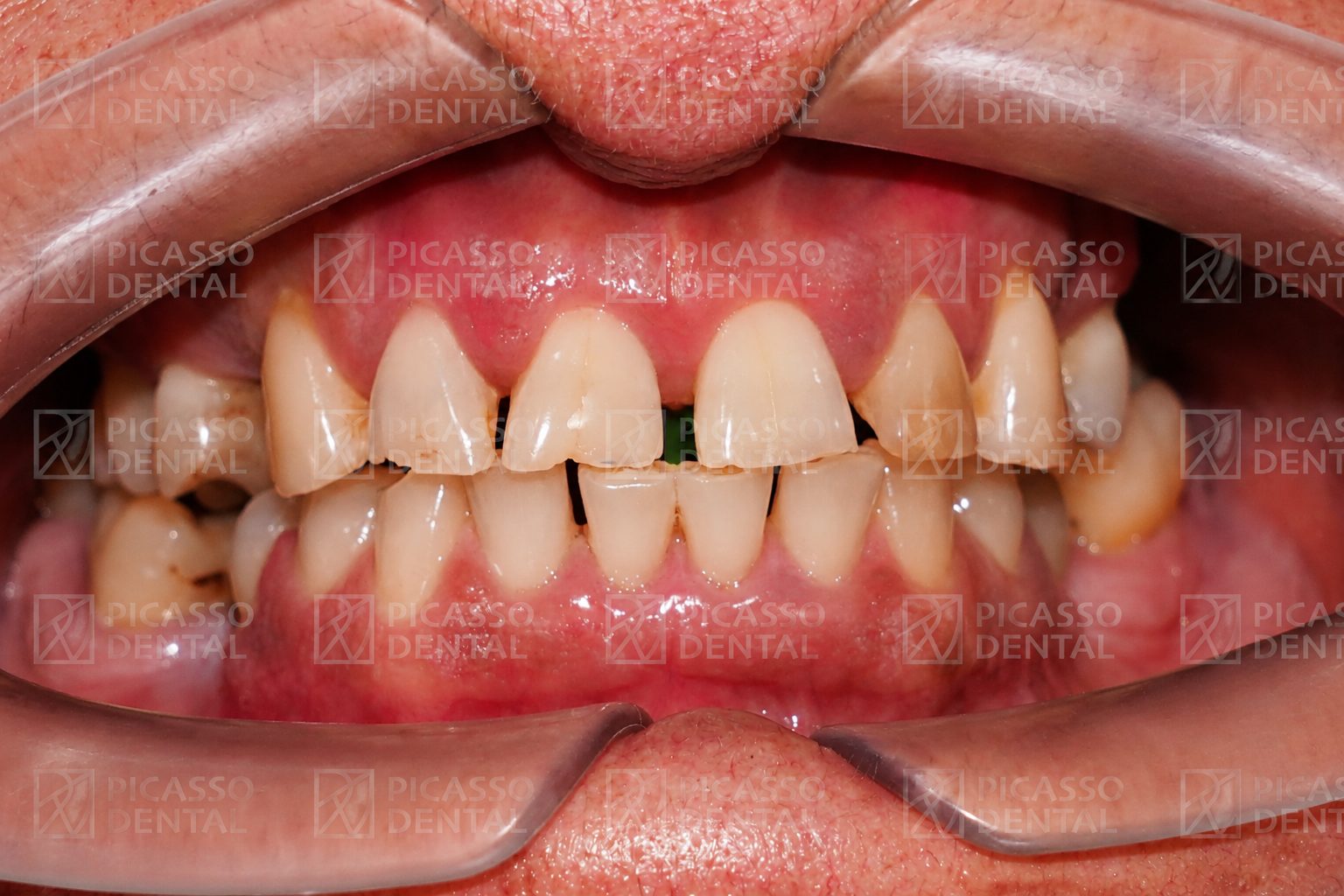 Before
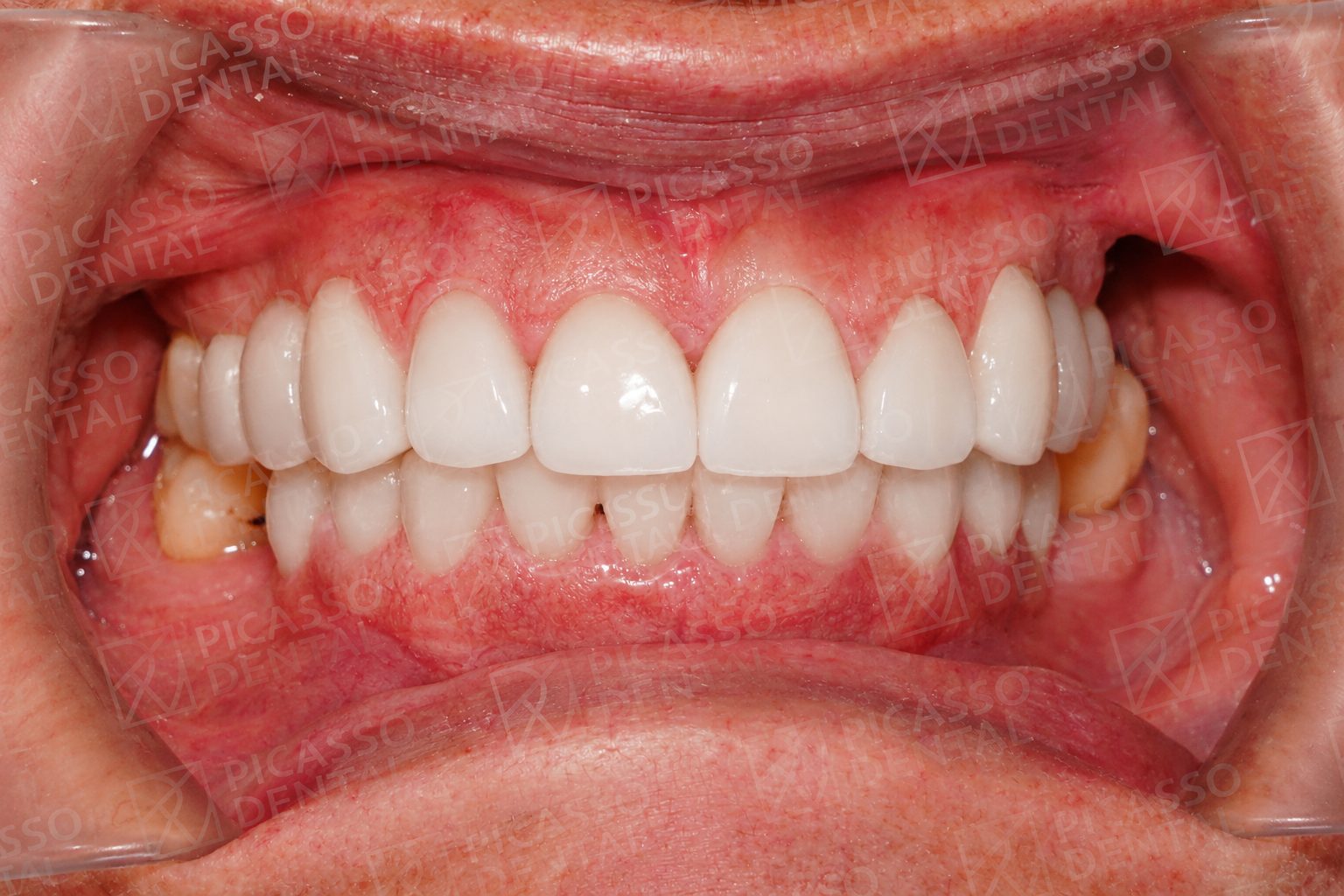 After
AfterPorcelain crowns, Da Nang
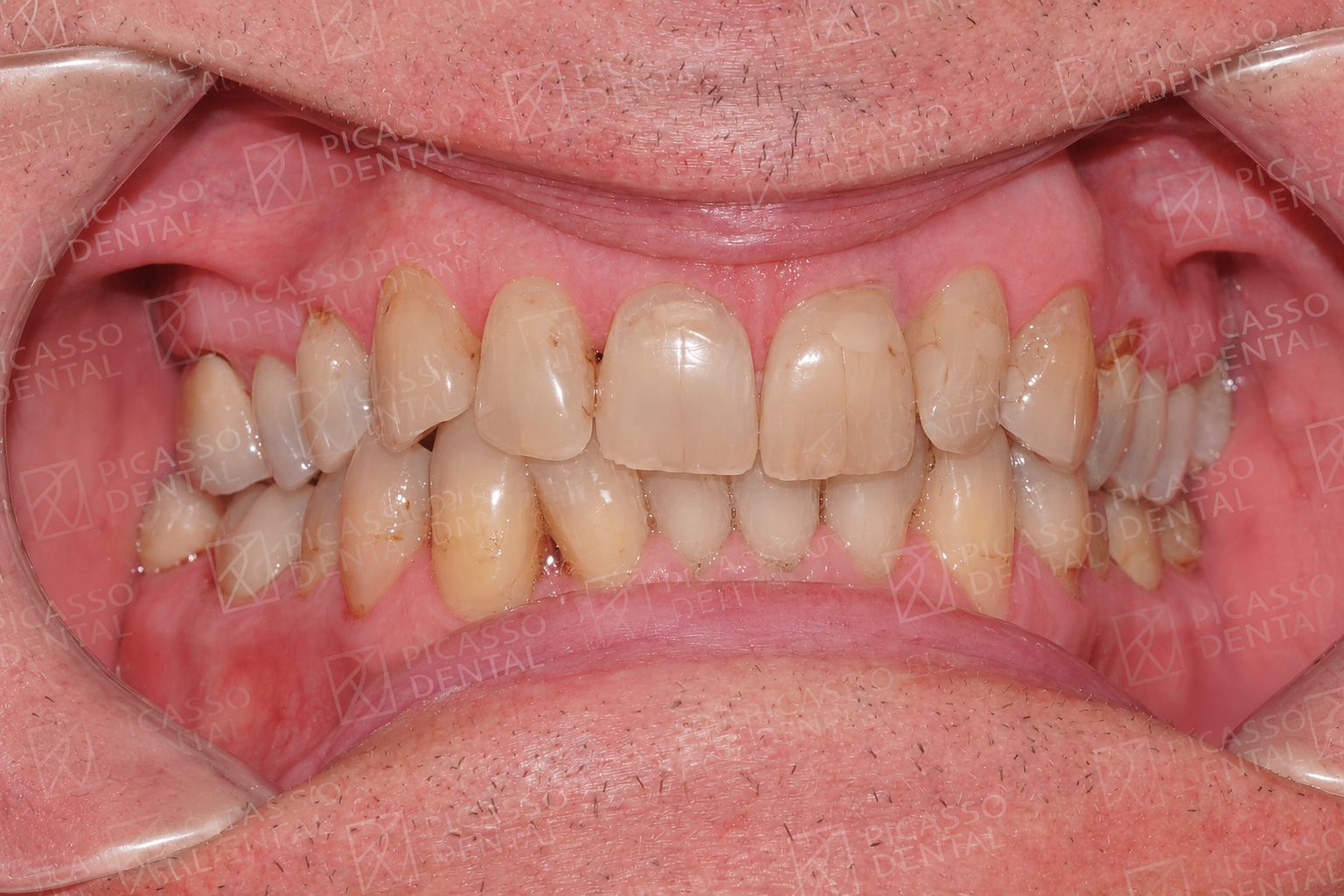 Before
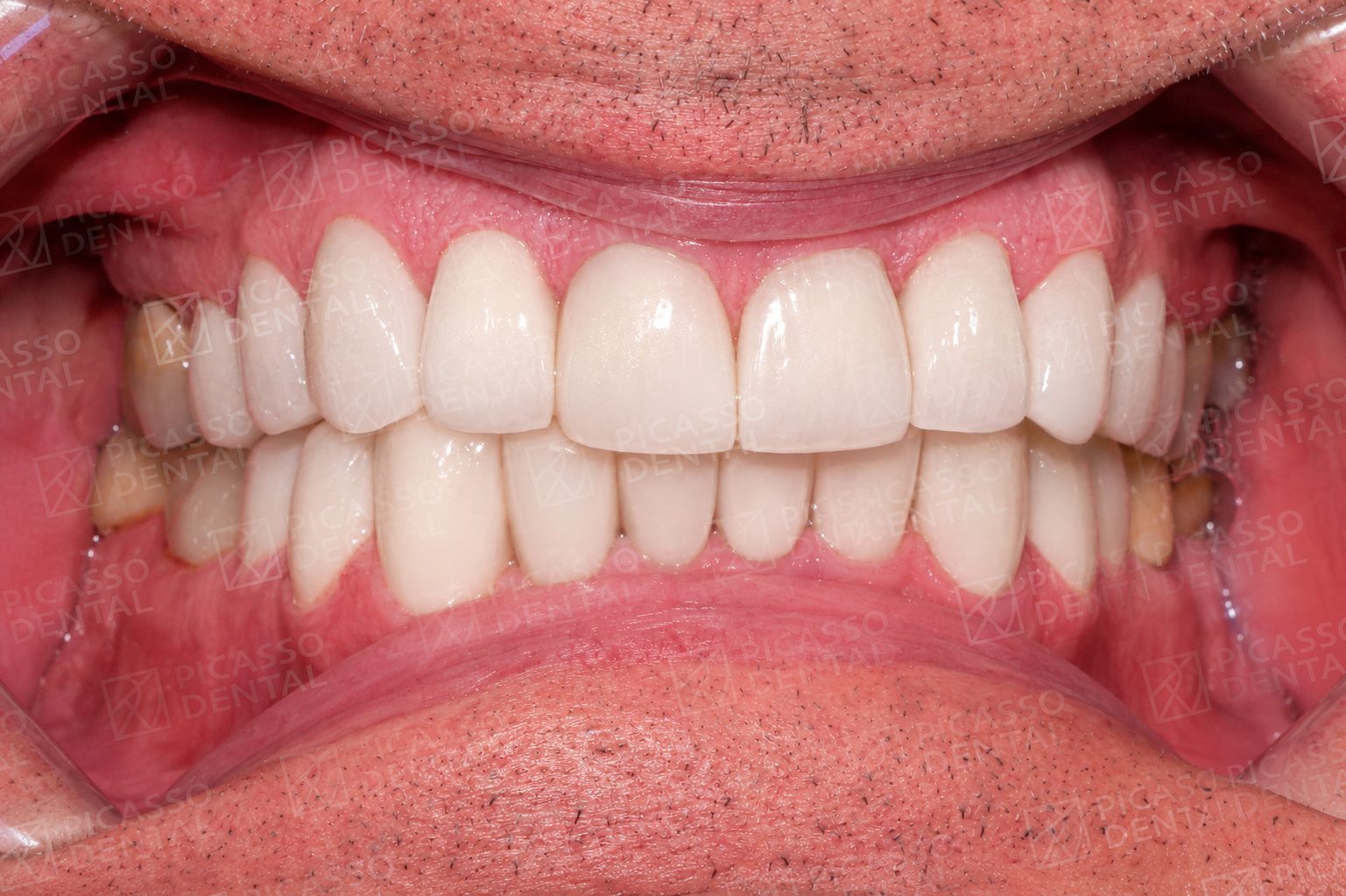 After
AfterCrown and implant, HCMC Thao Dien
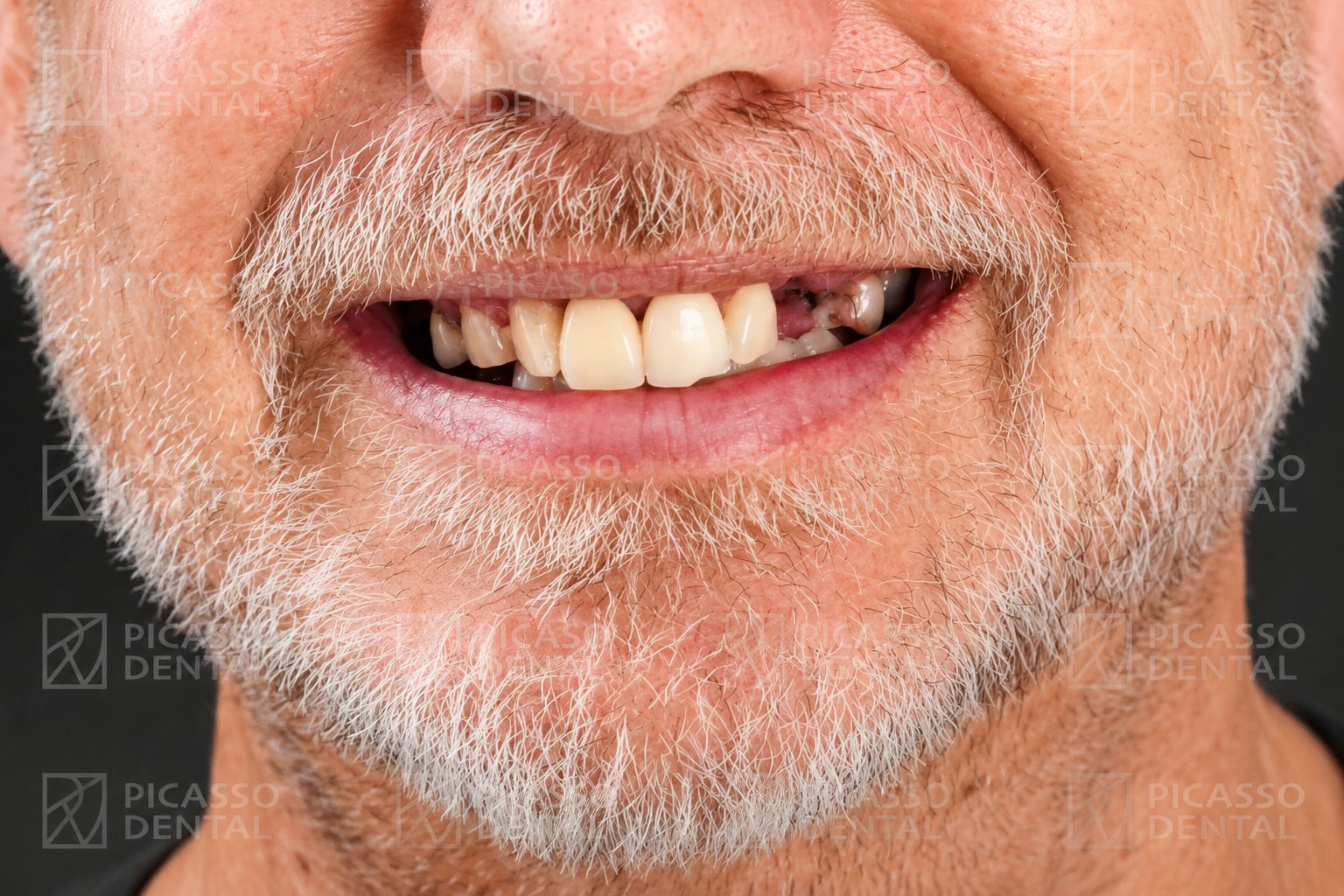 Before
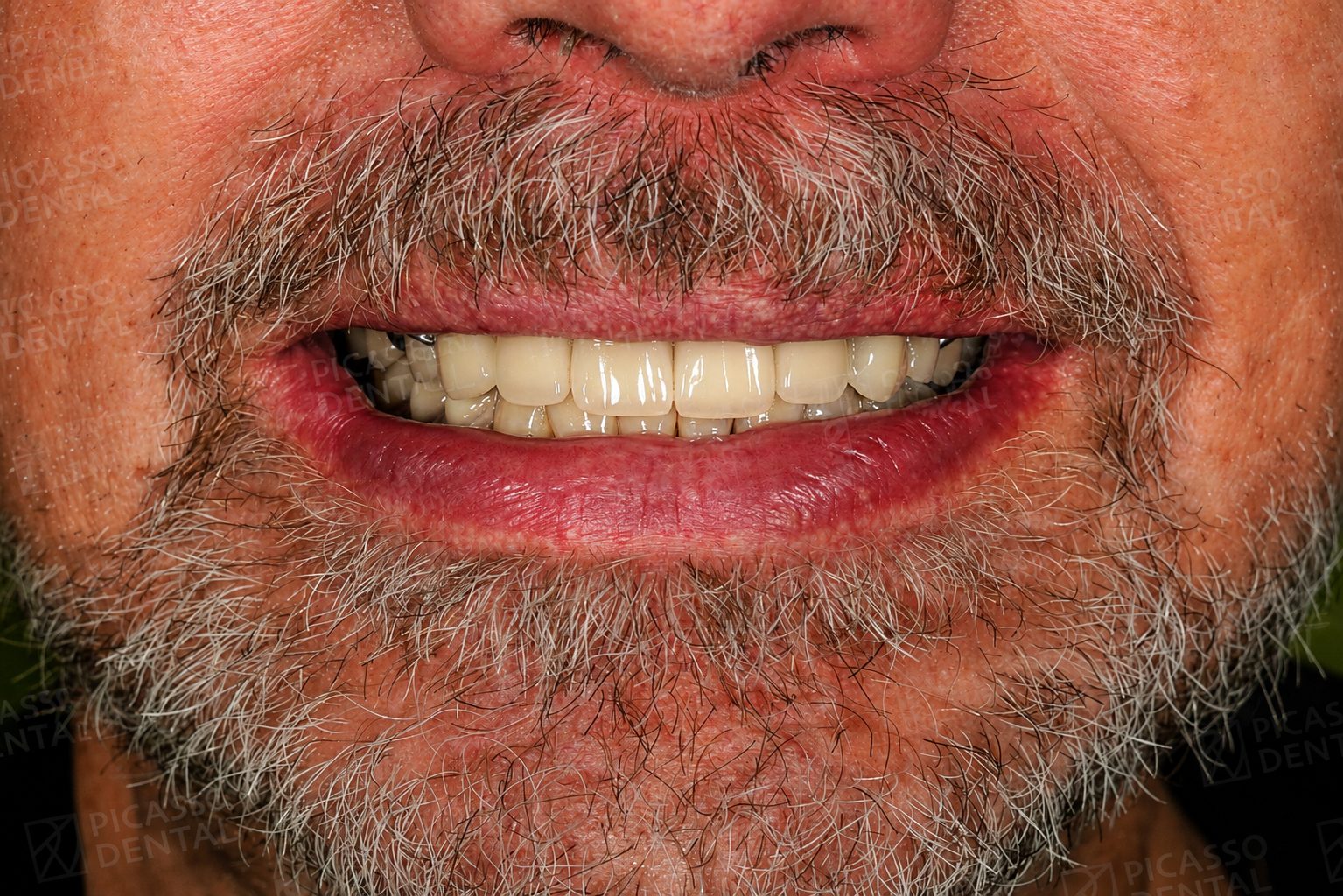 After
AfterCrown restoration, Hanoi Westlake
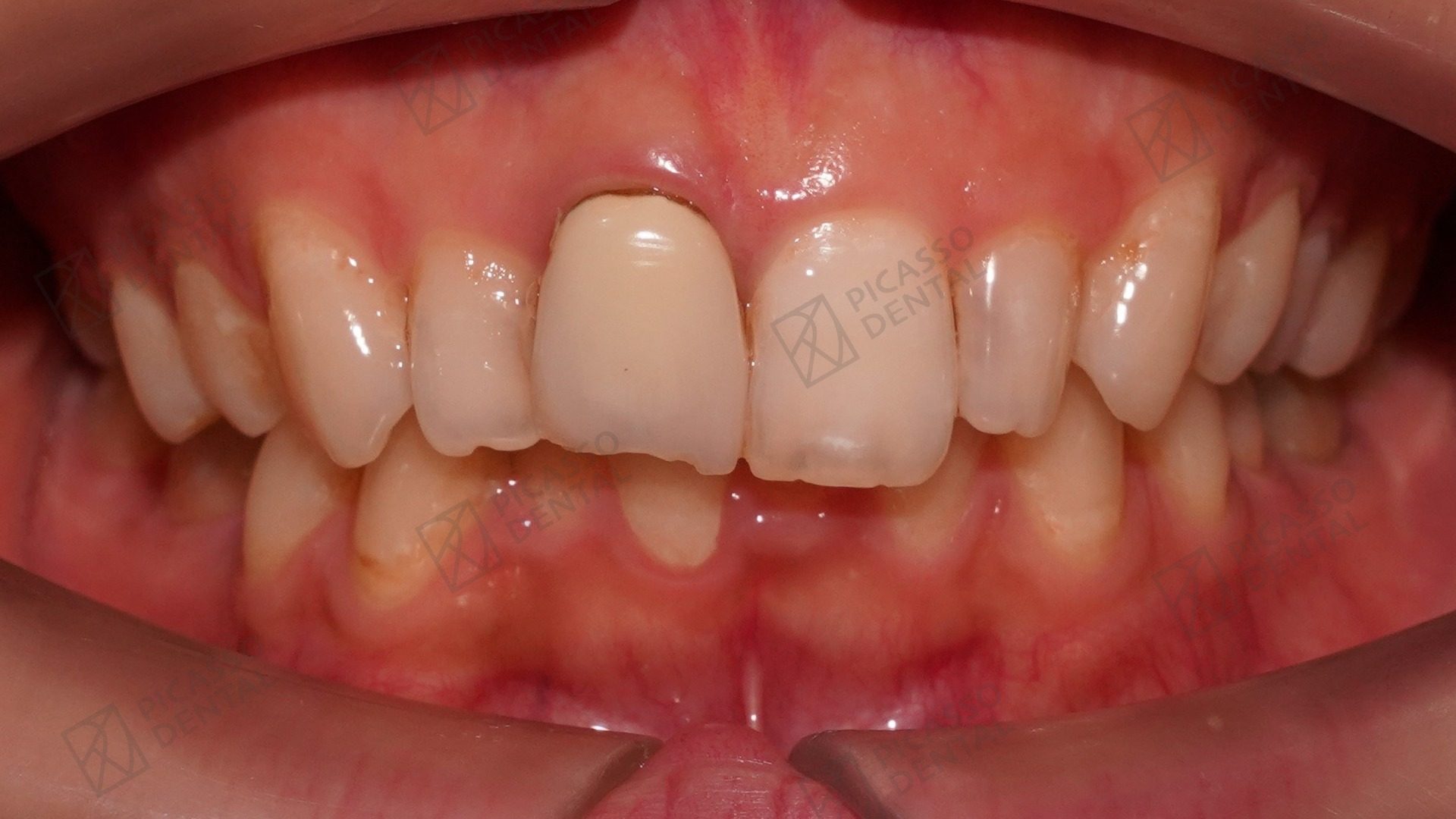 Before
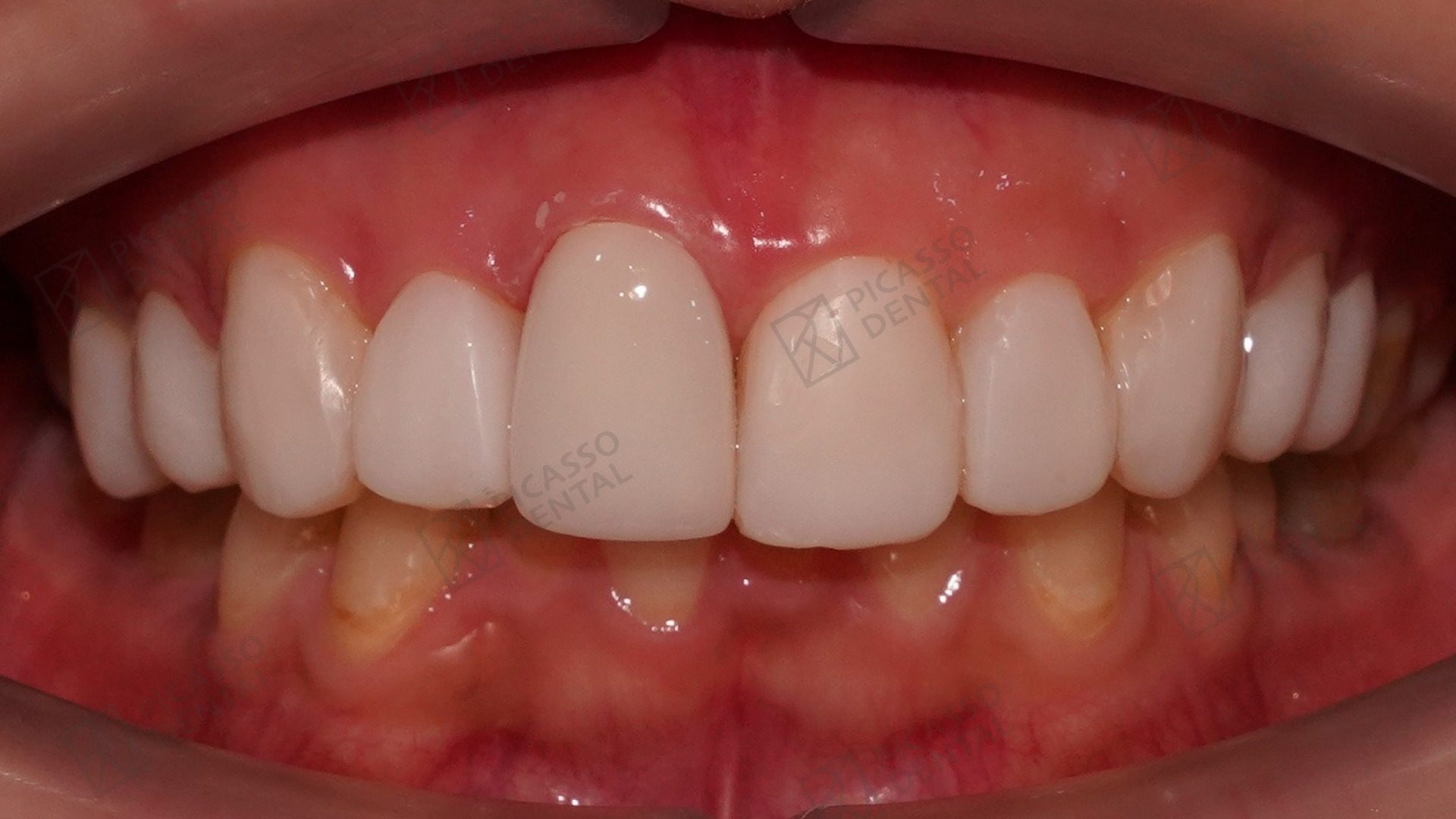 After
AfterSmile restoration, Da Nang Flagship
Frequently asked questions
What is osseointegration and why does it matter?
Osseointegration is the biological process by which bone cells grow directly onto the surface of the titanium implant post, creating a permanent bond. Your body does not recognise titanium as foreign. Bone cells treat the titanium surface like natural bone structure and begin growing onto it immediately after placement. Over three to four months, this bone matures and strengthens until the implant is as stable as a natural tooth root. Without successful osseointegration, the implant cannot support a crown.
Does implant surgery hurt?
The surgery is performed under local anaesthetic and most patients describe pressure rather than pain during the procedure. Post-operative discomfort is typically mild to moderate for two to three days and managed with standard prescription pain relief and anti-inflammatory medication. Swelling peaks at 48 hours and resolves within five to seven days. Patients are generally back to desk work within one to two days.
How long does the implant process take from start to crown?
The total treatment timeline from implant placement to crown fitting is typically four to six months. Surgery takes 30 to 60 minutes per implant under local anaesthetic. The osseointegration healing period is three to four months. Crown fitting at the final appointment takes 60 to 90 minutes. International patients can stage the treatment across two trips: one for surgery and one for crowns.
What implant brands does Picasso Dental use?
Picasso Dental uses Nobel Biocare, Straumann, and Osstem implant systems. All three are internationally recognised brands with decades of clinical research behind their surface treatments. Nobel Biocare's TiUnite, Straumann's SLActive, and Osstem's SA surface are genuine scientific advances in osseointegration speed and reliability. Brand choice depends on case requirements and is discussed during your consultation.
What is computer-guided implant surgery?
Computer-guided surgery uses a 3D CBCT scan of your jaw to plan implant placement with millimetre precision before the procedure begins. A surgical guide is fabricated that fits over your teeth and directs the drill to the exact planned angle, depth, and position. This reduces operative time, minimises trauma to surrounding tissue, and is particularly important in cases where nerve pathways or sinus cavities are nearby.
When will I be able to eat normally after an implant?
A soft diet is recommended for the first two weeks after surgery. By three to four weeks, most patients have returned to a normal diet on the non-implant side of the mouth. Once the permanent crown is fitted after osseointegration, you can eat normally on the implant without restriction. Implants handle chewing forces just like natural teeth.
What is the success rate for dental implants?
The success rate of dental implants exceeds 97% when proper protocols are followed. At Picasso Dental, success rates at the ten-year mark exceed 95% for patients who maintain excellent oral hygiene and attend six-monthly checkups. The most common cause of late implant failure is peri-implantitis, an infection of the gum tissue surrounding the implant, which is preventable with good home care.
Can I have an implant if I have been missing a tooth for many years?
Possibly, but the jawbone in the gap shrinks progressively after tooth loss, and significant bone loss may require a bone graft before implant placement. A CBCT scan is necessary to assess the remaining bone volume. Bone grafting adds three to six months to the treatment timeline but is a routine procedure. Picasso Dental provides bone grafting at all branches.
Start Here
Start with a brief.
Send us your situation and we will explain exactly how implants would work in your specific case, including any preparatory steps and a transparent cost breakdown. No obligation, 24-hour reply.