Dental Implants
Implants vs Dentures vs Bridges
The Difference That Matters
The fundamental difference comes down to foundation. Implants become part of your body like natural teeth. Bridges borrow support from neighbouring teeth. Dentures sit on the surface. This distinction affects everything from how they feel to how long they last.

The short version
- Implants replace the root and crown, stand independently, and stimulate bone.
- Bridges are fixed but require permanently grinding down two adjacent healthy teeth.
- Dentures are removable, affordable up front, but accelerate bone loss over time.
- Only implants prevent jawbone resorption after tooth loss.
- The right choice depends on bone density, health, timeline, and budget.
How Each Option Works
Dental implants replace the entire tooth structure from root to crown. A titanium post is surgically placed into the jawbone where the missing tooth root was. Over three to six months, the bone grows around and fuses with the implant through a process called osseointegration. Once healed, an abutment and crown are attached. The implant stands completely independently, stimulates bone just like a natural tooth root, and does not touch neighbouring teeth.
Dental bridges span the gap from a missing tooth by attaching to teeth on either side. The adjacent teeth are prepared by removing enamel, then crowns are placed on those teeth with a false tooth suspended between them. The bridge is cemented permanently and cannot be removed. It relies entirely on the supporting teeth for stability. The false tooth in the middle has no root or bone connection.
Dentures are removable prosthetics that rest on the gums and, for upper dentures, the roof of the mouth. Partial dentures replace several missing teeth and clip onto remaining natural teeth. Complete dentures replace all teeth in an arch. You remove them nightly for cleaning. Dentures rely on suction, adhesive, or clasps for retention, which means some movement during eating and speaking is inevitable.
Bone Preservation: The Critical Difference
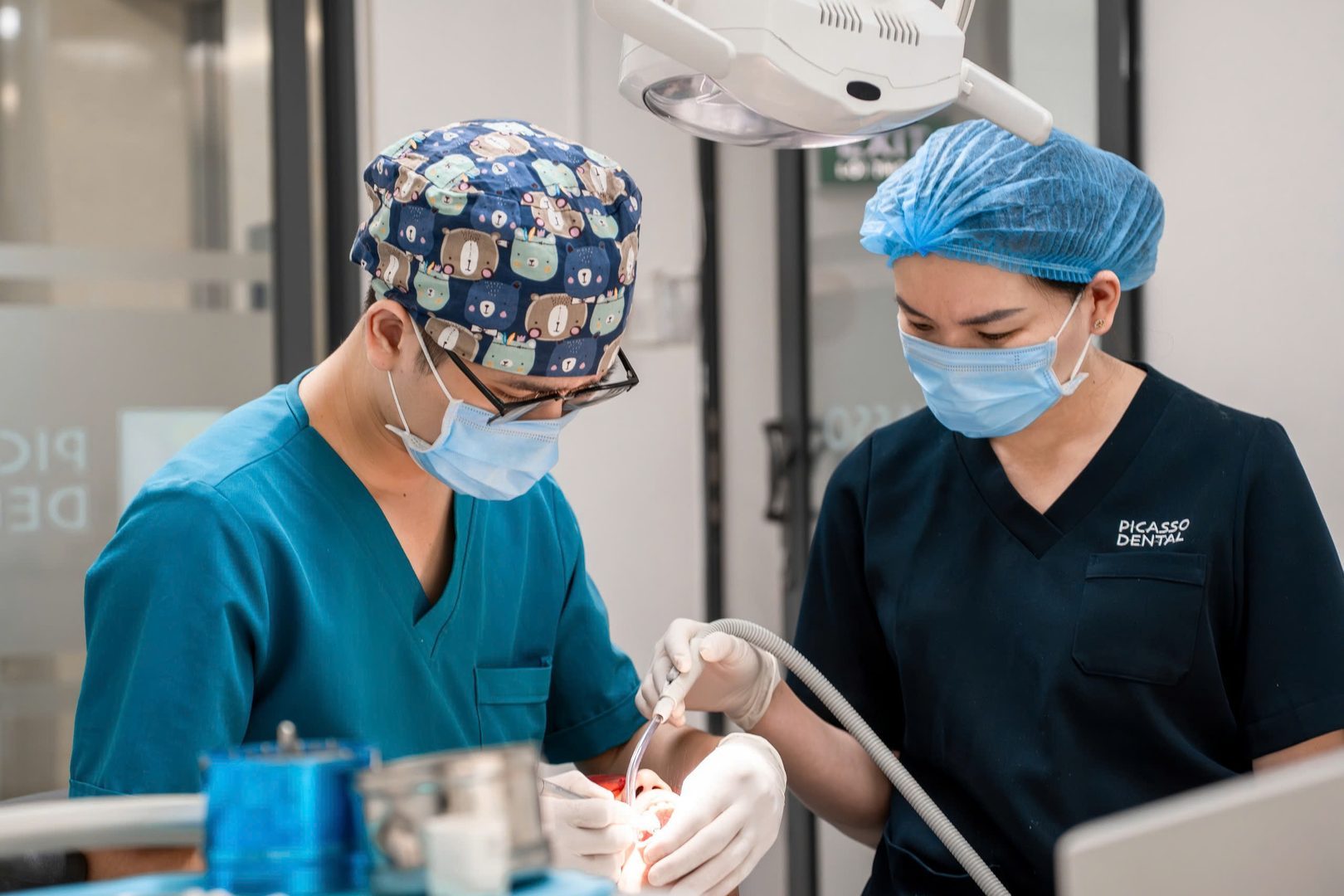
When you lose a tooth, the jawbone in that area begins shrinking because it no longer receives stimulation from chewing forces. This bone loss is progressive and permanent. Dental implants prevent this by transmitting chewing forces into the jawbone just like natural tooth roots do.
Bridges do not prevent bone loss under the false tooth because no root structure exists there. The bone in the gap continues shrinking over years. Dentures actually accelerate bone loss. The pressure of chewing on dentures compresses the underlying bone, speeding its resorption. After 10 to 15 years of denture wear, many patients lose so much bone that dentures no longer fit well and facial appearance changes noticeably. The sunken facial profile associated with long-term denture wear is a direct consequence of this progressive bone loss.
Comparing the Three Options Side by Side
Implant advantages
- Fixed in bone, zero movement
- Prevents bone loss permanently
- Adjacent teeth untouched
- 25-plus years, often lifetime
- Brush and floss normally
- Closest feel to natural tooth
Bridge and denture drawbacks
- Bridge: adjacent teeth ground down
- Bridge and denture: bone loss continues
- Denture: movement during eating
- Bridge: 10 to 15 years average
- Denture: 5 to 8 years average
- Special cleaning tools required
Making the Right Choice for Your Situation
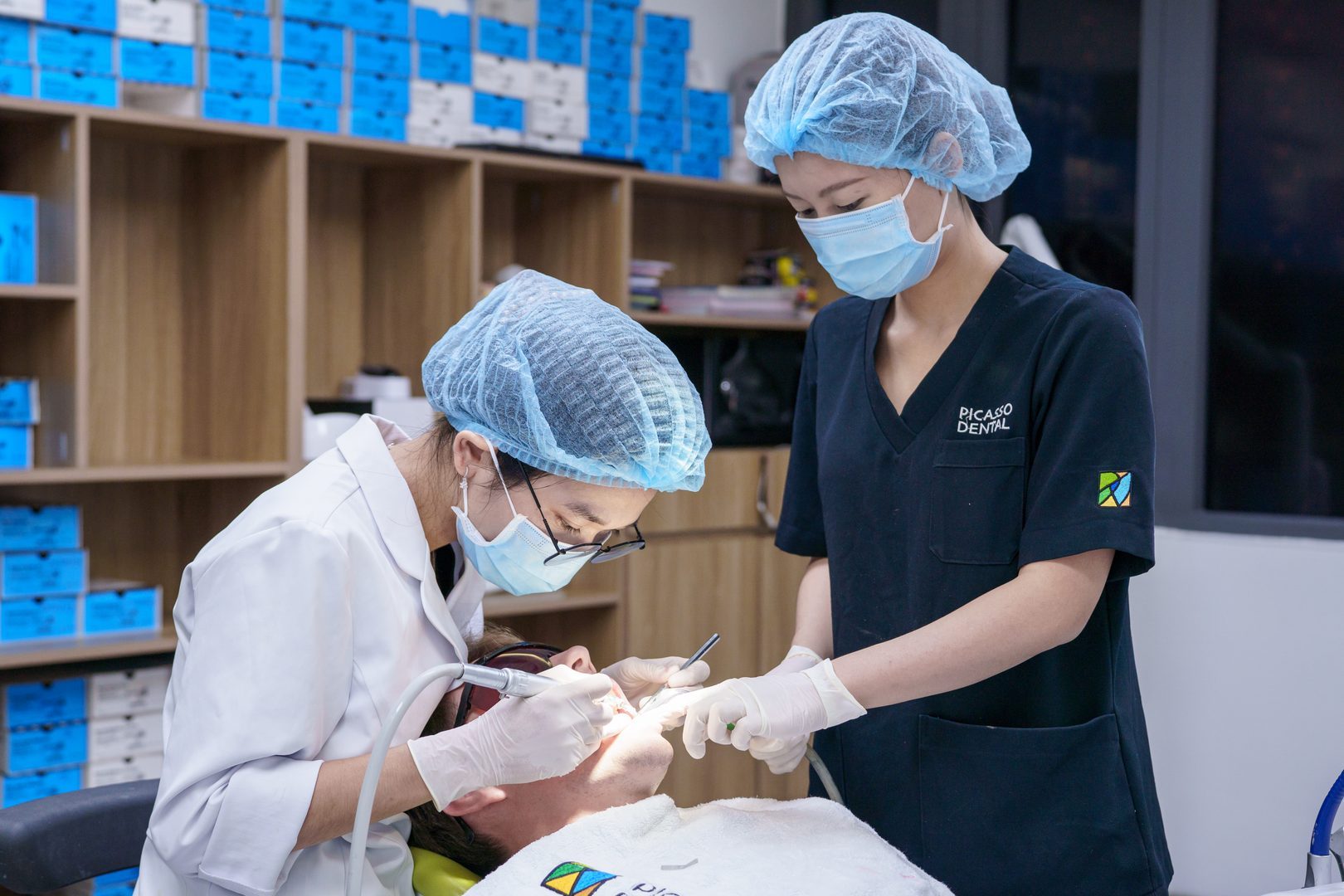
Implants work best for patients with adequate bone density, good overall health, and willingness to invest in the most permanent solution. They are ideal when you want to preserve jawbone and avoid affecting neighbouring teeth. Age is not necessarily a barrier. I have successfully placed implants in patients well into their seventies and eighties at Picasso Dental.
Bridges suit patients who want a fixed solution but cannot or do not want surgery. They work well when neighbouring teeth already need crowns, so those teeth serve dual purpose. Bridges provide results without the healing time implants require.
Dentures make sense when bone loss is already extensive, when budget is the primary concern, or when medical conditions make surgery inadvisable. Modern dentures function far better than older generations, especially when secured with implants for hybrid solutions such as implant-supported overdentures.
"I had four crowns, two cavities, and a root canal and it was as gentle and pain free as it could possibly be. More so than any dentist back in the states in my sixty years of seeing the dentist."
Kevin McCarthy, Hanoi Old Quarter
Not sure which option suits your case? Share your X-rays and situation. We provide an honest comparison of all three options with realistic outcomes and costs for each.
Get a recommendation on WhatsApp
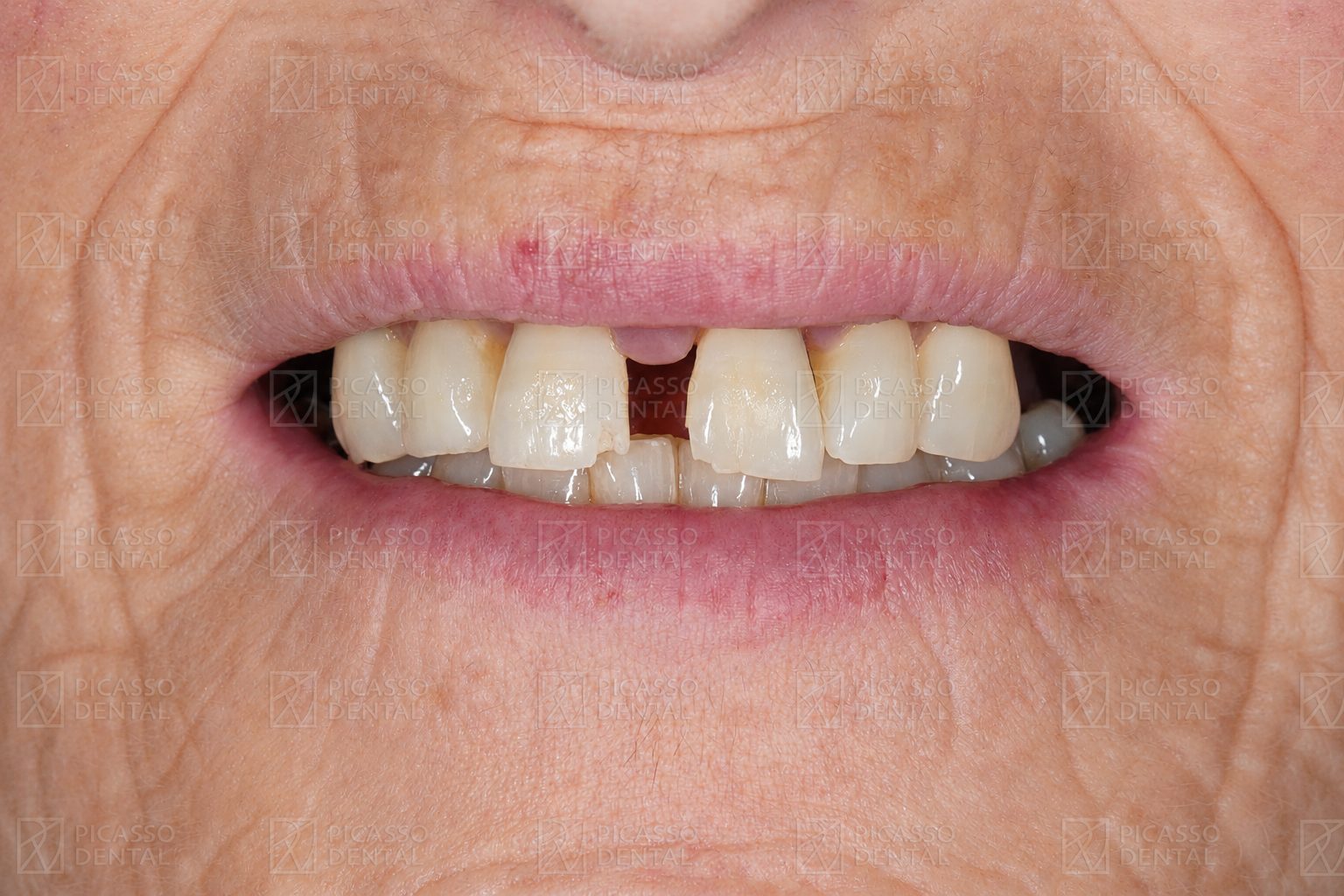 Before
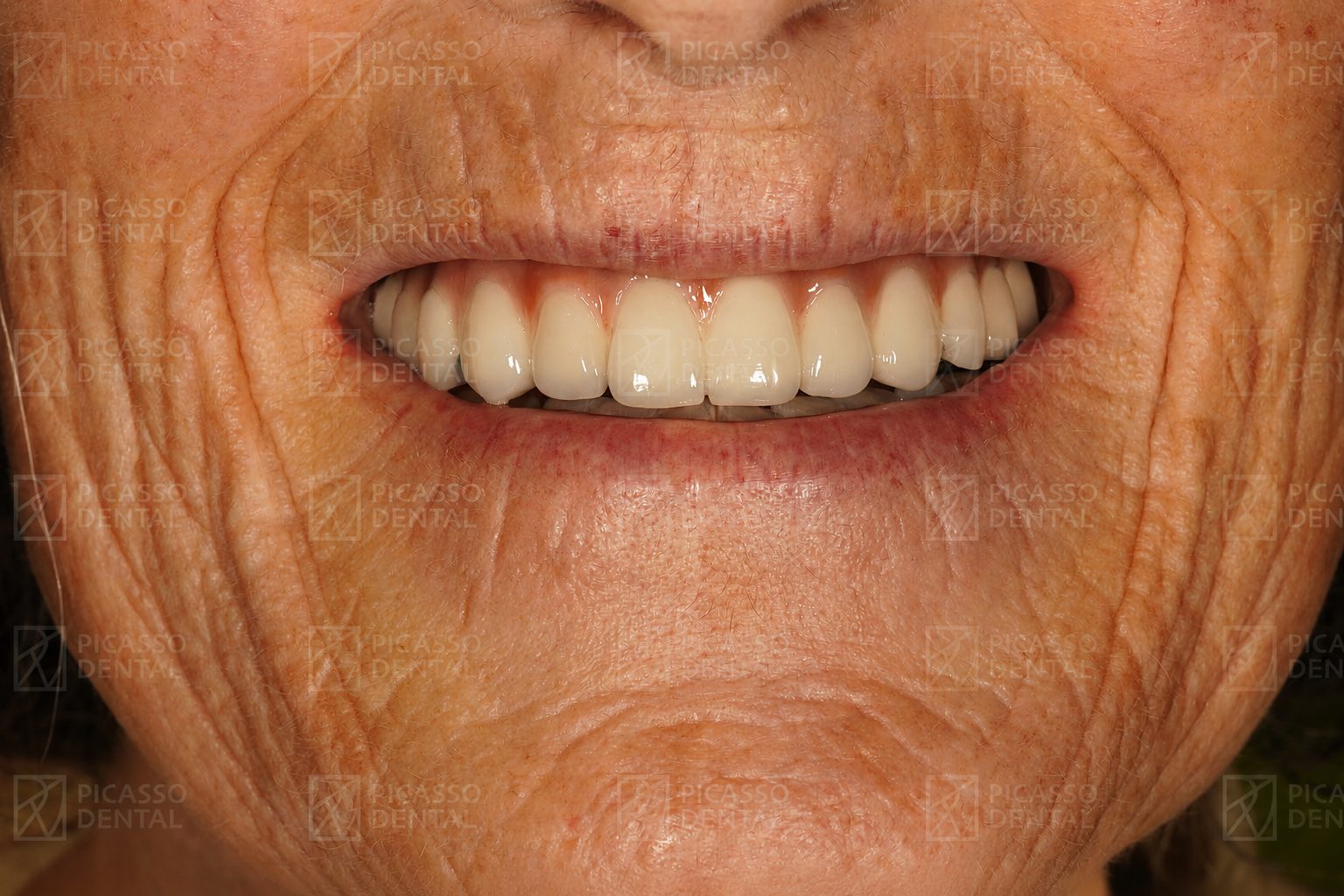 After
AfterFull rehabilitation, Hanoi Old Quarter
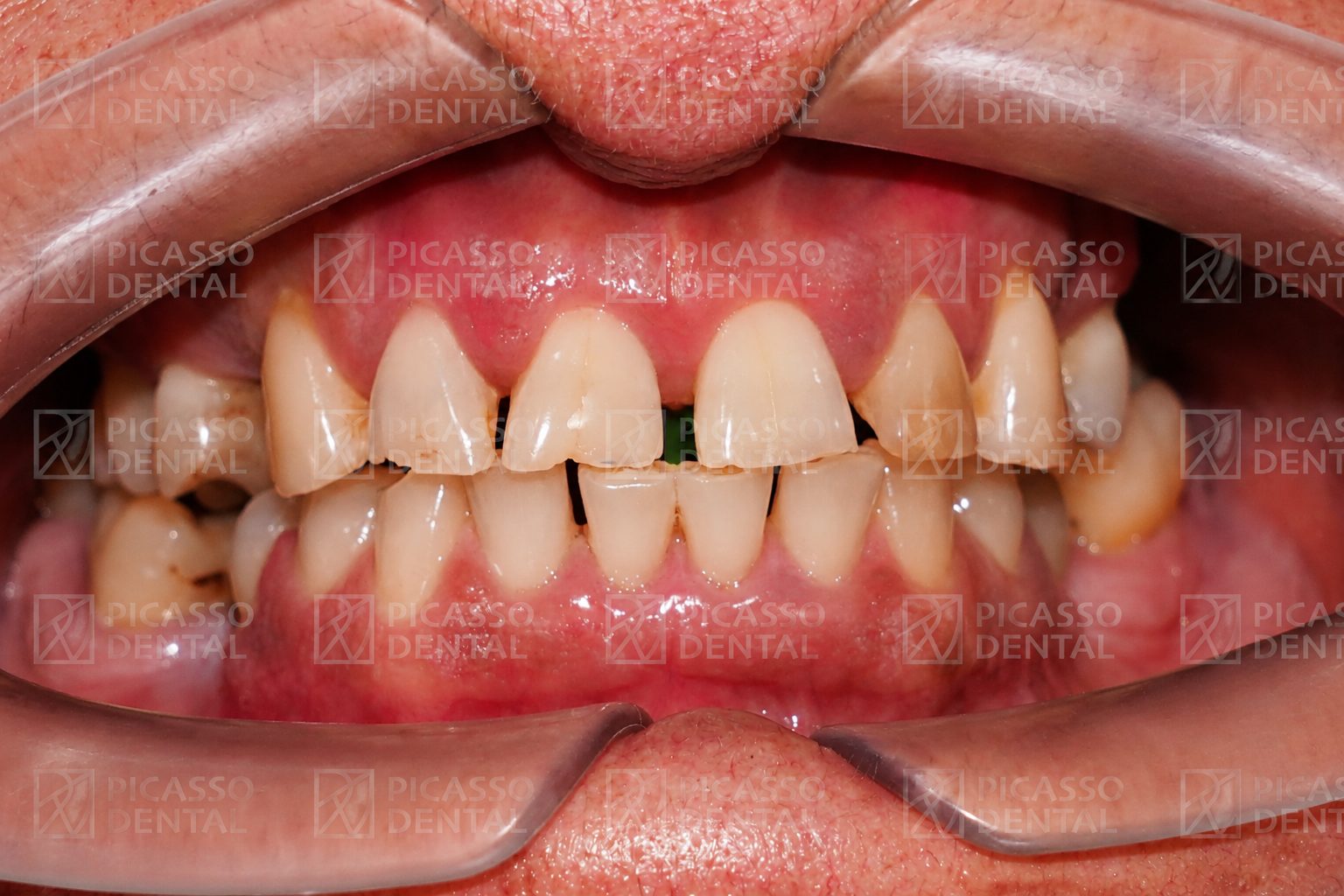 Before
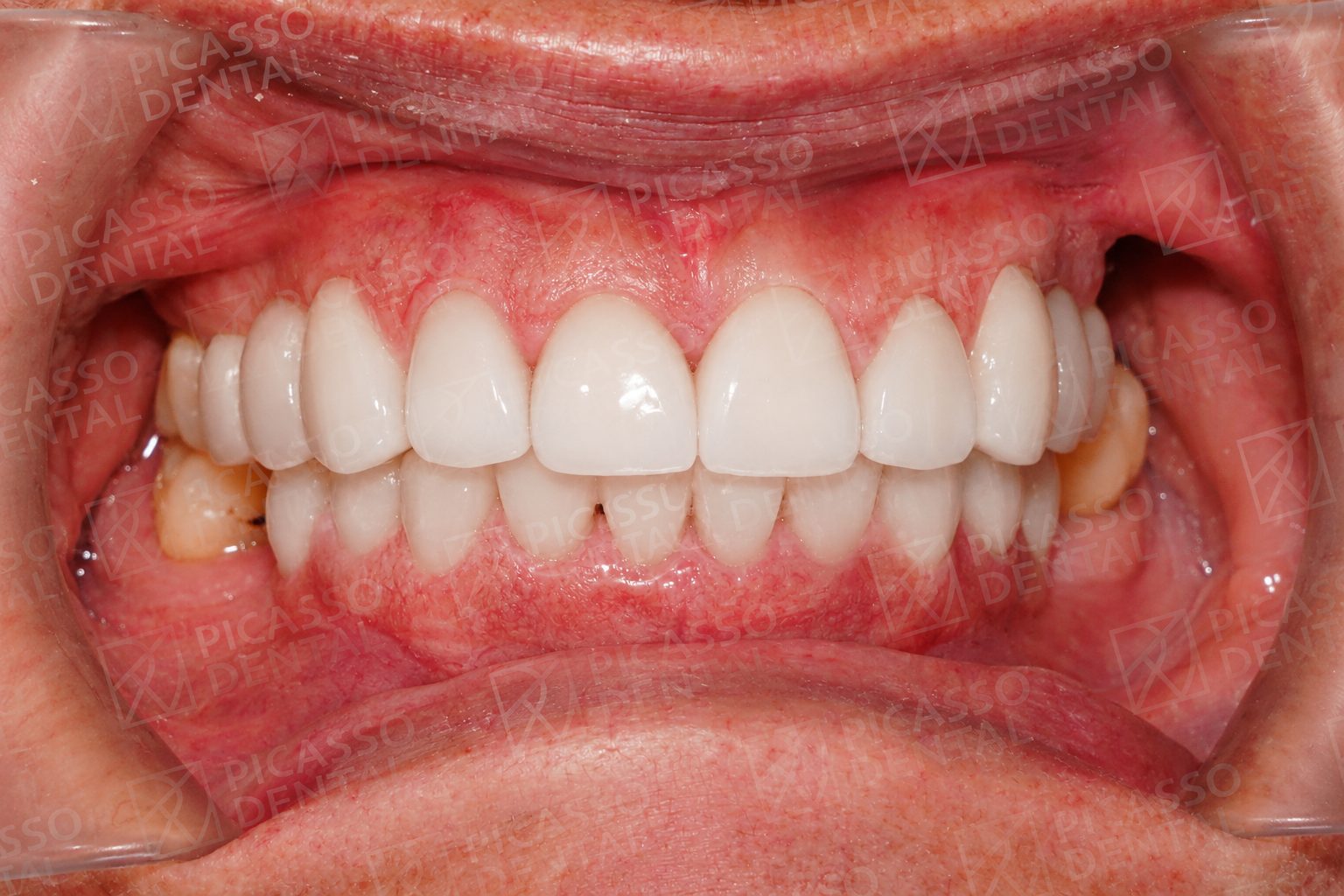 After
AfterPorcelain crowns, Da Nang
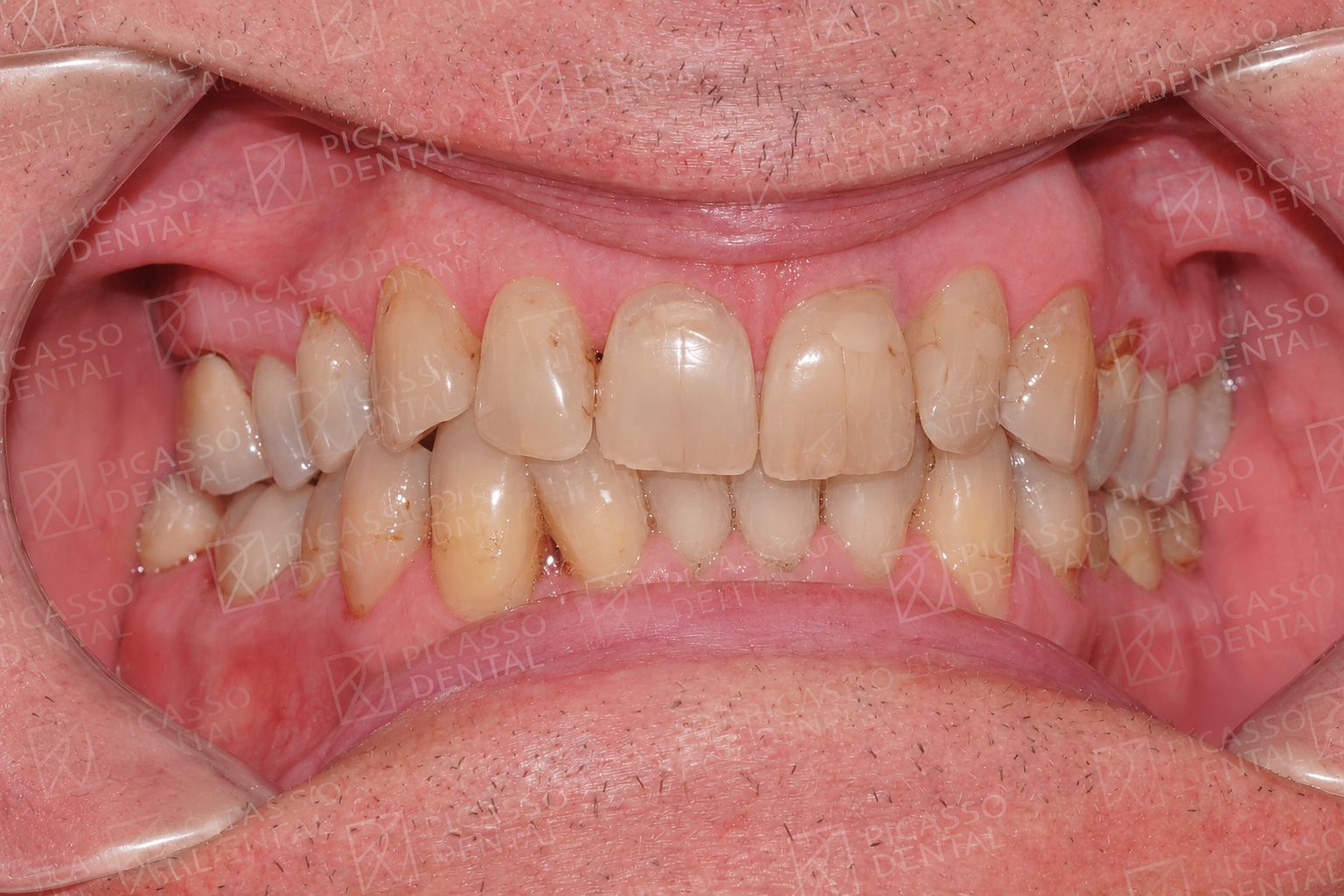 Before
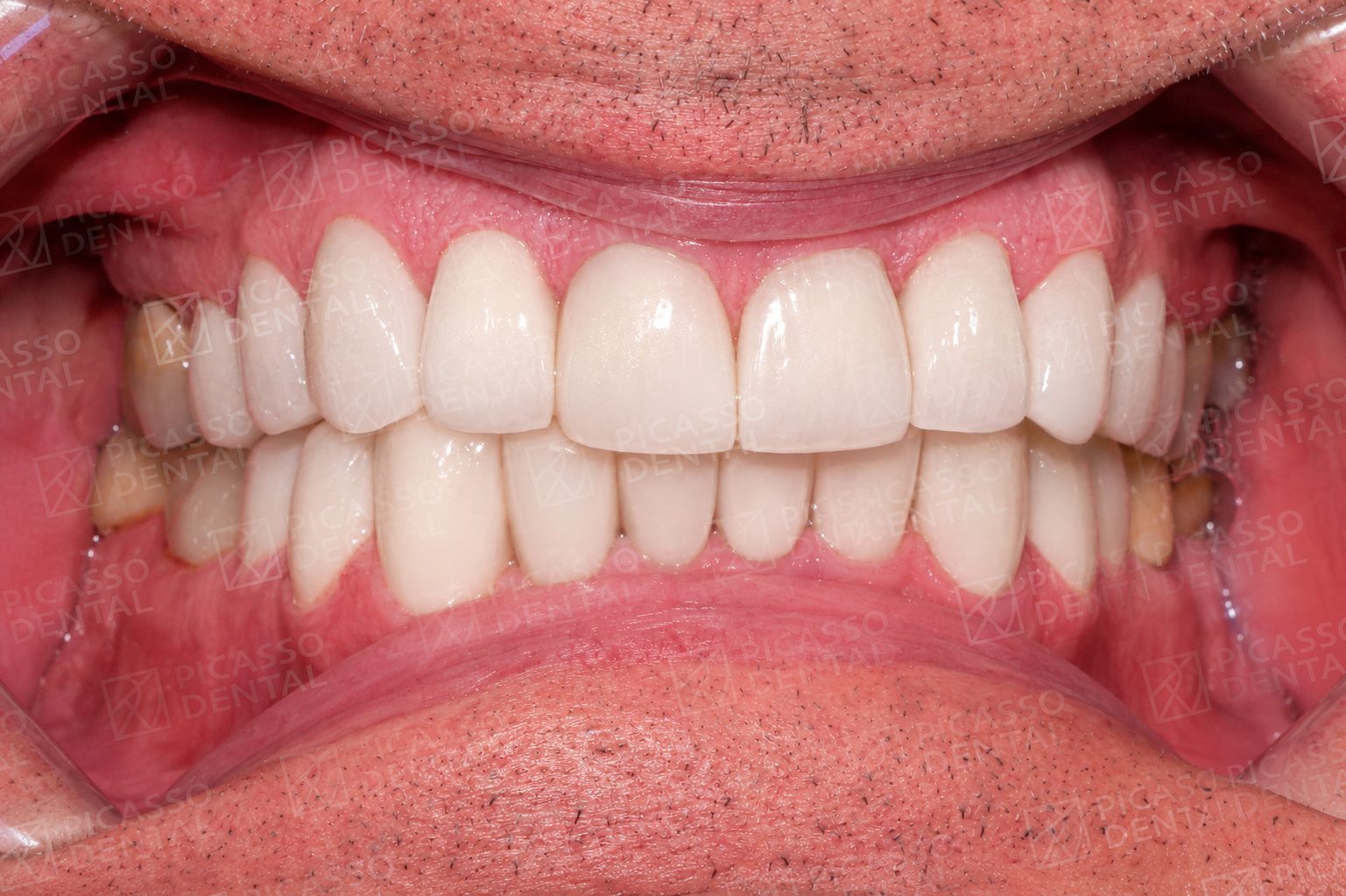 After
AfterCrown and implant, HCMC Thao Dien
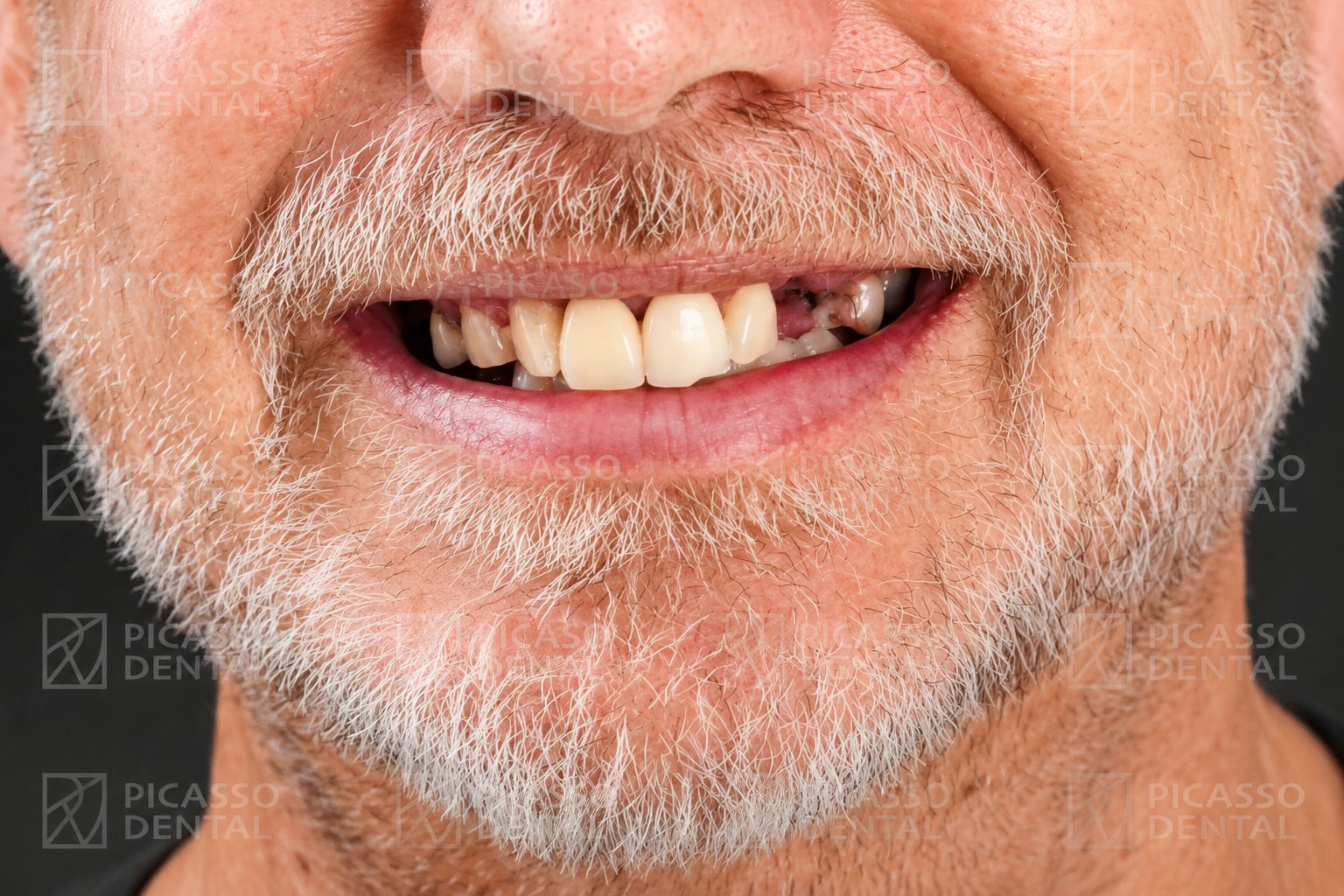 Before
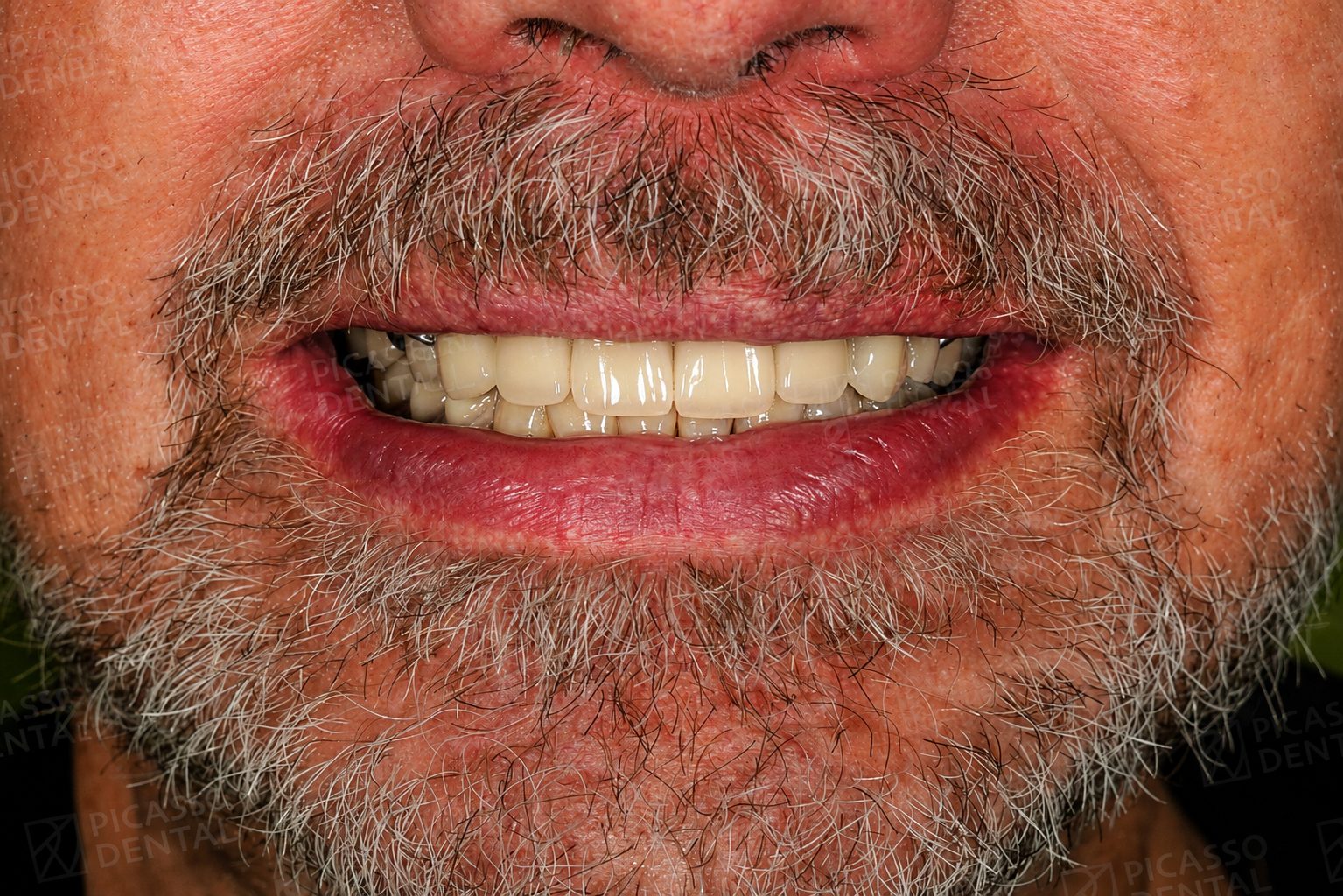 After
AfterCrown restoration, Hanoi Westlake
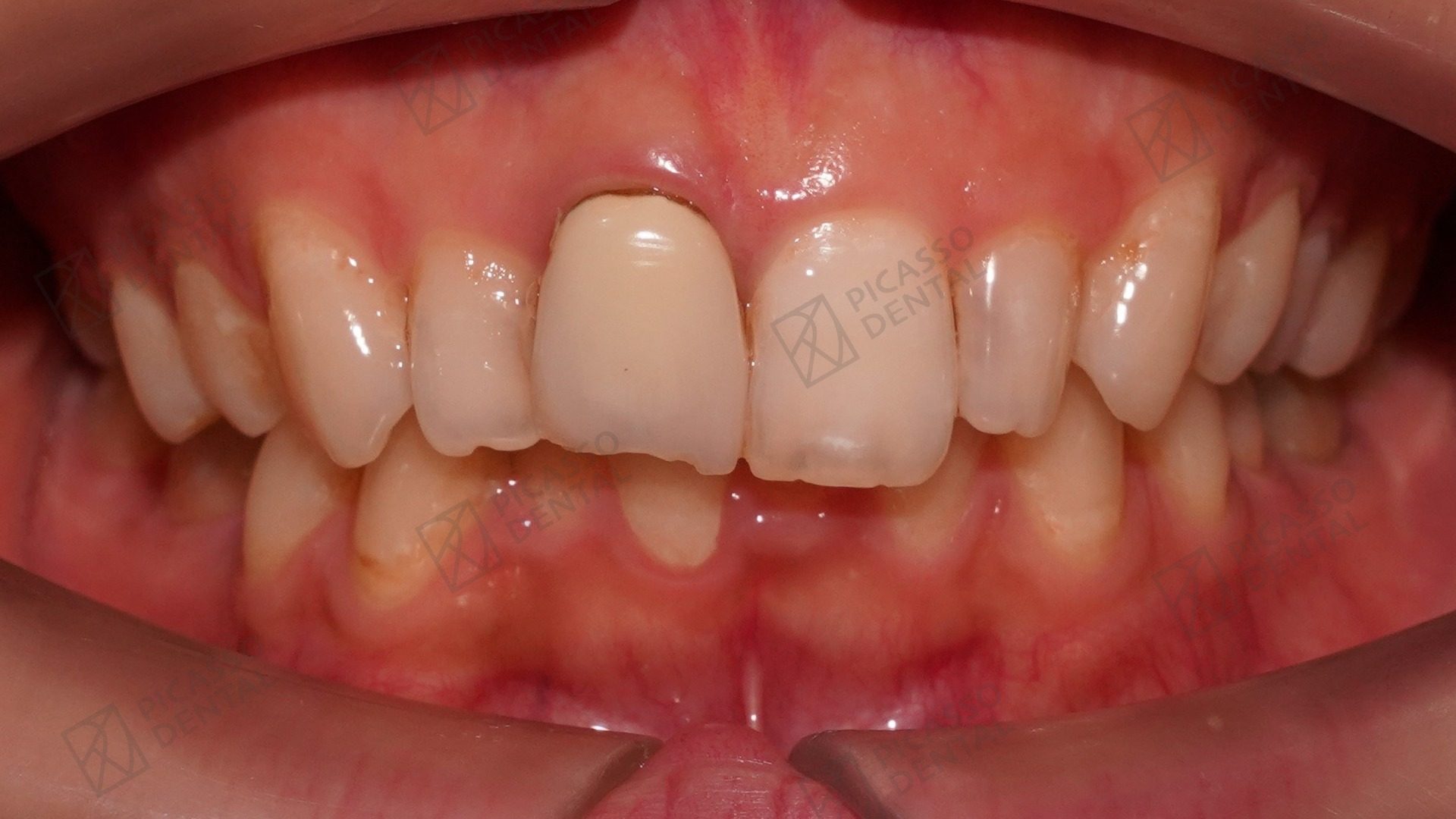 Before
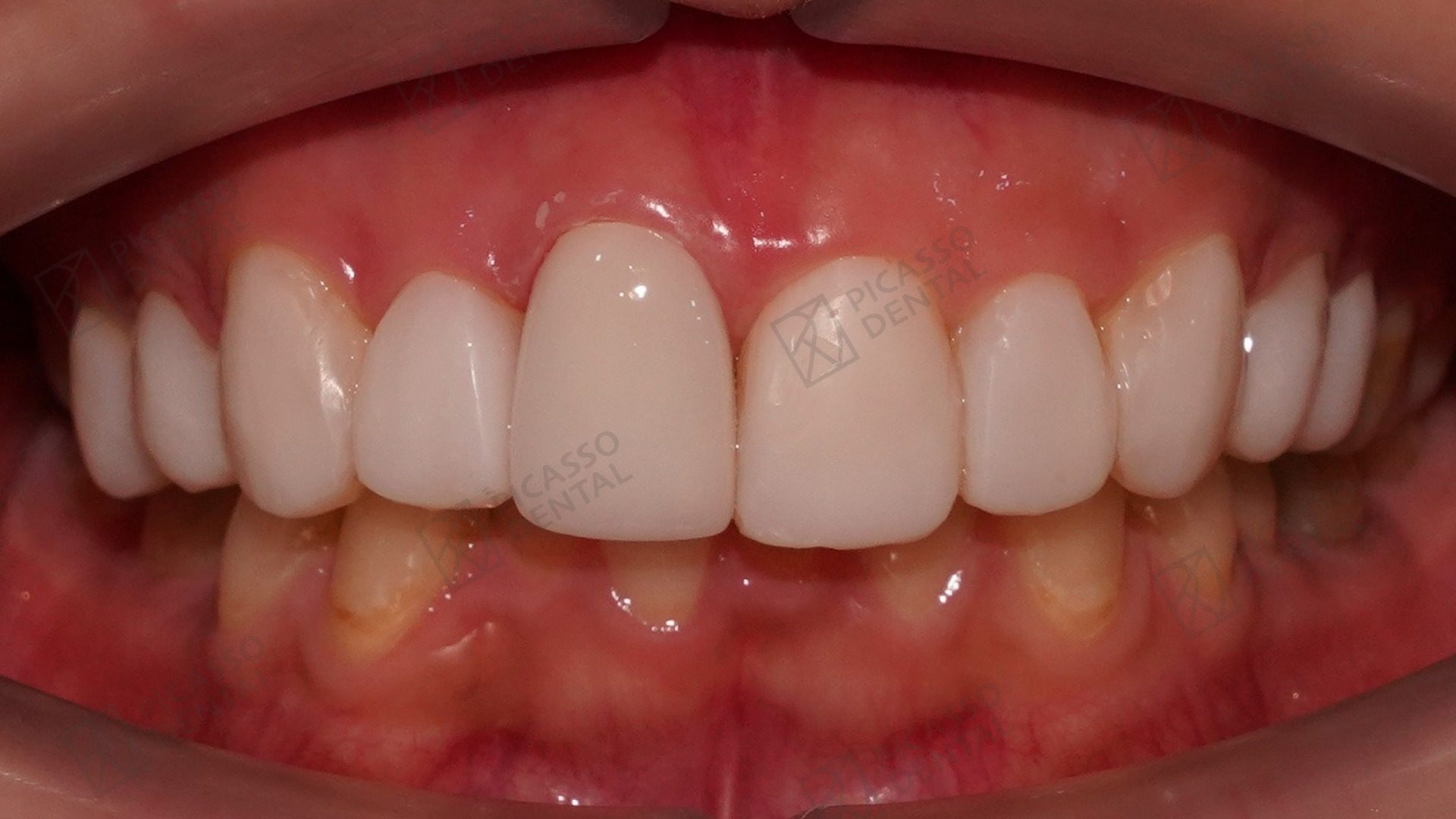 After
AfterSmile restoration, Da Nang Flagship
Frequently asked questions
What is the main difference between a dental implant and a bridge?
A dental implant replaces both the root and the crown of a missing tooth and stands completely independently. A bridge spans the gap by attaching crowns to the teeth on either side of the missing tooth, which means those neighbouring teeth must be permanently ground down to accept the bridge. The implant preserves adjacent teeth and stimulates jawbone. The bridge does neither.
Do dental implants prevent bone loss?
Yes. Dental implants are the only tooth replacement option that prevents jawbone loss after a tooth is extracted. The titanium post transmits chewing forces into the jawbone, just like a natural root, which signals the bone to maintain its density. Bridges do not prevent bone loss under the gap because no root structure exists there. Dentures can actually accelerate bone loss because chewing pressure compresses the underlying bone.
How long do implants last compared to bridges and dentures?
The implant post itself often lasts a lifetime once osseointegration is complete. The crown on top typically lasts 10 to 15 years before needing replacement due to normal wear. Bridges last 10 to 15 years on average before the cement seal breaks or the supporting teeth develop problems. Dentures typically need replacement every 5 to 8 years as bone resorption changes the shape of the jaw.
Are dental implants suitable for older patients?
Age alone is not a barrier to implants. Our surgeons have successfully placed implants in patients in their seventies and eighties. What matters is overall health, adequate bone density, and absence of uncontrolled systemic conditions. Older patients with well-managed health outcomes often integrate implants just as successfully as younger patients.
Why do dentures require daily removal and cleaning?
Dentures rest on the gum surface and rely on suction or adhesive for retention rather than being fixed in bone. They must be removed nightly to clean the underlying gum tissue and prevent bacterial buildup. Plaque accumulates on denture surfaces just as it does on natural teeth. Leaving dentures in overnight is associated with higher rates of oral fungal infection and gum inflammation.
What happens to the bone under a bridge?
After a tooth is extracted, the jawbone in that area begins shrinking because it no longer receives stimulation. A bridge replaces the visible crown of the missing tooth but puts nothing into the bone underneath. Bone loss continues under the bridge at the same rate as if the tooth had simply been extracted and nothing placed. After 10 to 15 years, this bone loss can be visible in the face and make the false tooth on the bridge look longer than the natural teeth.
How much do implants cost compared to bridges and dentures at Picasso Dental?
At Picasso Dental, a single implant with crown costs approximately USD 900 to 1,200. A three-unit bridge costs approximately USD 500 to 900. A full set of partial or complete dentures varies by complexity. While the upfront cost of an implant is higher, it is the most cost-effective solution over a 20-year period because it rarely requires full replacement and does not damage adjacent teeth.
Can dentures be upgraded to implant-supported dentures?
Yes. Implant-supported overdentures use two to four implants to anchor a removable denture in place. This dramatically improves stability and reduces bone loss compared to conventional dentures. All-on-4 and All-on-6 solutions take this further by providing a fully fixed arch on just four or six implants. Picasso Dental offers all these solutions across our Hanoi, Da Nang, and Ho Chi Minh City branches.
Start Here
Start with a brief.
Share your X-rays and situation and we will give you an honest, written comparison of implants, bridges, and dentures for your specific case. No obligation, 24-hour reply.