
Deep Cleaning Guide
Excessive Bleeding After Deep Cleaning:
Causes, Management, and When to Go to Emergency.
True excessive bleeding after deep cleaning occurs in fewer than 2% of cases. When it does happen, the cause is almost always blood thinners, uncontrolled hypertension, or a clotting disorder — not the procedure itself. Here is exactly what to do.

Key takeaways
- Normal bleeding is pink saliva and minor spotting that improves steadily over 24 to 48 hours. Excessive bleeding soaks through gauze every few minutes and does not slow with pressure.
- The 20-minute gauze rule: fold clean gauze into a firm pad, bite down hard on the site, and hold without checking for a full 20 minutes. Lifting early disrupts the forming clot.
- Do not rinse vigorously, spit forcefully, drink hot liquids, smoke, or exercise during the first 24 hours. All dislodge clots.
- Call your dentist immediately if bleeding has not slowed after one full cycle of pressure, or if it stops then resumes at the same heavy intensity hours later.
- Go to the ER if you feel faint or dizzy from blood loss, develop chest pain alongside bleeding, or cannot reach your dentist and bleeding is severe.
Normal bleeding vs excessive bleeding
Understanding the difference prevents unnecessary panic while ensuring you act quickly when intervention is genuinely needed.
Normal — expected
- Pink or light red-tinged saliva when you spit
- Slight spotting on gauze or tissues
- Blood on toothbrush during gentle cleaning
- Intermittent spotting over several days, improving each day
- Bleeding stops within a few minutes or with light pressure
Excessive — act now
- Continuous flow of blood that fills the mouth, not just tinges saliva
- Gauze pads soaking through and needing replacement every 5 to 10 minutes
- Bleeding persisting heavily for more than 30 minutes despite pressure
- Bleeding that stops then resumes at full force hours later
- Large blood clots forming repeatedly in the mouth
The pattern over time is the most reliable guide. Normal bleeding starts heavier when anaesthesia wears off, then steadily improves hour by hour. Excessive bleeding either holds the same heavy intensity regardless of time passing, or it pauses briefly and returns at full force without an obvious trigger.
Responsiveness to pressure is the other key test. Normal bleeding stops or dramatically reduces after 10 minutes of gentle biting on gauze. Excessive bleeding continues through prolonged pressure, requiring repeated gauze changes because the pad keeps soaking through.

What causes excessive bleeding after deep cleaning
Blood-thinning medications
This is the leading cause. Aspirin, warfarin, clopidogrel, newer anticoagulants such as apixaban or rivaroxaban, and even high-dose fish oil supplements all reduce the blood's ability to clot. These medications are typically prescribed for serious conditions and should not be stopped without consulting the prescribing physician. At Picasso Dental, we work with patients on anticoagulants routinely: the procedure proceeds, but patients receive specific management instructions and realistic expectations about bleeding duration.
Uncontrolled high blood pressure
Elevated blood pressure pushes more blood through damaged gum tissue under greater force. Vessels that are already disrupted bleed more profusely and clot more slowly when the pressure behind them is high. Blood pressure is checked before deep cleaning at all branches; significantly elevated readings prompt rescheduling until the reading is better controlled.
Liver disease or clotting disorders
The liver produces most of the body's clotting factors. Patients with liver disease or inherited clotting disorders may have deficient factor levels, meaning the cascade that forms a stable clot does not complete properly. Special precautions are arranged before any dental procedure involving bleeding for these patients.
Severe gum disease with deep infection
Heavily inflamed, infected tissue is far more fragile than healthy gum tissue. Profound infection can cause enough structural damage that even careful cleaning triggers substantial bleeding. This is not a complication of the procedure; it reflects the condition of the tissue before treatment began.
Poor aftercare
Vigorous rinsing in the first 24 hours dislodges clots forming inside gum pockets. Smoking causes initial vessel constriction followed by rebound bleeding. Drinking through straws creates negative pressure that pulls clots away from healing tissue. Strenuous exercise raises blood pressure and heart rate, increasing blood flow to the surgical site.
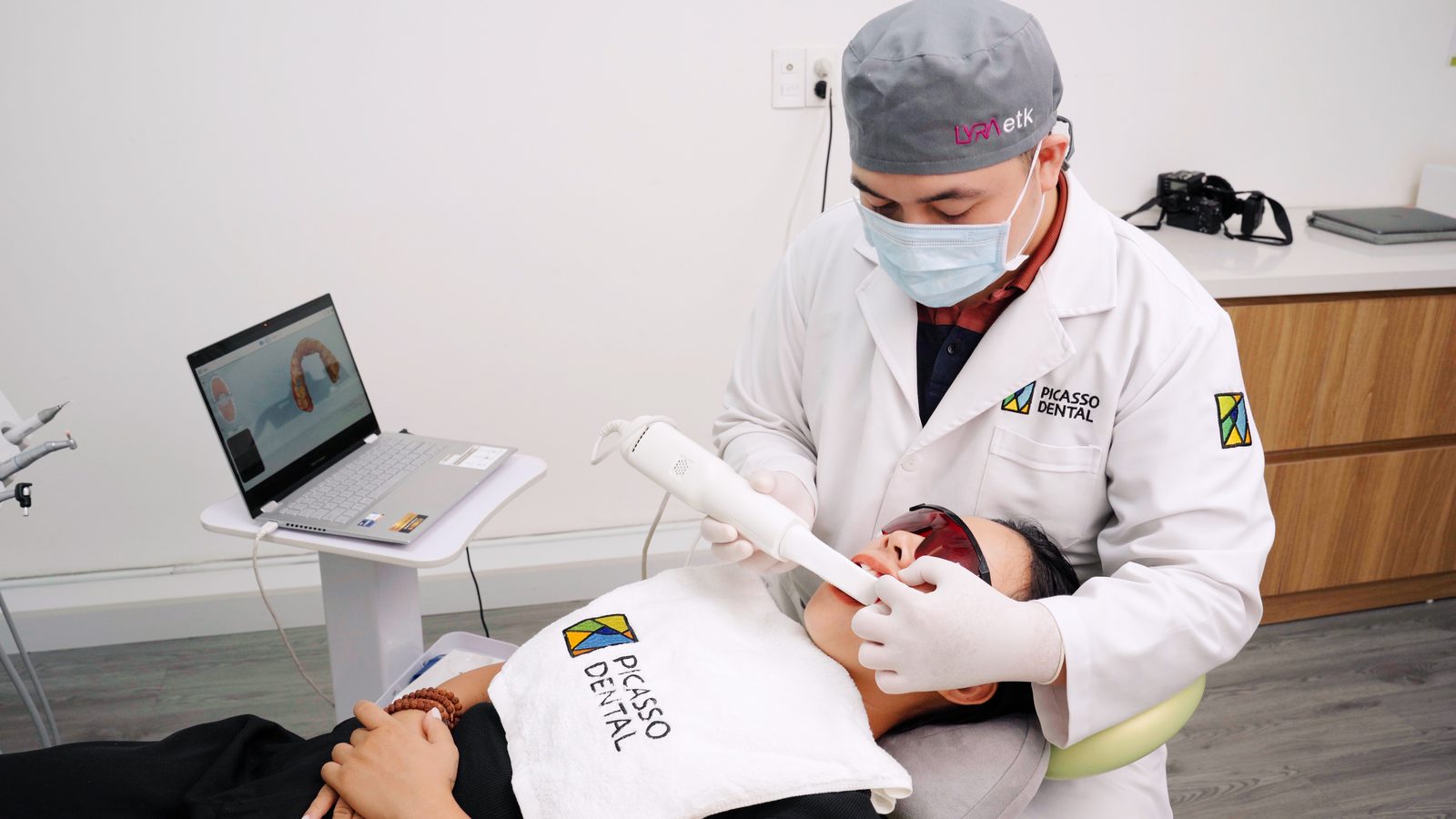
Immediate management: the 20-minute gauze protocol
If you are experiencing excessive bleeding, stop what you are doing and work through these steps in order.
- Sit upright or lean slightly forward. Do not lie flat. Upright positioning reduces blood flow pressure to the head. Leaning forward slightly prevents blood draining down the throat, which can cause nausea.
- Fold clean gauze into a firm pad and place it directly over the bleeding site. Position the pad so it compresses the gum tissue, not just rests against the teeth.
- Bite down with firm, steady pressure. This needs to be firm, not gentle. You want to compress the blood vessels to allow clot formation. Hard enough to feel solid pressure, but not so hard it causes additional pain.
- Set a timer for 20 minutes and do not lift the gauze until it goes off. Every time you release pressure to check, you tear apart the partial clot that was forming. Keep your mouth closed, breathe through your nose, and wait the full time.
- After 20 minutes, gently remove the gauze. If bleeding has stopped or reduced to light oozing, the acute episode is controlled. If gauze is soaked through and bleeding is unchanged, repeat one more cycle and call your dentist.
- Apply an ice pack to your cheek externally. Cold constricts blood vessels and reduces flow. Use 15 minutes on, 15 minutes off. Always wrap ice in a thin cloth rather than applying it directly to skin.
- Avoid all actions that worsen bleeding for the next 24 hours. Vigorous rinsing, forceful spitting, hot beverages, tobacco, alcohol, and physical exertion all increase bleeding risk.
Concerned about bleeding after deep cleaning? Contact your treating branch directly. Picasso Dental maintains an after-hours emergency contact for all patients who have had procedures with us. Deep cleaning is the first stage of our periodontal treatment for gum disease.
Use the contact form →When to call your dentist vs go to the ER
| Symptom | Urgency | Action |
|---|---|---|
| Bleeding does not slow after one full 20-minute gauze cycle | Urgent | Call your dentist immediately |
| Bleeding stops, then resumes at the same intensity hours later | Urgent | Call your dentist immediately |
| Soaking through gauze every 5 to 10 minutes for more than one hour | Urgent | Call your dentist immediately |
| Lightheadedness, dizziness, or weakness from blood loss | Emergency | Go to the ER or call emergency services |
| Chest pain or heart palpitations alongside bleeding | Emergency | Go to the ER immediately |
| Vomiting blood from swallowing during a prolonged episode | Emergency | Go to the ER immediately |
| Cannot reach dentist and bleeding is severe or uncontrolled | Emergency | Go to the ER immediately |
| Known bleeding disorder and pressure is not working | Emergency | Go to the ER immediately |
| Light oozing or pink saliva, steady improvement over hours | Normal | Continue home care, monitor |
Professional intervention for uncontrolled bleeding may include topical haemostatic agents that accelerate clot formation, sutures to close a specific bleeding point, prescription medication to support clotting, or revised post-operative instructions based on the identified cause.

Blood thinner patients: special considerations
Do not stop these medications without consulting the prescribing physician. Warfarin, aspirin, clopidogrel, apixaban, rivaroxaban, and related drugs are prescribed because of serious underlying conditions: heart stents, atrial fibrillation, history of stroke or deep vein thrombosis. Stopping them even briefly creates real risk of life-threatening events. Deep cleaning can be performed safely while you remain on your full prescribed dose with proper preparation.
Set realistic expectations before the procedure. You will bleed more than a patient not on these medications. Light oozing for two to three days after deep cleaning is normal for you. Pink saliva for up to a week is not unusual. What matters is that bleeding still improves gradually each day and still responds to pressure, even if that response takes longer than average.
Tell your dentist about every medication you take, including over-the-counter aspirin, supplements such as fish oil or vitamin E, and any herbal products. Many patients do not realise these affect clotting. A complete medication list allows the dentist to plan the procedure appropriately and give you accurate aftercare instructions.

Recovery after an excessive bleeding episode
First 24 hours: Continued improvement is the benchmark. Bleeding should not resume at the same heavy intensity. Light oozing and pink saliva are acceptable. If heavy bleeding restarts, contact your dentist immediately.
Days 2 and 3: Most bleeding should have resolved significantly, even in patients who experienced an episode. Gum tissue will be tender. Gentle salt water rinses twice daily (not vigorous swishing) can begin after the first 24 hours to keep the area clean.
Day 7: Even patients who had an episode should have minimal to no bleeding with normal gentle brushing and care. Active bleeding at this stage warrants a follow-up visit.
Warning signs beyond the acute episode that need attention: persistent or worsening swelling that is not improving day to day, pain that increases rather than decreases over time, fever or chills, a foul taste or odour from the mouth, or pus visible at the gum line.
Frequently asked questions
How long does bleeding normally last after deep cleaning?
Light pink saliva and minor spotting are normal for 24 to 48 hours after deep cleaning. Each day should show clear improvement. Bleeding that continues heavily beyond 30 minutes, or resumes at full force several hours after stopping, is excessive and requires prompt attention from your dentist. See the full timeline in our gum bleeding after deep cleaning guide.
Should I hold gauze for 20 minutes without checking?
Yes. Firm, uninterrupted pressure for a full 20 minutes is the single most important home-management step. Every time you lift the gauze to check, you tear apart the partial clot that was forming and restart the process from zero. Set a timer, keep your mouth closed, and do not peek until it goes off.
Can I keep taking blood thinners before and after deep cleaning?
Do not stop anticoagulant or antiplatelet medications without consulting the prescribing physician. Stopping them can trigger stroke, heart attack, or clot-related emergencies. Tell your dentist about all medications; with proper preparation, deep cleaning can be completed safely while you remain on your full prescribed dose.
When should I go to the emergency room for dental bleeding?
Go to the ER if you feel faint or dizzy from blood loss, develop chest pain or heart palpitations alongside bleeding, are vomiting blood from swallowing during a prolonged episode, or cannot reach your dentist and bleeding is severe and uncontrolled. For all other cases that are urgent but not immediately life-threatening, call your dentist first.
What actions make bleeding worse after deep cleaning?
Vigorous rinsing and forceful spitting dislodge clots forming inside gum pockets. Hot drinks dilate blood vessels. Smoking causes rebound bleeding after initial vessel constriction. Drinking through straws creates suction that pulls clots away from healing tissue. Strenuous exercise raises blood pressure and heart rate, increasing blood flow to the gums.
Is more bleeding normal if I am on aspirin or warfarin?
Yes. Patients on aspirin, warfarin, clopidogrel, or newer anticoagulants will bleed more and for longer than those who are not. Light oozing for two to three days and pink saliva for up to a week can be normal for you. The key markers are that bleeding still improves gradually each day and still responds to pressure, even if the response takes longer than average.
How does high blood pressure cause excessive dental bleeding?
Elevated blood pressure pushes more blood through disrupted gum tissue under greater force, making vessels bleed more profusely and clot more slowly. At Picasso Dental Clinic, blood pressure is checked before deep cleaning; significantly elevated readings prompt rescheduling until the reading is better controlled to reduce this risk.
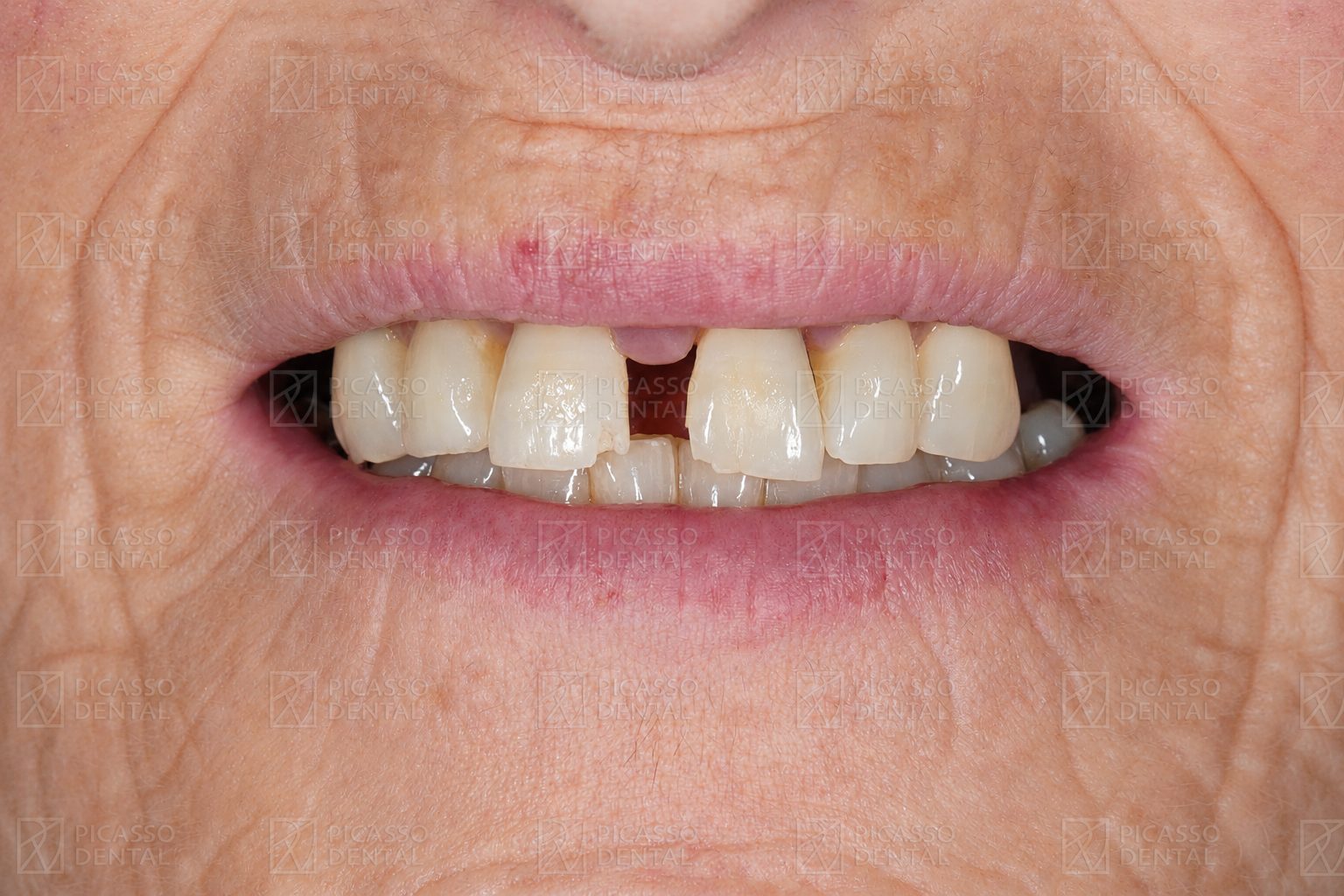 Before
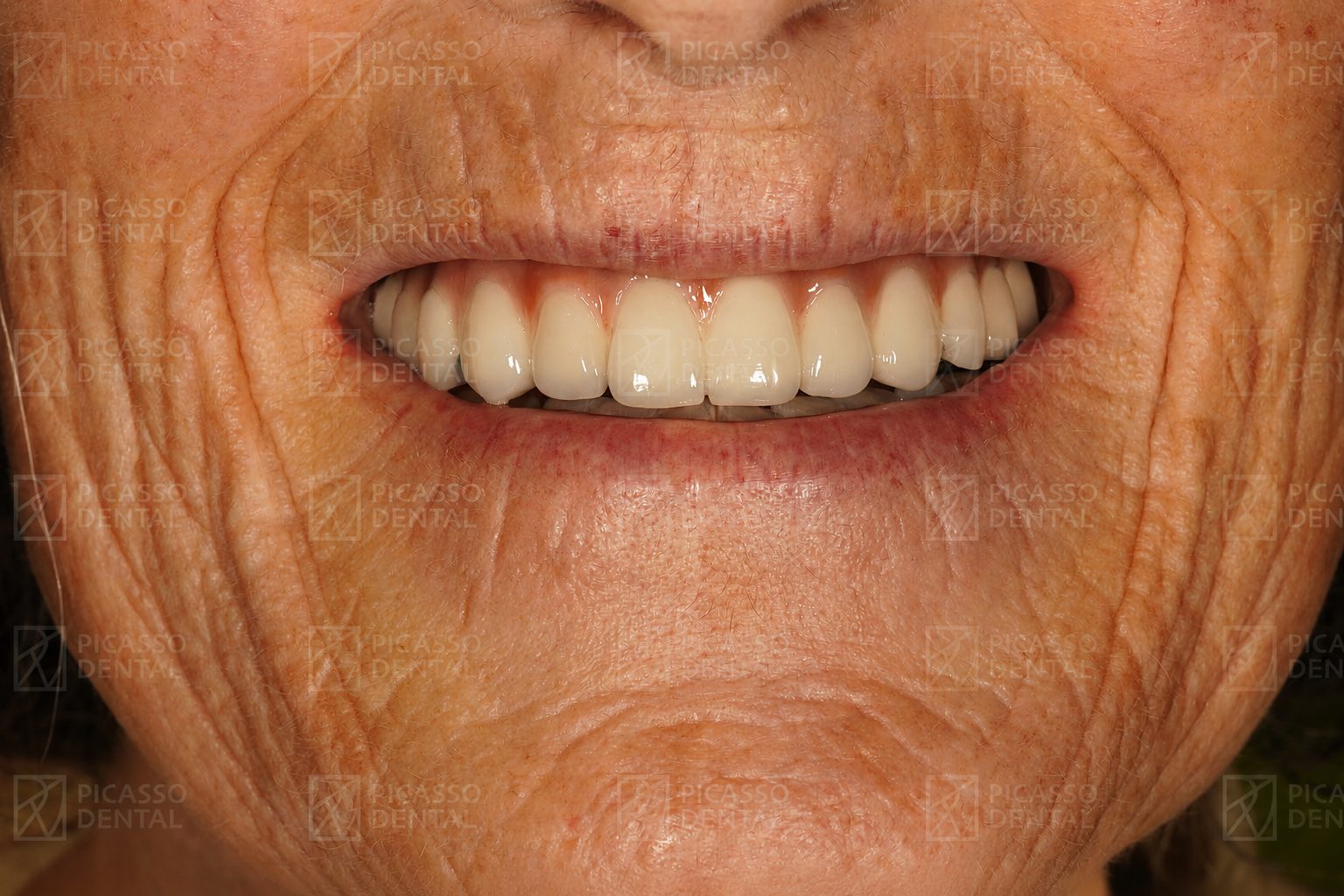 After
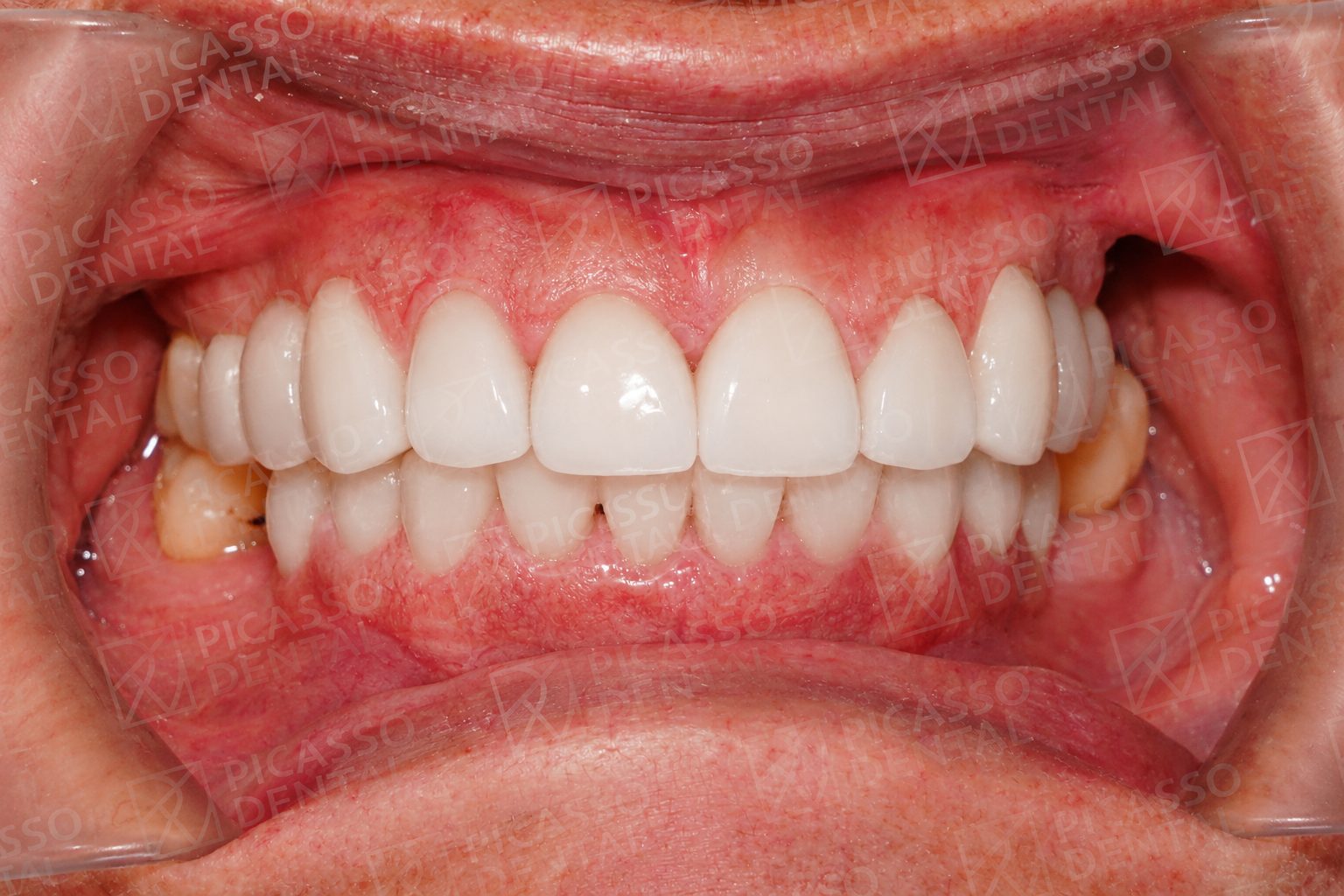
AfterFull rehabilitation, Hanoi Old Quarter
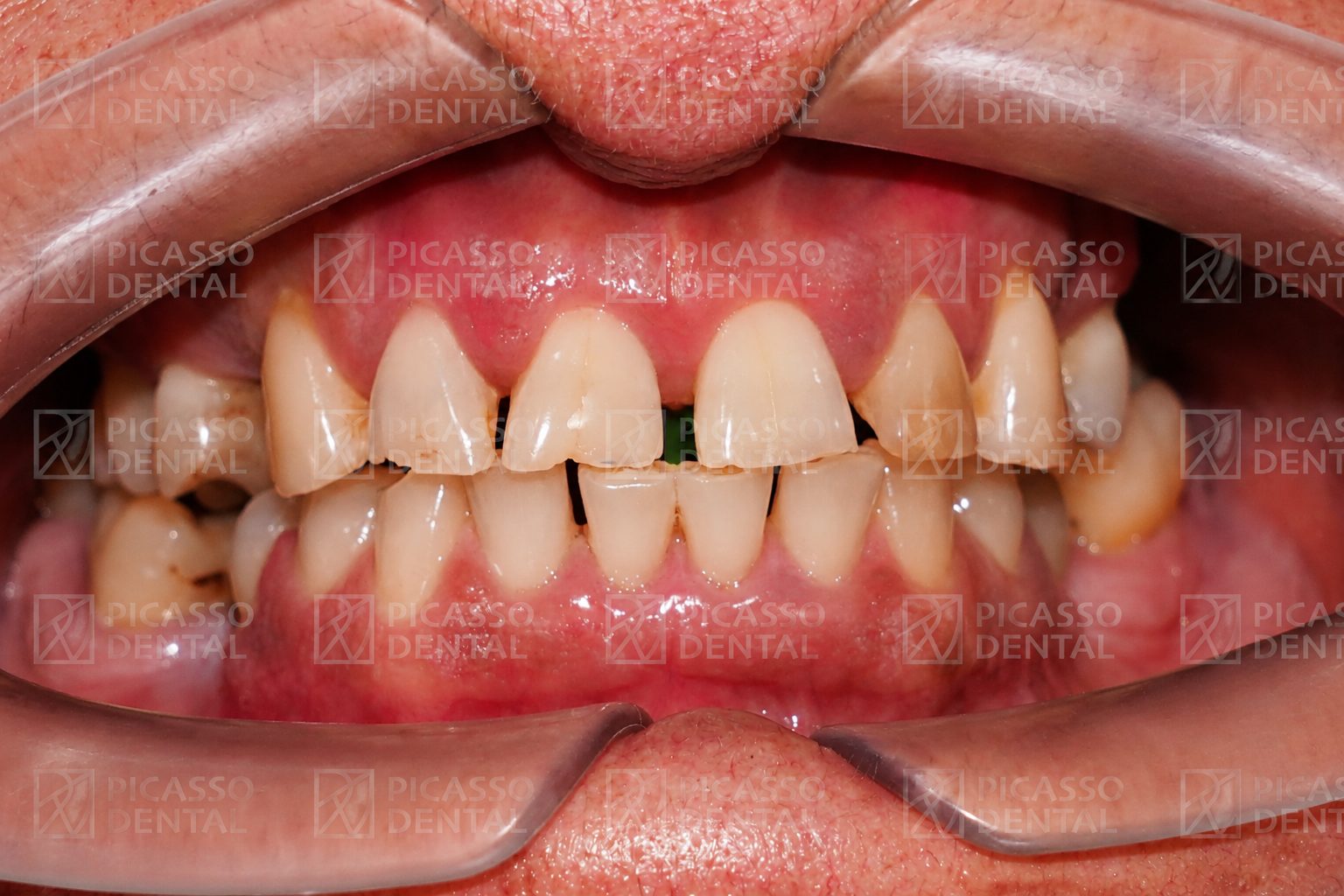 Before
 After
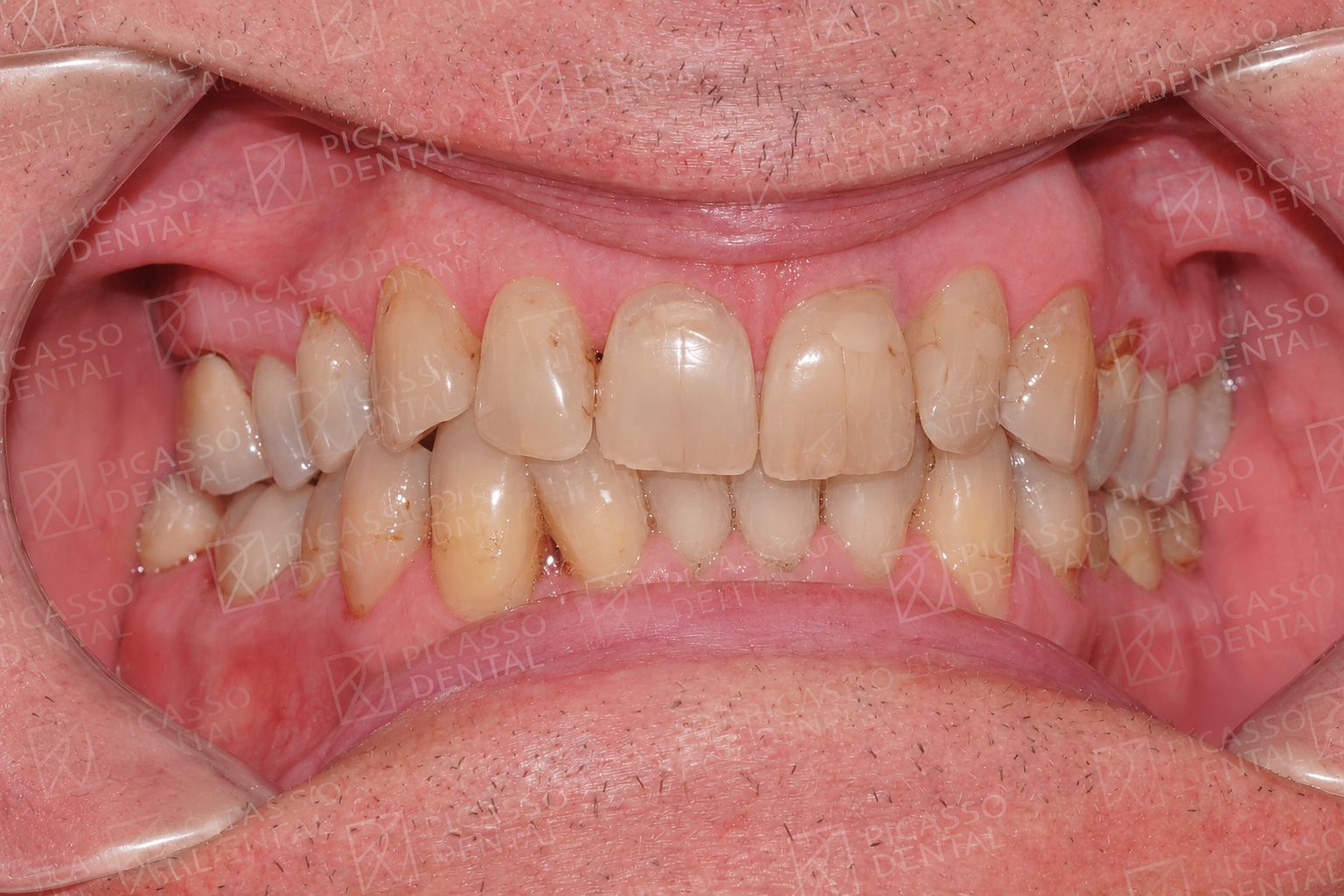
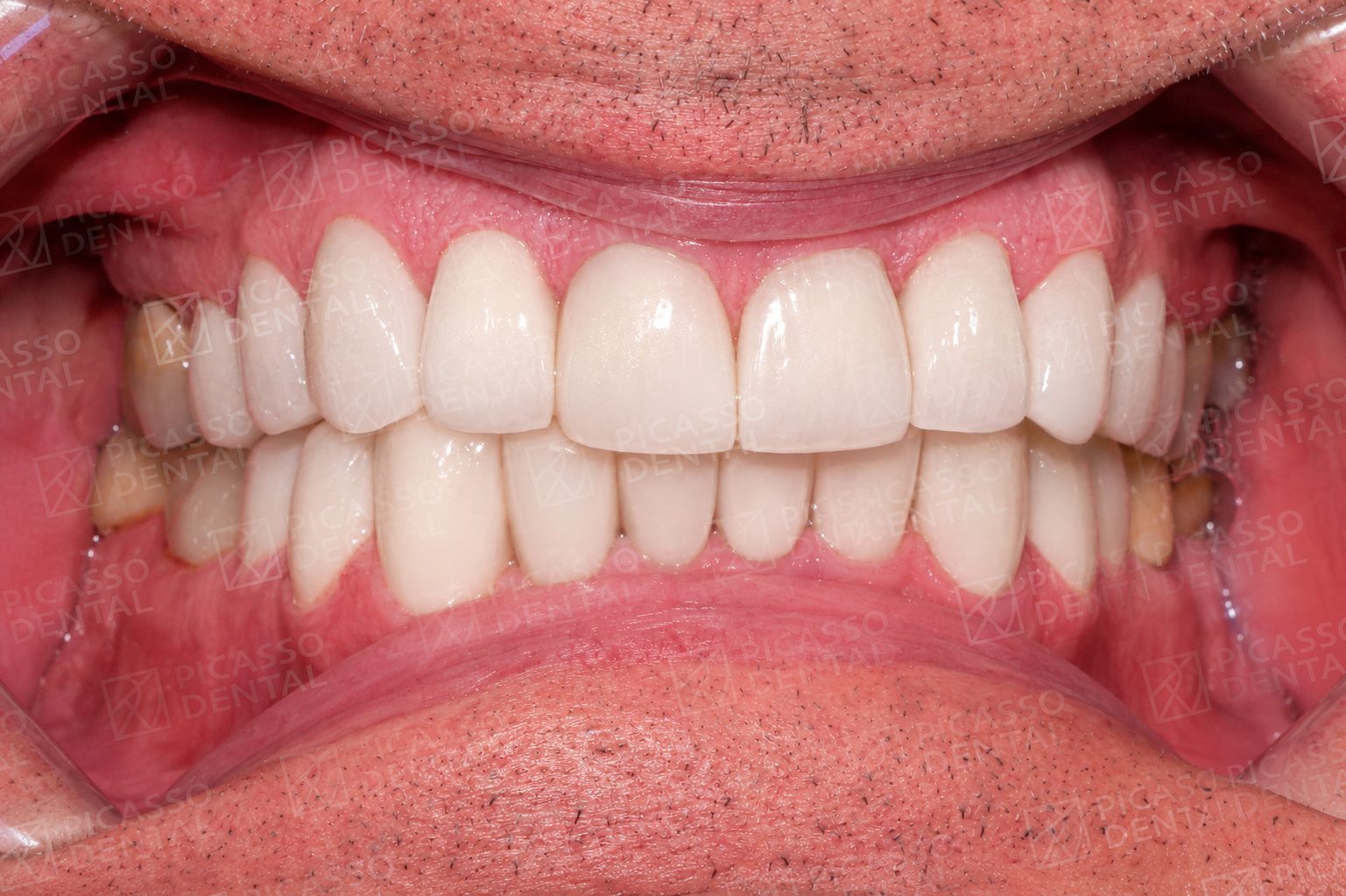
AfterPorcelain crowns, Da Nang
 Before
 After
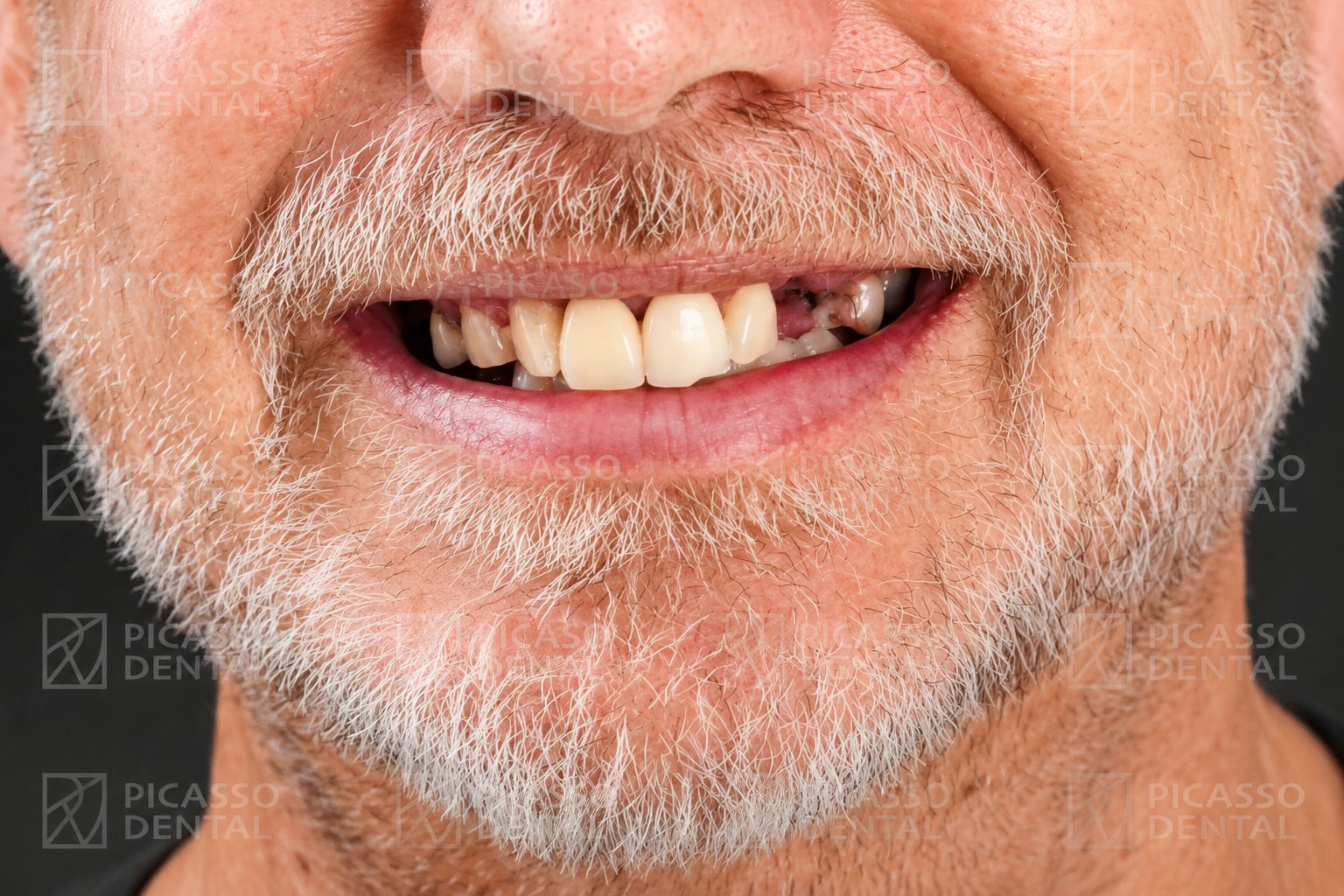
AfterCrown and implant, HCMC Thao Dien
 Before
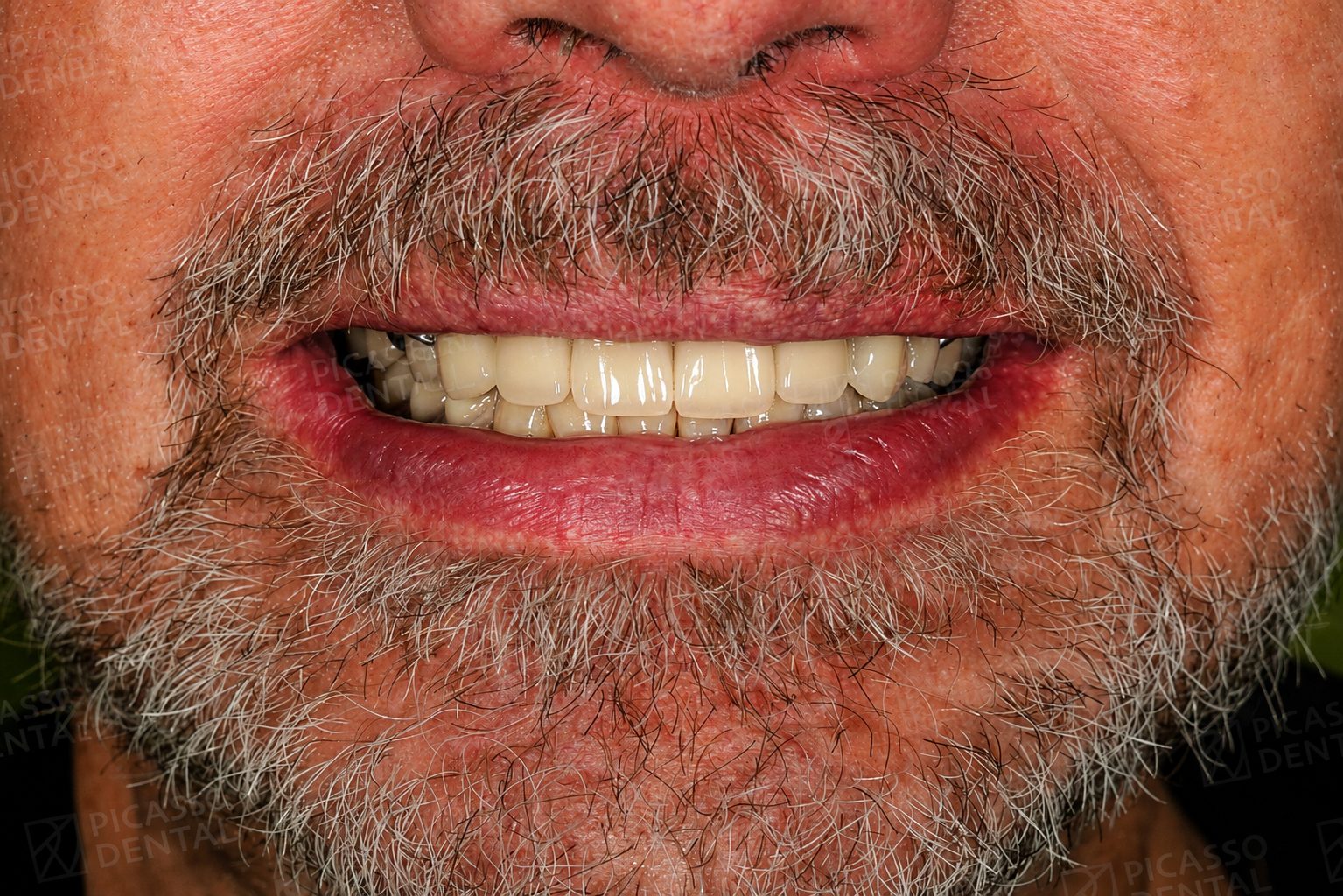 After
AfterCrown restoration, Hanoi Westlake
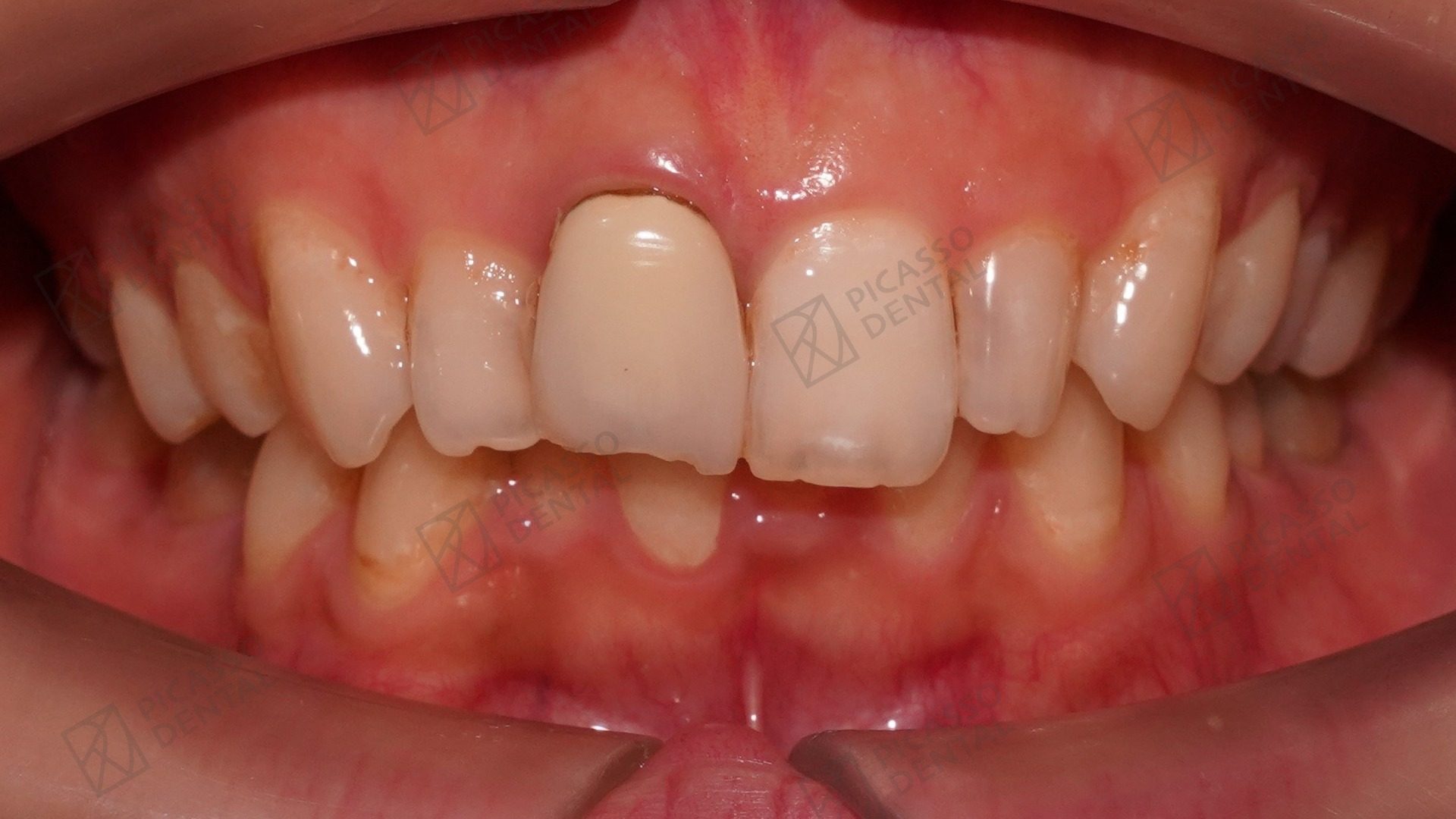 Before
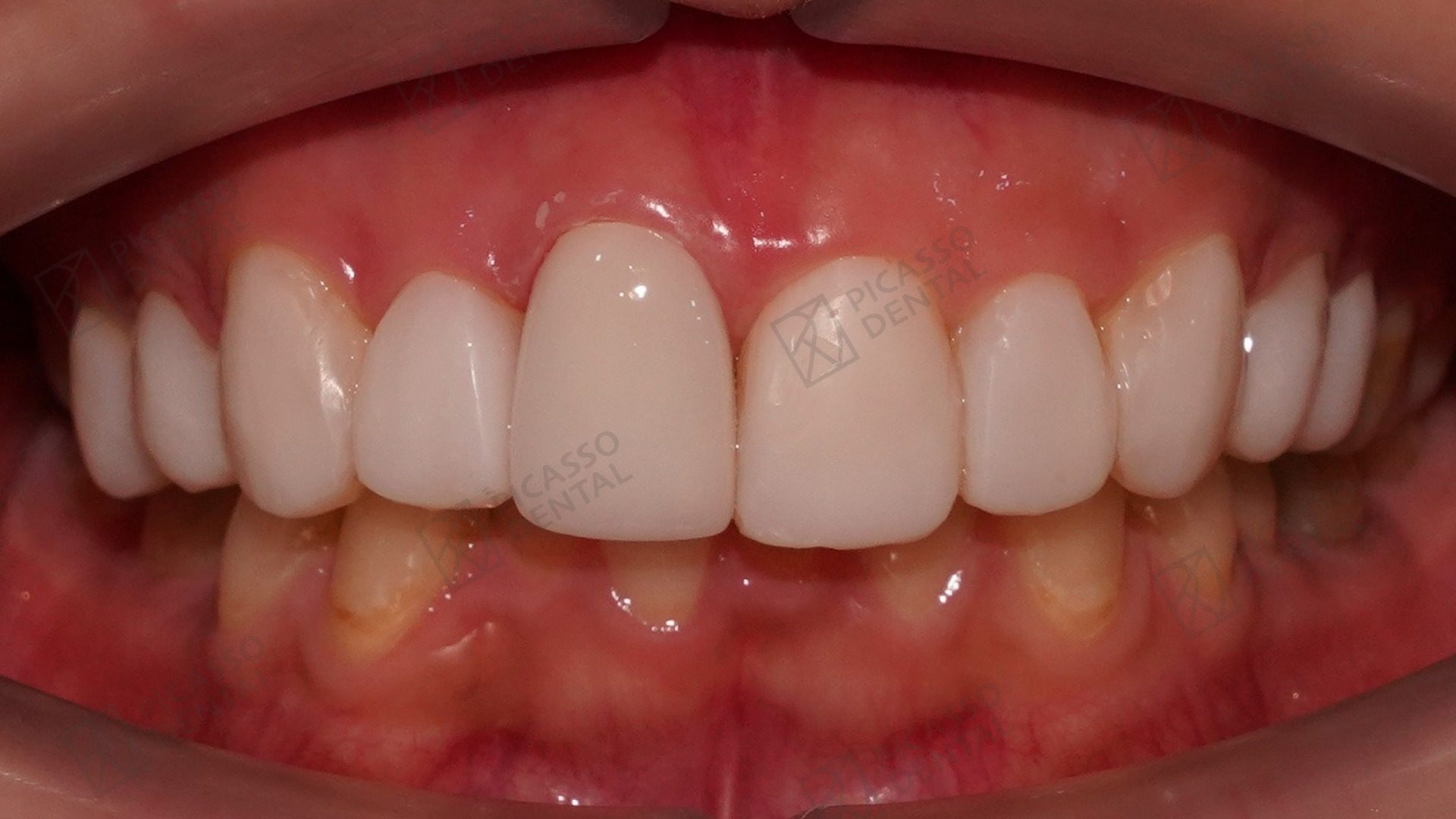 After
AfterSmile restoration, Da Nang Flagship
Start Here
Start with a brief.
Planning deep cleaning with a bleeding risk condition? Discuss it before the appointment. No obligation, 24-hour reply.