
Cosmetic Dentistry
Does Zoom Whitening
Damage Your Teeth?
The Science and the Safety Record
No, Zoom whitening does not damage your teeth when performed correctly. Temporary sensitivity is a side effect, not a sign of harm. Here is what actually causes damage and how professional supervision prevents it.

The short version
- Zoom whitening uses light-activated hydrogen peroxide gel. It is a chemical process, not a mechanical one, and does not erode enamel.
- Sensitivity lasting 24 to 48 hours is normal and temporary. It is not structural damage.
- Real damage comes from over-whitening, DIY acid methods, or whitening over untreated cavities.
- Professional supervision includes pre-treatment examination, gum protection barriers, concentration calibration, and post-treatment fluoride.
- Maintain results by spacing full sessions 12 to 18 months apart and using fluoride toothpaste in between.
How Zoom whitening works without causing damage
Zoom whitening uses a special light to activate a hydrogen peroxide-based gel applied to your teeth. The gel penetrates tooth enamel and breaks down the organic molecules that cause staining. The light accelerates this chemical reaction.
Critically, this is a chemical process, not a mechanical one. The whitening agents do not scrub away or erode enamel. They alter the colour of stain compounds inside the tooth through oxidation. Your enamel structure remains intact. This contrasts with abrasive products like some whitening toothpastes, which physically wear away surface stains along with small amounts of enamel over time. Zoom whitening does not work by abrasion.
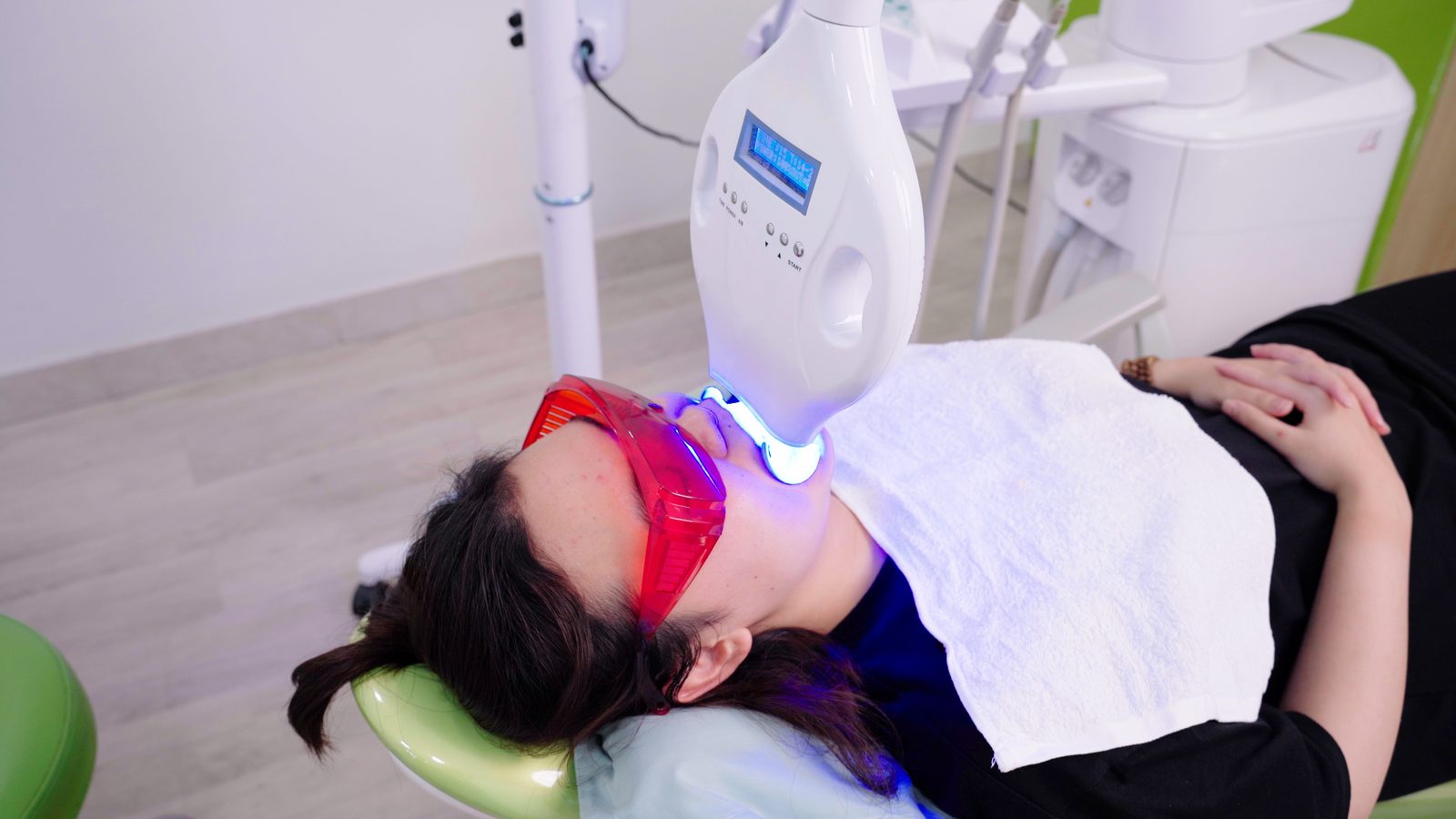
Temporary sensitivity is not damage
Some patients experience brief tooth sensitivity lasting 24 to 48 hours after Zoom whitening. This happens because the whitening process temporarily increases enamel permeability, allowing temperature changes and air to reach the nerve more easily. The sensation is uncomfortable but not harmful.
The sensitivity resolves naturally as the whitening chemistry clears from the tooth and enamel remineralisation occurs. Your teeth are not weaker or more vulnerable after the sensitivity passes. At Picasso Dental Clinic, we apply fluoride to the teeth at the end of every whitening session to support remineralisation and reduce sensitivity duration. Desensitising gel is provided for patients who experience significant discomfort.
"During my total 4 to 5 hours of treatment on the 2 days of visit, I feel completely relaxed and do not feel any slightest pain during the treatment whosoever."
Wilfred Koh, HCMC Thao Dien
What actually causes real damage from whitening
Over-whitening is the primary genuine risk. Whitening too frequently, without adequate recovery time between sessions, can begin to thin enamel over time. Professional whitening should occur no more than once every 12 to 18 months. In severe cases, chronic overuse manifests as increased translucency at tooth edges and permanent sensitivity. These cases are rare and entirely preventable.
Whitening over untreated cavities or compromised enamel allows chemicals to penetrate more deeply than intended, potentially reaching the tooth nerve. This causes avoidable pain and may worsen existing problems. A pre-treatment examination at Picasso Dental catches these issues before any gel is applied.
Non-dental-grade DIY methods represent a distinct category of real harm. Lemon juice, apple cider vinegar, and activated charcoal do not use safe whitening chemistry. Lemon juice erodes enamel directly through acidity. Charcoal works through abrasion, removing surface enamel gradually. These methods are genuinely harmful and should not be used.
Safe whitening
- Professional in-office Zoom with pre-exam
- Professionally supervised take-home trays
- Sessions spaced 12 to 18 months apart
- Fluoride toothpaste used between sessions
- Treating cavities before whitening starts
Damaging whitening
- Whitening every few weeks without break
- Lemon juice or acid-based DIY methods
- Abrasive charcoal whitening scrubs
- Whitening over untreated cavities
- Using products with unsafe concentrations
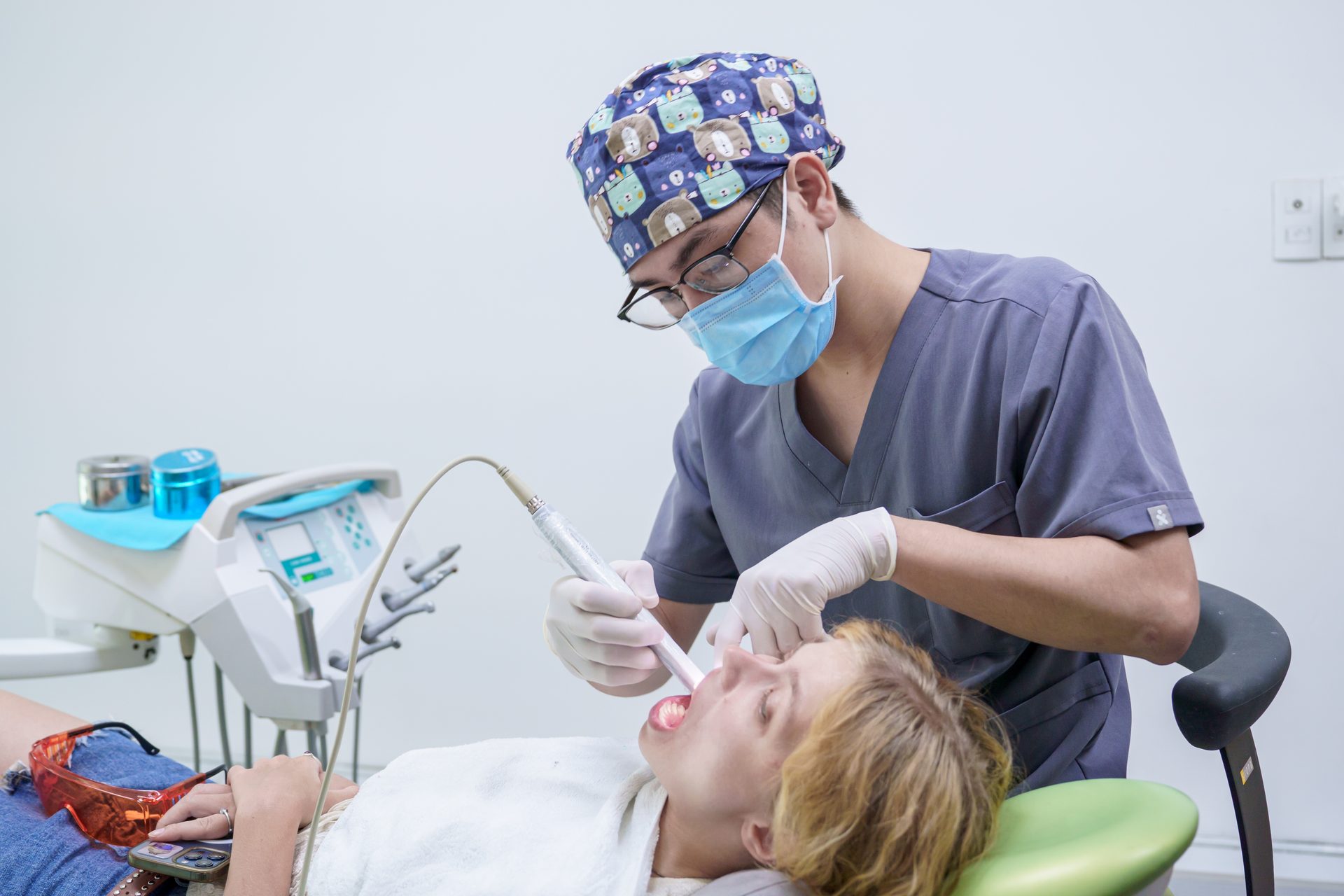
What professional supervision adds
At Picasso Dental Clinic, every whitening treatment begins with a thorough examination. We identify existing restorations, check for cavities or gum disease, assess enamel health, and evaluate sensitivity risk. We protect your gums and lips with barriers before applying any gel. We monitor the entire process and adjust protocols based on your individual response.
The concentration of hydrogen peroxide used in our in-office treatments (25 to 40 percent) is calibrated based on decades of clinical research. Application time is precisely controlled. Post-treatment, fluoride is applied to strengthen enamel and desensitising gel is available immediately if needed. None of these safeguards are present with unmonitored OTC or DIY whitening.
Considering Zoom whitening? Start with a consultation at any Picasso Dental branch. We assess your suitability and set realistic expectations before any treatment begins.
Book a consultation →Maintaining dental health after whitening
- Use fluoride toothpaste between treatments. Fluoride supports enamel remineralisation and reduces the permeability that causes post-whitening sensitivity.
- Avoid extreme temperatures for 24 to 48 hours post-treatment. During the period of increased enamel permeability, temperature stimuli reach the nerve more easily. Soft, room-temperature foods reduce discomfort.
- Space treatments at least 12 months apart. This allows adequate recovery time and prevents the cumulative chemical exposure that can genuinely begin to affect enamel over many closely spaced sessions.
- Attend regular professional cleanings. Professional cleaning removes surface staining before it becomes embedded, reducing how often you need full whitening sessions to maintain results.
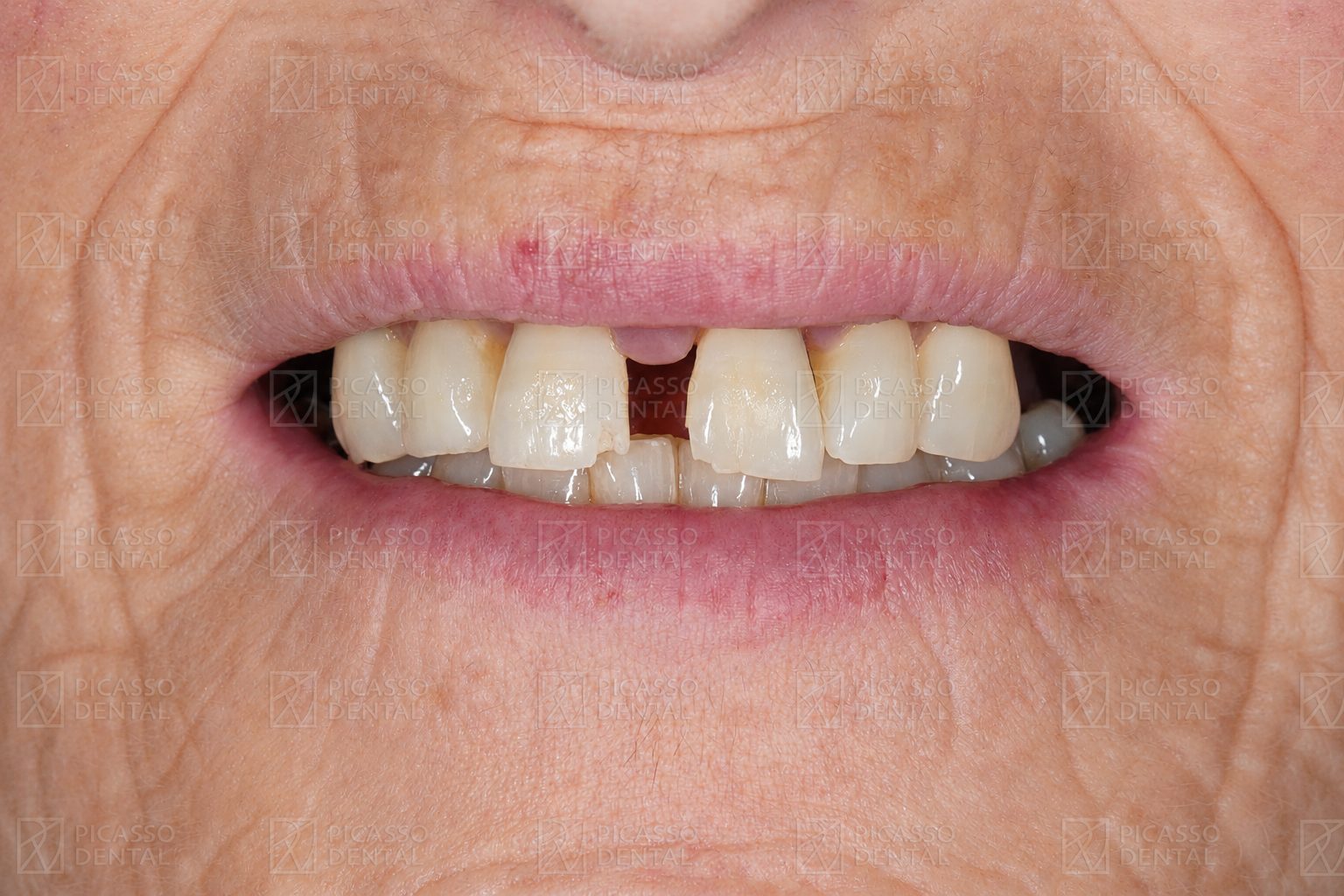 Before
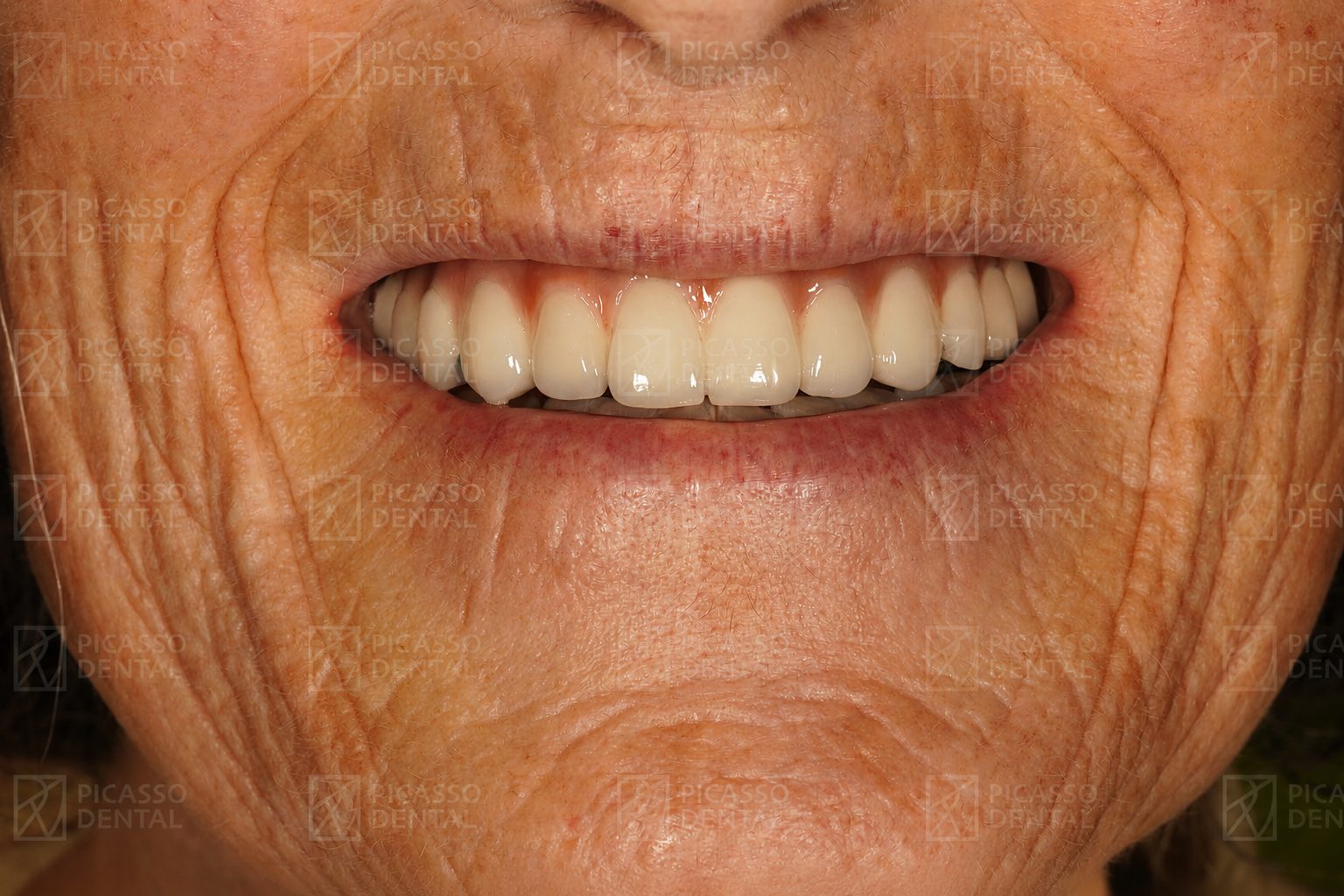 After
AfterFull rehabilitation, Hanoi Old Quarter
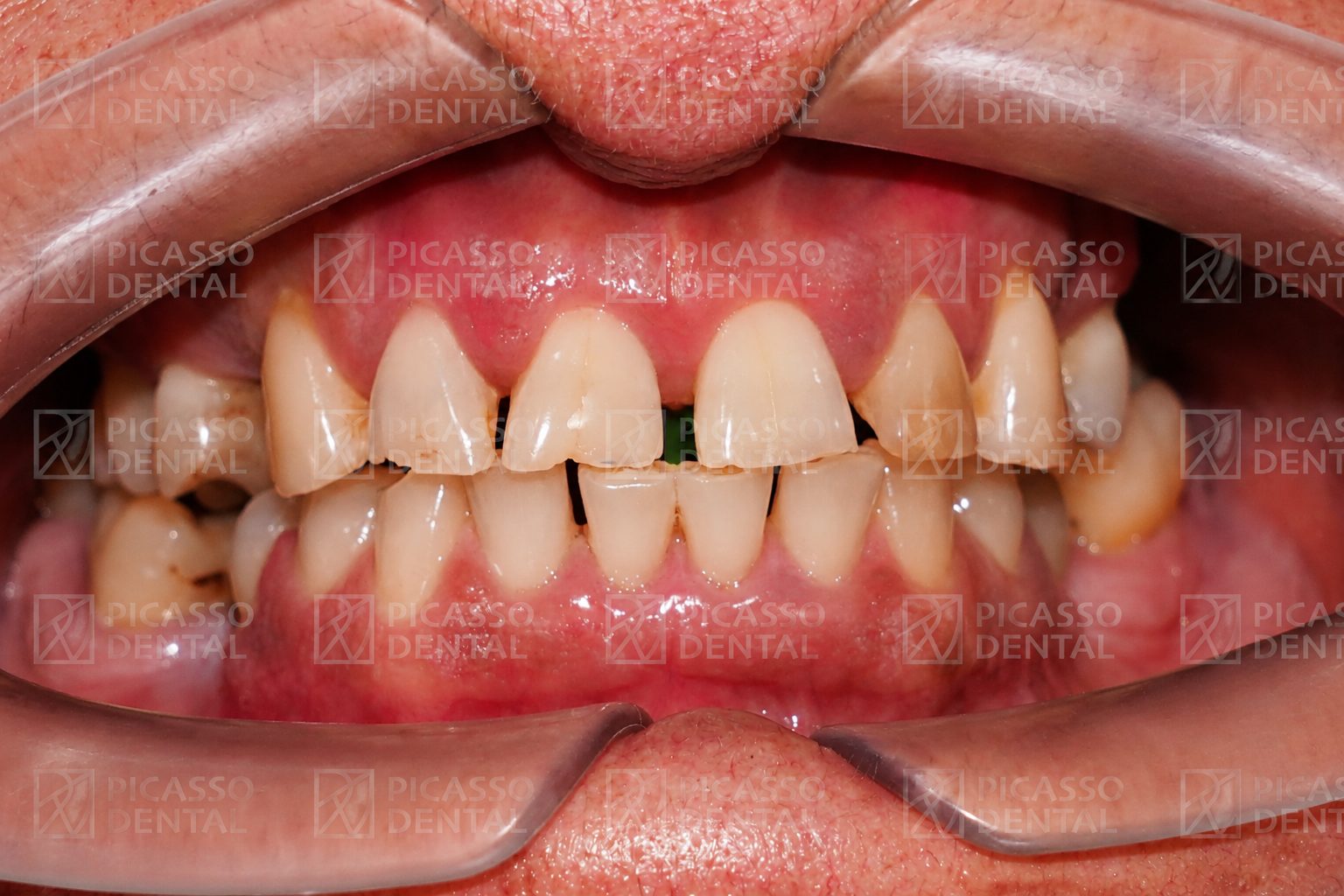 Before
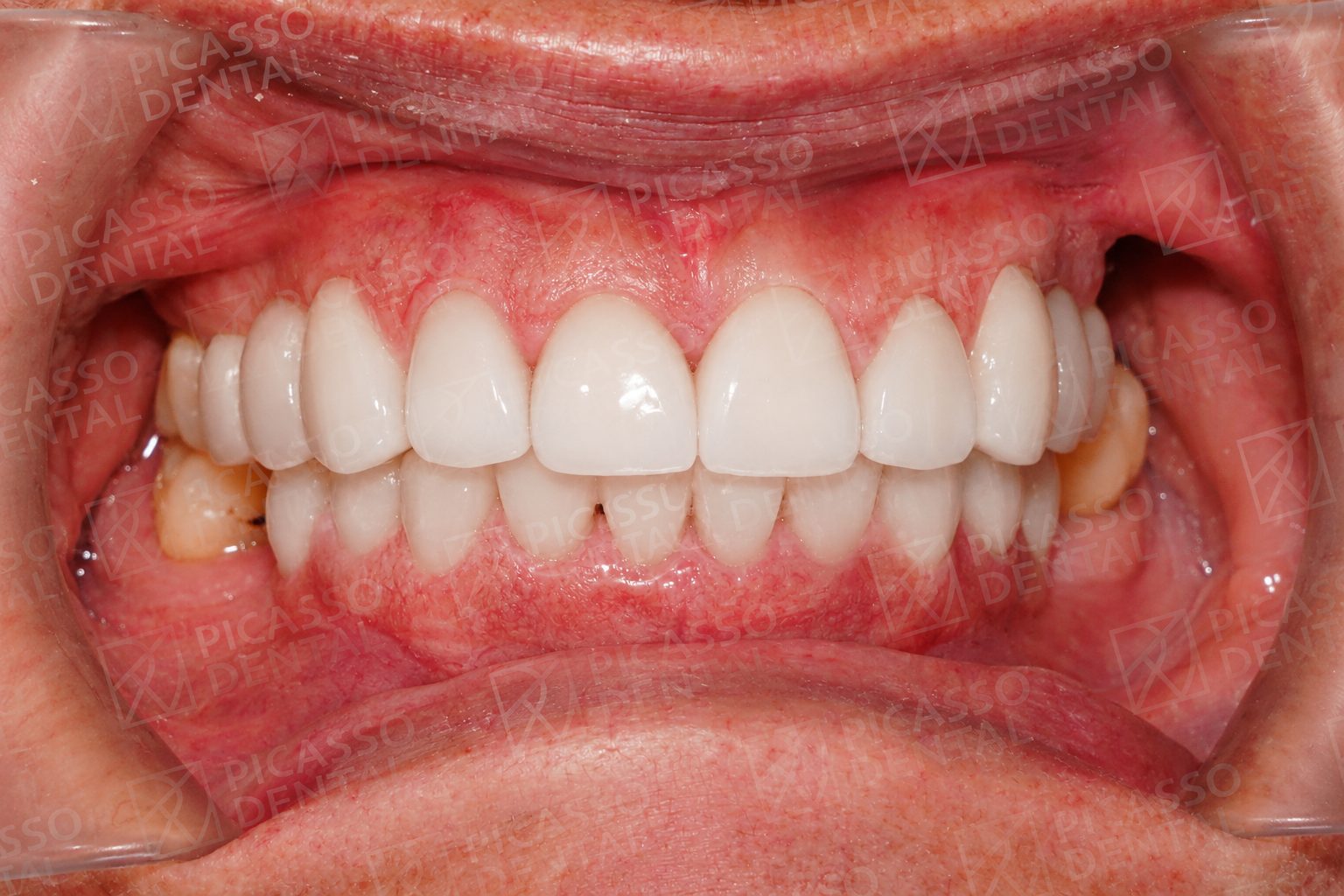 After
AfterPorcelain crowns, Da Nang
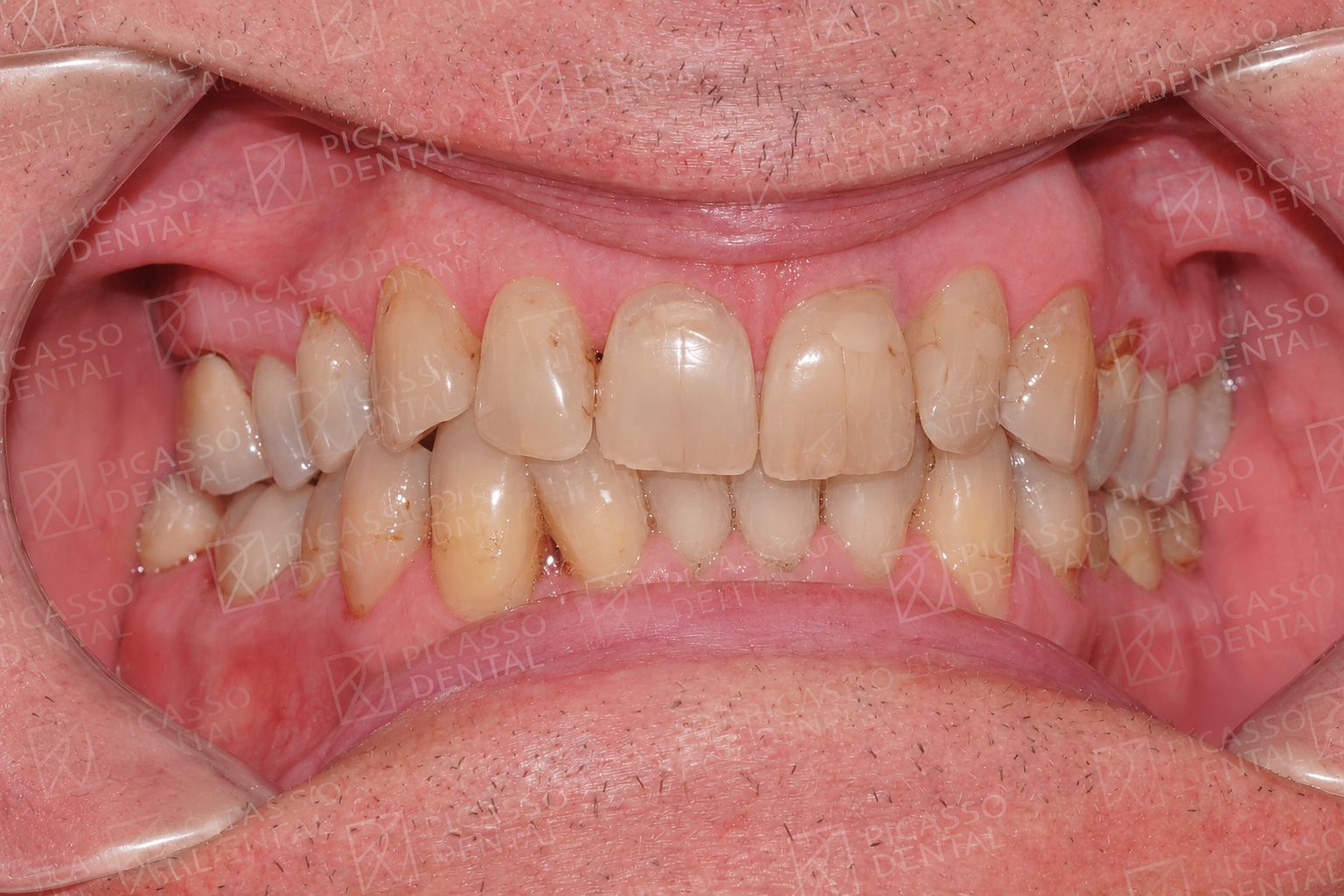 Before
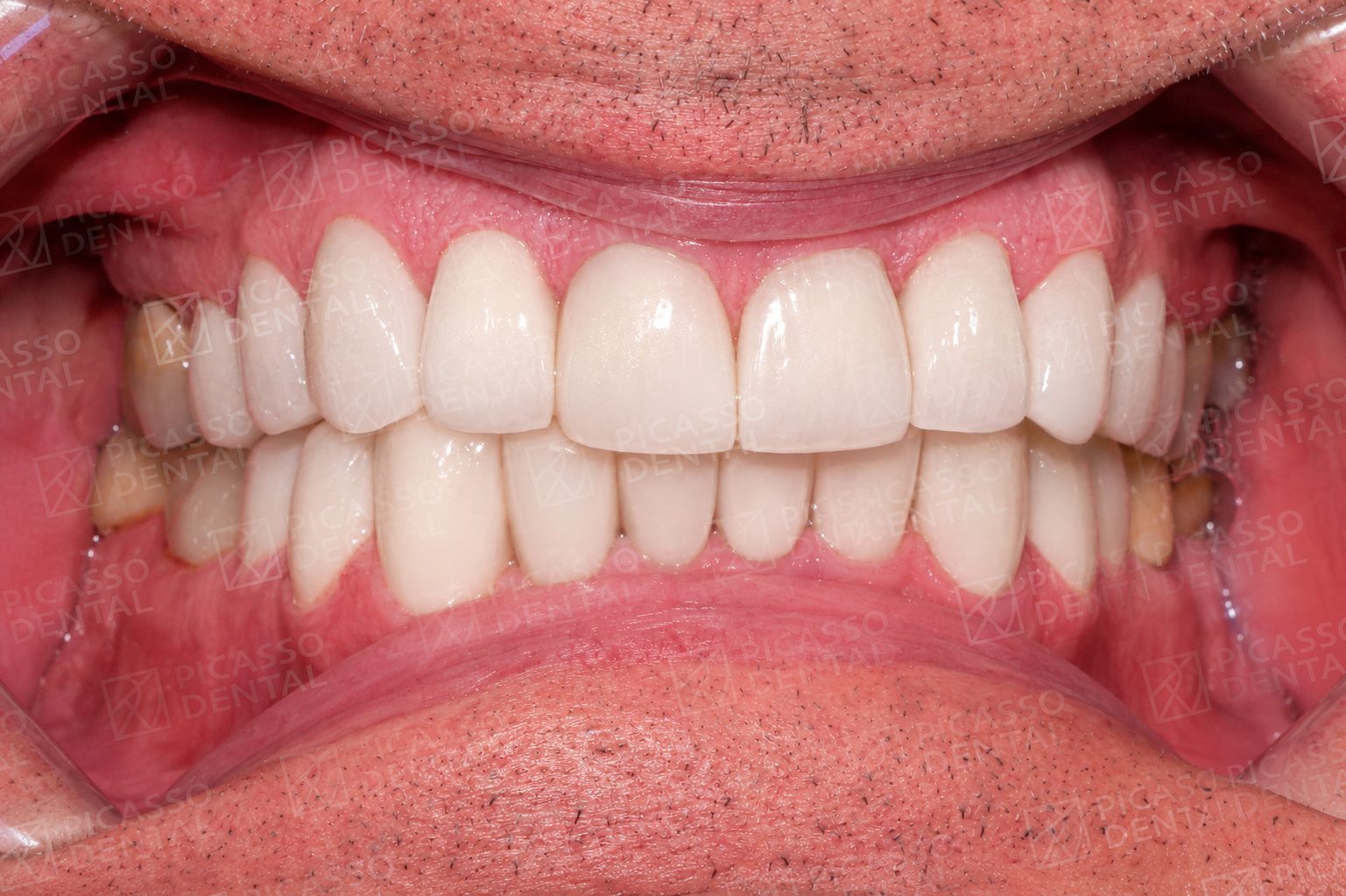 After
AfterCrown and implant, HCMC Thao Dien
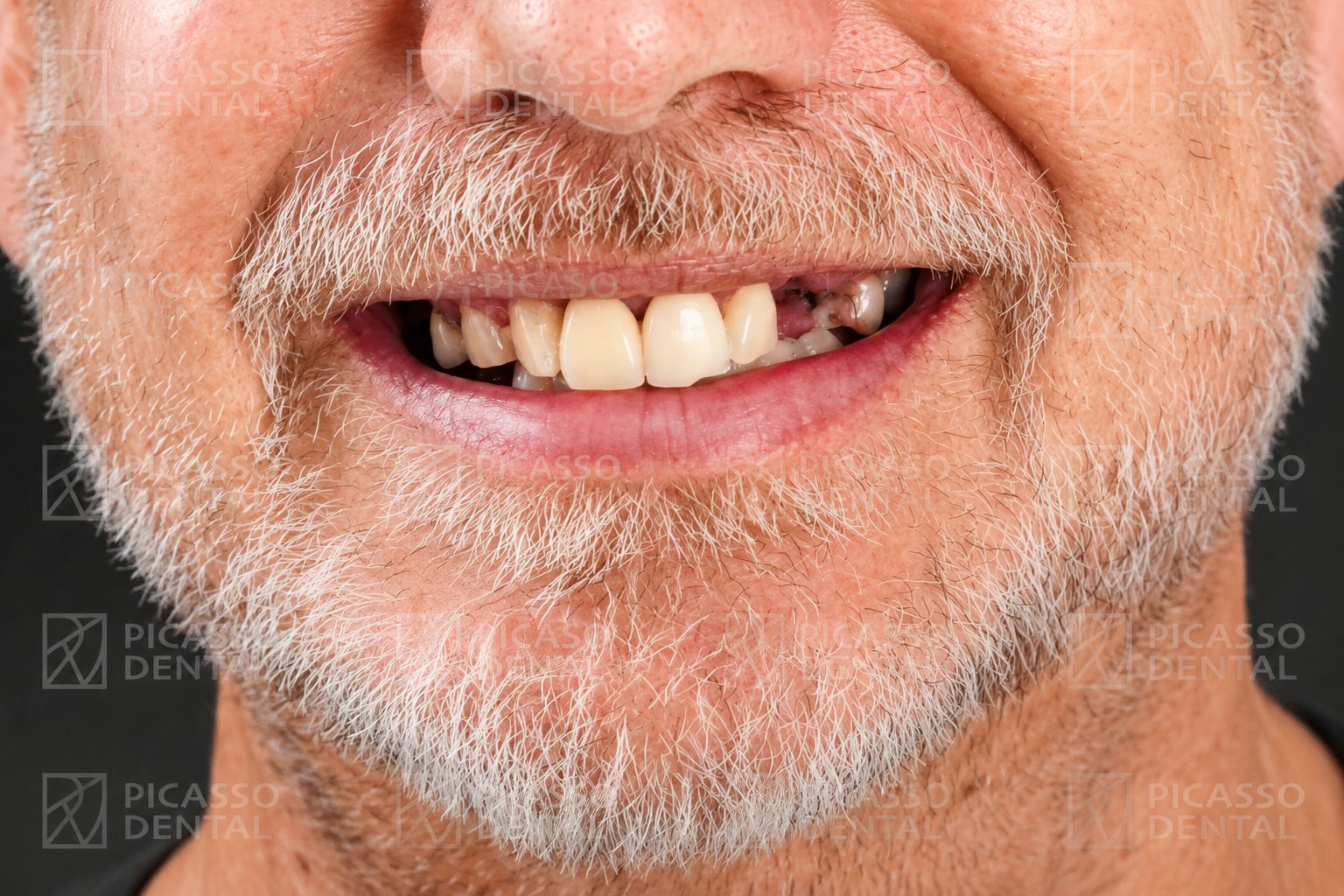 Before
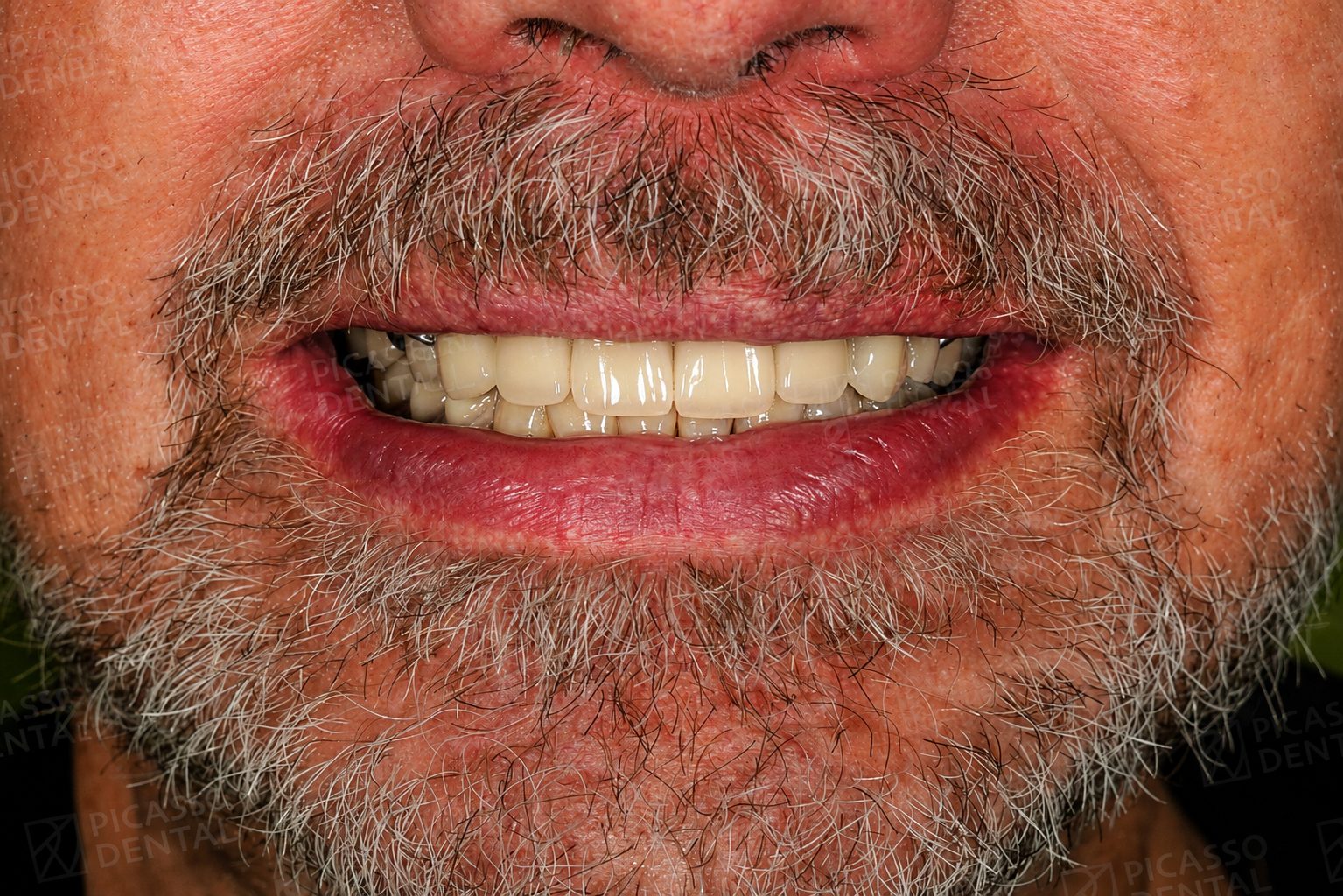 After
AfterCrown restoration, Hanoi Westlake
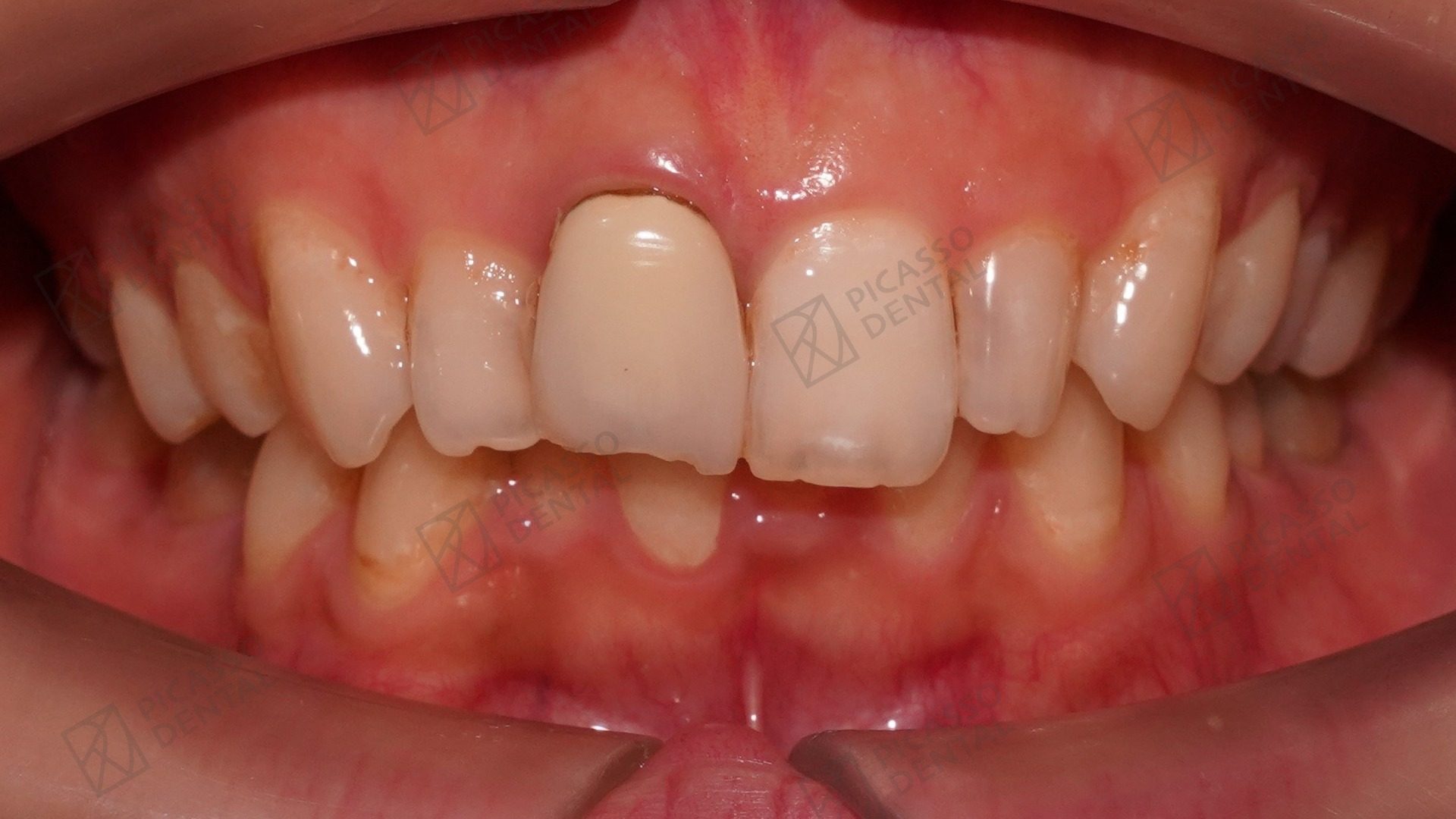 Before
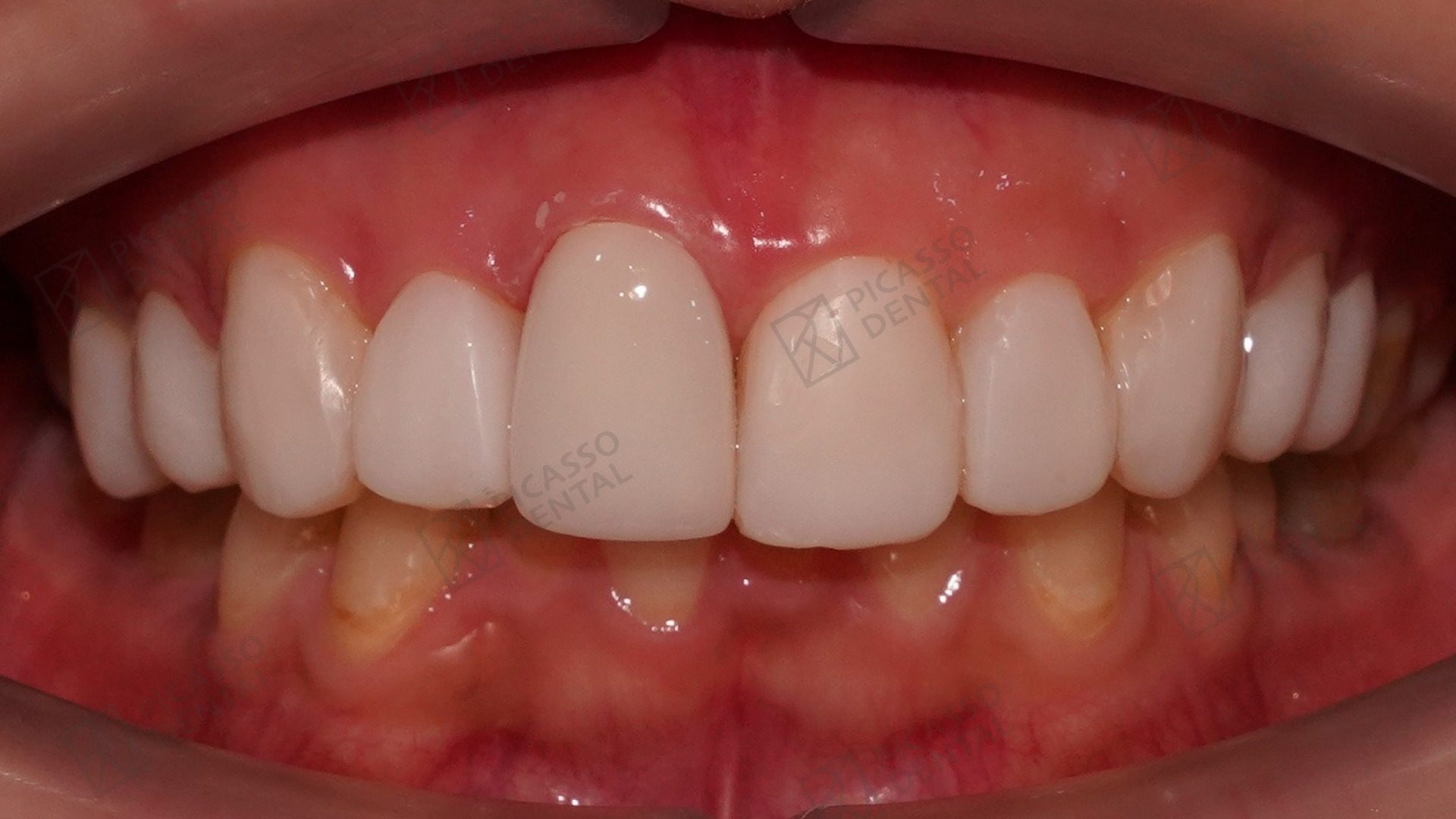 After
AfterSmile restoration, Da Nang Flagship
Frequently asked questions
Does Zoom whitening damage tooth enamel?
No. Zoom whitening uses a hydrogen peroxide gel activated by a special light. This is a chemical process that alters the colour of stain molecules inside the tooth through oxidation. It does not scrub, erode, or structurally weaken enamel. Decades of research and millions of treatments confirm the safety of professional whitening when performed according to protocol.
Why does Zoom whitening cause sensitivity?
Whitening agents temporarily increase enamel permeability, allowing temperature and air stimuli to reach the tooth nerve more easily. The resulting sensitivity lasts 24 to 48 hours and resolves naturally. It is not a sign of structural damage. At Picasso Dental Clinic, we apply fluoride and desensitising gel post-treatment to accelerate recovery.
How often can I have Zoom whitening?
No more than once every 12 to 18 months for a full in-office session. More frequent treatments do not allow adequate enamel recovery time between chemical exposures. Touch-up applications with take-home trays at lower concentration can be used as needed between full sessions.
What actually causes damage from whitening?
Damage typically comes from: over-whitening too frequently without adequate recovery time; whitening over untreated cavities or compromised enamel; using non-dental-grade DIY products with unsafe concentrations or acidity; and ignoring pre-existing sensitivity conditions that should be treated first. Professional supervision prevents all four of these failure modes.
Is Zoom whitening safe for sensitive teeth?
It depends on the cause and severity of sensitivity. At Picasso Dental Clinic, every whitening appointment includes an examination for existing enamel defects, cavities, gum recession, and sensitivity level. Patients with significant pre-existing sensitivity may require desensitising treatment first, or a lower-concentration take-home system rather than in-office Zoom.
What does professional supervision add to whitening safety?
Professional supervision means a pre-treatment exam identifies contraindications before gel is applied; gum and lip protection barriers prevent chemical contact with soft tissue; the concentration and application time are calibrated; the process is monitored throughout; and post-treatment fluoride strengthens enamel and reduces sensitivity. None of these safeguards are present with unmonitored DIY kits.
How do I maintain whitening results after Zoom?
Use fluoride toothpaste to support enamel remineralisation. Avoid extreme temperatures for 24 to 48 hours after treatment. Reduce staining foods and drinks in the days immediately after whitening. Attend regular professional cleanings to remove surface staining before it becomes embedded. Touch up with take-home trays as needed, typically every few months.
Start Here
Start with a brief.
Book a Zoom whitening consultation at any of our six Vietnam branches. No obligation, 24-hour reply.