
Cosmetic Dentistry
Does Teeth Whitening
Damage Tooth Enamel?
The Science-Based Answer
Professional teeth whitening using peroxide chemistry does not erode enamel. Sensitivity is a temporary side effect, not damage. Here is what the research actually shows and where the real risks lie.

The short version
- Professional peroxide-based whitening does not erode or weaken enamel structure when used as directed.
- Sensitivity during or after whitening is a temporary, reversible side effect, not a sign of enamel damage.
- The real risks come from overuse, high-acidity DIY methods, and whitening over untreated cavities.
- Professional supervision catches existing enamel problems before they become a contraindication.
- Spacing treatments at least 12 months apart and using fluoride toothpaste between sessions keeps enamel healthy.
How whitening actually works
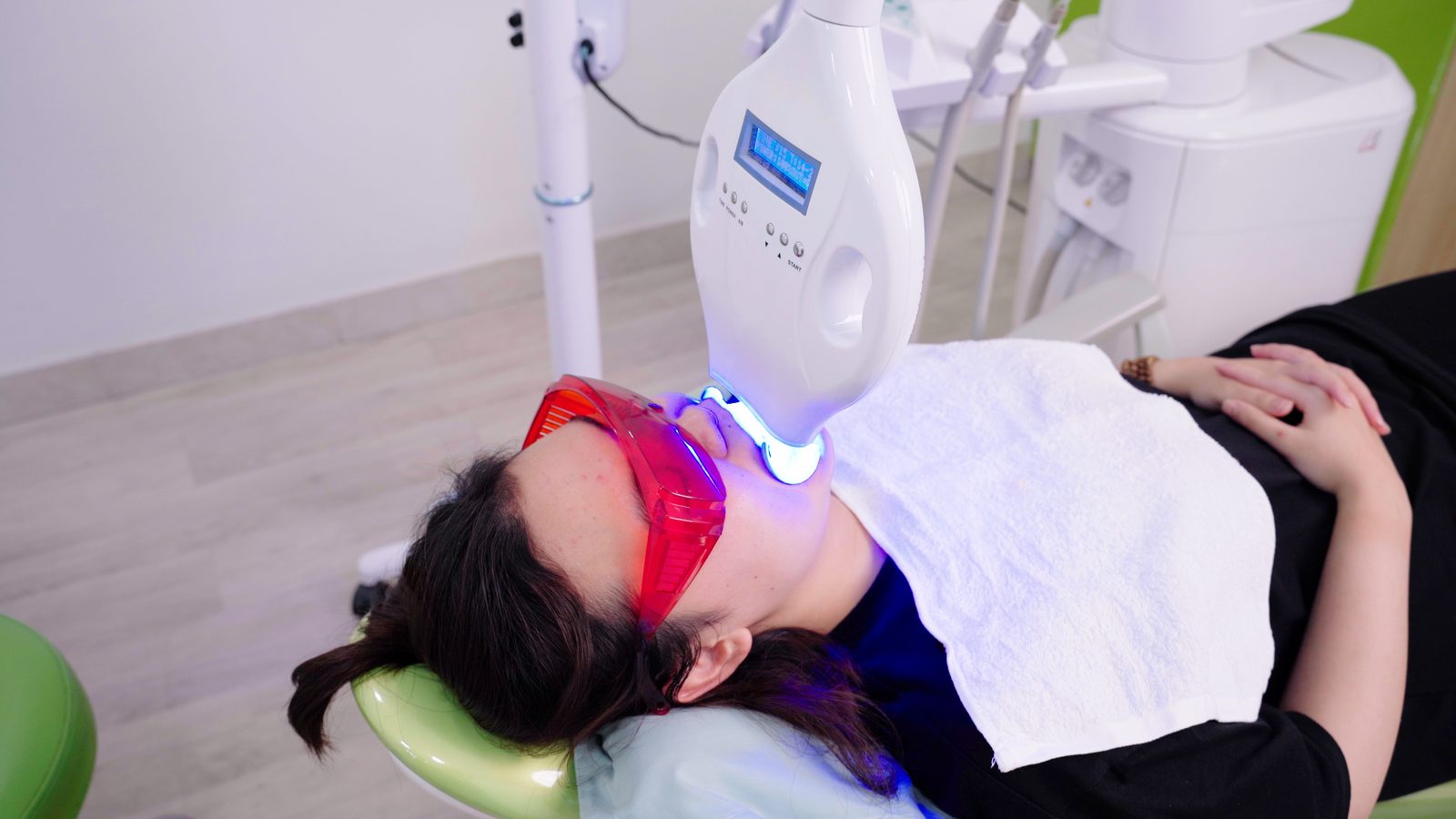
Tooth enamel is the hard, translucent outer layer of your teeth. The colour you see when you look at a smile comes primarily from dentin, the layer beneath enamel. Whitening agents, whether hydrogen peroxide or carbamide peroxide, work by breaking down into oxygen molecules. Those oxygen molecules penetrate the enamel and reach the dentin layer, where they break apart the molecular bonds of stain-causing compounds.
Think of it like bleaching fabric. The bleach does not remove threads. It chemically alters the colour of existing threads. Whitening does not remove enamel. It changes the colour of what lies beneath it. This is fundamentally different from abrasive whitening methods used in some toothpastes, which physically scrub away surface stains along with small amounts of enamel. True peroxide-based whitening products do not rely on abrasion and therefore do not wear away enamel when used correctly.
What the research shows
Multiple studies using electron microscopy to examine enamel before and after whitening show no significant structural changes to enamel crystals. Research measuring enamel hardness before and after whitening treatments finds no clinically significant reduction in hardness. Long-term studies following patients who have whitened their teeth show no increased incidence of enamel problems compared to those who have never whitened.
Dental organisations worldwide, including the American Dental Association and the European Academy of Paediatric Dentistry, have approved peroxide-based whitening as safe when performed according to established protocols. The evidence base is large and consistent.
Why sensitivity is not the same as damage
Many patients confuse sensitivity with enamel damage. They are not the same. Sensitivity during or after whitening is common and temporary. It happens because whitening agents temporarily increase enamel permeability, allowing stimuli like temperature to reach the nerve inside your tooth more easily. This does not mean your enamel is damaged. It means it is temporarily more porous, a condition that reverses within hours to days after whitening ends.
At Picasso Dental Clinic, we apply fluoride to strengthen enamel at the end of every whitening session and provide desensitising gel for patients who experience significant sensitivity. Both measures reduce discomfort and support the enamel re-mineralisation process that occurs naturally after treatment.
"My Aussie dentist and the endodontist both commented on the quality of Dr Emily's work, equal to anything they had seen by local specialists."
Lawrie Smith, Hanoi Old Quarter
Where the real risks are
Excessive whitening is the primary genuine risk. Constant chemical exposure from whitening every few weeks for extended periods can begin to break down enamel structure over time. In severe cases this manifests as increased translucency at tooth edges and permanent sensitivity. These cases are rare but entirely preventable by spacing treatments correctly.
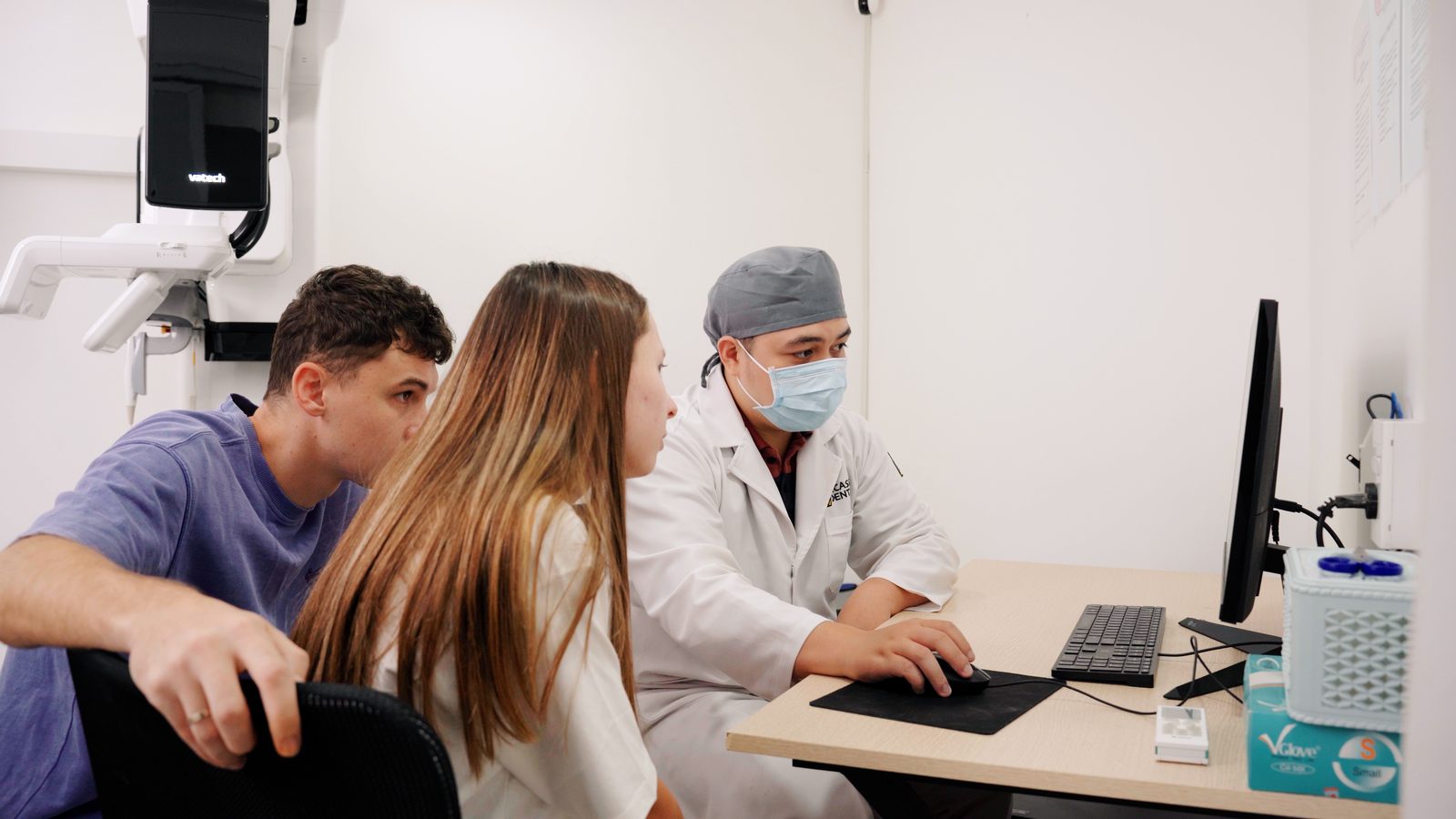
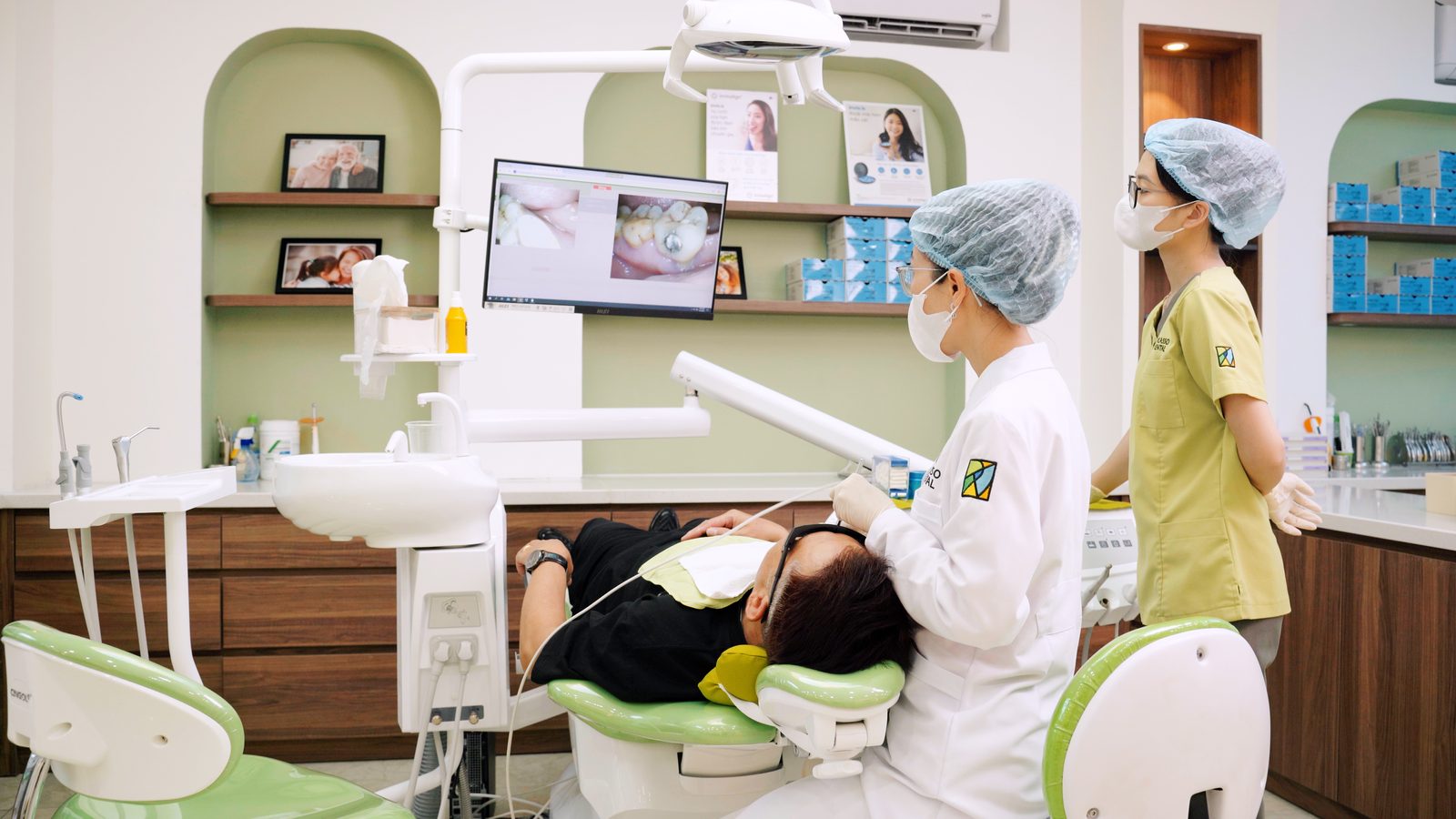
Whitening over existing enamel defects or cavities allows chemicals to penetrate more deeply than intended, potentially reaching the nerve. This is why a pre-treatment examination is non-negotiable at Picasso Dental Clinic. We check for cavities, gum recession, and compromised enamel before any gel is applied.
High-acidity DIY methods represent a distinct category of real harm. Lemon juice whitening is particularly damaging because citric acid erodes enamel directly. Activated charcoal scrubs work through abrasion, removing small amounts of enamel surface. Neither uses peroxide chemistry, and neither is safe as a whitening method.
Professional vs over-the-counter whitening
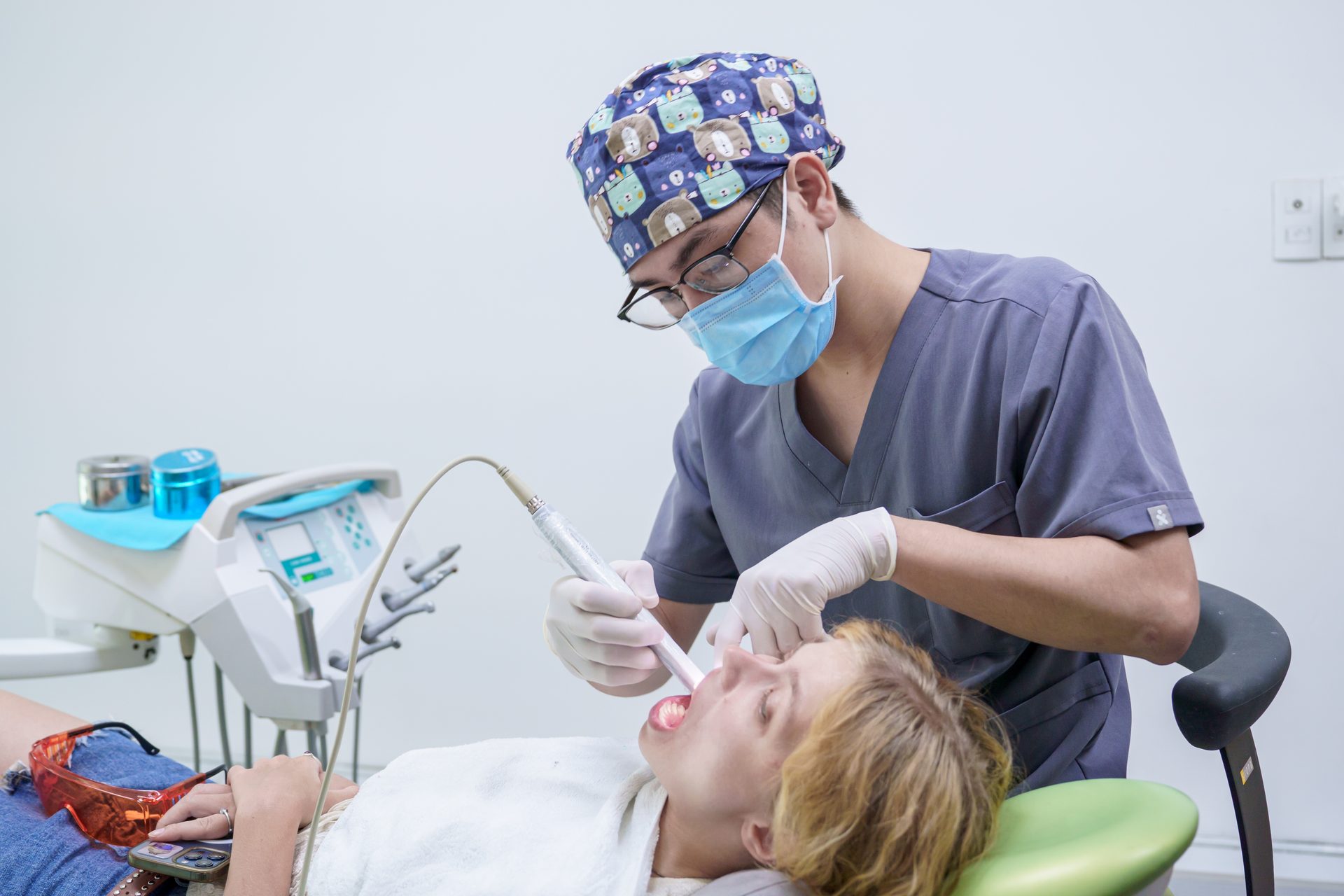
Professional in-office whitening at Picasso Dental uses 25 to 40 percent hydrogen peroxide for in-chair treatments, or 10 to 20 percent carbamide peroxide for take-home systems. These concentrations are calibrated based on decades of clinical research. The application time, frequency, and protective measures are all part of a controlled protocol.
Over-the-counter products vary dramatically in quality and safety. The biggest risk with OTC products is misuse: applying them too frequently, leaving them on too long, or using them despite developing sensitivity. Because there is no clinical oversight, problems can progress further than they would under professional care.
Want to whiten safely? Our pre-whitening assessment identifies any contraindications first. English-speaking team at all six branches.
Book a consultation →Safe whitening practices
- Start with a dental evaluation. Any existing cavities, gum disease, or enamel defects are addressed before whitening. Whitening over untreated problems causes avoidable pain and potential harm.
- Choose professionally supervised whitening. In-office treatments at Picasso use calibrated concentrations with gum protection and real-time monitoring throughout the session.
- Follow recommended intervals. Space full whitening treatments at least 12 months apart. Touch-up applications with dilute take-home trays can be used more frequently if needed.
- Use fluoride toothpaste between treatments. Fluoride supports enamel re-mineralisation and reduces the permeability that causes post-whitening sensitivity.
- Avoid DIY acid methods entirely. Lemon juice, apple cider vinegar, and charcoal abrasives do not use safe whitening chemistry. The harm from these methods is real and cumulative.
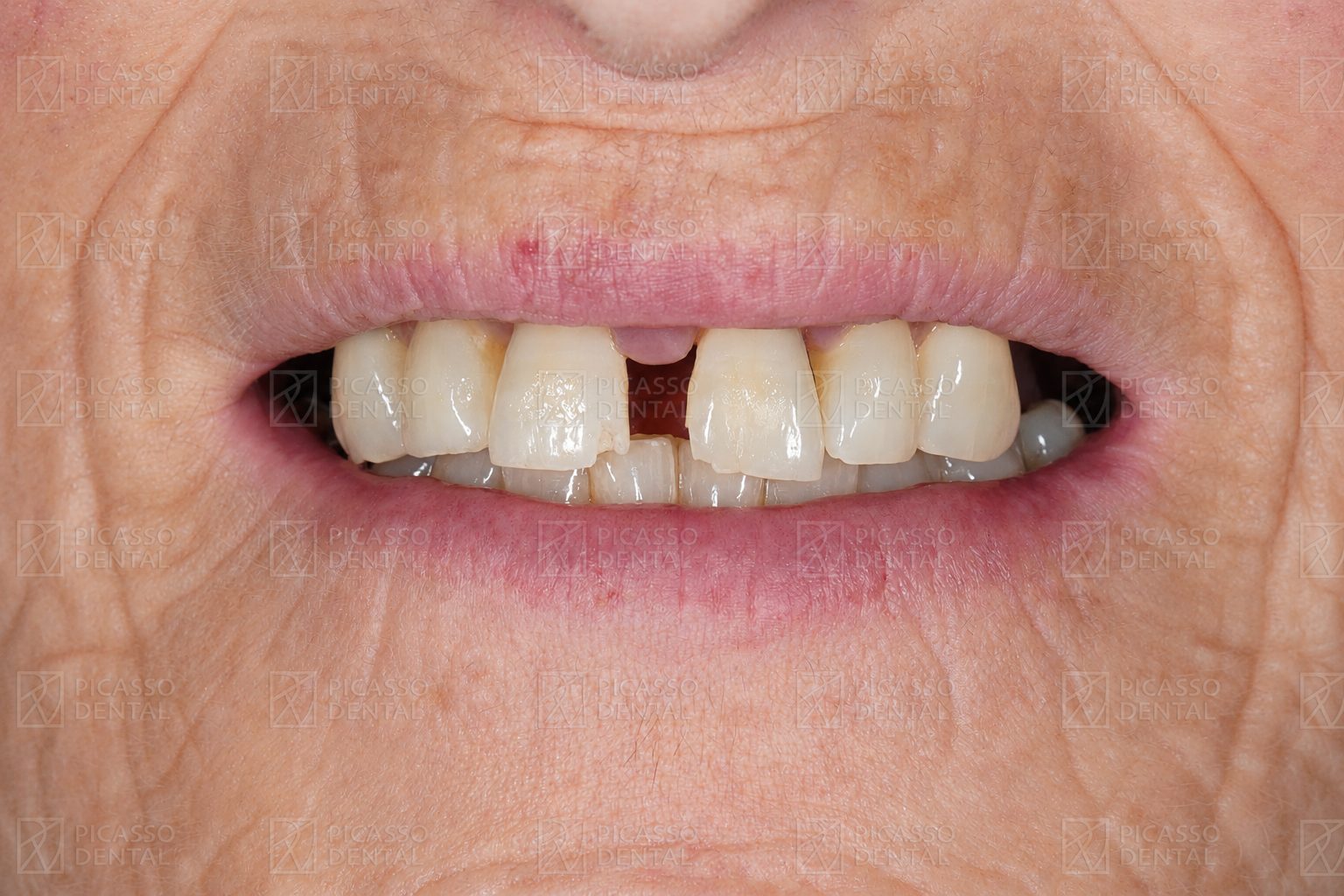 Before
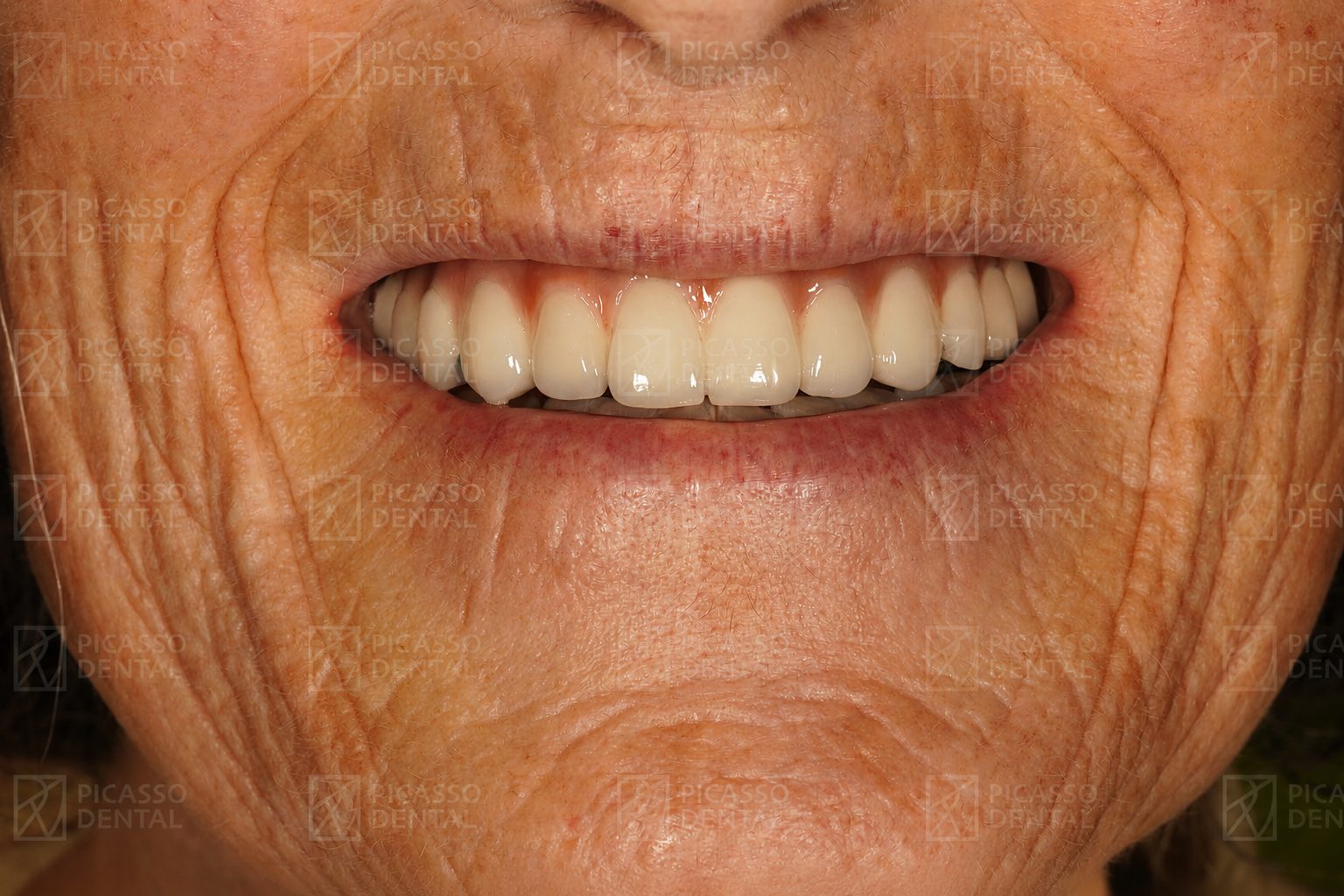 After
AfterFull rehabilitation, Hanoi Old Quarter
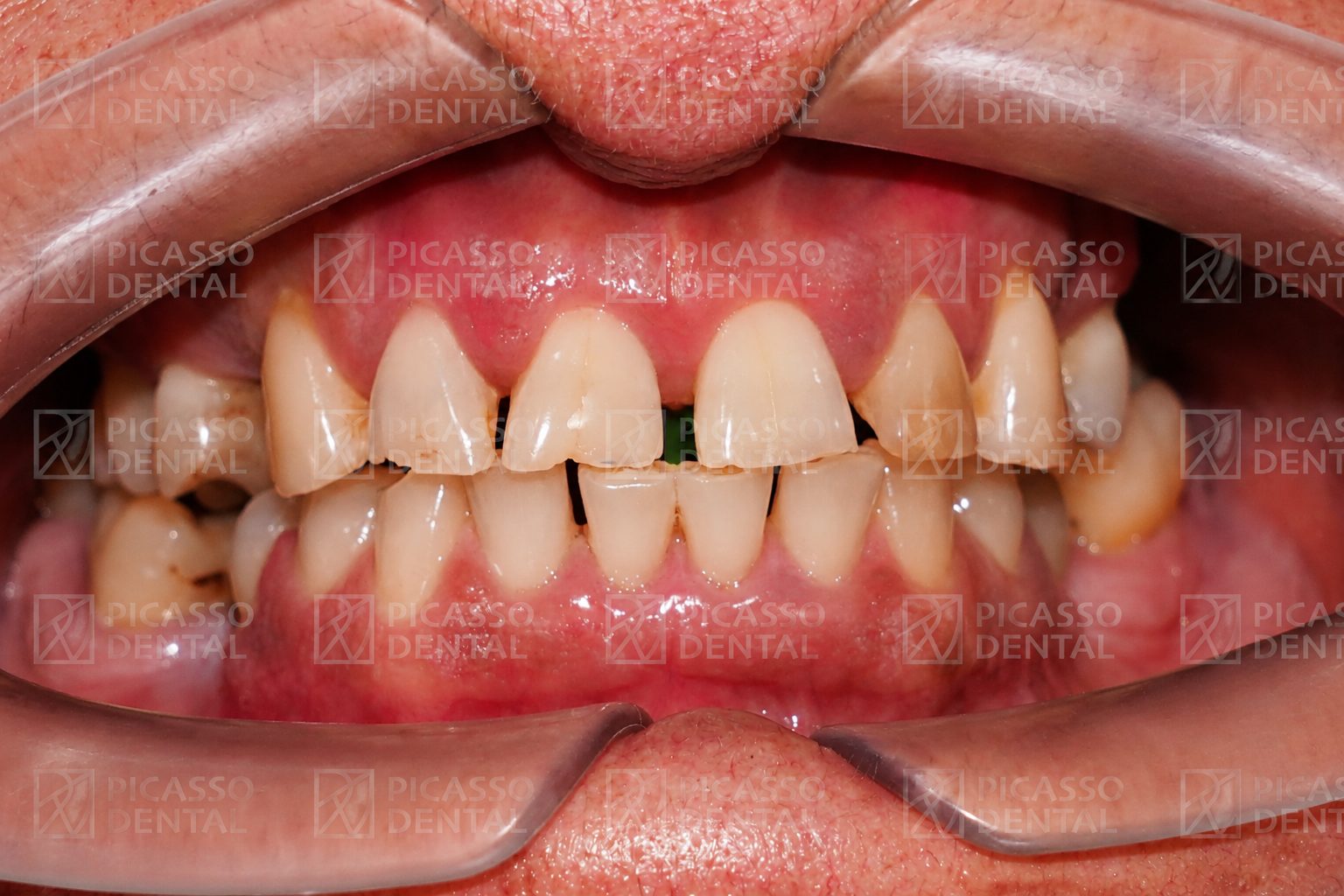 Before
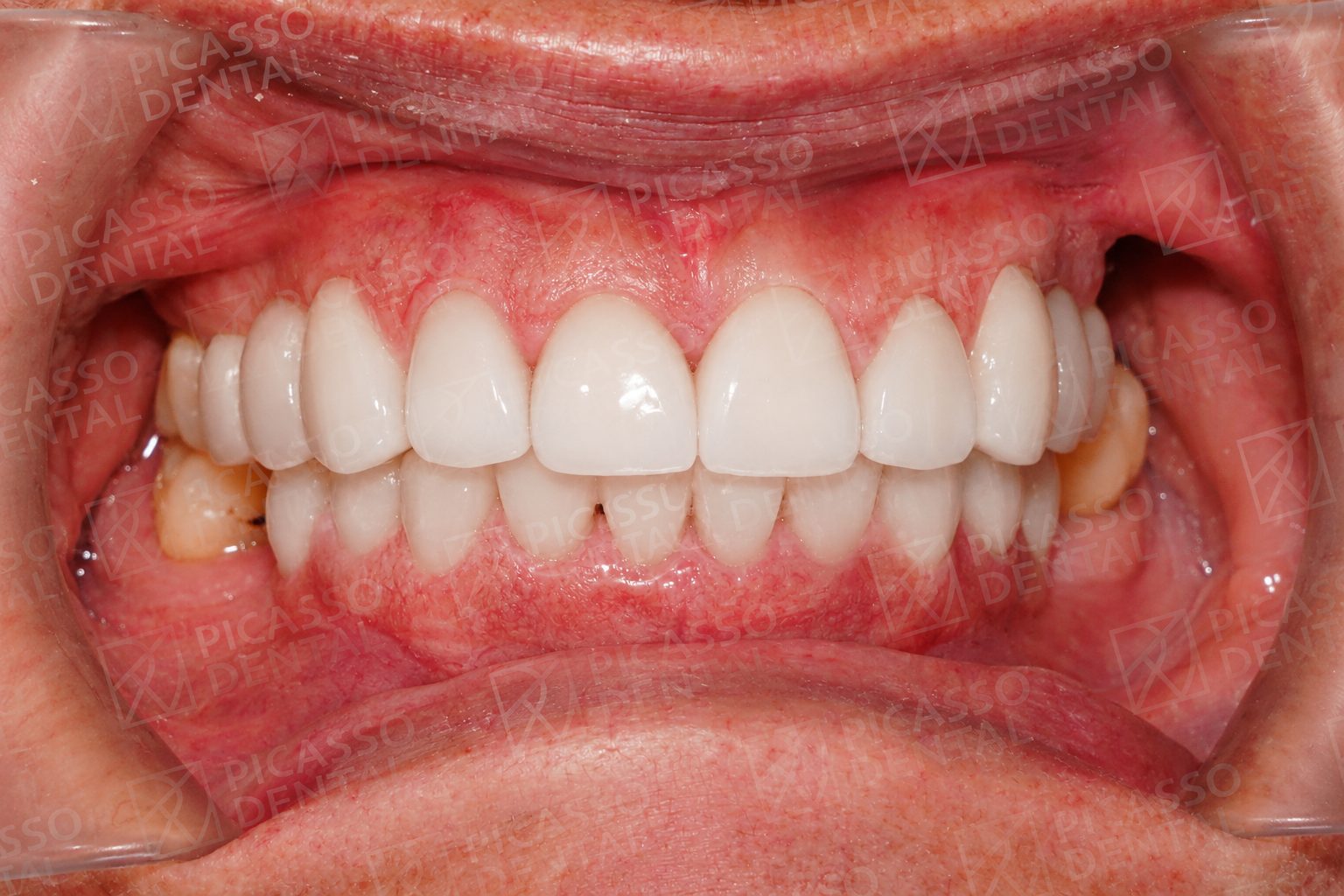 After
AfterPorcelain crowns, Da Nang
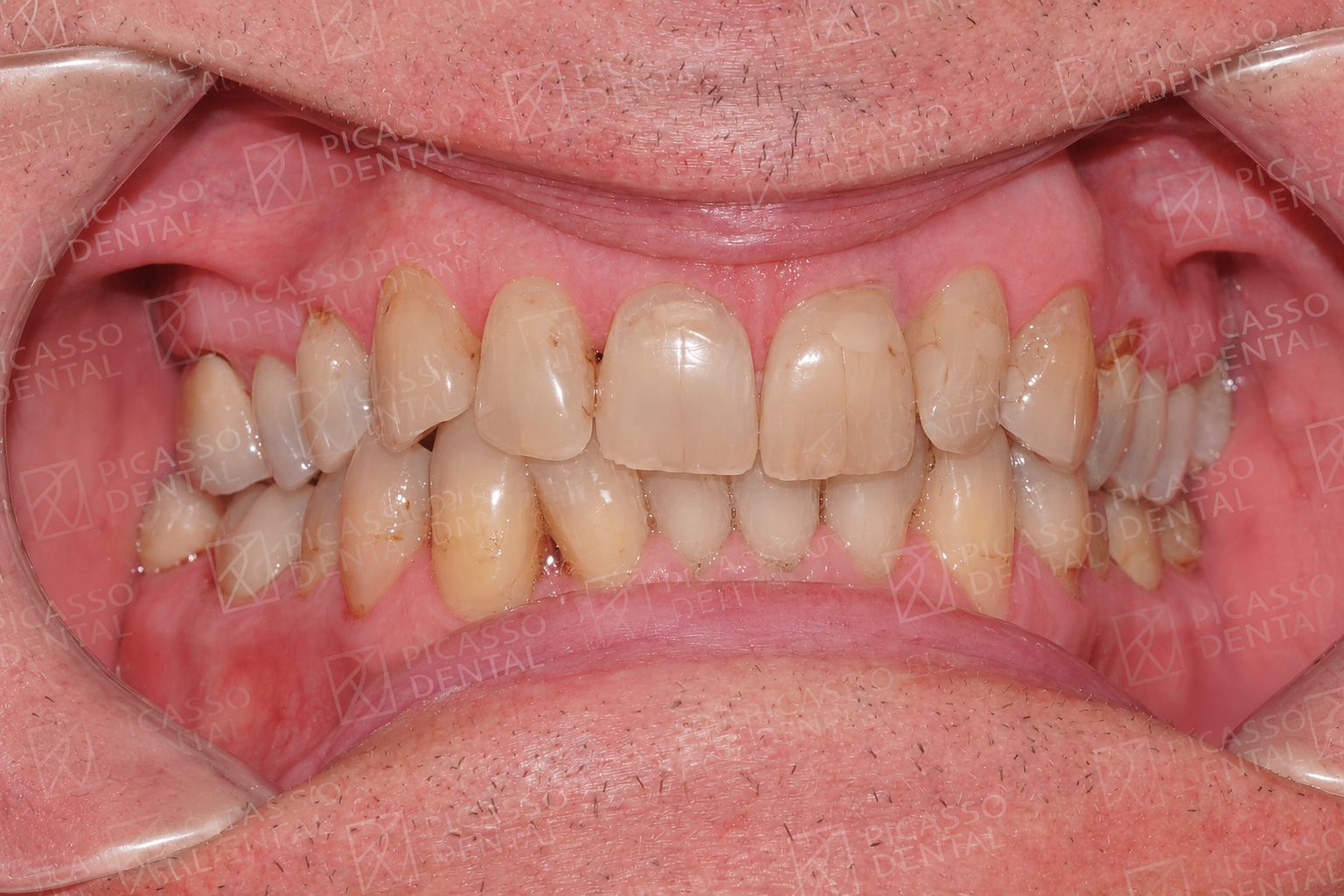 Before
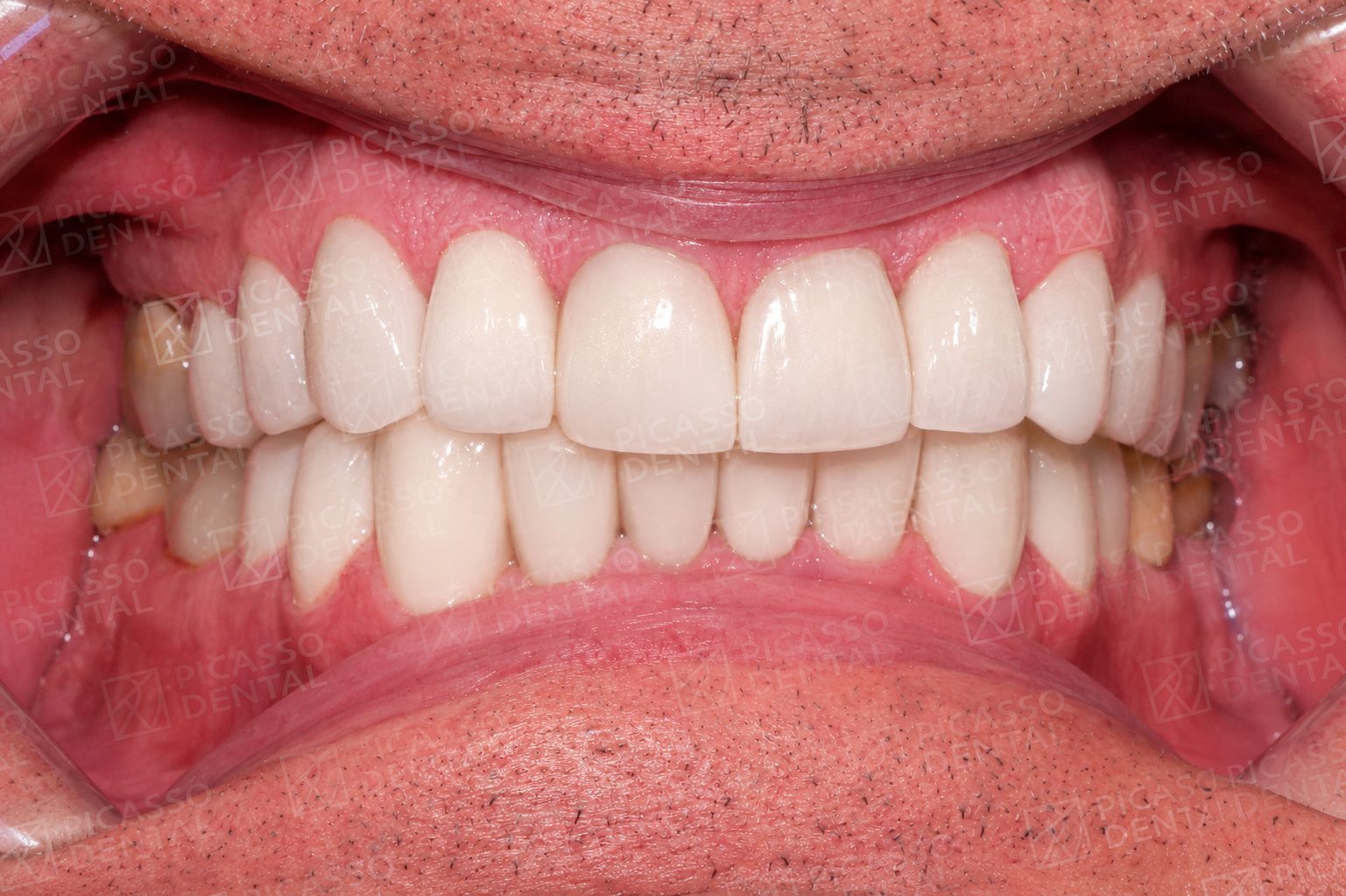 After
AfterCrown and implant, HCMC Thao Dien
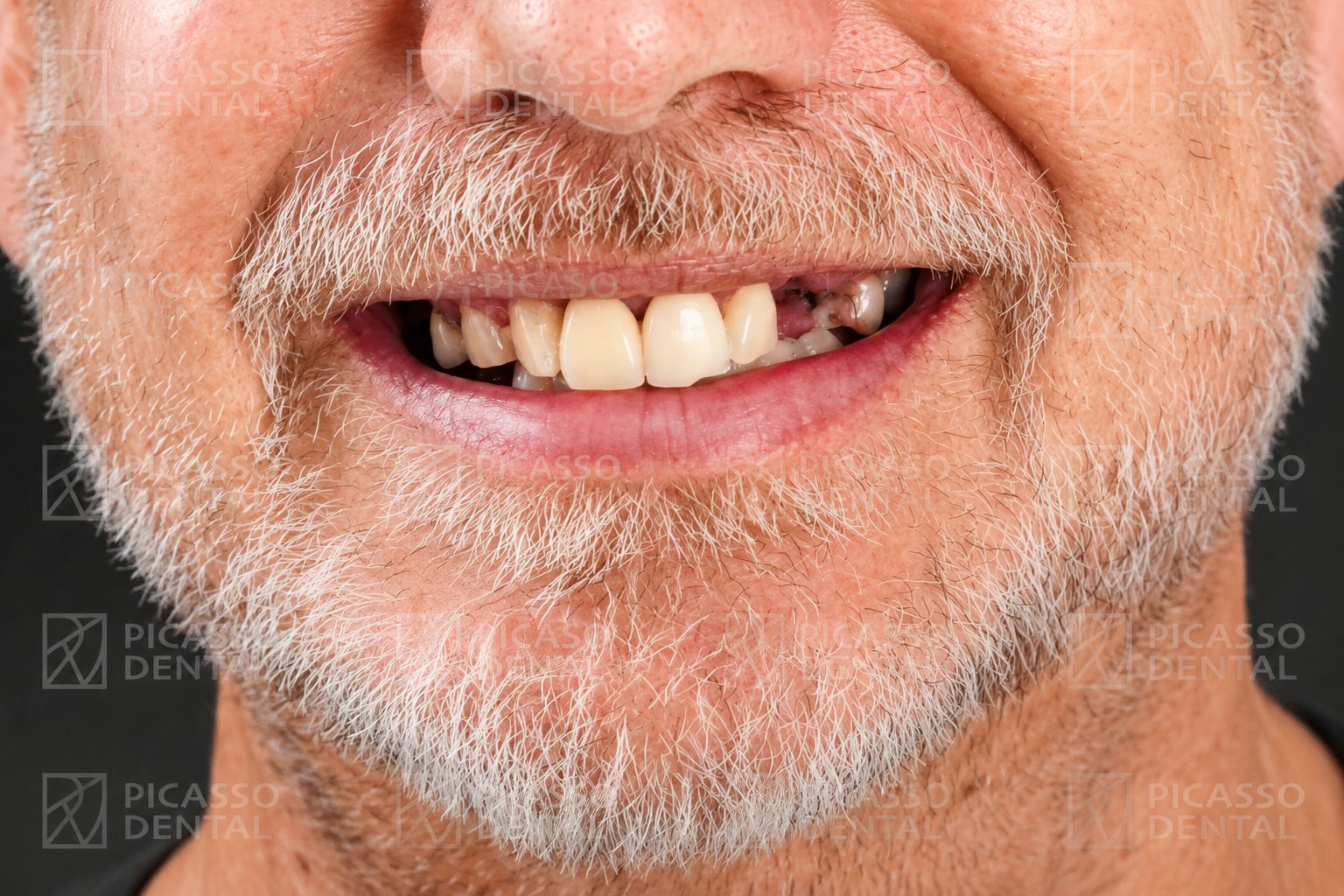 Before
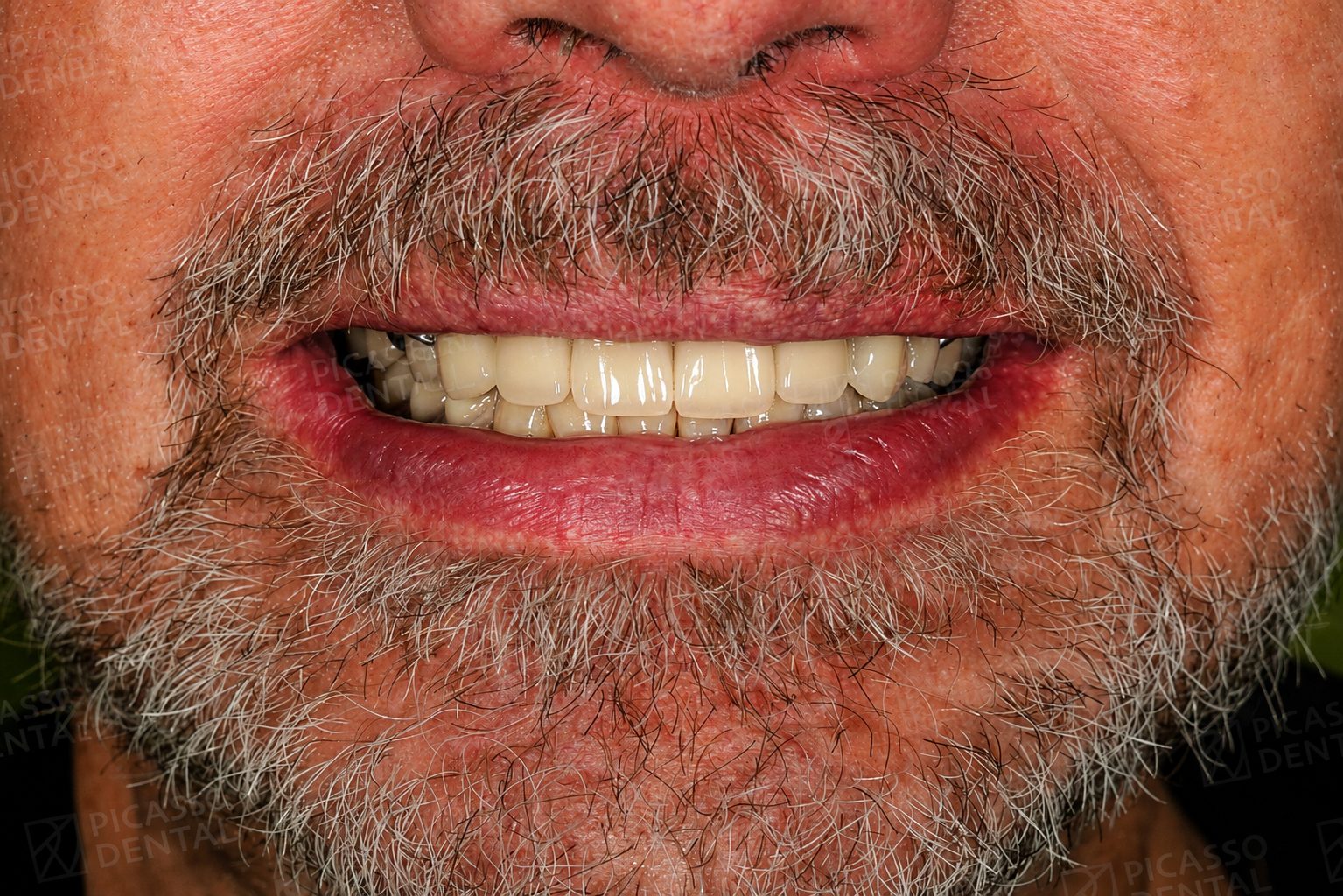 After
AfterCrown restoration, Hanoi Westlake
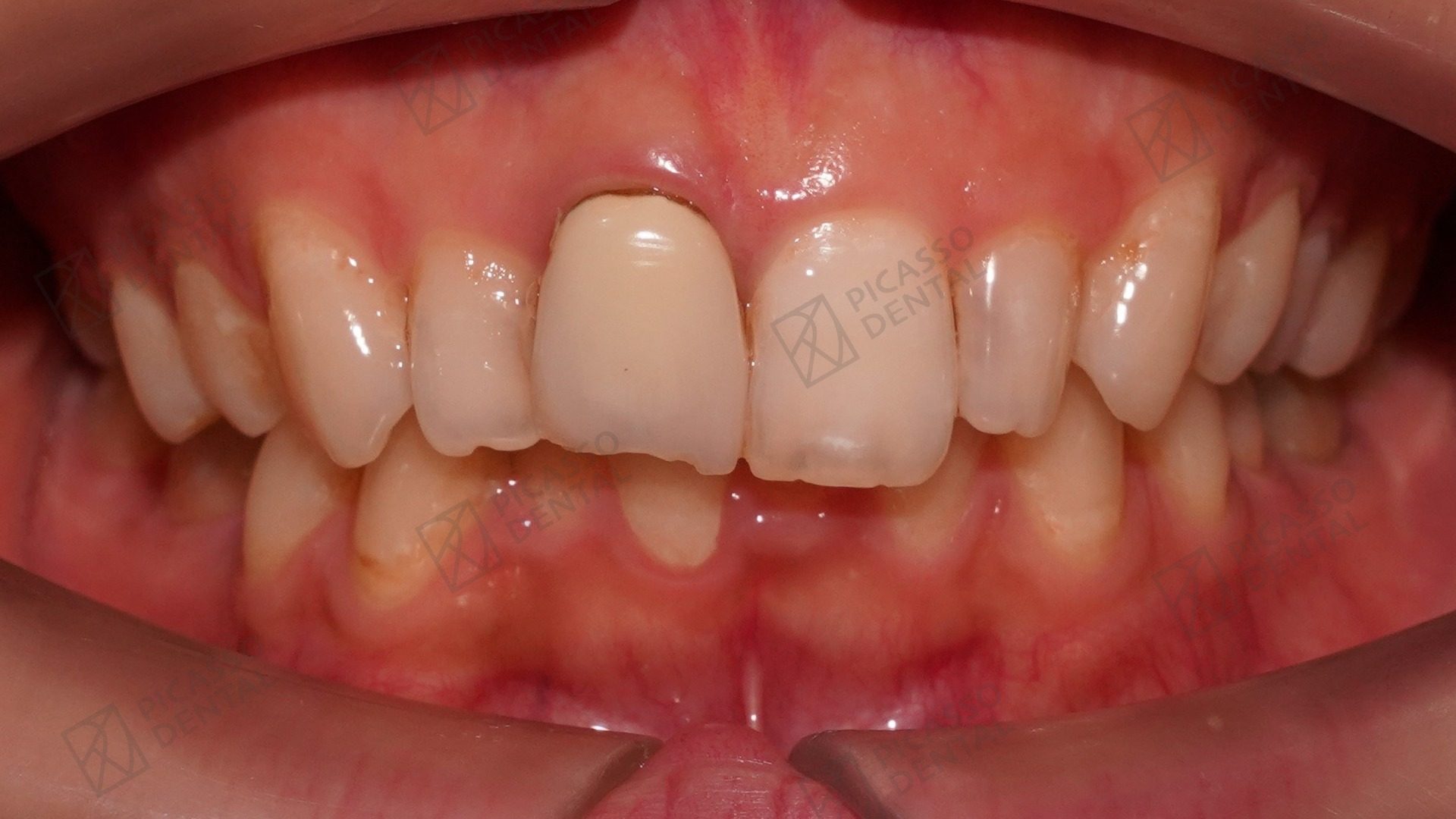 Before
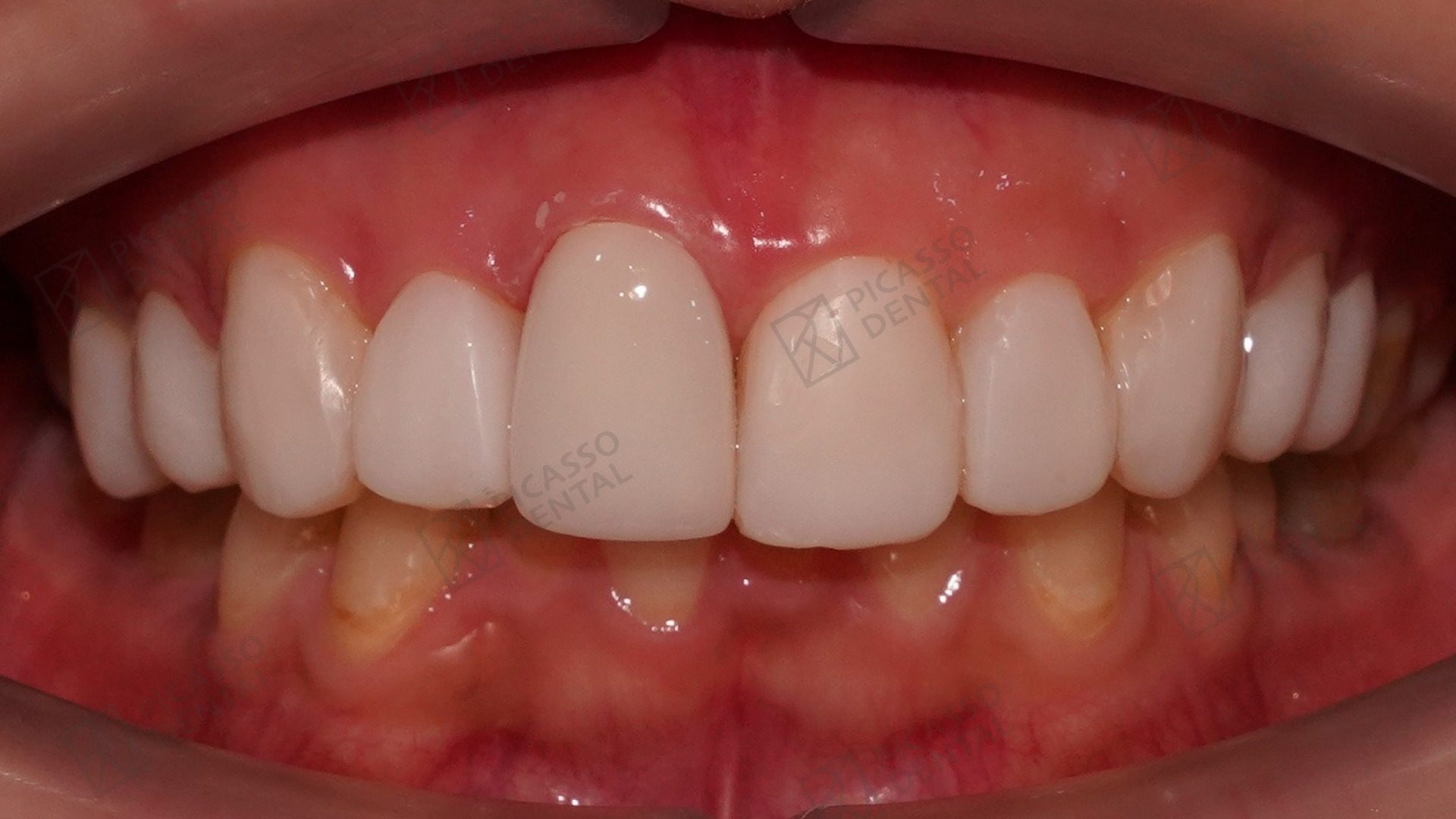 After
AfterSmile restoration, Da Nang Flagship
Frequently asked questions
Does professional teeth whitening damage enamel?
No. Professional whitening using hydrogen peroxide or carbamide peroxide does not erode or weaken enamel structure. Multiple electron-microscopy studies confirm no significant structural change to enamel crystals after whitening. Sensitivity is a temporary side effect, not a sign of damage.
How does teeth whitening actually work?
Whitening agents break down into oxygen molecules that penetrate enamel and reach the dentin layer underneath. They chemically alter the molecular bonds of stain compounds, changing the colour without removing enamel. This is fundamentally different from abrasive whitening, which physically scrubs away surface stains along with small amounts of enamel.
Why do my teeth feel sensitive after whitening?
Whitening agents temporarily increase enamel permeability, allowing temperature changes and air to reach the nerve more easily. This sensitivity resolves within 24 to 48 hours as the whitening chemistry clears from the tooth. It is not a sign of enamel damage.
Can over-the-counter whitening damage enamel?
Over-the-counter products can cause damage if misused: applied too frequently, left on too long, or used on teeth with existing enamel defects or cavities. DIY methods such as lemon juice are genuinely harmful because their acidity erodes enamel directly. Products from dental clinics use professionally calibrated concentrations.
How often is it safe to whiten teeth?
Professional whitening should occur no more than once every 12 to 18 months. More frequent treatments reduce the recovery time between chemical exposures and can, over time, begin to break down enamel structure. At Picasso Dental Clinic we evaluate your enamel health and recommend appropriate intervals based on your individual situation.
Is whitening safe if I have sensitive teeth already?
Possibly, but it requires a pre-treatment assessment. At Picasso Dental Clinic, every whitening appointment begins with an examination for existing sensitivity, enamel defects, cavities, and gum recession. If your enamel is already compromised, we address those problems first or may recommend against whitening. Post-treatment fluoride application and desensitising gel reduce discomfort for sensitive patients.
What research supports the safety of teeth whitening?
Multiple studies using electron microscopy to examine enamel before and after whitening show no significant structural changes to enamel crystals. Research measuring enamel hardness before and after whitening treatments finds no clinically significant reduction. Long-term studies following patients who have whitened show no increased incidence of enamel problems compared to those who have never whitened.
Start Here
Start with a brief.
Book a whitening consultation at any of our six Vietnam branches. No obligation, 24-hour reply.