
General Dentistry
Does Plaque and Tartar
Cause Bad Breath?
Yes. Here is the mechanism.
Most patients who struggle with persistent bad breath are attacking the symptom rather than the source. Plaque and tartar are the primary cause, and the fix is simpler than most people expect.

The short version
- Plaque bacteria produce volatile sulfur compounds (VSCs) that cause the characteristic odour of bad breath.
- Tartar provides protected bacterial colonies that brushing cannot touch, sustaining the problem indefinitely.
- The worst accumulation hides behind lower front teeth, below the gumline, and on the back of the tongue.
- Professional scaling removes tartar and the bacterial colonies within it; most patients notice fresher breath within days.
- Flossing daily and cleaning the tongue are as important as brushing for managing oral odour.
How plaque bacteria produce bad breath
Plaque is a sticky biofilm that forms on tooth surfaces within hours of brushing. It consists of bacteria, food particles, and proteins from saliva. The bacteria in plaque are not passive residents: they actively digest food debris that enters the mouth, breaking down proteins and carbohydrates and producing waste compounds in the process.
The most odour-active waste products are volatile sulfur compounds (VSCs): hydrogen sulfide, methyl mercaptan, and dimethyl sulfide. These molecules have extremely low odour thresholds. Even at concentrations of parts per billion, they are detectable as the characteristic smell of bad breath, variously described as rotten eggs, decaying matter, or stale food. The more plaque you have, the larger the bacterial population and the greater the VSC output.
Plaque that is not removed by brushing and flossing begins to calcify within 24 to 72 hours, hardening into tartar (calculus) at the gumline and between teeth. Once calcified, tartar cannot be removed by brushing. Its rough, porous surface creates protected microenvironments where anaerobic bacteria thrive without competition from oxygen or the mechanical disruption of brushing. These colonies produce VSCs continuously, regardless of how frequently the patient brushes.
Where plaque and tartar hide
Most patients focus brushing effort on the front faces of their upper teeth because these are most visible. The areas where the most significant plaque and tartar accumulate are precisely the areas least likely to receive adequate attention.
The lingual surfaces of lower anterior teeth, the inner surfaces facing the tongue on the lower front teeth, are the most common site of heavy tartar formation. Saliva from the sublingual glands flows over these surfaces continuously, depositing the calcium and phosphate minerals that calcify into tartar. Many patients are unaware of significant deposits there because they never see them in the mirror.
The spaces between teeth, the proximal surfaces, comprise approximately 40 percent of all tooth surface area. Brushing does not access these spaces adequately. Plaque accumulates here daily and can calcify undisturbed if flossing is neglected. Gum pockets, the sulcular space between the gum and the tooth, deepen as plaque and tartar accumulate, creating anaerobic environments where particularly odour-producing bacterial species thrive.

Why professional cleaning makes such a difference
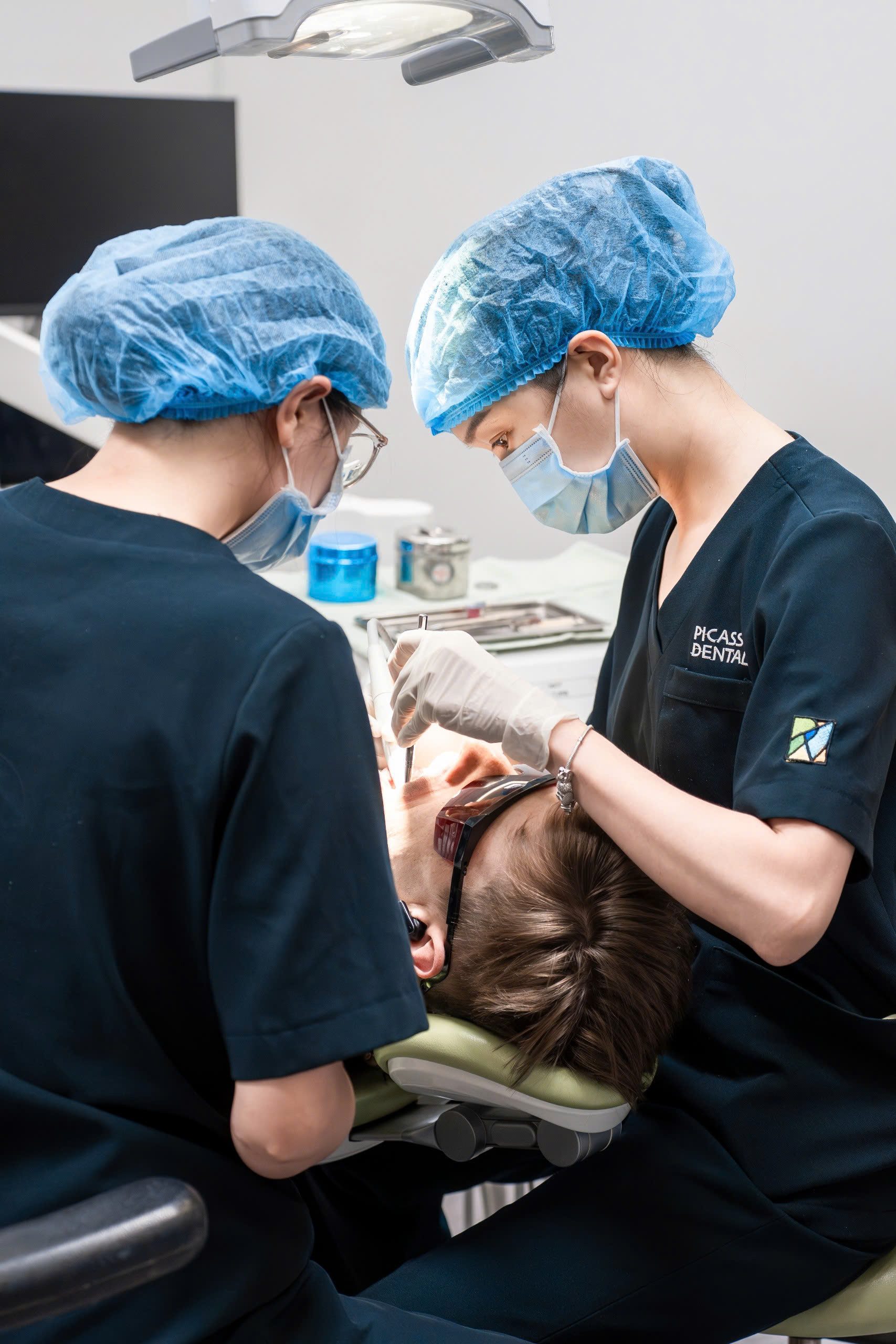
The clinical impact of professional scaling, the first step of gum treatment, on halitosis is immediate and pronounced. Patients commonly describe significantly fresher breath the day after a thorough cleaning session. The reason is simple: scaling instruments remove the calcified tartar deposits that brushing cannot touch, including the subgingival deposits below the gumline that harbour the largest and most odour-active bacterial communities.
After scaling, the smooth enamel surface is exposed and polished. A smooth surface is significantly less hospitable to bacterial adhesion than the rough surface of tartar. New plaque takes longer to establish a grip, and the bacterial load resets to near zero immediately post-cleaning. The odour impact is eliminated at the source rather than masked.
"I had four crowns, two cavities, and a root canal and it was as gentle and pain free as it could possibly be, more so than any dentist back in the states in my sixty years of seeing the dentist."
Kevin McCarthy, Hanoi Old Quarter
Other contributors beyond plaque and tartar
Plaque and tartar are the primary oral causes of bad breath, but other factors amplify the problem or persist independently.
The tongue surface accumulates a significant bacterial load, particularly at the back where the rough anatomy creates deep grooves and crypts. Tongue bacteria produce VSCs just as dental plaque does. A tongue scraper or the back of a toothbrush used daily from back to front dramatically reduces this contribution. Many patients with otherwise clean teeth still experience halitosis because they have never addressed tongue hygiene.
Dry mouth removes the protective washing action of saliva. Patients who breathe through the mouth, take multiple medications that cause dry mouth, or experience reduced saliva flow for other reasons have significantly more bacterial activity and higher VSC production. Staying well hydrated and chewing sugar-free gum to stimulate saliva helps, but the underlying cause often needs medical attention.
Gum disease produces especially severe halitosis. Active periodontal infection involves pus and necrotic tissue in the gum pockets, odours that go beyond ordinary VSC production. Hidden decay under old fillings, tonsil stones, and sinus drainage can also contribute.
Prevention: the daily habits that actually work
Consistent brushing twice daily for two minutes is the foundation, but technique matters. Angle the brush at 45 degrees to the gumline to reach beneath the gum margin where plaque accumulates. Electric toothbrushes with oscillating or sonic heads consistently outperform manual brushing for plaque removal across the population.
Flossing daily is non-negotiable for controlling interproximal plaque. Interdental brushes or water flossers are effective alternatives for patients who find traditional floss difficult to use. The critical point is removing plaque from between teeth every day, not weekly or occasionally.
Tongue cleaning should be part of every brushing session. Work from back to front in two to three passes, removing the visible coating. This single habit can produce noticeable breath improvement in patients who have never done it.
Attending professional cleaning every six months prevents tartar from building up to the levels that sustain persistent bad breath. Patients with a history of gum disease benefit from three-monthly cleaning intervals.
Dealing with persistent bad breath? A professional cleaning and clinical assessment will identify the source and fix it. Consultation, no obligation.
Book a cleaning →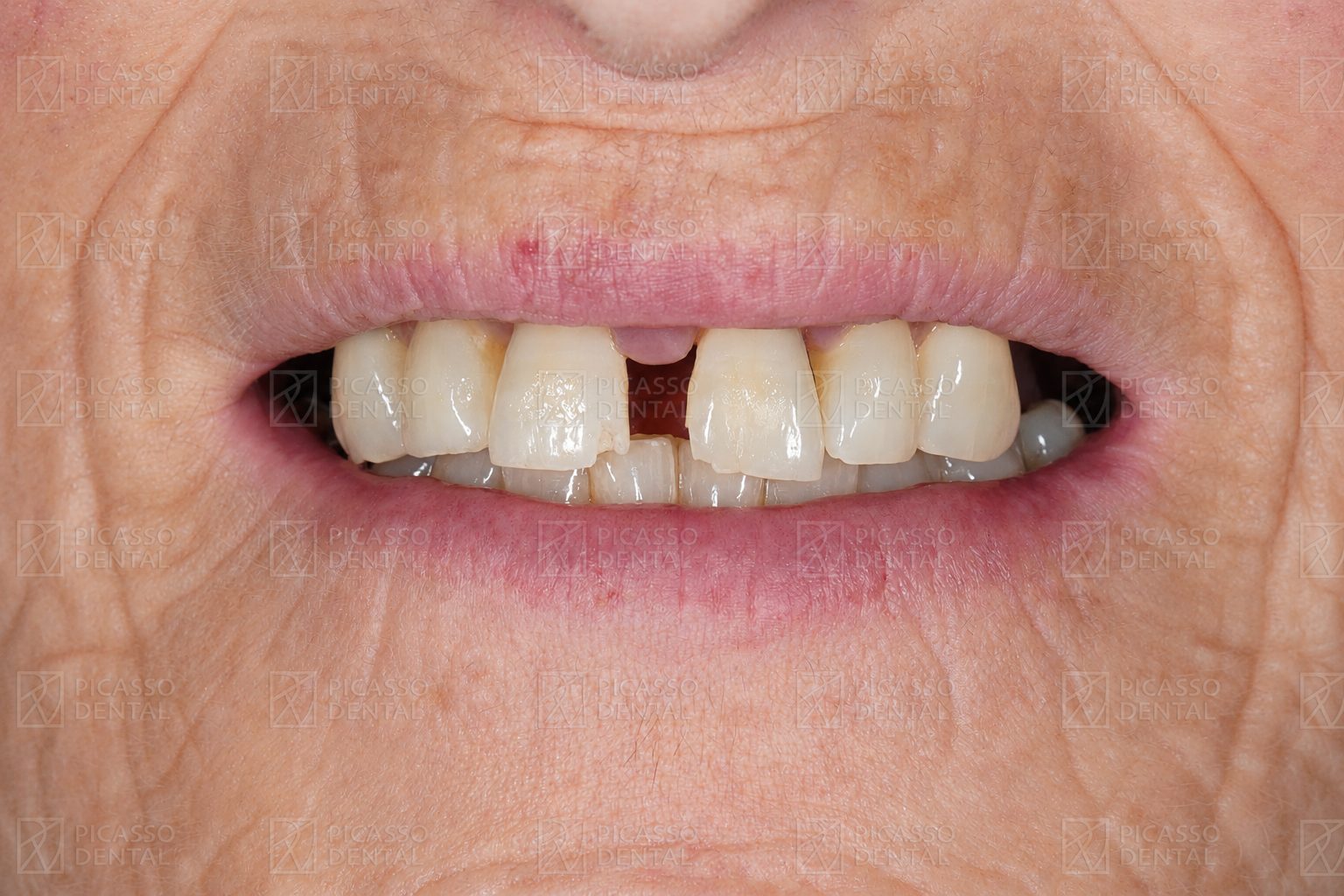 Before
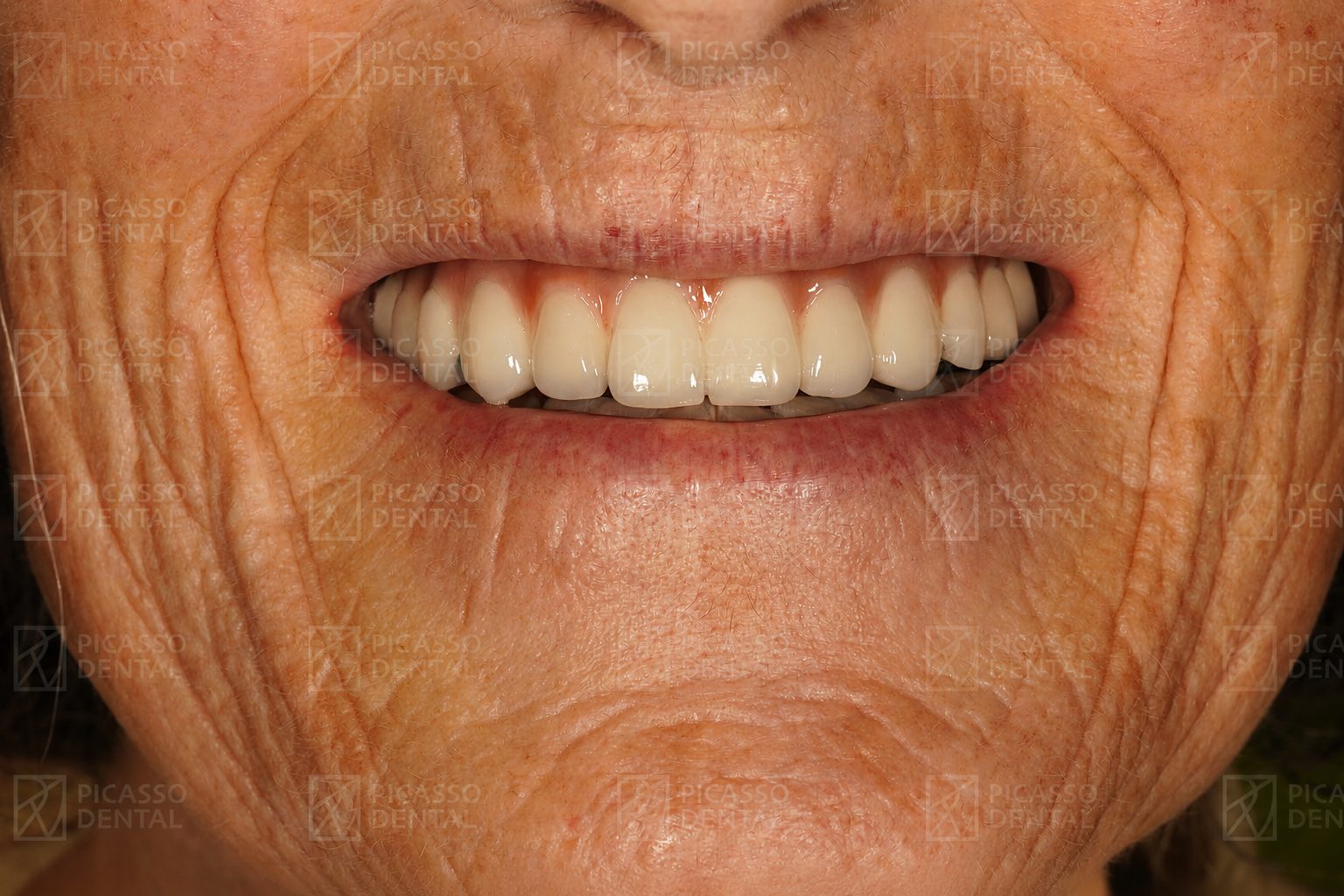 After
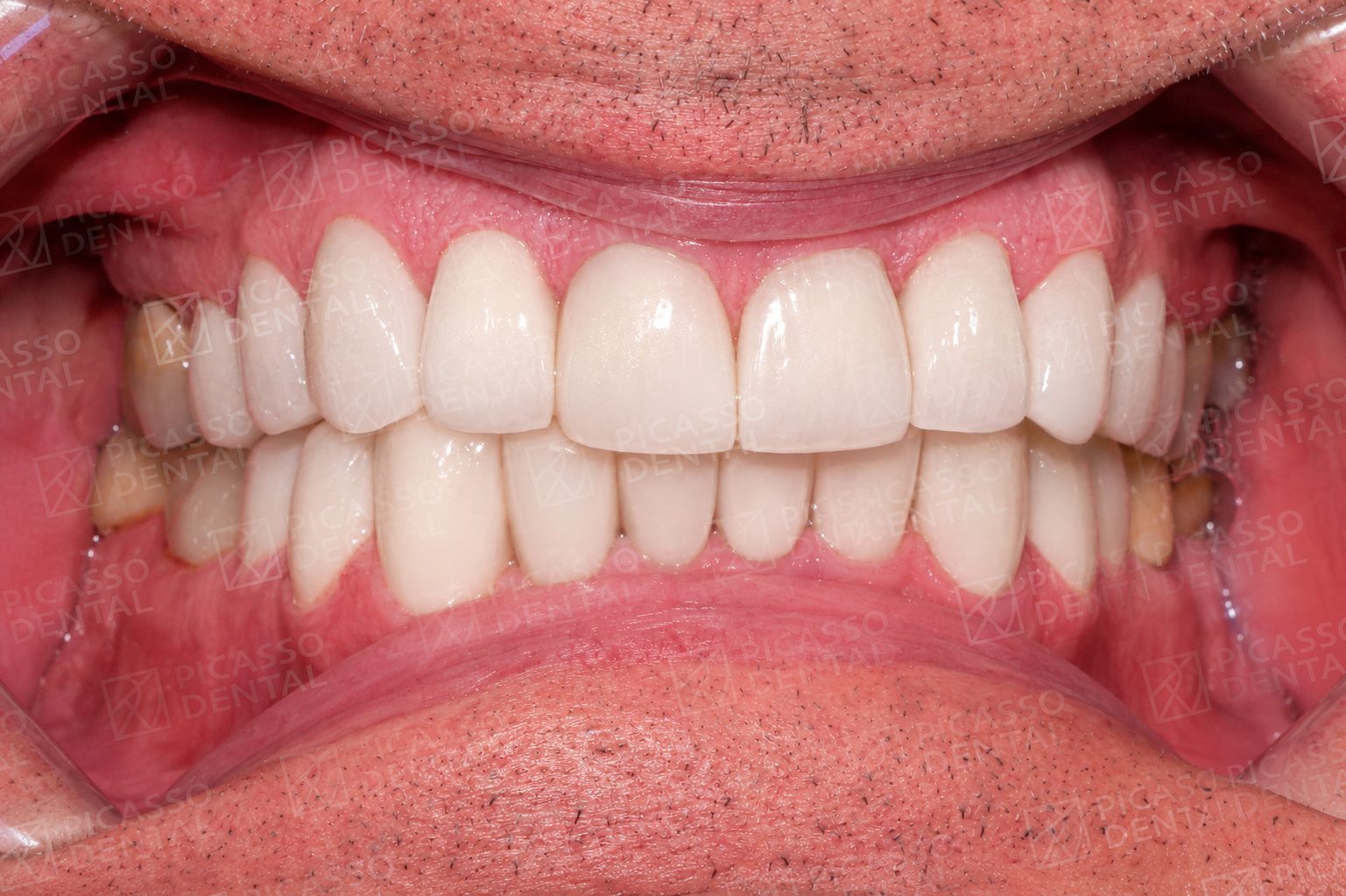
AfterFull rehabilitation, Hanoi Old Quarter
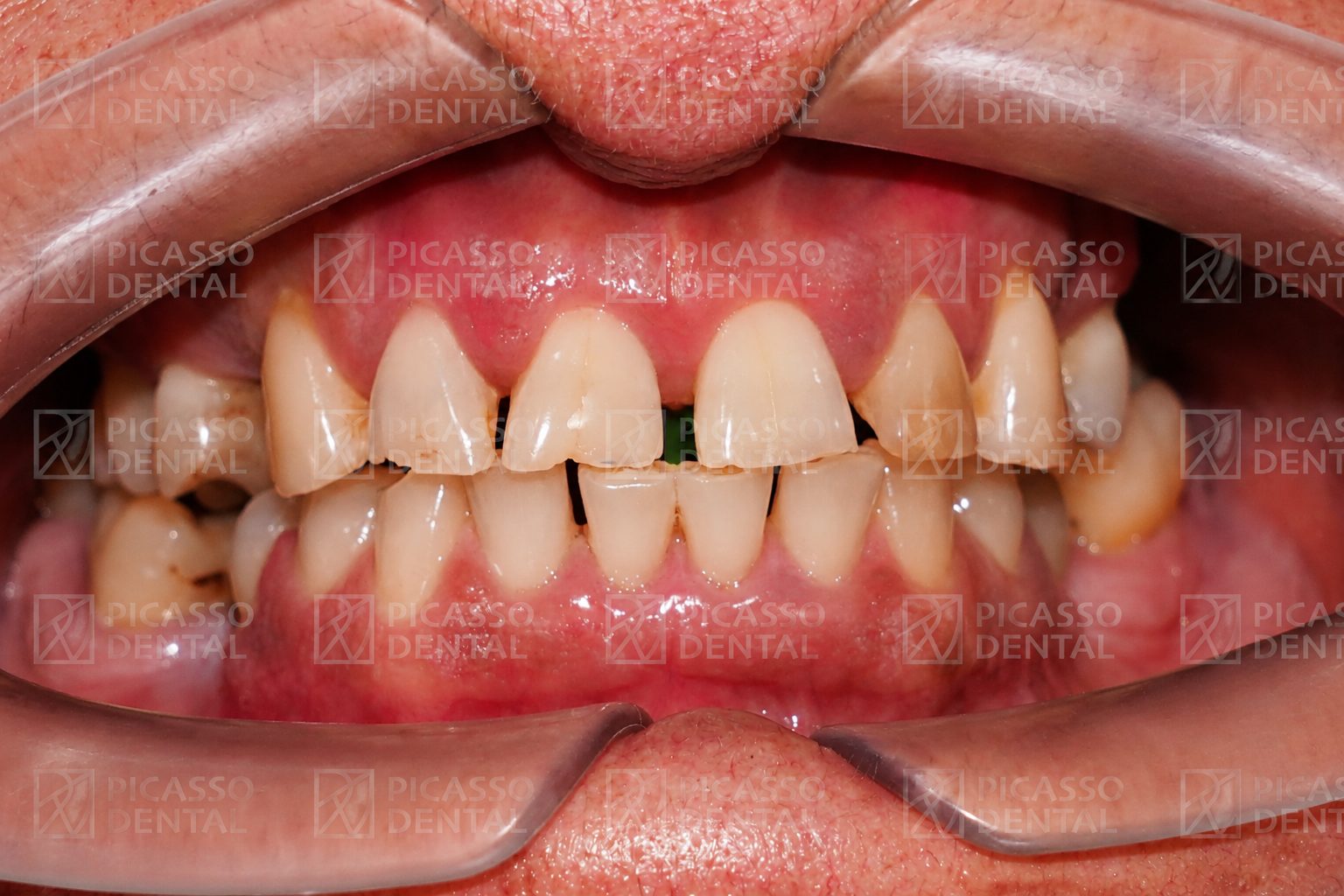 Before
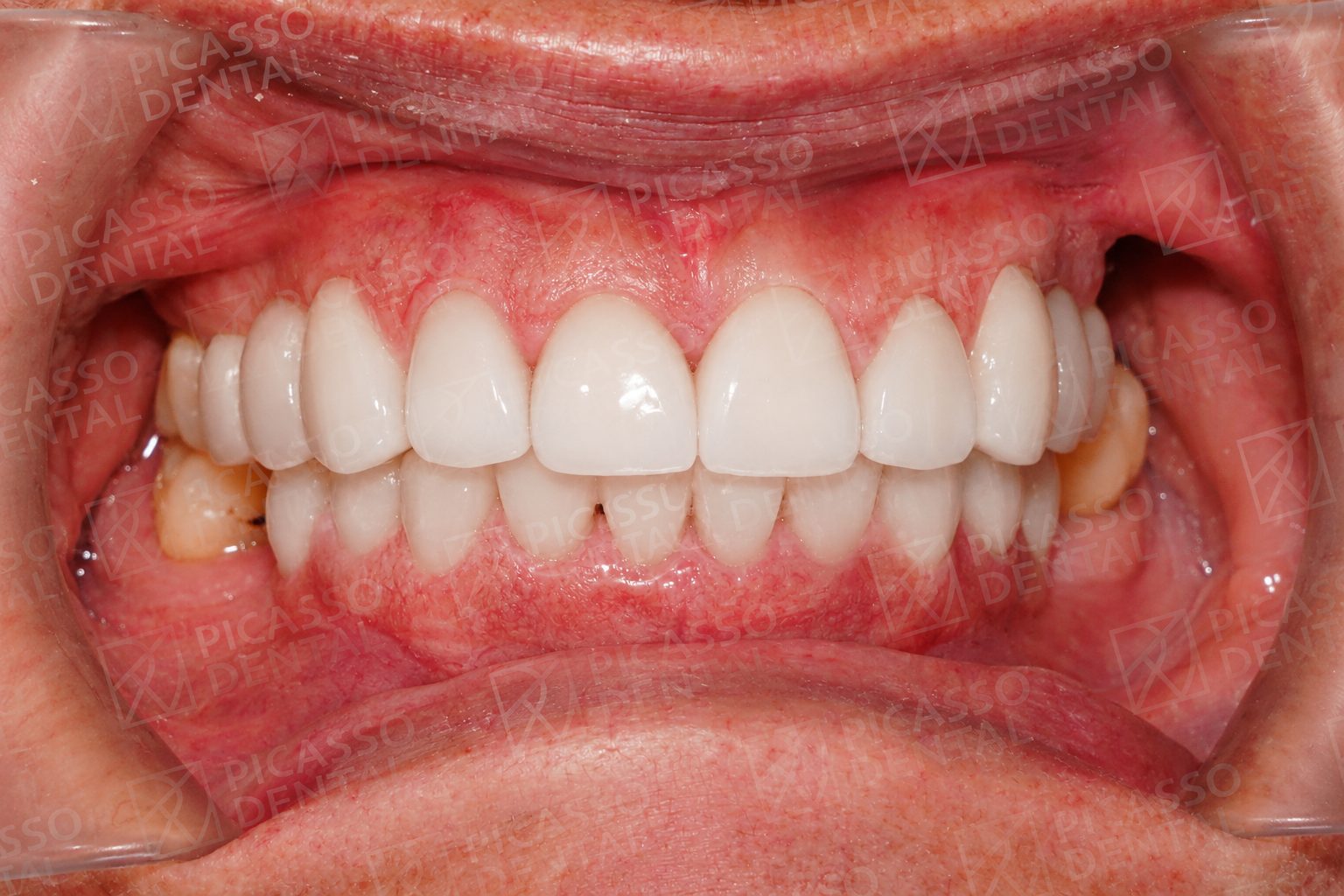 After
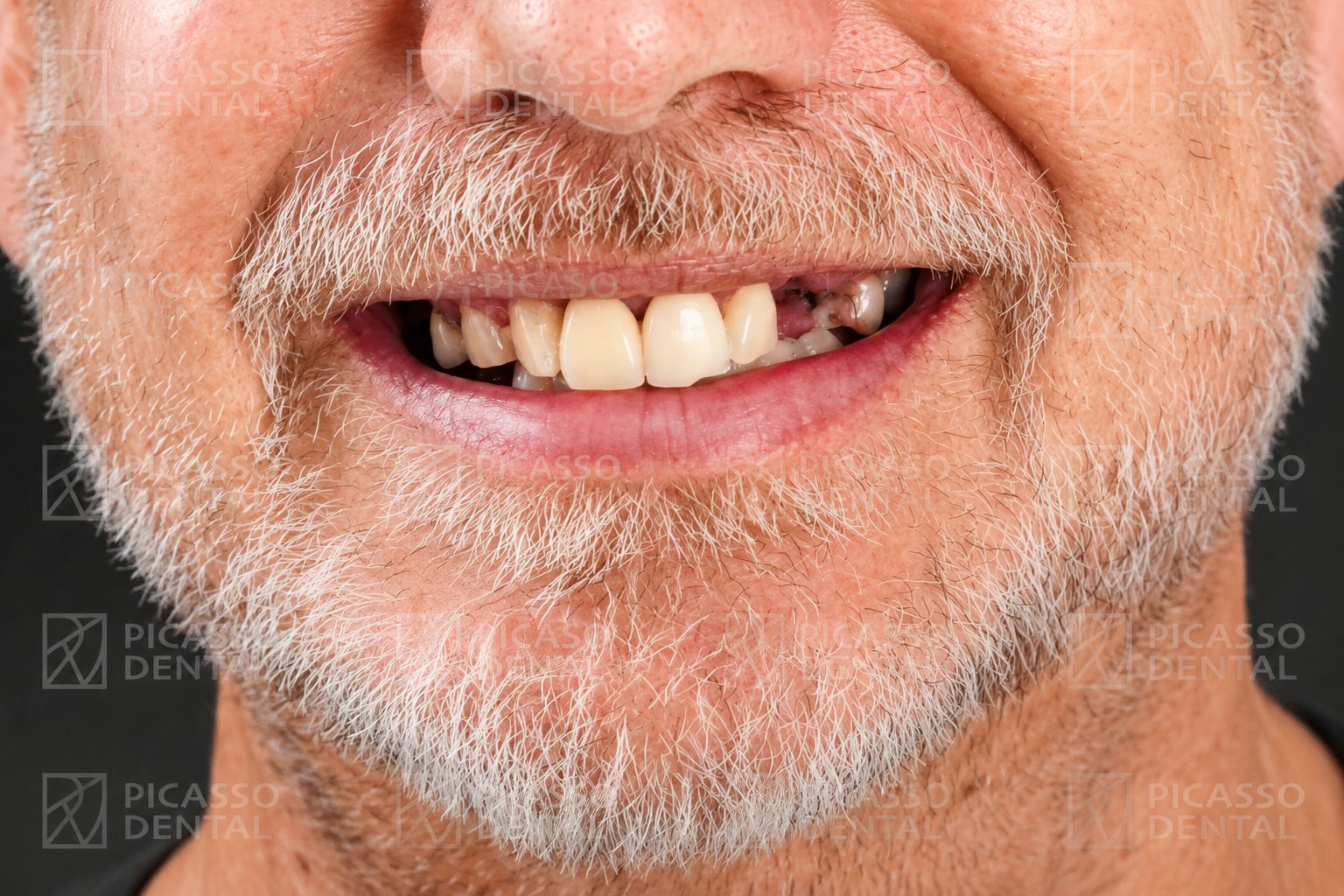
AfterPorcelain crowns, Da Nang
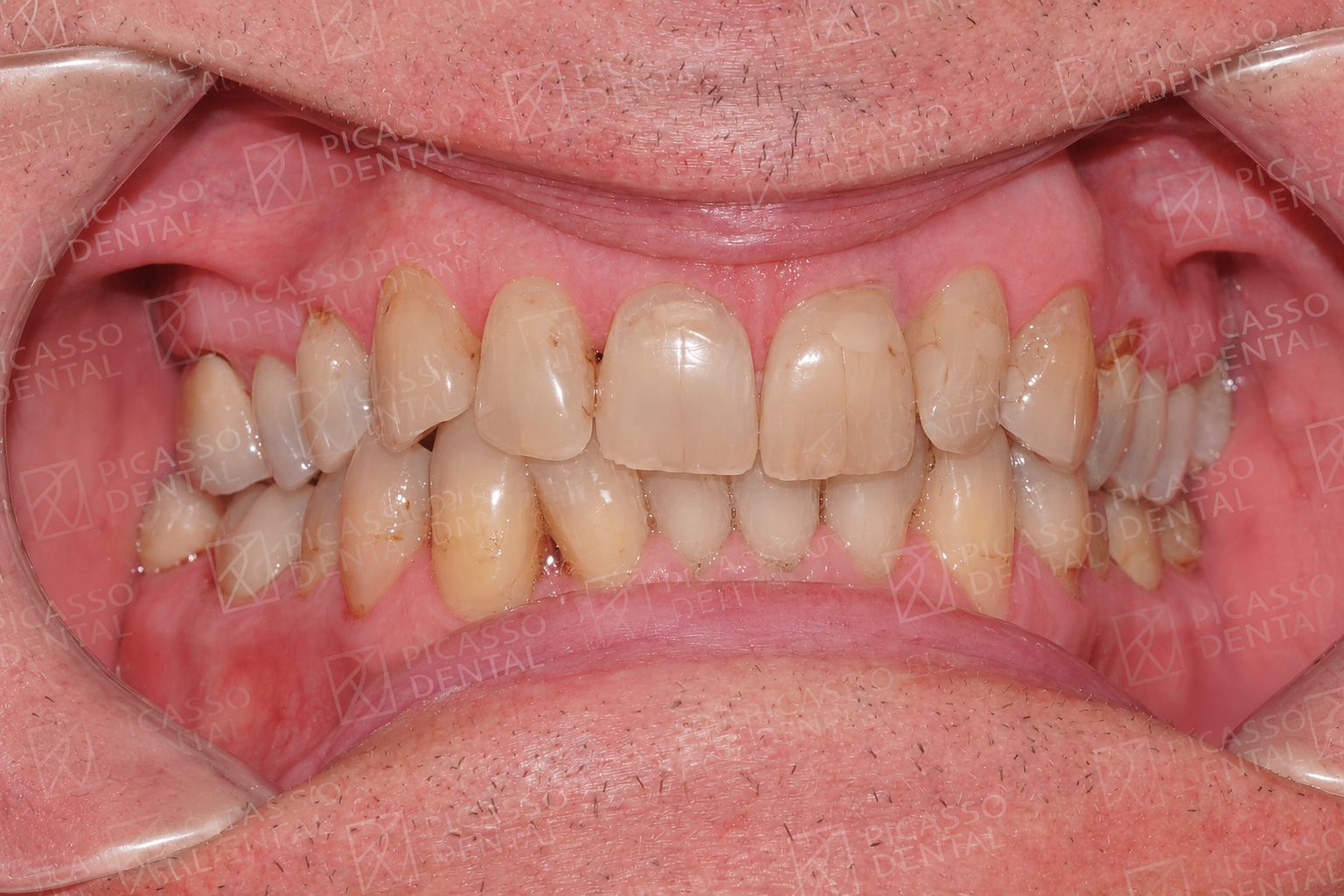 Before
 After
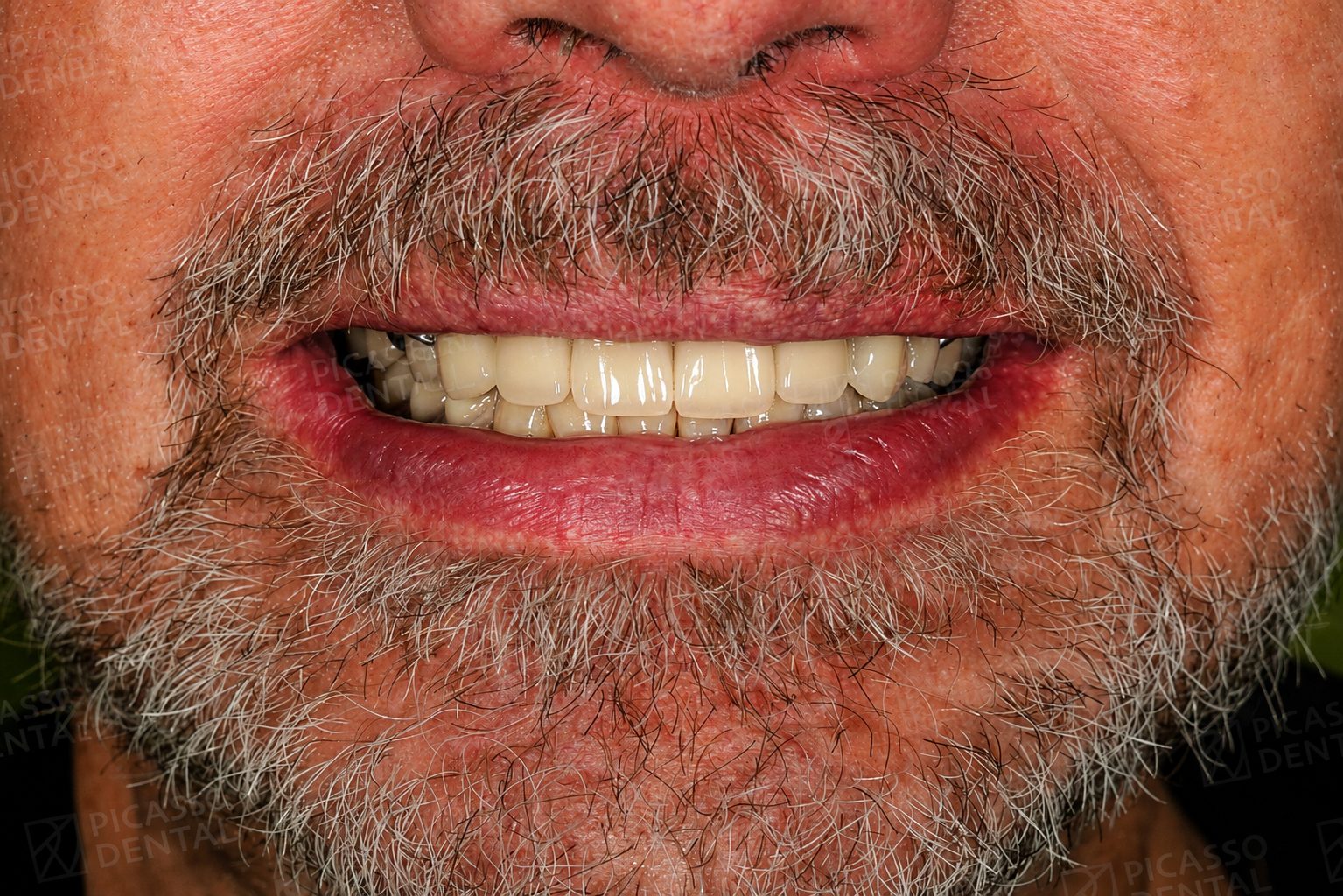
AfterCrown and implant, HCMC Thao Dien
 Before
 After
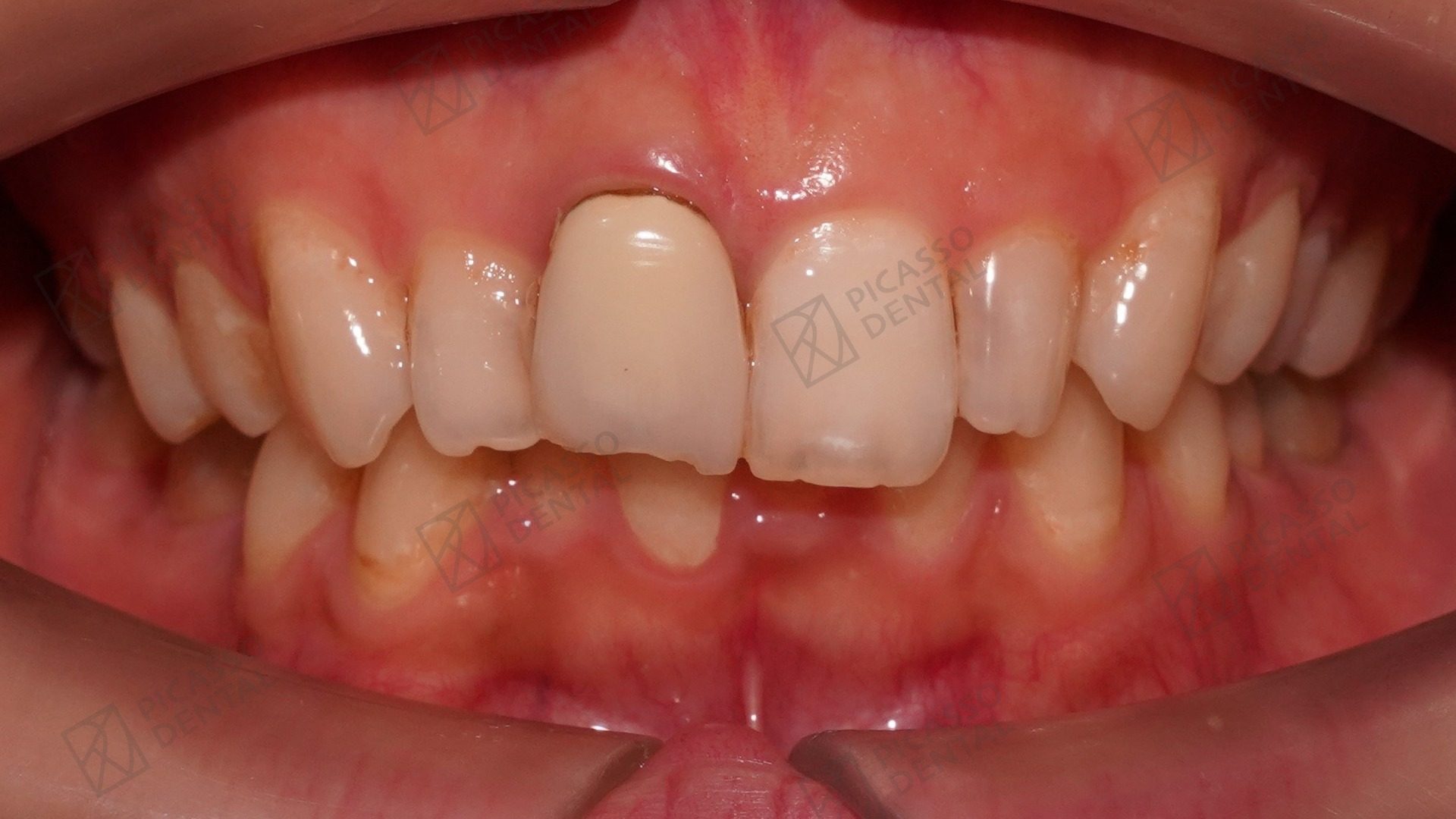
AfterCrown restoration, Hanoi Westlake
 Before
 After
AfterSmile restoration, Da Nang Flagship
Frequently asked questions
Does plaque cause bad breath?
Yes. Plaque is a sticky film of bacteria that forms continuously on teeth. These bacteria digest food debris and produce volatile sulfur compounds as waste products. VSCs smell like rotten eggs or decaying matter and are the primary cause of bad breath in most patients. The more plaque present, the more bacteria and the stronger the odour.
Does tartar cause bad breath?
Yes, often more severely than plaque alone. Tartar is calcified plaque that has hardened on the tooth surface and cannot be removed by brushing. Its porous, rough structure creates protected colonies for bacteria that your toothbrush cannot reach. These bacteria continue producing odour-causing sulfur compounds indefinitely. Only professional scaling removes tartar.
Why does my breath still smell bad even though I brush regularly?
Brushing removes plaque from tooth surfaces but misses several areas where bacteria accumulate: between teeth (where 40 percent of tooth surfaces are located), below the gumline, on the back of the tongue, and in gum pockets around the teeth. Tartar deposits that have already calcified cannot be removed by brushing at all. If breath odour persists despite regular brushing, professional cleaning and proper flossing are usually the missing elements.
How quickly does professional cleaning improve bad breath?
Most patients notice significantly fresher breath within a day or two of professional cleaning. This is because scaling removes the tartar deposits that were harbouring the largest bacterial colonies. As those colonies are eliminated, the production of volatile sulfur compounds drops substantially. Patients with gum disease may notice slower improvement as the infected pockets continue to heal over the following weeks.
How often should I have professional cleaning for bad breath?
Every six months for most adults. Patients with a history of gum disease, heavy tartar formers, or persistent bad breath benefit from cleaning every three to four months. The interval is not arbitrary: six months is approximately how long it takes for tartar to accumulate to levels that cause significant problems in patients with good home care. Skipping cleanings allows tartar to build up and bacterial populations to expand.
Can mouthwash solve bad breath caused by plaque and tartar?
Mouthwash masks bad breath temporarily but does not remove the plaque or tartar producing it. Antibacterial mouthwashes reduce bacterial counts in the mouth for a few hours, but the bacteria return once the mouthwash is rinsed away. Addressing the source, plaque through brushing and flossing and tartar through professional cleaning, is the only lasting solution.
When is bad breath a sign of something beyond plaque and tartar?
If professional cleaning and improved home care do not resolve bad breath within a few weeks, other causes should be investigated. Sinus infections drain odour-producing bacteria into the back of the throat. Tonsil stones collect bacteria in the crypts of the tonsils. Gastroesophageal reflux introduces stomach acids and gases into the oral cavity. Persistent bad breath despite good oral hygiene warrants medical evaluation alongside dental review.
Does dry mouth contribute to bad breath from plaque?
Yes, significantly. Saliva washes away bacteria and food debris continuously and contains antibacterial proteins. When saliva production is reduced, by medications, by mouth breathing, or by dehydration, bacteria proliferate faster and their waste products concentrate. Patients who wake with particularly bad breath have experienced hours of reduced saliva flow during sleep, allowing bacterial populations to grow overnight.
Start Here
Start with a brief.
Tell us about your oral health concerns and we will identify the source of bad breath and resolve it. No obligation, 24-hour reply.