
Cosmetic Dentistry
Does Laser Whitening
Cause Tooth Sensitivity?
Yes. Here is why it passes quickly.
About 60 to 70 percent of patients experience some sensitivity after laser whitening. It is temporary, manageable, and almost always resolves within 48 hours. Preparation reduces it further.

The short version
- Laser whitening causes temporary sensitivity in 60 to 70 percent of patients.
- The cause is whitening gel temporarily opening tubules in the enamel that connect to the nerve.
- Sensitivity typically resolves within 24 to 48 hours without intervention.
- Desensitising toothpaste for two weeks before treatment significantly reduces the effect.
- Sensitivity that worsens after 48 hours or affects a single tooth warrants clinical review.
Why laser whitening causes sensitivity
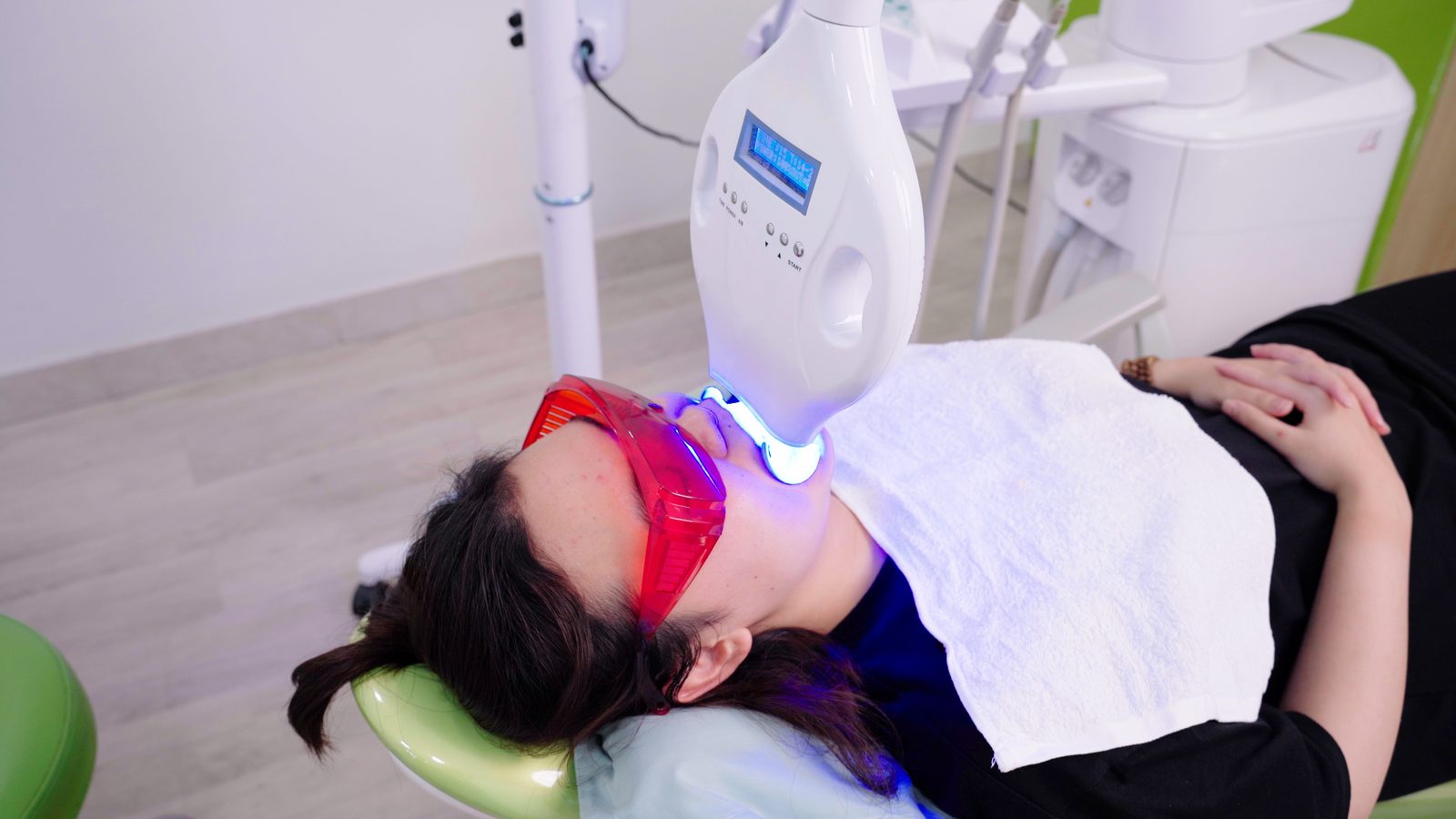
Tooth enamel is not a solid barrier. Examined under magnification, it contains millions of microscopic tubules, channels running from the outer surface inward toward the nerve at the centre of the tooth. Under normal conditions these tubules are partially blocked by mineral deposits and pose no problem. During whitening, the hydrogen peroxide gel penetrates the enamel and temporarily dissolves some of these mineral plugs, leaving the tubules more open than usual.
With the tubules open, the nerve becomes reactive to stimuli it would normally ignore: cold air, cold water, and temperature changes. This is the familiar "zing" of whitening sensitivity. The laser or light source used in in-office whitening accelerates the chemical reaction of the peroxide, which intensifies the effect compared to take-home methods that use lower-concentration gel over a longer period.
Importantly, this is a transient chemical reaction, not structural damage. The teeth remineralise as the peroxide clears, the tubules close, and the sensitivity resolves. The nerve is not harmed.
Who is most susceptible
Patients with naturally thin enamel are at higher risk because the nerve is closer to the surface and the tubule pathway is shorter. Patients with existing gum recession exposing the root surface face additional sensitivity risk because root dentine lacks the enamel layer entirely and is significantly more permeable than crown enamel. Patients who already experience temperature sensitivity before treatment predictably experience more sensitivity during and after whitening.
We assess all these factors at the pre-whitening consultation. For high-risk patients, we adjust the protocol: lower gel concentration, shorter session time divided into two visits rather than one, and a desensitising barrier gel applied before the whitening gel. The results are slightly less dramatic in a single session but the sensitivity is substantially reduced.
Prevention: what works before the appointment
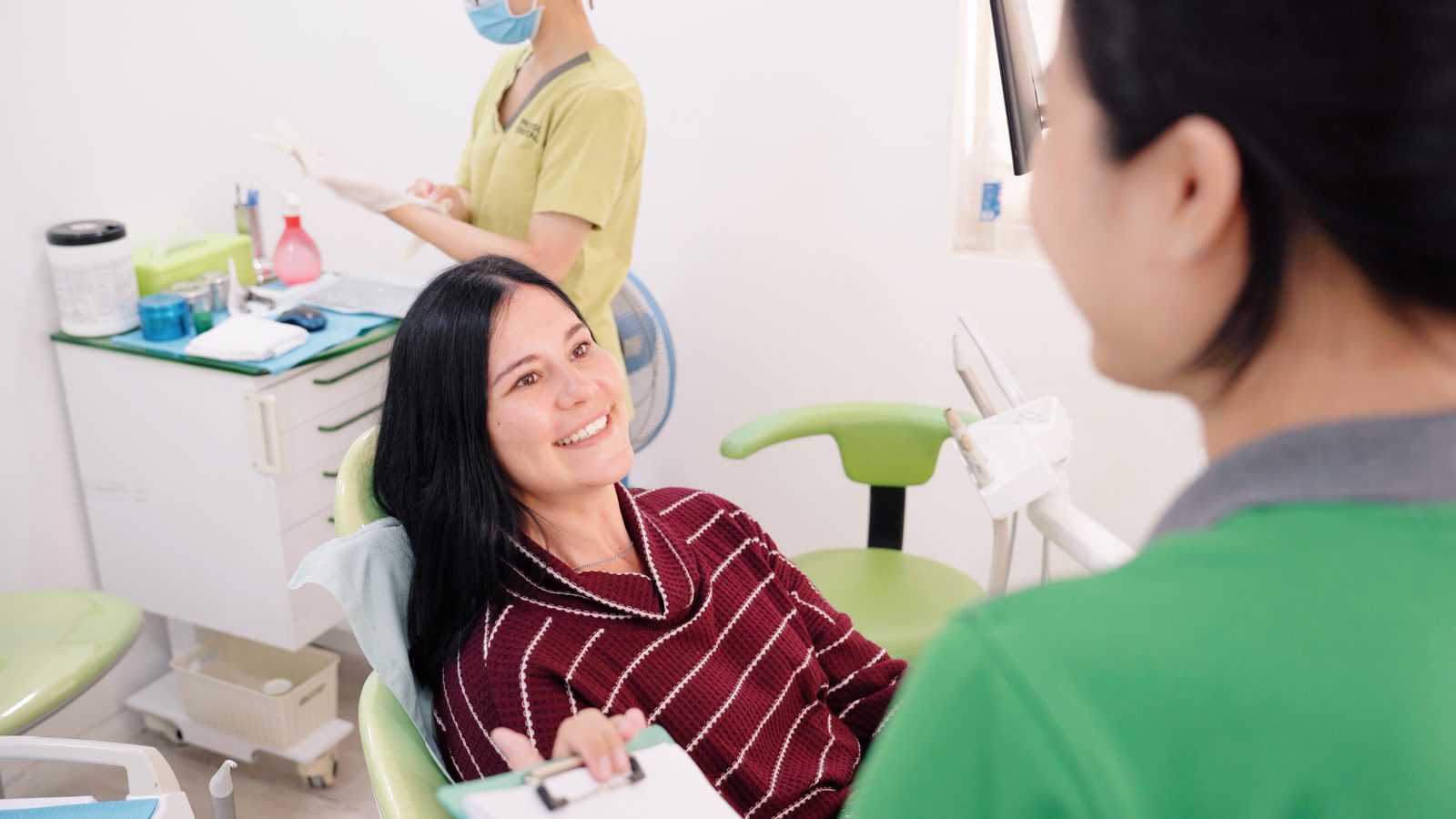
The most effective preventive step costs nothing and requires only consistency. Desensitising toothpaste used twice daily for two weeks before whitening deposits potassium nitrate or stannous fluoride into the dentinal tubules. This partially blocks the channels and reduces the nerve's reactivity to the whitening process. The effect is cumulative: the longer the toothpaste is used before treatment, the more effective the protection.
At Picasso Dental we supply a professional desensitising gel for application immediately before the whitening session. This provides an additional layer of protection at the surface level, supplementing the systemic desensitisation from the toothpaste. Together, these two measures reduce clinically significant sensitivity in the majority of susceptible patients.
"I had four crowns, two cavities, and a root canal and it was as gentle and pain free as it could possibly be, more so than any dentist back in the states in my sixty years of seeing the dentist."
Kevin McCarthy, Hanoi Old Quarter
Managing sensitivity after the appointment
The most practical approach is pre-emptive: take a standard ibuprofen dose immediately after the whitening session, before any sensitivity develops. This reduces the inflammatory response in the pulpal tissue before it has a chance to intensify. Continuing every six to eight hours for the first 24 hours keeps most patients comfortable through the peak sensitivity window.
Dietary adjustments help too. Avoid temperature extremes in the 24 to 48 hours after treatment: no ice water, no hot coffee, no very cold or very hot food. Room-temperature beverages and mild foods reduce stimulation of the temporarily sensitised tubules. Continue using desensitising toothpaste for several days after whitening to extend the tubule-blocking effect as the teeth remineralise.
When sensitivity signals something else
Normal whitening sensitivity is generalised across all the whitened teeth, mild to moderate in severity, and improves steadily from the first day. The pattern is predictable: most discomfort in the first 12 to 24 hours, noticeably better at 48 hours, resolved within three days at most.
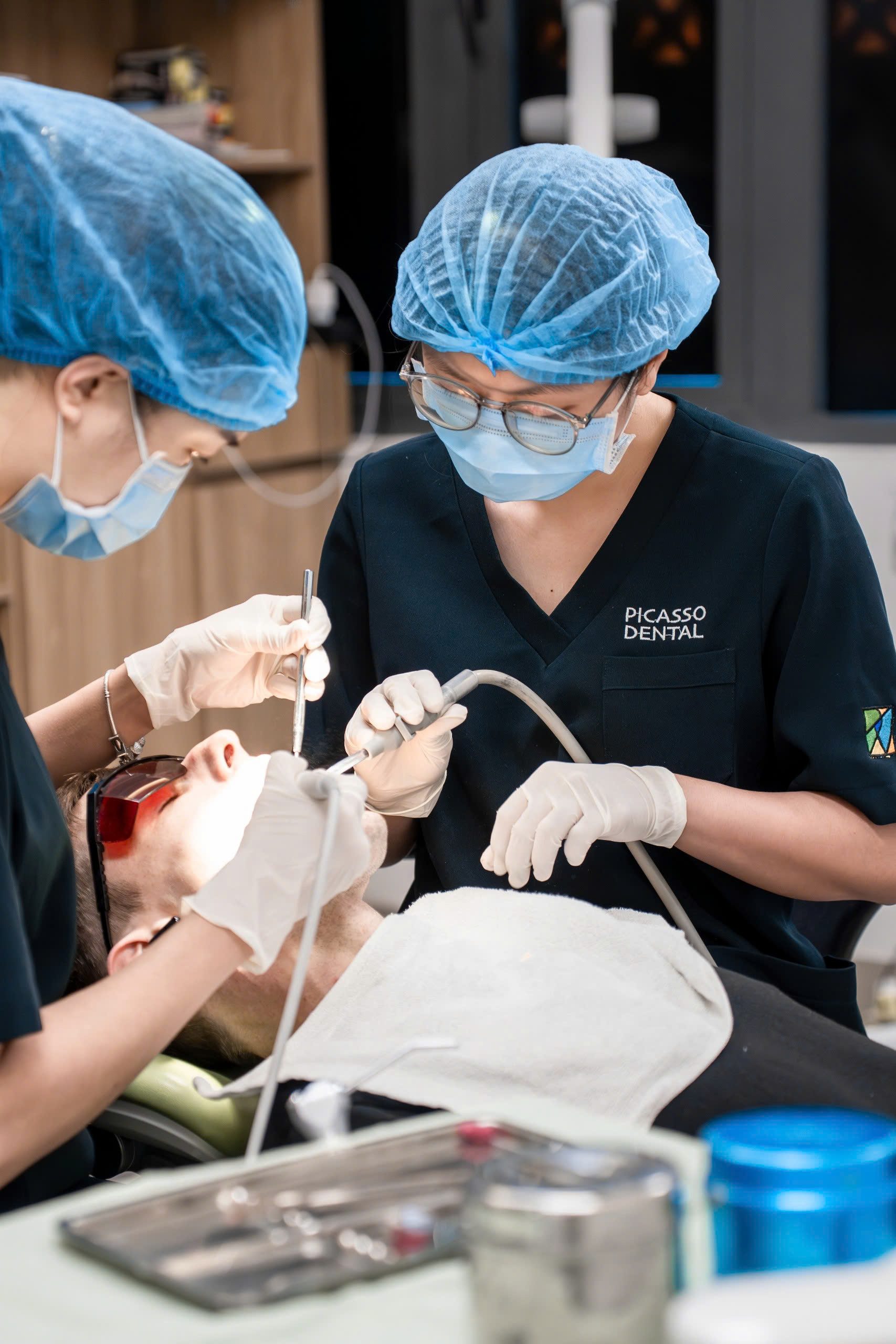
Two patterns should prompt clinical review. The first is sensitivity that worsens rather than improves after 48 hours, or pain severe enough that over-the-counter ibuprofen provides no meaningful relief. The second is pain isolated to a single tooth rather than generalised across the treated teeth. Single-tooth pain after whitening almost always indicates a pre-existing problem: a hairline crack, deep cavity, or dying nerve that the whitening process exposed rather than caused. These findings need clinical investigation and treatment.
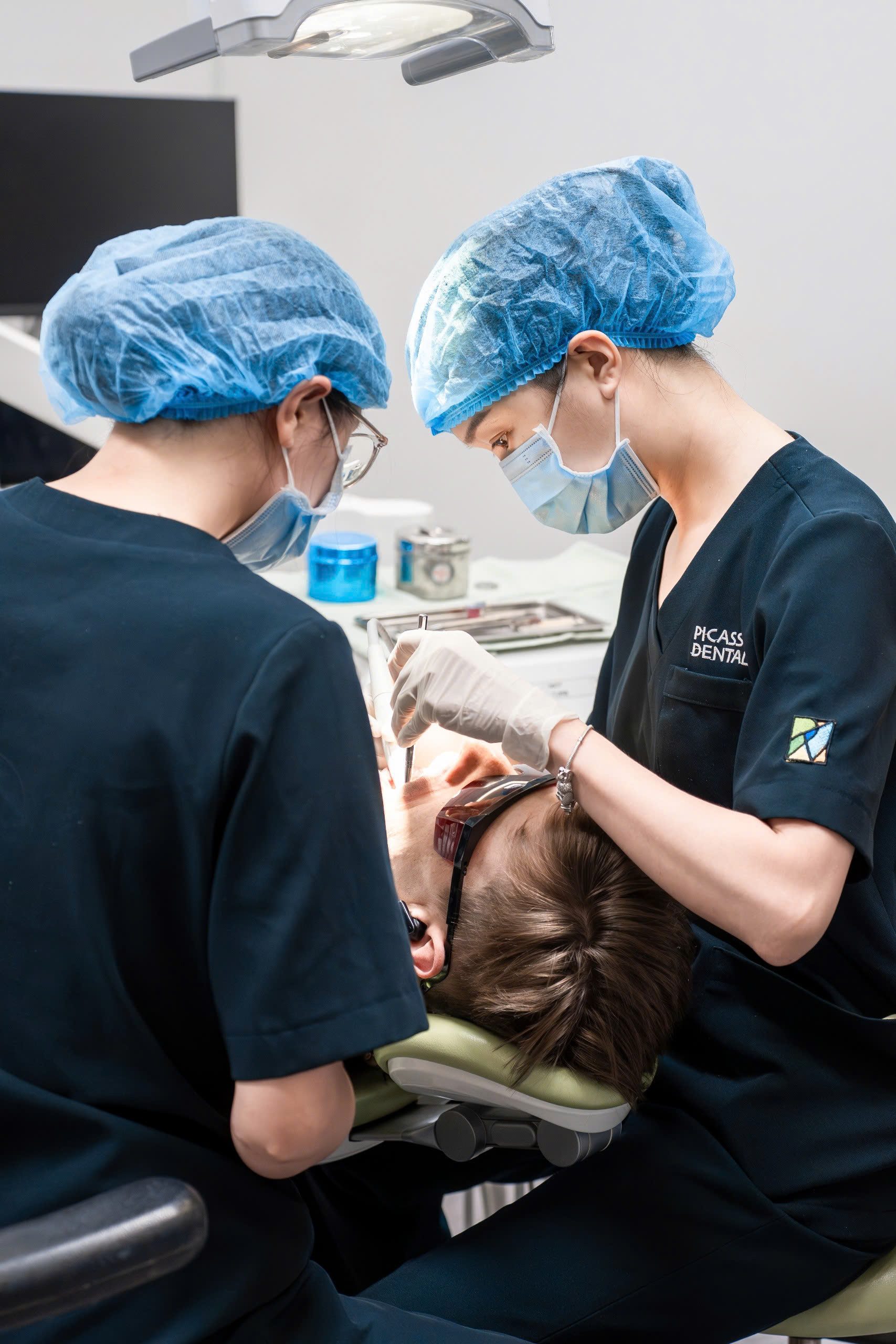
Worried about sensitivity from whitening? We assess your risk and tailor the protocol to minimise discomfort. Consultation, no obligation.
Book a consultation →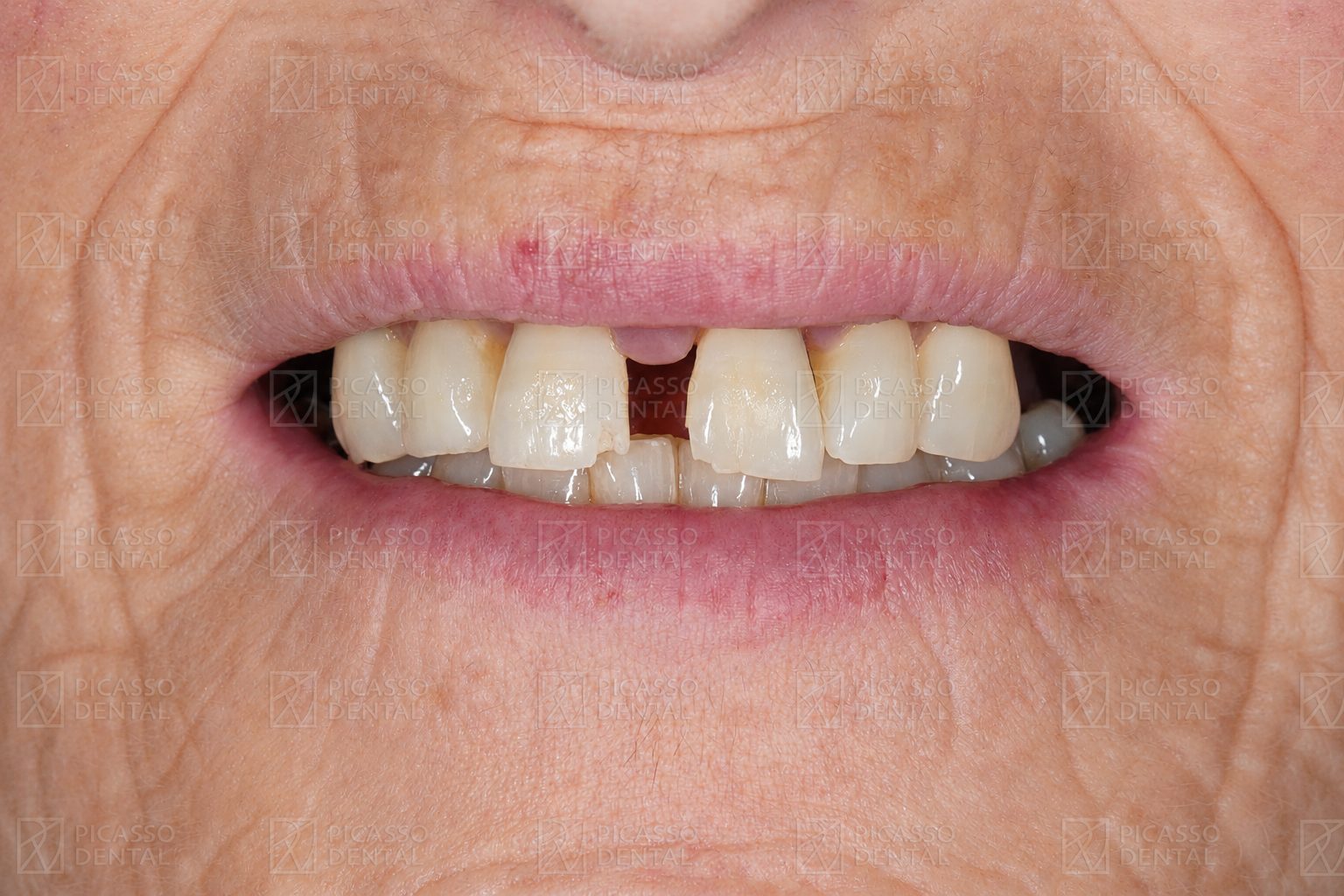 Before
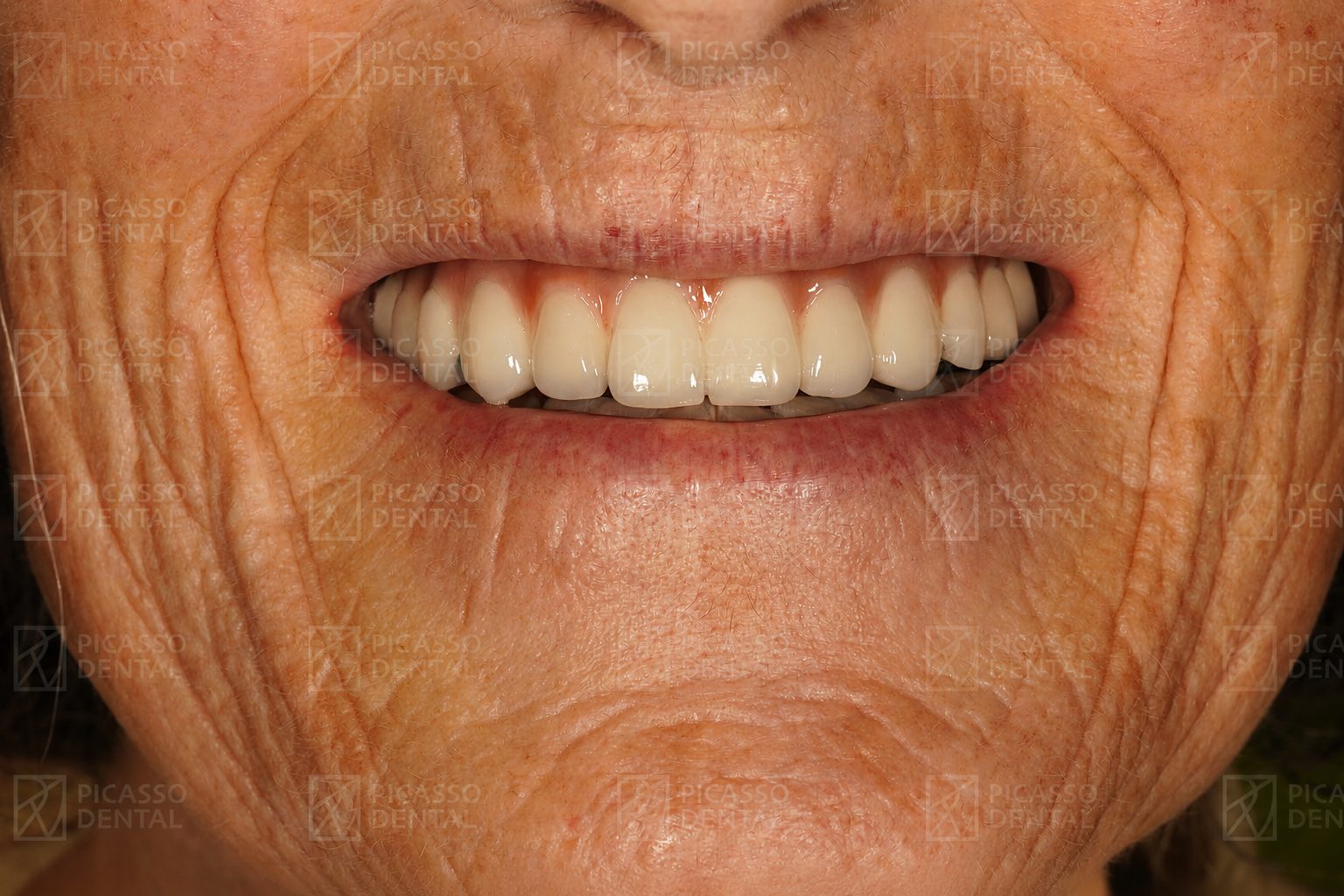 After
AfterFull rehabilitation, Hanoi Old Quarter
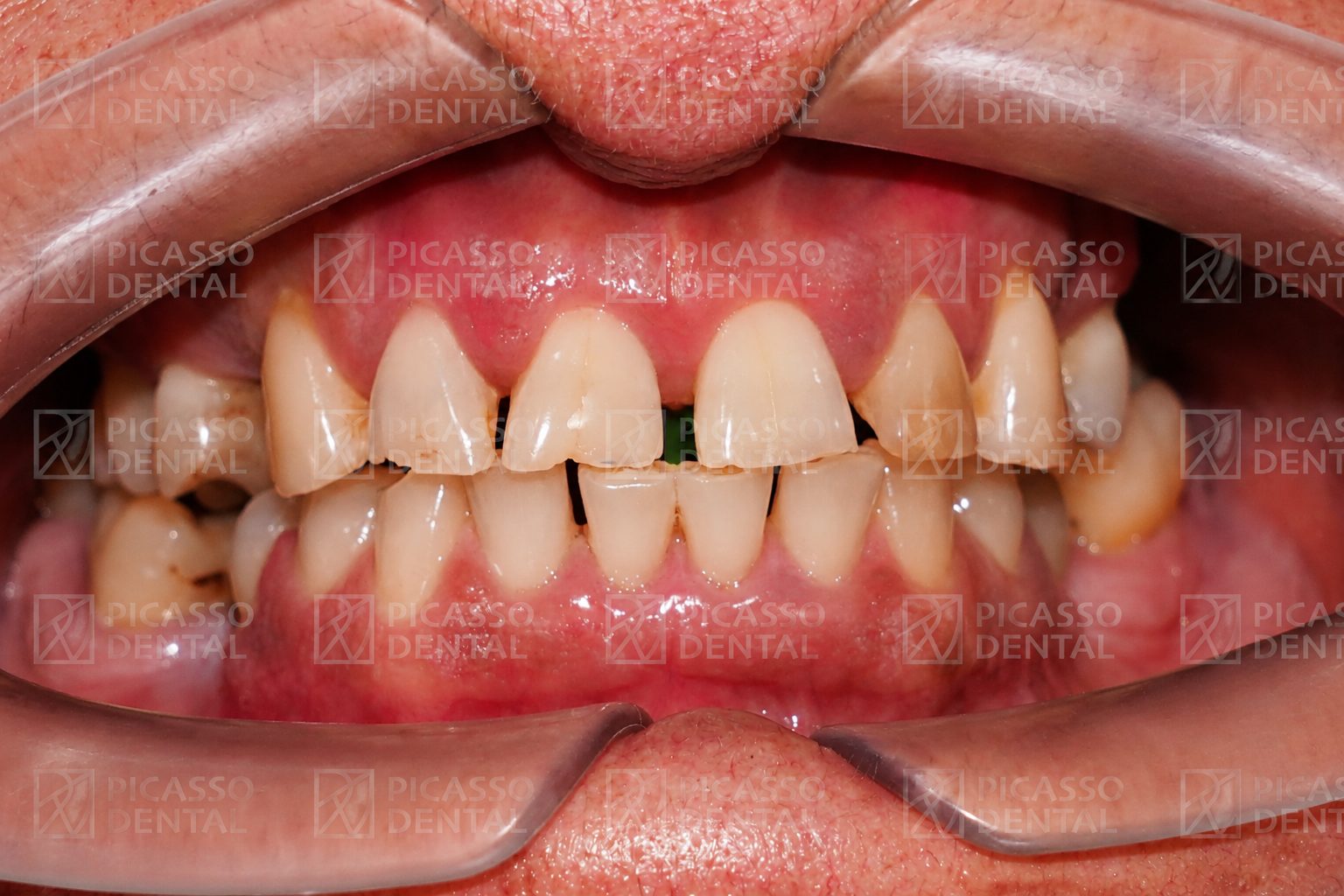 Before
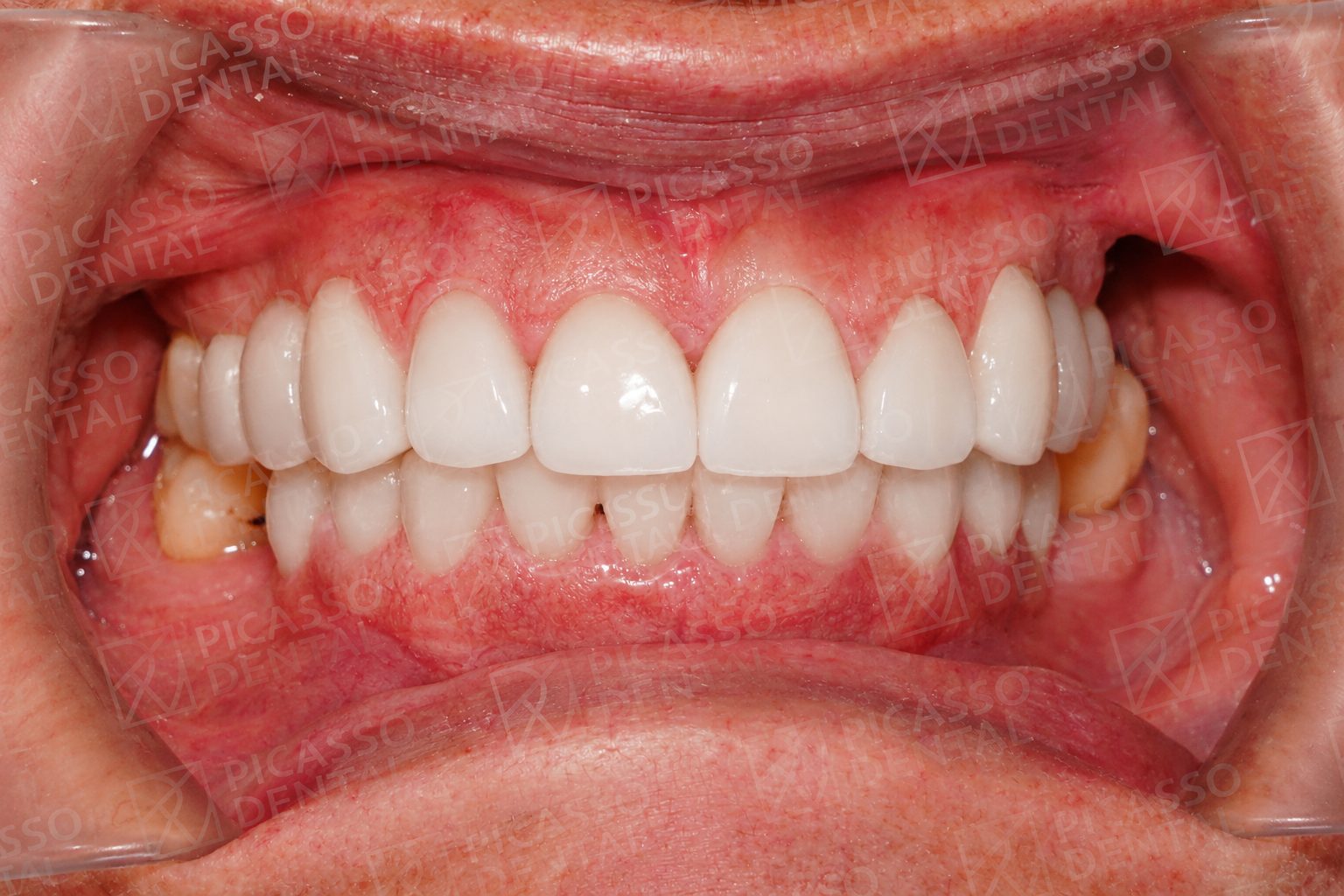 After
AfterPorcelain crowns, Da Nang
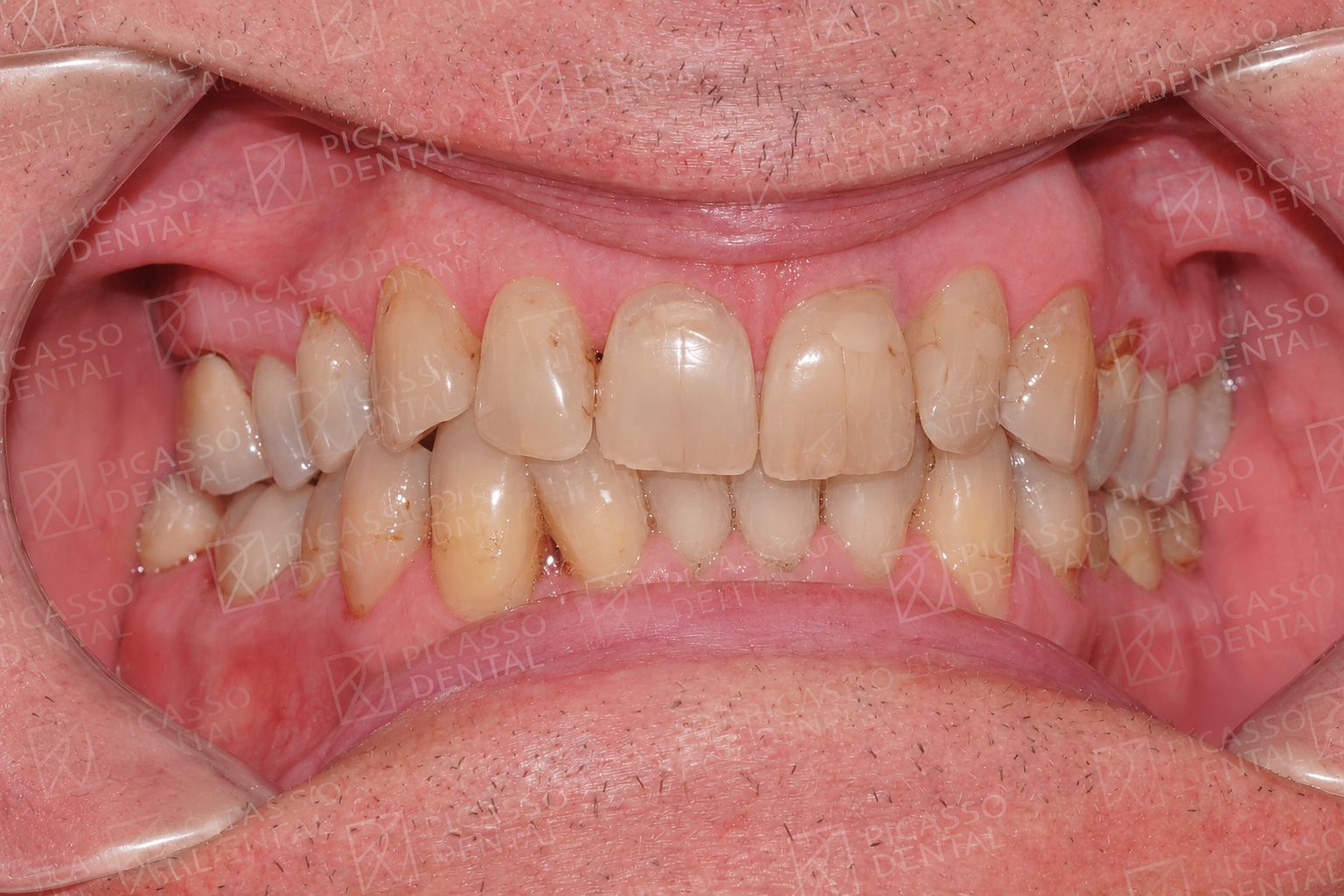 Before
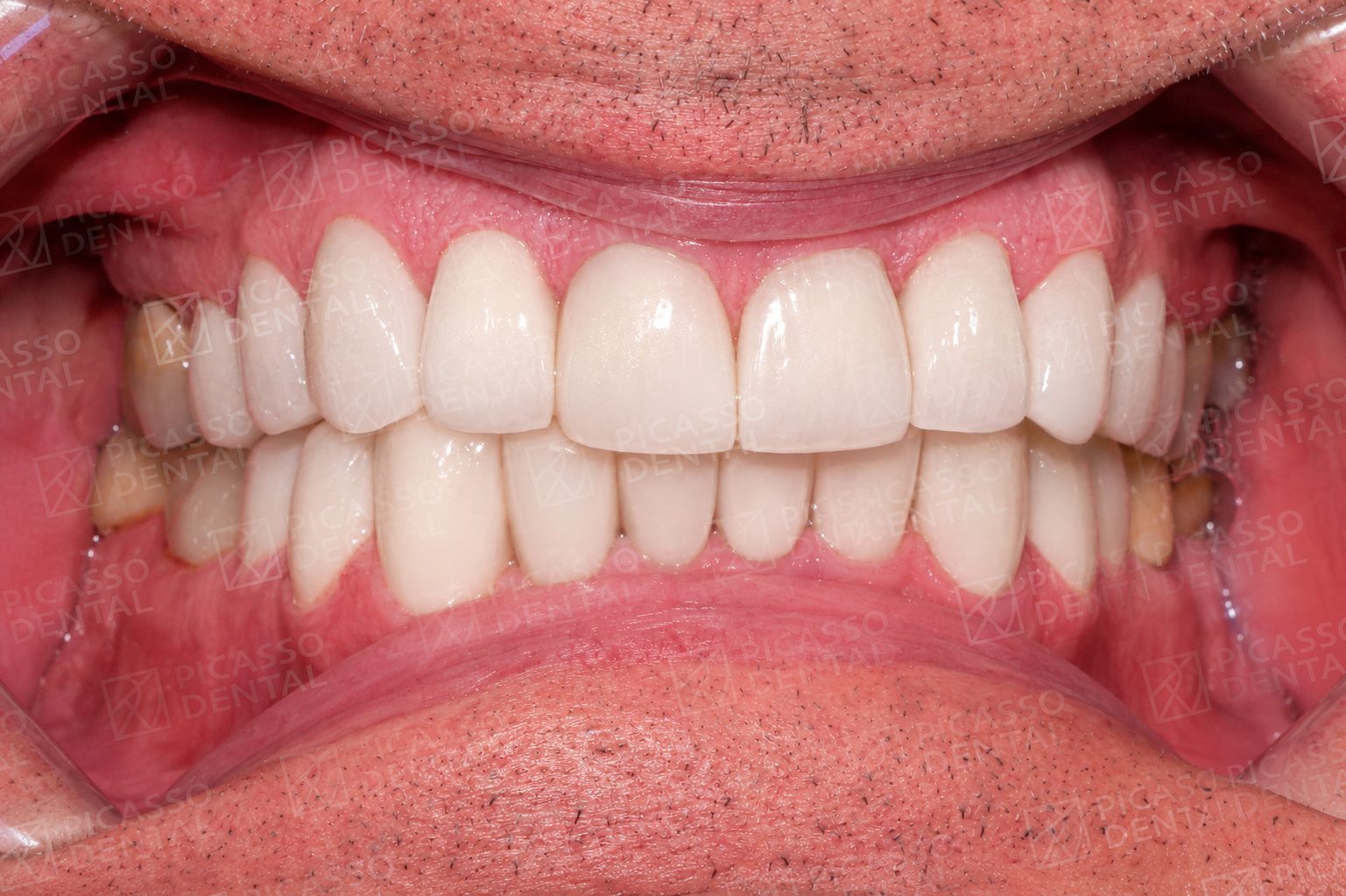 After
AfterCrown and implant, HCMC Thao Dien
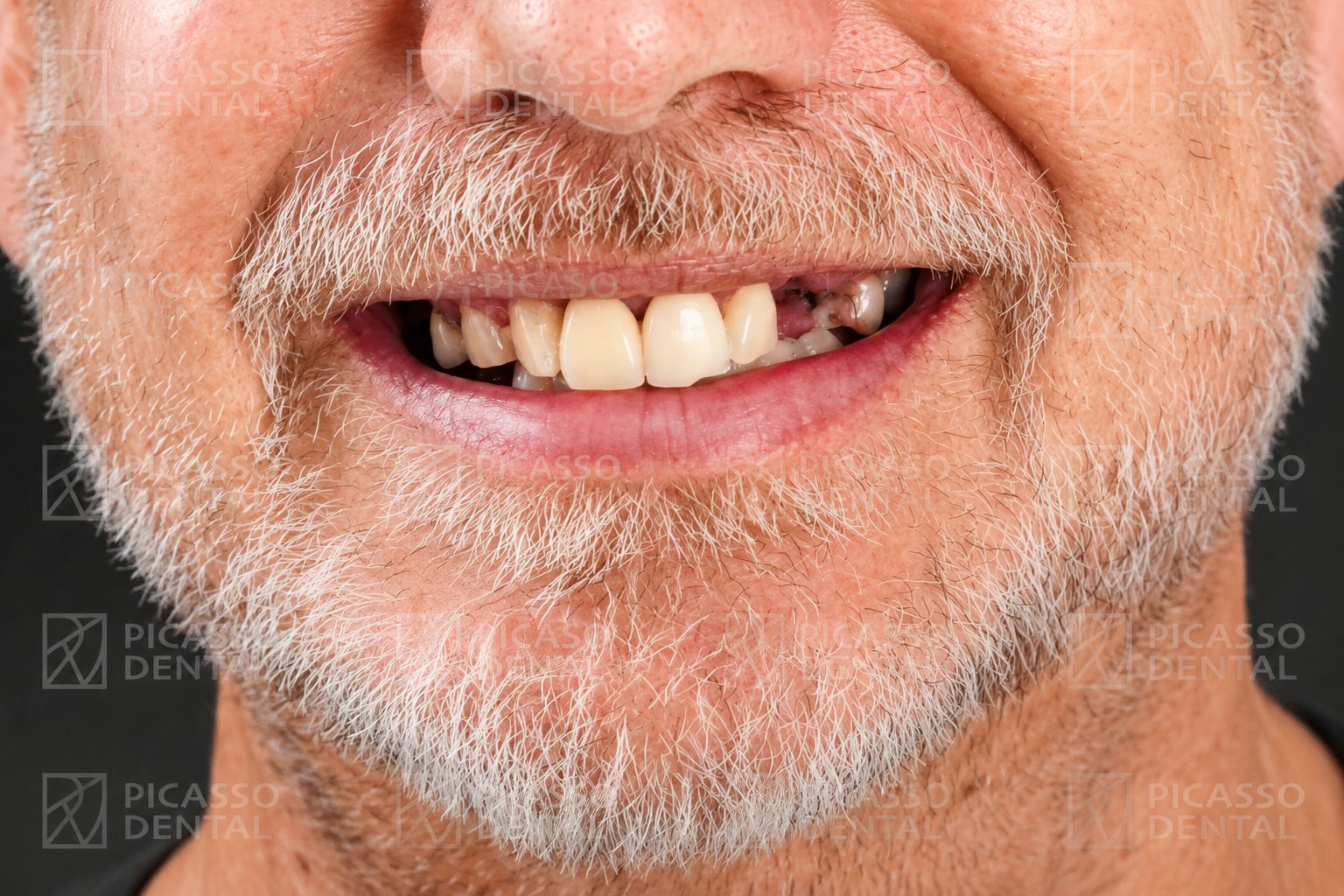 Before
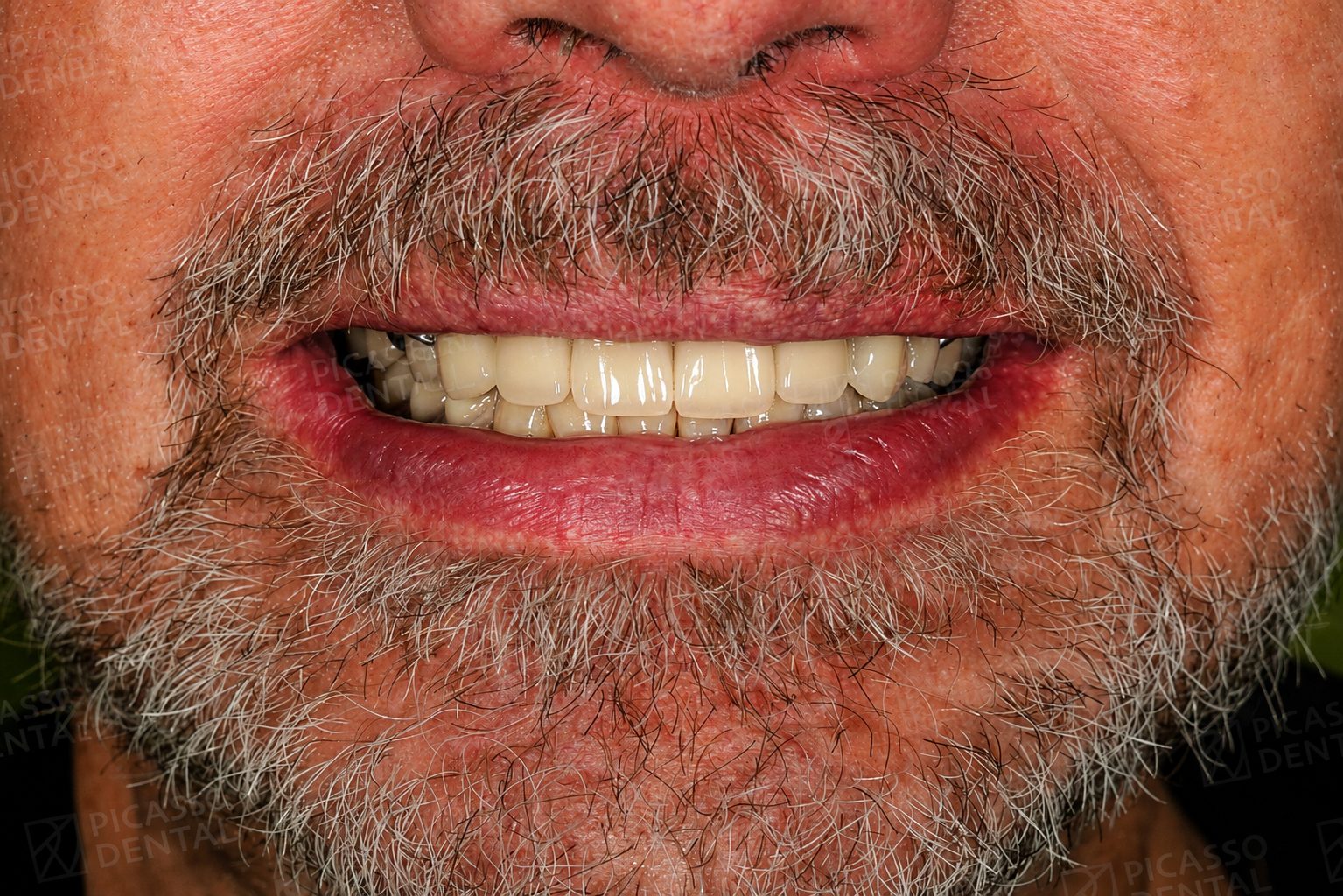 After
AfterCrown restoration, Hanoi Westlake
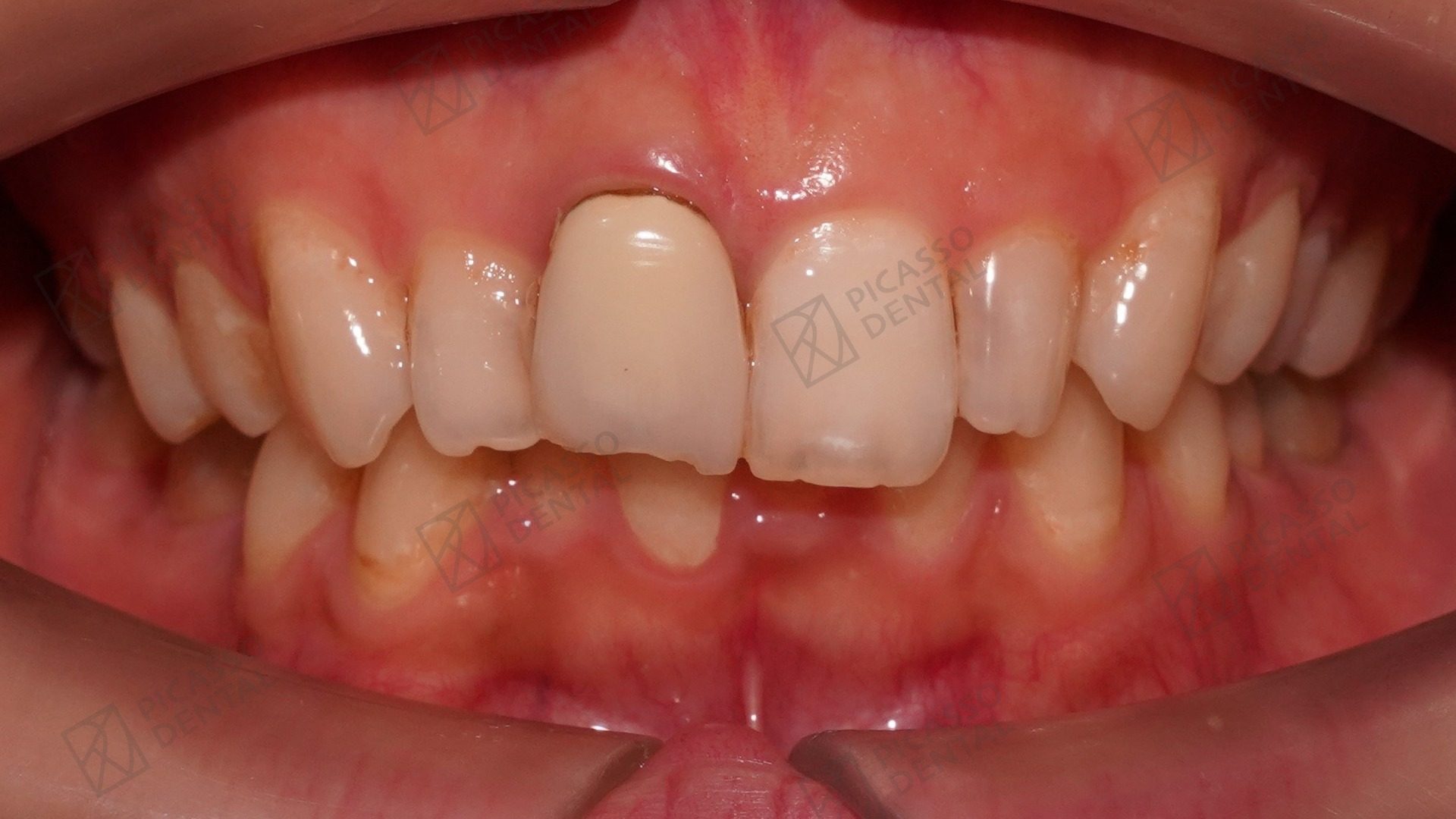 Before
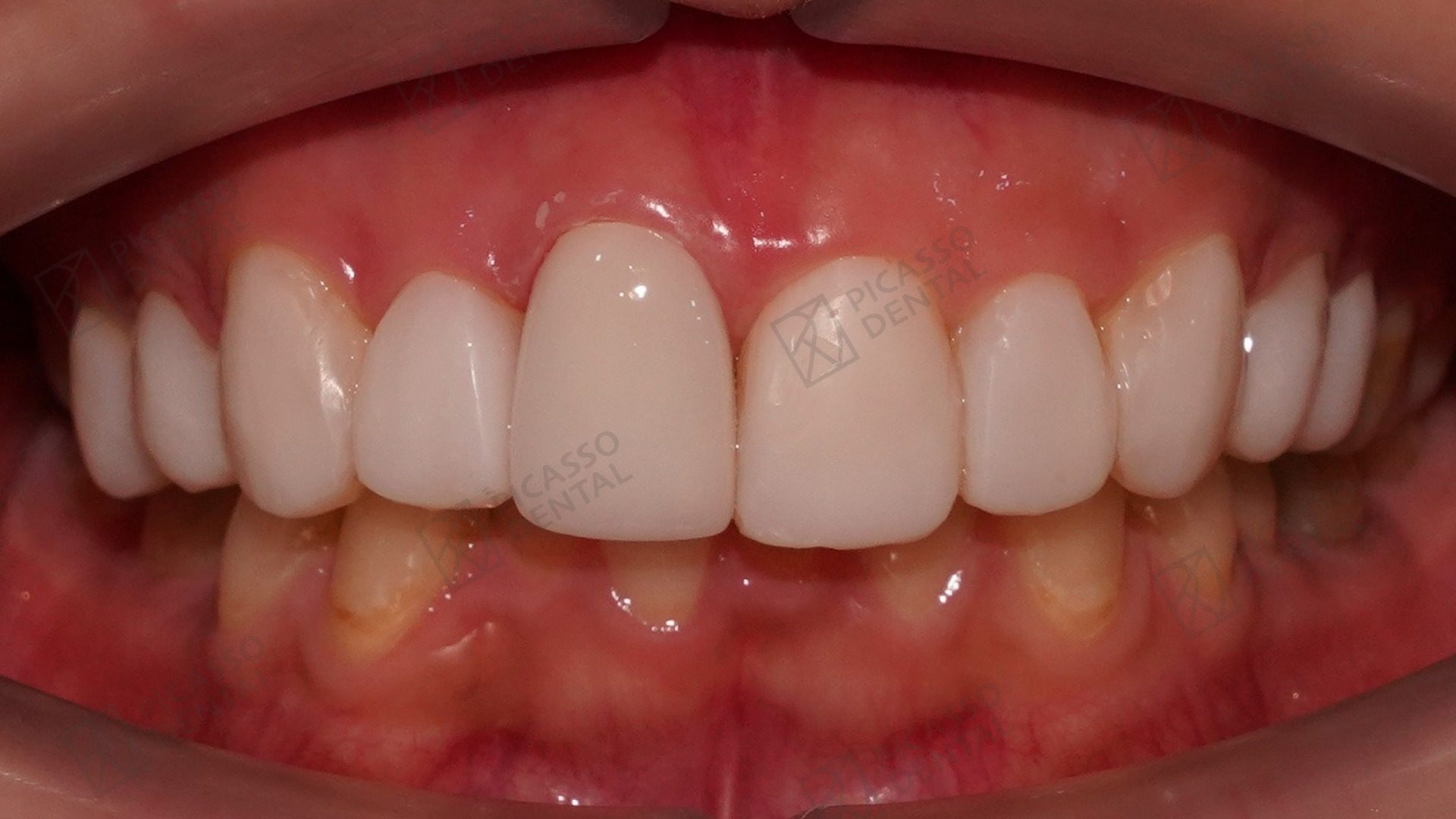 After
AfterSmile restoration, Da Nang Flagship
Frequently asked questions
Does laser teeth whitening cause sensitivity?
Yes, in approximately 60 to 70 percent of patients. The sensitivity is temporary, typically mild, and resolves within 24 to 48 hours. It occurs because the hydrogen peroxide gel temporarily opens microscopic tubules in the enamel that connect to the tooth nerve, making the tooth reactive to temperature and air during that window.
How long does sensitivity last after laser whitening?
For most patients, sensitivity peaks in the first 12 to 24 hours after treatment and resolves within 48 hours. Some patients with naturally thin enamel or existing gum recession experience sensitivity for up to three days. Sensitivity that persists beyond a week or worsens instead of improving warrants a clinical review, as it may indicate a pre-existing issue the whitening exposed.
How can I reduce sensitivity before whitening?
Use a desensitising toothpaste containing potassium nitrate or stannous fluoride twice daily for two weeks before your appointment. This gradually blocks the dentinal tubules and reduces nerve reactivity. At Picasso Dental we also apply a professional desensitising gel immediately before whitening for patients with known sensitivity.
Is the sensitivity from laser whitening permanent?
No. Laser whitening sensitivity is temporary. The whitening gel does not damage the tooth nerve. Sensitivity arises from transient opening of dentinal tubules during the bleaching process and resolves as the tubules close and the teeth remineralise. The teeth are structurally unchanged.
Can I manage sensitivity with over-the-counter medication?
Yes. Ibuprofen taken immediately after the whitening appointment, before sensitivity develops, is very effective at reducing discomfort during the peak sensitivity window. Continuing every six to eight hours for the first day keeps most patients comfortable. Continuing desensitising toothpaste for several days after whitening extends the protective effect.
What should I avoid eating after laser whitening?
For the first 24 to 48 hours, avoid extreme temperatures: very cold drinks, ice, hot coffee, and hot tea. Also avoid highly pigmented foods and beverages such as red wine, coffee, and dark sauces during this window, as the temporarily open enamel tubules make teeth slightly more susceptible to restaining immediately after treatment.
Who experiences the most sensitivity from laser whitening?
Patients with naturally thin enamel, existing gum recession that exposes dentine on root surfaces, a history of tooth sensitivity, or teeth that are already sensitive before treatment are at higher risk. We assess these factors at the pre-whitening consultation and adjust the protocol, including gel concentration and session length, accordingly.
When should I be concerned about sensitivity after whitening?
Concern is warranted if sensitivity worsens rather than improves after 48 hours, if pain is severe enough that over-the-counter medication provides no relief, or if a single specific tooth is painful rather than generalised sensitivity across all whitened teeth. Single-tooth pain after whitening often indicates a pre-existing issue such as a crack, deep cavity, or dying nerve that requires investigation.
Start Here
Start with a brief.
Tell us about your sensitivity concerns and we will tailor a whitening protocol that delivers the result you want with minimal discomfort. No obligation, 24-hour reply.