
Wisdom Tooth Extraction
Does a Wisdom Tooth Extraction Hurt a Lot?
The honest answer is: not during the procedure. Here is what to expect before, during, and after, and how to make recovery as comfortable as possible.

Key Takeaways
- Local anaesthesia eliminates pain during the procedure — you may feel pressure but not sharp pain.
- Post-operative soreness is typically mild to moderate and peaks around days two and three.
- Most patients manage well with standard over-the-counter pain medication and ice packs.
- Impacted teeth, older age, and pre-existing infection can increase post-op discomfort.
- Avoiding straws, smoking, and forceful spitting protects the clot and prevents dry socket.
- Severe or worsening pain after day three warrants immediate contact with the clinic.
The question almost every patient asks before a wisdom tooth appointment is whether it will hurt. The short answer is no, not during the procedure itself. Modern local anaesthesia reliably eliminates pain while you are in the chair. What follows afterward is a few days of manageable soreness, not the ordeal many people imagine.
What You Will Feel During the Extraction
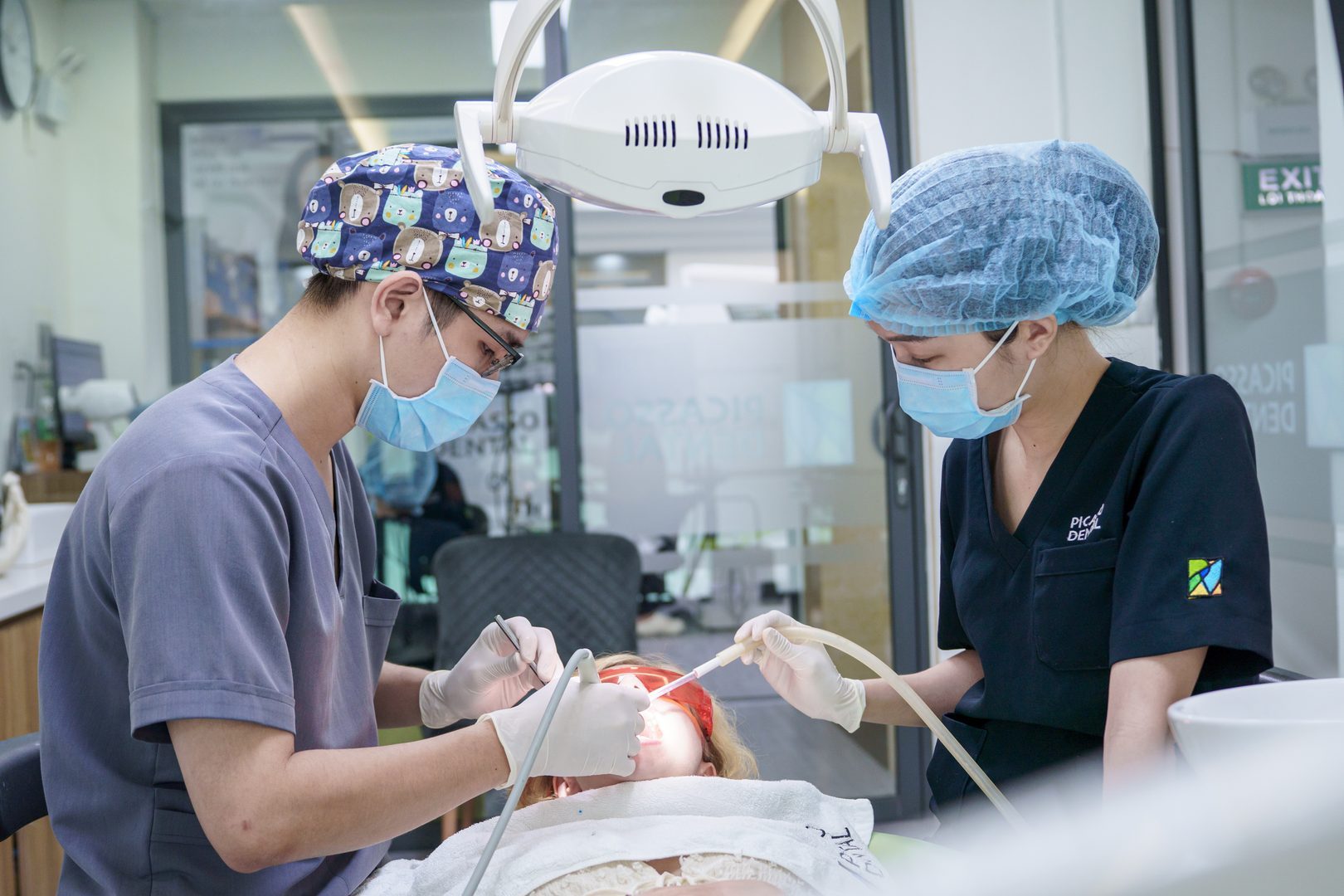
Before any instrument touches your tooth, the area is completely numbed with local anaesthesia. The injection itself feels like a brief pinch, similar to a mosquito bite, and within a few minutes the entire surrounding tissue goes numb.
Once anaesthesia is active, you may feel pressure or a pushing sensation as the tooth is rocked back and forth to loosen it from the socket. Some patients also hear faint cracking sounds as the periodontal ligament releases. These sensations are completely normal and should not be interpreted as pain. If at any point you feel something sharp, raise your hand immediately. More anaesthetic is applied and work continues only when you are comfortable.
For patients who are particularly anxious, sedation options are available. Conscious sedation keeps you relaxed and calm throughout without requiring a general anaesthetic. Discuss your concerns at your consultation and the team will recommend the most appropriate approach.
Pain and Discomfort After the Procedure
Anaesthesia wears off gradually, usually two to four hours after the procedure. As it fades, you will notice soreness in the extraction area. This is the body's normal inflammatory response to a healing wound, not a sign that something has gone wrong.
The discomfort is typically described as a dull, achy feeling rather than sharp or stabbing pain. Day one and day two are usually the most uncomfortable, followed by steady improvement. By day four or five, most patients are managing with minimal or no medication. By the end of the first week, the majority have returned to normal daily activities.
Swelling is also common and often peaks around day two or three. Applying ice packs in 15-minute cycles during the first 24 hours reduces both swelling and discomfort significantly. Keeping your head elevated while resting helps as well.
"Highly recommend. Got a cleaning, wisdom tooth extraction and a crown. Everything was painless and properly done. Came in 3 times and was served immediately. Dr. Vo is very skilled, wish she was my local dentist in Canada." — Tommy Mai, Canada, HCMC Thao Dien

Factors That Affect Your Pain Level
Not every wisdom tooth extraction produces the same degree of discomfort afterward. Several factors determine how much post-operative soreness you experience.
Lower discomfort risk
- Fully erupted, upright tooth
- Patient aged 17 to 25
- No pre-existing infection
- Simple single-root anatomy
- Strict aftercare compliance
Higher discomfort risk
- Deeply impacted or horizontal tooth
- Patient aged 35 or older
- Active infection before extraction
- Curved or multiple roots
- Smoking or straw use after surgery
Tooth position is one of the biggest variables. A fully erupted wisdom tooth sitting upright in the gum involves a simpler procedure and less tissue disruption, so recovery is usually quicker and less sore. An impacted tooth growing at an angle or lying horizontally beneath the gumline requires more surgical work, which translates to more post-operative discomfort.
Age also matters. Younger patients with less dense bone and shorter, straighter roots heal faster and with less soreness. Patients over 35 tend to experience slightly more discomfort and a longer recovery period due to denser bone and more developed root anatomy.
How to Minimise Pain and Speed Recovery
Following post-operative instructions closely makes a substantial difference to comfort and healing speed. The steps below are what the team at Picasso Dental advises every extraction patient to follow.
- Take pain medication before the anaesthesia wears off completely so you stay ahead of discomfort rather than chasing it.
- Apply ice packs for 15 minutes on, 15 minutes off, during the first 24 hours. Switch to warm compresses from day two onward to promote circulation.
- Keep your head elevated on an extra pillow when resting to reduce blood pressure at the site and minimise throbbing.
- Rinse gently with warm salt water starting 24 hours after the procedure, three to four times per day, to keep the socket clean.
- Eat only soft foods for the first several days: yogurt, mashed potatoes, scrambled eggs, smoothies consumed with a spoon.
- Avoid straws, smoking, and forceful spitting for at least five days to protect the blood clot and prevent dry socket.
- Get adequate rest and avoid strenuous exercise for three to four days to allow initial healing to proceed without disruption.
Book a wisdom tooth consultation
Warning Signs That Need Immediate Attention
Some degree of soreness and swelling is expected and normal. The following signs are not normal and require prompt contact with the clinic.
- Pain that worsens or intensifies after day three rather than improving
- A throbbing, severe ache in the jaw or ear radiating outward
- Fever above 38 degrees Celsius
- Excessive bleeding that does not stop with gentle pressure after 30 minutes
- Foul taste or smell coming from the extraction socket
- Visible bone in the socket (which may indicate dry socket)
These symptoms can indicate infection, dry socket, or another complication that resolves quickly with appropriate treatment. Contacting the clinic early always leads to a better outcome than waiting.
"I had extensive dental work done here by Dr Adrian which included removal of 3 wisdom teeth, a crown, teeth cleaning and 3 fillings. From the start I could not have been happier with the service. Everything was clearly explained including time frame, price and what to expect at every appointment." — Ruth, Hanoi Old Quarter

Why Removing Problematic Wisdom Teeth Is Worth the Temporary Discomfort
Impacted or partially erupted wisdom teeth create pockets where food and bacteria accumulate, leading to decay, gum disease, cysts, and infections that cause far more pain than a week of post-operative soreness. They can also push against adjacent molars, causing crowding, root damage, and in some cases undoing years of orthodontic treatment.
Recovery from a timely extraction is measured in days. The problems caused by leaving a symptomatic wisdom tooth in place can persist for years and eventually require more complex intervention. Many patients who delay treatment report wishing they had acted sooner once the procedure is behind them.
Frequently Asked Questions
Will I feel pain during the wisdom tooth extraction?
No. Local anaesthesia numbs the entire area before work begins. You may feel pressure or a pushing sensation as the tooth is loosened, but no sharp pain. If you feel anything sharp during the procedure, raise your hand and more anaesthetic is applied immediately before continuing.
How bad is the pain after wisdom tooth removal?
Most patients describe post-operative discomfort as a dull, achy feeling rather than sharp pain. It is typically mild to moderate and well controlled with prescribed or over-the-counter pain medication. Days one and two are the most uncomfortable, after which soreness decreases steadily.
How long does pain last after wisdom tooth extraction?
For straightforward extractions, most soreness resolves within three to five days. For impacted teeth requiring surgical removal, discomfort can last up to a week. By day seven, the majority of patients have returned to normal daily activities with minimal or no pain.
What is dry socket and how do I avoid it?
Dry socket occurs when the blood clot protecting the extraction site is dislodged before healing is complete, exposing the underlying bone and causing significant pain. The most important prevention measures are avoiding straws, smoking, and forceful spitting for at least five days after extraction.
Can I manage wisdom tooth pain without strong medication?
Many patients manage comfortably with ibuprofen or paracetamol combined with ice packs, head elevation, and a soft food diet. Your dentist will advise on appropriate medication for your specific case. Prescription pain relief is available for more complex surgical extractions where standard medication is insufficient.
When should I call the clinic after my extraction?
Contact Picasso Dental immediately if you experience severe pain that worsens after day three, fever above 38 degrees Celsius, excessive bleeding that does not stop with gentle pressure, or a foul taste or smell from the socket. These signs may indicate infection or dry socket requiring prompt treatment.
Is sedation available for anxious patients?
Yes. Picasso Dental Clinic offers sedation options for patients who are nervous about the procedure. Conscious sedation keeps you relaxed and comfortable throughout without requiring a general anaesthetic. Discuss your concerns during the consultation and the team will recommend the best approach for your situation.
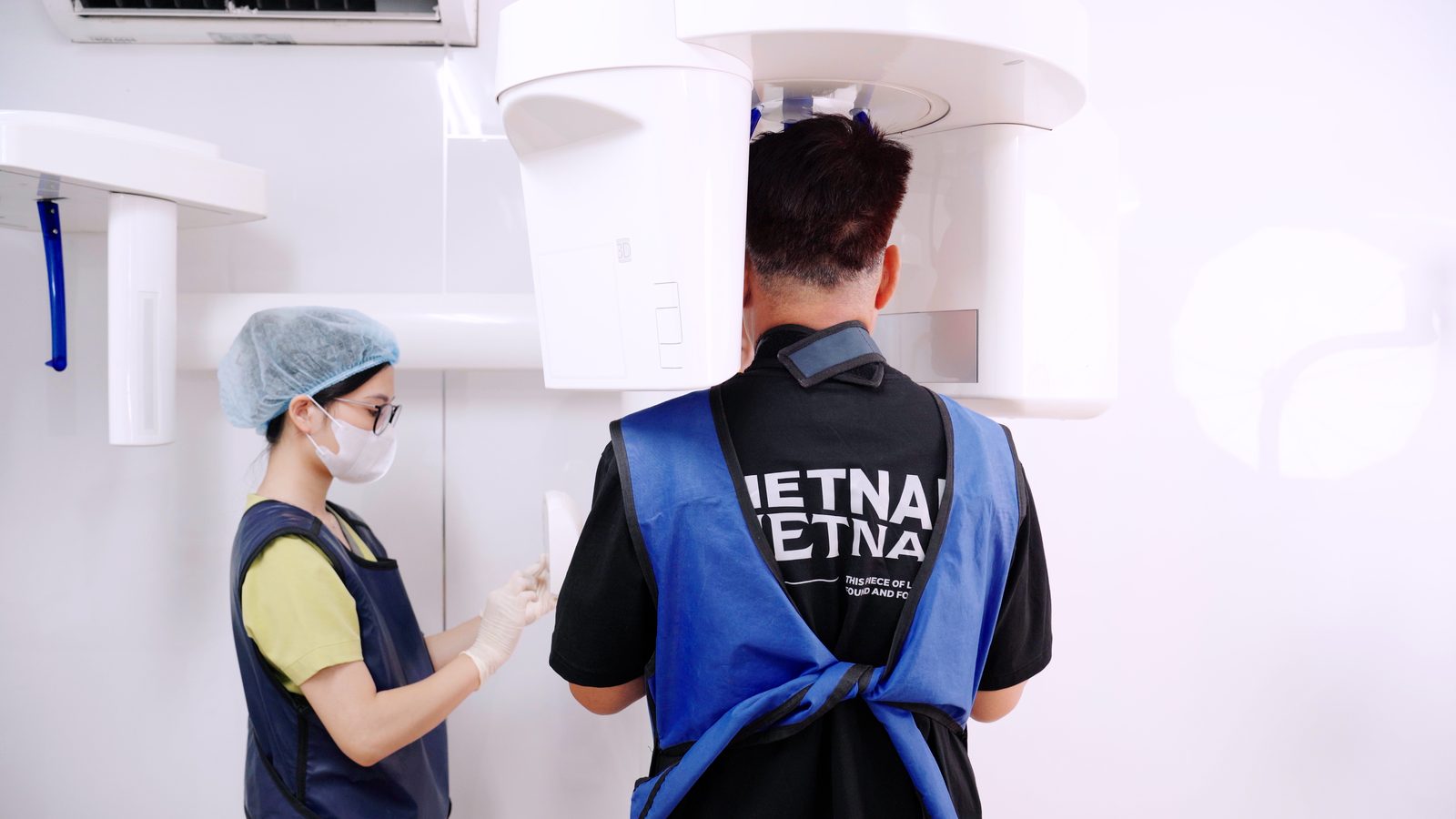
Ready to find out whether your wisdom teeth need attention? Our team will assess your X-rays, explain every step, and ensure you are fully comfortable before, during, and after the procedure.
Book a consultation at Picasso Dental