Porcelain Veneers
Do Porcelain Veneers
Look Natural?
Design determines everything.
Modern porcelain can look completely indistinguishable from natural teeth, or obviously artificial. The difference lies entirely in how the veneers are designed and who makes them.

The short version
- High-translucency porcelain mimics the light behaviour of natural enamel closely.
- Subtle variations in length, shape, and colour gradient are what make a smile look real.
- Teeth that are too white, too uniform, or proportionally wrong relative to your face look fake.
- Age-appropriate design matters: a 60-year-old with very long bright square teeth looks unnatural.
- Request a wax-up or digital preview before any tooth preparation to evaluate the design first.
What makes veneers look natural
The most important property of a natural-looking veneer is translucency. Real tooth enamel is not opaque white. Light enters the enamel surface, bounces off the dentine underneath, and exits with a slight warmth and depth. Flat, opaque porcelain looks chalky and artificial under any lighting because it reflects all light from the surface rather than transmitting any through the material. Quality porcelain, properly designed, allows this same depth of light behaviour.
Natural teeth also have character: slight variations in length from tooth to tooth, subtle irregularities of edge contour, colour that shifts from warmer at the gumline to slightly more translucent at the biting edge, and a surface texture that catches light at varying angles. A set of teeth that is perfectly uniform in every dimension registers as artificial to any observer, even if they cannot articulate why. I design veneer sets at Picasso Dental with deliberate variation that mimics the character of natural teeth at their best.
What makes veneers look obviously fake
The most common error I see in poorly executed veneer work is excessive brightness combined with excessive uniformity. Rows of identically shaped, brilliantly white teeth with no variation and no translucency are immediately recognisable as artificial. This "chiclet" aesthetic is particularly common when patients choose the brightest shade available and the dentist or ceramist produces the same standardised shape for every tooth.
Proportional errors are equally damaging. Teeth need to fit the face that surrounds them. Veneers that are too long for the lip height, too wide for the arch, or incorrectly sized relative to the patient's facial dimensions look wrong even if the individual veneer quality is high. I take facial measurements at every veneer consultation: the inter-pupillary distance, the width of the nose, the lip height at rest and in a full smile. These measurements guide proportions in the same way a tailor measures before cutting fabric.
Age-appropriate design
A consideration that separates considered veneer design from generic approaches is age. Natural teeth show wear over decades. The incisal edges soften and round. The colour accumulates some warmth. A patient in their 50s or 60s with veneers designed to mimic a 25-year-old will look noticeably artificial, not because the technical quality is poor but because the design ignores the context of the face around it.
At Picasso Dental I adjust veneer length, edge sharpness, and shade warmth based on patient age. A 35-year-old patient can carry slightly longer, brighter, sharper teeth. A 60-year-old patient's result will look more natural with slightly shorter, warmer, more rounded veneers that complement the surrounding facial features rather than contradicting them.
"My Aussie dentist and the endodontist both commented on the quality of Dr Emily's work, equal to anything they had seen by local specialists."
Lawrie Smith, Hanoi Old Quarter
Texture: the detail most patients overlook
Natural tooth enamel has a finely textured surface, with subtle horizontal ridges called perikymata and gentle undulations that catch light in specific ways. A veneer with a perfectly smooth, high-gloss surface reflects light uniformly and reads as artificial, particularly in photographs and under direct lighting. The ceramists hand-texture veneer surfaces to replicate the natural surface topography of enamel, introducing micro-detail that makes the veneer read as tooth rather than porcelain.
How to ensure a natural result before committing
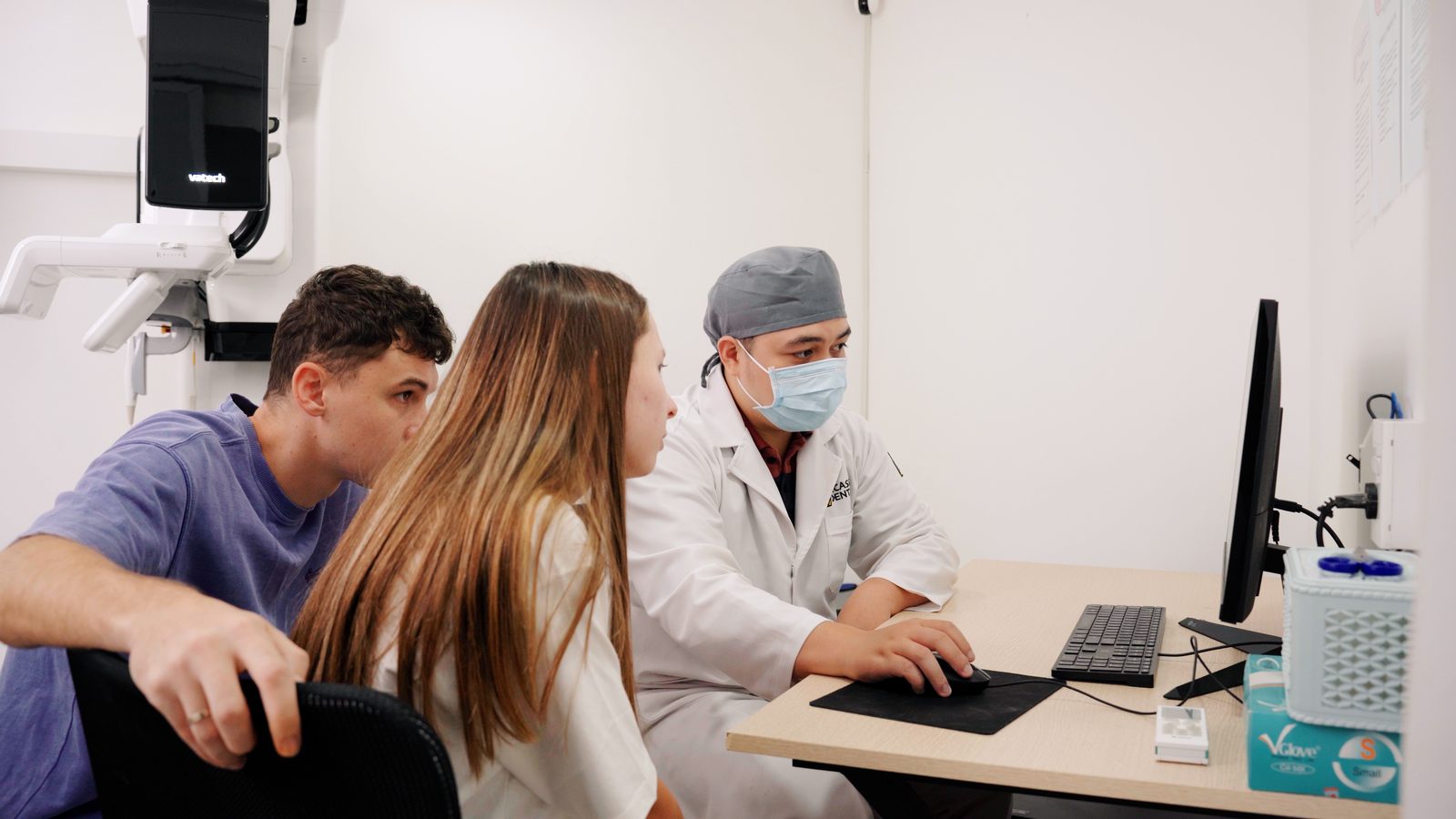
The most important protection you have as a patient is a wax-up or digital preview before preparation begins. At Picasso Dental, we offer diagnostic wax-ups: physical models showing the proposed veneer shapes built on study casts of your teeth. These can be trialled in the mouth as temporary restorations before any irreversible preparation takes place. If you do not like the shape, length, or overall look, changes are made at the wax-up stage at minimal cost, not after the teeth have been prepared and the final veneers are already in fabrication.
Never proceed with a dentist who skips the preview stage or rushes the design conversation. The most important decisions in veneer treatment happen before the preparation appointment, not during it.
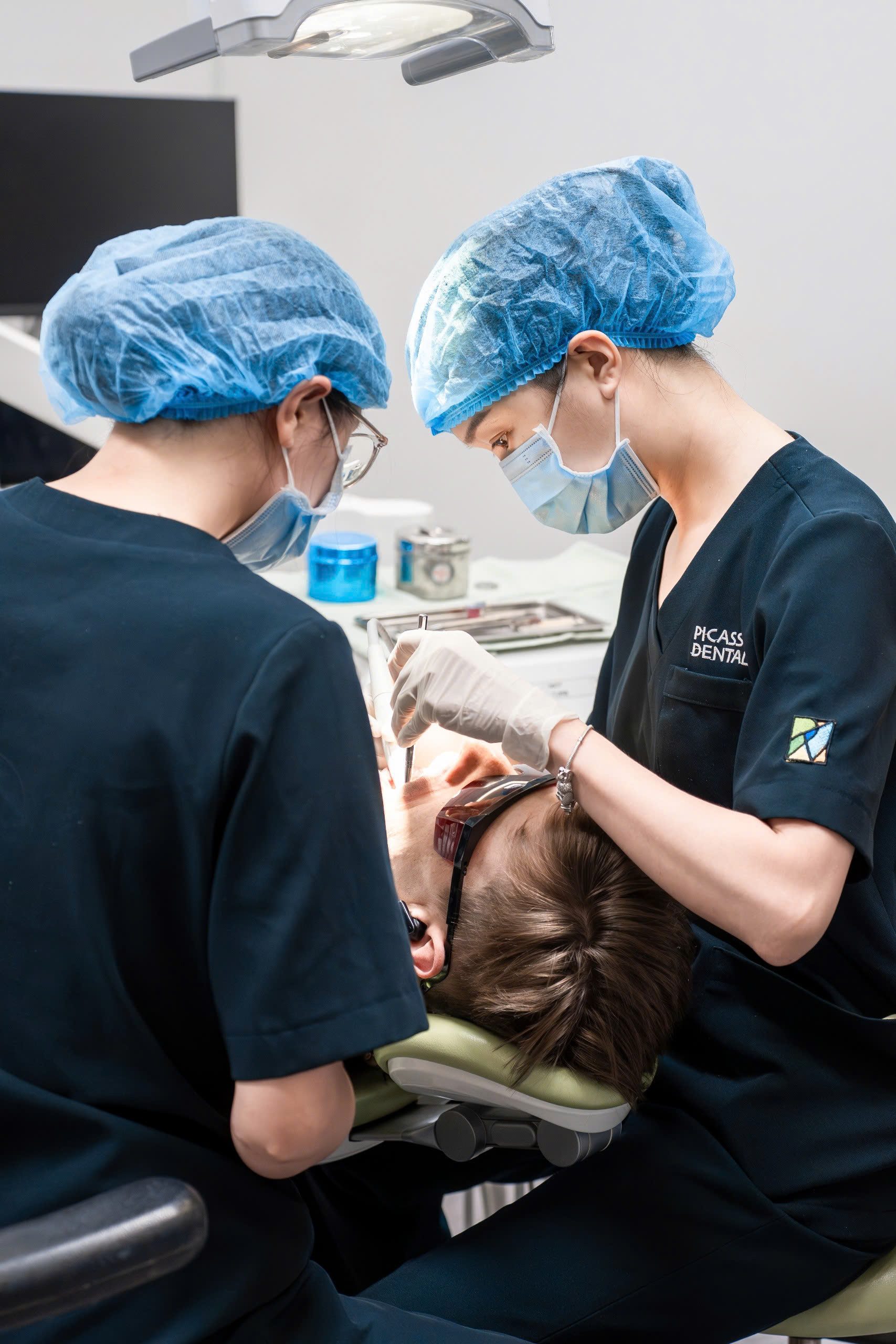
Want to see what natural veneers look like on your face? We provide wax-up previews at every consultation. No obligation.
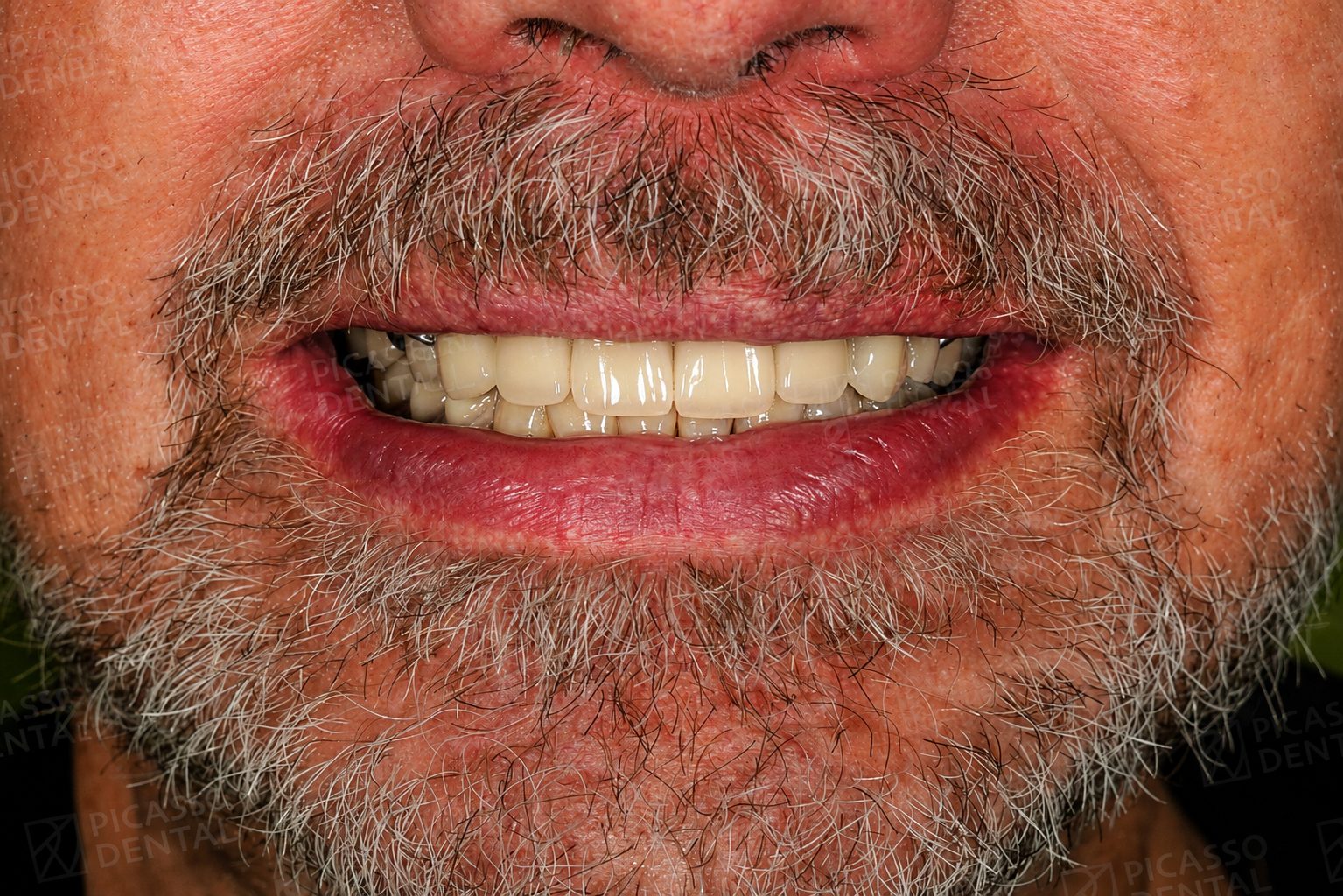
Book a consultation →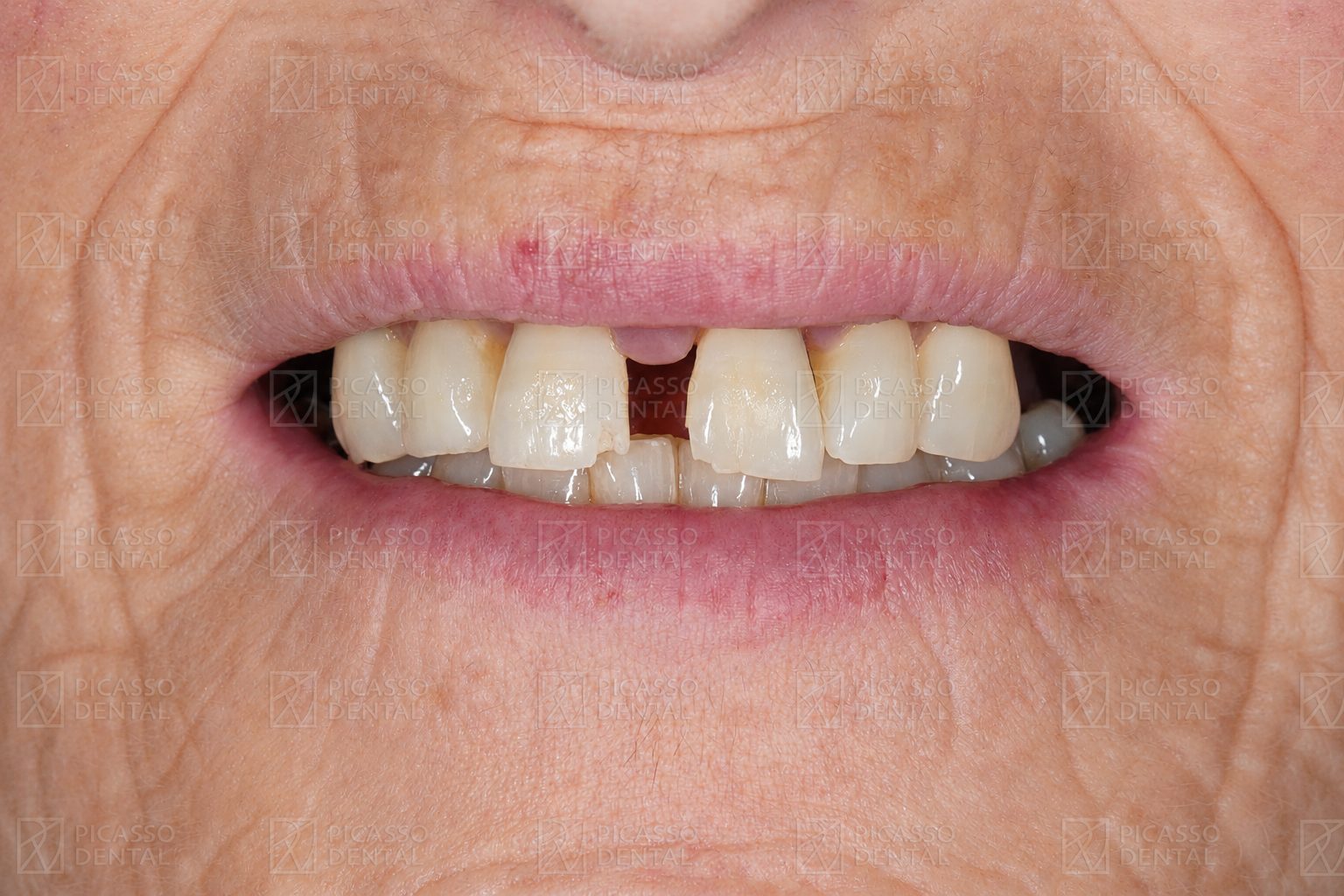 Before
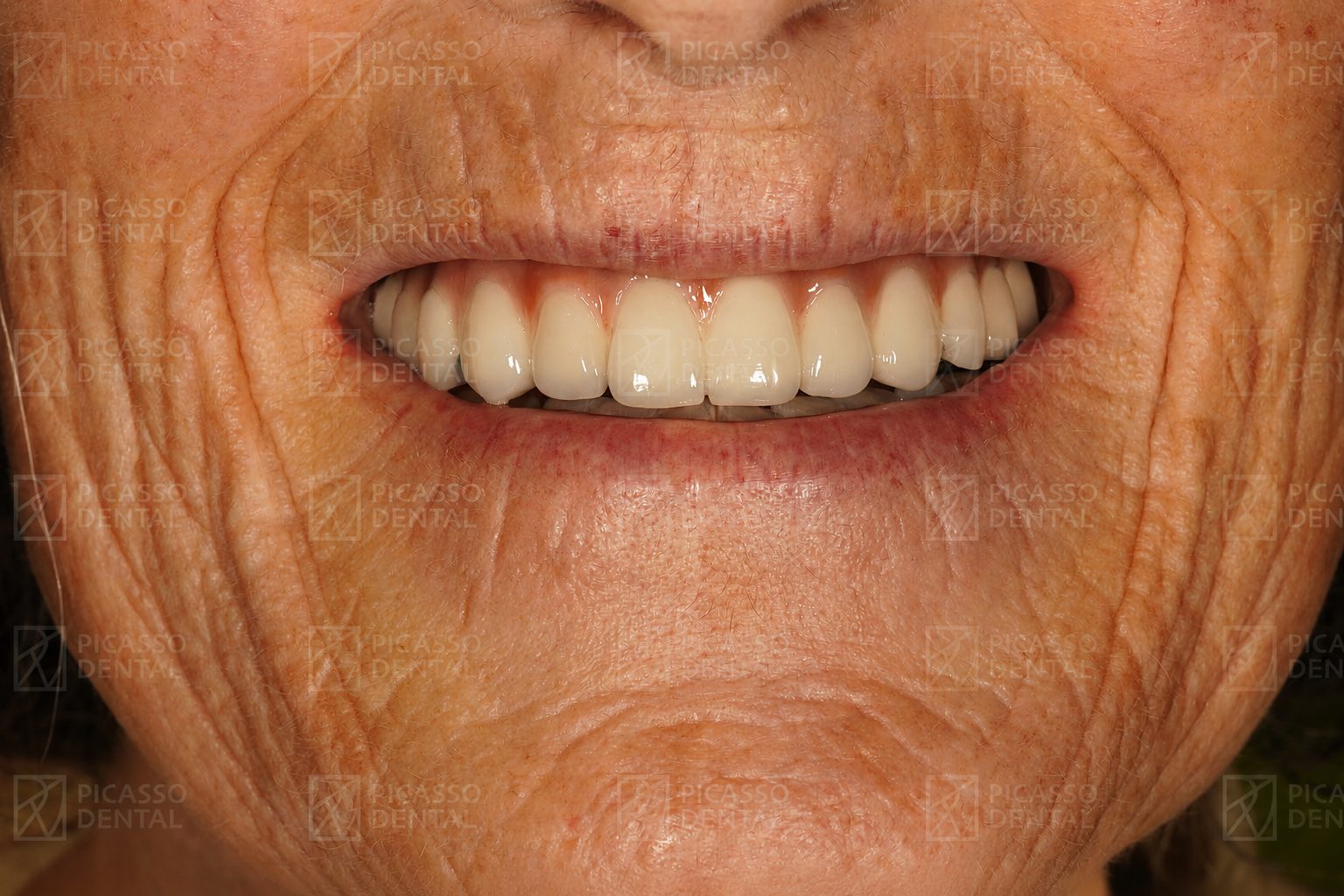 After
AfterFull rehabilitation, Hanoi Old Quarter
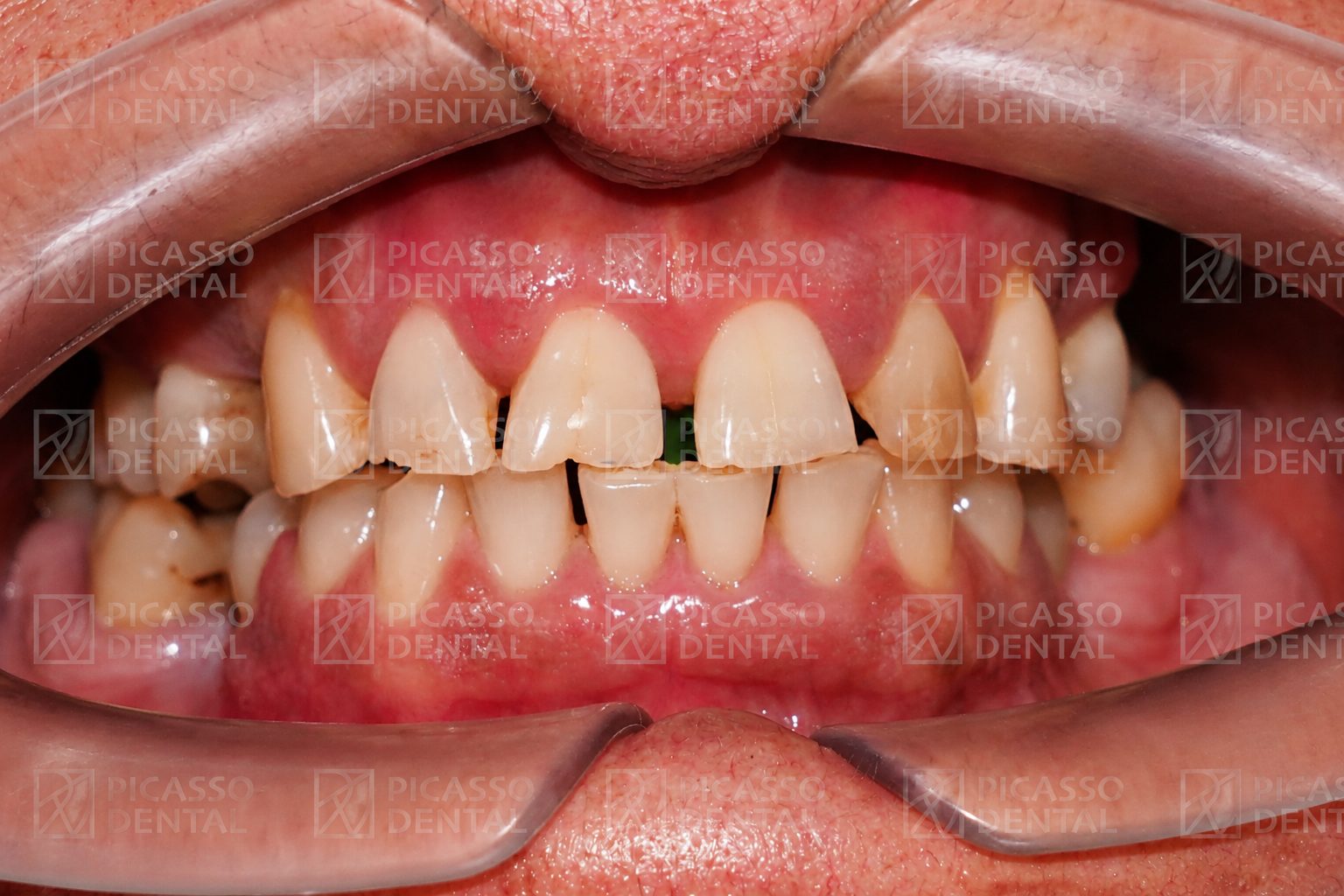 Before
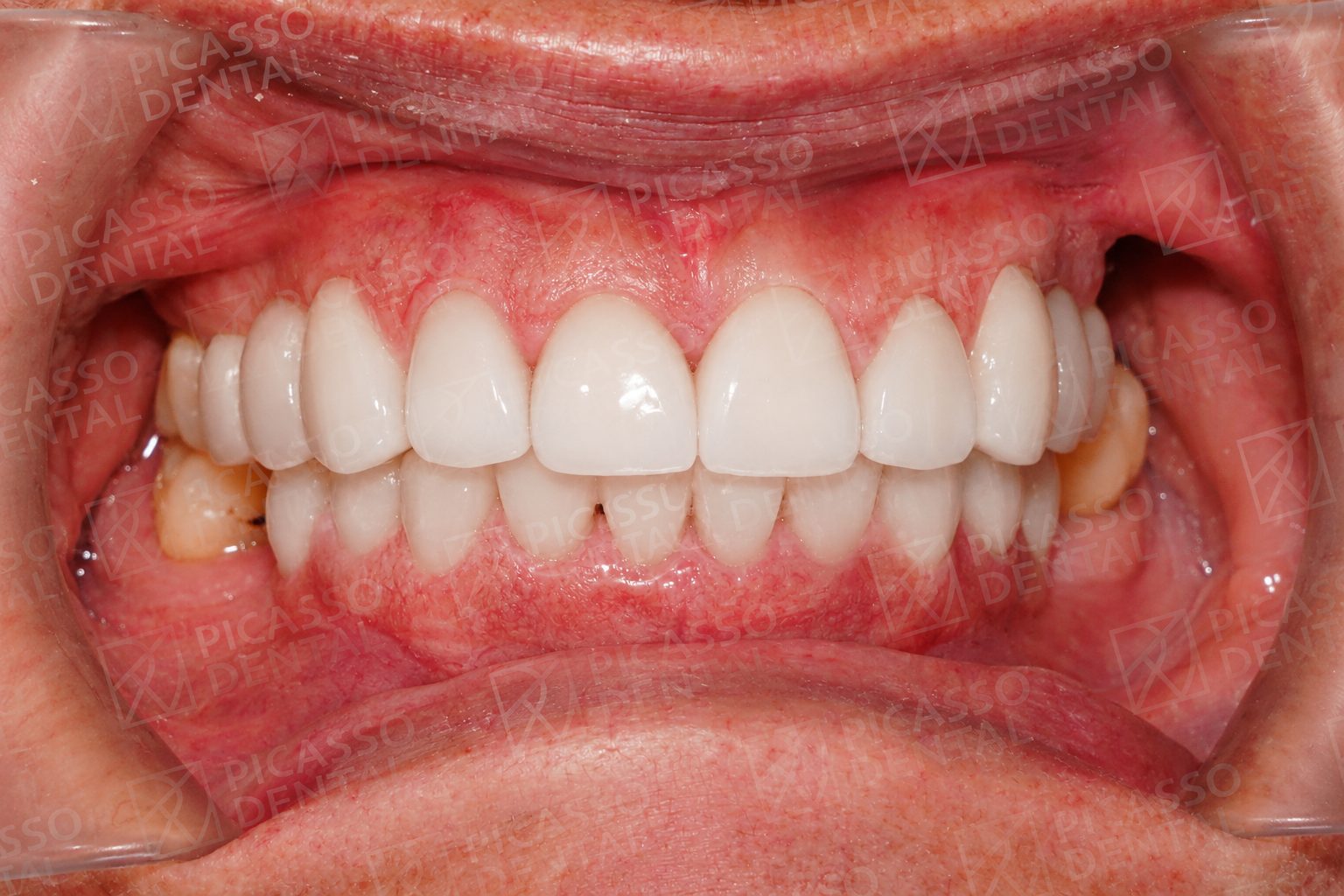 After
AfterPorcelain crowns, Da Nang
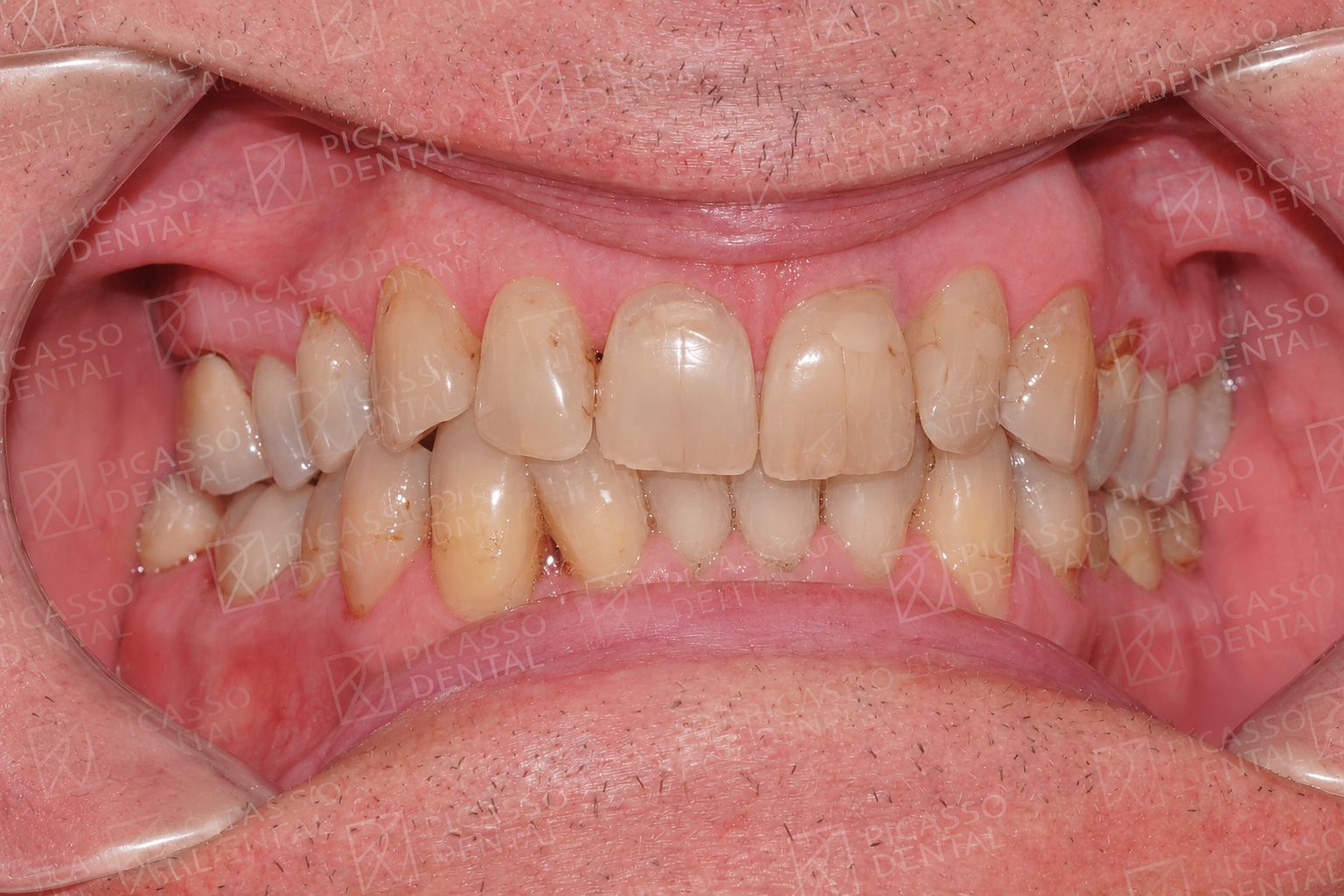 Before
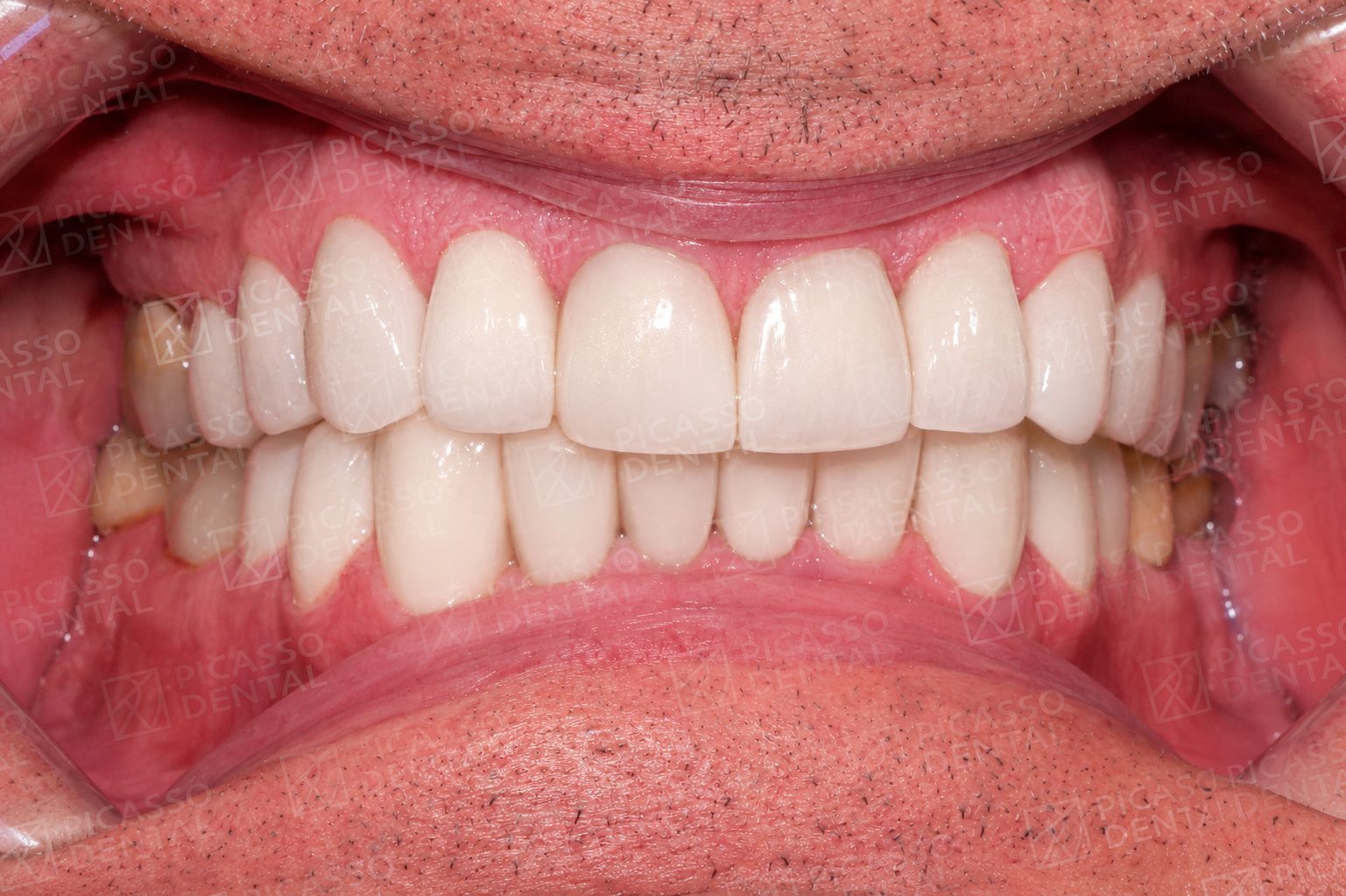 After
AfterCrown and implant, HCMC Thao Dien
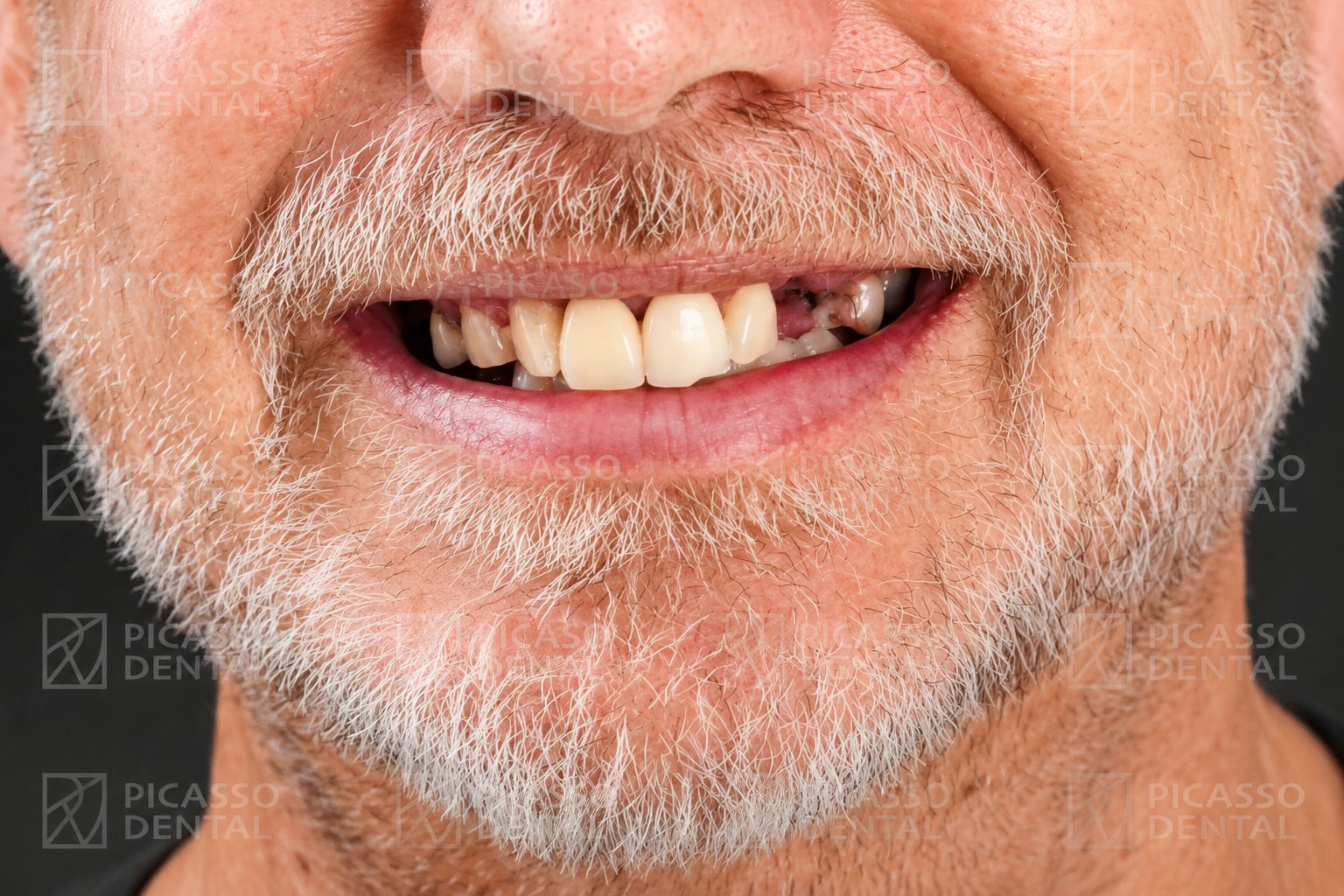 Before
 After
AfterCrown restoration, Hanoi Westlake
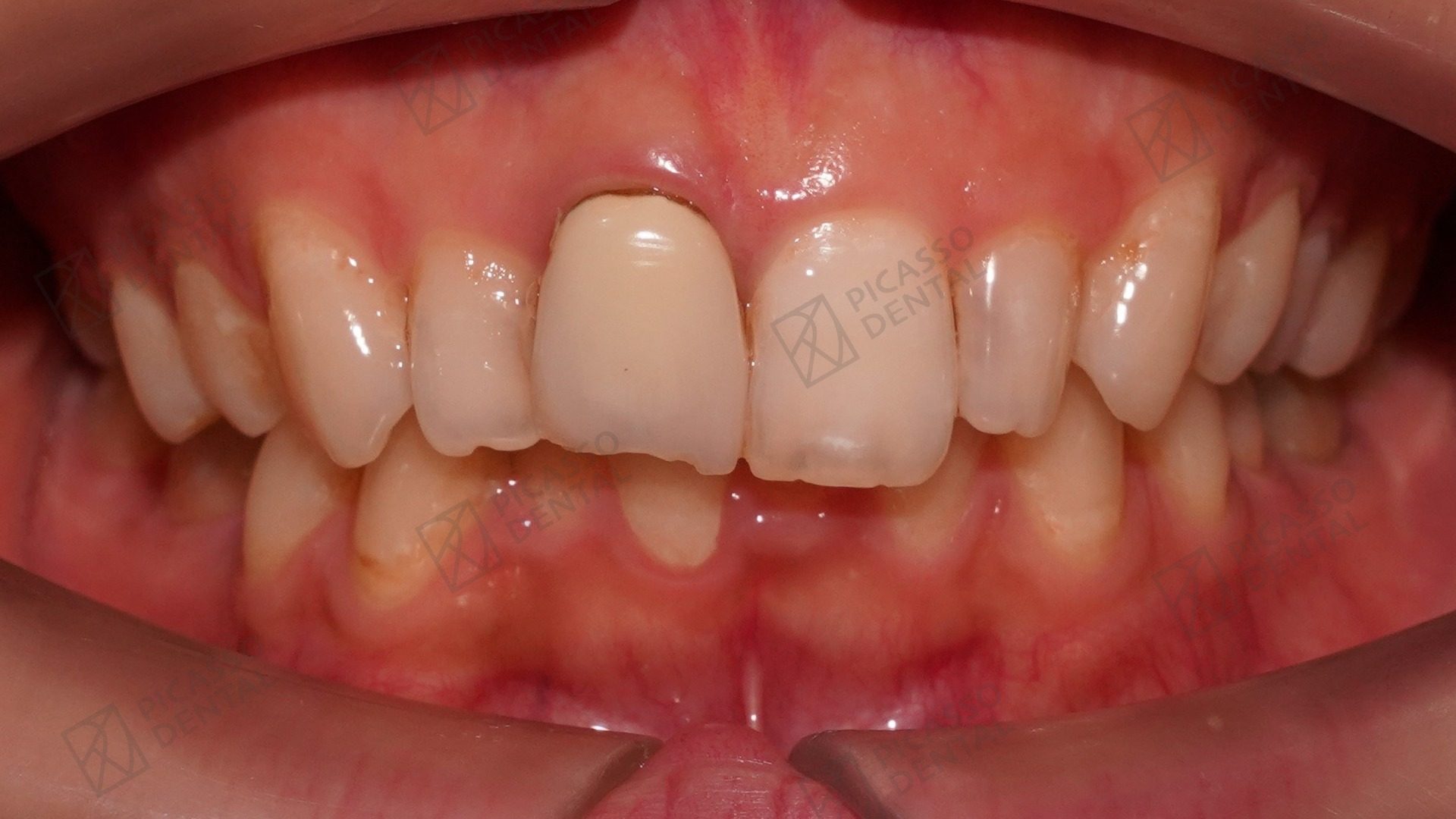 Before
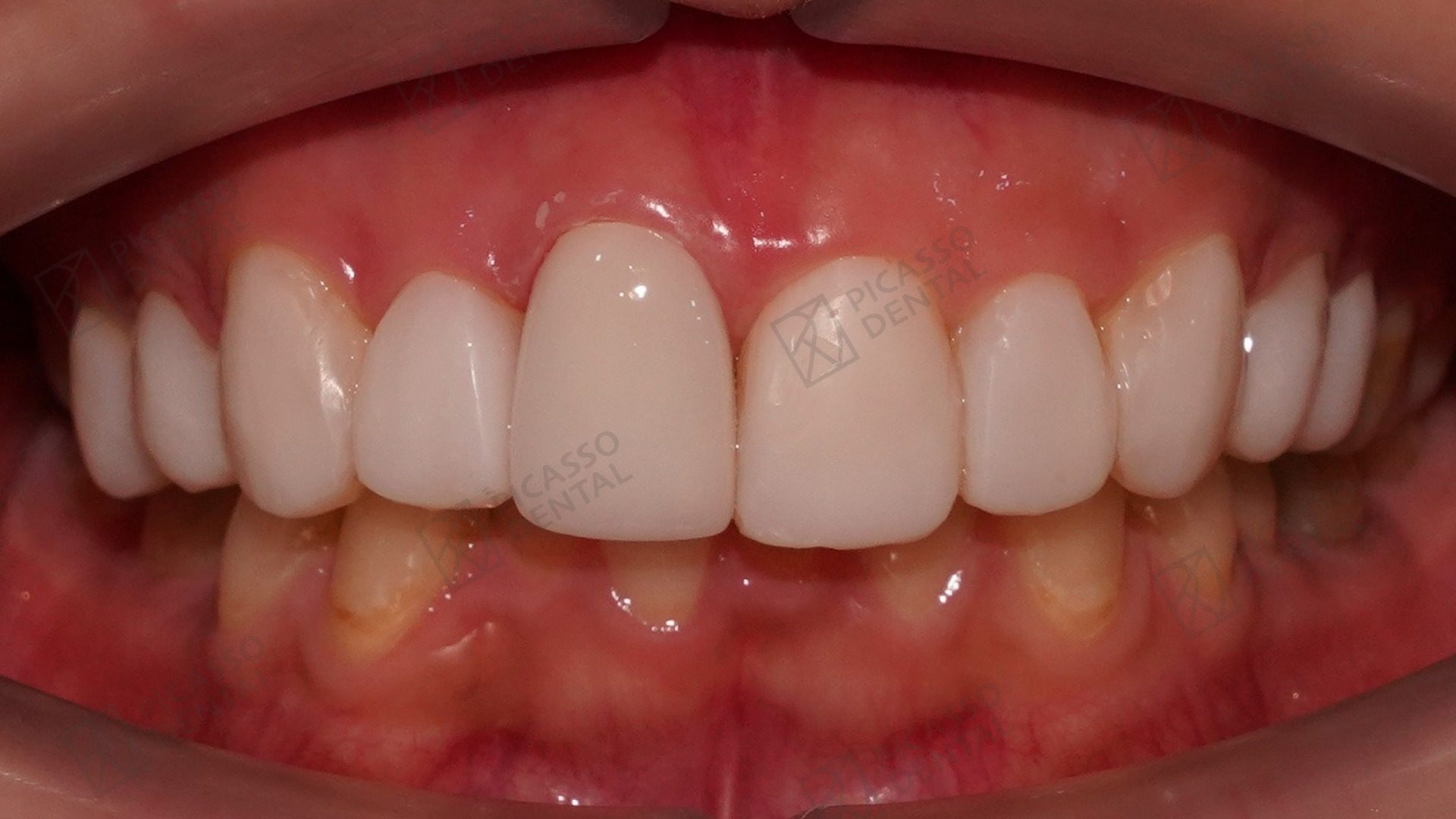 After
AfterSmile restoration, Da Nang Flagship
Frequently asked questions
Do porcelain veneers look natural?
They can look completely natural or obviously artificial, depending entirely on the design and the skill of the dentist and ceramist. Modern high-translucency porcelain, subtle colour gradients, hand-textured surfaces, and proportions matched to the patient's face all contribute to a natural result. Teeth that are too white, too uniform, or too large relative to the face are the most common reasons veneers look fake.
What makes veneers look fake?
The most common causes are excessive brightness, uniformity (all teeth the same shape and length with no variation), incorrect proportions relative to the patient's face, and poor gum emergence that makes the veneers look bulky at the gumline. Age-inappropriate designs also stand out: perfectly bright, square teeth on an older patient look unnatural because real teeth accumulate subtle wear and character over decades.
What material makes the most natural-looking veneers?
Feldspathic porcelain and lithium disilicate (e.max) are widely regarded as the most lifelike veneer materials. Both allow light to penetrate and reflect from within the ceramic, mimicking the way natural enamel handles light. Feldspathic porcelain in particular can be hand-layered and textured by a skilled ceramist for exceptional individual character. The material choice depends on the case, as e.max offers greater strength alongside good aesthetics.
Can I see what my veneers will look like before they are made?
Yes. We offer diagnostic wax-ups and digital smile previews at Picasso Dental. A wax-up is a physical model of the proposed design built on study models of your teeth. Digital preview uses software to show the expected result on photographs of your face. Both tools let you evaluate and refine the design before any tooth preparation occurs.
How do I choose a natural veneer shade?
Natural-looking shades tend to have some warmth and translucency rather than being flat, opaque white. Most natural-looking results fall in the A1 to B2 range on the VITA shade guide, which is bright but not extreme. Shades above B1 on the bleach guide can look natural on younger patients seeking a brighter result, but require careful handling in terms of translucency and texture to avoid looking artificial.
How important is the ceramist in achieving natural-looking veneers?
The ceramist is as important as the dentist. A skilled ceramist can hand-texture the veneer surface to reflect light the same irregular way natural enamel does, build colour gradients from the gumline to the biting edge, and introduce subtle characterisation such as faint developmental lines or translucent incisal halos. At Picasso Dental, veneer cases are entrusted to ceramists who specialise in cosmetic restorations.
Will anyone be able to tell I have veneers?
With a well-designed, well-executed result, most people will not notice. The goal of quality veneer work is to produce teeth that look like the best version of your own teeth, not a visibly artificial replacement. Patients regularly report that family and friends comment on their smile looking great without identifying veneers as the cause.
Patient Video Testimonial

Start Here
Start with a brief.
Tell us what you want your smile to look like and we will show you the design before anything is touched. No obligation, 24-hour reply.