
Porcelain Veneers
Do I Need to Whiten
Before Getting Veneers?
It depends on your plan.
Porcelain cannot be whitened after fabrication. Whether you whiten first depends on how many teeth are being veneered and what shade relationship you want to maintain long-term.

The short version
- Porcelain veneer colour is fixed at fabrication and cannot be whitened afterwards.
- Partial veneers (six to eight teeth): whiten first so the shade can be matched to your brightened natural teeth.
- Full smile makeover (ten or more teeth): whitening first is optional, as all visible teeth will be covered.
- Wait two to three weeks after whitening before veneer preparation for shade stability.
- Skipping whitening for partial veneers locks in a shade contrast that is difficult to correct later.
Why the colour of your natural teeth matters for veneers
Porcelain veneers are colour-stable by design. The shade chosen at the shade-matching appointment is fired into the ceramic and does not change with age, diet, or whitening treatments. This is an advantage in one respect: your smile stays bright without the maintenance whitening requires. The complication arises when some of your teeth are veneered and some are not.
If you veneer your front six teeth and leave the teeth adjacent to them natural, a shade relationship is established between the two groups. Initially, if the veneer shade was chosen to match your current natural teeth, everything looks cohesive. But if you then whiten your natural teeth a year later, those teeth will brighten while the veneers stay the same. The mismatch becomes visible. Conversely, if your natural teeth gradually yellow with age, the same problem emerges in the other direction.
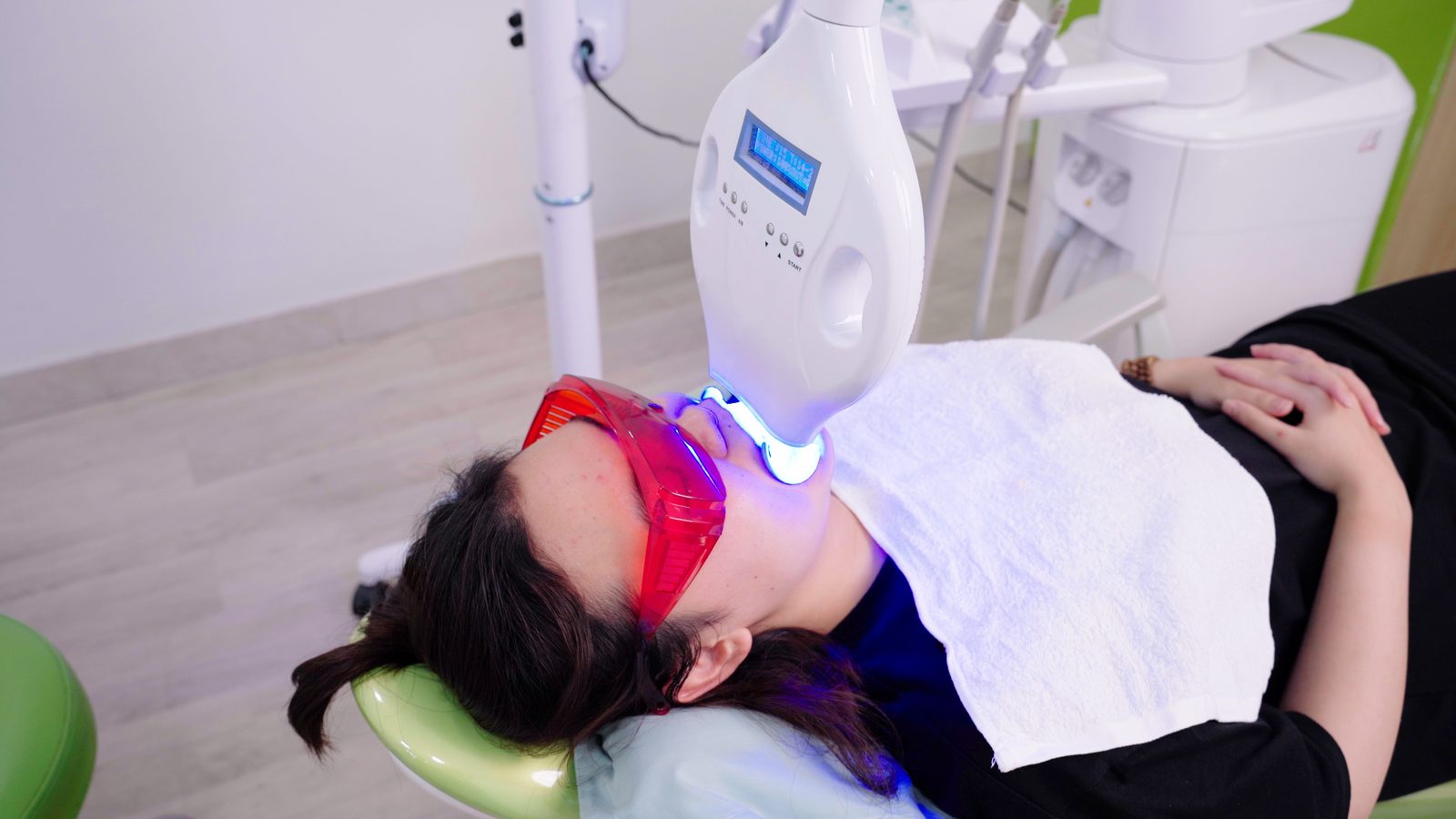
When whitening first is the right approach
For patients veneering a partial set of teeth (typically the front six to eight upper teeth to address specific issues such as chips, gaps, or isolated discolouration), I consistently recommend whitening first. The logic is straightforward: whiten your natural teeth to your desired maximum brightness, wait for the shade to stabilise, then choose your veneer shade to match. Now the veneers and natural teeth start from the same reference point. If you whiten again in future, the gap does not worsen significantly.
The timing is important. We recommend completing whitening two to three weeks before the veneer preparation appointment. Teeth shift slightly in colour in the days immediately after whitening, and some patients experience post-whitening sensitivity that should resolve before the preparation appointment begins. Taking the final shade match after this period gives us the most accurate and stable reading.
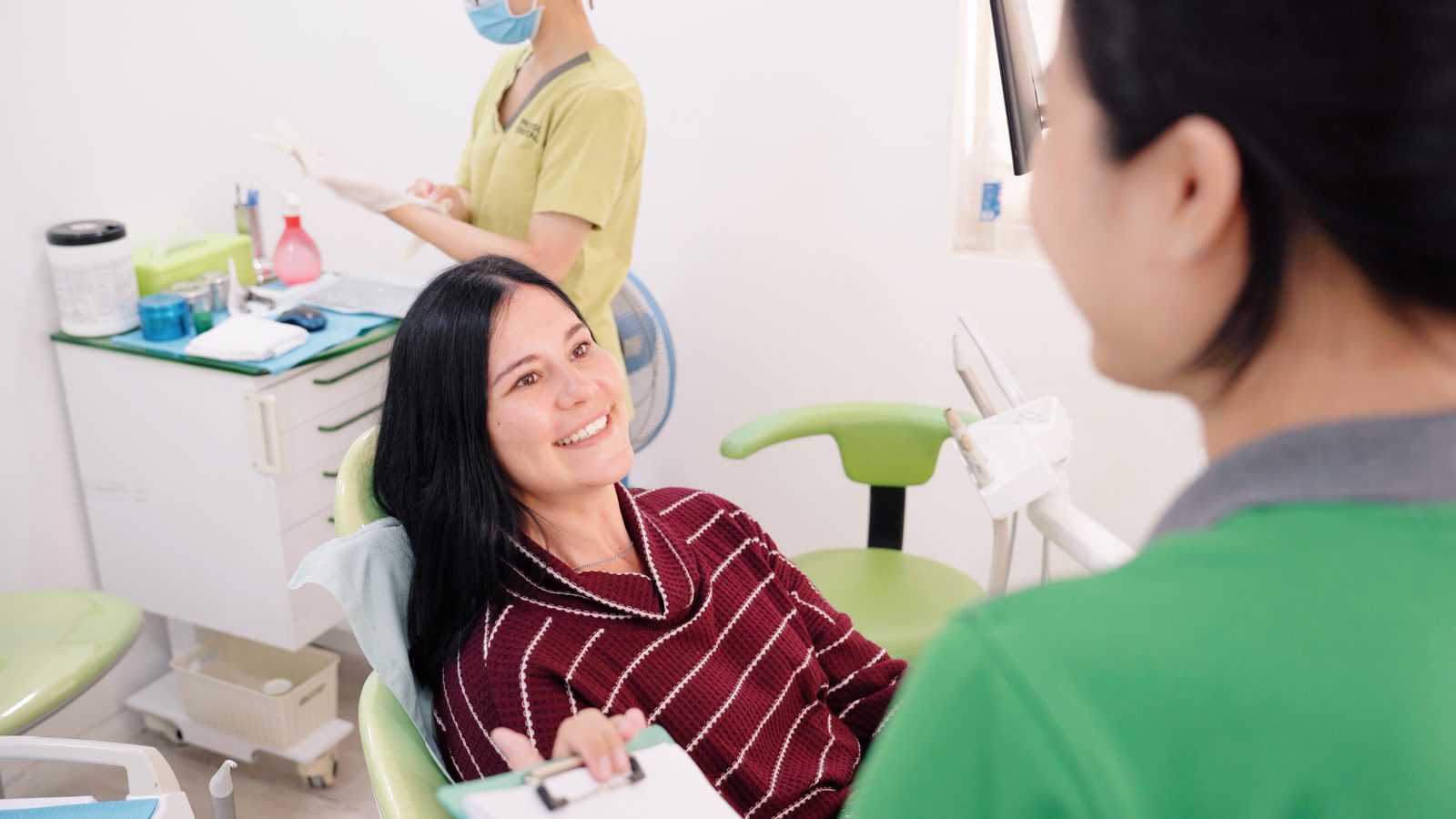
When whitening first is not necessary
Full smile makeovers covering all teeth visible when you smile, commonly eight upper teeth and some lower teeth, do not require pre-whitening. When every visible surface is being covered with porcelain, the underlying natural tooth shade is irrelevant to the final result. We simply choose the desired veneer shade from the full range and fabricate accordingly. Patients who want dramatic transformations from severely stained or structurally damaged teeth often fall into this category, and the results are striking without any preliminary whitening.
"I not only received top class dental care, it was so cost effective in comparison to having all this work undertaken at an Australian dental practice."
Gerald Mair, Hanoi Old Quarter
What happens when patients skip whitening for partial veneers
The outcome is not always problematic immediately. If your natural teeth are already relatively white and you choose a conservative, natural-looking veneer shade, the result can look excellent at placement. The issue is the ten to fifteen year view. Veneers are a long-term investment. What looks acceptable at year one may become increasingly mismatched as adjacent natural teeth yellow naturally over the years.
Patients who arrive at this situation have limited corrective options. Whitening the natural teeth to try to match bright porcelain is imprecise: natural teeth rarely reach the same brightness as white porcelain, and the process requires ongoing maintenance. Replacing the existing veneers with a new, more natural shade solves the mismatch but involves the cost and preparation time of a full replacement set. The conversation before treatment begins costs nothing. Corrective work after the fact is expensive.
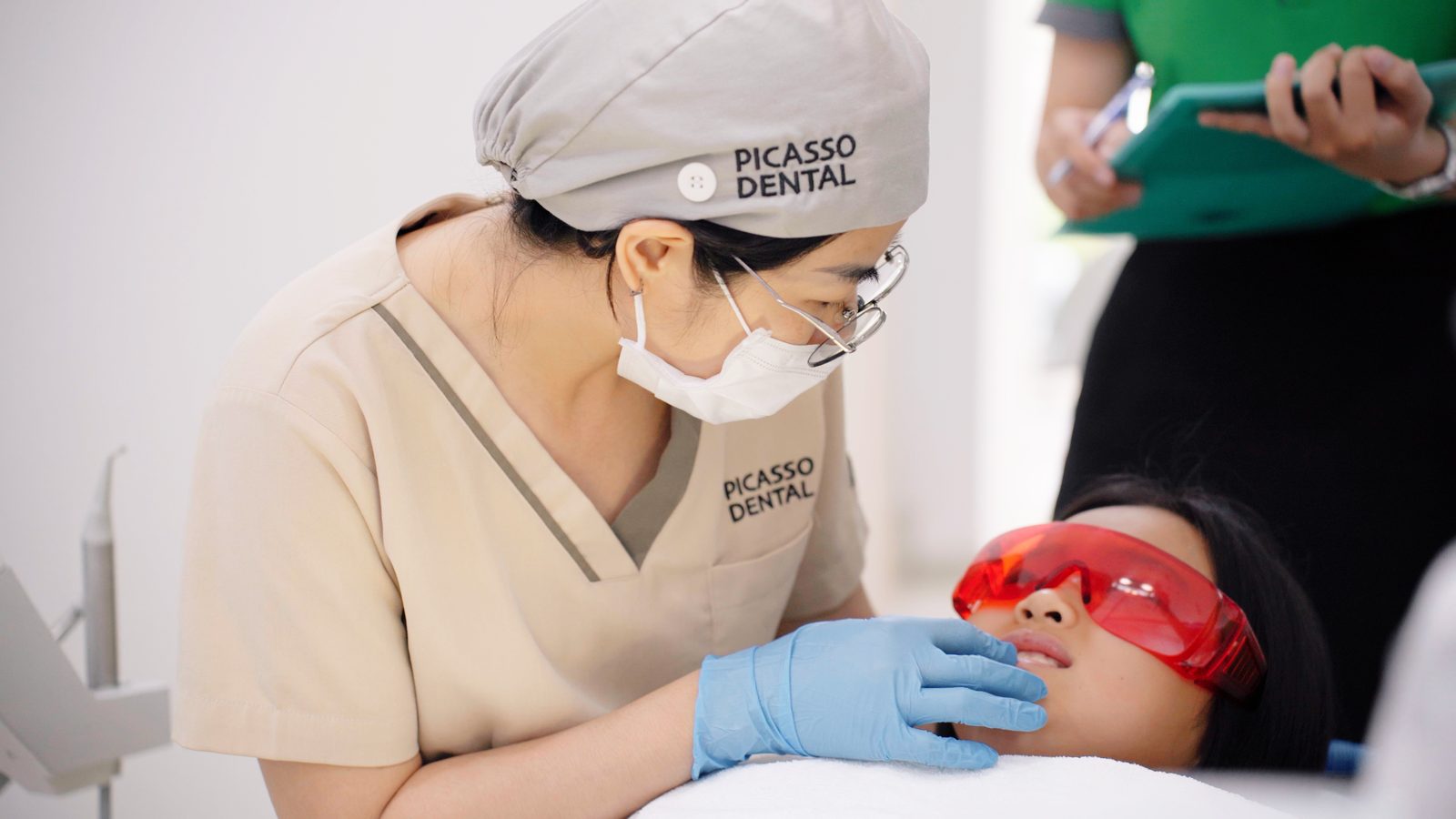
How we approach shade planning at Picasso Dental
At every veneer consultation I assess which teeth need veneers, which natural teeth will remain visible when the patient smiles, and what the patient's desired final shade is. From those three inputs, the whitening recommendation follows logically. For borderline cases, I use shade guides and patient photographs to show the expected outcome under each scenario.
We plan for the ten to fifteen year horizon, not just the day the veneers are bonded. That means making decisions that patients will still be satisfied with years from now, including whether they are likely to want whiter teeth in future. Patients who anticipate wanting ongoing whitening flexibility are particularly well served by whitening first and establishing a shared reference shade with their veneers.
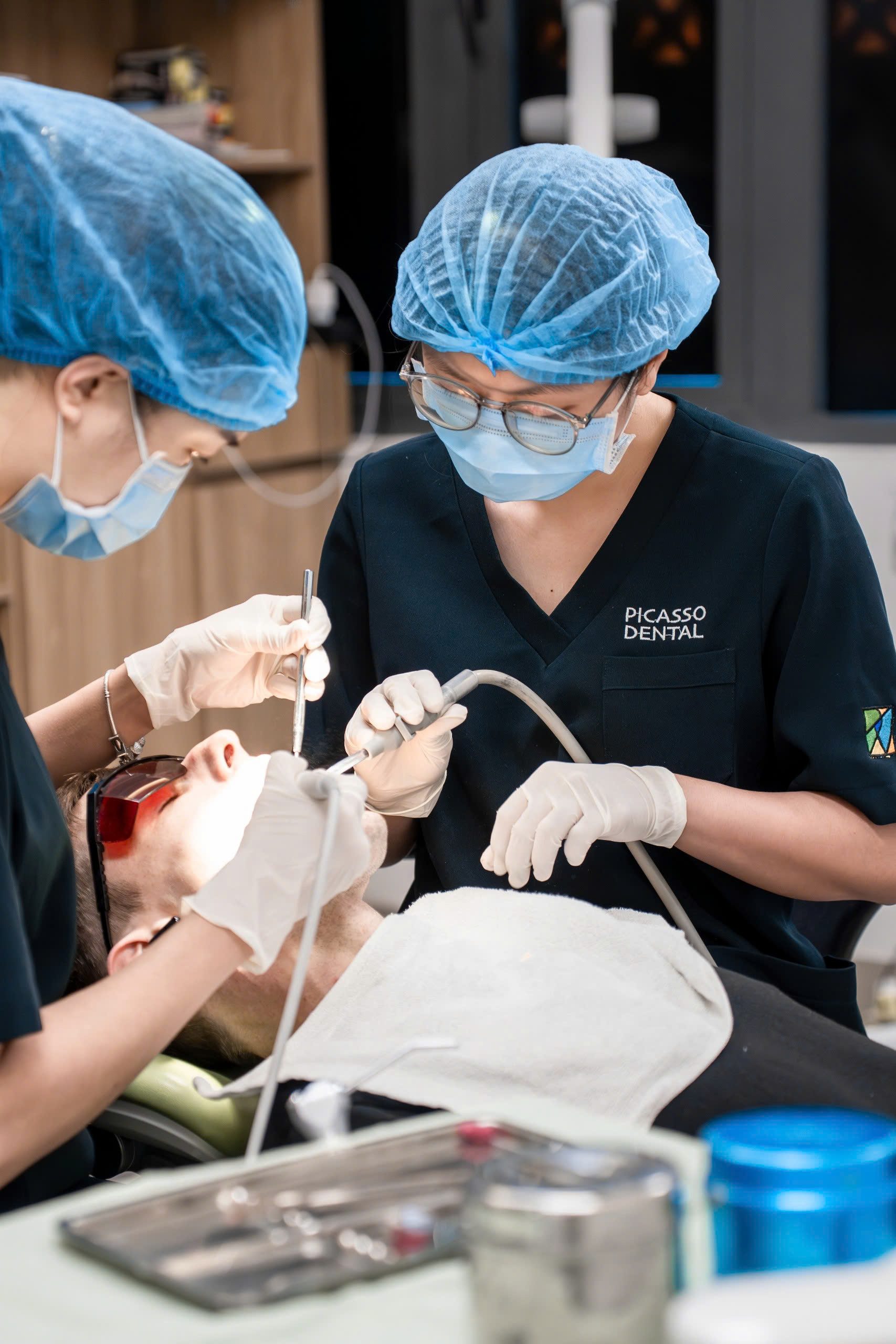
Considering veneers? We map out the whitening question and full shade plan at your consultation. No obligation.
Book a consultation →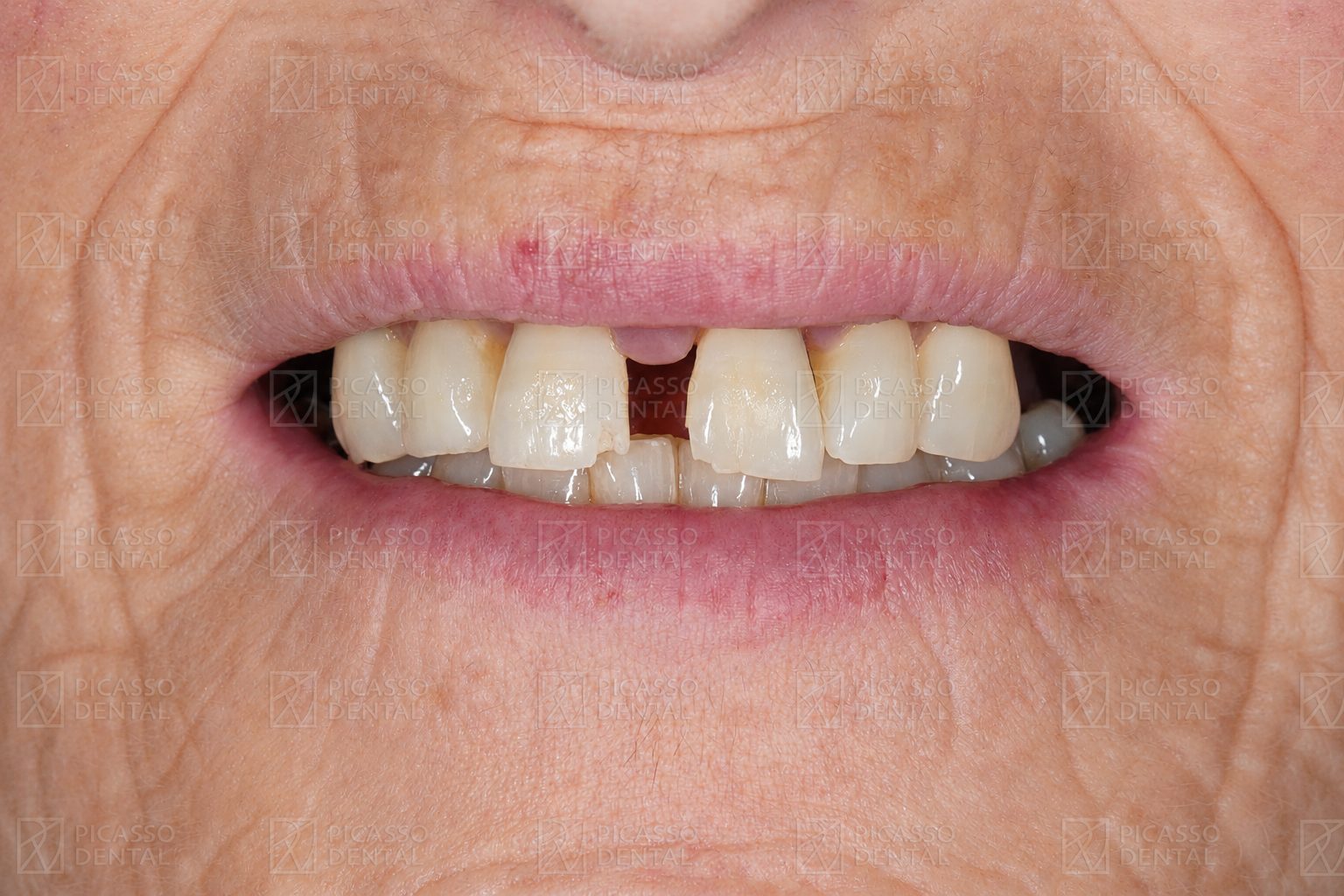 Before
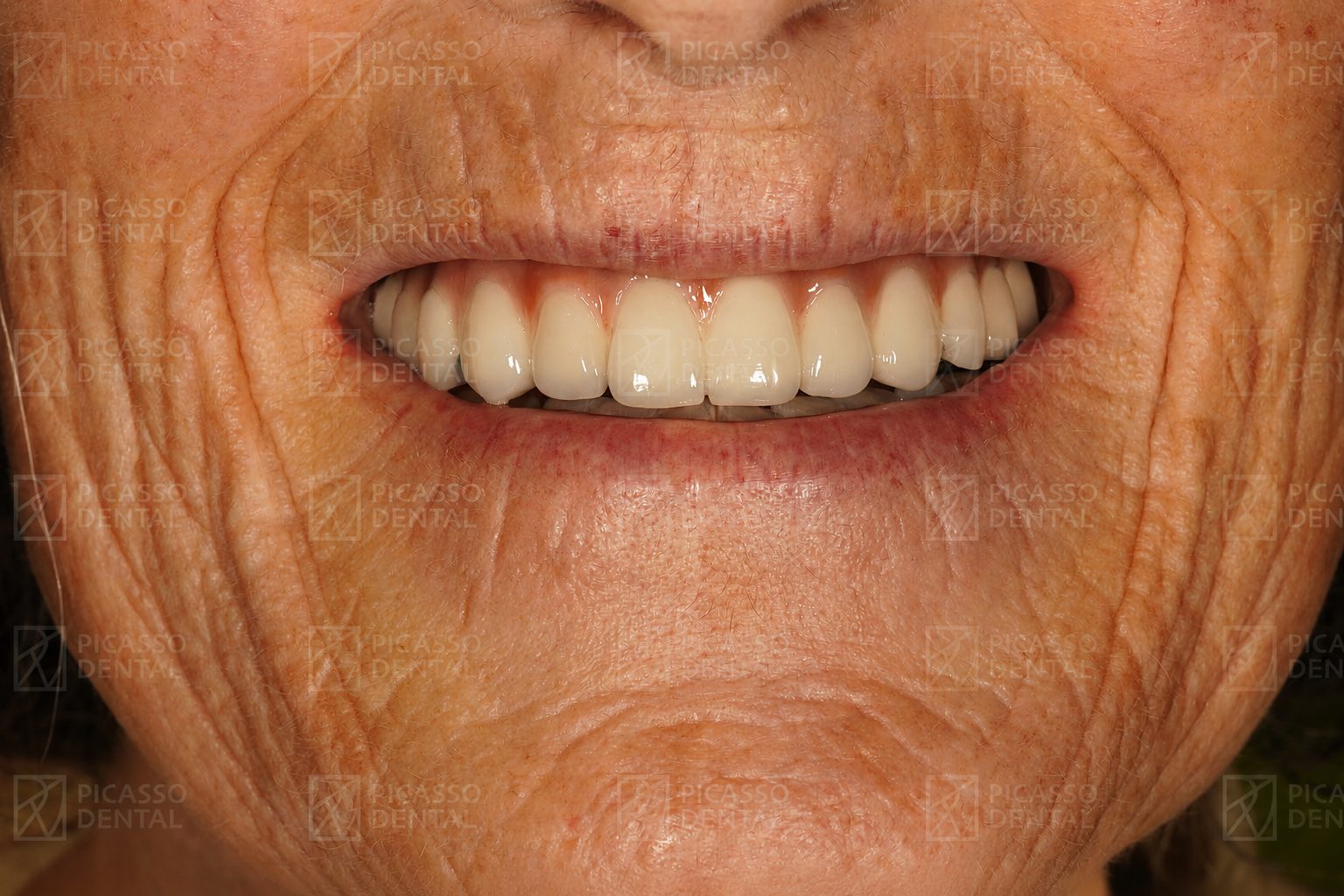 After
AfterFull rehabilitation, Hanoi Old Quarter
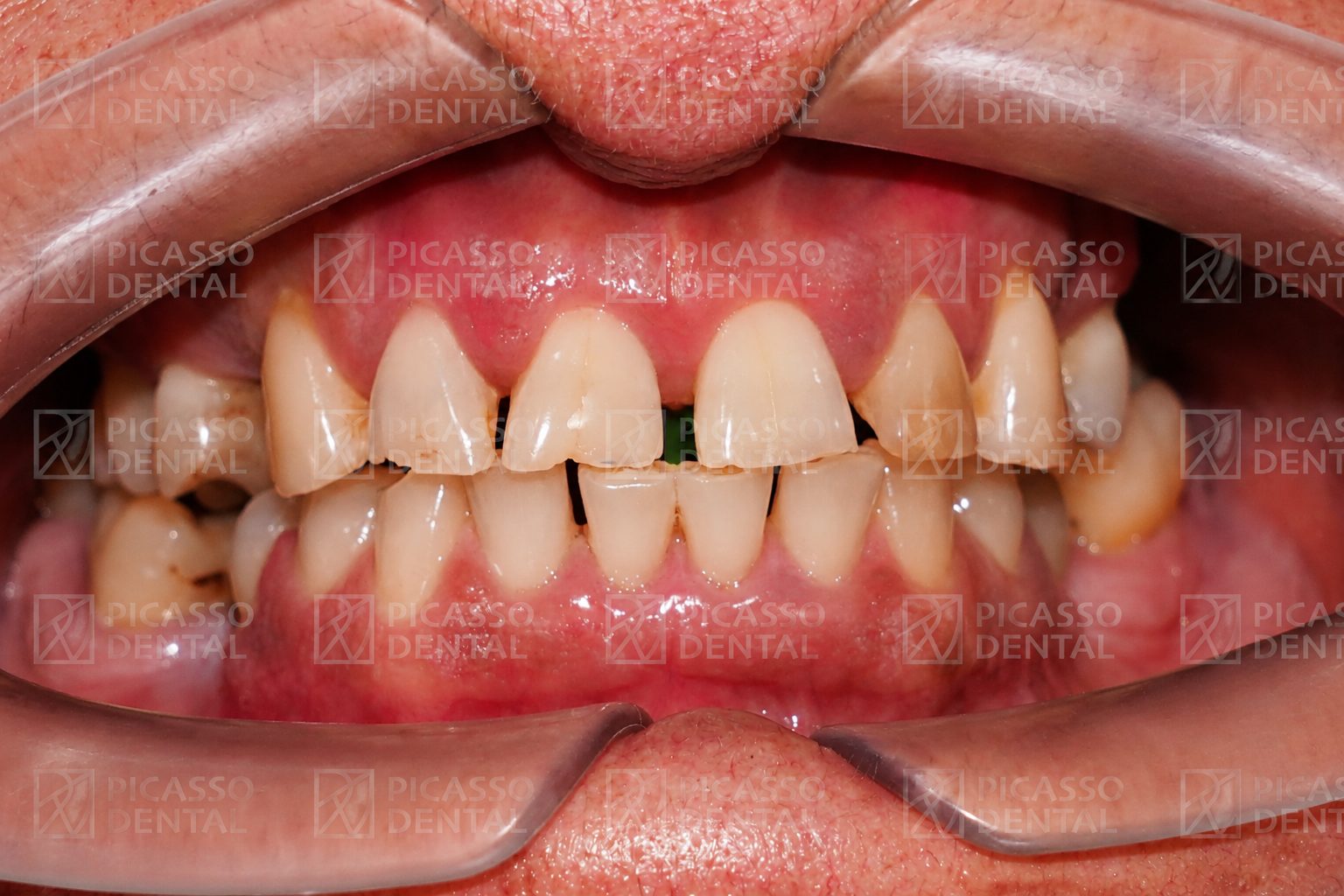 Before
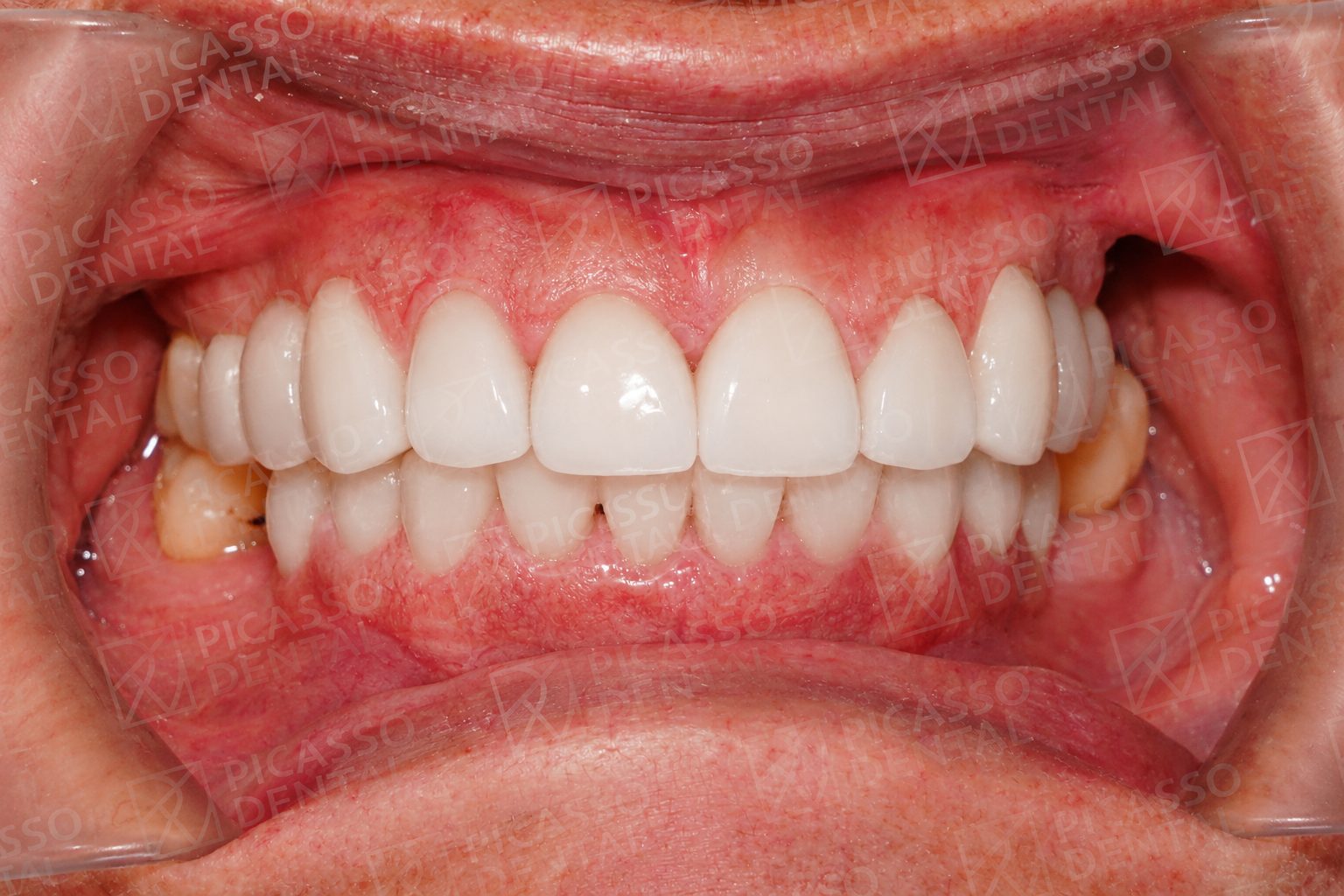 After
AfterPorcelain crowns, Da Nang
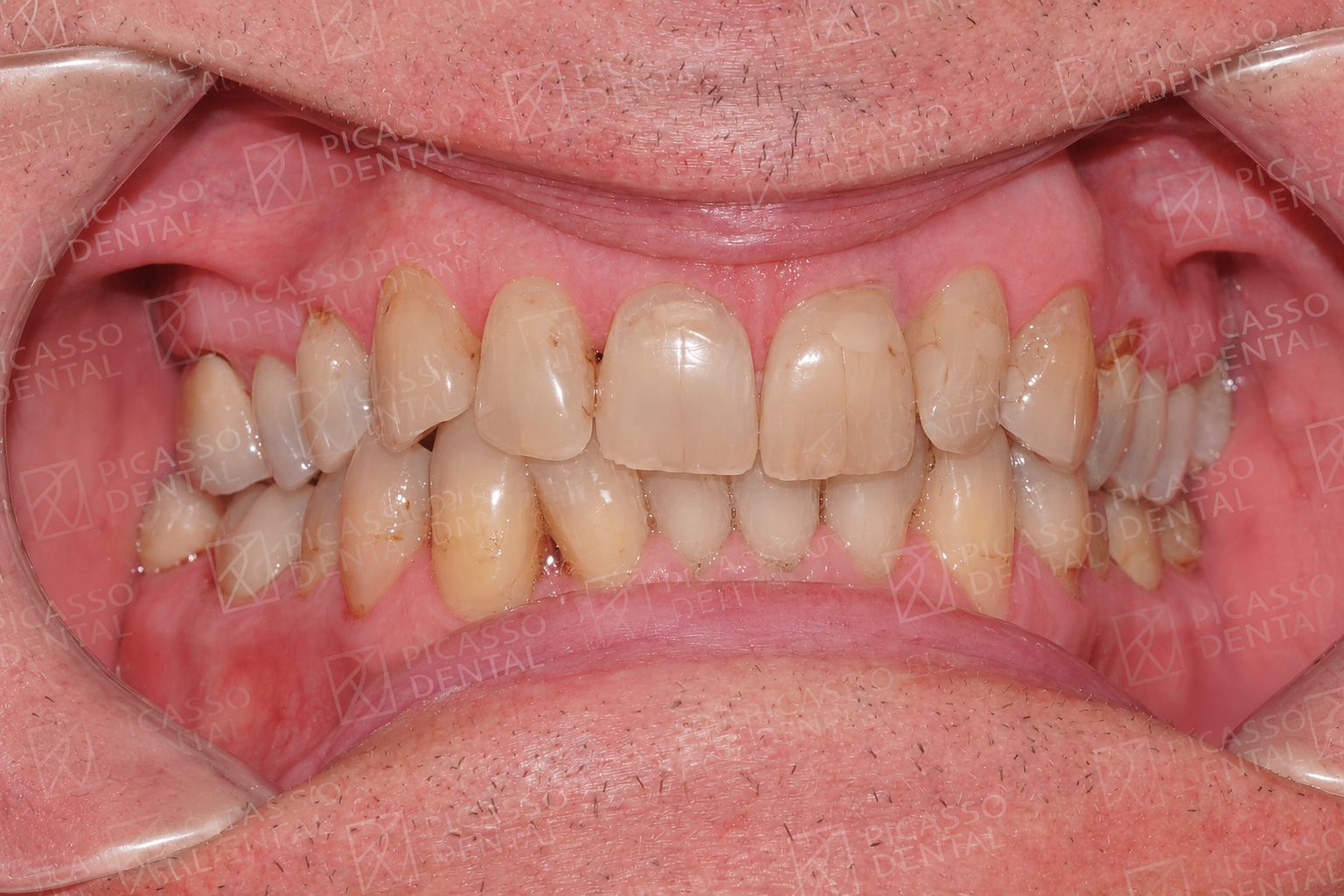 Before
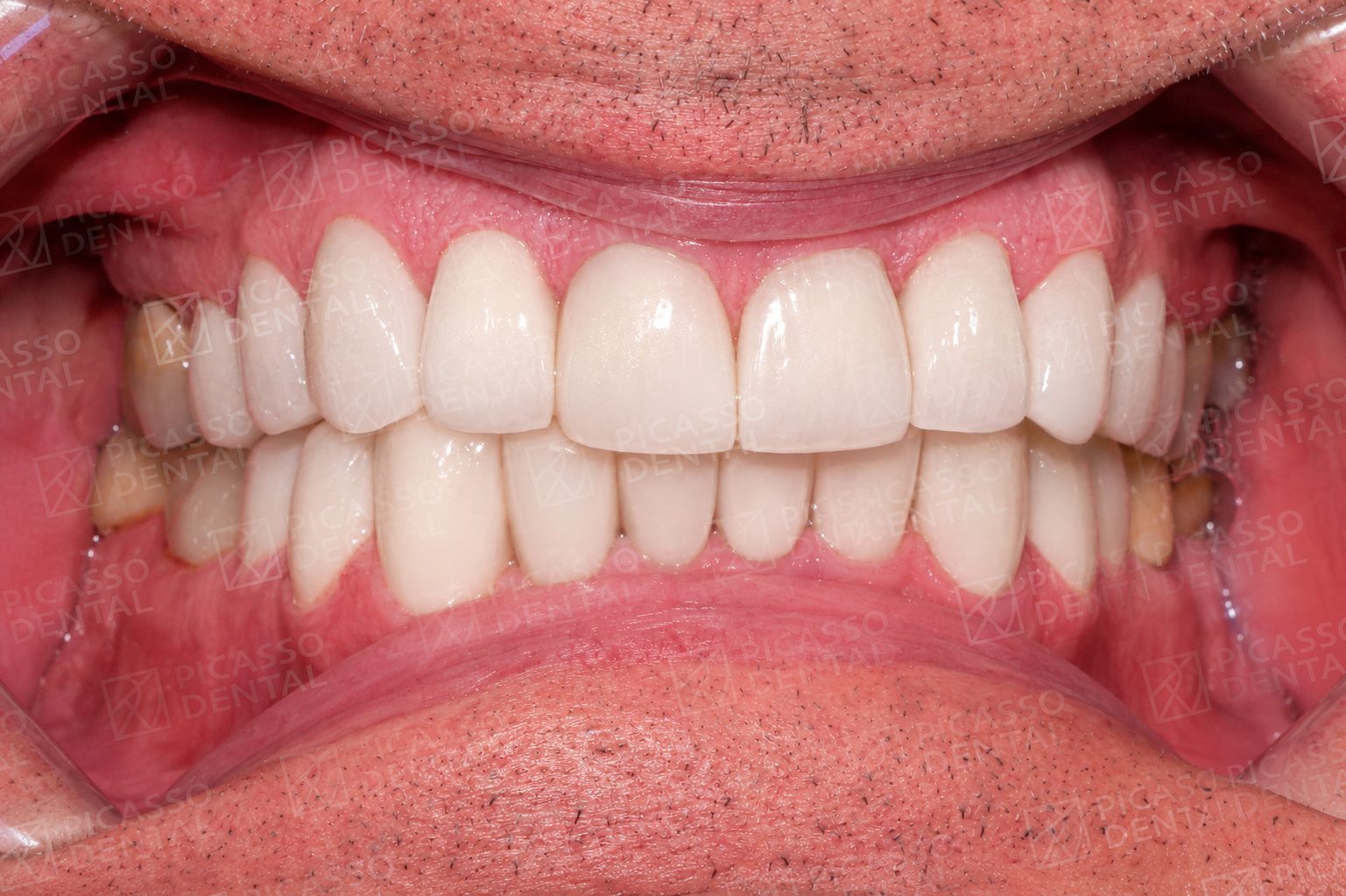 After
AfterCrown and implant, HCMC Thao Dien
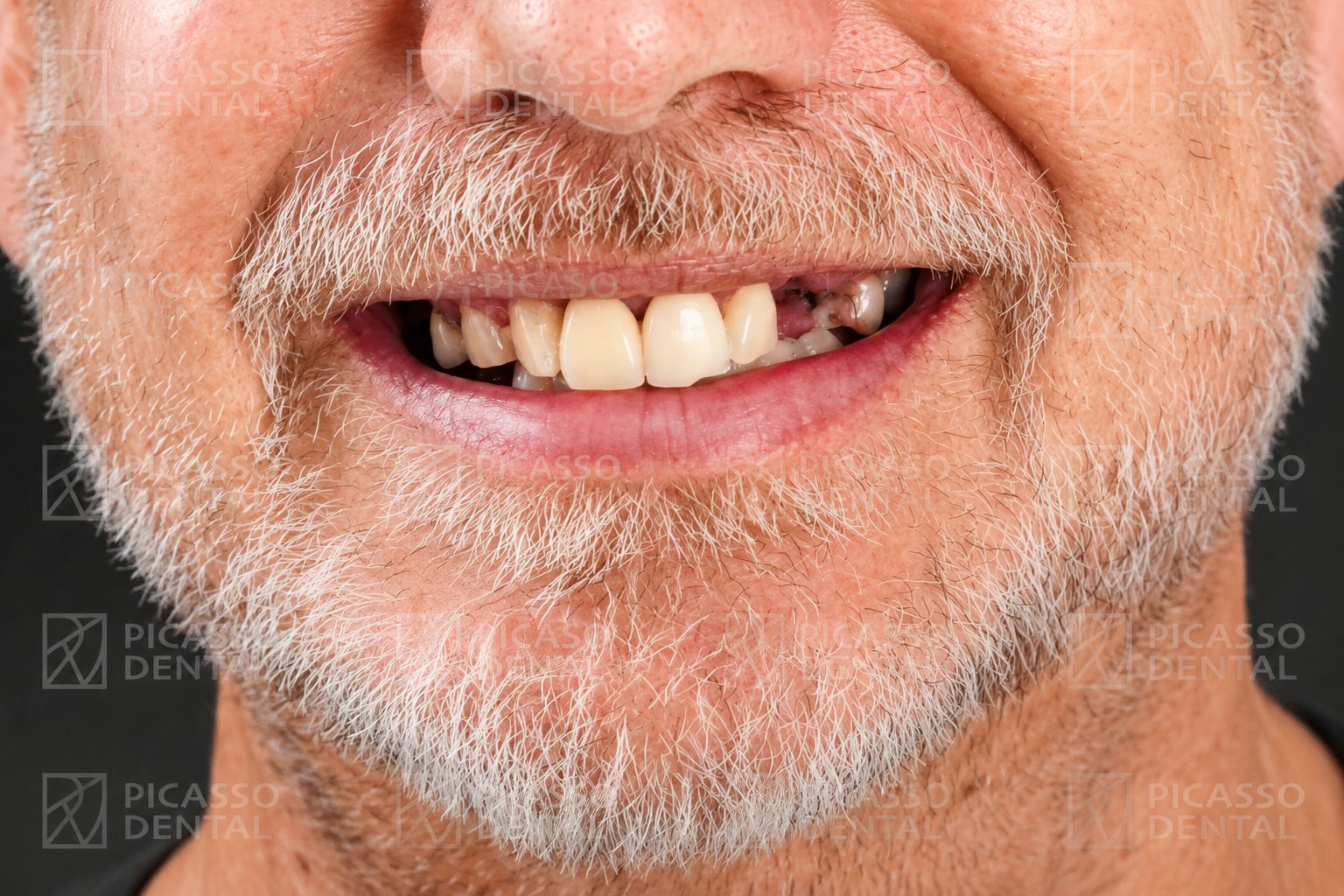 Before
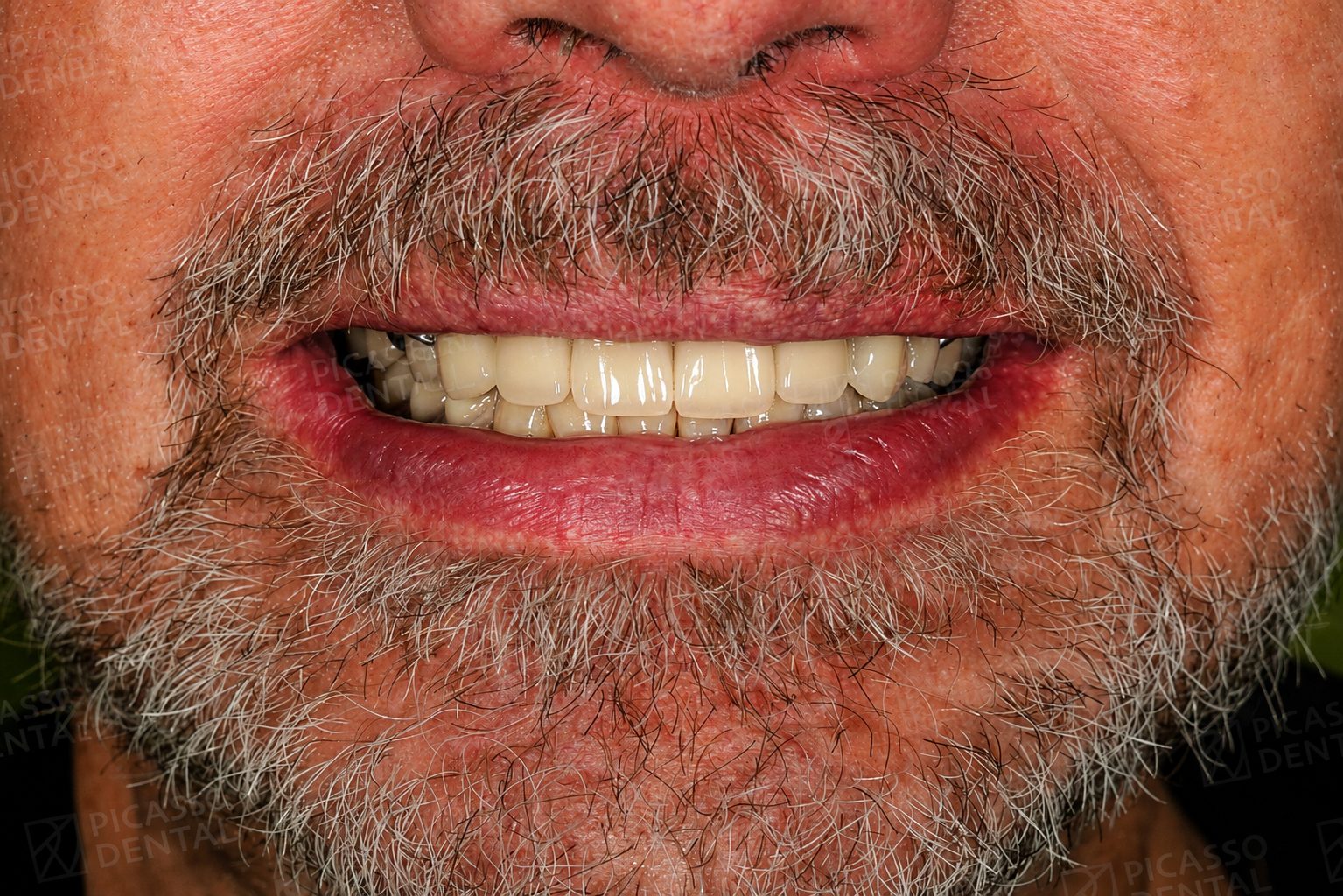 After
AfterCrown restoration, Hanoi Westlake
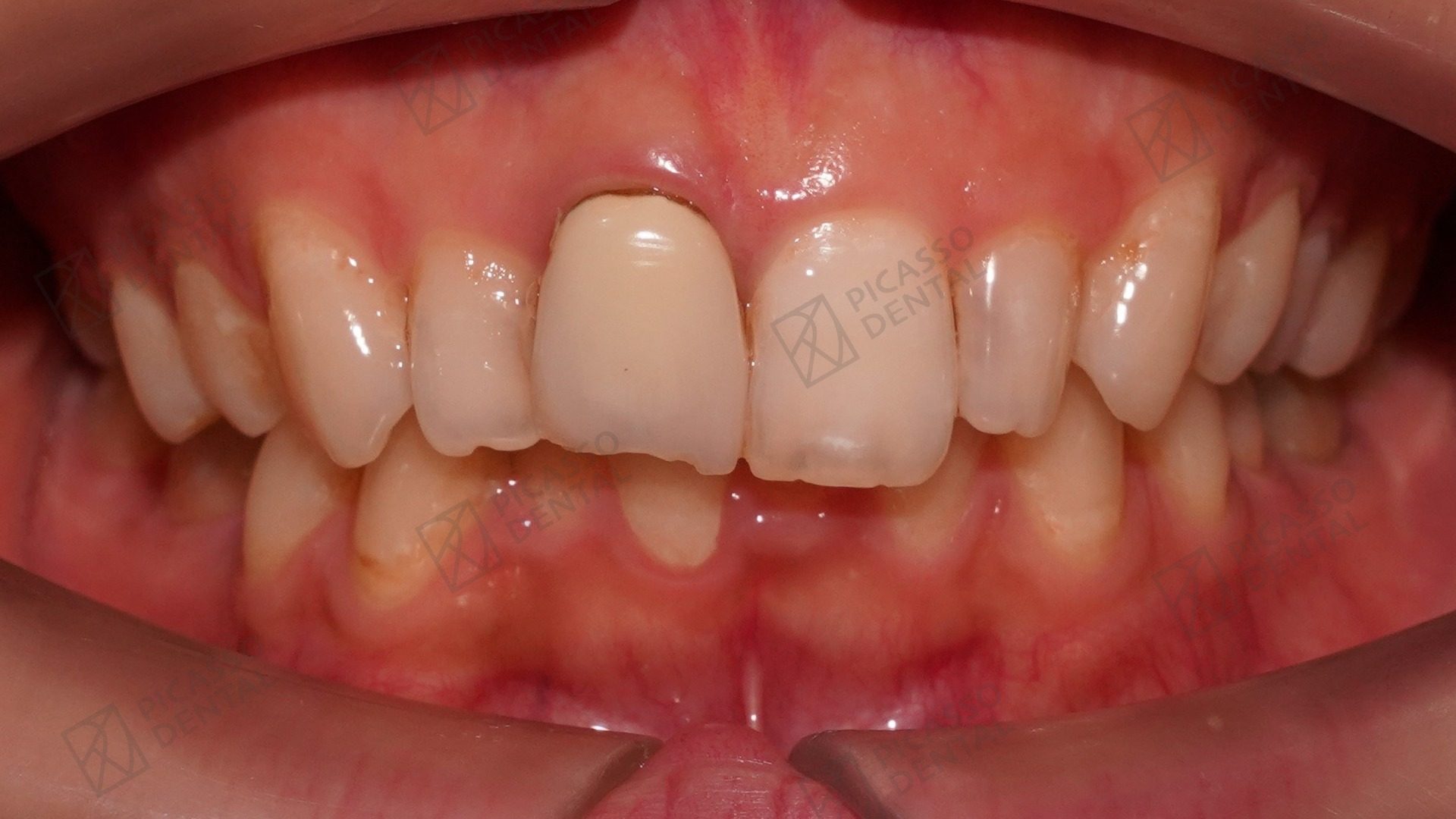 Before
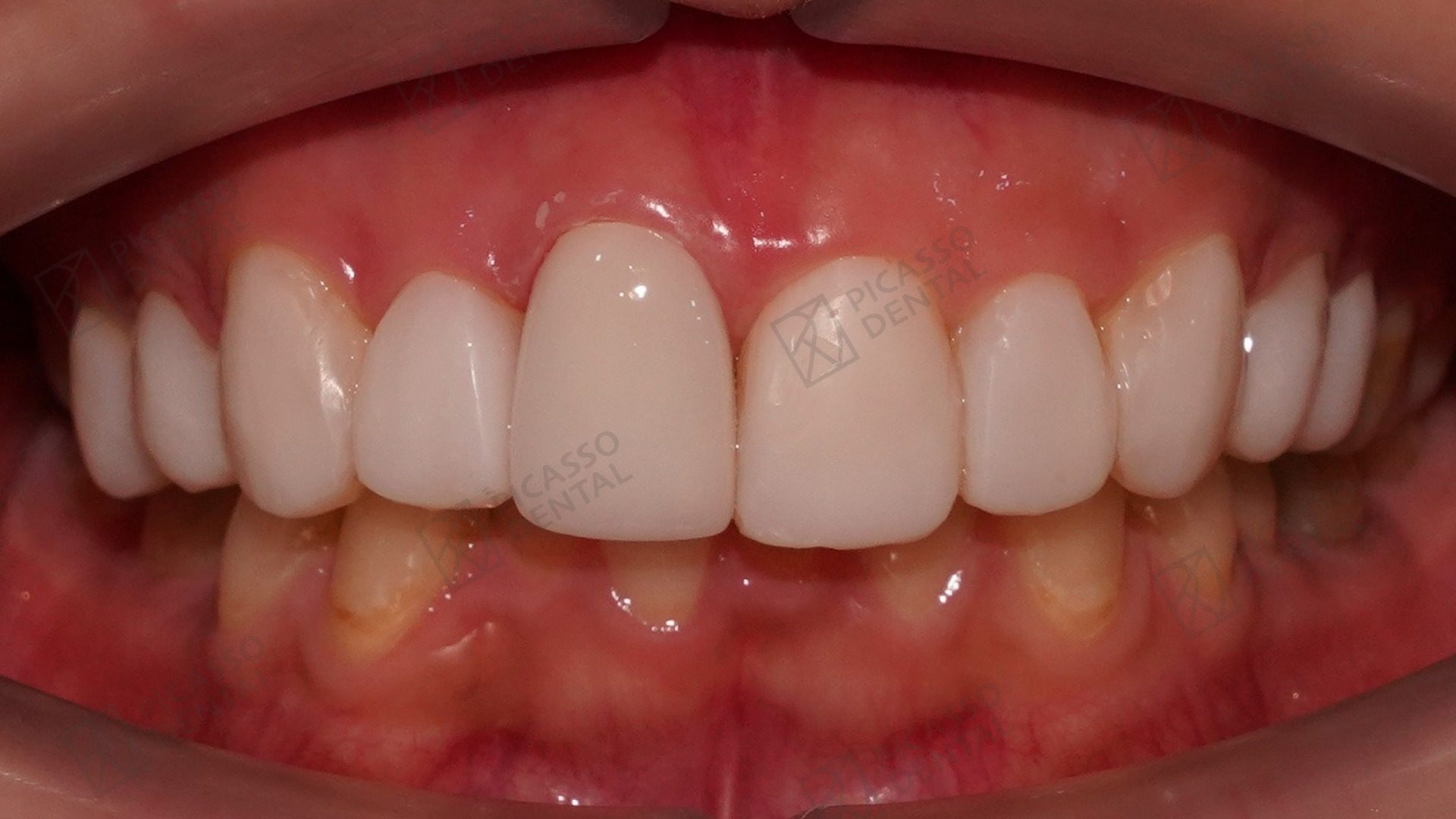 After
AfterSmile restoration, Da Nang Flagship
Frequently asked questions
Do I need to whiten my teeth before getting veneers?
It depends on how many teeth you are veneering. If you are placing veneers on only your front six to eight teeth, whitening first is strongly recommended so the veneer shade can be matched to your whitened natural teeth. If you are veneering all visible teeth in a full smile makeover, whitening first is optional because all teeth will be covered anyway.
Why does it matter what shade my natural teeth are before veneers?
Porcelain veneers are manufactured with a fixed colour that cannot be changed after fabrication. If your natural teeth remain unwhitened and then you whiten them years later, the contrast between your natural teeth and the unchanging veneers becomes obvious. Whitening first, then matching the veneers to your whitened shade, ensures everything stays coordinated as your natural teeth age over time.
How long should I wait after whitening before getting veneers?
We recommend two to three weeks between completing whitening and starting veneer preparation. This allows the whitened shade to stabilise, as teeth can shift slightly in colour in the days after whitening. It also lets any post-whitening sensitivity resolve before the preparation appointment. We take the final shade match after this stabilisation period.
Can I whiten my veneers later if my natural teeth yellow?
No. Porcelain does not respond to whitening agents. If your natural teeth yellow and your veneers remain bright, the contrast will be visible. The only solutions are whitening your natural teeth to match the veneers (natural teeth rarely reach the same brightness as bright porcelain) or replacing the veneers with a more natural shade. Neither option is ideal, which is why we discuss shade planning before treatment begins.
What if I skip whitening before partial veneers?
The result can still look good, but you are locking in a shade relationship between your veneers and natural teeth that cannot easily be changed later. Patients who skip whitening and then want brighter results have limited options: whiten natural teeth hoping for a close match, or replace the veneers entirely. The conversation is simpler and cheaper before veneers are placed.
How long does professional whitening take at Picasso Dental?
In-office laser whitening achieves significant brightening in a single 60-minute session. Take-home tray whitening using custom trays and professional-strength gel takes ten to fourteen days of nightly use. Many patients combine both for maximum and stable results before their veneer appointment. Our teams at all six branches recommend whichever approach suits your timeline and sensitivity levels.
Do I need to whiten if I am getting a full mouth of veneers?
No. If veneers will cover all teeth visible when you smile, typically eight to ten uppers and sometimes lower teeth as well, then the shade of your underlying natural teeth is irrelevant. We simply choose your desired veneer shade from the full range available. Whitening in this scenario is an unnecessary additional step and cost.
Patient Video Testimonial

Start Here
Start with a brief.
Share your smile goals and we will map out the whitening and veneer sequence that delivers a result you will love for the next fifteen years. No obligation, 24-hour reply.